Map Of Latvia - Exploring Cities, Regions, And Attractions
By examining the map, you gain insight into Latvia's geographic diversity, from its vibrant capital, Riga, to its tranquil rural landscapes. It's an invaluable resource for both locals and visitors who want to navigate the country and appreciate its unique beauty.
Author:Michael RachalReviewer:Finn WildeApr 07, 20254.6K Shares359.6K Views
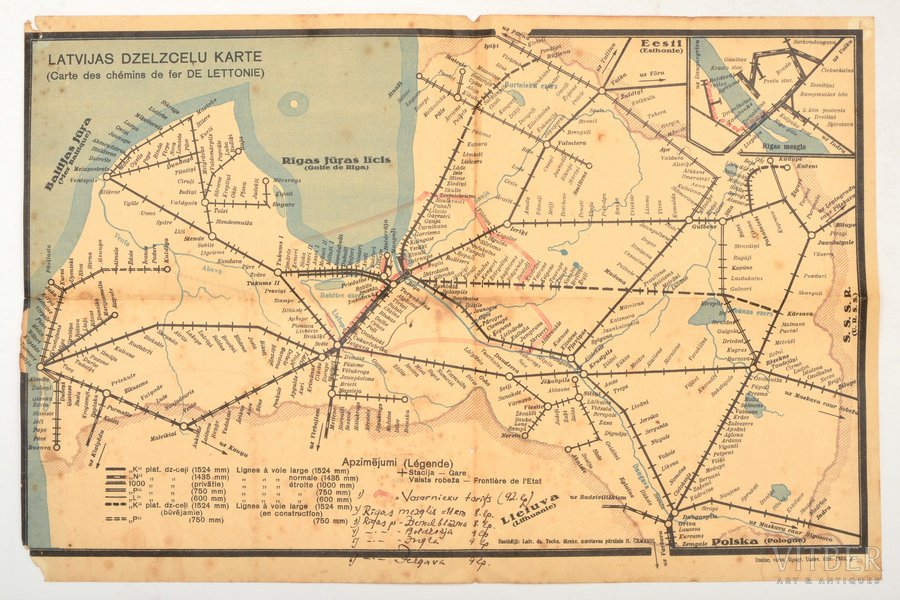
A map of Latviais essential for anyone planning a vacation to this beautiful country. It provides a comprehensive analysis of the country's major cities, varied regions, and iconic sites.
Latvia features a diverse culture, stunning landscapes, and fascinating history. A thorough comprehension of the map could make your trip more enjoyable. All types of adventurers can find a place in Latvia's various regions.
Quick Facts About Latvia
| Legal Name | Latvia |
| Capital City | Riga |
| Total Area | 64,589 sq. km |
| Land Area | 62,157 sq. km |
| Population | 1,862,242 million |
| Currency | Euro (€) |
| Dialling Code | +371 |
| Largest City | Riga |
| GDP | $45 billion |
| GDP Per Capita | $25,000 ( |
The Geography Of Latvia's Map
One of the three Baltic states is Latvia, which is a country in northeastern Europe. After decades of Soviet control, it declared its independence on August 21, 1991. In 2004, Latvia became a member of the European Union and NATO. The capital and largest city of the country is Riga.
Latvia borders the Baltic Sea and the Gulf of Riga, sharing borders with Estonia, Russia, Belarus, and Lithuania. The landscape is predominantly an undulating plain with rolling hills and numerous lakes. The country's climate is influenced by the Atlantic Ocean, resulting in cool summers and frequent rainfall.
Forests cover a significant portion of Latvia, with conifers like pine and spruce dominating. The country's wildlife is diverse, encompassing species such as squirrels, foxes, and various bird species.
Ethnic Groups, Language, And Religion
Before Soviet occupation in 1940, ethnic Latvians comprised approximately three-fourths of the country's population. Today, they constitute roughly three-fifths, while Russians account for about one-fourth. Smaller groups include Belarusians, Ukrainians, Poles, Lithuanians, and others.
Latvian is the official language, although nearly one-third of the population speaks Russian. Smaller numbers speak Romany and Yiddish.The majority of Latvians adhere to Christianity, primarily Lutheranism, Roman Catholicism, and Eastern Orthodoxy. Approximately one-fourth of Latvians identify as non-religious.
Latvia's Jewish population, which numbered over 90,000 in the 1930s, was decimated during World War IIdue to Soviet and German occupation. Tens of thousands were killed or fled the country. Following World War II, Latvia experienced a shift from a predominantly rural population to an urban one.
Riga, the capital, is the most populous city, followed by Daugavpils and Liepāja. A significant challenge for Latvia in the early post-Soviet era was a declining birth rate, leading to an aging population. This issue continues to pose challenges for the country.
Map Of Latvia’s Major Cities
Riga
Latvia's capital and largest city, Riga, is a thriving center of history, culture, and business. This medieval Hanseatic city's rich history is on display in its Old Town, which is a UNESCO World Heritage Site. Riga is well known for its magnificent Art Nouveau buildings, like as St. Peter's Church and the Riga Cathedral. With a booming arts scene, world-class institutions, and a lively nightlife, the city is a cultural powerhouse.
Liepāja
This coastal city boasts stunning Art Nouveau architecture, a vibrant music scene, and a relaxed beach atmosphere. Explore the gritty Karosta military district for an unusual historical experience.
Cēsis
Delve into the unique character of Cēsis, a captivating town nestled among rolling hills. Explore the medieval castle ruins, wander through the beautiful surrounding park, and admire the impressive church in the town center. Don't miss the breathtaking Ergli cliffs along the Gauja River.
Sigulda
While not particularly urban, Sigulda offers stunning natural beauty. The Gauja River Valley provides spectacular viewpoints, hiking trails, and captivating caves, making it a haven for nature lovers.
⭐Hidden Gem in RIGA, LATVIA: This Amazing Map Shop
Jūrmala
Indulge in the seaside charm of Jūrmala, Latvia's most popular resort town. Relax on the 30-kilometer-long sandy beach and admire the blend of historical wooden villas and modern architecture nestled within the pine forest.
Talsi
Famous for its charming, rolling hills, Talsi offers stunning panoramas. Wander through the town's heritage-rich structures and relish the serenity offered by the surrounding lakes.
Bauska
Bauska, nestled at the meeting point of three rivers, boasts a beautiful location. Discover the impressive medieval castle, explore the surrounding nature park, and wander through the charming old town on the scenic riverbank.
Ventspils
A city with a developed infrastructure, offering an interesting blend of history and industry. with the medieval castle, admire the charming historical center, and enjoy the city's urban environment, which features fountains, sculptures, and green spaces.
Daugavpils
Latvia's second-largest city, Daugavpils, offers a rich cultural experience. Explore the impressive churches, discover relics of the industrial era, and visit the Tzarist-era fortress, now home to the Mark Rothko Art Centre.
Jelgava
Jelgava's historical architecture was destroyed during World War II, nevertheless, Jelgava retains its charm, with the magnificent palace, admire the Academia Petrina museum, and the city's ongoing urban renewal projects.
Jēkabpils
This town is situated on both banks of the Daugava River, boasts two distinct historical centers. Explore the charming streets, admire the historical heritage, and soak in the unique atmosphere.
Tukums
Delve into the allure of Tukums. Its focus on Lielā Street, Pils Street, and Brīvības Square. Explore the charming older houses and enjoy the peaceful ambiance of the surrounding streets.
Sabile
Sabile small town, settling on the slope of the Abava River Valley, offers stunning views. Explore the vineyards, visit the open-air art museum in Pedvale, and experience the charm of this picturesque town.
Kraslava
Unveiling the beauty of Krāslava, a town hosted on a hillside overlooking the mighty Daugava River. Explore the charming historical center with its pedestrian street and wooden houses, and admire the impressive palace and its surrounding park.
Read Also: Map Of The Czech Republic
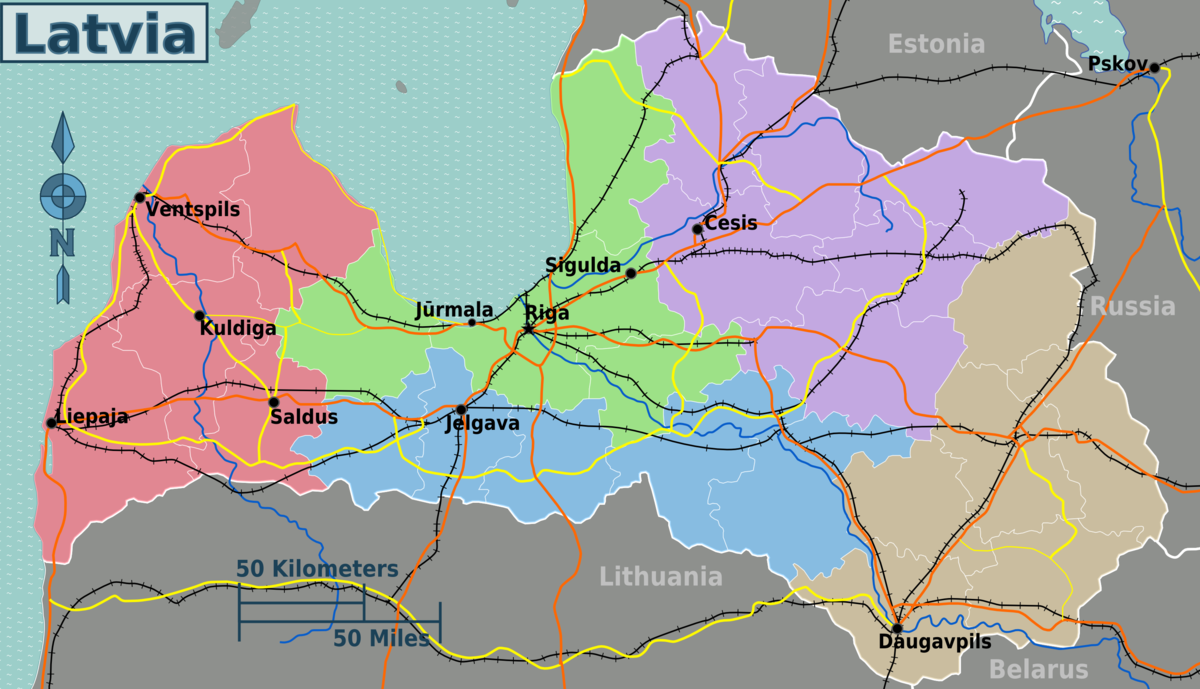
Regions On The Map Of Latvia
Kurzeme (Western Latvia)
Known for its beautiful coastline along the Baltic Sea, Kurzeme is home to sandy beaches, charming towns, and the historic city of Liepāja. The region is also famous for its rich cultural heritage and scenic landscapes, including forests and lakes.
Vidzeme (Northern Latvia)
Situated in the northern part of Latvia, Vidzeme is characterized by its rolling hills, dense forests, and medieval towns like Cēsis. The region is known for its natural beauty and historical sites, including castles and ancient ruins.
Latgale (Eastern Latvia)
Latgale is recognized for its lakes, rivers, and lush green landscapes. It has a distinct cultural heritage, influenced by its close ties with Eastern Europe. The city of Daugavpils is located here, and it is known for its vibrant arts scene and historical architecture.
Zemgale (Southern Latvia)
Zemgale is often referred to as the "breadbasket" of Latvia due to its fertile plains and agricultural significance. The region is known for its quaint villages, historical monuments, and proximity to the capital, Riga.
Riga (Central Latvia)
The capital city, Riga, is located in the central region of Latvia. It is the country's largest city and a major cultural, economic, and political hub. Riga is famous for its historic Old Town, Art Nouveau architecture, and vibrant cultural life.
Population Of Latvia
The Latvian population is projected to decline steadily between 2024 and 2029, with an estimated decrease of 0.02 million people, or 1.06%. By 2029, the total population is expected to reach 1.86 million. This data reflects the overall population of Latvia, encompassing all individuals residing within the country's borders.
National Parks In Latvia
Gauja National Park
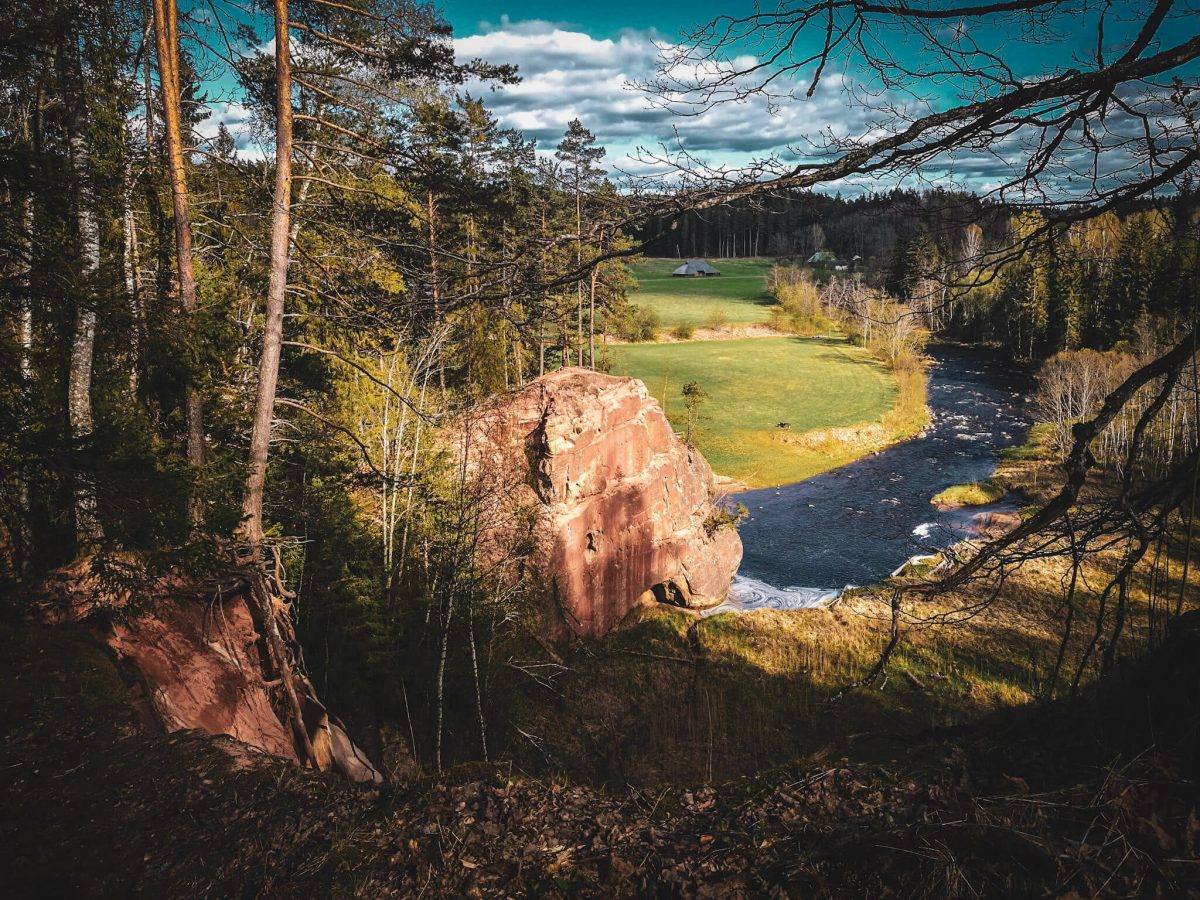
Gauja National Park, situated in central Latvia, is the largest and oldest national park in the country. It captivates visitors with its stunning landscapes, featuring deep river valleys, limestone cliffs, caves, and dense forests. The park is home to a rich diversity of flora and fauna. Explore medieval castles, such as Turaida Castle, and discover historic towns like Sigulda within the park's boundaries
Kemeri National Park
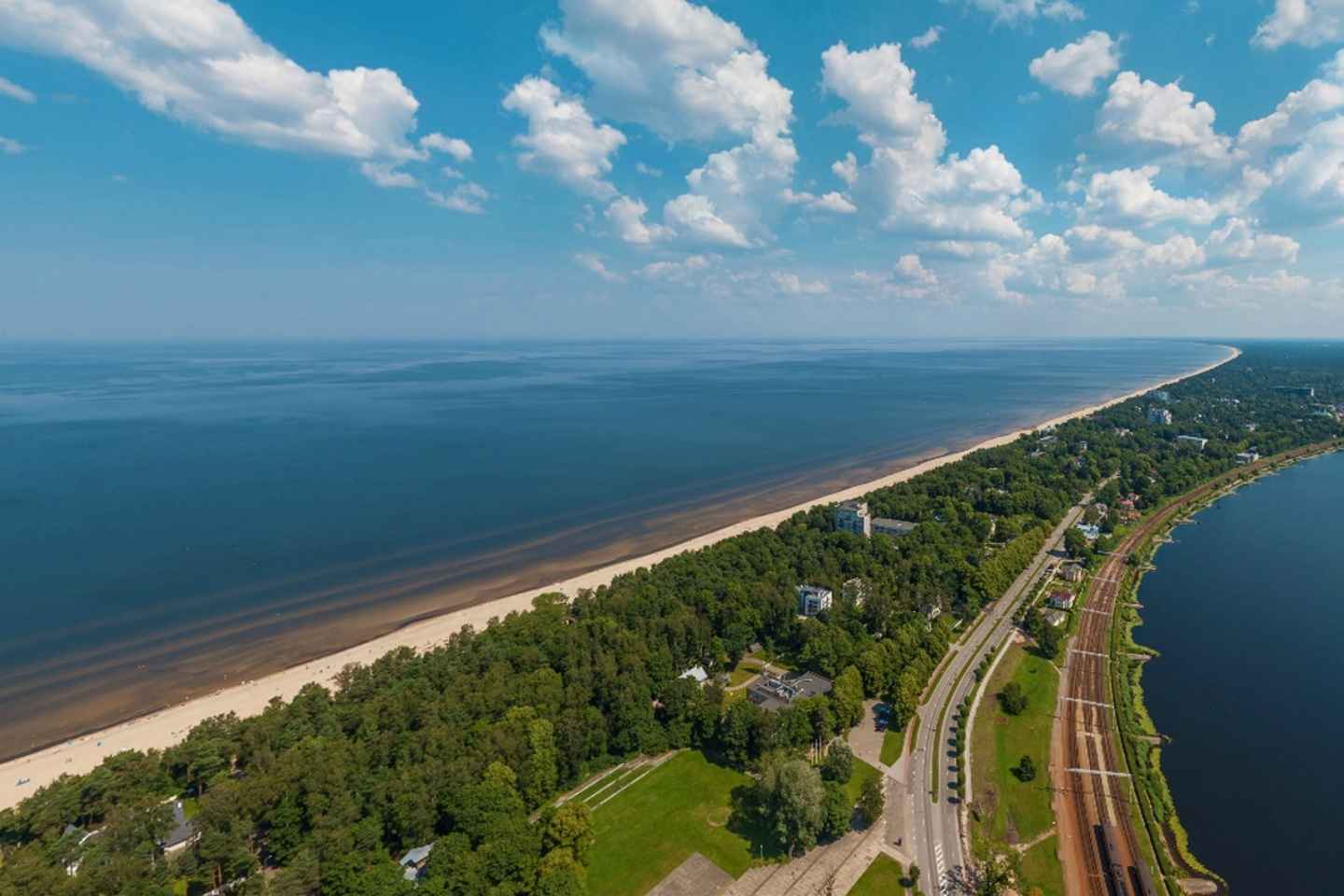
Kemeri National Park, located in western Latvia near the Gulf of Riga, is renowned for its extensive wetlands, peat bogs, and diverse ecosystems. The park is a haven for birdwatchers, particularly during migration seasons. It also features mineral springs, mud baths, and captivating landscapes, making it a popular destination for nature enthusiasts and those seeking tranquility.
Slītere National Park
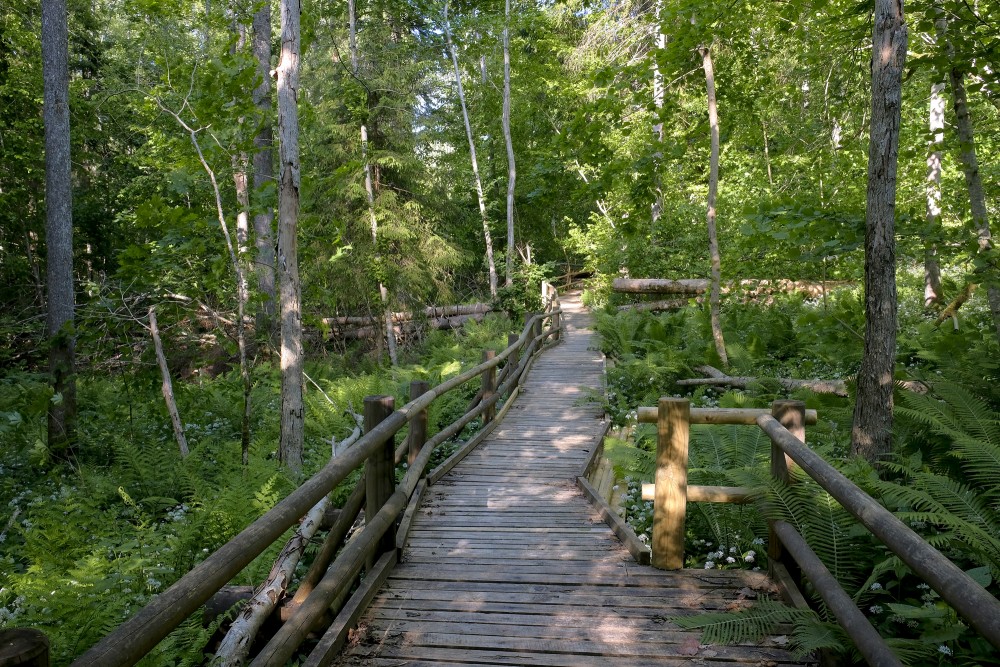
Slītere National Park, situated in northwest Latvia near the Baltic Sea, is renowned for its coastal landscapes, sand dunes, and extensive forests. The park encompasses the UNESCO-listed lighthouse at Cape Kolka and protects a diverse array of habitats and wildlife, including rare plant species and migratory birds. Slītere National Park offers a peaceful retreat for outdoor enthusiasts, inviting exploration of its diverse ecosystems.
Rāzna National Park
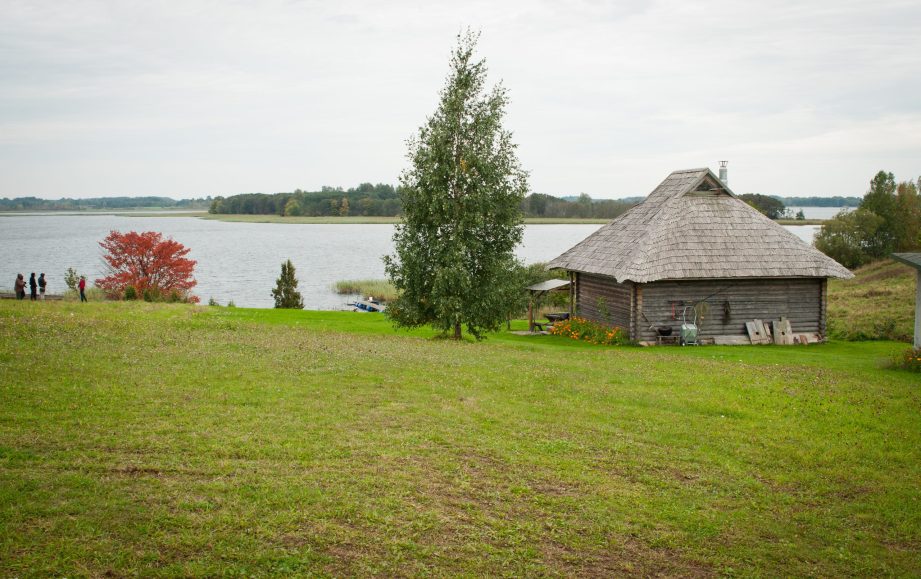
Rāzna National Park, located in eastern Latvia, is centered around Lake Rāzna, the second-largest lake in the country. The park encompasses picturesque lakes, wetlands, forests, and hills. It is a haven for birdwatching, particularly for species like the white-tailed eagle, and offers opportunities for fishing, boating, and hiking.
The Road Networks In Latvia
The road network in Latvia is well-developed, covering a total length of approximately 13,000 kilometers (8,000 miles). The most prominent road is the Ring Road (Route 1), a 1,332-kilometer (828-mile) route that encircles the entire country, connecting major cities and providing access to many of Latvia's natural and cultural attractions.
Secondary roads branch off the Ring Road, connecting smaller towns and villages, as well as leading to more remote areas and regions like the Kurzeme Peninsula and the Vidzeme region. While most major roads are paved, gravel roads are common in rural and more remote areas. In recent years, Latvia has invested in improving its road infrastructure to accommodate increasing tourism and improve connectivity within the country.
See Also: Most Beautiful Places In Vietnam
Top Attractions On The Map Of Latvia
Riga
The largest Baltic metropolis, captivates visitors with its architectural wonders, from Gothic cathedrals to stunning Art Nouveau buildings. Explore vibrant cafes and bars, and savor delicious cuisine, ranging from haute cuisine to local market delights.
Kuldīga
Kuldīga is an ideal destination for a romantic getawayor a family vacation. This enchanting town blends Baroque splendor with soulful timber houses, offering exquisite restaurants and guesthouses. As any travelguide will tell you, experiencing the majesty of Europe's widest waterfall is a must, making it one of the top dream destinationsfor travelers.
Rundāle Palace
Rundāle Palace, often called the "Baltic Versailles," is a masterpiece of Baroque and Rococo architecture, designed by Francesco Rastrelli, the architect of St. Petersburg's Hermitage. Explore the palace, admire the art treasures, and wander through the delightful rose garden.
Turaida Museum Reserve
Immerse yourself in Latvian traditions at the Turaida Museum Reserve near Sigulda. Explore the medieval castle and its intriguing museum, connect with Latvia's musical heritage on Folk Song Hill, and enjoy breathtaking views of the Gauja River Valley.
Latgale
Latgale, Latvia's eastern region, offers a wealth of cultural experiences. Through region's stunning lakes and fascinating traditions, you can enjoy the artistry of local handicrafts, and encounter the heartfelt hospitality of its people.
Currency Of Latvia
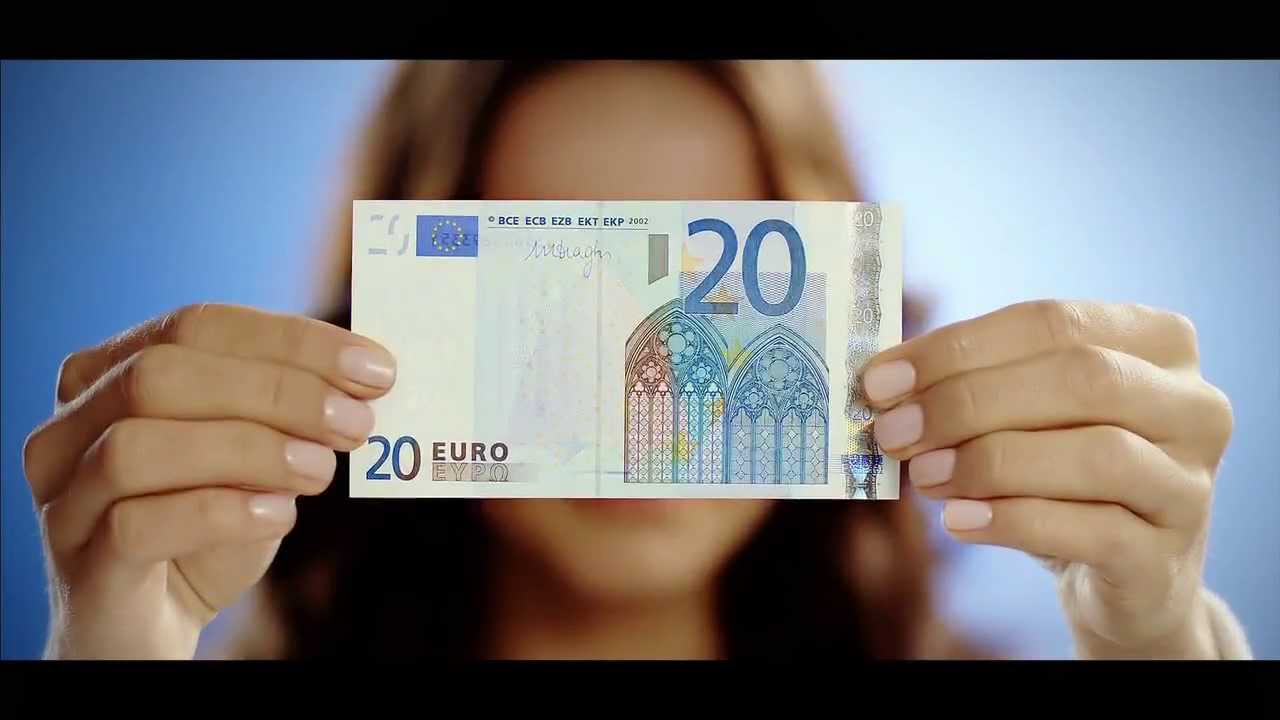
Latvia adopted the euro as its official currency on January 1, 2014. Prior to this, the Latvian LATS served as the national currency. This transition aimed to strengthen Latvia's economic ties within the European Union by fostering stability and facilitating trade.
Latvia's price levels for many goods and services, such as restaurant meals and hotel stays, are generally lower compared to the average in other European countries. However, price variations may exist within Latvia, particularly between the capital and other regions.
Flag Of Latvia
The design of the Latvian flag has roots in the 13th century, appearing on the banner of a Latvian militia unit as documented in the 14th-century Livländische Reimchronik. This historical reference, discovered by historian Jānis Grīnbergs in the 19th century, popularized the image of a "banner red in colour, cut through with a white stripe."
During periods of Russian rule, the Latvian flag served as a symbol of national identity for ethnic Latvians. Students at the University of Tartu raised a crimson-and-white flag in 1870, and the flag gained prominence during World War I and the Russian Revolution.
The Republic of Latvia officially adopted the flag on January 20, 1923. Following the Soviet occupation in 1940, the flag was suppressed, but it remained a powerful symbol for Latvians in exile. The Soviet era saw the use of flags resembling the Soviet Union flag, with modifications specific to the Latvian Soviet Socialist Republic.
In 1988, the display of the Latvian flag was legalized, marking a significant step towards national reassertion. Soviet symbols were removed from the flag in 1990, and the 1918–40 flag was re-established as the sole national flag upon Latvia's independence on August 21, 1991.
FAQs
Which Country Is Close To Latvia?
Latvia shares borders with several countries Estonia to the north Russia to the east Belarus to the southeast Lithuania to the south
Is Latvia A Schengen Country?
Yes, Latvia is a member of the Schengen Area.
How Much Is A Schengen Visa?
The cost of a Schengen visa varies depending on the nationality of the applicant and the specific requirements of the issuing embassy or consulate.
What Is Latvia Main Source Of Income?
In 2023, agriculture contributed around 3.85 percent to the GDP of Latvia, 22.34 percent came from the industry and 61.56 percent from the service sector.
Conclusion
The map of Latvia provides a comprehensive and insightful overview of the country's diverse regions, scenic landscapes, and rich cultural heritage. The map is an essential tool for both travelers and locals alike. It offers a deeper understanding of Latvia's geographic layout and highlights key attractions, making it an invaluable resource for anyone looking to explore or learn more about this captivating Baltic nation.
You Might Also Like: Map Of Finland
Jump to

Michael Rachal
Author
Michael Rachal believes that luxury lies in the details. With over 20 years of experience in the luxury travel industry, he has crafted hundreds of bespoke itineraries for clients seeking personalized, unforgettable experiences.
Whether guiding clients through private cultural tours or curating culinary journeys with world-renowned chefs, Michael ensures that each trip is tailored to perfection.
His ability to anticipate needs and exceed expectations has earned him a reputation as a leading expert in luxury travel.

Finn Wilde
Reviewer
For Finn Wilde, the wilderness is more than just a destination - it’s a way of life. Over the past decade, he has led multiple expeditions in some of the world’s most remote regions, from the icy fjords of Greenland to the rugged trails of Patagonia.
Finn emphasizes sustainability in all of his adventures, helping participants connect with nature while promoting responsible exploration. His expeditions inspire individuals to explore the great outdoors while fostering a deep respect for the environment.
Latest Articles
Popular Articles