New Zealand Māori Culture | Traditions, Language, Map & Identity
Explore Māori culture in New Zealand. From tā moko tattoos to marae rituals, uncover timeless traditions that preserve heritage and identity.
Author:Sophia HarperReviewer:Liam JonesSep 04, 2025215.3K Shares3M Views
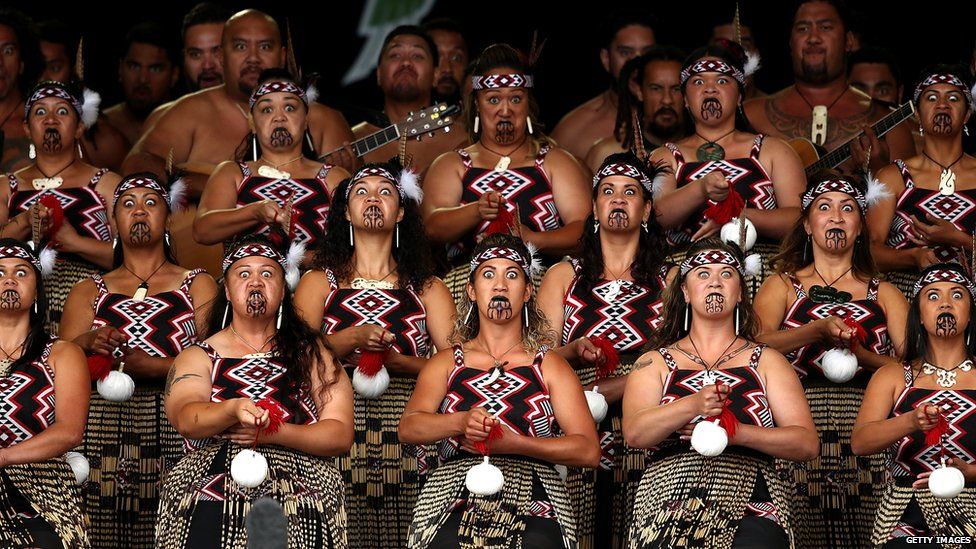
Soul Of Aotearoa: The Legacy Of The Māori People
For many visitors, the first glimpse of Māoriculture comes through the haka-a striking expression of strength and unity. Yet, the spirit of Aotearoa(the Māori name for New Zealand) runs much deeper. The Māori are the tangata whenua, the first people of the land, and their traditions shape New Zealand’s identity through language, art, values, and politics.
Māori culture is not a relic of history but a living, evolving force. It reflects a profound bond with the land, a strong social framework, and a history of resilience and renewal. What follows is a closer look at the Māori people-their origins, beliefs, struggles, and the powerful ways their culture continues to thrive today.
Quick Facts About The Māori People
- Indigenous Status:Māori are the indigenous Polynesian people of New Zealand.
- Arrival in Aotearoa:They arrived in New Zealand, which they named Aotearoa (the "land of the long white cloud"), in several waves of canoe voyages between roughly 1320 and 1350 CE.
- Language:The Māori language, or Te Reo Māori, is an official language of New Zealand, alongside English and New Zealand Sign Language. It was primarily an oral language for centuries, with history and legends passed down through songs and stories.
- Population:The Māori population in New Zealand is the second-largest ethnic group, with over 887,000 individuals identifying as Māori as of the 2023 census.
- Greetings:A traditional Māori greeting is the hongi, where two people press their noses and foreheads together to symbolize the sharing of the "breath of life."
- Social Structure:Traditional Māori society was organized around kinship ties. The whānau(extended family) forms the smallest unit, which collectively makes up a hapū(sub-tribe). Several hapūwith a shared ancestry form an iwi (tribe).
- Cultural Arts:Māori are renowned for their traditional arts, including kapa haka (group performance), tā moko (traditional tattooing), whakairo (carving), and raranga (weaving).
Naming And History
The name Māori means "normal," "natural," or "ordinary" in the Māori language and distinguishes humans from spirits or deities. The term Māoriwas adopted by the people themselves as a collective identifier after the arrival of Europeans (Pākehā) to differentiate themselves from the newcomers. Before this, identity was primarily based on tribal affiliations, such as iwi or hapū.
The story of the Māori begins with a remarkable journey across the vast Pacific Ocean. According to oral traditions, the ancestors of the Māori voyaged from a mythical homeland called Hawaikiin large sailing canoes (waka hourua) sometime around the 13th and 14th centuries.
These legendary navigators used celestial cues, ocean currents, and natural signs to find their way to the new land they named Aotearoa-the "land of the long white cloud."
Upon arrival, they adapted to their new environment, developing a unique culture distinct from their Polynesian ancestors. This culture was shaped by the temperate climate, the abundance of natural resources, and the need to form tribal alliances and structures.
Key Elements Of Māori Culture And Traditions
Understanding Māori culture and traditions requires grasping a few fundamental concepts that shape their worldview and daily life. These aren't just words; they're the guiding principles that connect people to their ancestors, their land, and each other.
Whakapapa: The Foundation Of Identity
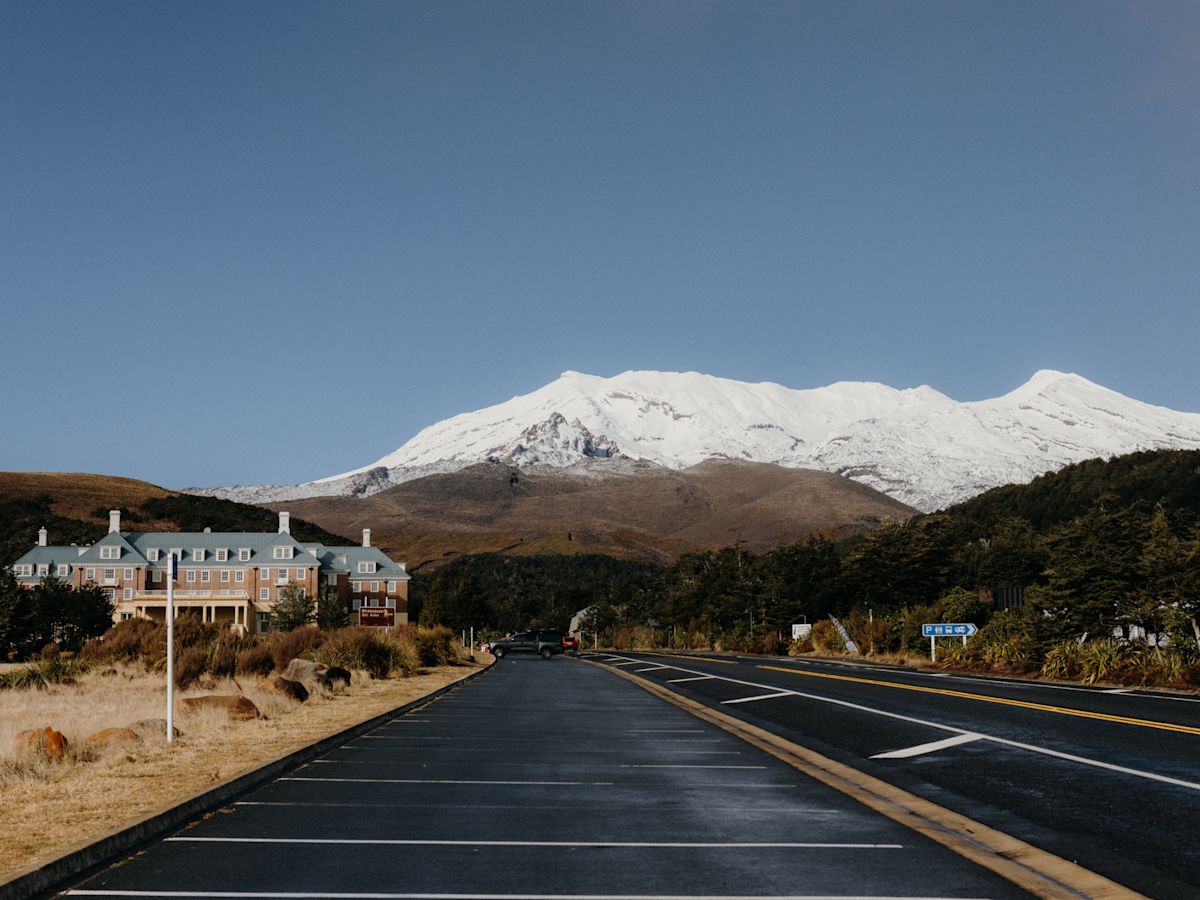
At the heart of Māori identity is whakapapa, or genealogy. This concept traces genealogical lines that connect the living to their ancestors, providing a sense of belonging and purpose.
Through whakapapa, people trace their lineage back to tribal ancestors and beyond, often to atua (deities) and even to the natural world. This connection grounds each person in their iwi (tribe), hapū (sub-tribe), and whānau (family), ensuring that identity is never seen in isolation but always as part of a greater collective.
Marae And Pōwhiri: The Community's Heart
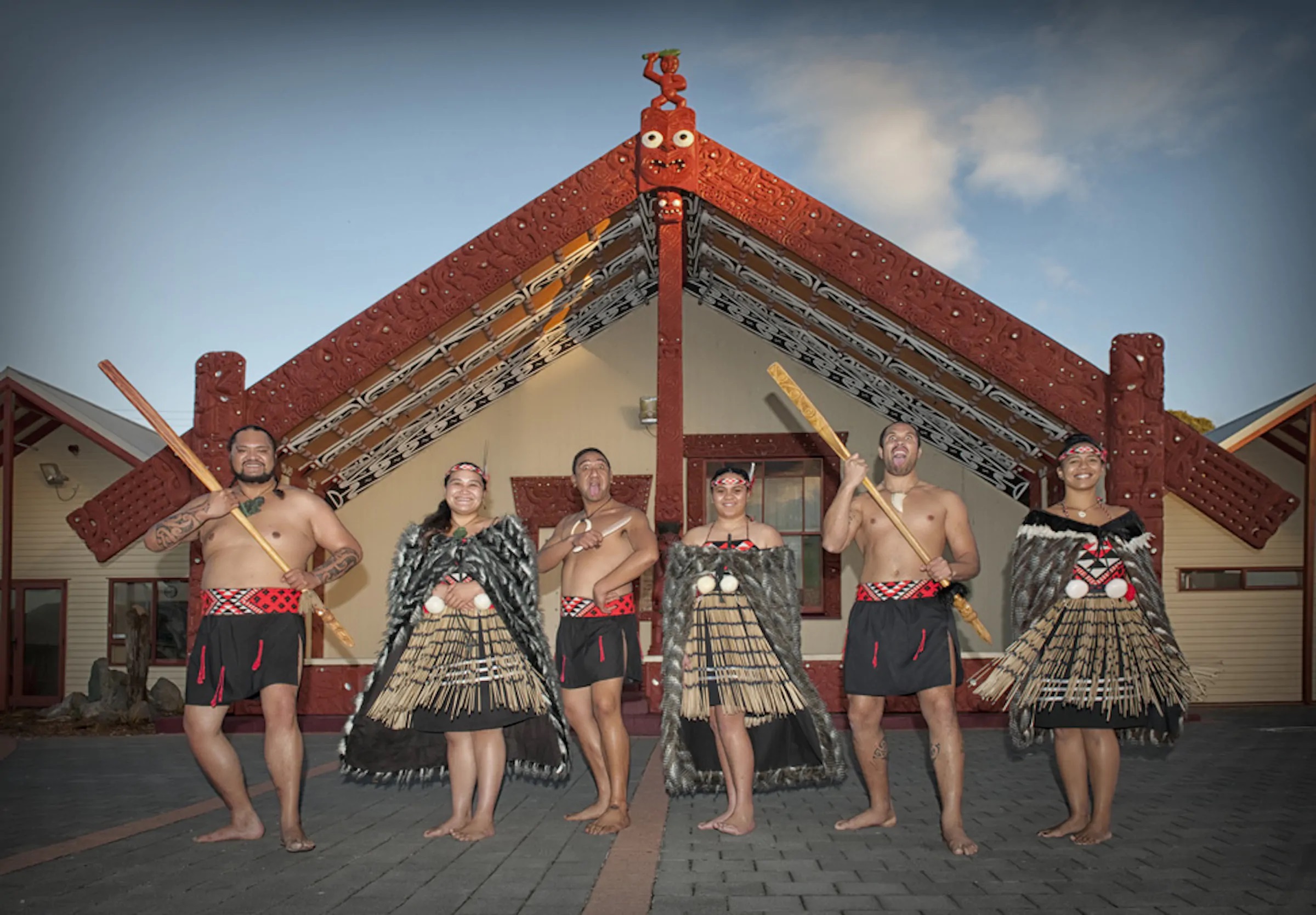
The maraeis the central gathering place of a Māori community-a sacred space where culture, tradition, and kinship come to life. More than just a meeting ground, the maraeis where stories are told, disputes are settled, ancestors are honored, and important events such as weddings, funerals, and celebrations take place. It serves as both a spiritual and social hub, strengthening ties between people and their heritage.
Entering a maraeis not casual; it requires participation in the pōwhiri, a formal welcoming ceremony filled with symbolism and respect. The process may begin with the wero(a warrior’s challenge), where a warrior lays down a token to test the visitors’ intentions. This is followed by speeches, chants, and songs that bridge the gap between hosts and guests.
One of the most memorable moments of the pōwhiriis the hongi-a traditional greeting where two people press noses together. This act symbolizes the sharing of ha(the breath of life), representing unity, trust, and the recognition of shared humanity.
Ta Moko: The Art Of Identity
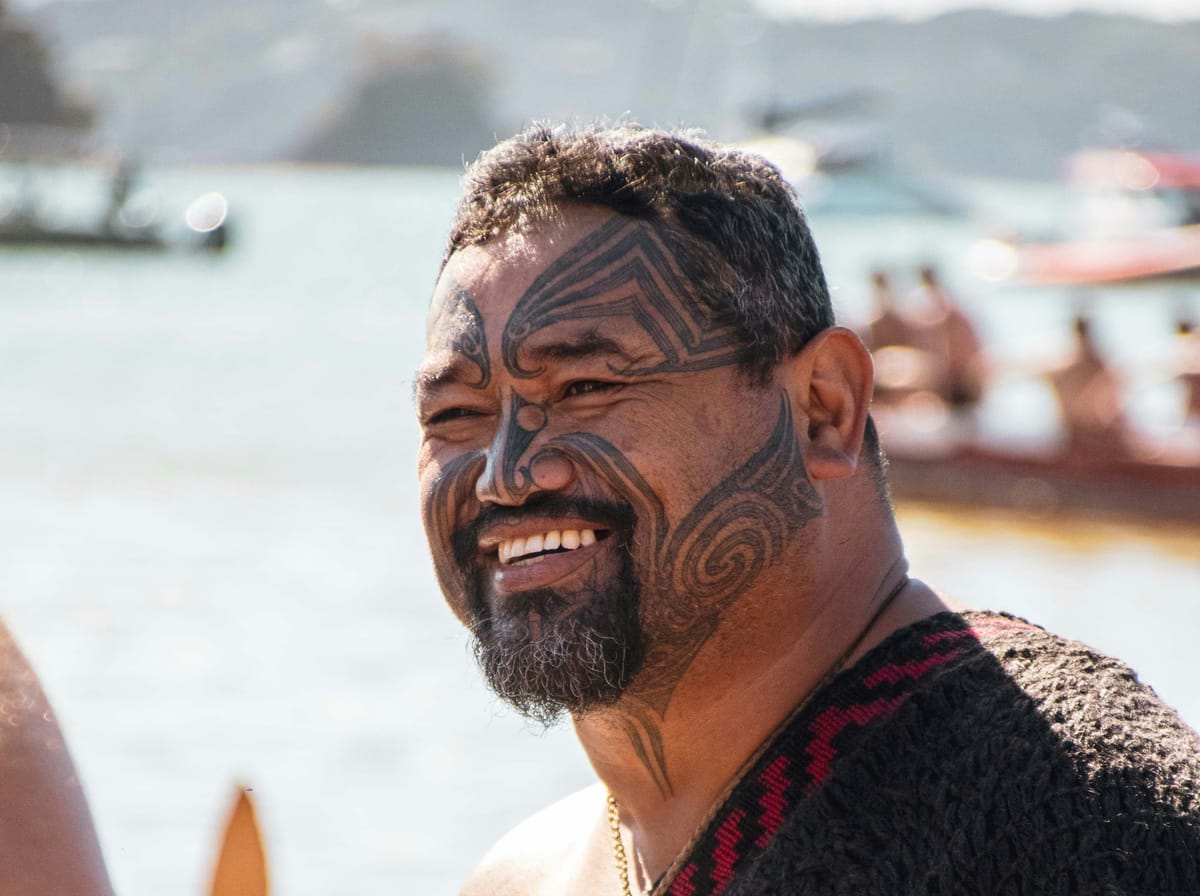
Traditional Māori tattooing, known as tā moko, is far more than body decoration-it is a sacred art form deeply tied to identity and ancestry. Each design is unique, carrying intricate patterns that tell the story of an individual’s whakapapa(genealogy), social rank, achievements, and personal journey.
For men, tā mokooften covered the face, buttocks, and thighs, while women typically wore designs on the lips and chin. The process was traditionally done with chisels (uhi), making it both painful and highly symbolic. Receiving tā mokowas a rite of passage, marking important transitions in life.
Unlike modern tattoos, tā mokois not chosen for style-it is gifted, representing a permanent and living connection between the wearer, their ancestors, and their tribal community. Today, tā mokohas seen a powerful revival, with many Māori reclaiming this practice as a way to express pride in their heritage and keep cultural traditions alive.
Hāngī: A Unique Culinary Tradition
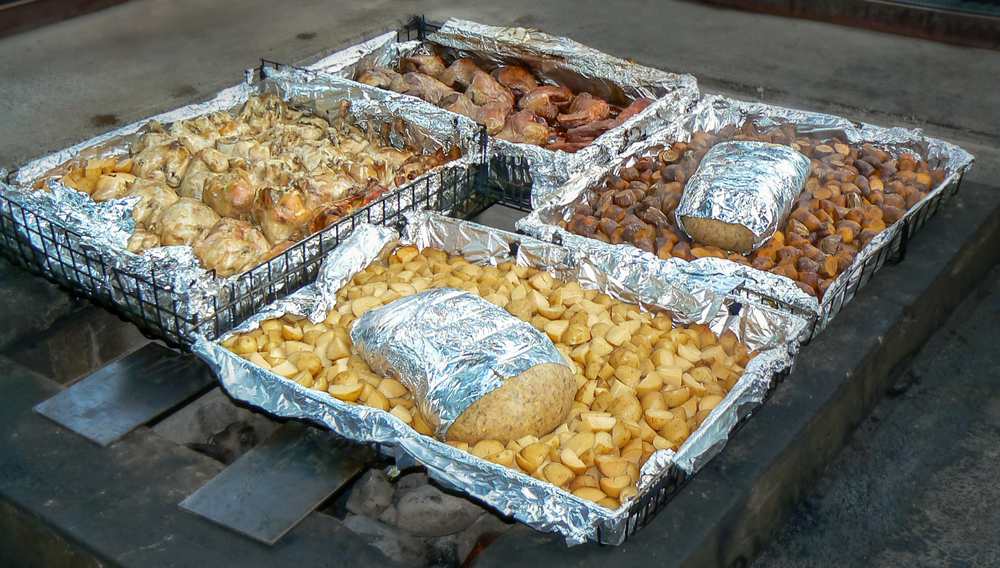
Hāngī is a traditional method of cooking food in an underground oven using heated stones. This ancient technique, utilizing the natural geothermal activity in some parts of New Zealand, creates a mouthwatering feast of flavors. Sharing a hāngī is an act of hospitality that brings together families and communities, fostering a sense of unity and shared experience.
The Māori Language (Te Reo Māori)
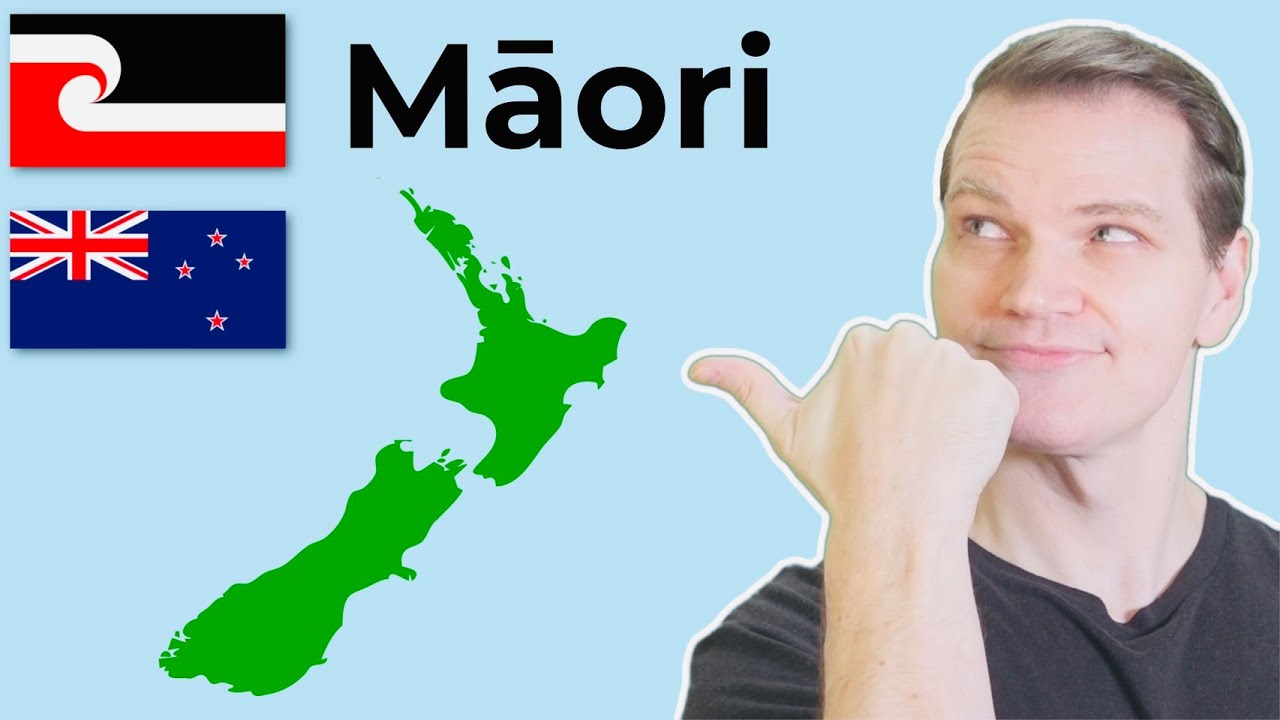
Māori (The REAL Language of New Zealand)
The Māori language, known as Te Reo Māori, holds a central place in the identity of the Māori people. For centuries, it was the primary means of communication. However, colonization brought English dominance, and the language faced near-extinction.
In the 20th century, a powerful revitalization movement began. In 1987, Te Reo Māori became one of the New Zealand official languages. This resurgence has been critical to rekindling a sense of cultural pride.
Today, efforts to preserve and promote the language continue through initiatives like Māori immersion schools (kura kaupapa Māori) and language nests (kōhanga reo), which are helping to transmit the language to younger generations.
The Māori Population In New Zealand
The Māori population in New Zealand is a significant part of the country's social fabric. As of the latest census, over 887,000 people identified as Māori, making them the second-largest ethnic group.
While Māori traditionally lived in tribal groups (iwi), a majority now live in urban centers. This demographic shift has created both challenges and opportunities, leading to the creation of urban marae and pan-tribal organizations that help maintain and promote cultural connections in a modern context.
A Historical And Political Perspective
The arrival of European colonizers in the 18th and 19th centuries marked a significant and often painful turning point in Māori history. The relationship was formalized with the signing of the Treaty of Waitangi (Te Tiriti o Waitangi) in 1840.
While intended to establish a partnership between the British Crown and Māori chiefs, differing translations and interpretations of the document led to decades of conflict and land confiscations.
This period of colonization severely impacted Māori society, leading to a decline in population, loss of land, and suppression of their language and culture.
In recent decades, however, there has been a powerful Māori cultural renaissance. The establishment of the Waitangi Tribunal, which hears claims of historical injustices, and the settlement of these claims have provided a pathway for tribes, such as the Ngāi Tahu, to regain a degree of economic autonomy and invest in their communities.
From the mid-19th century, Māori leaders have been actively involved in New Zealand's governance. The presence of Māori members in Parliament dates back to that time, and today, there are seven reserved seats for Māori representatives.
This political representation is an essential aspect of Māori culture and plays a crucial role in advocating for the rights and well-being of their people.
New Zealand Māori Tourism

Kapa Haka | NPR
Cultural tourismis a key part of the modern Māori economy, allowing communities to share their traditions while generating income. It’s a meaningful way for visitors to connect with the land and people on a deeper level. To engage respectfully, consider these authentic experiences:
- Kapa Haka Performances:More than just a show, these are powerful storytelling sessions that incorporate song, rhythm, and expressive movement. Rotorua is a major cultural hub where you can see many authentic performances.
- Hāngī Feasts:Sharing a meal cooked in a traditional underground oven is a culinary and social tradition. It’s a fantastic way to taste traditional foods and share a story with a Māori host.
- Visiting a Marae:A marae is a sacred meeting ground, and visiting one is a privilege. You will be welcomed with a pōwhiri (formal welcome ceremony) and it is essential to follow the hosts' guidance out of respect.
When participating in these experiences, support authentically Māori-owned businesses and be mindful of your actions. Asking for permission before taking photos and learning a few basic Te Reo phrases are simple but respectful gestures.
New Zealand Maori Map
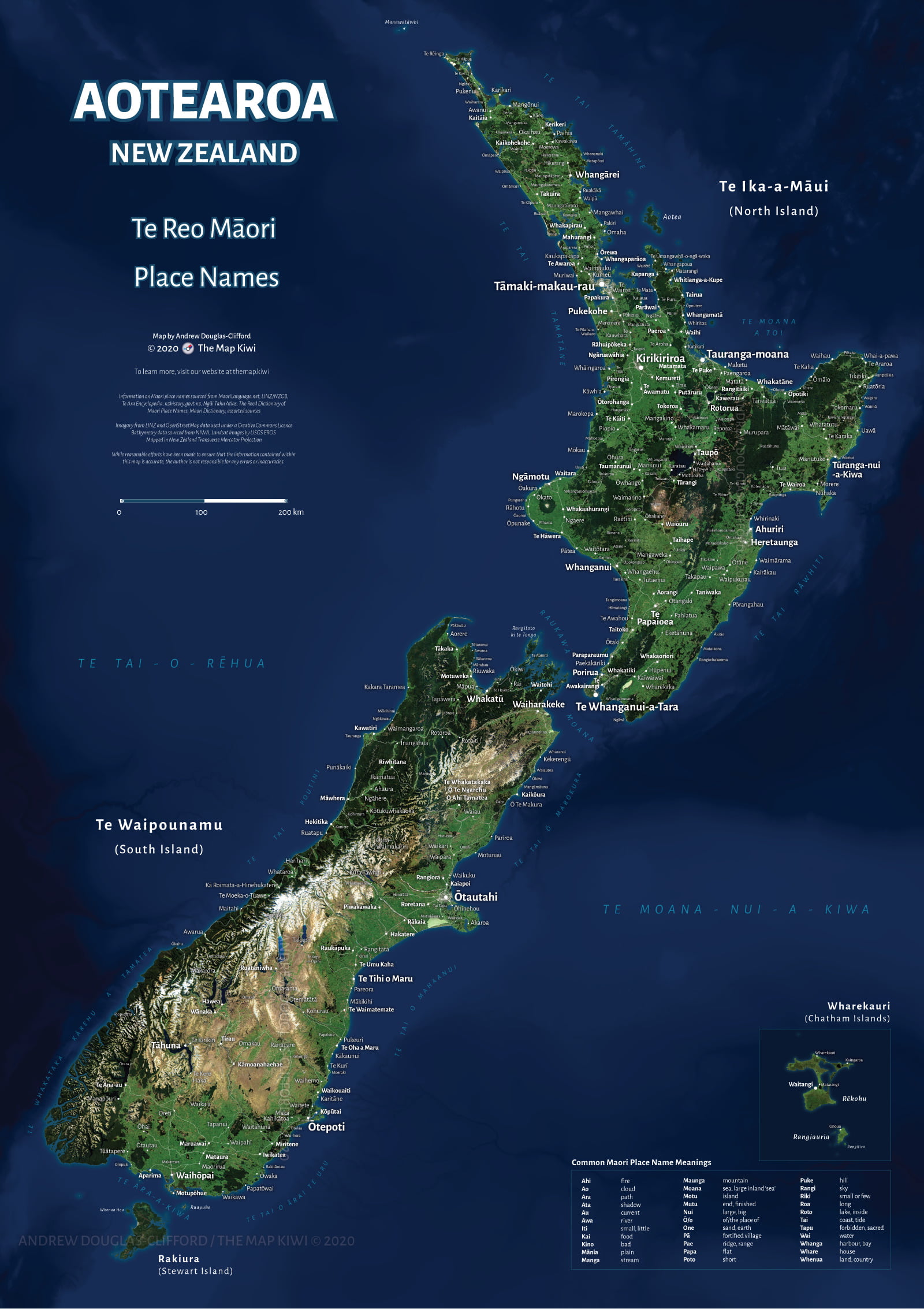
Understanding the Māori map is key to understanding Māori identity and social organization. This is not a simple geographical map of population density; it is a complex representation of iwiterritories, known as rohe.
These tribal boundaries were traditionally held through oral traditions, with knowledge of landforms, natural resources, and ancestral stories passed down through generations.
Today, these maps hold immense political and cultural significance. The roheare central to:
- Treaty of Waitangi settlements:Many historical claims are settled based on tribal boundaries.
- Resource Management:Tribal authorities play a key role in the management of natural resources within their traditional lands.
- Political Representation:The boundaries of Māori electorates are influenced by the distribution of iwi and hapū.
Also Check Out: 32 UNESCO World Heritage Sites In Europe [With Travel Tips]
Famous Māori People And Leaders
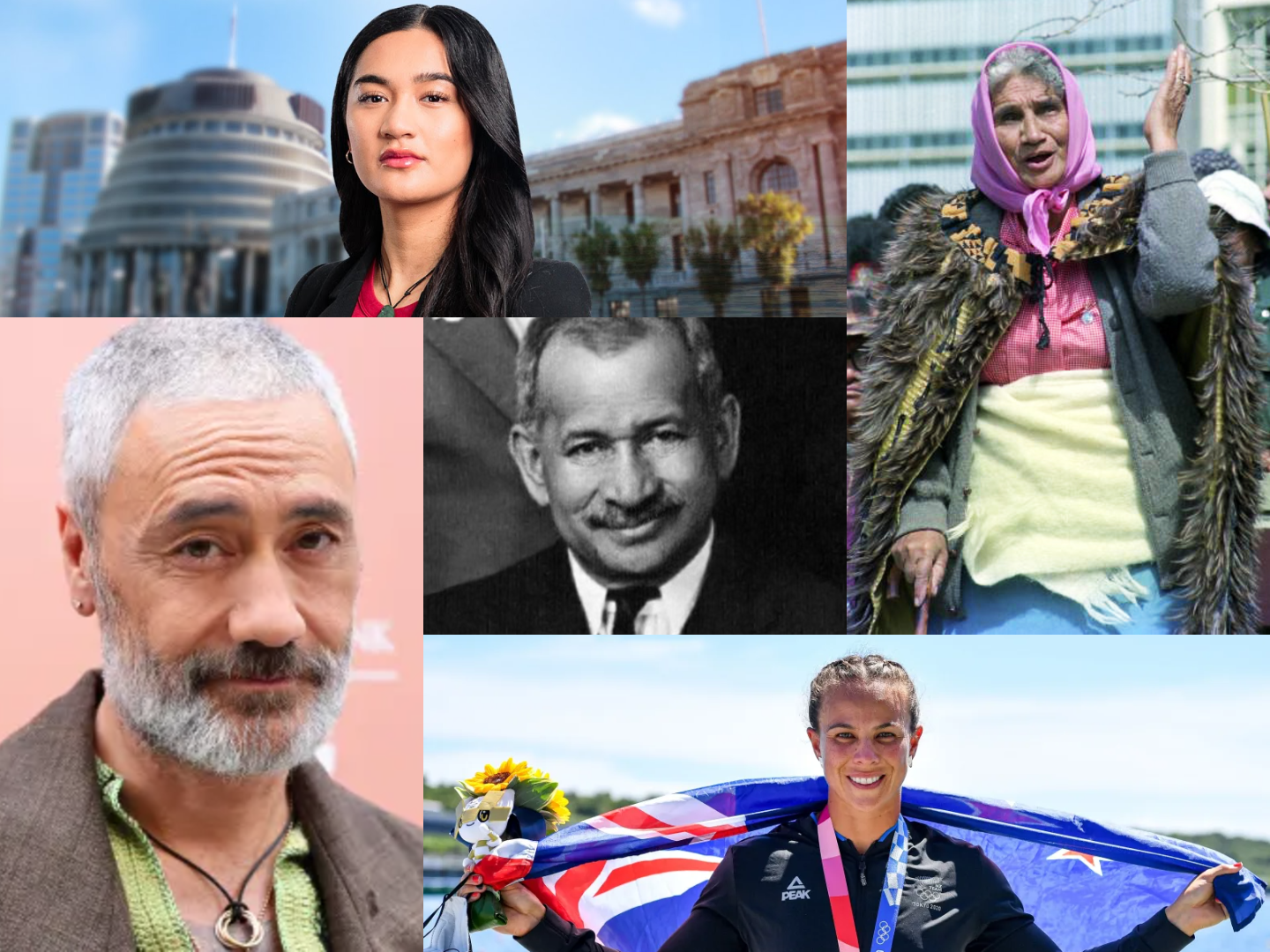
Māori influence extends from politics to global arts. Some figures you should know:
- Sir Āpirana Ngata (1874–1950):Politician and cultural champion who revived arts and language.
- Dame Whina Cooper (1895–1994):Activist who led the 1975 Māori land march.
- Taika Waititi (b. 1975):Oscar-winning filmmaker who brings Māori identity into Hollywood storytelling.
- Hana-Rawhiti Maipi-Clarke (b. 2002):Youngest MP in recent history, famous for performing haka in parliament to defend Māori rights.
- Dame Lisa Carrington:Olympic canoeist of Te Aitanga-a-Māhaki descent, one of New Zealand’s most decorated athletes.
These leaders illustrate that Māori identity is not confined to tradition—it shapes modern creativity, politics, and sports.
Socioeconomic Issues And The Path Forward
Despite the cultural revival, Māori still face significant challenges, particularly in socioeconomic areas. Due to the historical injustices of land confiscations and marginalization, Māori often experience disparities in health, education, and income compared to the rest of the population.
Overcoming these challenges requires collaborative efforts from the government and communities.
However, there are also many opportunities for Māori culture to flourish in the modern world. Cultural tourism and the increasing interest in indigenous knowledge and practices present avenues for Māori communities to share their unique heritage with the world.
By participating in tourism ventures, Māori can promote cultural understanding and economic development within their communities. The profound connection to the land (whenua) continues to shape Māori identity and their relationship with the environment, fueling their determination to not only survive but thrive.
FAQs About New Zealand Māori
What Is A Māori In New Zealand?
A Māori is an indigenous Polynesian person of mainland New Zealand. The term encompasses a diverse group of people who are united by a common language, culture, and ancestry traced back to the first Polynesian settlers.
They are the second-largest ethnic group in New Zealand, with a Māori population in New Zealand of over 887,000 as of the 2023 census.
Is Māori A Religion?
No, Māori is not a religion. It is an ethnic identity and a culture. While many Māori today practice Christianity or other religions, traditional Māori beliefs are deeply spiritual. These include a rich mythology with gods and ancestors and concepts like manaand taputhat shape daily life.
How Are Māori Treated In New Zealand?
The treatment of Māori in New Zealand is complex and has a troubled history. While the country's identity is deeply intertwined with Māori culture, there are still significant disparities in areas like health, education, and justice. Today, there's a strong emphasis on addressing these issues through initiatives like the Waitangi Tribunal and a strong public debate about systemic inequalities.
Are White New Zealanders Māori?
No, white New Zealanders are not Māori. "Māori" refers to the indigenous Polynesian people of New Zealand. Most white New Zealanders are of European descent, with the term Pākehāoften used to refer to them. It is important to note, however, that many New Zealanders have mixed ancestry and can identify with both Māori and European heritage.
What Do Māori Believe?
Traditionally, Māori beliefs were centered on a deep spiritual connection to the land and ancestors, guided by concepts like manaand tapu. While many Māori today are Christian, these traditional spiritual values remain a central part of their cultural identity and worldview.
What Are Māori Famous For?
Māori are well-known for their powerful haka performances, their distinctive traditional tattooing (tā moko), and their unique status as the indigenous people of New Zealand. Their rich cultural traditions and history, including their resilience in the face of colonization, have also gained them international recognition.
Who Are Some Famous Māori Figures?
Sir Āpirana Ngata, Dame Whina Cooper, Taika Waititi, Hana-Rawhiti Maipi-Clarke, and Dame Lisa Carrington are among the most influential.
A Quick Recap
The journey of the Māori people, from legendary voyagers to the resilient and vibrant culture of today, is a testament to their strength and spirit. Their worldview, centered on concepts like whakapapaand a deep connection to the land, provides a powerful framework for understanding their identity.
By moving beyond a superficial view and embracing the depth of their history and values, visitors and learners alike can gain a richer appreciation for this integral part of New Zealand’s identity.
The continued revitalization of Te Reo Māori and the celebration of cultural practices ensure that the legacy of the tangata whenuawill continue to thrive for generations to come.
If you found this article helpful, please share it with others who are curious about the rich culture of New Zealand.
You Might Also Like: Mountain Biking Trails In New Zealand - 17 Epic Routes For 2025
Jump to
Soul Of Aotearoa: The Legacy Of The Māori People
Quick Facts About The Māori People
Naming And History
Key Elements Of Māori Culture And Traditions
The Māori Language (Te Reo Māori)
The Māori Population In New Zealand
A Historical And Political Perspective
New Zealand Māori Tourism
New Zealand Maori Map
Famous Māori People And Leaders
Socioeconomic Issues And The Path Forward
FAQs About New Zealand Māori
A Quick Recap

Sophia Harper
Author
Sophia Harper’s photography acts as a portal to the soul of the places she visits. Drawn to South America’s landscapes and cultures, she has spent years capturing everything from the majesty of ancient ruins to the vibrancy of urban streets.
Sophia’s work isn’t just about documenting moments; it’s about evoking the emotions and stories behind them. A dedicated photographer, she has worked with local communities across South America to capture their rich cultural narratives through her lens.

Liam Jones
Reviewer
Liam Jones has made it his mission to prove that adventure doesn’t need a hefty budget. Having traveled to over 40 countries, he specializes in finding affordable ways to experience the world, from the best street food in Bangkok to hidden gems in Lisbon.
Liam’s travel tips have reached thousands of readers, empowering them to see the world on a shoestring budget without sacrificing quality. With a deep passion for local cultures, he continues to share his travel hacks, ensuring adventure remains accessible to all.
Latest Articles
Popular Articles