28 Top National Parks In The U.S. Worth Your Time [Ranked]
After visiting every national park in America, I’ve narrowed it down to the 28 top national parks in the U.S. that truly stand above the rest. Some made the list for their unmatched beauty, others for their endless activities, and a few for their sheer sense of peace.
Author:Sophia HarperReviewer:Liam JonesAug 21, 2025161.7K Shares2.6M Views
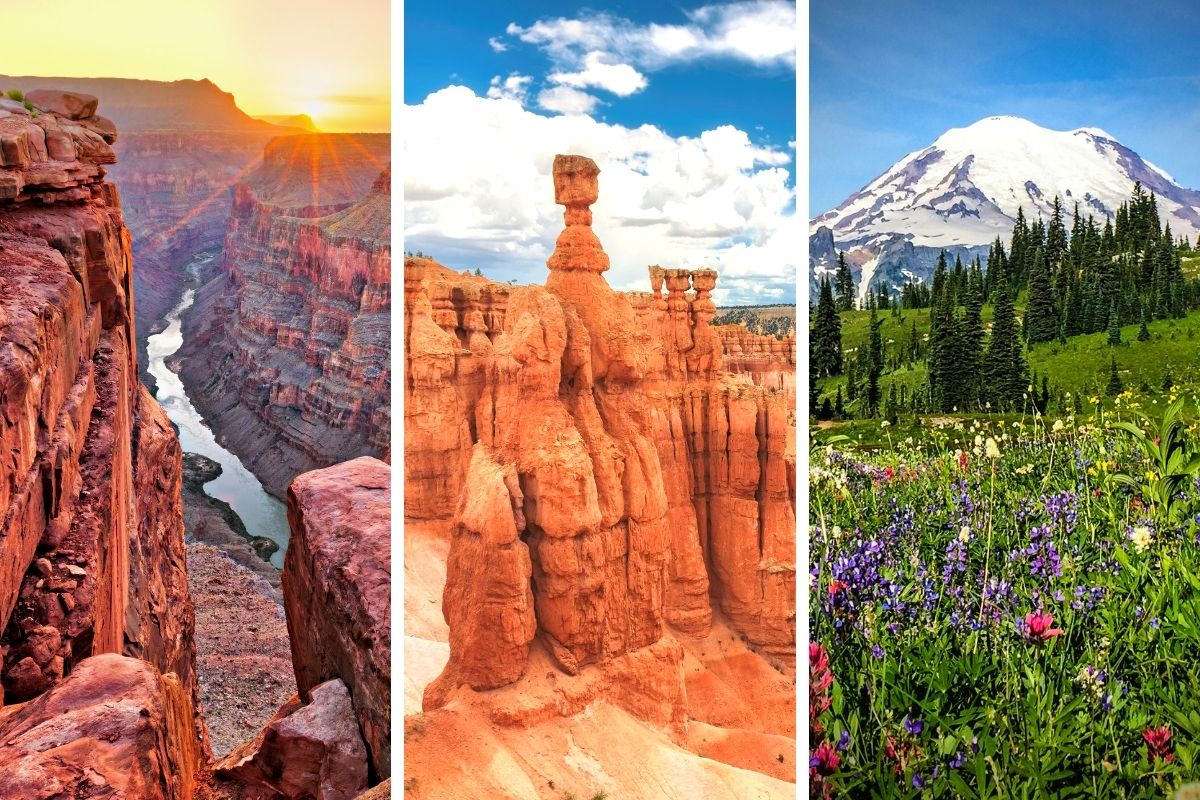
I’ve spent the last fifteen years visiting America’s national parks, and I can tell you there is nothing else quite like the connection you feel when you stand in the heart of these wild, protected places. They have a way of pulling you out of your daily routine and reminding you how vast, beautiful, and alive the world really is.
When President Theodore Roosevelt first laid eyes on the Grand Canyon, he urged Americans to “keep it for your children and your children’s children.” That vision became the foundation of our national park system, which now includes 63 extraordinary parks scattered across the country, each safeguarding something irreplaceable.
Over the years, I have explored them all, many more than once. Countless miles of trails, early morning wake-ups, and unforgettable sunsets have led me to choose the 28 parks that, in my experience, stand above the rest.
How I Selected These 28 National Parks
After fifteen years of wandering through America’s wildest places, I’ve come to realize that choosing the best parks takes more than flipping through a photo gallery. My picks aren’t just about pretty views; each one had to shine in at least three key ways.
First, there’s natural beauty that stops you in your tracks mid-trail, leaving you speechless because it feels impossible that such a place exists. Second, a variety of experiences, whether you’re after a gentle stroll with the kids, a heart-pounding climb, or a multi-day backcountry escape. Third, accessibility and thoughtful infrastructure that invite people in without drowning out the wild character that makes these places so special.
I also wanted to make sure the list celebrates the full sweep of America’s landscapes. Yes, Utah’s red rock country and California’s memorable parks deserve every bit of praise they get, but there’s just as much magic on Maine’s rugged shores or among Alaska’s snow-covered giants. These 28 parks tell that story of diversity, proving that no matter where you live, there is a world-class adventure closer than you think.
1. Yellowstone National Park, Wyoming/Montana/Idaho
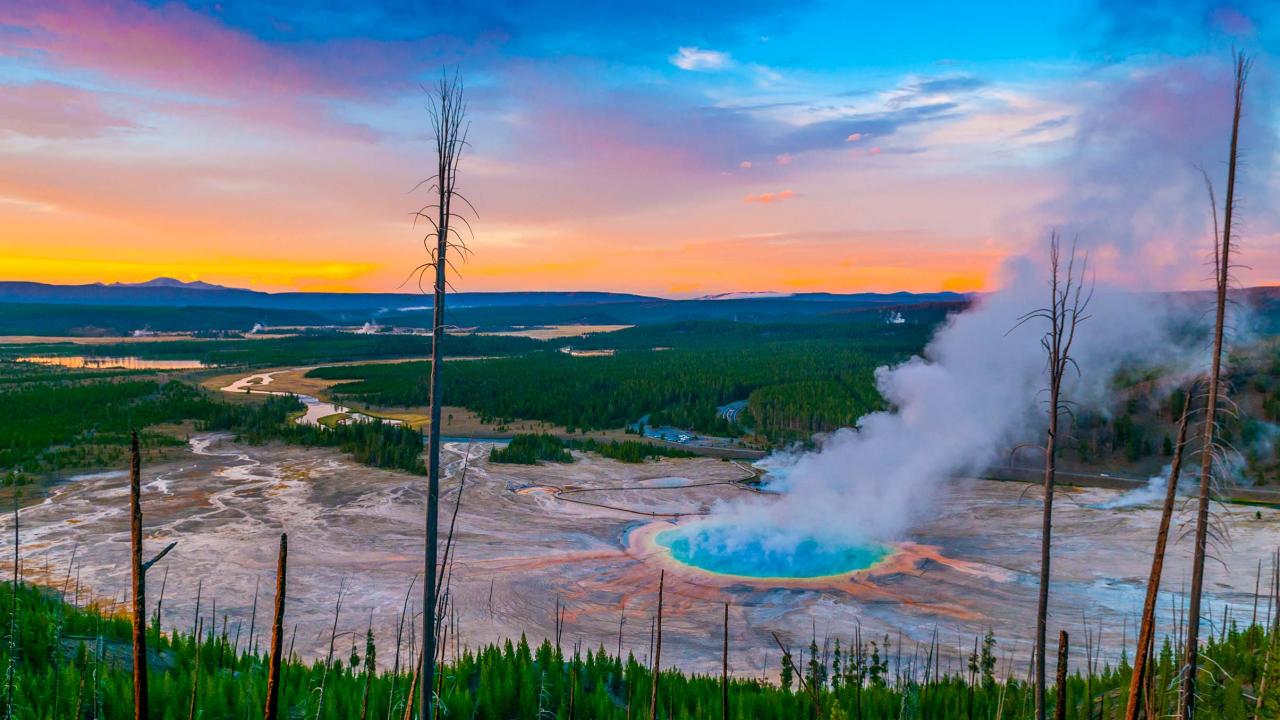
Standing next to Old Faithful as it shoots 180 feet into the air never gets old, I've watched this geyser erupt dozens of times, and it still gives me chills. Yellowstone sits on top of a supervolcano, creating a landscape unlike anywhere else on Earth. The park bursts with over 10,000 hot springs, 300 geysers, and more wildlife than you can imagine.
- Must-do experiences:Watch Old Faithful erupt, drive the Grand Loop Road, spot bison in Lamar Valley
- Best time to visit:May through September for full road access
- Insider tip:Visit Grand Prismatic Spring from the fairy falls trail overlook for the best photos
- Photography highlight:Sunrise at Grand Prismatic creates incredible steam and color combinations
2. Yosemite National Park, California
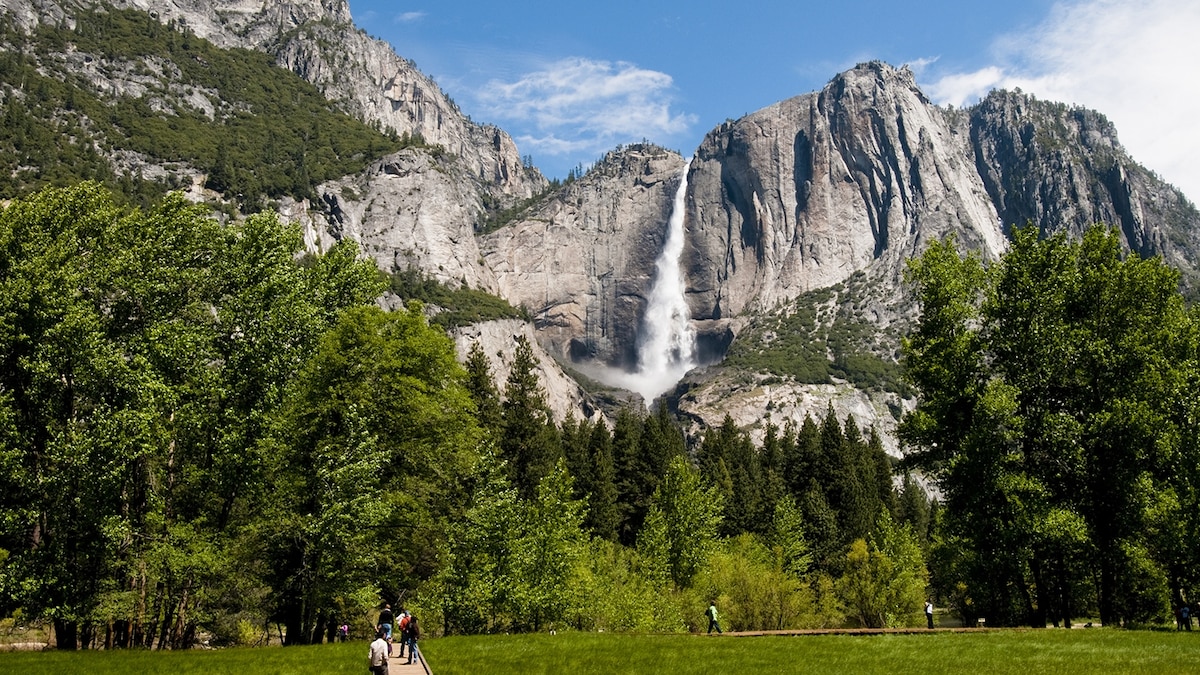
The first time I drove into Yosemite Valley and saw El Capitan rising 3,000 feet straight up from the valley floor, I understood why Ansel Adamsspent his life photographing this place. Yosemite Valley packs more natural drama into seven square miles than seems physically possible towering granite cliffs, thundering waterfalls, and giant sequoia trees that make you feel like an ant.
- Must-do experiences:Hike to Yosemite Falls viewpoint, photograph Tunnel View at sunset, walk through Mariposa Grove
- Best time to visit:Late spring for peak waterfall flow, fall for fewer crowd
- Insider tip:Glacier Point Road closes in winter but offers incredible snow-covered views when open
- Photography highlight:Half Dome reflected in the Merced River during spring runoff
3. Grand Canyon National Park, Arizona
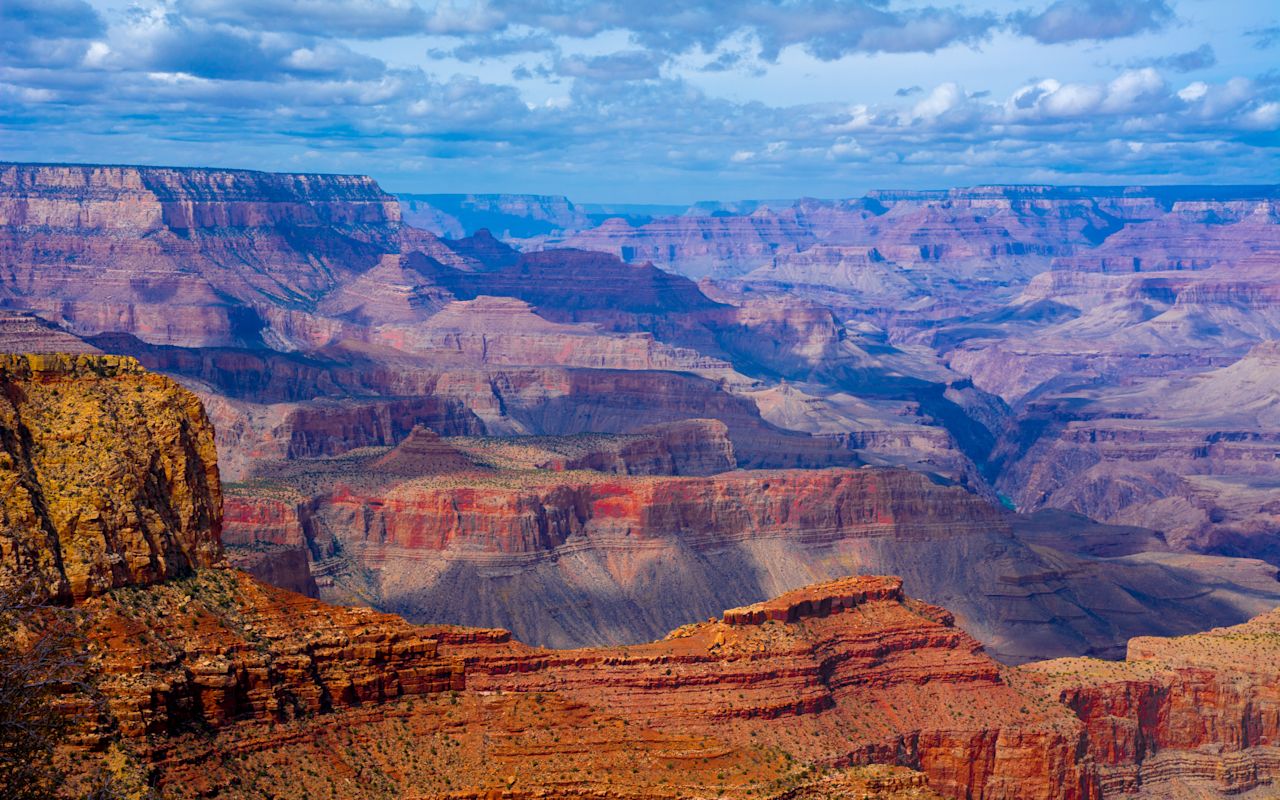
No photograph prepares you for your first look into the Grand Canyon. The sheer scale breaks your brain, with layers of rock stretching back nearly two billion years, painted in every shade imaginable. As one of the most breathtaking U.S. tourist attractions, it’s a place that feels both timeless and alive. I've hiked rim-to-rim three times, and each trip reveals new details carved by the Colorado River over millions of years.
- Must-do experiences:Watch sunrise from Hopi Point, hike partway down Bright Angel Trail, take the Desert View Drive
- Best time to visit:Spring and fall for comfortable temperatures
- Insider tip:The South Rim stays open year-round, but North Rim closes from October to May
- Photography highlight:The canyon walls glow like fire during the golden hour before sunset
4. Zion National Park, Utah
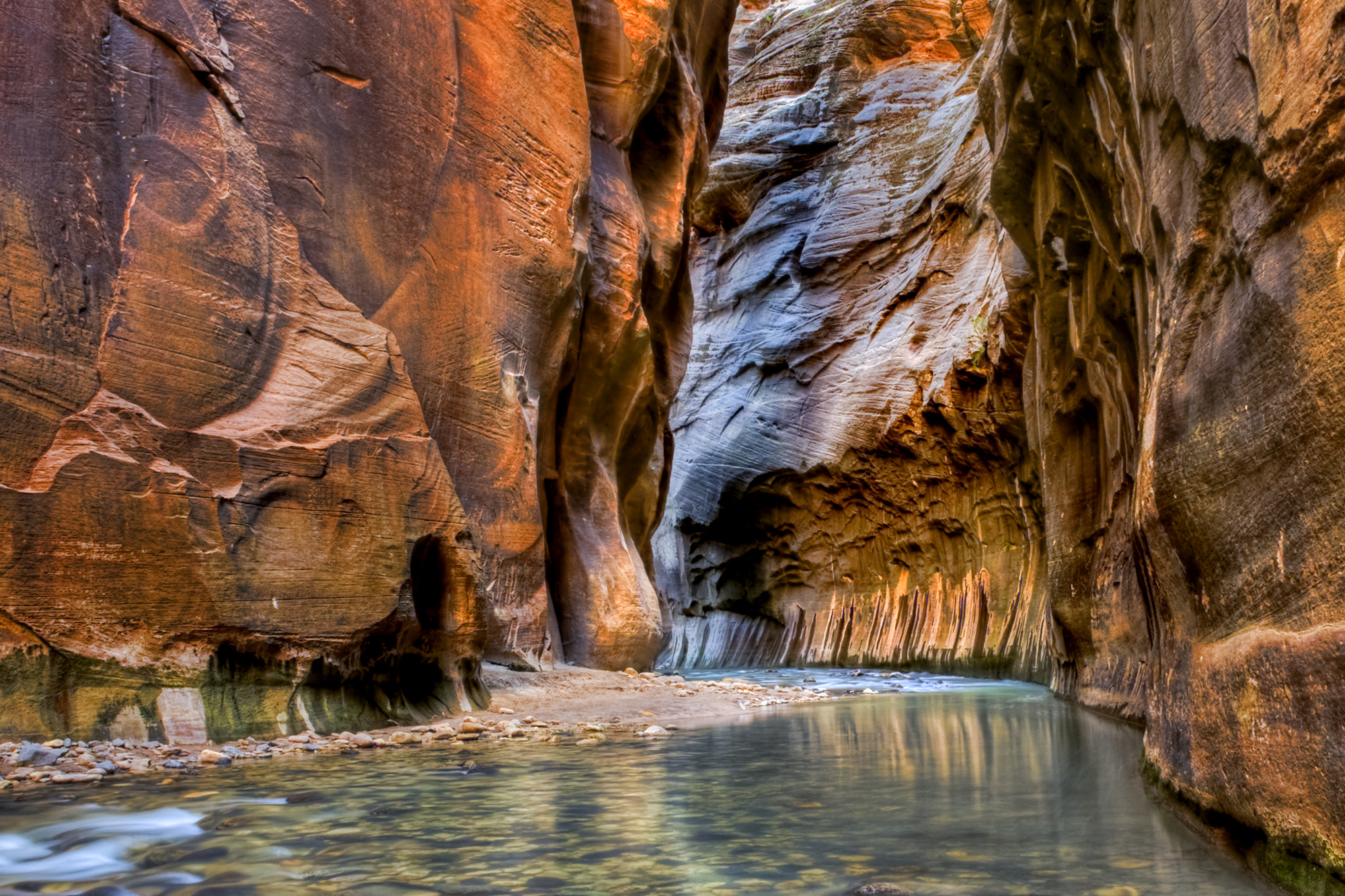
Walking through the Virgin River Narrows feels like entering a natural cathedral – slot canyon walls tower hundreds of feet above while you splash through knee-deep water. Zion's red sandstone cliffs and hanging gardens create an oasis in the Utah desert that stops you in your tracks around every corner.
- Must-do experiences:Hike the Narrows, challenge yourself on Angels Landing, stroll the Riverside Walk
- Best time to visit:March through May and September through November
- Insider tip:Shuttle reservations required March through October. Book early at recreation.gov
- Photography highlight:Light beams filtering through the Narrows create magical photography opportunities
5. Glacier National Park, Montana
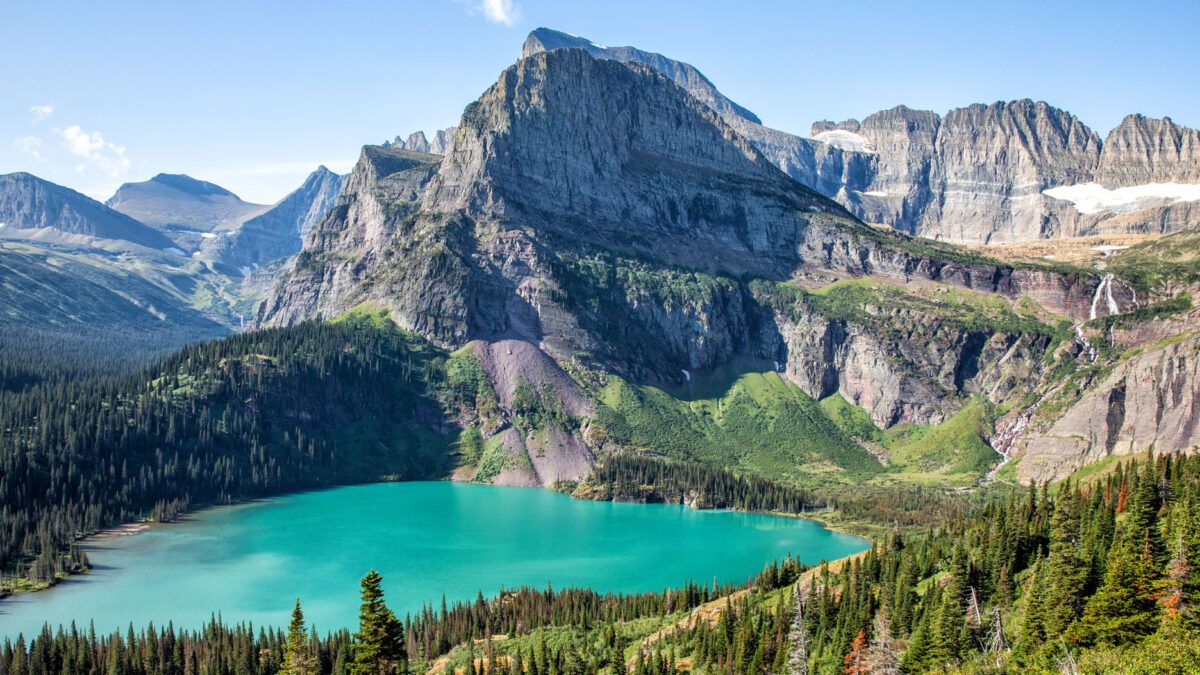
They call it the "Crown of the Continent," and one drive along Going-to-the-Sun Road explains why. Glacier preserves over a million acres of pristine wilderness where mountain goats graze on impossible cliff faces and turquoise lakes reflect snow-capped peaks. The park contains 700 miles of trails leading to glacial valleys that look like something from a fairy tale.
- Must-do experiences:Drive Going-to-the-Sun Road, hike to Hidden Lake, spot wildlife in the early morning
- Best time to visit:July through September when the full road opens
- Insider tip:The road typically doesn't fully open until late June due to snow
- Photography highlight:Lake McDonald at dawn offers perfect mountain reflections
6. Great Smoky Mountains National Park, Tennessee/North Carolina
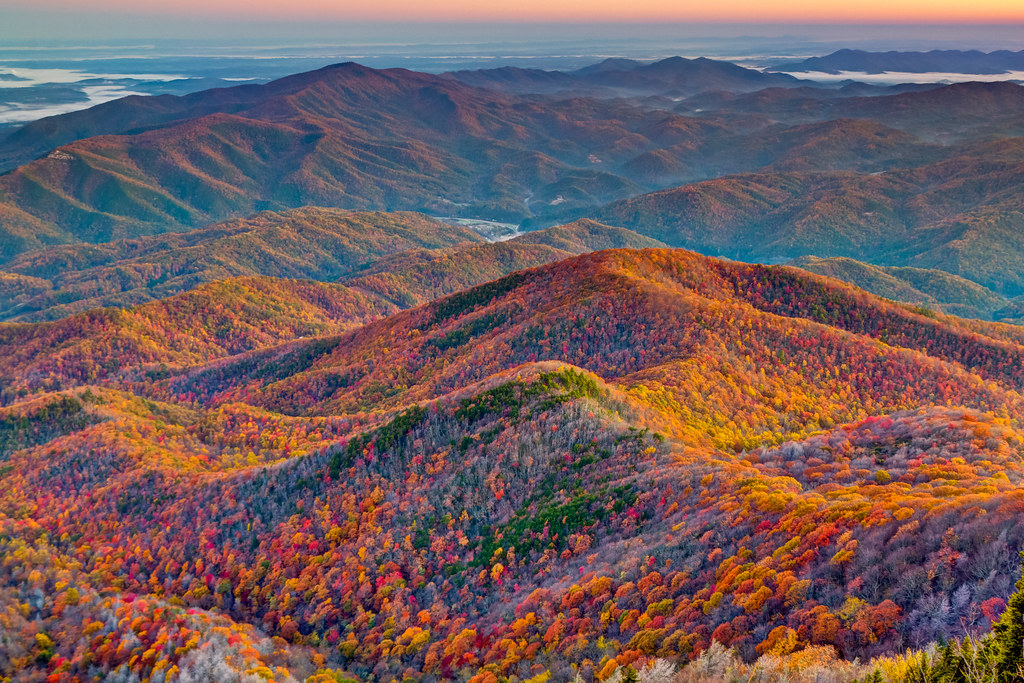
As America's most visited national park, the Smokies welcome over 12 million people each year and for good reason. Ancient mountains shrouded in morning mist, black bears wandering through old-growth forests, and historic cabins telling stories of mountain life create an experience that feels both wild and welcoming.
- Must-do experiences:Drive Cades Cove loop for wildlife viewing, hike to Laurel Falls, explore Cataract Falls
- Best time to visit:October for fall colors, spring for wildflowers
- Insider tip:No entrance fee required, but parking fills up quickly at popular trailheads
- Photography highlight:Morning fog rolling through the valleys creates dreamy landscape photos
7. Arches National Park, Utah
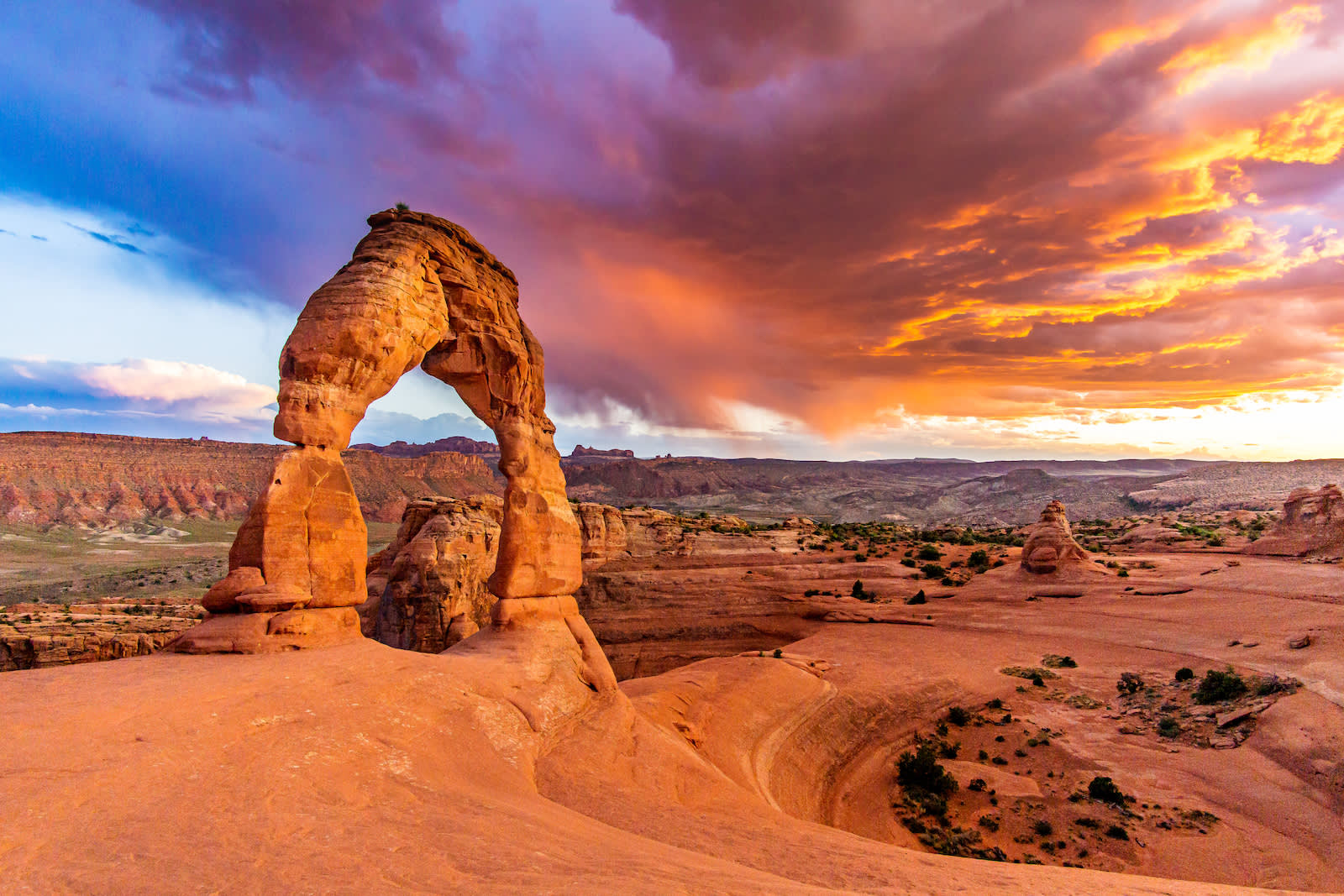
Over 2,000 natural sandstone arches scattered across a red rock wonderland make this park feel like you're exploring an alien planet. Delicate Arch has become Utah's most recognizable landmark, but dozens of other formations throughout the park offer equally stunning photo opportunities without the crowds.
- Must-do experiences:Hike to Delicate Arch, explore Fiery Furnace with a ranger guide, photograph Landscape Arch
- Best time to visit:Spring and fall for comfortable hiking temperatures
- Insider tip:Fiery Furnace tours require advance reservations and fill up months ahead
- Photography highlight:Delicate Arch frames the La Sal Mountains perfectly during sunset
8. Rocky Mountain National Park, Colorado
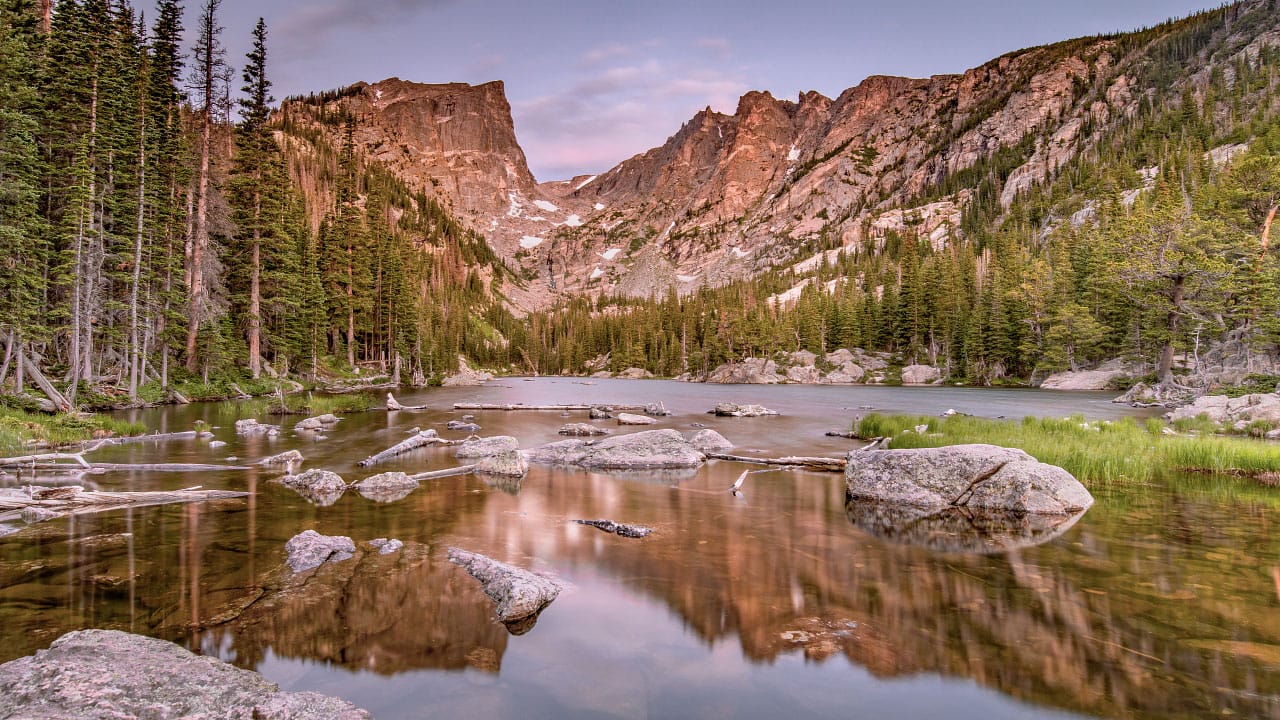
Standing on top of 14,259-foot Longs Peak changed my perspective on what mountains can be. Rocky Mountain National Park showcases the Colorado Rockies at their finest alpine lakes, meadows exploding with wildflowers, and wildlife that includes elk, bighorn sheep, and mountain lions roaming freely above treeline.
- Must-do experiences:Drive Trail Ridge Road to 12,183 feet elevation, hike around Bear Lake, photograph wildflowers in summer
- Best time to visit:July through September for high elevation access
- Insider tip:Timed entry reservations required May through October
- Photography highlight:Sprague Lake offers perfect mountain reflections with minimal hiking
9. Bryce Canyon National Park, Utah
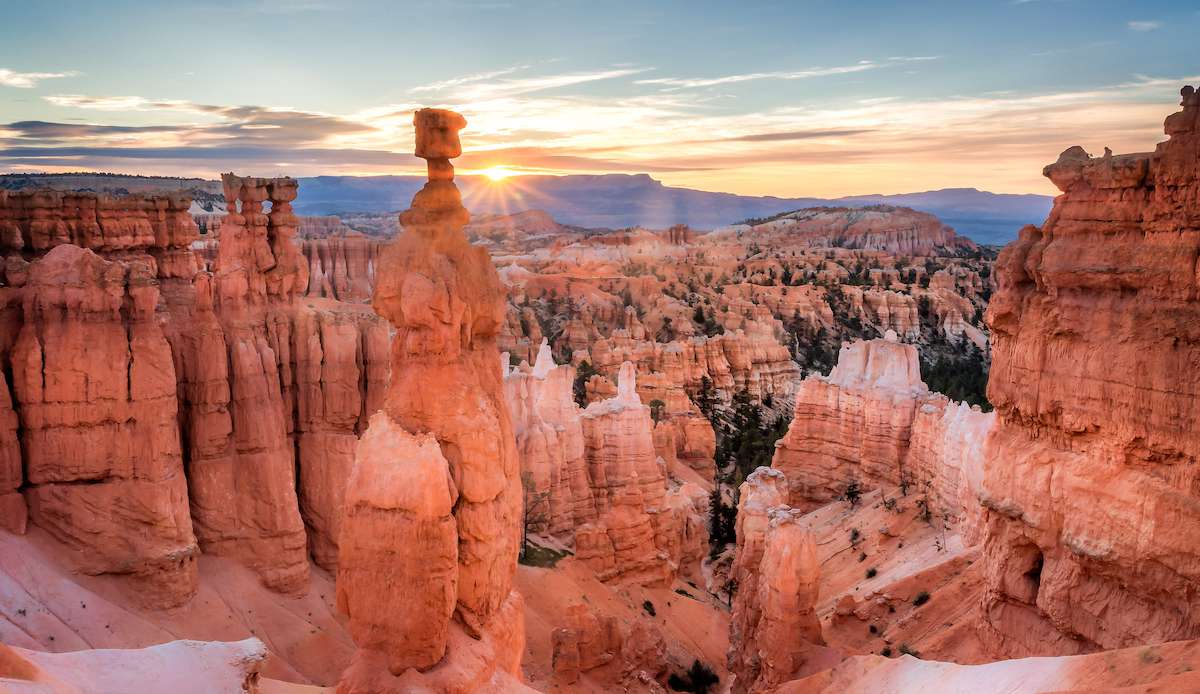
Bryce Canyon isn't actually a canyon – it's a series of amphitheaters carved into cliffs, creating thousands of red sandstone spires called hoodoos. Sunrise Point lives up to its name as the first light turns these formations into glowing pillars that stretch as far as you can see.
- Must-do experiences:Watch sunrise from Sunrise Point, hike the Navajo Loop Trail, stargaze at night
- Best time to visit:May through September, though winter offers stunning snow-covered views
- Insider tip:The park sits at high elevation, so bring layers even in summer
- Photography highlight:The hoodoos glow like candles during the golden hour
10. Acadia National Park, Maine
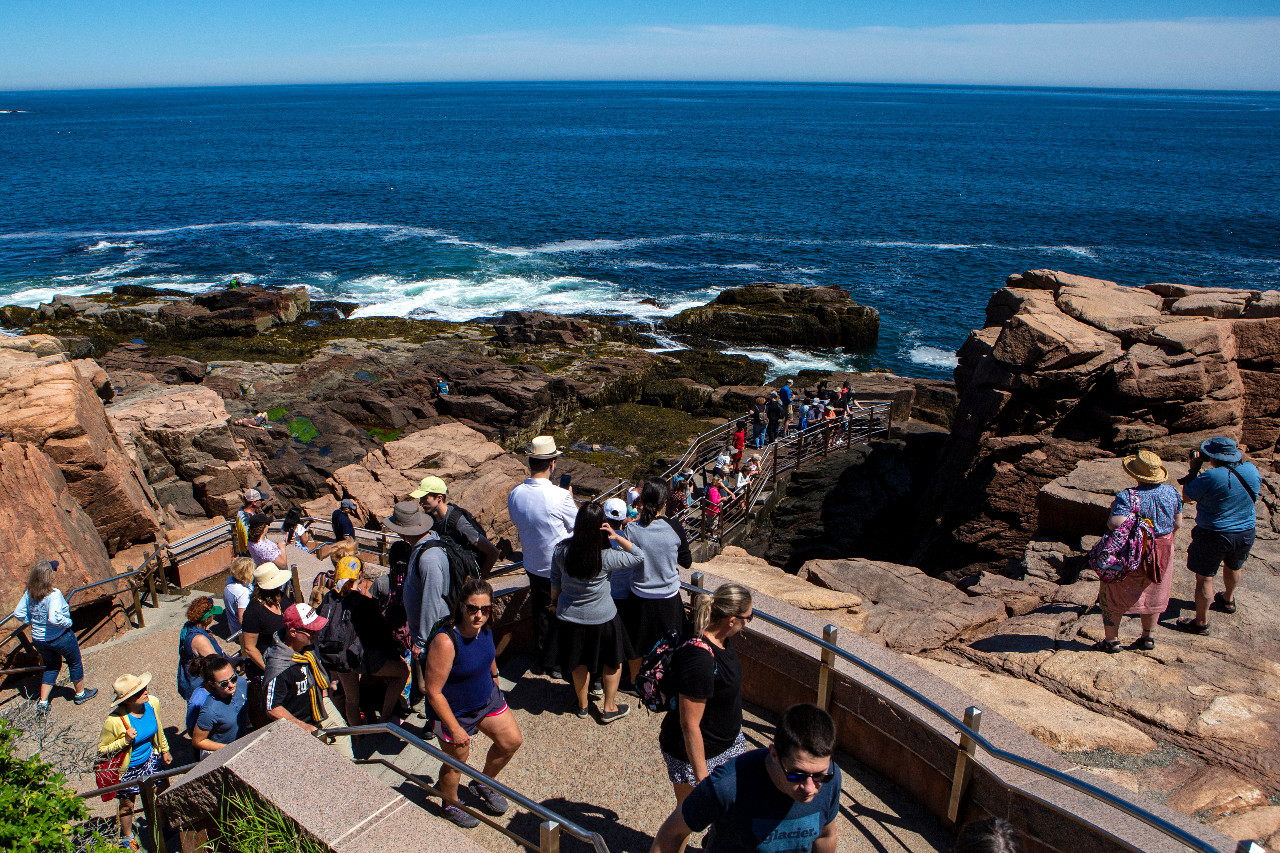
Where else can you watch both sunrise and sunset over the ocean from the same mountain? Cadillac Mountain in Acadia offers the first sunrise in America from October through March, while the park's rugged coastline showcases New England's wild beauty at its finest.
- Must-do experiences:Summit Cadillac Mountain for sunrise, drive Park Loop Road, explore tide pools at Bar Harbor
- Best time to visit:September and October for fall colors
- Insider tip:Cadillac Mountain requires timed entry reservations for sunrise viewing
- Photography highlight:Thunder Hole creates dramatic wave crashes perfect for action photography
11. Olympic National Park, Washington
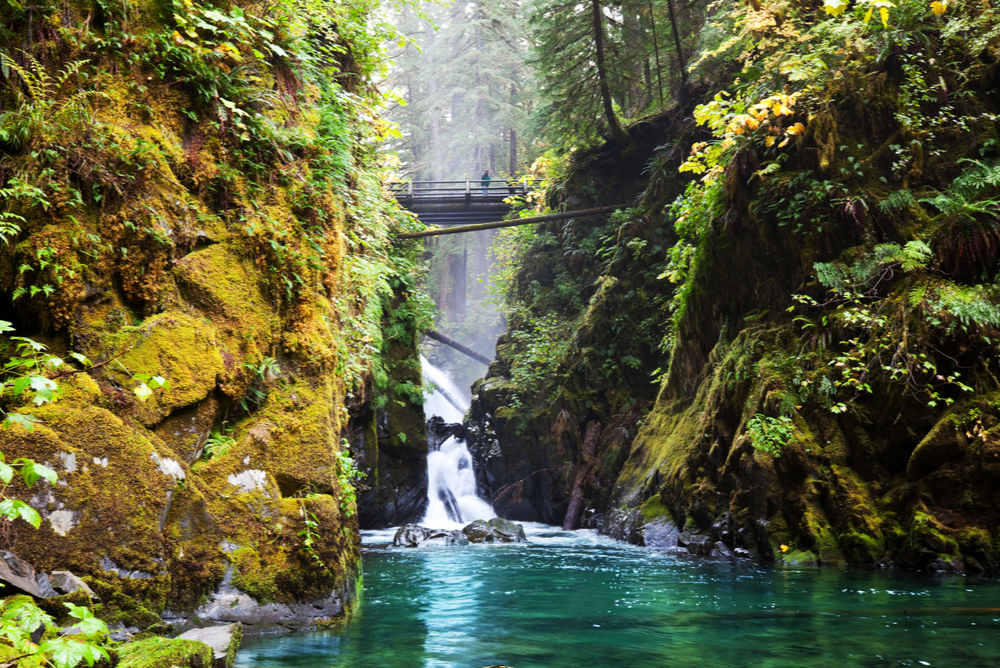
Olympic holds three completely distinct ecosystems within its boundaries; temperate rainforest, rugged coastline, and alpine mountains. I’ve spent weeks wandering through this park and still come across new waterfalls, hot springs, and hidden beacheseach time I visit.
- Must-do experiences:Walk through Hoh Rainforest, explore Ruby Beach, hike in Hurricane Ridge
- Best time to visit:July through September for high elevation access
- Insider tip:Different areas of the park have completely different weather patterns
- Photography highlight:Fallen logs on Ruby Beach create natural frames for sea stack photography
12. Grand Teton National Park, Wyoming
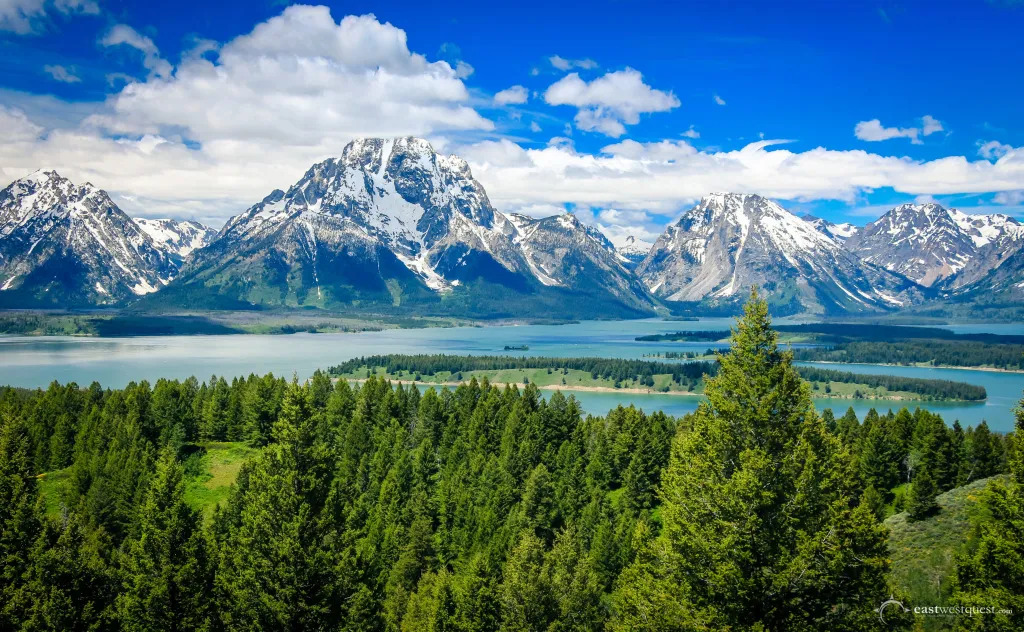
The Teton Range rises abruptly from Jackson Hole without foothills, creating one of the most dramatic mountain skylines in North America. These peaks reach over 13,000 feet, and their reflection in Jackson Lake never fails to take my breath away.
- Must-do experiences:Photograph sunrise at Schwabacher's Landing, hike to Taggart Lake, drive Jenny Lake Scenic Drive
- Best time to visit:July through September for full access
- Insider tip:The park sits adjacent to Yellowstone, making combination trips easy to plan
- Photography highlight:Oxbow Bend offers perfect mountain reflections with wildlife viewing opportunities
13. Joshua Tree National Park, California
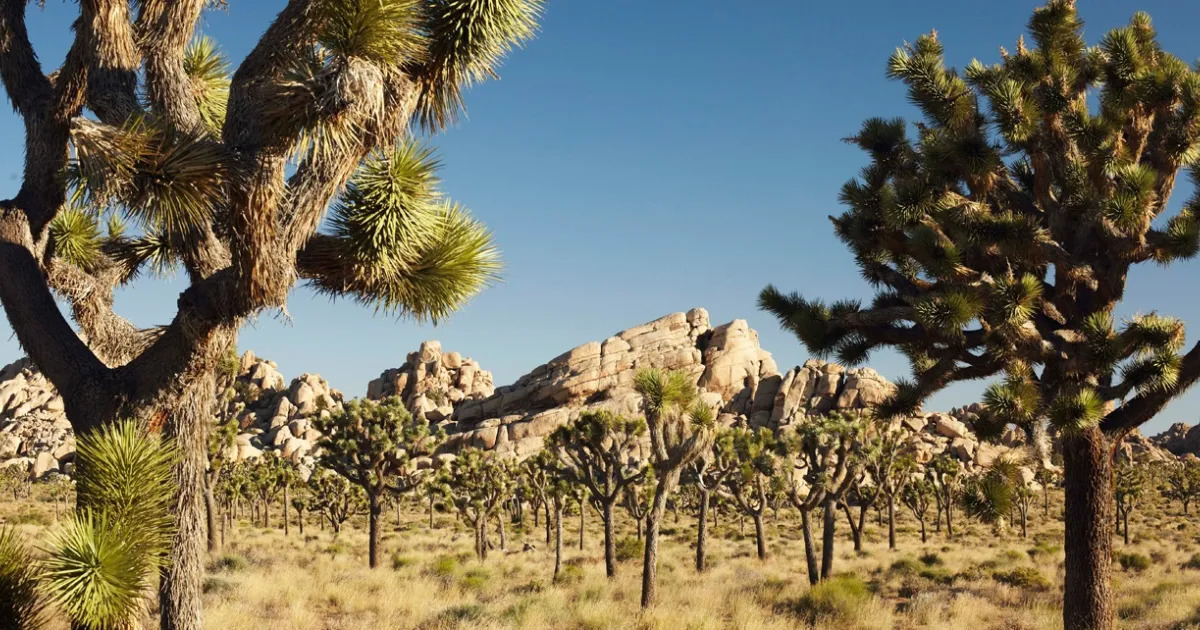
Two desert ecosystems meet in Joshua Tree, creating a landscape that feels both alien and ancient. The park's iconic Joshua trees grow nowhere else on Earth, while massive boulder formations provide world-class rock climbing and unique photography opportunities.
- Must-do experiences:Explore Skull Rock, hike to Cholla Cactus Garden, stargaze in the dark sky preserve
- Best time to visit:October through April to avoid extreme heat
- Insider tip:Bring plenty of water because this is genuine desert with temperatures over 100°F in summer
- Photography highlight:Joshua trees silhouetted against star-filled skies create magical night photos
14. Canyonlands National Park, Utah
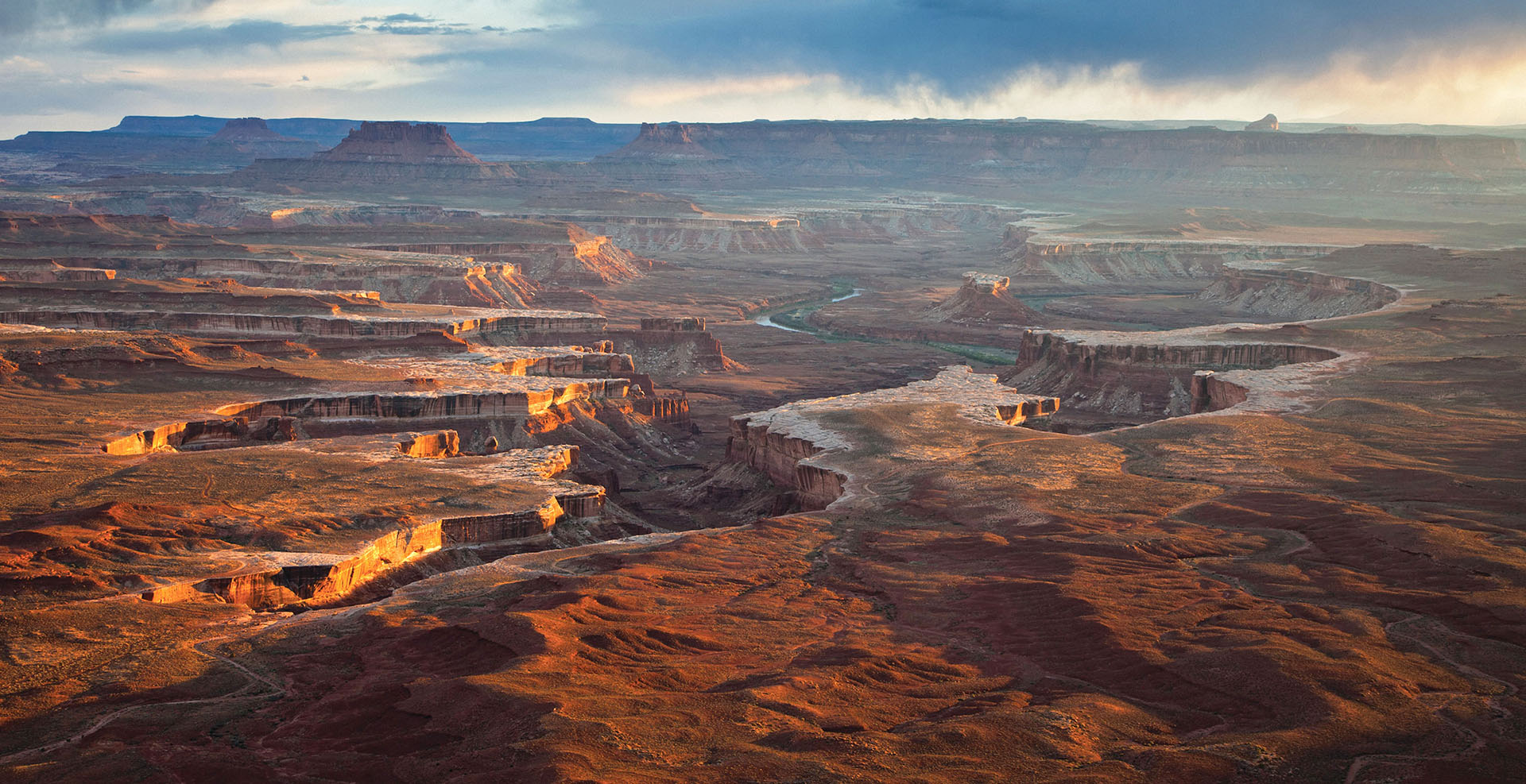
Canyonlands preserves a vast wilderness of canyons, mesas, and buttes carved by the Colorado and Green Rivers. The park's Island in the Sky district offers incredible overlooks, while the Needles district provides challenging backcountry adventures through red rock spires.
- Must-do experiences:Visit Mesa Arch for sunrise, hike Grand View Point Overlook, explore the Needles district
- Best time to visit:Spring and fall for comfortable temperatures
- Insider tip:The park has four separate districts requiring different entrances and planning
- Photography highlight:Mesa Arch frames the sunrise perfectly, creating one of the Southwest's most iconic images
15. Sequoia National Park, California
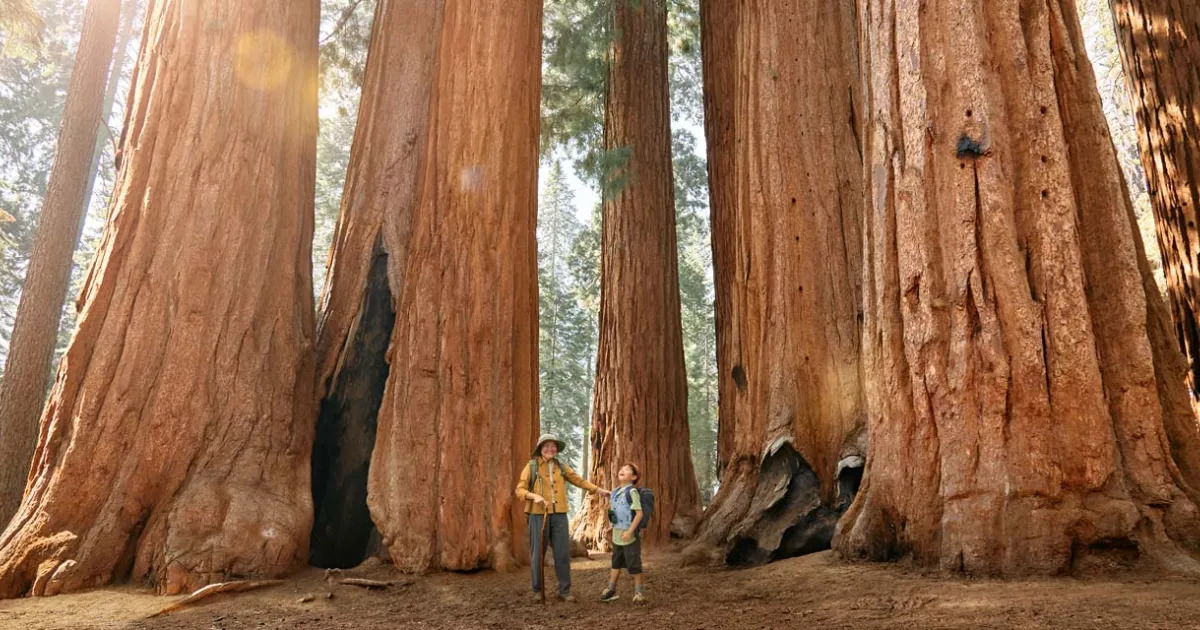
Standing next to the General Sherman Tree, the largest living thing on Earth by volume, truly puts human scale into perspective. These giant sequoias have been growing for more than 3,000 years, forming cathedral-like groves that inspire awe and quiet reflection.
- Must-do experiences:Visit General Sherman Tree, explore Crystal Cave, hike the Big Trees Trail
- Best time to visit:May through October for road access
- Insider tip:The park connects to Kings Canyon, allowing for extended Sierra Nevada exploration
- Photography highlight:Looking up through the sequoia canopy creates dramatic perspective shots
16. Capitol Reef National Park, Utah
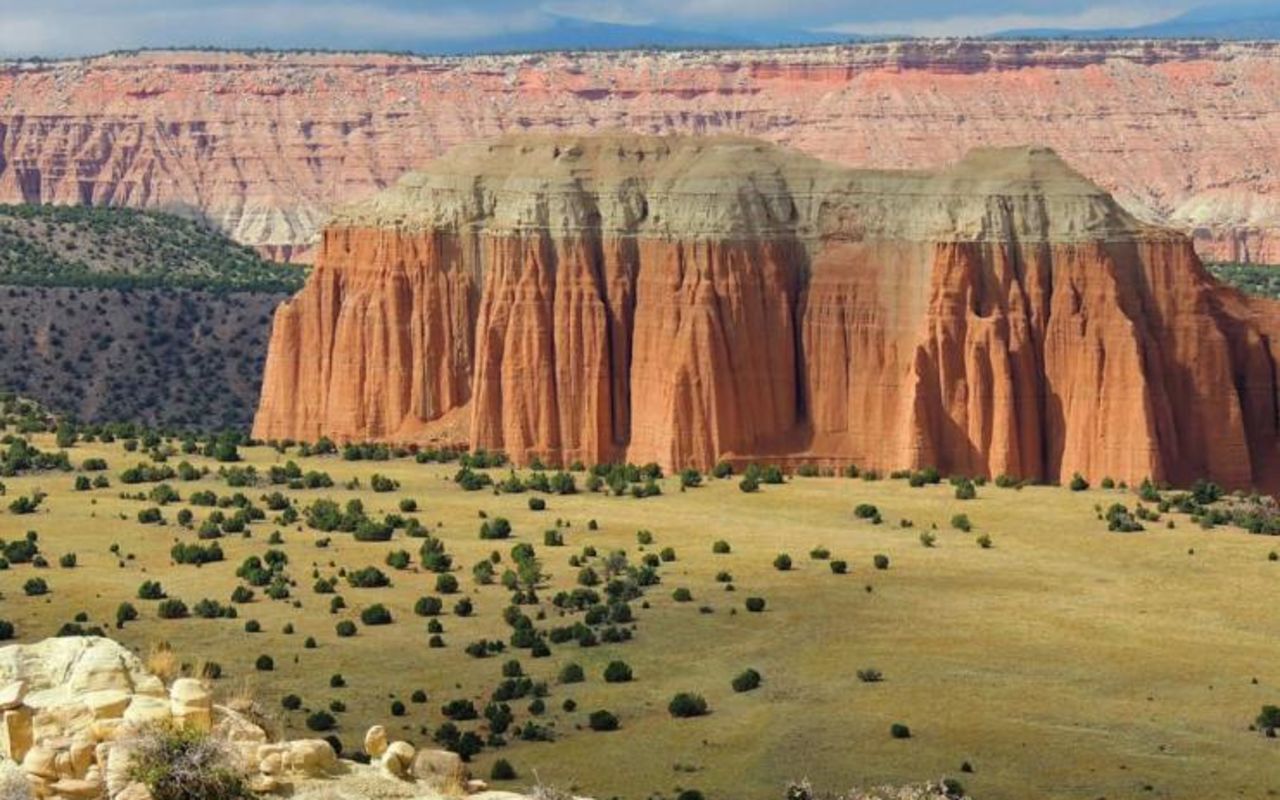
Capitol Reef preserves the Waterpocket Fold, a 100-mile long wrinkle in the Earth's crust that creates incredible red rock formations. The park feels like a hidden treasure, offering world-class hiking and scenery without the crowds of its more famous Utah neighbors.
- Must-do experiences:Hike through Capitol Gorge, explore Hickman Bridge, visit the historic Fruita area
- Best time to visit:April through October
- Insider tip:The park's orchards still produce fruit that visitors can pick in season
- Photography highlight:Sunset Point offers incredible views of the Capitol Dome formation
17. Death Valley National Park, California/Nevada
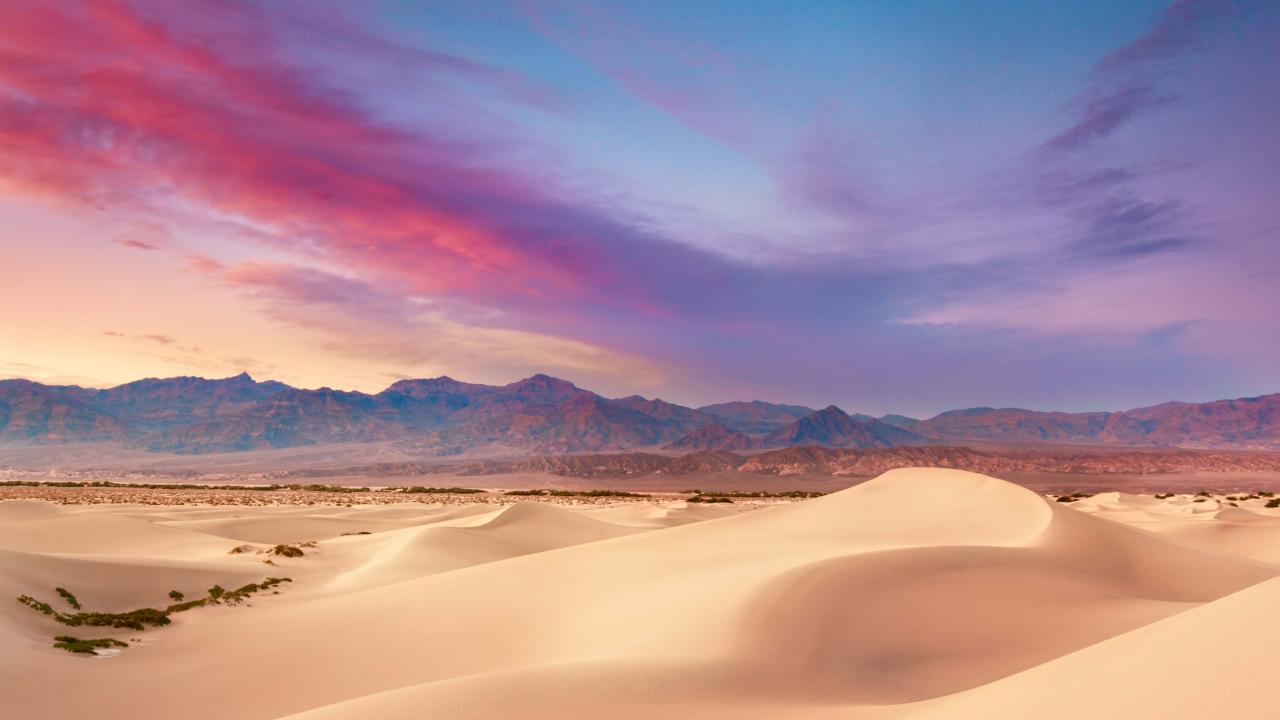
Death Valley holds the record for the hottest temperature ever recorded on Earth (134°F), but this harsh landscape creates surprising beauty. Salt flats stretch to the horizon, sand dunes shift with the wind, and spring wildflower blooms transform the desert into a colorful carpet.
- Must-do experiences:Watch sunrise at Zabriskie Point, explore Badwater Basin salt flats, photograph the Mesquite Flat Sand Dunes
- Best time to visit:November through March to avoid extreme heat
- Insider tip:Bring extra water and tell someone your travel plans because cell service is spotty
- Photography highlight:The Racetrack Playa's mysterious moving rocks create surreal landscape photos
18. Badlands National Park, South Dakota
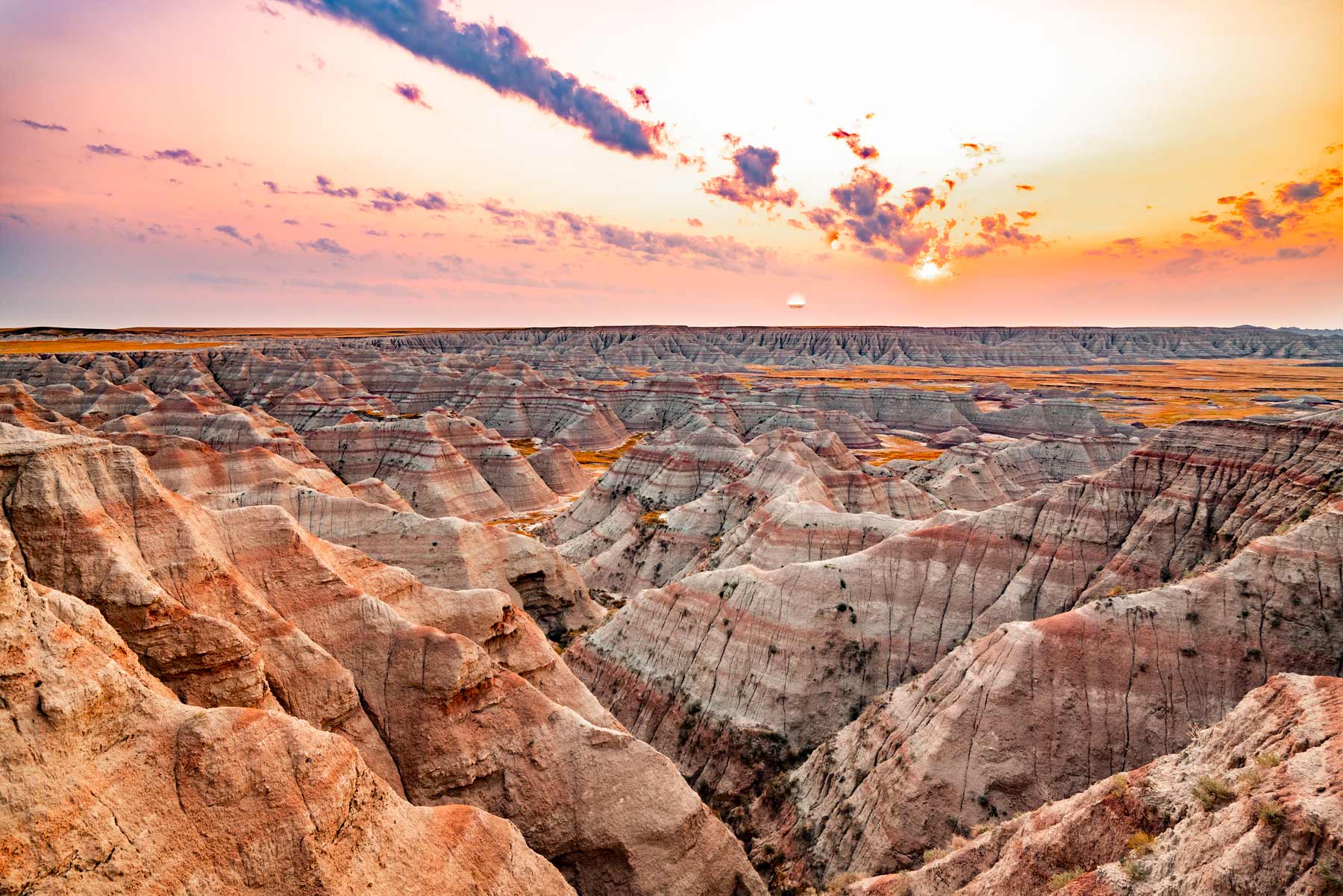
The Badlands showcase 75 million years of geological history in layered rock formations that stretch across South Dakota's prairie. This landscape changes color throughout the day, and the park preserves one of the world's richest fossil beds.
- Must-do experiences:Drive Badlands Loop Road, hike Notch Trail, visit the Ben Reifel Visitor Center fossil displays
- Best time to visit:May through September
- Insider tip:The park sits within the Pine Ridge Indian Reservation, offering cultural experiences alongside natural beauty
- Photography highlight:The layered rock formations create incredible patterns and textures in side lighting
19. Shenandoah National Park, Virginia
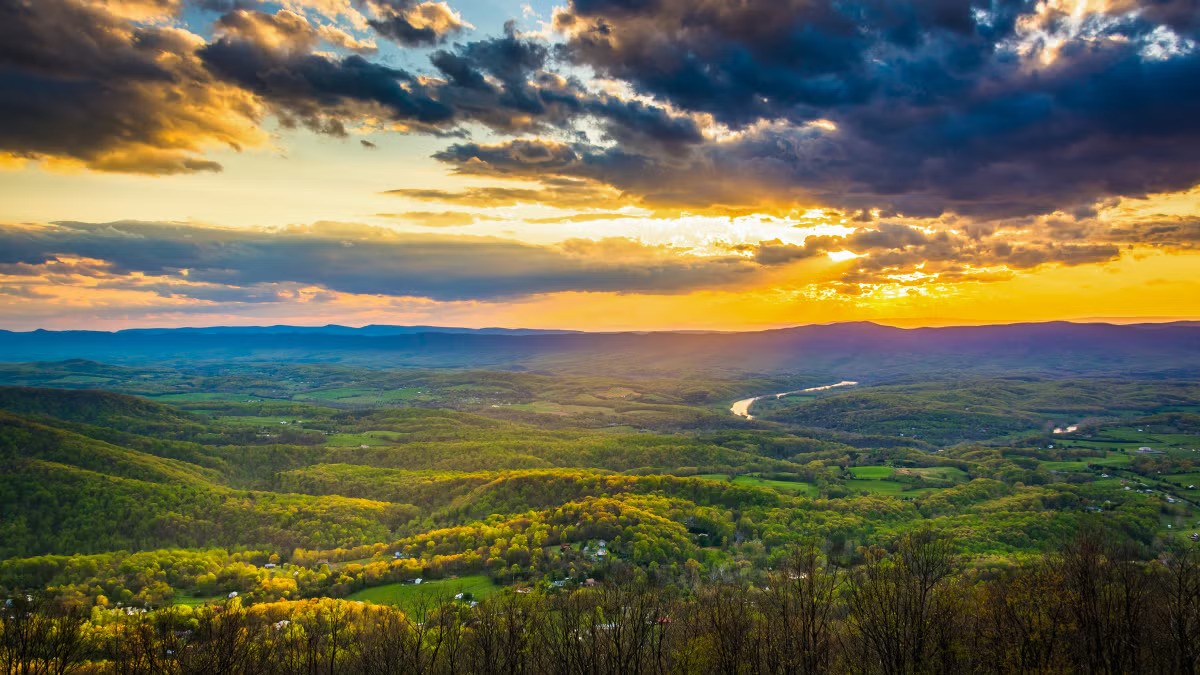
Shenandoah's Blue Ridge Mountains offer the perfect escape from East Coast cities. Skyline Drive winds 105 miles through the park, connecting over 500 miles of trails that lead to waterfalls, summit views, and peaceful mountain streams.
- Must-do experiences:Drive Skyline Drive for mountain views, hike to Dark Hollow Falls, visit during fall color season
- Best time to visit:October for peak fall colors
- Insider tip:The park stretches north-south, so you can experience different seasons depending on elevation
- Photography highlight:Overlooks along Skyline Drive offer incredible sunrise and sunset opportunities
20. Big Bend National Park, Texas
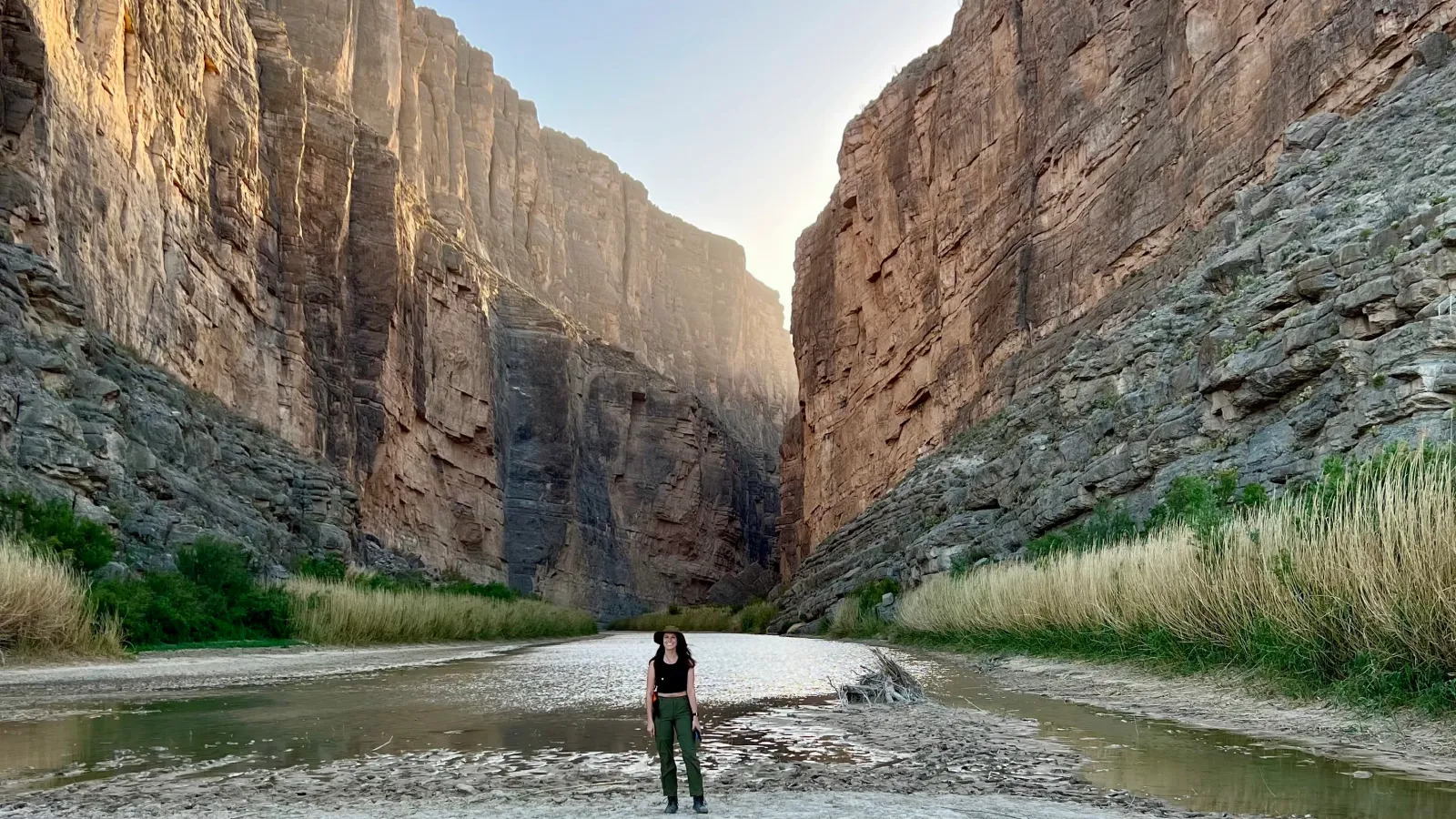
Big Bend sits in one of America's most remote locations, where Texas meets Mexico along the Rio Grande. This isolation preserves incredible dark skies, desert wildlife, and rugged mountains that few people ever see.
- Must-do experiences:Float the Rio Grande, hike Lost Mine Trail, stargaze in the dark sky preserve
- Best time to visit:November through March to avoid extreme summer heat
- Insider tip:The park is huge and remote, so plan for long drives between attractions
- Photography highlight:Santa Elena Canyon creates dramatic river and cliff compositions
21. Mesa Verde National Park, Colorado
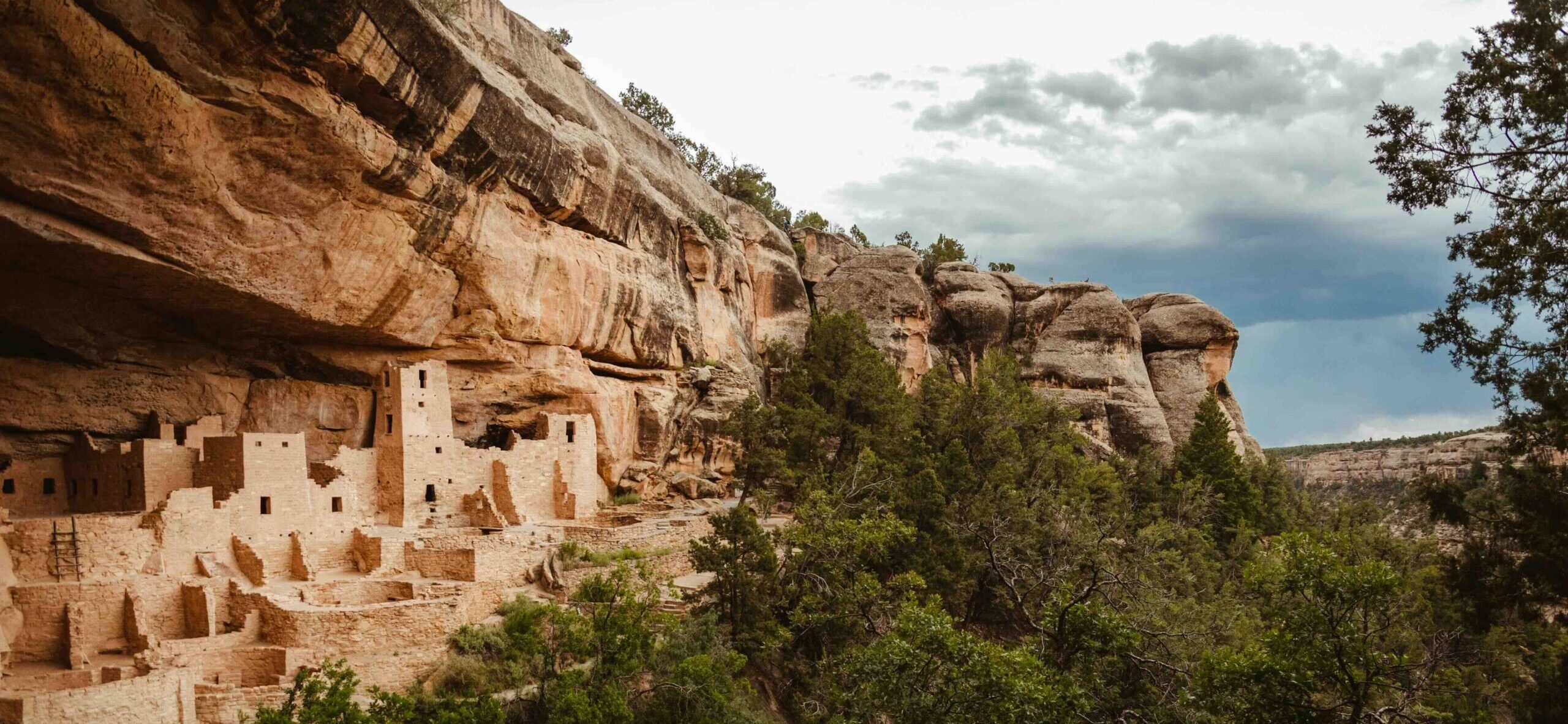
Mesa Verde protects over 5,000 archaeological sites, including spectacular cliff dwellings built by Ancestral Puebloans over 700 years ago. These ancient communities showcase sophisticated engineering and provide windows into pre-Columbian American life.
- Must-do experiences:Tour Cliff Palace, explore Balcony House, hike the Mesa Top Loop Road
- Best time to visit:May through October when all tours operate
- Insider tip:Cliff dwelling tours require advance reservations and involve climbing ladders
- Photography highlight:The cliff dwellings create incredible architectural photography opportunities
22. Everglades National Park, Florida
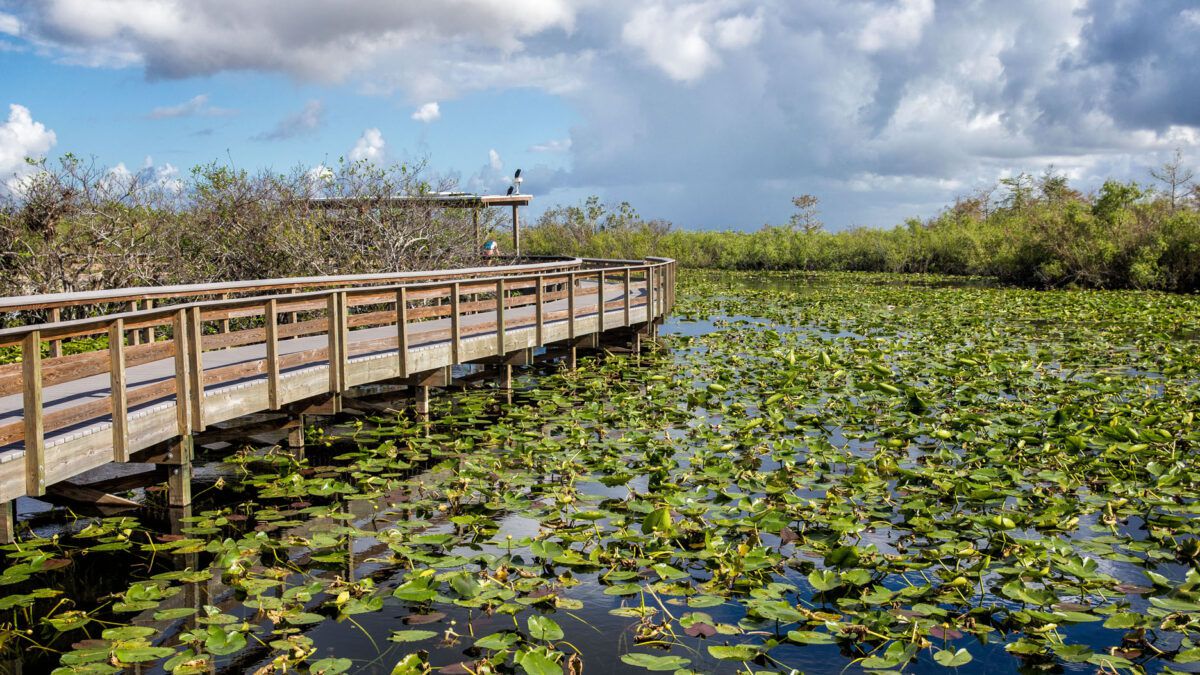
The Everglades preserves a unique "River of Grass" ecosystem found nowhere else on Earth. This wetland wilderness supports incredible biodiversity, including alligators, manatees, and over 350 bird species in a landscape that changes dramatically between wet and dry seasons.
- Must-do experiences:Take the Anhinga Trail for wildlife viewing, kayak through mangrove tunnels, visit Flamingo for sunset
- Best time to visit:December through April during the dry season
- Insider tip:Mosquitoes can be intense during summer months, so bring repellent
- Photography highlight:Sunrise and sunset create incredible silhouettes of wading birds and palm trees
23. Denali National Park, Alaska
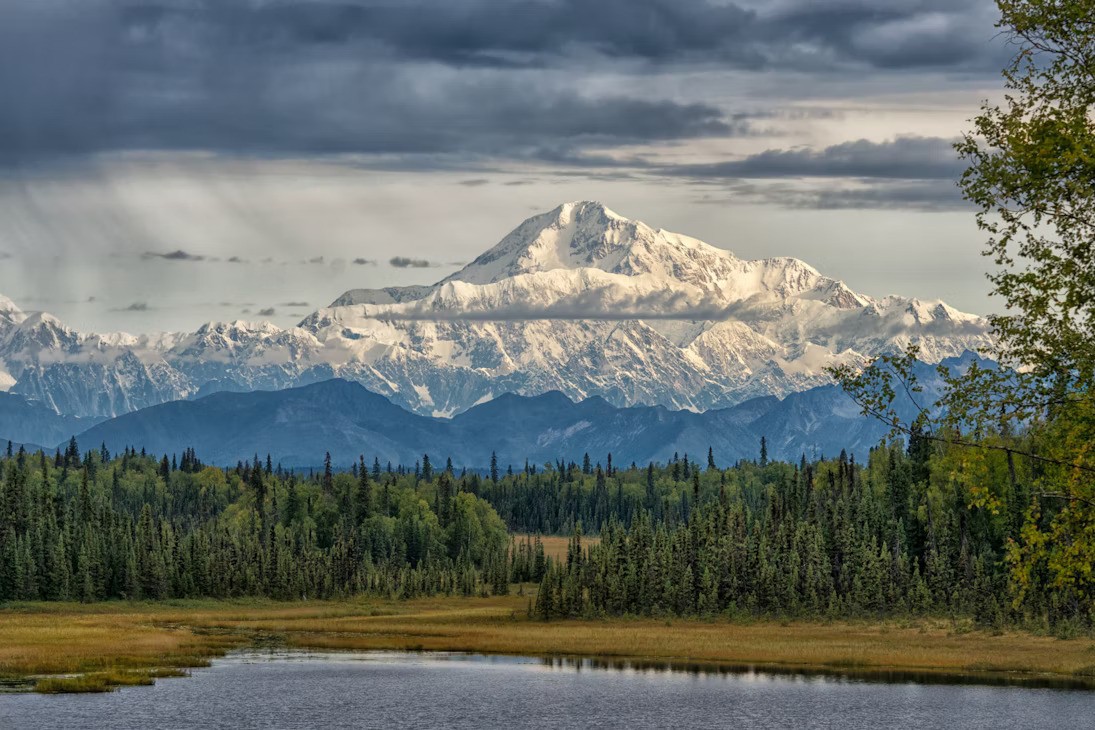
Denali protects six million acres of Alaskan wilderness surrounding North America's tallest peak. This crown jewel among Alaska national parksfeatures a 92-mile road that winds through pristine tundra where grizzly bears, wolves, and caribou roam freely across landscapes that stretch beyond the horizon.
- Must-do experiences:Take the park bus for wildlife viewing, attempt to see Denali peak, explore the visitor center
- Best time to visit:June through August for road access
- Insider tip:Denali peak is visible only about 30% of the time due to clouds
- Photography highlight:Wildlife photography opportunities are incredible throughout the park
24. Crater Lake National Park, Oregon
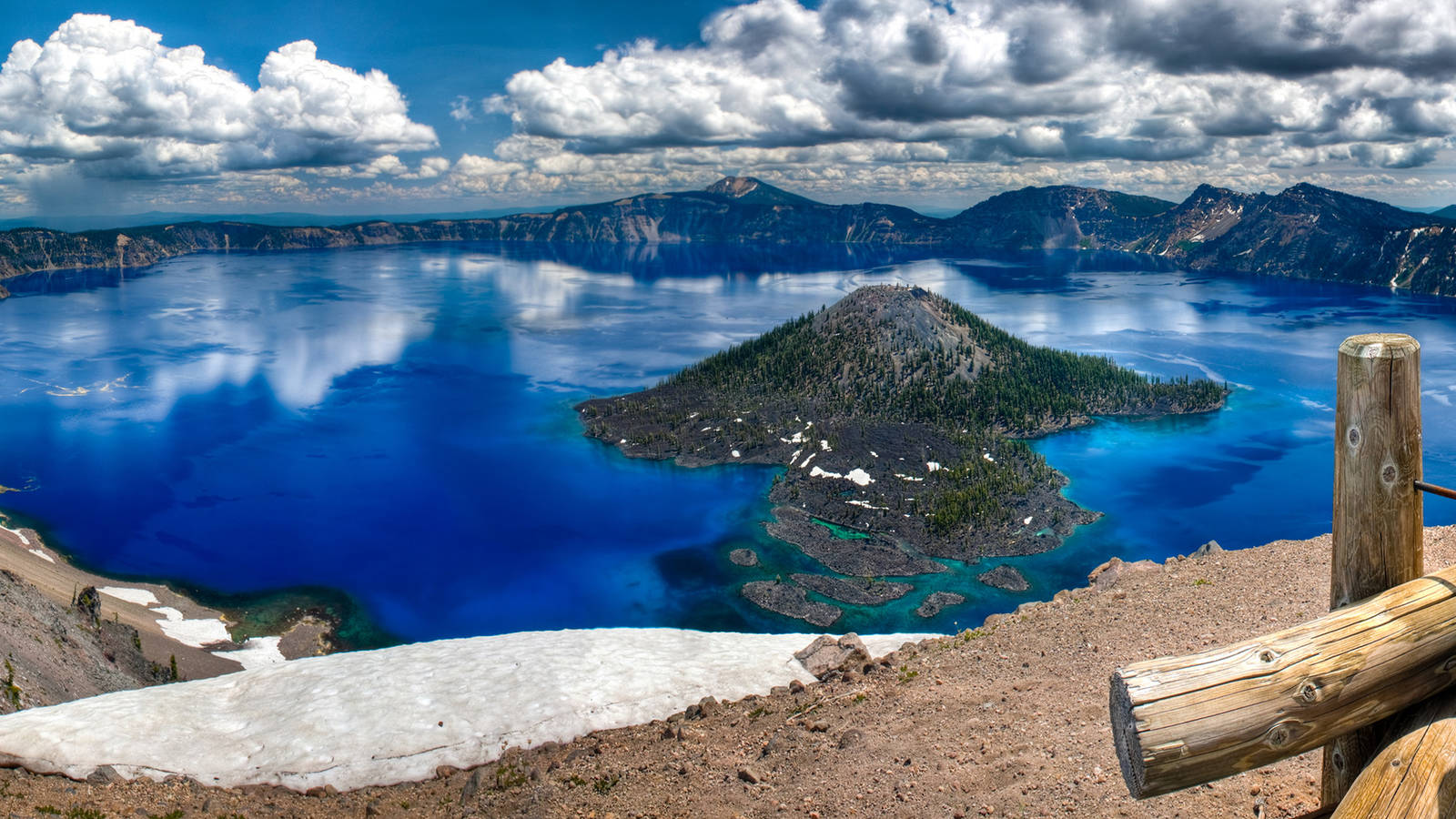
Crater Lake formed 7,700 years ago when Mount Mazama collapsed, creating a caldera that filled with the deepest lake in America. The water reaches depths of 1,943 feet and displays the most intense blue color I've ever seen in nature.
- Must-do experiences:Drive Rim Drive around the caldera, hike to Watchman Overlook, take a boat tour to Wizard Island
- Best time to visit:July through September when roads fully open
- Insider tip:Snow can close sections of Rim Drive well into June
- Photography highlight:The deep blue water creates stunning contrast against the caldera walls
25. Redwood National And State Parks, California
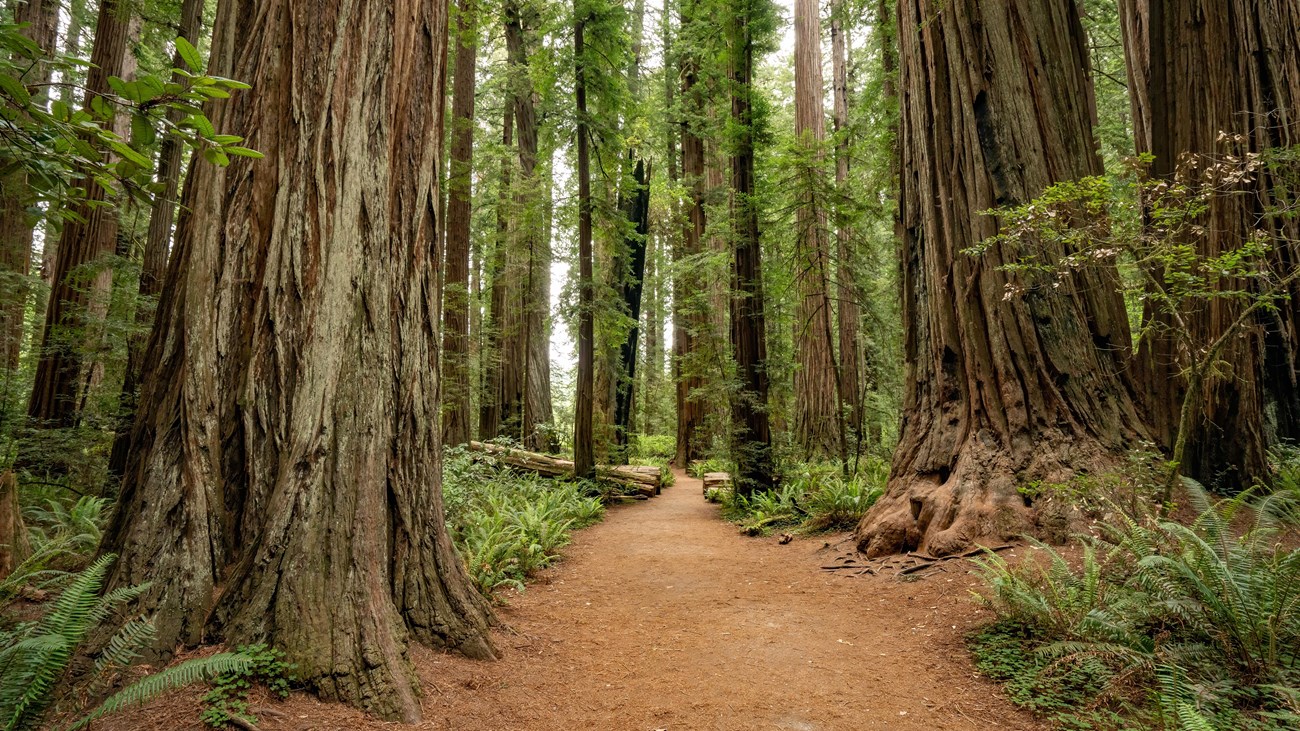
These parks protect the tallest trees on Earth, the coast redwoods, which can live for more than 2,000 years and grow to heights of over 350 feet. Walking through old-growth redwood groves feels like stepping into a natural cathedral where time seems to slow down.
- Must-do experiences:Drive through the parks' scenic routes, hike among the giant trees, visit the tallest known tree (location kept secret)
- Best time to visit:April through October for best weather
- Insider tip:The parks consist of one national park and three state parks working together
- Photography highlight:Shafts of sunlight filtering through the forest canopy create magical photo opportunities
26. Mammoth Cave National Park, Kentucky
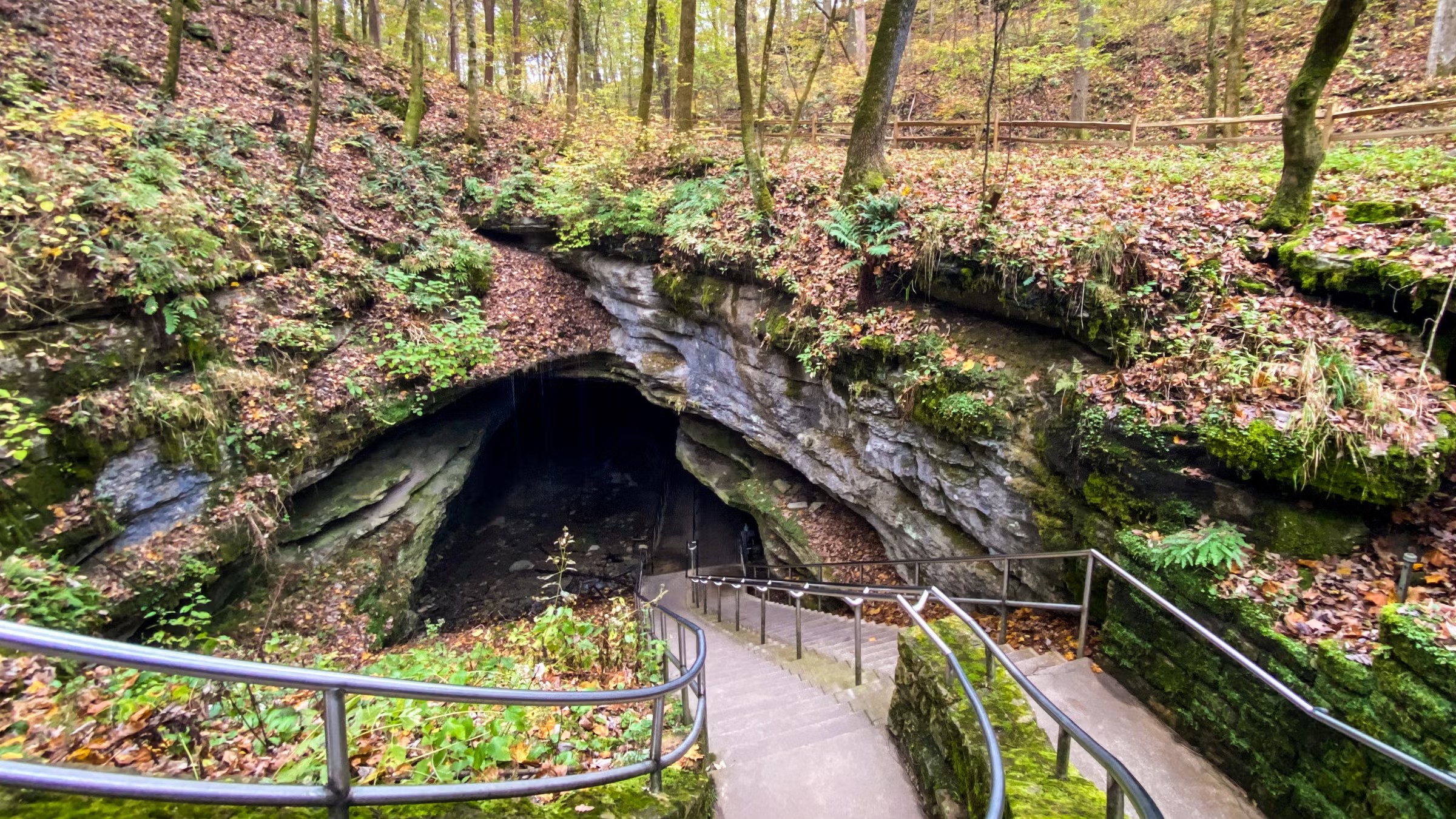
Mammoth Cave contains the world's longest known cave system with over 400 miles of surveyed passageways. Underground tours reveal incredible formations created over millions of years, while the park above ground protects important Kentucky ecosystems.
- Must-do experiences:Take a cave tour, explore the Green River by canoe, hike the above-ground trails
- Best time to visit:Year-round, as cave temperature stays constant
- Insider tip:Cave tours require advance reservations and vary in difficulty levels
- Photography highlight:Cave formations create incredible patterns and textures with proper lighting
27. Carlsbad Caverns National Park, New Mexico
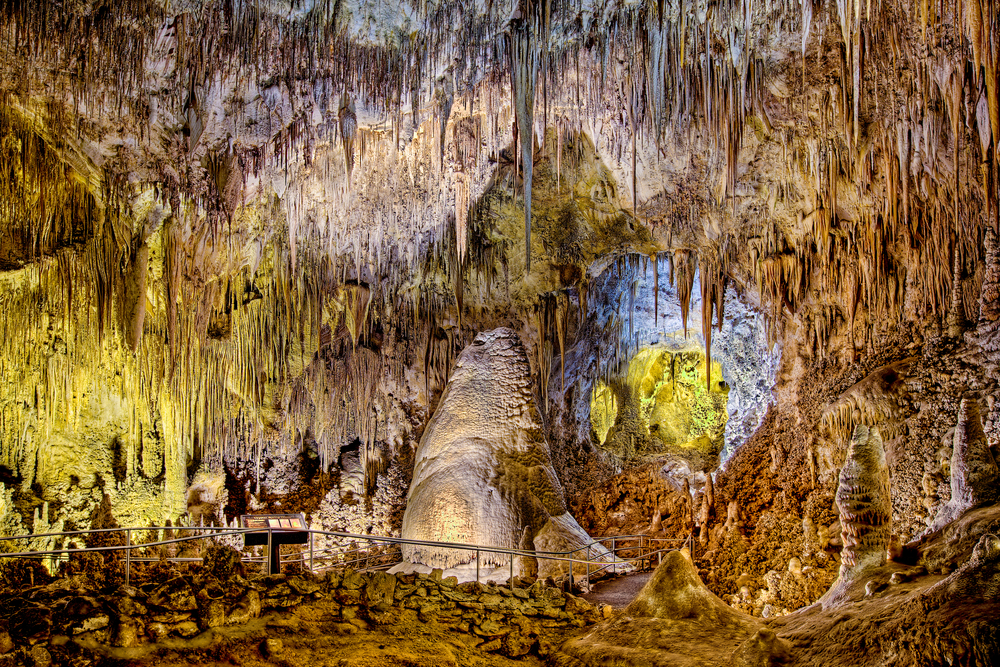
Carlsbad Caverns features over 119 caves formed in limestone deposited by ancient seas. The Big Room stretches 4,000 feet long and 625 feet wide, while evening bat flights create one of nature's most spectacular shows as over 400,000 bats emerge from the cave entrance.
- Must-do experiences:Explore the Big Room, watch the evening bat flight program, take the elevator down to the cave
- Best time to visit:May through October for bat flight programs
- Insider tip:The bat flight program happens at sunset and is free with park admission
- Photography highlight:The massive cave formations dwarf human visitors, creating great scale photography
28. Channel Islands National Park, California
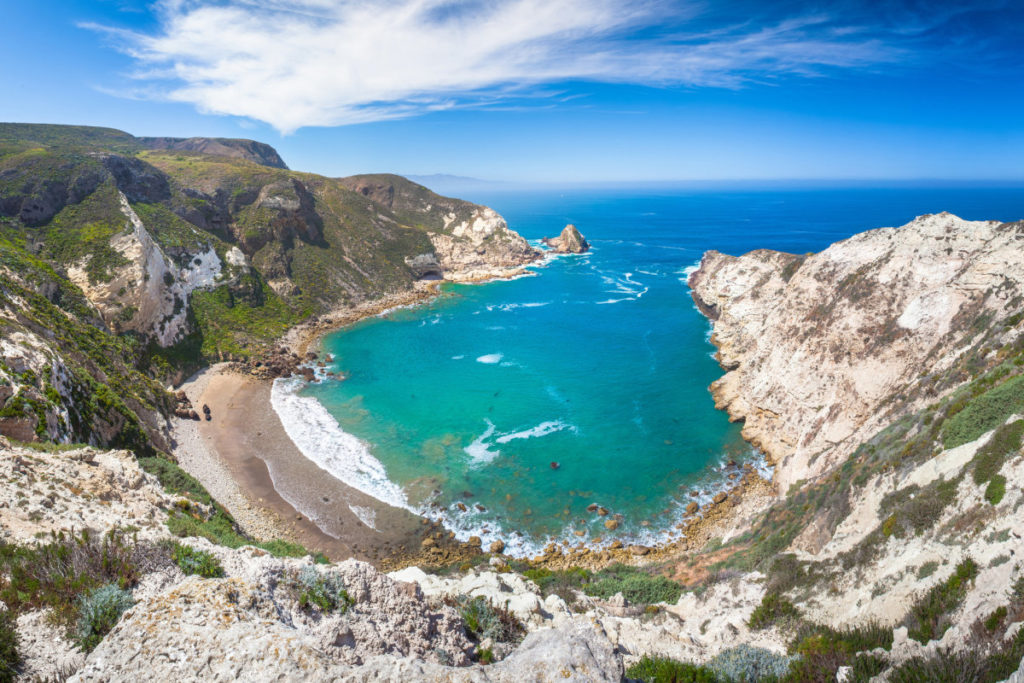
Channel Islands preserve five islands off the California coast, earning the nickname "California's Galapagos" for their unique wildlife and pristine marine environment. These islands support species found nowhere else on Earth and offer incredible snorkeling, hiking, and wildlife viewing.
- Must-do experiences:Take a boat to the islands, snorkel in kelp forests, spot island foxes and seabirds
- Best time to visit:April through October for calmest seas
- Insider tip:Access requires boat or plane transportation since there are no bridges connect to the mainland
- Photography highlight:Sea caves and dramatic coastlines create stunning marine landscape photos
Essential Planning Strategies For Your National Park Adventure
After visiting these parks more times than I can count, I’ve learned that a great trip often takes more planning than you might expect. The good news is that the extra effort almost always pays off with unforgettable experiences.
Timing Your Visits Like A Pro
Every park has its own rhythm throughout the year, and knowing that rhythm can make all the difference. I learned this the hard way during my first visit to Glacier National Park in early June when snow still covered Going-to-the-Sun Road, leaving half the park off-limits.
Summer, from June to August, brings the most reliable weather and full access to roads and facilities. The trade-off is bigger crowds and higher prices. I have spent over an hour in line at Old Faithful on peak summer weekends, surrounded by hundreds of other visitors waiting for the geyser to erupt.
My favorite time to visit is during the shoulder seasons, which are late spring (April and May) and early fall (September and October). Crowds thin out, accommodation prices drop, and the weather is still perfect for hiking. In September, mountain views in Glacier or Rocky Mountain are crystal clear without the summer haze. In spring, desert parks such as Death Valley burst into life with spectacular wildflower blooms.
Winter changes many parks completely. Yellowstone and Yosemite turn into snowy wonderlands that you can explore by snowcoach or on cross-country skis. Others, such as Glacier, become almost entirely inaccessible as snow blocks the roads for months. No matter the season, it is always worth checking current conditions before you travel.
Reservation And Permit Requirements
Gone are the days when you could simply show up at most popular national parks without a booking. Many now require timed entry reservations that open months in advance on recreation.gov. For high-demand parks like Yosemite or Rocky Mountain, these spots can disappear within hours.
To avoid disappointment, I set reminders for the exact date reservations open, usually five months ahead. I also keep backup dates ready in case my first choice is taken. Weekdays are often easier to secure, and shoulder season dates tend to stay available longer than peak summer.
Campground reservations are even more competitive. Popular sites such as Yosemite Valley or Glacier’s Apgar can book up within minutes. I often reserve a less popular campground first, then check daily for cancellations at my preferred location.
Some activities need extra permits beyond park entry. Hiking Angels Landing in Zion requires both a park pass and a separate hiking permit. The Fiery Furnace tour in Arches also sells out months ahead. Checking these details early can save a lot of frustration later.
Grouping Parks For The Ultimate Road Trip
Visiting several parks in one trip can turn a vacation into an epic adventure. Utah’s Big 5, which are Arches, Canyonlands, Capitol Reef, Bryce Canyon, and Zion, are all within a day’s drive of each other, making them perfect for a week-long loop.
California offers an incredible mix of landscapes in relatively short distances. You can start in the desert at Death Valley or Joshua Tree, head to the coast for Channel Islands or Redwood, and then finish in the Sierra Nevada mountains with Yosemite and Sequoia.
On the East Coast, Shenandoah and Great Smoky Mountains are linked by the scenic Blue Ridge Parkway, while Acadia makes a perfect long-weekend escape from major northeastern cities.
When I plan multi-park trips, I try to keep drives between parks to four or five hours and spend at least two to three days in each one. That way, I have time to experience the best each park has to offer without feeling rushed.
Maximizing Your National Park Experience
The difference between a good park visit and a truly great one often comes down to preparation and knowing what to look for when you arrive.
Photography And Wildlife Viewing Tips
Golden hour, which is the hour after sunrise and the hour before sunset, transforms ordinary park landscapes into magical photographs. I wake up early and stay out late during park visits because this lighting makes every image dramatically better. Harsh midday sun creates deep shadows and washed-out colors that no camera setting can fix.
Wildlife viewing requires patience and timing. Most animals are active during dawn and dusk when temperatures are cooler and human activity is lower. I have learned to position myself near water sources or known feeding areas, then wait quietly for animals to appear naturally.
Always maintain safe distances from wildlife, keeping at least 100 yards from bears and wolves, and 25 yards from elk and bison. I carry telephoto lenses for wildlife photography instead of getting dangerously close. Rangers will not ticket you for staying far away, but they will cite visitors who approach too closely.
Hiking And Activity Preparation
Elevation and terrain create challenges that catch many park visitors off guard. I have seen people attempt strenuous hikes in flip-flops or try high-elevation trails without realizing how altitude can affect performance.
Start with shorter, easier trails to gauge your fitness level and comfort with park conditions. Even so-called “easy” trails in places like Rocky Mountain National Park can challenge visitors who are used to hiking at sea level. Carry more water than you think you need, as desert parks require at least one gallon per person per day.
Weather can change quickly in mountainous areas. I always pack layers, rain gear, and warm clothing, even for summer hikes. Afternoon thunderstorms are common in parks such as Rocky Mountain and Grand Teton, creating dangerous lightning conditions above the treeline.
FAQs About America's Top National Parks
How Far In Advance Should I Plan My National Park Trip?
For popular parks during peak season, I recommend starting your planning five to six months in advance. This gives you time to secure timed entry reservations and book your preferred accommodations. Less popular parks or shoulder season visits can usually be planned with two to three months of lead time. Spontaneous trips are still possible if you are flexible with dates and lodging.
Which National Parks Are Best For Families With Young Children?
Great Smoky Mountains, Yellowstone, and Yosemite are excellent for families, offering short trails, visitor centers, and wildlife viewing opportunities. Great Smoky Mountains has no entrance fee and numerous easy walks to waterfalls. Yellowstone’s geothermal features fascinate kids, and Yosemite Valley delivers stunning scenery with minimal hiking required.
Do I Need Special Gear For Visiting National Parks?
Basic hiking gear such as comfortable walking shoes, layered clothing, sun protection, and plenty of water is enough for most park visits. Backcountry camping, technical climbing, and other specialized activities require specific equipment. Always check weather forecasts and park websites for current conditions before packing.
How Much Does It Cost To Visit National Parks?
Entrance fees range from $15 to $35 per vehicle for seven days. The $80 annual pass covers all parks. Camping typically costs $20 to $35 per night, while park lodges range from $150 to over $500 per night depending on location and season. For two people, a budget of $100 to $150 per day is reasonable for food, gas, and basic accommodation.
Are National Parks Accessible For People With Disabilities?
All parks provide accessible trails, facilities, and programs, although offerings vary by location. Visitor centers provide accessibility information and some parks loan adaptive equipment. Many have paved trails to major viewpoints and accessible campgrounds. Check individual park websites for details.
What Should I Do If I Cannot Get Reservations For Popular Parks?
Check for cancellations daily as your trip approaches because plans change and spots often open up. Consider visiting during shoulder seasons or on weekdays when some reservation requirements may not apply.
Final Thoughts
I have shared the parks that have shaped my view of what makes this country beautiful. Your national park journey does not need to include every trail or overlook. Sometimes the most powerful moments come when you simply sit quietly and let the place work its magic. The hardest part is taking that first step, but once you experience the power of these places, you will understand why people like me spend our lives visiting and sharing America’s greatest natural wonders.
You Might Like: Cheapest Places To Travel Right Now In USA
Jump to
How I Selected These 28 National Parks
1. Yellowstone National Park, Wyoming/Montana/Idaho
2. Yosemite National Park, California
3. Grand Canyon National Park, Arizona
4. Zion National Park, Utah
5. Glacier National Park, Montana
6. Great Smoky Mountains National Park, Tennessee/North Carolina
7. Arches National Park, Utah
8. Rocky Mountain National Park, Colorado
9. Bryce Canyon National Park, Utah
10. Acadia National Park, Maine
11. Olympic National Park, Washington
12. Grand Teton National Park, Wyoming
13. Joshua Tree National Park, California
14. Canyonlands National Park, Utah
15. Sequoia National Park, California
16. Capitol Reef National Park, Utah
17. Death Valley National Park, California/Nevada
18. Badlands National Park, South Dakota
19. Shenandoah National Park, Virginia
20. Big Bend National Park, Texas
21. Mesa Verde National Park, Colorado
22. Everglades National Park, Florida
23. Denali National Park, Alaska
24. Crater Lake National Park, Oregon
25. Redwood National And State Parks, California
26. Mammoth Cave National Park, Kentucky
27. Carlsbad Caverns National Park, New Mexico
28. Channel Islands National Park, California
Essential Planning Strategies For Your National Park Adventure
Maximizing Your National Park Experience
FAQs About America's Top National Parks
Final Thoughts

Sophia Harper
Author
Sophia Harper’s photography acts as a portal to the soul of the places she visits. Drawn to South America’s landscapes and cultures, she has spent years capturing everything from the majesty of ancient ruins to the vibrancy of urban streets.
Sophia’s work isn’t just about documenting moments; it’s about evoking the emotions and stories behind them. A dedicated photographer, she has worked with local communities across South America to capture their rich cultural narratives through her lens.

Liam Jones
Reviewer
Liam Jones has made it his mission to prove that adventure doesn’t need a hefty budget. Having traveled to over 40 countries, he specializes in finding affordable ways to experience the world, from the best street food in Bangkok to hidden gems in Lisbon.
Liam’s travel tips have reached thousands of readers, empowering them to see the world on a shoestring budget without sacrificing quality. With a deep passion for local cultures, he continues to share his travel hacks, ensuring adventure remains accessible to all.
Latest Articles
Popular Articles