32 UNESCO World Heritage Sites In Europe [With Travel Tips]
UNESCO World Heritage Sites In Europe are some of the continent’s most valued places and cultural treasures. They are known worldwide for their history, architecture, or natural beauty. Each one gives a special glimpse into Europe’s past.
Author:Liam JonesReviewer:Sophia HarperAug 21, 202541.5K Shares1.4M Views
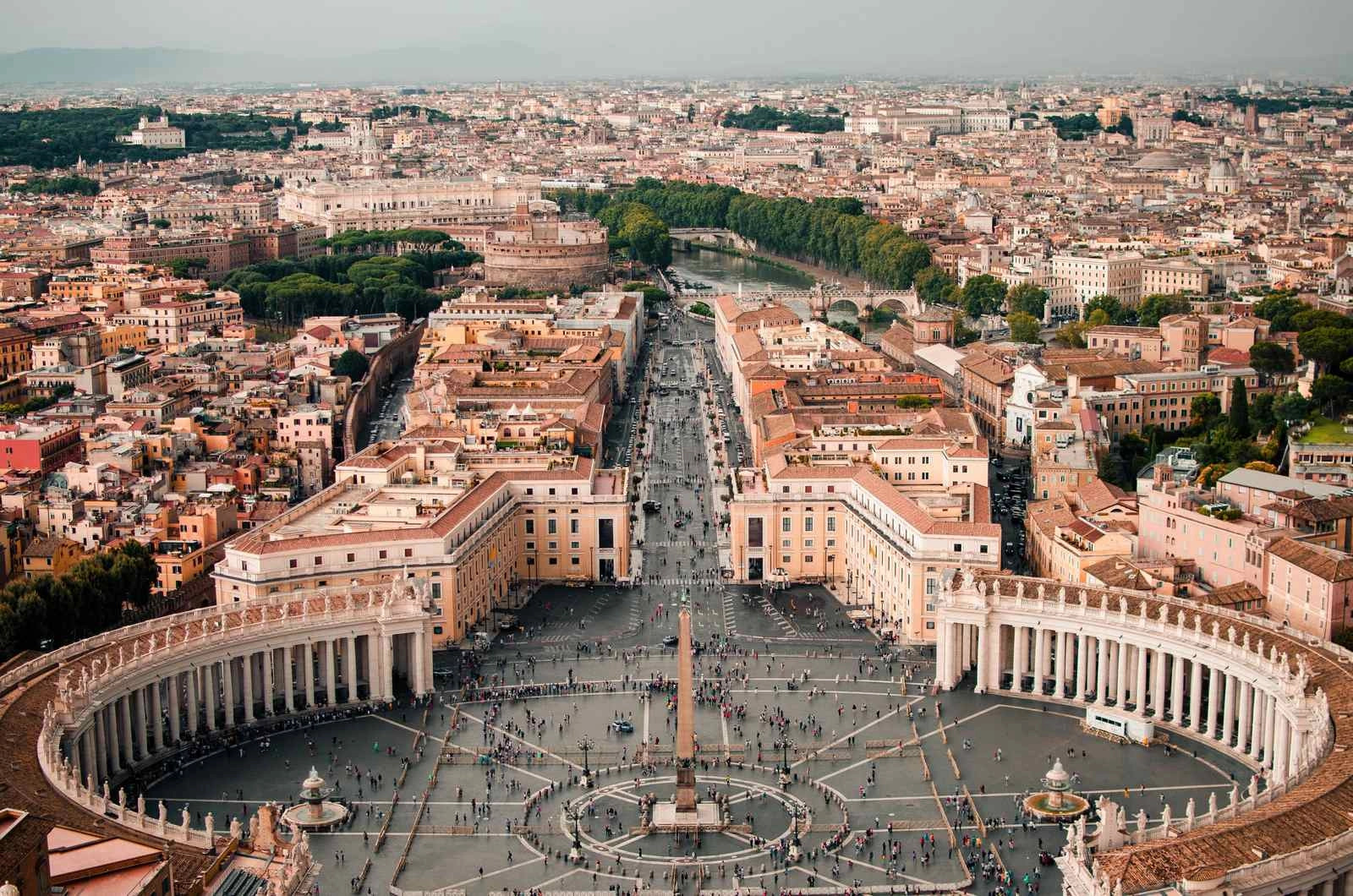
The Ultimate Bucket List - UNESCO World Heritage Sites In Europe
Europe, shaped by millennia of history and natural beauty, serves as a living museum of our shared heritage. Home to 503 of the world’s 1,100+ UNESCO sites, it offers unparalleled opportunities to explore humanity’s cultural and natural achievements.
Get ready to explore some of Europe’s most remarkable UNESCO World Heritage Sites; each with its own unique charm, rich history, and unforgettable experiences. We’ll share their standout features and top tips for visiting to make your next trip truly unforgettable.
1. Old City Of Bern (Canton Of Bern, Switzerland)
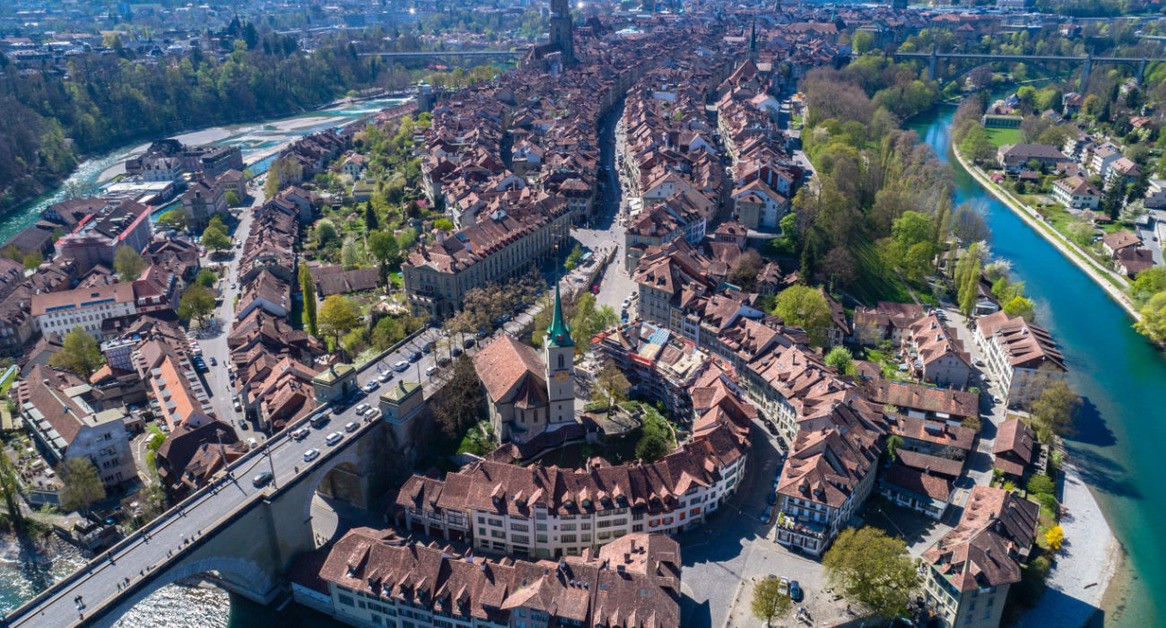
The medieval Old Town of Bern is a well-preserved UNESCO World Heritage Site since 1983. Its long main street is arcaded, with the 15th-century Zytglogge, a Clock Tower, and the Münster Cathedral as highlights.
Bern’s small city center is perfect for walking. Take the Berntram funicular up to the Rose Garden for a great view of the rooftops and the Aare River. In summer, you can swim in the clear Aare River from safe spots in the city center, a unique urban experience.
2. Acropolis (Athens, Greece)
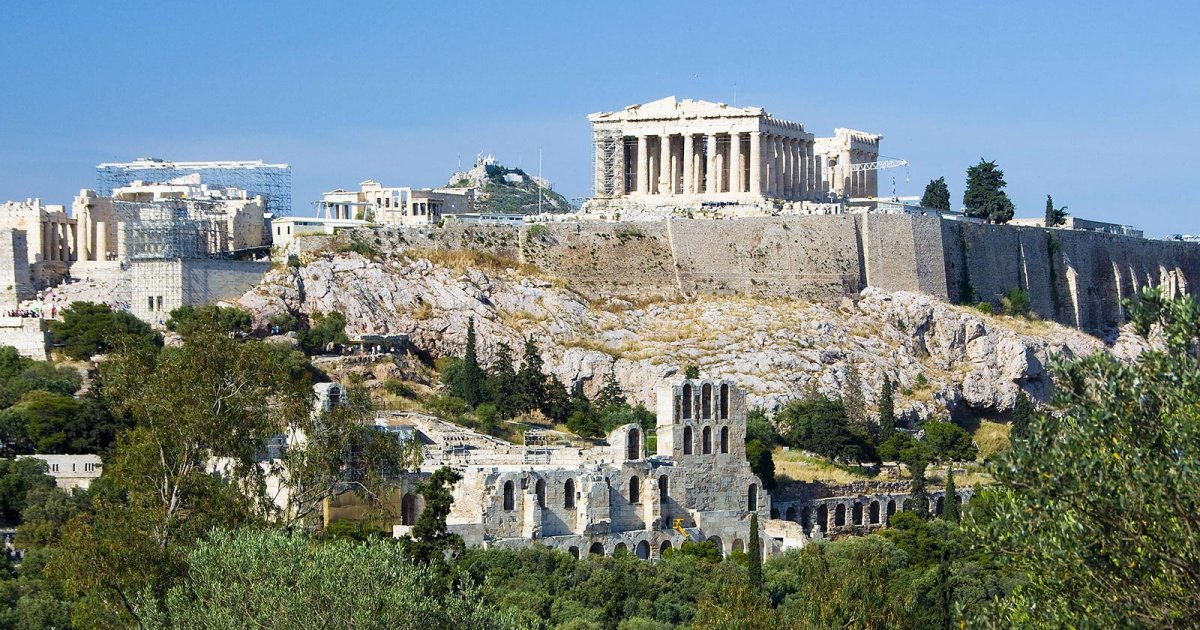
The Acropolis in Athens, Greece, is a powerful symbol of the birthplace of Western civilization and became a UNESCO World Heritage Site in 1987. Sitting on a rocky limestone hill about 150 meters above sea level, it dates back to the 5th century BCE, during the Golden Age of Athens under Pericles.
Its most famous landmark is the Parthenon, a Doric temple built between 447 and 432 BCE in honor of Athena, the city’s patron goddess. Other important monuments include the Erechtheion, known for its graceful Caryatid Porch; the grand gateway called the Propylaia; and the small yet elegant Temple of Athena Nike.
Visitors can explore these incredible ancient ruins while taking in sweeping views of modern Athens. Just nearby, the Acropolis Museum, opened in 2009, displays sculptures, friezes, and artifacts from the site, offering a deeper look into its rich history and culture.
3. Carcassonne (Occitanie, France)
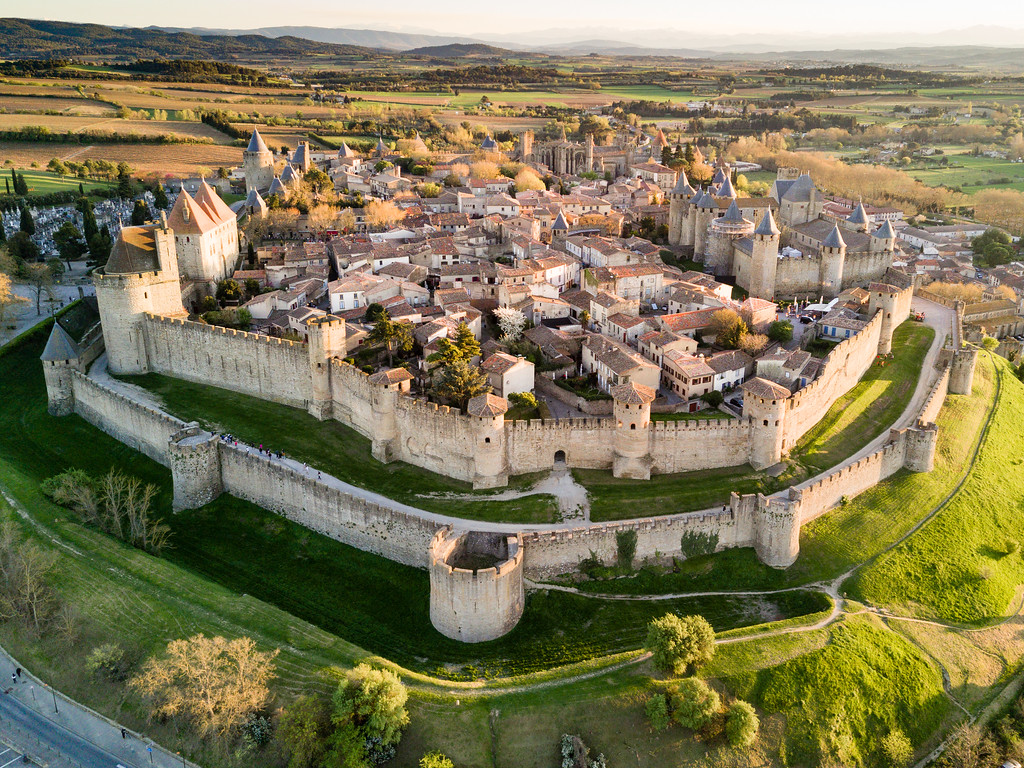
Carcassonne is a medieval fortified town straight out of a fairy tale, enclosed by double ring walls and 52 towers. Its Cité de Carcassonne was restored in the 19th century and is a UNESCO site inscribed in 1997.
Walk along the ramparts for stunning views of the modern city and plains below. Enter the fortified city through its ancient drawbridge and wander the narrow streets filled with restaurants. Visit the Château Comtal (Count’s Castle) and enjoy a local cassoulet stew. Evening visits are magical, with lights illuminating the stone walls.
4. Stonehenge (Wiltshire, England)
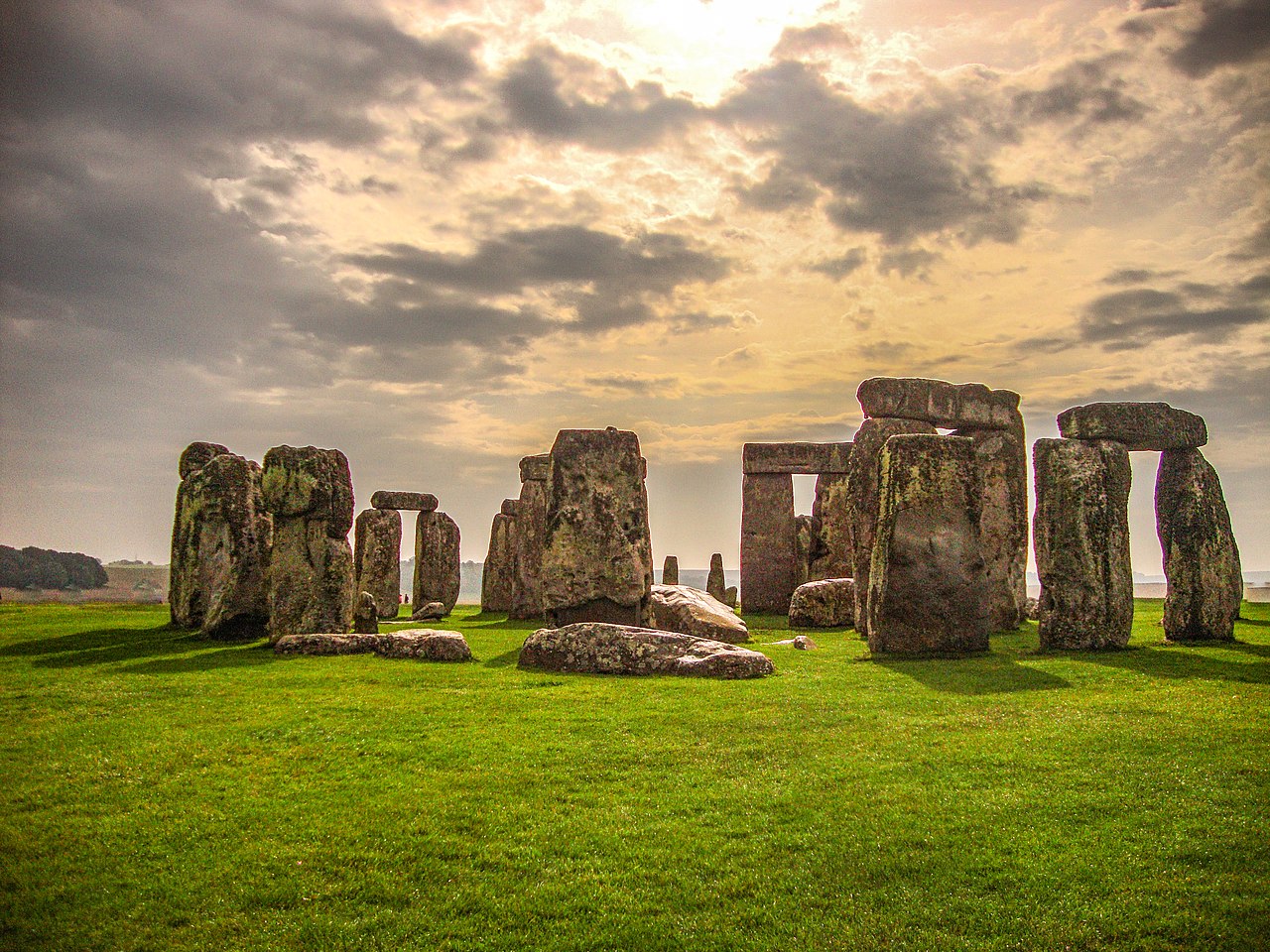
Stonehenge is one of the world’s most famous prehistoric monuments, on the Salisbury Plain in southern England. This mysterious circle of 5,000-year-old standing stones was a ritual site of Neolithic people. UNESCO inscribed Stonehenge with the nearby Avebury sites in 1986.
Visitors get to Stonehenge by shuttle or car from nearby Salisbury. The site is open only at specific times, so book tickets in advance. For a special experience, join a sunrise or sunset guided tour during the solstices to enter the stone circle outside regular hours.
5. Vatican City (Rome, Italy)
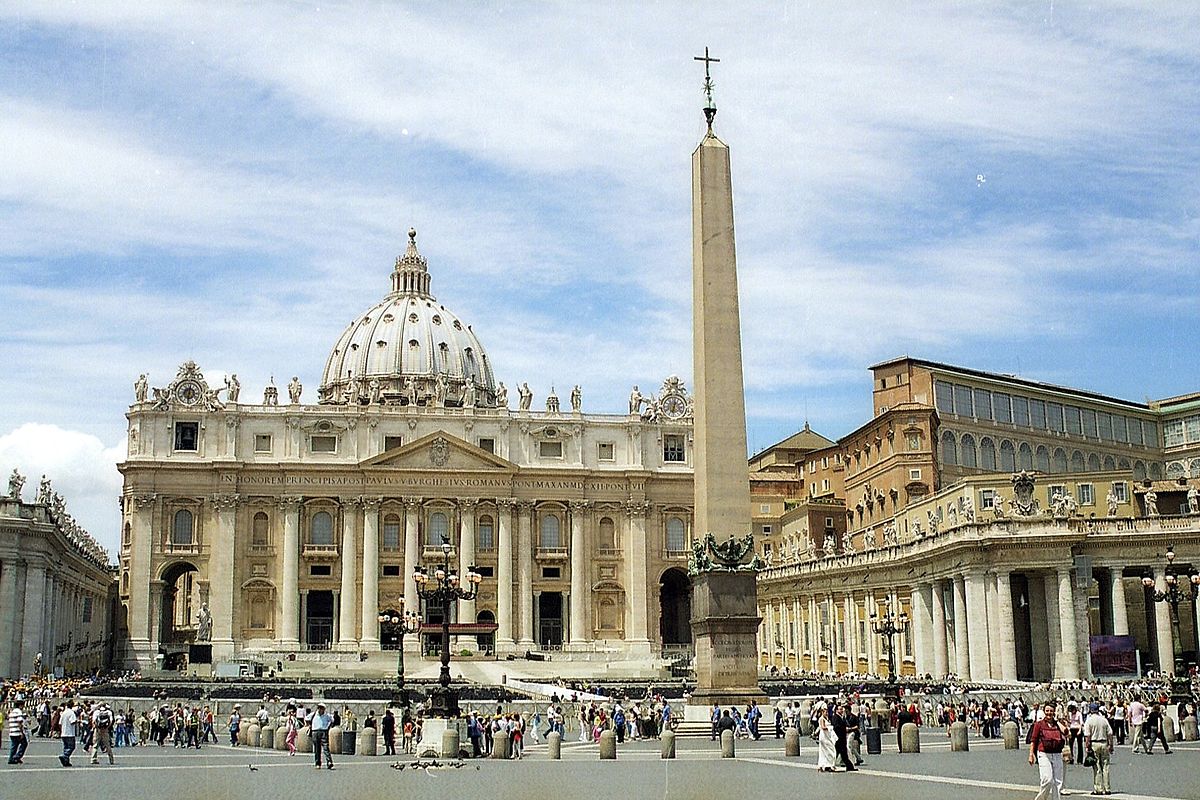
Vatican City, located in the heart of Rome, Italy, is the smallest independent state in the world and has been a UNESCO World Heritage Site since 1984. Established as a sovereign state in 1929 with the signing of the Lateran Treaty, it serves as the spiritual and administrative center of the Roman Catholic Church.
This tiny city-state is home to some of the world’s most famous landmarks, including St. Peter’s Basilica (completed in 1626), the Vatican Museums (founded in 1506), and the Sistine Chapel (completed in 1481, with Michelangelo’s ceiling painted between 1508 and 1512).
Visitors can explore the Vatican Museums’ vast art collections, admire the grandeur of St. Peter’s Basilica, and stand in awe beneath the Sistine Chapel’s frescoes. They can also attend a Papal audience in St. Peter’s Square or stroll through the beautifully maintained Vatican Gardens, which date back to the 13th century.
6. Works Of Antoni Gaudí (Barcelona, Catalonia, Spain)
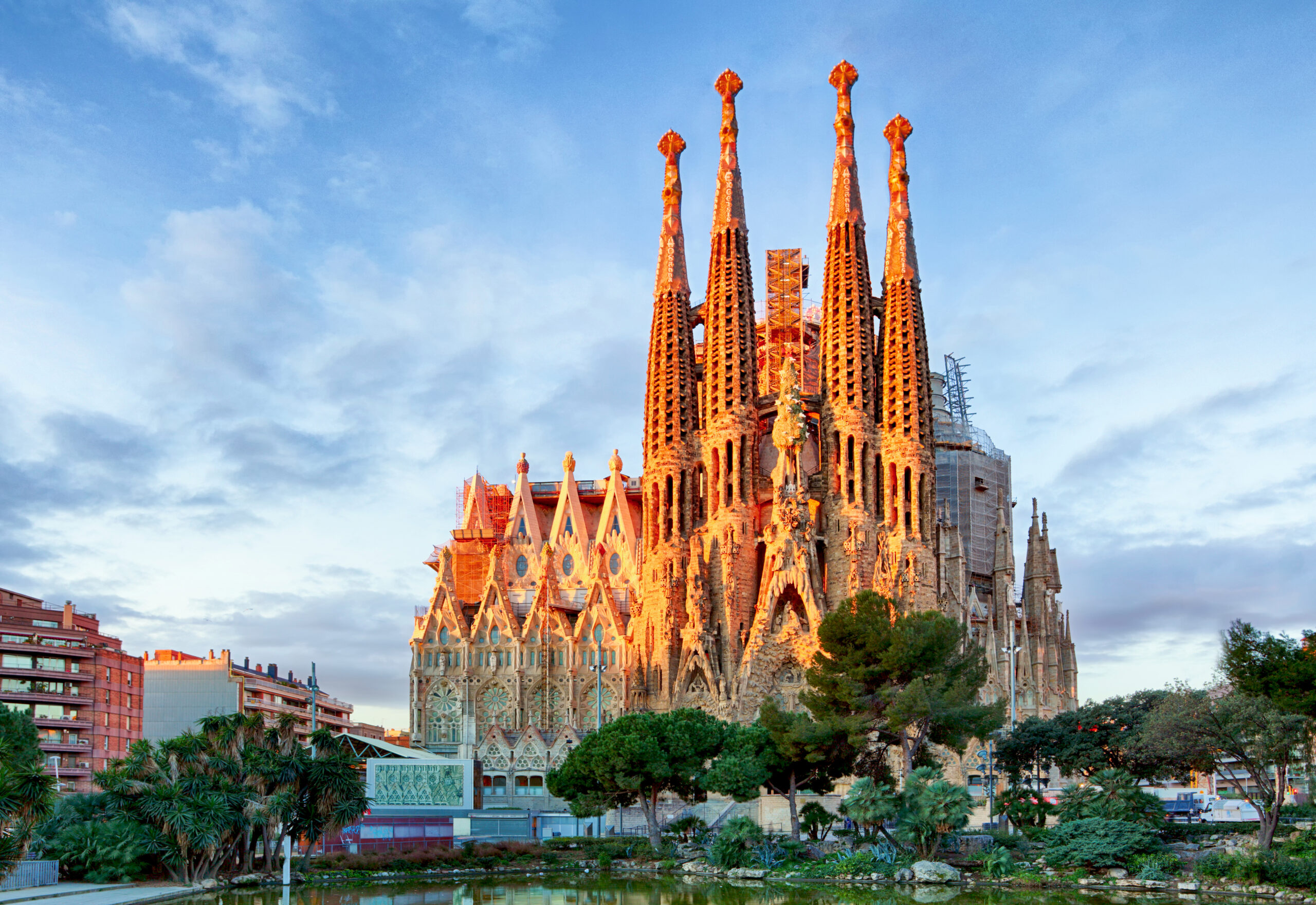
Barcelona’s Gaudí sites, including Sagrada Família, Park Güell, Casa Milà, Casa Vicens, Casa Batlló, and Guell Palace, are together a UNESCO World Heritage Site, recognized in 1984 and 2005. These seven buildings show the unique and creative genius of architect Antoni Gaudí. Each features his bold, flowing Modernist style with wavy stone exteriors, detailed mosaics, and twisting indoor columns.
Book tickets for Sagrada Família and Park Güell online early, as they often sell out. Walk or use the metro and buses to visit all the Gaudí sites. Don’t miss the vibrant roof of La Pedrera (Casa Milà) and the playful rooftop chimneys of Casa Batlló.
7. Alhambra, Generalife, And Albayzín (Granada, Spain)
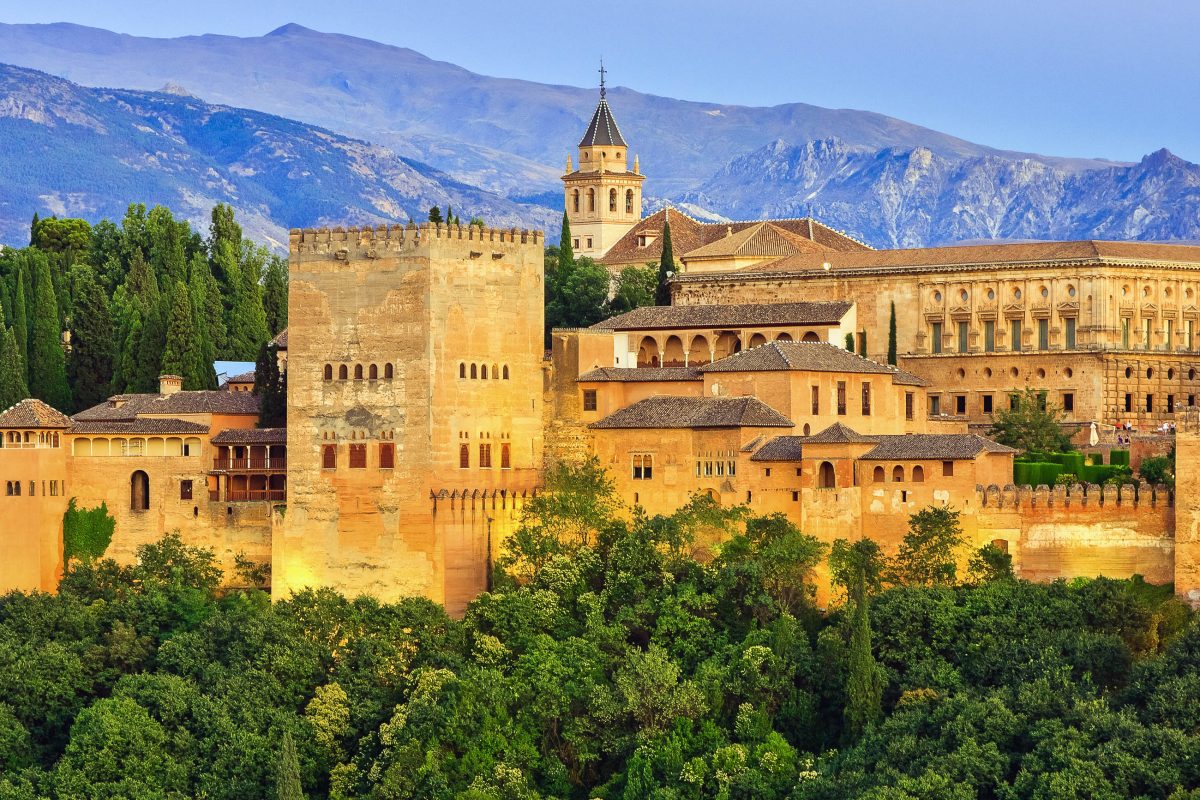
The Alhambra is a beautiful Moorish palace and fortress in Granada, Andalusia. It has richly decorated rooms, detailed tilework, and peaceful courtyards on a hilltop above the city. Along with the nearby Generalife gardens and Albayzín quarter, it shows the best of Moorish art and architecture in Europe.
It blends Islamic, Christian, and Jewish cultural influences from centuries past. Book Alhambra tickets early, especially in summer. Visit the stunning Nasrid Palaces, then walk through the Generalife gardens. For a special view, stay in Granada overnight to see the Alhambra lit up at night.
8. Cinque Terre (Liguria, Italy)
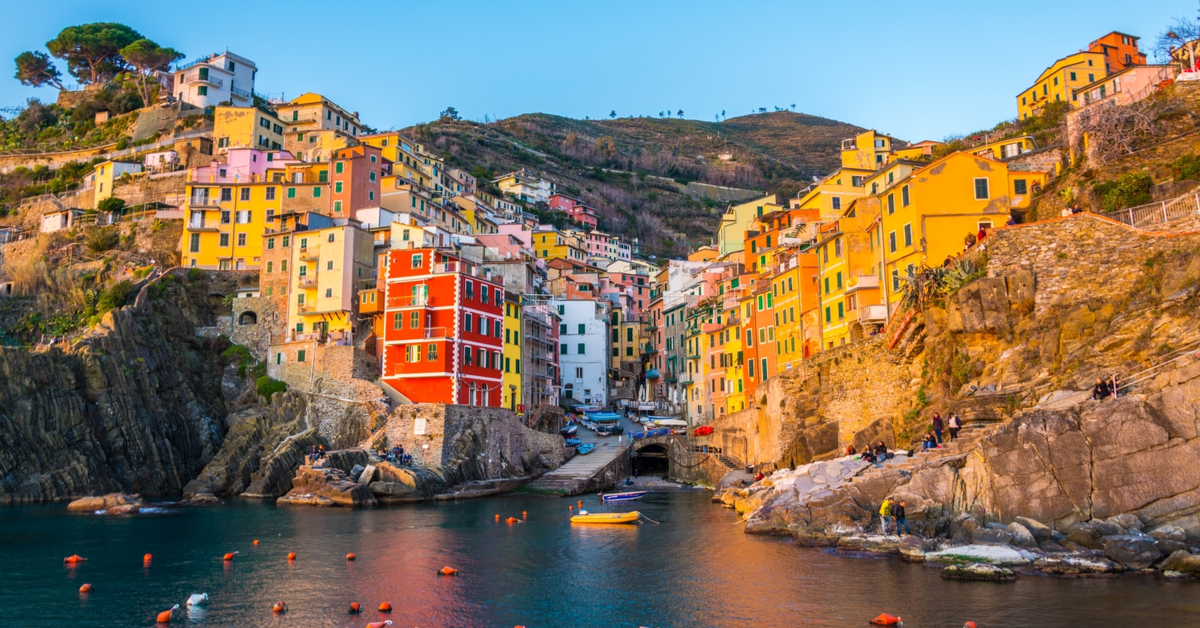
Cinque Terre is a stunning coastal area with five colorful fishing villages built on cliffs above the Ligurian Sea. The name “Cinque Terre” means “Five Lands.” Located on the Italian Riviera, it’s a UNESCO site known for its beautiful cultural landscape.
The terraced vineyards and village layouts show how people adapted to the steep terrain over a thousand years. You can hike the famous Blue Trail between the villages - Monterosso, Vernazza, Corniglia, Manarola, and Riomaggiore - or take the local train that connects them.
Cars aren’t allowed in the villages, so get a hiking map or Cinque Terre Card for trains and park outside. Enjoy amazing sunset views and try the local sweet wine, Sciacchetrà.
9. Real Alcázar, Seville (Andalusia, Spain)
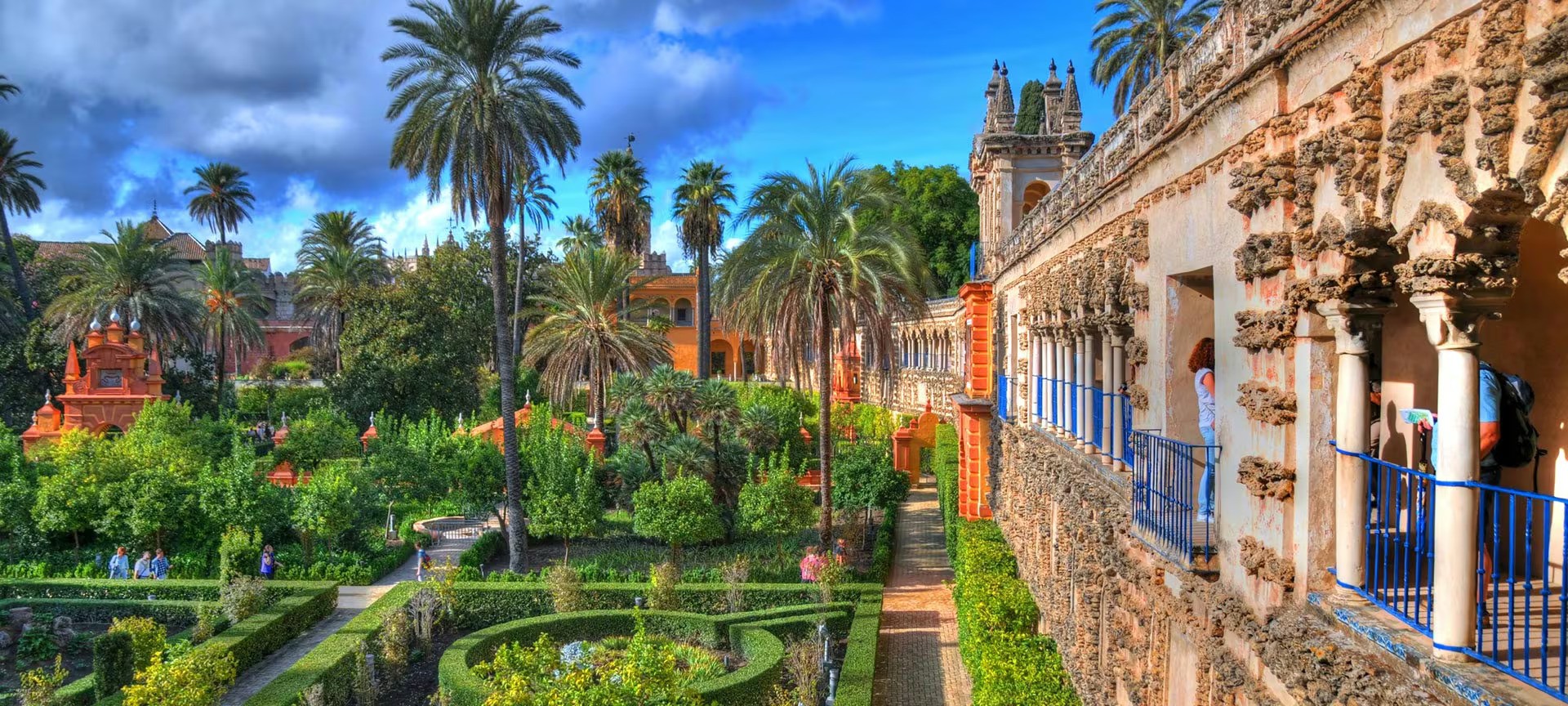
The Royal Alcázar of Seville is a stunning Moorish palace built for Castilian and Moorish kings. A UNESCO World Heritage Site since 1987, it showcases Mudéjar architecture, blending Islamic and Christian styles. The palace features beautiful tiled patios, reflecting pools, and ornate courtyards, like the famous Courtyard of the Maidens. It’s still used by the royal family.
The Alcázar gets crowded, especially when cruise ships arrive, so visit early in the morning. It’s close to Seville’s cathedral and archive, making it easy to see all in one day. Fans of “Game of Thrones” will love recognizing the gardens from Dorne scenes.
10. Royal Palace Of Caserta (Campania, Italy)
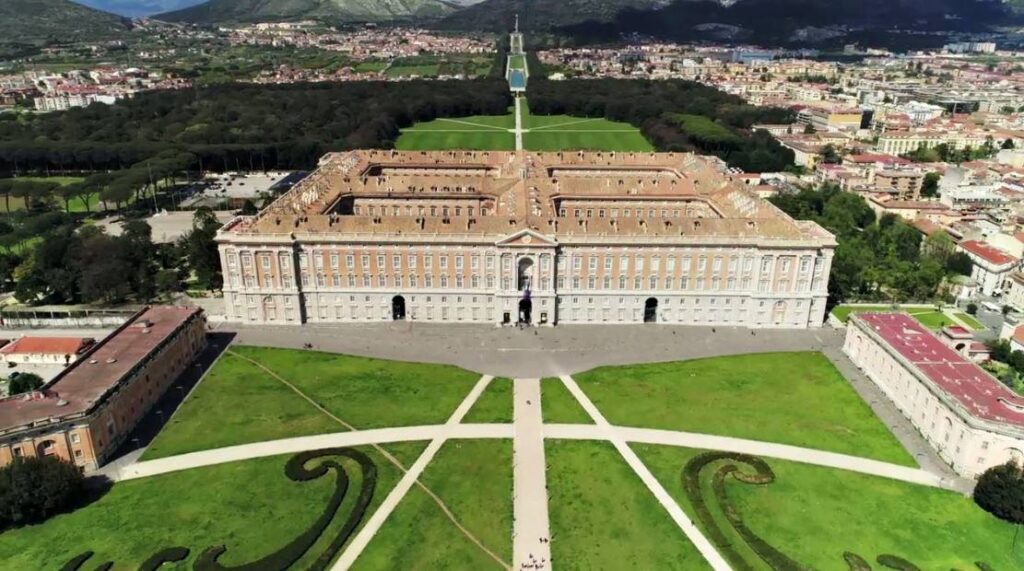
The Royal Palace of Caserta, near Naples, was built in the 18th century by the Bourbon kings as an “Italian Versailles.” It is one of Italy’s largest royal residences, with 1,200 rooms, grand staircases, and sprawling Baroque gardens with fountains. It has been a UNESCO site since 1997.
You can get to Caserta by train from Naples in about 30 minutes. Inside, tour the royal apartments and the stunning Grand Staircase. Then explore the English-style gardens, where you can see the water show with cascading fountains. Since few foreign tourists visit, you’ll often have the gardens mostly to yourself.
11. Burgos Cathedral (Castile And León, Spain)
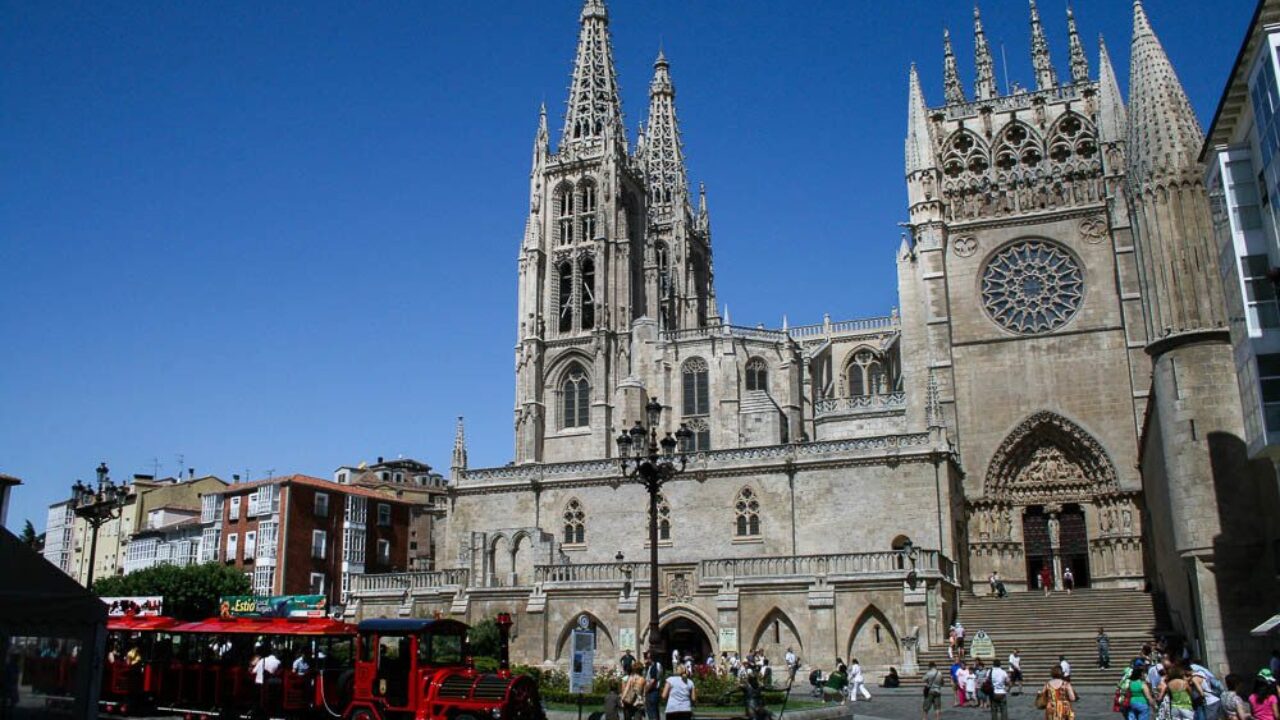
The Cathedral of Saint Mary of Burgos is a masterpiece of Spanish Gothic architecture. Built from the 13th century onward, its spiky pinnacles and ornate façades dominated the medieval wool-trade city of Burgos. A UNESCO site since 1984, it also houses the tomb of Spain’s legendary hero El Cid.
Visit the cathedral early or late to avoid tour groups. Climb the north tower for panoramic views of Burgos. The city’s charming historic center, a small UNESCO zone, is easily explored on foot with plenty of tapas bars.
12. Mont-Saint-Michel (Normandy, France)
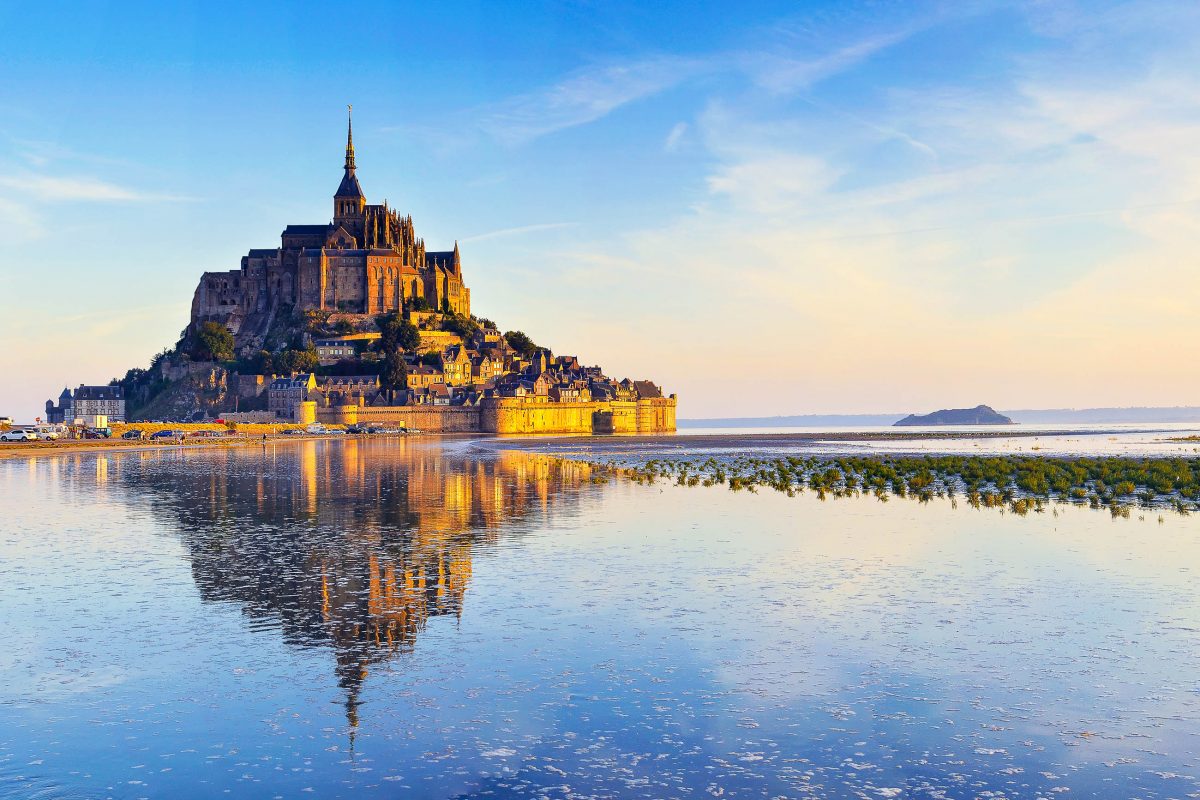
Mont-Saint-Michel is an old abbey on a rocky island in Normandy, France. It rises from a bay with changing tides. This amazing island was a popular place for pilgrims and is now a UNESCO World Heritage Site. Narrow stone paths lead from the sea to the abbey, and when the tide is high, it looks like a floating castle.
You can reach Mont-Saint-Michel by a raised path and shuttle bus. Visit at low tide and early in the morning to avoid crowds. For a beautiful view, watch the sunrise or sunset over the bay.
13. Semmering Railway (Lower Austria/Styria, Austria)
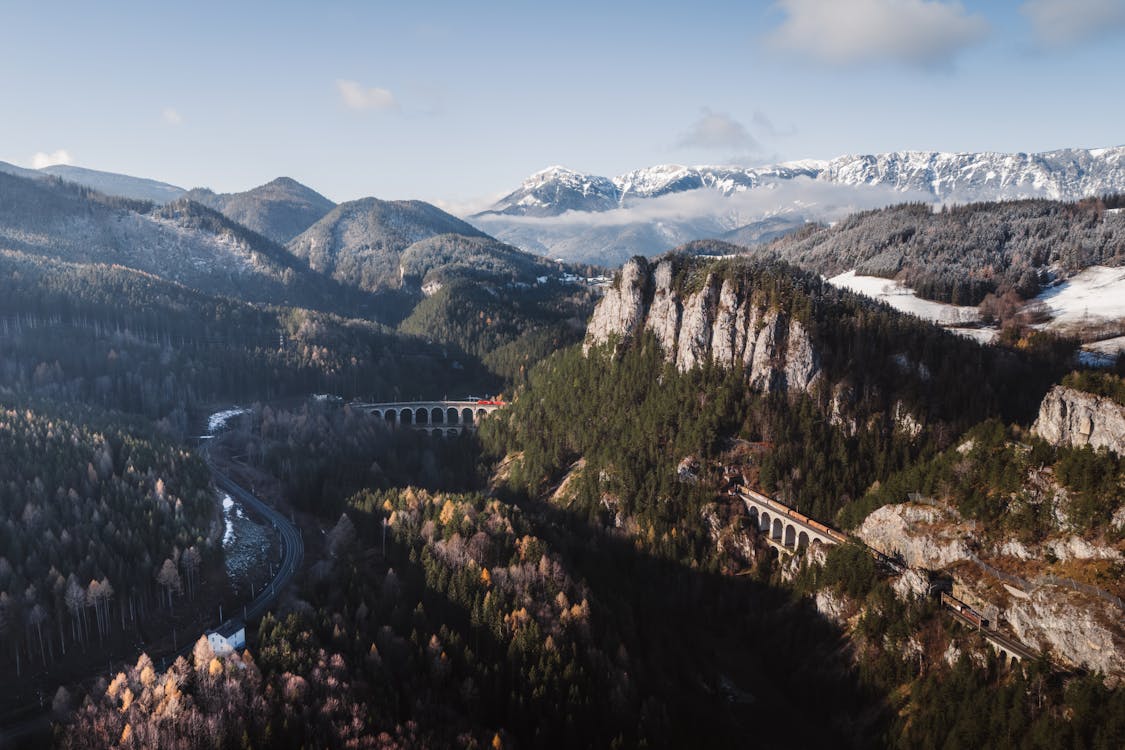
The Semmering Railway, running from Gloggnitz to Mürzzuschlag, is a UNESCO World Heritage Site recognized in 1998. Built in 1854, it was the world’s first true mountain railroad, featuring many viaducts and tunnels through the Alps.
Ride the vintage steam or regular train from Vienna or Graz to Semmering station, a 1.5-hour trip with beautiful views. From Semmering village, hike the high-altitude trails or visit the elegant Semmering Kurhaus. In winter, enjoy skiing or tobogganing.
14. Meteora (Thessaly, Greece)
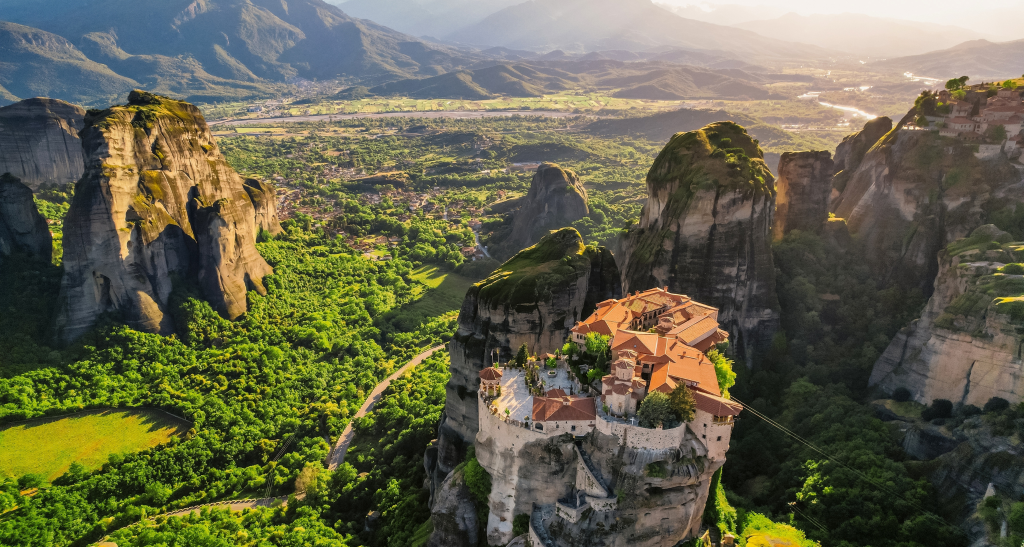
Meteora, meaning “suspended in the air,” is a stunning site in central Greece where ancient monasteries sit atop tall sandstone pillars. In central Greece, the Monasteries of Meteora (met-e-OR-ah) form one of the world’s most spectacular natural-cultural sites. A UNESCO World Heritage Site since 1988, Meteora blends religious history with incredible mountain views.
The six active monasteries, built between the 14th and 16th centuries, are reached by bridges and stairs carved into the rock. Be ready for a climb or use the shuttle to higher parking. Late afternoon offers the best light for photos. Stay overnight in nearby Kalambaka or Kastraki to enjoy Meteora at dawn and dusk.
15. Loire Valley (Centre-Val De Loire, France)
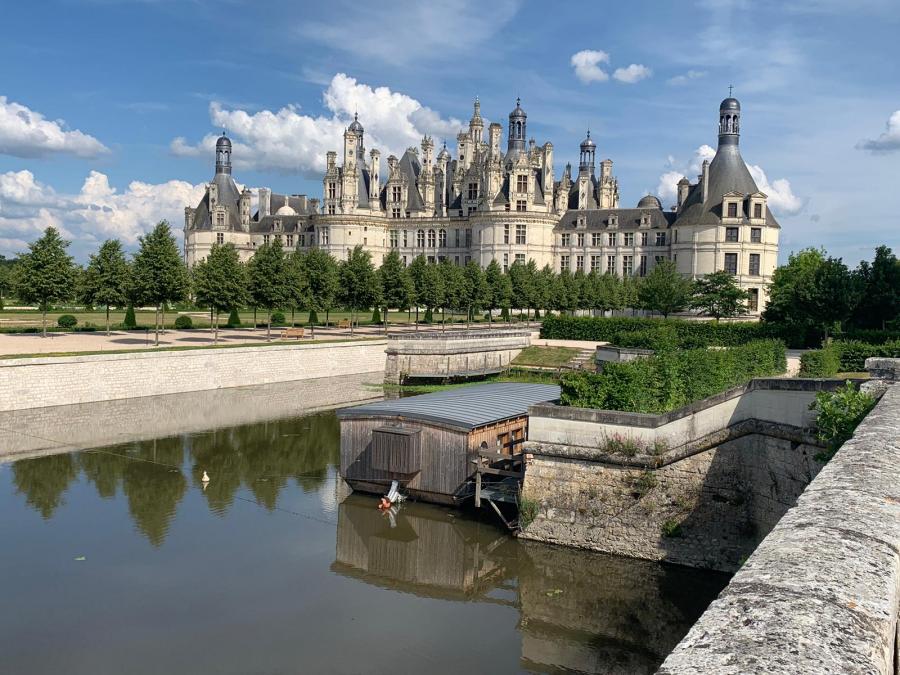
The central Loire Valley is famous for its beautiful Renaissance castles and vast vineyards. A UNESCO World Heritage Site since 2000, this “Garden of France” lies along the Loire River and includes well-known châteaux like Chambord, Chenonceau, and Villandry.
Renting a car is the simplest way to visit the châteaux, as they are spread out. You can also take the TGV train to Tours or Orleans and join local tours. Spring, when wisteria blooms, and summer, with sunny château gardens, are the best times to visit. Don’t forget to try the local Loire wines while exploring.
16. Pompeii (Campania, Italy)
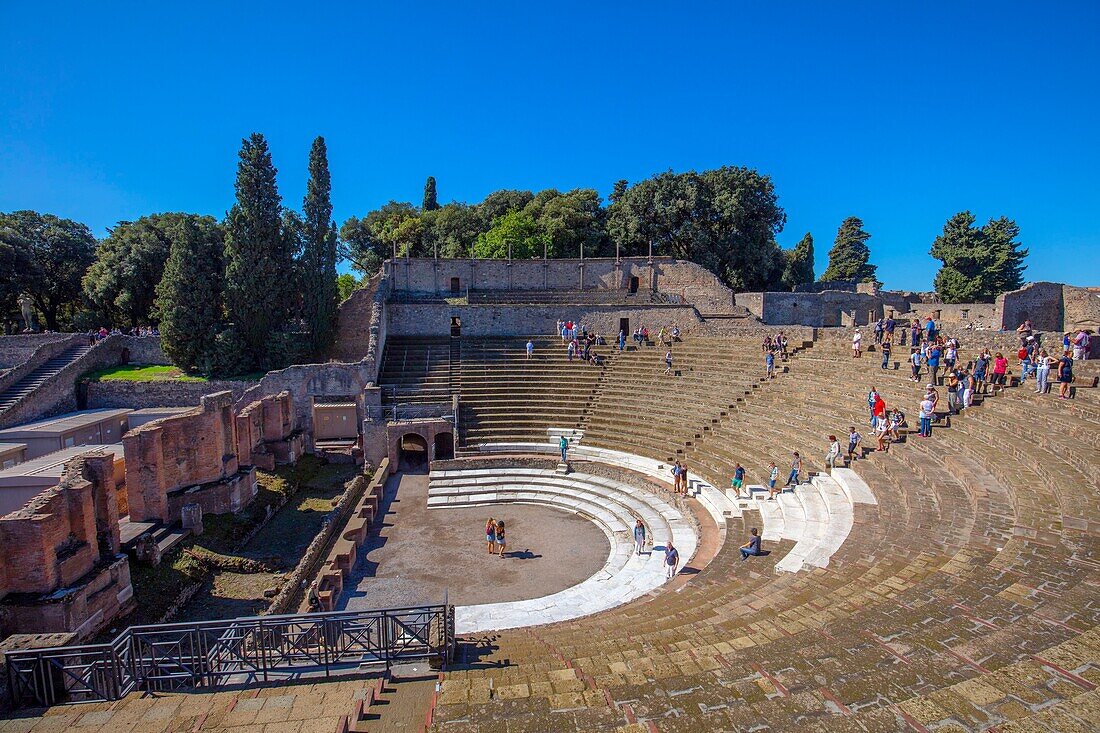
Pompeii is an ancient Roman city preserved by the eruption of Mount Vesuvius in 79 AD. Nearly 2,000 years later, you can walk its streets and see homes, markets, temples, and even frescoes as they were left. A UNESCO World Heritage Site since 1997, Pompeii offers one of the most vivid “time-capsule” experiences on Earth.
Wear sun protection and sturdy shoes, as it can be dusty and warm. Use an audio guide or join a guided tour to make the ruins come alive. You can also visit nearby Herculaneum and Vesuvius National Parkusing the Circumvesuviana train from Naples.
17. Pont Du Gard, Occitanie, France
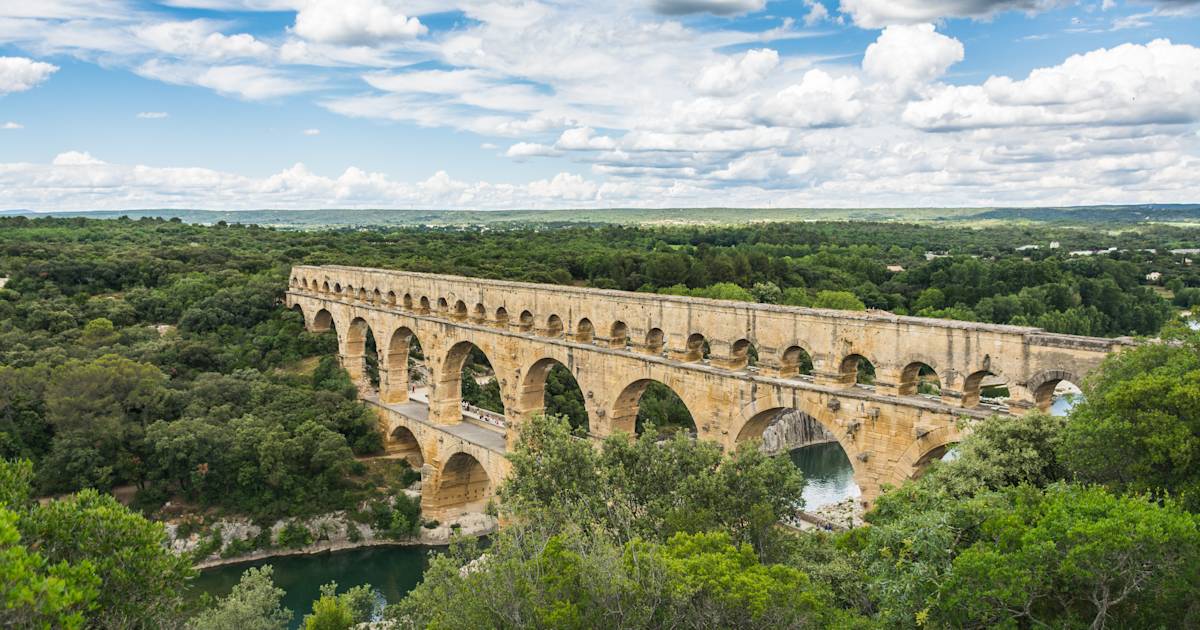
The Pont du Gard is an ancient Roman aqueduct bridge spanning the Gardon River in southern France. Built around 50 AD, its three tiers of arches once carried water 50 km to Nîmes. A UNESCO site since 1985, it is remarkably well preserved.
It’s easily reached by car or tour from Avignon or Nîmes, with parking and a small visitor center. You can stroll along the top level or picnic by the river below. The site also has a museum explaining Roman engineering.
18. Giant's Causeway (County Antrim, Northern Ireland)
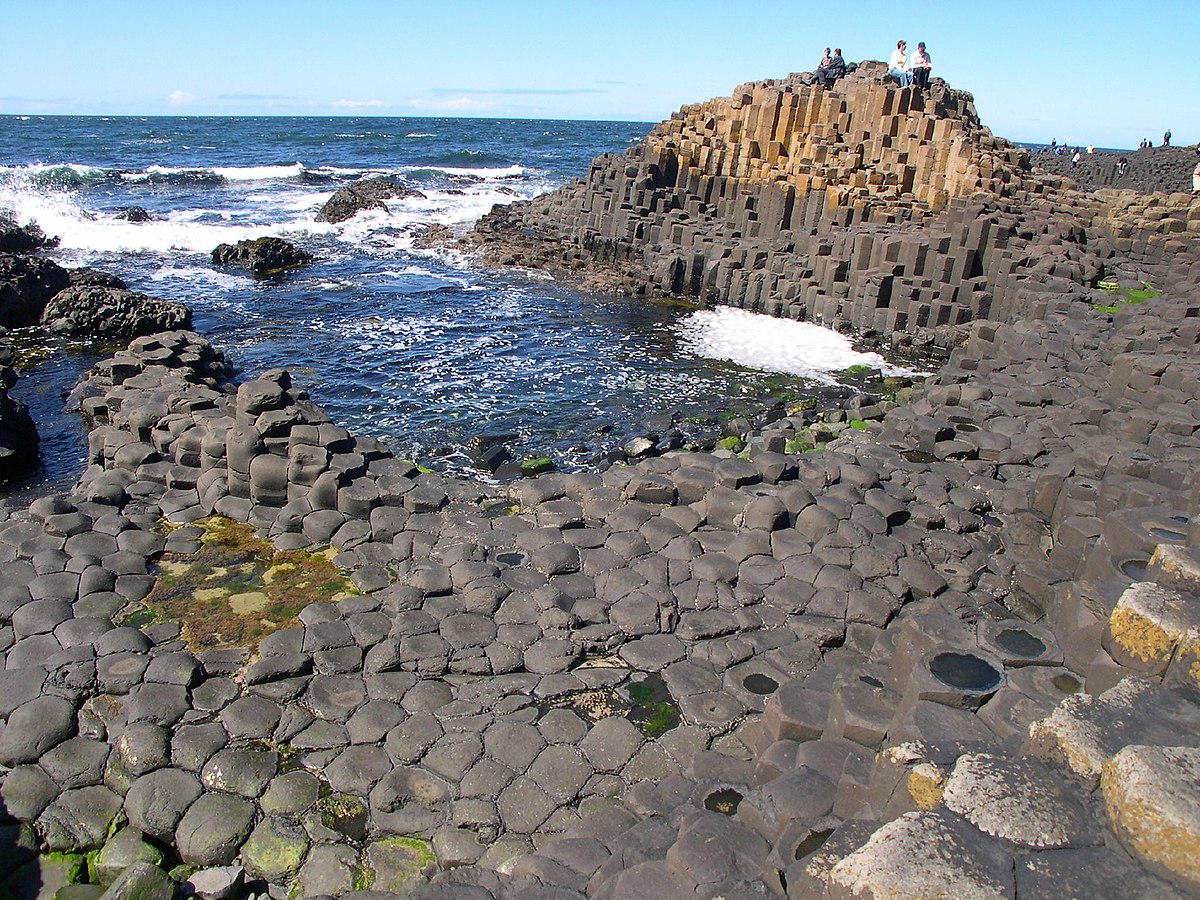
The Giant’s Causeway, in County Antrim, Northern Ireland, is a natural wonder and has been a UNESCO World Heritage Site since 1986. It was formed about 50 to 60 million years ago during volcanic activity, when cooling lava created around 40,000 hexagonal basalt columns that look like stepping stones leading into the sea.
Visitors can join a guided tour to hear how the rocks were formed and to discover local legends, such as the story of the giant Finn McCool. The area offers breathtaking coastal views and a chance to see the unusual rock formations up close. Walking along the nearby coastal trails gives even more stunning scenery and a deeper experience of this remarkable place.
19. Palace Of Versailles (Île-de-France, France)
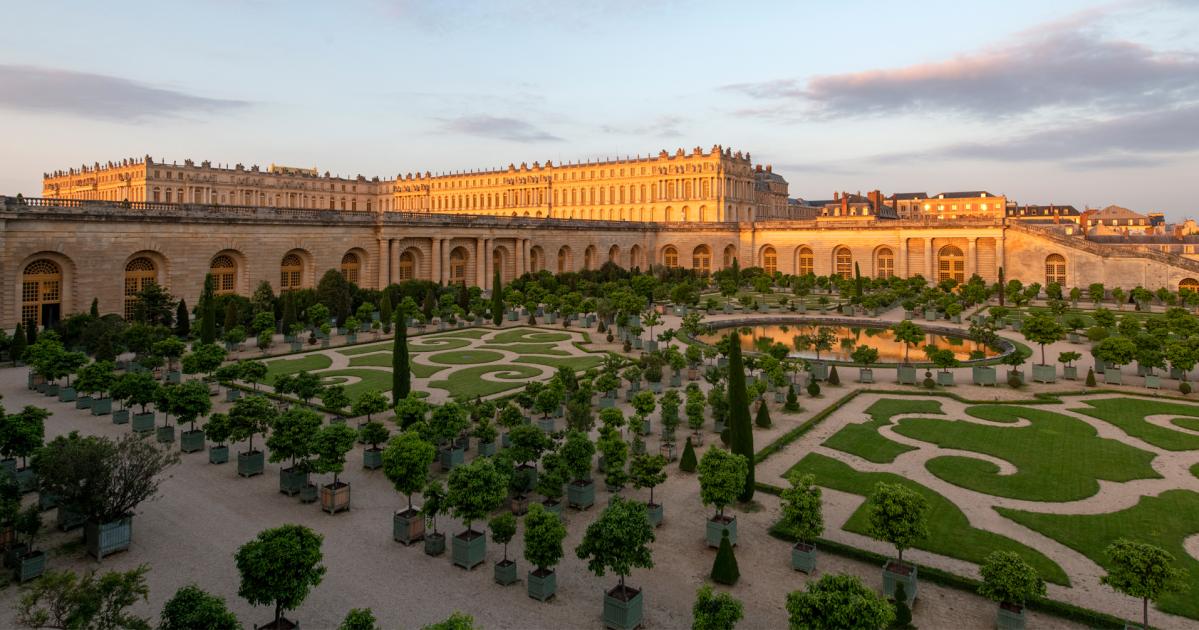
The Palace and Park of Versailles near Paris is a stunning example of French royal splendor. Once home to King Louis XIV, it shines with its Hall of Mirrors, huge formal gardens, fountains, and golden state rooms.
It became a UNESCO World Heritage Site in 1979. You can easily visit Versailles on a day trip from Paris by RER train or bus. To avoid crowds, visit early or late and book Palace tickets online. Don’t skip the Garden of Versailles; its water and fountain shows in summer are a must-see.
20. Mosque-Cathedral Of Córdoba (Andalusia, Spain)
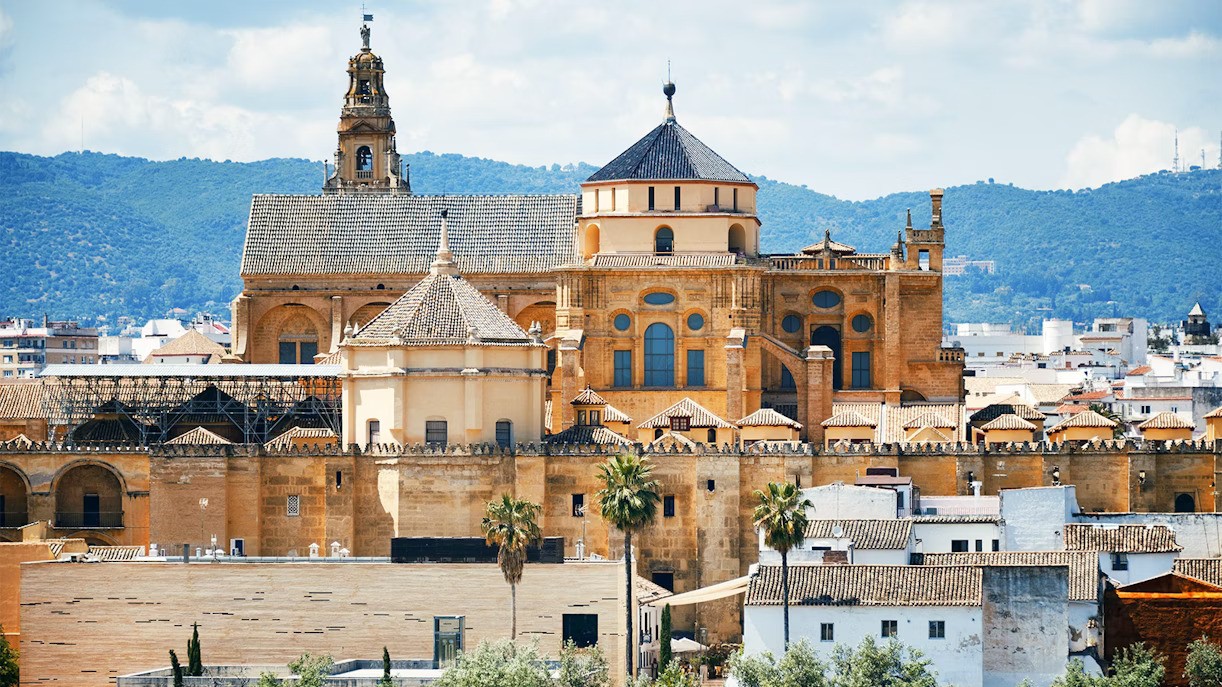
Córdoba’s Mezquita-Cathedral is a 10th-century mosque that was later converted into a Catholic cathedral. Its forest of red-and-white horseshoe arches and grand prayer hall are iconic. This World Heritage Site that was listed in 1984 embodies centuries of Islamic and Christian coexistence.
The Mezquita in Córdoba can be explored with an audioguide or tour, but lines can be long, especially on weekends. It’s located in the city’s lovely old town, where you can wander through patios, courtyards, and tapas bars. Make sure to climb the bell tower, built over the old minaret, for great views of the city.
21. Amalfi Coast (Campania, Italy)
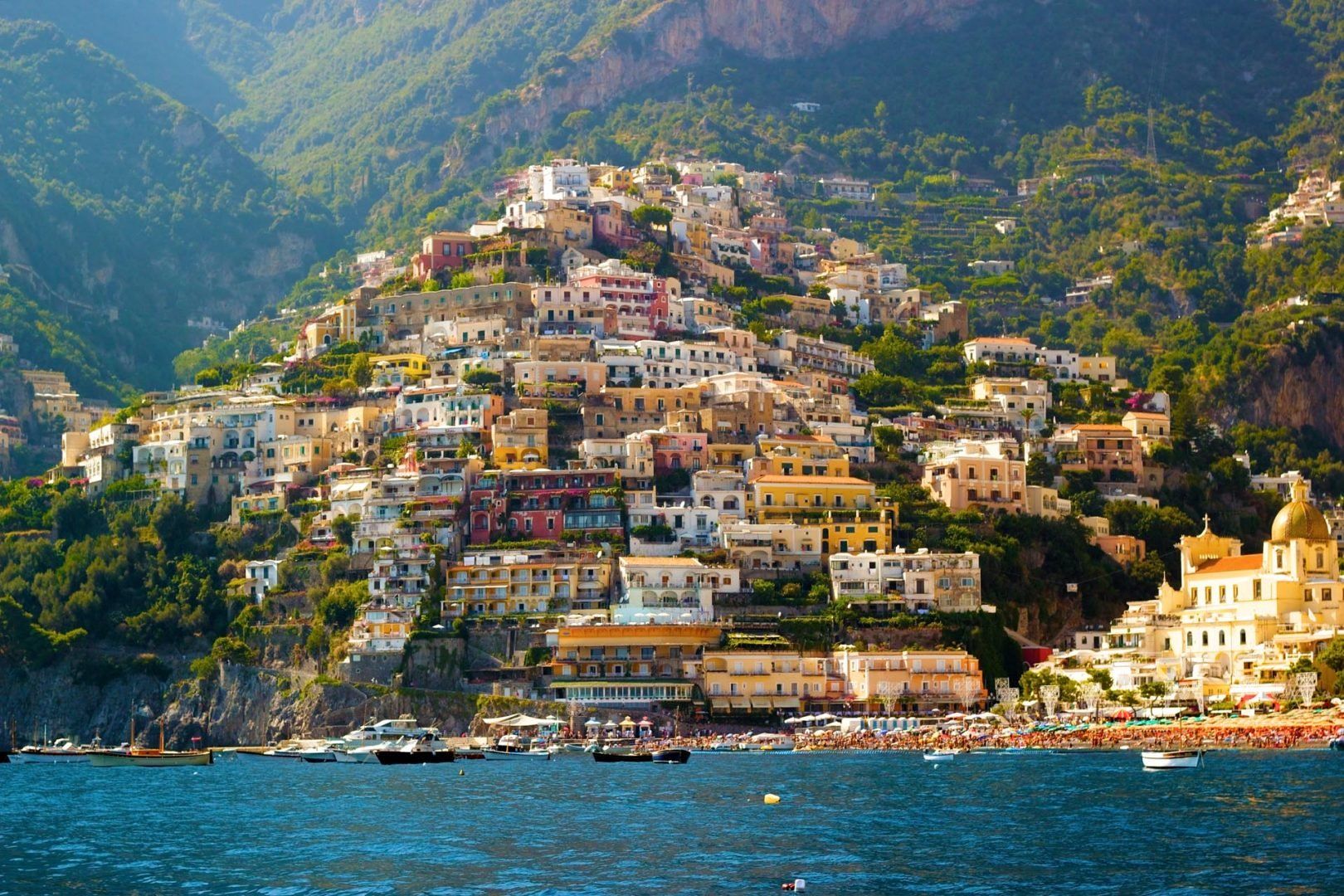
The Amalfi Coast is a stunning stretch of rugged coastline south of Naples, featuring charming towns like Positano, Amalfi, and Ravello. Carved between cliffs with lemon groves above and the Tyrrhenian Sea below, it’s a UNESCO Cultural Landscape, recognized in 1997. It’s also a dream destination for an Amalfi Coast honeymoon, with its romantic views and picturesque towns.
The coastal road (SS163) is winding but offers beautiful views; you can drive or take buses. Ferries connect towns in spring and summer, providing a scenic option. Stop in Positano for its pebble beachesand colorful houses, perfect for lunch. Enjoy fresh seafood and limoncello, a lemon liqueur made from local lemons, at coastal restaurants.
22. Oviedo And The Kingdom Of The Asturias (Asturias, Spain)
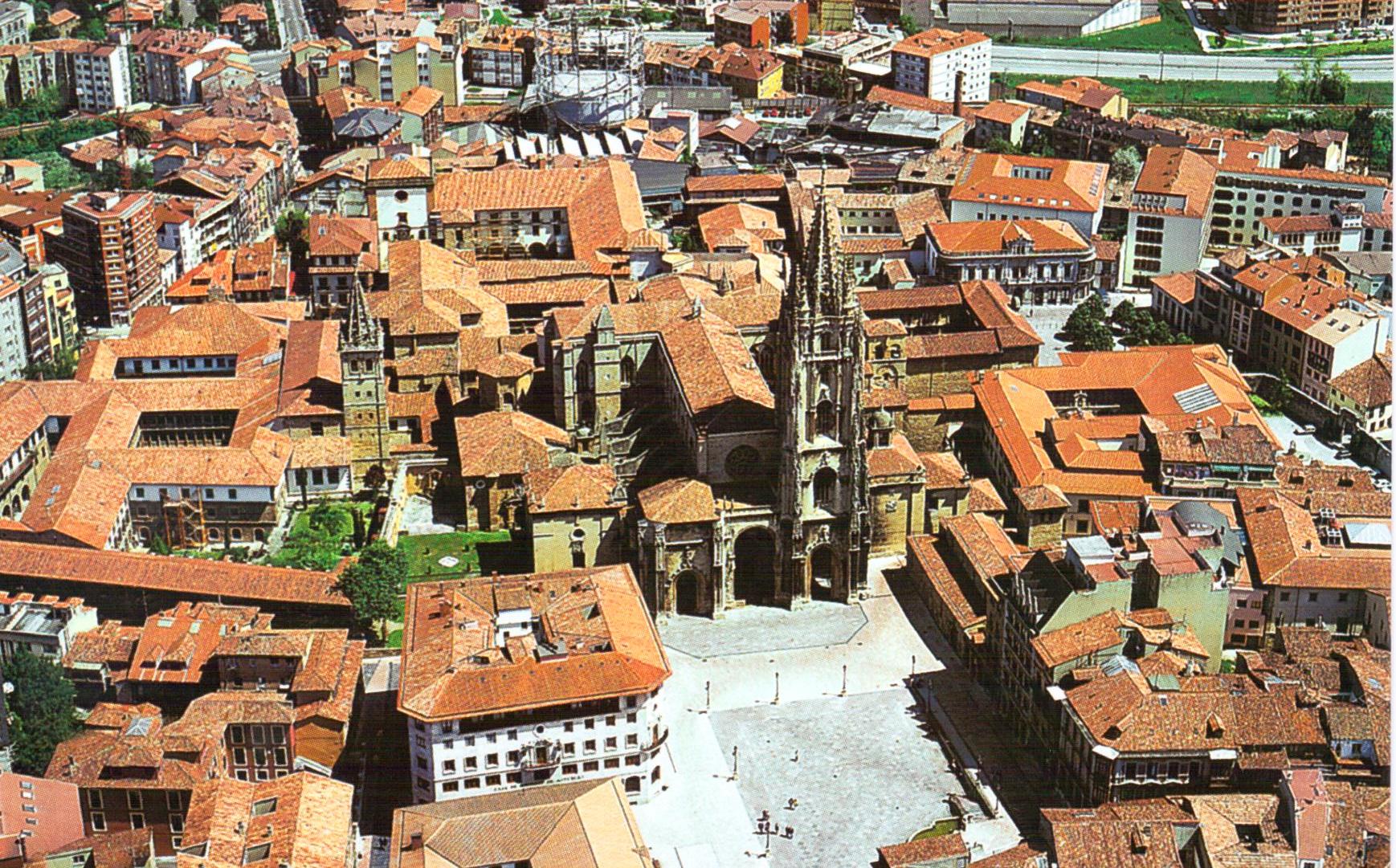
This site includes the Pre-Romanesque churches of northern Spain, such as Oviedo’s churches and nine Asturian pre-Romanesque sites. Added to the UNESCO list in 1998, it showcases early medieval Visigothic and Asturian architecture.
The highlight of Oviedo is Santa María del Naranco, originally built as a royal hall in 842 AD. Oviedo has a beautiful old town and is famous for its cider houses. To visit many of these small churches, renting a car is the best option, as they are spread across the green Asturian countryside.
23. Historic Centre Of Avignon (Provence-Alpes-Côte D’Azur, France)
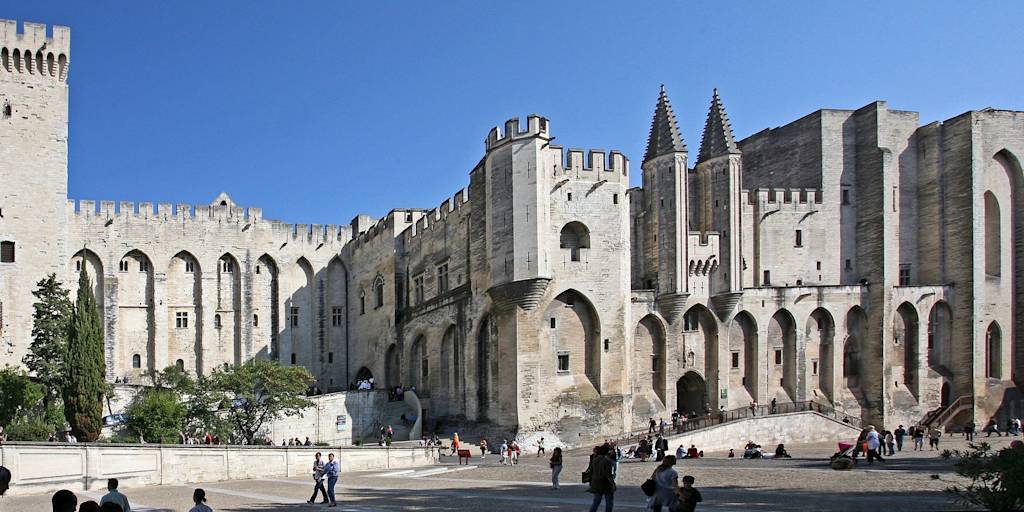
Avignon’s old town became a UNESCO World Heritage Site in 1995. It is known for the Palais des Papes, a 14th-century papal palace where several popes once lived, and the famous Pont d’Avignon, also called the Saint Bénézet Bridge.
Avignon can be visited as a day trip from nearby Aix or Marseille, or you can stay overnight. Take a guided tour of the Palais des Papes to enjoy its huge Gothic halls. Walk across the Rhône on the Pont d’Avignon, or swim safely below in summer like the locals. Each July, the city hosts a big theater festival with performances all around town.
24. Amsterdam Canal Ring (North Holland, Netherlands)
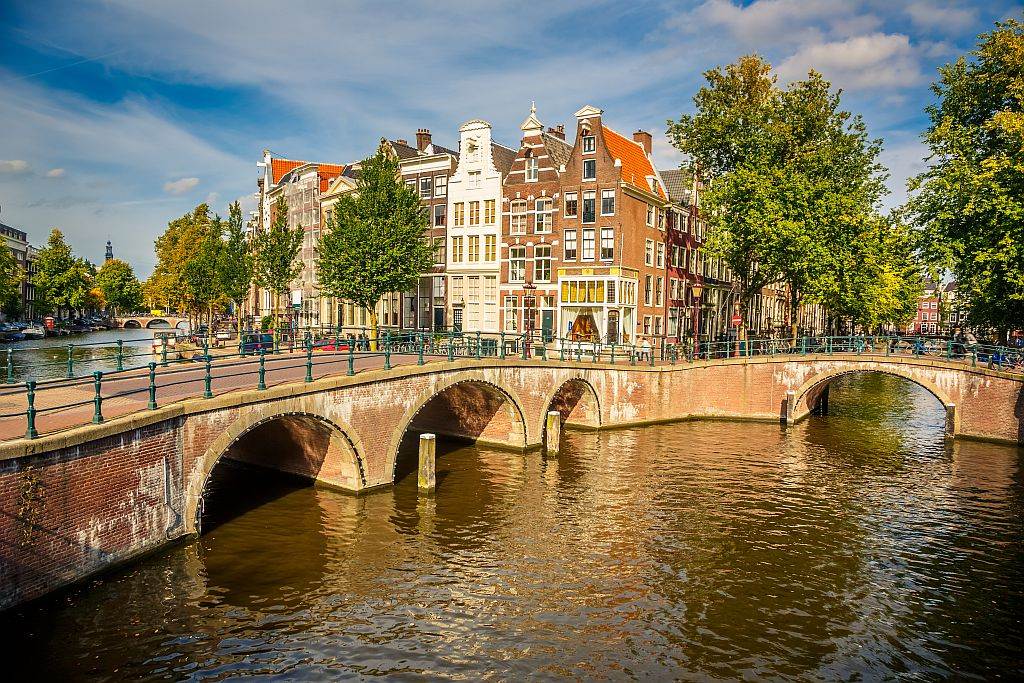
Amsterdam’s 17th-century canal belt became a World Heritage Site in 2010. It has over 100 kilometers of canals and 1,500 historic canal houses, earning it the nickname “Venice of the North.”
The best way to enjoy the canal ring is on foot, by bike, or on a boat tour. Walk from the Anne Frank House along the Keizersgracht and Herengracht canals. At night, the bridges and houseboats are lit up, creating a romantic view. Don’t miss trying a herring or a stroopwafel from a street stand as you explore.
25. Budapest (Hungary)
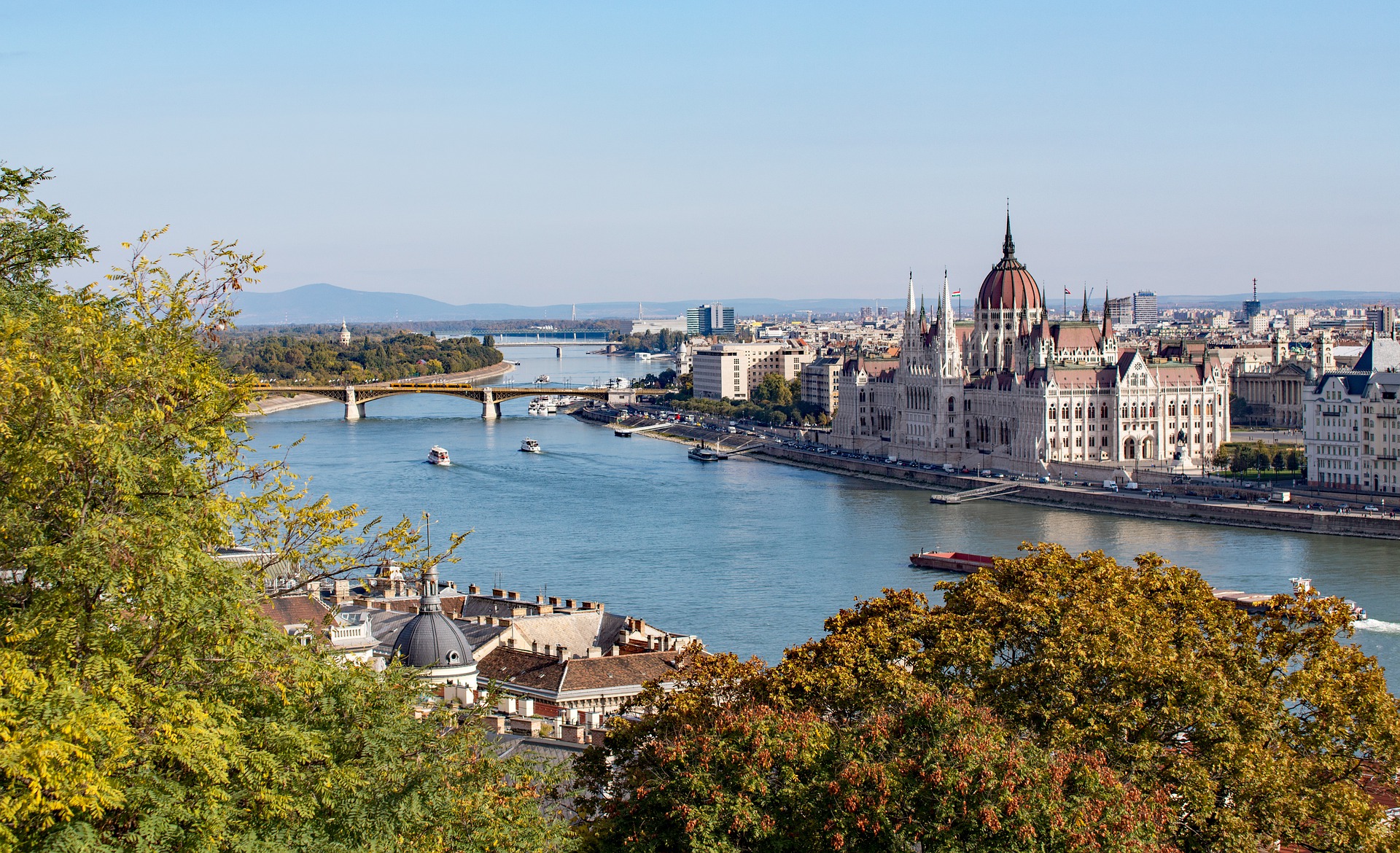
Budapest’s central area along the Danube River, which includes Castle Hill and the Pest city center, became a UNESCO World Heritage Site in 1987. Highlights include the neo-Gothic Parliament, the historic Buda Castle and Matthias Church, and the riverside promenade.
Walk across the Chain Bridge to go between Buda and Pest. Take the funicular up to Buda Castle for wide city views. Enjoy a relaxing soak at one of the famous thermal baths, such as Széchenyi or Gellért. In the evening, a river cruise on the Danube, with the Parliament and bridges lit up, is an unforgettable experience.
26. Bruges Historic Center (West Flanders, Belgium)
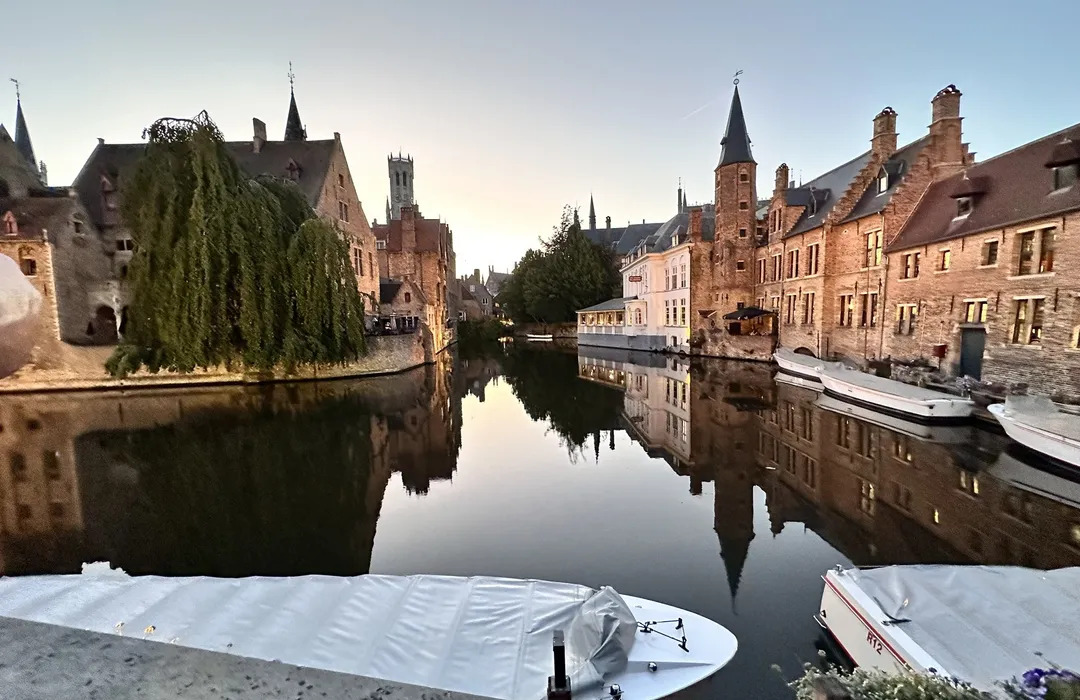
Bruges is a beautifully preserved medieval town often called the “Venice of the North.” Its historic center, a UNESCO World Heritage Site since 2000, is filled with cobblestone streets, Gothic churches, and winding canals.
Bruges is small and easy to explore on foot or by bike. Climb the Belfry Tower for views over the city, then visit the Basilica of the Holy Blood. Take a canal boat tour to see the streets from the water. Be sure to try local waffles, chocolate, and beer in one of the cozy cafés. Bruges is especially magical at twilight, when the golden light shines on its brick façades.
27. The Dolomites (Northeast Italy)
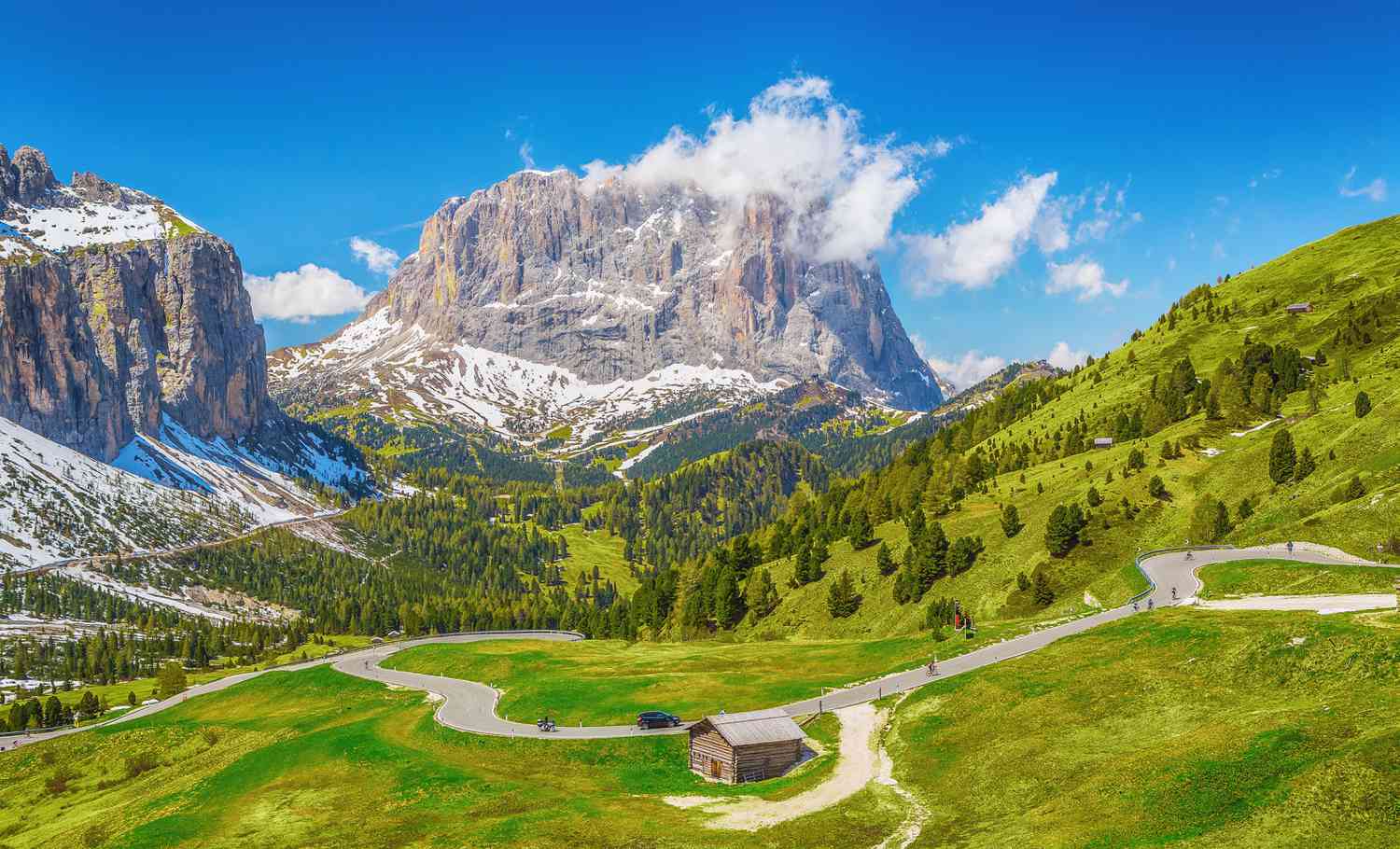
The Dolomite Mountains in northeastern Italy became a UNESCO Natural World Heritage Site in 2009. They are famous for their jagged peaks, green valleys, and alpine meadows, with some mountains rising over 3,000 meters.
In summer, hike or bike the Alta Via trails, and in winter, enjoy the region’s world-class skiing. Drive along the Great Dolomites Road (SS48) or take a cable car for sweeping mountain views. Stop at local mountain huts for hearty Tyrolean dishes like speck and canederli - the perfect reward after a day outdoors.
28. Rhaetian Railway (Graubünden, Switzerland)
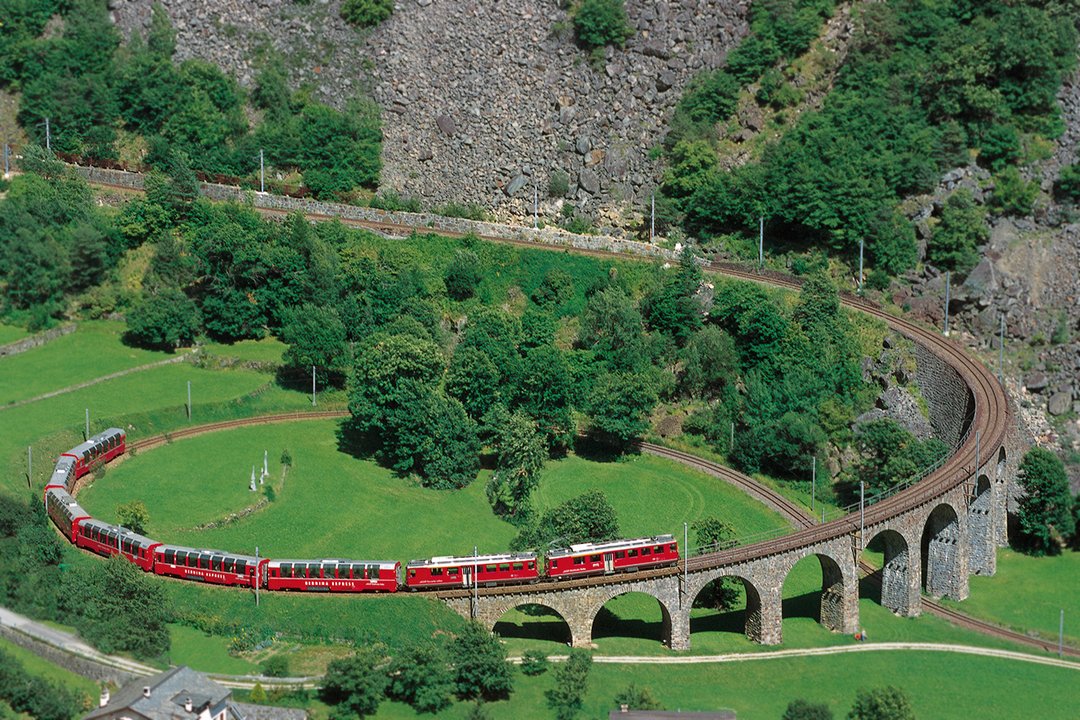
The Rhaetian Railway’s Albula and Bernina lines in the Swiss Alps have been a UNESCO World Heritage Site since 2008, recognized as an outstanding technical, architectural, and environmental achievement. Highlights include the impressive curved Landwasser Viaduct and tunnels carved through rugged mountains.
Ride the Bernina Express or Glacier Express to experience these routes. The Bernina Express from Chur to Tirano in Italy passes glaciers, lakes, and stunning alpine scenery. For the best views, reserve a panoramic seat and enjoy the beauty of these 19th-century mountain railways.
29. Medici Villas And Gardens (Tuscany, Italy)
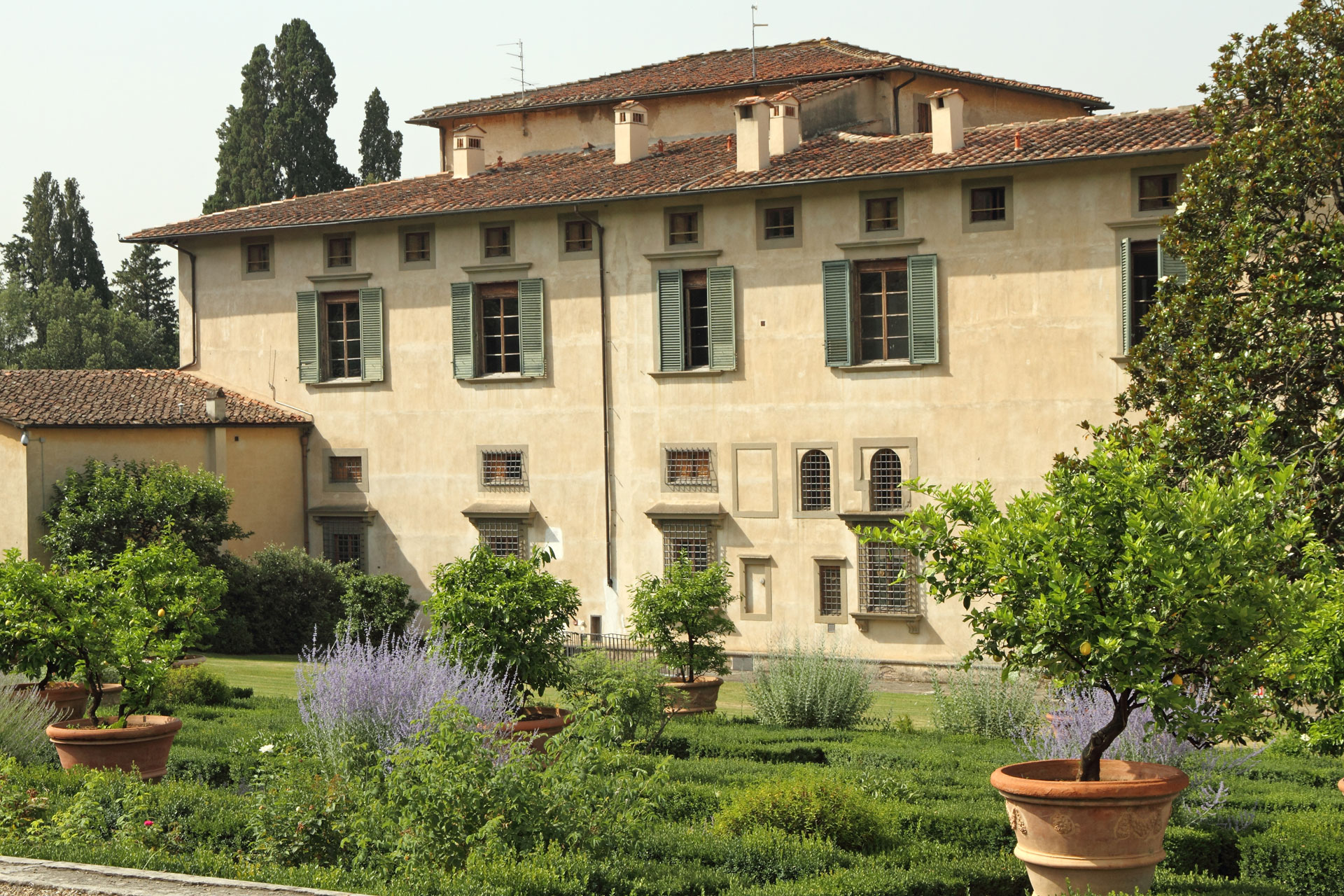
Across Tuscany, there are fourteen villas and gardens built for the Medici family, Renaissance rulers of Florence. These estates, recognized as a UNESCO World Heritage Site in 2013, feature beautiful Renaissance architecture and landscaped gardens.
Many villas are near Florence, Pisa, or Siena. Popular ones to visit include Villa di Castello near Florence and Villa La Petraia. Check opening hours, as they often close on a weekday. Visiting these villas is a special way to enjoy Italy’s art and history outside the major cities.
30. Schönbrunn Palace (Vienna, Austria)
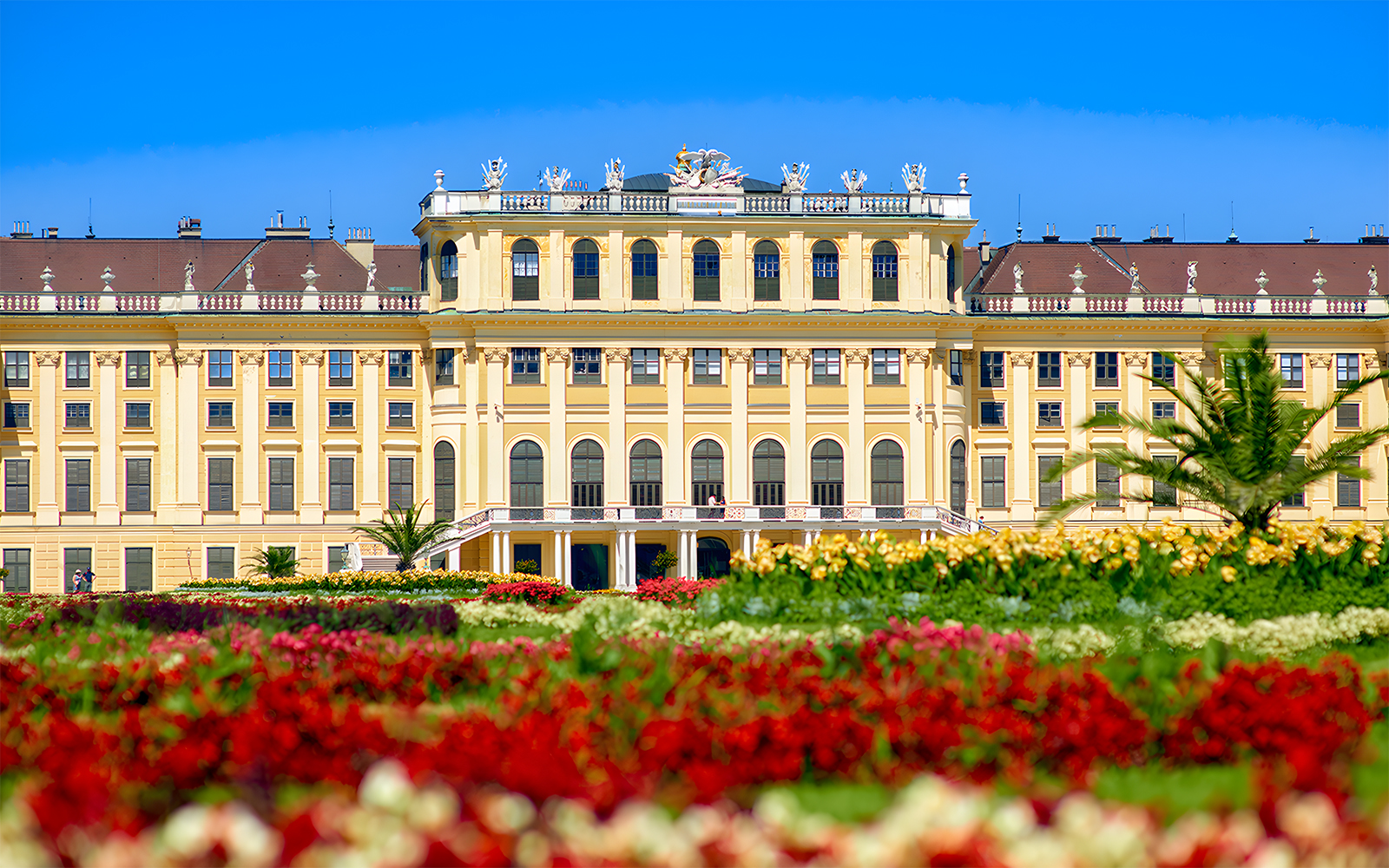
Schönbrunn Palace was the summer home of the Habsburgs and is Austria’s most famous royal site. Its Baroque palace, grand gardens, the Gloriette, and the world’s oldest zoo have been UNESCO-listed since 1996.
Take the U4 metro to reach Schönbrunn. Book a palace tour online to see the imperial apartments and the Hall of Mirrors. After exploring inside, stroll through the vast gardens and stop by the Neptun Fountain. For the best views of the estate and Vienna, climb up to the Gloriette at the top of the hill.
31. La Lonja De La Seda (Valencia, Spain)
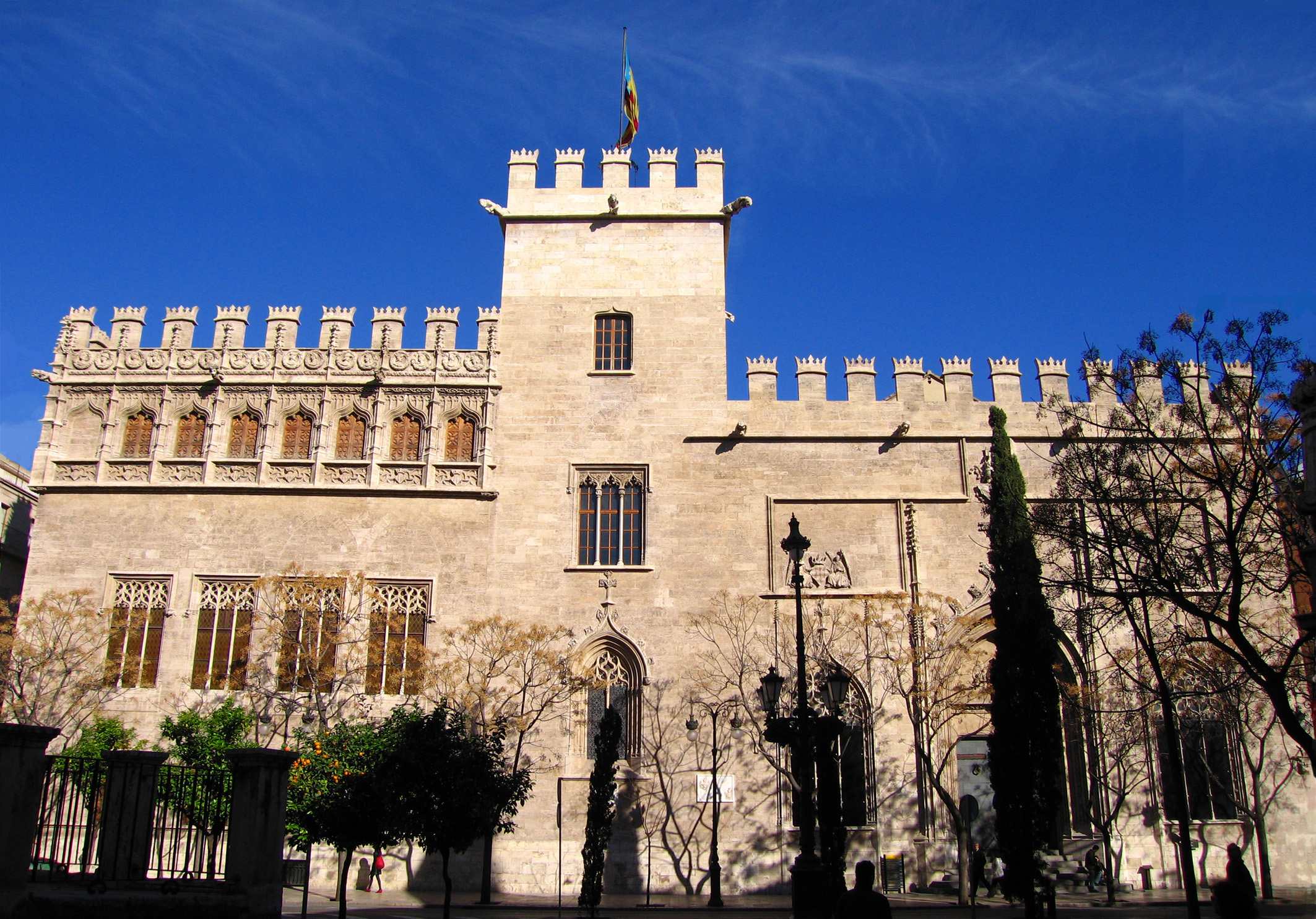
La Lonja de la Seda, or the Silk Exchange, is a late-Gothic trading hall from the 15th century in Valencia. It reflects the wealth of the city’s medieval silk trade and has been a UNESCO World Heritage Site since 1996. Its twisted columns and vaulted ceilings are masterpieces of Gothic civil architecture.
You’ll find it in Valencia’s old town, just a short walk from the cathedral. Entry is free, so take time to explore the grand central hall and small chapels. After your visit, stop by the nearby Mercado Central to shop for fresh produce and local gifts.
32. Historic Centre Of Kraków (Lesser Poland, Poland)
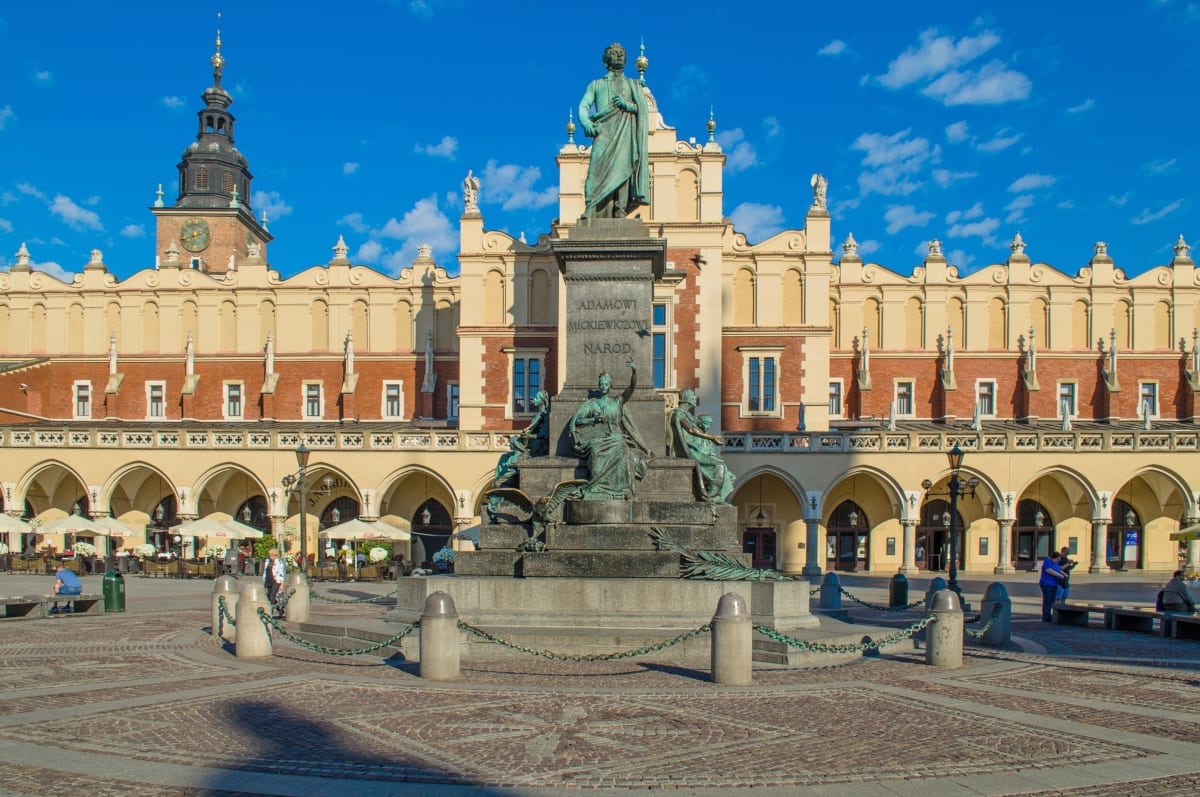
Kraków’s Old Town is one of the best-preserved medieval cities in Eastern Europe. A UNESCO World Heritage Site since 1978, it boasts Europe’s largest medieval market square, Rynek Główny, the royal Wawel Castle on its hill, and the stunning St. Mary’s Basilica.
Start at the Main Square and visit St. Mary’s to hear the hourly trumpet call. Explore Wawel Castle and Cathedral, where Polish kings are buried. The Old Town is easy to explore on foot, and the historic Jewish quarter of Kazimierz is full of synagogues and charming cafés. For an extra adventure, take a day trip to the nearby Wieliczka Salt Mine, another UNESCO site worth seeing.
Frequently Asked Questions
Which European Country Has The Most UNESCO World Heritage?
Italy is home to the largest number of UNESCO world heritage sites in the world.
How Many UNESCO World Heritage Sites Are In Europe?
There are over 1,100 UNESCO World Heritage Sites worldwide, and Europe is home to 503 of them. Europe has more UNESCO sites than any other continent. These include cultural sites and natural sites.
Are UNESCO World Heritage Sites Free To Visit?
It depends on the site. Many World Heritage Sites such as city centers, natural parks, or ruins are freely accessible. Others, especially big monuments or museums, charge admission.
What Is The World's Leading Heritage Destination?
With its stunning natural beauty and rich cultural diversity, Vietnam was named the “World's Leading Heritage Destination” for the fifth time at the 2024 World TravelAwards.
Conclusion
These UNESCO World Heritage Sites cover an incredible mix of history and scenery. Each site shares a story of human skill and the beauty of nature. They are protected not just for visitors, but as treasures of culture and nature.
When you visit, remember to follow local rules and help preserve them by staying on marked paths and treating the area with care. If this article helped you find new ideas for your travels, share it with friends or save it for later. Next time you’re in Europe, try exploring beyond the usual tourist spots; each UNESCO site you visit will add a special chapter to your travel story.
Jump to
The Ultimate Bucket List - UNESCO World Heritage Sites In Europe
1. Old City Of Bern (Canton Of Bern, Switzerland)
2. Acropolis (Athens, Greece)
3. Carcassonne (Occitanie, France)
4. Stonehenge (Wiltshire, England)
5. Vatican City (Rome, Italy)
6. Works Of Antoni Gaudí (Barcelona, Catalonia, Spain)
7. Alhambra, Generalife, And Albayzín (Granada, Spain)
8. Cinque Terre (Liguria, Italy)
9. Real Alcázar, Seville (Andalusia, Spain)
10. Royal Palace Of Caserta (Campania, Italy)
11. Burgos Cathedral (Castile And León, Spain)
12. Mont-Saint-Michel (Normandy, France)
13. Semmering Railway (Lower Austria/Styria, Austria)
14. Meteora (Thessaly, Greece)
15. Loire Valley (Centre-Val De Loire, France)
16. Pompeii (Campania, Italy)
17. Pont Du Gard, Occitanie, France
18. Giant's Causeway (County Antrim, Northern Ireland)
19. Palace Of Versailles (Île-de-France, France)
20. Mosque-Cathedral Of Córdoba (Andalusia, Spain)
21. Amalfi Coast (Campania, Italy)
22. Oviedo And The Kingdom Of The Asturias (Asturias, Spain)
23. Historic Centre Of Avignon (Provence-Alpes-Côte D’Azur, France)
24. Amsterdam Canal Ring (North Holland, Netherlands)
25. Budapest (Hungary)
26. Bruges Historic Center (West Flanders, Belgium)
27. The Dolomites (Northeast Italy)
28. Rhaetian Railway (Graubünden, Switzerland)
29. Medici Villas And Gardens (Tuscany, Italy)
30. Schönbrunn Palace (Vienna, Austria)
31. La Lonja De La Seda (Valencia, Spain)
32. Historic Centre Of Kraków (Lesser Poland, Poland)
Frequently Asked Questions
Conclusion

Liam Jones
Author
Liam Jones has made it his mission to prove that adventure doesn’t need a hefty budget. Having traveled to over 40 countries, he specializes in finding affordable ways to experience the world, from the best street food in Bangkok to hidden gems in Lisbon.
Liam’s travel tips have reached thousands of readers, empowering them to see the world on a shoestring budget without sacrificing quality. With a deep passion for local cultures, he continues to share his travel hacks, ensuring adventure remains accessible to all.

Sophia Harper
Reviewer
Sophia Harper’s photography acts as a portal to the soul of the places she visits. Drawn to South America’s landscapes and cultures, she has spent years capturing everything from the majesty of ancient ruins to the vibrancy of urban streets.
Sophia’s work isn’t just about documenting moments; it’s about evoking the emotions and stories behind them. A dedicated photographer, she has worked with local communities across South America to capture their rich cultural narratives through her lens.
Latest Articles
Popular Articles