What Is Denmark Known For? 22 Unique Facts You Should Know
Denmark is renowned for its breathtaking landscapes, innovative design, and friendly people. Learn why it's a top travel destination.
Author:Maya ReyesReviewer:Finn WildeNov 13, 20241.2K Shares413.2K Views
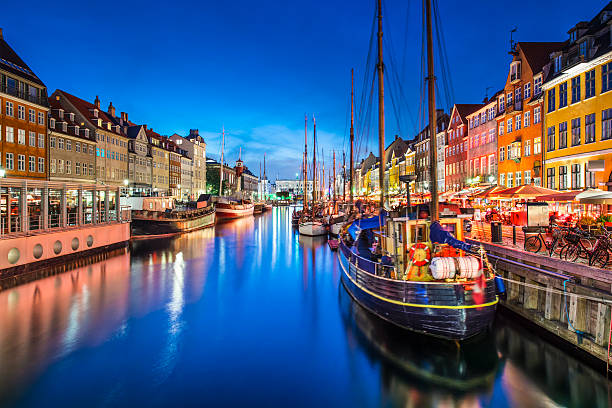
Denmark, a small Scandinavian country, consistently captures global attention with its blend of rich history, world-class design, and cozy living. From its Viking roots to modern architectural marvels, Denmark is recognized for fostering a balance of tradition and innovation.Its culture and lifestyle are revered, offering unique experiences for both locals and travelers alike.
1. Denmark’s Iconic Viking Heritage
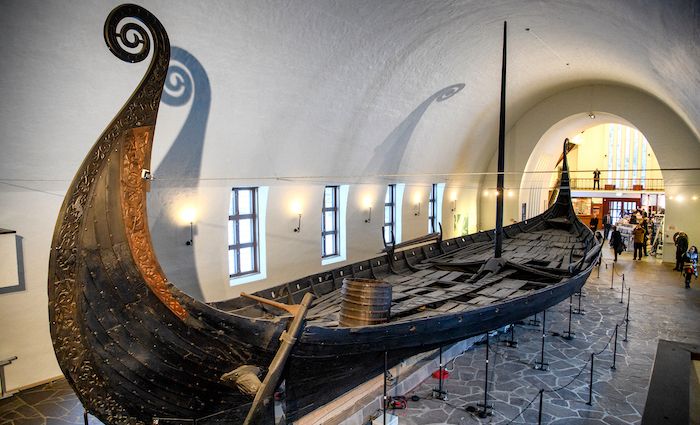
Denmark’s Viking heritage is one of the most defining aspects of its history. The Viking Age, which spanned from the 8th to the 11th centuries, saw Denmark’s seafaring warriors venturefar across Europe.
Today, remnants of that era are scattered throughout the country, from museums housing ancient relics to reconstructed Viking ships.
Several sites, such as the Viking Ship Museum in Roskilde, allow visitors to step back in time. The Trelleborg ring fortress is another prominent landmark where you can witness Viking craftsmanship.
The history of the Vikings continues to shape the identity of Denmark, making it a vital part of the country’s tourism.
2. The Danish Concept Of Cozy Living
Hygge is not just a word but a way of life in Denmark. The concept emphasizes creating a warm, cozy atmosphere and enjoying the simple pleasures of life. This idea has influenced global trends, making Denmark a pioneer in promoting well-being and contentment.
Locals enjoy Hygge moments through candlelit dinners, warm gatherings with friends, or reading by the fireplace. For visitors seeking relaxation, experiencing Hygge is essential to understanding Danish culture.
Whether strolling through Copenhagen’s Tivoli Gardens or staying at a quaint Danish inn, Hygge is ever-present.
3. Danish Architecture And Design
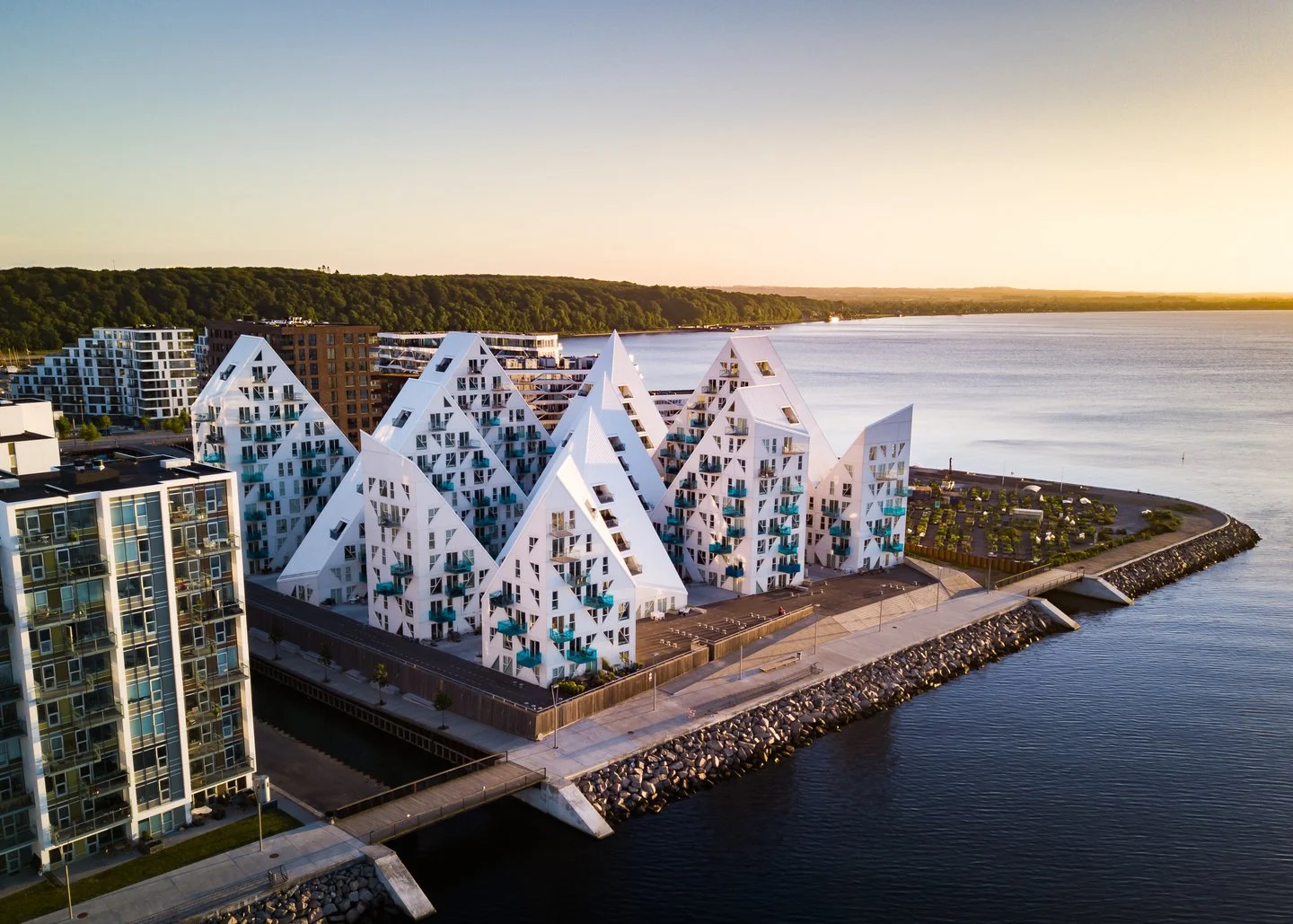
Denmark’s influence on modern design is undeniable. Known for its minimalist and functional aesthetics, Danish architecture and furniture design have left a lasting impression globally.
Designers like Arne Jacobsen and Jørn Utzon have contributed to creating iconic structures such as the Sydney Opera House and the famous Egg Chair.
Copenhagen’s skyline reflects this rich architectural tradition with modern marvels like the Copenhagen Opera House and The Royal Danish Library.
Visitors can tour these landmarks and understand why Denmark is a leader in innovative design and sustainable architecture.
4. Denmark’s Thriving Gastronomy Scene
Danish cuisine is a fusion of tradition and modernity, placing Denmark on the map as a global culinary destination. Smørrebrød, an open-faced sandwich, remains a staple, while world-renowned restaurants like Noma have revolutionized New Nordic cuisine.
Noma has been repeatedly named one of the best restaurants in the world, showcasing the creative potential of Danish chefs.
Denmark’s dedication to sustainability also extends to its gastronomy. Many restaurants prioritize local ingredients, creating meals that are as environmentally conscious as they are delicious.
This commitment has made Denmark a sought-after destination for food lovers looking for a unique and sustainable dining experience.
5. The Danish Royal Family
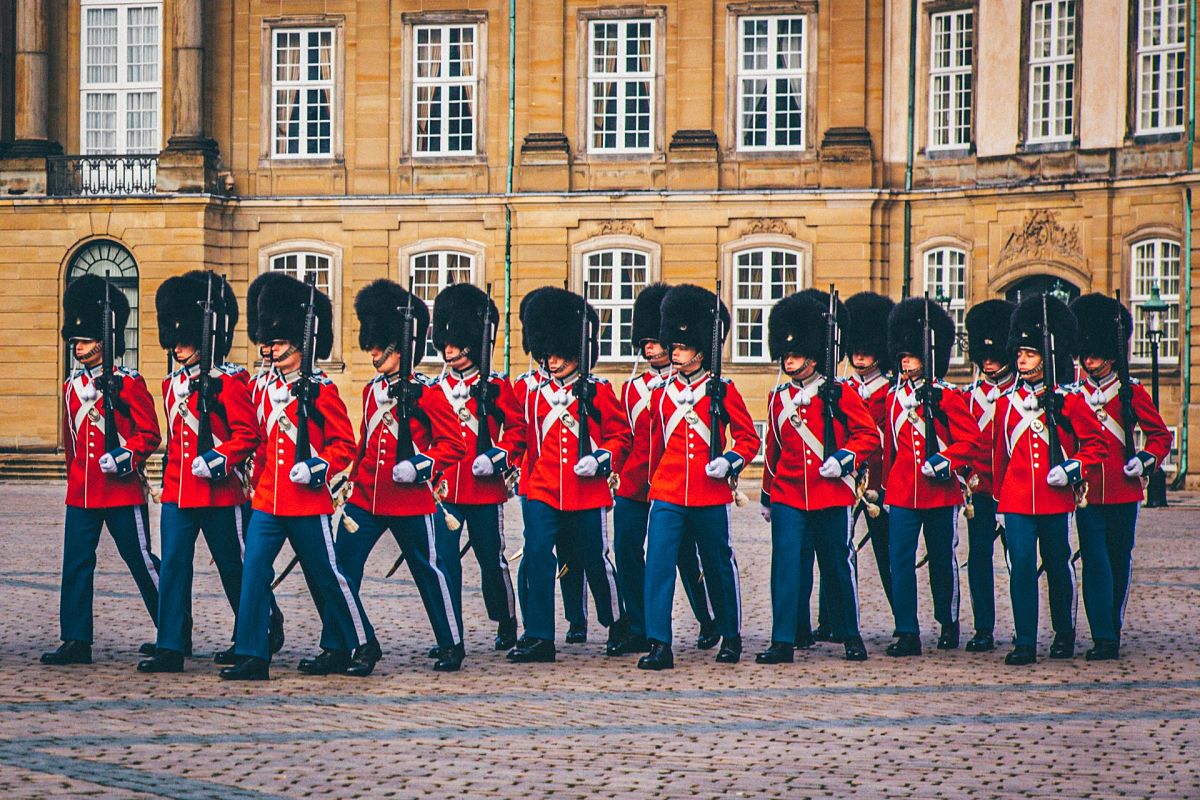
Denmark’s monarchy is one of the oldest in the world, and the royal family remains a significant part of the country’s cultural fabric. Queen Margrethe II, known for her grace and strong leadership, is widely respected both in Denmark and abroad.
Tourists often visit royal sites like Amalienborg Palace, the home of the Danish royal family, and Rosenborg Castle, where the crown jewels are displayed. Denmark’s monarchy is not only a symbol of tradition but also contributes to the country’s tourism appeal, drawing visitors from across the globe.
6. Biking Culture And Environmental Consciousness
Denmark is frequently lauded for being one of the greenest countries in the world. A huge part of this comes from its biking culture. In cities like Copenhagen, cycling is a way of life, with dedicated bike lanes and green infrastructure supporting the eco-friendly habit.
Over half of Copenhagen’s residents commute by bike daily, showcasing the country’s commitment to reducing carbon emissions.
Denmark’s environmental consciousness extends beyond biking. The country leads in renewable energy, with wind turbines generating a significant portion of its electricity. This dedication to sustainability makes Denmark an ideal destination for eco-conscious travelers.
7. Denmark’s Fairy Tale Legacy
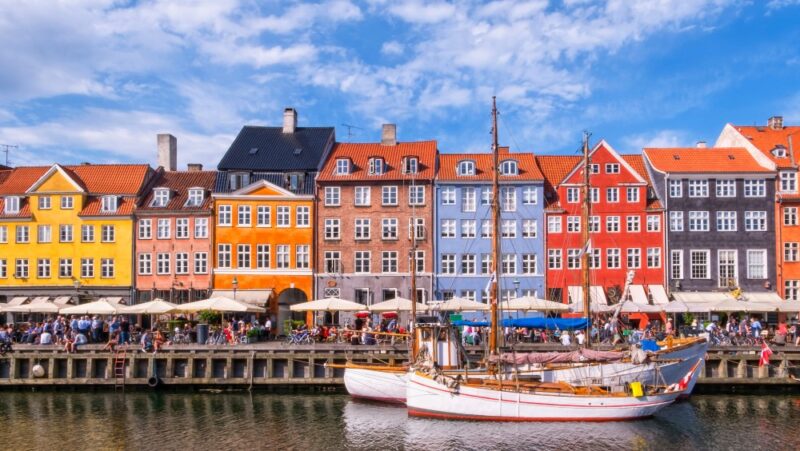
Denmark has given the world one of the most cherished storytellers—Hans Christian Andersen. Famous for fairy tales like “The Little Mermaid” and “The Ugly Duckling,” Andersen’s influence remains deeply embedded in Danish culture.
The Little Mermaid statue in Copenhagen is a tribute to Andersen and is one of Denmark’s most iconic landmarks. Additionally, Tivoli Gardens, one of the world’s oldest amusement parks, offers a whimsical, fairy tale-like experience that attracts millions of visitors each year.
8. Danish Festivals And Traditions
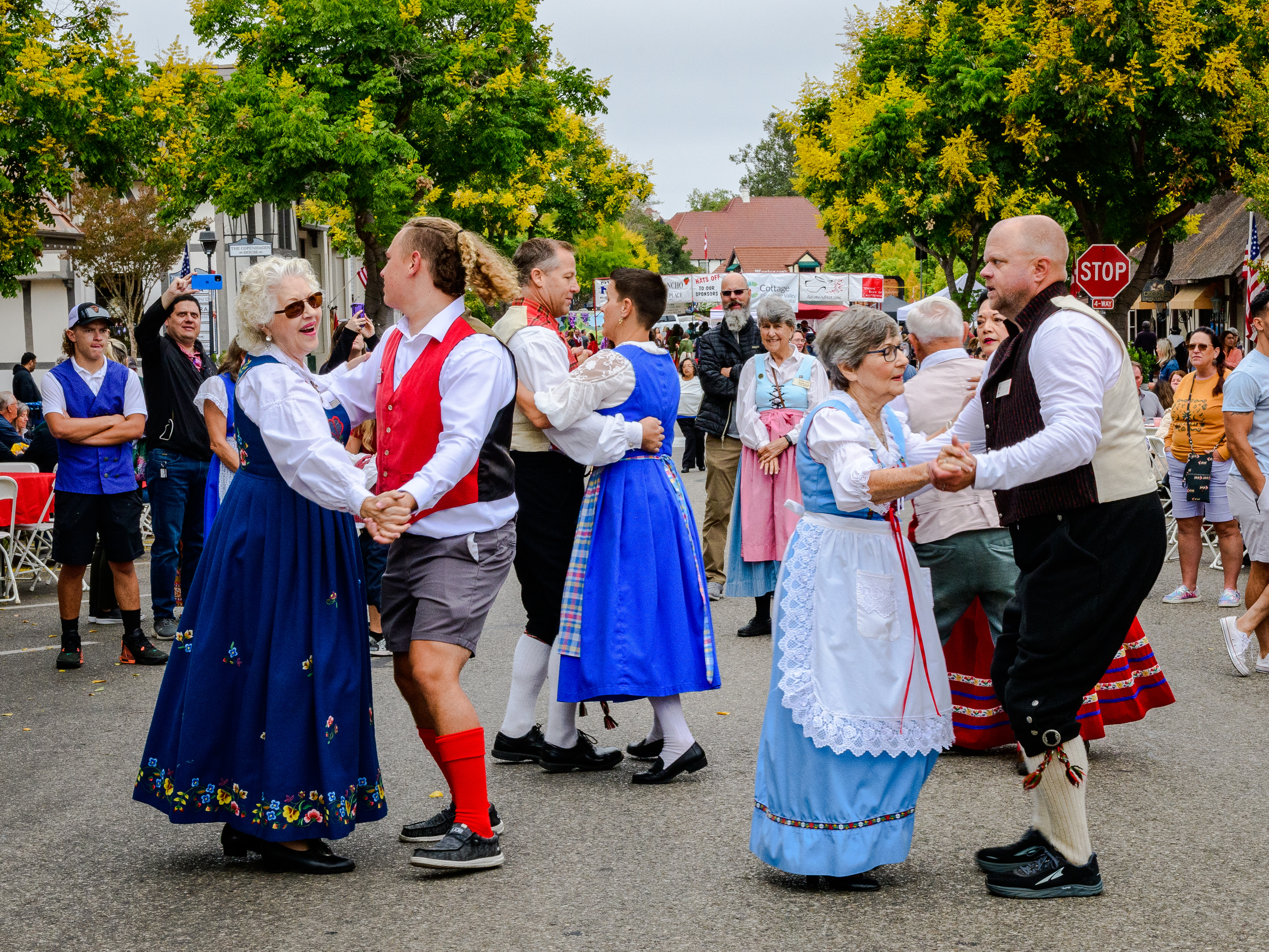
Denmark is home to several lively festivals and traditions that showcase the country’s vibrant culture. One of the most notable events is Fastelavn, a carnival-like celebration that marks the beginning of Lent, filled with colorful costumes, games, and sweets.
Music lovers can enjoy the Roskilde Festival, one of Europe’s biggest music festivals held annually in July. It draws thousands of attendees to experience world-class performances. Additionally, the Danish Christmas Markets are known for their festive atmosphere, with locals and tourists flocking to enjoy Danish holiday traditions.
Denmark’s cultural calendar is packed with events, offering something for everyone, from history buffs to music enthusiasts. These festivals offer the perfect excuse to experience Denmark’s lively spirit and community.
9. Weddings In Denmark
Denmark is also a popular destination for couples seeking a romantic and picturesque wedding. The country’s straightforward marriage laws attract couples from around the world. Denmark’s scenic landscapes, including its idyllic beachesand charming castles, create unforgettable wedding backdrops.
Many couples are drawn to Denmark’s relaxed approach, as the legal process is simpler compared to other European countries. This has earned Denmark a reputation as one of the best places to tie the knot in Europe.
10. Europe’s Festivals
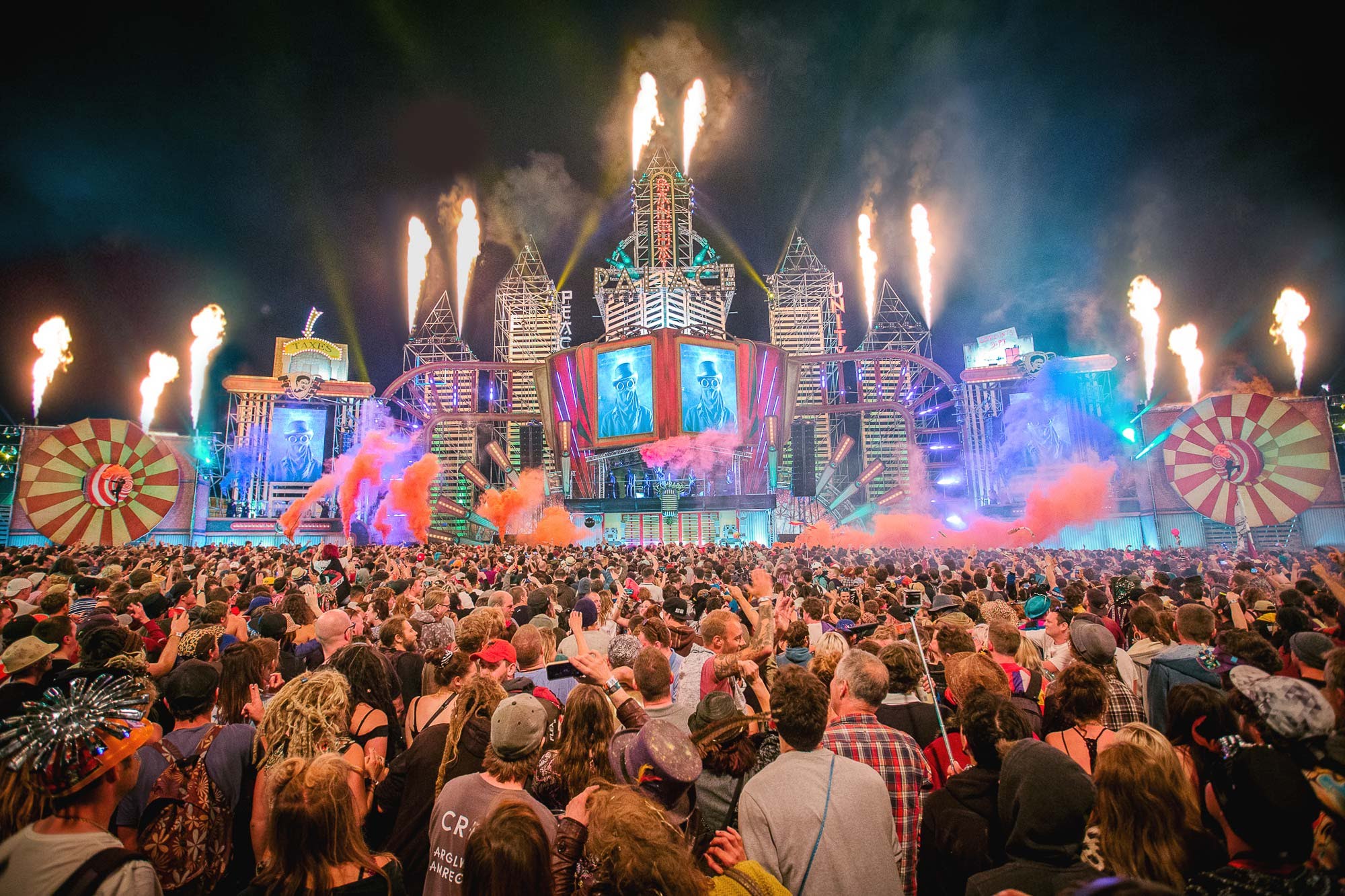
While Denmark’s Roskilde Festival is a major event in July, Europe as a whole offers an array of festivals during this month. Denmark’s position in the heart of Scandinavia makes it a great starting point for festival-goers wanting to explore other notable festivals across Europe, such as Spain’s Running of the Bulls or Austria’s Salzburg Festival.
11. The Little Mermaid Statue
One of Denmark's most iconic landmarks is the Little Mermaid statue in Copenhagen, inspired by Hans Christian Andersen's famous fairy tale. Though relatively small, this sculpture has become a symbol of Denmark and attracts millions of tourists each year. The statue sits at the Langelinie promenade and has been a significant cultural reference for generations.
12. Denmark’s Commitment To Sustainability
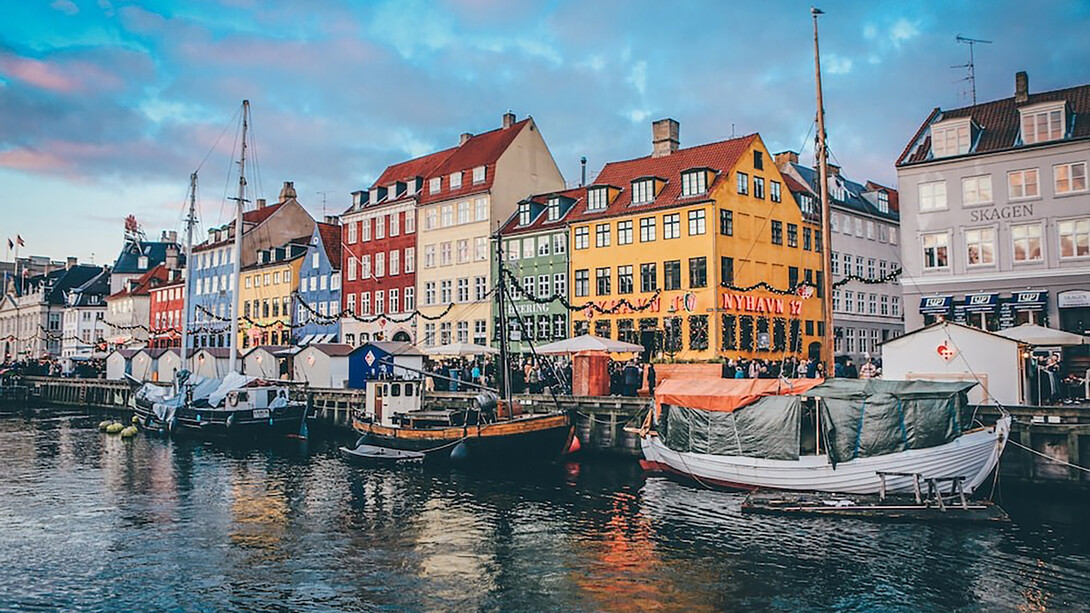
Denmark is a global leader in sustainability, particularly in renewable energy. The country is known for its vast wind farms and ambitious goal of becoming carbon neutral by 2050. Copenhagen is recognized for its green initiatives, including cycling lanes, clean energy projects, and its push toward sustainable urban development.
13. Scenic Danish Landscapes
From coastal cliffs and sandy beachesto charming countryside and picturesque lakes, Denmark is known for its stunning natural beauty. The country has a well-preserved environment, with national parks like Mols Bjerge National Park offering visitors a chance to explore its serene landscapes. Denmark’s lush greenery and scenic landscapes make it a popular destination for nature lovers.
14. Danish Pastries And Smørrebrød

Denmark is home to some of the world’s most beloved culinary treats. Danish pastries, particularly known as wienerbrød, are sweet, flaky pastries enjoyed worldwide. Additionally, smørrebrød, a traditional open-faced sandwich, is a staple of Danish cuisine, often topped with herring, liver pate, or roast beef and served with pickles and rye bread.
15. Denmark’s Progressive Society
Denmark is known for being a progressive and egalitarian society. It ranks high in global indexes for gender equality, social welfare, and LGBTQ+ rights. The country has long been at the forefront of promoting social justice and equality, and its progressive policies extend to healthcare, education, and work-life balance.
16. The Danish "Hygge" Lifestyle

The Danish word hyggehas become a global phenomenon, reflecting Denmark’s emphasis on comfort, coziness, and well-being. It’s about creating moments of warmth and contentment through simple pleasures, like enjoying a cup of hot cocoa, lighting candles, or gathering with friends and family. This lifestyle has been embraced internationally as a way to cultivate happiness.
17. Denmark’s Education System
Denmark boasts one of the best education systems in the world, offering free primary, secondary, and higher education to its citizens. Denmark’s education system emphasizes creativity, critical thinking, and student independence. The country also ranks high in global education rankings, with a focus on practical, hands-on learning and innovation.
18. Famous Danish Thinkers
Denmark has produced many prominent philosophers, writers, and thinkers, including Søren Kierkegaard, a 19th-century existentialist philosopher. His works have deeply influenced existential philosophy and literature worldwide. The country’s intellectual legacy continues to thrive, with thinkers like Niels Bohr, a physicist who made groundbreaking contributions to quantum theory, making Denmark a hub for intellectual thought.
19. Copenhagen’s Tivoli Gardens
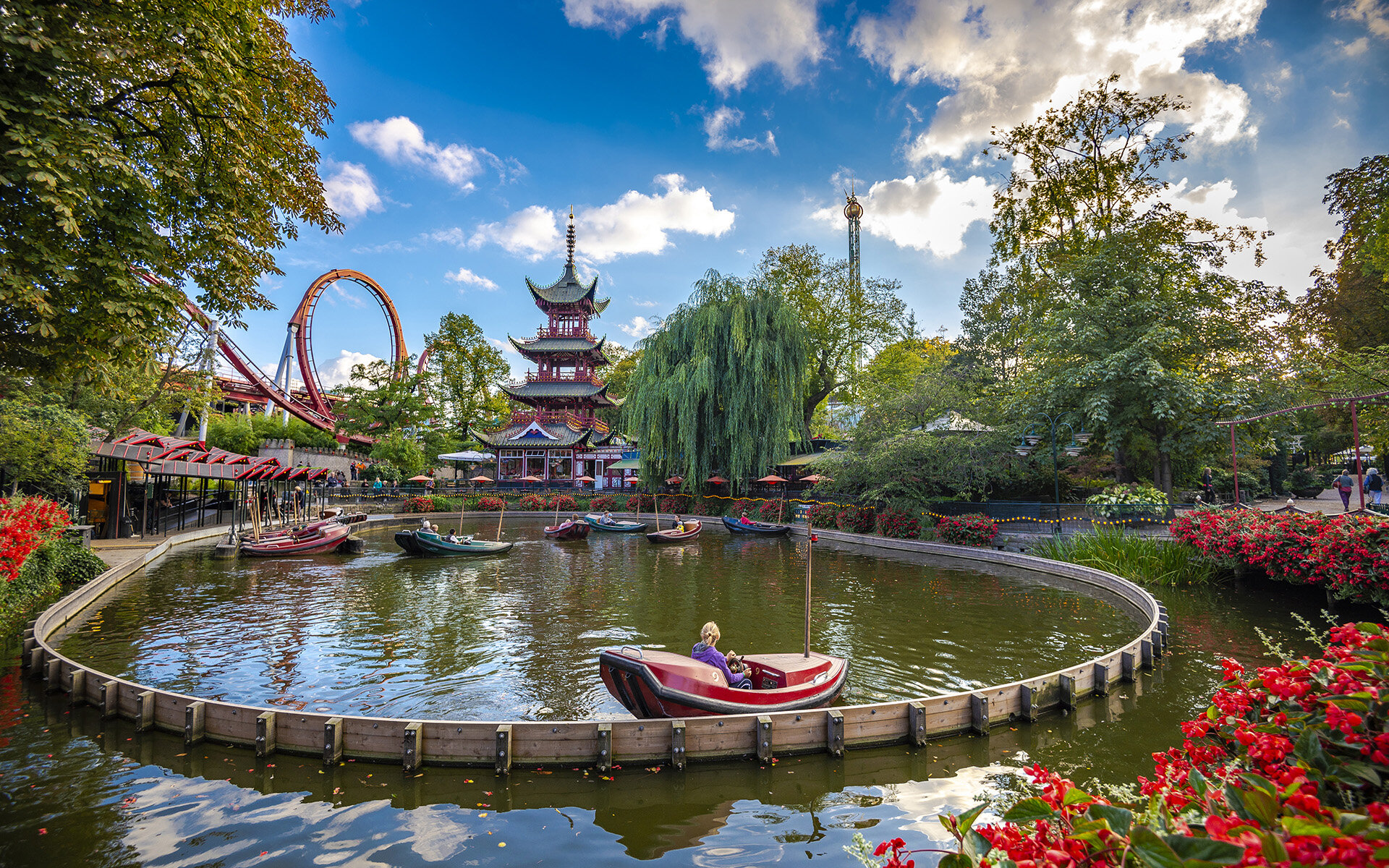
Tivoli Gardens is one of the oldest amusement parks in the world, opening its doors in 1843. Located in the heart of Copenhagen, the park blends stunning gardens, thrilling rides, and beautiful architecture. It has inspired the design of other parks around the world and remains a beloved destination for visitors of all ages.
20. Greenland And The Faroe Islands
Denmark is also known for its territories in the Arctic—Greenland and the Faroe Islands. These areas are known for their rugged landscapes, rich indigenous cultures, and pristine natural beauty. Greenland, in particular, offers vast glaciers, icebergs, and the opportunity to experience the midnight sun and Northern Lights.
21. Cultural Appreciation Of Art
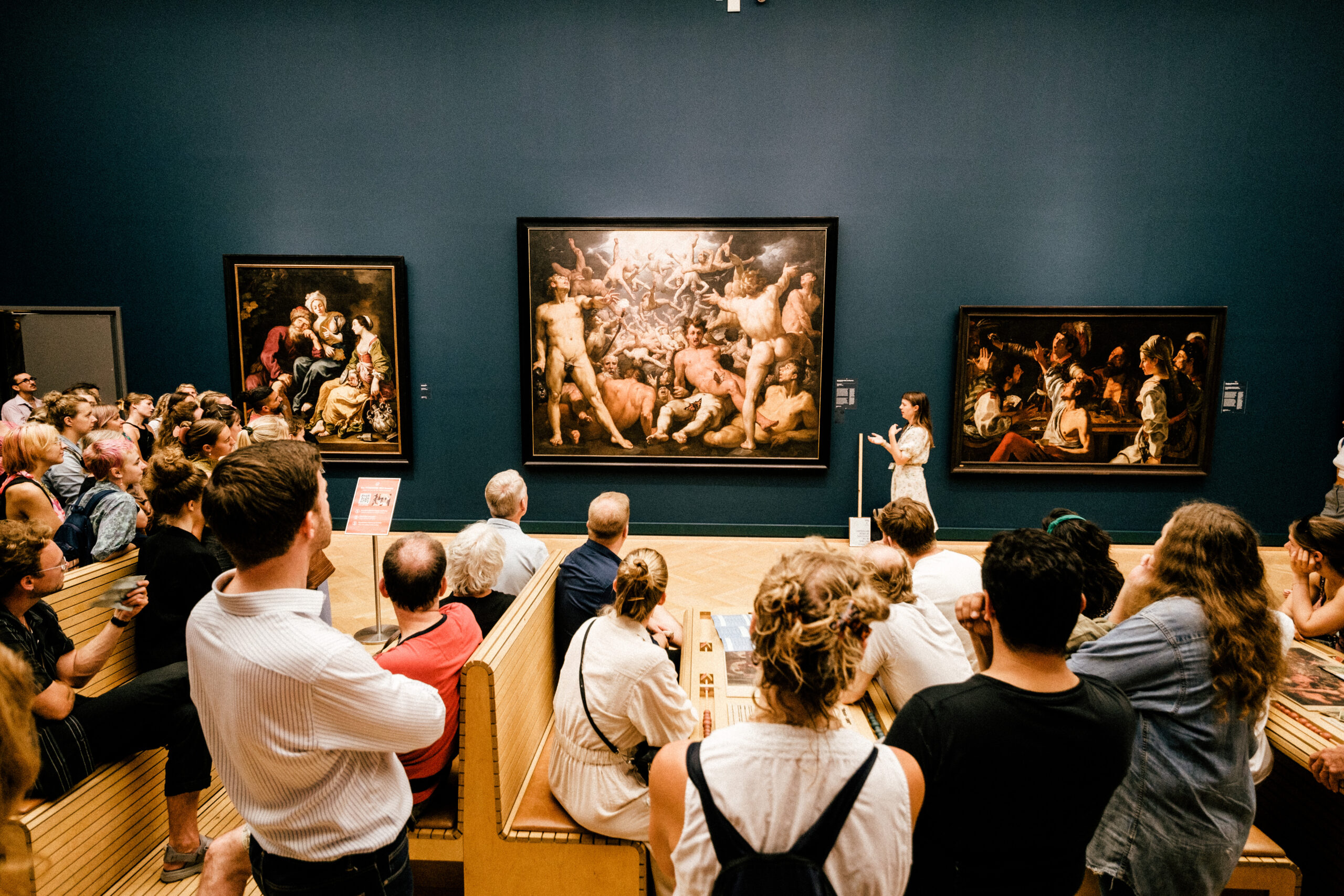
Denmark has a rich artistic heritage, with renowned museums like the Statens Museum for Kunst (National Gallery of Denmark) showcasing impressive collections of European and Danish art. The country’s commitment to fostering the arts extends to theater, film, and music, with Denmark hosting several prominent international festivals, such as the Copenhagen International Documentary Film Festival.
22. Denmark’s Impressive Public Transportation
Denmark boasts an extensive and efficient public transportation system. Copenhagen’s metro, buses, and trains make it easy for locals and visitors alike to travelseamlessly across the city and beyond. Denmark is also a pioneer in implementing eco-friendly public transport options, with electric buses and a focus on reducing carbon footprints.
FAQs About What Denmark Is Known For
What Is Denmark Most Famous For?
Denmark is most famous for its Viking heritage, royal family, and innovative design, as well as cultural concepts like Hygge.
What Are Some Famous Danish Dishes?
Some popular Danish dishes includesmørrebrød (open-faced sandwiches), frikadeller (meatballs), and Danish pastries.
What Are The Best Vacation Spots In Denmark?
Popular vacation spots include Copenhagen, Aarhus, and Odense, known for their rich history, stunning architecture, and cultural experiences.
Why Do People Get Married In Denmark?
Denmark’s relaxed marriage laws make it a popular destination for couples worldwide. Its beautiful landscapes and easy legal process add to the country’s appeal for weddings.
Final Thoughts
Denmark’s allure extends beyond its Viking past and fairy tales. With a focus on sustainability, world-class cuisine, and innovative design, Denmark offers something for everyone. Whether it’s the timeless charm of its royal family or the contemporary appeal of its eco-conscious lifestyle, Denmark continues to captivate visitors from around the globe.
You Might Like: Charming Switzerland: A Detailed Review Of My Scenic Journey
Jump to
1. Denmark’s Iconic Viking Heritage
2. The Danish Concept Of Cozy Living
3. Danish Architecture And Design
4. Denmark’s Thriving Gastronomy Scene
5. The Danish Royal Family
6. Biking Culture And Environmental Consciousness
7. Denmark’s Fairy Tale Legacy
8. Danish Festivals And Traditions
9. Weddings In Denmark
10. Europe’s Festivals
11. The Little Mermaid Statue
12. Denmark’s Commitment To Sustainability
13. Scenic Danish Landscapes
14. Danish Pastries And Smørrebrød
15. Denmark’s Progressive Society
16. The Danish "Hygge" Lifestyle
17. Denmark’s Education System
18. Famous Danish Thinkers
19. Copenhagen’s Tivoli Gardens
20. Greenland And The Faroe Islands
21. Cultural Appreciation Of Art
22. Denmark’s Impressive Public Transportation
FAQs About What Denmark Is Known For
Final Thoughts

Maya Reyes
Author
Maya Reyes’s wanderlust was sparked in the temples of Luang Prabang, where the scent of lemongrass and the chants of monks revealed the transformative power of travel.
Since then, her journey has been defined by cultural immersion and authentic connections. From learning batik in Indonesia to sharing meals with nomadic families in Mongolia, Maya seeks experiences that highlight the human stories behind each destination.
Travel for her is a way to weave her narrative into the world’s cultural tapestry, creating bridges across diverse ways of life. Maya has traveled to 15 countries and shares her insights through writing and storytelling.

Finn Wilde
Reviewer
For Finn Wilde, the wilderness is more than just a destination - it’s a way of life. Over the past decade, he has led multiple expeditions in some of the world’s most remote regions, from the icy fjords of Greenland to the rugged trails of Patagonia.
Finn emphasizes sustainability in all of his adventures, helping participants connect with nature while promoting responsible exploration. His expeditions inspire individuals to explore the great outdoors while fostering a deep respect for the environment.
Latest Articles
Popular Articles