Tongareva (Penrhyn Atoll) | Geography, History, Map, & Culture
Experience Tongareva (Penrhyn Atoll), the Cook Islands’ largest atoll. Learn its geography, culture, crafts, and lagoon life in one complete guide.
Author:Sophia HarperReviewer:Liam JonesSep 11, 202566.7K Shares901.8K Views
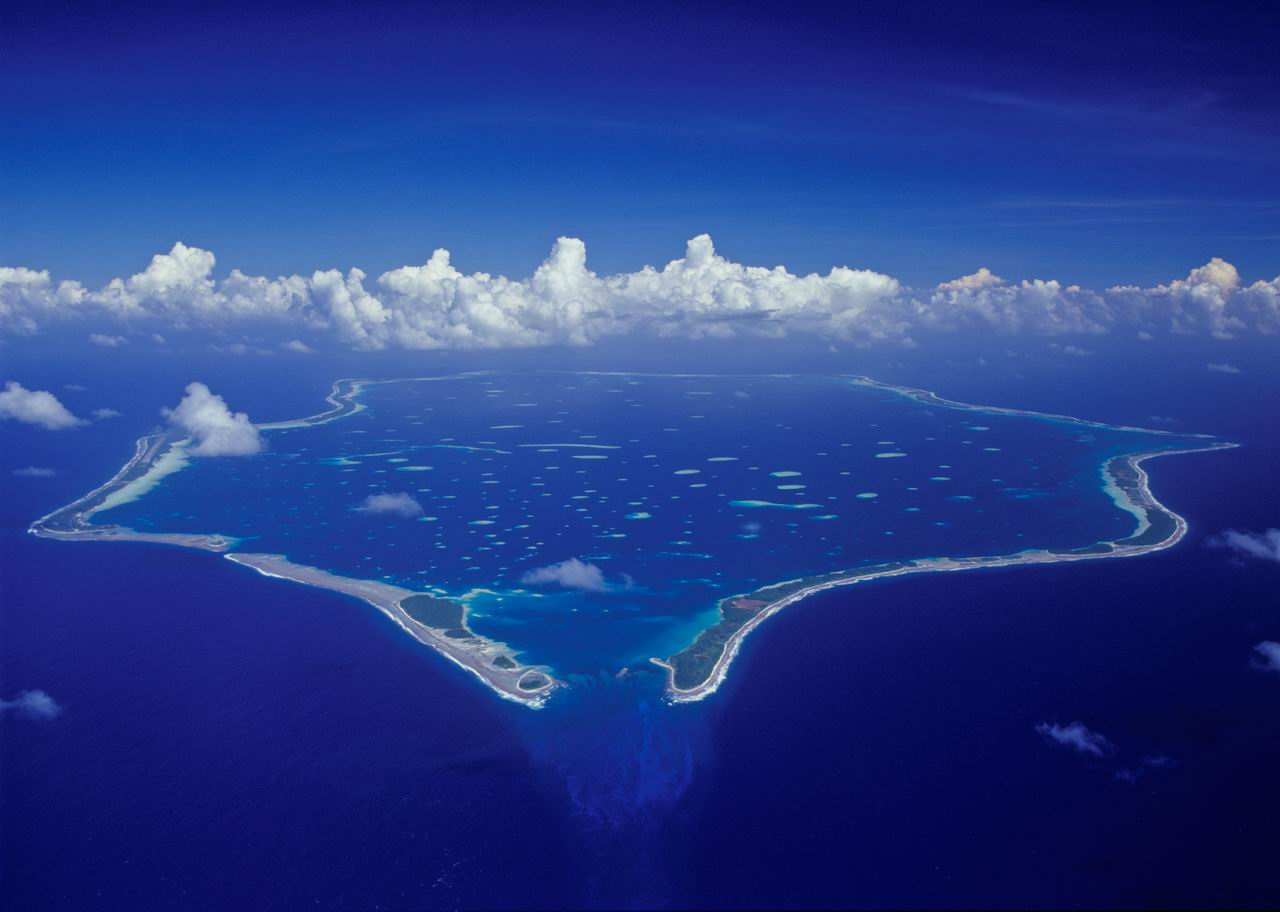
Tongareva: The Enduring Heart Of The Northern Cook Islands
In the vast expanse of the Pacific Ocean, at the very northern edge of the Cook Islands, lies an atoll of profound beauty and resilience: Tongareva. To the outside world, it is often known by its colonial name, Penrhyn, but to its people, it is "Tongafloating in space," a name that perfectly captures the sense of a small, vibrant world suspended in a boundless ocean.
This is not a destination for the casual traveler, but for the one who seeks to understand a culture shaped by immense challenges and sustained by an unshakeable spirit.
This article is a journey to the heart of Tongareva. We’ll go beyond the basic facts to explore its epic history, delve into the unique culture that thrives on a tiny ring of land, and provide a truly honest look at what it means to visit one of the most isolated communities in the world.
From its storied past to its modern-day realities, this is the definitive guide to understanding the enduring spirit of Tongareva.
Quick Facts About Tongareva
| Location | Central-Southern Pacific Ocean |
| Also Known As | Penrhyn Atoll (European name) |
| Penrhyn Pronunciation | PEN-rin |
| Geography | Largest atoll in the Cook Islands |
| Lagoon Size | ~233 km² (90 sq mi) |
| Land Area | ~9.8 km² (3.80 sq mi) |
| Circumference | ~77 km (48 mi) of coral reef rim |
| Islets (Motu) | 18 major ones, including Omoka (main settlement) and Te Tautua |
| Elevatio | Less than 5 meters (16 ft) above sea level |
| Population | 226 (2016) |
| Ethnic groups | Polynesian |
| Language | Penrhynese (a Cook Islands Māori dialect) and English |
Tongareva’s Geography: Land And Lagoon
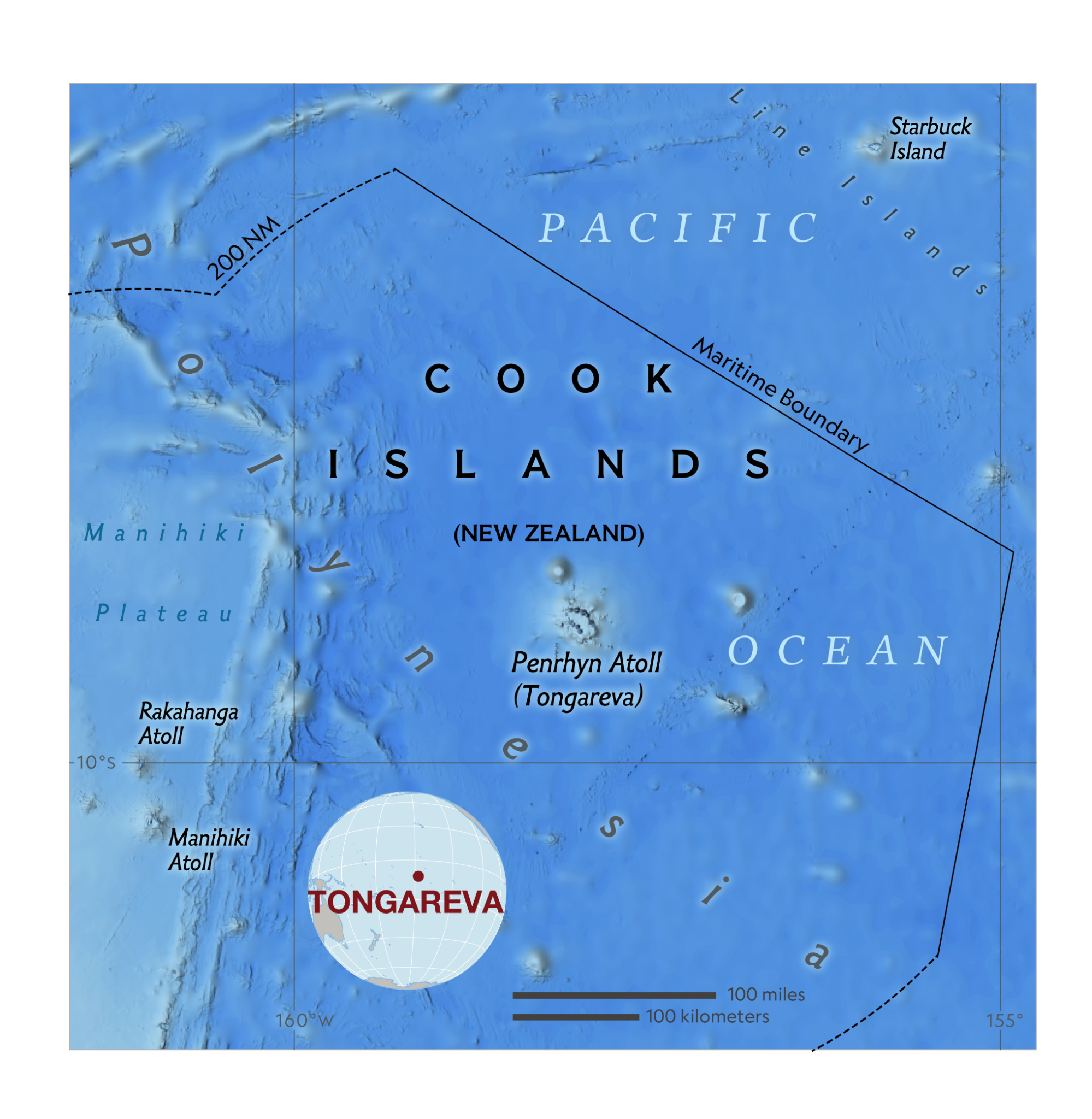
From above, Tongareva appears as a shimmering turquoise ring set in the endless Pacific. The atoll is a thin, roughly circular band of coral with a circumference of approximately 77 km (48 mi), enclosing a magnificent lagoon that spans an astounding 233 square kilometers.
It is the largest lagoon in the Cook Islands, a massive, sheltered expanse of shimmering turquoise water that dominates the atoll's landscape and daily life.
The very existence of an atoll is a geological marvel. Tongareva sits atop the highest submarine volcano in the Cook Islands, rising 4,876 meters (15,997 ft) from the ocean floor.
It is a testament to the slow, persistent power of nature, formed from a coral reef that grew upward around a subsiding volcanic island, eventually leaving only a low-lying ring of life (with a maximum elevation of less than 5 meters) surrounding a deep, central lagoon. This unique formation is the foundation of Tongareva’s culture and resources.
Tongareva Map
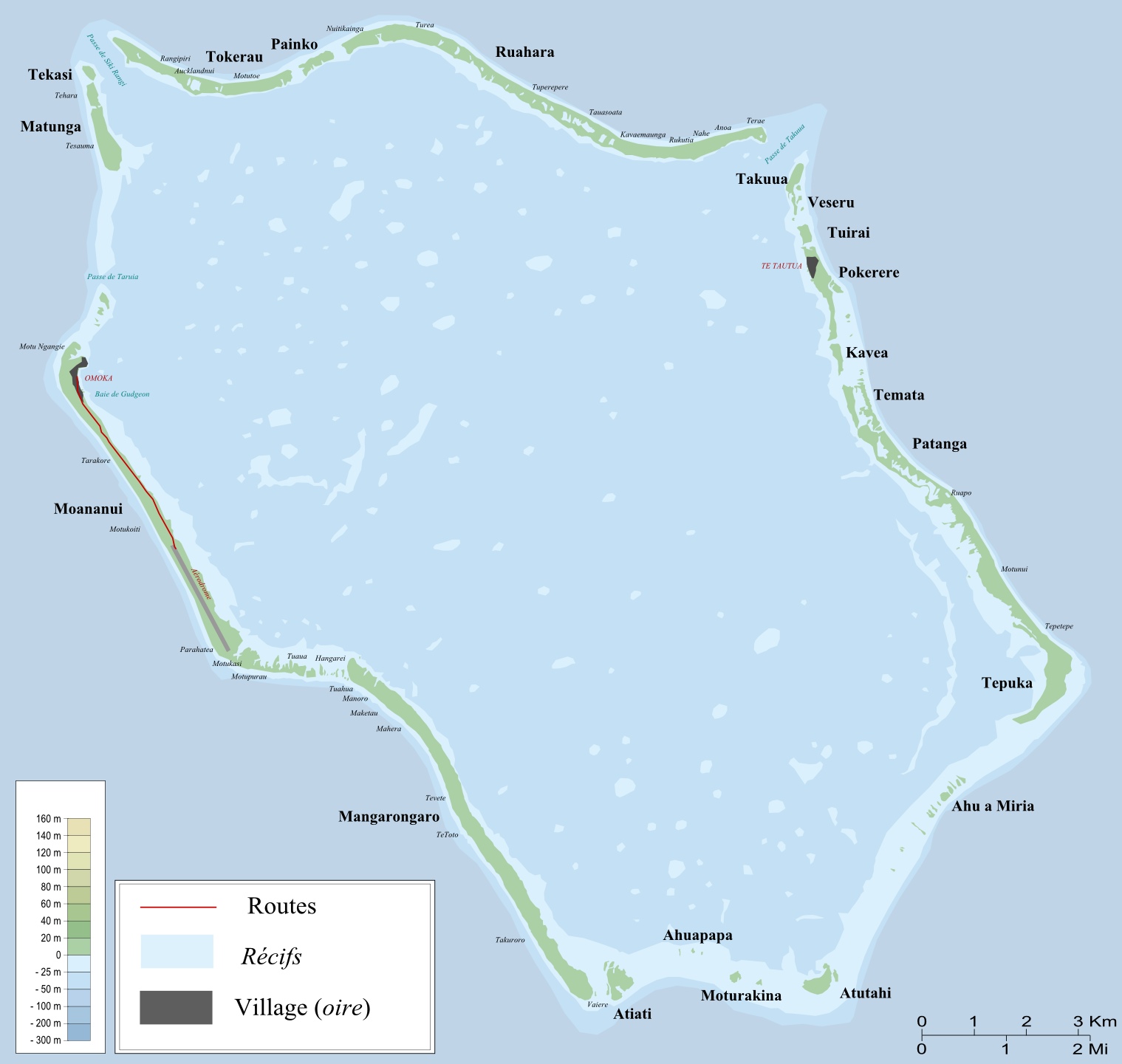
The Tongareva map reveals the atoll's specific dimensions and layout. The atoll has a circumference of approximately 77 km (48 mi) and a total land area of just 9.84 square kilometers (3.80 sq mi), consisting of 18 major islets. The two main villages, Omoka and Te Tautua, are located on Moananui Islet and Pokerekere Islet, respectively.
History: From Polynesian Voyagers To WWII
The story of Tongareva's people is an epic saga of survival against incredible odds. Polynesian ancestors are believed to have settled the atoll as early as 900 or 1000 AD, navigating immense distances to find this solitary paradise.
According to oral tradition, the island was even "fished up" by a mythical ancestor named Vatea. The island holds deep cultural memories, with ancient marae(sacred stone sites) still present on islets like Matunga, which also holds the remains of a colonial leper colony.
For centuries, they thrived, but the 19th century brought a period of catastrophic change. In the 1860s, the atoll became a tragic target for Peruvian slave traders, a dark chapter known as "blackbirding."
As documented by historical sources, the ship Adelanteand others abducted hundreds of Tongarevan people. Facing a severe famine from a coconut blight, some were lured by the promise of work, only to be shackled and sold into forced labor in Peru.
The resulting depopulation was so severe that the island's population dropped from an estimated 2,000 to just 88 people. This historical trauma is a crucial, if somber, part of understanding the community's immense resilience.
Decades later, Tongareva played an unexpected role in a global conflict. During World War II, the atoll’s isolation and strategic location became an asset for the U.S. military.
Airstrips were constructed, and for a period, the atoll hosted a thousand support personnel and military aircraft. This brief but impactful era left a lasting legacy: the airstrip that once served B-24 bombers is now the lifeline for the community, connecting them to Rarotonga and the outside world.
Culture, Community, And Language
Life on the atoll is a masterclass in living in harmony with the environment and each other. The population, which according to the most recent census data stands at just over 200, is concentrated in the two main villages.
This small population size has fostered a deep sense of community and a reliance on traditional skills. Over 90% of the residents belong to the Cook Islands Christian Church, and the strict observance of Sunday rest is a central part of community life.
Tongareva's Language
The indigenous language spoken on the atoll is a unique dialect called Penrhyn or Tongareva. As a critically endangered language with only a few hundred speakers, it represents a precious link to the atoll's past.
While closely related to Cook Islands Māori, it has distinct vocabulary and pronunciations. The local language is central to cultural identity, used in daily life, church hymns, and oral traditions. While younger generations may favor English or Rarotongan Māori, efforts are being made to preserve it through community projects.
Economy And Resources
The local economy is a fragile balance of self-sufficiency and outside support. The black pearl farming industry, once a source of hope, failed due to environmental challenges, leaving the community to rely primarily on fishing, local produce, and remittances from family members abroad.
The recent installation of solar power arrays, a project backed by New Zealand aid, marks a modern step toward sustainable energy and reducing the reliance on costly, infrequent shipments of diesel fuel.
Rito Weaving and the Art of the Pandanus:The people of Tongareva are renowned throughout the Cook Islands for their intricate handicrafts, especially their rito hats. Woven from the inner fibers of young coconut leaves, these hats are a stunning example of a traditional art form that has been preserved and elevated.
As a former Miss Cook Islands and Tongareva native, Teuira Napa, once highlighted, the tradition of weaving is passed down through generations, with mothers teaching their daughters.
Related Reading: New Zealand Māori Culture | Traditions, Language, Map & Identity
Navigating Tongareva
Traveling to Tongareva tourism is an authentic expedition. This is not a place for those expecting the convenience and comfort of Tongareva hotels. There are no large resorts or commercial operations. Instead, visitors are welcomed into local guesthouses and homestays, where they are treated not as customers, but as honored guests.
The journey is a part of the adventure. Weekly flights from Rarotonga are subject to weather and availability, and for those with an adventurous spirit, the occasional cargo ship offers a multi-day voyage that truly immerses you in the vastness of the Pacific.
This slow, deliberate pace is a necessary part of the experience, forcing visitors to shed their modern expectations and embrace the rhythm of island time.
What To Do On The Atoll
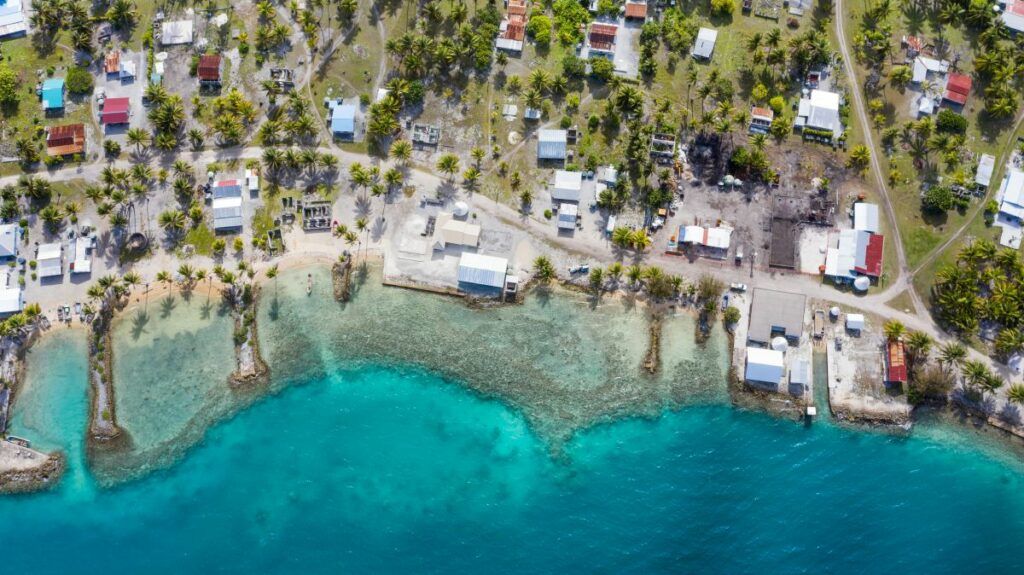
Tongareva offers a rare blend of lagoon adventures, cultural traditions, and everyday island life. The activities here are not manufactured for tourists-they are the same experiences that sustain and define the local community.
Go Bonefishing Or Spearfishing
Tongareva is famous across the Pacific for its world-class bonefishing. Anglers from around the world consider the lagoon one of the best spots to land the elusive ghostly fish, which thrive in the shallow flats.
For those seeking a more traditional approach, locals often spearfishin the lagoon, hunting parrotfish, groupers, and trevally with skill passed down through generations.
Joining a fisherman on the water is not just about sport-it’s a window into the way islanders have always lived, drawing dinner directly from the sea.
Take A Boat Trip Across The Lagoon
The lagoon itself is the heart of Tongareva, and a boat trip reveals its sheer scale and beauty. With over 200 square kilometers of sheltered turquoise water, the lagoon feels like an inland sea.
Visitors can hop between the 18 islets, stopping at pristine motu where seabirds nest undisturbed. Snorkeling reveals vibrant coral gardens and giant clams, while deeper channels are patrolled by reef sharks and sea turtles.
It’s not unusual to see locals casually feeding or even petting the friendly blacktip sharksthat linger in the shallows-a reminder of the atoll’s intimate relationship with its marine world.
Experience A Church Service
Religion plays a central role in daily life, and attending a church service offers a powerful cultural experience. On Sundays, the Cook Islands Christian Churchand the Catholic Churchfill with voices that rise in breathtaking harmony.
Hymns are sung in Penrhynese and English, weaving together traditional rhythms with Christian devotion. Services are not limited to Sundays-on Tongareva, the church often holds gatherings up to five times a week, shaping the rhythm of the community.
Even visitors who do not share the faith often describe the music as deeply moving and unforgettable.
Browse And Buy Traditional Crafts
Tongareva is one of the most renowned centers for rito weavingin the Pacific. Women harvest the young, pale leaves of coconut palms, bleach them in the sun, and transform them into luminous fibers. From these, they craft rito hats, fans, and matsof extraordinary quality.
A single hat can take weeks to complete and is considered a status symbol in the Cook Islands. What might fetch a premium price in Rarotonga or New Zealand can be purchased here directly from the makers, offering not only authenticity but the chance to support local artisans whose skill is central to cultural identity.
Swim And Relax In Secluded Waters
Unlike more crowded South Pacific islands, Tongareva’s lagoon and beaches remain largely untouched by tourism. Visitors can swim in crystalline shallows where the only company might be a heron stalking the reef flats.
The sense of solitude-water stretching to the horizon, sand beneath your feet, and skies filled with seabirds-captures the essence of what makes the atoll special.
What To Know Before You Go
Due to its extreme remoteness, it is essential to be fully prepared for a visit to Tongareva.
- Accommodation: There is only one guesthouse, and visitors may be invited to stay with a local family. All meals are typically included, and the hospitality is legendary.
- Shops:The village of Omoka has a couple of small stores selling basic goods like tinned food, rice, sugar, and flour. Most supplies are obtained from infrequent shipping containers, so it's wise to ask your host if they can source something for you.
- Connectivity & Post Office:There are two Vodafone Wi-Fi hotspots in Omoka: one in the administration area and one at the Post Office, located near the hospital. The Vodafone office also provides postal services and is where you can buy a local SIM card.
- Banks & ATMs:While the Bank of the Cook Islands (BCI)has a branch in Omoka, it does not deal in foreign exchange or offer withdrawals from international bank cards. There are no ATMs on the atoll. You must bring all the cash you will need for your stay, in New Zealand Dollars.
- Hospitals: There is no pharmacy in Penrhyn, but there are two hospitals, one in each village. Omoka Hospital is in the village of Omoka, and Te Tautua Hospital is in Te Tautua. Both are open from Monday to Friday, 8 am to 4 pm.
FAQs About Tongareva And Penrhyn Atoll
What Does "Tongareva" Mean?
It translates to “Tonga floating in space,” a poetic name that emphasizes both isolation and cosmic identity.
Why Is It Also Called Penrhyn?
The name “Penrhyn” comes from the ship Lady Penrhyn, which sighted the atoll in 1788. While both names are used, Tongareva is the preferred and more culturally significant name for the people of the atoll.
How Many People Live There?
According to recent census data, around 200–230 people live on the atoll, spread across two main villages: Omoka and Te Tautua.
Is The Penrhyn Language Still Spoken?
Yes, but it is critically endangered. Preservation efforts are ongoing, though English and Rarotongan are more common among youth.
How Can Tourists Visit Tongareva?
By rare charter flights or private yacht. Both require advance planning, official clearance, and significant expenses.
What Is Unique About Tongareva’s Crafts?
Women’s rito weaving is highly regarded across the Pacific, producing hats, mats, and fans from coconut fiber.
Are There Heritage Sites Worth Visiting?
Yes-Matunga islet holds maraeruins and remnants of a colonial leper colony, blending Polynesian and colonial histories.
A Quick Recap
Tongareva is more than just a destination; it’s a living testament to the human spirit's ability to endure and thrive in one of the most isolated places on Earth. From its poetic name and immense lagoon to the resilient people who call it home, every aspect of this atoll tells a compelling story.
It is a place that challenges our modern assumptions about connectivity and convenience, reminding us of the profound value of community, tradition, and living in harmony with the natural world.
For those seeking an experience that will change their perspective, the journey to Tongareva is a pilgrimage to the heart of the Pacific.
Jump to
Tongareva: The Enduring Heart Of The Northern Cook Islands
Quick Facts About Tongareva
Tongareva’s Geography: Land And Lagoon
Tongareva Map
History: From Polynesian Voyagers To WWII
Culture, Community, And Language
Navigating Tongareva
What To Do On The Atoll
What To Know Before You Go
FAQs About Tongareva And Penrhyn Atoll
A Quick Recap

Sophia Harper
Author
Sophia Harper’s photography acts as a portal to the soul of the places she visits. Drawn to South America’s landscapes and cultures, she has spent years capturing everything from the majesty of ancient ruins to the vibrancy of urban streets.
Sophia’s work isn’t just about documenting moments; it’s about evoking the emotions and stories behind them. A dedicated photographer, she has worked with local communities across South America to capture their rich cultural narratives through her lens.
Liam Jones
Reviewer
Liam Jones has made it his mission to prove that adventure doesn’t need a hefty budget. Having traveled to over 40 countries, he specializes in finding affordable ways to experience the world, from the best street food in Bangkok to hidden gems in Lisbon.
Liam’s travel tips have reached thousands of readers, empowering them to see the world on a shoestring budget without sacrificing quality. With a deep passion for local cultures, he continues to share his travel hacks, ensuring adventure remains accessible to all.
Latest Articles
Popular Articles