Sustainable Travel Destinations | 20 Top Picks For This Year
The best sustainable travel destinations for eco-conscious adventures. Explore responsible tourism, green accommodations, and unforgettable experiences.
Author:Sophia HarperReviewer:Liam JonesJul 20, 202529.3K Shares716.9K Views

Travel has the power to inspire, educate, and connect us with the beauty of the world. However, as tourism grows, its impact on the planet becomes increasingly significant. Sustainable travel offers a way to explore the world responsibly while leaving a positive footprint.
Whether it's embracing eco-friendly accommodations, supporting local communities, or preserving biodiversity, the choices we make as travelers shape the future of our planet.
The Importance Of Sustainable Travel

Sustainable travel goes beyond reducing plastic use or staying in eco-friendly lodges. It’s about traveling in ways that respect and protect the environment, culture, and communities of your destination. Here’s why it matters:
- Environmental Protection:Tourism accounts for roughly 8% of global greenhouse gas emissions, making it critical to adopt practices that reduce your carbon footprint. Staying in carbon-neutral accommodations or supporting renewable energy initiatives can mitigate the impact.
- Preservation of Culture:By supporting local traditions and artisans, sustainable travel ensures that communities maintain their cultural identity while benefiting economically.
- Economic Support:When you shop at local markets, dine at small restaurants, or hire local guides, you’re contributing directly to the livelihoods of the people who call these destinations home.
Sustainable travel is not just a trend it’s a responsibility that ensures future generations can experience the world’s natural and cultural wonders.
Key Characteristics Of A Sustainable Travel Destination
What makes a destination truly sustainable? These key traits help define eco-conscious locations:
- Low Environmental Impact:Destinations that promote renewable energy, waste management, and eco-tourism initiatives are leading the way in sustainability.
- Community-Centered Tourism:These places prioritize local involvement, ensuring that tourism revenue benefits local residents and supports traditional crafts and trades.
- Biodiversity Preservation:National parks, wildlife sanctuaries, and marine reserves that focus on protecting flora and fauna are hallmarks of sustainable destinations.
- Certifications and Recognition:Look for destinations certified by organizations such as Green Destinations or the Global Sustainable Tourism Council (GSTC).
By choosing destinations with these characteristics, travelers can support places committed to responsible tourism.
Top 20 Sustainable Travel Destinations For 2025
1. Costa Rica

- Why it’s Sustainable:Costa Rica is a pioneer in eco-tourism, with over 25% of its land designated as protected reserves. The country’s commitment to achieving carbon neutrality by 2050 is backed by its focus on renewable energy and forest conservation.
- What to Do:Visit the Monteverde Cloud Forest Reserve, a biodiverse haven teeming with exotic flora and fauna. Tour organic coffee farms where sustainable agriculture is a way of life. Witness the awe-inspiring spectacle of turtles nesting on the beaches of Tortuguero National Park, a cornerstone of global conservation efforts.
2. Bhutan

- Why it’s Sustainable:Bhutan has enshrined environmental preservation in its constitution, dedicating over 70% of its land to forest cover. The nation’s “High-Value, Low-Impact Tourism” policy ensures the environment remains pristine.
- What to Do:Trek through untouched Himalayan landscapes, including the iconic Tiger’s Nest Monastery perched on a cliffside. Attend vibrant local festivals like Paro Tsechu, which celebrate Bhutanese culture. Engage in spiritual retreats and eco-friendly farm stays.
3. Slovenia

- Why it’s Sustainable:As a leader in sustainable practices, Slovenia boasts eco-certified accommodations and initiatives promoting zero waste and local products. Ljubljana, the capital, has embraced a car-free city center and innovative green infrastructure.
- What to Do:Experience the serene beauty of Lake Bled, where you can row to the island church. Venture into Triglav National Park for hiking and birdwatching. Taste organic wines and farm-to-table dishes in the countryside.
4. New Zealand

- Why it’s Sustainable:The Tiaki Promise, a nationwide commitment, encourages visitors to protect nature, act responsibly, and respect Maori culture. Eco-tourism thrives here, with lodges and tours integrating renewable energy and conservation efforts.
- What to Do:Immerse yourself in the geothermal wonders of Rotorua. Kayak through the dramatic fjords of Milford Sound, often called the eighth wonder of the world. Learn about Maori heritage and sustainable living practices.
5. Iceland

- Why it’s Sustainable:Iceland’s renewable energy sector, powered by geothermal and hydroelectric sources, sets a global example. Its policies focus on preserving delicate ecosystems and reducing carbon emissions.
- What to Do:Bathe in the therapeutic waters of the Blue Lagoon. Marvel at the Northern Lights from eco-friendly lodges. Explore Vatnajökull National Park’s glaciers and volcanic landscapes.
6. Rwanda

- Why it’s Sustainable:Rwanda’s conservation initiatives, particularly for mountain gorillas, have become a global benchmark. Plastic bags are banned nationwide, and community tourism empowers local people.
- What to Do:Embark on a once-in-a-lifetime gorilla trek in Volcanoes National Park. Walk among treetops in Nyungwe Forest, home to rare primates. Discover Kigali’s eco-urban spaces and local artisan markets.
7. Japan’s Rural Areas

- Why it’s Sustainable:Rural Japan emphasizes traditions of harmony with nature, with villages like Kamikatsu leading zero-waste initiatives. Sustainable ryokans (inns) offer authentic experiences.
- What to Do:Stay in a traditional ryokan with onsen baths. Hike the Kumano Kodo pilgrimage trails, a UNESCO World Heritage site. Taste locally sourced, organic meals prepared with ancient techniques.
8. Kenya

- Why it’s Sustainable:Kenya excels in conservation tourism, with eco-lodges supporting wildlife sanctuaries and anti-poaching efforts. Community-based initiatives ensure that Maasai tribes benefit from tourism.
- What to Do:Witness the Great Migration in Maasai Mara, one of nature’s most extraordinary events. Stay in eco-lodges that integrate local culture. Learn about Maasai traditions through guided cultural tours.
9. Palau

- Why it’s Sustainable:Palau’s groundbreaking “Palau Pledge” ensures visitors respect the environment. The island nation’s marine sanctuary protects a diverse range of marine life.
- What to Do:Snorkel among pristine coral reefs, home to over 500 species of fish. Explore the UNESCO-listed Rock Islands Southern Lagoon. Swim in the unique Jellyfish Lake, where golden jellyfish thrive safely.
10. Norway

- Why it’s Sustainable:Norway is a leader in renewable energy and sustainable tourism. Electric ferries and fjord cruises reduce environmental impacts while offering breathtaking scenery.
- What to Do:Cruise the majestic fjords sustainably with electric boats. Explore Oslo’s innovative green architecture. Hike to the dramatic Trolltunga rock formation for unforgettable views.
11. Peru

- Why it’s Sustainable:Peru protects iconic sites like Machu Picchu through strict visitor limits and eco-tourism policies. Indigenous communities are central to sustainable initiatives.
- What to Do:Trek the Inca Trail with eco-certified operators. Discover the Sacred Valley’s ancient ruins and artisanal markets. Visit Lake Titicaca’s floating islands, maintained by local Uros people.
12. South Africa

- Why it’s Sustainable:South Africa promotes wildlife conservation and responsible safaris. Eco-lodges reinvest profits into community and conservation projects.
- What to Do:Experience a safari in Kruger National Park, known for its Big Five. Visit Cape Town’s urban sustainability projects, such as rooftop gardens. Explore the lush Drakensberg region on foot.
13. Galapagos Islands (Ecuador)

- Why it’s Sustainable:Strict visitor regulations and quotas ensure minimal impact on these unique ecosystems. Conservation projects protect endemic species.
- What to Do:Dive into the underwater world of marine iguanas and hammerhead sharks. Walk volcanic trails with certified naturalist guides. Learn about ongoing conservation programs at research stations.
14. Finland
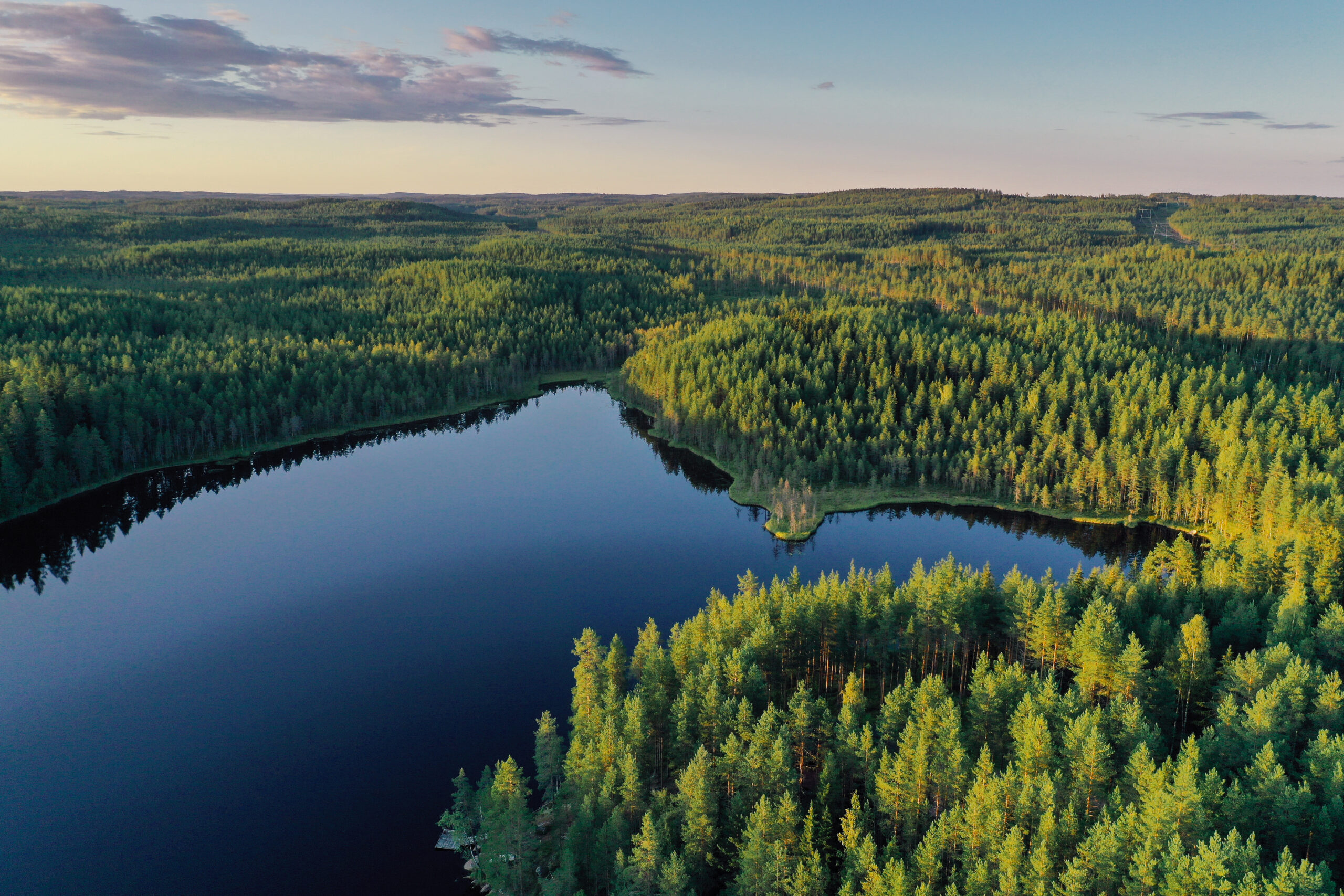
- Why it’s Sustainable:Finland’s forests, lakes, and national parks are managed sustainably. Renewable energy powers much of the country, and eco-tourism is a growing sector.
- What to Do:Stay in cozy, energy-efficient cabins under the Northern Lights. Visit reindeer farms run by indigenous Sami communities. Explore Lapland’s pristine wilderness through eco-friendly tours.
15. Austria

- Why it’s Sustainable:Austria’s eco-tourism thrives with green transportation and alpine conservation. Traditional farming methods ensure sustainable gastronomy.
- What to Do:Hike or ski in eco-conscious resorts in the Austrian Alps. Savor locally sourced dishes at farm-to-table restaurants. Enjoy Vienna’s bike-friendly streets and green spaces.
16. Vietnam

- Why it’s Sustainable:Vietnam invests in community-based tourism and conservation areas, especially in rural regions.
- What to Do:Cruise Ha Long Bay responsibly with eco-certified boats. Visit Sapa’s ethnic minority villages, where community-based tourism flourishes. Discover the Mekong Delta’s sustainable farming practices.
17. Tanzania

- Why it’s Sustainable:Tanzania protects its biodiversity through vast national parks and marine reserves. Community tourism benefits local people directly.
- What to Do:Experience a safari in Serengeti National Park, timed with the Great Migration. Climb Mount Kilimanjaro with eco-conscious operators. Relax in Zanzibar’s eco-friendly beach resorts.
18. Scotland

- Why it’s Sustainable:Scotland’s tourism sector embraces renewable energy, sustainable heritage sites, and local food initiatives.
- What to Do:Tour Edinburgh’s green attractions, including botanical gardens. Trek through the Highlands for breathtaking views. Stay in eco-lodges that source food locally.
19. Belize

- Why it’s Sustainable:Belize safeguards its coral reefs and rainforests with strict conservation policies. Community-based eco-lodges promote sustainable tourism.
- What to Do:Dive into the Great Blue Hole, a UNESCO site. Explore Mayan ruins surrounded by lush jungle. Visit cacao farms practicing sustainable agriculture.
20. Portugal’s Azores Islands

- Why it’s Sustainable:The Azores prioritize renewable energy, marine conservation, and low-impact tourism.
- What to Do:Hike volcanic craters offering stunning ocean views. Watch whales responsibly with local guides. Explore sustainable fishing villages for an authentic experience.
Tips For Traveling Sustainably
- Choose Eco-Friendly Accommodations:Stay in hotels or lodges that use renewable energy and support conservation initiatives.
- Reduce Your Carbon Footprint:Opt for direct flights, public transport, or even cycling when possible.
- Support Local Economies:Dine at locally owned restaurants, shop at markets, and book tours with local guides.
- Avoid Single-Use Plastics:Carry reusable water bottles, utensils, and shopping bags.
- Respect Wildlife:Avoid attractions that exploit animals and observe wildlife from a safe distance.
FAQs About Sustainable Travel Destinations
What Is A Sustainable Travel Destination?
A sustainable travel destination minimizes its environmental impact while preserving its cultural and natural heritage. It emphasizes responsible tourism practices that benefit both locals and visitors.
How Can I Find Eco-friendly Accommodations?
Look for certifications such as LEED, Green Key, or EarthCheck. Websites like EcoBnB and Responsible Travel list sustainable lodging options.
Can Sustainable Travel Be Affordable?
Yes! Supporting local businesses, using public transport, and staying in eco-friendly hostels can make sustainable travel budget-friendly.
What Are The Benefits Of Traveling Sustainably?
Sustainable travel helps protect the environment, supports local economies, and provides a more meaningful travel experience by connecting with local cultures.
How Can I Ensure My Trip Is Eco-conscious?
Plan ahead, research eco-friendly options, and prioritize activities that support conservation and community development.
Conclusion
Traveling sustainably isn’t just about the destinations you choose it’s about the actions you take along the way. By embracing responsible travel practices, you can help preserve the planet’s natural beauty, empower local communities, and create unforgettable experiences.
Read Also: 25 Best Family Vacation Spots For 2025

Sophia Harper
Author
Sophia Harper’s photography acts as a portal to the soul of the places she visits. Drawn to South America’s landscapes and cultures, she has spent years capturing everything from the majesty of ancient ruins to the vibrancy of urban streets.
Sophia’s work isn’t just about documenting moments; it’s about evoking the emotions and stories behind them. A dedicated photographer, she has worked with local communities across South America to capture their rich cultural narratives through her lens.

Liam Jones
Reviewer
Liam Jones has made it his mission to prove that adventure doesn’t need a hefty budget. Having traveled to over 40 countries, he specializes in finding affordable ways to experience the world, from the best street food in Bangkok to hidden gems in Lisbon.
Liam’s travel tips have reached thousands of readers, empowering them to see the world on a shoestring budget without sacrificing quality. With a deep passion for local cultures, he continues to share his travel hacks, ensuring adventure remains accessible to all.
Latest Articles
Popular Articles