35 Best Scottish Castles To Visit In 2025
Uncover Scotland’s castles: epic fortresses, ruined cliffsides, royal palaces & hidden gems that bring history and legends to life.
Author:Maya ReyesReviewer:Finn WildeSep 07, 2025671 Shares95.8K Views
Scottish Castles: Famous, Medieval & Hidden Gems
Have you ever stood before a Scottish castle and felt a deep sense of history? There's a powerful feeling that comes from seeing these stone giants. They've watched over a wild and dramatic past, their old walls whispering stories of kings, queens, fierce clan battles, and epic sieges.
These castles are more than just places for tourists to visit. They are like living history books, their existence shaped by the land and the brave, determined people who built and fought for them. To truly get a feel for Scotland, you have to understand its castles.
A real, meaningful visit to Scottish Castlesis about seeing the clever reasons why they were built where they are, feeling the weight of the big events that happened inside, and looking past the stone walls to find the real human stories they hold. This Scottish Castles listisn't just a quick trip for a picture; it's a chance to connect with the very heart of Scotland itself.
Famous Scottish Castles
When people imagine Scottish castles, these iconic fortresses are usually the first that come to mind. Each one tells a story of battles, royalty, and breathtaking landscapes. They are not just monuments of stone but living symbols of Scotland’s turbulent past and enduring heritage.
1. Edinburgh Castle
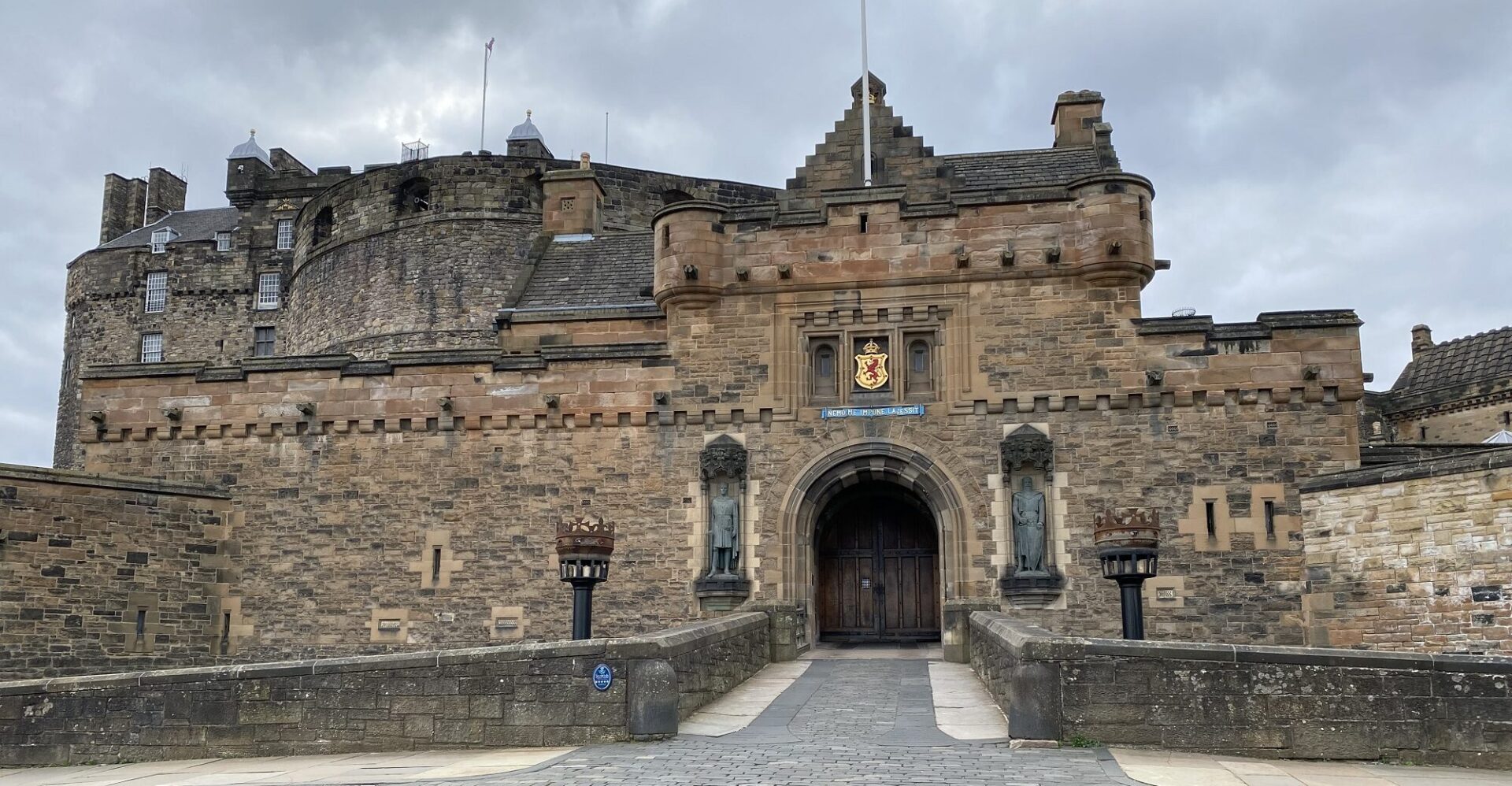
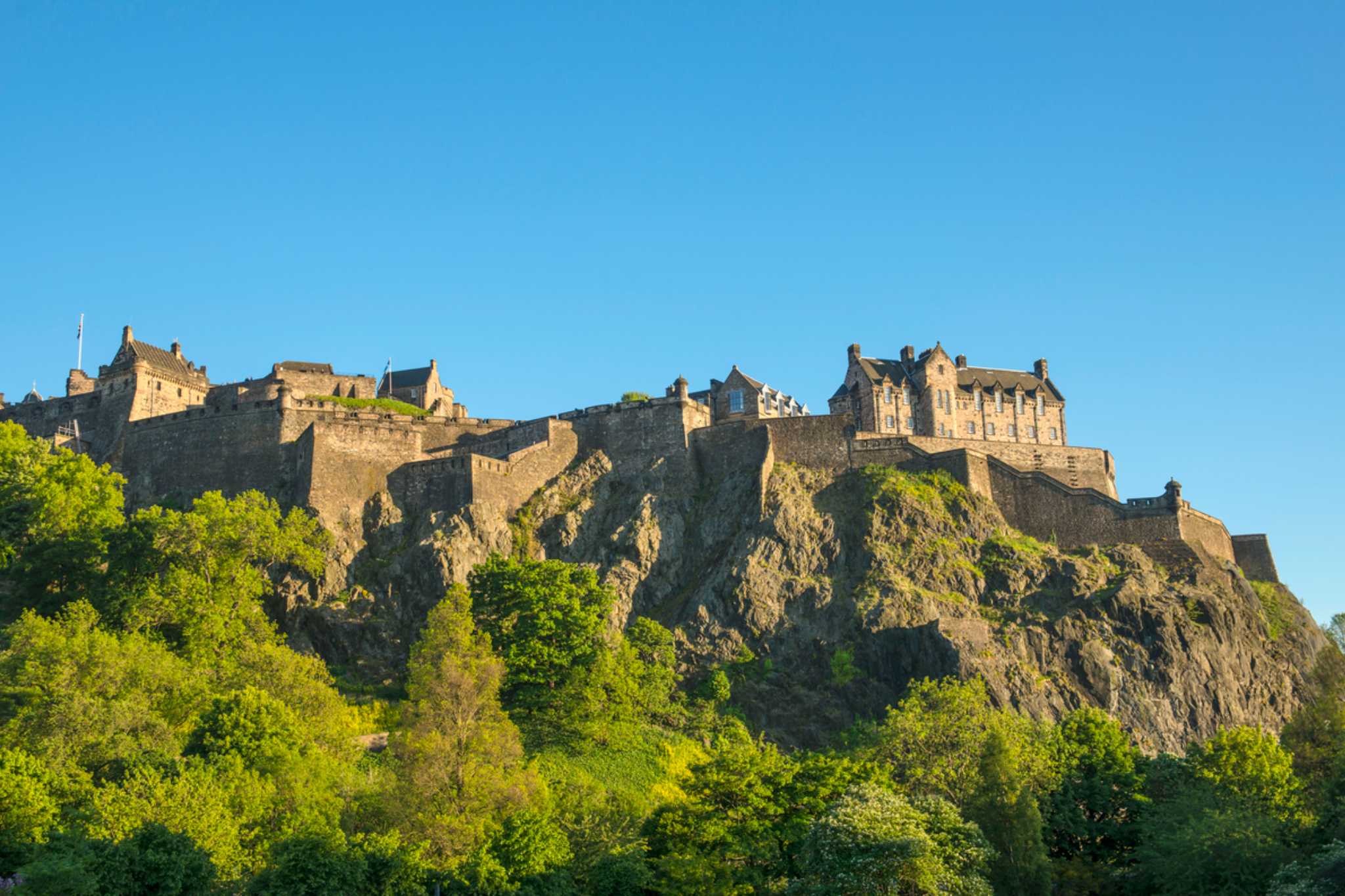
Perched high on Castle Rock, Edinburgh Castledominates the capital’s skyline. This fortress has witnessed centuries of conflict, from the Wars of Independence to Jacobite uprisings. Inside, visitors can see the Honours of Scotland (the crown jewels), the Stone of Destiny, and St. Margaret’s Chapel, the oldest surviving building in Edinburgh.
- Why it’s unmissable: It offers the perfect blend of history and panoramic views across the city.
- Unique insight: Many guides highlight its military history, but fewer emphasize its role as a cultural stage. The Royal Edinburgh Military Tattoo, held annually, transforms the castle into one of the world’s most dramatic performance venues.
2. Stirling Castle
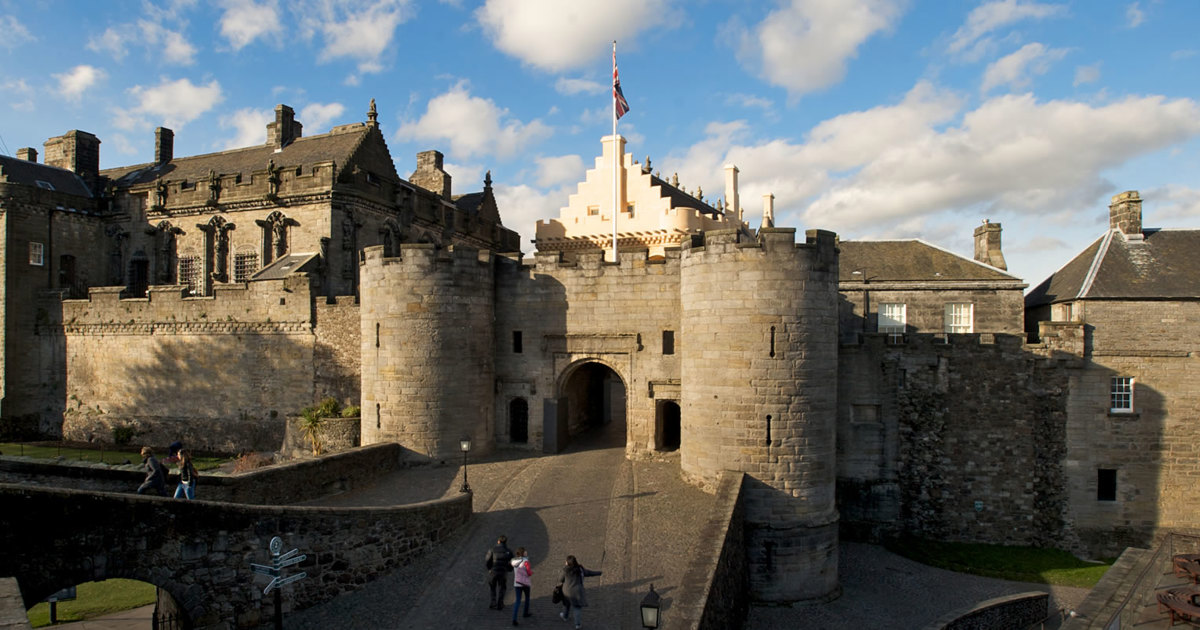
Often described as the “key to the kingdom,” Stirling Castle was the favored residence of Scottish monarchs. It hosted coronations, including that of Mary, Queen of Scots, and became a hub for Renaissance art and culture under James IV and James V.
- Why it matters: The Great Hall and Royal Palace are stunning examples of Renaissance architecture, making Stirling Castle more than a fortress-it’s an artistic masterpiece.
- Unique insight: While most articles cover its royal heritage, few note the battlefield connection: standing on its walls, you overlook Bannockburn, where Robert the Bruce secured Scottish independence in 1314.
3. Eilean Donan Castle
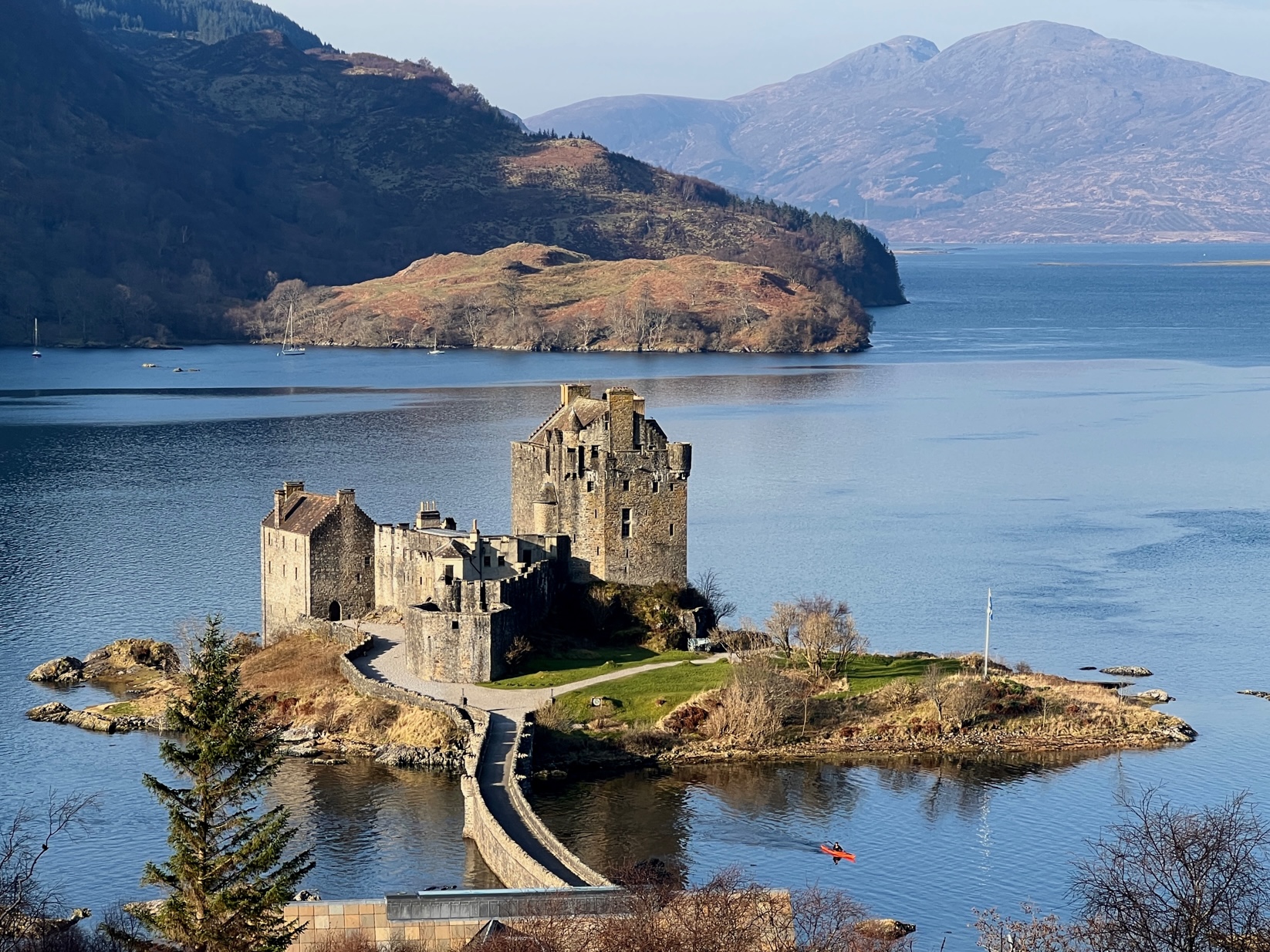
Set on a tiny island where three lochs meet, Eilean Donan is one of the most photographed castles in the world. Originally a 13th-century stronghold against Viking raids, it was destroyed in 1719 and rebuilt in the 20th century, blending authenticity with romance.
- Why it captivates: It’s cinematic, appearing in films like Highlanderand The World Is Not Enough.
- Unique insight: Beyond its beauty, the restoration by Lt. Colonel John MacRae-Gilstrap is a remarkable story of dedication, turning ruins into the emblem of Scottish identity we know today.
4. Braemar Castle
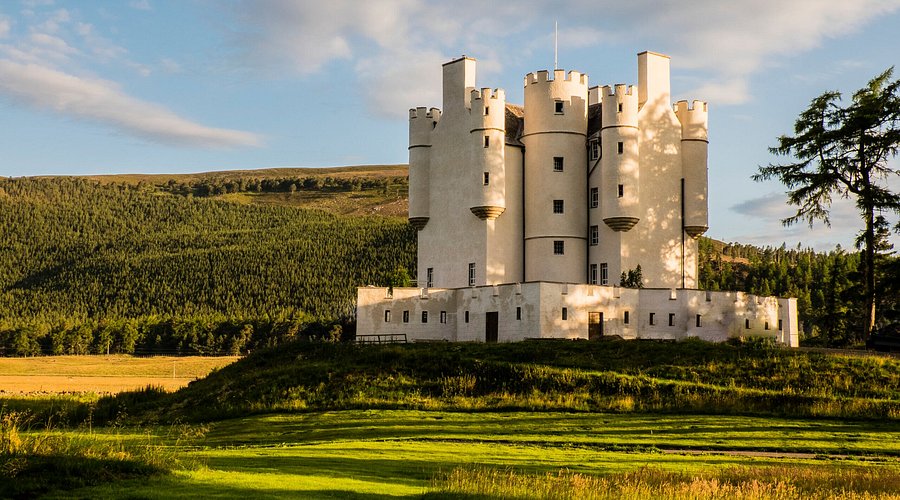
Nestled in the Cairngorms, Braemar Castle was built in 1628 by the Earl of Mar. It became a strategic garrison during the Jacobite risings and later a symbol of clan heritage.
- Why it’s worth visiting: Its turreted architecture is classic Highland style, and the interiors showcase clan treasures.
- Unique insight: Unlike many castles run by national trusts, Braemar is managed by the local community. This grassroots stewardship offers a rare chance to see how Scots themselves preserve their history.
5. Balmoral Castle
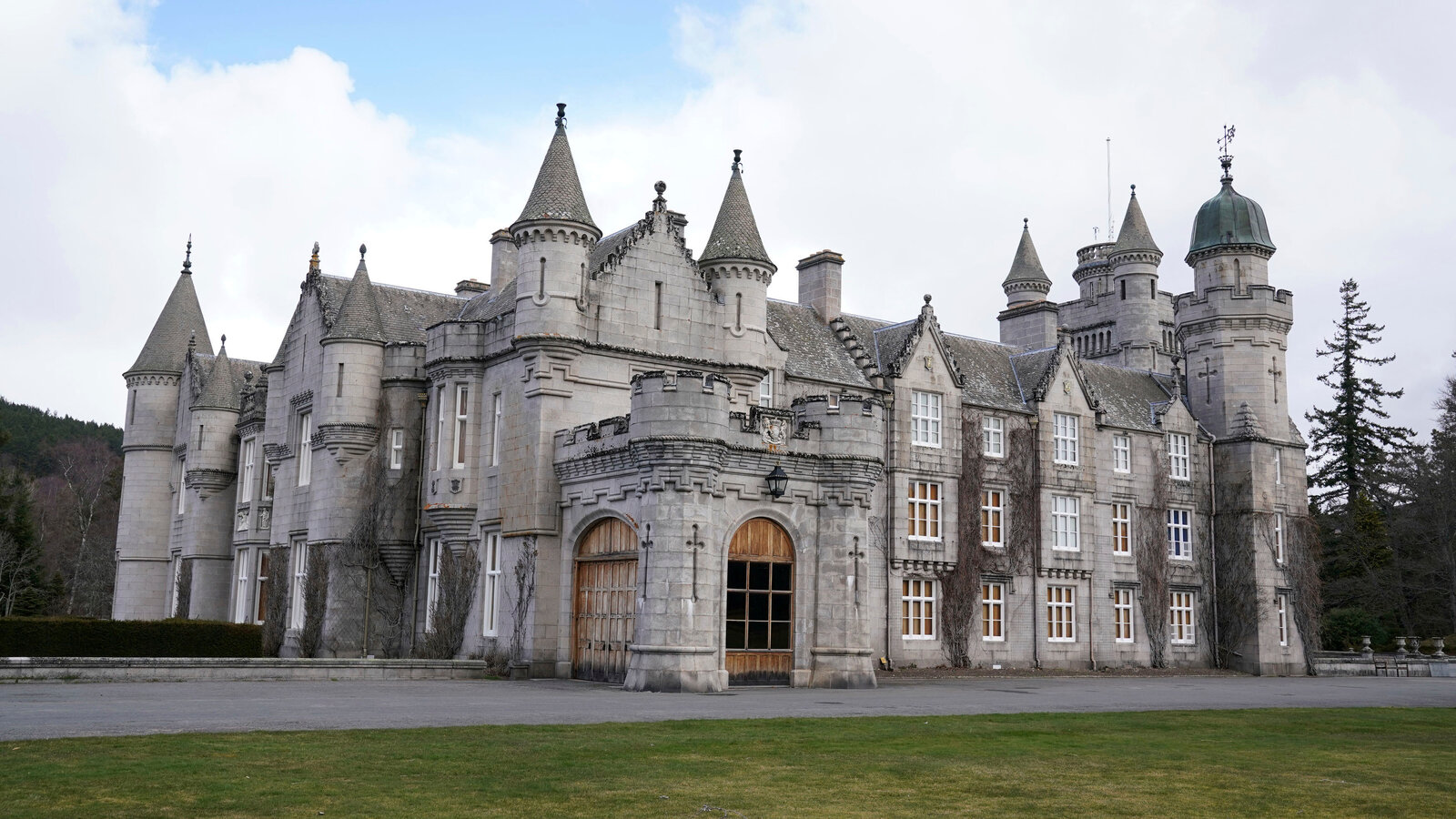
Purchased by Queen Victoria and Prince Albert in 1852, Balmoral Castle remains the private Highland retreat of the British royal family. The estate spans over 50,000 acres, filled with forests, rivers, and deer-stalked hills.
- Why it’s iconic: It’s not just a castle-it’s a working royal estate still used by King Charles III and the royal family today.
- Unique insight: Most guides mention its Victorian roots, but few emphasize its role in shaping the romantic image of the Highlands. Victoria’s writings about Balmoral popularized the Highlands as a destination for generations of travelers.
6. Falkland Palace & Garden
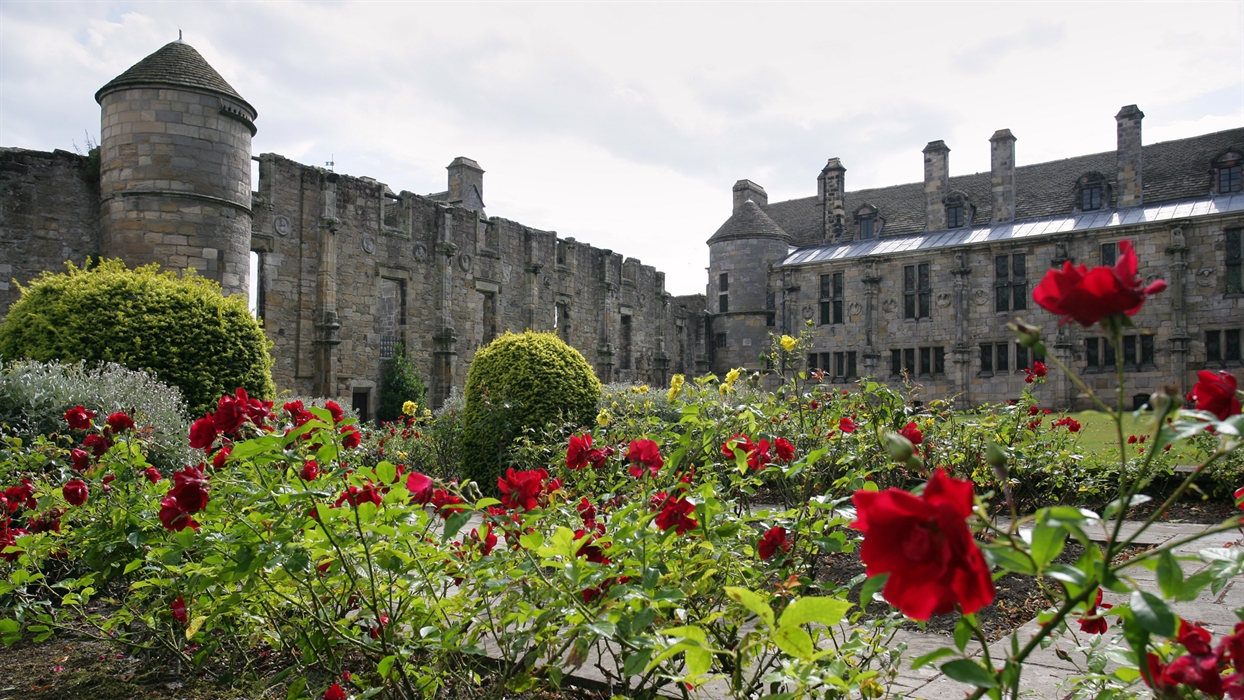
Once a favorite retreat of the Stuart monarchs, Falkland Palaceis one of Scotland’s finest Renaissance buildings.
- Why visit: The palace is surrounded by beautiful gardens and even has the world’s oldest surviving real tennis court.
- Historic note: Mary, Queen of Scots adored Falkland for its hunting grounds and peaceful setting.
- Unique insight: The palace reflects Scotland’s brief but brilliant embrace of Renaissance culture, standing apart from its fortress-heavy castle tradition.
Scotland’s Medieval Castles
Scotland’s medieval castles reflect an age of clan rivalries, feudal power, and turbulent politics. Built for defense and dominance, these fortresses were shaped as much by their landscapes as by the ambitions of their lords. Each carries legends of siege and survival, while still inviting modern visitors to step into the medieval world.
7. Castle Stalker
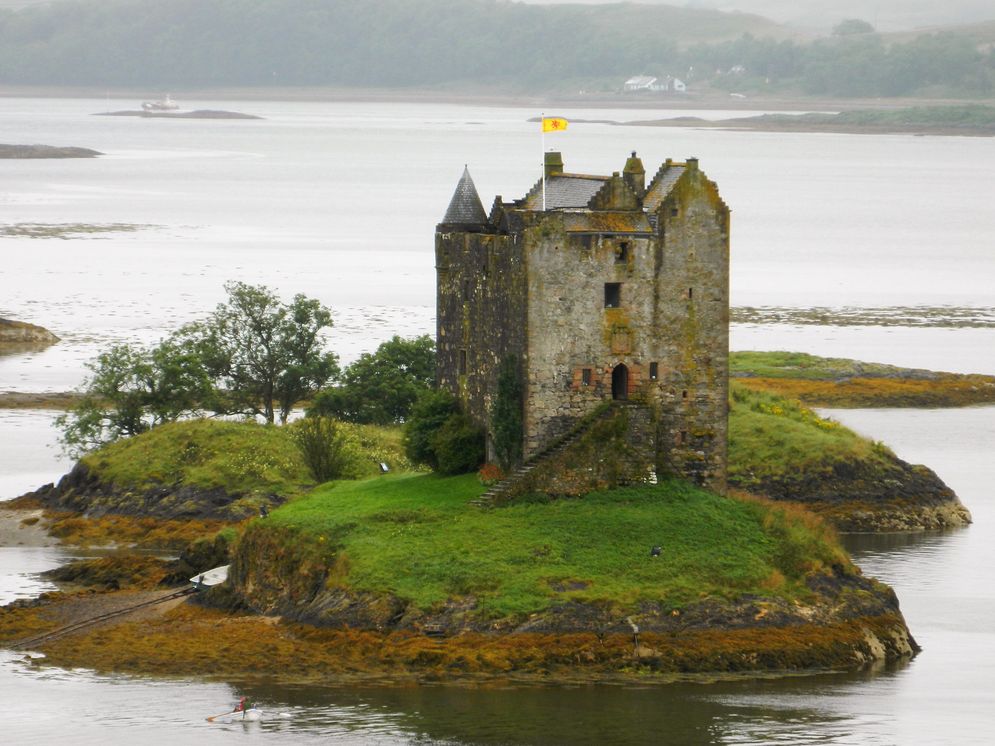
Rising from a tidal islet on Loch Laich, Castle Stalkerlooks like something from a storybook. Built in the 14th century by Clan MacDougall and later controlled by the Stewarts of Appin, its isolated setting made it nearly impregnable.
- Why it fascinates: Its dramatic seclusion is the essence of medieval defense-cut off from land except at low tide.
- Unique insight: While many admire it from the shore, few know that guided tours inside are available at select times. This makes it one of Scotland’s most rewarding “hidden gem” experiences for castle enthusiasts.
8. Castle Campbell
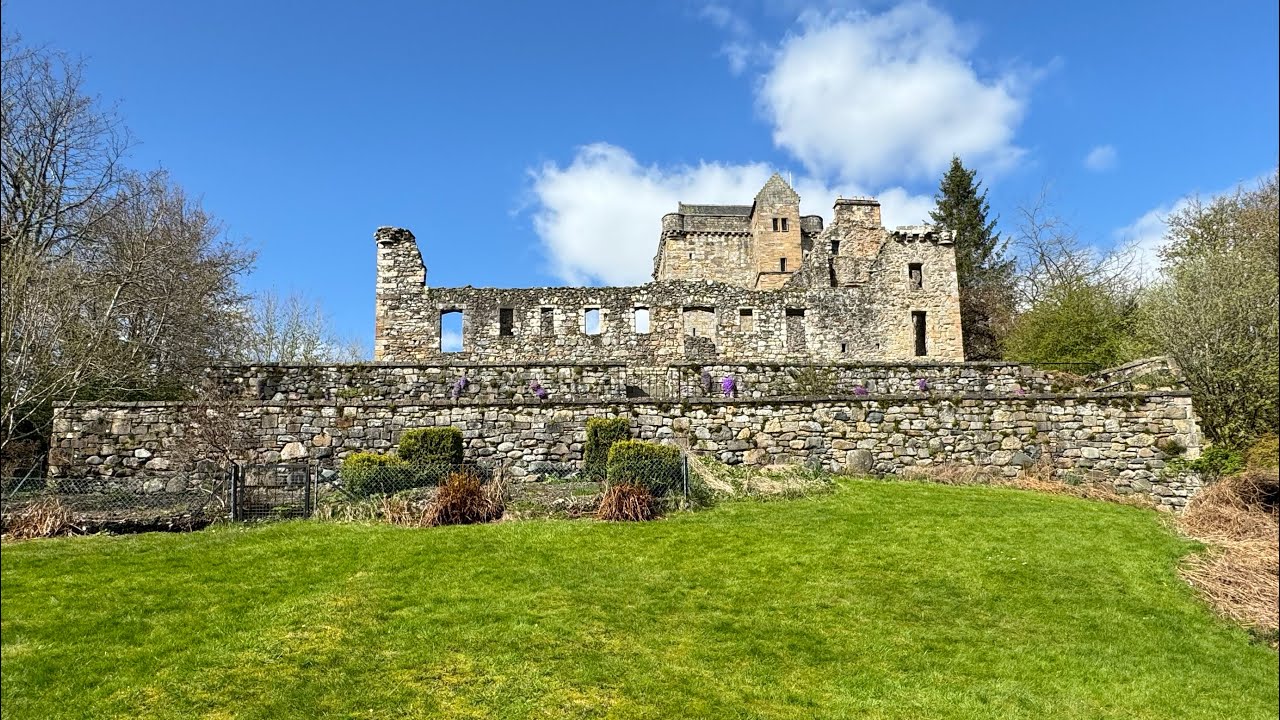
Castle Campbell
Nicknamed the “Castle of Gloom,” Castle Campbell sits dramatically between two deep gorges in Dollar Glen. Originally called Castle Gloom, it became the stronghold of the powerful Campbell clan. Mary, Queen of Scots, stayed here in 1563, cementing its place in Scotland’s royal history.
- Why it matters: Its Renaissance-style gardens set it apart from the typically stark medieval castles, showing a softer side of noble life.
- Unique insight: While many focus on its royal connections, Castle Campbell is also a haven for walkers-the surrounding Dollar Glen offers one of the most atmospheric woodland trails in Scotland.
9. Blackness Castle
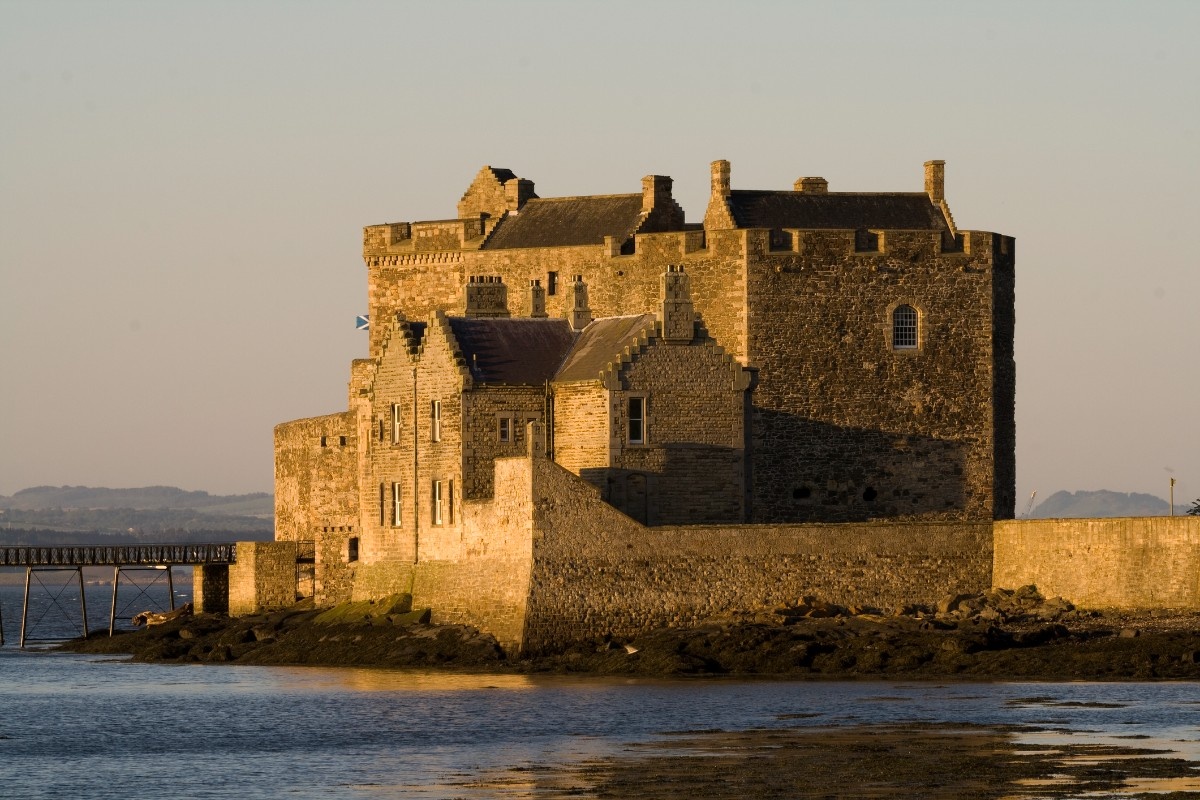
Jutting into the Firth of Forth, Blackness Castle earned its nickname thanks to its ship-like shape when viewed from the sea. Built in the 15th century by the Crichton family, it served as a royal fortress, state prison, and later a munitions depot.
- Why it stands out: Its intact curtain walls and artillery fortifications offer a raw glimpse into Scotland’s military past.
- Unique insight: Few guides highlight its cinematic fame-Blackness Castle appeared in Outlanderand Outlaw King. This mix of authenticity and pop culture makes it a must for both historians and film fans.
10. Doune Castle
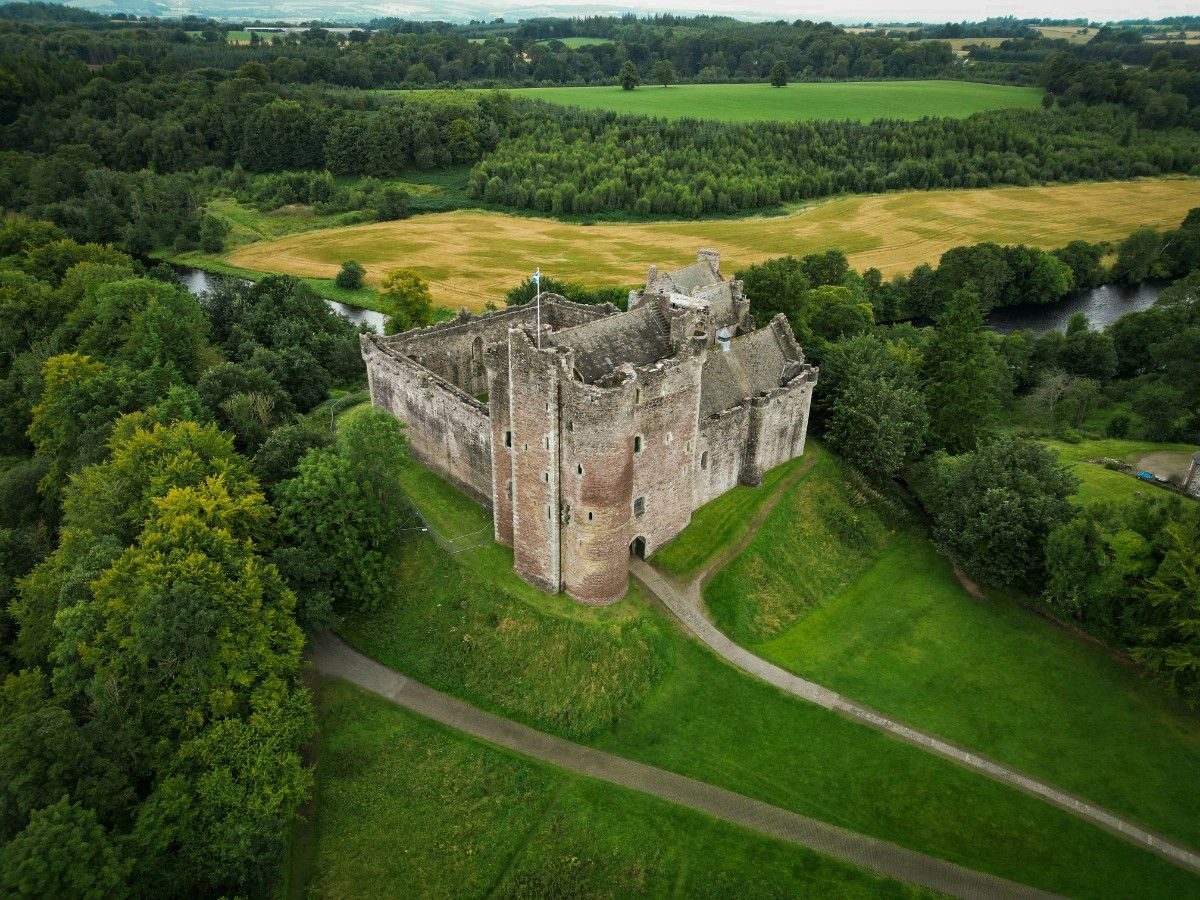
Doune Castle, near Stirling, was built in the late 14th century by Robert Stewart, Duke of Albany. Though never completed, its scale and design reveal the ambition of its builder. Today, it’s one of the best-preserved medieval castles in Scotland.
- Why it’s memorable: Its towering gatehouse and great hall bring medieval power vividly to life.
- Unique insight: Doune Castle is a star of screen culture-featured in Monty Python and the Holy Grail, Game of Thrones(as Winterfell), and Outlander. While many castles lean on legends, Doune thrives as a real-world set for fantasy storytelling, bridging medieval authenticity with modern imagination.
Also Check Out: Map Of Scotland | Key Regions, Cities, And Landmarks
Ruined Castles Of Scotland
Not every Scottish castle has survived intact. Some stand today as haunting ruins, their crumbling stones whispering stories of betrayal, siege, and centuries of change.
These broken walls hold just as much allure as the great strongholds-often more-because they ignite the imagination with what once was.
11. Aberdour Castle
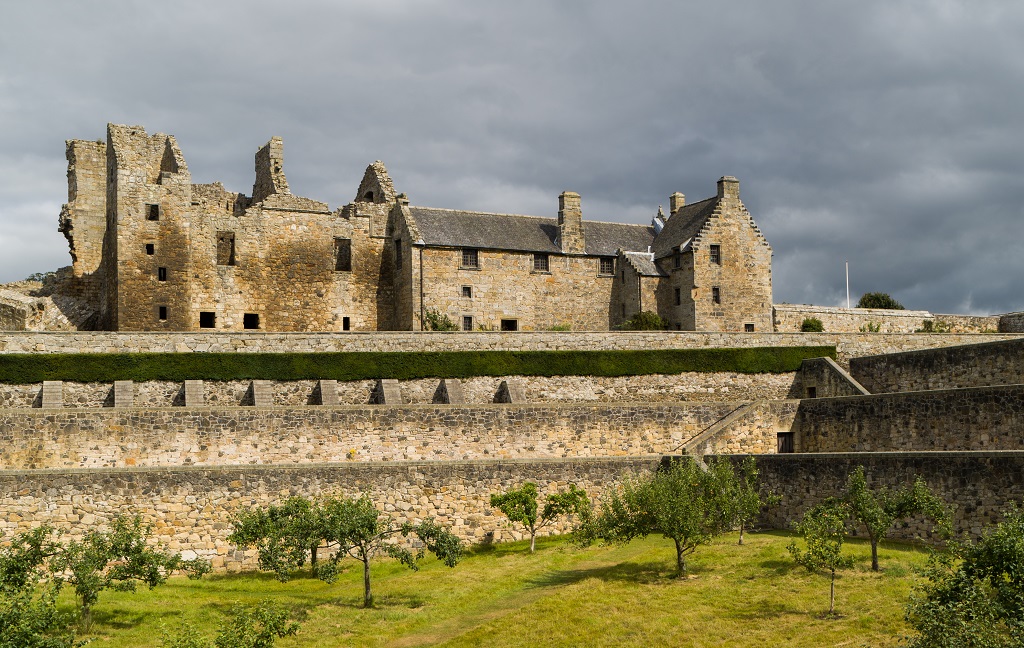
Dating back to the 12th century, Aberdour Castlein Fifeis among the oldest surviving castles in Scotland. Originally built by the de Mortimer family and later expanded by the Douglases, it offers a fascinating timeline of architectural evolution-from Norman stonework to Renaissance gardens.
- Why it’s remarkable: Visitors can walk through layers of history, from medieval hall to 17th-century terraced gardens.
- Unique insight: Many travelers overlook the fact that Aberdour Castle also features one of Scotland’s earliest examples of a dovecote-a reminder of how castles were not just military strongholds, but also working estates.
12. Caerlaverock Castle
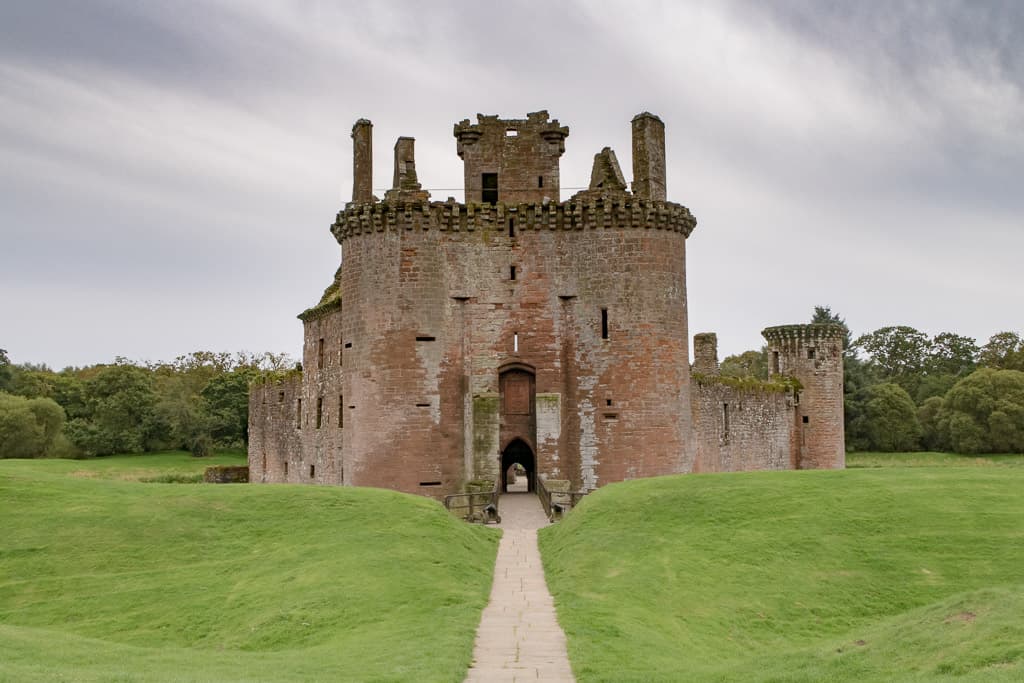
Caerlaverock Castle in Dumfries and Galloway is instantly recognizable for its unusual triangular layout and surrounding moat. Built in the 13th century by the Maxwell family, it withstood multiple sieges during the Wars of Independence.
- Why it fascinates: Its symmetrical design is unlike anything else in Scotland, making it a dream for history lovers and photographers.
- Unique insight: Beyond its striking ruins, Caerlaverock is also a hub for nature. The surrounding wetlands form part of a national nature reserve, where visitors can spot barnacle geese and wildflowers in season-a rare blend of medieval history and natural beauty.
13. Dunnottar Castle
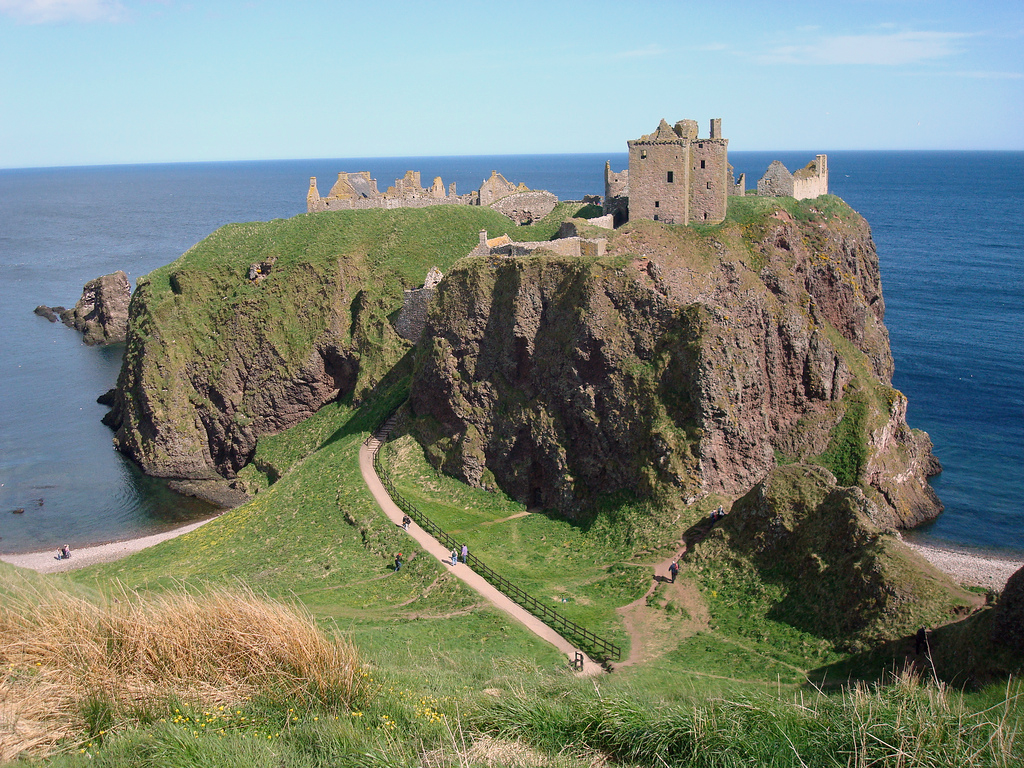
Few castles are as dramatically situated as Dunnottar, perched on sea cliffs near Stonehaven. Once a mighty fortress of the Earls Marischal, it played a pivotal role in Scottish history, including sheltering the Honours of Scotland (crown jewels) during Oliver Cromwell’s invasion.
- Why it stirs the soul: Its windswept ruins and ocean backdrop create one of Scotland’s most cinematic scenes.
- Unique insight: While its history of sieges is well known, fewer visitors realize it inspired literary giants. Both Sir Walter Scott and Lord Byron wrote about Dunnottar, capturing the romantic melancholy of its ruined grandeur.
14. Duart Castle
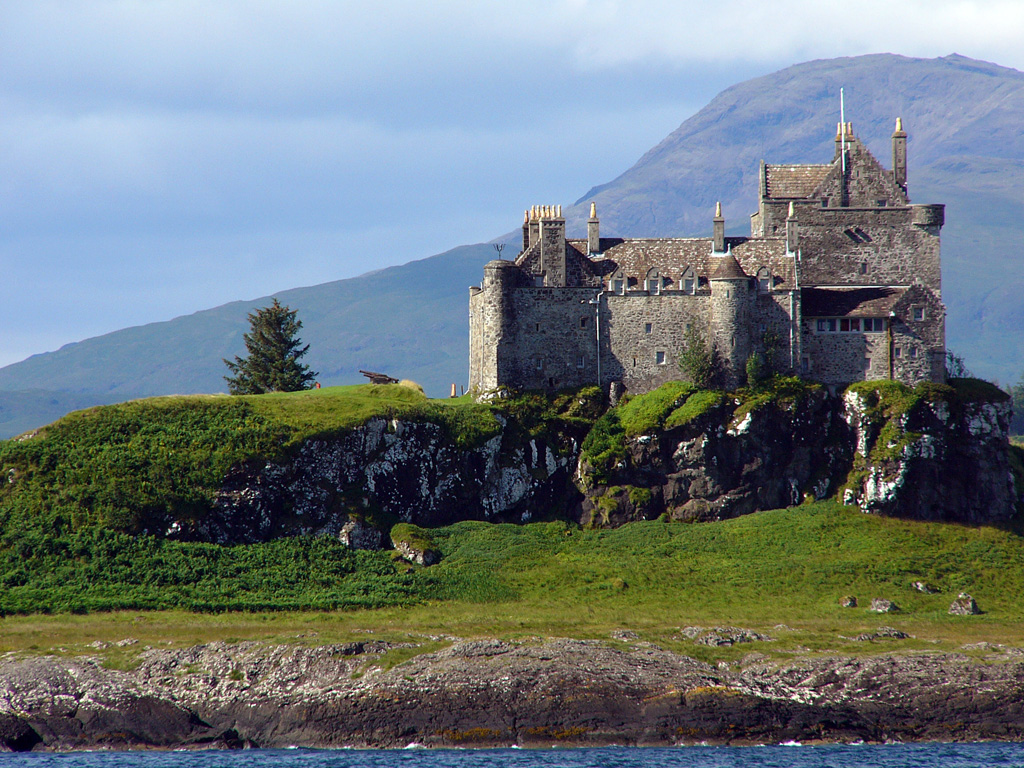
Overlooking the Sound of Mull, Duart Castle has been the seat of Clan Maclean for centuries. Though partly ruined, it has been restored in sections and continues to stand as a symbol of Highland resilience.
- Why it endures: Its strategic position on the Isle of Mull made it a vital maritime stronghold, guarding the sea routes to the Hebrides.
- Unique insight: Unlike many ruins, Duart is still lived in by the Maclean family. This continuity of clan tradition gives visitors a rare chance to see how heritage and modern life intertwine within castle walls.
Scotland’s Island Castles
Scotland’s islands are scattered with castles that mirror their landscapes-wild, romantic, and diverse. From windswept ruins to Victorian grandeur, these island fortresses reveal how power and prestige were expressed far from the mainland.
15. Brodick Castle
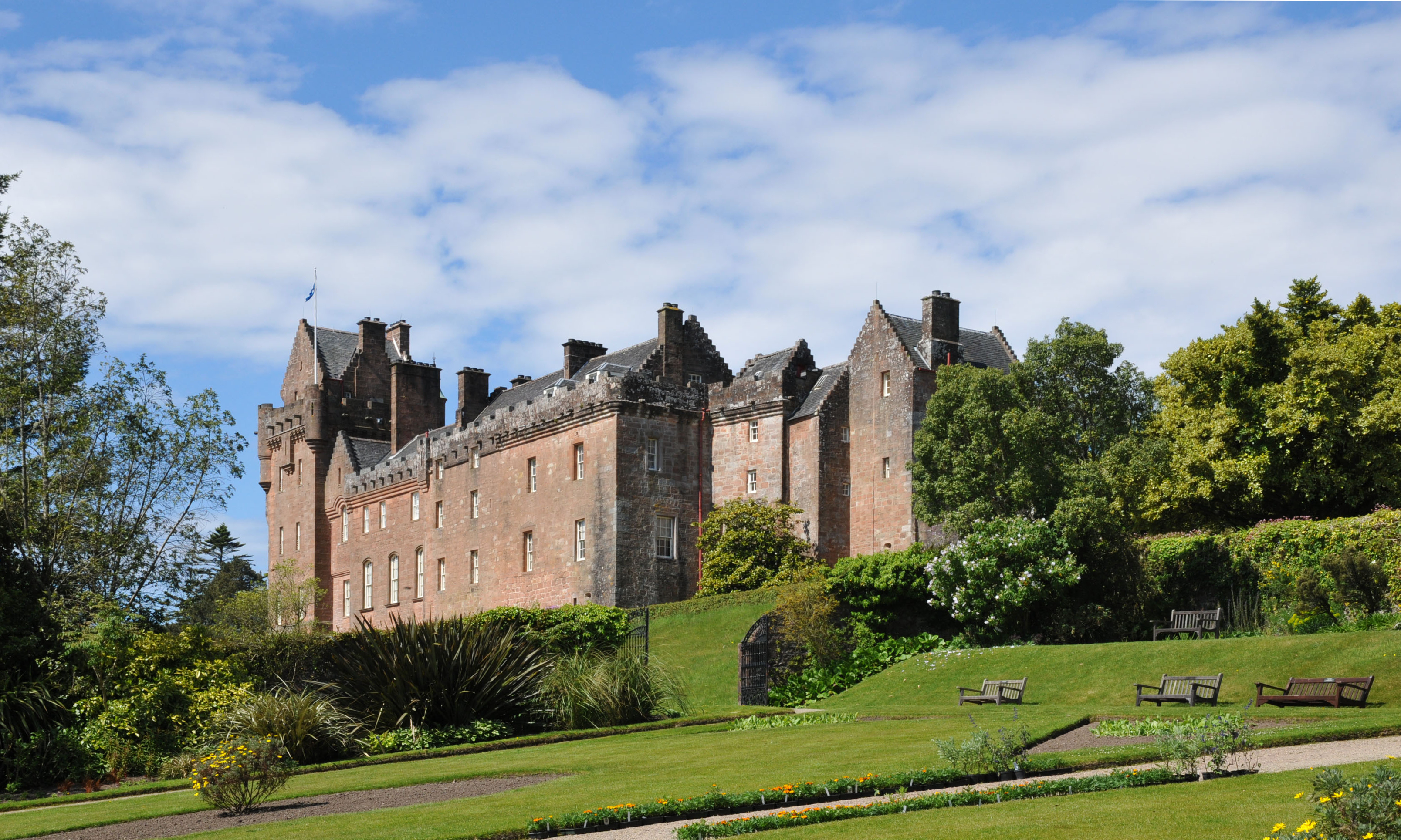
Standing against the backdrop of Goatfell mountain, Brodick Castle on the Isle of Arran embodies a mix of medieval roots and 19th-century opulence. Originally a fortress guarding Arran against Viking raids, it later became a Victorian pleasure palace for the Dukes of Hamilton.
- Why it stands out: The castle is surrounded by one of Scotland’s most impressive gardens, with woodland walks, waterfalls, and rhododendrons that burst into color each spring.
- Unique insight: Brodick is one of the few castles where you can trace Scottish history across eras-from Viking threats to lavish aristocratic leisure-all in one visit.
16. Rothesay Castle
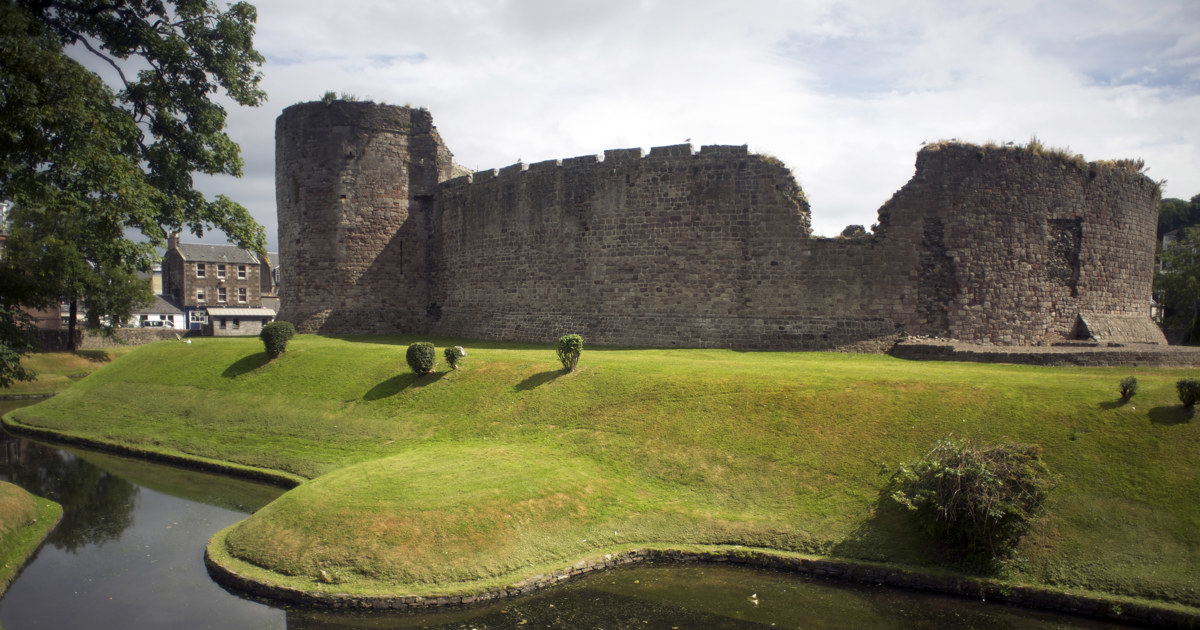
Located on the Isle of Bute, Rothesay Castleis instantly recognizable for its unique circular design, built in the 13th century by the Stewarts. Its thick stone curtain walls, rounded towers, and surrounding moat made it nearly impregnable.
- Why it fascinates: It’s the only circular castle in Scotland, making it architecturally unique.
- Unique insight: Rothesay was also one of the first castles in Scotland to withstand a siege from Norse invaders, linking it to the island’s deep Norse-Gaelic heritage.
17. Armadale Castle
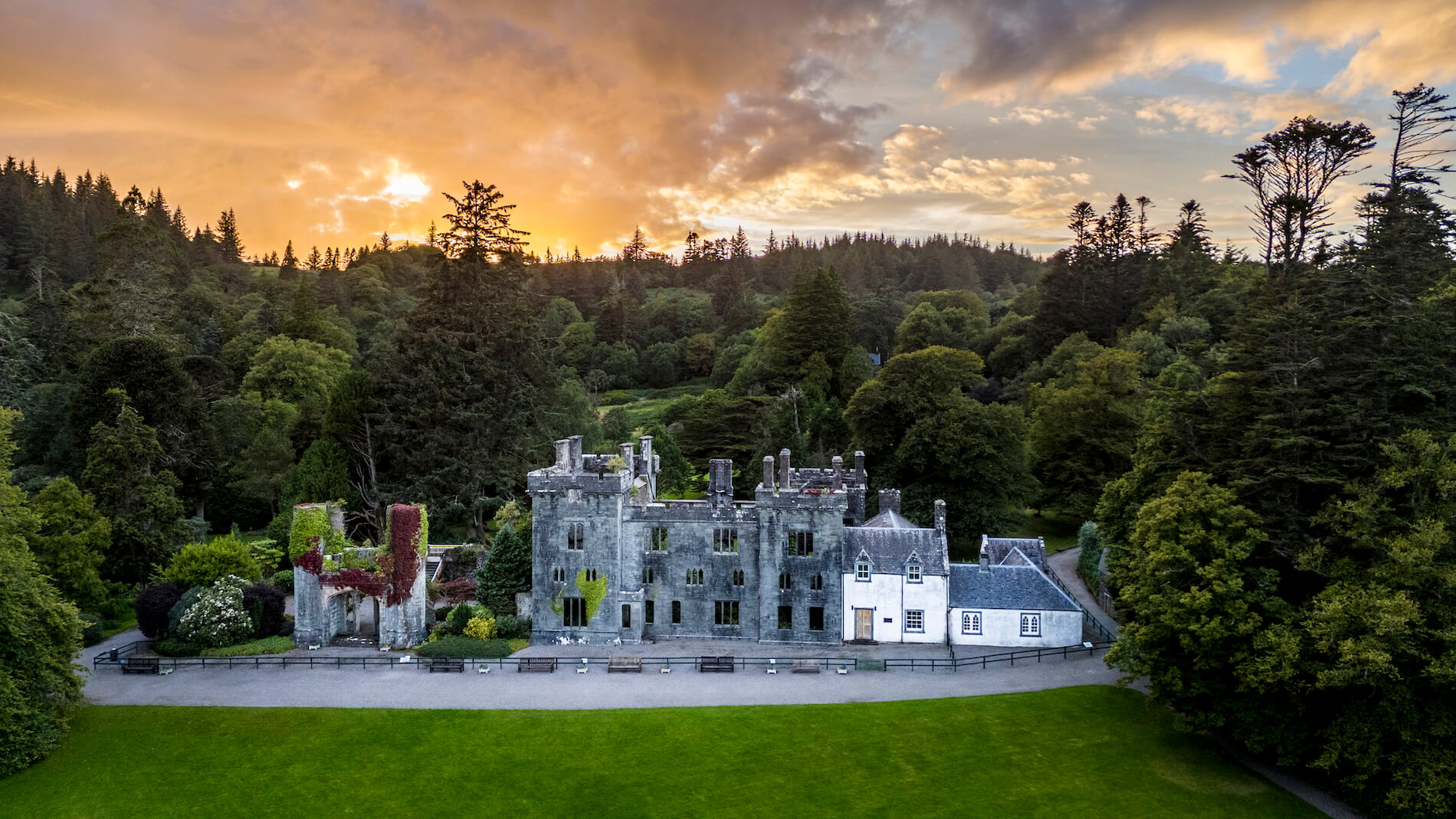
On the Isle of Skye, Armadale Castle is less a fortress and more a romantic ruin. Built in the 19th century as the seat of Clan Donald, it was later abandoned, leaving ivy-covered walls that now frame Skye’s dramatic landscapes.
- Why it inspires: Its melancholic beauty appeals to photographers and romantics alike.
- Unique insight: Beyond the ruins lies the Museum of the Isles, which tells the story of Clan Donald and their role in Scotland’s Highland history-a detail often missed by casual visitors.
18. Lews Castle
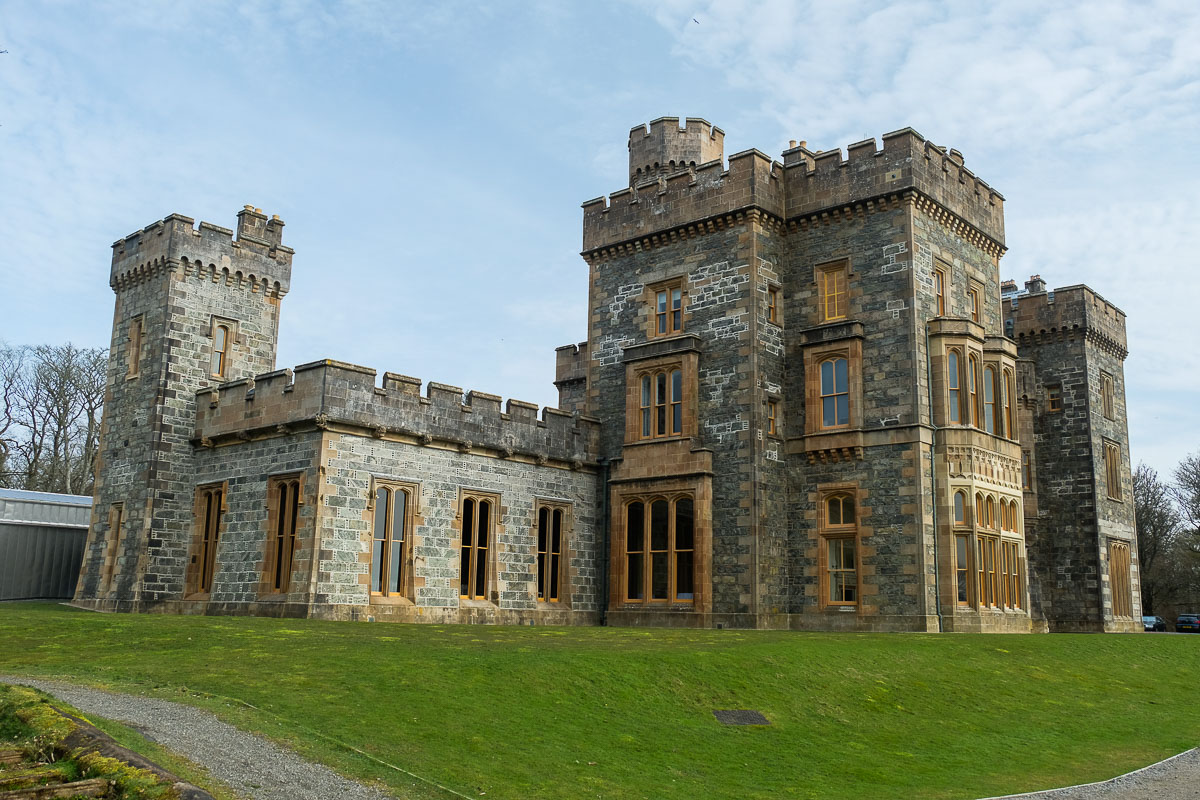
Overlooking Stornoway on the Isle of Lewis, Lews Castle was built in the mid-19th century by Sir James Matheson, who made his fortune in the opium trade. Unlike the defensive castles of earlier centuries, it was designed purely for grandeur.
- Why it impresses: Its turrets and towers reflect Victorian Gothic tastes, and today it functions as a museum and luxury accommodation.
- Unique insight: Lews Castle houses some of the Lewis Chessmen, iconic 12th-century gaming pieces that link the Hebrides to the wider story of medieval Europe.
Royal & Palatial Castles Of Scotland
Not all of Scotland’s castles were built purely for defense. Some became royal palaces and ceremonial landmarks, where dynasties rose, monarchs were crowned, and legends were written into stone. These regal sites let you step directly into the world of kings and queens.
19. Palace Of Holyroodhouse
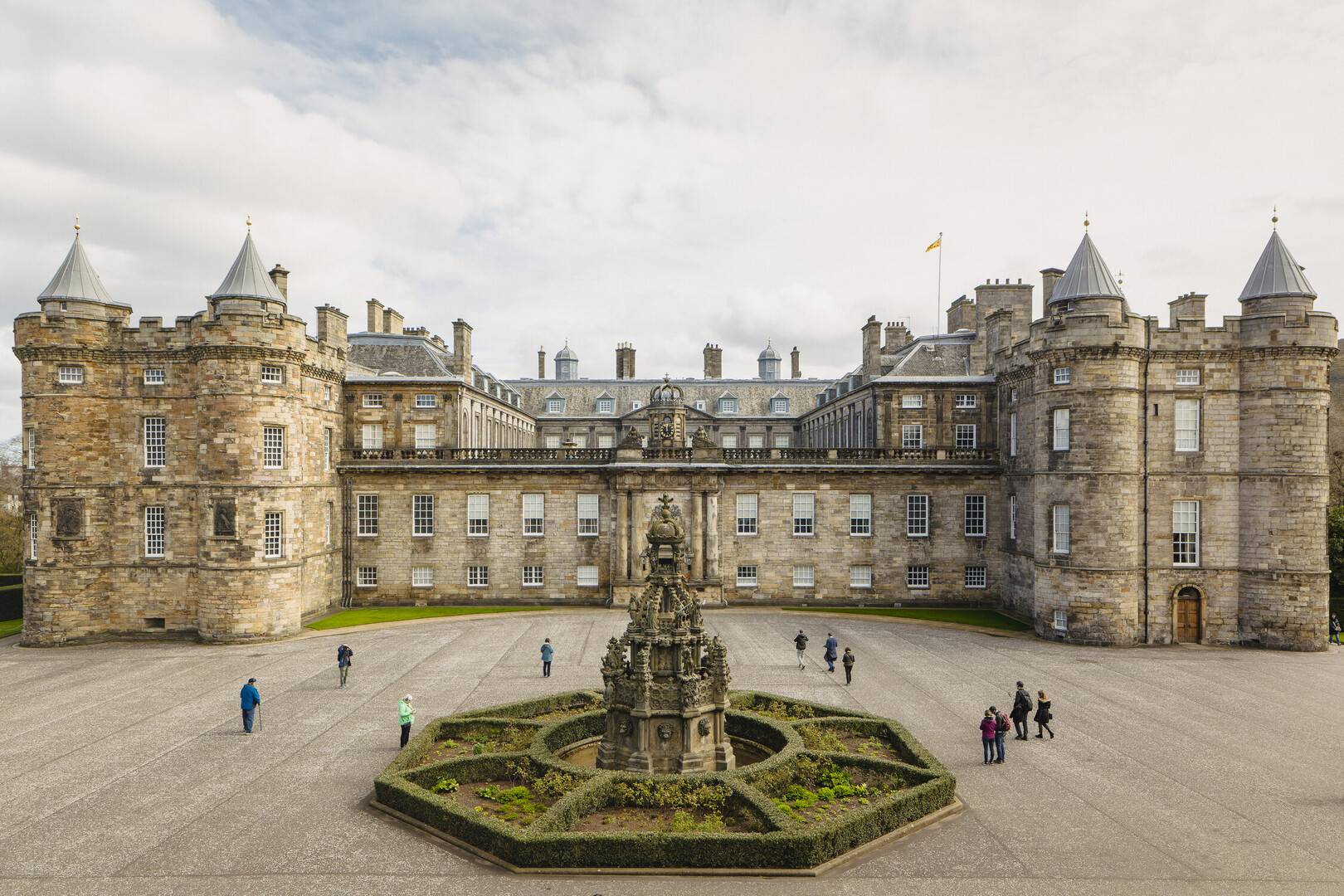
At the end of the Royal Mile, Holyroodhouse remains the official residence of the British monarch in Scotland. Unlike Edinburgh Castle’s military might, Holyroodhouse reflects elegance, diplomacy, and ceremony.
- Why visit: The palace’s opulent state apartments, baroque architecture, and Holyrood Abbey ruins provide an extraordinary mix of grandeur and ruin.
- Royal connection: Mary, Queen of Scots lived here, and her chambers remain one of the most atmospheric royal sites in Scotland.
- Unique insight: Few travelers realize the palace is still used for state ceremonies today, making it a living link between Scotland’s past and present monarchy.
20. Linlithgow Palace
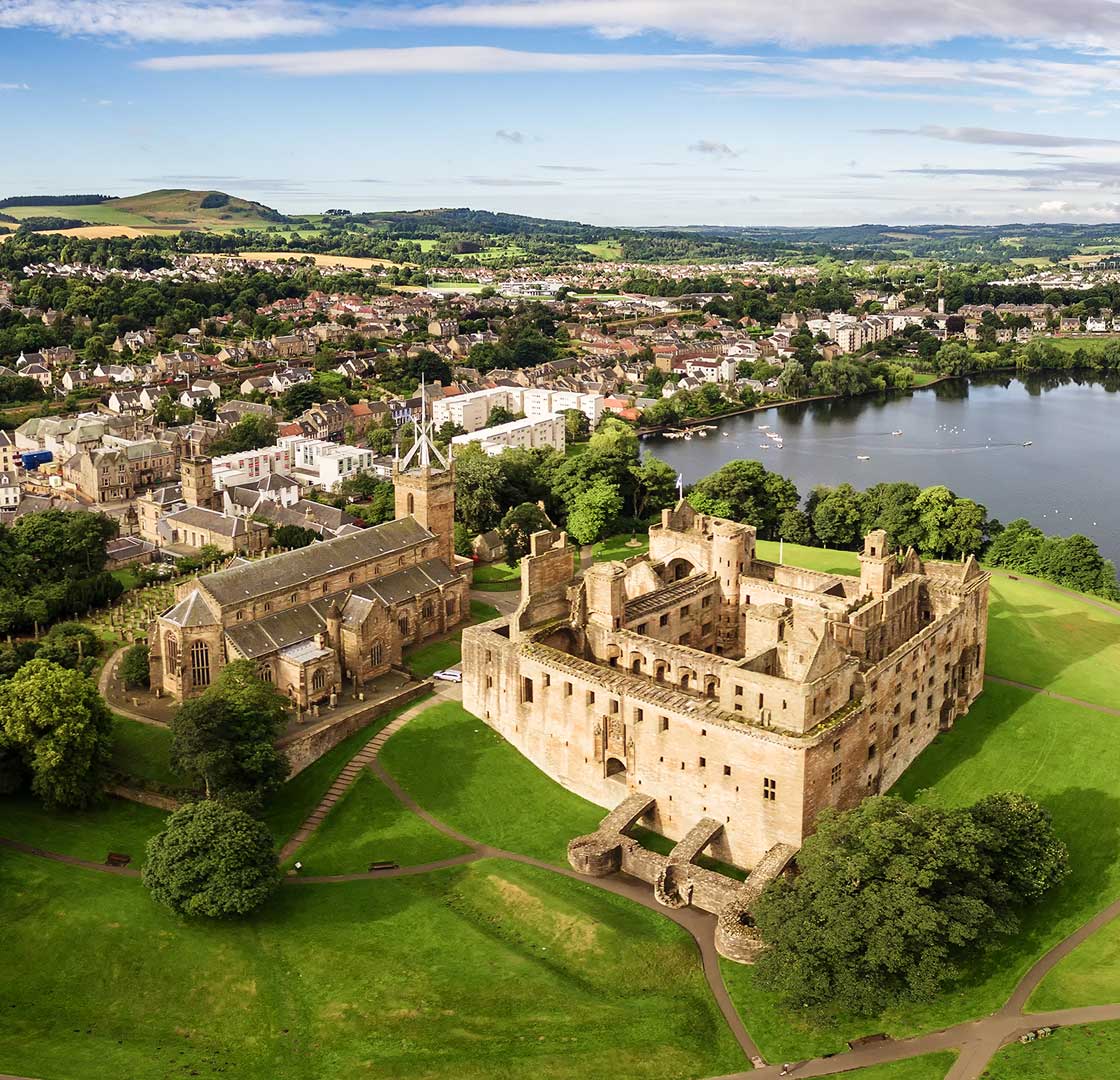
Halfway between Edinburgh and Stirling, Linlithgow Palace rises beside a loch, its roofless shell still exuding majesty. Built as a royal residence in the 15th century, it became one of Scotland’s most beloved palaces.
- Why visit: Even in ruin, the great hall and ornate fountain evoke the life of the Stewart court.
- Royal connection: Mary, Queen of Scots was born here in 1542, and generations of Stewart monarchs used it as their summer retreat.
- Unique insight: On summer evenings, open-air performances and events bring the ruins alive again, echoing its history as a palace of entertainment and pageantry.
21. Scone Palace
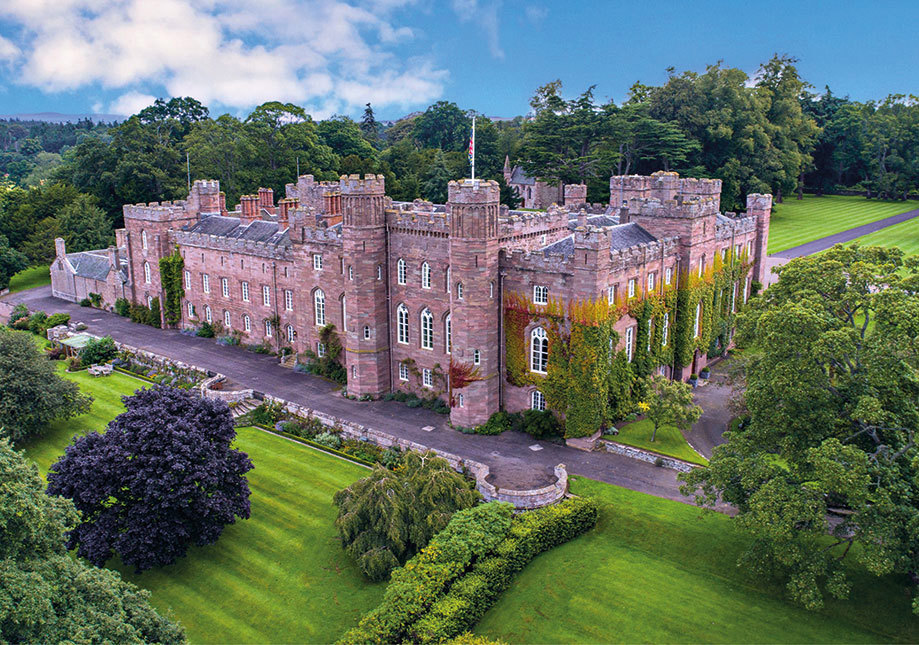
Scone Palace in Perthshire is one of Scotland’s most sacred royal sites. For centuries, Scottish kings were crowned here upon the Stone of Destiny, a powerful symbol of sovereignty.
- Why visit: The palace is a treasure house of art, antiques, and landscaped gardens filled with rare trees.
- Royal connection: From Kenneth MacAlpin, the first King of Scots, to the last medieval monarchs, nearly every Scottish king was inaugurated at Scone.
- Unique insight: Visitors often miss the palace’s labyrinth garden, a playful modern addition inspired by the ancient rituals of kingship.
Scotland’s Highland & Northern Castles
Scotland’s Highlands are where myth and majesty collide. Here, castles rise against dramatic backdrops of mountains, lochs, and wild coastlines, each carrying centuries of clan stories and legends.
22. Urquhart Castle
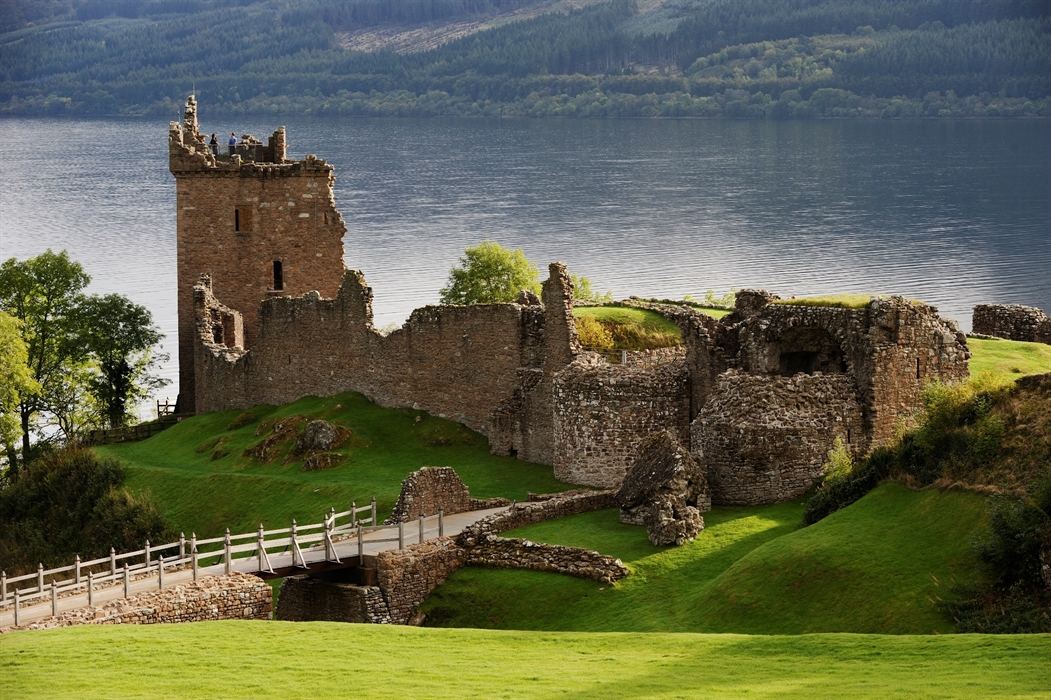
Few sites capture the imagination like Urquhart Castle. Perched above Loch Ness, its ruins are synonymous with Highland romance and mystery.
- Why visit: Sweeping views of the loch, combined with the castle’s dramatic ruins, make it one of Scotland’s most photographed landmarks.
- Historic note: Once a key stronghold in the Wars of Independence, it was later destroyed to prevent Jacobite occupation.
- Unique insight: Its vantage point has made it central to Loch Ness Monster legends-standing on its tower, you can’t help but scan the waters below.
23. Inveraray Castle & Gardens
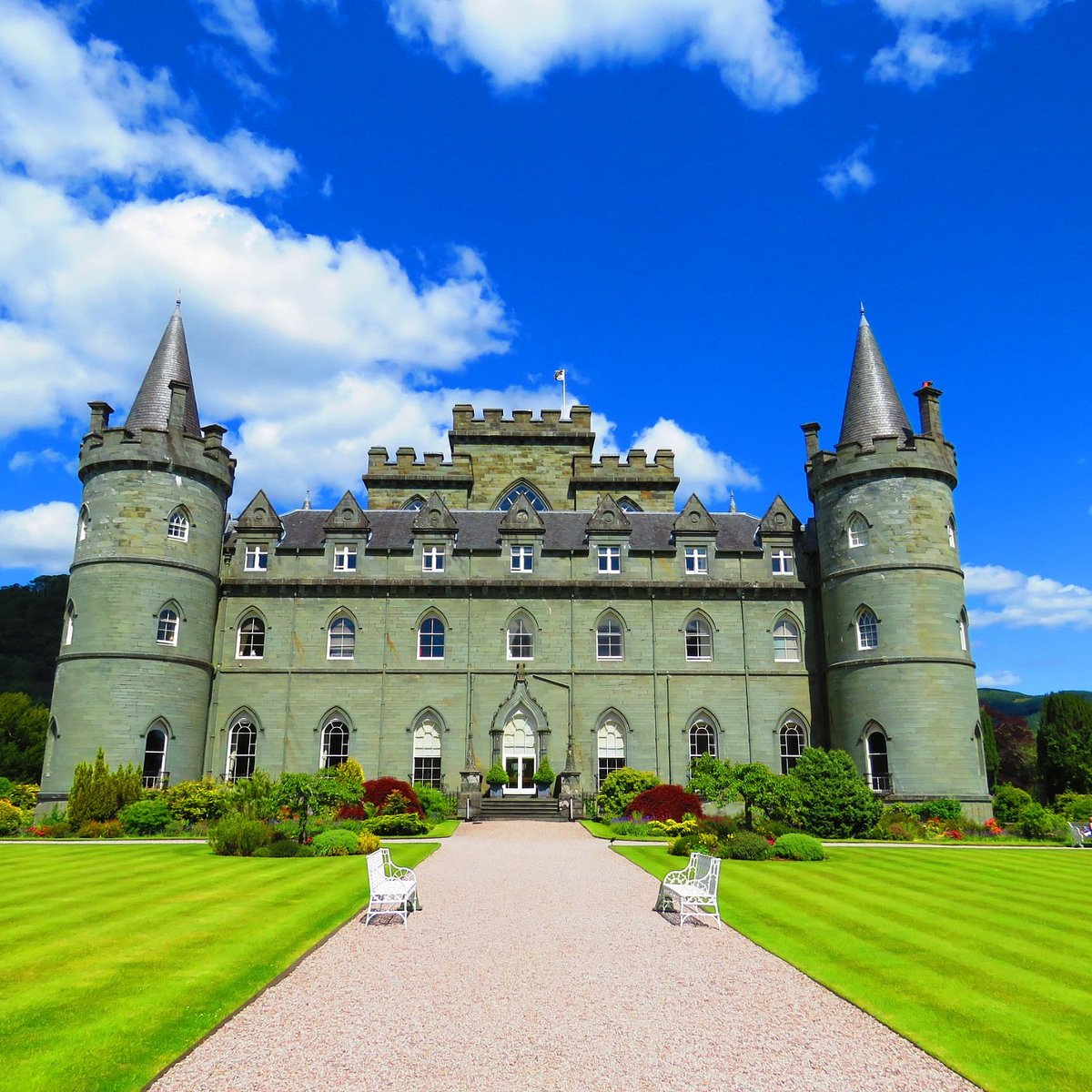
Set on the shores of Loch Fyne, Inveraray Castle is both stately home and clan seat. It has been the residence of the Dukes of Argyll, chiefs of Clan Campbell, since the 18th century.
- Why visit: Its baroque Gothic architecture, lavish interiors, and spectacular gardens reflect aristocratic grandeur.
- Historic note: The Campbells were one of Scotland’s most powerful clans, shaping Highland politics for centuries.
- Unique insight: The castle also featured in Downton Abbey, where it doubled as the Grantham family’s Scottish retreat.
24. Dunrobin Castle & Gardens
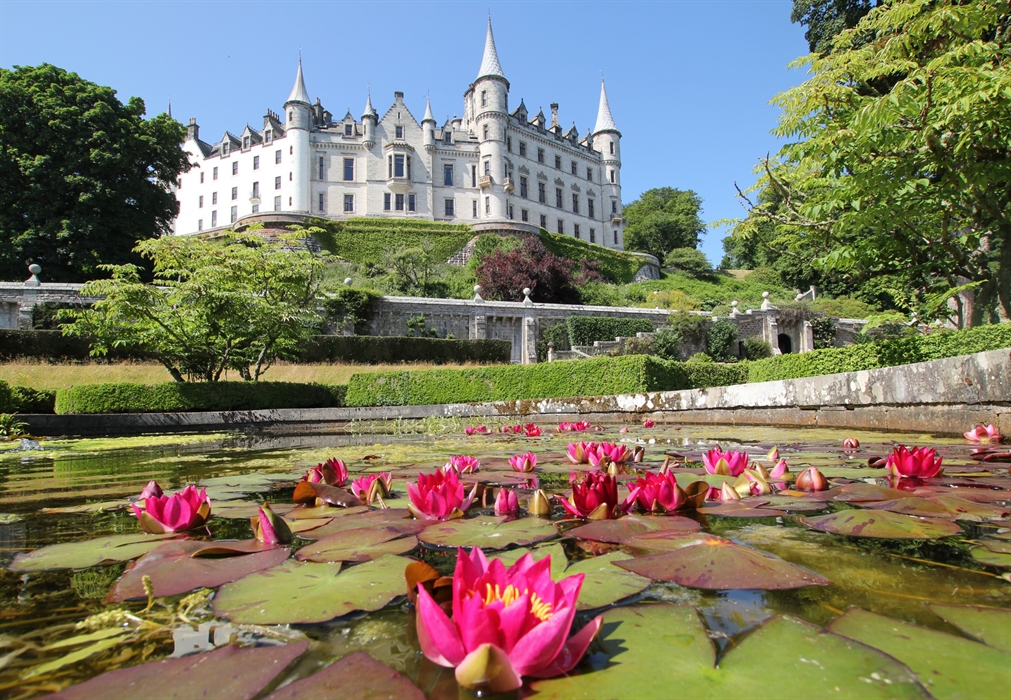
On the northeast coast near Golspie, Dunrobin Castle looks more like a fairytale palace than a fortress. Its turrets and spires were inspired by French château design, giving it an unmistakably romantic silhouette.
- Why visit: The castle’s grand interiors, falconry displays, and terraced gardens designed by Sir Charles Barry (architect of the Houses of Parliament) make it unforgettable.
- Historic note: Seat of the Earls and Dukes of Sutherland, it reflects both aristocratic opulence and the darker legacy of the Highland Clearances.
- Unique insight: Dunrobin feels like a Scottish twist on Versailles-proof that castles could also be status symbols, not just fortresses.
Fairy-Tale & Romantic Castles
Some Scottish castles feel like they’ve leapt straight from the pages of a legend. Their turrets, ghost stories, and cliffside settings blend fantasy with history, making them favorites for dreamers and romantics alike.
25. Glamis Castle
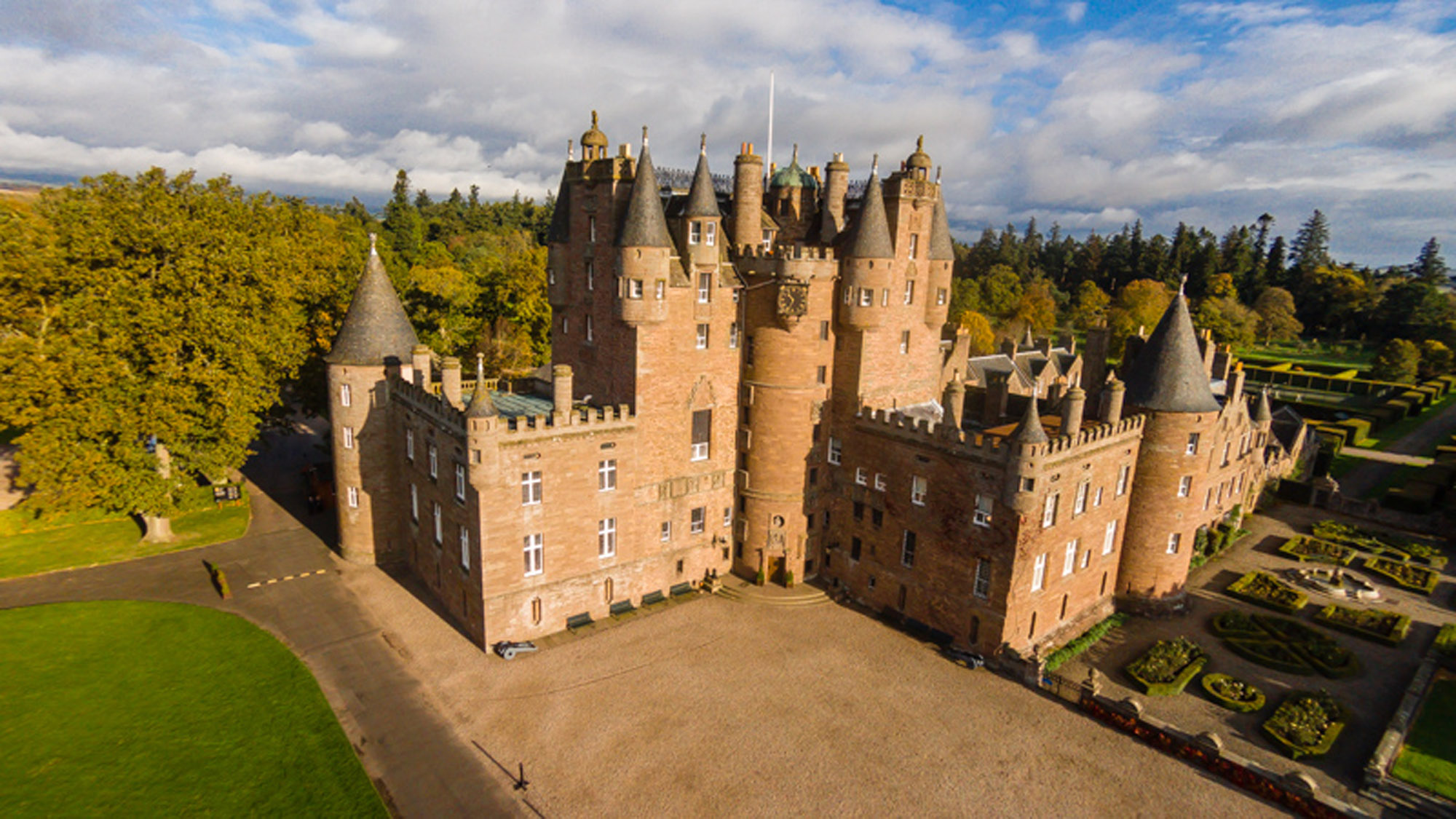
Rising from the Angus countryside, Glamis is the epitome of baronial grandeur. With towers, turrets, and an air of mystery, it is both beautiful and eerie.
- Why visit: Its lavish interiors, ghostly legends, and gardens make it one of Scotland’s most atmospheric castles.
- Historic note: Childhood home of Queen Elizabeth The Queen Mother and birthplace of Princess Margaret.
- Unique insight: Immortalized in Macbeth, though Shakespeare bent history, the association forever tied Glamis to Scotland’s most famous play.
26. Blair Castle & Gardens
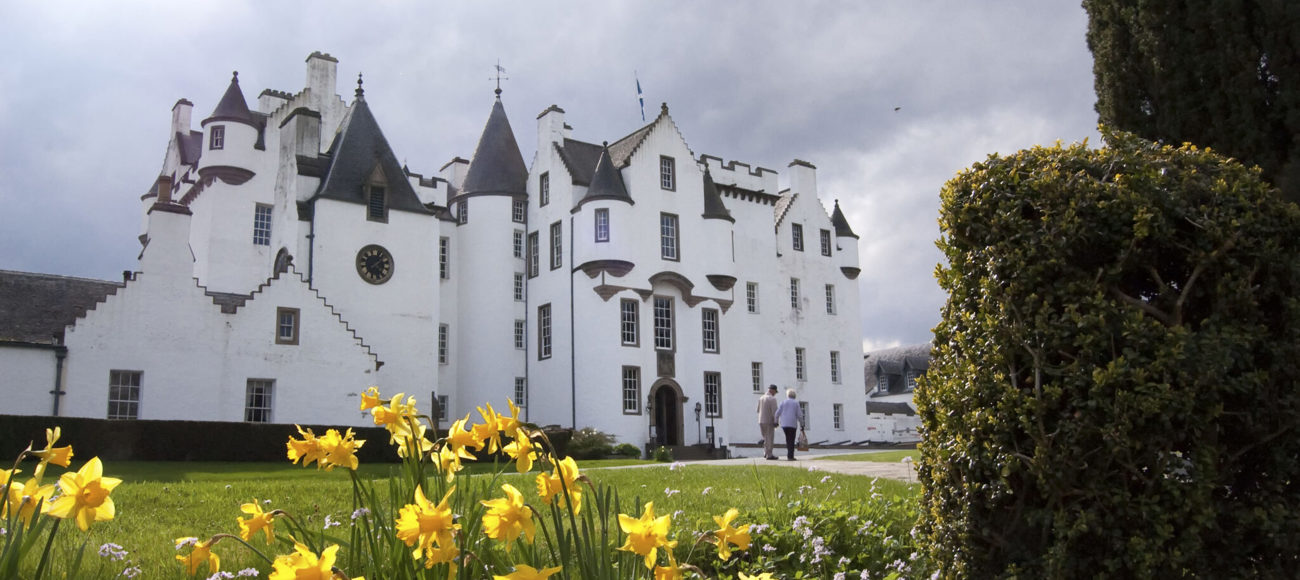
Nestled in Highland Perthshire, Blair Castle’s white façade stands out against the wooded hills. It has been home to the Dukes of Atholl for over 700 years.
- Why visit: Visitors can wander through grand staterooms and Europe’s last remaining private army, the Atholl Highlanders.
- Historic note: Blair played roles in both Jacobite and Civil War history, but today it balances aristocratic tradition with warm hospitality.
- Unique insight: The surrounding Hercules Garden and deer park make it more than a castle-it's a living estate that blends history with Highland wilderness.
27. Culzean Castle & Country Park
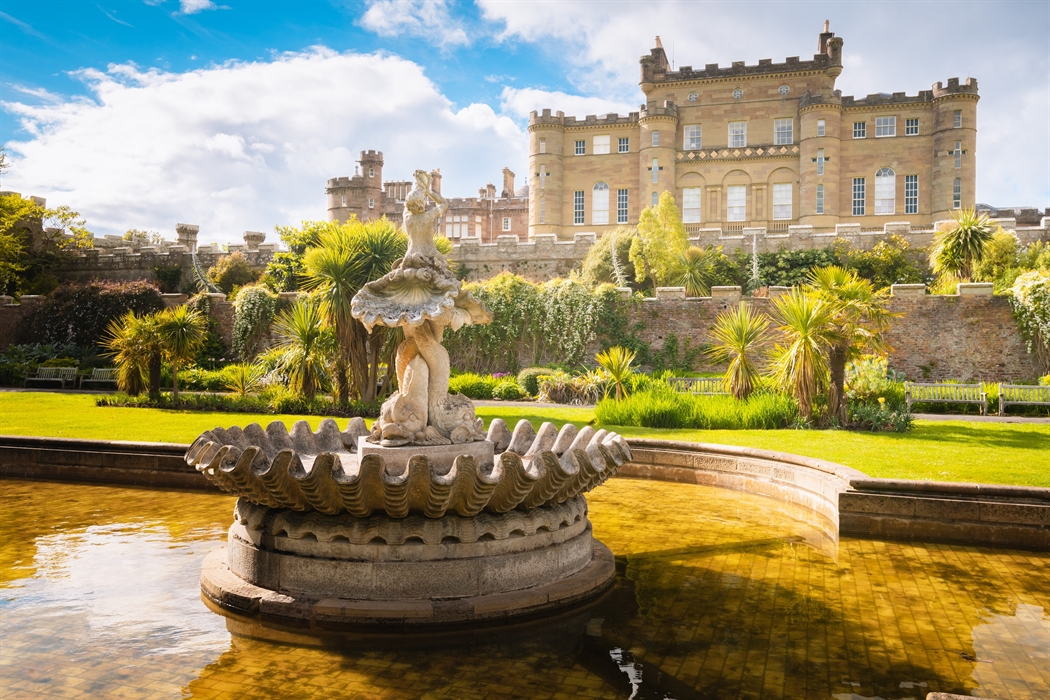
Perched dramatically on cliffs above the Firth of Clyde, Culzean Castle combines Robert Adam’s neoclassical vision with sweeping sea views.
- Why visit: The castle’s Oval Staircase is a masterpiece, while the country park offers 600 acres of woodlands, gardens, and coastline.
- Historic note: Once the seat of Clan Kennedy, Culzean was gifted to the National Trust for Scotland and famously offered to U.S. President Dwight D. Eisenhower as a gesture of thanks.
- Unique insight: Culzean is where history, architecture, and nature converge, making it as much a landscape experience as a heritage visit.
28. Tantallon Castle
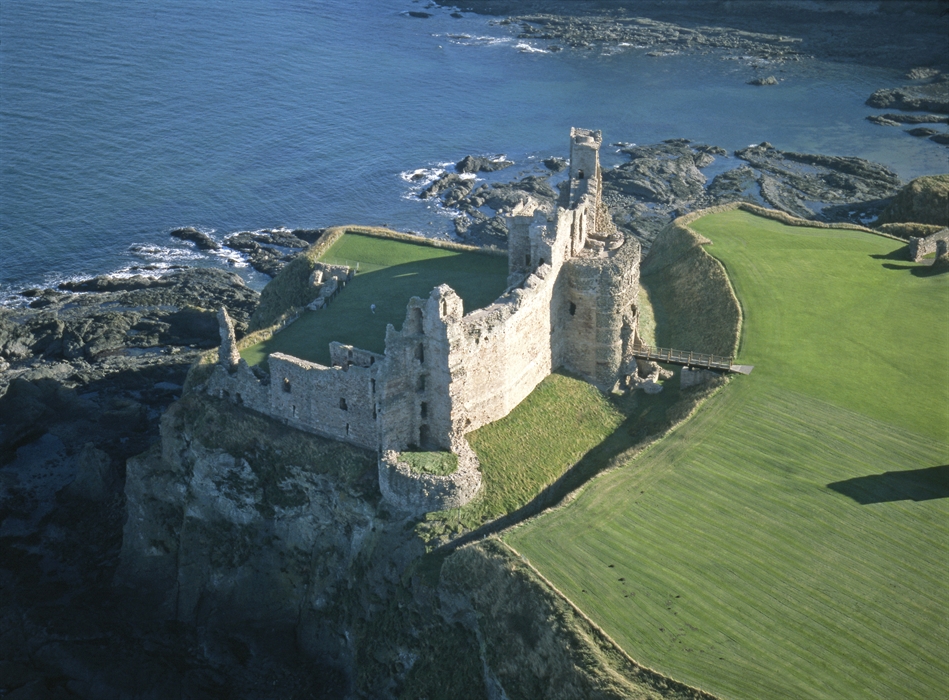
Unlike ornate baronial homes, Tantallon is raw and elemental. Its red sandstone walls face directly onto the North Sea, braving centuries of storms and sieges.
- Why visit: The views over Bass Rock, home to the world’s largest colony of gannets, are as unforgettable as the fortress itself.
- Historic note: Stronghold of the Douglas family, it was besieged multiple times before being left in ruins after Cromwell’s invasion in 1651.
- Unique insight: Few ruins capture the sheer power of medieval military engineering in such a wild, cinematic setting.
Hidden & Lesser-Known Scottish Castles
Beyond the famous landmarks, Scotland is full of castles that slip under most travelers’ radar. These sites may not draw crowds, but they offer intimacy, authenticity, and a glimpse into Scotland’s layered history without the tourist bustle.
29. Sundrum Castle
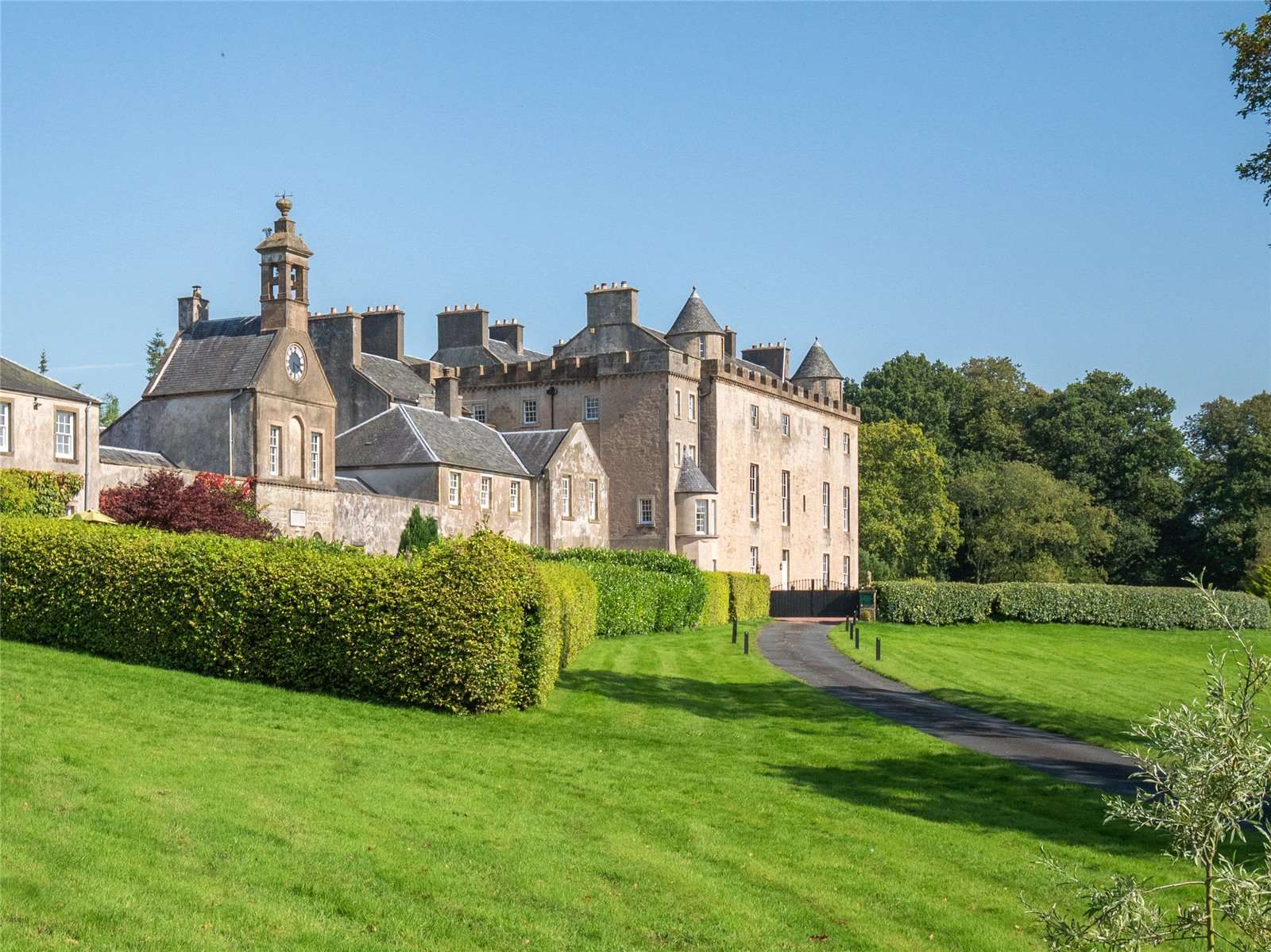
One of the oldest surviving tower houses in Ayrshire, Sundrum Castle dates back to the 14th century. While now privately owned, it remains an important marker of medieval Scottish domestic architecture.
- Why visit: Though not open to the public, its story highlights how Scotland’s earliest castles shifted from military strongholds to residential towers.
- Historic note: Built for Sir Duncan Wallace, its defensive design reflects the turbulent era of the Wars of Independence.
- Unique insight: Sundrum is a reminder that countless small castles across Scotland survive quietly in private hands, shaping the landscape just as much as their grander cousins.
30. Craigievar Castle
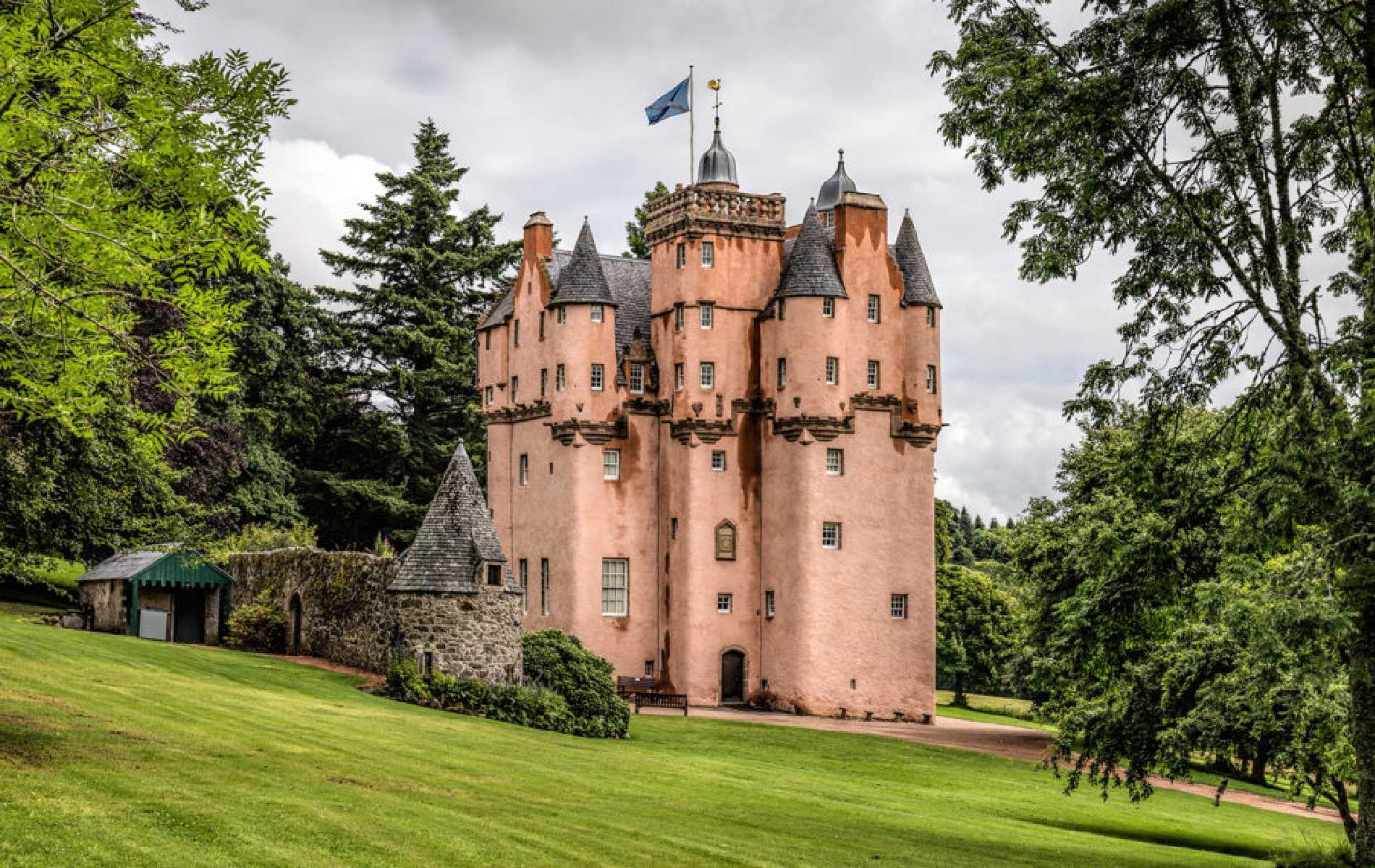
Few castles are as whimsical as Craigievar, a pink-hued baronial tower that looks plucked from a storybook. Rumor even suggests it inspired Walt Disney’s castle design.
- Why visit: Its turrets, staircases, and lack of modern lighting give visitors an authentic sense of stepping back in time.
- Historic note: Completed in 1626, it remained home to the Forbes family for centuries.
- Unique insight: Visiting Craigievar feels intimate-the atmosphere is preserved with original furnishings and no artificial light, enhancing its fairytale mystique.
31. Castle Fraser
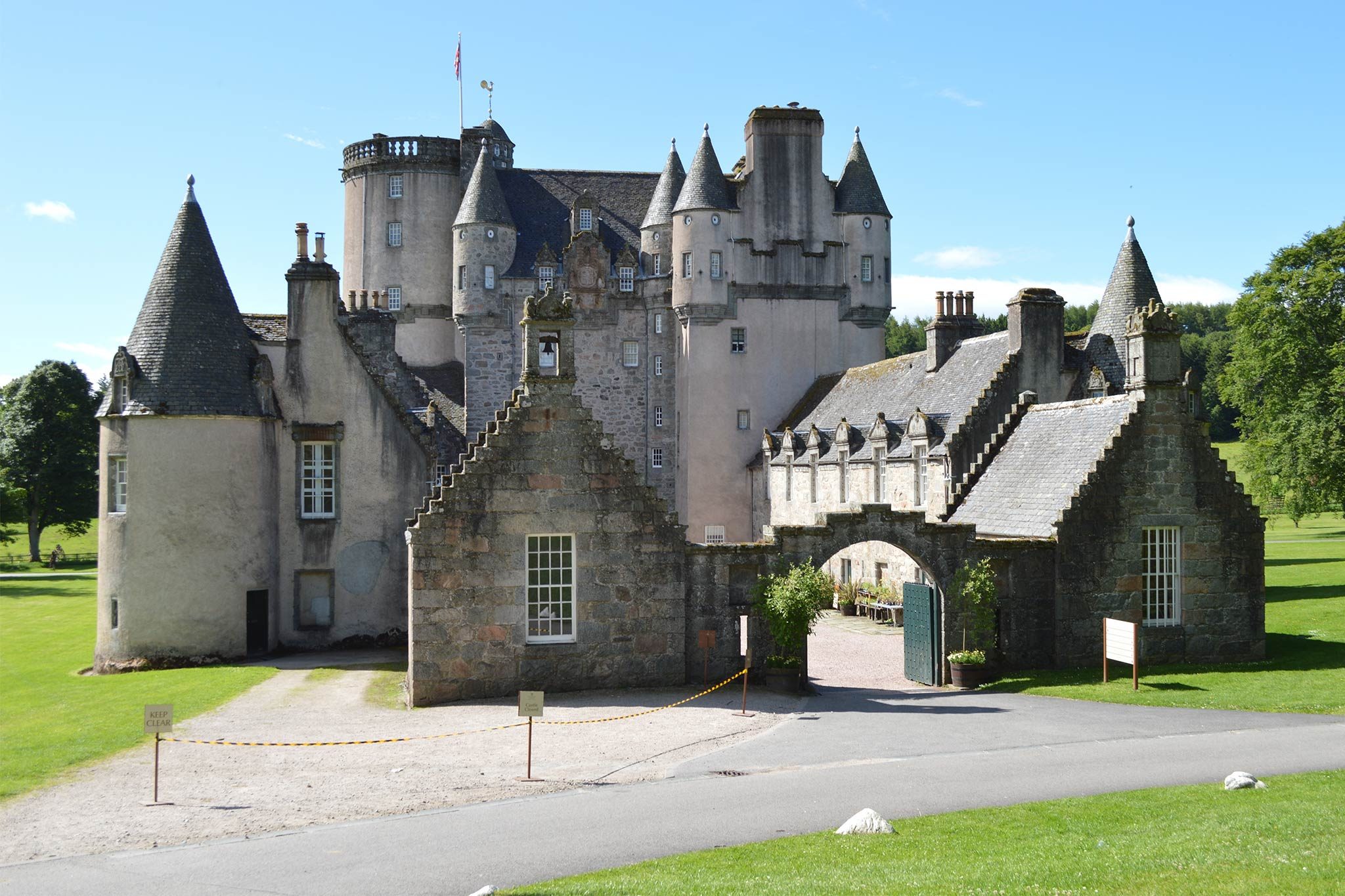
One of the largest tower houses in Scotland, Castle Fraser combines medieval strength with Renaissance flair. Its sprawling grounds and interiors showcase layers of history.
- Why visit: The great hall, spiral staircases, and secret chambers make it a joy for castle enthusiasts.
- Historic note: The Frasers of Muchalls lived here for over 400 years, shaping local history.
- Unique insight: Its atmospheric walled gardens and woodland trails make it a perfect stop for those who want history paired with nature.
32. Huntingtower Castle
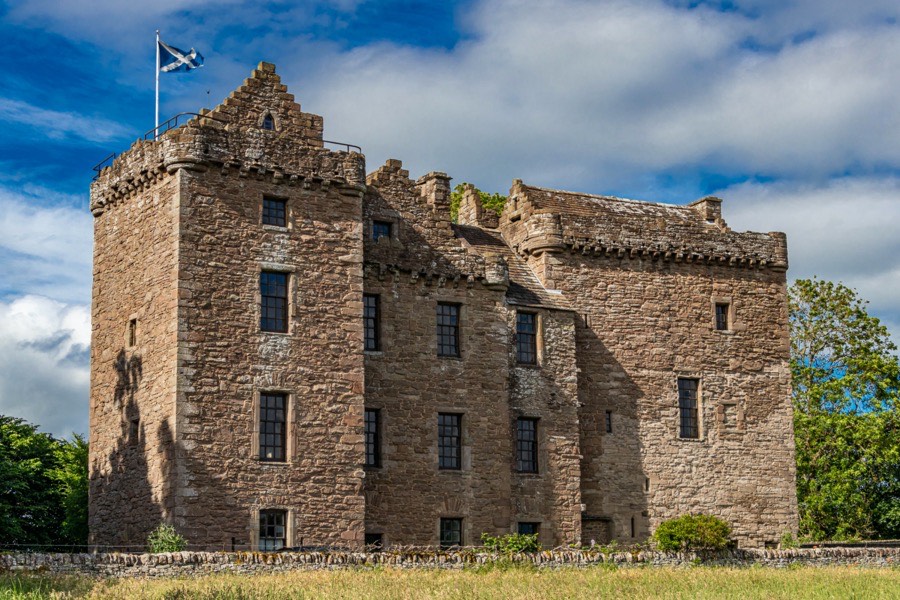
Huntingtower Castle is unusual: two tower houses joined together, reflecting centuries of architectural evolution.
- Why visit: Its painted ceilings, among the oldest in Scotland, are a rare survival of Renaissance decoration.
- Historic note: Mary, Queen of Scots once stayed here, adding a royal connection.
- Unique insight: The “Maiden’s Leap” legend-where a noblewoman supposedly jumped between the towers to avoid discovery-adds a touch of folklore to its history.
33. The Black Watch Castle & Museum
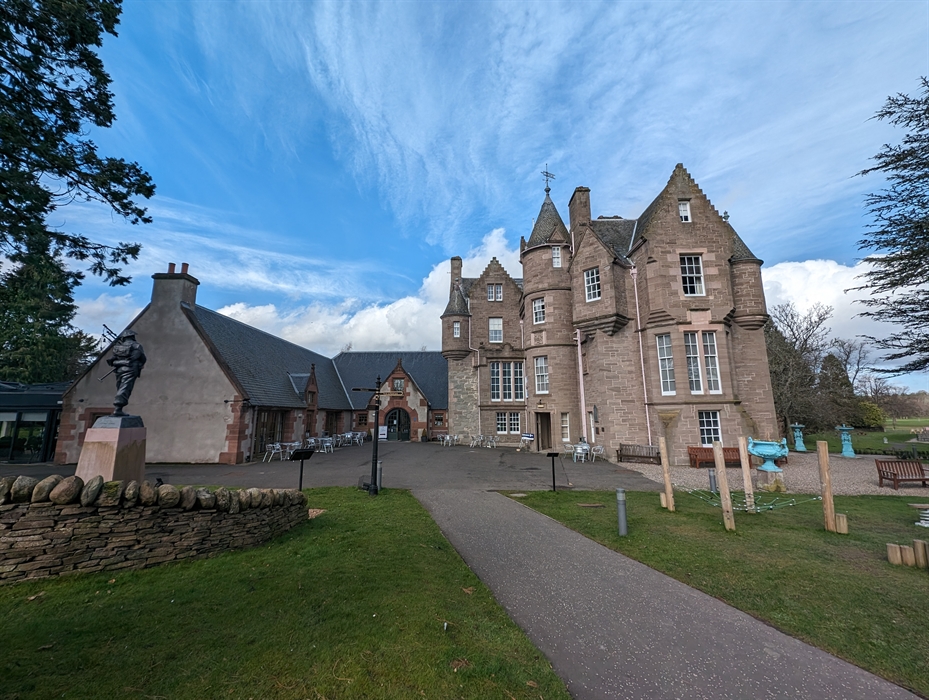
Located within Balhousie Castle, this site blends fortress history with military memory.
- Why visit: The museum brings alive the story of Scotland’s most famous regiment, the Black Watch, with artifacts, medals, and personal stories.
- Historic note: The regiment has served for over 260 years, and its legacy is intertwined with Scottish and global conflicts.
- Unique insight: This is more than a castle visit-it’s an immersive dive into Scotland’s military identity and the courage of Highland soldiers.
34. Cawdor Castle
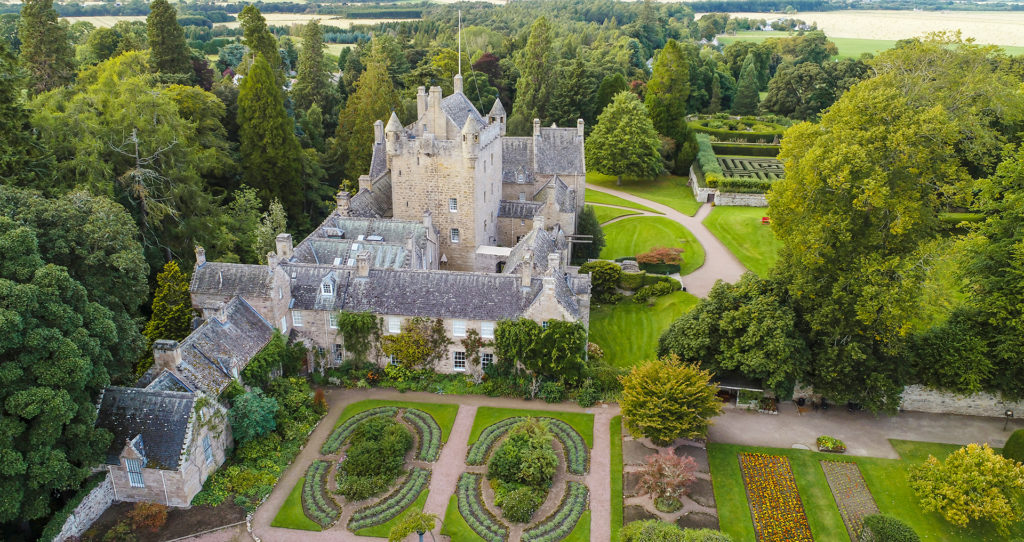
Famed for its association with Macbeth, Cawdor Castle is both a romantic residence and a place of legend.
- Why visit: Its landscaped gardens and lavish rooms make it as appealing as its lore.
- Historic note: Despite Shakespeare’s setting, the castle was built centuries after Macbeth’s reign, but its links to drama keep the myth alive.
- Unique insight: The castle was built around a holly tree, still preserved in the cellar, giving Cawdor a magical, almost enchanted feel.
35. Craigmillar Castle
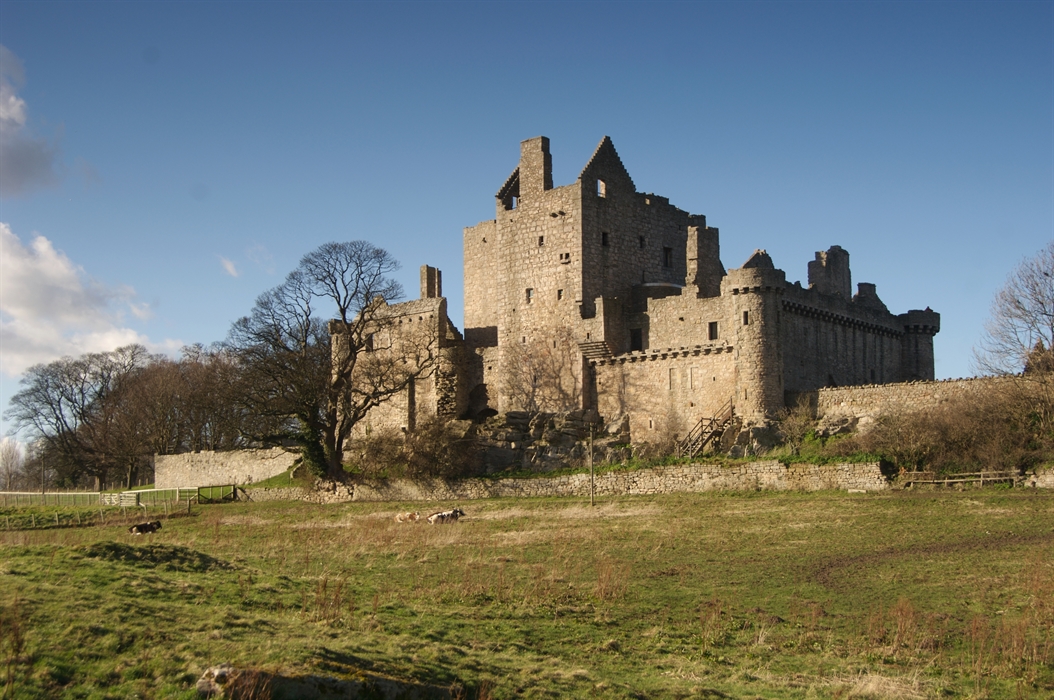
Often overshadowed by Edinburgh Castle, Craigmillar is a gem tucked just outside the city center.
- Why visit: Visitors can freely explore its towers, courtyards, and spiral staircases without the heavy crowds.
- Historic note: Mary, Queen of Scots once sought refuge here after the murder of her husband, Lord Darnley.
- Unique insight: For those seeking a quieter, more atmospheric experience than Edinburgh Castle, Craigmillar offers the perfect blend of ruin, history, and mystery.
Practical Tips For Visiting Scottish Castles
- Best time to visit:Spring and autumn offer mild weather and fewer crowds; summer brings festivals but busy sites; winter adds drama to ruins.
- Entrance fees:Many sites are run by Historic Environment Scotland-consider an Explorer Passfor 70+ attractions. Private castles (e.g., Balmoral, Blair) charge separately.
- Photography:Aim for sunrise or sunset, embrace moody weather, and frame shots with landscapes for atmosphere. Check drone restrictions.
- Road trips:Try the Aberdeenshire Castle Trail, a Highland loop(Inverness-Urquhart–Eilean Donan), or island hoppingfor castles on Arran, Skye, and Mull.
Scottish Castles To Stay In
For those who want to do more than just visit, the dream of living in a castle can become a reality. A number of historic properties have been converted into stunning hotels or vacation rentals, allowing you to immerse yourself in history.
Whether you're seeking a lavish five-star experience or a more rustic, self-catering stay, there are many options for those searching for Scottish castles to stay in.
- Dalhousie Castle:Located near Edinburgh, this is Scotland's oldest inhabited castle and now a luxurious hotel with a spa and fine dining.
- Inverlochy Castle:Often hailed as one of Scotland's most luxurious castle hotels, this Victorian-era mansion near Fort William offers an unparalleled escape.
- Fonab Castle:Blending traditional and modern luxury, this hotel in Highland Perthshire provides a magnificent retreat with stunning loch views.
FAQs About Scottish Castles
How Many Scottish Castles Are There?
It is widely estimated that there are over 1,500 castles, from grand, inhabited palaces to ruined tower houses and foundations.
What Is Scotland's Oldest Castle?
Castle Sween, located in Argyll on the mainland, is considered the oldest standing stone castle in Scotland that can be dated with confidence. It was likely built in the late 1100s.
What Do Scots Call Castles?
In Scottish Gaelic, the word for castle is "caisteal," pronounced roughly as "kash-tyall."
What Is The Most Beautiful Castle In Scotland?
While beauty is subjective, Eilean Donan Castle is frequently cited as the most beautiful and most photographed castle due to its picturesque setting on a small tidal island where three sea lochs meet. It's an essential stop on any Scottish castles mapfor its sheer visual appeal.
What Was Queen Elizabeth II's Favorite Castle In Scotland?
Balmoral Castle was Queen Elizabeth II's beloved Scottish residence. She spent every summer there and it was a place of personal significance for her and the Royal Family.
Which Scottish Castle Was Used In Downton Abbey?
Inveraray Castle was used as the fictional "Duneagle Castle" in the Downton Abbeyseries.
A Quick Recap
The true magic of Scottish castles lies not just in their magnificent architecture but in their ability to tell a story. They are tangible links to a past filled with courage, conflict, and extraordinary resilience. From the strategic might of Edinburgh Castle to the haunting beauty of Dunnottar, each one offers a unique lens through which to view Scotland's soul. By looking beyond the obvious and embracing the deeper narratives, you can transform a simple sightseeing trip into a profound historical journey.
If this article has inspired you to plan your own adventure, consider sharing it with fellow history and travelenthusiasts.
Jump to
Scottish Castles: Famous, Medieval & Hidden Gems
Famous Scottish Castles
Scotland’s Medieval Castles
Ruined Castles Of Scotland
Scotland’s Island Castles
Royal & Palatial Castles Of Scotland
Scotland’s Highland & Northern Castles
Fairy-Tale & Romantic Castles
Hidden & Lesser-Known Scottish Castles
Practical Tips For Visiting Scottish Castles
Scottish Castles To Stay In
FAQs About Scottish Castles
A Quick Recap

Maya Reyes
Author
Maya Reyes’s wanderlust was sparked in the temples of Luang Prabang, where the scent of lemongrass and the chants of monks revealed the transformative power of travel.
Since then, her journey has been defined by cultural immersion and authentic connections. From learning batik in Indonesia to sharing meals with nomadic families in Mongolia, Maya seeks experiences that highlight the human stories behind each destination.
Travel for her is a way to weave her narrative into the world’s cultural tapestry, creating bridges across diverse ways of life. Maya has traveled to 15 countries and shares her insights through writing and storytelling.

Finn Wilde
Reviewer
For Finn Wilde, the wilderness is more than just a destination - it’s a way of life. Over the past decade, he has led multiple expeditions in some of the world’s most remote regions, from the icy fjords of Greenland to the rugged trails of Patagonia.
Finn emphasizes sustainability in all of his adventures, helping participants connect with nature while promoting responsible exploration. His expeditions inspire individuals to explore the great outdoors while fostering a deep respect for the environment.
Latest Articles
Popular Articles