Best Road Trips Through The Australian Outback You Must Drive
Australia’s Outback is calling. Discover iconic routes like the Nullarbor, Gibb River Road, and Red Centre Way with vehicle tips and safety advice.
Author:Finn WildeReviewer:Maya ReyesSep 22, 202573.1K Shares1.1M Views
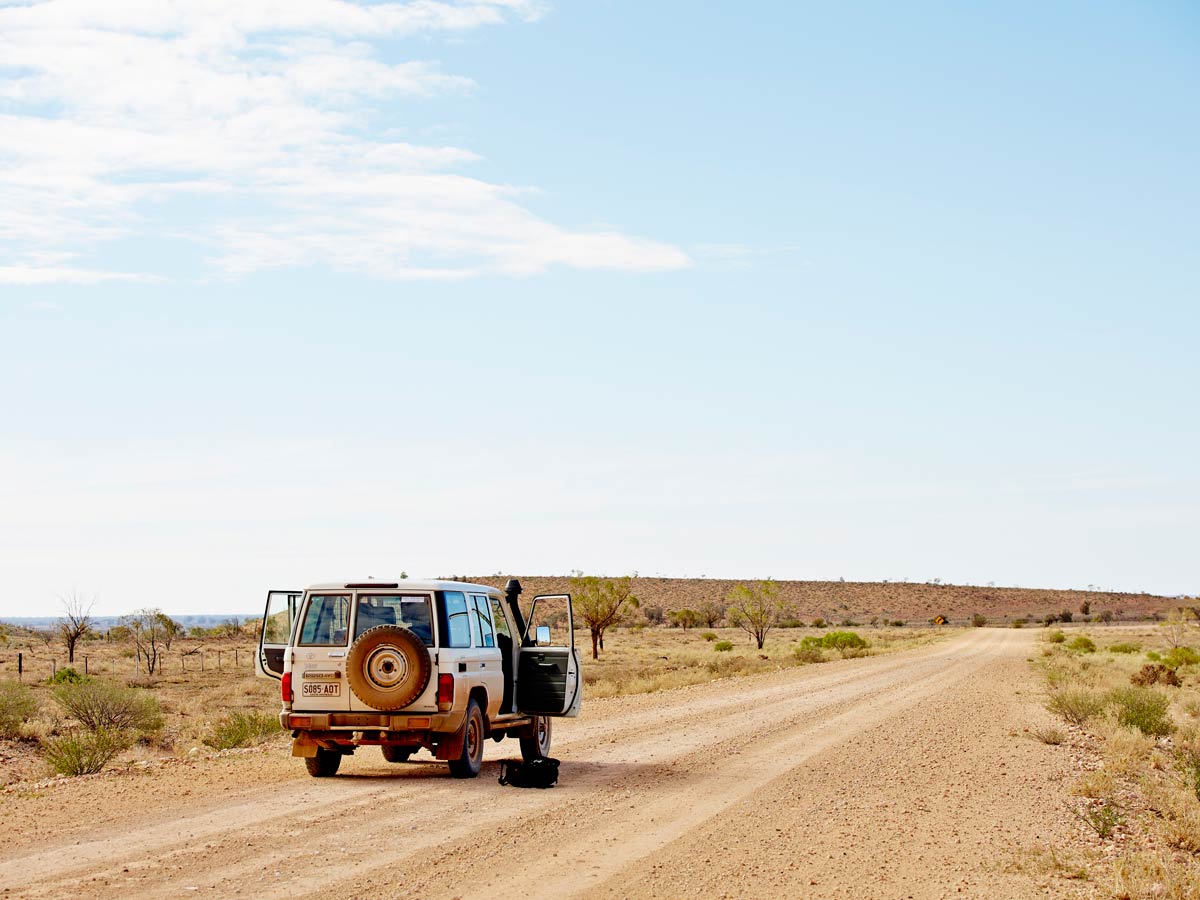
Top Outback Road Trips In Australia
There’s nothing quite like the feeling of driving into the vast, open heart of Australia. Beyond the coastal cities and tourist hubs lies the Australian Outback, a place of mythic proportions and breathtaking scale.
It's a land of ancient red earth, endless horizons, and a silence so profound it seems to hum. A road trip through the Australian Outbackisn't just a holiday; it’s an unforgettable journey into the soul of the country.
What sets an Outback road trip apart from any other adventure is the sheer preparation and mindset it demands. It's a test of self-reliance, a dance with the elements, and an opportunity to witness a landscape few truly understand.
Through years of planning and undertaking these journeys myself, I’ve found that a successful trip hinges not just on the right gear or a solid itinerary but on a deep respect for the land and a readiness for anything. This guide goes beyond the simple checklists to give you the insider knowledge you need to turn a challenging journey into the adventure of a lifetime.
When To Go: Planning Around The Seasons
Timing is everything for an Outback journey. The cooler, dry months of May to October are widely considered the best time to go. During this period, daytime temperatures are pleasant for hiking and exploring, and the risk of flooding from heavy rainfall is minimal.
However, be prepared for deceptively cold nights, with temperatures often dropping below freezing in desert areas. The summer (November to April) brings extreme heat, high humidity, and thunderstorms that can cause road closures.
While you'll encounter fewer tourists, the conditions are a significant safety risk and should be avoided for all but the most experienced travelers.
The Outback Drive: Vehicle & Safety Essentials
Your vehicle is your lifeline in the Outback. A breakdown in a remote area can quickly turn a fun trip into a serious situation. While many guides focus on renting a 4x4, the real expertise lies in knowing what to look for and how to prepare it.
4x4 Vs. 2WD: The Harsh Reality
While some main arteries, like the Stuart Highway, are fully sealed, the most rewarding Outback experiences are found on unsealed roads. Trying to tackle a remote, corrugated dirt road in a standard 2WD vehicle is not just uncomfortable; it's genuinely dangerous.
The risk of blowouts, mechanical failure from corrugations, and getting stranded is too high. A high-clearance 4x4 isn't a luxury; it's a necessity for true exploration. For a trip on the Gibb River Road or any of the expert routes, a 4x4 is not optional.
The Golden Rule Of The Australian Outback
The single most important rule is this: Never leave your vehicle if you break down. Your car is a beacon for rescuers, a source of shelter from the sun, and a home base. Wandering off, even a short distance, can lead to becoming disoriented and lost, and it makes finding you exponentially more difficult. Stay with your vehicle, set up shade, and wait for help.
Australian Outback Itinerary: Iconic Routes For Every Adventurer
When you begin to plan your Australian outback itinerary, the first step is to accept that you can't see it all. The distances are immense. Instead of attempting a hurried cross-country journey, focus on a single region or a specific iconic route to fully immerse yourself in the landscape.
For those considering an Outback trip from Melbourne, the journey begins by heading north to Port Augusta, the official "Gateway to the Outback."
1. The Red Centre Way: Journey To The Spiritual Core
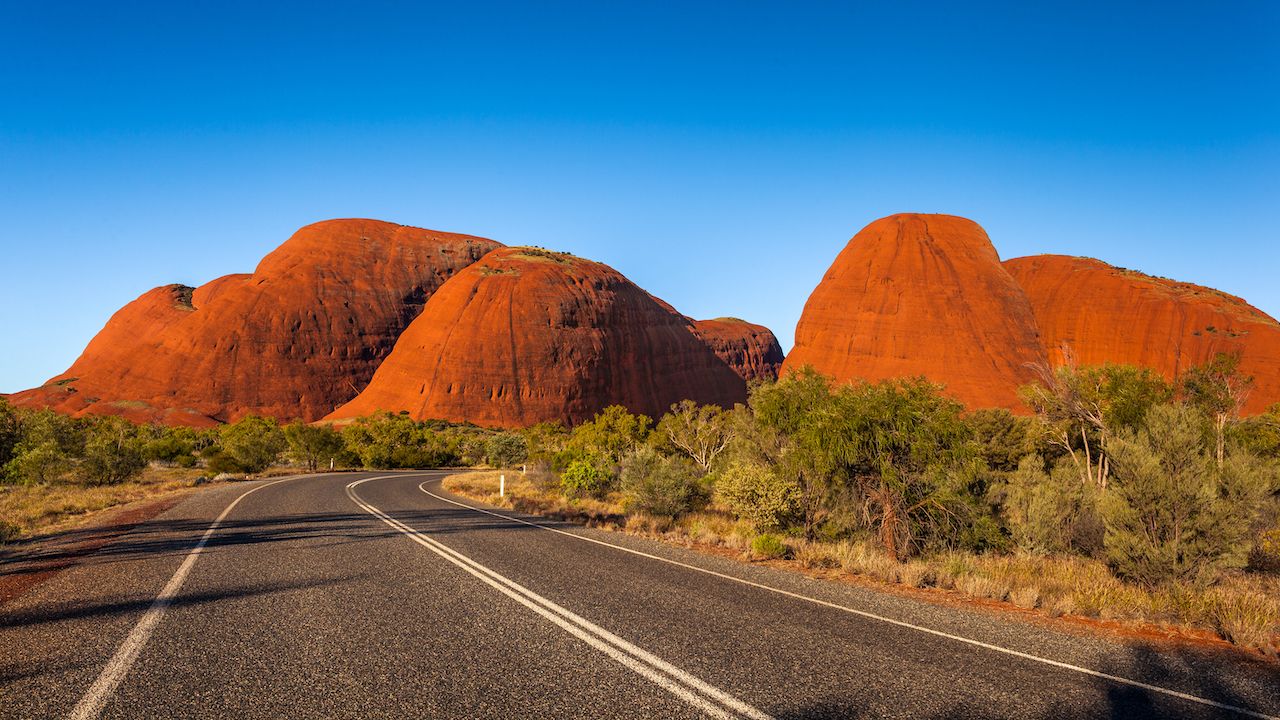
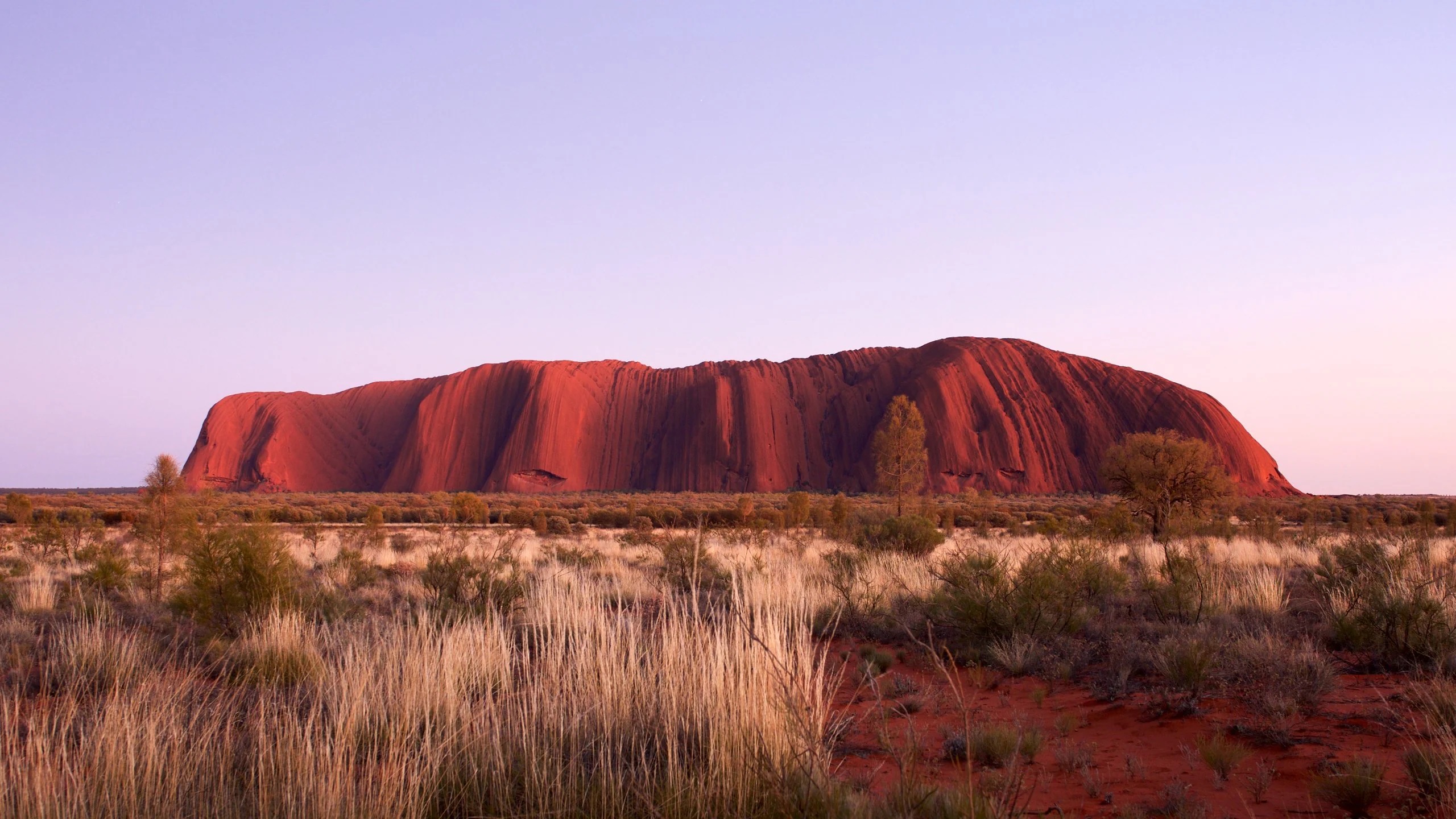
When you imagine the Outback, you might think of red sand, the mighty Uluru monolith, and auburn kangaroos. You'll find all of that and more on the Red Centre Way, which begins in Alice Springs.
This is a uniquely spiritual place, and the freedom of the open road only further ignites a deep connection with the earth. It’s an essential part of any classic Australian drive to see the heart of the country.
The route is a loop from Alice Springs to Uluru, Kings Canyon, and back, and much of it is now on sealed roads, making it accessible to 2WD vehicles with proper planning.
- Best For:Those who want to visit Australia's most iconic landmark, experience a spiritual journey, and explore ancient landscapes.
- TravelTip:Allow at least 4–6 days to take in Alice Springs, Kings Canyon, and Uluru at a comfortable pace.
2. The Explorer's Way: Cutting Straight Through The Heart
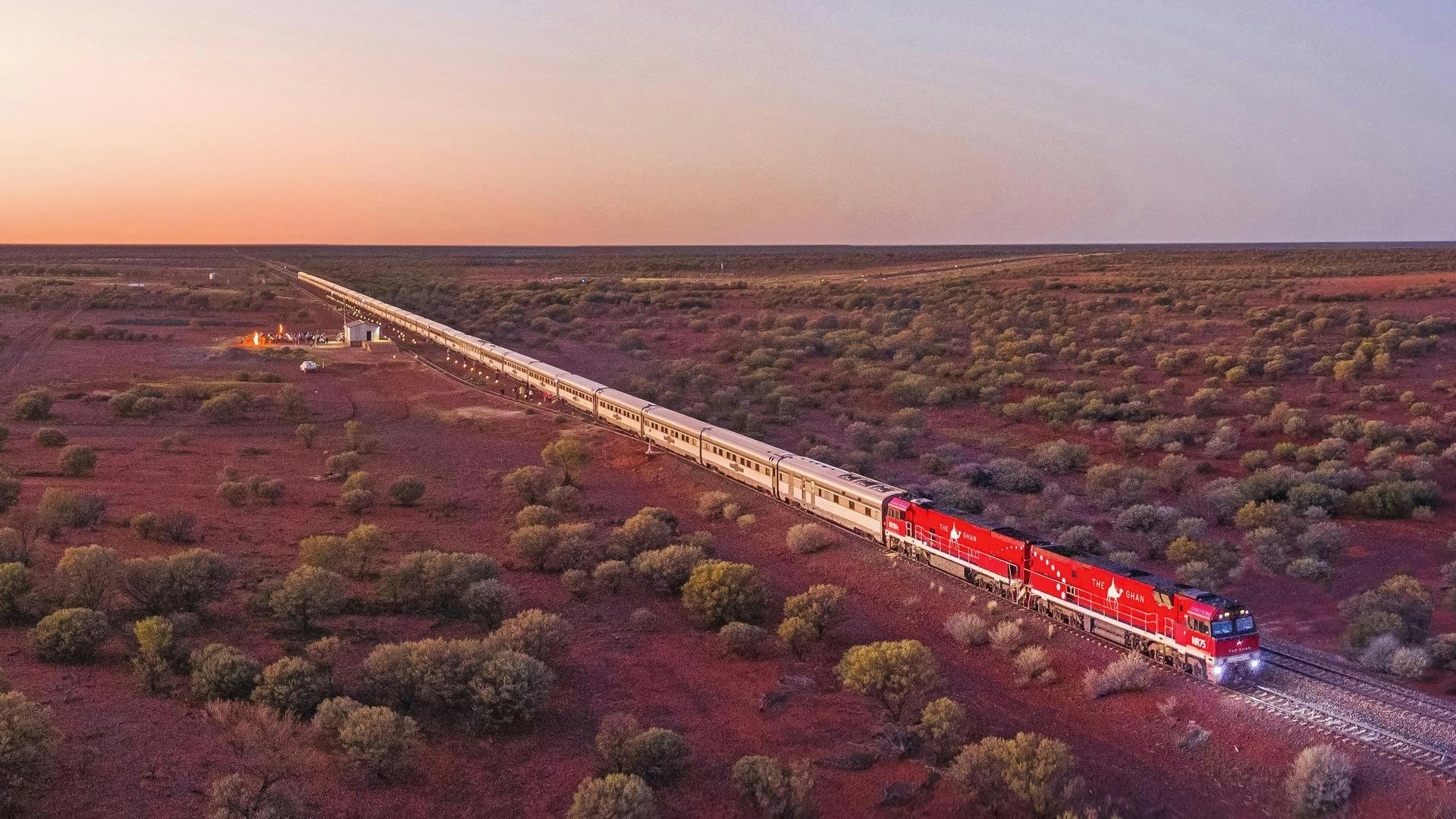
This legendary route follows the Stuart Highway from Adelaide in South Australia to Darwin in the Northern Territory. As the definitive north-south track, it is perhaps the most direct way to get a taste of the Outback's heart.
Along the way, you'll find iconic stops like the underground opal-mining town of Coober Pedy and the unique landscapes of the Flinders Ranges before reaching Alice Springs and the Top End.
- Best For:Travelers seeking a grand, cross-continental journey with the comfort of mostly sealed roads and regular roadhouses.
- Travel Tip:Break the journey into stages-Adelaide to Alice Springs, then Alice to Darwin-for a less demanding itinerary.
3. The Nullarbor Plain: A Test Of Endurance And Scale
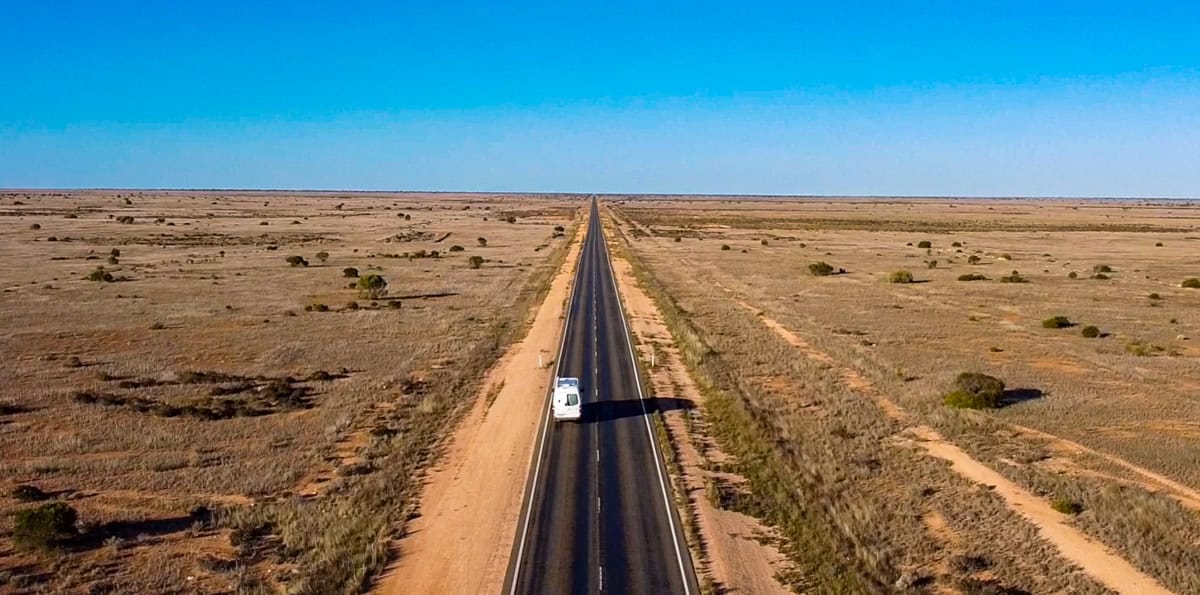
The Nullarbor is a legendary drive, extending across Australia’s southern edge from Western Australia to the Eyre Peninsula in South Australia. This is a journey of true vastness, where the road stretches to the horizon and the only company you have are wild kangaroos and the occasional passing road train.
While it’s on a sealed highway, the sheer remoteness and endlessness of the Nullarbor are pure Outback. It offers a unique alternative to a typical coastal road trip on the populated east coast.
- Best For:Endurance drivers, those seeking a sense of immense scale, and a good introductory drive on a sealed road before tackling more remote tracks.
- Travel Tip:Don’t miss the chance to play a hole or two on the Nullarbor Links, the world’s longest golf course, stretching across 1,365 kilometers.
4. The Savannah Way: An Epic Northern Trek
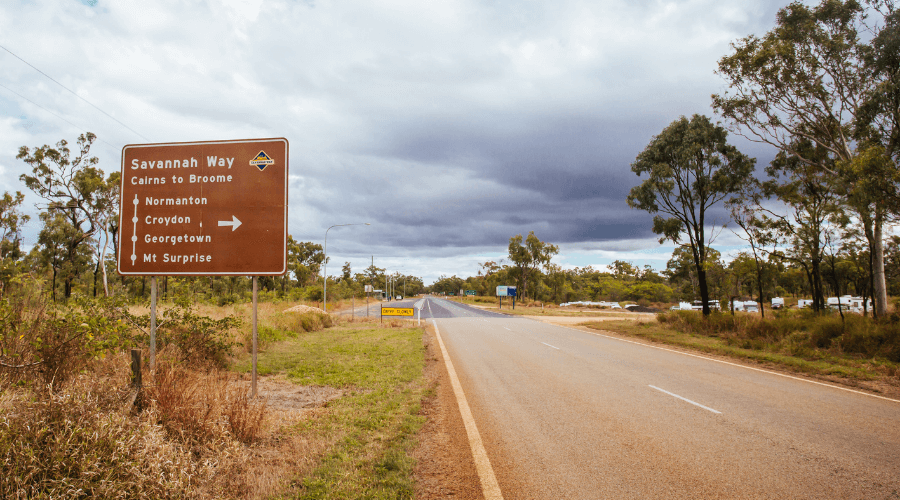
Linking Cairns in Queenslandwith Broome in Western Australia, The Savannah Way is a 3,700-kilometer journey through diverse landscapes. Much of the route is on a sealed road, making it accessible to a wider range of vehicles during the dry season.
It's an adventure that takes you from lush rainforests to ancient mountain ranges and dusty plains, offering a chance to see wetlands and waterways teeming with birdlife.
- Best For:Travelers seeking a scenic route that combines coastal and inland wonders, with some sections requiring a 4x4.
- Travel Tip:The best time to drive the Savannah Way is during the dry season, from April to September. Avoid the wet season (December to March) when roads can become impassable.
For The Experienced 4WD Enthusiast
For the seasoned adventurer looking for a serious challenge, these are the routes that truly test your mettle. Do not attempt them without extensive preparation and experience.
5. The Gibb River Road: The Kimberley's Wild Heart
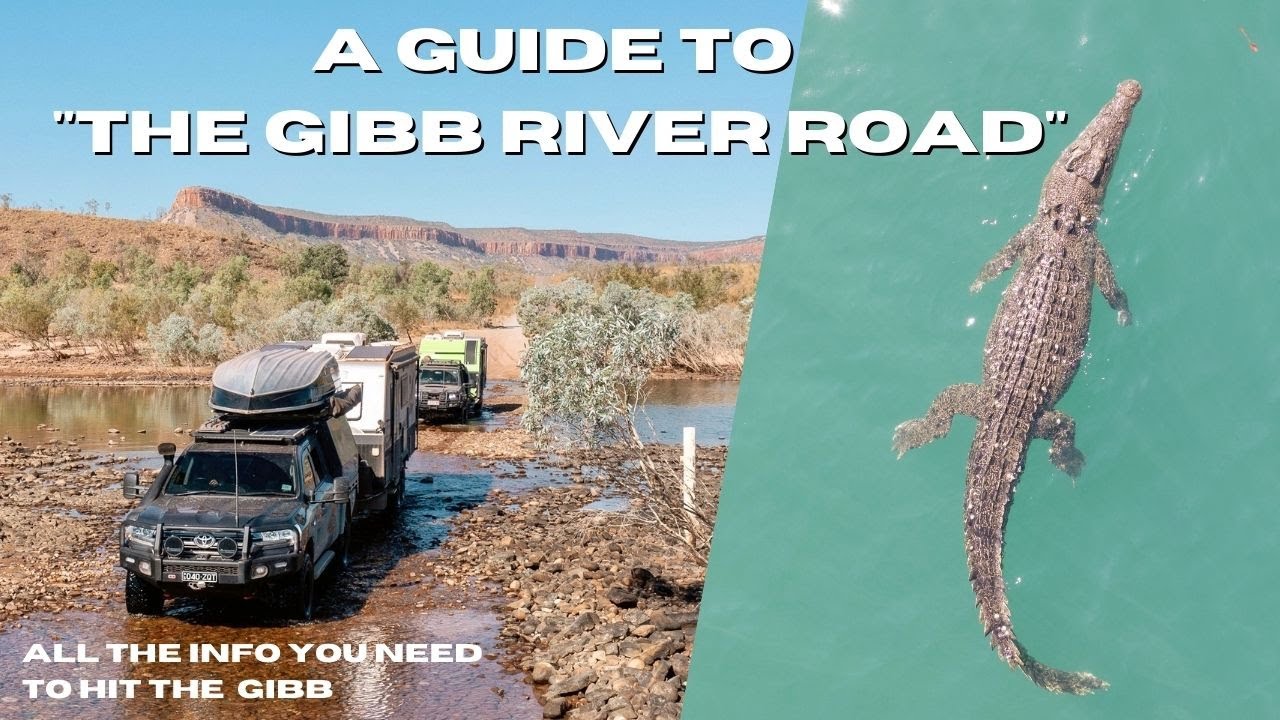
"THE GIBB RIVER ROAD" - A guide to plan your trip & all the HOTSPOTS you can't miss!!👌⛺️🎣
For the more seasoned traveler, the Gibb River Road in Western Australia is the holy grail of Outback road trips. This 660-kilometer track cuts through the rugged Kimberley region, offering access to stunning gorges, freshwater swimming holes, and spectacular waterfalls. It's a genuine 4x4-only adventure, with multiple creek crossings and challenging corrugated sections.
- Critical Tip:Don't underestimate the creek crossings. Check water levels with local authorities or other travelers, and if in doubt, don't attempt it. This is a place where self-reliance is not optional.
- Travel Tip:Travel during the dry season (May to September). Many gorges and tracks are closed during the wet season.
6. The Canning Stock Route: A True Expedition
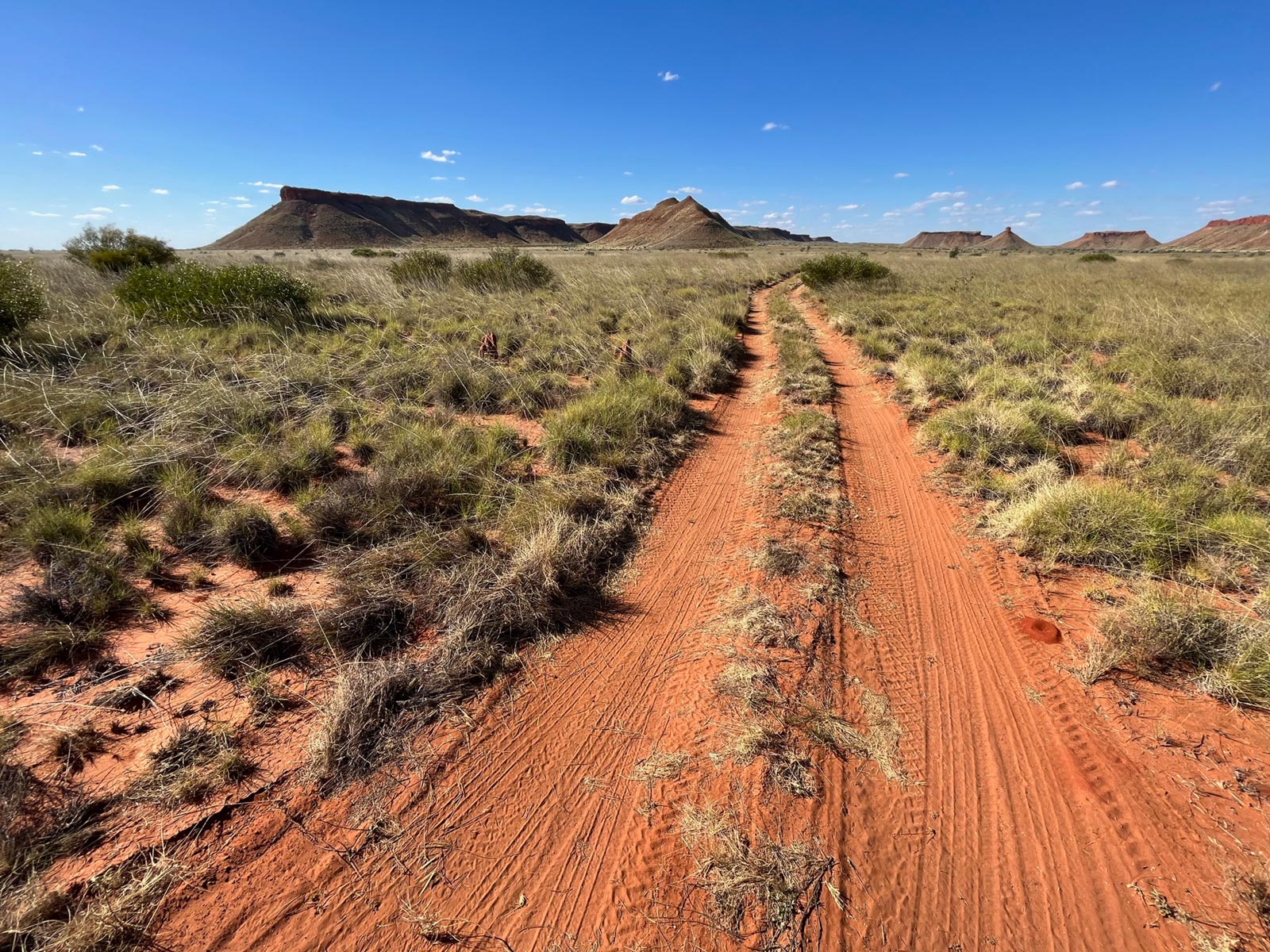
Spanning over 1,700 kilometers through some of the most remote desert in the world, the Canning Stock Route is a legendary, multi-week expedition.
It traverses more than 900 sand dunes and requires a convoy of at least two well-equipped 4x4 vehicles, extensive supplies, and multiple transit permits. This is a journey for those who have a deep understanding of Outback travel.
- Best For:Experienced 4WD travelers seeking one of the toughest Outback challenges on Earth.
- Travel Tip:Travel in convoy for safety, and always carry ample fuel, water, and communication equipment.
7. The Outback Way: Australia's Longest Shortcut
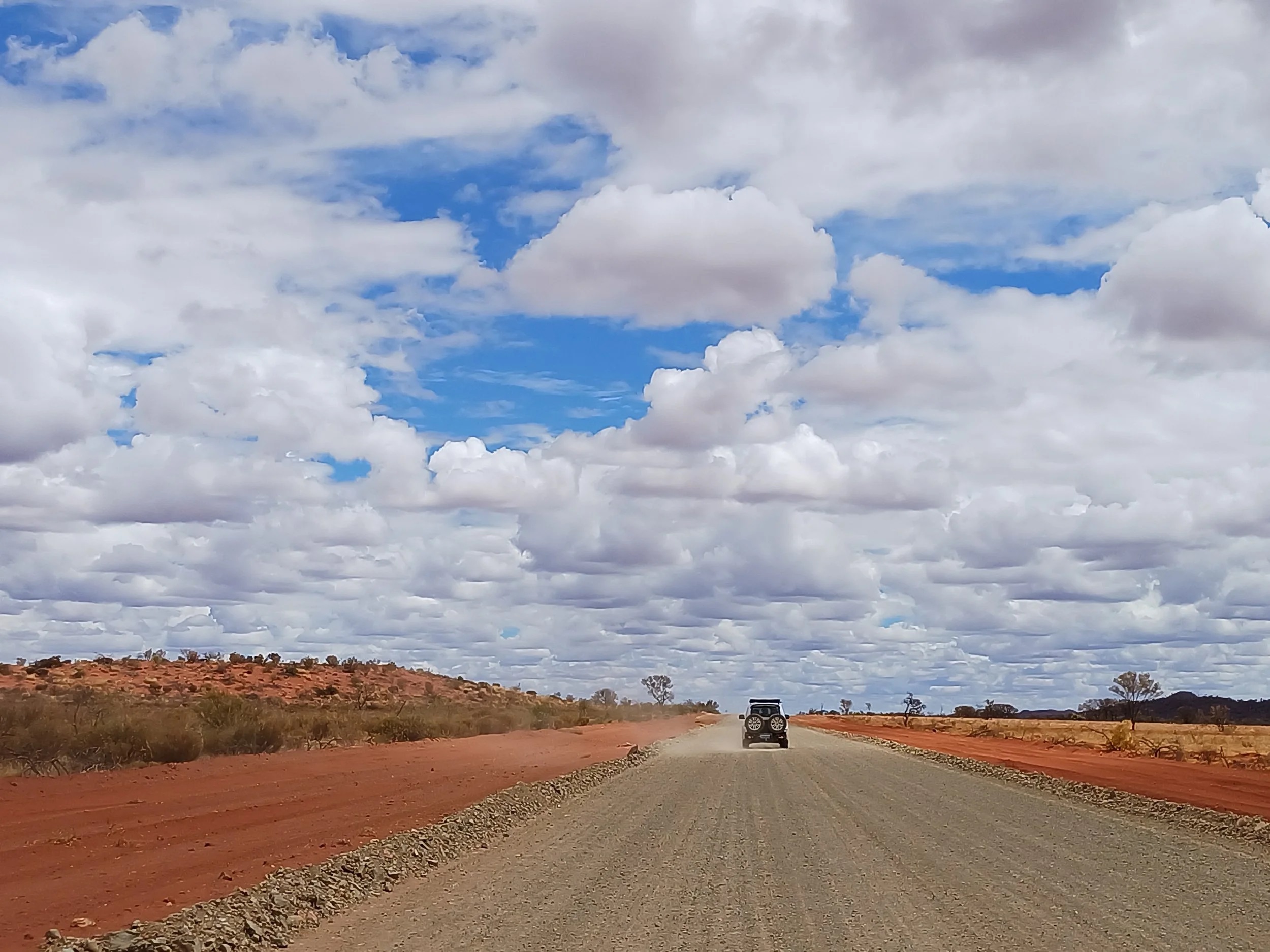
Known as "Australia's Longest Shortcut," The Outback Way stretches 2,800 kilometers, linking Winton, Queensland to Laverton, Western Australia, and cutting right through the middle of the continent.
While much of it is now sealed, it remains an adventurous drive that requires a reliable 4x4 and careful planning due to long distances between fuel stops. Recent road upgrades are progressively sealing more of the route, making sections of the drive more accessible, but you should always check the latest conditions.
- Best For:Those wanting a long, transcontinental Outback experience with plenty of time to explore.
- Travel Tip:Allow at least 10–14 days to drive comfortably. Plan for limited services and check road conditions before departure.
8. The Birdsville Track: An Iconic Cattle Route
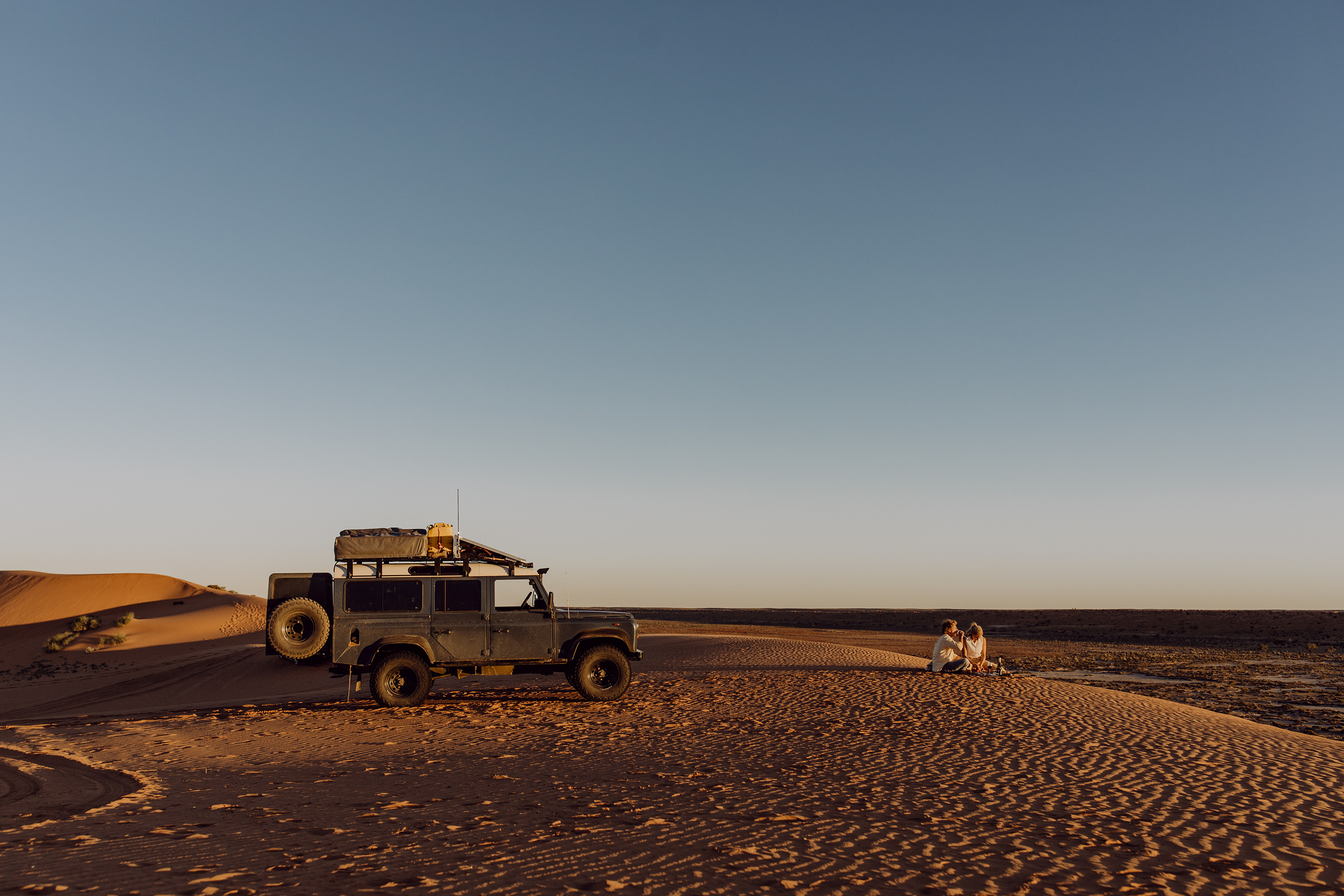
Crossing 517 kilometers from Marree in South Australia to Birdsville in Queensland, the Birdsville Track is a classic Outback drive that follows a historic cattle route. It is a well-used dirt road but still requires a high-clearance 4x4 and knowledge of road conditions, which can change rapidly after rain.
- Best For:History buffs and adventurers wanting to drive one of Australia’s most famous Outback stock routes.
- Travel Tip:Stop at Mungerannie Hotel, the only roadhouse along the track, for fuel, food, and a slice of true Outback character.
9. The Oodnadatta Track: History And Outback Quirkiness
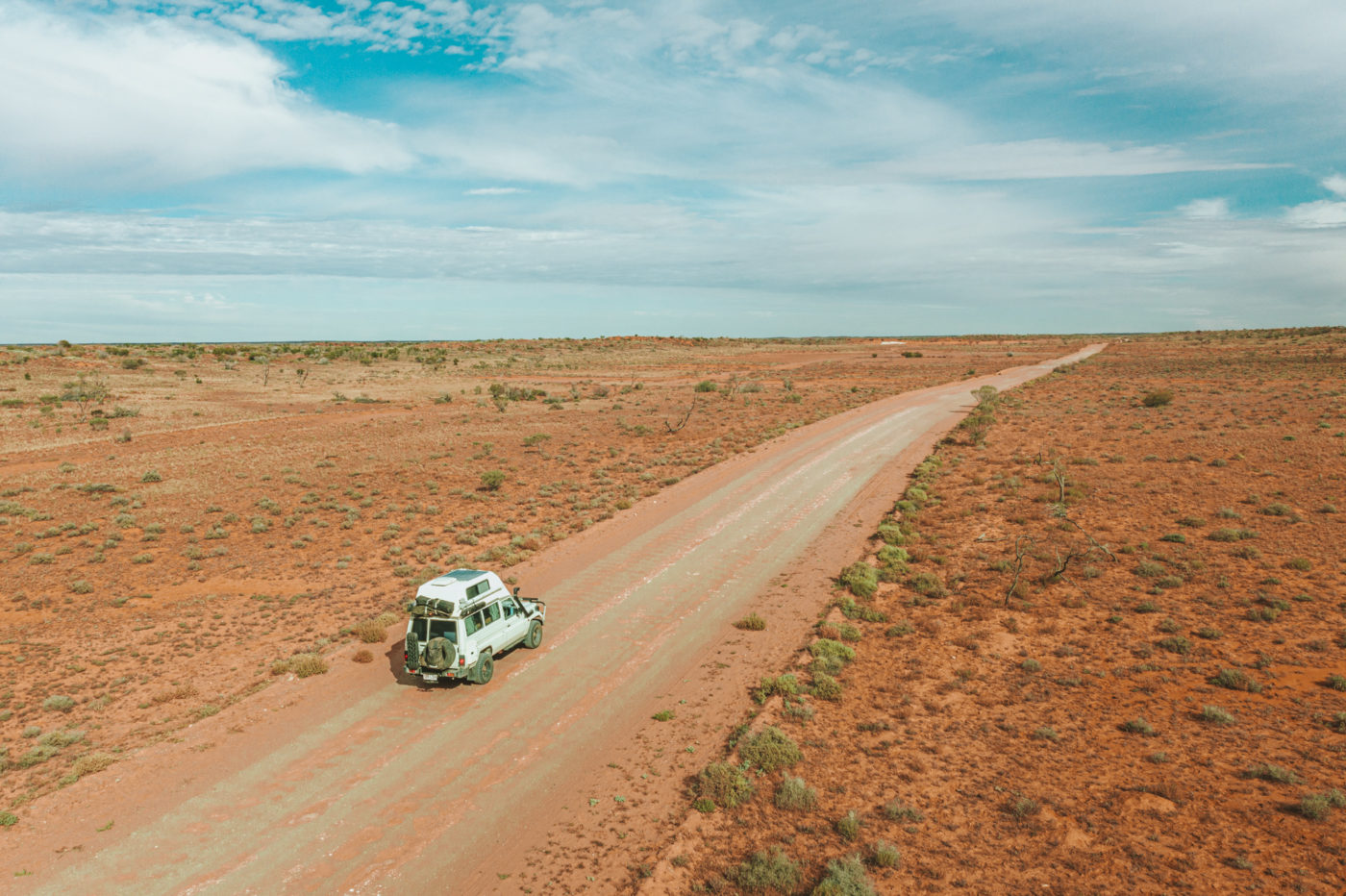
The Oodnadatta Track follows the old Ghan Railway line across 620 kilometers of South Australian desert. It’s one of the great Outback drives for history lovers, combining remote landscapes with fascinating relics from the past.
Highlights include the Pink Roadhousein Oodnadatta, the Algebuckina Bridge(the longest rail bridge in South Australia), and the soothing natural springs at Coward Springs. The track also passes through traditional Aboriginal lands, adding cultural depth to the journey.
- Best For:Travelers who enjoy a mix of history, heritage, and quirky Outback landmarks.
- Travel Tip:While much of the track can be driven in a sturdy 2WD during dry weather, a 4WD is safer and more reliable, especially after rain.
10. Nature’s Way: The Top End Loop
Nature’s Way offers a completely different Outback experience, linking Darwin, Kakadu National Park, and Nitmiluk (Katherine) National Parkin the Northern Territory. Unlike the desert drives of central Australia, this route showcases lush wetlands, towering escarpments, and waterfalls teeming with wildlife.
The majority of the 500-kilometer loop is on sealed roads, making it accessible to most vehicles. From Kakadu’s World Heritage rock art to Katherine Gorge’s dramatic sandstone cliffs, Nature’s Way is one of the most rewarding short Outback road trips.
- Best For:Families and travelers wanting an accessible Outback journey with a focus on nature, culture, and wildlife.
- Travel Tip:The dry season (May to October) is the best time to visit. Many roads and attractions are closed during the wet season due to flooding.
Destinations And Stops Within Outback Road Trips
Some places are legendary Outback experiences but are best understood as destinations along a road trip, not full journeys themselves:
- Uluru (NT):Australia’s most famous monolith, sacred to the Anangu people and central to Aboriginal culture. A highlight of the Red Centre Way.
- Alice Springs (NT):The vibrant hub of the Red Centre, serving as the launch point for many Outback adventures.
- Coober Pedy (SA):An opal-mining town where much of the population lives underground to escape the desert heat. A quirky must-stop along the Explorer’s Way.
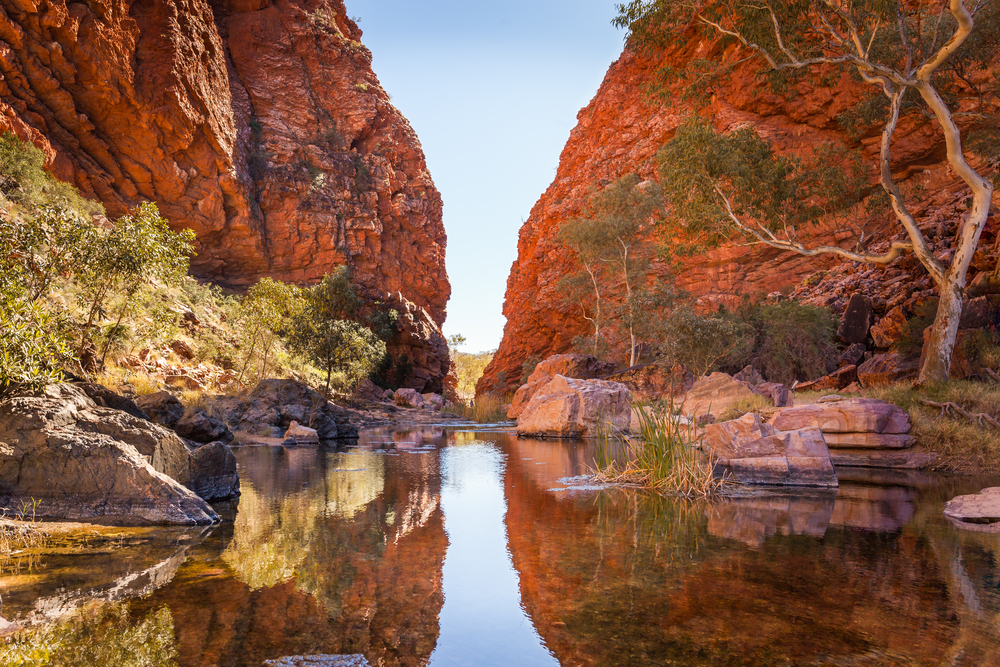
- Kings Canyon (NT):Home to the iconic Rim Walk, with soaring sandstone cliffs and lush hidden valleys. Part of the Red Centre Way loop.
- Uluru & Kata Tjuta (NT):Often listed as a day-by-day itinerary stop (e.g., “Day 6: Uluru & Kata Tjuta”) rather than a standalone road trip.
Coastal Or Non-Outback Road Trips
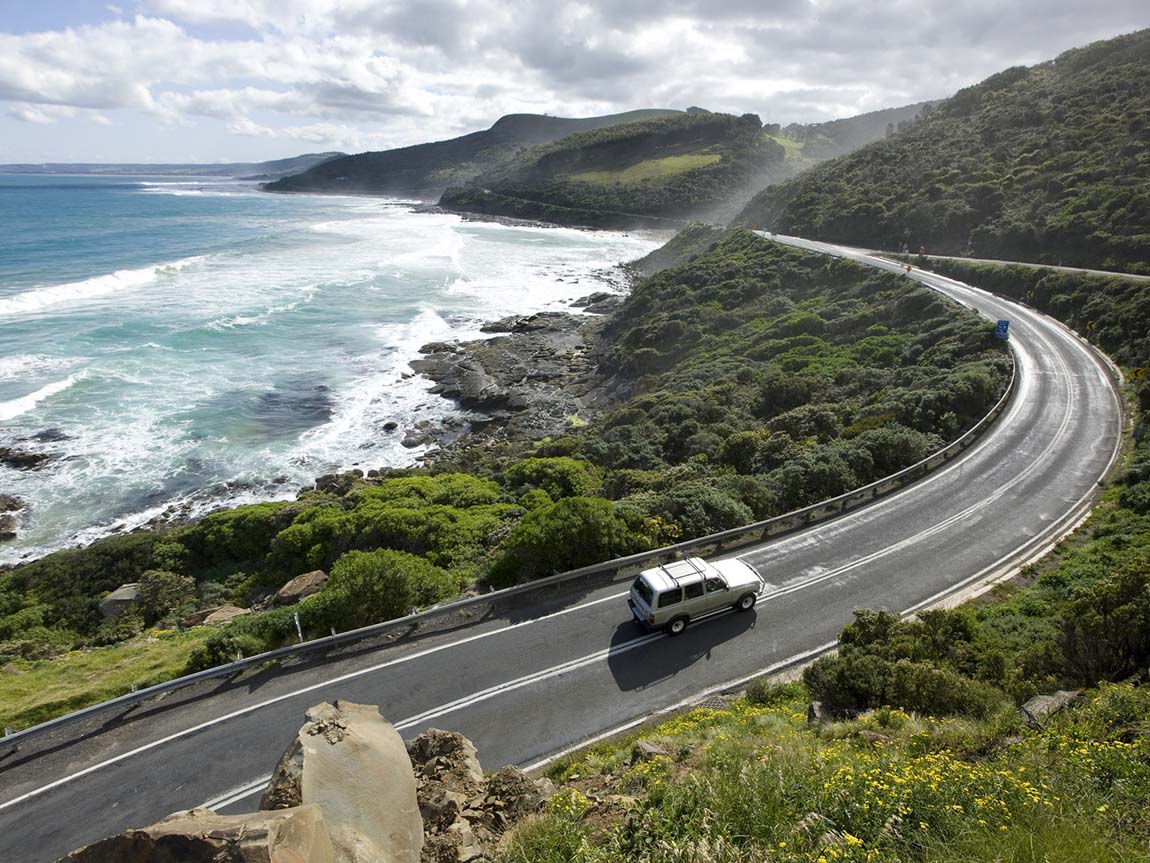
These drives are breathtaking in their own right, but they belong to Australia’s coastal or tropical regions rather than the Outback:
- Great Ocean Road (VIC):A world-famous coastal route showcasing the Twelve Apostles, surf towns, and dramatic limestone cliffs.
- Grand Pacific Drive (NSW):A picturesque road south of Sydney with sweeping ocean views, rainforests, and seaside villages.
- Great Barrier Reef (QLD):A marine wonder and diving destination rather than a road trip.
- The Great Eastern Drive (TAS):Tasmania’s east coast gem, lined with pristine beaches, wineries, and fishing towns.
- The South West Edge (WA):A coastal and wine-region journey from Perth to Esperance, mixing beaches, forests, and gourmet stops.
- Cairns to Cape Tribulation (QLD):A tropical rainforest route into the Daintree and Cape Tribulation, where the reef meets the rainforest.
Beyond The Drive: Immersive Cultural & Sustainable Experiences
An Outback road trip is not just about the kilometers you cover; it's about the deep connection you can forge with the world's oldest living culture and the incredible landscapes you traverse.
- Connect with the Land's Traditional Owners: The Outback is rich with Aboriginal heritage. At Uluru, join a guided walk with a Traditional Owner to learn about their Dreamtime stories and deep spiritual connection to the land. Explore the ancient rock art in Kakadu and Arnhem Land (note that some remote areas require permits) and seek out opportunities to visit local art centers and support Indigenous-owned businesses.
- Embrace Ecotourism:The Outback is a fragile environment. Look for tour operators and accommodations that have an eco-certification, such as the Wilpena Pound Resort in the Flinders Ranges or Camel Treks Australia. These businesses are committed to treading lightly on the land, conserving water, and supporting local communities.
- Practice Leave No Trace Principles:Always carry enough water and fuel. Do not drive on fragile desert soils or during wet conditions. Take all your rubbish with you, and never leave a trace of your visit. These simple practices help preserve the pristine environment for future generations.
FAQs About Your Australian Adventure
How Long Does It Take To Drive Across The Australian Outback?
Driving across the Outback from east to west (e.g., Sydney to Perth) or south to north along the Explorer's Way can take anywhere from 4 to 10 days of solid driving, depending on your route and pace. It's a journey best savored, not rushed.
Can You Drive Through The Australian Outback?
Yes, absolutely. Millions of people successfully complete this journey every year. With the right vehicle, a solid plan, and a healthy respect for the environment, it's a safe and incredibly rewarding experience. However, it is not a casual day trip; it's a serious expedition that requires preparation.
How Many People Go Missing In The Australian Outback Every Year?
While the exact numbers are not centrally tracked, the Outback's reputation for swallowing the unprepared is well-known. Most of the highly publicized cases involve people who failed to follow basic safety rules, such as staying with their vehicle or carrying adequate water and communication gear. These incidents, while rare in the grand scheme, are a powerful reminder of the importance of proper planning.
What Is The Most Famous Road Trip In Australia?
While the Great Ocean Road is perhaps the most internationally recognized, the road trip through the Australian Outback to Uluru (Ayers Rock) is arguably the country's most iconic and symbolic drive. It represents a journey to the heart of the continent.
Is There A Speed Limit In The Australian Outback?
While some remote territories might have sections with no enforced speed limit on certain roads, for your safety, you should stick to a reasonable speed. The risk of hitting wildlife (especially at dawn and dusk) or losing control on a corrugated surface is very real. A safe speed on a good unsealed road is usually between 60-80 km/h, but this can drop to 20 km/h or less on rougher tracks.
Is It Safe To Drive In The Outback At Night?
Driving at night is highly discouraged due to the extreme risk of hitting wildlife, especially kangaroos and cattle. These animals are most active at dawn, dusk, and throughout the night. A collision with a large animal can cause significant damage to your vehicle and put your safety at risk.
What Is The Best Way To Travel Around Australia?
The "best way" depends entirely on your travel style. A coastal road trip is ideal for those who love beaches, city life, and a more comfortable journey with frequent stops. A road trip through the Australian Outback is for the adventurer who seeks solitude, rugged landscapes, and a deeper connection with nature.
A Quick Recap
A road trip through the Australian Outback is an undertaking that rewards those who are prepared and respectful. It is a journey of discovery, not just of a unique landscape but of one's own resilience.
The freedom of the open road is an incredible feeling, but it’s a freedom that comes with significant responsibility. By understanding the true nature of the environment, preparing your vehicle and yourself, and respecting the land and its people, you can turn a challenging trip into a life-changing expedition.
The red dust and starry skies are waiting for you, and a deep, authentic adventure is yours for the taking.
Related Reading: Mountain Biking Trails In New Zealand | 17 Epic Routes
Jump to
Top Outback Road Trips In Australia
When To Go: Planning Around The Seasons
The Outback Drive: Vehicle & Safety Essentials
Australian Outback Itinerary: Iconic Routes For Every Adventurer
Destinations And Stops Within Outback Road Trips
Coastal Or Non-Outback Road Trips
Beyond The Drive: Immersive Cultural & Sustainable Experiences
FAQs About Your Australian Adventure
A Quick Recap

Finn Wilde
Author
For Finn Wilde, the wilderness is more than just a destination - it’s a way of life. Over the past decade, he has led multiple expeditions in some of the world’s most remote regions, from the icy fjords of Greenland to the rugged trails of Patagonia.
Finn emphasizes sustainability in all of his adventures, helping participants connect with nature while promoting responsible exploration. His expeditions inspire individuals to explore the great outdoors while fostering a deep respect for the environment.

Maya Reyes
Reviewer
Maya Reyes’s wanderlust was sparked in the temples of Luang Prabang, where the scent of lemongrass and the chants of monks revealed the transformative power of travel.
Since then, her journey has been defined by cultural immersion and authentic connections. From learning batik in Indonesia to sharing meals with nomadic families in Mongolia, Maya seeks experiences that highlight the human stories behind each destination.
Travel for her is a way to weave her narrative into the world’s cultural tapestry, creating bridges across diverse ways of life. Maya has traveled to 15 countries and shares her insights through writing and storytelling.
Latest Articles
Popular Articles