16 Winter Sports In Canada That Everyone Should Experience
Trying winter sports in Canada is a must-do experience. With so many choices, you can find one that fits your style and comfort level. Some are fast and competitive, others are calm and scenic. You can start small and build up your confidence each time.
Winter sports are a big part of life in Canada, showing how much people enjoy the cold, snowy months. The country has many exciting winter activities that suit all kinds of people; those who love adventure, those who enjoy planning and strategy, and those who just want to enjoy nature.
With its large size and different landscapes, Canada has the perfect places for winter sports. Canadians love these sports so much that they do very well in the Olympics, communities actively take part, and there are top-quality facilities across the country. Below are some of the popular winter sports in Canada.
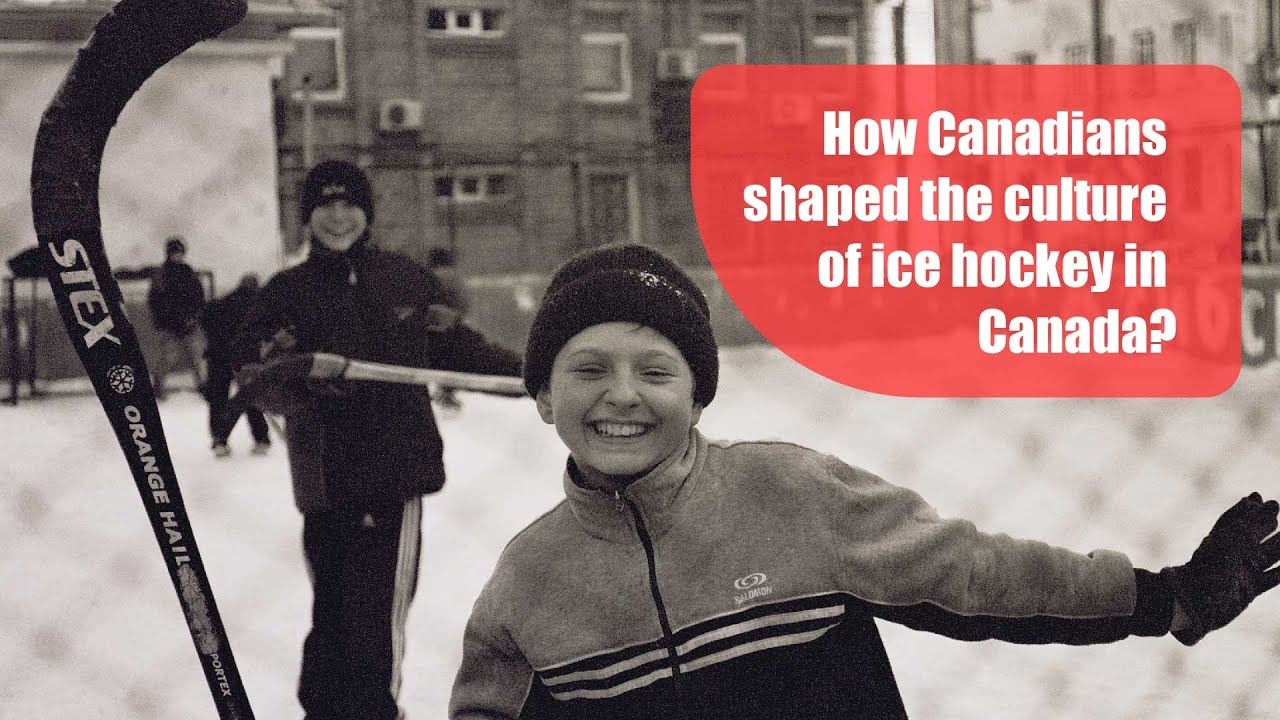
Ice hockey is more than just a sport in Canada. It is a major part of the country's culture and a source of great national pride. Its history goes back to the early 1800s, when it began as a mix of games played by European settlers and Indigenous peoples. A key moment came in 1875 when James Creighton, known as the "father of ice hockey," organized the first indoor game with official rules in Montreal. This event helped lead to the creation of the National Hockey League (NHL) in Canada in 1917.
Today, Canada remains one of the top countries in international hockey, with both men's and women's teams ranked among the best in the world. Hockey brings people together across the country, uniting communities and new immigrants through a shared love for the game. It creates a sense of belonging and national identity, especially during winter, when hockey feels like a way of life for many Canadians.
Hockey is played on a large ice rink that is divided into three main areas: the defensive zone, the neutral zone, and the offensive zone. There are five face-off spots on the ice and goals at each end. Each team has six players on the ice at once - a goalie, two defensemen, and three forwards. A standard game has three 20-minute periods with breaks in between.
The game follows important rules. For example, a player cannot enter the offensive zone before the puck. This is called offside. If a player shoots the puck from their side of the red center line across the opponent's goal line without it being touched, it is called icing. Players who break rules - like tripping, slashing, or having too many players on the ice - can get penalties. These give the other team an advantage, known as a power play.
Figure skating began in Scandinavia more than 2,000 years ago as a way to travelon ice. Later, during the Middle Ages, people in Holland also skated on frozen canals. In Canada, figure skating became a sport in the 1840s when British soldiers introduced it. It quickly became popular, especially among women, as a fun and social activity.
Canada helped build some of the first places for skating. In 1850, Montreal opened the first outdoor rink for public use. Then in 1852, Quebec City built the world’s first indoor skating rink. One famous early rink was the Victoria Skating Rink in Montreal, built in 1862. It set the standard size for skating rinks, which later became the size used for ice hockey.
These early skating rinks and the popularity of skating helped create the environment where ice hockey could grow. This shows that different ice sports in Canada were connected and helped shape each other. Together, they formed a strong Canadian ice culture. Figure skating also grew from this tradition, and in 1939, Canada created the Canadian Figure Skating Association to organize the sport.
Figure skating is a beautiful sport that combines strength, art, and skill on ice. There are different types of figure skating:
Singles: One skater performs jumps, spins, and detailed footwork.
Pairs: Two skaters work together to do lifts, throws, and synchronized moves.
Ice Dance: Focuses on rhythm, dance-like movements, and staying in time with music, with fewer big jumps.
Synchronized Skating: A team of skaters moves together in complex patterns.
Important skills in figure skating include jumps like the Axel, Lutz, and Toe Loop, which differ based on how the skater takes off and spins. Skaters also do spins in different positions and perform detailed step sequences across the ice.
When skaters compete, judges look at two main things: how well they perform the technical elements (like jumps and spins) and how well they present their performance (including musical expression and choreography).
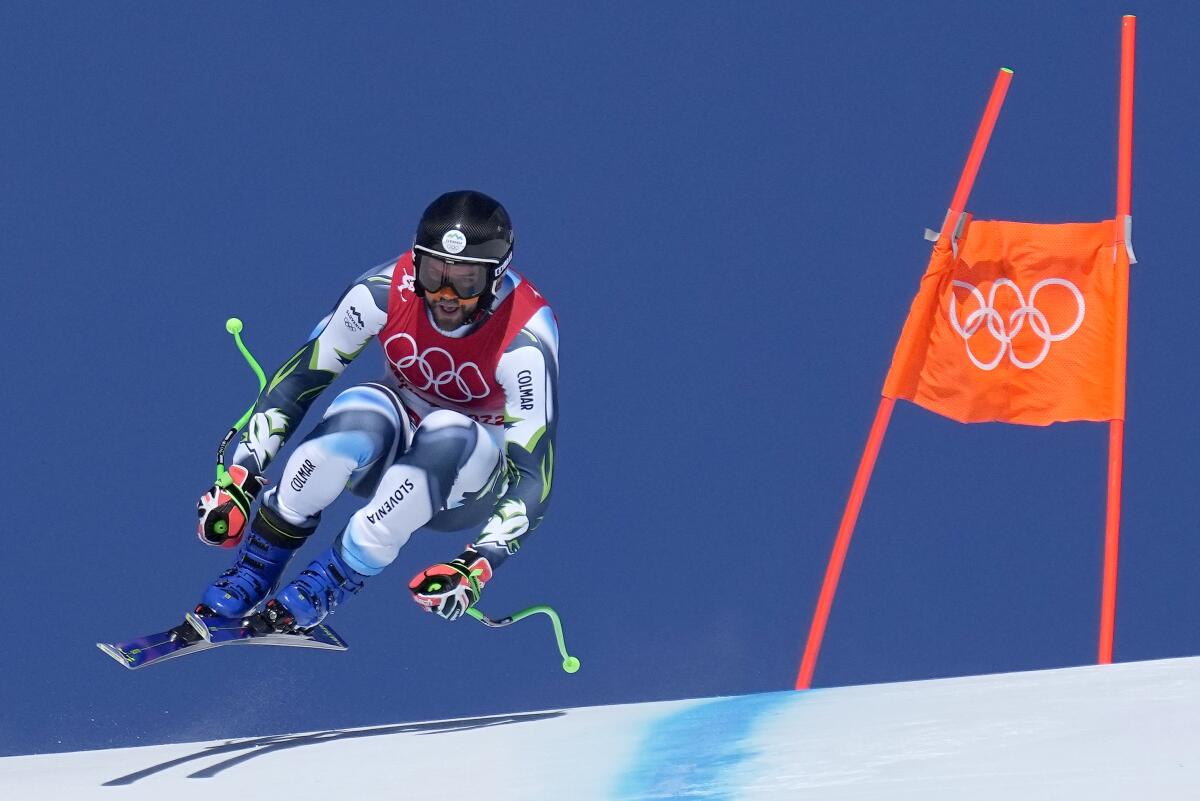
An athlete during an Alpine skiing in the olympics
Alpine skiing, also known as downhill skiing, came to Canada in 1932. The first big slalom race in Canada happened in Ste-Marguerite, Quebec. This event started a long and proud tradition of alpine skiing in the country. Today, the sport is closely linked with Canada’s beautiful mountain ranges.
Alpine skiing has different types of races that test skiers in various ways:
Slalom: Skiers go through a tight, winding course with many gates close together.
Giant Slalom: The course is wider, allowing for higher speeds and fewer turns than Slalom.
Super-G and Downhill: These are speed events where skiers race down steep slopes with very few gates, focusing on going as fast as possible.
Combined Events: These include one speed race and one technical race, testing skiers in both areas.
Parallel Events: Two skiers race side by side on identical courses.
Beginners start with basic techniques like the snowplough turn, where they push the bottoms of their skis apart to slow down or stop. As they improve, they learn more advanced moves like stem turns, Christie turns, and finally parallel turns, which allow for smooth, fast skiing on any slope.
One reason alpine skiing is so popular in Canada is because it combines excitement, skill, and beautiful scenery. Skiers enjoy the thrill of speeding down snowy hills, taking on tough terrain, and breathing fresh mountain air. It's a great way to be active outdoors and see amazing winter landscapes.
To ski safely and well, you need the right gear:
Skis: Different kinds are made for different types of racing. For example, longer skis are used for speed, while shorter ones help with quick turns.
Bindings: These attach your boots to the skis and release automatically if you fall to help prevent injuries.
Poles: Used for balance and steering.
Helmet: Protects your head.
Goggles: Keep your eyes safe from wind, snow, and bright sunlight.
Suit: Tight-fitting and sometimes padded, it helps reduce wind resistance and offers some protection.
Wax, Irons, and Scrapers: Basic tools used to keep skis in good condition and running smoothly on the snow.
Alpine skiing is more than just a sport, it's a fun and exciting way to enjoy Canada’s winter beauty.
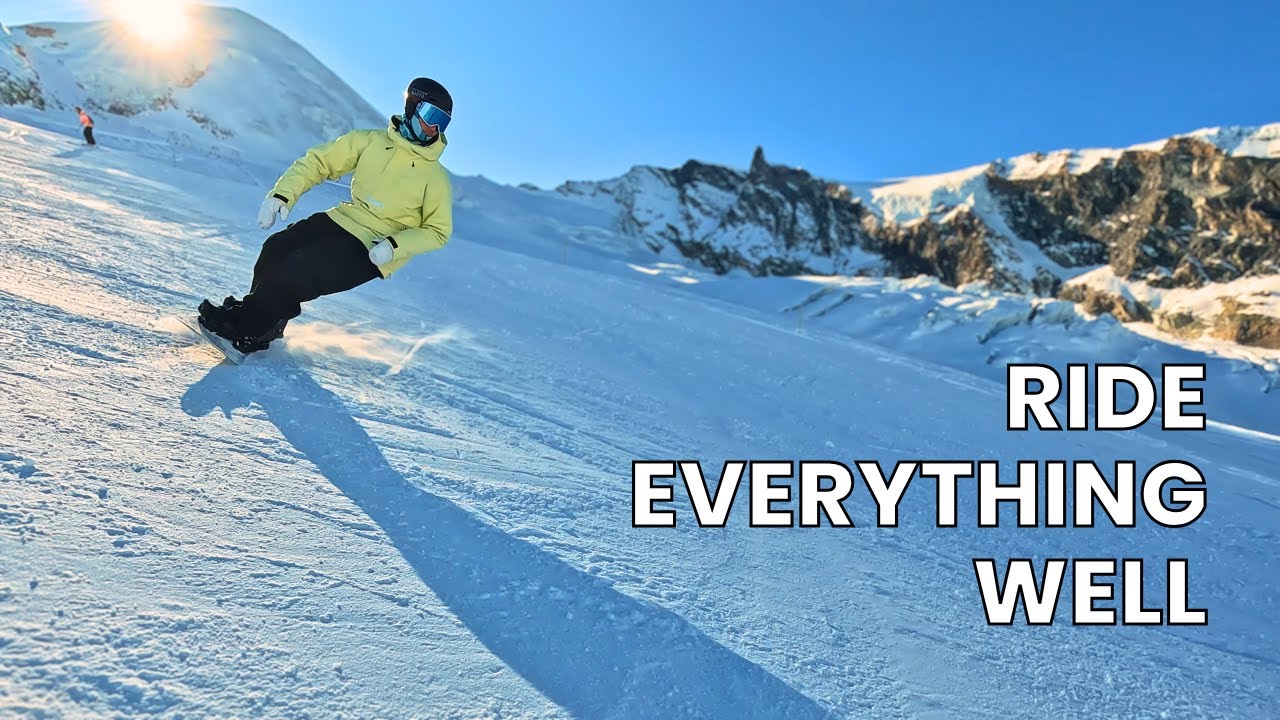
Snowboarding is a winter sport that became popular in the 1960s that was inspired by surfing and skateboarding. It made its first appearance at the Winter Olympics in 1998, which shows how quickly it became well known.
At first, people thought snowboarding was only for wild young people. But over time, ski resorts began to accept snowboarders as more people got better at it and the sport grew in popularity.
There are many different styles of snowboarding. One style is Big Air, where riders jump high into the air and do tricks. Another is Snowboard Cross, where riders race each other on a rough and bumpy course. Slopestyle involves doing tricks on rails and jumps, while Halfpipe is about performing tricks inside a U-shaped ramp.
Snowboarders ride on many types of snow and terrain. They go on smooth slopes, bumpy hills called moguls, through trees, in deep snow, and on steep hills. Many ski resorts have special areas called terrain parks with jumps and rails for freestyle riders. Some people also enjoy backcountry snowboarding, which means exploring remote snowy areas outside of regular ski zones.
To snowboard, you need some basic gear. This includes a snowboard, which comes in different sizes especially for beginners. You also need bindings to attach your boots to the board, snowboard boots, a helmet, and goggles to protect your eyes and help you see clearly. Wearing warm clothing in layers helps you stay comfortable. Some people use hand warmers or special mitts called "pogies" to keep their hands warm.
Canada has many great places for snowboarding. Whistler Blackcomb is one of the top spots. It is famous for its big terrain parks and fun challenges. Other popular places include Lake Louise, Big White, Sun Peaks, Fernie Alpine Resort, Kicking Horse Mountain Resort, Sunshine Village, Mount Norquay, Tremblant, Panorama Mountain Resort, and RED Mountain Resort.
Most ski resorts offer lessons and programs for beginners. Some even use moving carpets called “magic carpets” to help new riders learn more easily. Renting equipment is easy, so anyone can try snowboarding without needing to buy everything right away.
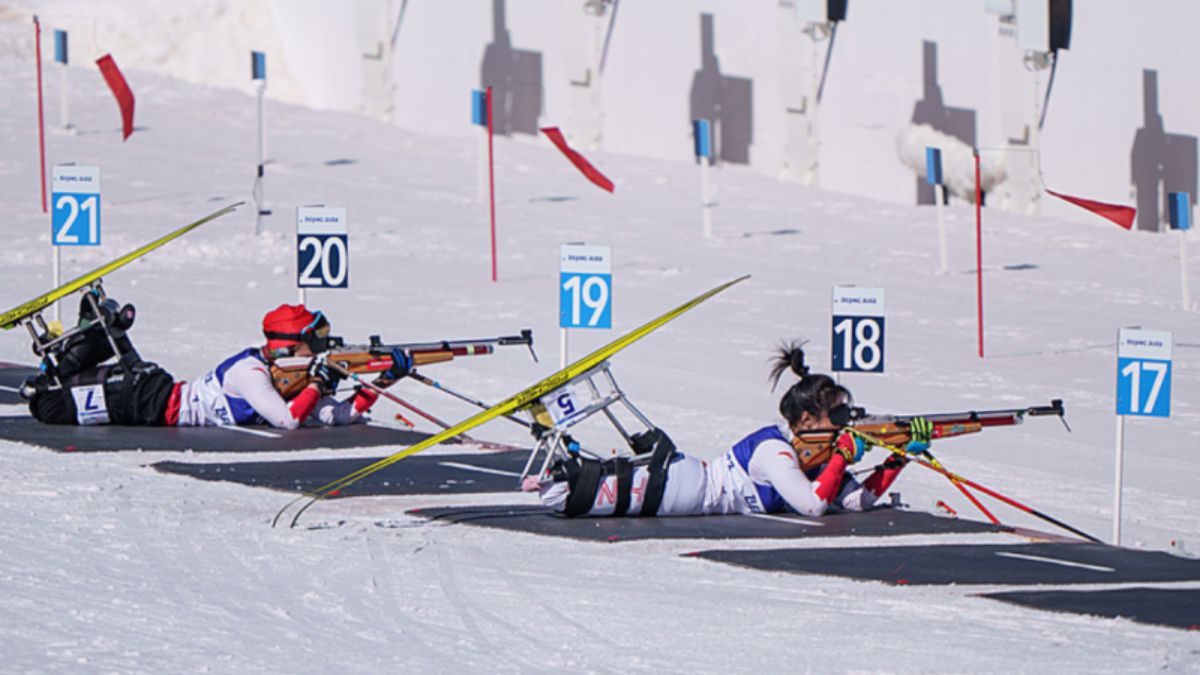
Biathlon is a special winter sport that mixes cross-country skiing with rifle shooting. It has very old roots and goes back to as early as 400 B.C., with signs of it found in ancient rock carvings. In Canada, the sport started with the Canadian Armed Forces. Canada first took part in Olympic biathlon in 1968 at the Winter Games in Grenoble, France.
In biathlon competitions, athletes ski across a set course and then stop to shoot at targets. Usually, they shoot twice during the race; once while lying down and once while standing up. For each round of shooting, they have five shots to hit five targets. If they miss, they must complete a penalty loop for each missed shot. Races often start with all athletes at the same time or follow a chase format. The athlete who finishes first after all the laps and shooting rounds wins, based on total time plus any penalties.
What makes biathlon exciting is that it needs both strong physical ability and sharp mental focus. Cross-country skiing builds heart health and strength, while shooting needs calmness, control, and focus; especially after hard skiing. It challenges the whole body and mind, testing an athlete’s discipline and determination.
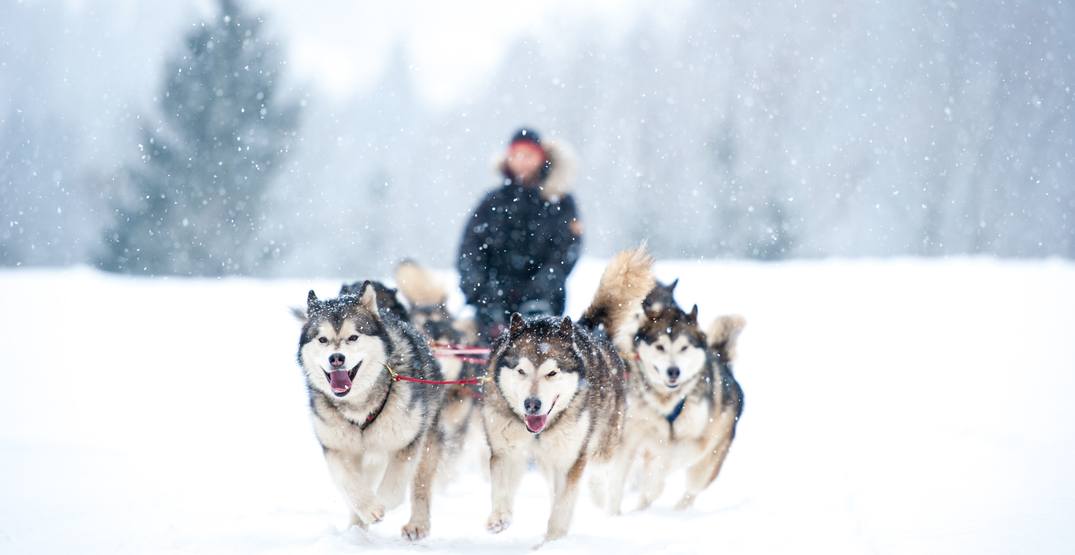
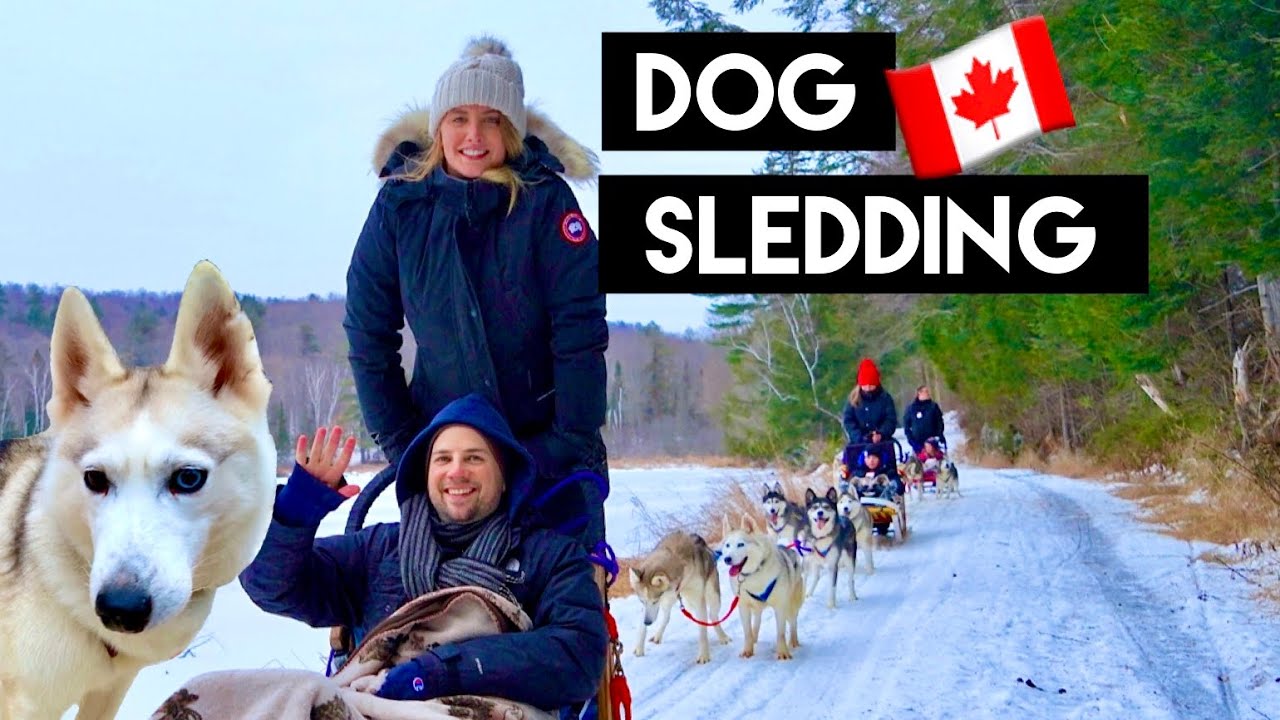
What DOG SLEDDING is REALLY like | Siberian Huskies | Toronto Canada
Dog sledding in Canada began with Indigenous peoples, who used teams of dogs to travel, hunt, and carry supplies across long distances. This tradition was later used by fur traders and even by police officers who needed to reach faraway places to do their jobs and deliver mail, especially before cars and planes were common.
In dog sledding, a group of dogs pulls a sled across the snow. These dogs are often Alaskan huskies, Siberian huskies, or Malamutes. The person who drives the sled is called a "musher." Each dog has a special job in the team.
The lead dogs show the way, the middle dogs follow, and the strongest dogs, called wheel dogs, run closest to the sled. The musher tells the dogs where to go using commands like “Gee!” for turning right and “Haw!” for turning left. They also use a brake to help control the speed.
People love dog sledding because it creates a close bond between the dogs and the musher. It’s also a chance to see beautiful wild places and take part in a tradition that has been around for a very long time. It gives a feeling of peace and adventure, letting people slow down and enjoy nature. Watching the dogs work together and hearing the sled glide through the snow makes for a very special and unforgettable experience.
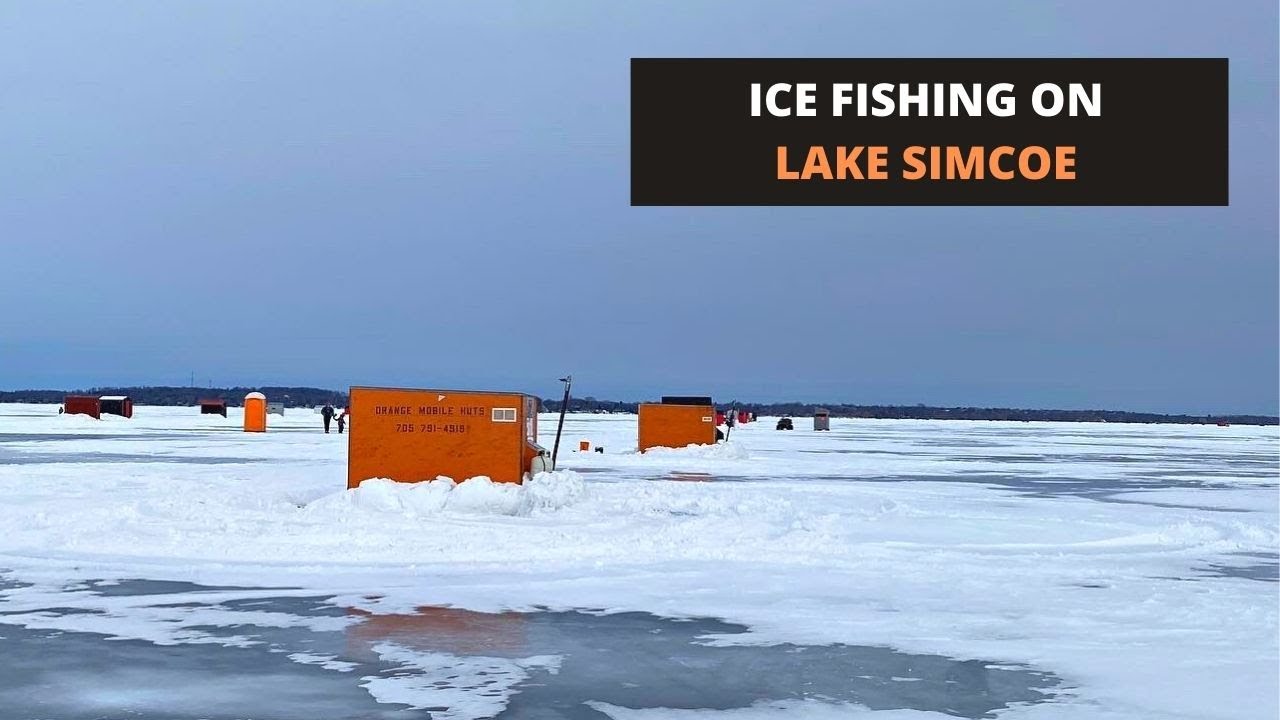
Ice Fishing on Lake Simcoe | New experiences in Toronto, Canada
Before ice fishing became a fun winter activity, it was a way to survive for Indigenous people in Canada. They used it to catch fish during the long, cold winters when food was hard to find. This shows how important ice fishing has been in Canadian winter life for a very long time.
Ice fishing means catching fish through a hole cut in the ice of a lake or river. People use a small, strong fishing rod with bait to try to catch fish. Often, they use a method called "jigging," where they move the bait up and down in the water to get fish interested. The bites can be very light, so it takes patience and careful attention to feel when a fish is biting.
Ice fishing is a popular activity all over Canada, especially in provinces with many frozen lakes and rivers. Prince Albert National Park in Saskatchewan is a well-known spot for ice fishing. Many provinces have special areas set aside for ice fishing. These places are often lakes filled with fish like trout, pike, walleye, and perch.
Before going ice fishing, it’s important to check if the ice is safe. Local experts or tour guides can help with this. The ice should be at least 4 inches thick for walking on, to avoid any danger.
Fishing gearfor ice fishing can often be rented from local shops. Some people also choose to go on guided tours, which make the experience easier and more fun. In many towns, there are also ice fishing events and contests. These add excitement to the sport and give people a chance to meet others who enjoy ice fishing too.
How-to-Snowshoe: Learn the basics from the experts | L.L.Bean
Snowshoeing has been around in Canada for a long time. It started with Indigenous people who used snowshoes to travel across snowy land during winter. In 1840, the Montreal Snowshoe Club was formed. This was the start of snowshoeing as a sport, with yearly races.
Snowshoeing means walking on snow using special shoes called snowshoes. These shoes help spread your weight so you don’t sink into the snow. This makes it easier to walk on deep snow and explore places that are hard to reach in winter.
There are different ways to walk in snowshoes depending on the snow type. For soft snow, people use a move called the “toe kick.” On icy trails, the “foot stomp” helps give better grip. When going downhill, it’s best to lean back, step carefully, land on your heels, and take small steps.
You can find snowshoeing trails all over Canada, especially in national and provincial parks. Some popular spots include Gros Morne National Park in Newfoundland and Labrador, Kouchibouguac and Fundy National Parks in New Brunswick, La Mauricie National Park in Quebec, Rouge National Urban Park in Ontario, Riding Mountain National Park in Manitoba, Prince Albert National Park in Saskatchewan, and Whistler Olympic Park in British Columbia.
Even in big cities like Toronto, you can go snowshoeing in parks like High Park, Don Valley, and Tommy Thompson Park. Many outdoor stores and parks rent out snowshoes, and some offer guided tours. These tours are a safe and easy way to try snowshoeing for the first time.
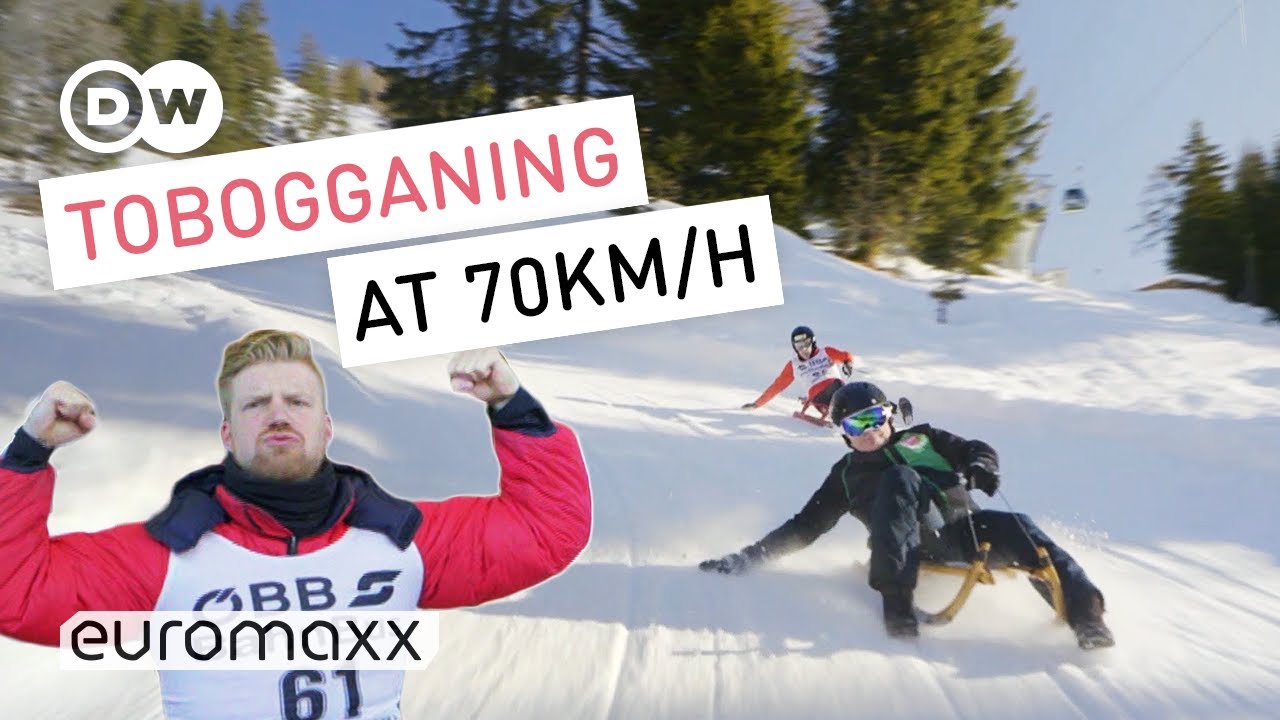
Sled Race at Wildkogel | The 14 km Toboggan Run in Bramberg Austria | Quirky Customs
Tobogganing, also known as sledding, is a classic Canadian winter activity that people of all ages can enjoy. It’s fun, easy, and loved by many. The word "toboggan" comes from an old Algonquin word for sled. Long ago, Indigenous people used toboggans to carry things over snow, and later they became popular for play.
Unlike regular sleds that have runners or skis underneath, toboggans are flat and slide right on top of the snow. They are usually pulled by hand or ridden down snowy hills for fun.
Today, most toboggans are made from wood, plastic, or metal. They can hold one person or several people sitting together. To toboggan, you just need a hill covered in snow and a toboggan or sled. Some special toboggan hills are shaped like slides and feel similar to bobsleigh runs.
Canada has many great places for tobogganing. In Ontario, you can go in Toronto at Riverdale Park and High Park. Other spots include Centennial Park in Etobicoke, Bronte Creek Provincial Park in Oakville, and Chicopee Tube Park in Kitchener, which has special lanes and lifts for tubing.
In Ottawa, Mooney's Bay Park and Conroy Pit are popular for their big, smooth hills. In Quebec City, the famous Toboggan Slide on Dufferin Terracehas been giving fast, exciting rides for more than 100 years.
Many parks across Canada have special areas for tobogganing, and they are often free to use. To stay safe, always check the hill for dangers, keep an eye on children, and be aware of other people around you.
Canadian Rockies becoming global ice climbing destination
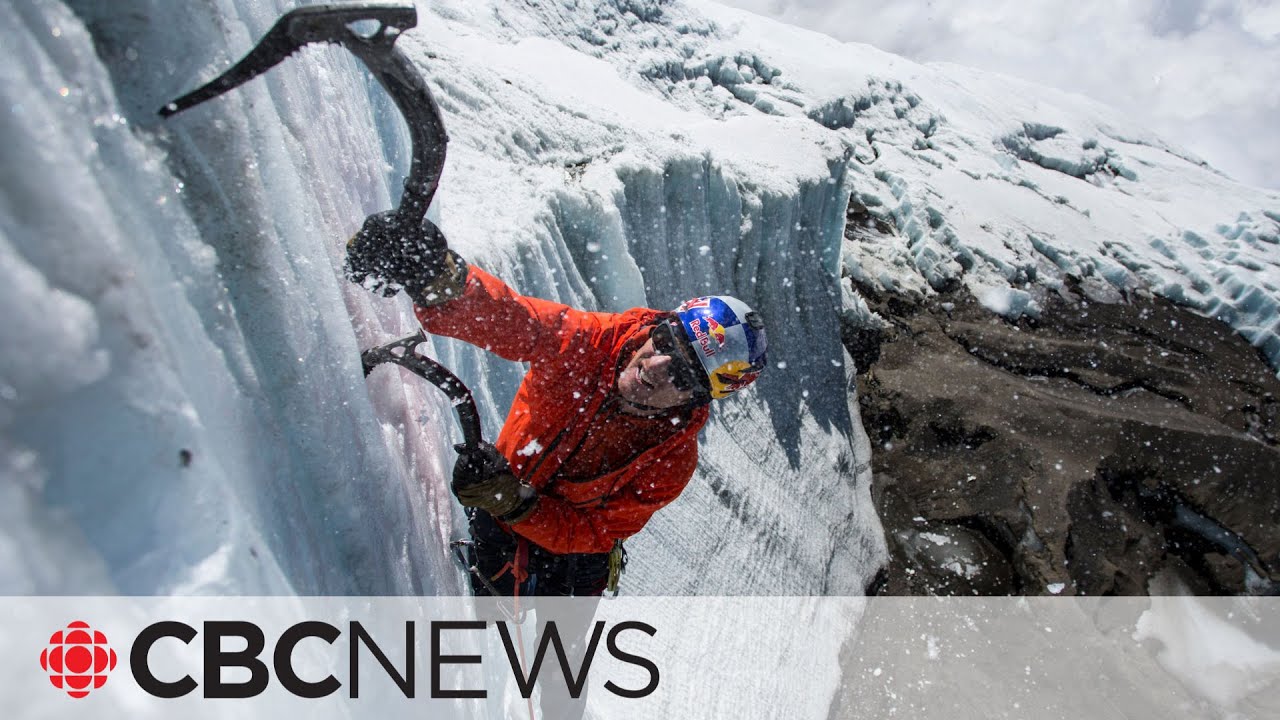
Ice climbing is a special type of climbing where people go up frozen waterfalls, icy cliffs, and icy rock walls. The Canadian Rockies are famous for having some of the best ice climbing in the world. These areas have tall cliffs, lots of water that freezes in winter, and very cold weather, all perfect for creating big frozen waterfalls.
The sport grew a lot between the 1970s and 1990s. New tools like the “Terradactyl” ice axe helped climbers get up steep ice more easily. Today, places like Canmore and the Bow Valley in Alberta are popular centers for ice climbing.
Ice climbing is not easy. It takes a lot of strength and energy. Climbers use certain muscles in their legs, arms, and core to stay balanced and move upward. They use ice axes to dig into the ice and special spikes called crampons on their boots to stop from slipping.
Good footwork, balance, and smart movements are important to save energy while climbing. But it’s not just about being strong, it also challenges your mind. Climbers must focus hard, think about risks, and stay calm in dangerous situations. Controlling fear and making good choices quickly are key parts of the sport.
People love ice climbing because it’s a big challenge and makes them feel strong and independent. It lets them explore beautiful frozen places most people never get to see. It gives a great feeling of achievement and connects climbers with the powerful beauty of nature in winter.
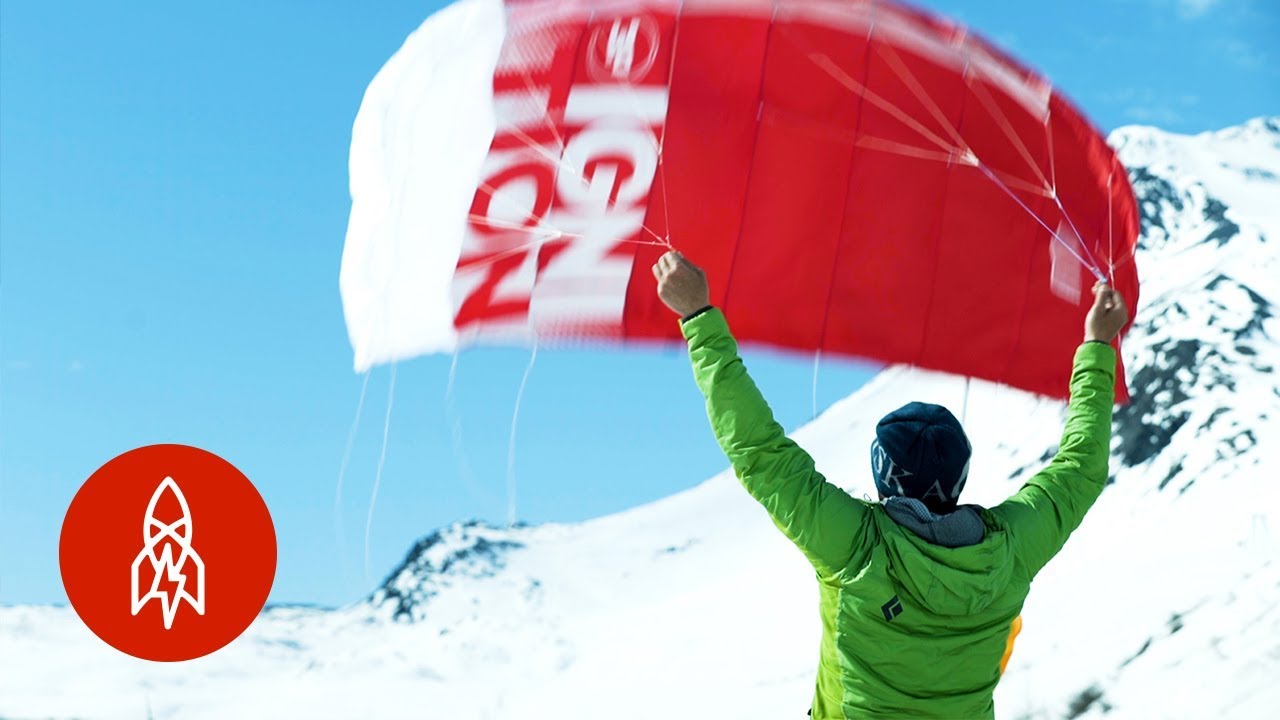
Snowkiting is an exciting winter sport that mixes kite flying with snowboarding or skiing. It lets people use the wind to glide across snowy fields, frozen lakes, and mountain slopes. It’s a mix of different winter activities and is loved by people who enjoy feeling like they are flying and being out in open spaces.
In snowkiting, riders use a big kite - usually one with four or five lines that can be controlled for power - attached to a harness around their body. The kite pulls them across the snow, letting them move fast, turn, jump, and do tricks. To be good at it, you need to understand how the wind works, where the strongest areas are, and how to control the kite safely.
Canada has many great places for snowkiting because of its wide open spaces and strong winds in winter. One popular spot is Spray Lakes in Alberta, known for steady wind and natural wind tunnels. Other good places in Alberta are Lake Keho, McGregor Lake, and Chestermere. In Ontario, Black Bay on Lake Superior, Mission Island Marsh, Whitefish Lake, Lake Nipigon, and Abram Lake near Sioux Lookout are also well-known for snowkiting.
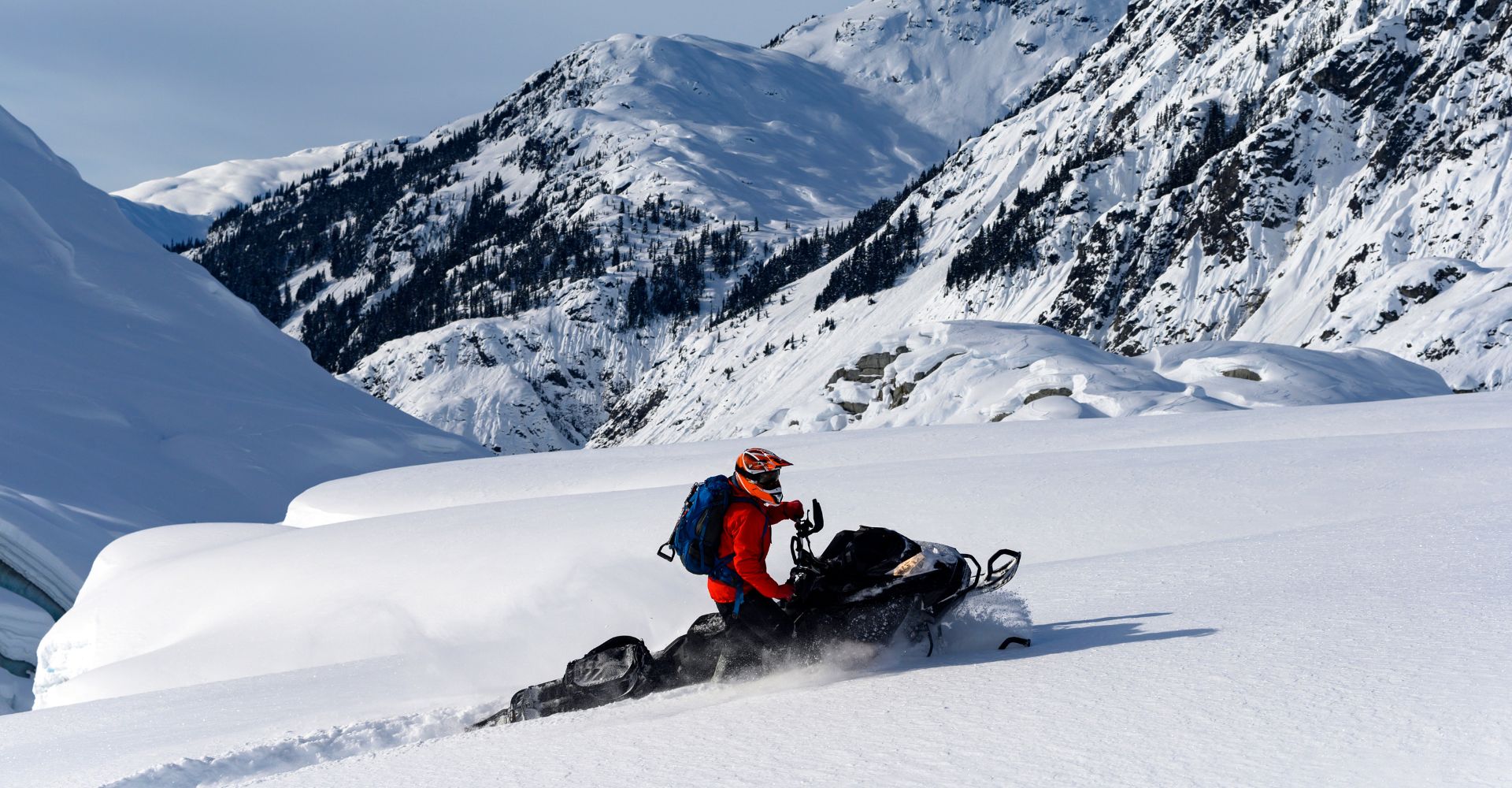
Snowmobiling in Canada started in the early 1900s when people needed a good way to travel in snowy areas. In 1922, a young inventor from Quebec named Joseph-Armand Bombardier built the first snow vehicle. His invention led to the development of the modern snowmobile, a machine that became an important part of Canadian life.
Today, snowmobiling is more than just a way to get around, it’s also a big business. It brings over $8 billion every year to Canada's economy and helps create more than 100,000 full-time jobs in North America, especially in small towns during the winter months.
Snowmobiling means riding motorized sleds over snow. People ride on trails, through open fields with deep snow, in forests, or even up steep hills. New snowmobiles are much cleaner and quieter than older ones because of better rules and technology. This makes it easier for different groups to use the same trails safely.
Canada has over 112,300 kilometers of snowmobile trails. Many of these trails are used for more than one activity and help people reach places in the winter. Popular snowmobiling spots include Saint-Alexis-des-Monts and Lac Morency in Quebec, Revelstoke and Whistler in British Columbia, and Haliburton in Ontario.
The most impressive curling shots in Olympic history! 🥌
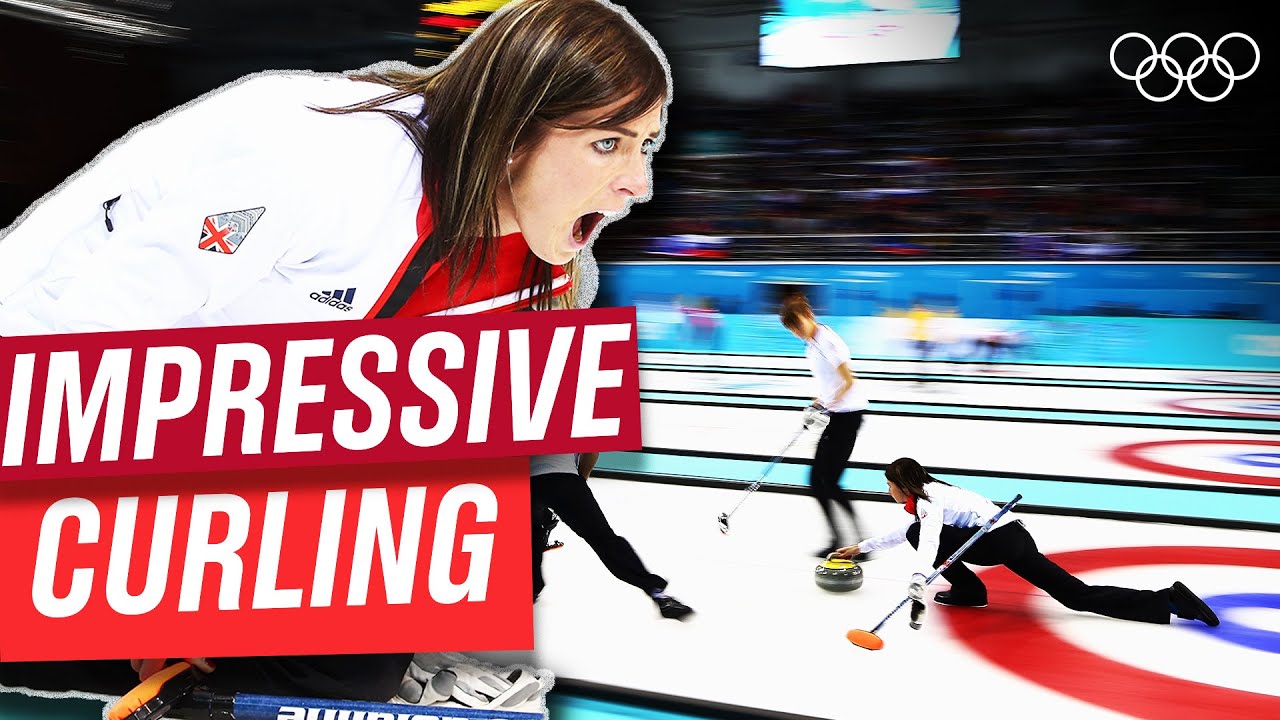
Curling is often called "the roaring game" because of the sound the stones make when they slide on ice. It has a long history in Canada, starting in Scotland. The sport became popular in Canada after the first curling club was formed in Montreal in 1807. Scottish immigrants helped spread the sport across the country. By 1859, indoor curling rinks were built, which made curling more organized and easier to play year-round.
Today, curling is an important part of Canadian culture. It is known for promoting teamwork, friendship, and community spirit. It is especially loved in small towns, where curling clubs are more than just places to play a sport; they are social centers where people gather, make friends, and build connections across generations.
Curling clubs are often the heart of rural communities. They give people a chance to stay active, meet others, and spend time with family. Studies describe these clubs as key parts of local life, offering lifelong friendships and a strong sense of belonging.
A play called The New Canadian Curling Club shows how curling helps new immigrants meet locals and feel at home. This shows that curling is about more than just the game, it brings people together and strengthens communities, especially in smaller towns where there may not be many other places to gather. In Canada, curling is not only a sport but also a special part of the country’s culture.
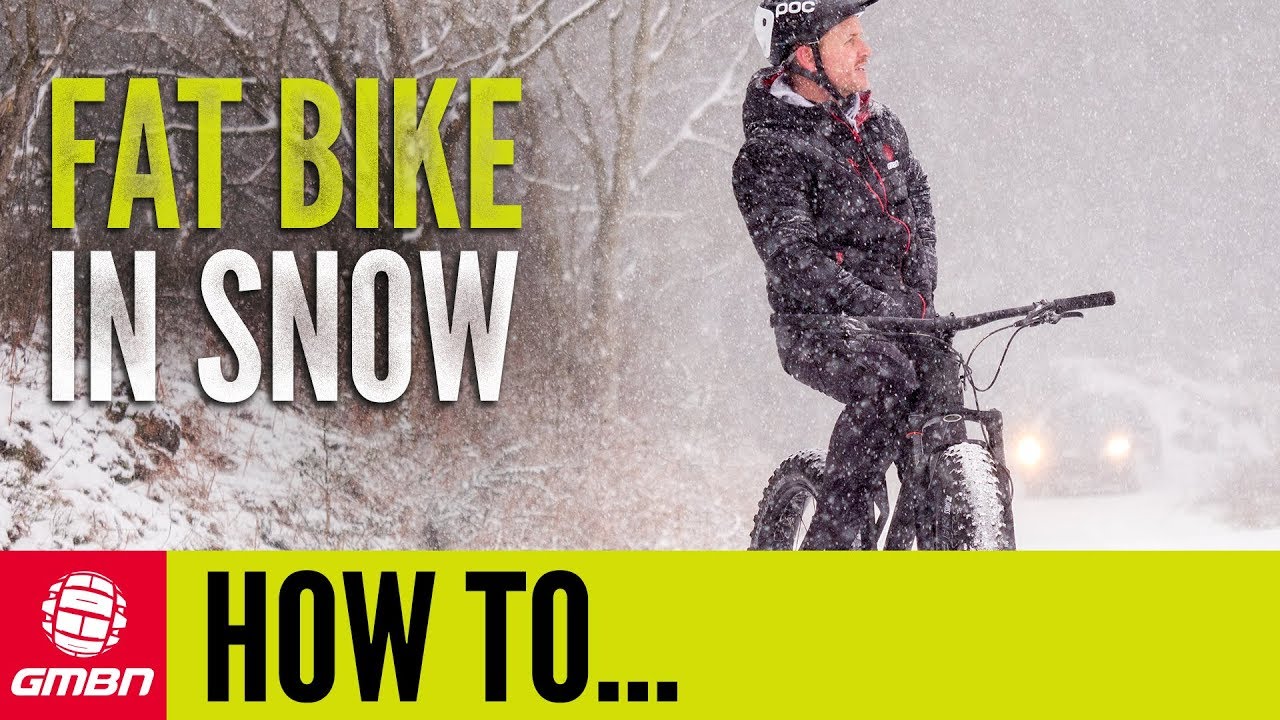
Fat biking is a newer type of cycling that started in the 1980s in Alaska. People wanted to keep biking in winter when regular bikes couldn’t handle the snow. They began making bikes with wider tires and stronger frames. The first real fat bike was made in 1989 and was called the Surly Pugsley. This new design let people ride on snow all year, and it turned winter biking into a fun and popular activity.
What makes fat bikes special is their very wide tires, usually at least 3.8 inches across. These tires are much bigger than those on normal mountain bikes. By using low air pressure (around 4 to 8 PSI), the tires spread out the rider’s weight so the bike can “float” on top of snow, sand, mud, or rocky ground instead of sinking or slipping. This gives riders better grip and control on rough surfaces.
You can rent fat bikes for a few hours or a whole day. Most have flat handlebars like mountain bikes. When you ride, dress warm but not too heavy, you’ll heat up quickly once you start pedaling.
Beginners should ride on trails that are already packed down, like special fat-bike loops. Many photographers enjoy fat biking because it lets them go deep into snowy forests and take close-up pictures of wildlife and beautiful winter scenes.
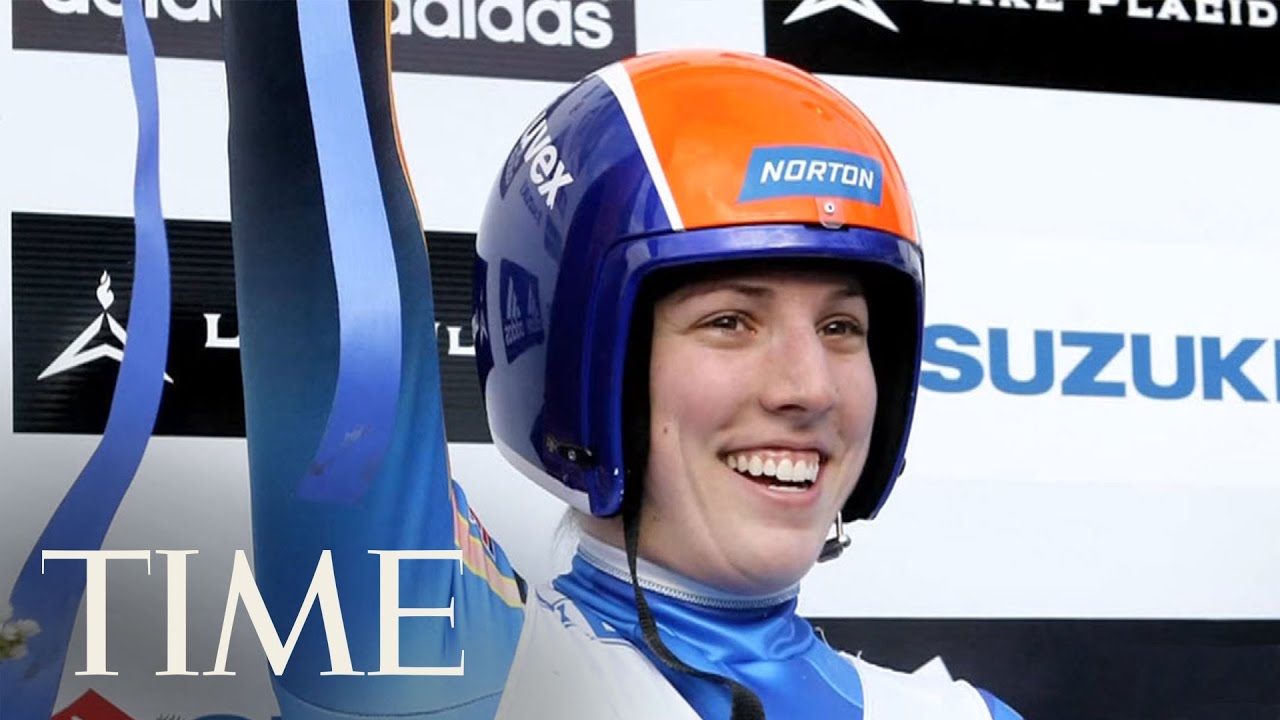
Competitive luge racing started in Switzerland in the late 1800s. But it wasn’t until the late 1950s that a Canadian bobsledder named Vic Emery brought the sport to Canada, teaching people in Quebec how to do it. Emery later won Canada’s first Olympic bobsleigh medal and also became Canada’s first Luge Champion. Luge became an official Olympic sport in 1964.
In luge, athletes race down a frozen track lying on their backs on a small sled. They steer using small movements of their legs and shoulders. The sport is very fast and requires great skill and bravery, riders can reach speeds up to 145 km/h (90 mph). The track has many twists and turns, and riders feel strong forces pushing them around, which makes staying in control very important. Many of Canada’s luge tracks are built into beautiful mountainsides, making them not only thrilling but also a stunning sport venue.
Before your ride, an instructor will show you how to hold on and steer, usually by turning your head and shoulders. Since it’s an exciting and fast sport, you’ll wear a full-face helmet for protection. After each run, you’ll quickly walk or ride back up the track on a lift so you can go again!
Cross-country skiing is a way to move across snow using skis, without the help of lifts. It gives your whole body a workout and lets you see Canada’s beautiful snowy landscapes. Some great places to try it are Gatineau Park in Quebec and the Canmore Nordic Centre in Alberta. These trails are known around the world for being top quality.
Canadian athletes like Beckie Scott, who won Olympic gold in 2002, and Chandra Crawford have done very well in this sport. To get started, you’ll need skis, poles, and special boots. Most places that have trails also offer equipment rentals.
There are trails for all skill levels; easy, flat paths for beginners, and tough routes for advanced skiers. Because it’s not too hard to learn and lets you enjoy nature, cross-country skiing is perfect for people who want to stay fit and also feel calm and relaxed.
In the Winter Olympics, held every four years, athletes compete in sports held on snow or ice, including skiing, skating, bobsleigh, luge, and mixed sports like biathlon. There are only 16 sports in the Winter Olympics.
The Canada Games Council has named Québec as the official Host city of the 2027 Canada Winter Games, marking a return to the birthplace of the Canada Games 60 years after the inaugural event held in 1967.
New improvements in facilities and safety help make these winter activities open to everyone, no matter their skill level. At the same time, they help train top athletes from Canada. As new technologies come out that help deal with changing weather, the future of winter sports in Canada looks bright, just like freshly made ski trails.
Wherever you go in Canada, you’ll find friendly communities happy to share their winter traditions. So get ready, put on your warmest clothes and get excited! Canada’s winter is full of amazing sports to try and memories to create.
For Finn Wilde, the wilderness is more than just a destination - it’s a way of life. Over the past decade, he has led multiple expeditions in some of the world’s most remote regions, from the icy fjords of Greenland to the rugged trails of Patagonia.
Finn emphasizes sustainability in all of his adventures, helping participants connect with nature while promoting responsible exploration. His expeditions inspire individuals to explore the great outdoors while fostering a deep respect for the environment.
Sophia Harper
Reviewer
Sophia Harper’s photography acts as a portal to the soul of the places she visits. Drawn to South America’s landscapes and cultures, she has spent years capturing everything from the majesty of ancient ruins to the vibrancy of urban streets.
Sophia’s work isn’t just about documenting moments; it’s about evoking the emotions and stories behind them. A dedicated photographer, she has worked with local communities across South America to capture their rich cultural narratives through her lens.