What To See In The North Of Mallorca [14 Must-See Attractions]
The northern coast of Mallorca is a treasure trove of scenic wonders, from hidden coves and dramatic cliffs to charming villages steeped in history. Here are 14 must-see attractions that capture the magic and allure of this beautiful region.
Author:Maya ReyesReviewer:Finn WildeNov 18, 20241.1K Shares123K Views
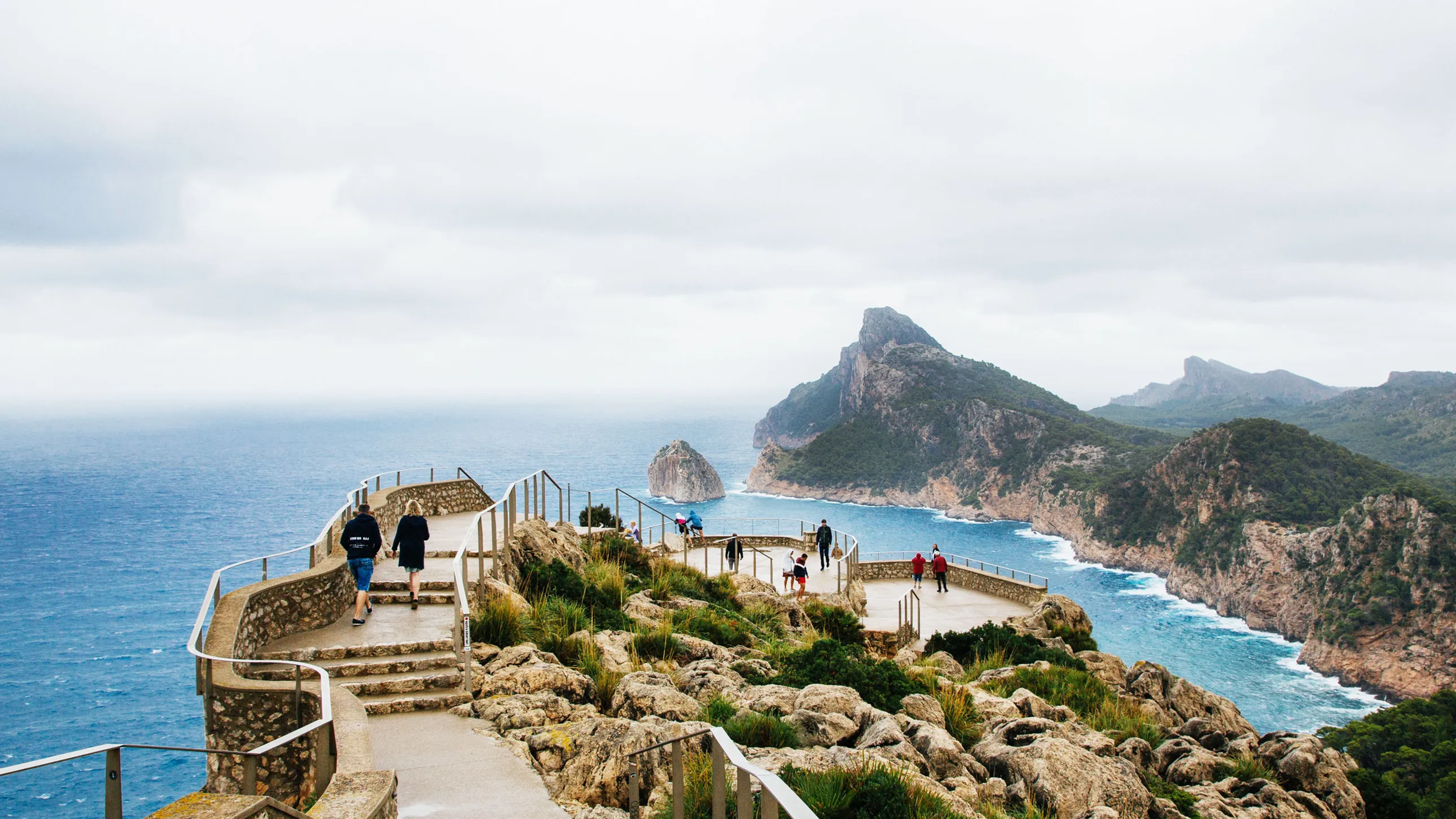
The northern region of Mallorca offers an enchanting blend of rich history, natural beauty, and vibrant culture. This picturesque area invites you to explore its charming towns, breathtaking landscapes, and unique attractions. Key destinationslike Pollença, Port de Pollença, Cap de Formentor, and Alcúdia showcase the diverse offerings of this beautiful part of the island.
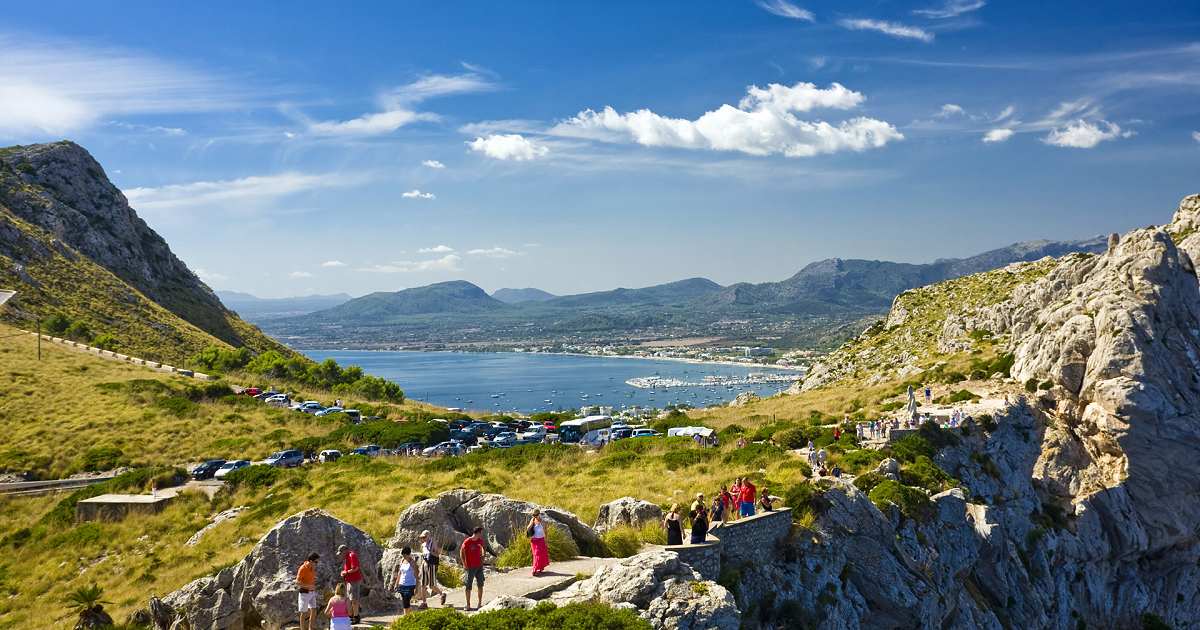
What Is North Of Mallorca Known For?
The northern part of Mallorca features dramatic coastlines, lush mountain ranges, and vibrant local communities. This region is characterized by the majestic Serra de Tramuntana, a UNESCO World Heritage Site that provides stunning vistas and an array of outdoor activities.
The north is less commercialized than the southern regions, allowing visitors to connect more intimately with Mallorcan culture and traditions.
Historically, the north has deep agricultural roots, with traditional farming practices still visible in the landscapes dotted with olive groves and vineyards. The charm of the north lies in its ability to offer both natural beauty and rich historical experiences, making it a perfect destination for those seeking an authentic Mallorcan experience.
2. Where To Stay
Choosing the right place to stay in the north of Mallorca can significantly enhance your experience. Options abound, from beachfront resorts in Puerto Pollensa and Puerto Alcúdia to charming villas nestled in the countryside.
Puerto Pollensa
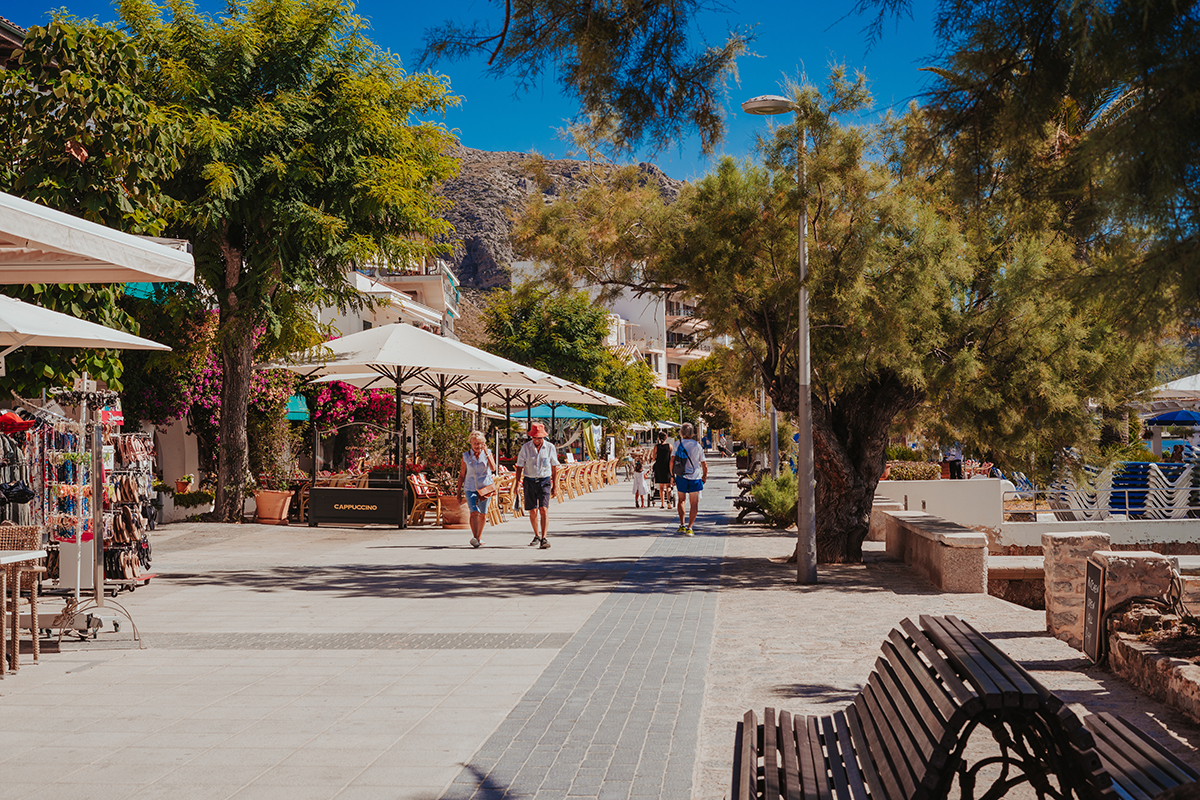
Puerto Pollensais a classic example of a humble Spanish fishing village that has evolved into a thriving international community. With its low-rise hotels and charming seafront, it maintains an air of old-school glamour. The original Hotel Miramar and Hotel Illa d'Or are perfect examples of this historic charm, with the latter being a favorite of literary figures like Agatha Christie, who drew inspiration from the area for her works.Alcúdia
In contrast, Alcúdia boasts a rich history dating back thousands of years. The old town is encircled by medieval walls and features narrow, cobblestone streets filled with shops, cafes, and a lively market that takes place every Tuesday and Sunday. The port area is more modernized, offering a range of amenities for tourists while still retaining a charming atmosphere.
2. Countryside Villas
For those seeking tranquility, consider staying in a traditional Mallorcan town like Selva or choosing a villa surrounded by nature. These areas provide a peaceful retreat yet remain accessible to the various attractions of the north.
Quick Travel Tips For Accommodation
- Best Time to Book: Reserve your stay in advance, especially during peak summer months.
- Location Preference: Choose accommodations close to the attractions you plan to visit for easier access.
- Local Recommendations: Seek advice from locals or travelforums for hidden gems and less touristy options.
3. Pollença
Nestled at the foothills of the majestic Tramuntana mountain range, Pollença is a true gem. The town’s blonde stone architecture evokes a rich historical ambiance, with 2,000-year-old Roman ruins harmoniously mingling with a vibrant local scene.
Key sites such as the 18th-century Mare de Santa Maria dels Àngels church and the picturesque Pont Romà offer a glimpse into the town's storied past.
Attractions
At the center of Pollença lies Plaça Major, a lively square flanked by bars and restaurants that spill out onto the cobblestones. Every Sunday, a vibrant market takes over the square, providing an excellent opportunity to sample local products and crafts.
The famous 365 steps leading up to El Calvari chapel present a rewarding hike, offering sweeping views of the town, the Tramuntana mountains, and the sparkling sea.
- Plaça Major: Heart of the town with a vibrant market.
- El Calvari Chapel: Iconic 365 steps and stunning views.
- Museo de Pollença: Historical artifacts and art exhibitions.
- Must-See Attractions in Pollença:
The unmistakable Puig de Maria dominates the landscape surrounding Pollença. Adventurous souls can embark on a hike (5.4 km return trip) to the top, where glorious panoramas of Pollença and the captivating Cap de Formentor await.
The Claustre de Sant Domingo convent houses the Tourist Office and the Museo de Pollença, showcasing archaeological finds and paintings dating back to ancient Rome.
4. Port De Pollença
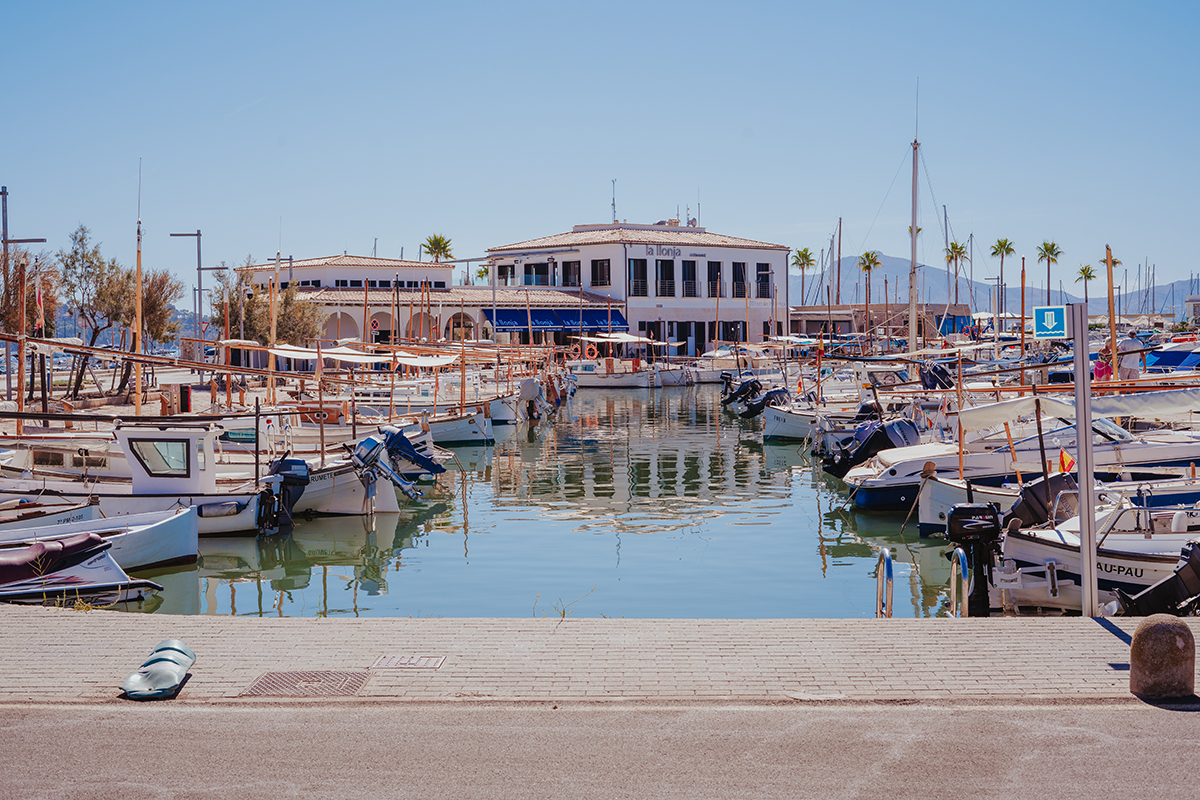
A short distance from Pollença lies the charming Port de Pollença, a former fishing village adorned with whitewashed houses. Backdropped by the Tramuntana mountains, its beachesand sheltered promenades offer an idyllic setting for relaxation and recreation.
Nature enthusiasts will relish a visit to the nearby S’Albufera Nature Reserve, where the wetlands provide a vital habitat for a diverse array of bird species.
4.1. Activities At Port De Pollença
- Water Sports: Options include kayaking, paddleboarding, and windsurfing.
- Local Eateries: Sample fresh seafood at beachside restaurants.
- Nature Walks: Explore the coastal paths with stunning sea views.
5. Cap De Formentor
Scenic Drive
No trip to northern Mallorca would be complete without a visit to the breathtaking Cap de Formentor. This rugged peninsula boasts awe-inspiring views from every angle and culminates in the iconic Formentor lighthouse.
Embark on the 6 km scenic drive to the lighthouse, encountering mountain goats along the way and passing through lush pine forests and secluded coves. The panoramic Mal Pas viewpoint offers a must-stop spot along the journey.
- Best Time to Visit: Early morning or late afternoon to avoid crowds.
- Parking: Limited parking near the lighthouse; arrive early.
- What to Bring: Water, snacks, and a camera for stunning photos.
- Travel Tips for Cap de Formentor:
Cala Formentor
Cala Formentor is a stunning pine-clad beach nestled in a picturesque cove, offering breathtaking views of the surrounding mountains. At one end of the beach stands the tranquil Hotel Formentor, a renowned establishment that has hosted many celebrity guests such as Charlie Chaplin, Winston Churchill, and Grace Kelly.
As one of Mallorca’s most exquisite natural beaches, Cala Formentor allures tourists with its fine sands embraced by lush woods and the majestic Tramuntana mountains.
6. Alcúdia
Old Town
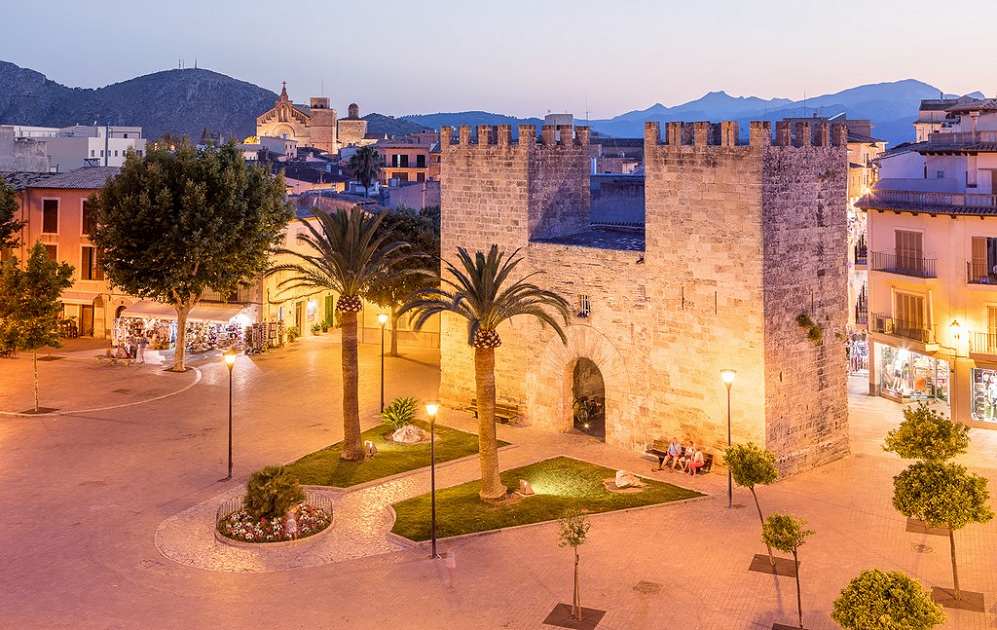
Elegant and captivating, Alcúdia’s old town is a labyrinth of stone-paved pedestrian streets enclosed by medieval walls. Climbing these walls rewards you with splendid views of the town’s characterful landscape.
Immerse yourself in the bustling markets on Tuesdays and Sundays, where you can savor tapas, coffee, or ice cream, and marvel at the impressive neo-Gothic church of Sant Jaume.
- Medieval Walls: Climb for panoramic views.
- Sant Jaume Church: Impressive neo-Gothic architecture.
- Local Markets: Vibrant atmosphere with fresh produce and local crafts.
- Highlights of Alcúdia’s Old Town:
Ciutat Romana De Pollentia
The ancient Roman city that lent its name to Pollença actually lies closer to Alcúdia. Today, you can explore the excavated ruins of this once-thriving city and visit the Monographic Museum, which houses a collection of artifacts unearthed at the site.
7. Natural Wonders And Outdoor Activities
Serra De Tramuntana
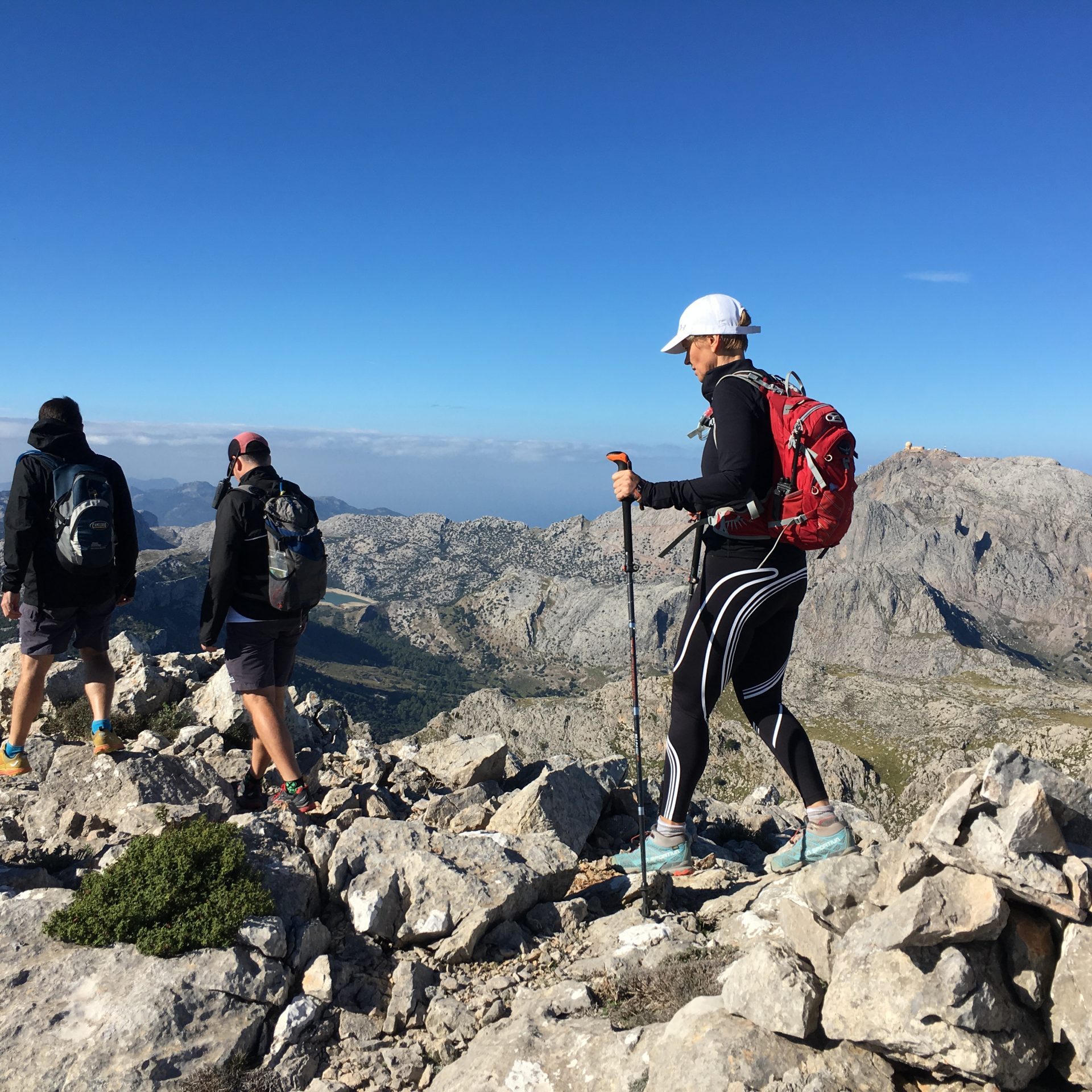
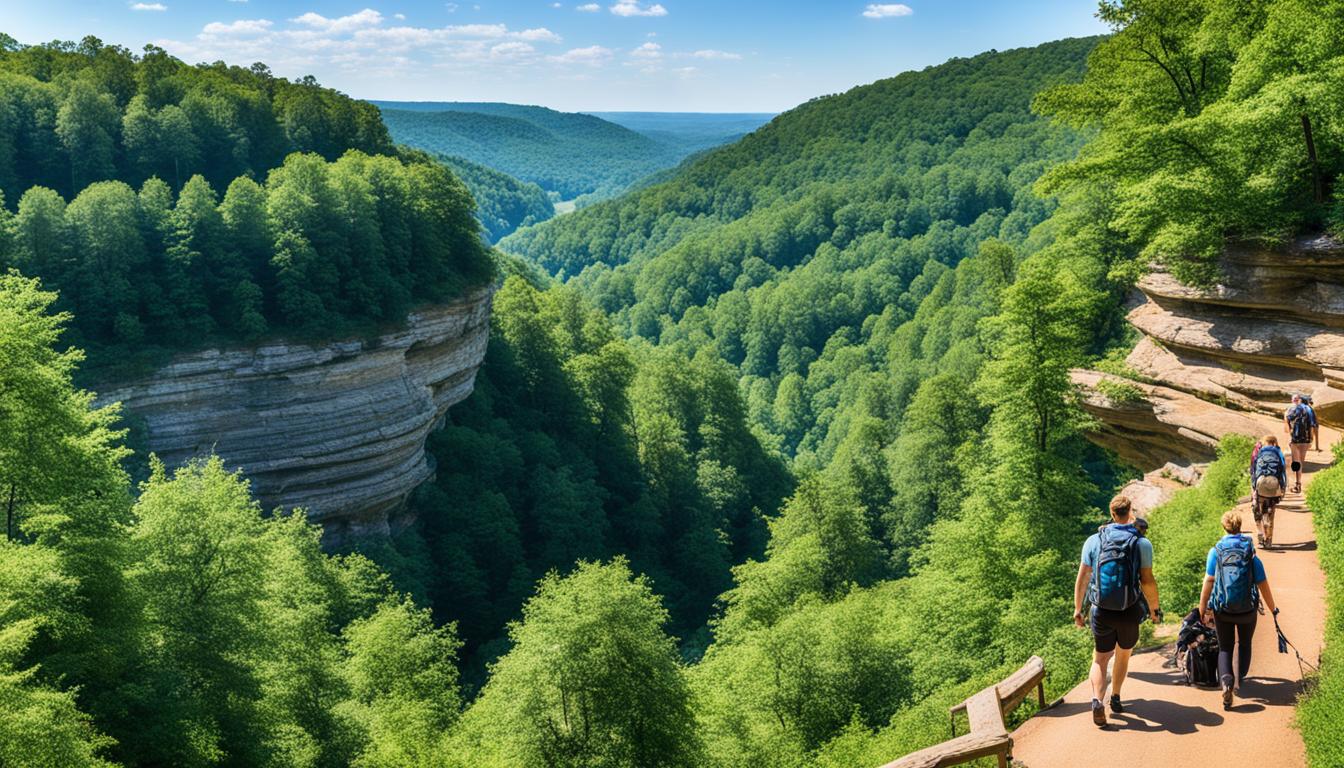
The Serra de Tramuntana mountain range is a UNESCO World Heritage Site, offering breathtaking landscapes and a multitude of hiking trails. Routes vary from leisurely walks to challenging hikes, allowing everyone to experience the region’s natural beauty. Popular trails include those leading to Puig de Massanella, where breathtaking views await.
S'Albufera Natural Park
S'Albufera Natural Park is a paradise for nature lovers, boasting a rich variety of bird species and lush landscapes. Walking and cycling paths meander through the park, allowing for leisurely exploration of its unique ecosystems. Birdwatchers will appreciate the opportunity to observe migratory species throughout the year.
Cycling In North Mallorca
North Mallorca is renowned among cycling enthusiasts for its well-maintained routes and breathtaking scenery. Cyclists can challenge themselves on routes like the ascent to Sa Calobra, known for its hairpin bends and stunning views. The area caters to all levels, offering rentals and guided tours for those eager to explore.
- Sa Calobra: Challenging climbs with rewarding views.
- Cap de Formentor: Scenic coastal rides.
- Pollensa to Alcúdia: Leisurely rides through picturesque towns.
- Top Cycling Routes in North Mallorca:
8. Gastronomic Experiences
Local Markets And Food Products
The north of Mallorca is known for its vibrant markets, where fresh, local produce is abundant. Towns like Pollensa and Alcúdia host markets that showcase seasonal fruits, vegetables, and artisan goods. Visitors can also sample local specialties such as sobrassada, a traditional cured sausage.
Recommended Restaurants
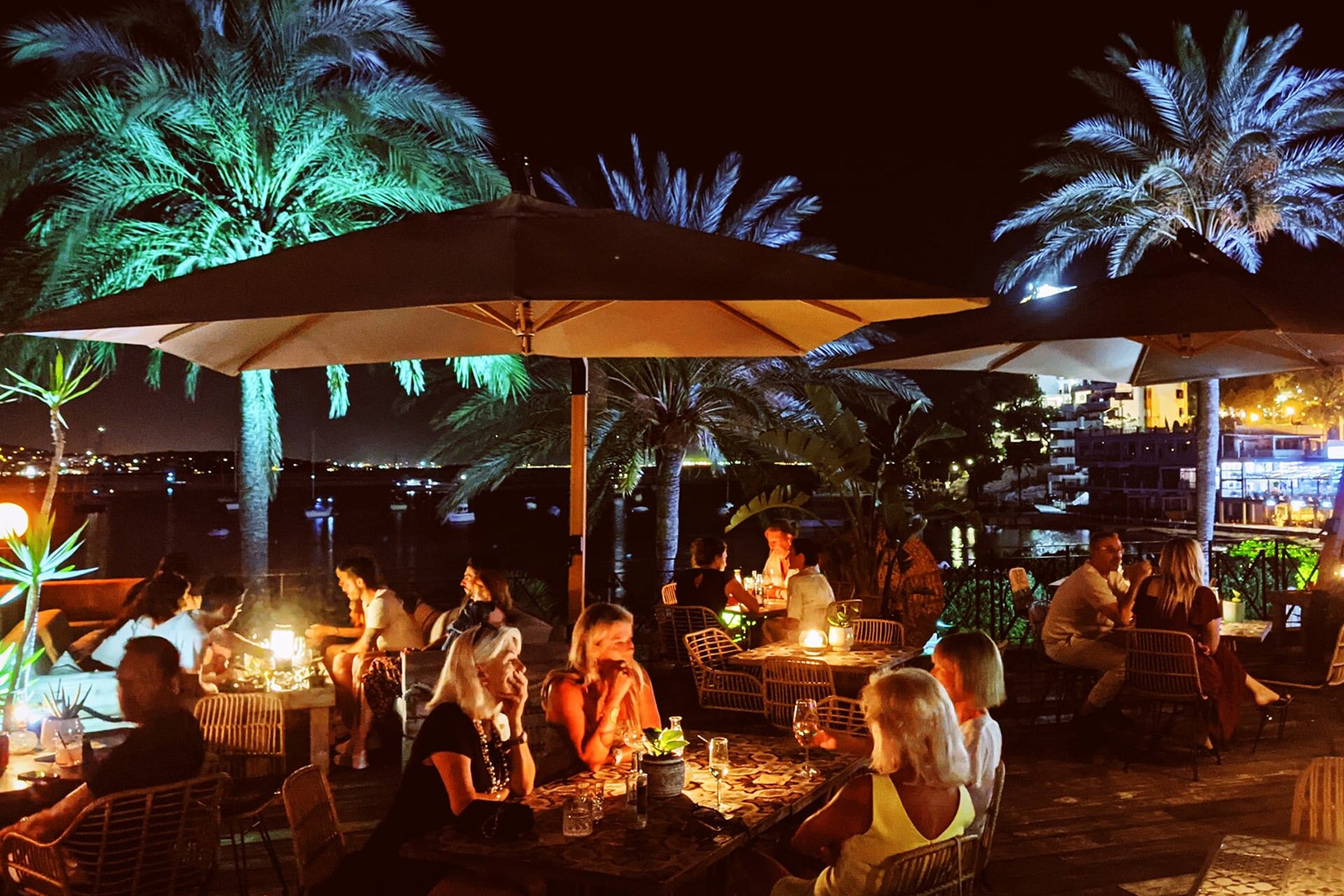
Dining in the north allows visitors to savor authentic Mallorcan flavors. Family-run establishments such as Ca’n Costa in Alcúdia and La Finca in Pollensa offer traditional dishes made with locally sourced ingredients. Each restaurant provides a warm atmosphere, enhancing the dining experience.
- Ca’n Costa: Known for its delicious tapas and local dishes.
- La Finca: A farm-to-table experience with fresh ingredients.
- Tolo’s Restaurant: A favorite among cyclists and locals.
- Top Restaurants to Try:
8.3. Traditional Dishes To Try
While in the north, tasting local dishes is essential. Indulge in escalivada (grilled vegetables), fresh seafood paella, and gató, a traditional almond cake. Each dish reflects the island’s culinary heritage, offering a delightful journey through its flavors.
9. Beaches And Water Sports
Diverse Beaches
The north of Mallorca offers a variety of beach experiences, from the bustling sands of Can Picafort to the tranquil beauty of Son Serra de Marina. Can Picafort is well-known for its amenities and vibrant atmosphere, making it a favorite among families. In contrast, Son Serra de Marina provides a more serene setting, popular with kitesurfers and nature enthusiasts.
Water Sports Activities
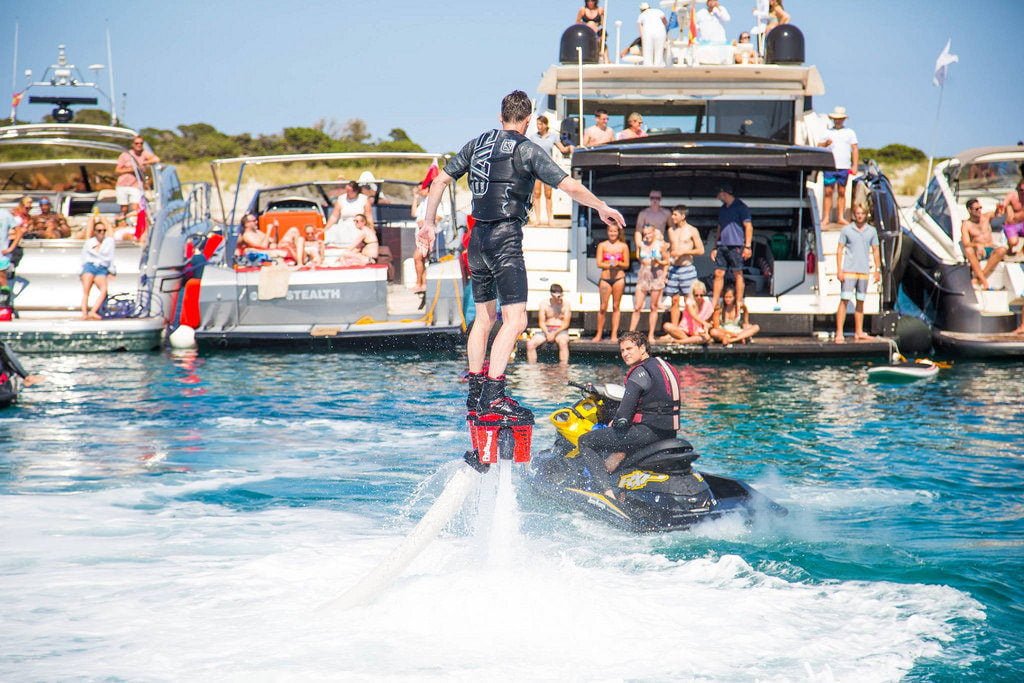
Thanks to the abundance of sandy beaches stretching along the Mediterranean, Mallorca offers a wonderful range of water sports. Whether you’re a seasoned pro or a novice looking for a local school, there’s something for everyone. Many ports also offer the option to charter a boat, allowing visitors to explore the beautiful island from a new perspective.
- Kitesurfing: Especially at Son Serra de Marina.
- Snorkeling: Explore the underwater beauty at Cala Formentor.
- Stand-Up Paddleboarding: Calm waters at Port de Pollença.
- Popular Water Sports to Try:
10. Day Trips And Nearby Attractions
Deia
Deia is a picturesque village nestled between mountains, known for its artistic heritage and stunning views. Visitors can explore the quaint streets, enjoy local art galleries, and dine in restaurants offering exquisite cuisine.
Palma
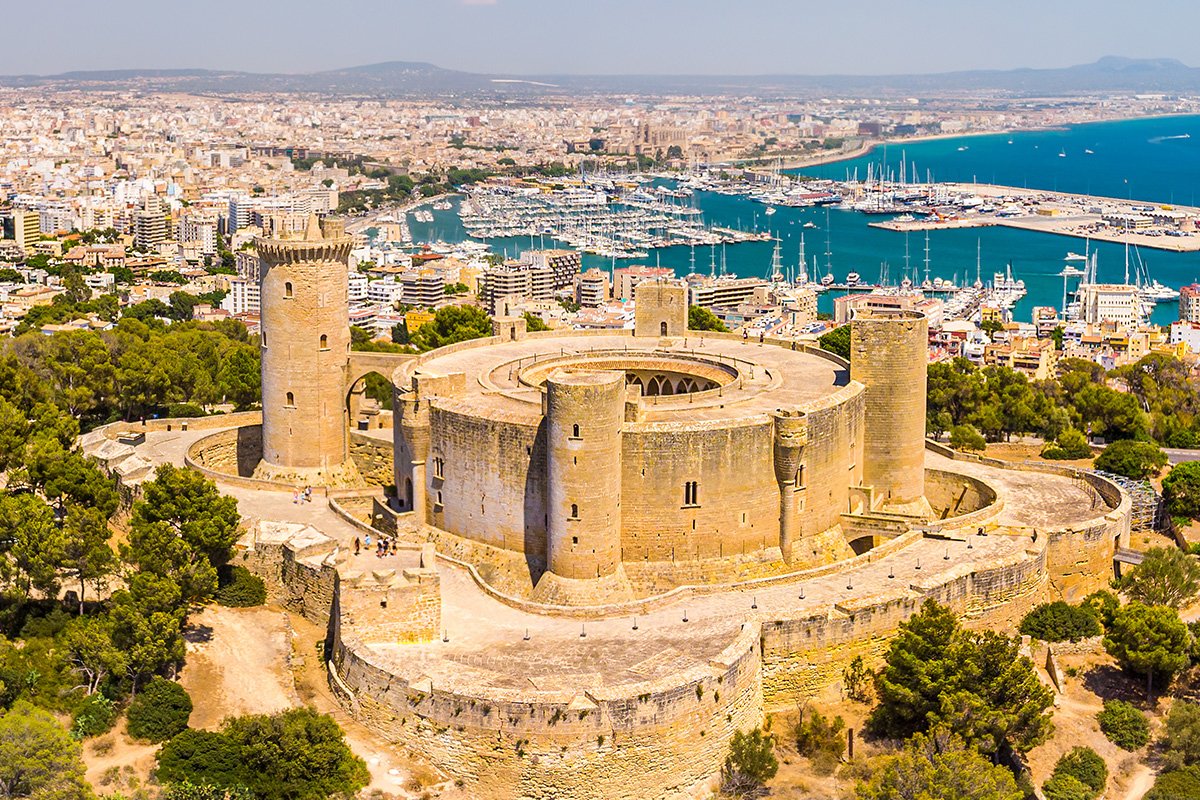
A visit to Mallorca wouldn’t be complete without exploring its capital, Palma. Just an hour’s drive from Puerto Pollensa, Palma features a vibrant old town, gothic architecture, and a bustling harbor. Attractions like the Cathedral of Santa Maria and the historic Bellver Castle are must-sees.
Soller
Soller is another charming destination accessible by car. The narrow streets lined with cafes and shops lead to a delightful port area with a beautiful beach. The famous wooden tram connects Soller to the port, offering a scenic ride along the way.
- Visit Deia: Explore local art and stunning views.
- Discover Palma: Gothic architecture and vibrant nightlife.
- Experience Soller: Enjoy the scenic tram ride and beautiful beach.
- Day Trip Suggestions:
11. Cultural Events And Festivals
Pollensa Wine Fair
Every April, the Pollensa Wine Fair showcases the island's best wines in the atmospheric Santo Domingo cloister. Visitors can sample award-winning wines and enjoy gourmet stands featuring local produce.
Moors & Christians Festival
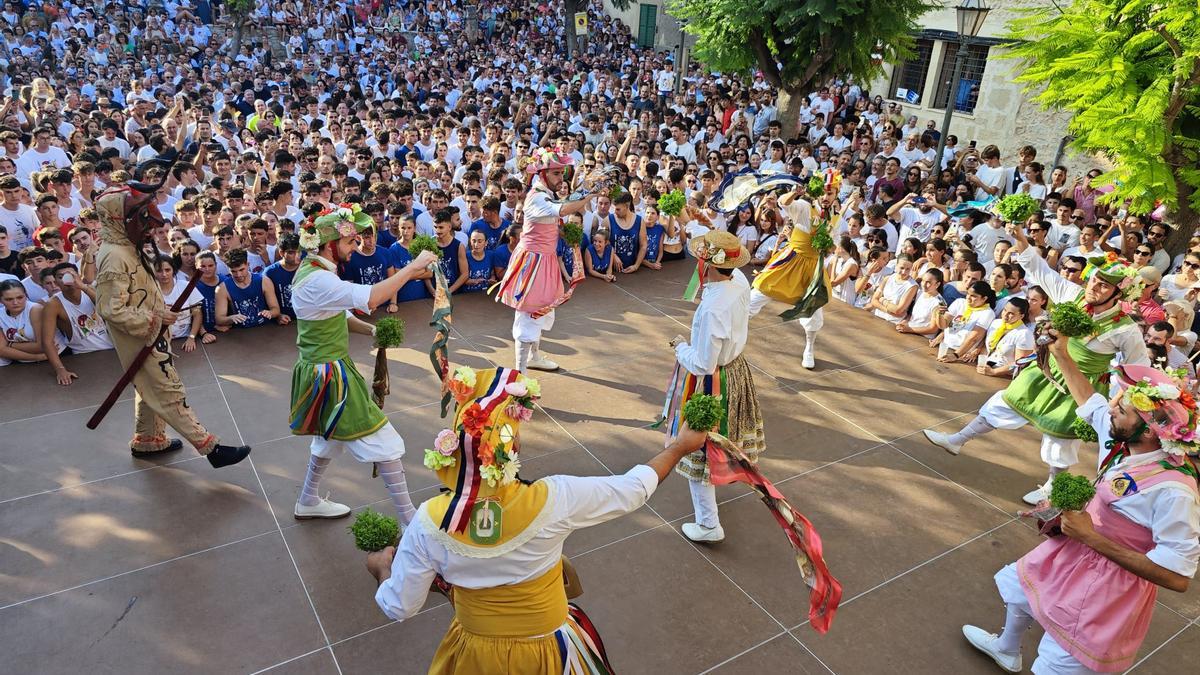
On August 2nd, Pollensa hosts a lively reenactment of the historic clash between Moors and Christians. This colorful event includes parades, music, and theatrical performances, bringing the town's history to life.
Alcúdia Jazz Festival
From the end of August through September, Alcúdia becomes a hub for jazz lovers, with concerts held in picturesque locations throughout the town. The festival atmosphere is enhanced by informal jam sessions in local bars.
- Pollensa Wine Fair: Celebrate local viticulture in April.
- Moors & Christians: A vibrant festival in August.
- Alcúdia Jazz Festival: Music and culture in late summer.
- Key Festivals to Experience:
12. Travel Tips
- Best Times to Visit: The ideal months for visiting are April to June and September to October when the weather is pleasant, and crowds are smaller.
- Transportation Options: Renting a car is recommended for exploring the region at your own pace, as public transportation may be limited.
- Sustainable Tourism: Engage in eco-friendly practices such as reducing waste, supporting local businesses, and respecting natural habitats.
Visual Elements And Photography
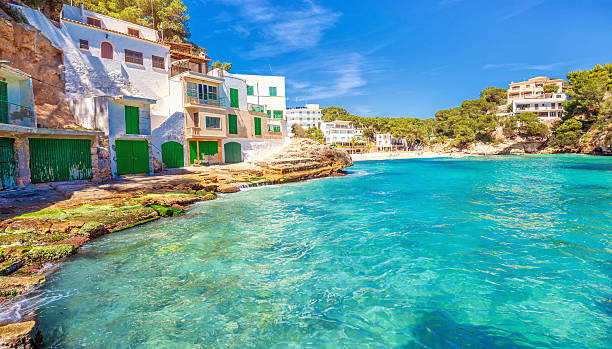
- Recommended Spots: Capture the stunning views from Puig de Maria, the charming streets of Pollença, and the breathtaking vistas at Cap de Formentor. Don’t miss the vibrant local markets and the scenic beauty of the beaches.
- Best Times for Photography: Early morning or late afternoon for natural lighting.
14. Suggested Itinerary
- Day 1: Explore Pollença, visit the market, and hike to Puig de Maria.
- Day 2: Spend the day at Port de Pollença and S’Albufera Natural Park.
- Day 3: Drive to Cap de Formentor, relax at Cala Formentor, and enjoy a meal at the hotel.
- Day 4: Visit Alcúdia's old town and explore the Roman ruins.
FAQs About What To See In The North Of Mallorca
What Are The Best Beaches In The North Of Mallorca?
Some of the best beachesinclude Cala de Sant Vicenç, Playa de Muro, Alcúdia Beach, and Son Serra de Marina, each providing unique experiences and picturesque settings.
Are There Any Cultural Festivals In The North?
Yes, the region hosts several cultural festivals, including the Pollensa Wine Fair, the Moors & Christians festival, and the Alcúdia Jazz Festival, celebrating local traditions and the arts.
What Outdoor Activities Are Available?
Outdoor activities in the north range from hiking in the Serra de Tramuntana to water sports at the beaches and birdwatching in S'Albufera Natural Park.
Conclusion
The north of Mallorca offers a rich tapestry of experiences, from breathtaking landscapes and idyllic beaches to vibrant cultural sites and culinary delights. As you journey through this enchanting region, each moment presents an opportunity to connect with the island's natural beauty and unique heritage.
Jump to
What Is North Of Mallorca Known For?
2. Where To Stay
3. Pollença
4. Port De Pollença
5. Cap De Formentor
6. Alcúdia
7. Natural Wonders And Outdoor Activities
8. Gastronomic Experiences
9. Beaches And Water Sports
10. Day Trips And Nearby Attractions
11. Cultural Events And Festivals
12. Travel Tips
Visual Elements And Photography
14. Suggested Itinerary
FAQs About What To See In The North Of Mallorca
Conclusion

Maya Reyes
Author
Maya Reyes’s wanderlust was sparked in the temples of Luang Prabang, where the scent of lemongrass and the chants of monks revealed the transformative power of travel.
Since then, her journey has been defined by cultural immersion and authentic connections. From learning batik in Indonesia to sharing meals with nomadic families in Mongolia, Maya seeks experiences that highlight the human stories behind each destination.
Travel for her is a way to weave her narrative into the world’s cultural tapestry, creating bridges across diverse ways of life. Maya has traveled to 15 countries and shares her insights through writing and storytelling.
Finn Wilde
Reviewer
For Finn Wilde, the wilderness is more than just a destination - it’s a way of life. Over the past decade, he has led multiple expeditions in some of the world’s most remote regions, from the icy fjords of Greenland to the rugged trails of Patagonia.
Finn emphasizes sustainability in all of his adventures, helping participants connect with nature while promoting responsible exploration. His expeditions inspire individuals to explore the great outdoors while fostering a deep respect for the environment.
Latest Articles
Popular Articles