What Is Morocco Known For? 16 Must-Know Things
Morocco is a blend of ancient traditions, vibrant colors, flavors, and natural wonders. Find out what Morocco is known for and why it’s so special.
Author:Liam JonesReviewer:Sophia HarperDec 24, 20246.8K Shares207.7K Views
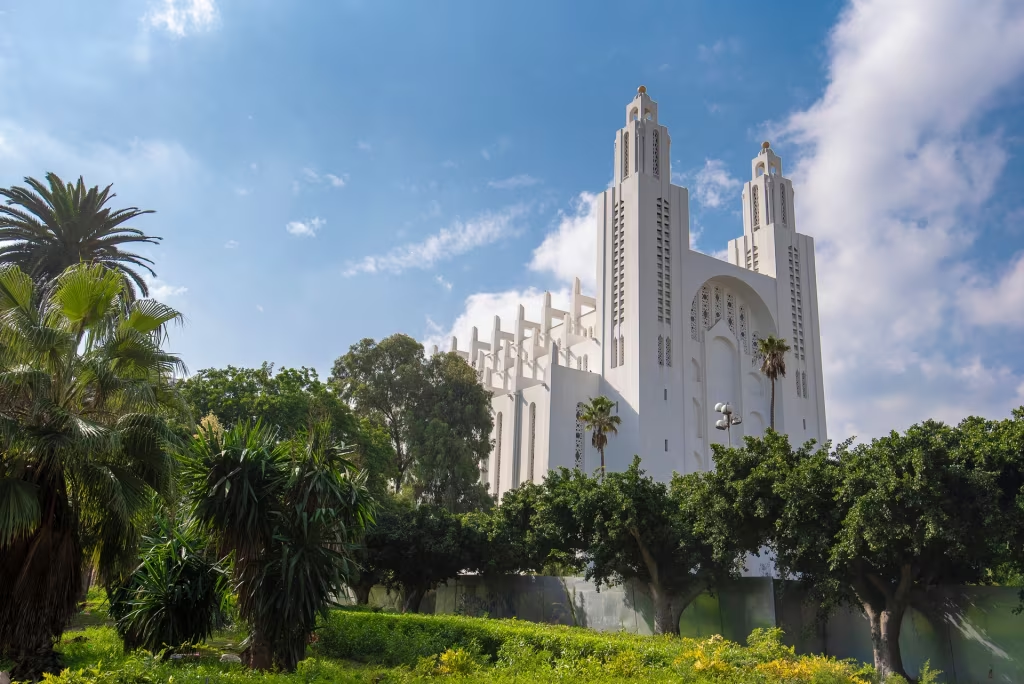
Morocco is a land where vibrant traditions meet breathtaking landscapes, offering a captivating blend of history, culture, and nature. From its bustling cities to serene deserts, Morocco has cemented its place as a must-visit destination.
From centuries-old markets and world-renowned cuisine to dramatic natural beauty, Morocco offers endless wonders to captivate visitors. This North African gem has something to offer everyone.
What truly makes Morocco stand out is its iconic landmarks, unique culture, mouthwatering food, and unforgettable experiences.
1. The Majestic Cities Of Morocco
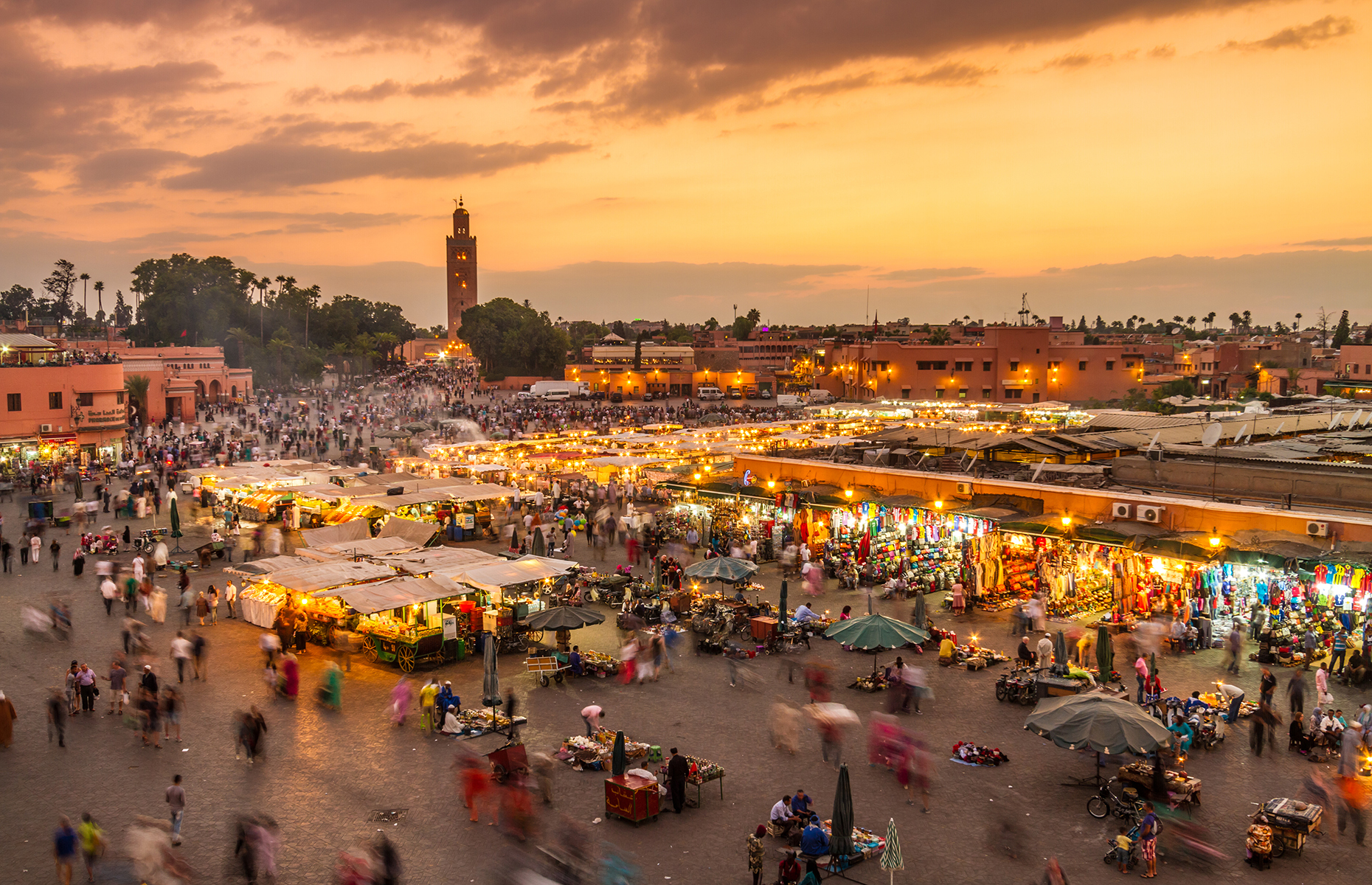
Morocco's cities offer a unique blend of history, culture, and modernity, each with its distinct character. From bustling markets to architectural wonders, these cities showcase Morocco's rich past and dynamic present.
Marrakech
Known as the "Red City" for its terracotta buildings, Marrakech is a hub of culture and history. The famous Jemaa el-Fnaa Squarebustles with street performers, snake charmers, and vibrant food stalls. Nearby, the Bahia Palaceand Koutoubia Mosqueshowcase Morocco's stunning Islamic architecture.
Fes
Morocco's spiritual and cultural heart, Fes is home to the world’s oldest university, Al-Qarawiyyin, and the labyrinth-like Fes el-Balimedina. The city's traditional tanneries, with their colorful dye vats, offer a unique glimpse into ancient craftsmanship.
Casablanca
The modern face of Morocco, Casablanca is famous for the majestic Hassan II Mosque, one of the largest mosques in the world, perched dramatically on the Atlantic coast.
Chefchaouen
Tucked in the Rif Mountains, Chefchaouen is known as the "Blue Pearl"for its blue-painted streets and buildings. Its tranquil atmosphere and Instagram-worthy scenery make it a traveler favorite.
Rabat
Morocco's capital city blends history with modernity. Explore the Kasbah of the Udayas, stroll through the picturesque Andalusian Gardens, and visit the iconic Hassan Towerfor a glimpse into Morocco’s royal history.
Heritage site on the desert's edge, provides a glimpse into Morocco’s rich architectural history and cinematic legacy.
2. The Sahara Desert
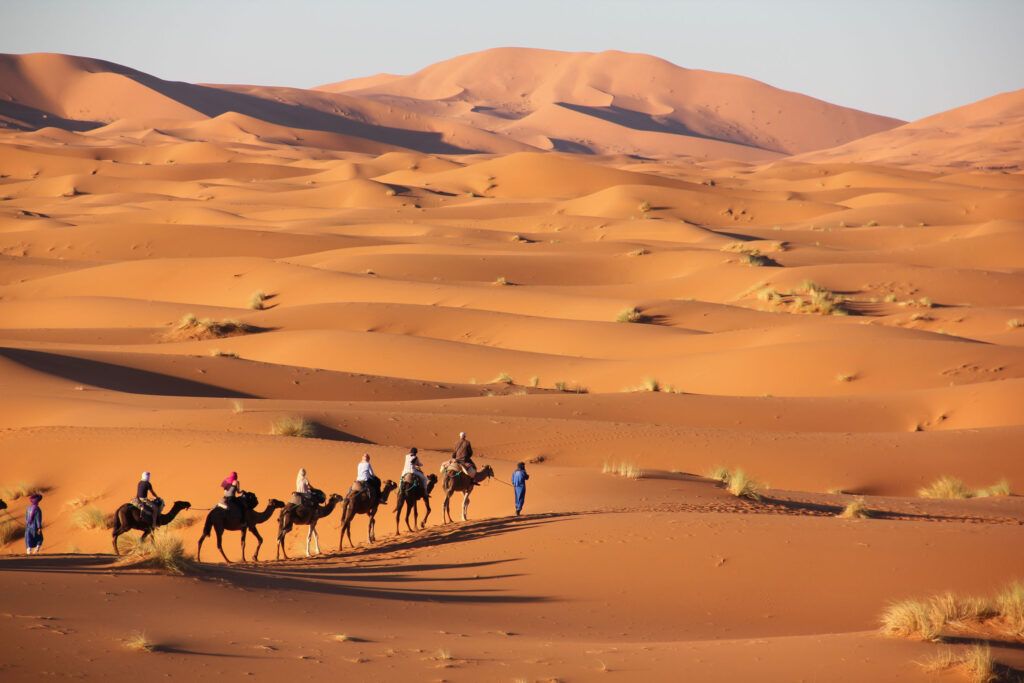
One of Morocco’s most iconic natural wonders, the Sahara offers endless golden dunes, particularly at Erg Chebbinear Merzouga. Visitors can explore the desert on camelback, try sand skating, or camp under the stars in a traditional Berber tent. Many guided tours depart from major cities like Marrakech and Fes, making it accessible for all travelers.
One of Morocco’s most iconic natural wonders, the Sahara offers endless golden dunes, particularly at Erg Chebbinear Merzouga. Visitors can explore the desert on camelback, try sand skating, or camp under the stars in a traditional Berber tent.
3. The Atlas Mountains
One of Morocco’s most iconic natural wonders, the Sahara offers endless golden dunes, particularly at Erg Chebbinear Merzouga. Visitors can explore the desert on camelback, try sand skating, or camp under the stars in a traditional Berber tent.
For those seeking a closer alternative to the Sahara, the Agafay Desert, located near Marrakech, offers a similar desert experience with luxury camps and sunset views.
4. Morocco's Stunning Beaches
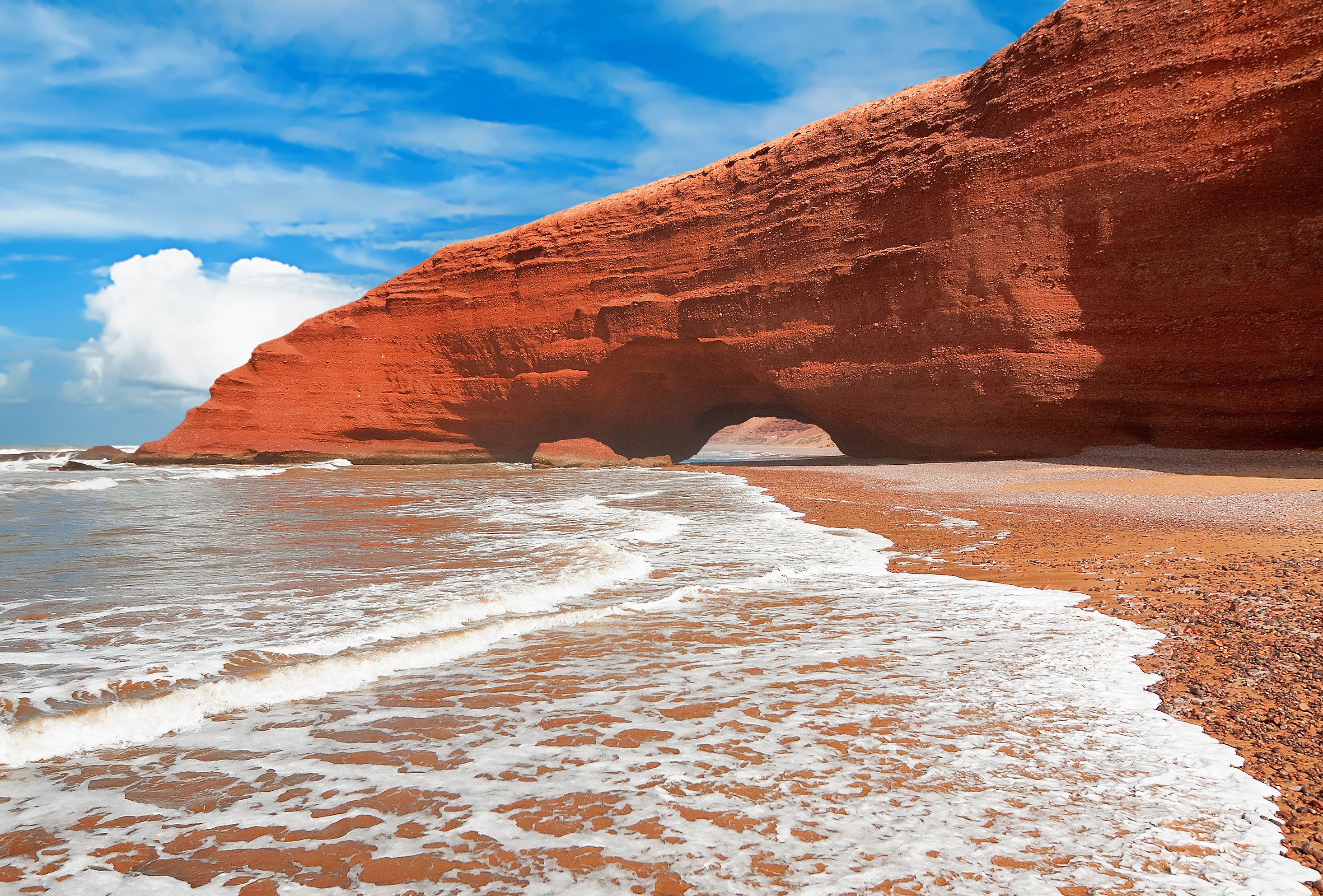
Morocco’s coastline is diverse and breathtaking:
- Essaouira: Known for its relaxed vibe, surfing opportunities, and fresh seafood.
- Taghazout: A surfer's paradise on Morocco’s Atlantic coast.
- Agadir: Perfect for tranquility and long beach strolls.
- Tangier Beaches: Offering quiet charm and Mediterranean views.
- Legzira Beach: Famous for its striking natural rock arches and dramatic coastal scenery, making it a hidden gem for photographers and nature lovers.
5. Moroccan Cuisine
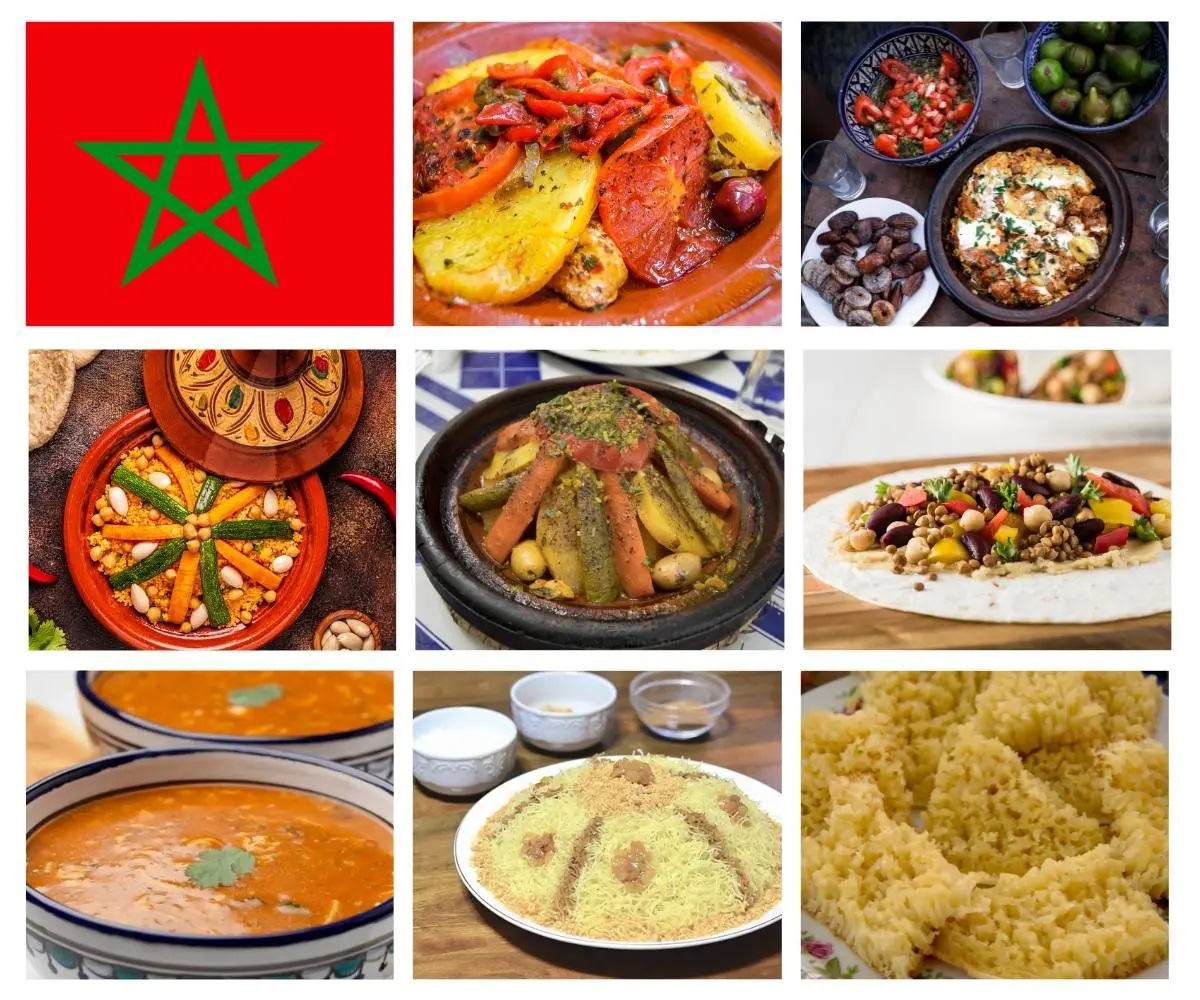
Moroccan cuisine is renowned for its rich flavors and unique combinations. Here are the key dishes and beverages that make Moroccan food unforgettable:
Meat Dishes:
- Tagine: Slow-cooked stews with aromatic spices, often prepared with lamb, chicken, or beef.
- Mechoui: Slow-roasted lamb, a festive delicacy enjoyed at celebrations.
Seafood Specialties:
Fresh dishes from coastal cities like Essaouiraand Casablanca.
Soups And Pies:
- Harira: A traditional Moroccan soup, often enjoyed during Ramadan.
- Pastilla: A savory pie, often made with pigeon or chicken.
Beverages:
Mint Tea: Known as "Moroccan whiskey," symbolizing hospitality.
Bread And Sweets:
- Freshly baked flatbread, often served with meals.
- Traditional sweets like chebakia (sesame cookies).
6. Vibrant Souks And Medinas
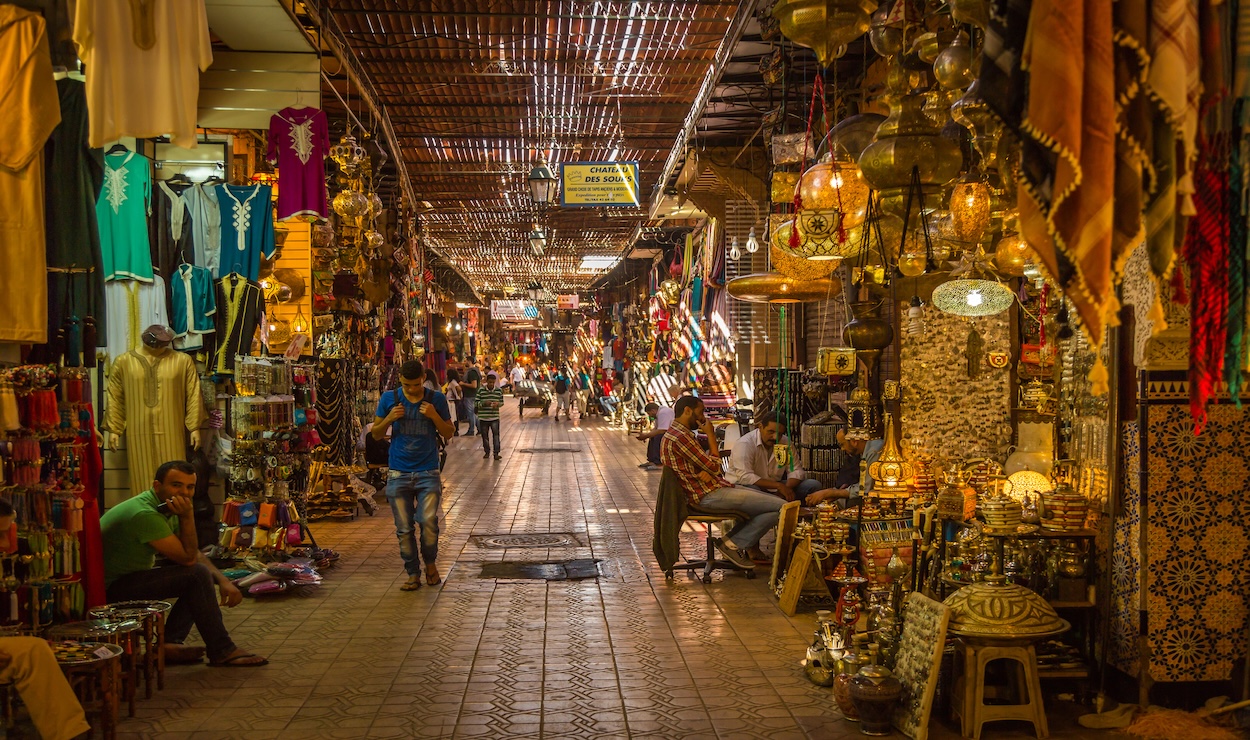
Morocco’s markets and old towns are cultural hubs where traditions come alive:
- The Souks of Marrakech and Fes: Bustling markets filled with spices, textiles, lanterns, and handmade crafts.
- Medinas: Explore labyrinthine streets in cities like Tangier, Casablanca, and Chefchaouen, each with its unique charm.
- Leather Goods: Morocco is world-famous for its leather craftsmanship.
- Regional Markets: Don’t miss artisan hubs like the souks of Taroudantor the markets of Tetouanfor unique treasures.
7. Moroccan Hammams
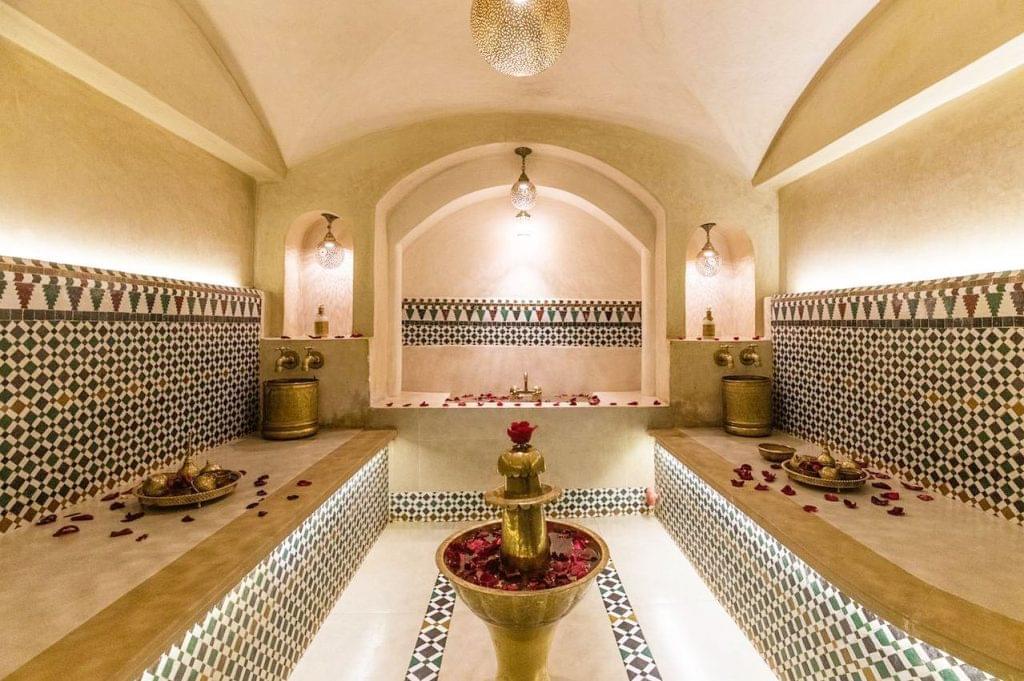
Traditional steam baths, or hammams, are an essential part of Moroccan culture and offer a rejuvenating experience for both body and soul. Rooted in ancient Roman and Islamic traditions, hammams play a central role in community life, serving as places for cleansing, relaxation, and social interaction.
Many hammams use luxurious products like argan oil, black soap, and rose water to cleanse and relax the body.
8. Morocco's Architectural Wonders
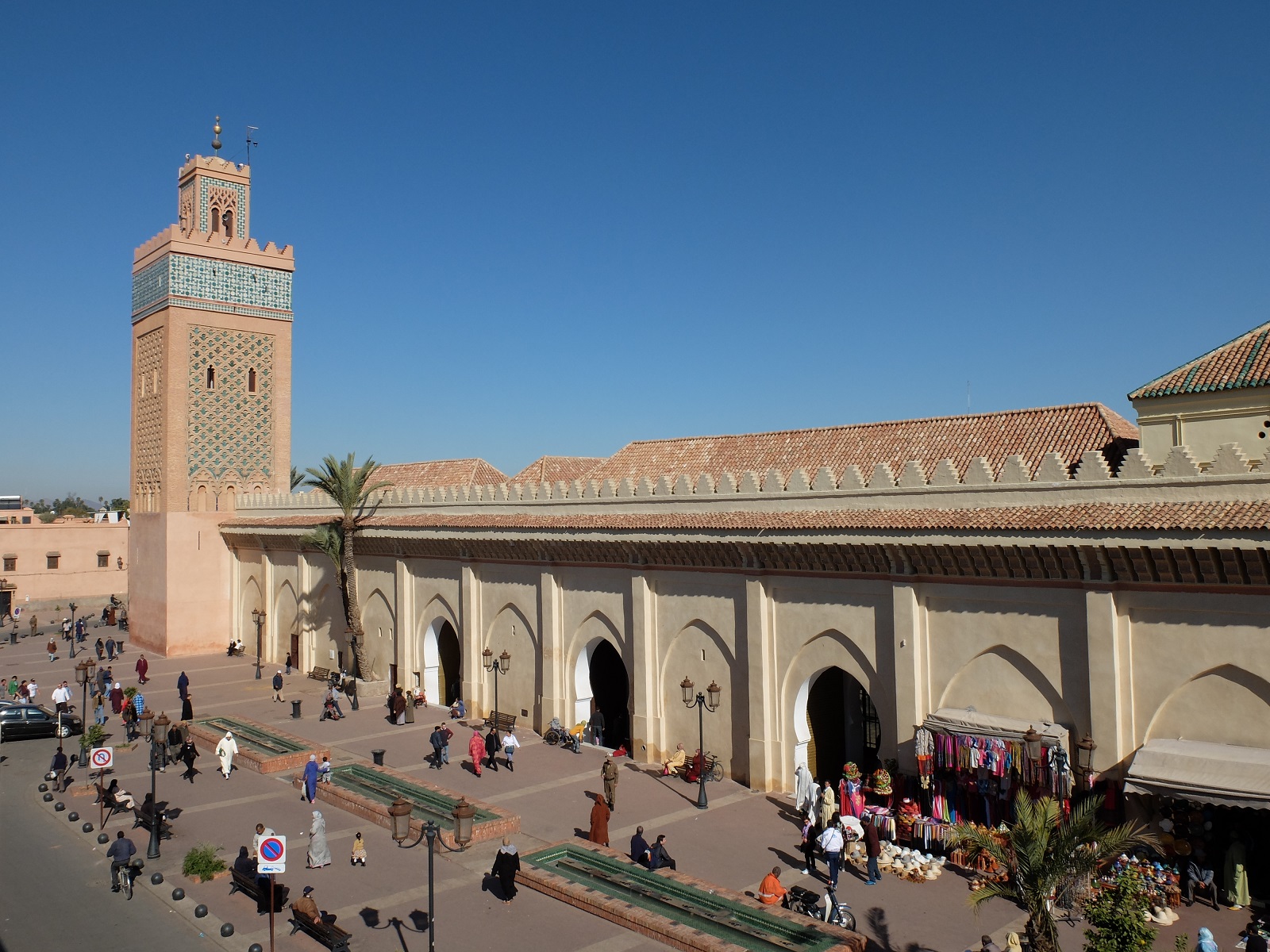
Moroccan architecture is a fusion of Berber, Arab, and European influences, showcasing intricate designs and cultural significance:
- Hassan II Mosque: An architectural marvel in Casablanca, symbolizing Morocco's spiritual and artistic heritage.
- Kasbahs and Riads: Fortresses and elegant homes with ornate courtyards, often seen in historic towns.
- Portuguese Cistern: A UNESCO site in El Jadida, reflecting Morocco's colonial past.
- The Kasbah Mosque: Tangier’s historic masterpiece, known for its beautiful zellij tilework.
- The Spanish Mosque: Chefchaouen’s iconic hilltop landmark, offering panoramic views of the city.
- Bab Boujloud: The famous Blue Gate of Fez, a gateway to the city's medina and a masterpiece of tile artistry.
9. Festivals And Cultural Celebrations
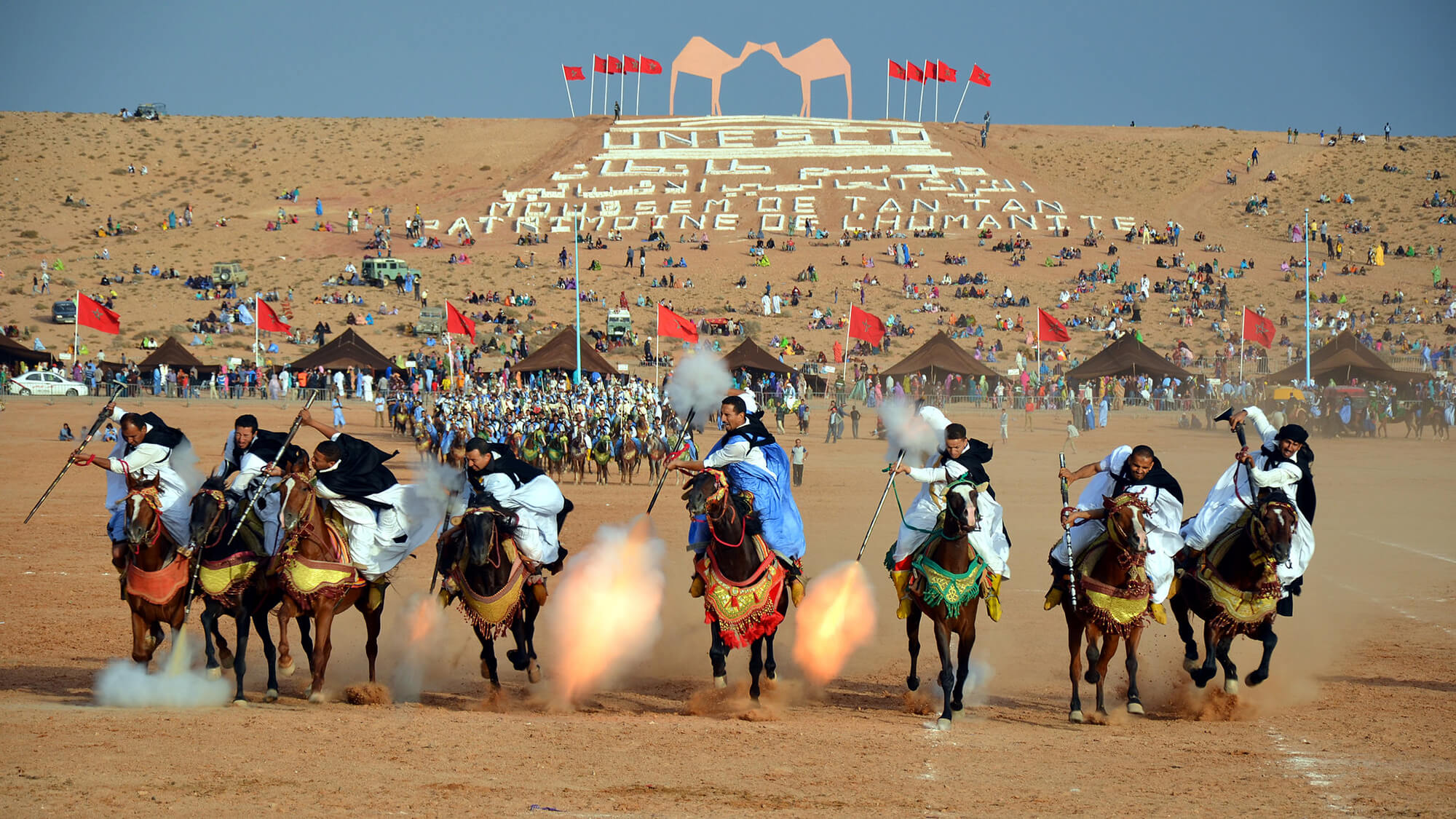
Morocco’s vibrant festivals showcase its rich traditions:
- Fez Festival of World Sacred Music
- The Rose Festivalin Kelaat M'gouna.
- Ramadan and Eid Celebrations
- Gnaoua World Music Festivalin Essaouira.
- Marrakech International Film Festival: A global cultural event drawing artists and filmmakers worldwide.
- Imilchil Marriage Festival: A centuries-old Berber tradition where families gather to celebrate arranged marriages with music, dancing, and local customs.
- Tan-Tan Moussem: A unique desert festival celebrating Saharan culture, featuring camel racing, traditional music, and artisan crafts.
10. Berber Culture
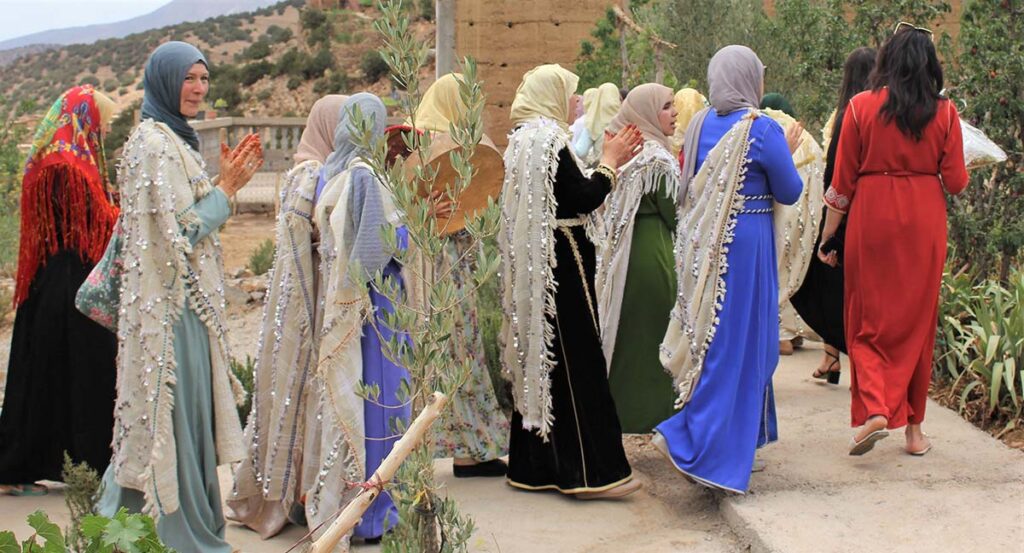
The indigenous Berber peopleplay a central role in Morocco’s heritage. Visitors can explore:
- Traditional Berber Villagesin the Atlas Mountains, where locals preserve their unique way of life.
- Unique festivals, such as the Imilchil Marriage Festival, a vibrant celebration of Berber customs and traditions.
- Traditional attire like the djellabaand colorful woven textiles, which reflect their craftsmanship.
- Berber Markets: Known for handmade crafts, textiles, and pottery, offering a glimpse into their artistic legacy.
11. World’s First University
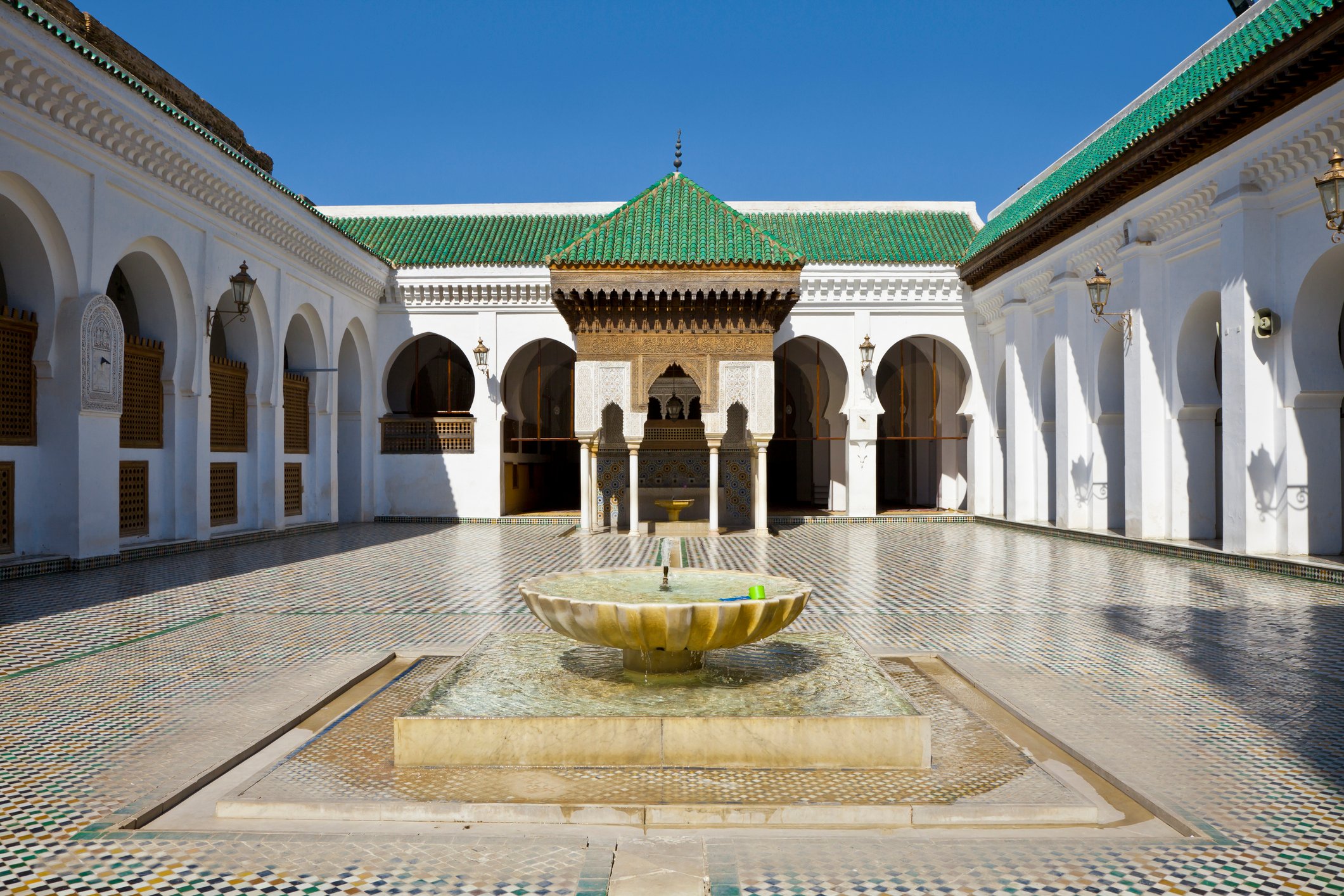
Morocco is home to the University of Al-Qarawiyyinin Fes, founded in 859 AD by Fatima Al-Fihri, a visionary woman dedicated to education and community.
Recognized by UNESCO and the Guinness Book of World Records as the world’s oldest continuously operating university, Al-Qarawiyyin has been a center for learning, culture, and spirituality for over a millennium.
Originally established as a madrasa(Islamic school), the university became a hub for scholars across the Muslim world, teaching subjects such as theology, law, mathematics, astronomy, and natural sciences.
12. Ski Resorts In Morocco
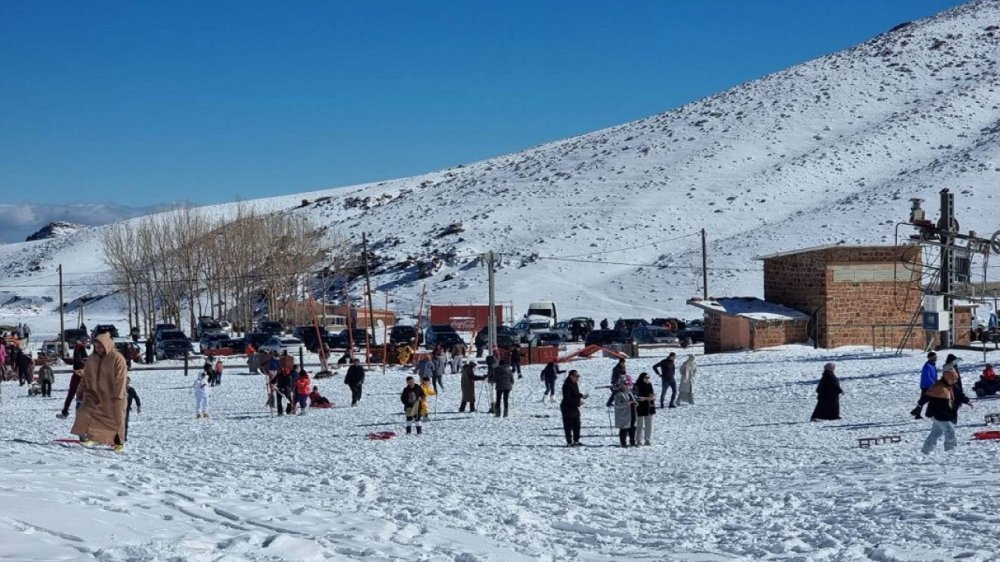
- Oukaïmeden Ski Resort: Oukaïmeden-the largest in Morocco.
- Ifrane and Jebel Mischliffen: Ideal for winter sports enthusiasts.
13. The Caves Of Hercules
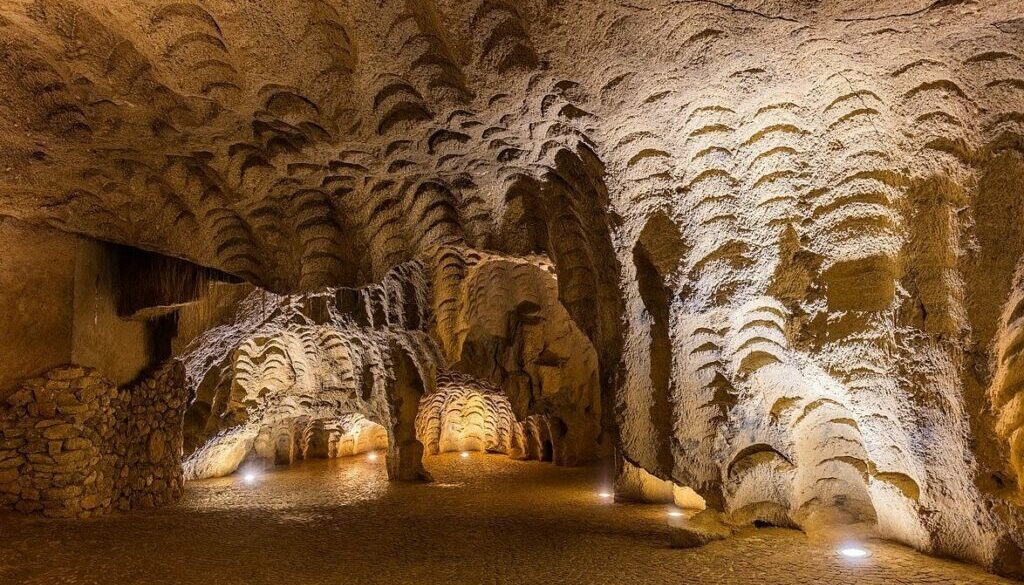
Located near Tangier, the Caves of Herculesare one of Morocco’s most captivating natural and mythical landmarks. Carved partially by nature and partially by human activity, these caves are named after the legendary Hercules, who, according to Greek mythology, rested here after separating Europe and Africa by creating the Strait of Gibraltar.
The cave’s iconic sea-facing opening, shaped like the reverse outline of the African continent, provides breathtaking views of the Atlantic Ocean and is a favorite spot for photographers and travelers.
Inside the caves, visitors will discover intricate formations created by centuries of erosion, combined with evidence of quarrying by ancient Berbers, who carved millstones from the cave walls.
14. Hidden Treasures Of Morocco
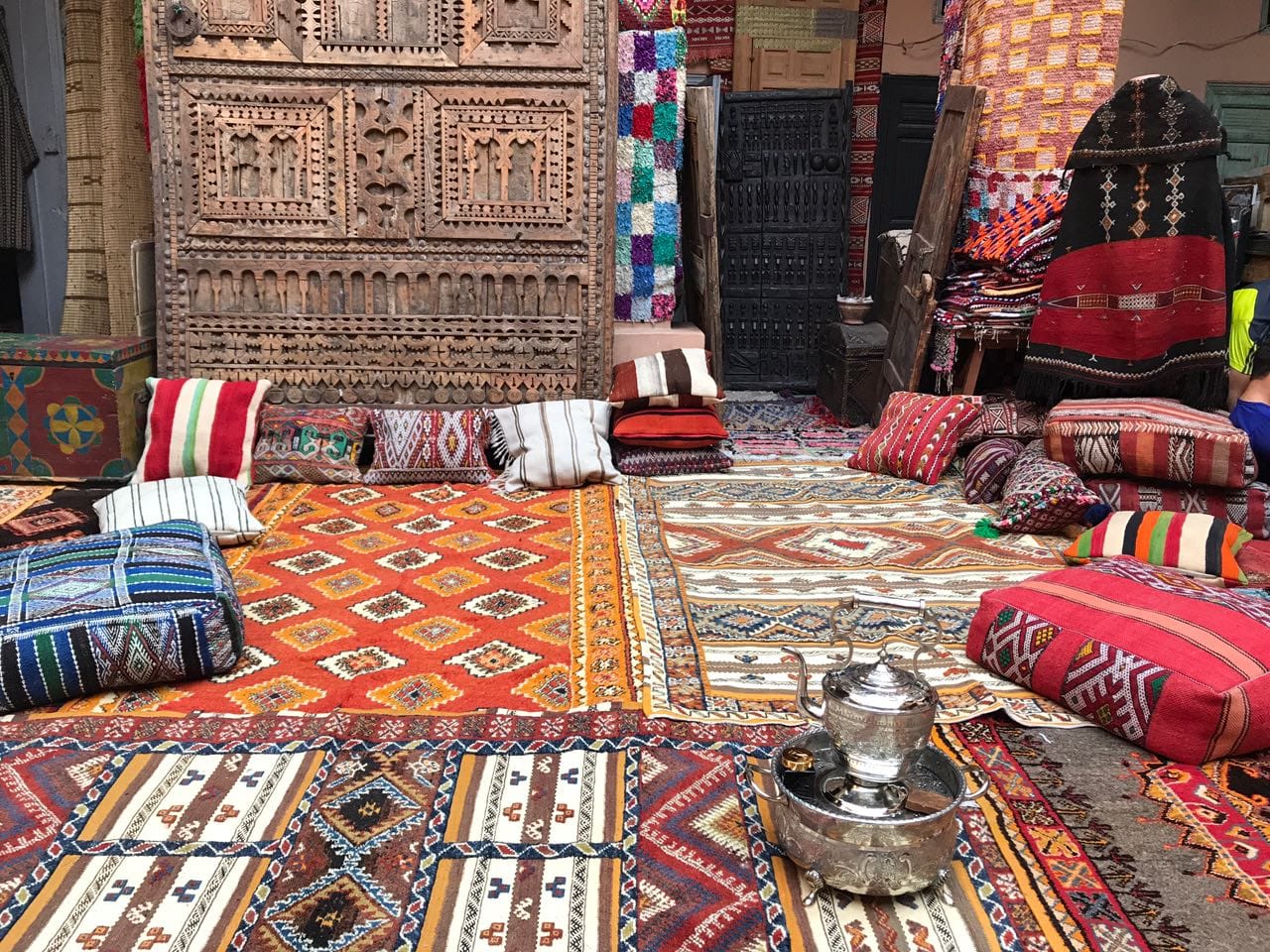
Morocco is known for its rich craftsmanship:
- Rugs and Carpets
- Exquisite Jewelry
- Handmade Pottery and Lanterns
- Argan Oil: A signature product of Moroccan craftsmanship.
15. Legendary Casablanca
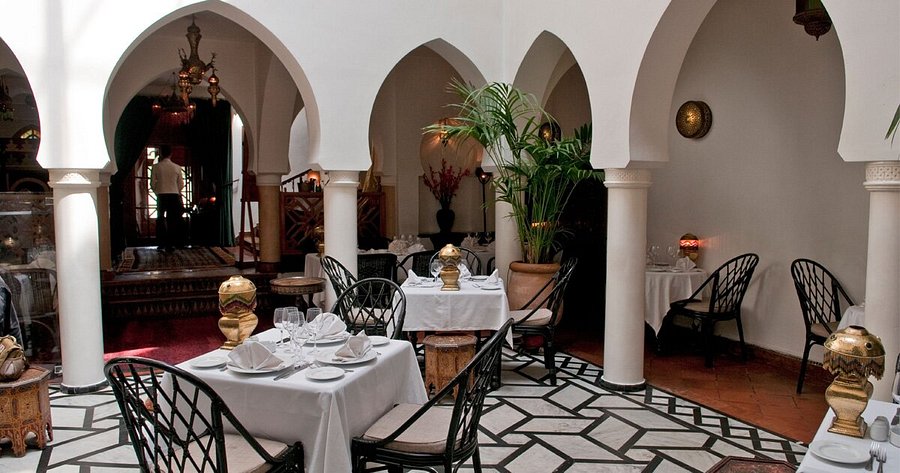
Casablanca combines modernity with culture:
- Rick’s Café: Rick’s Café-a tribute to Hollywood’s Casablanca.
- Quartier Habous: Known for its French-Moorish architecture.
- Hassan II Mosque: The city’s most iconic landmark.
16. Cap Spartel
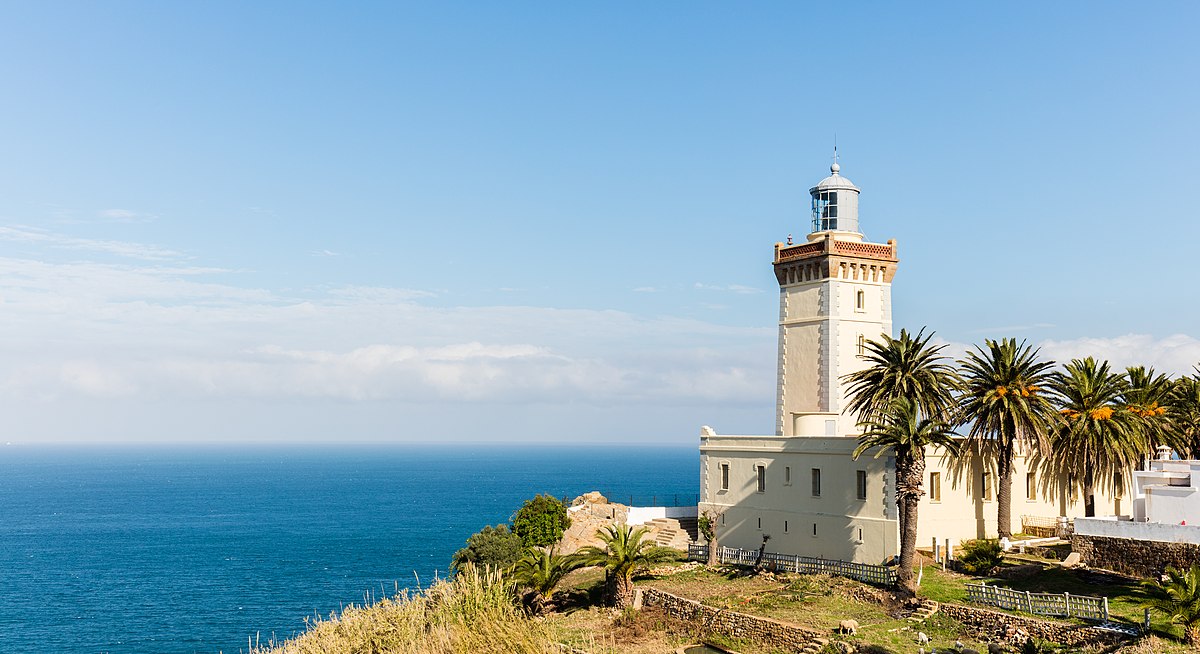
Cap Spartel, located at the northwestern tip of Africa, marks the dramatic meeting point of the Atlantic Oceanand the Mediterranean Sea. This scenic cape, crowned by its historic Cap Spartel Lighthouse, offers panoramic views that are especially stunning during sunset, making it a favorite destination for photographers and nature lovers.
Rich in history, Cap Spartel has long served as a strategic landmark for sailors navigating the Strait of Gibraltar.
Visitors can explore the lighthouse, originally constructed in the mid-19th century, which still guides ships to this day. Informative plaques provide insight into the area’s maritime history.
FAQs About What Morocco Is Known For
What Food Is Morocco Most Famous For?
Moroccan cuisine is renowned for tagines, couscous, and street food delicacies like pastilla. Mint tea is also a cultural icon.
Why Is Morocco Known For Its Markets?
Morocco’s markets, or souks, are famous for their vibrant energy, offering spices, textiles, and handmade crafts.
What Natural Wonders Can You Find In Morocco?
The Sahara Desert, the Atlas Mountains, and the coastal town of Essaouira are Morocco’s most notable natural attractions.
What Is Morocco’s Climate Like Throughout The Year?
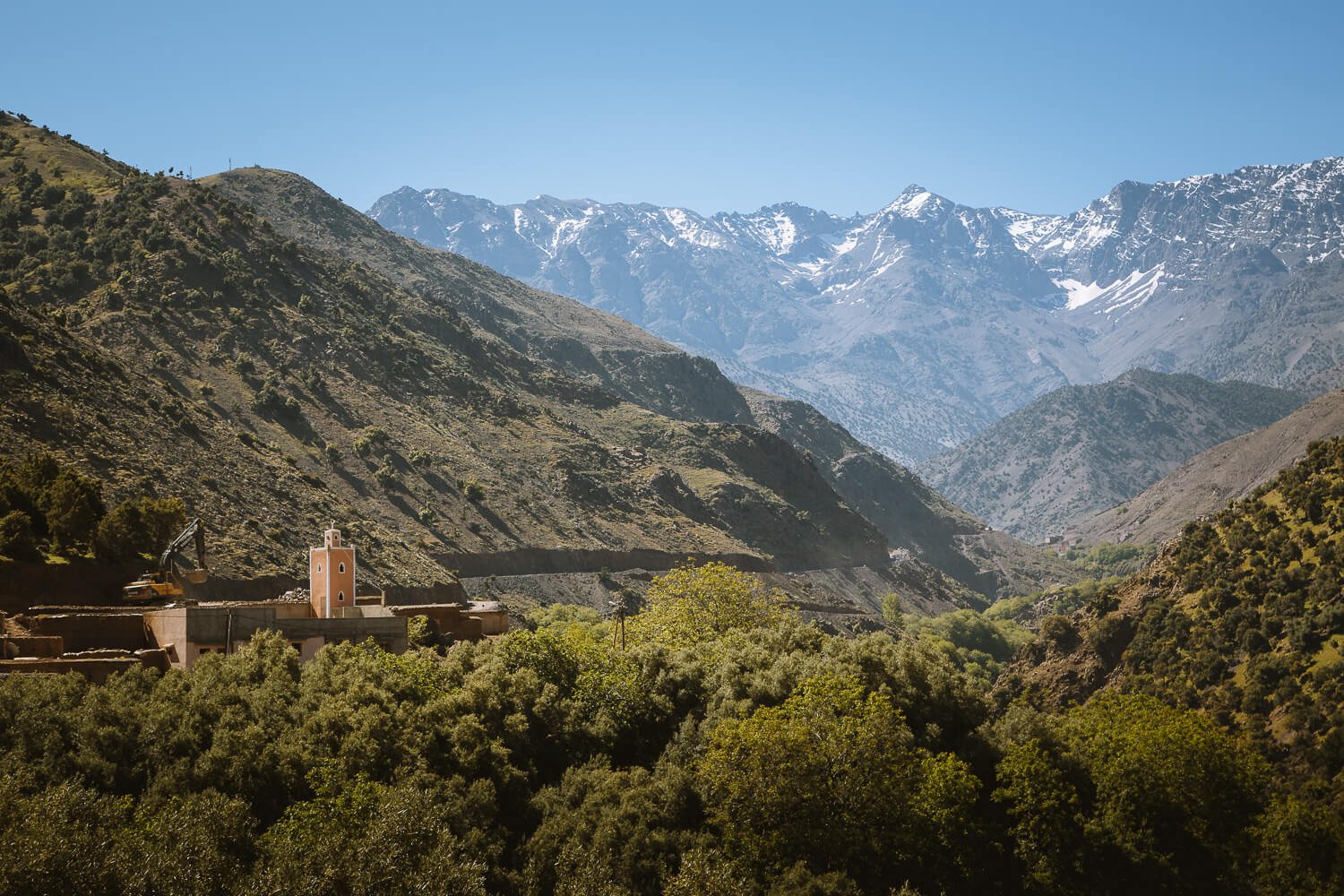
Morocco has a diverse climate, ranging from Mediterranean on the coast to arid in the desert. Summers can be hot, particularly in inland cities like Marrakech, while winters bring cooler temperatures and even snow in the Atlas Mountains.
What Are The Best Shopping Spots In Morocco?
The top shopping spots in Morocco include:
- Souk Semmarinein Marrakech for textiles, lanterns, and leather goods.
- Fes' Medinafor handcrafted ceramics, carpets, and traditional pottery.
- Taroudant Marketsfor a quieter, authentic shopping experience.
- Tetouan Medinafor artisanal crafts and UNESCO-recognized heritage.
Final Thoughts
Morocco’s charm lies in its ability to transport visitors to a world of timeless beauty, vibrant traditions, and unforgettable experiences. Whether you’re exploring the bustling medinas, savoring the rich flavors of Moroccan cuisine, or standing in awe of architectural marvels, Morocco offers something for every traveler.
From its legendary Sahara Desert to its stunning beaches, snow-capped mountains, and colorful festivals, Morocco is a destination that captivates at every turn. Don’t miss the chance to experience this extraordinary country-Morocco awaits!
Jump to
1. The Majestic Cities Of Morocco
2. The Sahara Desert
3. The Atlas Mountains
4. Morocco's Stunning Beaches
5. Moroccan Cuisine
6. Vibrant Souks And Medinas
7. Moroccan Hammams
8. Morocco's Architectural Wonders
9. Festivals And Cultural Celebrations
10. Berber Culture
11. World’s First University
12. Ski Resorts In Morocco
13. The Caves Of Hercules
14. Hidden Treasures Of Morocco
15. Legendary Casablanca
16. Cap Spartel
FAQs About What Morocco Is Known For
Final Thoughts
Liam Jones
Author
Liam Jones has made it his mission to prove that adventure doesn’t need a hefty budget. Having traveled to over 40 countries, he specializes in finding affordable ways to experience the world, from the best street food in Bangkok to hidden gems in Lisbon.
Liam’s travel tips have reached thousands of readers, empowering them to see the world on a shoestring budget without sacrificing quality. With a deep passion for local cultures, he continues to share his travel hacks, ensuring adventure remains accessible to all.

Sophia Harper
Reviewer
Sophia Harper’s photography acts as a portal to the soul of the places she visits. Drawn to South America’s landscapes and cultures, she has spent years capturing everything from the majesty of ancient ruins to the vibrancy of urban streets.
Sophia’s work isn’t just about documenting moments; it’s about evoking the emotions and stories behind them. A dedicated photographer, she has worked with local communities across South America to capture their rich cultural narratives through her lens.
Latest Articles
Popular Articles