What Is Louisiana Famous For? 28 Iconic Traditions & Attractions
What is Louisiana famous for? The state is a treasure trove of rich culture, delicious cuisine, and unforgettable traditions, from Mardi Gras to jazz music.
Author:Maya ReyesReviewer:Finn WildeDec 23, 202411.9K Shares705.5K Views
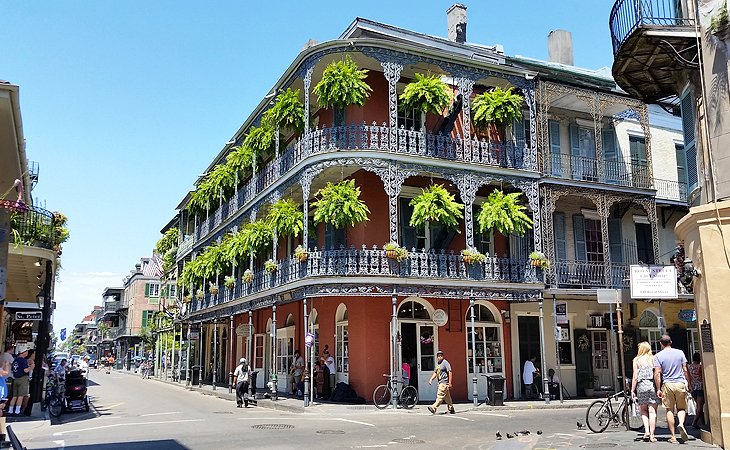
Louisiana is renowned for its distinctive blend of culture, cuisine, music, and landscapes. From its vibrant Mardi Gras celebrations to the lush swamps teeming with wildlife, this state offers endless attractions.
In this guide, we’ll explore 28 things Louisiana is known for, from historical landmarks and local delicacies to festivals and hidden gems that make this state an unforgettable destination.
Louisiana’s Rich Culture And History
1. Mardi Gras: The Spirit Of Louisiana
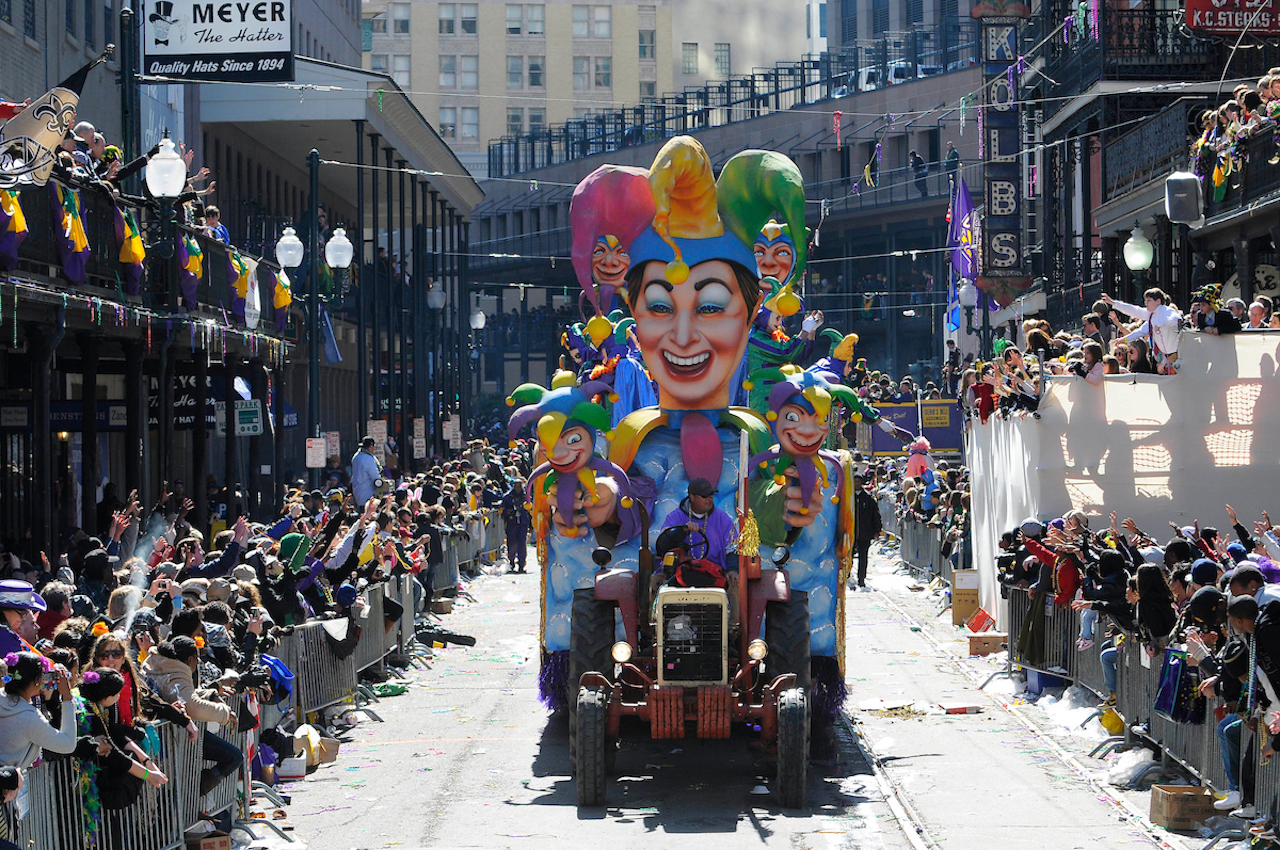
Mardi Gras is undoubtedly one of Louisiana’s most famous and celebrated traditions. Originating in the French colonial era, this extravagant festival is held annually in New Orleans and other parts of the state.
Mardi Gras Highlights:
- Parades with intricately designed floats, each featuring a royal court.
- The tossing of beads, coins, and trinkets to parade-goers.
- Celebrations of food, music, and revelry across multiple days.
- "King Cake" — a delicious pastry served during the festival, often containing a hidden figurine.
Insider Tip: Arrive early at parade routes for the best view and the most throws. If you’re in New Orleans, the French Quarter offers an incredible experience but can get crowded, so plan accordingly!
2. Jazz: The Birthplace Of America's Iconic Sound
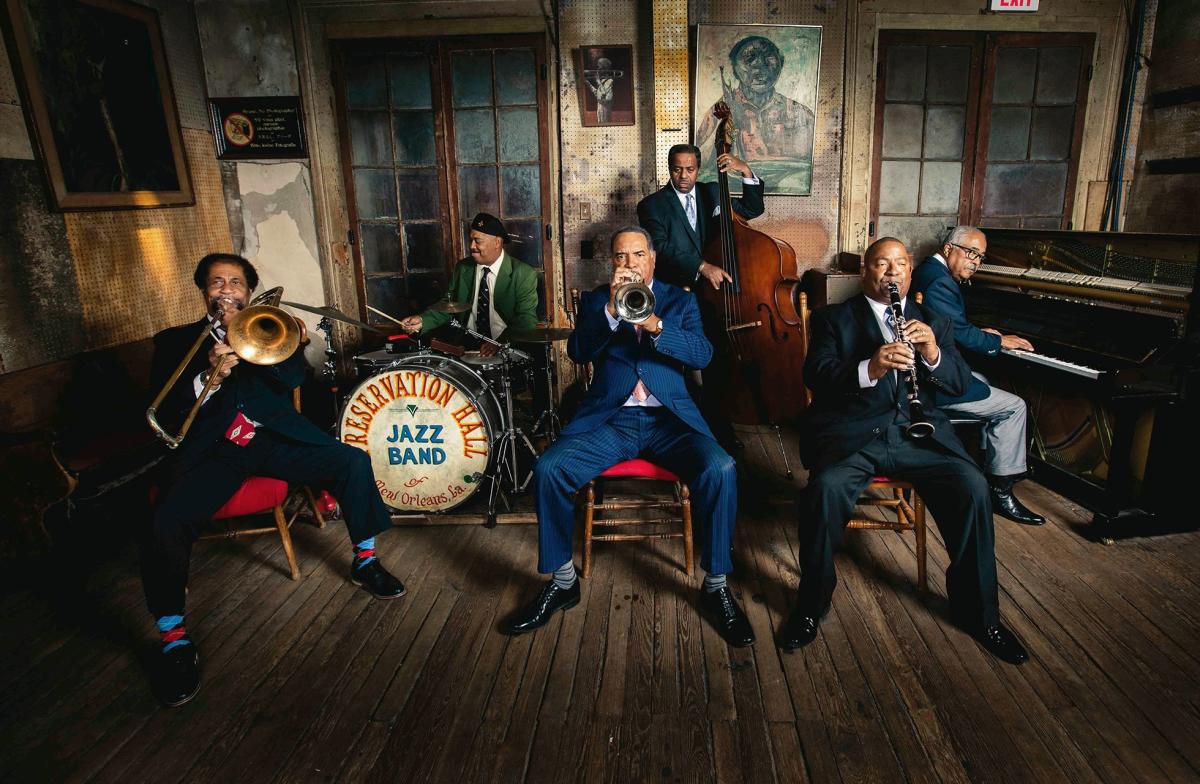
New Orleans is synonymous with jazz, and it’s no exaggeration to say the city helped shape the sound that defined an era of American music. The city’s jazz scene is alive and thriving in venues like Preservation Hall, where talented musicians continue to honor the genre’s rich history.
Jazz Venues and Events:
- Preservation Hall: A historic venue dedicated to traditional jazz performances.
- Jazz Fest: An annual festival that showcases local and international jazz talent.
- Frenchmen Street: A lively area with multiple clubs offering nightly jazz performances.
- Louis Armstrong Park: Named after one of jazz’s greatest icons, it’s a hub for music and culture.
Fun Fact: New Orleans is often considered the birthplace of jazz, with legendary artists like Louis Armstrong making their mark on the genre.
3. Cajun And Creole Heritage: The Cultural Fusion
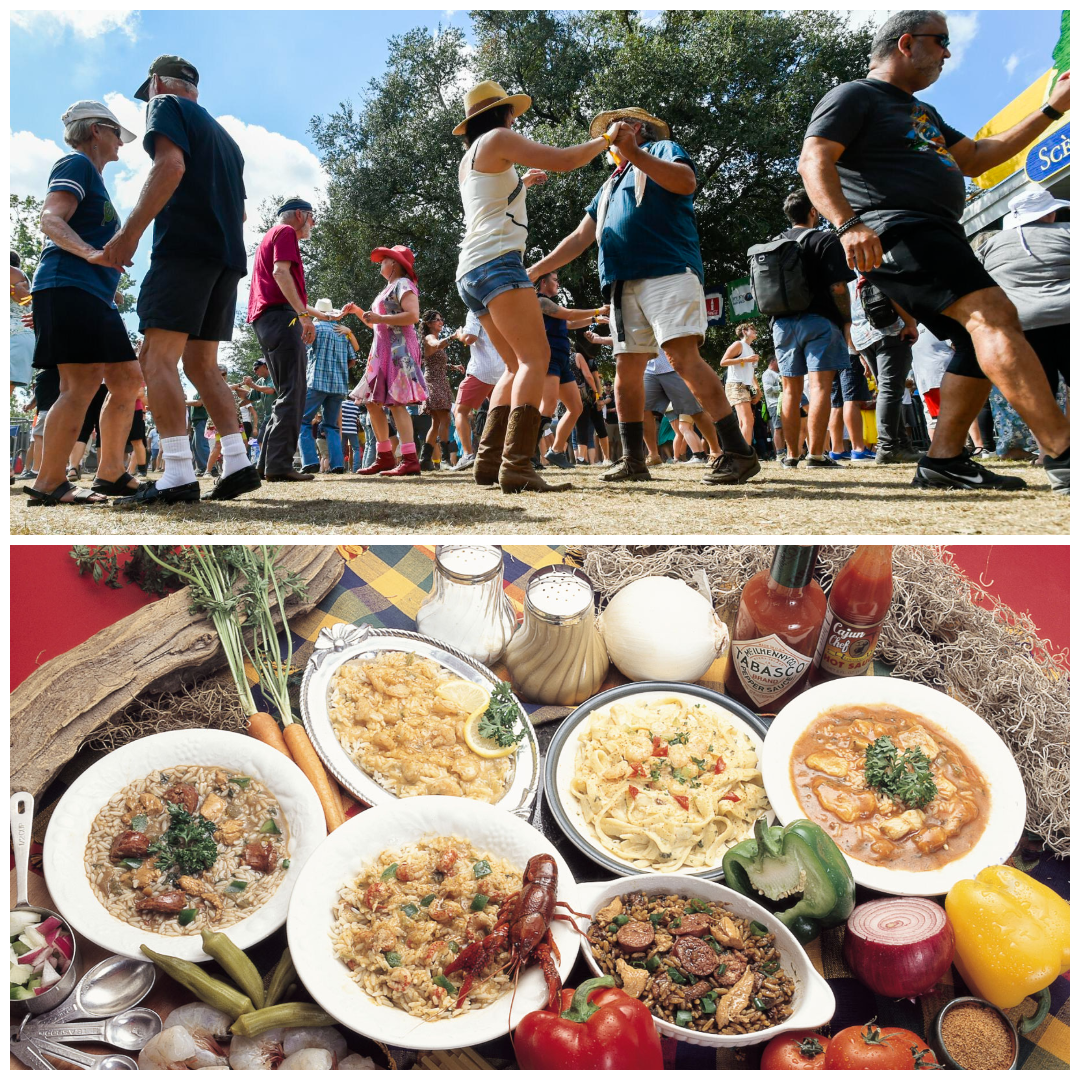
Cajun and Creole cultures are central to Louisiana's identity, blending French, African, Spanish, and Native American influences into a rich cultural mix.
These traditions are especially celebrated in the Acadiana region, which spans southwestern Louisiana and includes cities like Lafayette. The unique blend of food, music, and festivals defines Louisiana's heart and soul.
Cajun and Creole Heritage Highlights:
- Cajun Food: Known for its rustic, hearty flavors, with dishes like gumbo, jambalaya, and crawfish étouffée.
- Creole Food: More refined and often more complex, with influences from French, African, and Spanish cooking, such as shrimp Creole and crawfish bisque.
- Traditional Music: Zydecomusic (associated with the Cajuns) and Jazz(more closely tied to Creole culture) are integral parts of the region’s musical legacy.
- Festivals: The Festival International de Louisianein Lafayette celebrates both Cajun and Creole traditions through food, music, and dance.
Insider Tip: If you're visiting during festival season, be sure to check out the Festival Acadiens et Créolesin Lafayette to experience the best of Cajun culture. This festival is the perfect place to enjoy live Zydeco music and taste local dishes.
4. Voodoo: Louisiana's Spiritual Traditions
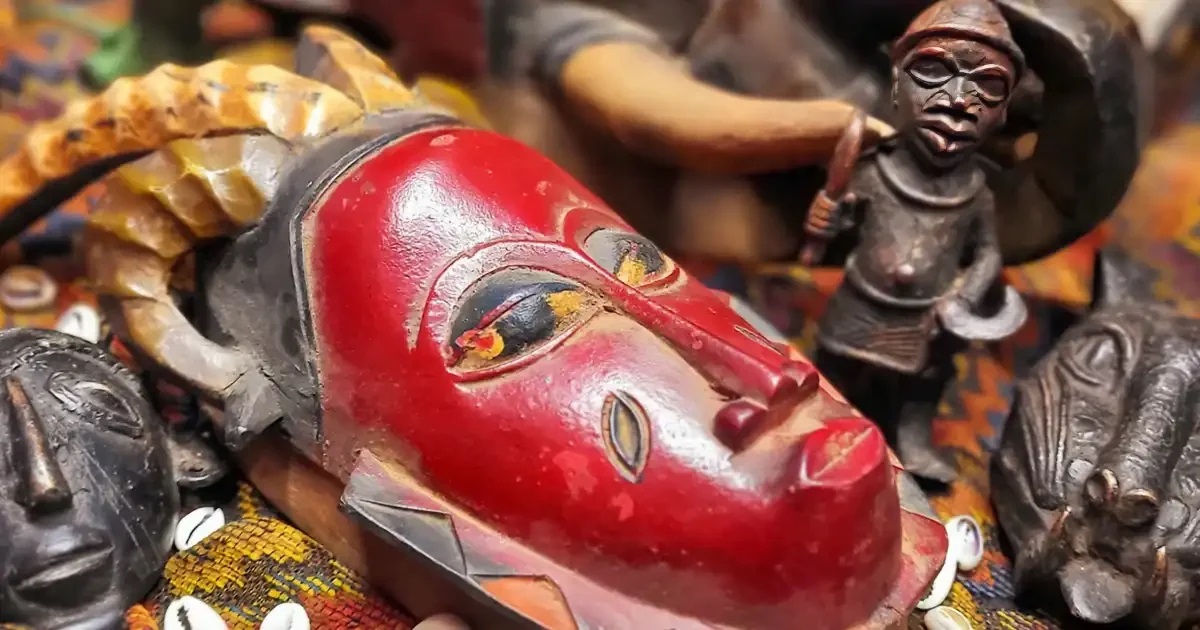
Voodoo is a powerful and mysterious part of Louisiana's cultural identity, especially in New Orleans. Rooted in West African religious practices, Voodoo was influenced by Catholicism, French folklore, and Native American traditions. Today, it remains a significant part of the state’s spiritual and cultural life.
Voodoo Highlights:
- Marie Laveau: Known as the "Voodoo Queen of New Orleans," her legacy continues to shape the city's Voodoo practices.
- Rituals and Symbols: Altars, candles, and offerings play a key role in Voodoo rituals. Common symbols include the Veve, sacred drawings that represent spirits.
- Voodoo Shops and Museums: Explore places like the New Orleans Voodoo Museumand local shops where you can find Voodoo dolls, candles, and other mystical items.
- St. Louis Cemetery No. 1: A famous site for Voodoo followers, where the tomb of Marie Laveau can be found. Visitors often leave offerings to her spirit.
Insider Tip: If you're interested in learning more about New Orleans' Voodoo culture, consider a Voodoo Tourto explore the city's spiritual history, from historic cemeteries to modern-day Voodoo temples.
5. Ghost Tours
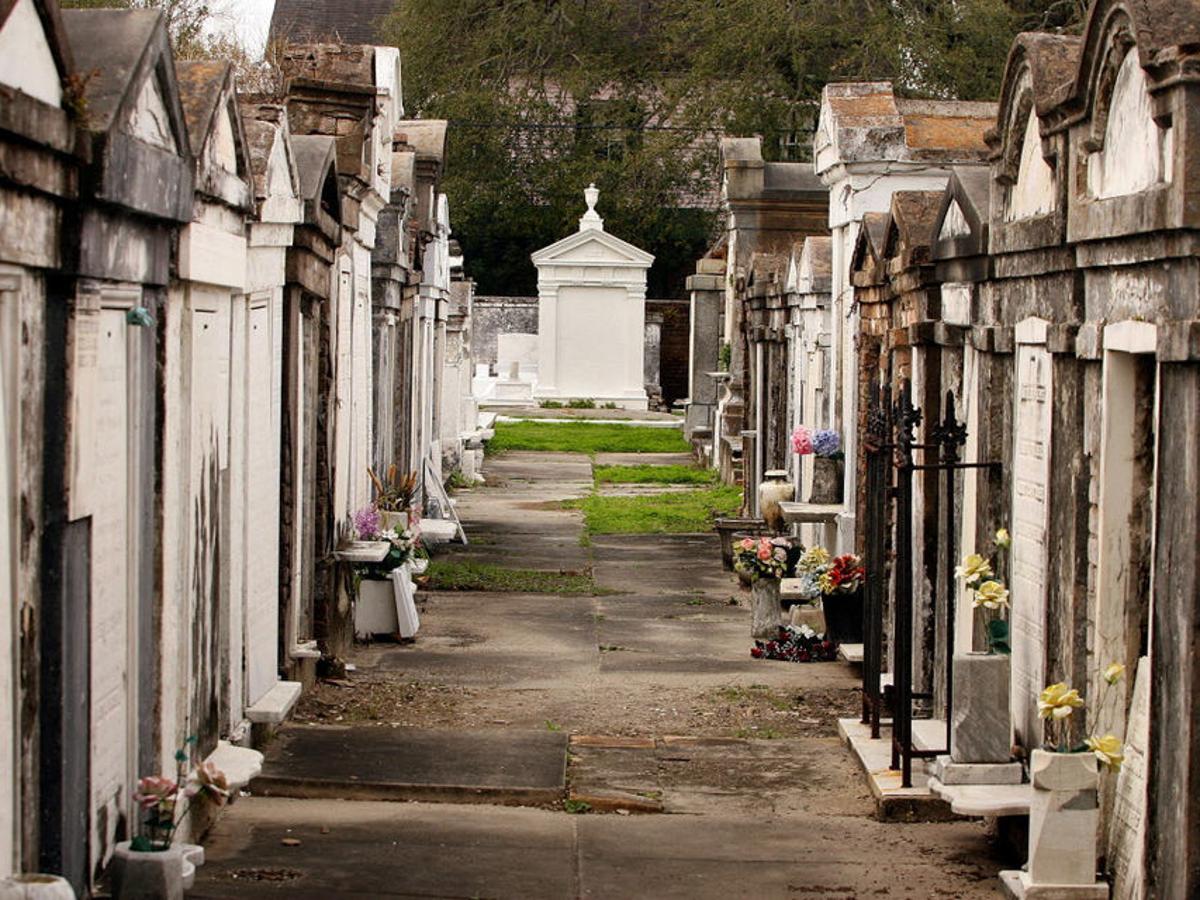
New Orleans is known for its rich history, and its ghost tours offer a fascinating way to explore the darker side of this captivating city. These tours typically take visitors on a guided walk around the French Quarter, where they’ll encounter some of the city’s most eerie and haunted locations.
Highlights of Ghost Tours:
- Lafayette Cemetery No. 1: One of the oldest cemeteries in the city, known for its above-ground tombs and ghostly legends. It's a must-visit for those interested in the supernatural.
- The French Quarter: The oldest neighborhood in New Orleans is home to countless ghost stories, from tragic love affairs to dark tales of disaster.
- Haunted Locations: Tour guides take you through buildings, bars, and streets that are rumored to be haunted by spirits of the past.
Insider Tip: The most popular ghost tours fill up quickly, so it’s a good idea to book your tour in advance, especially during peak tourist seasons.
6. Parishes Instead Of Counties
Unlike most states, Louisiana is divided into parishes rather than counties. This term dates back to the French and Spanish colonial periods when the boundaries of each parish coincided with the territories of Roman Catholic churches.
Key Facts About Parishes:
- 64 Parishes: Louisiana has 64 parishes, each with its own local government. Most are governed by a Police Jury, while others have different governing systems.
- Cultural Heritage: The term "parish" reflects the state's deep Catholic roots and historical influences from European colonization.
Insider Tip: Each parish has its own charm, so take time to explore different regions of the state for a fuller experience of Louisiana’s diverse cultures.
7. Sugarcane & Cotton: Key Agricultural Commodities
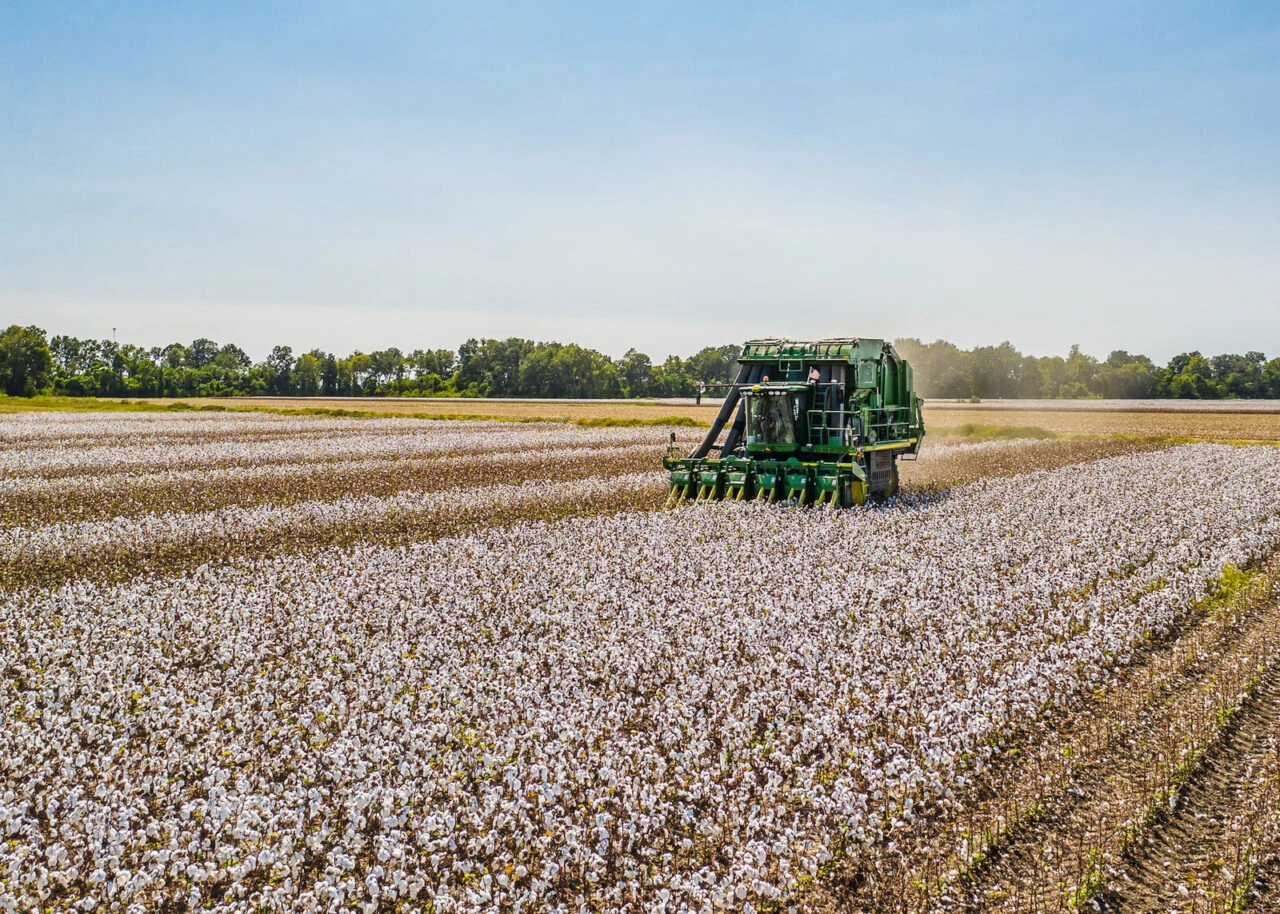
Louisiana is a major producer of both sugarcane and cotton, two of the state’s most important crops. These commodities play a vital role in Louisiana’s economy and have deep roots in the state’s agricultural history.
Sugarcane and Cotton Highlights:
- Sugarcane: Louisiana is the second-largest producer of sugarcane in the U.S. after Florida. The industry has been a part of the state’s history since the 1750s, with plantations like those in New Orleans introducing the crop.
- Cotton: Louisiana harvested around 165,000 acres of cotton in 2022, contributing significantly to the U.S. cotton market. Cotton is used in many products, from clothing to towels and tents.
Insider Tip: For a closer look at Louisiana's agricultural history, consider visiting one of the many sugar plantations or cotton farms throughout the state.
8. Hurricane Katrina: A Tragedy And Triumph
Hurricane Katrina, which struck Louisiana in August 2005, remains one of the most devastating natural disasters in U.S. history. The storm caused widespread destruction, particularly in New Orleans, and resulted in the tragic loss of over 1,800 lives.
Hurricane Katrina Facts:
- Devastation: The storm made landfall as a Category 3 hurricane, bringing winds of up to 125 miles per hour and causing catastrophic flooding in New Orleans.
- Recovery Efforts: In the years following Katrina, Louisiana worked tirelessly to rebuild homes, infrastructure, and lives, transforming the city into a stronger and more united community.
Insider Tip: Visiting New Orleans today, you'll find numerous memorials, museums, and neighborhoods that serve as reminders of the resilience of the people who endured the storm.
Must-Visit Louisiana Attractions
9. French Quarter: The Soul Of New Orleans
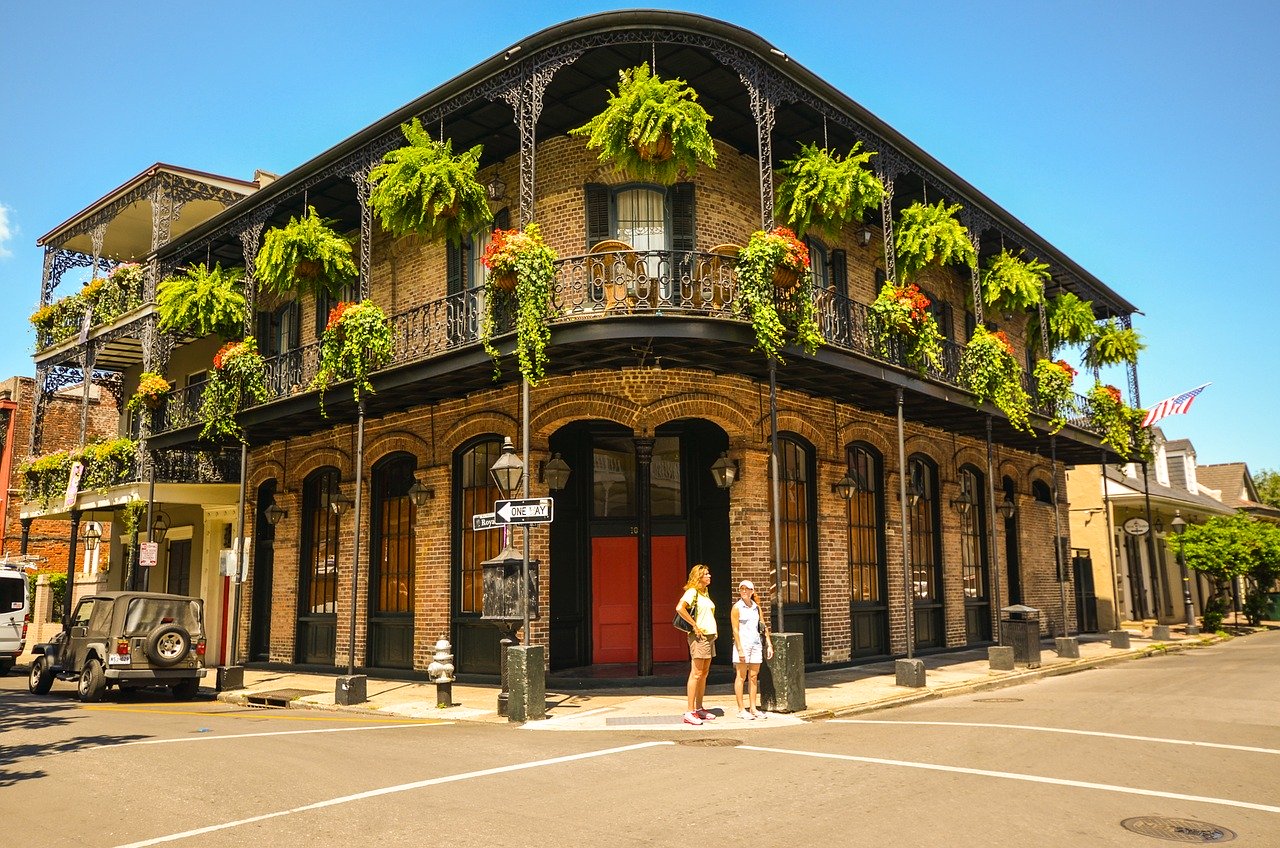
The French Quarter is the vibrant heart of New Orleans, where history, culture, and music collide. Known for its iconic Spanish colonial architectureand French influence, this district offers a unique blend of old-world charm and modern-day excitement.
Visitors can wander through its narrow streets, enjoy live jazz performances, and explore some of the city's most historic landmarks.
French Quarter Highlights:
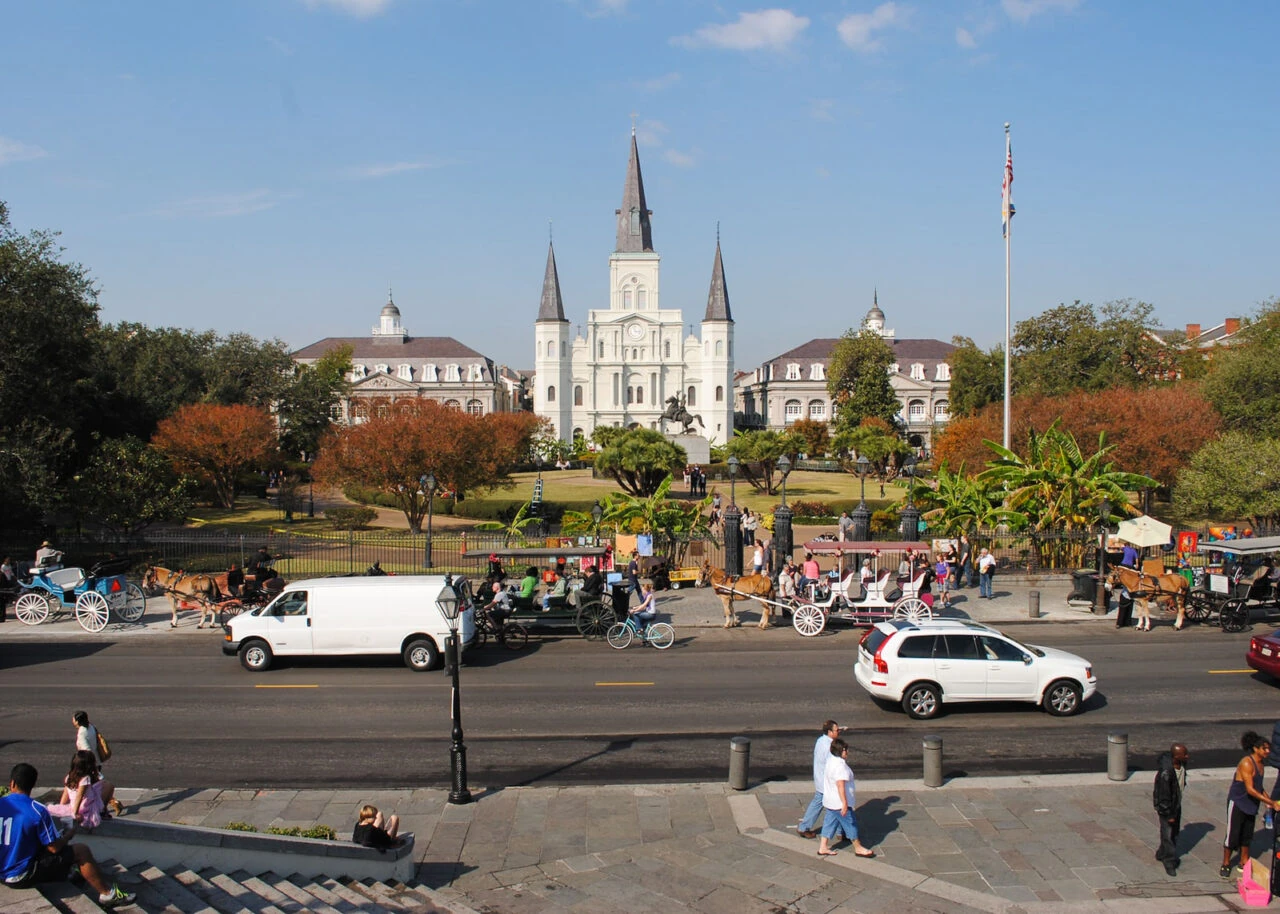
- Jackson Square: A historic park surrounded by landmarks like the St. Louis Cathedraland Cabildo, showcasing New Orleans' rich history.
- Bourbon Street: Famous for its lively bars, clubs, and historic buildings, it’s a must-see for anyone looking to experience the city's nightlife.
- Royal Street: Known for its art galleries, antique shops, and vibrant street performances.
- Cafe du Monde: A world-famous spot for beignets and café au lait, offering a quintessential New Orleans experience.
Insider Tip: The French Quarter can get crowded, so try to visit early in the morning to enjoy the area before the crowds. Be sure to stop by Royal Streetfor a more relaxed vibe away from the hustle and bustle.
10. Oak Alley Plantation
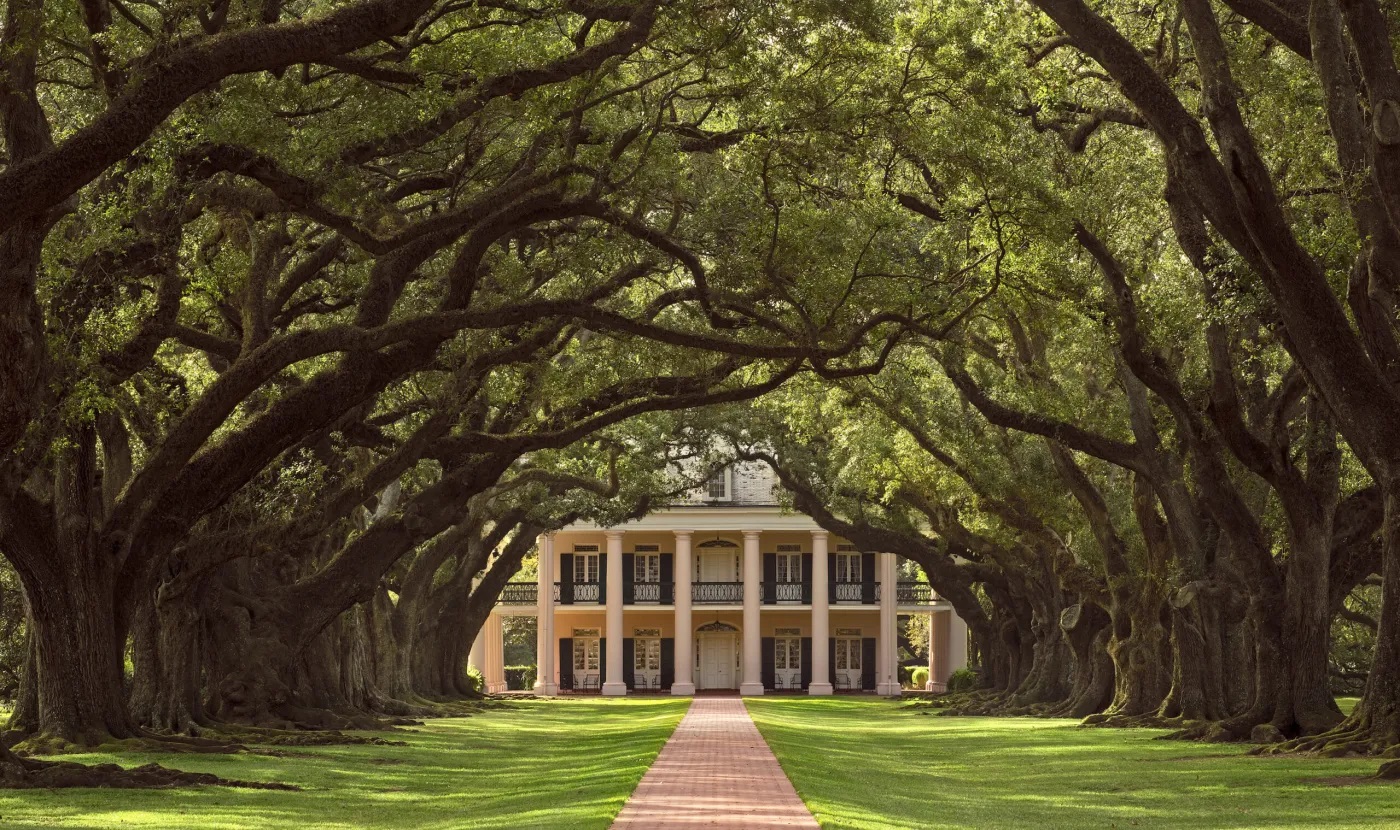
Oak Alley Plantation, located along the Mississippi River, is one of Louisiana’s most iconic antebellum plantations. Its majestic alley of oak trees, which were planted in the early 18th century, creates a stunning entrance to the plantation house.
The plantation offers visitors a glimpse into the state's history, from its agricultural past to the stories of those who lived and worked on the estate.
Oak Alley Plantation Highlights:
- The Oak Alley: A half-mile stretch of 300-year-old oak trees leading up to the main house, offering breathtaking views.
- The Plantation House: A beautifully preserved example of antebellum architecture, with guided tours that tell the story of the plantation's history.
- Slave Quarters: Learn about the lives of enslaved people who worked the land, with exhibits detailing their experiences and contributions to the plantation economy.
- The Sugar Cane Fields: Explore the history of sugar cane cultivation and its importance to the region.
Insider Tip: For a more immersive experience, plan to visit during one of the plantation’s seasonal events, such as their Candlelight Tours, which add a magical atmosphere to the historical experience.
11. Bayou Swamp Tours
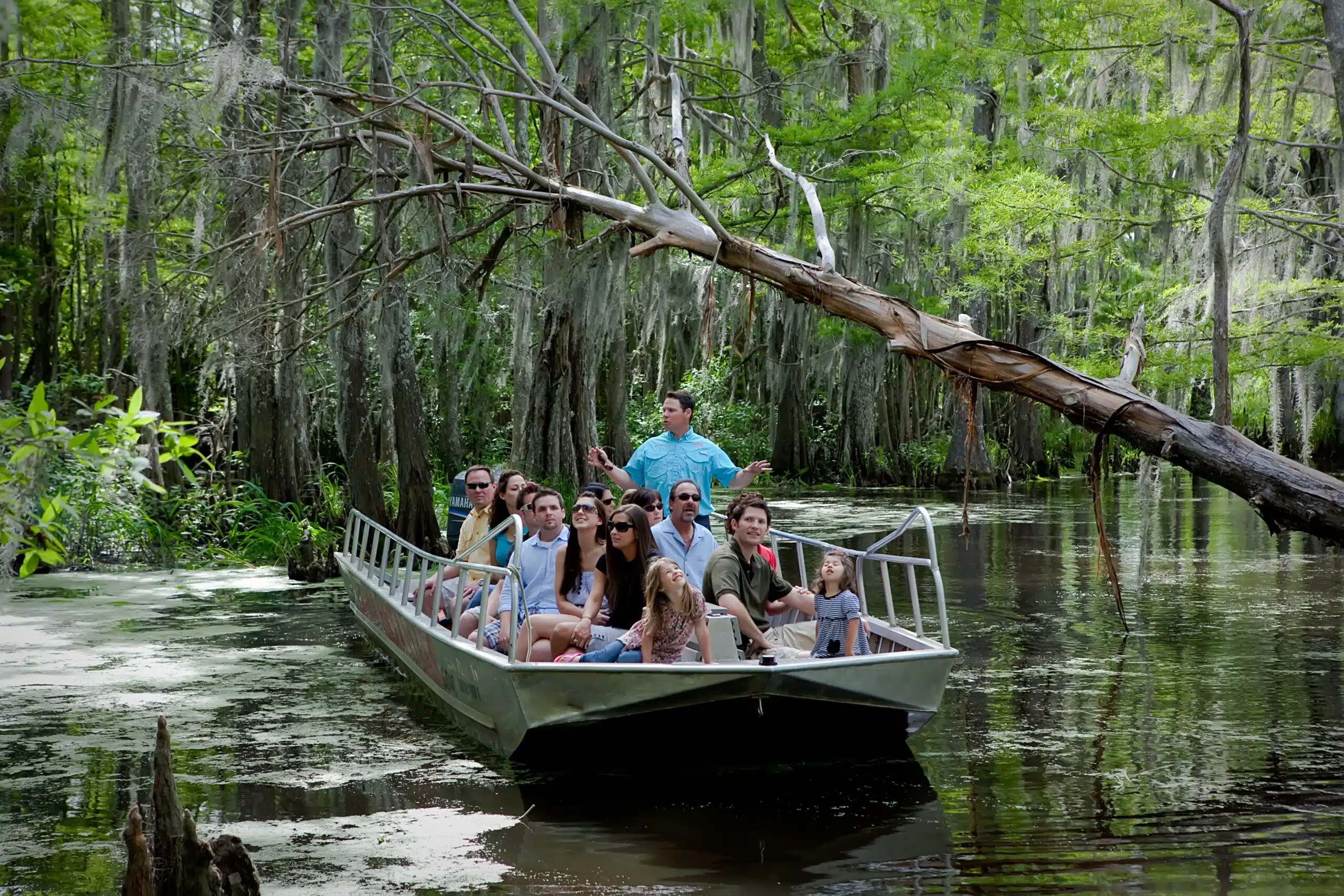
Louisiana’s bayous are one of its most unique and ecologically rich environments, teeming with wildlife and providing a glimpse into the natural beauty of the state.
A swamp touroffers the opportunity to explore these tranquil waters, where you can spot alligators, eagles, herons, and many other species that call the bayou home.
Bayou Swamp Tour Highlights:
- Alligator Watching: Get up close to these fascinating creatures and learn about their role in the ecosystem.
- Wildlife Observation: Alongside alligators, visitors may see a variety of birds, turtles, and fish.
- Guided Tours: Learn about the bayou’s unique ecosystem from local experts who will explain its history, biodiversity, and importance to the region’s culture.
- Boat Rides: Explore the bayou by boat, navigating narrow waterways and cypress groves.
Insider Tip: For the best wildlife sightings, schedule your tour early in the morning or late afternoon when animals are most active.
12. Avery Island: Home Of Tabasco Sauce
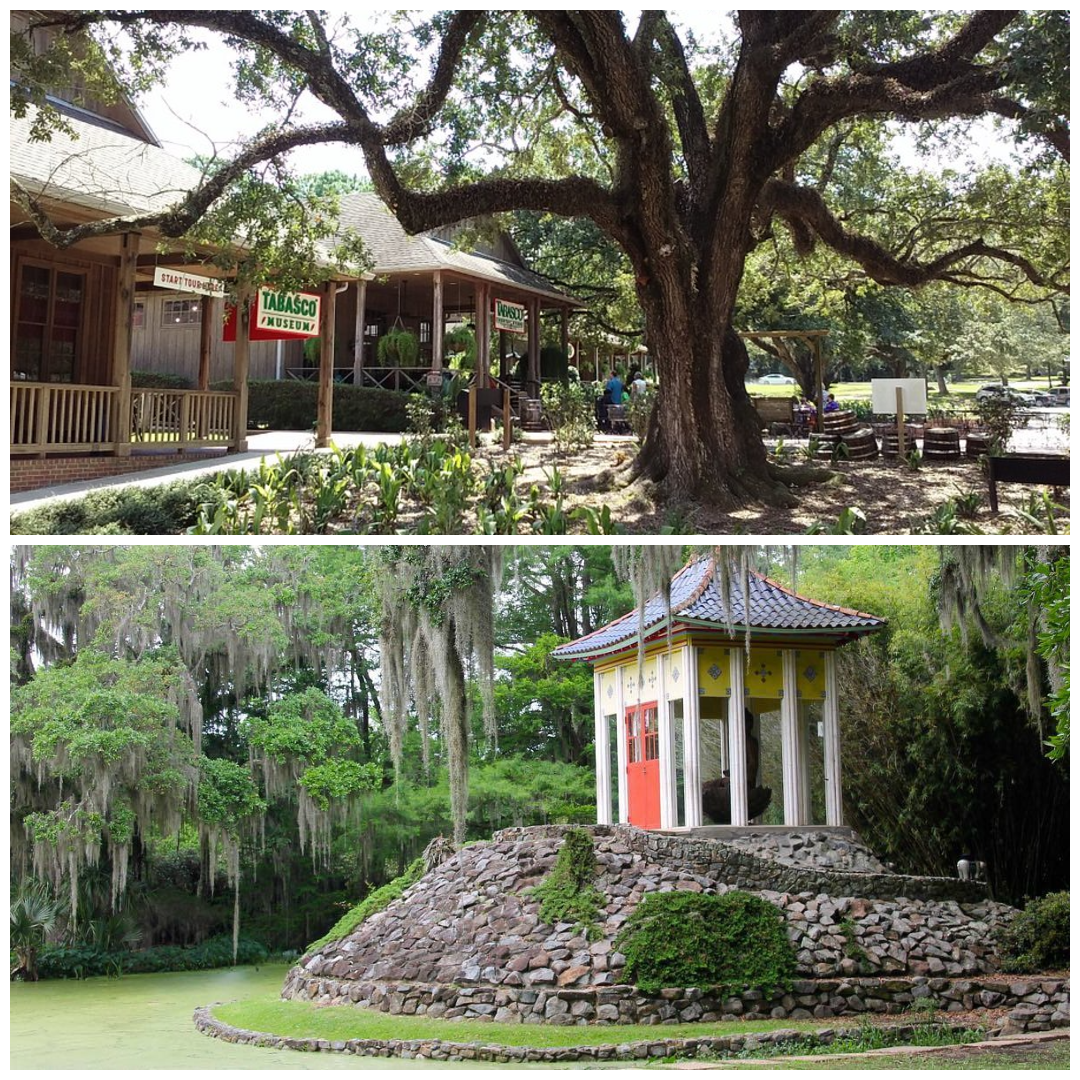
Avery Islandis a unique destination, combining natural beauty with the world-renowned Tabasco Saucefactory. Located on the Gulf Coast, the island is famous not only for its hot sauce but also for its lush Jungle Gardensand rich history.
Visitors can tour the Tabasco Factory, learn about the sauce’s production, and explore the surrounding gardens and wildlife.
Avery Island Highlights:
- Tabasco Factory Tour: Learn about the history of this iconic hot sauce brand, from its creation in 1868 to its global popularity today.
- Jungle Gardens: Explore over 170 acres of tropical gardens, featuring exotic plants, wildlife, and the Bird Citysanctuary for nesting herons.
- Historic Pepper Sauce Bottling Process: Watch the process of bottling Tabasco sauce, from harvesting the peppers to packing the final product.
- Local Souvenirs: Don’t leave without picking up a bottle (or several!) of Tabasco Sauce to take home.
Insider Tip: Be sure to visit the Tabasco Country Store, where you can sample a variety of unique Tabasco-flavored products, from ice cream to chocolates.
13. National WWII Museum

The National WWII Museumin New Orleans is one of the premier historical attractions in the United States. This museum offers a deep dive into the history of World War II, featuring exhibits on the military, the home front, and personal stories of soldiers and civilians affected by the war.
National WWII Museum Highlights:
- The D-Day Invasion Exhibit: Detailed exhibits about the D-Day landings, including artifacts and personal stories from those who participated in the operation.
- Interactive Experiences: Visitors can engage with history through multimedia displays, immersive exhibits, and artifacts from the war.
- Victory Theatre: Watch a stirring documentary that takes you through the events of World War II.
- Special Exhibitions: The museum regularly hosts rotating exhibits that cover specific themes or battles from the war.
Insider Tip: The museum is large and can take several hours to explore. Consider purchasing the Museum’s Audio Guideto enhance your experience and make sure you don’t miss anything.
14. Baton Rouge: The State Capital
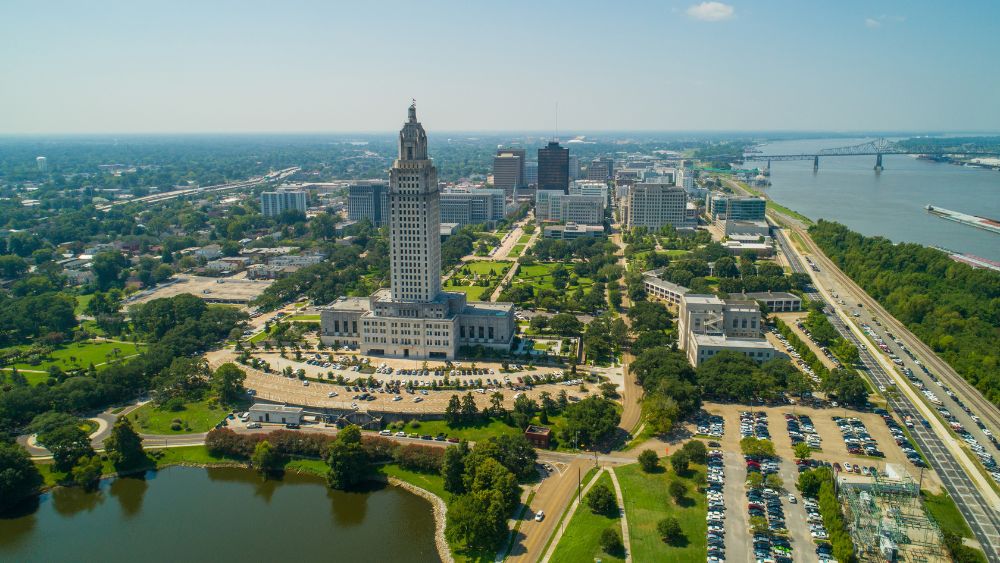
Baton Rouge, Louisiana’s state capital, offers a mix of historic landmarksand modern attractions. Whether you’re interested in history, architecture, or nature, Baton Rouge has something for everyone.
Baton Rouge Highlights:
- Louisiana State Capitol: The tallest state capitol building in the U.S., offering an observation deck with stunning views of the city.
- Old Governor’s Mansion: A grand historic building that has served as the residence for many of Louisiana’s governors.
- LSU Rural Life Museum: A museum that showcases the history of rural life in Louisiana, with exhibits on agriculture, folk culture, and more.
- Magnolia Mound Plantation: An 18th-century plantation house that reflects the colonial history of the area.
Insider Tip: If you have time, take a relaxing stroll through the Baton Rouge Zoo, home to a variety of wildlife, or explore the Gardens of the Capitol Park Museum.
Louisiana Cuisine: A Culinary Journey
15. Gumbo: The Quintessential Louisiana Stew
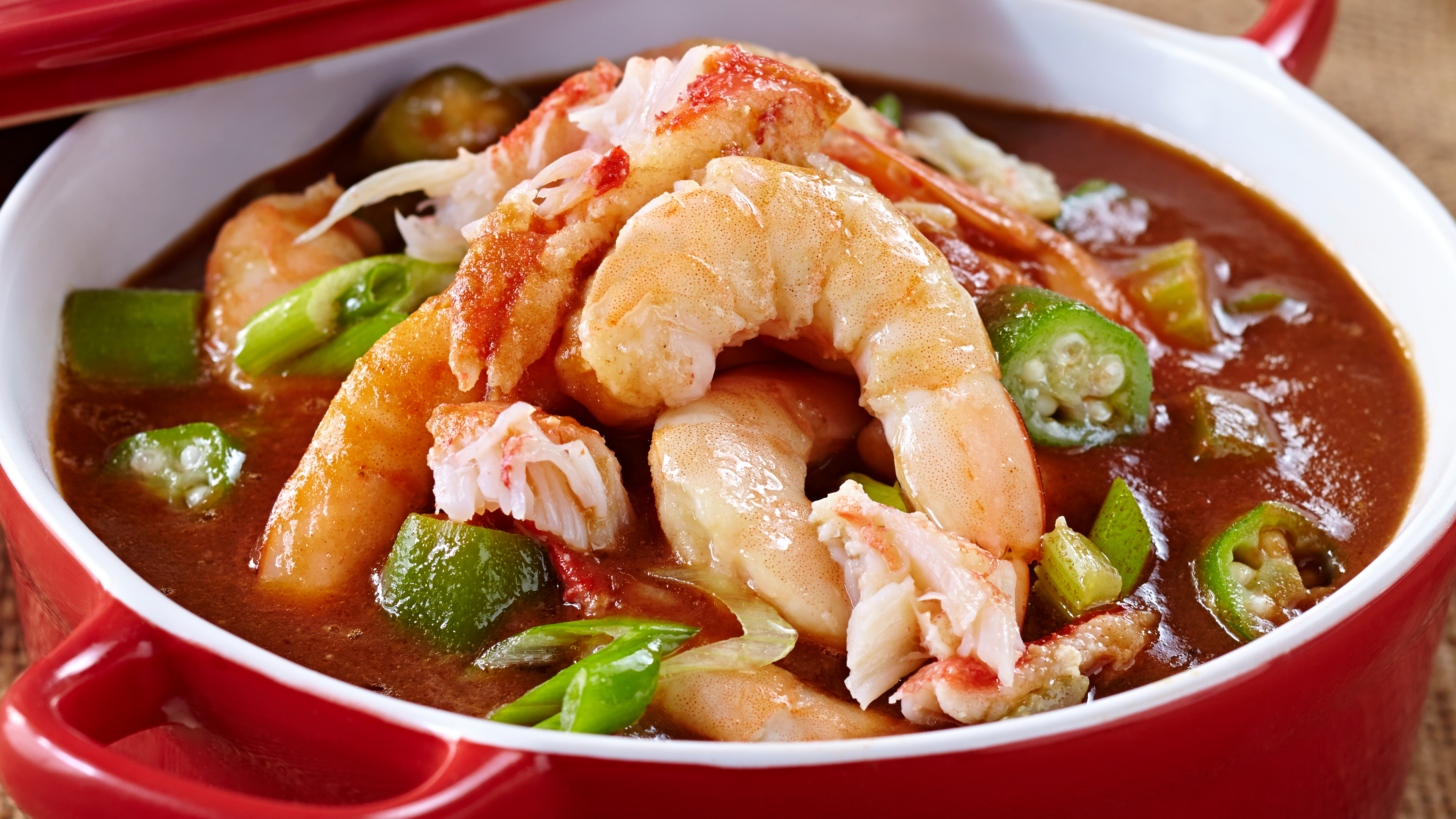
Gumbo is the soul of Louisiana cuisine. This hearty dish is loaded with bold flavors, courtesy of spices like cayenne pepper, thyme, and bay leaves. It is a perfect example of Louisiana’s Creole and Cajun influences, blending Frenchcooking techniques with local ingredients.
Gumbo Highlights:
- Seafood and Sausage: The most popular varieties of gumbo combine shrimp, crab, and sausage, but there are also chicken and duck gumbos.
- The Roux: A rich combination of flour and fat, cooked until brown to form the foundation of gumbo’s deep flavor.
- File Powder: Ground sassafras leaves, often sprinkled on top of gumbo, add a unique earthy flavor.
- Okra: A key ingredient that helps thicken the stew, giving it a distinctive texture.
Insider Tip: For an authentic gumbo experience, try it at one of the local restaurantsin New Orleansor Lafayette, where each family has its own special recipe.
16. Jambalaya: A Rice And Meat Staple

Jambalaya is another cornerstone of Louisiana cuisine, a hearty rice dish that blends meat, vegetables, and spicesinto one flavorful pot. It is often compared to a paelladue to its combination of rice, meats, and seasonings, but it has a unique Louisiana twist.
Jambalaya can be made with chicken, sausage, shrimp, or ham, and is seasoned with spices like paprika, garlic, onion, and cayenne pepper.
Jambalaya Highlights:
- Creole vs. Cajun Style: Creole jambalayaoften includes tomatoes, while Cajun jambalayadoes not, focusing instead on the meat and rice.
- The "Holy Trinity": A blend of onions, bell peppers, and celeryforms the aromatic base of the dish.
- One-pot Cooking: Jambalaya is traditionally cooked in a single pot, making it an easy and filling dish for gatherings.
Insider Tip: If you’re in Louisianaduring festival season, you may get to enjoy jambalaya cook-offs, where locals compete to create the best version of this beloved dish.
17. Crawfish Étouffée: A Savory Delicacy
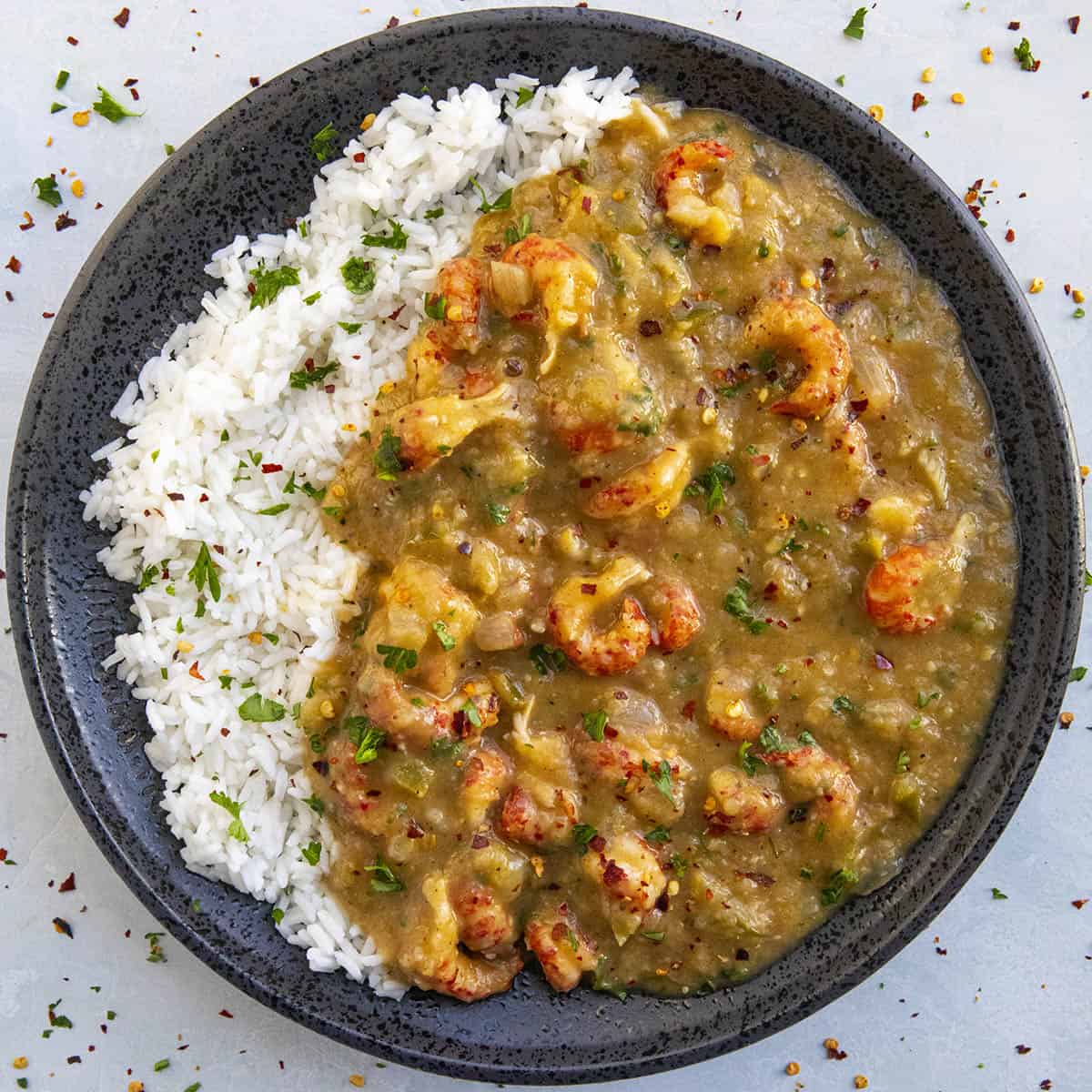
Crawfish étouffée is a rich, flavorful dishmade with crawfish, butter, onions, garlic, and a thick roux-based gravy. This dish is often associated with Louisiana’s spring season, when crawfish are abundant and at their best.
Étouffée, which means "to smother" in French, is served over rice, making it a comfort food staple throughout the state.
Crawfish Étouffée Highlights:
- Crawfish: The star of the dish, small freshwater crustaceans that are harvested in abundance in Louisiana.
- The Roux: Like gumbo, étouffée is made with a rich roux, giving the dish its creamy texture and deep flavor.
- Spices: A combination of paprika, cayenne, bay leaves, and thymeadds complexity to the dish.
- Creole and Cajun Variations: While both styles feature crawfish, the Creole versionmay incorporate tomatoes, while the Cajun versionsticks to the basics.
Insider Tip: Crawfish étouffée is best enjoyed with a side of garlic breador cornbreadto soak up the savory sauce.
18. Po'Boys: A Louisiana Classic Sandwich

Po’boys are the iconic Louisiana sandwich, made with French breadand stuffed with a variety of fillings, from crispy fried seafoodto roast beef.
This sandwich has roots in New Orleans, where it was originally created to serve as an affordable and filling meal for workers during a streetcar strike in the 1920s. Today, po’boys are a beloved part of Louisiana’s food culture.
Po'Boy Highlights:
- Fried Seafood Po'Boys: The most popular filling is fried shrimp, oysters, or catfish, but roast beefand turkeyare also commonly used.
- French Bread: The bread is key to the po’boy’s success, with a crunchy exterior and soft, airy interior.
- Dressed Po’Boy: A po’boy “dressed” includes lettuce, tomatoes, and pickles, giving it a refreshing balance to the fried fillings.
- Gravy or Sauce: For roast beef po’boys, a rich gravyis often poured over the sandwich.
Insider Tip: If you’re craving a po’boy, Mother’s Restaurantin New Orleans is an iconic spot known for serving one of the best po’boys in the city.
19. Beignets: Louisiana’s Sweet Treat
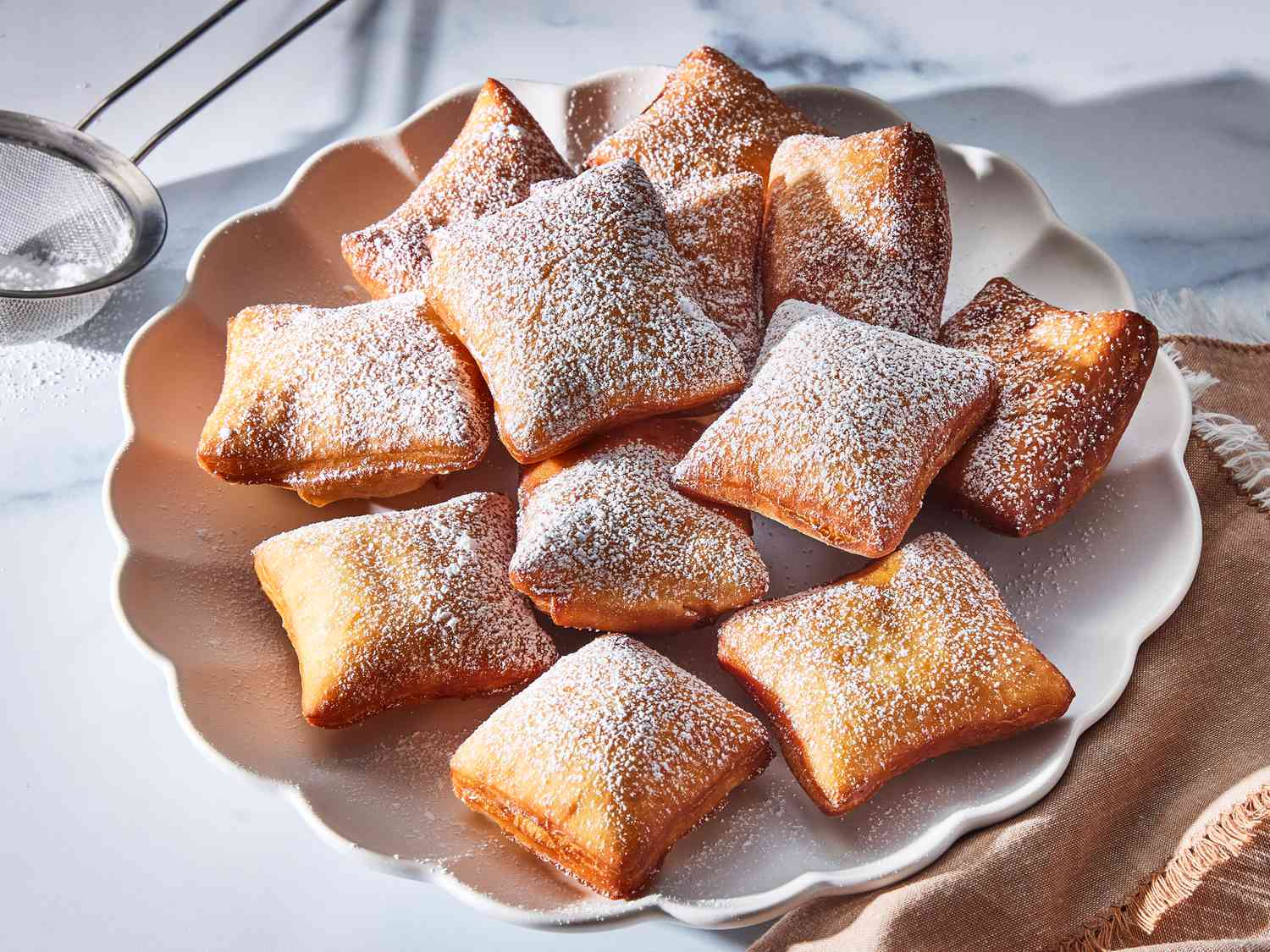
Beignets are deep-fried dough squares covered in powdered sugar, making them one of Louisiana’s most famous sweet treats.
Beignet Highlights:
- Café du Monde: The legendary spot to try beignets, located in the heart of the French Quarter.
- Deep-fried Perfection: Beignets are made from a simple dough, deep-fried to a golden crisp, and generously dusted with powdered sugar.
- Pairing with Café au Lait: The perfect accompaniment to beignets is a Café au Lait, a coffee with hot milk that balances the sweetness of the pastry.
Insider Tip: While Café du Monde is iconic, beignets can be found at various local bakeriesaround New Orleans, each offering their own take on the classic treat.
20. Pralines: Sweet Southern Confections
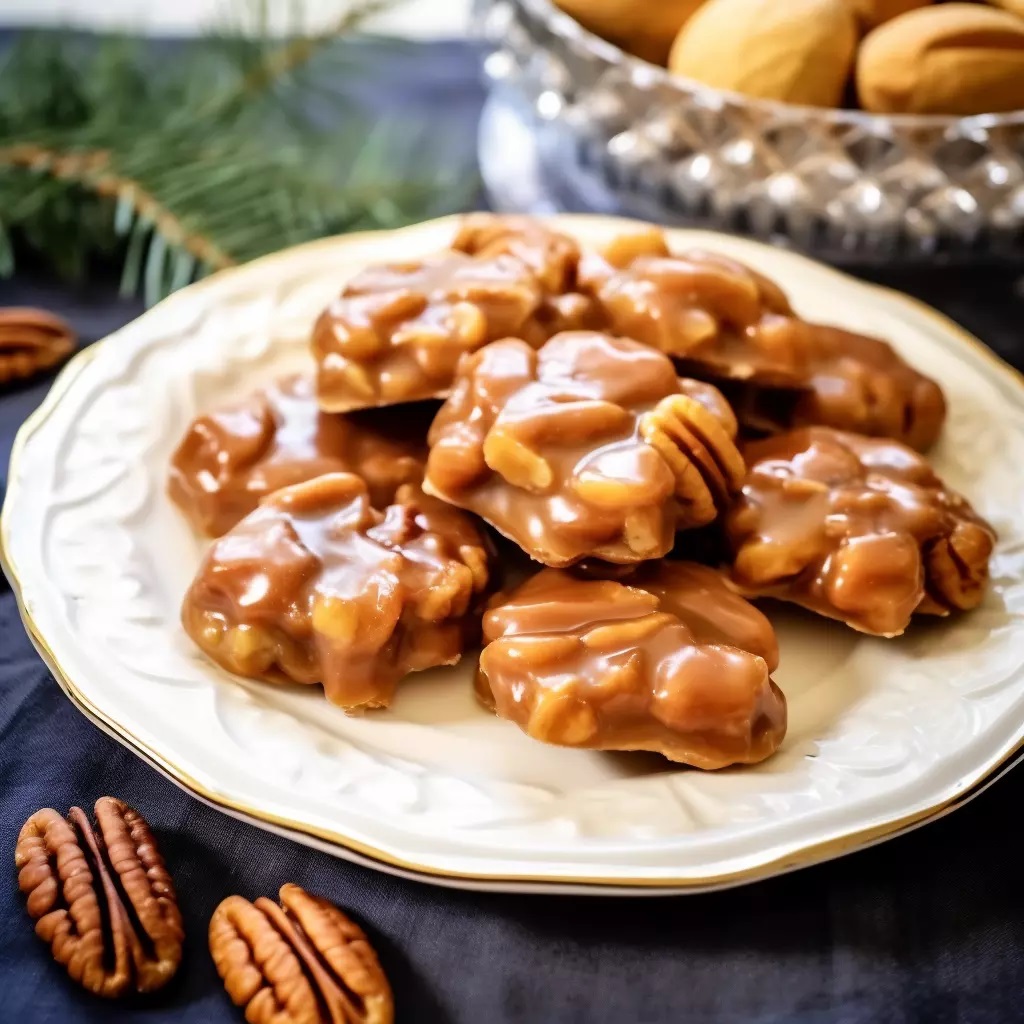
Pralines are a classic Southern candy made from pecans, sugar, butter, and cream. Louisiana’s version of pralines is particularly rich and creamy, with the pecansadding a nutty crunch to the sweet, caramelized mixture.
They are often sold at local marketsand souvenir shops, making them a popular treat for visitors to take home.
Praline Highlights:
- Pecan and Sugar Base: The combination of toasted pecansand sweet caramelgives pralines their signature flavor.
- Rich and Creamy: Unlike other types of pralines, Louisiana’s version is often softer and creamier due to the high ratio of cream and butter.
- Southern Tradition: Pralines are often seen as a symbol of Southern hospitality and are given as gifts during the holidays or special occasions.
Insider Tip: Pralines are best enjoyed fresh, but they can also be stored for later as a sweet reminder of your Louisiana adventure.
21. King Cake: A Mardi Gras Tradition
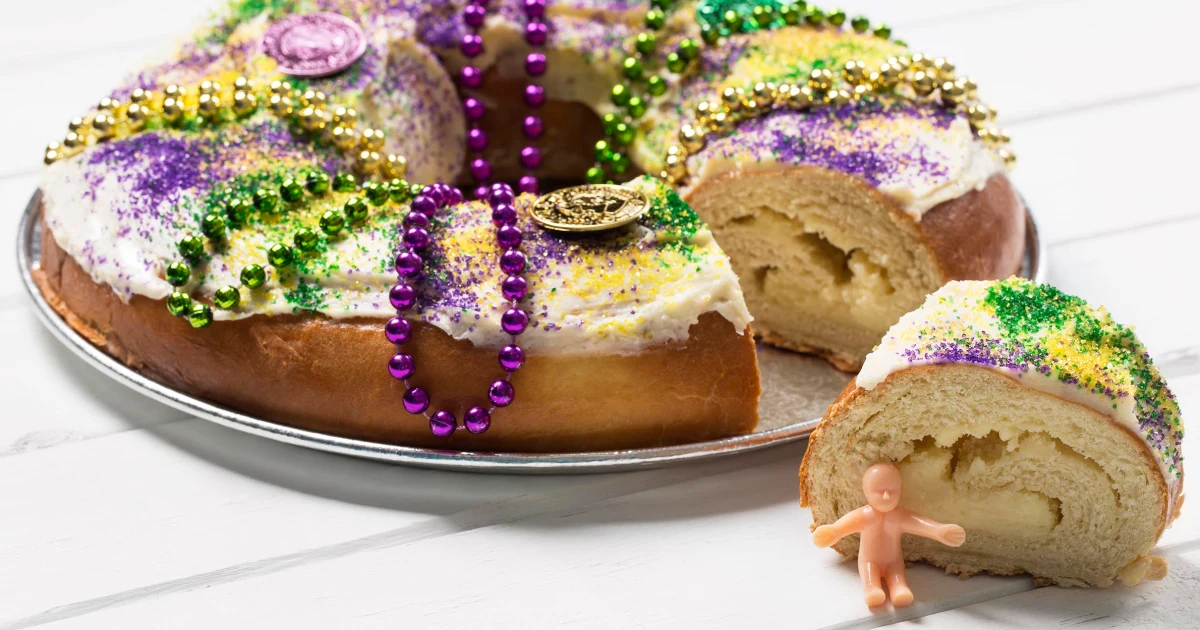
The King Cake is a festive and delicious pastry associated with Mardi Grascelebrations. A small plastic babyis hidden inside the cake, and the person who finds the baby is expected to buy the King Cake for the next celebration.
King Cake Highlights:
- Cinnamon Filling: The sweet cinnamon filling is what makes the King Cake a treat for the taste buds.
- Colorful Decorations: The cake is often decorated with purple, green, and goldicing, symbolizing justice, faith, and power, respectively.
- The Tradition: The person who finds the baby figurineis often tasked with hosting the next celebration or providing the next King Cake.
- Variants: While the traditional King Cake is cinnamon-flavored, some versions are filled with cream cheese or fruit fillings.
Insider Tip: If you're lucky enough to be in Louisiana during Mardi Gras, make sure to sample a slice of King Cake at a local bakery or Mardi Gras party.
Outdoor Adventures: Exploring Louisiana’s Natural Wonders
22. Atchafalaya Basin: The Largest Wetland In The U.S.
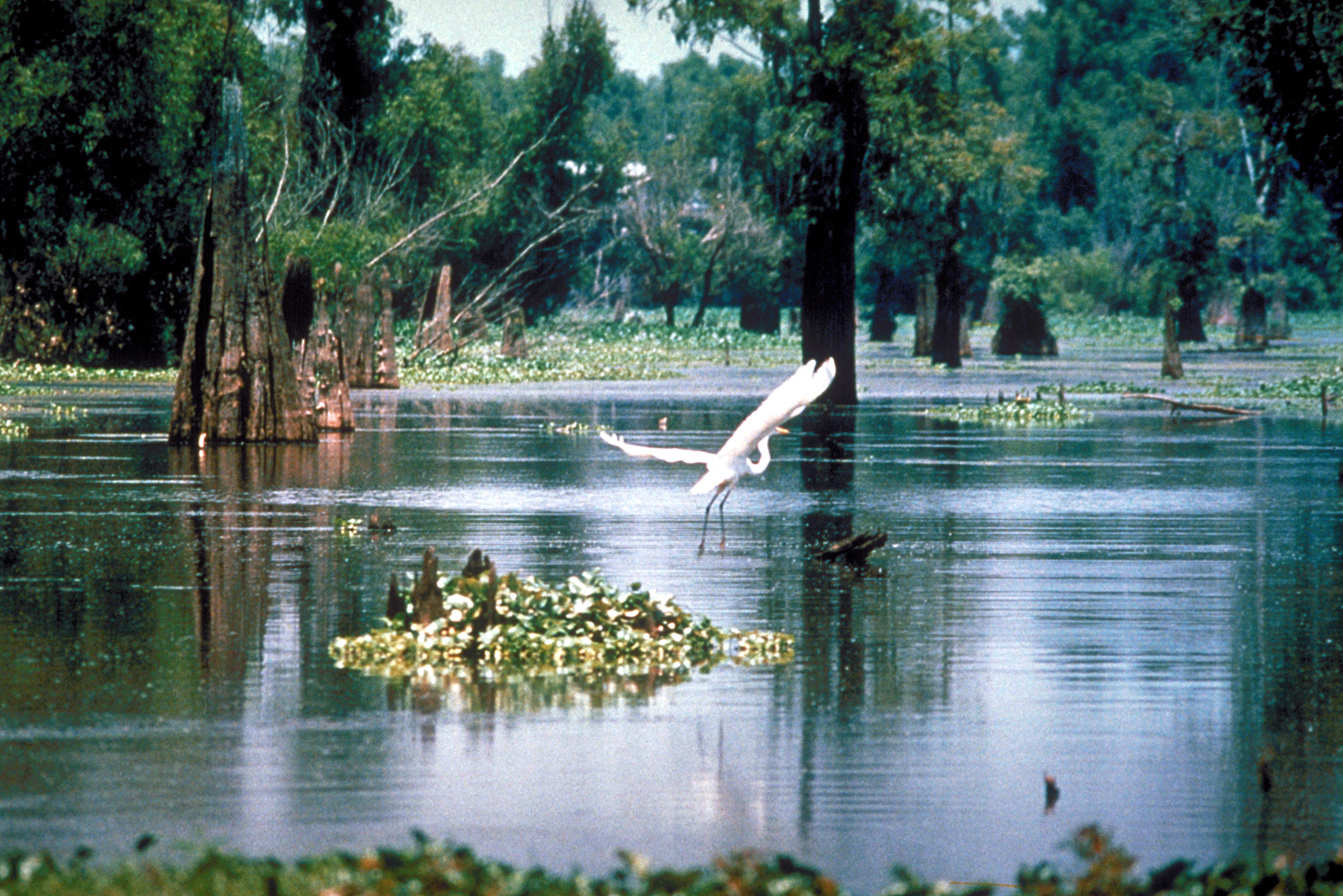
The Atchafalaya Basinis the largest swamp in the United States and one of the most biodiverse regions in North America. With its maze of bayous, cypress trees, and abundant wildlife, it's a must-visit destination for nature enthusiasts and outdoor adventurers.
Atchafalaya Basin Highlights:
- Swamp toursthat let you explore the tranquil waters and see alligators, herons, and other wildlife up close.
- Fishingopportunities, including bass and catfish in the swamp's waterways.
- Birdwatching, as the basin is a critical stop on migratory bird routes, with over 200 species of birds.
Insider Tip: For a true adventure, opt for a guided boat tourto get deeper into the swamps and learn about the unique ecosystem.
23. Jean Lafitte National Historical Park And Preserve
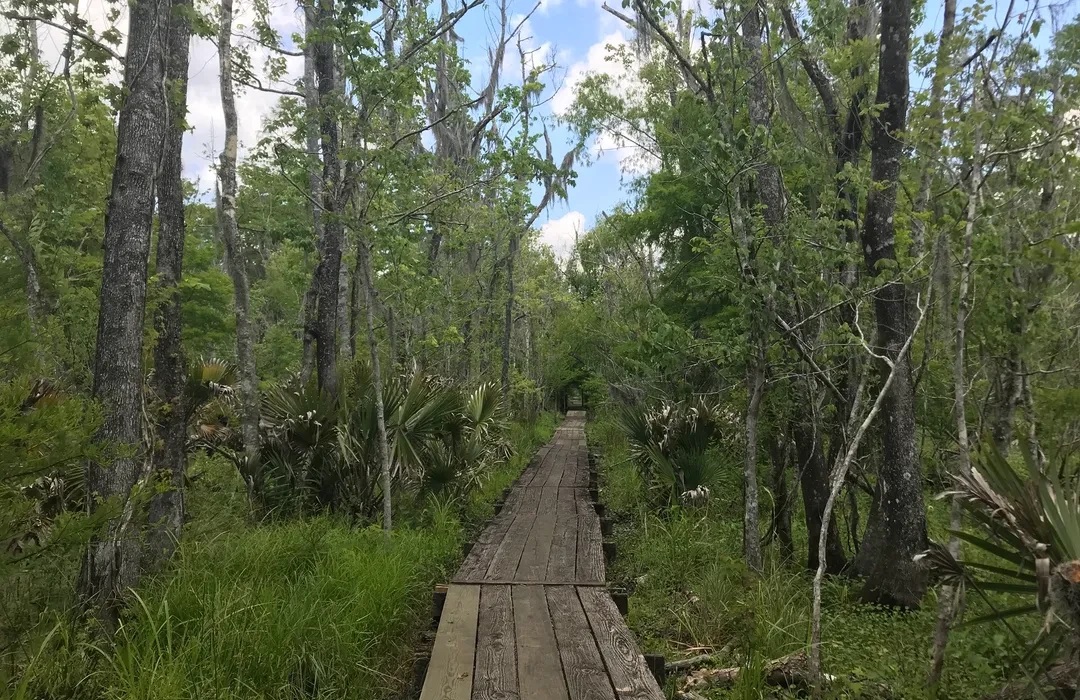
The Jean Lafitte National Historical Park and Preserveoffers a perfect fusion of history and nature. This national park is divided into six unique sites, offering visitors the chance to learn about the history of the area while enjoying the natural beauty of Louisiana’s wetlands and swamps.
Jean Lafitte National Historical Park Highlights:
- Historic trailssuch as the Barataria Preserve, which takes you through swampy terrain and past historic sites.
- Nature walksand boardwalks that offer an up-close view of swamps, marshes, and diverse wildlife.
- Cultural programswhere you can learn about the history of the region, from the French settlers to the pirate Jean Lafitte himself.
Insider Tip: Don't miss the Louisiana Nature Centerfor an interactive experience and a chance to learn more about local ecology.
24. Kisatchie National Forest
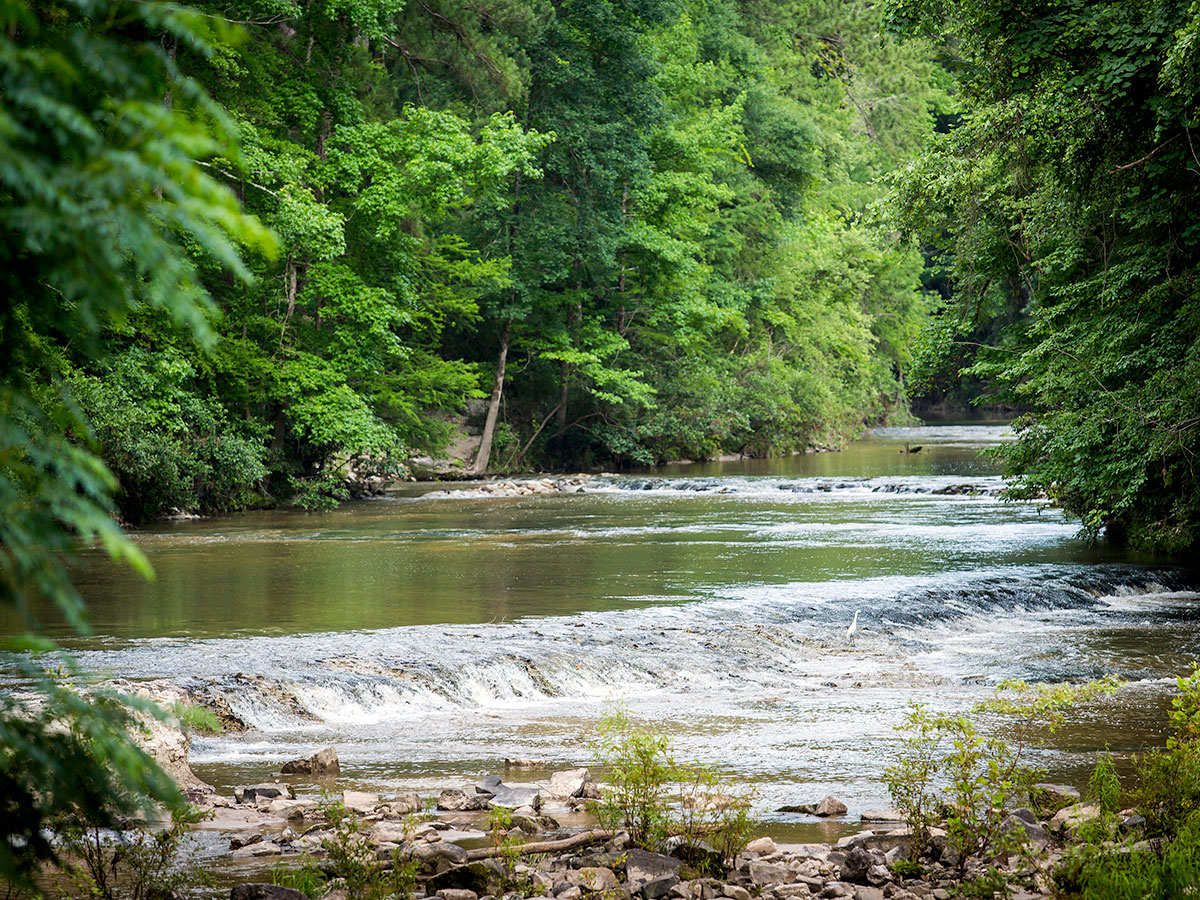
Kisatchie National Forestis Louisiana’s only national forest, offering over 600,000 acres of wilderness to explore. Whether you're a seasoned hiker or a casual camper, this forest provides a variety of trails, campsites, and outdoor experiences.
Kisatchie National Forest Highlights:
- Hiking trailsthat range from easy walks to more challenging treks through the forest.
- Camping sitesfor those looking to immerse themselves in nature.
- Wildlife sightingsincluding deer, wild boar, and numerous bird species.
Insider Tip: Visit in the fall for cooler weather and vibrant foliage, making hiking and camping an even more scenic experience.
25. Grand Isle: Louisiana’s Coastal Paradise
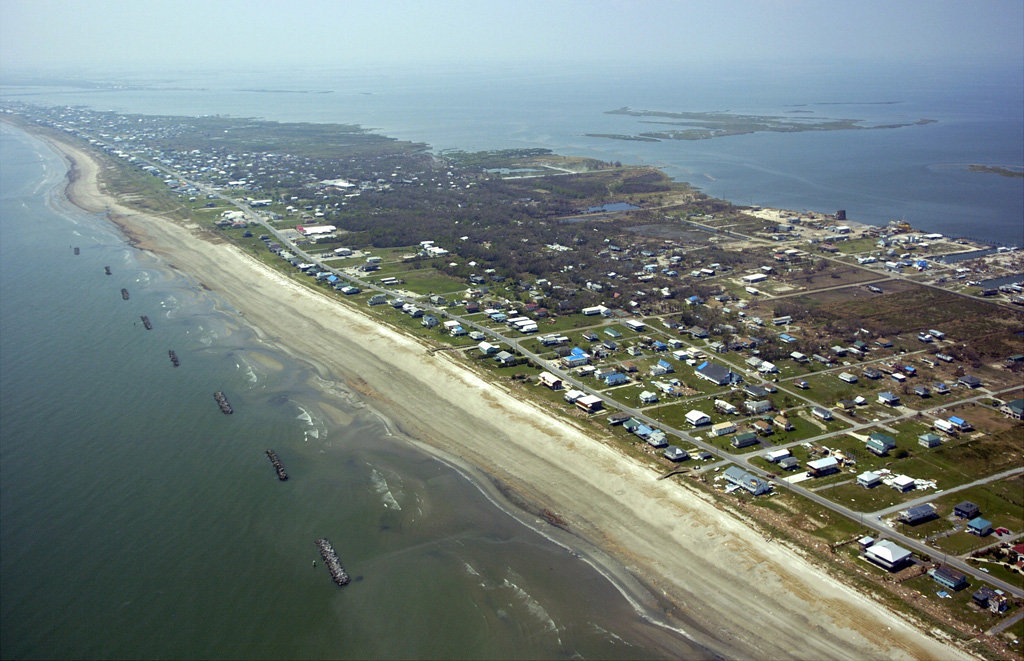
Located on the Gulf of Mexico, Grand Isleis a small barrier island known for its pristine beachesand abundant wildlife. It’s a fantastic destination for those looking to relax or indulge in coastal activities like fishing, birdwatching, and water sports.
Grand Isle Highlights:
- Fishing: The island is a premier location for saltwater fishing, offering deep-sea and pier fishing opportunities.
- Birdwatching: As a designated bird sanctuary, Grand Isle attracts migratory birds, making it a birdwatcher’s paradise.
- Beaches: Relax on quiet, uncrowded beaches or take part in water activities like kayaking and boating.
Insider Tip: Stay at one of the local bed-and-breakfasts for a peaceful coastal getaway.
26. Streetcars: A Historic Ride Through New Orleans
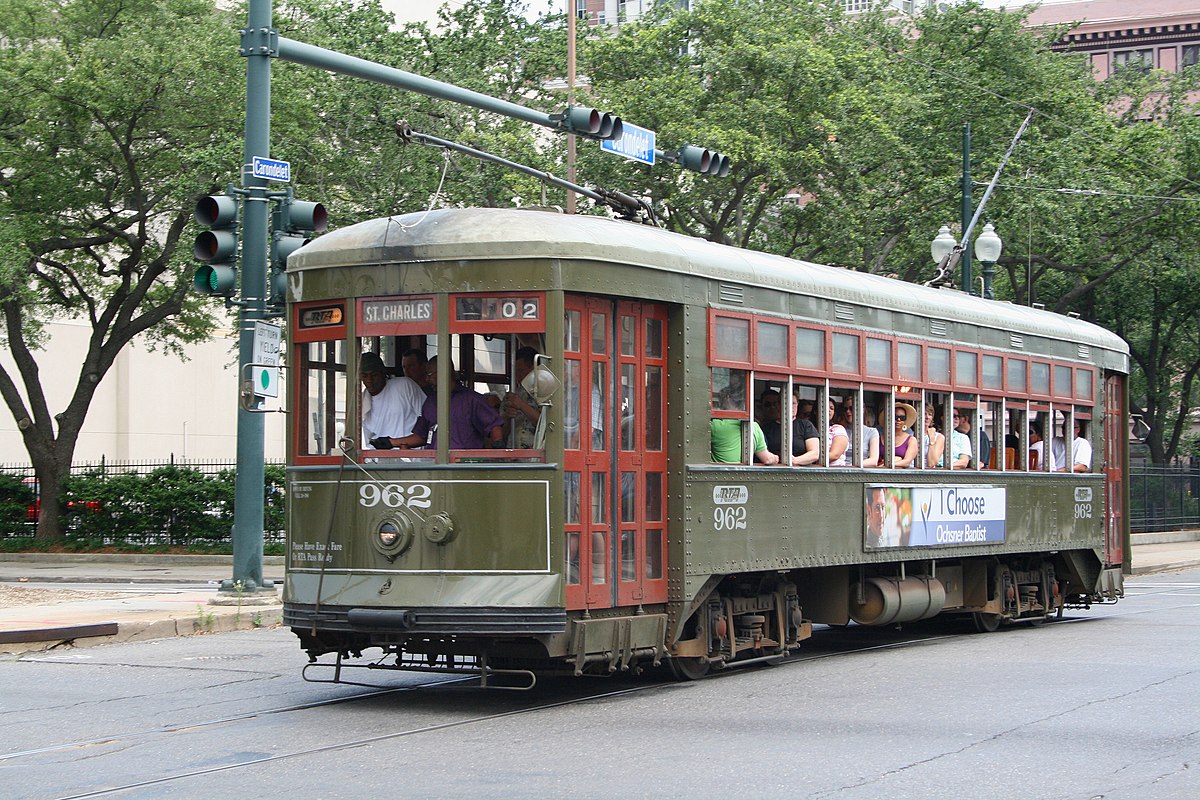
Streetcars, or trolleys, are a staple of New Orleans’ transportation system. These charming vintage vehicles provide a nostalgic and unique way to explore the city. The St. Charles Streetcar is the most famous route, offering scenic views as it travels from the Central Business District to the Garden District.
Streetcar Highlights:
- St. Charles Streetcar: This iconic streetcar is listed in the National Register of Historic Places and is the oldest continuously operating streetcar line in the world.
- Scenic Rides: The route passes historic mansions, oak-lined streets, and picturesque neighborhoods.
- No Air Conditioning: While streetcars offer a unique experience, be prepared for a warm ride during summer months as they don’t have air-conditioning.
Insider Tip: Riding the streetcar is an affordable way to get around the city while enjoying the historic atmosphere. Just be sure to bring a fan or bottle of water on hot days!
Sports: Louisiana’s Passion For Competition
27. New Orleans Saints: A Statewide Obsession

The New Orleans Saints hold a special place in the hearts of Louisianians. Known for their loyal fan base, "Who Dat Nation," and their memorable Super Bowl win in 2009, the Saints’ games at the Mercedes-Benz Superdome are a major event.
Key Highlights:
- Super Bowl champions (2009).
- Iconic Mercedes-Benz Superdome as the home field.
- Strong community involvement beyond the field.
Insider Tip: Arrive early for a full game-day experience, complete with tailgating and pre-game festivities.
28. LSU Tigers: College Sports Royalty

LSU Tigers are celebrated across Louisiana, particularly their football team, which has won multiple national championships. The fierce rivalries and the atmosphere at Tiger Stadium make LSU games a must-experience.
Key Highlights:
- National football championships.
- Tiger Stadium ("Death Valley") offers one of the loudest atmospheres in college football.
- LSU excels in other sports like baseball and basketball.
Insider Tip: Don’t miss a chance to attend a game at Tiger Stadium for a truly unforgettable experience.
FAQs
What Is Louisiana’s Most Famous Food?
Gumbo, jambalaya, and crawfish étouffée are among the state’s most famous dishes, all of which reflect the cultural blend of Louisiana’s French, African, and Native American influences.
What Is The Best Time To Visit Louisiana?
The best time to visit Louisiana is during the spring (March-May) or fall (September-November), when the weather is mild and there are numerous festivals and events.
Is It Safe To Visit Louisiana?
Yes, Louisiana is generally safe for tourists, but like any destination, it’s important to stay alert, especially in larger cities. Areas like New Orleans and Baton Rouge have dedicated tourism departments that offer safety tips for visitors.
What Are The Most Famous Festivals In Louisiana?
Mardi Gras is the most famous festival, but Louisiana also hosts Jazz Fest, the Breaux Bridge Crawfish Festival, and a range of Cajun and Zydeco music festivals.
Can You See Wildlife In Louisiana?
Yes, Louisiana is home to a diverse range of wildlife, including alligators, birds, and fish, which can be seen on swamp tours and in places like the Atchafalaya Basin.
Conclusion
Louisiana is a state filled with unique cultural, historical, and natural wonders. From the bustling streets of New Orleans to the peaceful bayous and the vibrant festivals, Louisiana offers something for everyone. Whether you're seeking adventure, relaxation, or a deep dive into history, Louisiana invites you to experience its rich diversity. Plan your trip today and discover the many facets of the Pelican State.

Maya Reyes
Author
Maya Reyes’s wanderlust was sparked in the temples of Luang Prabang, where the scent of lemongrass and the chants of monks revealed the transformative power of travel.
Since then, her journey has been defined by cultural immersion and authentic connections. From learning batik in Indonesia to sharing meals with nomadic families in Mongolia, Maya seeks experiences that highlight the human stories behind each destination.
Travel for her is a way to weave her narrative into the world’s cultural tapestry, creating bridges across diverse ways of life. Maya has traveled to 15 countries and shares her insights through writing and storytelling.

Finn Wilde
Reviewer
For Finn Wilde, the wilderness is more than just a destination - it’s a way of life. Over the past decade, he has led multiple expeditions in some of the world’s most remote regions, from the icy fjords of Greenland to the rugged trails of Patagonia.
Finn emphasizes sustainability in all of his adventures, helping participants connect with nature while promoting responsible exploration. His expeditions inspire individuals to explore the great outdoors while fostering a deep respect for the environment.
Latest Articles
Popular Articles