How To Plan Your Dream Trip To Washington, D.C. In 2025
From breathtaking architecture to buzzing streets, Washington DC is a city of contrasts. Learn about its unique blend of history and culture now.
Author:Finn WildeReviewer:Liam JonesJan 03, 202551.2K Shares692K Views
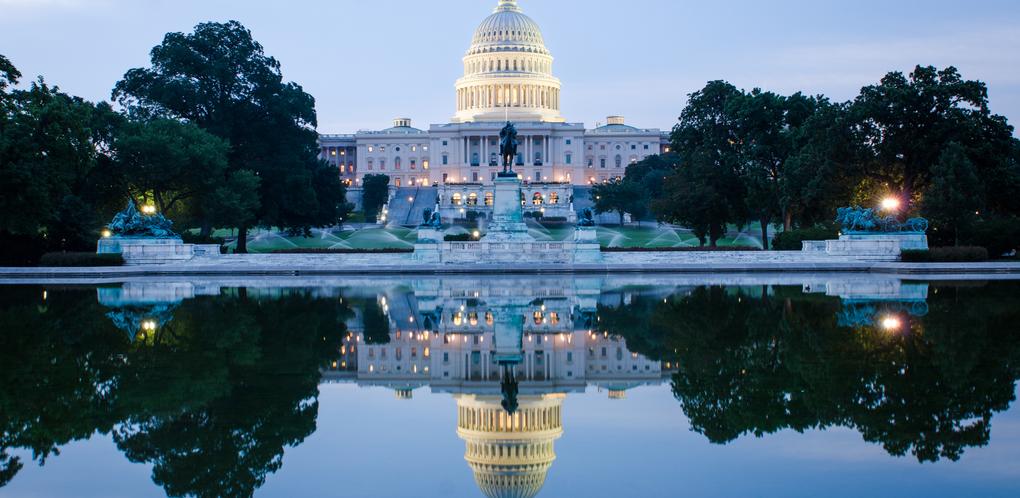
The capital of the United States, Washington, D.C., is home to more than simply the government. With its famous monuments and museums that chronicle our nation's history, it's a city where the past comes to life. There are lively neighborhoods with distinct personalities, mouthwatering cuisine, and a blend of contemporary culture and vintage charm
Washington, D.C., has something for everyone, perhaps you're impressed with the imposing structures on the National Mall, wish to take in the city's thriving cultural scene, or just like visiting its varied neighborhoods. Find out the must-see attractions, unearth some hidden treasures, and get some useful advice to make your trip one to remember with the help of this guide.
History Of Washington, D.C.
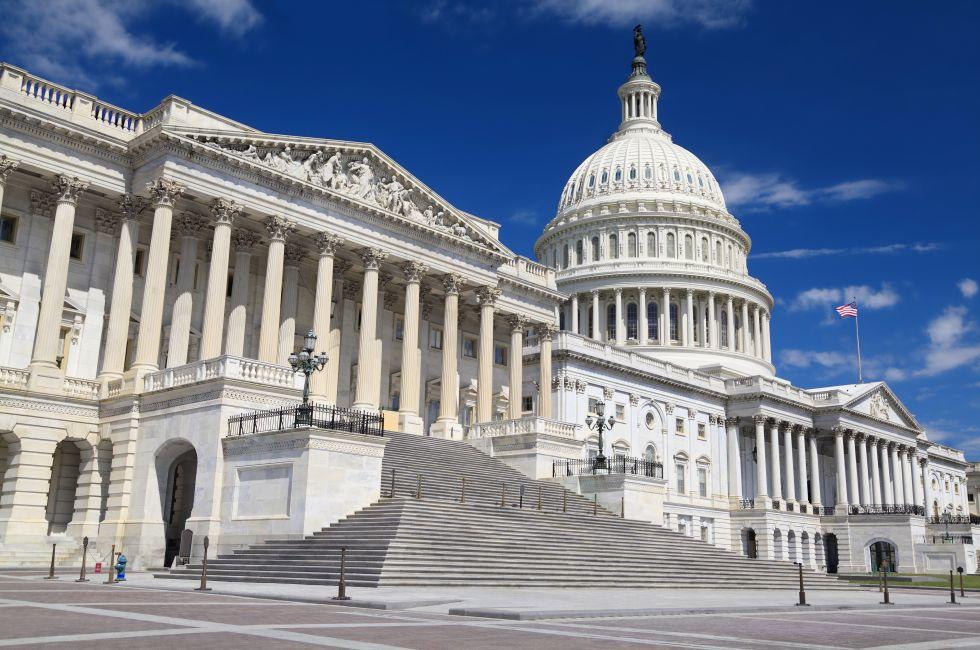
Washington DC was formed in 1790 as a neutral place to serve as the United States' capital. A agreement between Northern and Southern states to create a capital independent of any one state gave rise to the city.
Wide streets, grassy areas, and imposing public structures were all part of the city's design, which was created by French architect Pierre Charles L'Enfant. Washington, DC, has seen significant events in American history over the years.
From Martin Luther King Jr.'s well-known "I Have a Dream" speech on the steps of the Lincoln Memorial to President Lincoln's leadership during the Civil War, the city has served as a backdrop for pivotal moments. While maintaining its historical roots and welcoming modernity, it still functions as a political and cultural hub today.
Why Visit Washington DC?
Washington DC is a city that combines historical significance with a thriving modern culture. In addition to visiting internationally recognized institutions, visitors may stroll through distinctively character-rich districts and savor a diverse foodie culture. The city's accessibility is one of its biggest attractions.
It is an affordable vacation for both families and single tourists because many of the main attractions, including the Smithsonian Museums and national monuments, are free to enter. English speaking countriesoften find Washington DC particularly convenient, as the common language simplifies navigation and enriches the cultural experience.
Its walkable design and effective public transit infrastructure also make moving about simple and pleasurable. The city has several green areas for nature lovers, such as the expansive Rock Creek Park and the Tidal Basin, which is a sight to see each spring when the cherry blossoms bloom. With everything from Michelin-starred restaurants to regional specialties like half-smoked and Chesapeake Bay seafood, Washington, DC, is a gastronomic gold mine for foodies.
United States Capital Region
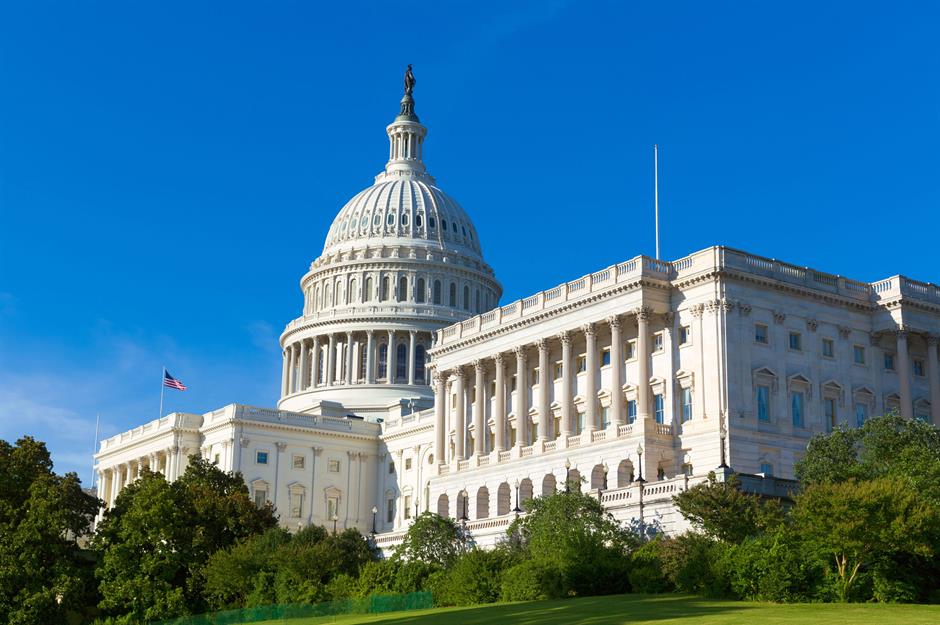
The United States Capital Region encompasses Washington DC and its neighboring areas in Maryland and Virginia. This region is not only the political heart of the country but also a hub for culture, history, and natural beauty.
Key Highlights Of The Capital Region
Northern Virginia
- Arlington National Cemetery: Located just across the Potomac River, this historic site is a tribute to the nation's military personnel. It’s also home to the Tomb of the Unknown Soldier and the eternal flame marking President John F. Kennedy’s grave.
- Old Town Alexandria: This charming waterfront town is filled with cobblestone streets, historic homes, and boutique shops. The Torpedo Factory Art Center is a must-visit for art enthusiasts.
- Great Falls Park: A stunning natural area with dramatic waterfalls and hiking trails, located just 15 miles from the capital.
Maryland Suburbs
- Annapolis: Annapolis, the capital of Maryland and known as the "Sailing Capital of the World," is home to the historic U.S. Naval Academy, colonial architecture, and lovely waterfront views.
- National Harbor: A vibrant area featuring the iconic Capital Wheel, dining options, and entertainment venues. It's an excellent spot for family-friendly activities.
- Greenbelt Park: A calm getaway in the suburbs, suitable for camping, picnicking, and enjoying nature paths.
Washington DC As The Heart
The city itself serves as the core of the Capital Region, bringing together monuments, museums, and political landmarks that define American democracy.
Cultural Blend Of The Capital Region
The Capital Region reflects a unique blend of urban sophistication and small-town charm. While DC is bustling with political energy, the surrounding areas offer serene landscapes and quaint towns that balance the vibrancy of the city.
Events And Festivals In The Region
- Virginia Wine Festivals: Sample award-winning wines at scenic vineyards in Northern Virginia.
- Maryland Seafood Festival: Held annually near Annapolis, this event celebrates the region’s culinary heritage with crab, oysters, and more.
- Capitol Fourth: A spectacular Independence Day celebration with fireworks and live music, uniting the entire region in patriotic spirit.
The United States Capital Region is a destination that offers an immersive mix of history, nature, and modern attractions. Visitors can easily combine a trip to Washington DC with forays into the surrounding areas to enjoy a broader experience of America’s rich culture and landscapes. For those planning their inaugural visit, the region stands out as one of the best places to visit in USA for first time, offering a perfect blend of iconic landmarks, vibrant neighborhoods, and scenic beauty.
Culture & Customs In Washington DC
As the nation’s capital, Washington DC is a cultural microcosm of the United States. Visitors will find a unique blend of historical reverence, political atmosphere, and modern creativity.
1. Cultural Norms
- Diverse Population: The city is home to people from all over the world, creating a rich cultural tapestry. Visitors can expect to encounter a variety of languages, traditions, and cuisines.
- Respect for Monuments: When visiting national monuments or museums, maintain decorum. Many sites are places of remembrance, so keep noise levels down and follow posted rules.
- Tipping: It’s customary to tip 15-20% at restaurants, 10% for taxi drivers, and $1-2 per bag for hotel staff.
2. Cultural Events And Festivals
- National Cherry Blossom Festival: Held every spring, this festival celebrates the blooming of the cherry trees gifted by Japan. Events include parades, cultural performances, and kite flying.
- Smithsonian Folklife Festival: Showcasing global cultures, this annual event on the National Mall is a celebration of music, art, and traditions.
- Jazz in the Garden: Held during the summer at the National Gallery of Art’s Sculpture Garden, this event combines live jazz with a relaxed picnic atmosphere.
Top Landmarks In Washington DC
1. The National Mall
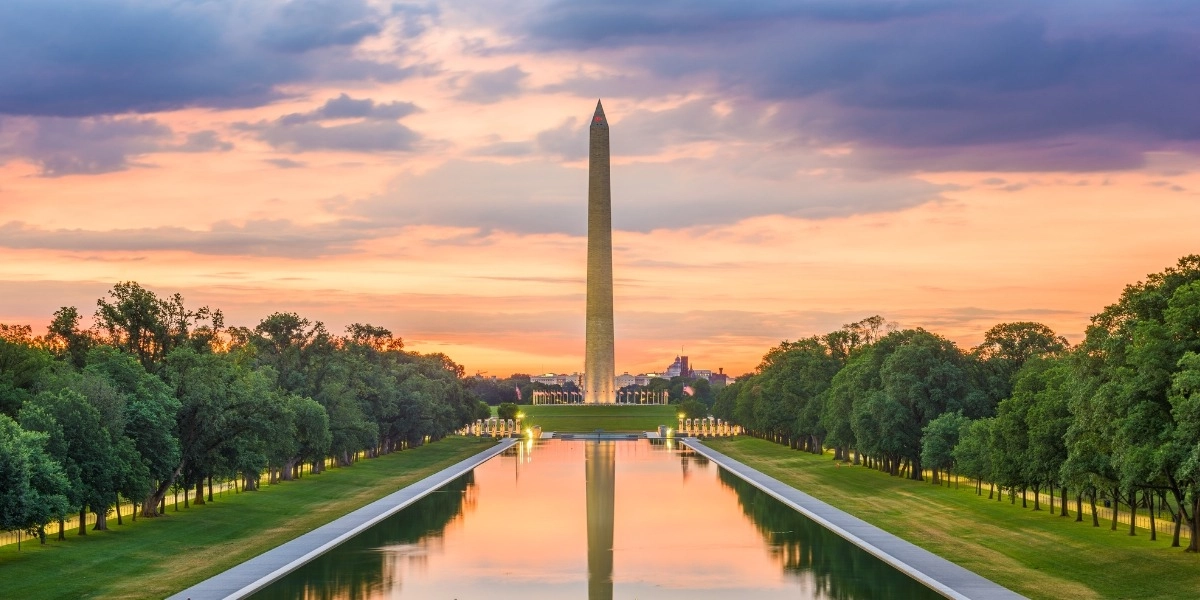
The phrase "America's Front Yard" is frequently used to describe the National Mall. Some of the most recognizable landmarks in the nation may be found within this vast green area, which spans more than two miles. The history that shapes the country may be experienced by visitors as they stroll between monuments such as the U.S. Capitol, the Lincoln Memorial, and the Washington Monument.
2. The White House
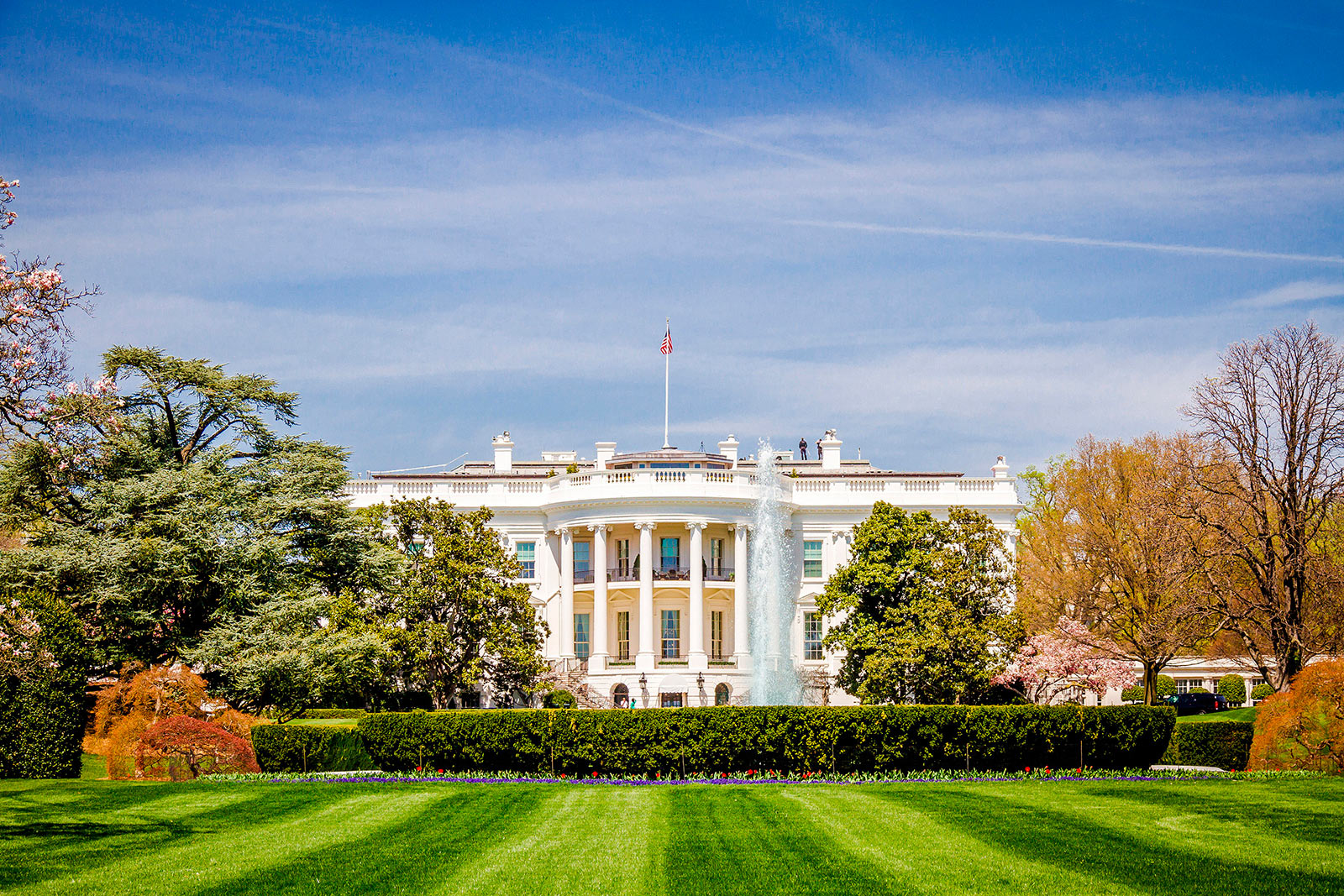
Without seeing the White House, a trip to Washington, DC, is not complete. It serves as the President of the United States' official residence and is a representation of democracy and authority. Lafayette Square is a fantastic place for visitors to take pictures of the White House. Guided tours of the inside can be scheduled in advance for anyone who would like a closer look.
3. Lincoln Memorial
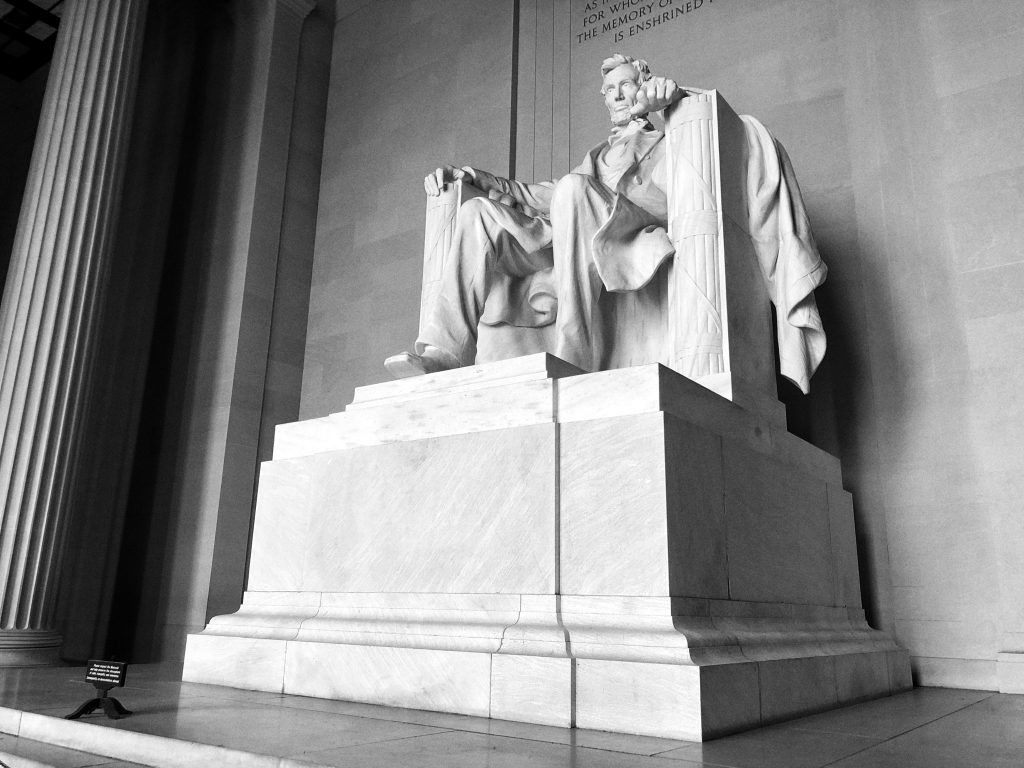
One of the most popular tourist destinationsin Washington, DC, this neoclassical monument honors President Abraham Lincoln and features a tall statue of Lincoln sitting inside, along with quotes from some of his most well-known speeches, such as the Gettysburg Address. The memorial's peaceful beauty is enhanced by the Reflecting Pool in front of it, which is particularly lovely at sunrise and sunset.
4. Capitol Building
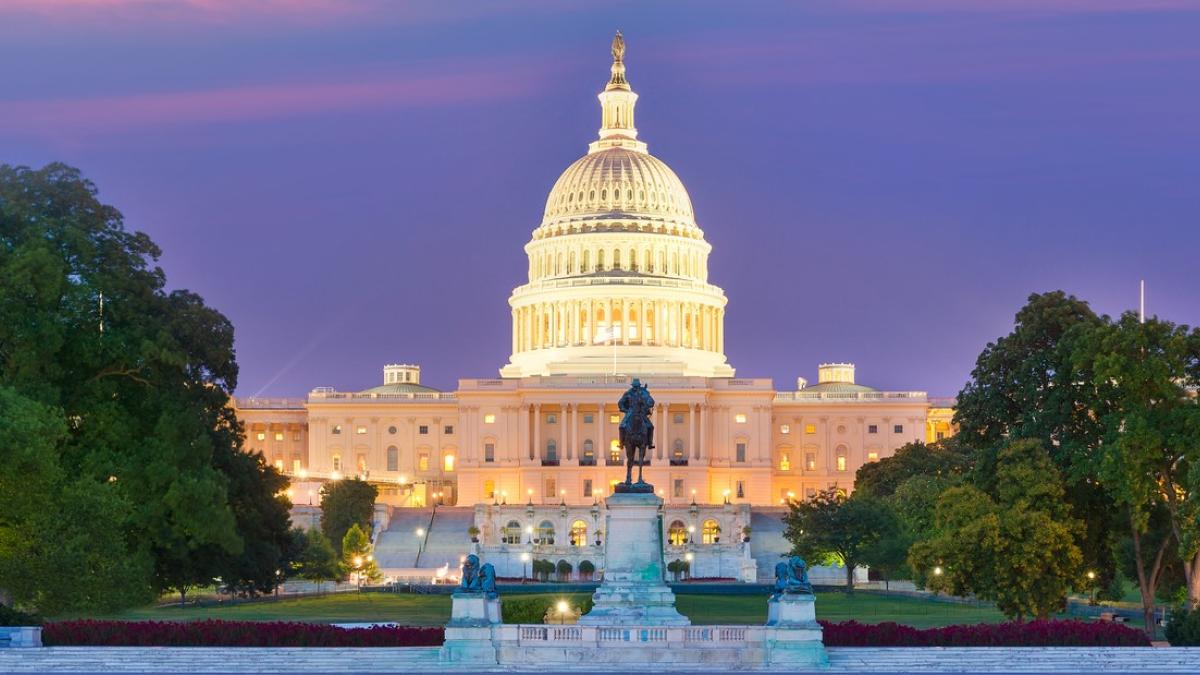
The U.S. Capitol Building is the seat of the legislative branch of the federal government. Its stunning architecture, featuring a massive dome and intricate details, makes it a must-see landmark. Visitors can take guided tours to learn about the legislative process and view historic rooms like the Rotunda and the National Statuary Hall.
5. Washington Monument
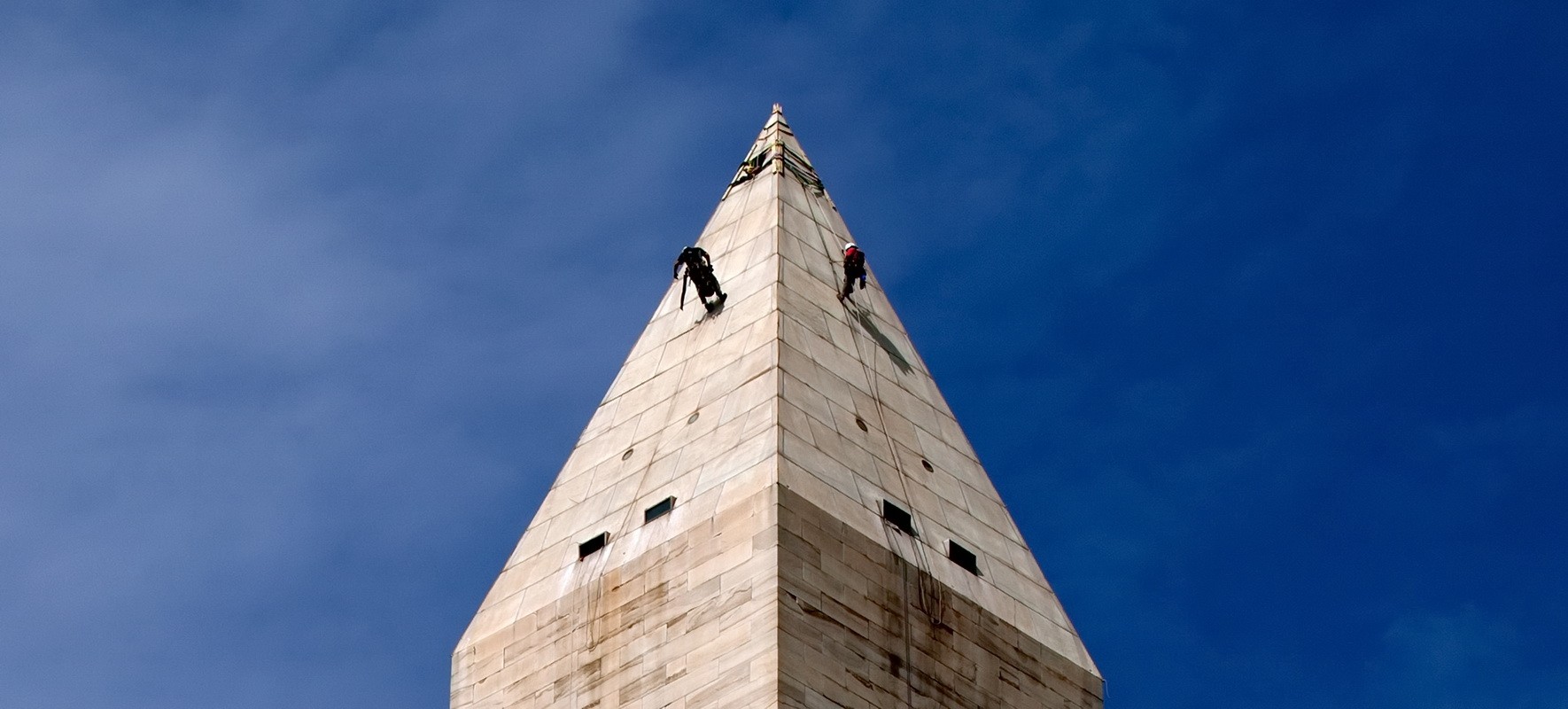
This towering obelisk honors George Washington, the first President of the United States. Standing at 555 feet, it offers breathtaking views of the city from its observation deck. Tickets to ride the elevator to the top are free but require advance reservations.
6. Martin Luther King Jr. Memorial
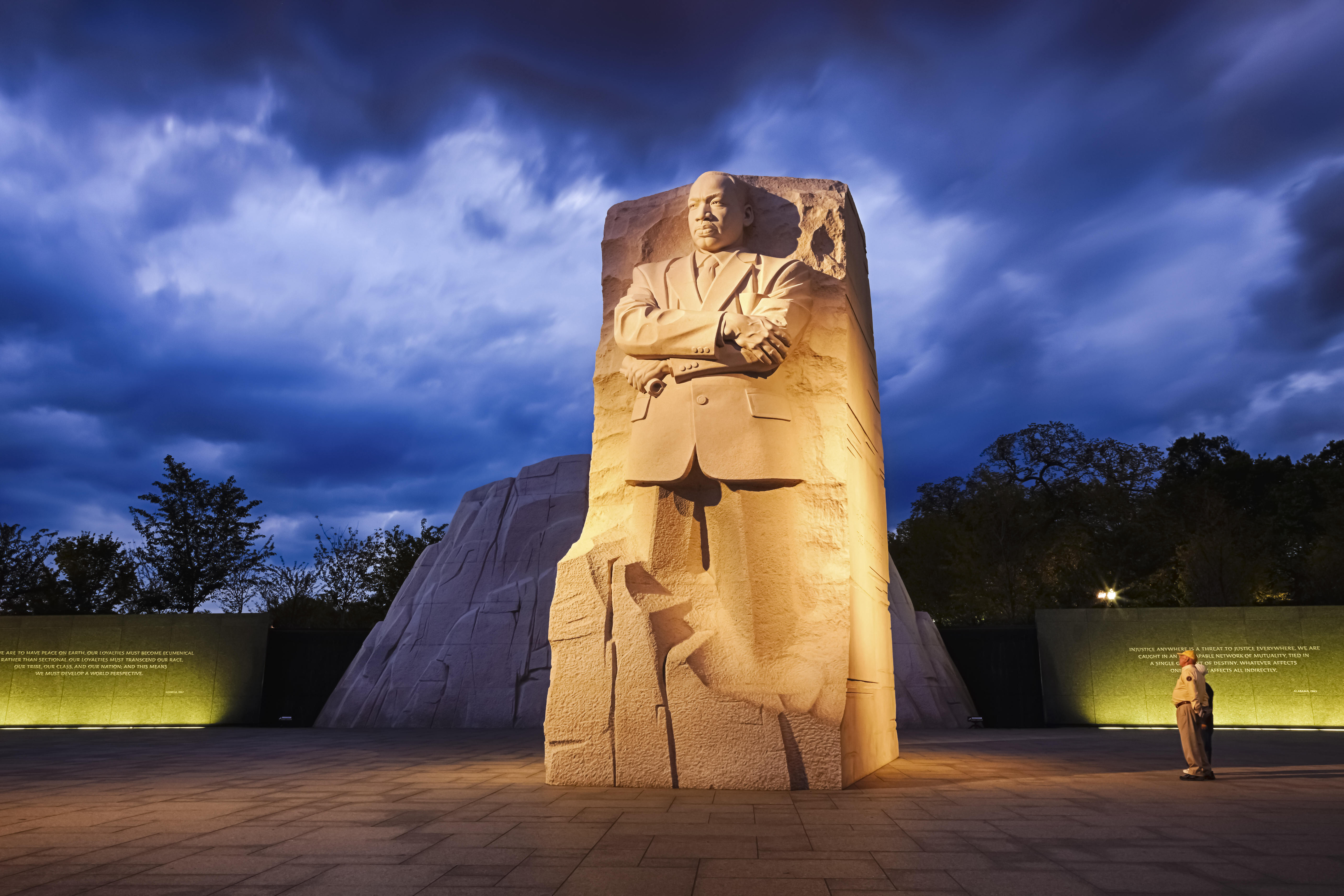
This poignant memorial celebrates the legacy of civil rights leader Dr. Martin Luther King Jr. The centerpiece is a striking statue of Dr. King emerging from a “Stone of Hope,” surrounded by inscriptions of his most powerful words.
7. Smithsonian Museums
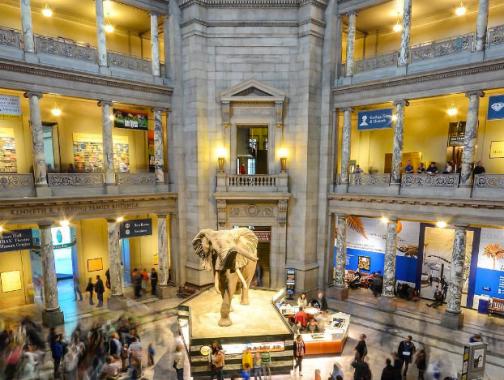
The Smithsonian Institution is the world’s largest museum and research complex, with 19 museums and galleries, the National Zoo, and numerous research centers. Highlights include the National Air and Space Museum, the National Museum of American History, and the National Museum of African American History and Culture. Admission to all Smithsonian museums is free.
Charming Areas Worth Visiting
1. Georgetown
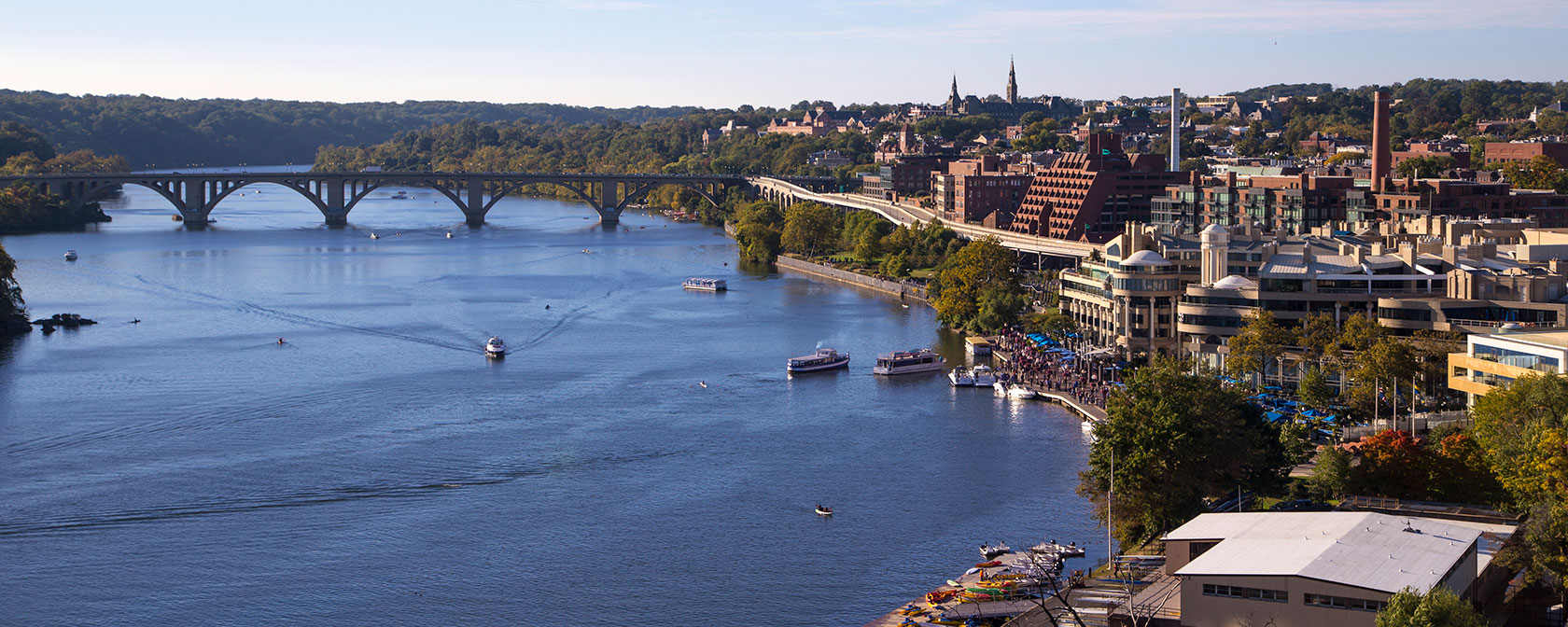
Georgetown is a historic neighborhood that exudes charm with its cobblestone streets, waterfront views, and colonial-era architecture. It’s a hotspot for shopping, dining, and nightlife. Don’t miss the Georgetown Waterfront Park, where you can enjoy kayaking or paddleboarding on the Potomac River.
2. Dupont Circle
This vibrant area is known for its eclectic mix of art galleries, embassies, and restaurants. The Dupont Circle Fountain is a popular gathering spot, surrounded by cafes and bookstores. The neighborhood also hosts a weekly farmers’ market that’s perfect for foodies.
3. Capitol Hill
As one of the oldest residential neighborhoods in the city, Capitol Hill offers a mix of historic landmarks and modern conveniences. Visit the Library of Congress, the largest library in the world, or enjoy a meal at one of the many restaurants along Barracks Row.
4. Adams Morgan
Adams Morgan is the city’s cultural melting pot, offering a lively nightlife scene and diverse dining options. From Ethiopian to Latin American cuisine, the neighborhood is a paradise for adventurous eaters.
5. Shaw And U Street Corridor
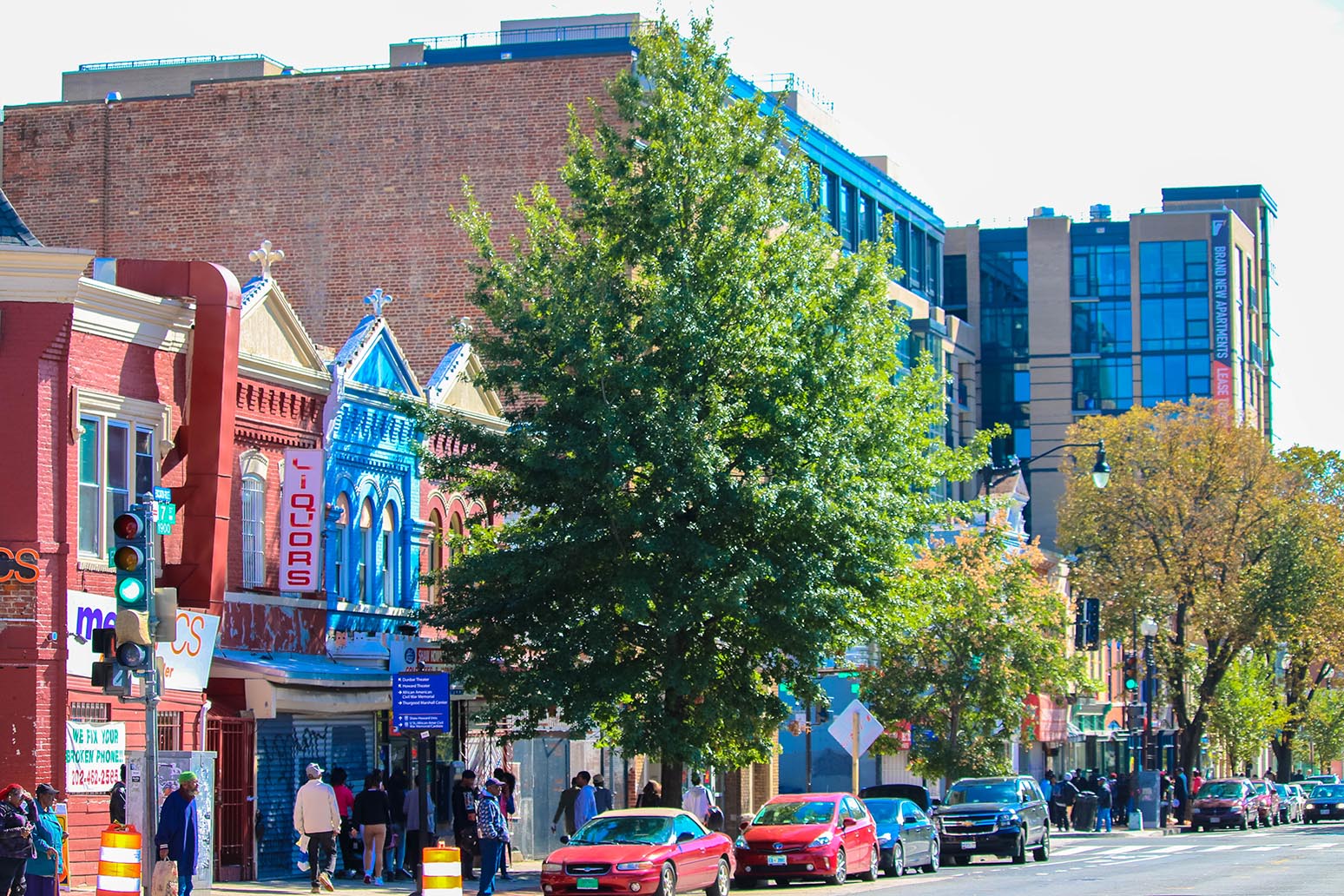
Known as the birthplace of jazz legend Duke Ellington, this area is rich in history and culture. It’s a great place to explore live music venues, street art, and independent shops.
Best Things To Do In Washington DC
1. Guided Tours
Guided tours are a fantastic way to delve deeper into the city’s history and culture. Options include walking tours, Segway adventures, and even boat tours along the Potomac River. For a unique experience, try a themed tour focused on topics like political scandals or DC’s haunted past.
2. Outdoor Spaces
Washington DC boasts beautiful parks and outdoor spaces. Rock Creek Park offers miles of hiking and biking trails, while the Tidal Basin is a favorite spot for paddle boating. In spring, the Cherry Blossom Festival transforms the city into a sea of pink and white blooms.
3. Cultural Events
The city’s cultural calendar is packed with events, from the Kennedy Center’s performances to outdoor movie nights at parks. Don’t miss the Smithsonian Folklife Festival, which showcases global traditions and cultures.
4. Dining Scene
Washington DC’s food scene is a reflection of its diversity. Enjoy Michelin-starred restaurants like Minibar by José Andrés, or sample local favorites like half-smokes at Ben’s Chili Bowl. The city’s farmers’ markets and food halls, like Union Market, are also worth exploring.
Safety In Washington DC
Washington DC is generally a safe city for tourists, but like any major metropolitan area, it’s important to stay vigilant. Most of the city’s main attractions, like the National Mall and museums, are in well-patrolled areas, making them safe to visit even in the evening.
However, some neighborhoods may be less secure, particularly late at night. For those planning to relocate to the area, it’s helpful to execute a stress-free moveby researching neighborhoods thoroughly and organizing logistics in advance to ensure a smooth transition.
Tips For Staying Safe
- Stay in Busy Areas: Stick to well-lit and populated areas, especially if traveling alone or after dark.
- Be Aware of Your Surroundings: Avoid looking distracted by keeping your phone usage to a minimum while walking.
- Use Reliable Transportation: Washington DC’s Metro system is safe and efficient, but it’s a good idea to avoid empty train cars late at night. Opt for reputable rideshare services if traveling after hours.
- Protect Your Belongings: Pickpocketing is rare but possible in crowded areas. Use a crossbody bag or a money belt to secure your belongings.
- Emergency Numbers: In case of emergencies, dial 911. Many public areas also have police presence or security personnel who can assist.
What To Eat In Washington DC
Washington, DC's food scene offers a delightful blend of regional specialties and international flavors. The city has something for every taste, if you're craving simple meals or upscale restaurants.
1. Must-Try Local Dishes
- Half-Smokes: A DC classic, the half-smoke is a spiced sausage served in a bun, often topped with chili, onions, and cheese. Ben’s Chili Bowl is the go-to spot for this iconic dish.
- Maryland Blue Crab: As the city is close to the Chesapeake Bay, you’ll find plenty of restaurants serving fresh crab dishes. Try crab cakes or crab boils at places like Joe’s Seafood.
- Mumbo Sauce: A tangy, sweet, and savory condiment unique to DC, often served with fried chicken or fries from carryout spots.
2. International Flavors
Washington DC is a melting pot of cultures, reflected in its food. Sample Ethiopian cuisine in Adams Morgan, Vietnamese pho in Columbia Heights, or Salvadoran pupusas in Mount Pleasant.
3. Farmers' Markets And Food Halls
Union Market is a hotspot for food lovers, featuring local vendors and international flavors. Farmers' markets like Eastern Market offer fresh produce, baked goods, and artisanal products, providing a taste of the city’s vibrant food scene.

Weather In Washington DC
Washington DC experiences four distinct seasons, each offering a unique charm.
1. Spring (March-May)
Spring is arguably the best time to visit. Temperatures are mild, ranging from 50°F to 70°F (10°C to 21°C), and the cherry blossoms transform the city into a picturesque landscape.
2. Summer (June-August)
Summers can be hot and humid, with temperatures often reaching the mid-80s°F (29°C). Despite the heat, this is a lively time with outdoor festivals and concerts.
3. Fall (September-November)
Fall brings cooler weather, with temperatures averaging 55°F to 75°F (13°C to 24°C). The city’s parks and tree-lined streets are stunning with vibrant autumn foliage.
4. Winter (December-February)
Winters are chilly, with temperatures ranging from 30°F to 45°F (-1°C to 7°C). Snowfall is rare but can create a magical atmosphere around the city’s monuments.
Best Time To Visit Washington DC
The ideal time to visit Washington DC depends on your preferences:
- Spring: Perfect for sightseeing and enjoying cherry blossoms.
- Fall: Great for comfortable weather and fewer crowds.
- Summer: Best for outdoor events, but be prepared for heat and humidity.
- Winter: Ideal for budget travelers and those who enjoy a quieter city.
Visa Requirements For Washington DC
For international visitors, entry requirements depend on your nationality. The United States has a Visa Waiver Program (VWP) for citizens of 40 countries, allowing short stays of up to 90 days for tourism or business purposes.
Steps For Non-VWP Visitors
- Apply for a Visa: Submit an application for a B-2 Tourist Visa through the U.S. Department of State.
- Schedule an Interview: Attend a visa interview at your nearest U.S. embassy or consulate.
- Prepare Documents: Provide proof of financial support, travelplans, and intent to return to your home country.
For VWP travelers, an Electronic System for Travel Authorization (ESTA)approval is required before boarding a flight to the U.S.
FAQs
What Are The Best Free Attractions In Washington DC?
Some of the best free attractions include the Smithsonian Museums, the National Mall, the Lincoln Memorial, and the U.S. Capitol Building.
How Many Days Should I Spend In Washington DC?
Three to five days is ideal to explore the city’s top landmarks, museums, and neighborhoods.
Is Washington DC Family-friendly?
Yes, the city offers numerous family-friendly activities, including interactive museums, outdoor parks, and kid-friendly exhibits like the National Air and Space Museum.
What’s The Best Way To Get Around Washington DC?
The Metro system is efficient and affordable. Walking or biking is also a great way to explore neighborhoods and attractions.
Are There Guided Tours Available In Washington DC?
Yes, guided tours are available for most major landmarks and neighborhoods. Options range from walking tours to Segway and bus tours.
Final Thoughts
The nation's capital, Washington, DC, is a place that embodies American history and culture. With its famous landmarks, lively neighborhoods, and thriving culinary scene, the city offers countless opportunities for research.
If you're a history buff, foodie, or nature lover, the city is sure to be an unforgettable experience. Plan your trip now and get lost in a place that is as welcoming as it is inspiring.
Jump to
History Of Washington, D.C.
Why Visit Washington DC?
United States Capital Region
Culture & Customs In Washington DC
Top Landmarks In Washington DC
Charming Areas Worth Visiting
Best Things To Do In Washington DC
Safety In Washington DC
What To Eat In Washington DC
Weather In Washington DC
Best Time To Visit Washington DC
Visa Requirements For Washington DC
FAQs
Final Thoughts

Finn Wilde
Author
For Finn Wilde, the wilderness is more than just a destination - it’s a way of life. Over the past decade, he has led multiple expeditions in some of the world’s most remote regions, from the icy fjords of Greenland to the rugged trails of Patagonia.
Finn emphasizes sustainability in all of his adventures, helping participants connect with nature while promoting responsible exploration. His expeditions inspire individuals to explore the great outdoors while fostering a deep respect for the environment.

Liam Jones
Reviewer
Liam Jones has made it his mission to prove that adventure doesn’t need a hefty budget. Having traveled to over 40 countries, he specializes in finding affordable ways to experience the world, from the best street food in Bangkok to hidden gems in Lisbon.
Liam’s travel tips have reached thousands of readers, empowering them to see the world on a shoestring budget without sacrificing quality. With a deep passion for local cultures, he continues to share his travel hacks, ensuring adventure remains accessible to all.
Latest Articles
Popular Articles