Polynesian Voyaging - Your Guide To Ancient Navigation Mastery
Polynesian voyagers used the stars to navigate, built sturdy canoes, and relied on deep knowledge of the sea and wind. These journeys weren’t just about exploration, they shaped Polynesian culture and identity. Today, their daring spirit and ingenuity still remind us of humanity’s incredible ability to connect, adapt and thrive across the globe.
Author:Liam JonesReviewer:Finn WildeJun 20, 202588.3K Shares1.9M Views

Long before modern technology, Polynesian navigators accomplished one of history’s most remarkable feats, sailing across the vast Pacific Ocean using only nature as their guide. Thousands of years ago, they traveled between distant islands, thousands of miles apart without maps, compasses or GPS.
This skill wasn’t just about survival, it connected communities and built a shared culture that still thrives today. Various groups are now bringing these ancient practices back to life, teaching new generations how to navigate the open sea using traditional methods.
The History Of Polynesian Exploration

Polynesian voyagingstands as one of humanity’s greatest achievements in exploration and cultural resilience. For thousands of years, navigators sailed vast stretches of the Pacific Ocean, journeying between distant islands using only natural guides like stars, waves, and bird flights. They settled remote corners of the Polynesian Triangle, Hawaii, New Zealand and Easter Island, creating a connected web of cultures.
Their legacy echoes even today, inspiring modern navigators and coastal communities like those in the pacific northwest, who also hold deep respect for the ocean’s power and rhythms. Just as Polynesians mastered open-water travel, cultures worldwide continue to celebrate humanity’s timeless bond with the sea.
This ancient wayfinding tradition not only allowed survival and growth but also created rich cultural ties and lasting traditions. Today, groups like the Polynesian Voyaging Society are reviving these practices, keeping the legacy alive for future generations. Polynesian exploration likely began with early seafarers from Taiwan, who migrated east thousands of years ago.
They first settled islands near New Guinea and the bismarck archipelago. Over time, they moved farther into the Pacific, reaching Vanuatu, Fiji, Tonga, and Samoa. Later waves spread to East Polynesia, including the Society Islands, Marquesas and Hawaii and eventually to New Zealand and Easter Island.
These journeys were planned, as shown by the crops they brought, like taro and yams, which needed careful farming. The presence of sweet potatoes in Polynesia hints at possible connections with South America, proving their skill in long-distance travel.
Ancestral Journey
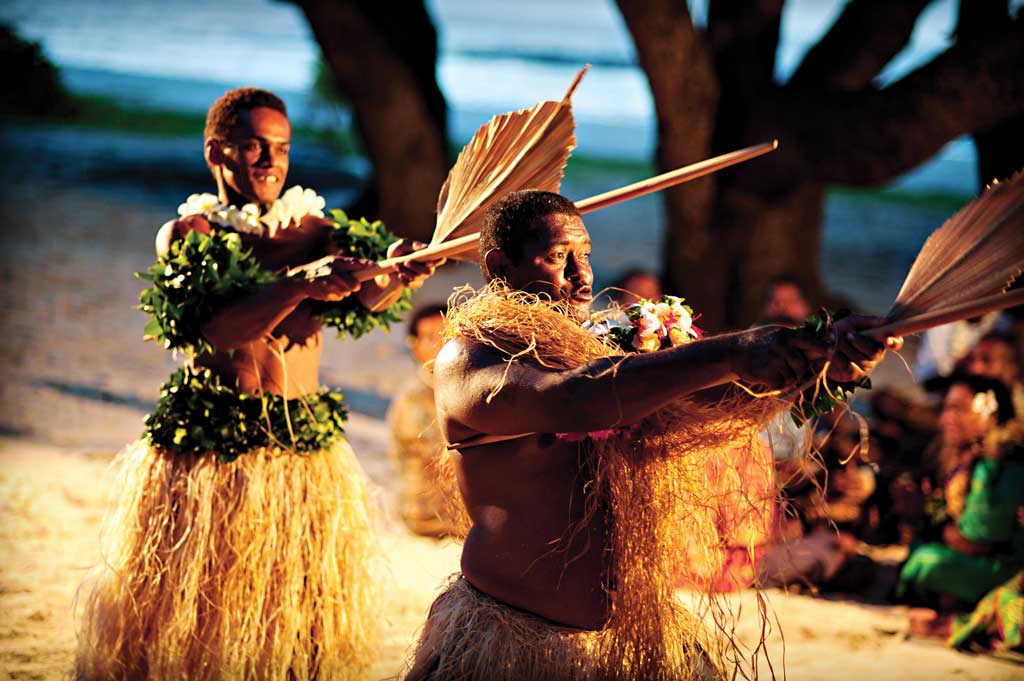
The Lapita people are known as the ancestors of today’s Polynesians. Starting around 5,000 years ago, they began an incredible journey from Taiwan, sailing east across the Pacific Ocean. By 800 BCE, they reached islands like Wallisand Futuna, leaving behind pottery decorated with unique geometric patterns, clues that help historians trace their path today.
These voyages weren’t random adventures. The Lapita carefully planned their travels, carrying crops like taro, yams, and breadfruit, along with animals such as pigs and chickens. This allowed them to build thriving communities wherever they settled. Their skill in sailing and adapting to new environments shows how deeply they understood the ocean and island life.
The Art Of Ancient Navigation

Polynesian wayfinding is a time-tested skill that lets navigators cross vast oceans using only nature’s clues, no modern tools required. Instead of GPS or maps, they rely on deep knowledge of the stars, waves, winds, and wildlife to find their way.
The Star Compass
Navigators memorized the night sky like a mental roadmap. By tracking specific stars as they rose and set, they could steer their canoes accurately. For example, they’d follow a star that stayed low on the horizon, switching to another as the night progressed. This star-based “compass” let them sail confidently for days.
Reading The Waves
To sense unseen land, navigators felt ocean swells with their bodies. Lying on the canoe, they’d notice tiny changes in wave patterns caused by distant islands. These disruptions in the water’s rhythm told them where land lay, even over the horizon. It’s a skill honed through years of practice.
Clues From Nature
Birds like fairy terns acted as guides, their daily flights out to sea and back to land at night hinted at nearby islands. Clouds clustering above land and shifts in wind direction added more clues. Together, these signs created a full picture of the ocean, turning nature itself into a navigation tool.
Related Reading: Polyhome - Discovering The Enchanting Beauty Of Polynesia
Mastering The Ocean
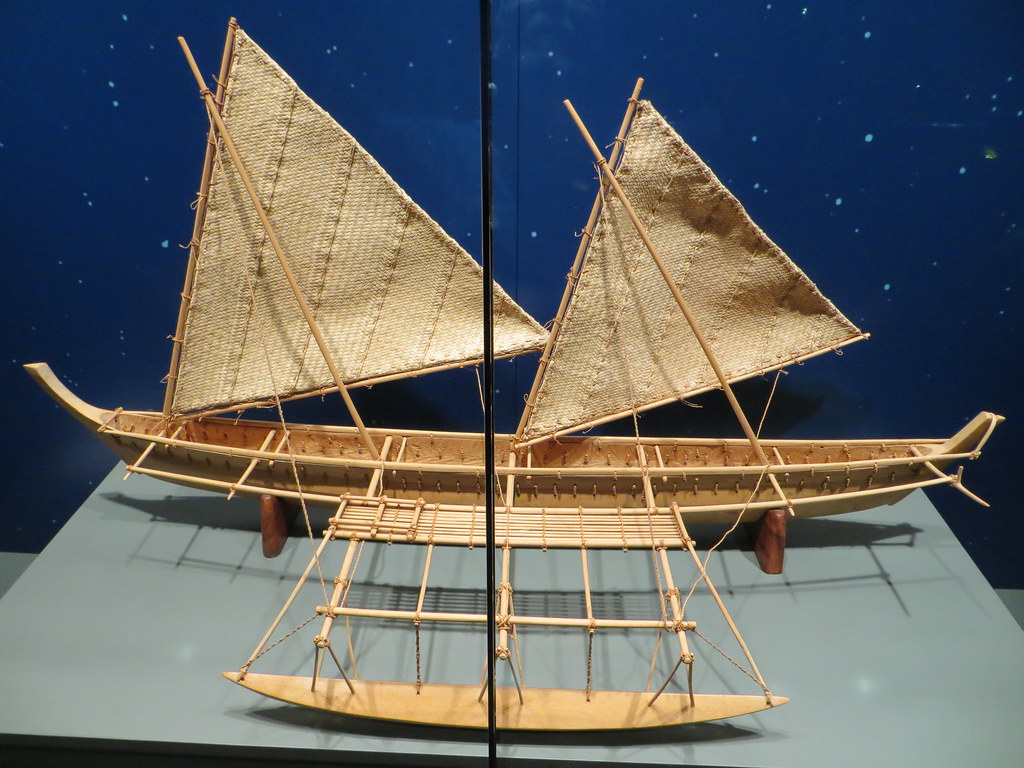
Polynesian canoes were amazing feats of engineering, built to handle long trips across the open ocean while staying fast and easy to steer. These weren’t just simple boats, they were lifelines for entire communities, enabling daring journeys to new islands.
How They Were Built
The most famous design was the double-hulled canoe: two long, sturdy hulls tied together with a platform in between. This made the canoes stable and roomy enough to carry families, food, and even animals needed to settle new lands. Some large canoes from Tonga could hold over 100 people, while smaller ones from the Marquesas Islands carried 40–50. Builders used strong, rot-resistant woods like New Zealand’s totara tree. Sails woven from pandanus leaves caught the wind perfectly, letting these vessels glide across the waves.
More Than Just Boats
Canoes were sacred. They were given names, treated like living beings, and believed to carry the hopes of their people. The knowledge of building and sailing them was passed down through generations, a source of pride and a symbol of who they were. For Polynesians, the ocean wasn’t a barrier, it was a highway. Their canoes and navigation skills proved their courage, creativity, and unbreakable bond with the sea.
Voyaging - The Heart Of Polynesian Life

For Polynesians, voyaging was far more than travel, it shaped their culture, society, and daily life.
Trade And Connection
Regular voyages created a web of trade across the Pacific, letting islands swap goods, ideas, and skills. This exchange spread farming techniques, art styles, and even foods. For example, sweet potatoes in Polynesia hint at possible contact with South America, showing how far their journeys reached.
Stories That Keep History Alive
Knowledge of navigation, history, and traditions was passed down through stories and songs. Tales of legendary voyagers entertained and taught survival skills, ensuring each generation remembered their ancestors’ wisdom. These storytelling moments brought communities together, strengthening their shared identity.
Respect For Navigators And Teamwork
Expert navigators were deeply respected, as their skills kept communities thriving. Successful voyages brought honor, new resources, and growth. Life revolved around teamwork: families had specific roles like fishing or boat-building, with skills taught from parents to children. This cooperation was key to surviving long journeys and maintaining island life.
Ancient Polynesian Voyaging In Today’s World

Since the 1970s, Polynesian voyaging has made a strong comeback as communities work to reconnect with their roots and celebrate their cultural identity.
The Hōkūleʻa And A Cultural Awakening
A key moment in this revival was the creation of the polynesian voyaging societyin 1973 and the building of the Hōkūleʻa, a replica of an ancient sailing canoe. In 1976, guided by master navigator Mau Piailug from Micronesia, the Hōkūleʻa sailed from Hawaii to Tahiti using only traditional navigation methods, no modern tools. This journey proved that ancient wayfinding was both skillful and precise, sparking pride across the Pacific and inspiring people to rediscover their seafaring roots.
Sharing Knowledge, Building Identity
Following the Hōkūleʻa’s success, other Pacific nations built their own traditional canoes, like the Hawaikinui (New Zealand) and the Alingano Maisu (Fiji). These canoes became tools for teaching young generations about navigation, cultural values, and caring for the ocean. Places like the Polynesian Cultural Center in Hawaii also help keep these traditions alive through performances and hands-on learning.
A Global Journey For The Planet
The Hōkūleʻa’s most ambitious trip, the Moananuiākea voyage (starting in 2013), traveled thousands of miles and visited dozens of countries. The goal was to connect with Indigenous communities worldwide and highlight the urgency of protecting the environment. By blending ancient wisdom with modern challenges, the voyage showed how traditional knowledge can guide efforts to safeguard oceans and address climate change.
The Lasting Impact Of Polynesian Navigation

Polynesian navigation stands as a testament to human creativity and a deep understanding of the natural world. Long before modern tools existed, ancient voyagers mastered the art of reading the stars, waves, and wildlife to sail across vast oceans. Their methods, like following "star paths" and sensing ocean swells, reveal a practical genius in astronomy and wave patterns. Observing birds, clouds, and currents helped them navigate without maps, showcasing a harmonious relationship with nature. Today, scientists still study these traditions to inspire eco-friendly technologies and sustainable living.
Preserving A Threatened Heritage
Despite their incredible legacy, Polynesian cultures face modern threats. Low-lying islands like Tuvalu, home to rich seafaring traditions, are at risk of disappearing due to rising sea levels caused by climate change. Communities are now racing to preserve their heritage through digital archives, recording stories, songs, dances and even 3D models of sacred sites to protect them from being lost forever.
A Legacy For The Future
The story of Polynesian voyaging isn’t just about the past. It’s a reminder of humanity’s ability to adapt, endure, and thrive in harmony with nature. These traditions inspire us to value ancient wisdom and protect cultural diversity in a world facing rapid change. By learning from their resilience, we can navigate our own challenges while honoring the legacy of those who came before.
FAQs About Polynesian Voyaging
Why Did Polynesian Voyaging Decline?
Polynesian voyaging slowed down mainly because they had already discovered and settled all the available islands in the Pacific. Since their original goal was to wander and find new lands, once that purpose was fulfilled, long-distance journeys became less necessary.
What Are Some Famous Polynesian Voyaging Canoes?
The Hōkūleʻa, created by the Polynesian Voyaging Society, is famous for its 1976 journey to Tahiti. The Hawaikinui (New Zealand) and Alingano Maisu (Fiji) are also important for reviving traditional practices. All of these canoes are built using ancient Polynesian designs.
How Long Did It Take To Sail Between Islands?
Voyage duration varied by distance and weather. Short trips took days, while longer journeys, like Hawaii to Tahiti, took weeks. Hōkūleʻa’s 1976 voyage lasted 33 days. Weather and currents influenced travel time. Navigators planned meticulously to ensure success.
What Challenges Did Voyagers Face?
Voyagers faced unpredictable weather, rough seas, and limited supplies. Navigating without instruments demanded intense focus. Risks included getting lost or encountering hostile territories. Food and water management was critical. Their resilience ensured successful voyages.
Where Are Polynesians From?
Polynesia is a triangular collection of Islands in the Pacific Ocean. At its most northern point are the Hawaiian Islands. Currently 70 percent of the total population of Polynesia resides in Hawaii. Southwest is New Zealand, and Easter Island, also known as Rapa Nui, can be found southeast.
How Accurate Were Their Navigation Methods?
Polynesian navigation was remarkably accurate. David Lewis’s 1965 voyage from Tahiti to New Zealand had a 41-kilometer error over 3603 kilometers. This precision relied on natural cues. Modern tests confirm their methods’ effectiveness. Wayfinding remains a model of navigational skill.
Final Thoughts
Polynesian voyaging shows how clever and resilient people can be. Long ago, sailors crossed the huge Pacific Ocean using only stars, waves, and nature to guide them, no modern tools. Today, traditions like the Hōkūleʻa voyages keep this ancient skill alive, bridging old wisdom and modern life. These journeys remind us how knowledge passed down over generations still shapes our world. They also highlight how deeply connected humans are to nature, inspiring us to respect both history and the planet.
You Might Also Like: Top Destinations For A Memorable Thanksgiving Getaway

Liam Jones
Author
Liam Jones has made it his mission to prove that adventure doesn’t need a hefty budget. Having traveled to over 40 countries, he specializes in finding affordable ways to experience the world, from the best street food in Bangkok to hidden gems in Lisbon.
Liam’s travel tips have reached thousands of readers, empowering them to see the world on a shoestring budget without sacrificing quality. With a deep passion for local cultures, he continues to share his travel hacks, ensuring adventure remains accessible to all.

Finn Wilde
Reviewer
For Finn Wilde, the wilderness is more than just a destination - it’s a way of life. Over the past decade, he has led multiple expeditions in some of the world’s most remote regions, from the icy fjords of Greenland to the rugged trails of Patagonia.
Finn emphasizes sustainability in all of his adventures, helping participants connect with nature while promoting responsible exploration. His expeditions inspire individuals to explore the great outdoors while fostering a deep respect for the environment.
Latest Articles
Popular Articles