25 Travel Scams In Southeast Asia And How To Avoid Them
Learn how to spot 25 travel scams in Southeast Asia and how to avoid them. From rigged taxi meters to gem scams, protect your budget and stay safe in 2026.
Author:Finn WildeReviewer:Liam JonesApr 04, 202610.1K Shares144.5K Views
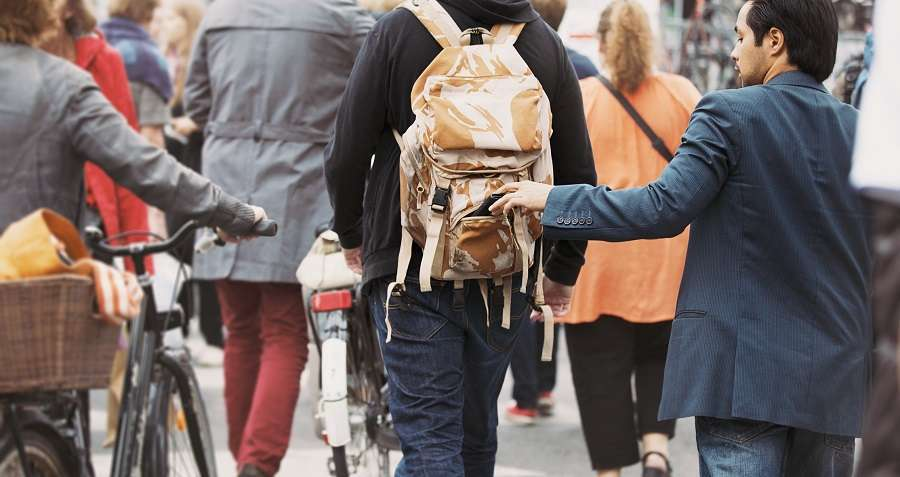
Understanding Travel Scams In Southeast Asia Before Your Trip
Southeast Asia remains one of the most rewarding regions to explore, with rich culture, affordable travel, and unforgettable landscapes. Yet its most popular destinations also attract opportunistic scammers who target visitors unfamiliar with local customs or pricing.
Most scams are not violent or dangerous. They rely on confusion, pressure, or friendliness to convince travelers to hand over money, often for overpriced services or fake products. Understanding the patterns behind these scams makes them surprisingly easy to avoid.
This guide covers 25 travel scams in Southeast Asia and how to avoid them, helping you recognize the setup, spot warning signs early, and walk away confidently so your trip stays memorable for the right reasons.
1. Taxi Scams
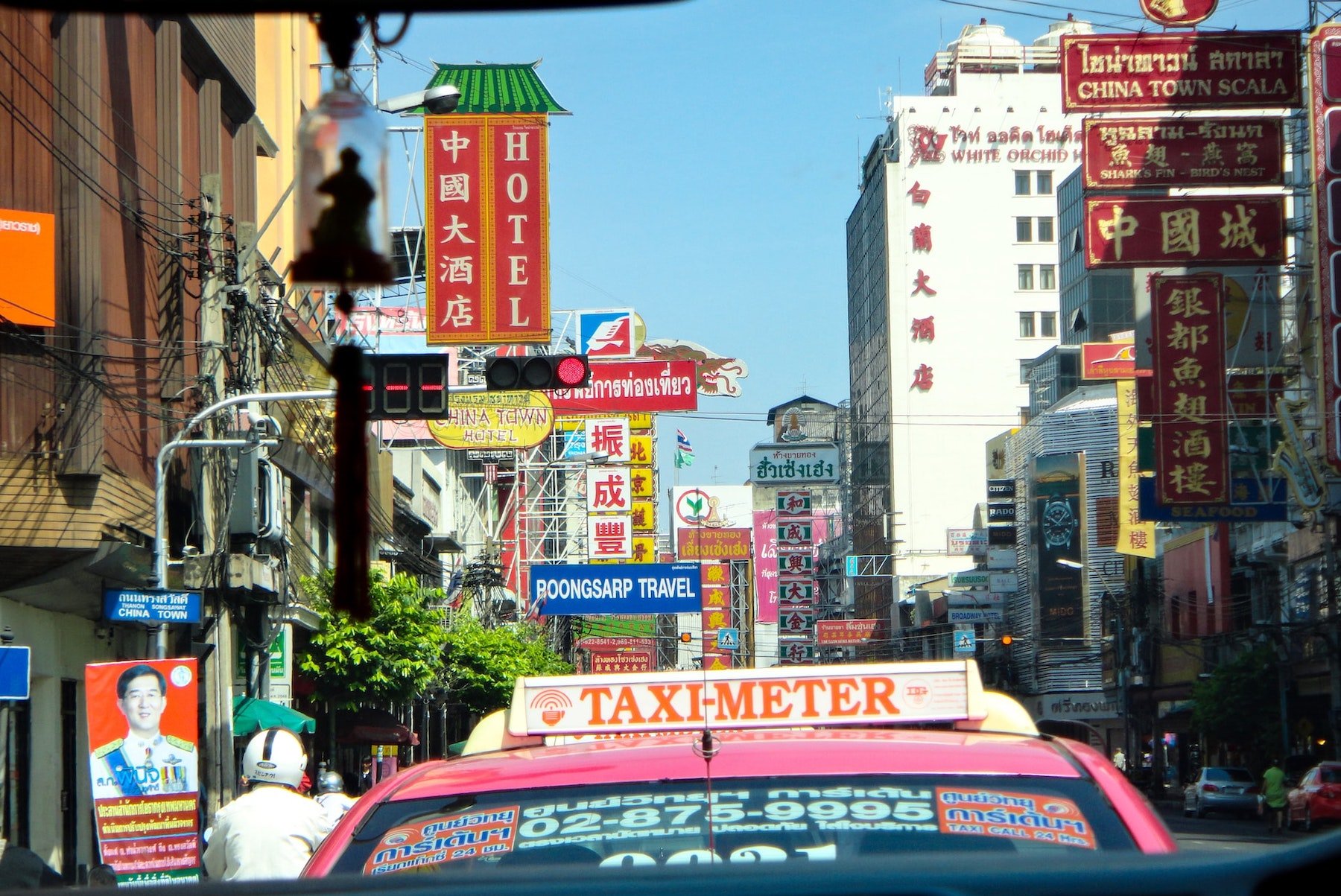
Taxi scams are among the most common travel scams in Southeast Asia, especially when travelers arrive at airports, bus stations, or popular tourist areas. After a long flight, many visitors simply want the fastest way to reach their hotel. Scammers know this and take advantage of tired travelers who may not know the local transport system or typical taxi prices.
Most Southeast Asia taxi scams involve overcharging tourists through tricks like refusing to use the meter, manipulating the meter, or taking unnecessarily long routes. Understanding how these scams work can help you avoid tourist scams and protect your travel budget.
Below are the most common taxi scams travelers encounter and simple ways to avoid them.
Taxi Scam (a): Refusal To Use The Meter
One of the most common taxi scams targeting tourists happens when a driver refuses to use the meter. Instead, the driver offers a fixed price for the ride. This price is often much higher than the real fare.
In busy tourist cities such as Bangkok, Ho Chi Minh City, and Jakarta, some drivers prefer this method because it allows them to overcharge travelers who are unfamiliar with local prices. Many savvy visitors now use specialized travel appsto check fair market rates or book rides directly, ensuring they don't fall victim to these inflated street prices in unfamiliar territory.
If you accept the ride without checking the price first, you may end up paying several times the normal fare.
How to avoid it
- Always ask the driver to turn on the meter before the ride starts.
- If the driver refuses, politely leave and find another taxi.
- Use ride-hailing apps like Grab or official airport taxis where prices are shown in advance.
- If no metered taxi is available, ask hotel staff or locals about the typical taxi fare for your destination.
A quick price check can save you from one of the most frequent tourist transport scams in Southeast Asia.
Taxi Scam (b): The Rigged Meter
Even if a driver agrees to use the meter, there is another scam to watch for. Some taxis have tampered or rigged meters that run faster than normal. As the meter increases too quickly, the final fare becomes much higher than it should be for the same distance.
In some cases, the number on the meter may suddenly jump to a higher price without a clear reason.
This type of overcharging taxi scam can be difficult to detect if you are unfamiliar with normal fares in the city.
How to avoid it
- Watch the meter occasionally during the ride.
- If the price increases unusually fast, politely ask the driver about it.
- If the situation feels suspicious, ask to stop the taxi in a safe place and leave.
- Using trusted ride-hailing services or official taxi companies greatly reduces this risk.
Monitoring the meter helps you stay alert to common transportation scams targeting tourists.
Taxi Scam (c): Taking Long Or Indirect Routes
Another trick used in Southeast Asia travel scams is when a driver deliberately takes a longer route to increase the fare. Since taxi meters calculate distance, the longer the trip, the higher the price.
This scam often targets travelers who do not know the local roads or who appear unfamiliar with the city.
Example: A traveler asks a driver to go to a nearby hotel that should take 10 minutes. Instead, the driver takes several unnecessary turns and uses crowded roads, turning the ride into a 25-minute trip.
How to avoid it
- Keep a navigation map open on your smartphone during the ride.
- Apps like Google Maps can show the fastest route in real time.
- If the driver seems to be going the wrong direction, politely ask about the route.
- If the detour continues without explanation, consider asking to stop the taxi.
Being aware of the route helps prevent taxi overcharging scams.
Paying Tolls During Taxi Rides
In some places, drivers may ask passengers to pay additional fees for toll roads or bridges. Sometimes this charge is legitimate, but in other cases it is used as another way to increase the fare.
If the toll is real, it should be clearly explained before the trip begins.
How to avoid it
- Ask the driver whether the route includes tolls before starting the ride.
- Confirm whether the toll is included in the fare or paid separately.
- When possible, use official taxi services that display full pricing upfront.
How To Avoid Taxi Scams In Southeast Asia
The best way to stay safe is to follow a few simple travel habits. Most tourist taxi scams can be avoided if you stay aware and plan ahead.
Simple Safety Checklist
- Use official airport taxis or ride-hailing apps whenever possible.
- Confirm the driver will use the meter before entering the taxi.
- Keep a navigation app open to track your route.
- Avoid taxis that approach you aggressively at airports or tourist attractions.
- Keep small bills ready so you can pay the exact fare.
Tip: Keep your luggage with you inside the taxi instead of the trunk when possible. If a disagreement occurs about the fare or route, you can exit the vehicle quickly without worrying about retrieving your bags.
2. Tuk-Tuk (Three-Wheeler) Scams
Tuk-tuks are one of the most recognizable forms of transportation in Southeast Asia. These small three-wheeled taxis are known as tuk-tuks in Thailand, auto-rickshaws in India, and Bajajs in Indonesia. They are widely used for short trips around cities and tourist areas.
For many travelers, riding a tuk-tuk is part of the local experience. However, they are also frequently involved in tourist transport scams in Southeast Asia, especially in busy destinations such as Bangkok, Phnom Penh, Siem Reap, and Jakarta.
Most tuk-tuk drivers are honest, but some take advantage of travelers who are unfamiliar with local prices, routes, or tourist areas. Below are some of the most common tuk-tuk scams targeting tourists and how you can avoid them.
Tuk-Tuk Scam (a): The Temple And Tailor Shop Scam (Bangkok)
One of the most famous Southeast Asia scams begins near Bangkok hotspots like Khao San Road. A tuk-tuk driver may offer an impossibly cheap tour, claiming a major tourist attractionlike the Grand Palace is closed for a holiday.
Instead, he offers a "special tour" that eventually leads to gem stores or tailor shops. These businesses pay the driver a commission to bring in travelers, where staff then use high-pressure tactics to sell expensive, often low-quality goods. Always verify opening hours yourself to avoid this detour.
How to avoid it
- Be cautious of tuk-tuk rides that seem extremely cheap or free.
- Avoid drivers who suggest unplanned stops at shops or travel offices.
- Verify whether major attractions are actually closed using Google Maps or hotel staff.
- Use official taxis or ride-hailing apps like Grab when possible.
Tuk-Tuk Scam (b): The Hotel Redirect Scam
Another common Southeast Asia tourist scam happens when tuk-tuk drivers try to redirect travelers to hotels that pay them a commission.
If you ask the driver to take you to a specific hotel or guesthouse, the driver may say things like:
- “That hotel is closed.”
- “It is very bad and unsafe.”
- “The hotel no longer exists.”
The driver then offers to take you to a “better” hotel instead. In reality, this hotel often charges higher prices because it pays the driver a commission.
Travelers who trust the driver may end up staying somewhere more expensive or farther away than planned.
How to avoid it
- Stick to your original hotel choice, especially if you already have a reservation.
- Show the driver the hotel address or location on your phone.
- Ignore claims that your hotel has closed unless you can confirm it yourself online.
Sometimes hotels really do close, especially if you are using an old guidebook, but always verify before changing plans.
Tuk-Tuk Scam (c): The Fare Change Scam
In this scam, you agree on a price before starting the ride, but the driver changes the price at the end of the trip.
This situation often happens if you pay with a large banknote and expect change. The driver may pretend not to have the correct change or may return less money than expected.
In some cases, the driver may even drive away quickly after receiving the payment.
This type of tuk-tuk overcharging scam is less common but still occurs in some tourist areas, particularly in Cambodia and Thailand.
How to avoid it
- Always agree on the fare before starting the ride.
- Try to carry small bills or exact change when possible.
- Confirm the agreed price again before paying.
- Wait to hand over the money until the driver shows the correct change.
Clear communication about the fare helps prevent misunderstandings and scams.
Tips To Avoid Tuk-Tuk Scams
You can avoid most tuk-tuk scams in Southeast Asia by following a few simple precautions.
Quick Safety Checklist
- Avoid free rides or extremely cheap tuk-tuk offers.
- Agree on the price before the ride begins.
- Use Google Maps to track your route during the trip.
- Decline stops at tailor shops, jewelry stores, or travel agencies you did not request.
- Carry small bills to avoid change problems.
Tip:Riding a tuk-tuk can still be a fun part of traveling in Southeast Asia. When you understand how common tuk-tuk scams targeting tourists work, it becomes much easier to enjoy the ride while avoiding unnecessary problems.
3. Bus Scams
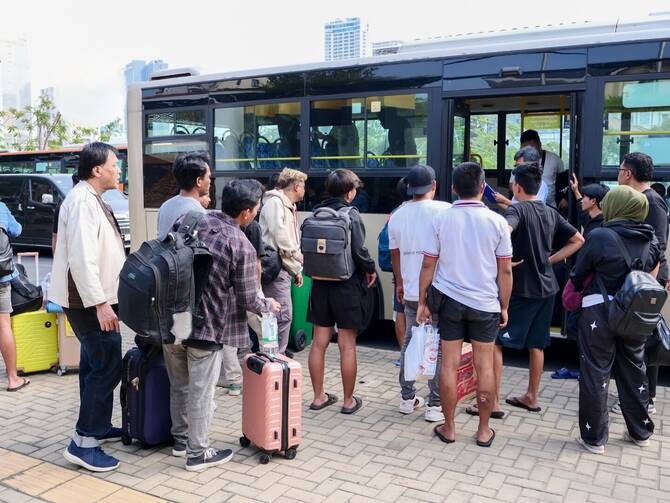
Buses are one of the most common and affordable ways to travel around Southeast Asia. Many travelers use long-distance buses, overnight sleeper buses, and cross-border buses to move between cities and countries.
While most bus companies are reliable, some dishonest operators run travel scams in Southeast Asia that target tourists who are unfamiliar with local transport systems. These scams usually involve delays, fake upgrades, or theft of valuables.
Below are some of the most common bus scams targeting tourists and how to avoid them.
Bus Scam (a): The Border Bus Scam
Some travel agents sell extremely cheap bus tickets to border crossings to attract travelers. During the journey, the driver may deliberately delay the trip so the bus arrives after the border checkpoint has closed.
Passengers are then forced to stay overnight at a nearby hotel or guesthouse recommended by the driver. These places often pay the driver a commission for bringing tourists.
How to avoid it
- Be cautious of bus tickets that seem unusually cheap.
- Check reviews of the bus company before booking.
- Choose reputable or government-run bus services whenever possible.
Bus Scam (b): The VIP Bus Scam
Some companies sell tickets for a VIP bus with larger seats and extra comfort. However, just before departure, passengers may be told that the VIP bus is broken or unavailable.
Travelers are then placed on a regular bus but often receive no refund for the price difference.
How to avoid it
- Book with trusted bus companies.
- If possible, buy tickets at the station when the bus is present.
- Confirm the bus type before boarding.
Bus Scam (c): Overnight Bus Theft
On some overnight sleeper buses, thieves may steal items from the luggage compartment while passengers are sleeping. This has occasionally been reported on popular backpacker routes.
Common targets include cash, passports, electronics, and jewelry.
How to avoid it
- Keep valuables like passports, money, and phones with you.
- Avoid placing important items in checked luggage or large backpacks.
- Use reputable bus operators with good reviews.
4. Motorbike Scams
Renting or buying a motorbike in Southeast Asia is a popular way to explore the countryside, enjoy freedom, and skip package tours. However, tourists are sometimes targeted by motorbike scams designed to extract money through theft, damage claims, or fake agents. Knowing the common tricks can save you stress and money.
Motorbike Scam (a): The Conspiracy
Some agents work with rental companies or guesthouses to set up a scam. After renting a bike, an agent may follow you discreetly. If you leave the bike unattended, they use duplicate keys to steal the motorbike.
When you return, the rental company may demand full payment for the bike, often holding your passport as collateral, leaving you little choice but to pay.
How to avoid it
- Offer a photocopy of your passport instead of the original.
- Carefully read any rental contract and avoid signing agreements that make you liable for theft.
- Watch for anyone following you after leaving the rental premises.
- Use reputable rental shops with good reviews.
This scam is rare, but taking precautions is essential.
Motorbike Scam (b): False Scratches & Dents
Rental companies or agents may accuse you of damage that you didn’t cause or exaggerate existing scratches. Sometimes, a bike is deliberately damaged while unattended to make you pay extra.
How to avoid it
- Avoid renting brand-new bikes with pristine paint.
- Take detailed photos of the bike before your first ride.
- Use a photocopy or alternative deposit instead of your passport.
- Carefully read and understand liability clauses in contracts.
Documenting the bike protects you from false damage claims.
Motorbike Scam (c): The Fake Agent
Some tourists in Vietnam are approached by fake agents claiming to work for reputable dealers. They sell old, unreliable motorcycles at high prices and promise refunds for repairs that never materialize.
If you buy from them, you may spend a fortune on repairs and receive no reimbursement, as the agent is not affiliated with any real company.
How to avoid it
- Verify that anyone claiming to work for a company is legitimately employed.
- Know bike models, prices, and common issues before buying.
- Purchase from established shops or street mechanics with a physical presence.
- Don’t trust agents offering too-good-to-be-true deals or promises of refunds.
Following these steps will help you enjoy safe motorbiking in Southeast Asia without falling victim to scams.
5. Jet Ski Scam In Thailand
One of the most notorious travel scams in Southeast Asia is the Jet Ski scam, particularly in Thailand especially in Pattaya, Phuket, and Jomtien. This scam is similar to the motorbike damage scam, but involves jet skis instead. Tourists are falsely accused of damaging the jet ski and forced to pay large sums of money.
The scam is highly organized. It can involve up to 100 people, including operators, beach staff, nearby vendors, and even ‘friendly bystanders’, sometimes foreigners, all working together to extort tourists.
How The Scam Works
- Renting the Jet Ski:Tourists pay about 500 baht ($14) for a half-hour ride and leave their passport as a deposit.
- False Damage Claims:After the ride, the operator inspects the jet ski and suddenly discovers cracks, dents, or scratches. These damages usually pre-exist and were cleverly concealed.
- Pressure Tactics:Operators feign anger and threaten tourists, sometimes with violence or intimidation. Bystanders may appear to “help” but are part of the scam.
- Escalation:In some cases, tourists are forced to withdraw large sums of money from ATMs, sometimes up to 50,000 baht ($1,425). Police involvement is often biased, as they may take a cut of the scam.
How Pre-Existing Damage Is Hidden
- Jet skis are sometimes partially submerged in water, hiding cracks or gashes.
- Minor scratches may be covered with water-soluble spray paint, while larger cracks are temporarily filled with water-soluble glue or filler.
- During the ride, the paint and glue dissolve, revealing the damage when you return.
How To Avoid The Jet Ski Scam
- The safest choice is to avoid renting jet skis in areas known for scams.
- Photographing the jet ski beforehand may not always help, as operators often conceal pre-existing damage.
- Be aware that in some locations, even tourist police may be complicit, limiting recourse.
In short, walking away from jet ski rentals in high-risk areas is the most effective way to stay safe and avoid being trapped in this well-organized scam.
6. Gas Station Scam
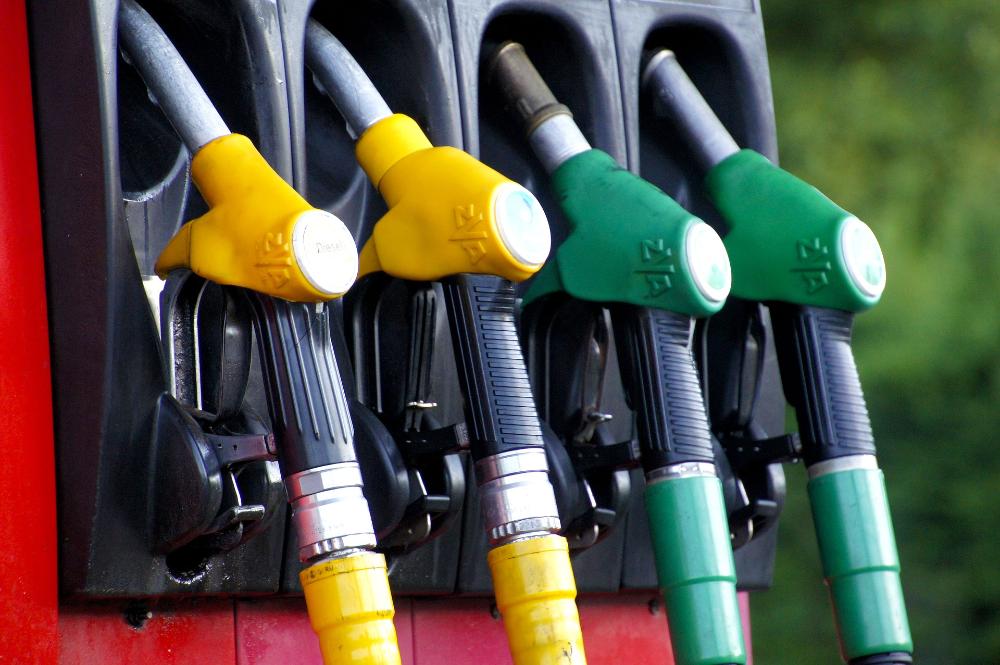
One lesser-known travel scam in Southeast Asia happens at gas stations, especially when travelers rent motorbikes or scooters. This scam involves attendants tricking customers into paying for more fuel than they actually receive.
The trick is simple. After serving the previous customer, the attendant may not reset the fuel meter back to zero before filling your tank.
For example, imagine the previous customer bought 2 liters of petrol. When you arrive and request 3 liters, the attendant might only pump 1 liter of fuel, but the meter still shows 3 liters because it was never reset. If you are not paying attention, you may end up paying for fuel you never received.
This type of petrol station scam targeting tourists is easy to miss, especially if you are unfamiliar with the language or local fuel system.
How to Avoid It
Avoiding this gas station scam in Southeast Asia is simple if you stay alert:
- Always check that the fuel meter is reset to zero before the attendant starts pumping.
- Watch the fuel pump display during the entire process.
- If the meter is not reset, politely ask the attendant to reset it before filling your tank.
- Whenever possible, use busy gas stations used by locals, which are usually more trustworthy.
A few seconds of attention at the pump can help you avoid fuel scams that target travelers renting motorbikes or scooters.
7. Money Exchange Scams In Southeast Asia
Exchanging money in Southeast Asia can be convenient, but it’s also a hotspot for money exchange scams. Tourists are often shortchanged or given terrible exchange rates, losing a significant amount of money if they’re not careful.
Scam (a): Shortchanging
This scam happens when you pay in a foreign currency (like USD), but the seller gives you change in local currency at an unfavorable rate. For example, in Cambodia, many businesses accept US dollars but return change in Cambodian Riel (KHR), often leaving you short.
Watch out for fake, torn, or damaged notes that may be useless elsewhere.
How to avoid it:
- Always request a change in the original currency if possible.
- Use a currency conversion app on your smartphone to quickly check rates.
- Inspect all notes to make sure they are authentic and not damaged.
Scam (b): Terrible Exchange Rates
Some exchange booths, banks, border crossings, or shopkeepers offer horrible conversion rates, leaving you with less money than expected.
How to avoid it:
- Research the current exchange rate before exchanging money.
- Compare rates at several exchange locations or banks to find the best deal.
- Always calculate the expected amount before completing the transaction so you know if you’re being shortchanged.
8. Drug Scams In Southeast Asia
In many tourist hotspots in Southeast Asia, it’s common to be approached by people offering cannabis, magic mushrooms, opium, cocaine, or other drugs. While some offers may seem harmless, there are well-known drug scams targeting tourists.
How Drug Scam Works
A scam often involves a drug dealer collaborating with corrupt police officers: The dealer befriends you and learns where you are staying. If you purchase drugs, the dealer tips off the police. Later, the police may search your room and demand a hefty fine or threaten jail time.
How To Avoid Drug Scams
The most effective way to stay safe is to remain skeptical of "friendly" local offers and stay updated on local legal climates.
Many travelers are familiar with Indonesia through its tourism, influencers, and even online discussions about the richest Indonesian celebrities. However, what is less talked about is how strict the country’s drug laws are. Indonesia enforces severe penalties for drug-related offenses, and even small infractions can lead to serious legal consequences.
Never buy drugs from strangers on the street. Avoid dabbling with drugs in Southeast Asia, especially in countries like Indonesia, where some drug offenses carry the death penalty. If you absolutely must buy, your safest option is through a trusted acquaintance or fellow backpacker, but even then, the risk remains high.
9. The ‘Poker 21’ Card Game Scam

The Poker 21 scam is a sophisticated card game scam in Southeast Asia, primarily reported in Ho Chi Minh City (Saigon), Phnom Penh, Siem Reap, Thailand, and sometimes Malaysia. It involves a seemingly friendly stranger who draws tourists into a fake gambling game, ultimately extorting large amounts of money.
How The ‘Poker 21’ Scam Works
- Friendly Approach:A well-spoken stranger (often claiming connections to the tourist’s home country) strikes up a conversation and builds trust. This person may suggest meeting for lunch at a “family home”, creating a sense of familiarity and safety.
- Introduction to Gambling:During the meal, the tourist meets an accomplice posing as a skilled card dealer. They demonstrate a special system for cheating in Poker 21, showing the tourist how to win against another guest, who is presented as a wealthy, naïve player.
- False Wins:The tourist wins initial rounds due to hand signals or insider tricks, building confidence and encouraging continued play. The rules are designed so the tourist must match the other player’s bets or risk losing borrowed money.
- Escalation:Bets increase rapidly, sometimes requiring the tourist to borrow money from the dealer or withdraw cash from ATMs. In extreme cases, victims have lost $20,000 or more. The scam can also involve threats, intimidation, and collusion with local authorities.
- Traps and Collusion:The scam may involve up to 50 people, including operators, accomplices, and ‘friendly bystanders,’ all working together to pressure the tourist. Pre-arranged loans, collateral, and staged emergencies make it difficult to walk away.
How To Avoid The Poker 21 Scam
- Avoid strangers who are overly friendly or well-spoken in unfamiliar areas.
- Never share sensitive information such as hotel details, phone numbers, or social media accounts.
- Decline invitations to private homes or remote locations controlled by strangers.
- Recognize that if the situation involves gambling with borrowed money, unusual rules, or staged “rich players,” it is almost certainly a scam.
- If you encounter the scam but escape early, it prevents further tracking or harassment.
Being aware of the Poker 21 scam can help you spot the setup before you’re fully drawn in. The key is to identify warning signs early and remove yourself from the situation.
10. Gem Scams In Southeast Asia
Southeast Asia is famous for its gemstones, but there are more fake gems than real ones in local markets. Popular stones like rubies, sapphires, emeralds, garnets, peridots, and turquoise are often imitated with colored glass or synthetic alternatives. Without proper tools like refractometers or neodymium magnets, it is almost impossible to verify authenticity.
The Classic Gem Scam
A common gem scam in Southeast Asia involves friendly sellers offering gems at a “wholesale” price, promising you can sell them at home for a huge profit. They often claim:
- High export taxes prevent them from shipping gems internationally.
- You qualify for a special tax-free arrangement or duty-free allowance.
- Buying today ensures a rare opportunity.
Tourists fall for the charm, purchase the gems, and later discover they are worthless glass or counterfeit stones. In some versions, the gems are shipped to your home, making it impossible to verify them before leaving the country.
How To Avoid Gem Scams
- Don’t buy gems unless you are an expert. Recognize that testing gemstones requires specialized equipment.
- If you have experience, use a strong neodymium magnet to detect certain fakes.
- Buy directly from gem mines when possible. For example, in Ratanakiri Province, Cambodia, raw zircon can be purchased straight from the miners at fair prices, reducing the risk of scams.
- Always research sellers and provenance. Never rely on promises of “guaranteed profit” or tax-free deals.
The key to avoiding gem scams in Southeast Asia is caution, verification, and knowing when to walk away. For most travelers, it’s safest to admire the gems, but not buy them unless you are confident in your knowledge.
11. The Fake Monk Scam In Southeast Asia
In many Buddhist countriesin Southeast Asia, fake monks are a common scam targeting tourists. These impostors dress like monks, shave their heads, and approach visitors asking for money, often showing an alms bowl already filled with notes and coins.
These fake monks are usually ordinary people pretending to be holy men to trick unsuspecting travelers. Many tourists end up giving money, thinking they are supporting real monks.
How To Avoid The Fake Monk Scam
- Know the facts about real monks: A true monk’s alms bowl is for food or medicine only, not money.
- Watch the timing: Theravada Buddhist monks only collect alms before noon. If someone asks for donations in the afternoon or evening, it’s a scam.
- Remember the rules in Mahayana Buddhism: In countries like Vietnam, Mahayana monks don’t collect alms at all.
- No sales: Real monks will never try to sell you anything.
12. The Fortune Teller Scam In Bangkok
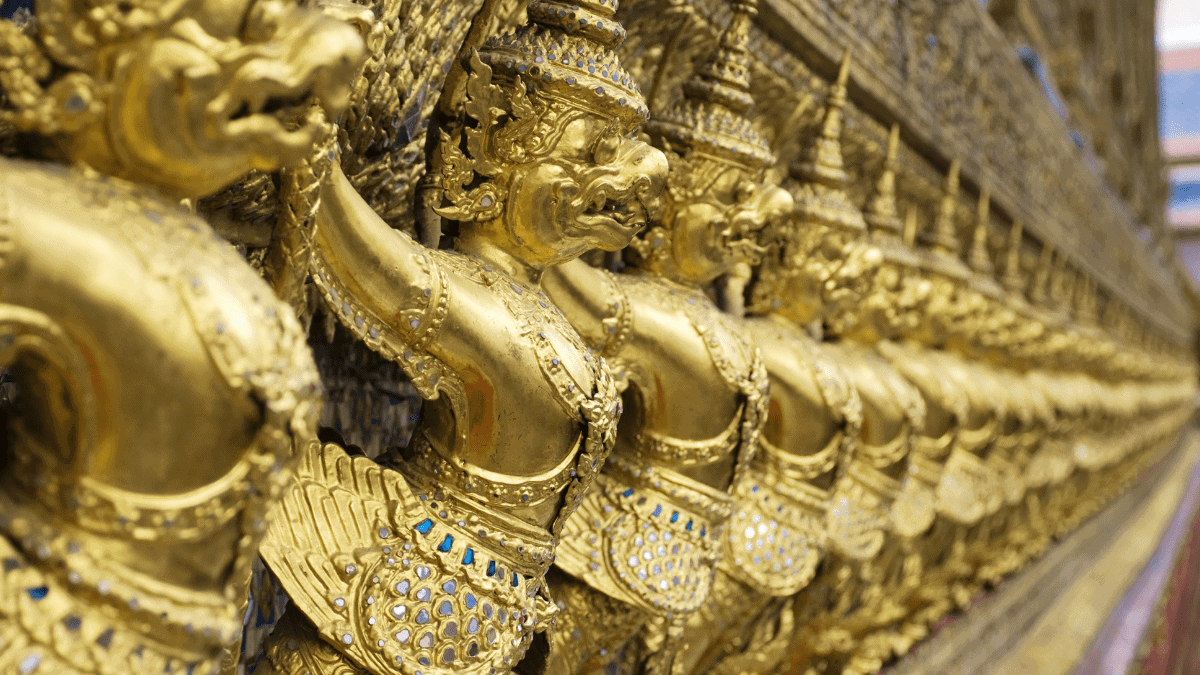
If you’re visiting Bangkok, especially Khao San Road, watch out for fortune teller scams. Some men, often Indian Sikh men wearing turbans, will approach tourists during the day, using psychological tricks to draw you in.
They may start with a flattering comment or a personal statement that seems eerily true, like, “You have a special talent that nobody knows about.”These generic statements are designed to intrigue you and make you believe the fortune teller has mystical insight.
Once your curiosity is aroused, they may invite you into a small room to reveal more about your future for a large payment, sometimes $100 or more.
In reality, these fortune tellers are professional scammers who rely on common techniques of persuasion and psychology. They don’t have any real powers, they just want to extract money from tourists.
How To Avoid The Fortune Teller Scam
- Decline immediately: Don’t engage with fortune tellers at all.
- Be aware of flattery tricks: Statements that sound personal are usually generic.
- Avoid enclosed spaces: Never follow them into a private room or building.
13. Traffic Police Scams
In many Southeast Asian countries, corruption in the police is common. Tourists on motorcycles or scooters are often targeted, with officers looking for excuses to fine them.
How The Scam Works
Police may pull you over for minor or fake offenses, like speeding or not having the right paperwork. They often demand bribes, sometimes much higher than the official fine.
For example, near Mui Ne in Vietnam, tourists were stopped on the way to the white sand dunes. Officers claimed they were speeding and demanded around $100, even threatening to confiscate the bike. With negotiation, the fine could be reduced drastically, sometimes to just a few dollars.
How To Avoid Police Scam
- Know local traffic rules: obey speed limits, helmets, one-way streets, and passenger limits.
- Blend in with locals: dressing like locals can reduce unwanted attention.
- Carry your license: always have your driver’s license, and in some places, an international driver’s licenseis recommended.
- Negotiate politely: if asked for a fine, offer a small amount rather than refusing completely. Keep the money accessible but limited, so you can’t be pressured into paying more.
Tip:Awareness and preparation are your best tools. Following the rules and staying calm usually keeps interactions with traffic police straightforward and safe.
14. ATM Machine Scams
Withdrawing cash in Southeast Asia can be risky if you’re not careful. Some scams involve skimming devices, which steal your card details, but the most common one actually comes from the banks themselves.
Scam - Dynamic Currency Conversion (DCC)
Many ATM machines will ask if you want to be billed in your home currency or the local currency. Choosing your home currency is called dynamic currency conversion (DCC). It sounds convenient, but it’s usually a scam designed to make extra money from your withdrawal.
Here’s how it works:
- If you pick your home currency, the bank uses a fake or unfavorable exchange rate instead of the official card network rate.
- This means you end up paying more money than necessary.
- Many tourists don’t realize this and think they’re making a smart choice, which is why it works so well for the banks.
How to avoid it
- Always choose the local currency when withdrawing money.
- Your card network (Visa, Mastercard, etc.) will handle the conversion at a fairer rate.
- Inspect the ATM before using it for signs of skimming devices, like loose card slots or hidden cameras.
Tip:Being aware of DCC can save you a lot of money on ATM withdrawals while traveling in Southeast Asia.
15. Overcharging Scams In Southeast Asia
Overcharging is one of the most common travel scams in Southeast Asia, especially in tourist hotspots. While locals usually pay the standard rate, tourists often get charged extra for admission fees, restaurants, buses, groceries, and market goods.
How Overcharging Works
- Restaurants may leave menus without prices, hoping tourists will order without asking first.
- Bus ticket sellers sometimes charge foreigners far more than locals for the same journey.
- Market vendors or shops may quietly inflate the price when they notice you’re unfamiliar with local rates.
Essentially, any situation where the price isn’t clear can be exploited.
How To Avoid Overcharging
- Agree on prices in advance:Always confirm the cost before ordering food, drinks, or using any service.
- Know typical rates:For example, on local buses, you can calculate approximate fares by distance. In Sri Lanka, long bus journeys cost roughly 1.5 LKR per kilometre.
- Ask locals for guidance:Fellow passengers or nearby vendors can tell you the normal price.
- Check printed prices:When buying groceries, compare the charge to the price on the packaging. If it doesn’t match, insist on the correct amount or walk away.
- Bargain politely but firmly:Most overcharging happens because tourists either don’t question the price or aren’t aware of local norms. Sometimes, walking away is the best option.
16. The Unsolicited Guide Scam
When traveling in Southeast Asia, you might meet locals who offer to show you hidden gems, waterfalls, caves, temples, or hiking trails. At first, it seems friendly; they just want to help or chat with tourists.
The problem? After guiding you, they suddenly ask for money, even though there was no agreement to pay them. They may pressure you or make you feel guilty, hoping you'll hand over some cash.
How to avoid it
- Set boundaries upfront:If someone offers help, make it clear you will not pay for their assistance.
- Be cautious of “friendly” guides:Even if you’ve said you won’t pay, some may still try to ask later.
- Avoid unsolicited guides:The only foolproof way to avoid this scam is to politely decline help from strangers, especially if it requires more than minimal effort.
Tip:It’s fine to accept help in small ways, like asking for directions, but be careful about someone offering to take you on a longer tour or trek. Always clarify expectations before agreeing to go along.
17. Hitchhiking Scam
Hitchhiking in Southeast Asia can be free… if you don’t get scammed. Some drivers may pretend it’s a free ride, but expect money at the end. This can happen if they go out of their way or try to take advantage of language barriers, making it seem like you agreed to pay.
How to avoid it
- Confirm it’s free before getting in.
- Learn simple phrases like “free” or “no money” to make your intentions clear.
- Stay aware and don’t assume every ride is automatically free.
18. Bracelet Gift Scam

Tourists are often approached by friendly strangers on the street or in markets. They may say something like, “This bracelet is a gift for you!” or try to charm you with small talk. Once the bracelet is tied on your wrist, they demand payment sometimes angrily or in groups. Some scammers even say it’s a “special blessing” you must pay for.
How to avoid it:
- Politely refuse gifts from strangers.
- Keep your hands free in crowded areas.
- If someone insists, walk away immediately; don’t argue.
19. Shoe Cleaning Scam
A person may appear suddenly, offering to clean your shoes while you’re walking down a busy street. They might be friendly and fast, but after they finish, they demand much more than the normal price, sometimes threatening or pressuring you.
This scam happens near tourist hotspots in Bangkok, Ho Chi Minh City, and Hanoi. Some travelers reported being charged $5-$10 for a 1-minute cleaning.
How to avoid it:
- Decline offers from street shoe cleaners.
- If you accept, agree on the price first.
- Keep coins and cash out of easy reach.
20. Karaoke Bar Scam
Tourists may be approached by charming locals who invite them to a karaoke bar or nightclub. Drinks, snacks, or private room fees may be heavily overpriced. Sometimes, staff may prevent you from leaving until the bill is paid.
In cities like Pattaya and Phnom Penh, travelers have been pressured to pay $100+ for a single hour of karaoke.
How to avoid it:
- Avoid bars and clubs you didn’t plan to visit.
- Stick to established venues with clear pricing.
- Never follow strangers into small, unknown establishments.
21. Overpriced SIM Card Scam
Tourists often buy SIM cards at airports or small kiosks without checking the price. Scammers may sell a regular SIM card at a premium or claim it has special benefits, data, or calling credit that doesn’t actually exist. Some may even charge for “activation” or “registration” fees that are unnecessary.
In Bali and Bangkok, travelers have reported paying $15-$25 for a SIM card that costs locals only $5. Some cards don’t even work properly on arrival.
How to avoid it:
- Buy SIM cards from official mobile providers or reputable shops.
- Check the advertised price and data included before paying.
- If unsure, compare a few kiosks or ask a local or hotel staff for recommendations.
22. Fake Donation Boxes
You may encounter donation boxes in temples, streets, or attractions that look official but are actually scams. A friendly person may encourage you to donate, showing you other “donors,” but the money goes directly into their pocket.
In Ho Chi Minh City, scammers place donation boxes outside temples and may even dress in religious attire. Tourists often assume the donation is going to charity and place cash inside.
How to avoid it:
- Only donate at official counters or verified organizations.
- If a box looks unofficial, ignore it.
- Ask staff or locals if you’re unsure whether donations go to a real cause.
23. Bar Tab Scam
In some bars or clubs, especially in tourist-heavy areas, bartenders or staff may inflate your bill, add drinks you didn’t order, or claim “service charges” that don’t exist. Some may even refuse to let you leave until the bill is paid.
In Pattaya or Phnom Penh, tourists reported being charged $100-$200 for two drinks and a snack, or “VIP room fees” for sitting at a table.
How to avoid it:
- Only order from printed menus with prices.
- Check your bill carefully before paying.
- Avoid following strangers to small, unregulated bars.
24. Pickpocket Distraction Scam
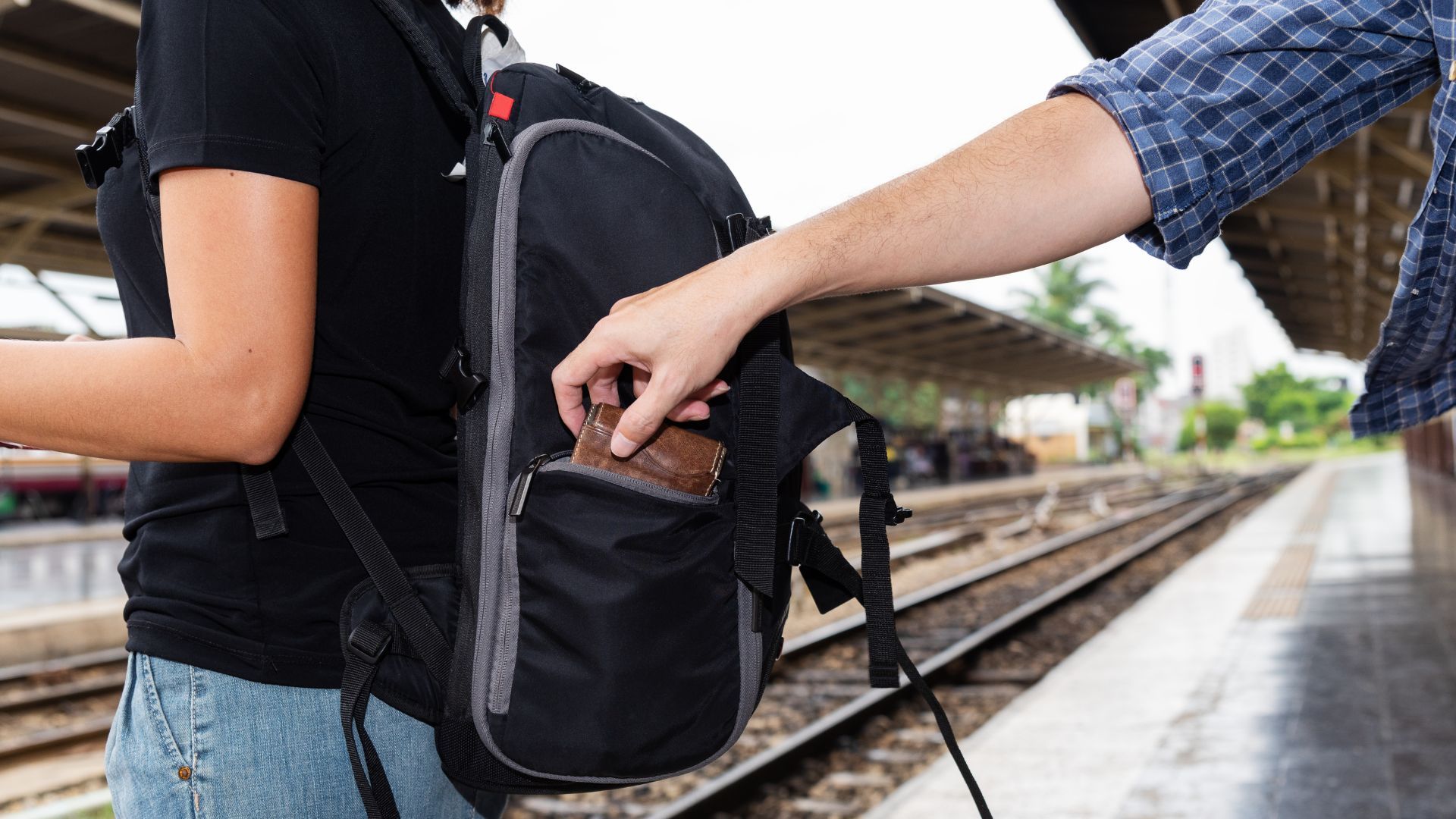
Pickpockets often work in pairs or groups using distractions. One person might spill something on you, bump into you, ask for directions, or create a commotion while the other steals wallets, phones, or passports.
This happens in crowded markets, tourist temples, buses, or trains. Some thieves target tourists taking photos, pretending to help, or carrying money in their back pockets.
How to avoid it:
- Keep valuables in front pockets or inside a zipped bag.
- Stay alert in crowded areas.
- Be suspicious if someone suddenly needs help or touches your belongings.
- Avoid carrying large sums of cash or flashy items.
25. Bird Feeding Scam
This scam occurs at temples, parks, or markets where tourists are offered bags of birdseed or animal feed. Once you pay and start feeding, a local may demand more money than the advertised price or insist on buying additional “special feed” to continue. Sometimes multiple people surround you to pressure payment.
Example:At Wat Pho in Bangkok or Ubud Monkey Forest in Bali, tourists have been charged 2-5 times the original price for small bags of feed, or “fines” if they didn’t feed the animals as instructed.
How to avoid it:
- Don’t accept offers to feed animals from strangers.
- If you want to feed birds or animals, buy food from official vendors with clear prices.
- Always agree on the price before purchasing anything
Simple Rules To Avoid Most Travel Scams
Most scams can be avoided by following a few easy habits.
The 5-Second Scam Test
Before accepting an offer, ask yourself quickly:
- Did I approach them, or did they approach me?
- Is the deal too cheap, too urgent, or too good to be true?
- Is the price unclear, changing, or confusing?
If you feel unsure or if something seems off, walk away immediately.
Situations Where You Should Always Walk Away
Leave immediately if:
- Someone pressures you to decide quickly.
- Prices are unclear or keep changing.
- A stranger insists on guiding you somewhere.
- You feel confused, uncomfortable, or unsure.
Insider Tip: Experienced travelers follow this rule: If someone insists too strongly, the deal probably benefits them not you.
What To Do If You Get Scammed While Traveling
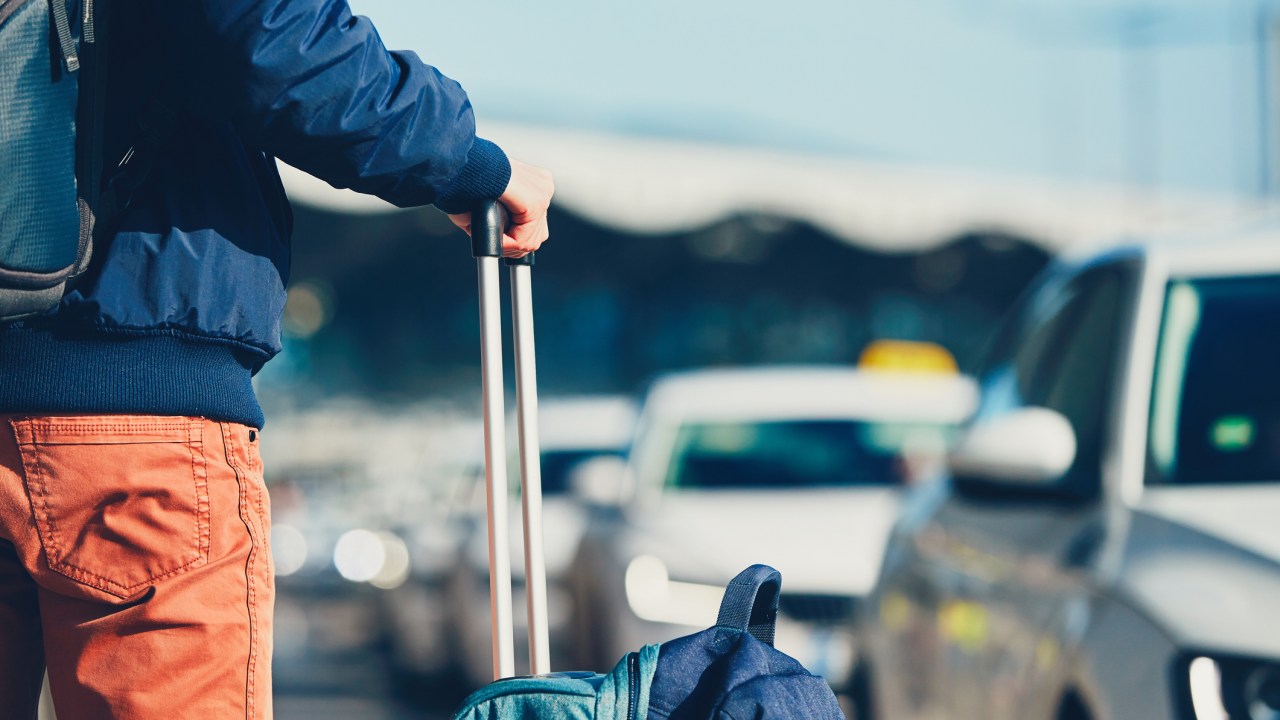
Even experienced travelers can fall for scams. What matters most is how you respond.
Steps To Take Immediately
- Stay calm and move to a safe place.
- Document what happened if possible (take photos or write notes).
- Keep receipts or any evidence of the transaction.
Contact Your Bank
If your card or money may be at risk:
- Notify your bank immediately.
- Request a card freeze or replacement.
- Many banks reimburse fraudulent transactions, depending on their policy.
Reporting Scams To Authorities
For serious scams, report to:
- Local police
- Your embassy or consulate
- Tourist police units (common in major Southeast Asian cities)
Reporting helps authorities track scam patterns and protect other travelers.
People Also Ask
What Are The Most Common Travel Scams In Southeast Asia?
Some of the most common scams include tuk-tuk scams, fake gem sales, ATM and money exchange scams, overcharging at restaurants or transport, fake monks, jet ski scams, and card game or gambling cons.
How Do I Avoid Overcharging At Restaurants Or Taxis?
Always check the price before ordering or taking a ride. For taxis, tuk-tuks, or buses, agree on the fare beforehand. Knowing local prices or approximate rates per kilometer helps you negotiate confidently.
Are Gem Or Jewelry Scams Common?
Yes, many gemstones sold to tourists are fake or overpriced. Avoid buying unless you have expertise, or purchase directly from reputable mining sites where authenticity can be verified.
Can Police Or Traffic Officers Scam Tourists?
Unfortunately, yes. In some countries, police may try to extract bribes for minor traffic violations. Carry a valid driver’s license, know local traffic rules, and negotiate fines calmly if pulled over.
Final Thoughts
Southeast Asia is full of amazing experiences, but scams targeting tourists are common. Staying aware, verifying prices, and trusting your instincts are the best ways to avoid them. If you do encounter a scam, stay calm, document it, and report it when possible.
By following these simple habits, you can travel safely and enjoy all the adventure the region has to offer. Plan ahead, stay alert, and make the most of your journey!
Jump to
Understanding Travel Scams In Southeast Asia Before Your Trip
1. Taxi Scams
2. Tuk-Tuk (Three-Wheeler) Scams
3. Bus Scams
4. Motorbike Scams
5. Jet Ski Scam In Thailand
6. Gas Station Scam
7. Money Exchange Scams In Southeast Asia
8. Drug Scams In Southeast Asia
9. The ‘Poker 21’ Card Game Scam
10. Gem Scams In Southeast Asia
11. The Fake Monk Scam In Southeast Asia
12. The Fortune Teller Scam In Bangkok
13. Traffic Police Scams
14. ATM Machine Scams
15. Overcharging Scams In Southeast Asia
16. The Unsolicited Guide Scam
17. Hitchhiking Scam
18. Bracelet Gift Scam
19. Shoe Cleaning Scam
20. Karaoke Bar Scam
21. Overpriced SIM Card Scam
22. Fake Donation Boxes
23. Bar Tab Scam
24. Pickpocket Distraction Scam
25. Bird Feeding Scam
Simple Rules To Avoid Most Travel Scams
What To Do If You Get Scammed While Traveling
People Also Ask
Final Thoughts

Finn Wilde
Author
For Finn Wilde, the wilderness is more than just a destination - it’s a way of life. Over the past decade, he has led multiple expeditions in some of the world’s most remote regions, from the icy fjords of Greenland to the rugged trails of Patagonia.
Finn emphasizes sustainability in all of his adventures, helping participants connect with nature while promoting responsible exploration. His expeditions inspire individuals to explore the great outdoors while fostering a deep respect for the environment.

Liam Jones
Reviewer
Liam Jones has made it his mission to prove that adventure doesn’t need a hefty budget. Having traveled to over 40 countries, he specializes in finding affordable ways to experience the world, from the best street food in Bangkok to hidden gems in Lisbon.
Liam’s travel tips have reached thousands of readers, empowering them to see the world on a shoestring budget without sacrificing quality. With a deep passion for local cultures, he continues to share his travel hacks, ensuring adventure remains accessible to all.
Latest Articles
Popular Articles