Travel India - Entry Rules, Trains, Safety, And Where To Go
Travel India confidently: official visa steps, common scams, best season by region, money setup, and a realistic pace for your first trip.
Author:Sophia HarperReviewer:Liam JonesJan 18, 202687.2K Shares2M Views
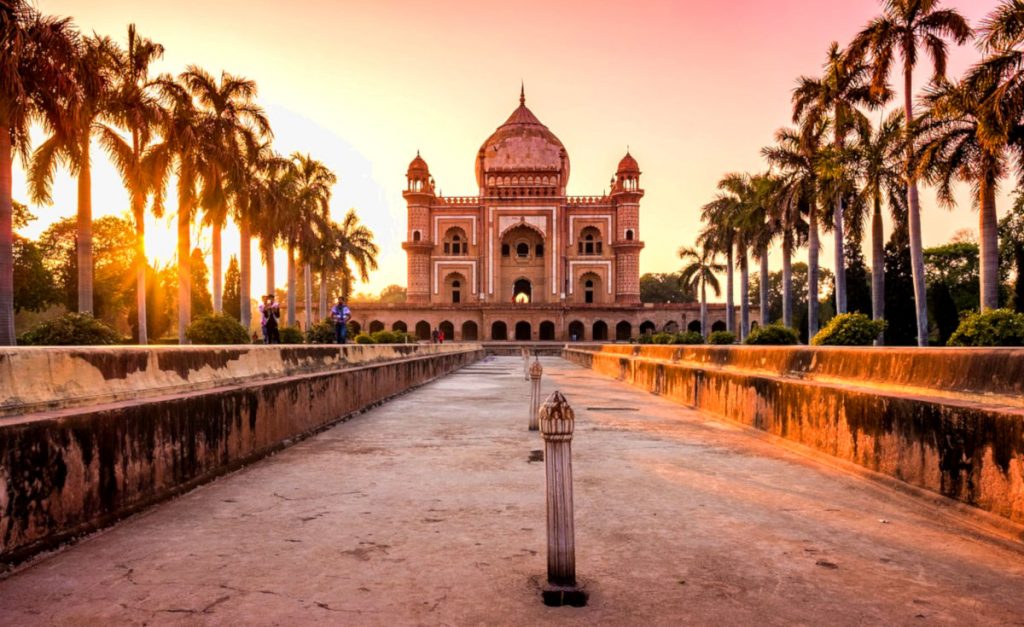
Travel India: What You Need To Know Before You Book
The easiest way to travel Indiawell is to pick one main region for the right season, build a realistic pace, then lock in entry requirements, health basics, and transport before you stack extra destinations.
Do Not Visit India If:
- You cannot handle constant noise and sensory overstimulation.
- You are on a strict 5-day timeline (transit delays are common).
- You aren’t willing to be flexible with your personal space.
In Short: The India Essentials
- Visa:You must apply for an E-Visa via the official Indian Visa Online portalat least 4–7 days before arrival.
- Best Time:Visit between October and March for temperate weather; avoid the extreme heat of May and June. If visiting the North in winter (Nov–Jan), bring N95 masks for high pollution levels.
- Festivals:If you want big-trip energy, time it around cultural festivals in india, but check dates early (they can shift by year).
- Money:India has gone digital. Use UPI-enabled apps (like Cheq or Xaap) for 90% of transactions, but keep small cash for rural areas.
- Health:Stick to the "Boil it, peel it, or forget it" rule and drink only bottled or filtered water.
- Pacing:Do not overschedule. For a first trip, 14–21 days covering one major region (like the North or South) is the "sweet spot."
What Do I Need To Enter India? Entry, Visas, And Arrival Paperwork
Most international travelers require an Electronic Visa (e-Visa). I’ve seen travelers arrive and realize they used a scam third-party site that charged triple. Only use the official Government of India visa systemand treat anything that isn’t a government domain as a third party.
- Apply timing (simple rule):For e-visas, you can apply online minimum 4 days beforeyour arrival date (Data as of January 2026).
- Arrival step (easy to miss):If the e-Arrival card is required for your case, submit it within the 72-hour window before arrival (Data as of January 2026).
- Validity:As of January 2026, e-Visas are commonly granted for 30 days, 1 year, or 5 years-but options are nationality-dependent, so verify on the official portal (Data as of January 2026).
- Passport basics:At least six months validityand two blank pagesis the safe baseline for hassle-free travel.
At the airport:You may undergo biometric checks (fingerprints/photo). At major hubs, plan extra time-especially when multiple flights land together.
Pro-Tip:Print a physical copy of your e-Visa confirmation. Digital usually works, but dead batteries + poor signal at immigration is an avoidable stressor.
Getting Online: SIMs Vs. ESIMs
For immediate data, download an eSIM (like Airalo) before you land. However, these rarely come with a local phone number. To use local apps like Zomato or Ola, you will eventually need a physical Indian SIM (Airtel or Jio). Note that physical SIMs require a passport photo and can take up to 24 hours to activate.
If you do only two things: apply via official portals and submit the e-Arrival card in the 72-hour window-entry gets dramatically calmer.
Getting Around India (trains, Flights, Drivers, City Transport)
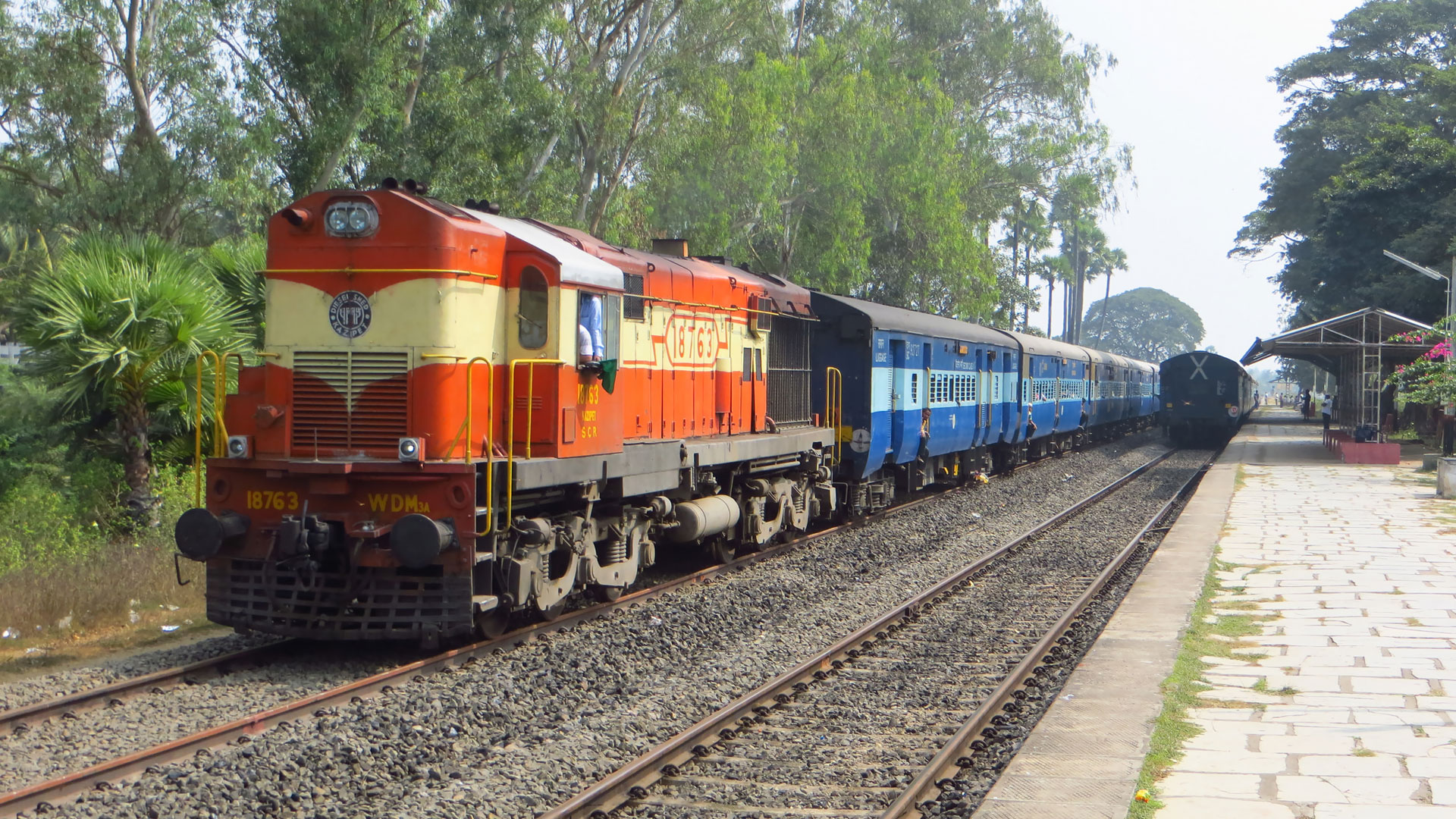
For long distances, Indian Railways is the soul of the country. For most travelers, 2AC or 3ACis the sweet spot for comfort + price.
While standard classes are great for local flavor, those looking for a high-end experience should explore luxury train journeys in indialike the Maharajas' Express.
| Train Class | Details |
| 1AC (First Class) | Private or semi-private cabins. Best for: Maximum privacy/High budget. |
| 2AC (Two-Tier) | Four berths per open cabin; curtains for privacy. Best for: The Expert Choice for balance. |
| 3AC (Three-Tier) | Six berths per open cabin; no curtains. Best for: Budget-conscious but comfortable. |
| Vande Bharat | Modern, high-speed day trains. Best for: Short city-to-city hops (e.g., Delhi to Agra). |
Train booking decoder (so you don’t panic at abbreviations):
- CNF= confirmed (you’re good)
- RAC= you can board; you may share a berth until it clears
- WL= waitlist (avoid on tight itineraries)
- FTQ= foreign tourist quota on select routes (bookable via IRCTC process)
Booking trains without pain (what most guides under-explain):
- Book as soon as dates are stable on popular routes.
- Build buffers on transfer days-delays happen.
- If you get motion-sick, choose AC classes and avoid ultra-tight connections.
City Transport: The Arrival-day Playbook
For city travel, download Uber or Ola. These apps eliminate the need to bargain with auto-rickshaw drivers and ensure you pay the fair market rate.
If you prefer more flexibility between cities, hiring a private car + driver can reduce coordination stress. Costs vary wildly by region, distance, and season-get 2–3 quotes and confirm inclusions (fuel, tolls, driver lodging, parking) before you agree.
Arrival Day Playbook (do these in order):
- Use official airport transportor a verified ride option.
- Get cash from a reliable ATM (don’t wait until midnight).
- Settle into your accommodation; hydrate; shower.
- Do one short walk to learn the neighborhood rhythm.
- Keep the first night early-your trip improves when day one is calm.
Pro-Tip:Use the app "Indriver" in busy cities. It allows you to bid your own price, which often gets you a ride faster than Uber during peak hours.
Is It Safe To Travel To India?
India isn’t one risk profile; it’s many. Government advisories call out regional risksand safety considerations, and they’re worth scanning before you lock an itinerary.
Safety in India is often about managing "Social Pressure." You will likely be asked for many selfies. It is perfectly okay to say "No, thank you" and keep walking. If you agree to one, a crowd will often form, which can feel overwhelming.
Use advisories for:
- Areas to avoid
- Local law differences and documentation expectations
- Common issues (crime, terrorism risks, demonstrations)
My “confidence Boundaries” That Prevent 80% Of Problems
These are simple, boring rules-which is why they work:
- Prefer daylight arrivalswhen you can (especially first day in a new city).
- Use prepaid/verified transportfrom airports and major stations.
- Keep a calm refusal script: “No thanks” + keep walking; don’t debate.
- Split your money and cards (one backup stays at the hotel).
- Trust your body: if you’re exhausted, don’t “push through” late-night logistics.
Common Scams (and The Fast Counter-moves)
- “Attraction closed today” → Verify at the gateor official site; don’t accept a detour pitch.
- “Special government shop” → Treat as a sales funnel; walk away politely.
- “Helpful” guide who becomes paid guide → Agree on price beforeany service begins.
What Is The Best Time To Visit India?
Timing is everything in India; the right month can be the difference between a spiritual retreat and a physical endurance test.
The "Goldilocks" window is October through March. During these months, the North is cool and sunny, and the South is pleasantly tropical. If you are heading to the Himalayas (Ladakh or Himachal Pradesh), the window shifts to June through September, as the high passes are snowed in during the winter.
Avoid the "Heat Wave" (April–June): Temperatures in cities like Delhi or Jaipur can soar above 45°C (113°F). Unless you are retreating to the mountains, this period is physically draining for most travelers.
| Region (common first trips) | Season + what to expect |
| North India (Delhi/Agra/Jaipur, Punjab) | Cooler months are easiest; busy cities-book ahead and add buffer time. |
| Rajasthan (desert cities) | Cooler months are best; desert heat can be harsh outside that window. |
| South India (Kerala/Tamil Nadu/Karnataka) | Best outside peak heat; monsoon is lush but needs flexibility. |
| Himalayas/Ladakh | Strongly seasonal; altitude + access require conservative planning. |
Money In India
The most significant change in recent years is the Unified Payments Interface (UPI). It is a QR-code-based system used by everyone from luxury hotels to chai wallahs.
While traditionally for locals, travelers can now access this via authorized apps like Cheq, which allow you to load a digital wallet with your foreign card.
Important reality check:Many visitors should plan on “cards + cash” as the default. Tourist access to UPI may be possible via prepaid payment instruments (PPIs) linked to UPI, but availability and setup steps can vary (Data as of January 2026).
The Calm Money System
- Use INRfor daily spending.
- Keep two cardsif possible (one backup stays secured).
- Carry “small cash” for taxis, tips, and markets.
Cash Vs Cards: What To Expect
- Cards work well in many hotels and larger restaurants.
- Cash is still common for local transport, small eateries, and markets.
Bargaining is expected in local markets but not in fixed-price "Government Emporiums" or malls. Treat bargaining as a conversation, not a conflict. Ask the price once. Offer your number calmly. If it doesn’t work, smile and walk-often you’ll be called back.
Tipping (keep it simple):If a restaurant adds a service charge, you usually don’t need extra. If not, many travelers leave ~5–10% when service was good (Data as of January 2026 - norms vary by city and venue).
How Many Days In India Is Enough?
I have found that the most common mistake travelers make is trying to "see it all" in ten days, leading to inevitable burnout.
India is a "slow-burn" destination. My Pacing Rule for first-timers is simple: 3 nights per city. This allows one day for travel/settling, one day for major sightseeing, and one day for wandering and "soaking it in."
- 10 Days: Focus on the Golden Triangle (Delhi, Agra, Jaipur).
- 14 Days: Golden Triangle plus one other region (e.g., the Varanasi ghats or the Rajasthan deserts).
- 21 Days:A comprehensive look at either the North or the South.
Respecting the scale of the country ensures you return home refreshed rather than exhausted.
Where Should I Go In India?
New Delhi
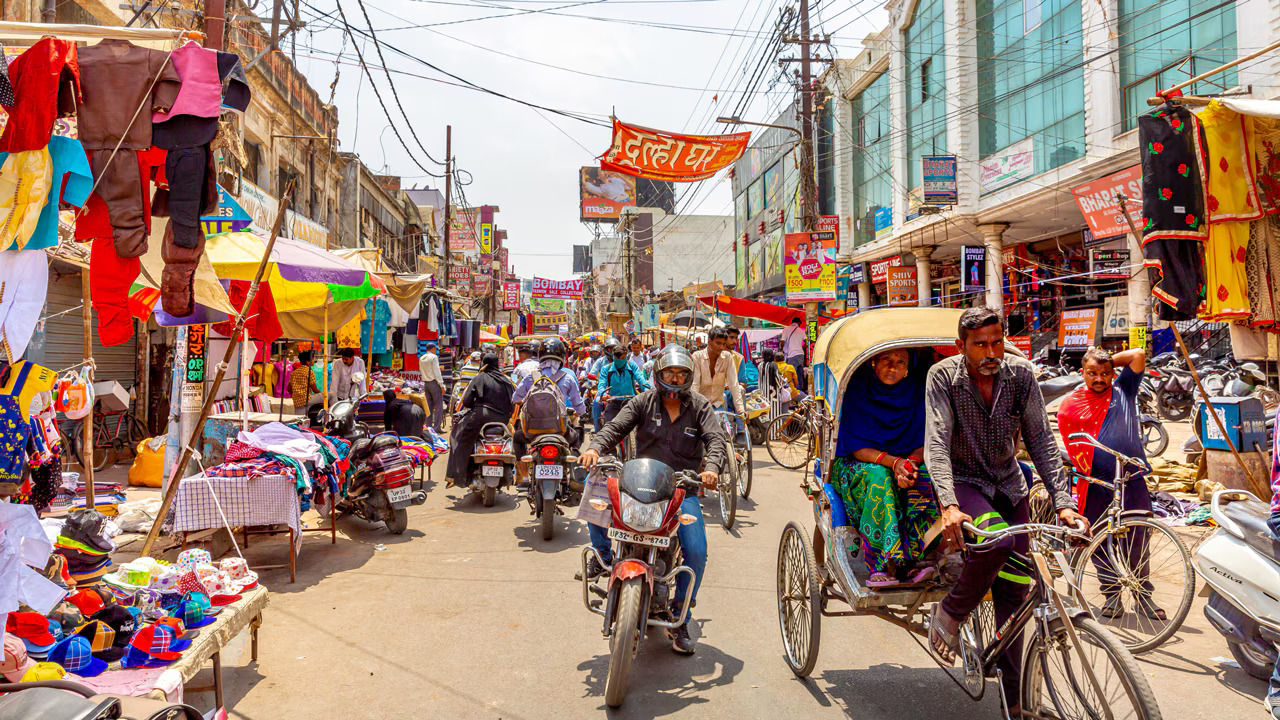
The nation's capital is a high-energy blend of history and modernity. Split between the narrow, spice-scented lanes of Old Delhi and the wide, colonial avenues of New Delhi, it serves as the primary gateway for most international travelers.
- Must See:The Red Fort, Qutub Minar, and a rickshaw ride through the chaotic Chandni Chowk bazaar.
- Expert Tip:Use the Delhi Metro; it is world-class, air-conditioned, and significantly faster than sitting in city traffic.
Agra
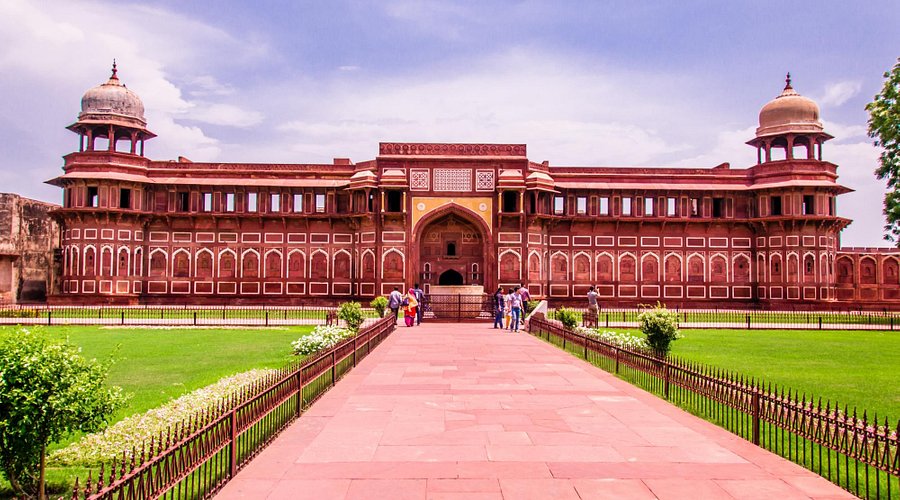
Agra is home to the Taj Mahal, the world’s most famous monument to love. While often criticized for being "touristy," the sheer architectural perfection of the Taj is something that no photo can accurately capture.
- Must See:The Taj Mahal at sunrise and the sprawling Agra Fort. If you’re building an “architecture day,” add the nearby Red Fort, Agraas a quick extra stop.
- Expert Tip:Cross the river to Mehtab Bagh(the Moonlight Garden) at sunset for a view of the Taj without the massive crowds.
Jaipur
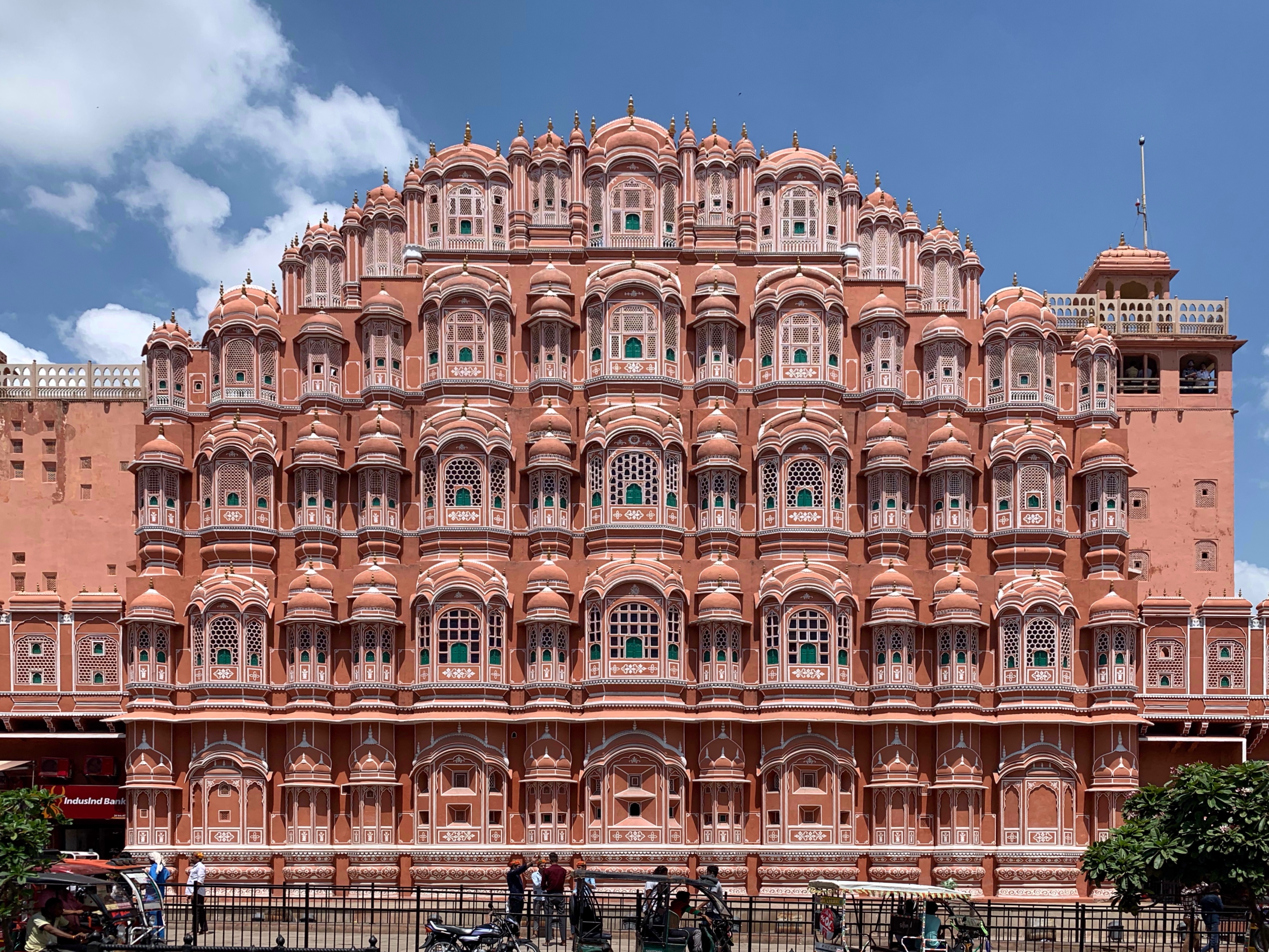
Known as the "Pink City," Jaipur is the gateway to the royal state of Rajasthan. It is a city of symmetry, where dusty pink buildings line wide streets designed according to ancient Hindu architectural principles.
- Must See:The Amber Fort (located on a hill just outside the city) and the intricate, honeycomb-like facade of the Hawa Mahal.
- Expert Tip:Visit the Jantar Mantar, an 18th-century astronomical observatory with giant stone instruments that are still surprisingly accurate.
Varanasi

Varanasi is one of the world's oldest continuously inhabited cities and the spiritual heart of India. It is located on the banks of the holy River Ganges and is a place where life and death are observed openly and sacredly.
- Must See:A sunrise boat ride on the Ganges and the evening Ganga Aarticeremony at Dashashwamedh Ghat.
- Expert Tip: Varanasi can be intense. Book a hotel slightly away from the main ghats if you need a quiet sanctuary to retreat to.
Kochi (Cochin)
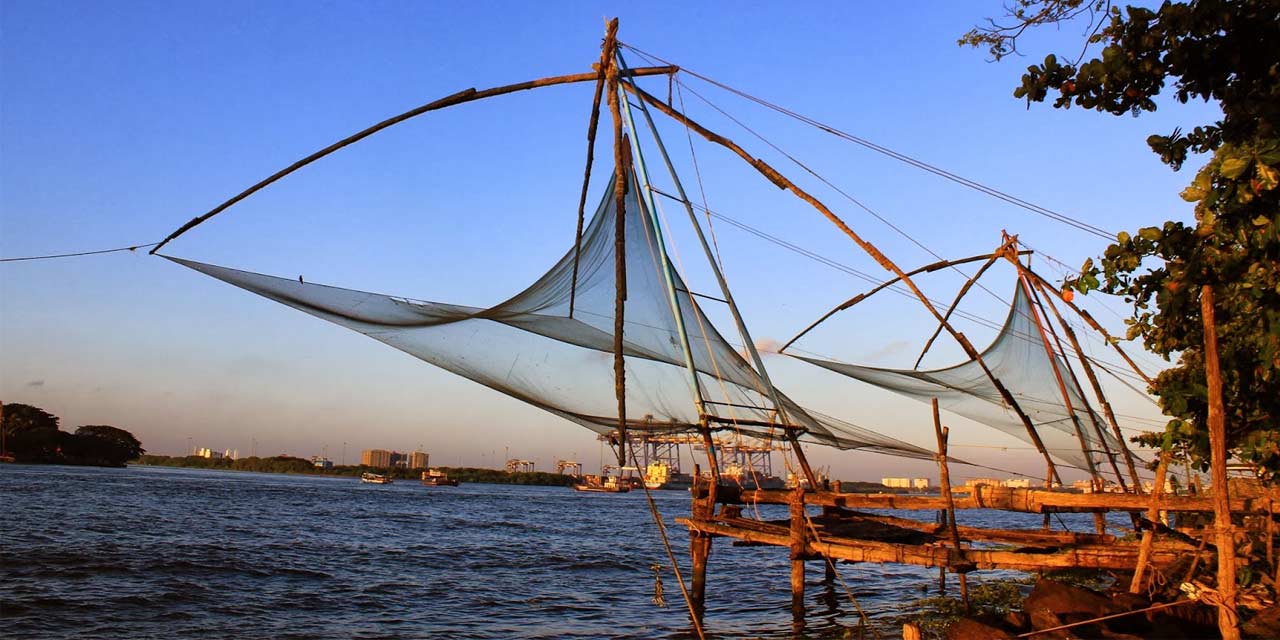
This coastal city in Kerala is a peaceful "melting pot" of Portuguese, Dutch, British, and Chinese influences. It feels significantly more laid-back than the northern cities and serves as the best starting point for exploring South India.
- Must See:The giant Chinese Fishing Nets and the historic Jewish Quarter in Mattancherry.
- Expert Tip:Catch a Kathakalidance performance in the evening to see one of India's most vibrant traditional art forms.
Mumbai
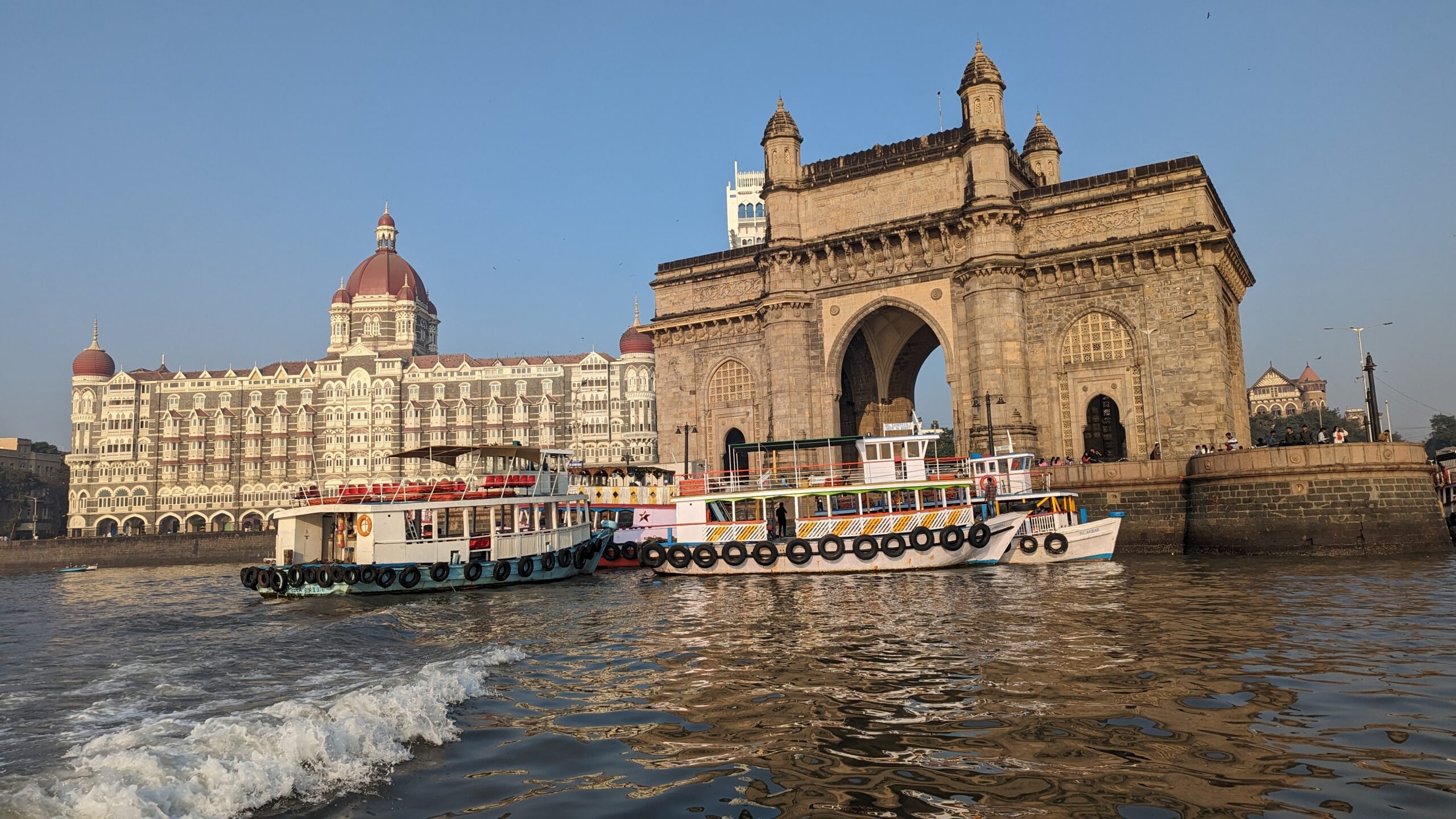
Mumbai is the financial and cinematic engine of India. It is a city of extremes-home to the world's most expensive private residences and its largest slums, all bordering the crashing waves of the Arabian Sea.
- Must See:The Gateway of India and a walk along Marine Drive (the "Queen's Necklace") at night.
- Expert Tip:Take the ferry from the Gateway to the Elephanta Caves to see 5th-century rock-cut temples.
Jaisalmer
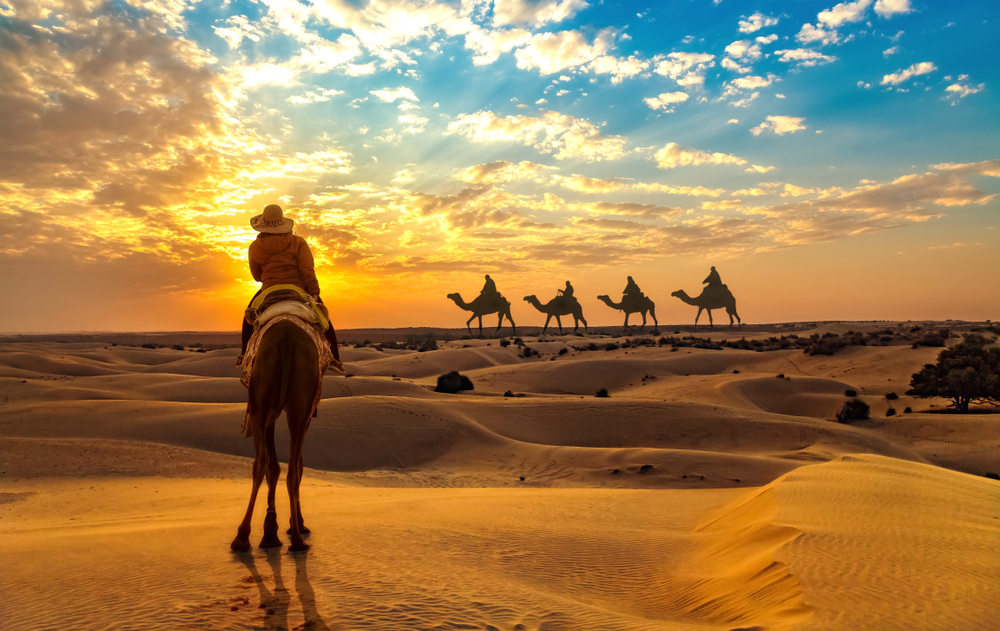
The "Golden City" rises out of the heart of the Thar Desert. Built almost entirely of yellow sandstone, the city glows during the day. Its most unique feature is the "living fort," where thousands of people still live inside the medieval walls.
- Must See:Jaisalmer Fort and a sunset camel safari in the Sam Sand Dunes.
- Expert Tip:Stay in a "Haveli" (traditional mansion) inside the fort for a truly medieval experience.
Jodhpur
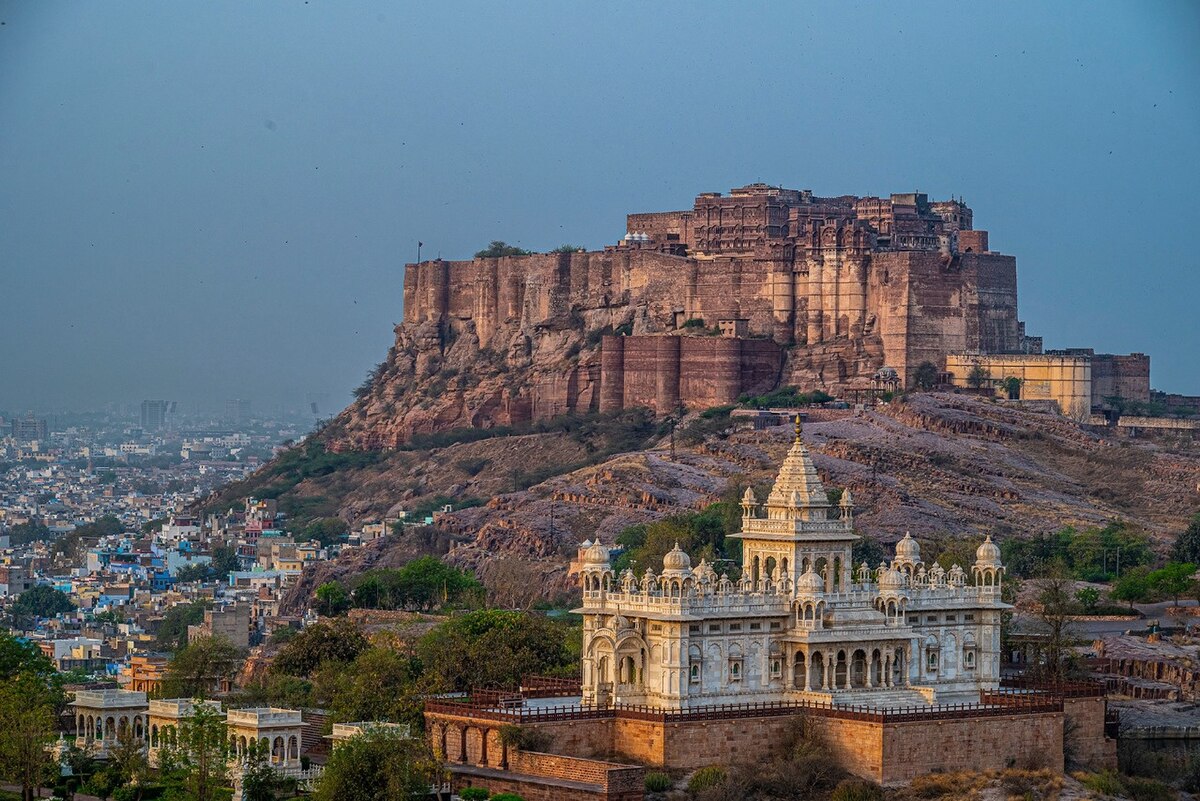
The "Blue City" is dominated by the massive Mehrangarh Fort, which sits on a cliff 400 feet above the skyline. The old town below is a sea of indigo-painted houses, originally colored to signify the homes of the Brahmin caste.
- Must See:Mehrangarh Fort and the Jaswant Thada marble cenotaph.
- Expert Tip:Head to the Stepwell Café for a view of the 18th-century Toorji Ka Jhalrastepwell while you have lunch.
Amritsar
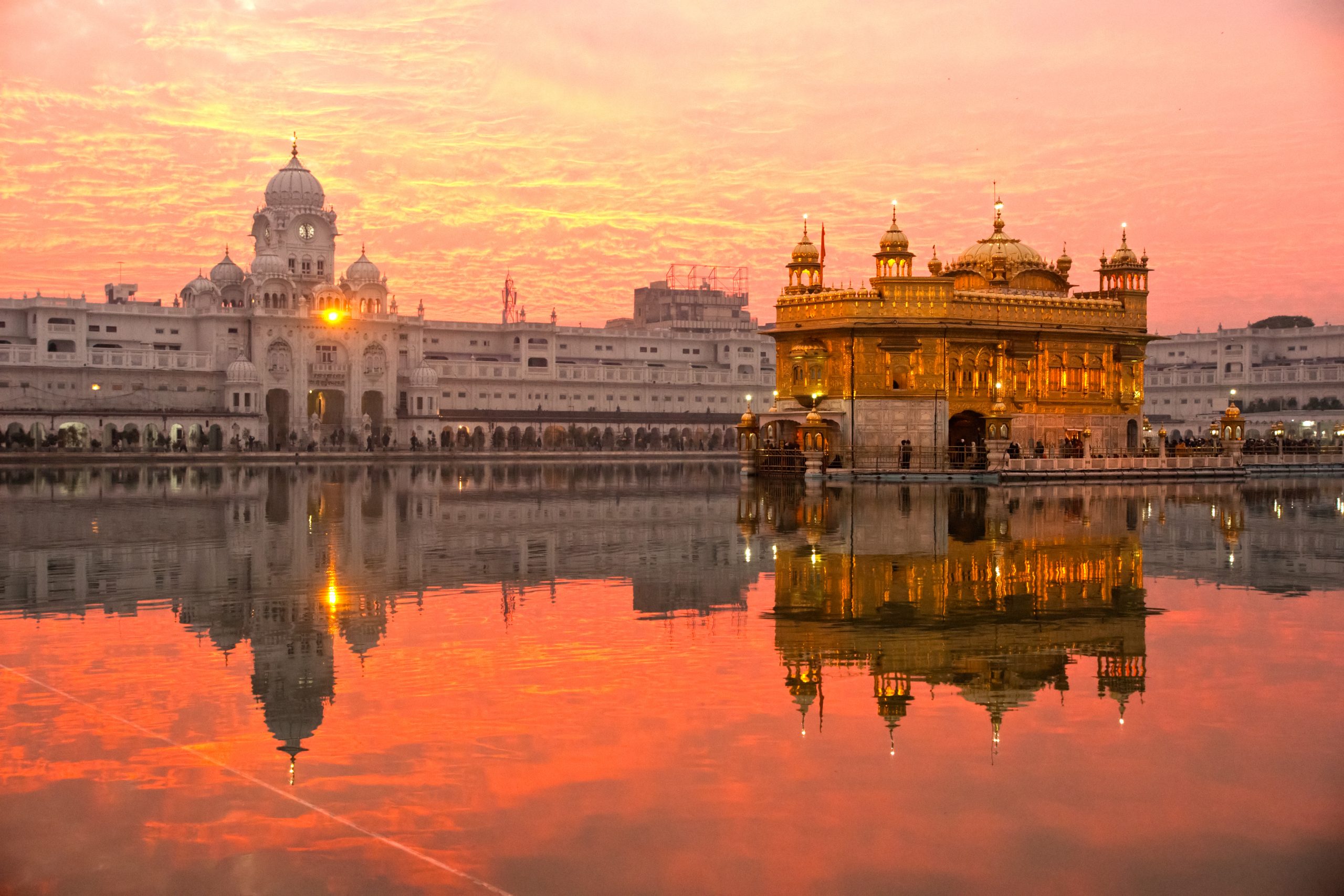
Located in Punjab, Amritsar is the center of the Sikh religion. The city is famous for its incredible hospitality and the Golden Temple, which feeds over 100,000 people for free every single day through its community kitchen.
- Must See:The Golden Temple and the Wagah Border ceremony (a high-energy military parade at the India-Pakistan border).
- Expert Tip:Visit the Partition Museum for a deeply moving look at the history of India's independence.
Kolkata
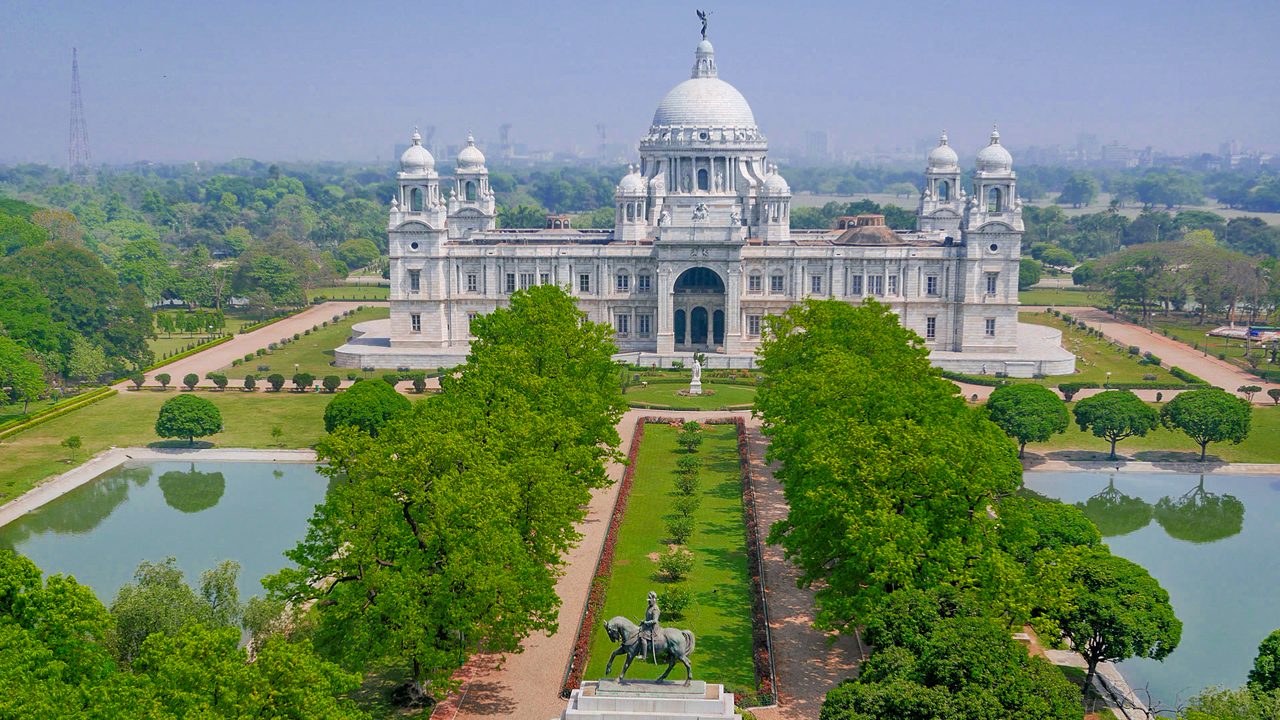
Often called the "Cultural Capital," Kolkata is famous for its colonial architecture, intellectual history, and vibrant arts scene. It is a city that rewards those who like to walk and explore "old world" charm.
- Must See:The Victoria Memorialand the massive Howrah Bridge.
- Expert Tip:Don't leave without trying Kolkata Biryanior the city's famous Bengali sweets like Rosogolla.
Bihar
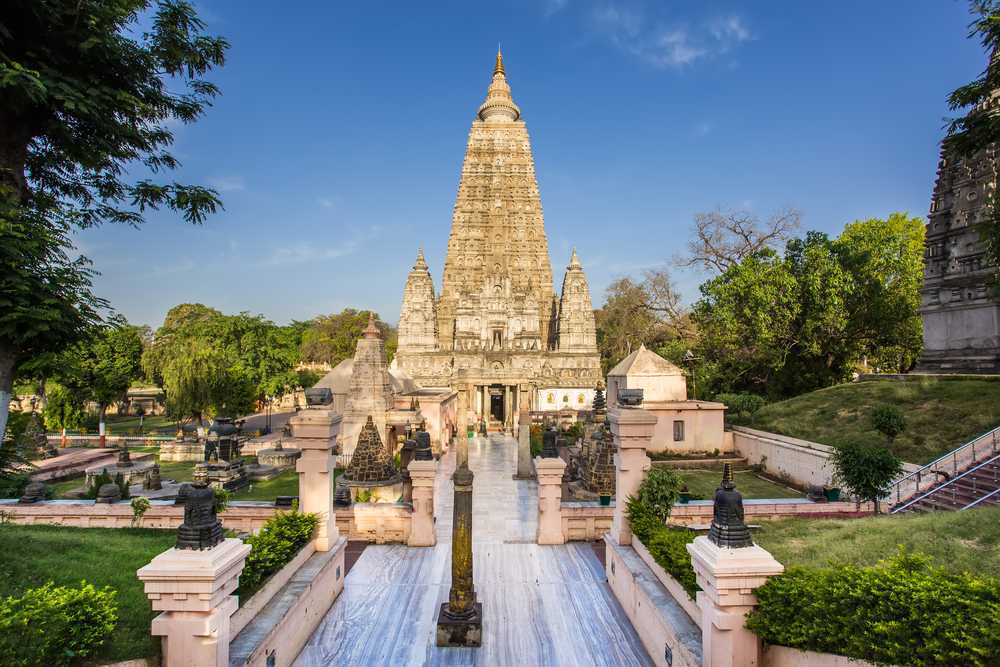
Biharis the cradle of ancient Indian civilization and the birthplace of Buddhism and Jainism. While it is often off the beaten path for casual tourists, it is an essential destination for those seeking deep spiritual history and archaeological wonders that predate almost everything else in the country.
- Must See:The Mahabodhi Temple in Bodh Gaya, where Gautama Buddha attained enlightenment under the Bodhi Tree, and the sprawling ruins of Nalanda University, one of the oldest residential universities in the world.
- Expert Tip:Visit between November and February when Buddhist pilgrims from all over the world descend on Bodh Gaya, creating an incredible international atmosphere of meditation and chanting.
Best Things To Do In India
To help you prioritize, I have curated the top activities that combine iconic landmarks with deep cultural immersion.
1. Experience Varanasi At Dawn On The River Ganges
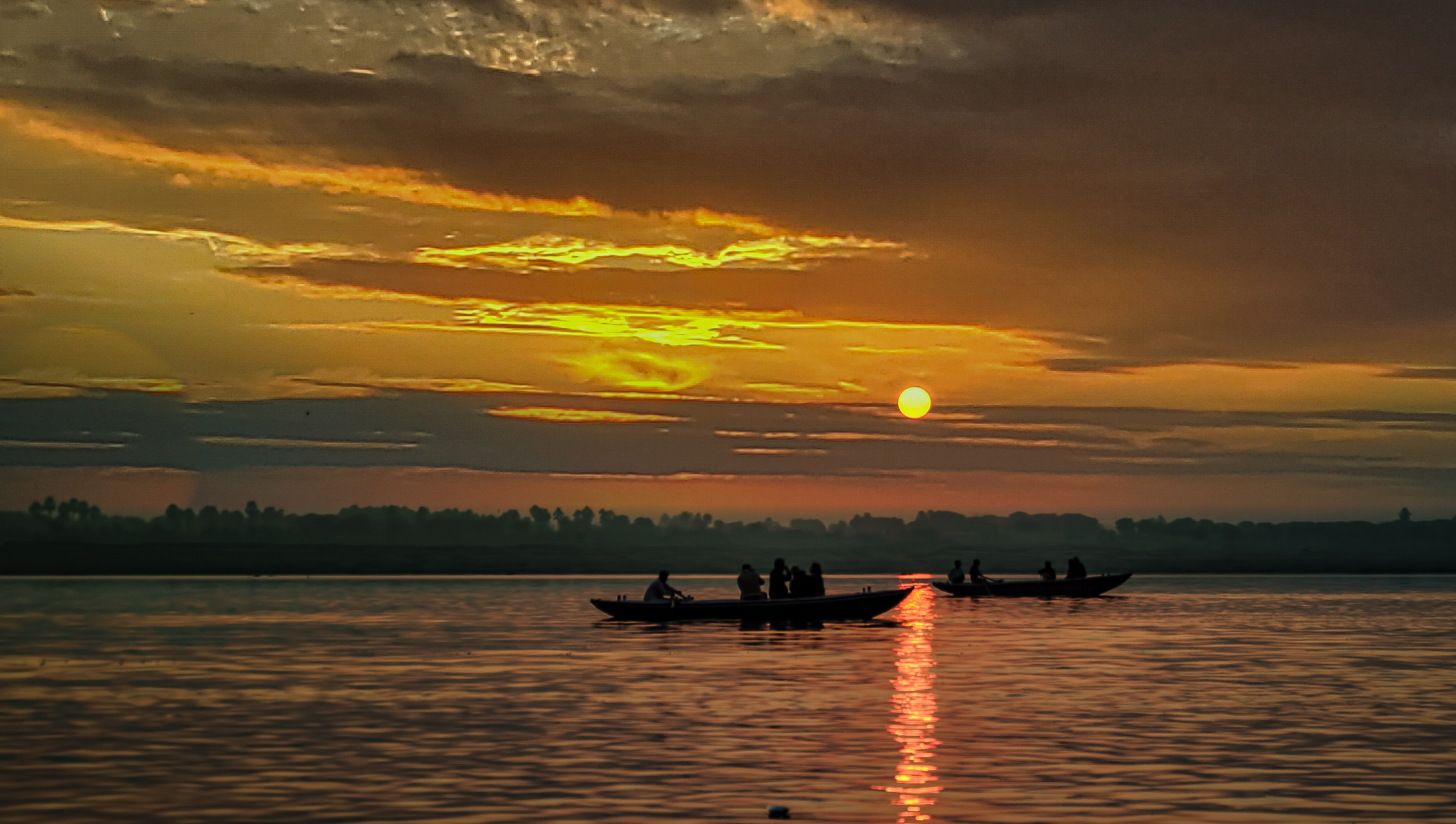
Varanasi is the spiritual heartbeat of India, and there is no better way to witness its intensity than from a small wooden boat as the sun rises. You will glide past the Ghats (stone steps leading to the water), where pilgrims perform ancient rituals and funeral pyres burn with quiet solemnity.
- Why it’s essential:It offers a rare, unfiltered look at the cycle of life and death in Hindu culture.
- Expert Tip:After your boat ride, wander into the "akhara" (traditional wrestling pits) near the river to see local athletes practicing in the mud.
2. Visit The Iconic Taj Mahal In Agra

The Taj Mahalis more than just a monument; it is a masterpiece of symmetry and emotion. Built by Emperor Shah Jahan for his wife, the white marble reflects different hues depending on the time of day-turning soft pink at sunrise and golden at sunset.
- Why it’s essential:It is the definitive symbol of Mughal architecture and one of the New Seven Wonders of the World.
- Expert Tip:Visit the Baby Taj (Tomb of I'timad-ud-Daulah) earlier in the day; it’s less crowded and features even more intricate inlay work.
3. Go On A Safari To Spot India's "Big Five"
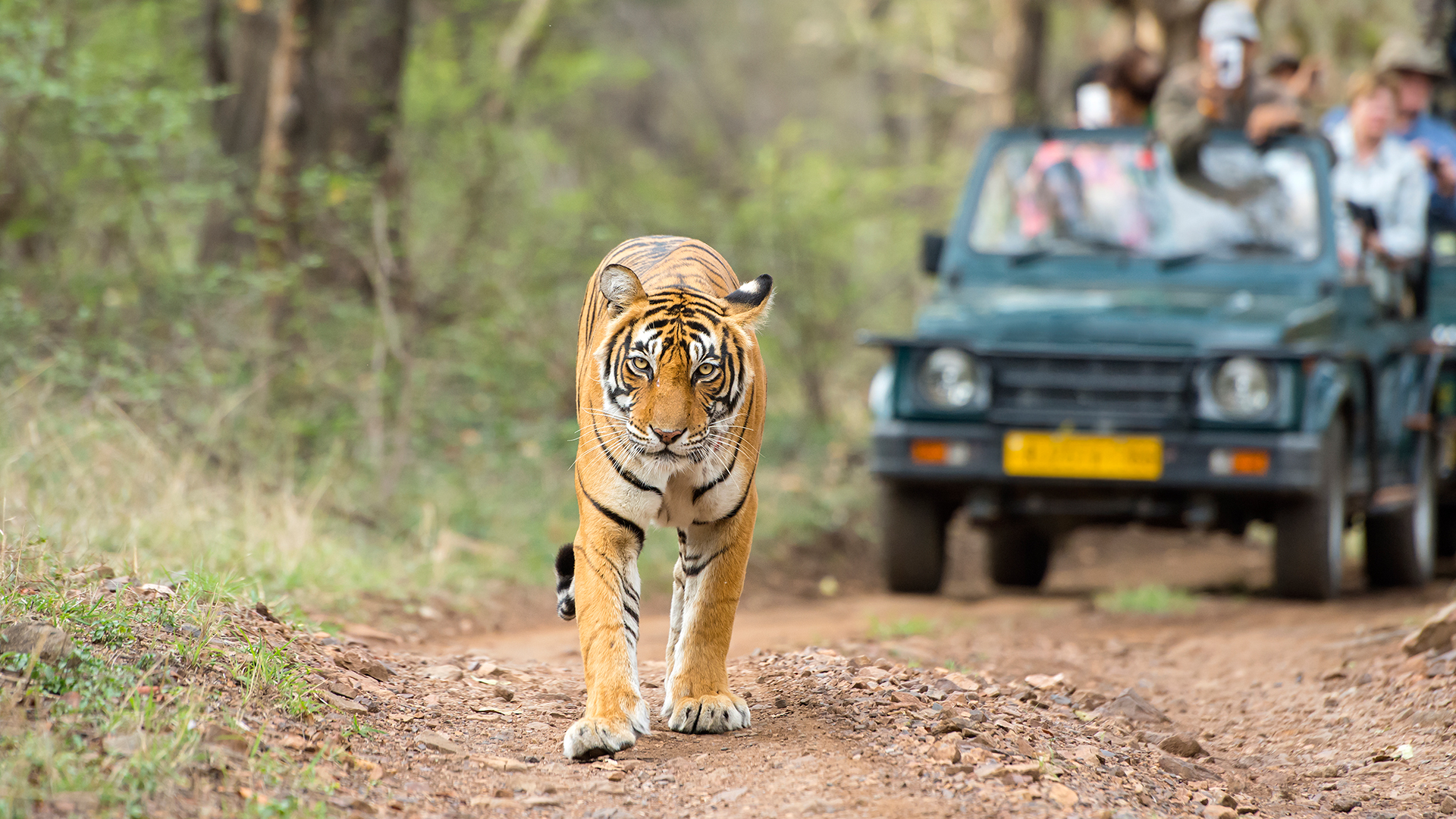
India is the only place in the world where you can see both tigers and lions in the wild. National Parks like Ranthambore, Kanha, and Bandhavgarh offer thrilling 4WD safaris through dense jungles to track the elusive Bengal tiger.
- Why it’s essential:It showcases a side of India far removed from the urban chaos-serene, wild, and incredibly biodiverse.
- Expert Tip: Book your safaris months in advance via the official forest department websites, as permits are strictly limited.
4. Practice Yoga In The Foothills Of Rishikesh
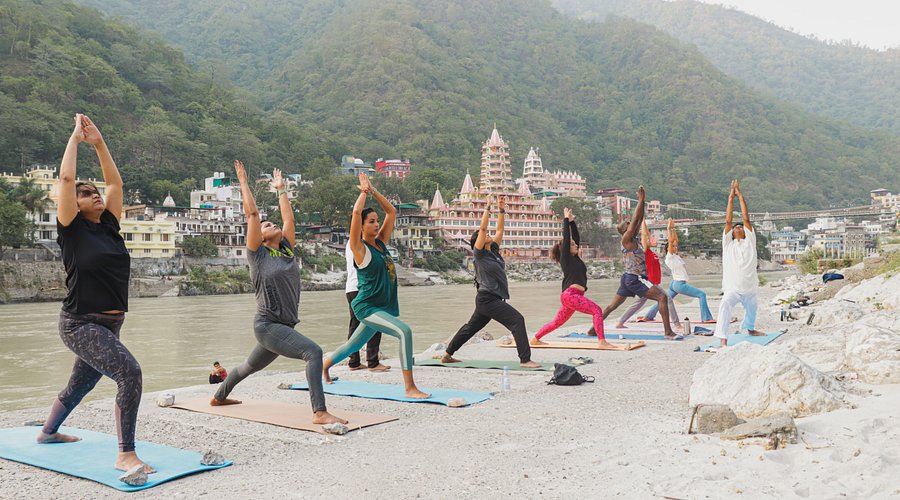
Known as the world capital of mindfulness, this is the best place to find authentic yoga retreats in india.
Tucked away in the Himalayas where the Ganges runs crystal clear, Rishikesh is known as the "Yoga Capital of the World." Whether you stay in a traditional ashram or a boutique wellness retreat, the energy of the mountains provides the perfect backdrop for meditation.
- Why it’s essential:It offers a chance to disconnect from the digital world and learn "authentic" yoga from lineage-based masters.
- Expert Tip:Visit the abandoned "Beatles Ashram" (Chaurasi Kutia) to see the meditation cells where the band stayed in 1968.
5. Explore The "Living Fort" Of Jaisalmer
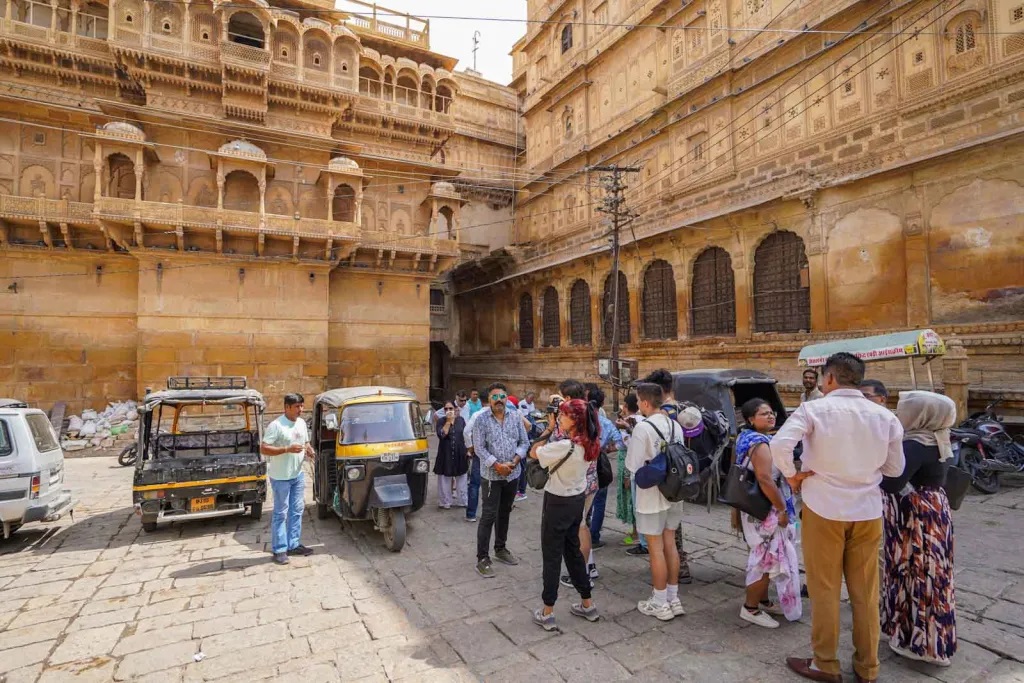
While most Indian forts are now museums, the golden sandstone fort of Jaisalmer is still home to nearly 3,000 people. You can walk through narrow, winding alleys that house shops, temples, and families who have lived there for generations.
- Why it’s essential:It feels like stepping back into a medieval Silk Road outpost.
- Expert Tip:Take a sunset camel trek into the Sam Sand Dunes nearby for a night under the desert stars.
6. Journey Into The "Tea Country" Of Darjeeling
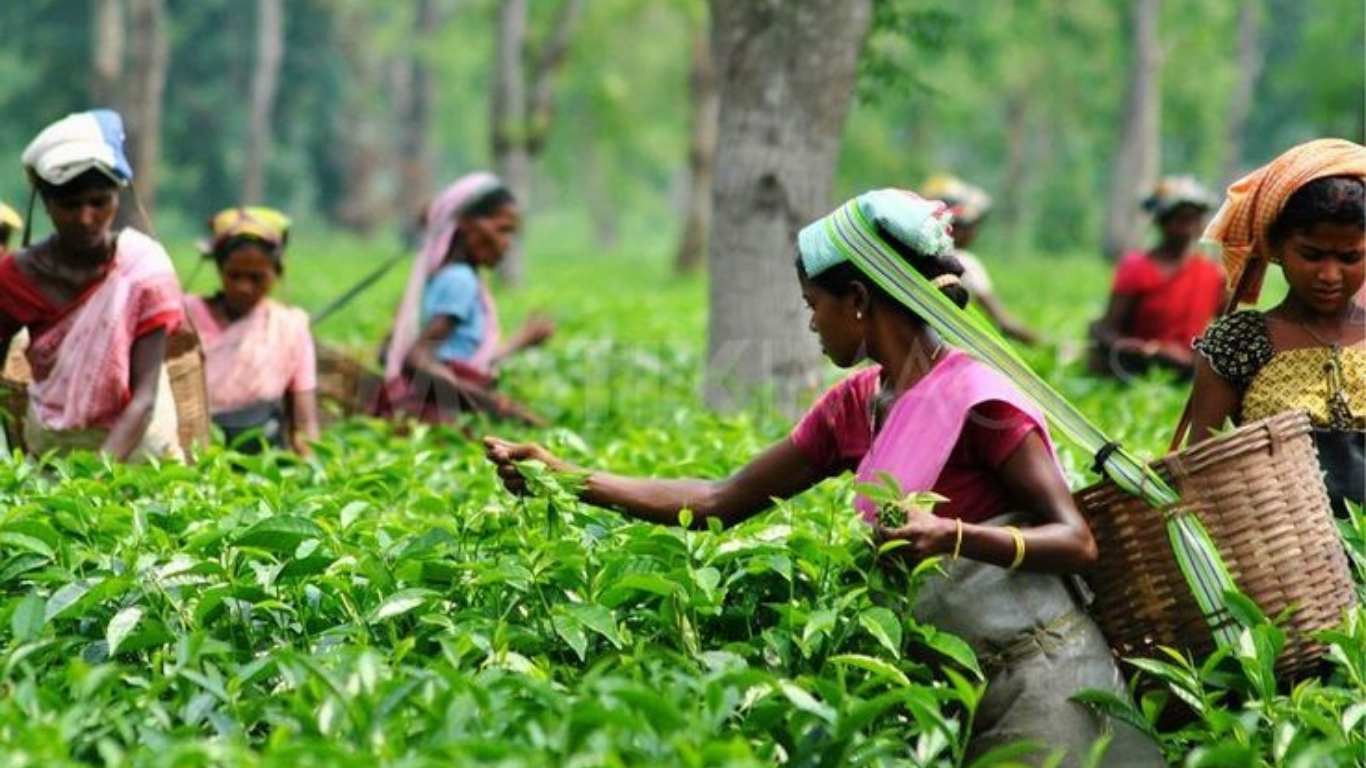
The verdant hill station of Darjeeling offers a cool escape from the tropical plains. Here, you can walk through rolling tea plantations, visit Buddhist monasteries, and see the sunrise over Kanchenjunga, the world’s third-highest mountain.
- Why it’s essential:It highlights India's colonial history and its mastery of "orthodox" loose-leaf tea.
- Expert Tip: Take the "Toy Train" (a UNESCO World Heritage steam engine) for a slow, scenic loop through the mountain villages.
7. Witness The Golden Temple’s Community Kitchen In Amritsar
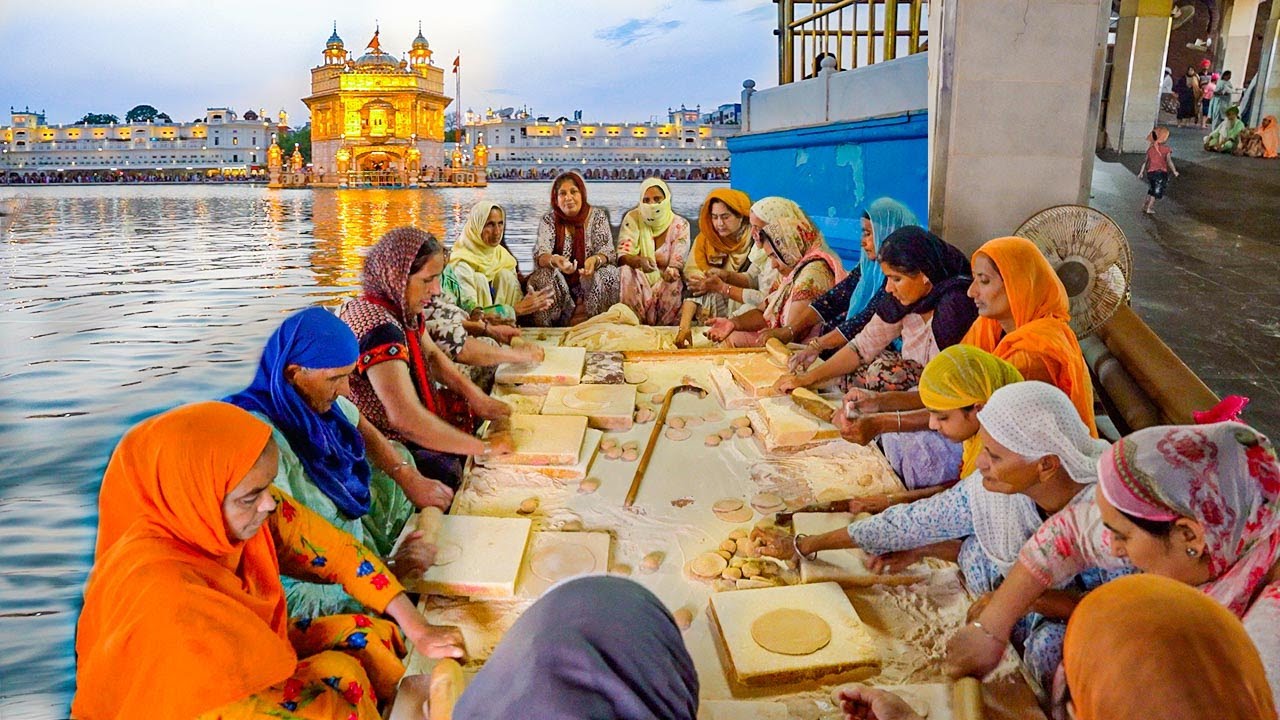
INDIAN FOOD For 100,000 People At World's Largest Kitchen: Golden Temple In Amritsar, India
In Amritsar, the Golden Temple (Harmandir Sahib) serves a free meal (Langar) to over 100,000 people every single day, regardless of religion or caste. Watching the scale of this operation and the volunteers' devotion is a humbling experience.
- Why it’s essential:It is the purest expression of Seva(selfless service), a core tenet of the Sikh faith.
- Expert Tip:Visit at night when the temple is illuminated and reflected in the sacred pool (Amrit Sarovar).
8. Cruise The Kerala Backwaters On A Houseboat
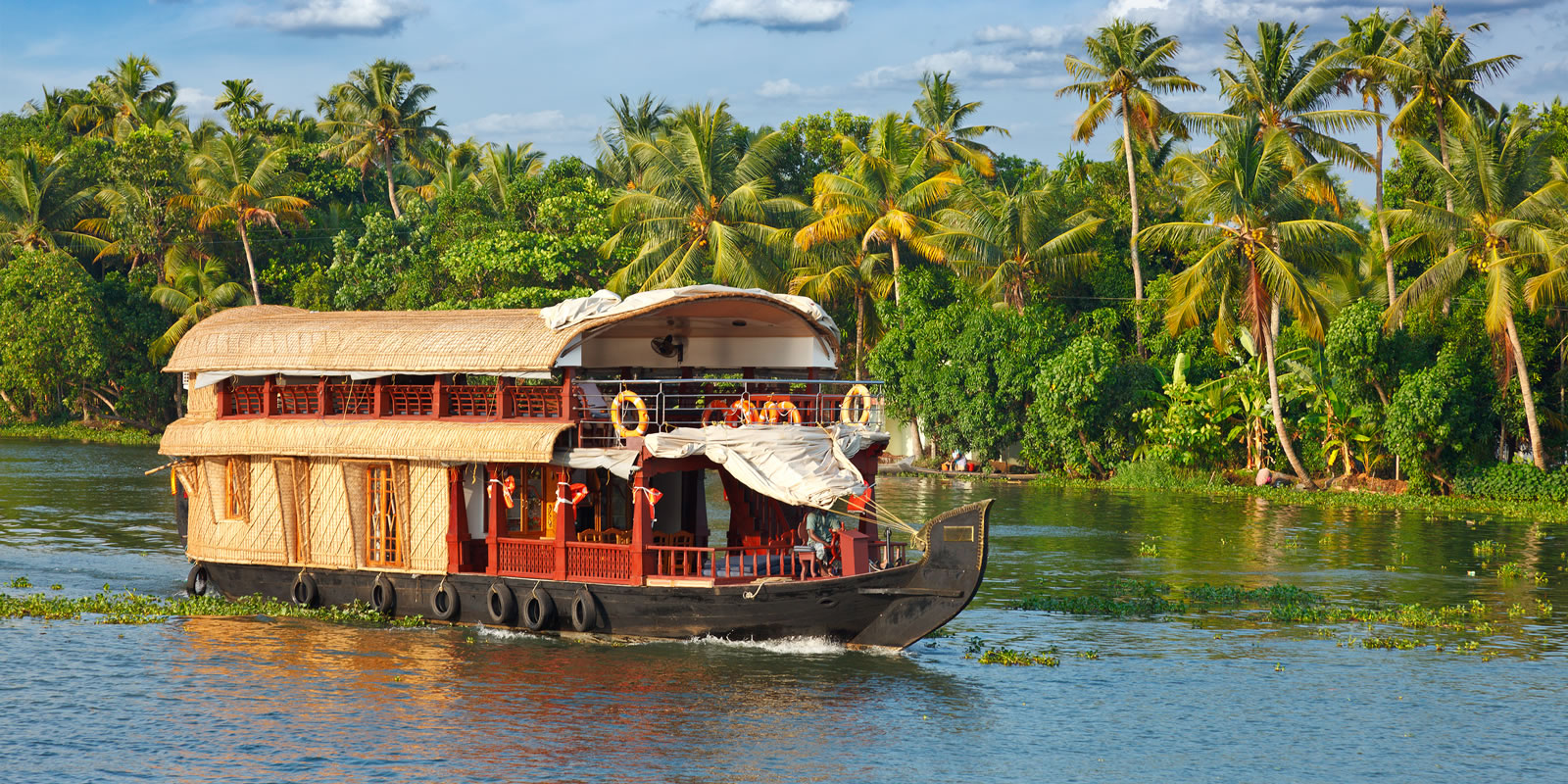
For the ultimate "slow travel" experience, rent a traditional Kettuvallam(houseboat) in Alleppey. You will glide through palm-fringed canals, past small villages and rice paddies, while a private chef prepares fresh, coconut-based Kerala cuisine on board.
- Why it’s essential:It is the total antithesis of the frantic pace of North India.
- Expert Tip:Opt for a small, private boat rather than a large group tour to access the narrower, more scenic canals.
9. Spend A Day Inside The Ajanta Caves (rock-cut Buddhist Art)
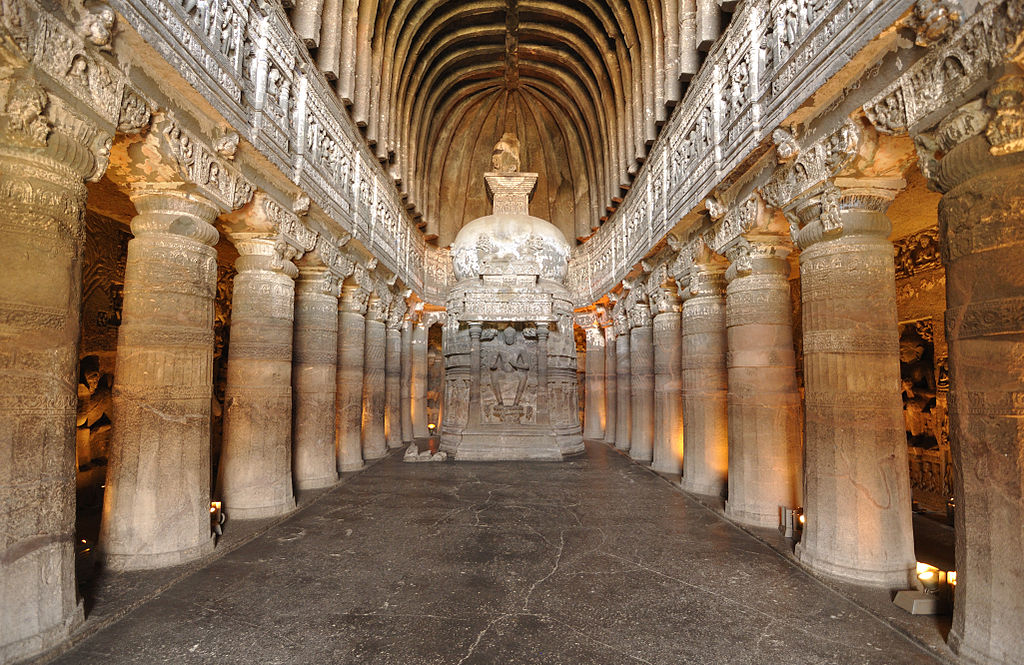
Why it’s special:Ajanta is UNESCO-listed and celebrated for rock-cut Buddhist architecture, murals, and the cultural history captured in the art.
How to do it well:
- Take your time-this is an “eyes adjust, details emerge” kind of site.
- If you love art history, consider reading a short primer before you go.
Planning tip:Don’t cram Ajanta into a frantic itinerary day; you’ll enjoy it more when you’re not rushed.
10. Watch The Sun Temple At Konârak Catch The Morning Light
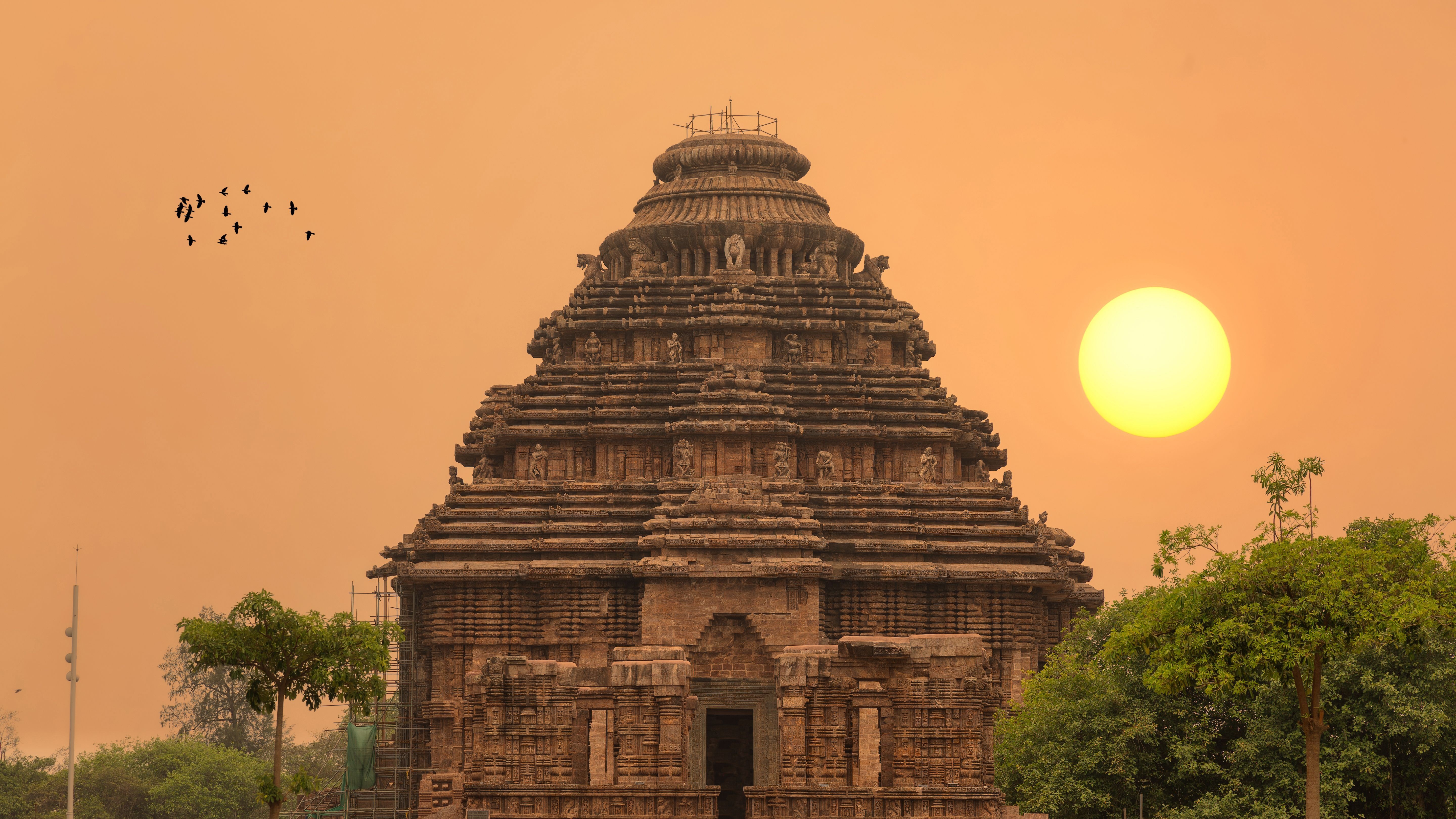
Why it’s special:The UNESCO-listed Konârak Sun Temple is famously conceived as the sun god Surya’s chariot-complete with symbolic wheels and sculptural detail.
How to do it well:
- Visit in the morningwhen the heat is gentler and details are clearer.
- Bring water and take breaks-this is an outdoor-heavy experience.
Planning tip:Pair it with a slower day; the visual density is high.
11. Jaisalmer Desert Sunset (and A Night Under Big Skies)
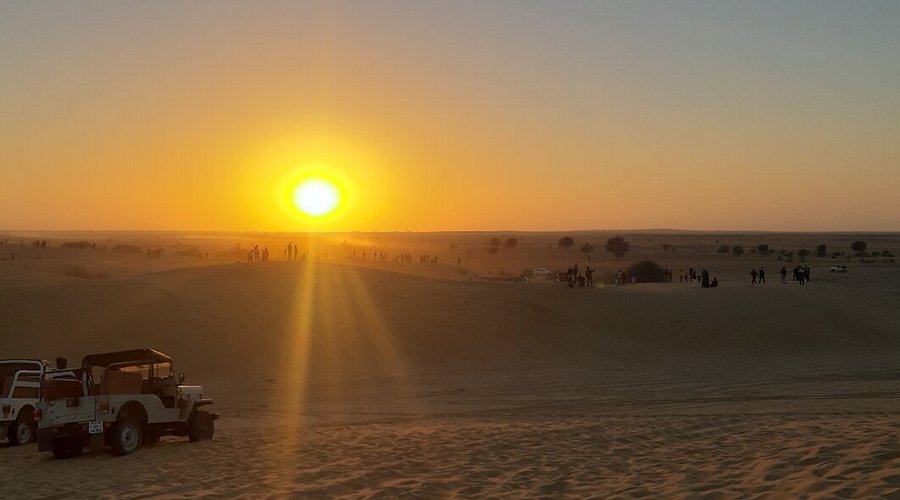
Why it’s special:Rajasthan’s desert landscapes offer a totally different India-sand, silence, and wide horizons.
How to do it well:
- Give Jaisalmer 2–3 daysso you’re not exhausted from transit.
- Choose a reputable desert experience with clear inclusions and safety basics.
Planning tip:Desert time works best when you’re not trying to “do one more city tomorrow.”
What Should I Eat In India? Food To Try
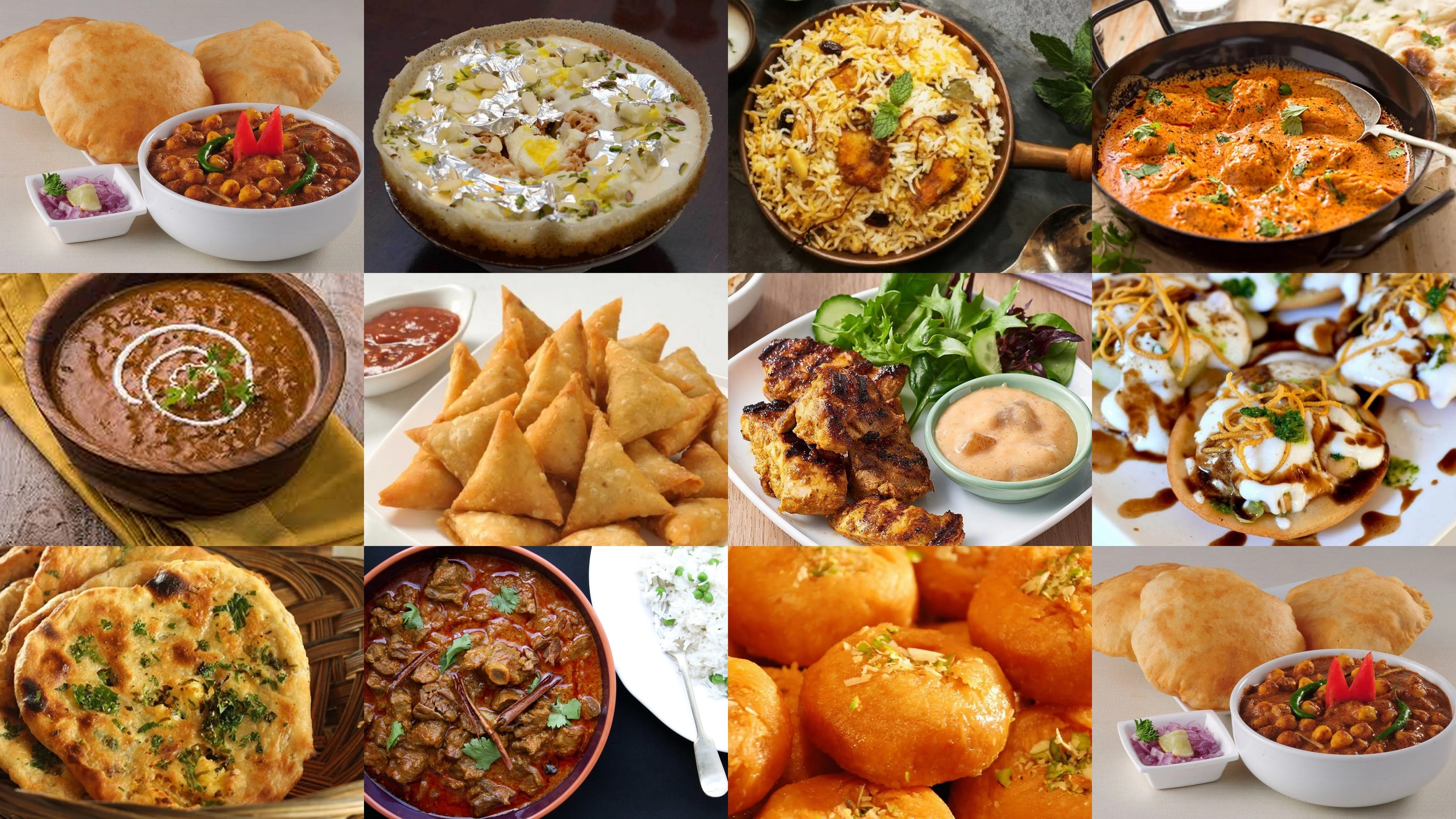
Indian cuisine is a highlight of the journey, provided you follow a few basic hygiene protocols. The regional diversity is staggering: from the creamy, spice-rich gravies of the North to the coconut-based, fermented rice dishes of the South.
"Must-Try" List
To truly experience India, you must dive into the local menu. The flavor profiles change significantly as you move between states, but these staples represent the "hall of fame" of Indian dining:
- Butter Chicken & Naan:The quintessential North Indian pairing. The chicken is bathed in a creamy, tomato-based gravy, perfect for scooping up with a piece of garlic or butter-brushed Naan.
- Dal Makhani & Laccha Paratha:For a vegetarian masterpiece, try these black lentils slow-cooked with cream and butter. It pairs beautifully with Laccha Paratha, a multi-layered, flaky flatbread.
- Regional Biryani:A fragrant, spice-infused rice dish layered with meat or vegetables. Every region has its own version-try the spicy Hyderabadistyle or the subtler, potato-infused Kolkatastyle.
- Kulcha & Aaloo Paratha:These are the kings of North Indian breakfasts. Kulcha is a soft, leavened bread often stuffed with onions or paneer, while Aaloo Paratha is a hearty whole-wheat flatbread stuffed with spiced mashed potatoes.
Street Food & Snacking
Street food is the heartbeat of Indian culture. It is fast, affordable, and offers a complexity of flavor that fine-dining restaurants often can't match.
- Samosas:The ubiquitous golden, deep-fried pastry triangles filled with spiced potatoes and peas. They are the perfect accompaniment to your afternoon tea.
- Chaat & Pani Puri: Chaat is an umbrella term for savory, tangy snacks. The crown jewel is Pani Puri-crispy, hollow spheres that you fill with spiced mint water and tamarind chutney before eating in one bite.
- Vada Pav:Often called the "Mumbai Burger," this consists of a spicy, deep-fried potato patty sandwiched in a soft bread roll with various chutneys.
- Chai:You will find "Chai Wallahs" on every corner. This milky, sweet tea brewed with ginger and cardamom is a social ritual you should participate in several times a day.
The Safety Protocol
I always suggest starting your meal with Curd (yogurt); it acts as a natural probiotic that helps your stomach adjust to new spices and prevents "Delhi Belly."
- Water:Never drink tap water. Use bottled or filtered water even for brushing your teeth.
- Street Food:Only eat at stalls with high turnover where you can see the food being cooked fresh at high heat.
- Produce:If you can't peel it (like a grape) or cook it, avoid it. This includes raw salads and unpeeled fruit.
Eating with awareness allows you to enjoy one of the world's great culinary landscapes without interruption.
Accommodation: From Palaces To Homestays
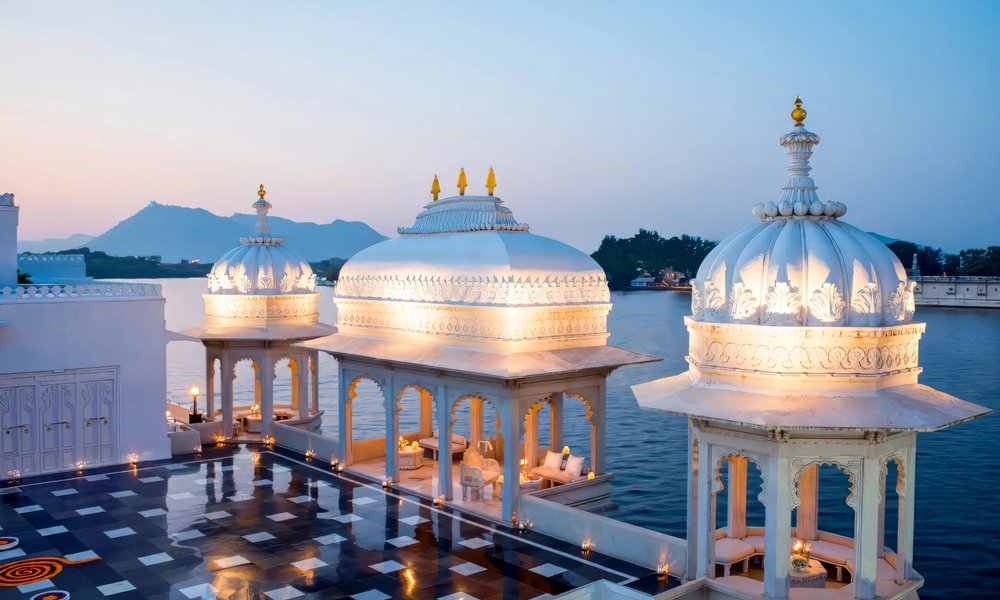
Your choice of lodging can be as much of an experience as the monuments themselves. Selecting the right "base" provides a necessary sanctuary from the sensory intensity outside.
Living Like Royalty: Heritage Hotels
India offers a unique category known as Heritage Hotels. These are former palaces, forts, or Havelis (ancestral mansions) converted into boutique stays. They offer a level of architectural character and history you won't find in international chains.
- The Taj Lake Palace (Udaipur):A stunning white-marble palace floating in the middle of Lake Pichola. It is often cited as one of the most romantic hotels in the world.
- Rambagh Palace (Jaipur):Formerly the residence of the Maharaja of Jaipur, this hotel offers 47 acres of manicured gardens and "royal butler" service.
- Umaid Bhawan Palace (Jodhpur): One of the world's largest private residences, part of which is managed as a luxury hotel, offering a glimpse into the lifestyle of modern Indian royalty.
- Ahilya Fort (Maheshwar):A peaceful retreat set high above the Narmada River, perfect for those seeking history without the crowds of Rajasthan.
Immersive & Grounded: Homestays And Boutique Stays
For a more personal experience, Homestays are highly recommended. They allow you to interact with Indian families, enjoy authentic home-cooked meals, and get "insider" tips on the local area.
- The Kerala Backwater Homestays:Staying with a family in a traditional wooden home (Tharavad) along the canals of Alleppey or Kumarakom is the best way to experience the "Slow South."
- Estate Stays in Coorg: Known as the "Scotland of India," here you can stay on active coffee plantations like Old Kent Estates, where colonial history meets lush greenery.
- The Haveli Stays of Old Delhi:Boutique properties like Haveli Dharampura offer a quiet, restored sanctuary right in the heart of the chaotic old city markets.
Choosing between a palace and a family home depends on whether you want to experience India's grand history or its legendary hospitality.
What Should I Pack For India?
Strategic packing is about respecting local norms while staying comfortable in the heat.
What to Wear:
- Modesty is key:Both men and women should keep shoulders and knees covered, especially in temples.
- Breathable fabrics:Linen and cotton are your best friends.
- Slip-on shoes:You will be removing your shoes frequently at temples and homes.
What Not to Bring:
- Flashy jewelry:It makes you a target for petty theft.
- Heavy books:Use an e-reader; you’ll want the suitcase space for souvenirs.
Proper gear ensures you move through various environments with ease and respect.
Culture: What Not To Do In India (and What To Do Instead)
Navigating social norms is the best way to earn the respect and hospitality of locals.
- Don't use your left hand for eating or greeting:The left hand is traditionally considered "unclean." Always use your right hand to pass money or food.
- Don't ignore shoe etiquette:Always remove shoes before entering someone’s home or a place of worship. If you see a pile of shoes at a doorway, add yours to it.
- Do accept the tea:If a shopkeeper offers you "Chai," it is a gesture of hospitality. It is perfectly fine to accept, even if you don't intend to buy anything.
Simple Hindi Phrases That Make Travel Easier
- Hello / Goodbye:Namaste
- Thank you:Dhanyavad
- Please:Kripya
- Excuse me / Sorry:Maaf kijiye
- How much?:Kitna hua?
- Very expensive!:Bahut mahanga hai!
- I don’t want it:Mujhe nahin chahiye
- Help:Madad kijiye
- No / Yes:Nahi / Haan
- Where is...?:kahan hai..?
- Delicious!:Swadisht!
- Water:Paani
- Bathroom / Toilet:Shauchalay
Understanding these nuances transforms you from a "tourist" into a "guest."
Travel India Packages: When Tours Help And How To Choose Well
While I love independent travel, there are specific scenarios where a package or guide is superior.
If it is your first time and you feel "culture shock" might be an issue, a Small Group Tour (like those from G Adventures or Intrepid) provides a safety net. For specific activities like trekking or tiger safaris, a specialized local guide is essential for safety and sightings.
How to Choose: Look for operators that emphasize Sustainable Tourism and employ local guides rather than large-scale, "bus-tour" corporations.
When A Package Is Worth It
- You have limited time and want predictable logistics.
- You’re traveling with family or have accessibility needs.
- You want a driver-based route with minimal coordination.
Red Flags That Usually Mean A Low-value Package
- Itinerary includes too many one-night stops (fatigue trap).
- Vague inclusions (“shopping,” “local experience”) without specifics.
- Pressure stops disguised as cultural visits.
The right level of support allows you to focus on the experience rather than the logistics.
Travel India Itinerary Ideas
Promise:You’ll get itineraries that are designed around pace and recovery, not just “how many pins can we fit on a map.”
7 Days: Golden Triangle (fast, Iconic)
- Delhi (2 days)→ Agra (1–2 days)→ Jaipur (2–3 days)
- Best for:first-time travelers who want headline sights with minimal complexity.
10 Days: Golden Triangle + One Recovery Module
- Option A (beach reset):Add Goafor 3–4 days
- Option B (slow nature):Add Kochi/Keralafor 3–4 days
Why this works:you balance intensity with rest, and you leave with energy instead of burnout.
14 Days: One Region Done Properly
- Option A (North + Rajasthan depth):Delhi → Agra → Jaipur → Jodhpur (+ Jaisalmer if you’re steady)
- Option B (South circuit):Kochi → Kerala route → one additional cultural city
The point: you’ll remember the mornings, not just the monuments.
21 Days: Two Regions Done Right (not Three Done Badly)
- Choose one “intensity” region(often North) + one “ease” region(often South/Goa).
- Add buffers around any long travel days.
Mini rule:If you hate long drives, prefer fewer citiesand use flights selectively for big jumps.
Health Prep Without Panic (vaccines, Water, Mosquitoes)
Staying healthy in India is a matter of preparation, not fear.
Consult a travel clinic at least two months before departure. Standard recommendations include Hepatitis A, Typhoid, and Tetanus boosters. Malaria is a low risk in major cities but higher in rural, swampy areas; most travelers find that high-quality DEET repellent is sufficient.
Mosquito reality:Dengue and malaria risks exist in parts of India; prevention is mostly bite-avoidance (repellent, covered skin at peak times, and accommodation choices).
The "Health Kit" Checklist:
- Oral Rehydration Salts (essential for dehydration).
- Ciprofloxacin or Rifaximin (consult your doctor for "emergency" use).
- Hand sanitizer and alcohol wipes.
Prioritizing your health ensures your memories are of the sights, not the sickbay.
Frequently Asked Questions
Is It Safe To Travel To India Right Now?
Safety varies by region-check your government advisory and use smart arrival, transport, and document habits.
What Not To Do In India As A Tourist?
Don’t ignore dress norms at temples, don’t touch with your left hand casually, and don’t assume “yes” always means yes.
How Many Days In India Is Enough?
Plan 10–14 days for a first trip; 21+ days if adding multiple regions or slower travel.
What Is The New Rule For Travel To India?
Entry and documentation rules can change-verify current requirements on official India visa/immigration sources before booking.
Do I Need A Visa To Travel To India?
Most travelers need a valid visa or OCI card-confirm your eligibility and apply through official channels.
North Or South India: Which Is Better First?
North = iconic forts and “India intensity”; South = slower pace and easier climate-choose based on comfort and season.
What’s The Best First-time Itinerary In India?
Start with Delhi–Agra–Jaipur plus one “recovery” add-on (Kerala or Goa) if you have 10–14 days.
What’s The Best Time Of Year To Visit India?
For most classic routes, October–March is easiest; monsoon can be great for the south if you plan around rain.
How Do I Book Trains In India As A Foreigner?
Use IRCTC with verified details; consider foreign tourist quota on popular routes and book early for high-demand trains.
Should I Hire A Driver In India?
For multi-stop routes, drivers reduce friction; trains are great for long corridors if you book ahead and travel light.
What Should I Pack For India?
Breathable modest layers, comfy shoes, basic meds/rehydration, sun protection, and mosquito defense-then tailor for region and season.
Can I Drink Tap Water In India?
Generally avoid; use sealed or reliably purified water and be consistent with ice, brushing teeth, and street drinks.
How Do I Avoid Scams In India?
Pre-book key rides, confirm prices before services, use official counters, and treat “closed today” claims as a cue to verify.
Is India Good For Solo Female Travel?
Many women travel safely by using daylight transit, reputable stays, and situational awareness-plus checking region-specific advisories.
Do I Need Vaccines For India?
Talk to a travel clinician; be up to date on routine vaccines and follow destination-specific guidance from health authorities.
What’s The Safest Part Of India To Visit?
“Safest” depends on context-many regions are straightforward with normal precautions; check advisories for any current regional risks.
Why Is India On The Red List?
“Red list” rules vary by country and change often; check your home government’s current travel classification and entry policy.
Final Words
India is not just a destination; it is a profound shift in perspective. By mastering the logistical systems-from the E-visa to the Vande Bharat trains-you clear the path for the sensory and spiritual rewards that only the subcontinent can offer.
Approach the journey with patience, a firm "no" for the touts, and an open heart for the hospitality, and you will find that India gives back far more than it takes.
Jump to
Travel India: What You Need To Know Before You Book
What Do I Need To Enter India? Entry, Visas, And Arrival Paperwork
Getting Around India (trains, Flights, Drivers, City Transport)
Is It Safe To Travel To India?
What Is The Best Time To Visit India?
Money In India
How Many Days In India Is Enough?
Where Should I Go In India?
Best Things To Do In India
What Should I Eat In India? Food To Try
Accommodation: From Palaces To Homestays
What Should I Pack For India?
Culture: What Not To Do In India (and What To Do Instead)
Travel India Packages: When Tours Help And How To Choose Well
Travel India Itinerary Ideas
Health Prep Without Panic (vaccines, Water, Mosquitoes)
Frequently Asked Questions
Final Words

Sophia Harper
Author
Sophia Harper’s photography acts as a portal to the soul of the places she visits. Drawn to South America’s landscapes and cultures, she has spent years capturing everything from the majesty of ancient ruins to the vibrancy of urban streets.
Sophia’s work isn’t just about documenting moments; it’s about evoking the emotions and stories behind them. A dedicated photographer, she has worked with local communities across South America to capture their rich cultural narratives through her lens.

Liam Jones
Reviewer
Liam Jones has made it his mission to prove that adventure doesn’t need a hefty budget. Having traveled to over 40 countries, he specializes in finding affordable ways to experience the world, from the best street food in Bangkok to hidden gems in Lisbon.
Liam’s travel tips have reached thousands of readers, empowering them to see the world on a shoestring budget without sacrificing quality. With a deep passion for local cultures, he continues to share his travel hacks, ensuring adventure remains accessible to all.
Latest Articles
Popular Articles