10 Ramadan Travel Tips For Stress-Free Fasting While Traveling
Make fasting while traveling easier with these 10 Ramadan travel tips covering prayer times, halal food, iftar planning, and staying energized.
Author:Michael RachalReviewer:Finn WildeApr 11, 2026157 Shares39.1K Views
Travelling During Ramadan
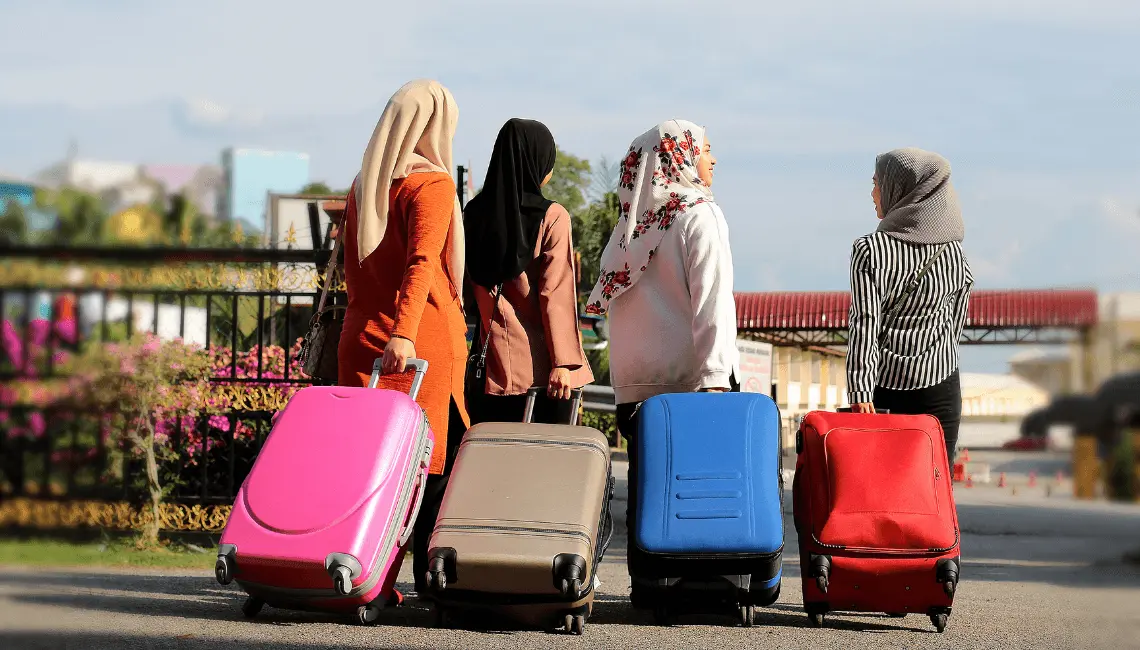
Travel during Ramadan can feel like a balancing act. You are trying to protect your energy, keep prayer on track, and make smart decisions about fasting while dealing with airports, time zones, hotel check-ins, and unfamiliar food options.
The good news is that Ramadan travel does not have to become a test of endurance. With the right plan and a few practical Ramadan travel tips, you can make the journey smoother, more comfortable, and more spiritually grounded.
1. Plan Flights And Travel Times Around Fasting Hours
One of the most helpful Ramadan travel tips is choosing travel times that match your suhoor, iftar, and prayer schedule. When your flights and layovers align with these times, travel becomes much easier and less stressful.
With good planning, you can travel in stylewhile maintaining your Ramadan routine and staying comfortable during your journey.
Choose Departure Times That Support Your Fast
If possible, avoid flights that make suhoor difficult or leave you far from food at iftar. Instead, try to choose travel times that allow you to eat properly before the fasting day begins.
Helpful options include:
- Early morning flights after a proper suhoor meal
- Late-night departures that allow you to sleep during part of the journey
- Travel schedules that allow you to maintain regular prayer times
Many travelers make the mistake of choosing the cheapest flight without considering how it affects their fasting day. Sometimes, a slightly more expensive or less direct flight can actually make your Ramadan travel experience much more comfortable.
A good travel schedule allows you to eat, pray, rest, and travel in a natural rhythm.
Manage Layovers While Fasting
Long airport layovers can feel harder during Ramadan fasting, especially if they happen close to maghrib.
Before your trip, check:
- The sunset time at your layover airport
- Where you can break your fast (iftar)
- What halal food options are available
It is also wise to carry simple food in your carry-on bag so you are not dependent on airport restaurants.
Good iftar travel snacks include:
- Dates
- Nuts
- Protein bars
- A small sandwich or wrap
If your layover is long, use that time to recover. Look for a quiet place to pray, stretch your legs, and rest before the next flight.
2. Understand The Islamic Rules For Fasting While Traveling
Another important travel tip is understanding the Islamic rulings on fasting during travel. Knowing these guidelines can remove unnecessary pressure and help you make informed decisions.
Many travelers feel confused about whether they should continue fasting while traveling. However, Islam provides clear flexibility for travelers.
When Travelers Are Allowed To Postpone Fasting
The Qur’anexplains that a person who is sick or traveling may make up missed fasts after Ramadan.
In practical terms, this means:
- You may delay fasting while traveling
- You can make up those fasts later
- Islam prioritizes health, safety, and ease
If your journey includes long flights, delays, dehydration, or extreme fatigue, using this concession is allowed. It is not considered a weakness in faith.
Seek Guidance From Trusted Scholars
While the main principle is clear, the exact details of travel exemptions in Islam can differ slightly between scholars and Islamic schools of thought.
Questions often include:
- What distance counts as travel in Islam?
- When does the traveler ruling begin?
- Should you follow the fasting time of your departure city or destination?
For this reason, it is wise to learn these guidelines before your trip by consulting:
- A local imam
- A trusted Islamic scholar
- Reliable Islamic educational resources
Understanding the rules of fasting while traveling allows you to plan your journey with confidence and peace of mind.
Once your fasting approach is clear, the next step is making sure your meals support your energy.
3. Pack Smart For Suhoor And Iftar

Smart packing is one of the most practical Ramadan travel tips. During Ramadan, meals happen only at specific times, so you cannot rely on finding food easily while traveling.
A well-prepared bag helps you avoid common problems such as:
- Missing suhoor
- Limited halal food options
- Poor hydration
- Low energy during long travel days
Choose Foods That Support Energy While Fasting
A balanced suhoor meal should include slow-release carbohydrates, protein, and fluids to help maintain energy during fasting. For travel, this means packing foods that are nutritious, portable, and easy to store.
Good suhoor travel foods include:
- Oats or overnight oats
- Nuts and seeds
- Dates
- Protein bars with moderate sugar
- Whole-grain crackers
- Peanut butter sachets
- A reusable water bottle for non-fasting hours
These foods are easy to carry and help you avoid relying on unhealthy airport snacks.
Prepare A Simple Iftar Travel Kit
A small iftar travel kit can make a huge difference during your journey. When sunset arrives while you are in transit, having food ready allows you to break your fast calmly.
A practical Ramadan travel iftar kit may include:
- 2-3 dates
- A small packet of nuts
- A compact sandwich or wrap
- Electrolyte tablets or oral rehydration sachets
- Tissues and a spoon
This simple kit ensures that you can break your fast on time, even if you are in an airport, taxi, or train station. Planning ahead like this removes uncertainty and helps you stay focused on the spiritual purpose of Ramadan fasting.
4. Locate Prayer Spaces At Airports And Destinations
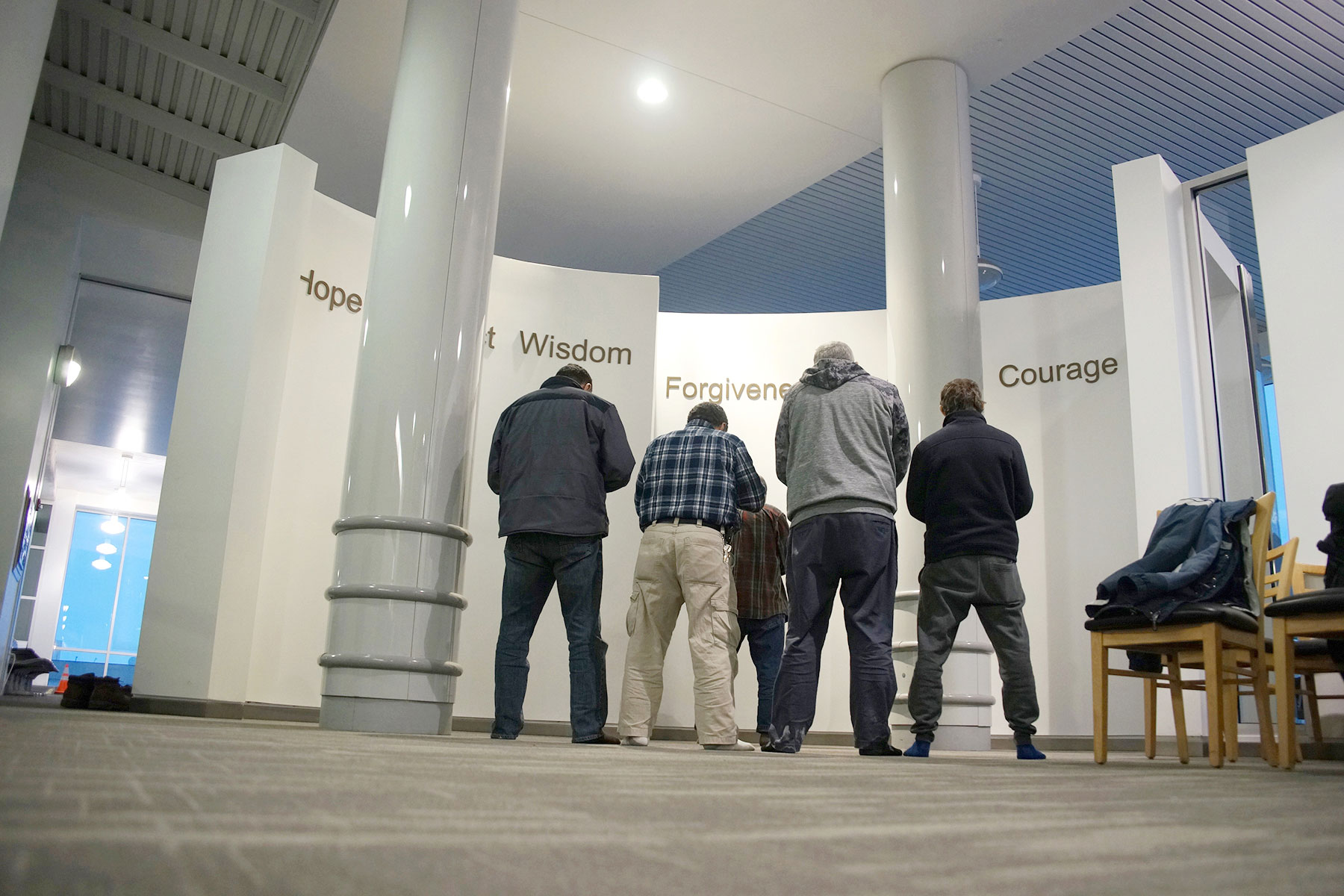
One of the most practical Ramadan travel tips is knowing where you will perform your daily prayers while traveling. When you already know the location of airport prayer rooms or nearby mosques, your journey becomes calmer and more organized.
Planning your prayer logistics during travel reduces stress and helps you stay consistent with your salah routine even when you are moving between cities or countries.
Check Airport Prayer Rooms Before Your Flight
Many international airports provide multi-faith prayer rooms or quiet rooms, but the location and accessibility can vary between terminals.
Before your trip:
- Visit the airport’s official website
- Look for airport maps that show prayer spaces
- Save the terminal map on your phone for quick access
This small step can save you from rushing across an unfamiliar airport while trying to catch asr, maghrib, or isha prayer.
For example, a traveler landing shortly before asr prayer with a short connection will have a much easier experience if they already know where the airport prayer room is located instead of searching the terminal under time pressure.
5. Practice Mindfulness And Relaxation
Travel can sometimes feel stressful, especially when combined with fasting, unfamiliar environments, and busy schedules. Practicing mindfulness during Ramadan can help you stay calm and focused.
Mindfulness in Ramadan is not just relaxation, it can also be part of spiritual reflection and gratitude.
Use Quiet Moments For Reflection
Travel provides many quiet moments that can be used for:
- Dhikr (remembrance of Allah)
- Making personal duas
- Reflecting on your Ramadan goals
- Practicing deep breathing for relaxation
These moments help reduce stress and keep your focus on the deeper meaning of Ramadan worship.
Manage Stress With Simple Relaxation Techniques
If travel becomes overwhelming, try simple relaxation techniques such as:
- Slow deep breathing
- Short mindfulness pauses
- Taking a few minutes of quiet reflection
These techniques help your body relax and make Ramadan travel feel more peaceful and intentional.
6. Stay Hydrated Between Iftar And Suhoor

Staying hydrated is an essential Ramadan travel tip, especially when fasting while traveling. Long journeys, warm climates, and dry airplane cabins can increase the risk of dehydration during Ramadan.
Drink water gradually between iftar and suhoor instead of all at once. Many travelers drink some water after iftar, again before sleep, and once more at suhoor to support energy during fasting.
You can also help your body stay hydrated by eating water-rich foods like fruits, yogurt, and soups while limiting caffeinated drinks, which may increase fluid loss.
7. Choose Muslim-Friendly Destinations
One of the most helpful Ramadan travel tips is selecting destinations that support your Ramadan lifestyle. While Muslims can travel anywhere, some locations make it much easier to maintain fasting, prayer routines, and halal eating.
Choosing a Muslim-friendly destinationreduces daily stress and allows you to focus more on worship and rest.
Benefits Of Traveling To Muslim-Friendly Destinations
Destinations with strong Muslim travel infrastructure usually provide:
- Easy access to halal restaurants
- Clearly marked mosques and prayer spaces
- Restaurants that stay open late for iftar meals
- Hotels familiar with Ramadan schedules
- Community events like taraweeh prayers
In many Muslim countries, Ramadan becomes part of the entire atmosphere. Streets often become active at night, restaurants prepare special iftar menus, and communities gather for prayers.
This environment can make your Ramadan travel experience feel more natural and spiritually uplifting.
Planning Ahead In Non-Muslim Countries
Traveling to non-Muslim countries during Ramadan is still very possible, but it requires extra preparation.
Before your trip:
- Research halal food options
- Locate nearby mosques or Islamic centers
- Identify grocery stores with halal products
- Check local sunset and prayer times
Planning these details early helps prevent stressful situations when you are already tired from fasting and travel. The goal is not to limit where you travel, but to choose destinations that match your energy level and Ramadan priorities.
8. Manage Your Sleep Mindfully
Proper sleep management during Ramadan becomes especially important when you are fasting and traveling at the same time. Travel schedules, suhoor, and late-night taraweeh prayers can disrupt your normal sleep cycle, which may lead to fatigue if not managed carefully.
Instead of focusing only on long hours of sleep, it is better to aim for consistent and restful sleep. Travelers often benefit from short daytime naps that help restore energy without disrupting nighttime rest. If you are crossing time zones, gradually adjusting your sleep to match the local time of your destination can help your body adapt faster.
9. Do Light Exercises And Stretches To Maintain Energy

During long journeys, your body may feel stiff from sitting for extended periods. Practicing light exercise during Ramadan travel can help maintain circulation and reduce fatigue.
Intense workouts are usually not recommended while fasting, especially during long travel days. However, gentle movement such as short walks, stretching your legs after sitting for long periods, or moving around the airport terminal can make a noticeable difference.
Many travelers also benefit from a short walk after iftar, which helps digestion and improves circulation. These light movements keep your body active without draining your energy during Ramadan fasting.
10. Keep Your Travel Schedule Flexible
The final and perhaps most important Ramadan travel tip is to keep your itinerary flexible. Ramadan changes your daily energy levels, so travel plans should allow space for rest and adjustment.
A rigid schedule can quickly become overwhelming when you are fasting.
Avoid Overloading Your Daily Plans
When planning activities during Ramadan, try to:
- Limit the number of major activities per day
- Leave time for rest before iftar
- Plan sightseeing earlier in the day
- Avoid long, physically demanding tours
A slower schedule helps preserve your energy during fasting and allows you to focus on meaningful moments rather than rushing between locations.
Build Margin Into Your Travel Plans
Unexpected situations such as flight delays, heavy traffic, or restaurant closures can happen during any trip.
Giving yourself extra time between activities allows you to:
- Adjust your iftar plans
- Find halal food options
- Perform prayer on time
- Rest when needed
Flexibility helps transform your journey from a stressful trip into a balanced Ramadan travel experience.
How Ramadan Feels Different Around The World
Although Ramadan is observed by Muslims everywhere, the experience of the month can feel very different depending on the country you visit. Culture, local traditions, and government rules shape how people fast, gather for iftar, and celebrate the nights of Ramadan. Understanding these differences can help travelers plan a smoother and more respectful Ramadan travel experience.
Ramadan In The UAE (Dubai And Abu Dhabi)
In the United Arab Emirates, Ramadan is highly organized and well-managed, especially in cities like Dubai and Abu Dhabi. Hotels and tourist areas usually continue normal operations, and many restaurants serve food in screened sections during the day for non-fasting guests. The evenings become lively as families and visitors gather for iftar meals, often in large Ramadan tents offered by hotels and community organizations.
Public eating during daylight hours is restricted by law, and these rules are generally enforced more consistently in the UAE than in many other destinations. At night, the atmosphere becomes vibrant with Ramadan night markets, shopping events, and late-night dining across the city.
Ramadan In Morocco (Marrakech And Fez)
In Morocco, Ramadan has a quieter and more traditional rhythm. During the daytime, historic areas such as the medinas of Marrakech and Fez become calm and reflective, making it a peaceful time to explore riads, markets, and historic streets without large crowds.
Everything changes at sunset. When the call to prayer announces iftar, public squares such as Jemaa el-Fna in Marrakech fill with people sharing meals together. Food stalls, local dishes, and street vendors create a lively evening atmosphere. In tourist areas, rules about eating in public are sometimes less strict, but visitors are still encouraged to act respectfully during fasting hours.
Ramadan In Turkey (Istanbul)
Istanbul is often considered one of the easiest destinations for travelers visiting during Ramadan for the first time. Restaurants, cafes, and shops usually remain open, and public restrictions on eating during the day are generally relaxed compared with some other countries.
The city becomes especially beautiful at night. In historic areas like Sultanahmet, mosques are decorated with mahya lights, a centuries-old Ottoman tradition where illuminated messages are hung between mosque minarets. Another unique tradition is the Ramadan drummer, who walks through neighborhoods before dawn to wake residents for suhoor, the pre-fast meal.
Ramadan In Indonesia And Malaysia
In Indonesia and Malaysia, Ramadan often feels festive and community-focused. Cities such as Jakarta and Kuala Lumpur are famous for their Ramadan bazaars, where large outdoor food markets open each afternoon.
These markets offer hundreds of local dishes that people buy for their iftar meals, making them a popular place for both locals and visitors. The atmosphere is welcoming, and travelers often find it easy to experience local culture through food and community gatherings.
Your Pre-Departure Ramadan Checklist

Before traveling during Ramadan, a little preparation can make your journey much smoother. This simple Ramadan travel checklist helps you plan your fasting schedule, meals, prayer routine, and travel logistics so you can focus on both your trip and your worship.
1. Check Prayer Times At Your Destination
Look up the local prayer times for the city you are visiting. Knowing the timing of suhoor, fajr, maghrib, and isha helps you plan meals, travel activities, and rest periods during Ramadan fasting.
2. Research Halal Food Options
Search for halal restaurants, halal grocery stores, and local mosques near your hotel. Saving a few options in advance helps you quickly find food for iftar after a long travel day.
3. Plan Your Suhoor And Iftar Strategy
Think about how you will manage suhoor and iftar while traveling. Pack light snacks such as dates, nuts, or protein bars so you can break your fast even if you are in transit.
4. Download Helpful Muslim Travel Apps
Install useful apps for prayer times, qibla direction, halal food locations, and offline maps. You may also find the best travel apps for planning tripshelpful for organizing your schedule and navigating new destinations during Ramadan.
5. Locate Mosques And Prayer Spaces
Before you leave, identify nearby mosques, airport prayer rooms, or Islamic centers at your destination. This makes it easier to perform daily prayers while traveling.
6. Prepare For Hydration And Energy
Plan how you will stay hydrated between iftar and suhoor. Pack a reusable water bottle, choose water-rich foods, and avoid drinks that increase dehydration during travel.
7. Pack Essentials For Ramadan Worship
Bring small items that support your Ramadan worship routine, such as a travel prayer mat, Quran app, tasbih, or pocket Quran. These simple tools help you stay spiritually connected wherever you go.
Preparing these details before departure can make a big difference. With the right planning, Ramadan travel becomes easier, more comfortable, and more spiritually meaningful.
People Also Ask
When Is Ramadan In 2026?
In 2026, Ramadan is expected to begin around the evening of February 17 and end around March 19. The exact start date depends on the sighting of the new moon, because the Islamic calendar follows a lunar cycle. This means Ramadan dates can vary slightly by country.
What Is Ramadan And Why Do People Observe It?
Ramadan is the ninth month of the Islamic lunar calendar and is the holiest month for Muslims. During this time, Muslims fast from dawn (fajr) until sunset (maghrib) as an act of worship.
Which Countries Are Best To Visit During Ramadan?
Many travelers prefer Muslim-majority destinations such as the UAE, Turkey, Morocco, Malaysia, or Indonesia because they offer easier access to mosques, halal food, and Ramadan events.
What Should You Pack For Ramadan Travel?
Helpful items include dates for iftar, protein snacks, a reusable water bottle, a prayer mat, Quran app, and halal food guides for your destination.
Final Thoughts
Traveling during Ramadan can be easier with the right preparation. Planning around fasting hours, prayer times, and iftar meals helps you stay comfortable while maintaining your Ramadan routine.
By staying hydrated, managing your energy, and preparing for prayer and halal food, you can balance travel with worship. With thoughtful planning, Ramadan travel can be both smooth and spiritually meaningful.
If you found these Ramadan travel tips helpful, consider sharing this guide with friends or family who may also be planning a trip during the holy month.
Jump to
Travelling During Ramadan
1. Plan Flights And Travel Times Around Fasting Hours
2. Understand The Islamic Rules For Fasting While Traveling
3. Pack Smart For Suhoor And Iftar
4. Locate Prayer Spaces At Airports And Destinations
5. Practice Mindfulness And Relaxation
6. Stay Hydrated Between Iftar And Suhoor
7. Choose Muslim-Friendly Destinations
8. Manage Your Sleep Mindfully
9. Do Light Exercises And Stretches To Maintain Energy
10. Keep Your Travel Schedule Flexible
How Ramadan Feels Different Around The World
Your Pre-Departure Ramadan Checklist
People Also Ask
Final Thoughts

Michael Rachal
Author
Michael Rachal believes that luxury lies in the details. With over 20 years of experience in the luxury travel industry, he has crafted hundreds of bespoke itineraries for clients seeking personalized, unforgettable experiences.
Whether guiding clients through private cultural tours or curating culinary journeys with world-renowned chefs, Michael ensures that each trip is tailored to perfection.
His ability to anticipate needs and exceed expectations has earned him a reputation as a leading expert in luxury travel.

Finn Wilde
Reviewer
For Finn Wilde, the wilderness is more than just a destination - it’s a way of life. Over the past decade, he has led multiple expeditions in some of the world’s most remote regions, from the icy fjords of Greenland to the rugged trails of Patagonia.
Finn emphasizes sustainability in all of his adventures, helping participants connect with nature while promoting responsible exploration. His expeditions inspire individuals to explore the great outdoors while fostering a deep respect for the environment.
Latest Articles
Popular Articles