20 Most Haunted Cities In Europe | Ghost Lore And Real History
York leads Europe with 500+ hauntings, but 19 other cities deserve your attention. Here are the most haunted cities in Europe, ranked by real history.
Author:Sophia HarperReviewer:Liam JonesApr 16, 20268.6K Shares146.3K Views
A Few Things Worth Knowing Before You Read On
- York holds the official title of most haunted city in Europe, with over 500 documented hauntings recorded within its ancient walls.
- This list covers 20 cities across Europe, including deeply haunted but rarely featured destinations like Brno, Valletta, Plovdiv, and Ghent.
- Each city entry includes a "City At A Glance" summary and an honest rating of how haunted it genuinely feels on the ground.
- Eastern Europe's haunted cities, including Lviv, Kraków, Tallinn, and Bucharest, deserve far more attention than they get on mainstream lists.
- The best time to visit any of these cities for maximum atmosphere is October through early November, when ghost walks and dark tourism events peak across the continent.
Beneath Europe’s cobbled streets, inside medieval cathedrals, and along foggy canal banks, centuries of plague, war, executions, and conquests have left deep marks that restoration and tourism cannot completely hide. When the air feels different while walking through certain old towns at dusk, it is not imagination. It is simply a moment of noticing the weight of history.
Years of exploring the older quarters of European cities, visiting ossuaries, walking through underground vaults, and listening to local guides reveal stories that rarely appear on official signs or plaques. These experiences show that the most haunted cities in Europe did not gain their reputations by chance. The cities on this list earned their reputations through long and often dark histories.
What Makes A European City Truly Haunted?
Ghost stories do not grow randomly. They cluster in cities where history was violent, where the dead were buried in layers beneath the living, and where the architecture is old enough to remember. Many of these environments have the same eerie qualities as the abandoned places that inspired horror games, where atmosphere is built from silence, decay, and the sense that something old still lingers nearby.
The Historical Roots Behind Europe's Ghost Legends
Europe’s ghost stories mostly come from three things: plagues, mass executions, and long wars. Cities that experienced all three often have the strongest ghost traditions.
The Black Death in the 14th century killed about 30–50% of Europe’s people. Many cities had to bury thousands of victims in mass graves without proper ceremonies. Folklore experts say places like this became “unsettled ground.” When you add centuries of public hangings, religious persecution, and sieges, it becomes easier to understand why some streets feel darker or heavier than others.
It’s also useful to separate two types of “haunted” cities:
- Actively haunted cities: These places have many reported ghost sightings, organized ghost tours, and regular stories of strange events.
- Atmospherically haunted cities: These cities have a dark history that fills the streets and buildings with a spooky feeling, even if there aren’t many modern ghost sightings.
Both kinds of cities appear on the list, and each will be clearly identified.
The 20 cities below are ranked and described with that in mind. Each entry tells you what happened, what allegedly remains, and what you will actually experience when you visit.
The Most Haunted Cities In Europe: A Quick-Reference Ranking
For those who want the fast answer before reading in full:
- York, England
- Edinburgh, Scotland
- Prague, Czech Republic
- Dublin, Ireland
- London, England
- Kraków, Poland
- Tallinn, Estonia
- Bucharest, Romania
- Rome, Italy
- Bruges, Belgium
- Ghent, Belgium
- Lviv, Ukraine
- Valletta, Malta
- Plovdiv, Bulgaria
- Vienna, Austria
- Brno, Czech Republic
- Thessaloniki, Greece
- Gdańsk, Poland
- Riga, Latvia
- Naples, Italy
The 20 Most Haunted Cities In Europe
1. York, England
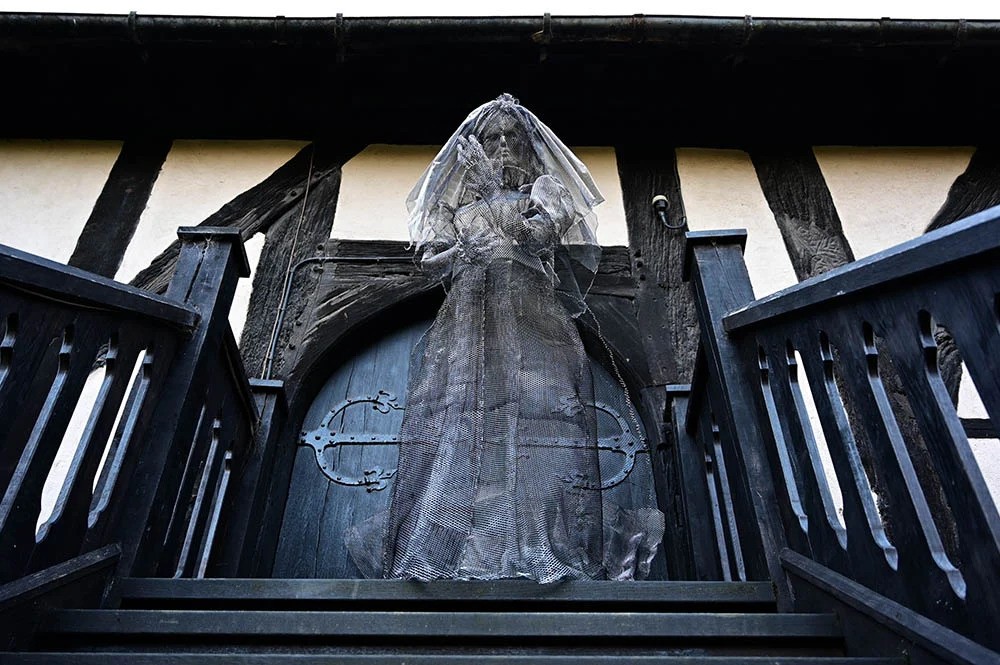
No city in Europe has a stronger claim to the title. York is the most haunted city in Europe, with over 500 documented hauntings recorded within its ancient walls. This concentration has never been matched on the continent.
Founded by the Romans in 71 AD, York has been invaded, besieged, and rebuilt so many times that its history is effectively a catalogue of mass death. The Vikings arrived in 866 AD. The Norman Conquest brought systematic violence. The city hosted public executions well into the 19th century, and its city walls still bear the locations where severed heads were displayed on spikes as warnings to traitors. The sheer density of human suffering compressed into one medieval city centre is, by any measure, extraordinary.
In 1953, an apprentice plumber named Harry Martindale was installing central heating in the cellars of the Treasurer's House when he reportedly witnessed a column of Roman soldiers marching through the wall and across the floor, moving along the line of the buried Roman road Via Decumana, which lay fifteen inches beneath the surface. His account remains one of the most forensically detailed ghost reports in British history.
The cellars of the Treasurer's House, now a National Trust property, are open to visitors specifically to explore Martindale's account and the broader Roman haunting tradition. The building has been continuously occupied since Roman times, which is unusual even by York's standards.
York has a well-developed ghost walk industry with multiple operators offering nightly tours. The Original Ghost Walk of York, established in 1973, claims to be the world's oldest commercial ghost tour.
2. Edinburgh, Scotland
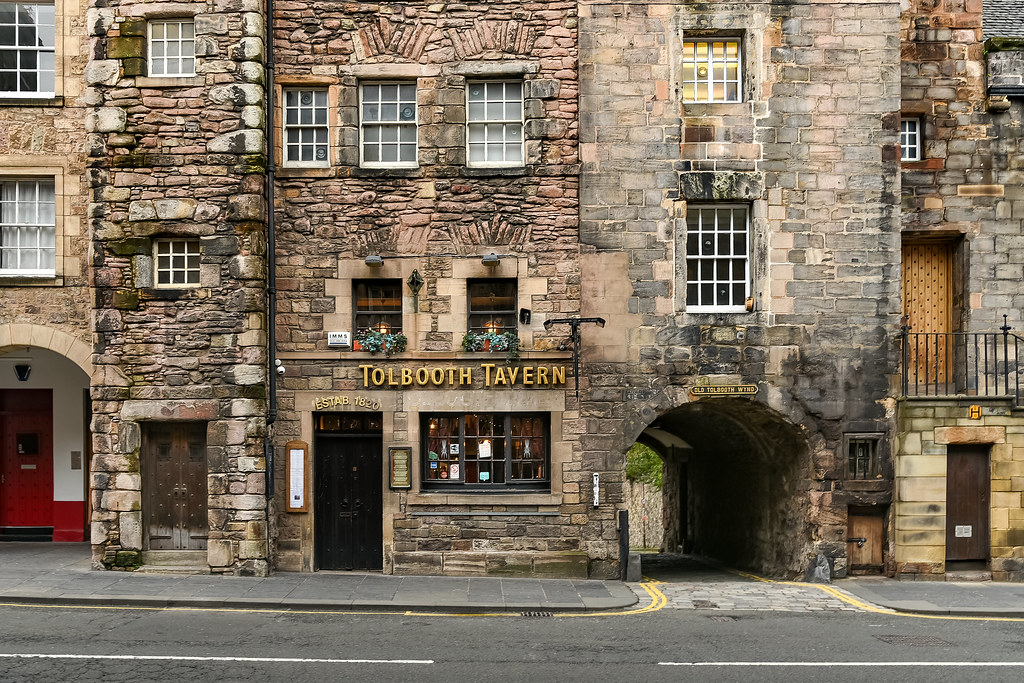
Edinburgh is the city that perfected the art of burying its problems underground, literally. Its haunted reputation is built on geology as much as history.
When the South Bridge was built in 1788, it created a series of sealed vaults beneath the city that were initially used for storage and housing before being abandoned and forgotten. The people who lived in these vaults during the city's most overcrowded and pestilent periods died there in significant numbers.
Plague victims, executed criminals, and the city's most desperate poor are all part of the ground beneath Edinburgh's Old Town. The city also hosted some of Scotland's most notorious public executions and is the site of the infamous body-snatching crimes of Burke and Hare in 1828.
Greyfriars Kirkyardis one of the most genuinely unsettling places I have stood in Europe. In the 17th century, hundreds of Presbyterian Covenanters were imprisoned in the kirkyard, many dying of starvation and exposure.
The mausoleum of Sir George Mackenzie, the man who ordered their imprisonment, has since become what paranormal researchers classify as an active poltergeist site. Reports of scratches, burns, and visitors losing consciousness near the tomb have been documented consistently since the late 1990s.
3. Prague, Czech Republic
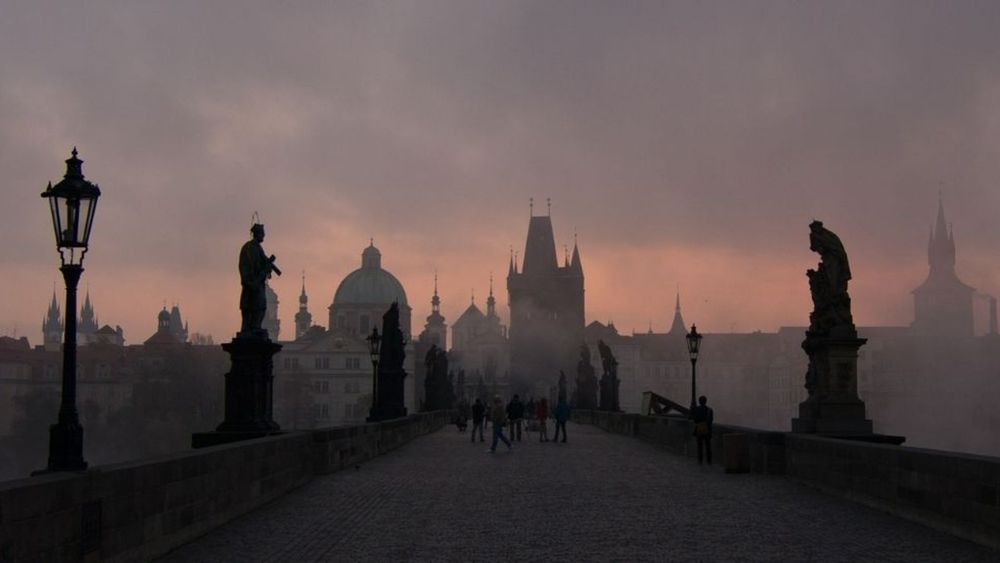
Prague is the most architecturally Gothic city in Central Europe, and its ghost folklore runs just as deep as its medieval stone. Prague's Jewish Quarter, Josefov, bears the scars of centuries of persecution and isolation. The Old Jewish Cemetery, where bodies were buried in up to 12 layers deep due to spatial restrictions, is a physical record of a community that lived under constant threat.
The legend of the Golem, a clay figure brought to life by Rabbi Loew in the 16th century to protect the Jewish community, is one of the most enduring supernatural stories in European history. Houska Castle, roughly 47 kilometres north of the city, was reportedly built not for military defence but to seal a pit so deep that locals believed it opened directly into hell, according to Czech historical records held at the National Museum in Prague.
Houska Castle has no water source, no kitchen, and no fortifications facing outward. Its design makes no logical military sense, which has fuelled centuries of speculation about its true purpose. Medieval records describe it as being built over an abyss from which half-human creatures were said to emerge.
4. Dublin, Ireland
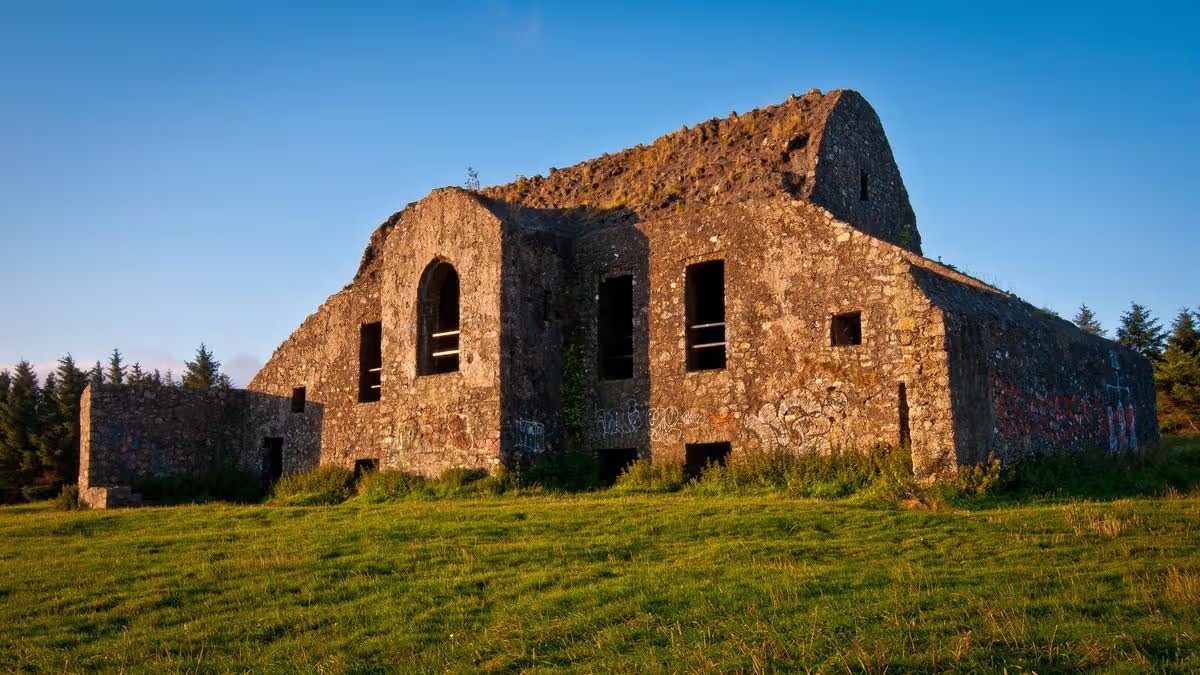
No city in Europe has produced more foundational horror literature per square kilometre. That is not a coincidence. Bram Stoker, who gave the world Dracula, was born in Dublin. So was Sheridan Le Fanu, whose 1872 novella Carmilla predated Dracula and established many of the conventions of vampire fiction. Charles Maturin, author of Melmoth the Wanderer, was a Dublin clergyman.
Lafcadio Hearn, collector of Japanese ghost stories, grew up in Dublin. The city produced an extraordinary cluster of Gothic writers, and that tradition was not accidental. Dublin's long history of colonial occupation, famine, and social division gave its writers an intimate familiarity with grief, loss, and the uncanny.
Trinity College, founded in 1592, is haunted by the ghost of lecturer Edward Ford, who was murdered on the grounds in 1734. The Long Room library, which houses the Book of Kells, is widely reported to be one of the most atmospheric spaces in the city, with staff and late-night visitors reporting unexplained sounds and the sensation of being watched.
5. London, England
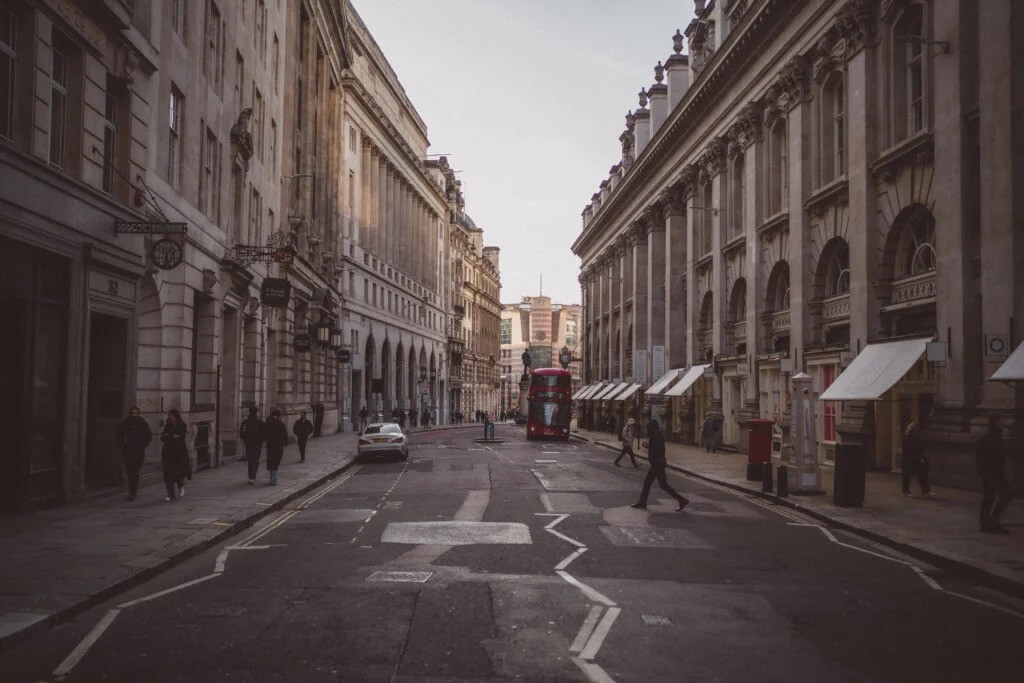
London is the city that turned its darkness into an industry, and it did so because the darkness was real enough to sell. The Tower of London has been a site of execution, imprisonment, and royal murder for nearly a thousand years. Historic Royal Palaces, which manages the Tower, officially acknowledges a long list of reported apparitions, including Anne Boleyn, who has been sighted near the Chapel of St Peter ad Vincula, where she is buried.
The East End streets where Jack the Ripper operated in 1888 still carry a particular weight, and the Ten Bells pub in Spitalfields, associated with several of his victims, remains a destination for those interested in the intersection of history and horror.
The Tower's history of royal executions, political imprisonment, and torture makes it the single most historically loaded haunted site in England. The Bloody Tower and the White Tower are both reported to have active paranormal phenomena.
6. Kraków, Poland
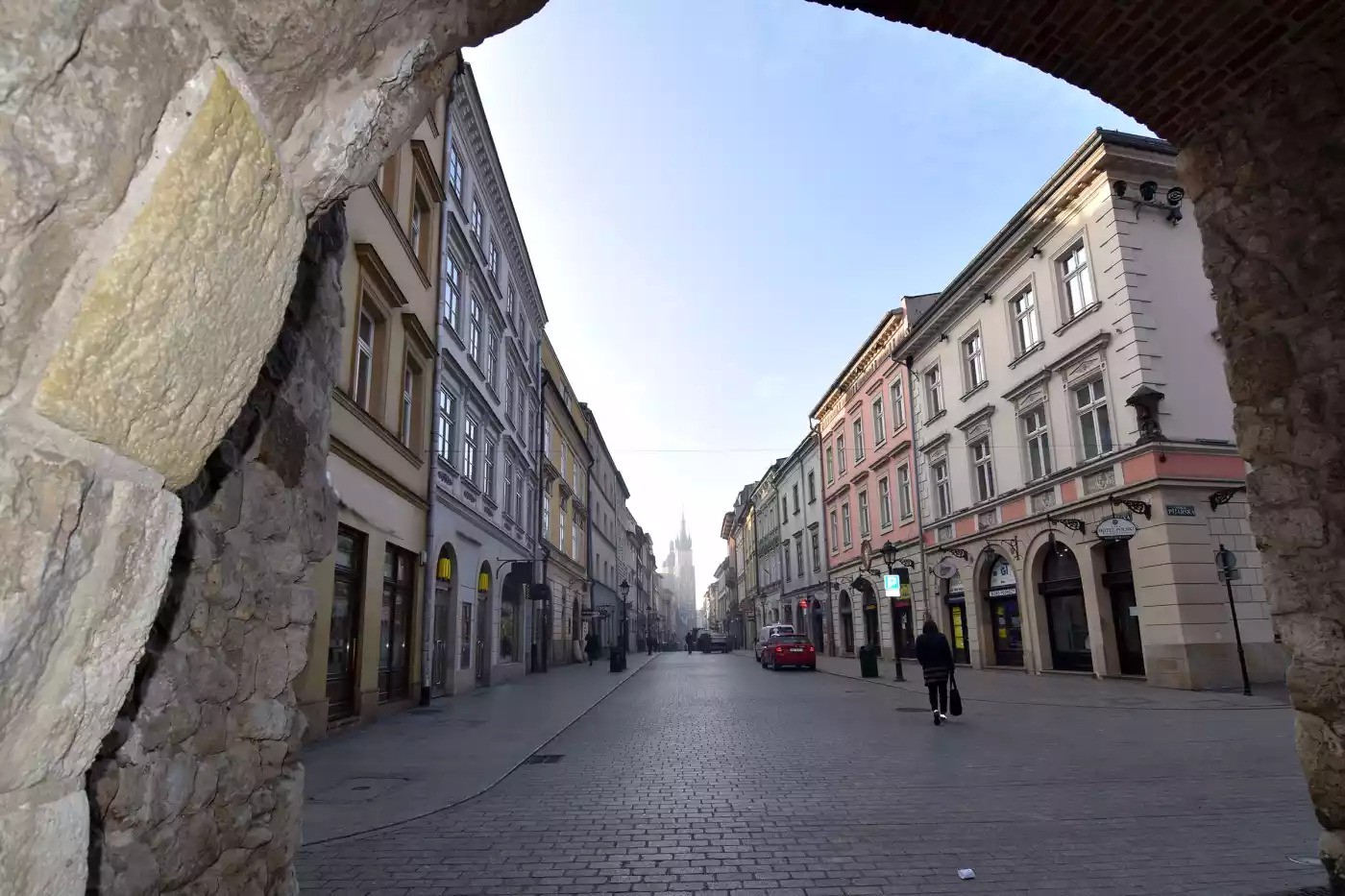
Kraków carries two kinds of darkness: the ancient kind, rooted in legend, and the modern kind, which is harder to forget. Kraków's Wawel Castle is built on Wawel Hill, which, according to Polish legend, sits above a dragon's den and a chakra point, one of seven sacred energy sites on earth according to Hindu and Buddhist tradition.
Whether or not you believe in chakras, the hill has been a site of spiritual significance for over a thousand years. The Kazimierz quarter, the historic Jewish district, carries the weight of the Holocaust with particular intensity. Kraków was the administrative centre of the Nazi General Government, and Auschwitz-Birkenau lies just 70 kilometres away. The ghosts here are not always ancient.
The castle's state rooms and cathedral are reportedly among the most paranormally active sites in Poland. Kazimierz, after dark, with its synagogues and candlelit restaurants, has an atmosphere that many visitors find profoundly affecting.
7. Tallinn, Estonia
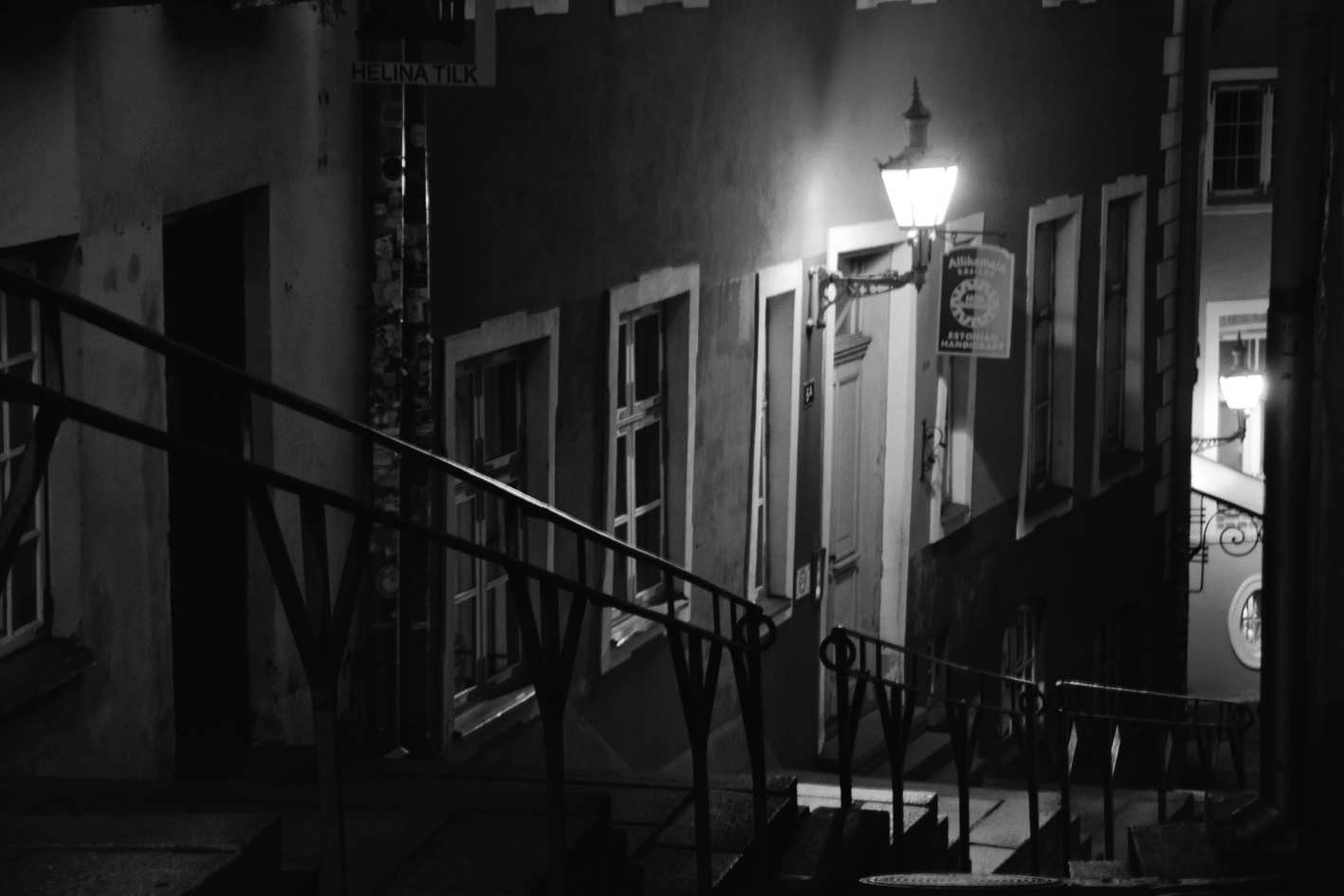
Tallinn looks like a city that simply refused to leave the 14th century, and in some ways, it never did. Tallinn's Old Town is one of the best-preserved medieval city centres in Europe and is recognised as a UNESCO World Heritage Site. Its narrow streets, intact city walls, and Gothic town hall have changed remarkably little in 700 years.
The city suffered catastrophic plague outbreaks during the medieval period, and its position as a strategic Baltic trading port meant it was fought over repeatedly by the Danes, the Teutonic Knights, the Swedes, and the Russians. Each occupation left bodies and, according to local tradition, unquiet spirits.
St. Catherine's Passage, a medieval alley running between the Church of St Catherine and the old Dominican Monastery, is reportedly one of the most active haunted sites in the Baltic states. The monastery was dissolved and its monks expelled during the 16th-century Reformation, and the passage is said to be haunted by a procession of hooded figures.
8. Bucharest, Romania: Dracula's Shadow And Communist Ghosts
Two very different eras haunt Romania's capital, and both are worth understanding before you visit. Vlad III, the 15th-century Wallachian prince whose methods of torturing enemies inspired Bram Stoker's Dracula, operated in and around what is now Romania. While his castle in Bran is roughly 170 kilometres from Bucharest, the city carries his legacy everywhere.
More recently, Nicolae Ceaușescu's communist dictatorship demolished entire historic neighbourhoods to build the Palace of the Parliament, the second-largest administrative building in the world. The ghosts of Bucharest include both the medieval dead and the more recent victims of one of Europe's most brutal 20th-century regimes.
Hotel Cismigiu, once a student dormitory, is reported to be haunted by a young woman who died in the building. The Theater School is associated with the ghost of actor Octavian Cotescu, whose appearances are reportedly well known among students.
9. Rome, Italy
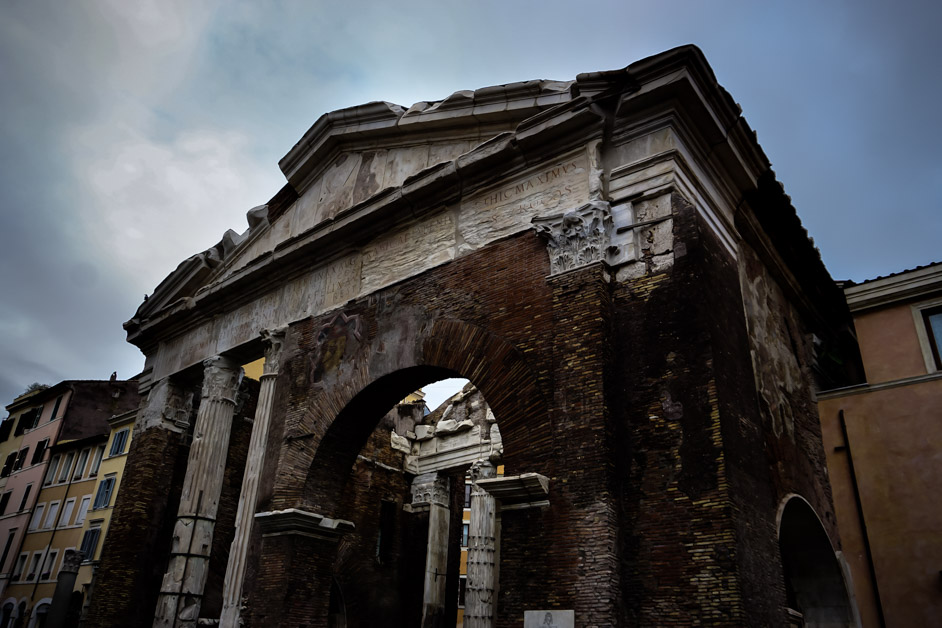
Rome is so old that its ghosts have ghosts. Rome has been burying its dead beneath its streets since before the birth of Christianity. The Appian Way catacombs alone contain the remains of hundreds of thousands of early Christians. Campo de' Fiori, one of the city's most popular market squares, is built on the site where philosopher Giordano Bruno was burned alive by the Roman Inquisition in 1600.
A hooded statue of Bruno now stands at the centre of the square, and multiple visitors report seeing a shadowy figure moving near it after dark. According to local tradition, Pope Joan, believed to have reigned as a female pope in the Middle Ages in disguise, appears at Ponte Sisto bridge at sunrise.
The Castel Sant'Angelo, built as a mausoleum for Emperor Hadrian and later used as a papal fortress and prison, has one of the longest histories of executions in Europe.
10. Bruges, Belgium
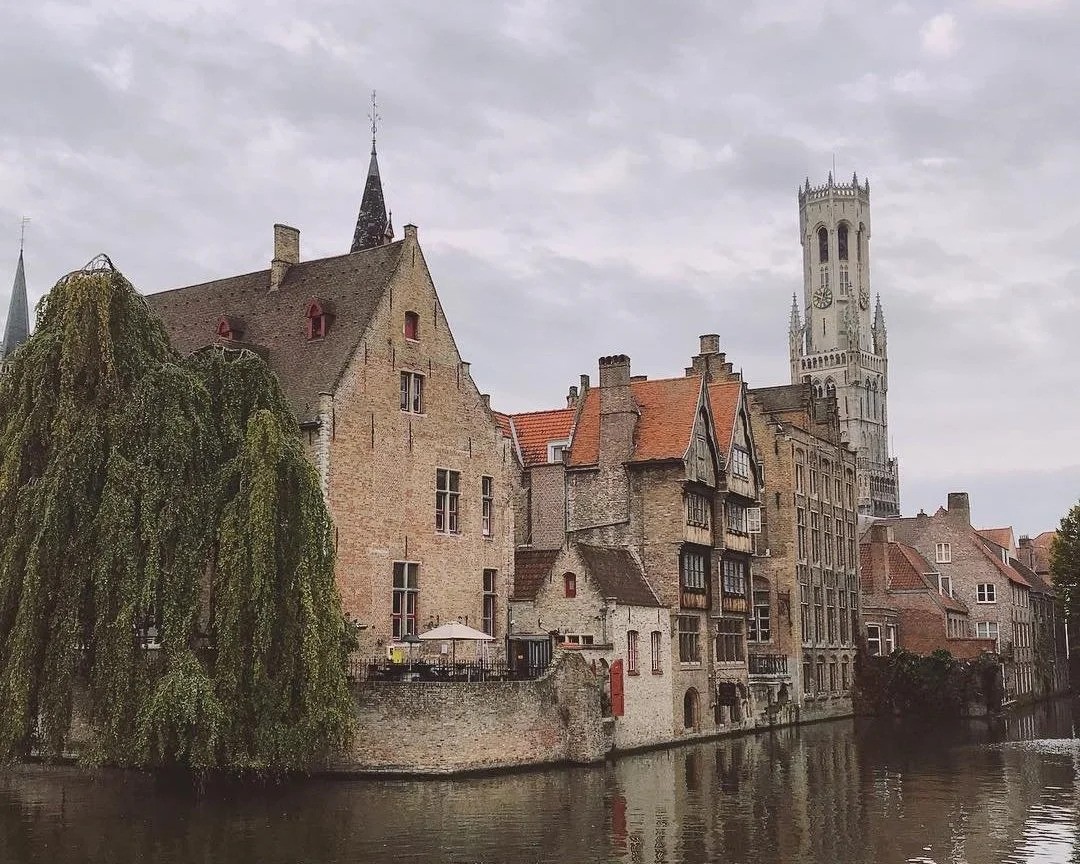
Bruges was once called "La Ville Morte," the dead city. The name is more fitting than most visitors realise. By the late 15th century, Bruges had declined dramatically from its position as one of northern Europe's most powerful trading cities. The silting of its harbour cut off access to the sea, and the city effectively froze in time while the rest of Europe moved on.
The Belgian writer Georges Rodenbach immortalised this strange preservation in his 1892 novel Bruges-la-Morte, in which the city itself becomes a metaphor for grief and death. That atmosphere has never entirely lifted. The medieval canal system, the lace-curtained windows, and the almost total silence in the older streets after dark create a haunting sensation that requires no ghost stories to explain itself.
The Belfry tower has stood since the 13th century and reportedly houses a watchman's ghost that has been sighted on the upper levels. The canal walks at night, largely empty of tourists, are among the most atmospherically eerie experiences in Belgium.
11. Ghent, Belgium
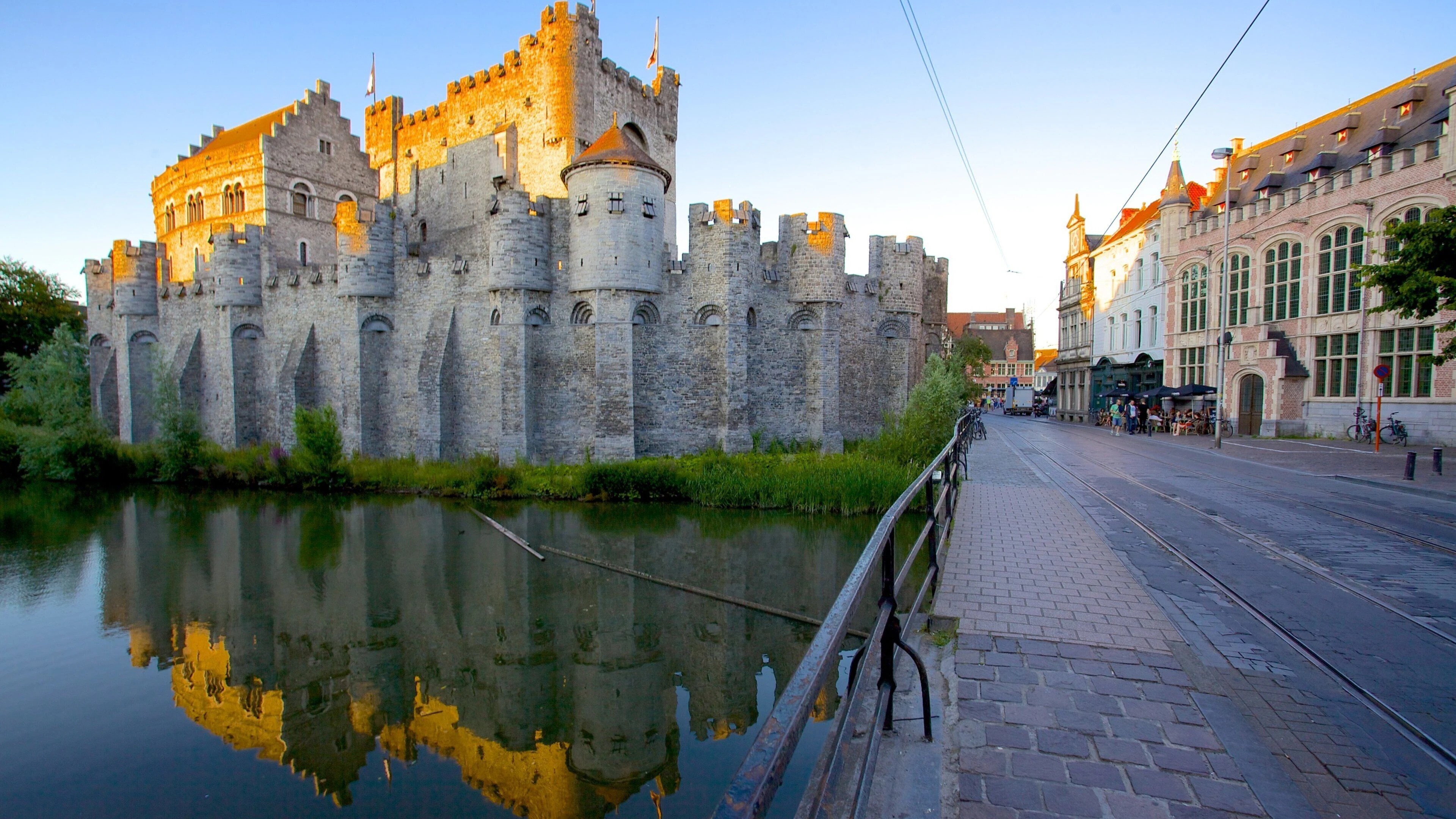
Ghent does not advertise its darkness the way some cities do. That makes it more interesting, not less. Gravensteen, the Castle of the Counts of Flanders, stands in the heart of Ghent's city centre and is one of the most intact medieval fortresses in northern Europe. It was used as a prison, a torture chamber, and an execution site for centuries.
The castle's own museum openly displays its collection of medieval torture instruments, and the Great Hall is reportedly one of the most consistently reported paranormal sites in Belgium. Ghent's history of guild uprisings and political executions throughout the medieval and early modern periods gives it a civic darkness that the beautiful facades of its canals partially conceal.
The castle's dungeon and execution courtyard are both reported to have paranormal activity, with castle staff documenting unexplained phenomena over many years.
12. Lviv, Ukraine
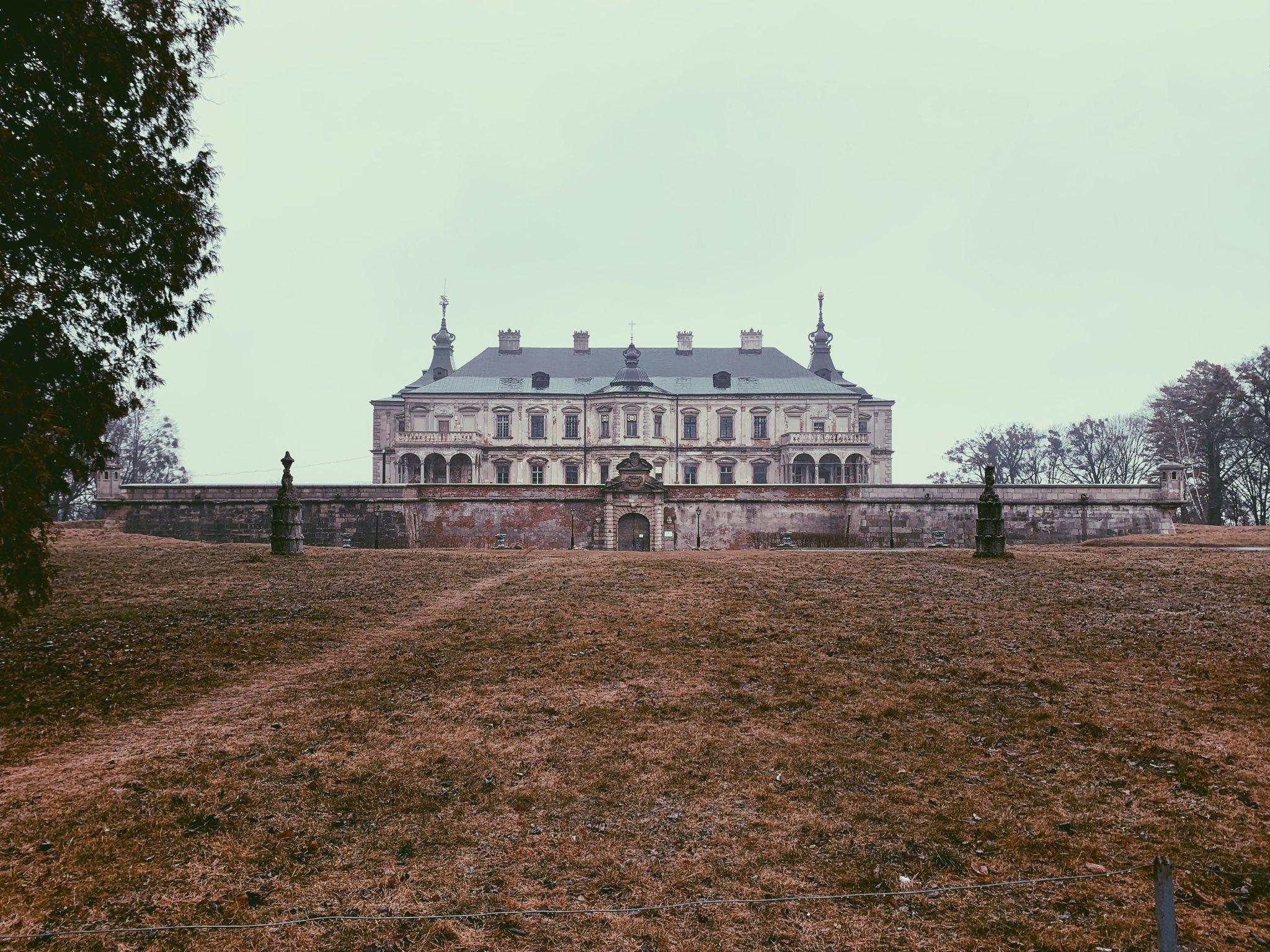
Lviv has been Polish, Austrian, Soviet, and Ukrainian, and it carries the weight of every one of those identities in its stones. Lviv's Old Town, a UNESCO World Heritage Site, has survived sieges, occupations, and the near-total destruction of its Jewish community during the Holocaust, when approximately 100,000 Lviv Jews were killed.
Beneath the city lies a network of underground passages and tunnels that served as hiding places, water channels, and, during various sieges, mass graves. The city's paranormal tradition draws on all of these layers. Local guides describe the underground sections of Lviv's old city as among the most consistently reported haunted spaces in Eastern Europe.
The Armenian Cathedral complex, built in the 14th century, contains burial crypts that have been the subject of paranormal reports for generations. The underground passages beneath the Market Square area are accessible on guided tours.
13. Valletta, Malta
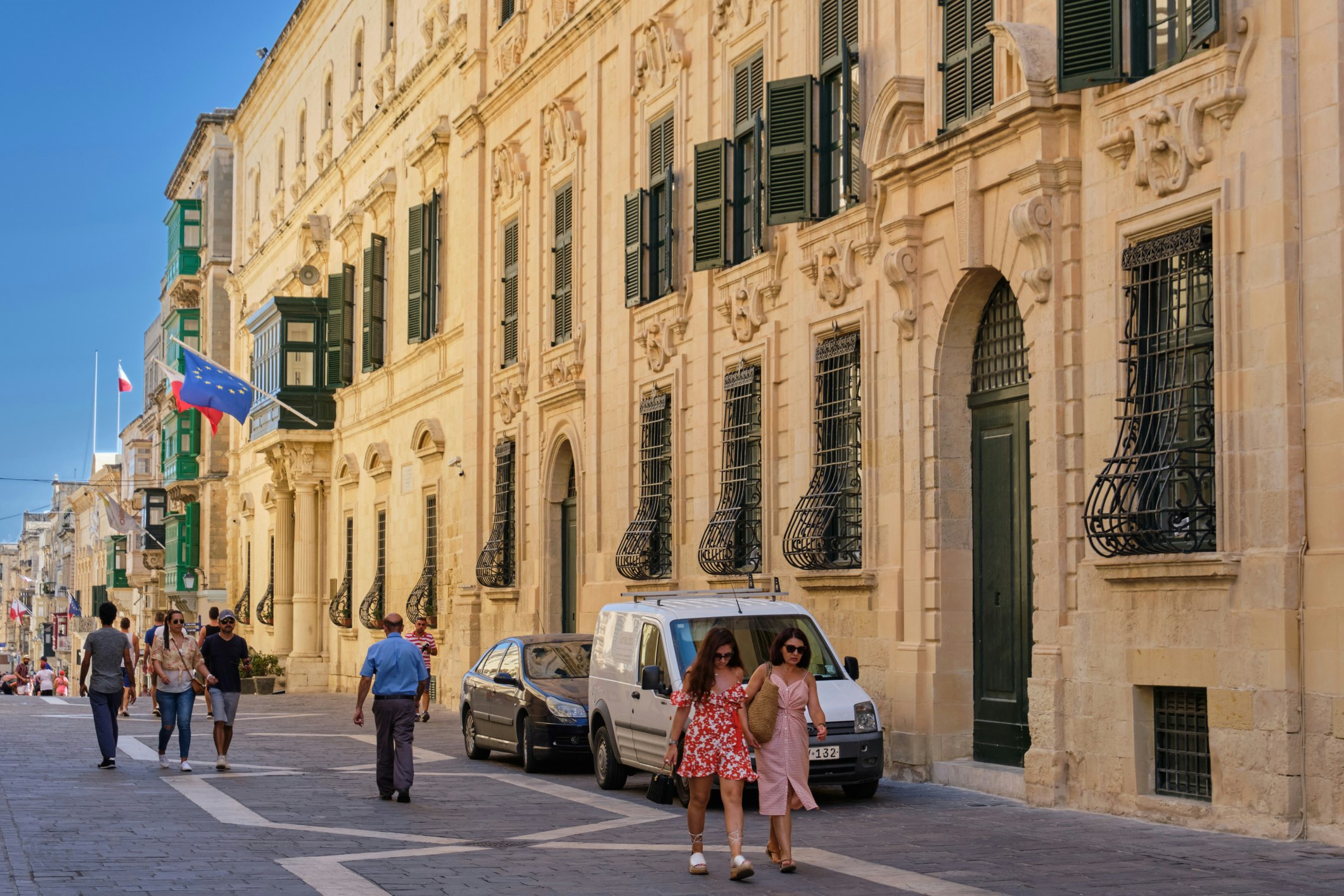
Europe's smallest capital city packs more dark history per square metre than almost anywhere else on the continent. Valletta was built by the Knights of St John following the Great Siege of 1565, one of the most brutal military engagements of the 16th century. The city was designed as a fortified response to Ottoman attack, and every stone carries that defensive anxiety.
The Maltese Inquisition operated in Valletta from 1574 to 1798, and the Inquisitor's Palace in nearby Vittoriosa, just across the Grand Harbour, still contains its original cells and interrogation chambers. Fort St Elmo, built at the tip of the Valletta peninsula, was the site of some of the worst fighting during the Great Siege and is reported to be one of Malta's most active paranormal sites.
Fort St Elmo, where the Knights of St John made their last stand during the Great Siege, is reported to have paranormal phenomena concentrated in its lower halls. The Grandmaster's Palace in the centre of Valletta also has a long tradition of reported ghostly activity.
14. Plovdiv, Bulgaria
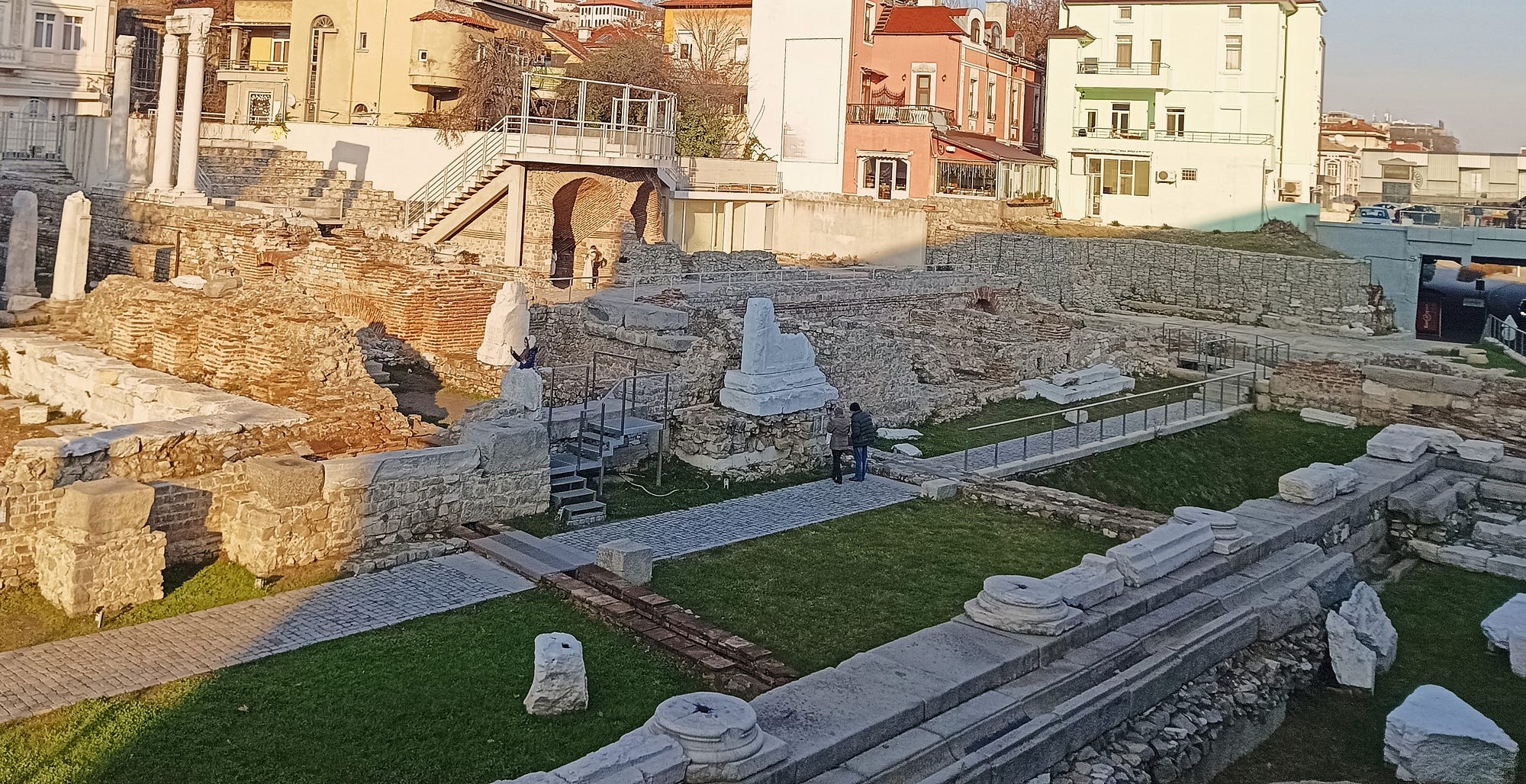
Plovdiv is one of the oldest continuously inhabited cities in Europe, and that age shows in its haunted reputation. Plovdiv has been inhabited for at least 8,000 years, according to archaeological records held by the Bulgarian National Archaeological Institute. The city sits on seven hills, each associated with a different historical period and a different set of legends.
The Thracians, the Romans, the Byzantines, and the Ottomans all built here, and all left their dead behind. The Roman amphitheatre, still in use for concerts today, sits above an ancient burial ground. Nebet Tepe Hill, the highest of the seven hills, is the site of the original Thracian fortress and is associated in local folklore with spirits dating back thousands of years.
The Old Town district, with its National Revival-era houses and ancient foundations, is regularly described by visitors as deeply atmospheric. Evening walks through the cobbled streets near the Roman ruins have an undeniable weight to them.
15. Vienna, Austria
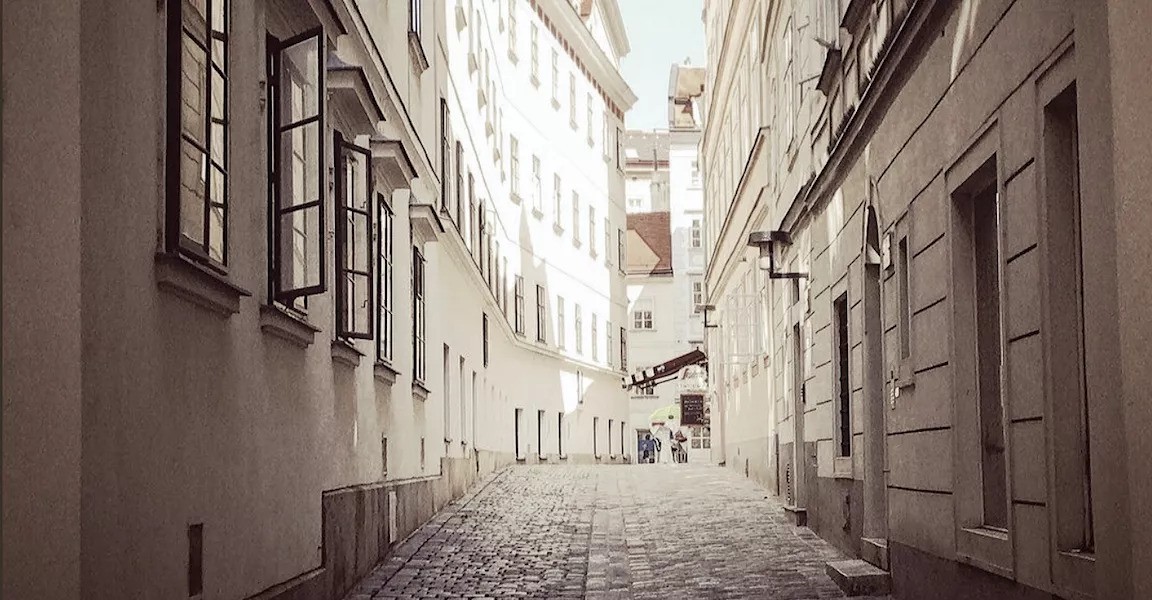
Vienna has a relationship with death that no other European city quite matches. It is not morbid exactly. It is reverent. The concept of the "schöne Leich," the beautiful corpse, is documented in Austrian cultural history as a distinctly Viennese obsession. The city's residents historically competed to have the most elaborate funerals, and the Central Cemetery, one of the largest in the world, contains the graves of Beethoven, Brahms, Schubert, and Strauss as a matter of civic pride.
Beneath St Stephen's Cathedral lie catacombs containing the remains of over 10,000 people, stacked in bone rooms that have been documented since the 16th century. The Imperial Crypt at the Kaisergruft holds the remains of 149 Habsburgs in elaborate sarcophagi, and the hearts of many rulers are stored separately in the Herzgruft, the Heart Crypt, at the Augustinian Church.
The bone rooms beneath St Stephen's are among the most visceral haunted sites in Central Europe. Guided tours are available and run regularly throughout the year.
16. Brno, Czech Republic
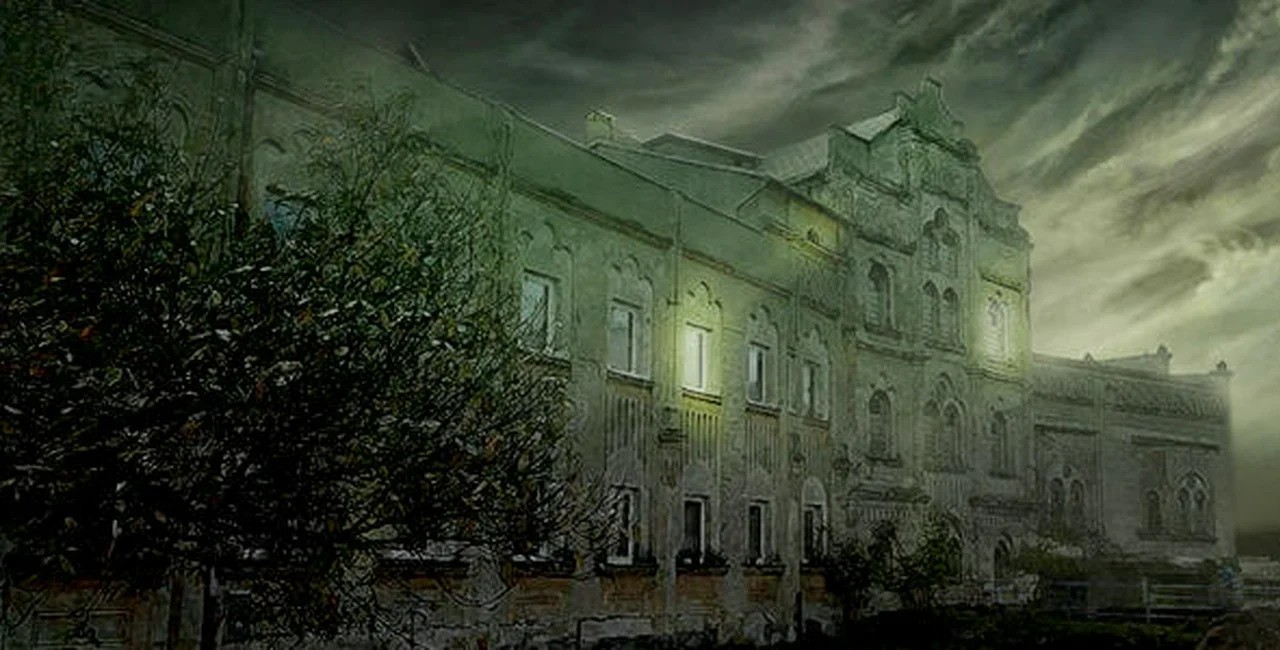
Brno is the Czech Republic's second city and the site of one of the most extraordinary ghost discoveries of the 21st century. In 2001, workers discovered a forgotten ossuary beneath the Church of St James in Brno's city centre. It contained the skeletal remains of approximately 50,000 people, making it the second-largest ossuary in Europe after the Paris Catacombs.
The bones had been there since at least the 17th century, the product of plague, war, and the exhaustion of the churchyard. The ossuary had been sealed and forgotten so completely that even the city's own records had no reference to it. It opened to visitors in 2012 after extensive restoration, and the experience of walking through its bone-lined corridors beneath one of Brno's busiest squares is unlike anything else in Central Europe.
The ossuary is the clear centrepiece of any haunted visit to Brno. The Cathedral of Saints Peter and Paul, visible on the hill above the city, also has a long tradition of ghost reports, particularly around its crypt.
17. Thessaloniki, Greece
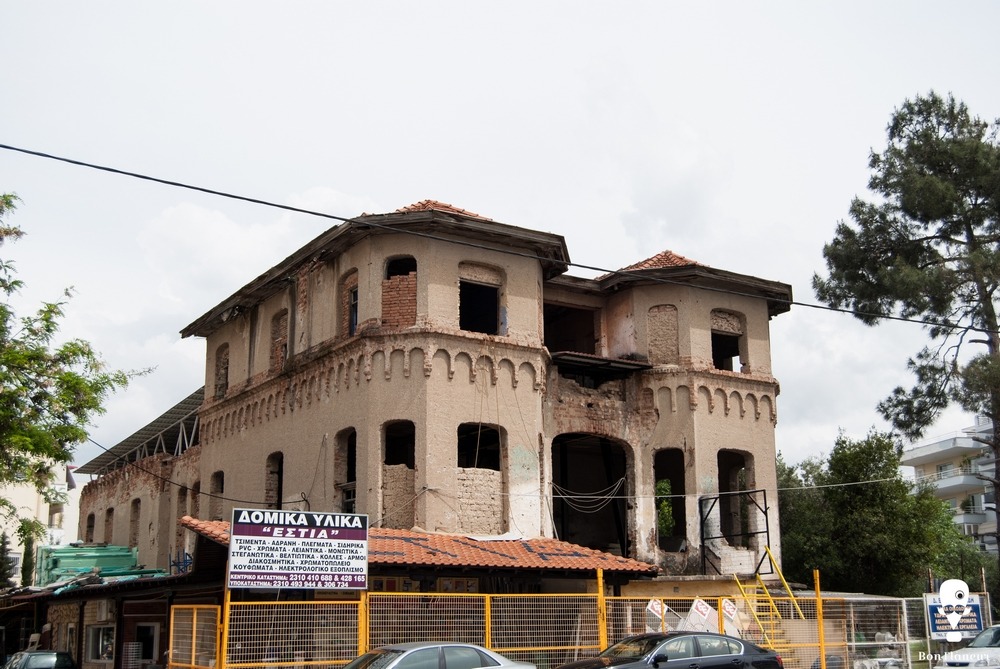
Greece's second city is almost unknown on haunted tourism circuits, which is a significant oversight. Thessaloniki has been Greek, Roman, Byzantine, and Ottoman, and each era layered new death onto the old. The city was a centre of early Christian martyrdom under the Roman Emperor Galerius, whose Rotunda now stands as one of the oldest surviving Christian churches in the world.
The Byzantine walls that still encircle parts of the upper city contain built-in bone fragments from collapsed graves. This common Byzantine practice gives the fortifications a literally skeletal quality. The Ottoman period brought additional layers, including the Jewish community of Sephardic refugees expelled from Spain in 1492, whose large cemetery was destroyed in the 20th century to build a university campus.
The upper city, Ano Poli, with its preserved Ottoman houses and Byzantine walls, is the most atmospherically haunted district in Thessaloniki. Evening walks through Ano Poli have a quality that is hard to explain and easy to feel.
18. Gdańsk, Poland
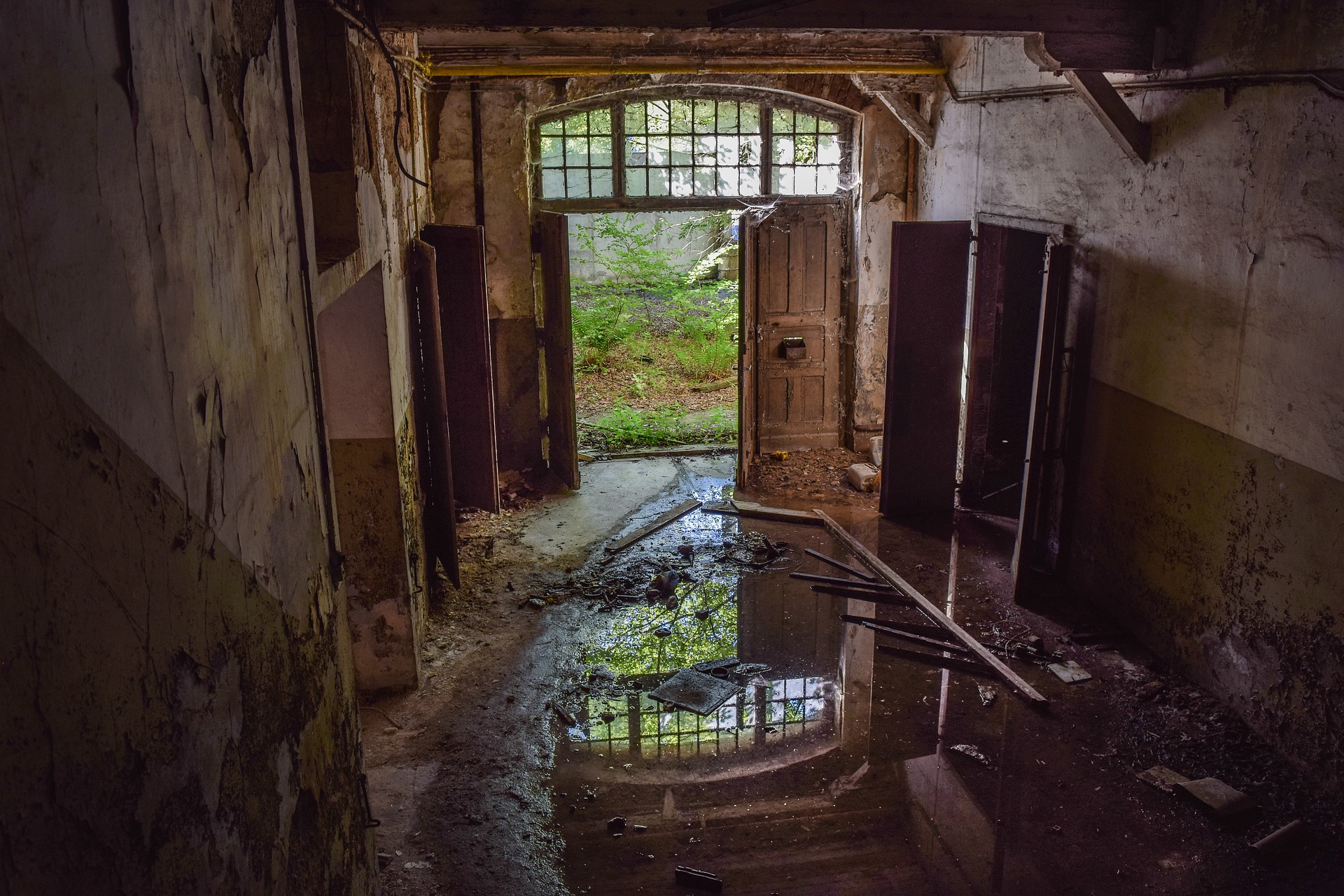
Gdańsk is one of Europe's most unusual haunted cities because its ghosts are relatively recent. When the Soviet army took Gdańsk in March 1945, the city was almost destroyed. Approximately 90 percent of the historic centre was reduced to rubble, according to Polish historical records. The reconstruction that followed was extraordinary: the entire Old Town was rebuilt brick by brick from old photographs and drawings to look as it had before the war.
Walking Gdańsk's Long Market today means walking through a replica, a city that looks medieval but is mostly post-war concrete clad in historical facades. The unease this creates is a different kind of haunting, not of ancient ghosts but of a city living inside its own memorial.
The rebuilt Artus Court, a merchants' meeting house that has existed in various forms since the 14th century, is reported to carry paranormal activity despite its post-war reconstruction. The ruins of St Catherine's Church, left partially bombed as a memorial, are among the most affecting sites in the city.
19. Riga, Latvia
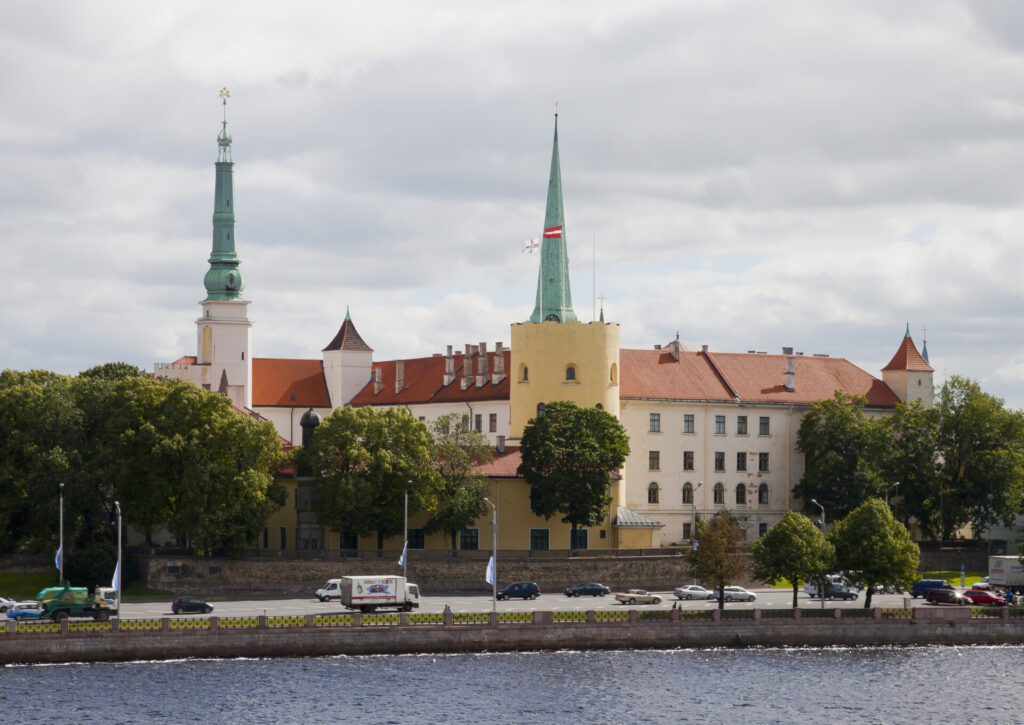
Riga's stunning Art Nouveau architecture obscures a city with one of the Baltic's darkest histories. Riga was founded by German crusaders in 1201 and remained under Teutonic, Swedish, Polish, and Russian rule for centuries before becoming independent. The Teutonic Knights, who colonised the Baltic states under the pretext of Christian conversion, were responsible for the deaths of enormous numbers of indigenous Baltic people.
The city was also a major place of Nazi crimes during World War II. In Rumbula Forest, just outside Riga, one of the largest single massacres of the Holocaust took place. In November and December 1941, about 25,000 Jews were killed there.
The Dome Cathedral, the largest medieval church in the Baltic states, has been a place of burial and reported paranormal phenomena for over 800 years. The narrow streets of Old Riga around St Peter's Church are consistently reported as atmospheric after dark.
20. Naples, Italy
Naples saves the most extraordinary haunted tradition for last. No other city in Europe has a relationship with its dead quite like this. Naples sits atop ancient Greek and Roman ruins, and beneath them lies a network of volcanic tunnels, cisterns, and catacombs that extend for dozens of kilometres beneath the modern streets.
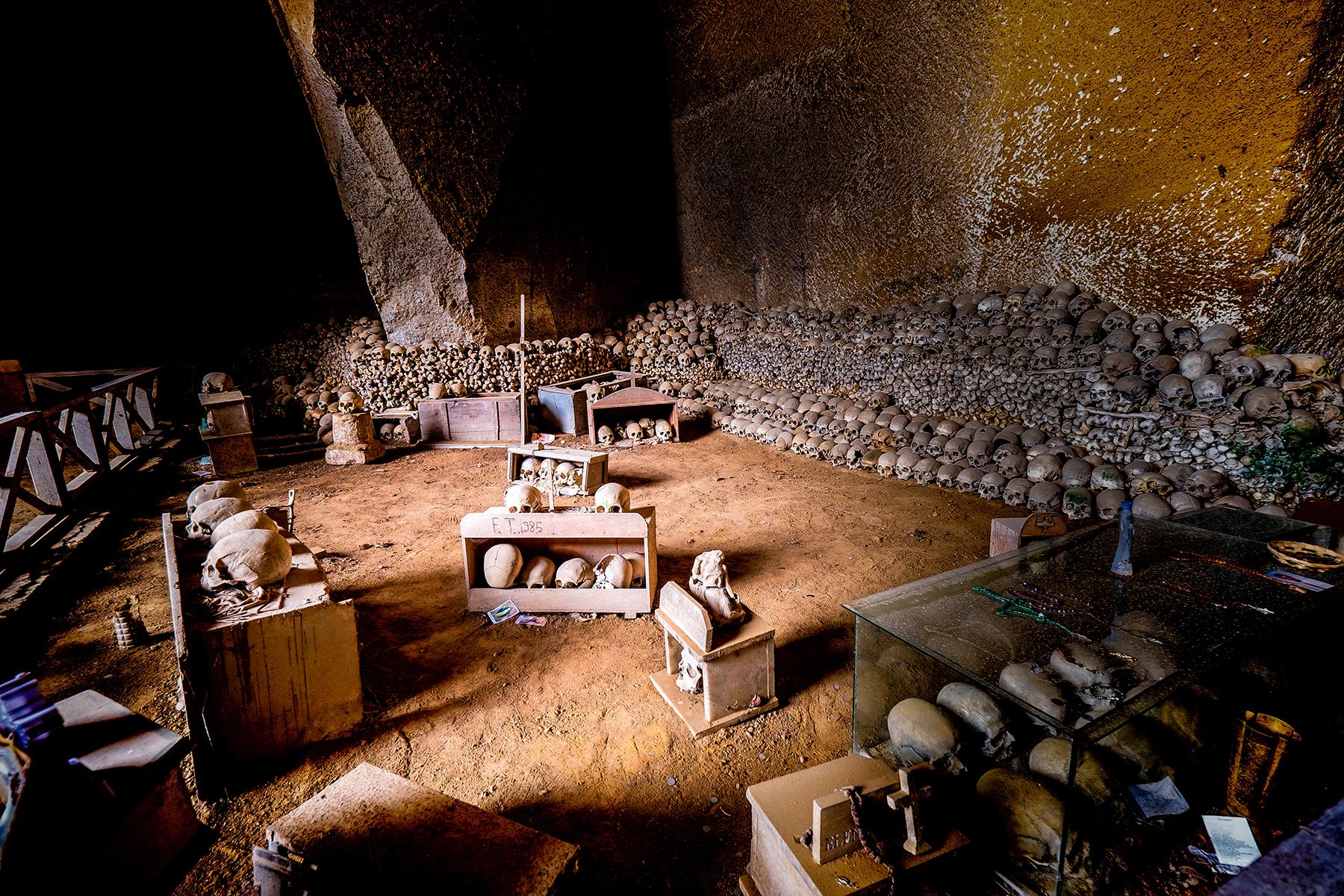
The Fontanelle Cemetery, carved into a tufa hillside in the Materdei district, became the resting place for thousands of victims of plague and cholera epidemics from the 17th century onwards. In the 19th century, Neapolitans developed the cult of the "anime pezzentelle," the abandoned souls, in which residents would adopt an unidentified skull, clean it, give it a name, and pray for it in exchange for blessings from the dead.
The practice was so widespread that the Catholic Church eventually banned it in 1969, though it continued informally for years afterwards. The Fontanelle Cemetery reopened as a public site and continues to attract visitors from across Europe who come to experience this utterly unique relationship between the living and the dead.
Napoli Sotterranea, the underground Naples tour, guides visitors through ancient Greek and Roman tunnels beneath the city, including spaces used as air-raid shelters during the Second World War. The combination of ancient burial grounds, volcanic tunnels, and modern historical trauma makes Naples underground one of the most genuinely unsettling experiences in European dark tourism.
How To Plan A Haunted City Break In Europe
The cities above offer enough dark history for a lifetime of travel. A few practical considerations will make any visit significantly more worthwhile.
Best Time Of Year To Visit For Maximum Atmosphere
October is the obvious answer, but it is worth being specific. The period between mid-October and the first week of November, covering Halloween on 31 October and All Saints' Day on 1 November, is when ghost walk operators run their most ambitious programmes and when many haunted sites extend their opening hours.
Cities like York, Edinburgh, and Prague add special events and late-night access to normally restricted spaces during this window. That said, February in Bruges or a January evening in Tallinn can be profoundly atmospheric precisely because the tourist crowds have gone. The off-season version of a haunted city is often more powerful than the Halloween edition.
What To Look For In A Genuine Ghost Walk
The best ghost walks are led by guides with genuine historical knowledge, not just dramatic delivery. Before booking, check whether the operator provides historical context alongside the ghost stories, whether the route covers sites with documented haunting tradition rather than invented ones, and whether reviews mention substance over spectacle.
The Original Ghost Walk of York, the City of the Dead tour in Edinburgh, and Mercat Tours' underground vault experiences in Edinburgh are consistently cited by dark tourism researchers as examples to aspire to.
Tips For Visiting Haunted Sites Respectfully
Several of the most powerful haunted sites on this list are also sites of real historical tragedy. Greyfriars Kirkyard, the Brno Ossuary, the Fontanelle Cemetery, and Rumbula Forest near Riga all deserve quiet and respectful engagement. Photography policies vary. Some sites, such as the Fontanelle Cemetery, ask visitors not to touch or move any objects within the space. These requests exist for good reason and should be followed.
Frequently Asked Questions
What Is The Number One Most Haunted Place In The World?
Globally, Gettysburg, Pennsylvania, is most frequently cited by paranormal researchers due to the scale of Civil War death in a concentrated area. In Europe, York holds the equivalent title with over 500 documented hauntings within its city walls.
What Is The Most Haunted Country In Europe?
The United Kingdom, and specifically England and Scotland, holds the highest concentration of documented haunted cities. York, Edinburgh, and London all rank in the global top tier. Romania and the Czech Republic are arguably the strongest contenders among mainland European countries.
What Makes A City Officially Haunted?
There is no official certification body with universal authority on the subject. The International Ghost Research Foundation is the most frequently cited organisation for European declarations, having designated York as the most haunted city on the continent.
Is Transylvania A City?
No. Transylvania is a historical region in central Romania, not a city. Bran Castle, most commonly associated with Dracula tourism, is located near the city of Brașov.
Conclusion
Twenty very different ways that Europe has managed to keep its dead present among the living. If you want active, documented paranormal phenomena and a mature ghost walk culture, Edinburgh and York are the obvious starting points. If you want an atmosphere so thick it feels like a physical presence, Tallinn and Bruges will stay with you longer than any ghost story. If you want singular, unrepeatable experiences that exist nowhere else on earth, go to Naples and stand in the Fontanelle Cemetery, or descend into the bone rooms beneath Brno.
Europe's haunted cities are not theme parks. They are records. The ghost stories are the way ordinary people have always tried to make sense of what history left behind. Walk carefully, listen closely, and pay attention to what you feel in the older streets after dark. Some cities have a great deal to tell you.
You May Also Like: UNESCO World Heritage Sites In Europe With Travel Tips

Sophia Harper
Author
Sophia Harper’s photography acts as a portal to the soul of the places she visits. Drawn to South America’s landscapes and cultures, she has spent years capturing everything from the majesty of ancient ruins to the vibrancy of urban streets.
Sophia’s work isn’t just about documenting moments; it’s about evoking the emotions and stories behind them. A dedicated photographer, she has worked with local communities across South America to capture their rich cultural narratives through her lens.

Liam Jones
Reviewer
Liam Jones has made it his mission to prove that adventure doesn’t need a hefty budget. Having traveled to over 40 countries, he specializes in finding affordable ways to experience the world, from the best street food in Bangkok to hidden gems in Lisbon.
Liam’s travel tips have reached thousands of readers, empowering them to see the world on a shoestring budget without sacrificing quality. With a deep passion for local cultures, he continues to share his travel hacks, ensuring adventure remains accessible to all.
Latest Articles
Popular Articles