Map Of Ireland - A Geographic Journey To The Emerald Isle
More than just a piece of paper, the Map of Ireland is a portal to a world of wonder. It's a visual invitation to experience the vibrant cities, the breathtaking landscapes, and the warm hospitality that make this island truly unforgettable.
Author:Michael RachalReviewer:Finn WildeApr 10, 202541 Shares41.4K Views
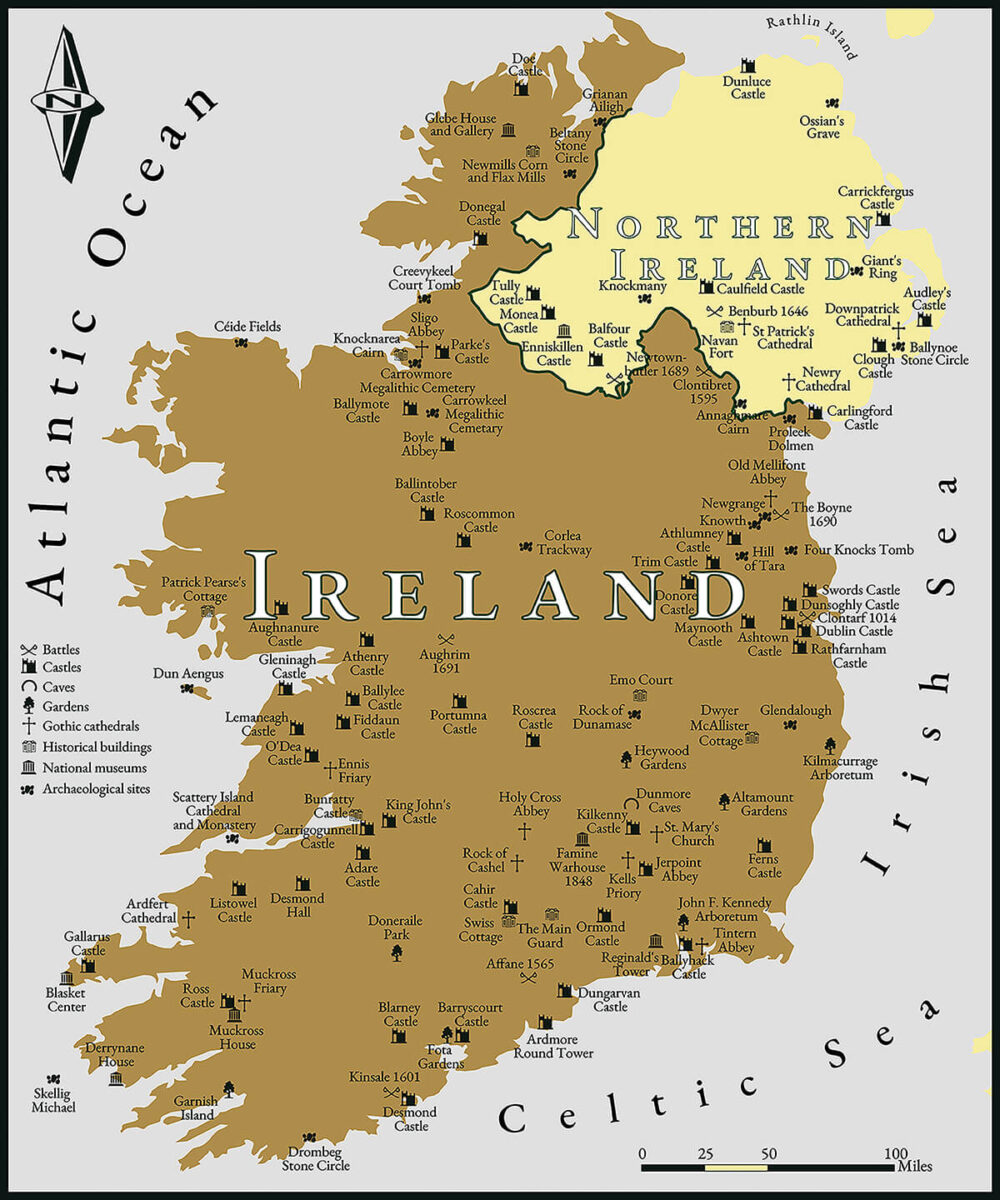
The map of Irelandis a visual poem of pure beauty and old legends, a vibrant fabric of emerald colors. Glaciers carved out this land, the Atlantic sculpted it, and its history is as deep and complex as the peat bogs that blanket its interior.
The island unfolds like a dream, enticing exploration with each twist and turn along its coastline. The map of Ireland invites you on a journey of discovery, with each mile revealing a new chapter in the enthralling story of this magical island.
Quick Facts About Ireland
| Legal Name | Ireland |
| Capital Cty | Dublin |
| Total Area | 84,421 km² |
| Land Area | 70,273 km² |
| Water Area | 1,390.00 km² |
| Population | 5.262 million |
| Currency | Euro |
| Dialing Code | +353 |
| Largest City | Dublin (1,263,219) |
| GDP | 545.6 billion USD |
| GDP Per Capita | 103,684.88 USD |
The Geography Of Ireland’s Map
Ireland is a nation located on the westernmost part of the largest island in the British Isles. Its stunning Atlantic coastline overlooks a vast ocean, contributing to its unique cultural identity deeply rooted in the Gaelic language.
The country's abundant rainfall fosters lush green landscapes, earning it the nickname "Emerald Isle." Famous for its rich folklore, Ireland boasts legends of mythical creatures like leprechauns and the iconic Saint Patrick, credited with introducing Christianity and using the shamrock as a symbol of the Holy Trinity.
The Republic of Ireland encompasses the majority of an island situated west of Great Britain. Separating the two islands are the North Channel, the Irish Sea, and St. George's Channel, with distances varying between 11 and 120 miles
Positioned within the temperate zone, between latitudes 51°30′ and 55°30′ North and longitudes 6°00′ and 10°30′ West, Ireland extends northward to parallels comparable to Labrador or British Columbia in Canada and westward to longitudes similar to the West African nation of Liberia.
Representing the westernmost extremity of the Eurasian landmass's Atlantic margin, with Tearaght Island in the Blasket Islands off the Dingle Peninsulain County Kerry marking the absolute westernmost point, Ireland, like Great Britain, was once an integral part of this landmass. Residing on the European continental shelf, Ireland is encircled by seas generally less than 650 feet in depth. The island's maximum north-south extent measures 302 miles, while its east-west expanse reaches 171 miles.
Ethnic Groups, Language, And Religion
Immigration from Europe, Africa, and Asia has been a major factor, driven by the European Union's open labor market and Ireland's globalized economy. The Polish community is the largest minority group in the country. The Travellers, an indigenous ethnic minority with distinct customs and traditions, have a long history in Ireland but represent less than 1% of the population.
Irish and English are the official languages of Ireland. While Irish is the first official language, English is widely spoken. The use of Irish has declined since the 19th century despite efforts to revive it. While some in the business sector question the emphasis on Irish language education, it remains a crucial part of Irish identity.
Christianity has played an important part in Irish history. Celtic religion had a significant impact on Irish civilization before the fifth century. Following the emergence of Christianity, Roman Catholicism became the dominant religion, strongly associated with Irish nationalism. Following the Great Famine of the 1840s, the Catholic Church gained significant influence.
Map Of Ireland’s Major Cities
Dublin (Capital Of Ireland)
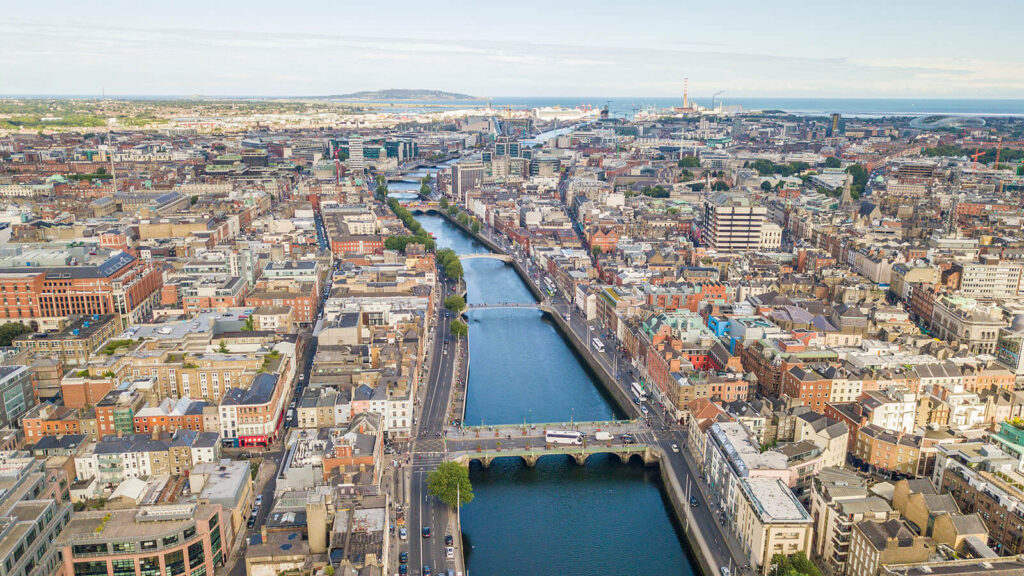
The vibrant metropolis of Dublin, the capital of Ireland, blends historic beauty with contemporary energy. The city's high Georgian buildings, the historic Dublin Castle, and the esteemed Trinity College - the sacred site of the Book of Kells - all bear witness to its rich past.
The city pulsates with an infectious energy, renowned for its lively pub culture, its celebrated literary heritage, and a thriving arts scene that captivates and enchants visitors and residents alike. Dubliners, renowned for their warm hospitality and witty banter, contribute significantly to the city's unique and alluring charm.
Cork
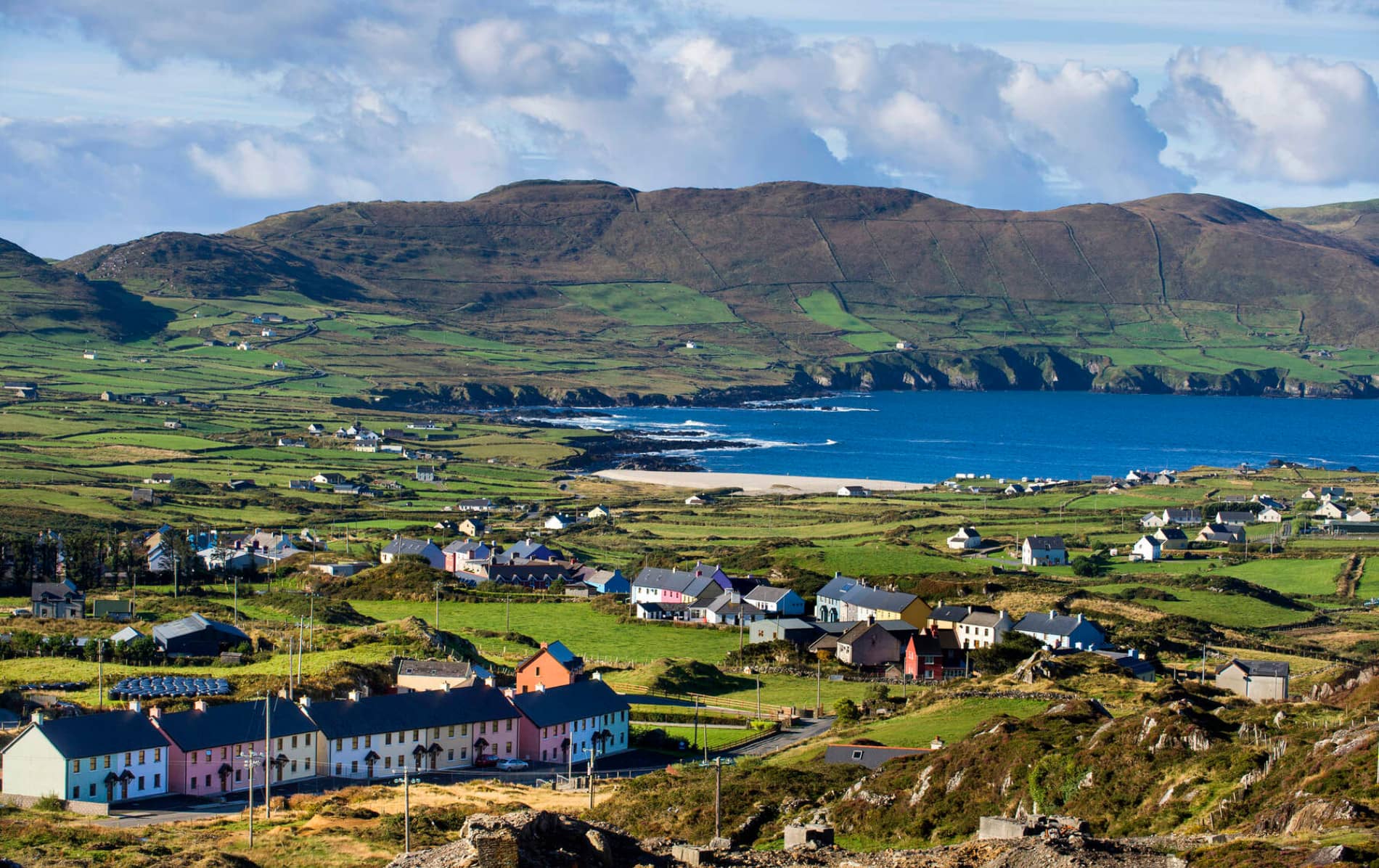
Cork, Ireland's second-biggest city, has a unique personality that stems from its extensive nautical past. From its bustling harbor to its recognized affiliation with a historic seafaring culture that has influenced its identity for ages, the city's continuing connection to the sea is evident. Beautiful contrasts abound in Cork, which skillfully blends a historic center full of architectural gems with contemporary construction that reflects the city's changing urban environment.
One example of the city's thriving food culture and dedication to promoting local suppliers is the famous English Market, a genuine feast of culinary delicacies. Cork is also well known for its vibrant arts scene, which includes a large number of theaters, art galleries, and festivals that highlight the extraordinary ability and inventiveness of its citizens.
Limerick
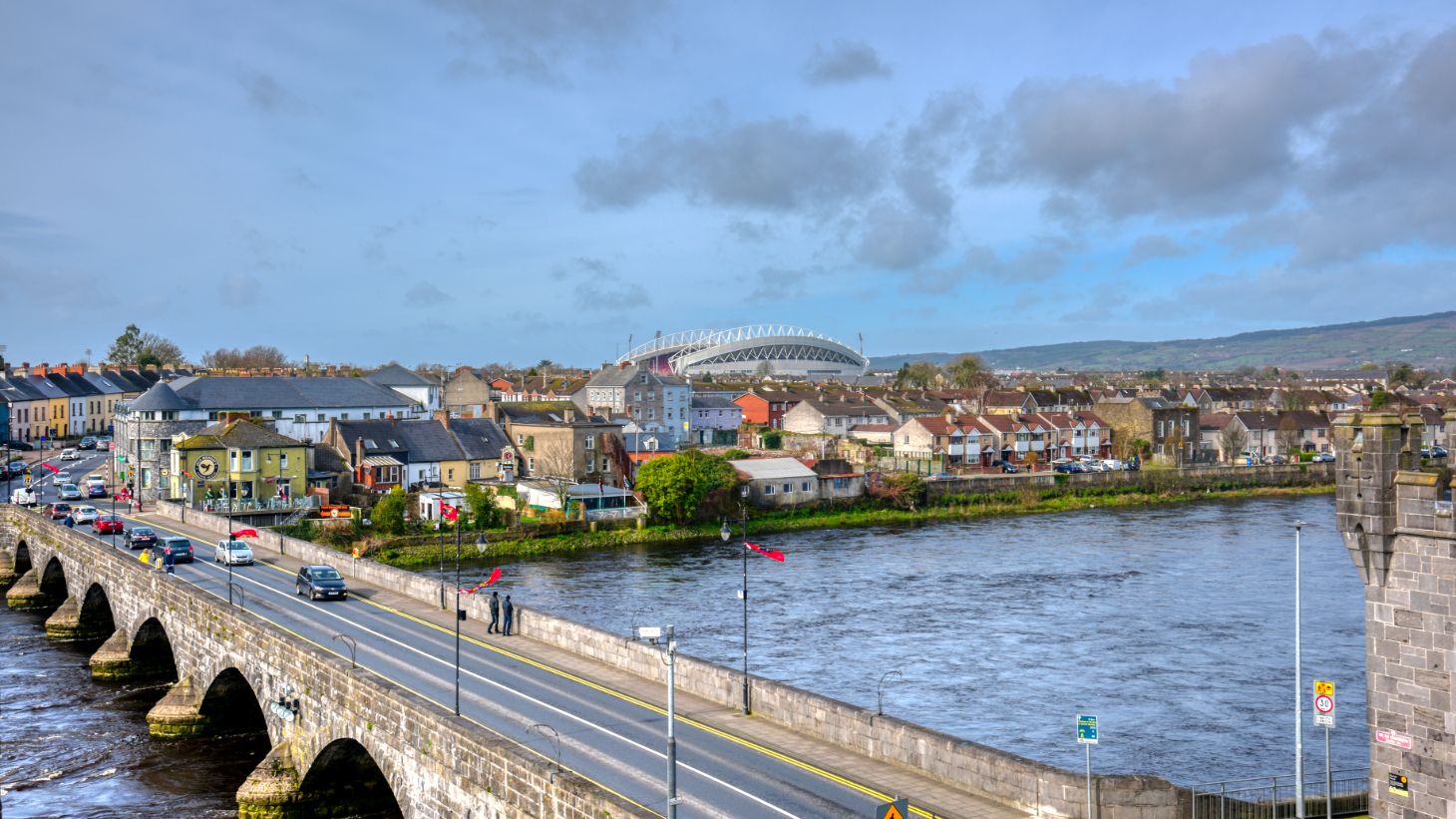
Limerick, which is situated on the magnificent Shannon River, has a long and illustrious history that is deeply entwined with business and commerce. Over the ages, its history and course have been significantly shaped by its strategic location.
From ancient defenses like the majestic King John's Castleto modern buildings that reflect its changing urban setting, the city exhibits an enthralling fusion of architectural styles. With traditional Irish music firmly embedded in the city's cultural fabric and serving as a focal point of its vibrant and interesting social scene, Limerick has a lively musical soul.
Galway
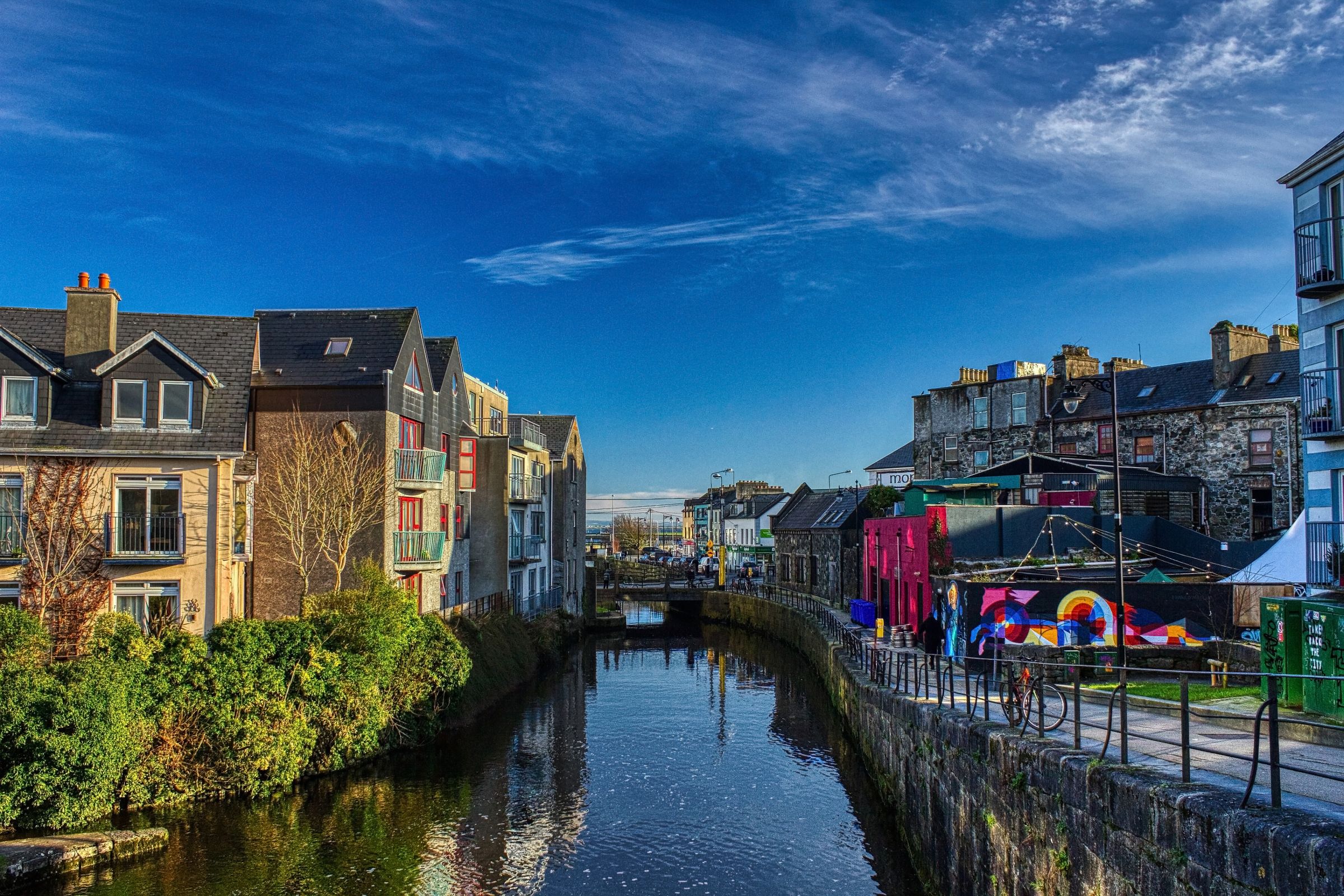
Located on Ireland's picturesque west coast, Galway is a little city renowned for its alluring beauty and vibrant atmosphere. Its streets, which are adorned with a riot of vibrant facades, bustling pubs that are alive with laughter and music, and the vibrant energy of the Salthill promenade all combine to create a captivating and distinctive ambiance.
Galway is a refuge for artists and musicians, with a bustling arts community that flourishes all year and several events commemorating the city's rich cultural legacy. Galway also acts as a gateway to the spectacular Connemara region, where visitors may immerse themselves in stunning surroundings and engage in a variety of outdoor activities.
Waterford
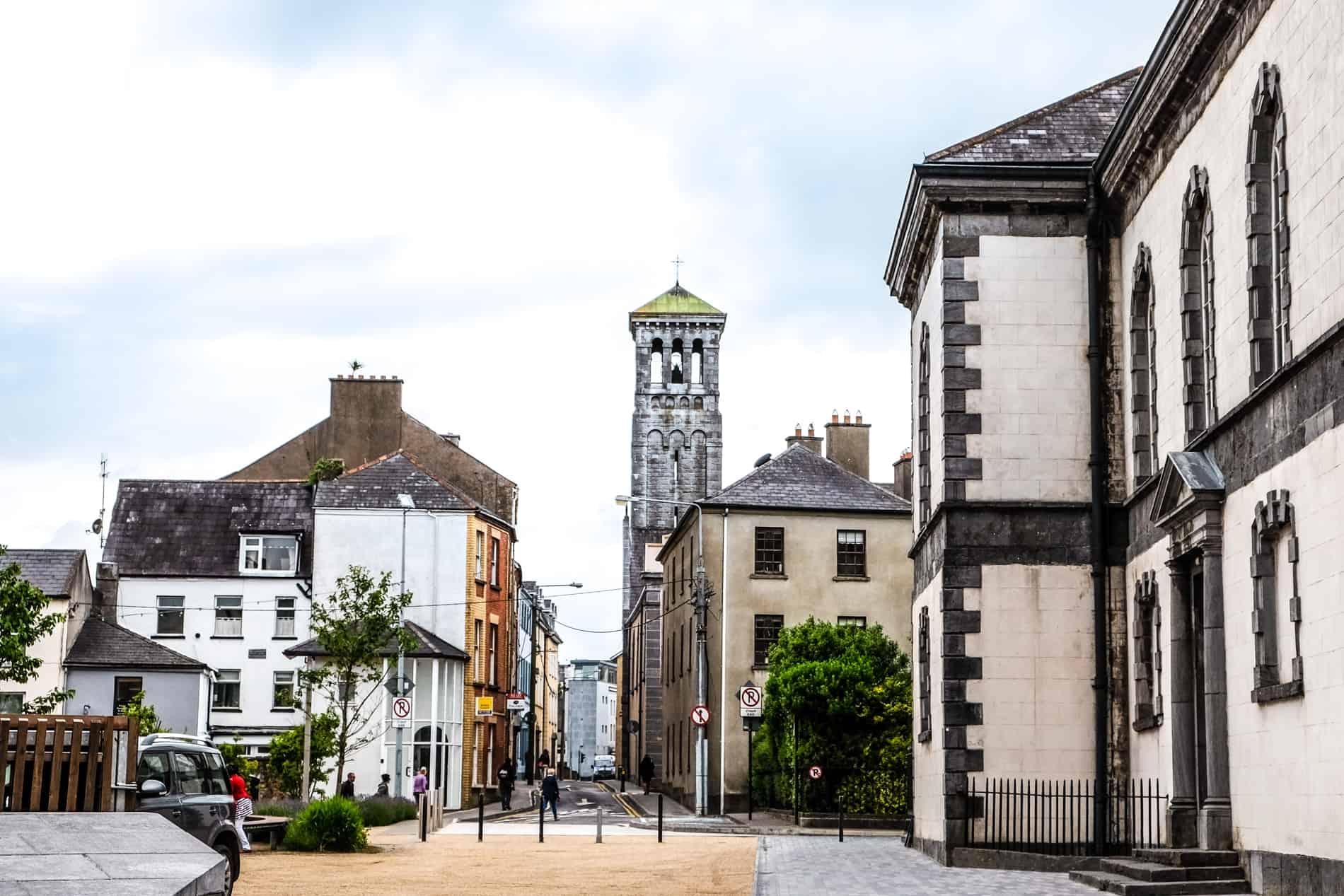
Waterford, Ireland's oldest city, has a rich and fascinating history dating back to the Viking era. Its nautical background has left an indelible mark on its identity, as evidenced by the compelling Viking Triangle, a group of historical sites that provide an intriguing peek into the city's Viking and medieval past.
Waterford Crystal, known globally for its beautiful craftsmanship and outstanding artistry, is synonymous with the city and its long history of skilled artisanship. Waterford also has a wonderful old core with cobbled walkways and attractive facades of colorful buildings that take visitors on a fascinating journey through time.
Clondalkin
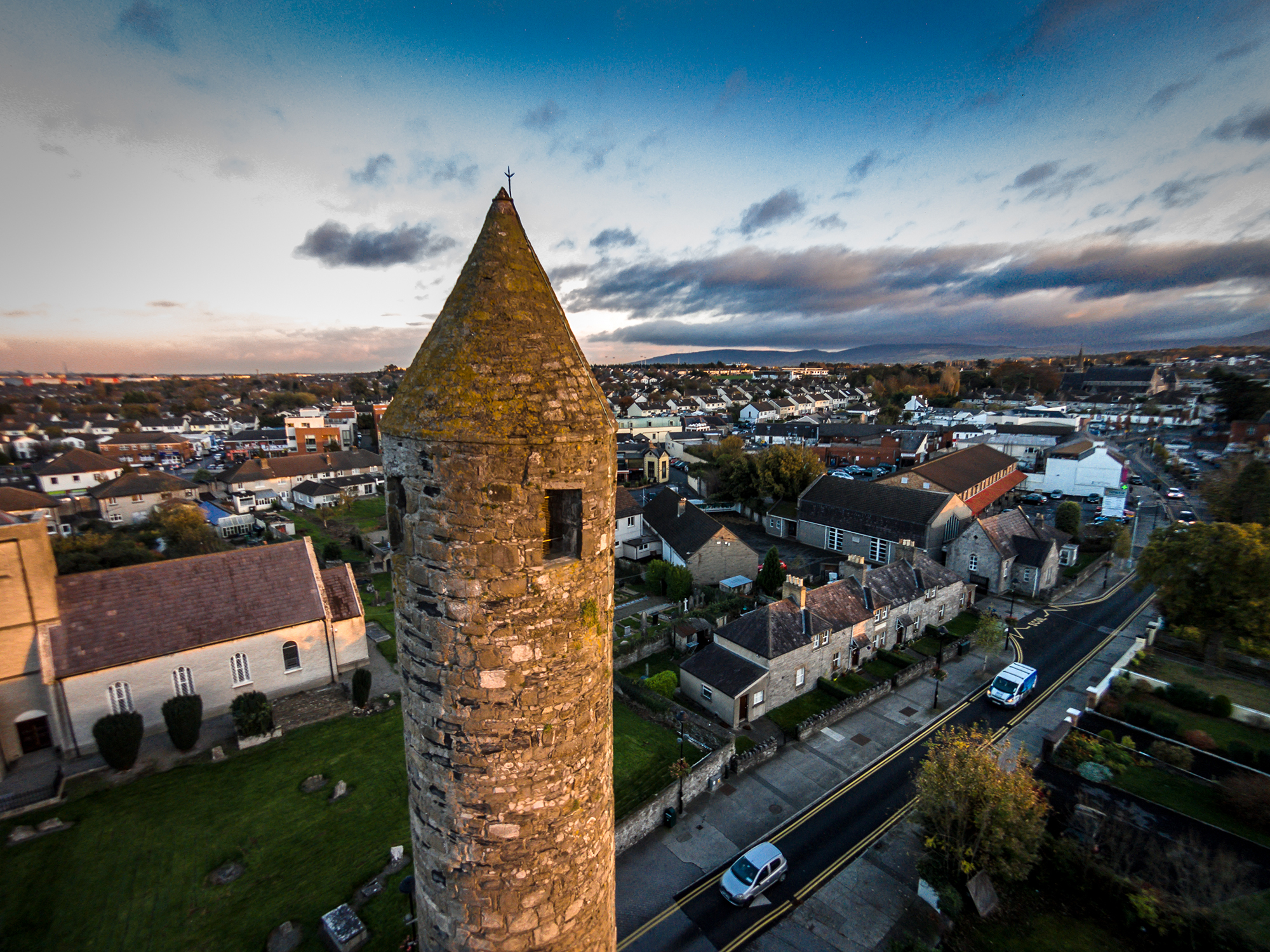
Clondalkin, a historic suburb of Dublin, has a rich and fascinating history. It is home to important historical sites, such as the haunting ruins of an ancient monastery, which serve as sad reminders of the region's rich and storied history. Clondalkin has witnessed a remarkable transformation in recent years, from a largely rural location to a vibrant suburb with a growing population and a wide range of amenities.
Drogheda
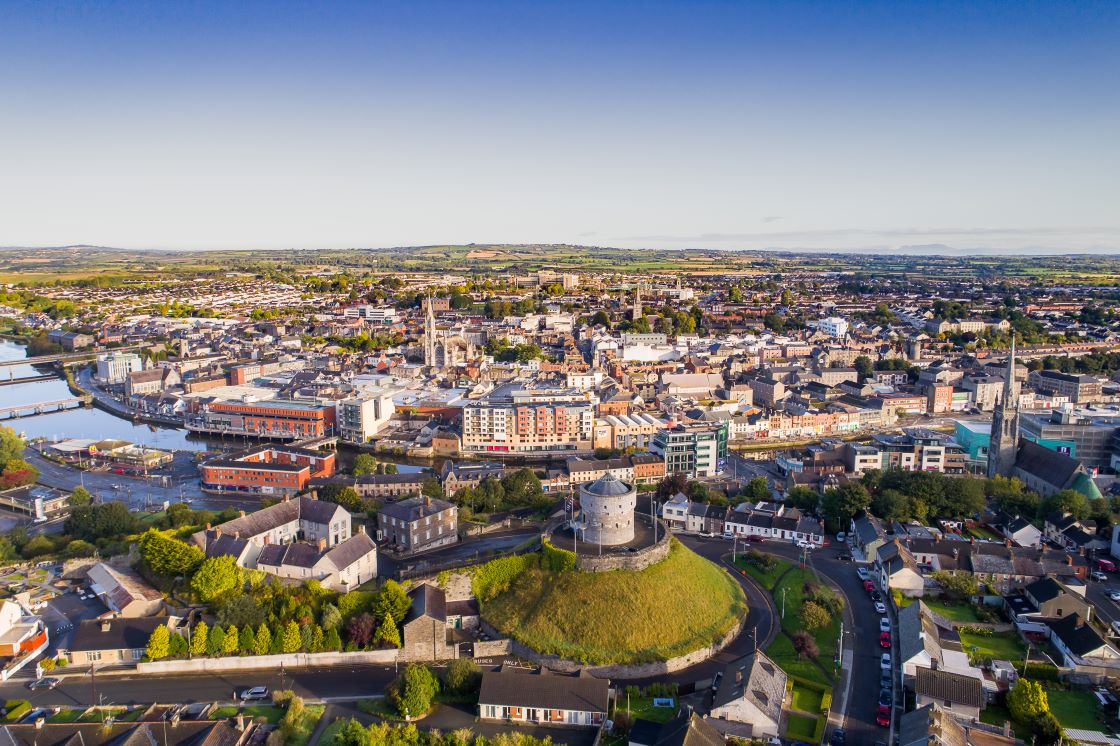
Drogheda, located on the River Boyne, is a town rich in medieval history, with its strategic location playing an important part in shaping its development and trajectory over the years. The Battle of the Boyne, a watershed moment in Irish history, occurred nearby, leaving a lasting effect on the town's history. Drogheda offers an intriguing blend of historical sites that provide a look into its rich past, as well as modern amenities that cater to the requirements of both residents and visitors.
Dundalk
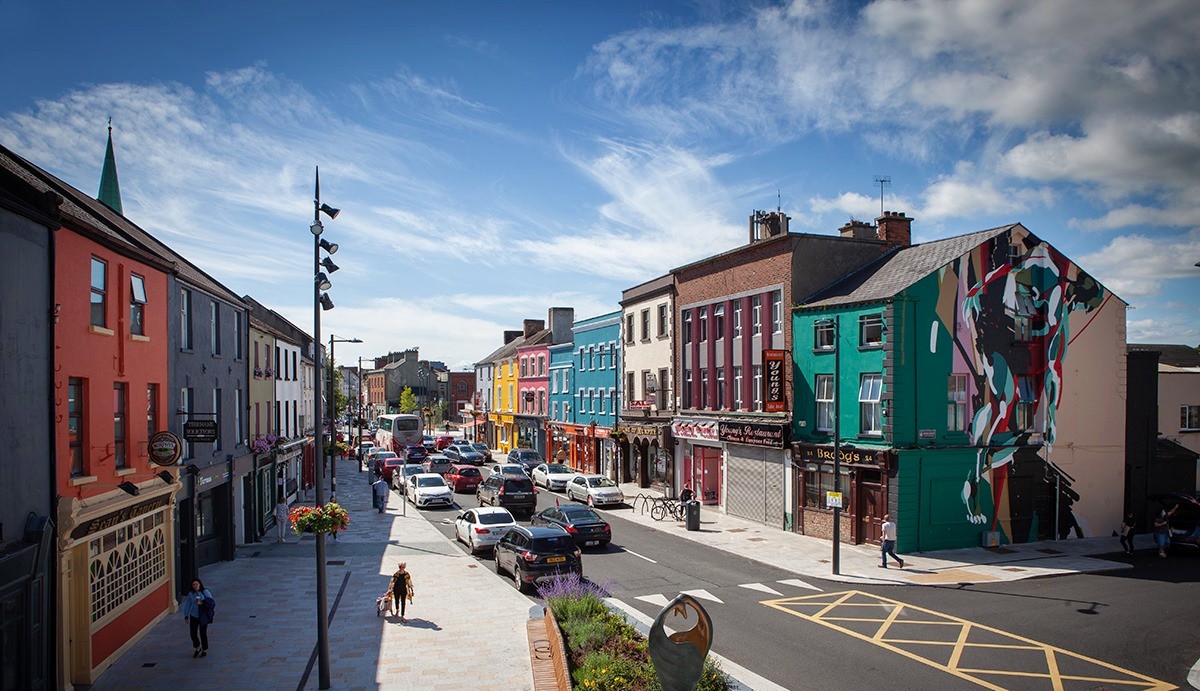
Dundalk, a town in County Louth, has a rich industrial legacy and has contributed significantly to the region's economic development for years. Its location near the border with Northern Ireland has played an important role in creating its identity and promoting links between the two sections of the island. Dundalk is particularly well-known for its closeness to the spectacular Cooley Mountains, which provide breathtaking views and numerous chances for outdoor enthusiasts to explore and enjoy the region's natural splendor.
Bray
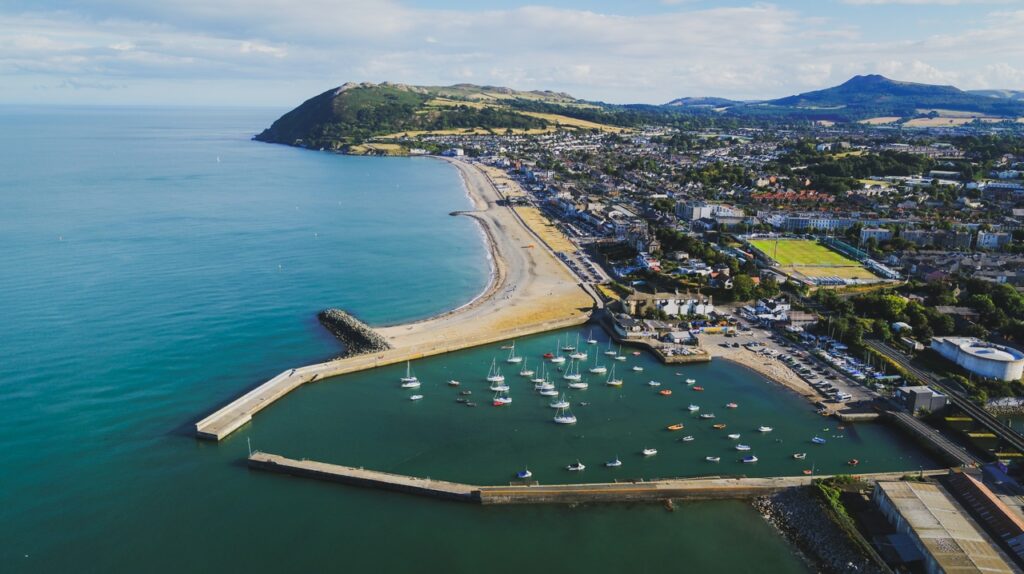
Bray, a lovely seaside village south of Dublin, is a favorite day-trip and weekend destination. Its coastline walks, which provide stunning views of the Irish Sea, as well as its proximity to the gorgeous Wicklow Mountains, making it an irresistible location for visitors looking to escape the city and immerse themselves in the natural beauty of Ireland's countryside. Bray also has a vibrant town center, complete with a broad choice of stores, restaurants, and cafes to meet the needs and desires of its residents and visitors.
Swords
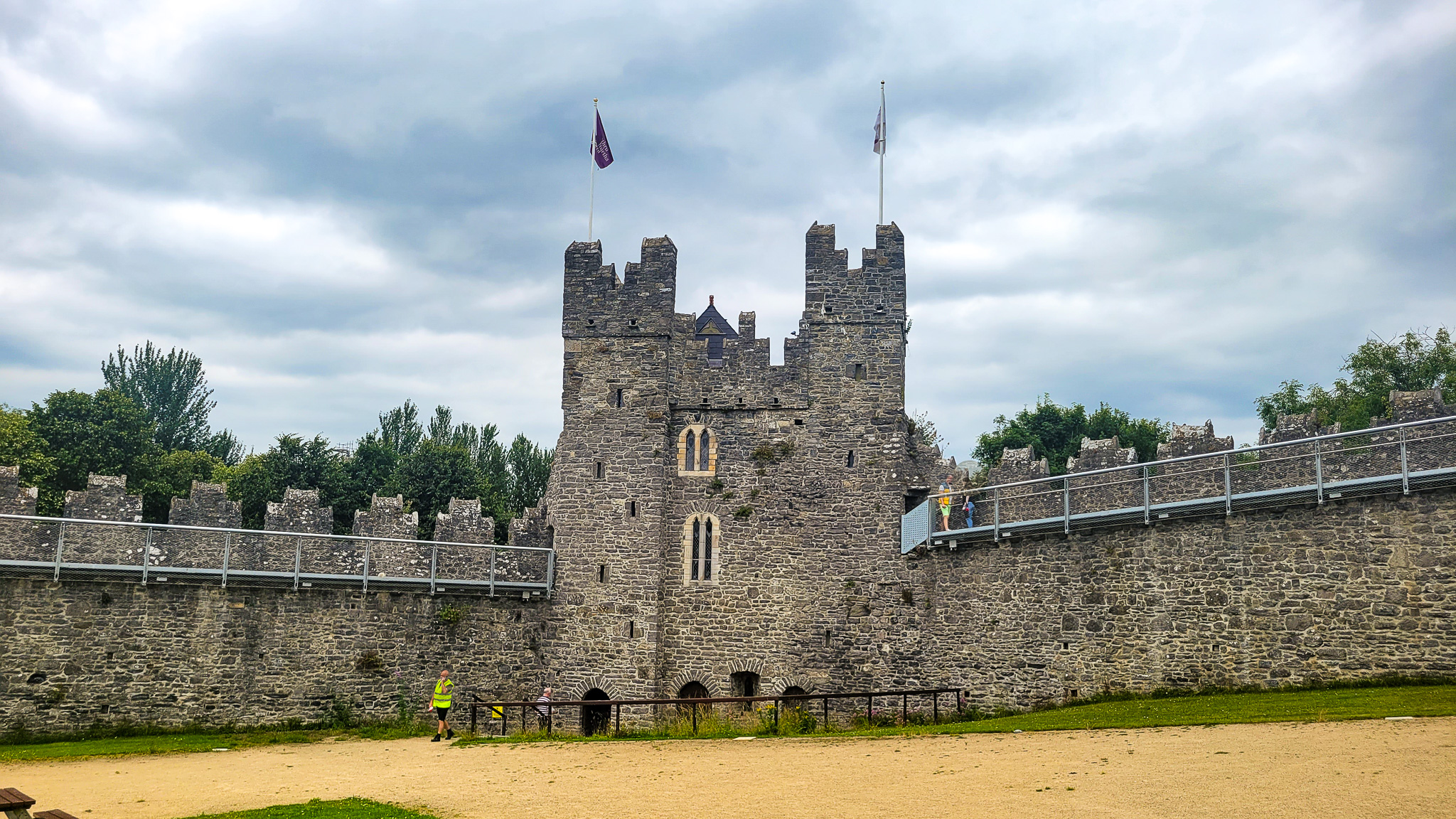
Swords, a historic town located north of Dublin, dates back to the Viking era. It has a rich history, as seen by its well-preserved medieval castle, which serves as a monument to its illustrious past.
Swords has grown and developed significantly in recent years, becoming a popular residential location for commuters looking to live close to the capital city. Despite its growth, the town has maintained its historic beauty, providing a captivating blend of old and new and cultivating a strong feeling of community.
Navan
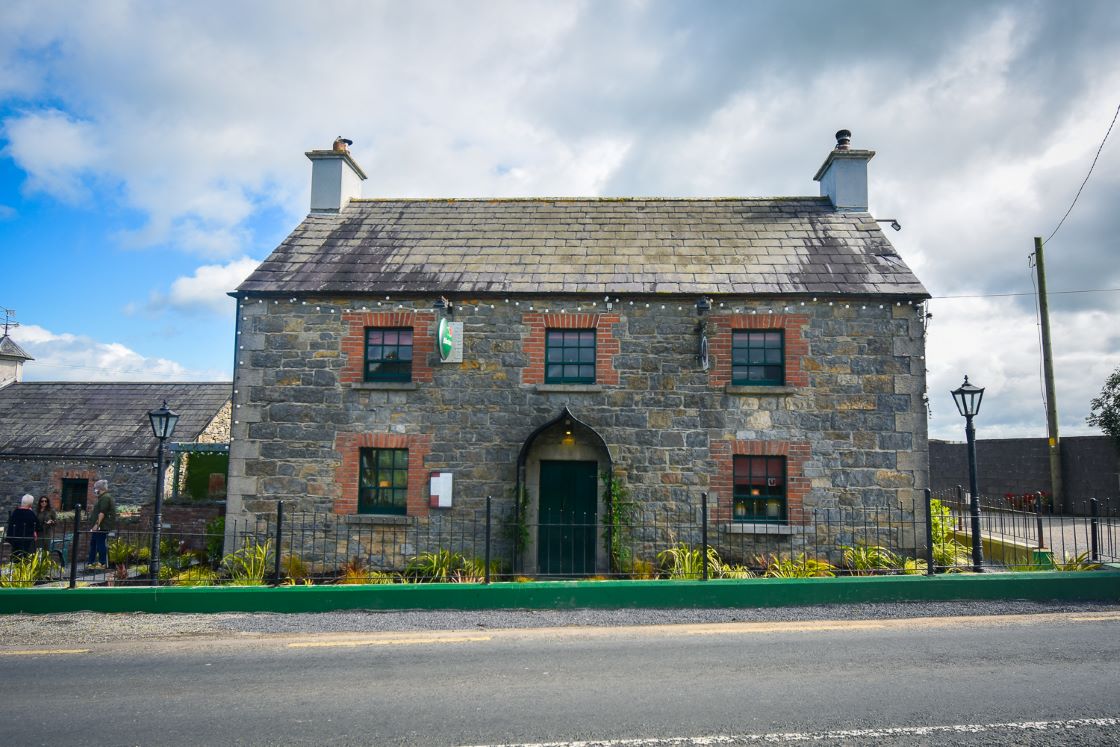
Navan, a town in County Meath, is known for its historical significance. The Hill of Tara, a famed archeological site near the town, provides an intriguing peek into Ireland's ancient history.
Navan has a rich agricultural background and is a flourishing market town that contributes significantly to the local economy. The town also acts as an entrance to the Boyne Valley, a historically significant region known for its abundance of archeological monuments.
Ennis
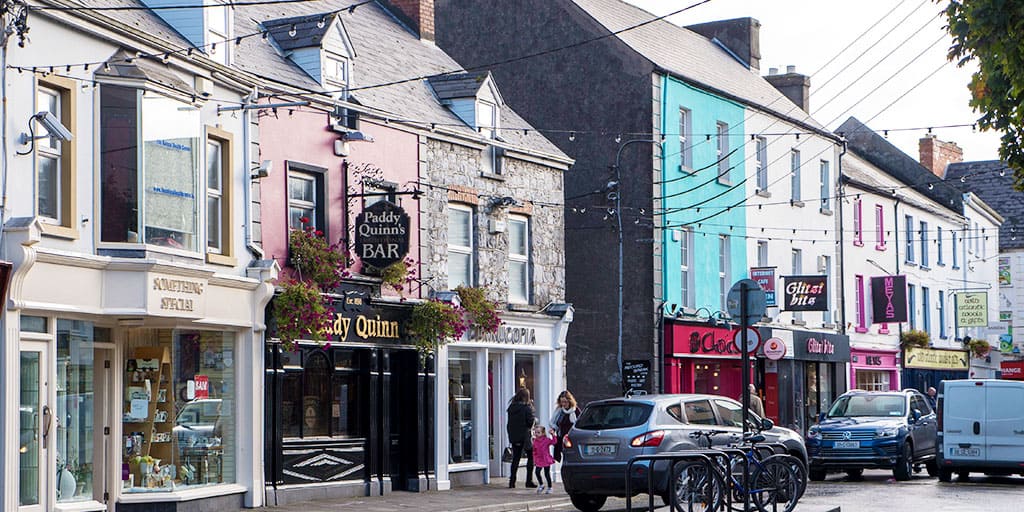
Ennis, a market town in County Clare, is well-known for its robust traditional music scene, making it a popular choice for those looking for a genuine Irish cultural experience. The town also acts as a gateway to Ireland's most iconic natural marvel, the awe-inspiring Cliffs of Moher, which provide stunning vistas of the Atlantic Ocean.
Tralee
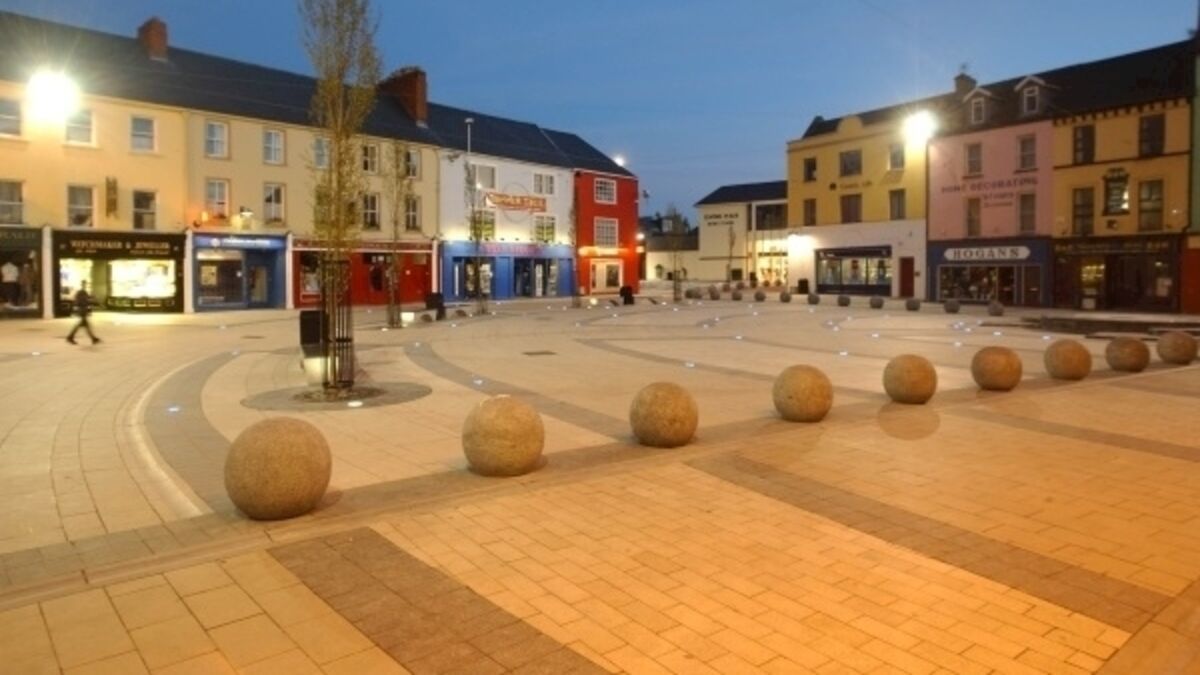
Tralee, a town in County Kerry, is best known for the prestigious Rose of Tralee International Festival, an annual celebration of Irish culture that draws tourists from all over the world. Tralee also acts as a gateway to the Dingle Peninsula, a region known for its stunning scenery, beautiful villages, and lively cultural history.
Kilkenny
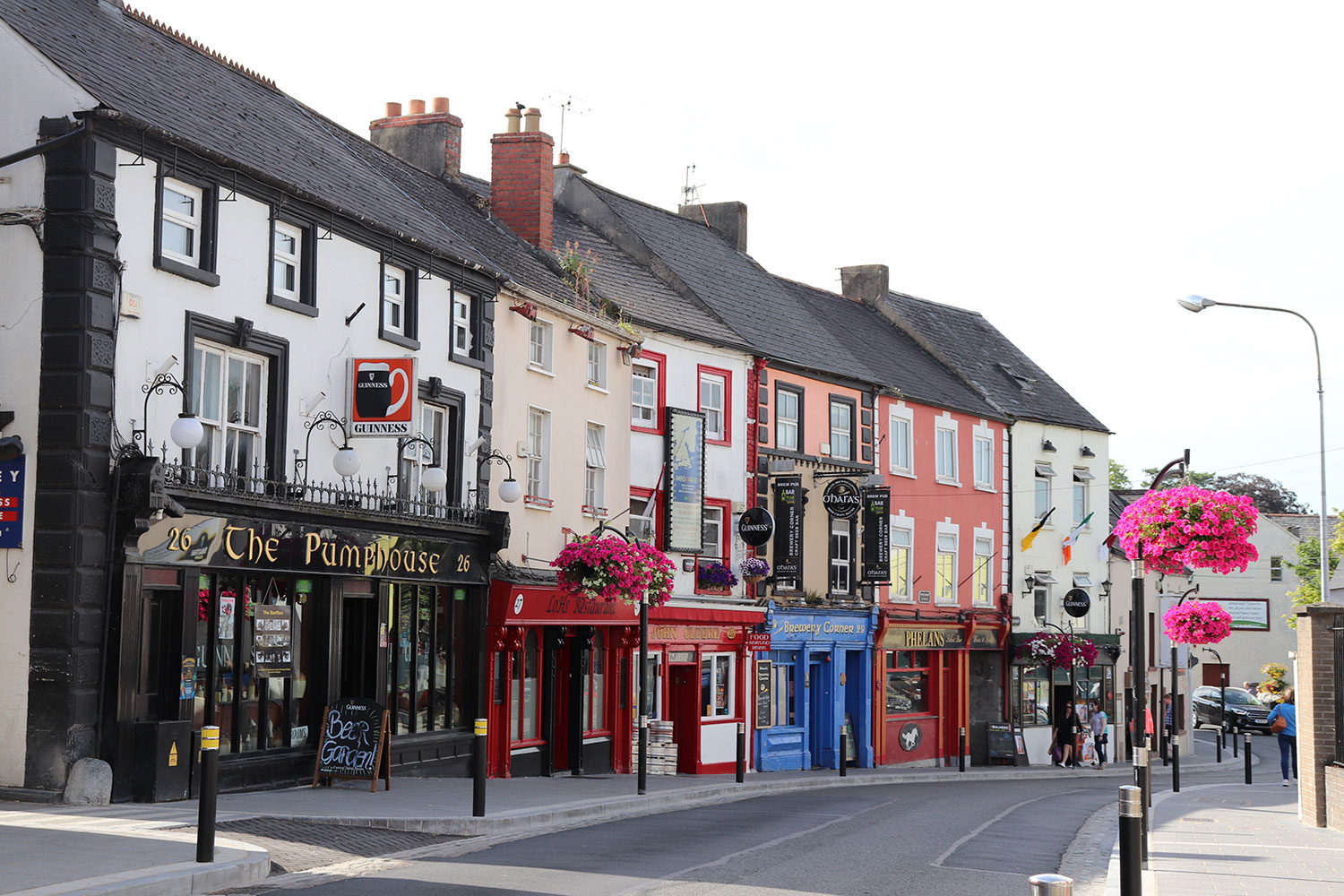
Kilkenny, a medieval city, has a well-preserved historic center with attractive cobblestone lanes and an exceptional collection of architectural marvels. Kilkenny Castle, a magnificent medieval fortification, is a well-known monument that provides visitors with insight into the city's rich and fascinating history.
The city is well-known for Kilkenny Design, a famous centre for Irish crafts and design that showcases Irish artists' extraordinary talent and innovation. Kilkenny is also noted for its brewing legacy, with Smithwick's, a notable Irish beer, hailing from the city and contributing to its lively cultural character.
Regions On The Map Of Ireland
The Central Lowlands
The Central Lowlands, a region of flat plains and low-lying terrain, make up the majority of the country's heartland. This region is marked by its abundance of lakes and peat bogs, which account for over 20% of the country's landmass.
Peat extraction and combustion have long been part of Irish traditions. However, rising concerns about climate change are pushing a rethinking of how these peatlands are handled.
The Western Coastal Area
The Western Coastal Region, located west of the Central Lowlands, is well-known for its rough and spectacular vistas. This region includes the western coastal counties and is distinguished by steep cliffs, rocky outcrops, and isolated peninsulas that extend into the Atlantic Ocean.
The Cliffs of Moher are a noteworthy geological feature in this area, running approximately 14 kilometers along the County Clare coastline. The west also contains many of Ireland's Gaeltacht locations, where the Irish language is still widely spoken. Carrauntoohil, Ireland's highest point at 1041 meters (3414 ft), is located in this region.
The Eastern And Southern Coastal Area
The Eastern and Southern Coastal Region, located east and south of the Central Lowlands, has milder landscapes than the harsh west coast. Rolling hills, rich valleys, and sandy beachesare common aspects of this area. The Wicklow Mountains, which form a breathtaking backdrop to Dublin, the Irish capital, are especially noticeable on the east coast.
The Northern Uplands
The Northern Uplands, located along the border with Northern Ireland, are a separate region distinguished by hilly and mountainous terrain, including the Mourne Mountains and Sperrin Mountains. While less populous than neighboring areas, the Northern Uplands have substantial natural and cultural importance.
Bodies Of Water
Ireland is home to several big lakes known as loughs. Lough Corrib and Lough Ree, both in the Central Lowlands, are among the largest of them. Numerous rivers run through Ireland.
The River Shannon, Ireland's longest river, begins on the slopes of Cuilcagh Mountain in the Northern Uplands and flows south through the Central Lowlands before emptying into the Atlantic Ocean. Other notable rivers are the Liffey, which runs through the heart of Dublin, and the Boyne.
Islands
The Aran Islands, off the west coast, are known for their peculiar limestone scenery. Other notable islands include Achill Island, the largest off the Irish coast, and the Skellig Islands, a UNESCO World Heritage Site.
Population Of Ireland
The Republic of Ireland has a population of around 5.1 million. This figure shows a huge increase over past decades, owing to economic growth and immigration. The population is primarily concentrated in cities, with Dublin, the capital city, housing a sizable proportion of the total population.
Ireland's population is relatively young, with a median age below the European Union norm. However, the country's population is aging, and the share of elderly persons is gradually increasing. This demographic shift brings both challenges and opportunities, affecting healthcare, social services, and the workforce.
See Also: Map Of Switzerland
National Parks In Ireland
The Burren, County Clare
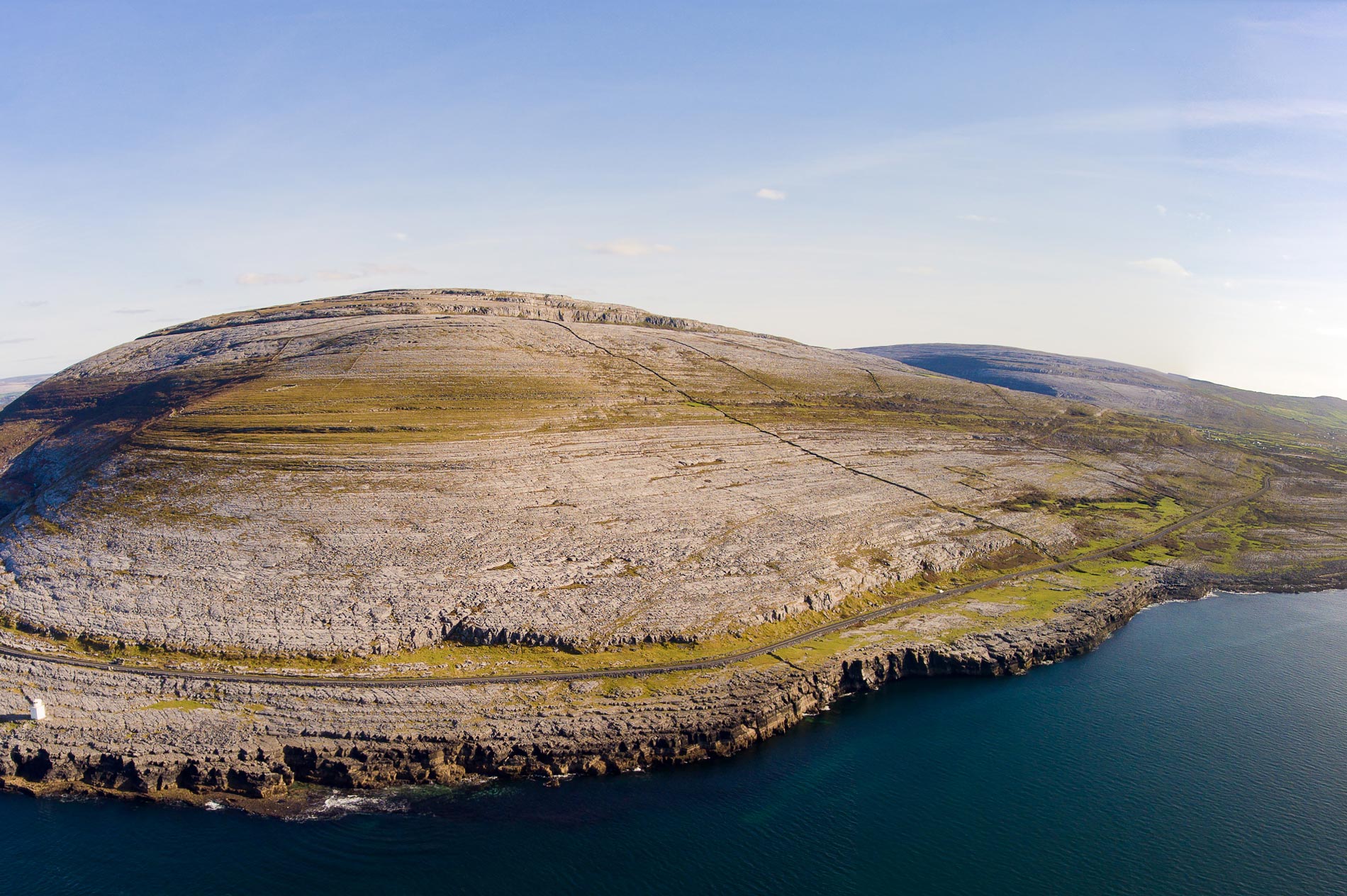
The Burren, a UNESCO Global Geopark, is a distinct environment on Ireland's Atlantic coast. This "park within a park" resembles a lunar environment and functions as a living geological and cultural museum. Mullaghmore, a sharply carved barren hill, is a visible feature in the park, drawing tourists seeking spiritual refreshment.
Its pewter and pearl colors fluctuate constantly, mirroring the various moods of the day. It appears almost bright in the sun, but at dusk, the light reflects off Loch Gealain, causing it to blaze with copper and coral tones.
While expert hikers prefer Mullaghmore, other trails in this historic region provide equally enjoyable experiences. Despite its austere look, the Burren is home to a broad range of plant life, including resilient gorse, hazel, and uncommon species like as eyebright and wild orchids, which are generally found in places as diverse as the Mediterranean and the Alps. These plants thrive in the many fissures of the massive limestone pavements.
The park's entrance is located near the 16th-century Kilnaboy chapel, which contains a distinctive Sheela-na-Gig, a provocative stone figure that overlooks the entry. Beyond the main trailhead, guests will locate the house from the popular Channel 4 series "Father Ted," which provides a more humorous point of interest.
Connemara, County Galway
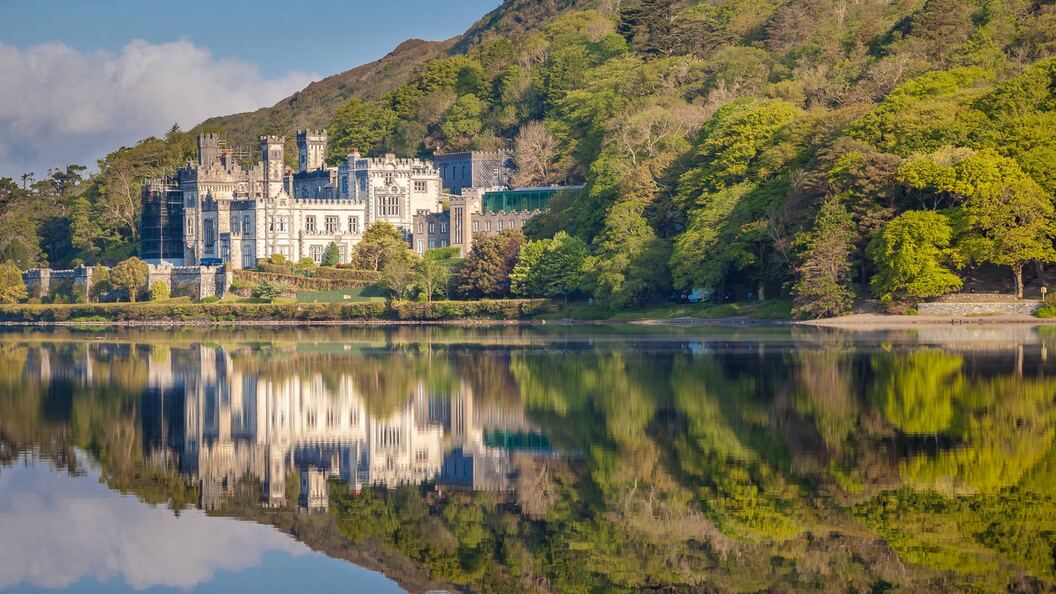
While this park provides a look of the larger Connemara region, its 2,000 hectares nevertheless have a plethora of breathtaking beauty. Diamond Hill, a cone-shaped summit of graphitic rock, is the park's crown jewel. Hikers can enjoy commanding views from its peak of the Twelve Bens mountain range to the southeast, the Atlantic island of Inishbofin to the west, and the valley's dazzling lakes and woodlands.
Two well-kept trails lead up Diamond Hill, with the lower trail connecting to the four-mile upper trail. Hikers climb steeply to the crest, where a stone cairn marks the 445-meter summit and rewards them with a 360-degree view of the northwest Galway skyline.
Letterfrack village, which houses the park's visitor center, faces the western edge of the park's northern portion. On the other side, the ethereal Kylemore Abbey, a lovely gothic castle with an exquisite Victorian garden, provides a fascinating contrast. Benedictine monks have lived in Mitchell and Margaret Henry's former family home since 1920, and they are now interred in a tiny mausoleum on the grounds.
Glenveagh, County Donegal
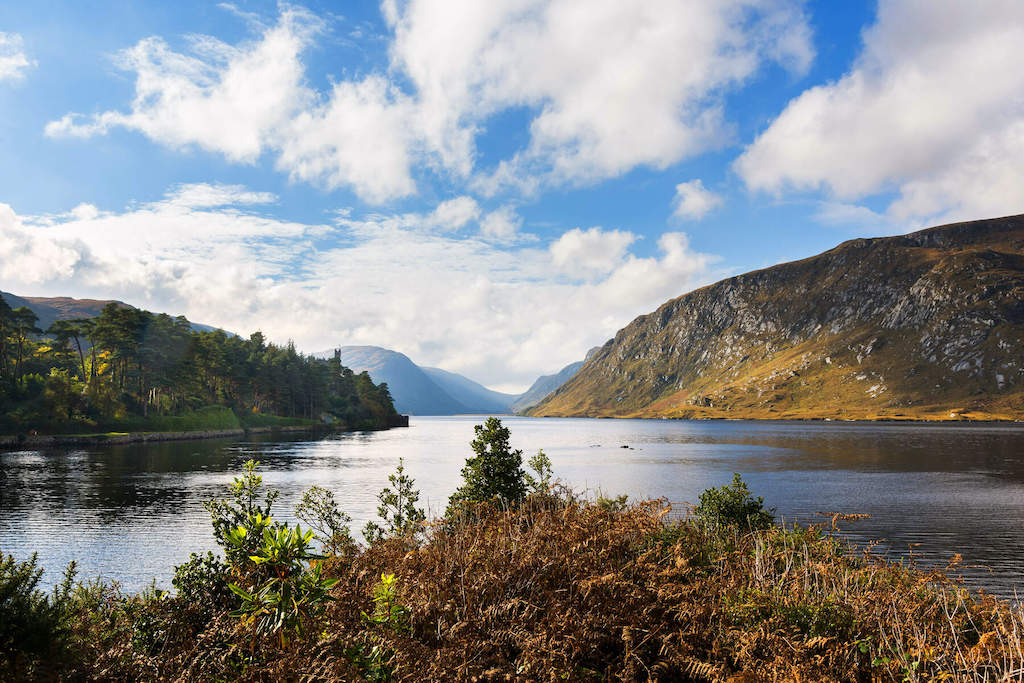
Glenveagh National Park, located in nearly deserted west Donegal, is home to enormous lakes, mountains, and deep glens that serve as a haven for a broad range of flora and fauna. Ireland's largest herd of red deer grazes freely here, and golden eagles soar magnificently above.
Most visitors first go to Glenveagh Castle, a baronial house with a substantial four-story granite keep with Scottish architectural elements such as antler and plaid ornamentation. The castle's colorful gardens stand out against the bleak moors and mountains beyond.
Japanese wheel trees, hidden rose gardens, Swiss and Belgian pathways, a Himalayan garden, and an orangery are just a few of the features that make up this beautiful heaven. However, even these grounds are eclipsed by the fascinating personalities of the castle's previous owners.
Killarney, County Kerry
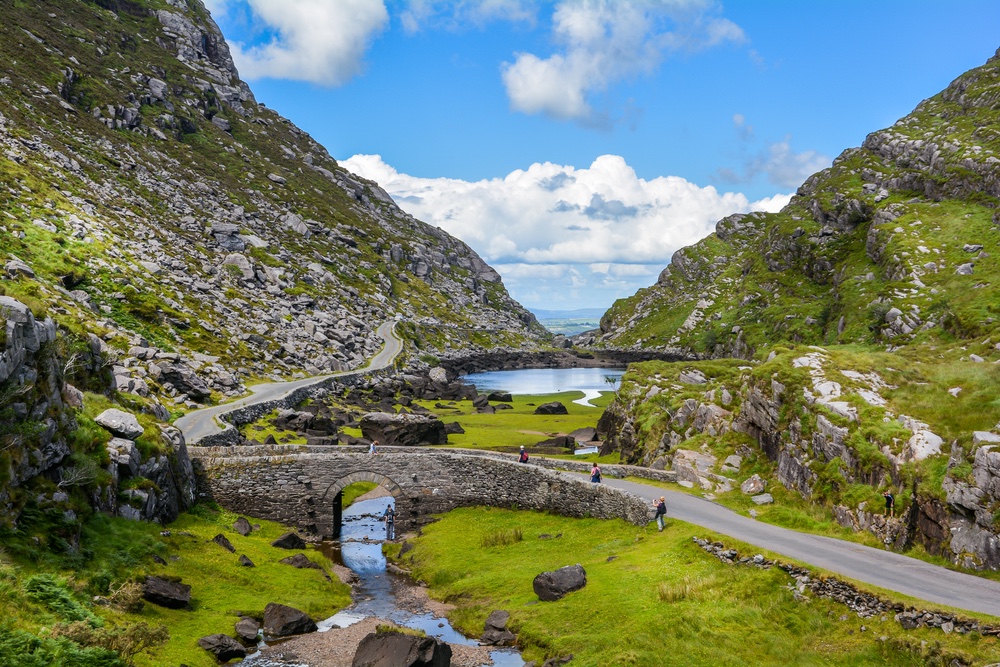
Killarney's enchanting combination of mountains, lakes, forests, and waterfalls has enthralled travelers for over a century. While the Ring of Kerry, a picturesque drive around the Iveragh Peninsula, is sometimes crowded in the summer, going during the shoulder seasons (late spring or early fall) allows tourists to enjoy the park's magnificence without the crowds. During these periods, the park is ablaze with heathers, gorse, Kerry violets, and bilberries, while the leaves of oak, alder, and ash trees turn bright autumnal colors.
While Carrauntoohil, Ireland's highest peak, is located within the park, the lakes in the valley beneath the mountains are undoubtedly the most captivating feature. The Meeting of the Waters is where Leane, Muckross, and the Upper Lake merge, each with its own set of small islands. Ladies View, a vantage point overlooking this stunning sight, was popular among Queen Victoria's ladies-in-waiting.
Historical influences can be seen throughout the park. The 18th century saw a surge in copper mining, followed by widespread oak tree removal. Today, the environment is dominated by robust yew trees in the stony limestone soil and alder trees in the lush lake meadows. Towering sessile oaks dominate the lowland forests, forming Ireland's greatest woodland, while the higher bog areas support the country's last wild deer herd.
Wicklow Mountains
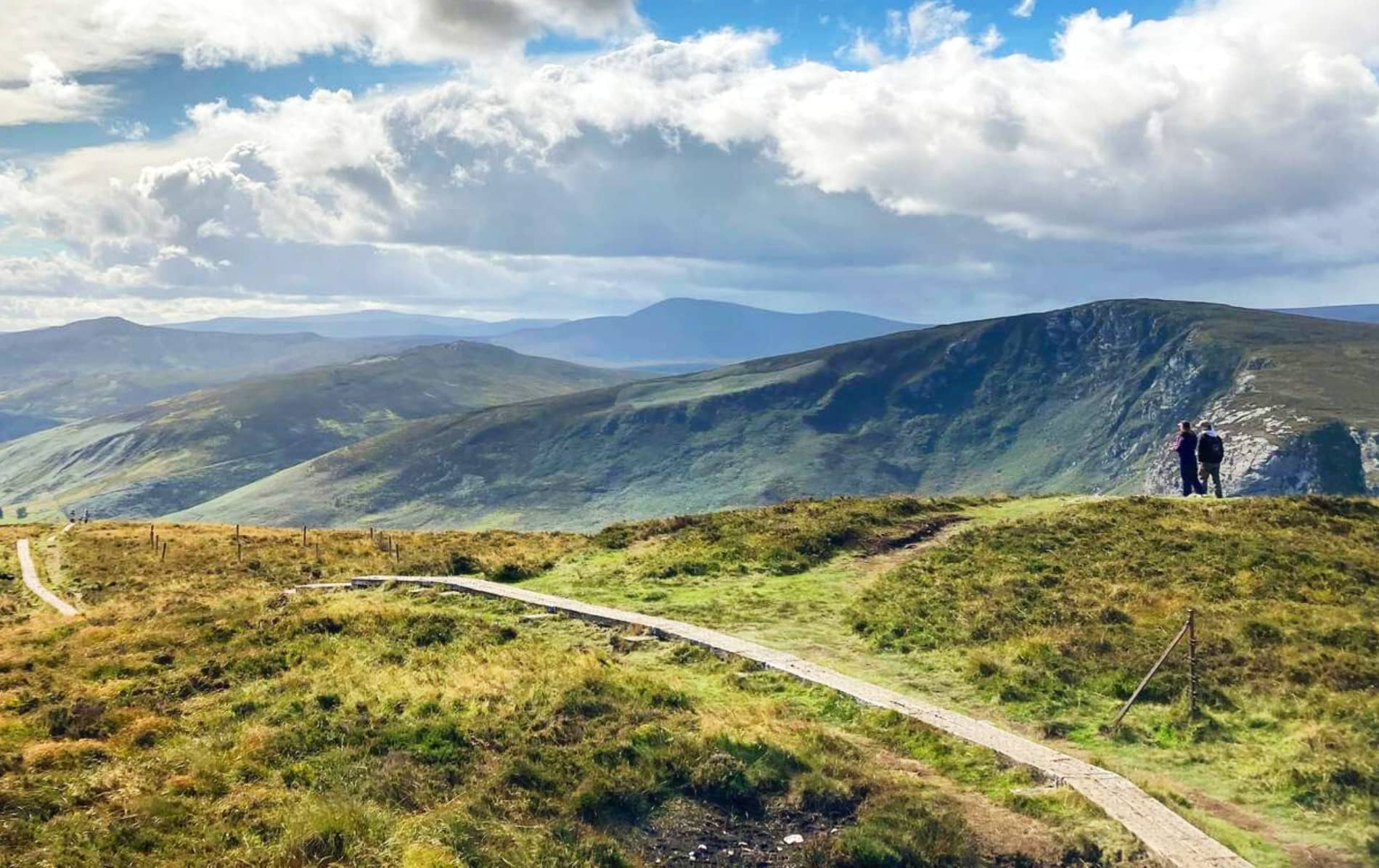
The Wicklow Mountains National Park is Ireland's largest, spanning 20,000 hectares and located in the "Garden of Ireland" just south of Dublin. Glendalough, a glacially created valley set among densely forested mountains, is a prominent feature of the park's southern region. Even when hundreds of people explore the tight corridors of this early medieval monastic hamlet, the natural acoustics appear to dampen the noise.
Glendalough, often known as the "glen of two lakes," consists of an upper and a smaller lower lake. Saint Kevin's Church and numerous other churches, some of which date back over a thousand years, are located near the lower lake. The monastery is entered via a stone arch, the last of its sort in the country.
The round tower, a prominent feature of this historic religious community, is more than 30 meters tall. Although it is not Ireland's tallest structure, it is nonetheless an outstanding engineering effort. During times of intrusion, a modest entryway located two meters above ground level served as a convenient escape route via ladder.
The ruins of St. Peter and Paul's Cathedral and other churches are located on the monastery grounds, near the upper lake and a forest that blooms with bluebells in late spring. Poulanass waterfall, a modest but picturesque cascade, serves as the starting point for a strenuous climb up Derrybawn mountain, which provides wonderful panoramic views of the entire valley.
Wild Nephin, County Mayo
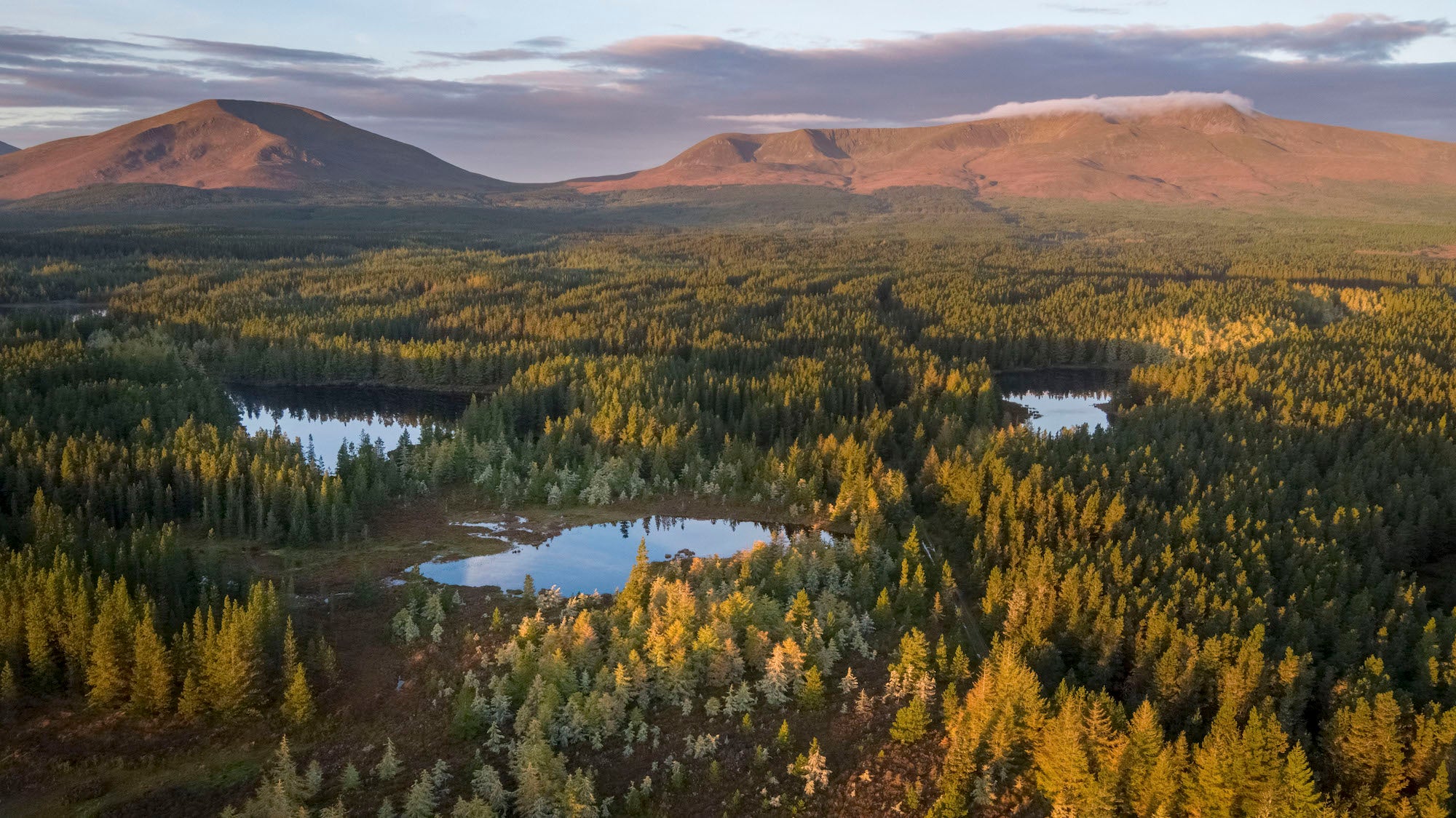
Wild Nephin Ballycroy, in County Mayo, has been declared as an International Dark Sky Park, joining iconic destinationslike as the Grand Canyon and Joshua Tree National Park in the United States. These handpicked sites around the world provide outstanding opportunity to enjoy the splendor of the night sky without disturbance from artificial light pollution.
Visitors who want to explore the spectacular night skies can overnight at the park's bothy, a small sandstone cottage located in one of Wild Nephin's darkest corners. The bothy also serves as the trailhead for three looping hikes through Letterkeen Woods, each with a different difficulty level and marked with blue, red, and purple pathways. These trails take walkers through woodlands, past sandy lakes, and over the neighboring mountains.
For a more relaxing experience, guests can take a leisurely coastal walk over the timber decking in a valley beneath Claggan Mountain. More daring hikers may choose the tough 24-mile Bangor Trail.
This historic farm trail, dating back to the 16th century, crosses inaccessible territory, providing glimpses of the ever-changing North Mayo skies and the occasional otter sighting. The track deviates greatly from modern roadways, traveling through the Ballycroy Park before ending in the lovely town of Newport, noted for its prominent viaduct on the shores of Clew Bay.
The Road Networks In Ireland
Ireland's road network is a critical component of its infrastructure, connecting cities, towns, and rural areas throughout the country. Primary roads are designated as National Primary Roads (N1-N33) and National Secondary Roads (N51 onwards). These roadways are critical for transporting products and people, promoting economic activity, and linking communities.
The road network now includes an increasing number of motorways, which greatly increase traveltime and safety. The M50 highway, a ring route surrounding Dublin, is an important artery in the country's transportation system.
Other notable motorways are the M1, which connects Dublin to Belfast, and the M7, which connects Dublin to Limerick. The ongoing road development initiatives aim to improve the efficiency and safety of the Irish road network.
Top Attractions On The Map Of Ireland
Cliffs Of Moher
The Cliffs of Moher are an iconic Irish monument, known for their spectacular beauty. Even people who are unfamiliar with Ireland have most likely seen stunning photographs of the magnificent seashore cliffs. The sheer scale of the cliffs, 700 feet above the rushing sea, is breathtaking.
Standing at the edge, visitors frequently feel as if they are at the "top of the world," despite the fact that the actual altitude is not quite so high. The Cliffs of Moher are certainly among the most breathtaking natural wonders on the globe.
Blarney Castle
Blarney Castle, a historic stronghold near Cork, Ireland, entices visitors with a special allure: the opportunity to kiss the fabled Blarney Stone. According to folklore, kissing the stone bestows the "gift of gab," which increases one's capacity to speak eloquently.
To participate in this unique ceremony, guests must lean backward over a large drop while holding onto a guardrail. This unique maneuver could be compared to an upside-down Spider-Man kiss, but without the presence of Kirsten Dunst.
Beyond the famed stone, Blarney Castle has a variety of attractions, including the spectacular 15th-century castle and wonderfully landscaped grounds ideal for leisurely strolls. The castle's gardens, a tribute to the region's temperate environment, are a dazzling tapestry of color, with a vast assortment of plant life that would be hard to produce in another climate zone.
Ring Of Kerry
The Ring of Kerry, which stretches 111 kilometers around Ireland's Iveragh Peninsula, promises to be one of the most gorgeous journeys you've ever experienced. A day spent touring the Ring of Kerry offers plenty of opportunity to discover numerous hiking trails, gushing waterfalls, beautiful views, and intriguing medieval sites.
The most spectacular and iconic spot on the Ring of Kerry is just past the quaint village of Waterville. The route ascends sharply to Coomakista Pass, providing breathtaking views of Scariff Island. Weather permitting, you may even be able to view the renowned Skellig Islands.
Galway
The bustling city of Galway, located on Ireland's western coast, is a mesmerizing blend of natural beauty and cultural charm. This lovely village is a real gem, providing an authentic Irish experience. The streets are buzzing with bustle, the old buildings radiate charm, and the vibrant bars are always full with the sounds of live music and pleasant chatter.
As is customary in Ireland, breathtaking natural beauty is constantly within reach. A leisurely stroll down the River Corrib or a meditative stare across Galway Bay serves as a reminder of the country's breathtaking landscapes.
Aran Islands
The rough, lonely, yet unquestionably beautiful Aran Islands (Inishmore, Inishmaan, and Inisheer) are located just off the coast of Galway. Inishmore, the largest and most popular of the three, is a must-see destination. Visitors can tour Dún Aengus, a 3,200-year-old fort built on a cliff overlooking the Atlantic Ocean.
Spending time on these islands provides a window into a bygone period. The native language is Irish, fisherman still use traditional wooden boats, and the ambiance exudes authenticity.
St. Stephen’s Green
Following a gratifying visit to the Guinness Storehouse, guests can take a leisurely stroll through St. Stephen's Green, one of Dublin's most popular public parks. Conveniently located near to Grafton Street, it's the ideal respite from the city's hustle and bustle, providing a welcome opportunity to unwind and recharge.
This enormous park boasts almost two miles of attractive walking trails, a diverse range of trees and flowers, a quiet waterfall, a serene lake, and various sculptures to enjoy. St. Stephen's Green exemplifies Dublin's commitment to providing magnificent green places for its people and visitors, even in the center of a vibrant metropolis.
Currency Of Ireland
Ireland's official currency is the euro. Prior to the introduction of the euro, the official currency was the Irish pound (punt). The Irish pound was inextricably linked to the British pound sterling due to historical and economic ties between the two nations.
The decision to accept the euro was a crucial step toward Ireland's membership into the European Union. Its goal was to deepen economic linkages inside the Eurozone, foster stability, and lower transaction costs for businesses and consumers. The euro was formally launched in Ireland on January 1, 2002, replacing the Irish pound at a set exchange rate.
Flag Of Ireland
The Irish flag, which is a tricolor of green, white, and orange, is a strong symbol of Irish nationalism and solidarity. While its exact origins are questioned, the flag's design is thought to be influenced by the French Tricolore, signifying Irish nationalists' support for the French Revolution. The earliest documented use of a green, white, and orange tricolour occurred in 1848, when it was handed to Irish republican leader Thomas Francis Meagher.
The colors of the flag have great symbolic meaning. Green represents Ireland's Catholic majority, while orange represents the Protestant minority, particularly those linked with William of Orange, who defeated King James II in the 1690 Battle of the Boyne. The white stripe represents peace and harmony between the various factions. The flag rose to prominence during the Easter Rising of 1916, when it was flown above the General Post Office in Dublin.
It was officially adopted by the Irish Republic during the War of Independence (1919–1921) and later incorporated in Ireland's Constitution of 1937. Today, the Irish flag remains a powerful national emblem, representing the different communities that comprise the Irish people.
FAQs
Where Is Ireland On A Map?
As shown on the map, Ireland is located next to England, Scotland, and Wales, directly above Spain and Portugal, beneath Iceland, and to the east of Canada across the Atlantic Ocean.
Which Country Is Best Between UK And Ireland?
Although the UK has a larger economy and a diverse job market, Ireland has a thriving tech scene and lower tuition rates. Personal tastes, job aspirations, and financial considerations all play a role in deciding between the two countries.
Why Is Ireland Divided In Two?
Faced with civil conflict in Ireland, Britain divided the island in 1920, establishing separate parliaments in the mostly Protestant northeast and the predominantly Catholic south and northwest.
Conclusion
The map of Ireland, with its intricate network of rivers, craggy coastline, and patchwork of verdant landscapes, demonstrates the enduring force of nature. It is a land that has seen innumerable dramas unfold, from the entrance of early settlers to the fight for independence and the unique cultural tapestry that has formed. When you trace your finger over its curves, you are staring at a window into a soul, a land that continues to inspire and captivate those who come into contact with its magic.
You Might Also Like: Map Of Croatia
Jump to
Quick Facts About Ireland
The Geography Of Ireland’s Map
Ethnic Groups, Language, And Religion
Map Of Ireland’s Major Cities
Regions On The Map Of Ireland
Population Of Ireland
National Parks In Ireland
The Road Networks In Ireland
Top Attractions On The Map Of Ireland
Currency Of Ireland
Flag Of Ireland
FAQs
Conclusion

Michael Rachal
Author
Michael Rachal believes that luxury lies in the details. With over 20 years of experience in the luxury travel industry, he has crafted hundreds of bespoke itineraries for clients seeking personalized, unforgettable experiences.
Whether guiding clients through private cultural tours or curating culinary journeys with world-renowned chefs, Michael ensures that each trip is tailored to perfection.
His ability to anticipate needs and exceed expectations has earned him a reputation as a leading expert in luxury travel.

Finn Wilde
Reviewer
For Finn Wilde, the wilderness is more than just a destination - it’s a way of life. Over the past decade, he has led multiple expeditions in some of the world’s most remote regions, from the icy fjords of Greenland to the rugged trails of Patagonia.
Finn emphasizes sustainability in all of his adventures, helping participants connect with nature while promoting responsible exploration. His expeditions inspire individuals to explore the great outdoors while fostering a deep respect for the environment.
Latest Articles
Popular Articles