Ireland Travel Essentials - 10 Must-See Day Trips And Attractions
From the Wild Atlantic Way to Dublin’s bustling streets, Ireland travel promises unforgettable experiences for every traveler.
Author:Finn WildeReviewer:Liam JonesFeb 17, 202523.6K Shares319.6K Views
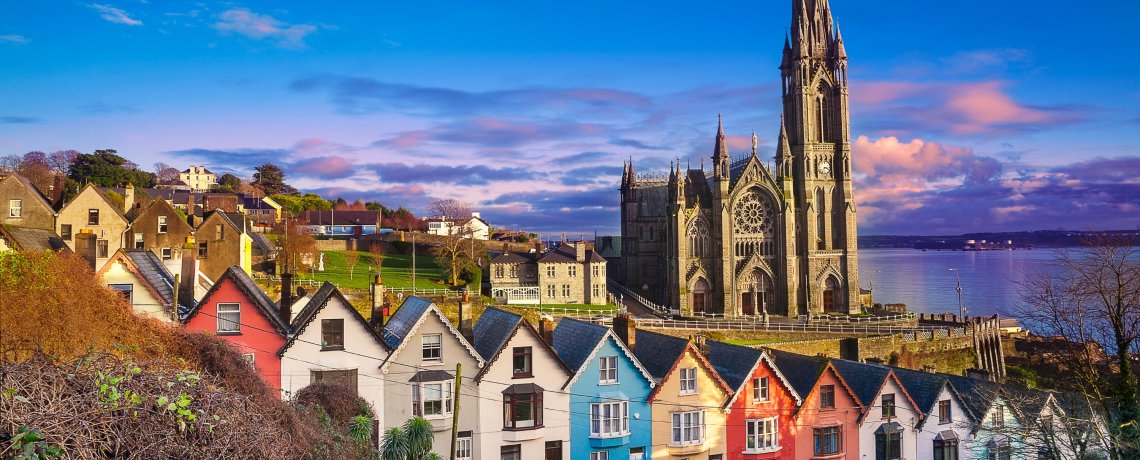
Ireland, sometimes referred to as the Emerald Isle, captivates tourists with its lush green scenery, fascinating history, and lively culture. This island provides a unique experience for all types of tourists, from vibrant metropolis to peaceful rural getaways.
Ireland offers lifelong experiences, whatever you choose to visit; ancient sites, take in traditional Irish music, or just take in the stunning coastal vistas.
Let's go over all you need to know in order to organize a fantastic trip to this enchanted location. To help you get the most out of your trip to Ireland, this guide covers everything from visa procedures to family-friendly activities and hidden jewels.
Why Ireland?
One of the most captivating tourist destinationsin the world is Ireland. Its stunning natural beauty, which includes jagged cliffs, serene lakes, and lush hills, draws millions of travelers there each year. It’s also considered one of the best places to travel in February, offering a unique charm during the quieter season. But as significant as Ireland's natural beauty are its people.
The Irish are known for their warmth, friendliness, and sense of humor, and they make every visitor feel welcome. Ireland offers history aficionados a comprehensive look into the past with its vibrant cities, Neolithic graves, and historic castles.
Hiking, cycling, and surfing are popular outdoor activities among adventure seekers. Ireland's rich music, festivals, and storytelling traditions evoke the soul of the country for individuals who enjoy culture.
Culture And History Of Ireland
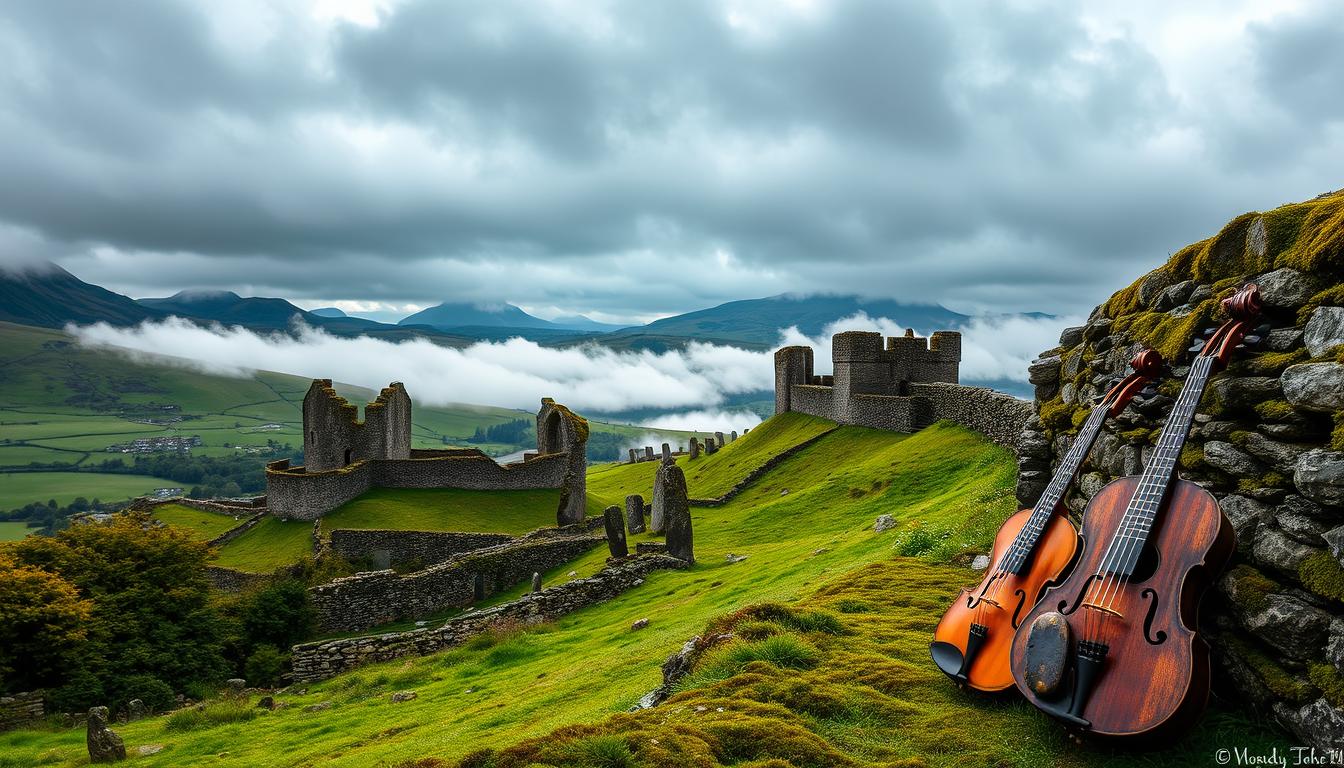
Ireland’s culture and history are woven into every aspect of life, from its language and traditions to its architecture and art.
1. Ancient And Medieval History
Ireland’s historical sites span thousands of years, from the prehistoric Newgrange passage tomb to medieval castles like Bunratty and Kilkenny. These landmarks showcase Ireland’s rich past, shaped by the Celts, Vikings, and Normans.
2. Literary And Artistic Heritage
The island is a haven for literature lovers, being home to luminaries such as James Joyce, W.B. Yeats, and Oscar Wilde. As one of the english speaking countries, Ireland offers an immersive experience for visitors who appreciate its rich literary heritage and cultural vibrancy. Ireland’s art is also celebrated, with traditional crafts like weaving and modern galleries showcasing its creativity.
3. Living Traditions
Celtic traditions remain vibrant, celebrated through music, dance, and festivals. The Irish language (Gaeilge) is still spoken in Gaeltacht regions, adding a unique layer to Ireland’s cultural identity.
Must-See Destinations In Ireland
1. Dublin
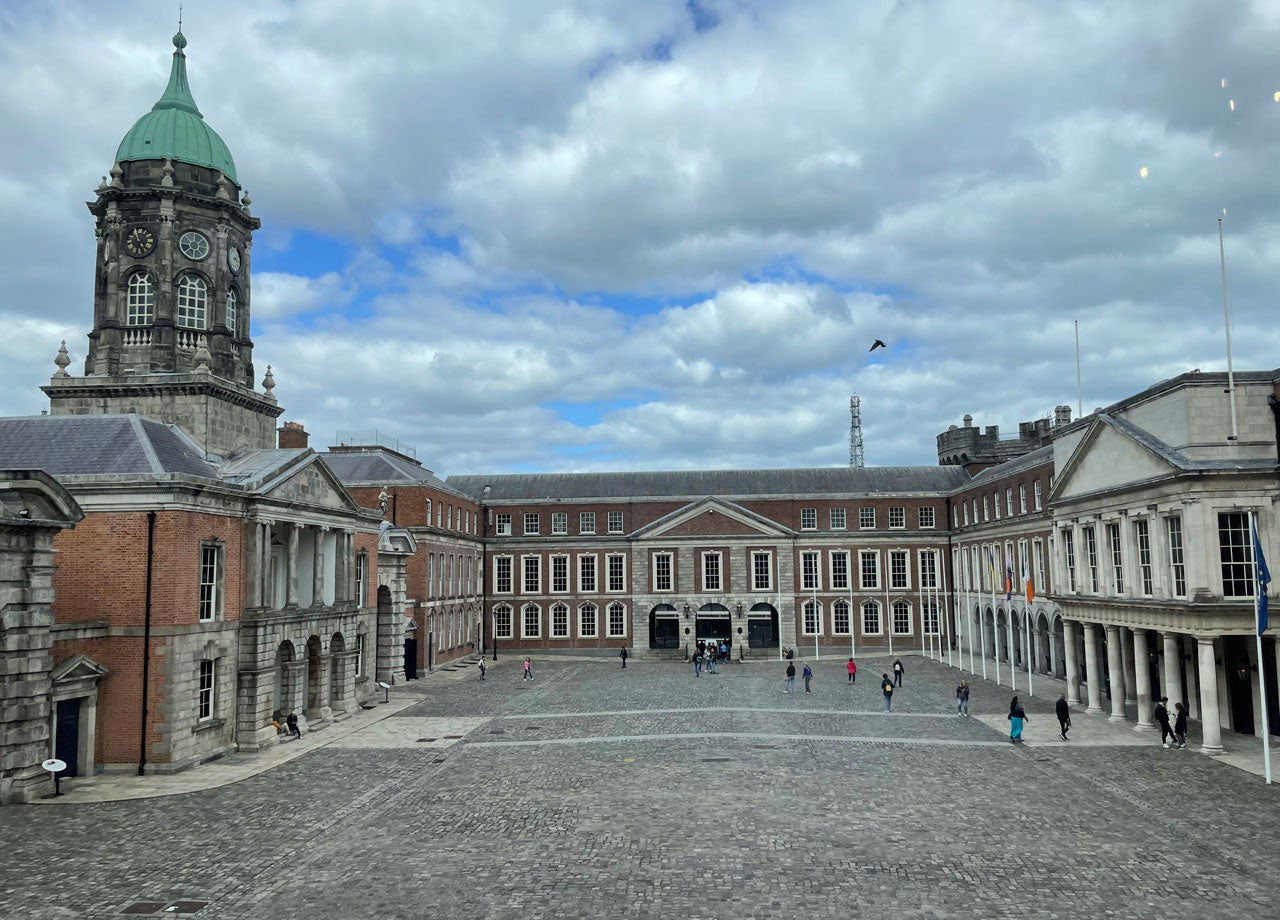
Dublin, the capital of Ireland, offers a dynamic blend of culture, history, and contemporary charm. Start your trip at Trinity College by taking in the breathtaking Long Room library and the well-known Book of Kells. Enjoy Dublin Castle, which dates back to the 13th century and is located in the center of the city. The vibrant Temple Bar neighborhood is a must-see because of its unique atmosphere, live music, and busy bars.
2. Galway
The "City of Tribes," Galway, is well-known for its vibrant atmosphere and artistic flair. Street entertainers, classic pubs, and charming stores adorn its vibrant streets. In addition, Galway serves as a gateway to the Aran Islands, where tourists can visit historic locations like Dun Aonghasa and immerse themselves in traditional Irish culture.
3. Cliffs Of Moher
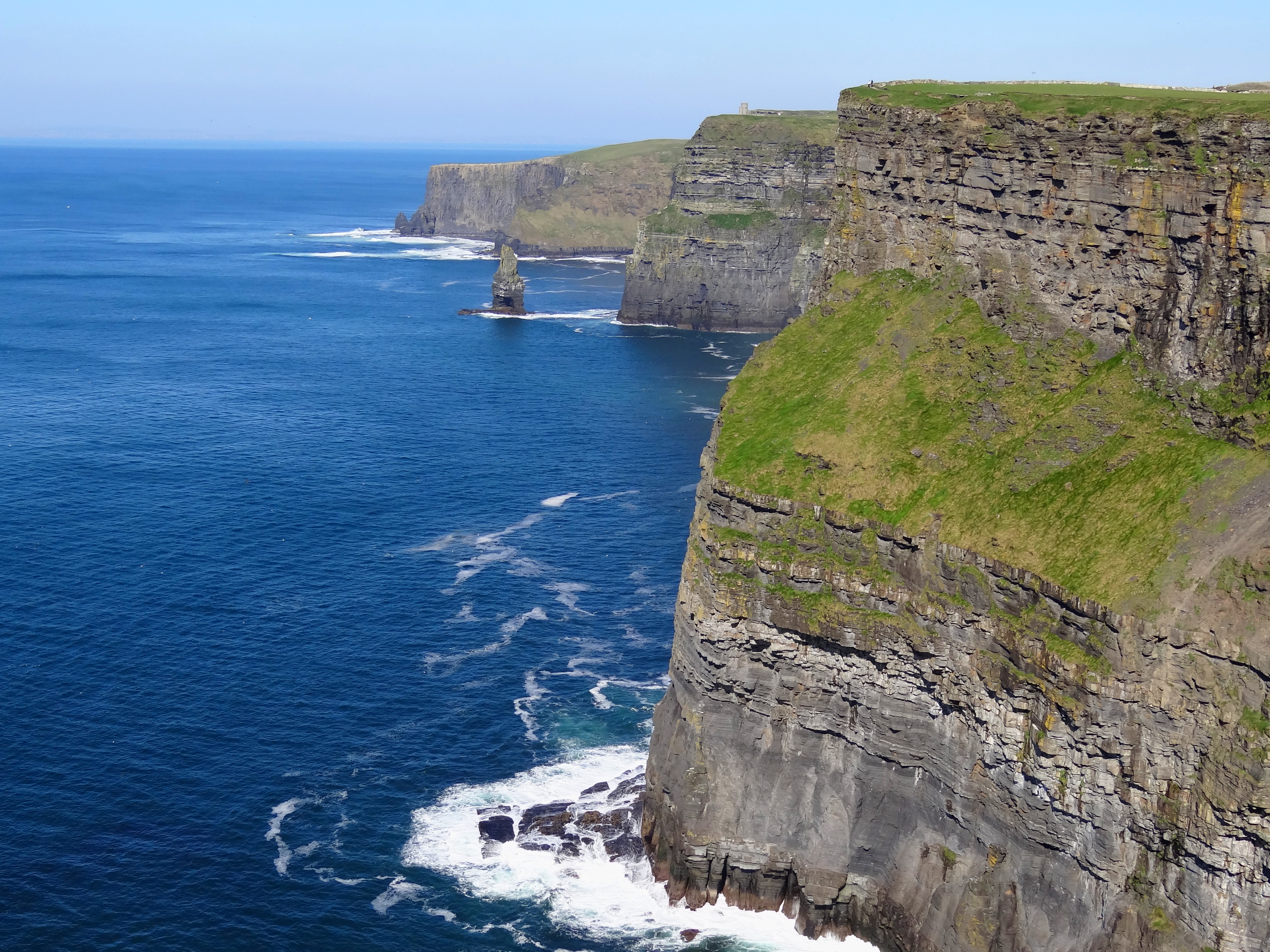
The Cliffs of Moher are one of Ireland’s most visited natural attractions, and for good reason. Rising 214 meters above the Atlantic Ocean, these dramatic cliffs offer breathtaking views and a sense of the wild Irish coast. Located in County Clare, the cliffs are part of the UNESCO Global Geopark and feature a visitor center with interactive exhibits about the geology, wildlife, and history of the area.
4. Ring Of Kerry
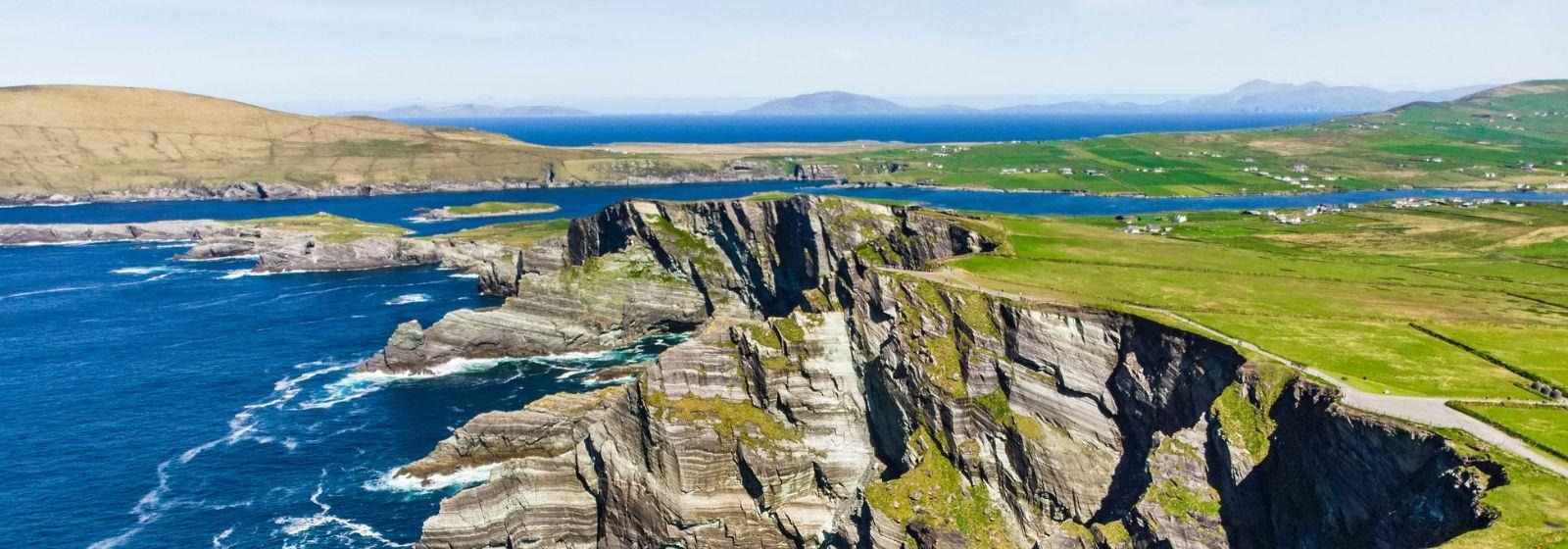
The 179-kilometer Ring of Kerry offers a view of County Kerry's stunning natural beauty. On this stunning journey, you will pass through small villages, lush landscapes, and breathtaking views of the shore. Highlights include Killarney National Park, the Gap of Dunloe, and Torc Waterfall. You might pass by historic sites like Staigue Fort and charming villages like Kenmare and Sneem along the way.
5. Belfast And The Titanic Quarter
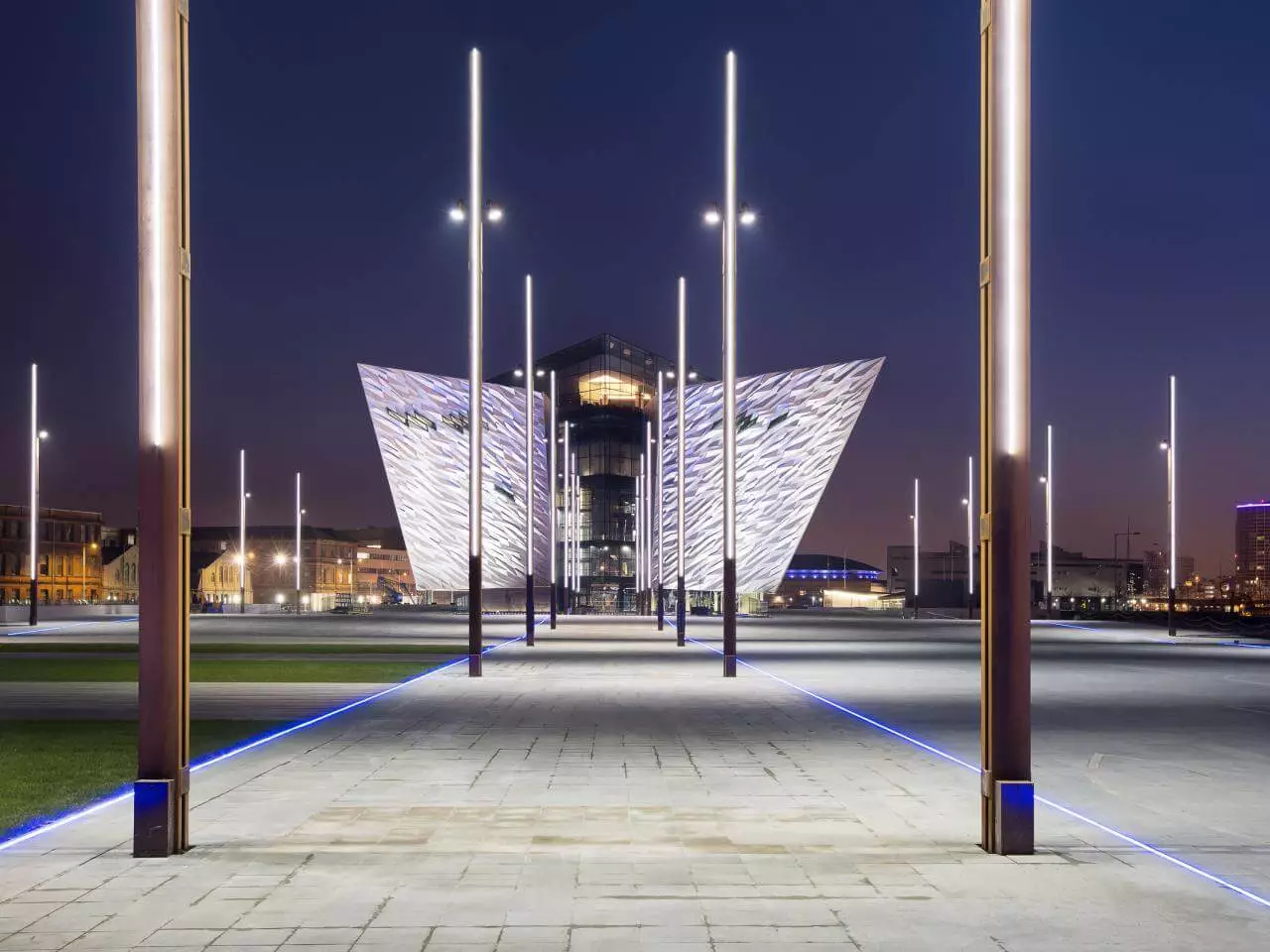
Northern Ireland's capital, Belfast, is a city rich in creativity and history. The award-winning Titanic Belfast museum, which uses interactive exhibits to recount the narrative of the doomed ship, is one of the highlights of the Titanic Quarter. The SS Nomadic, the final White Star Line ship, is nearby for tour.
Festival And Events In Ireland
1. St. Patrick’s Festival (March)
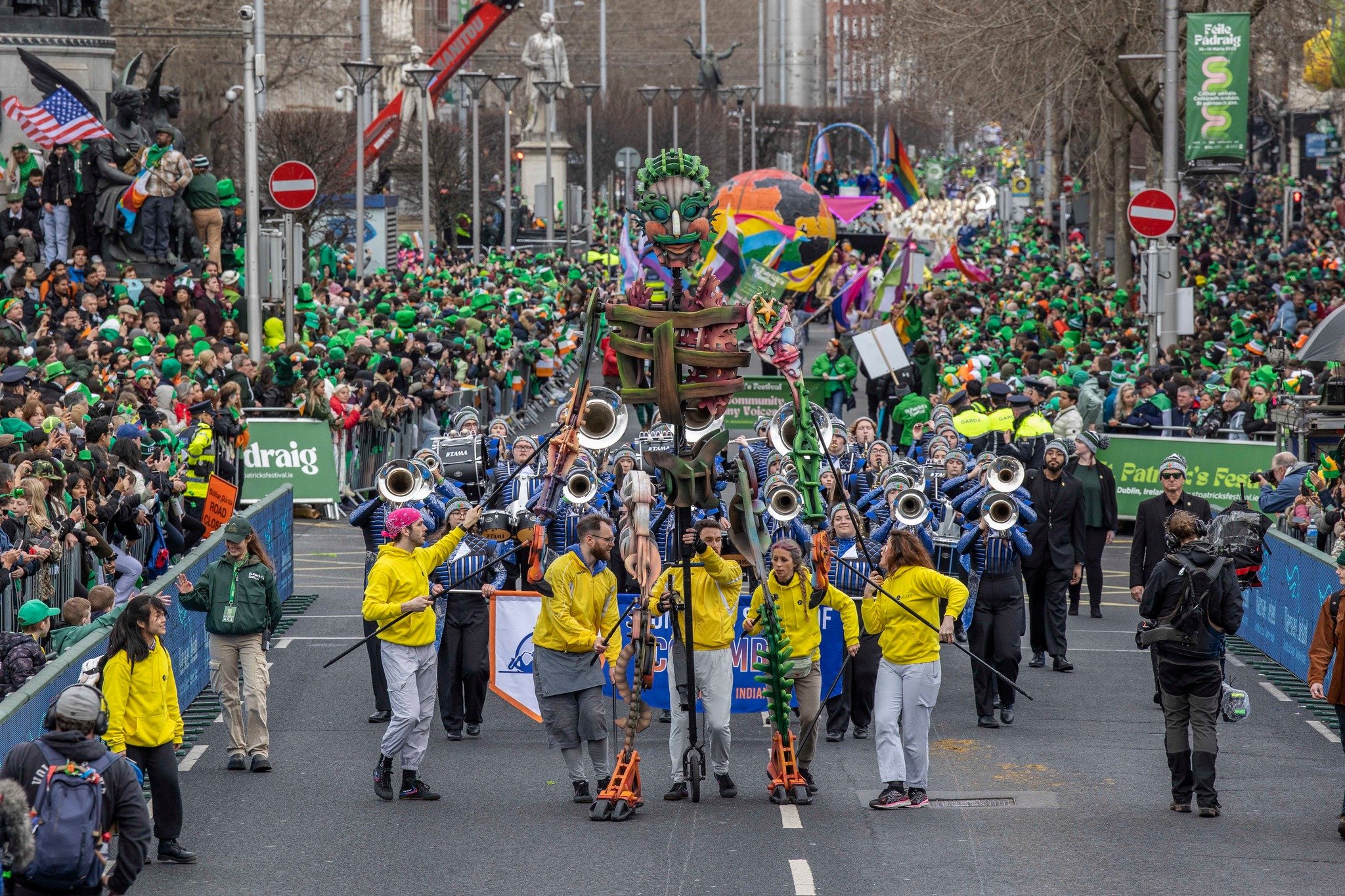
St. Patrick’s Day is celebrated worldwide, but there’s nothing like experiencing it in Ireland. This multi-day festival honors Ireland’s patron saint with parades, music, dancing, and cultural events across the country. Dublin hosts the largest celebration, featuring a vibrant parade through the city center and live performances.
2. Galway International Arts Festival (July)
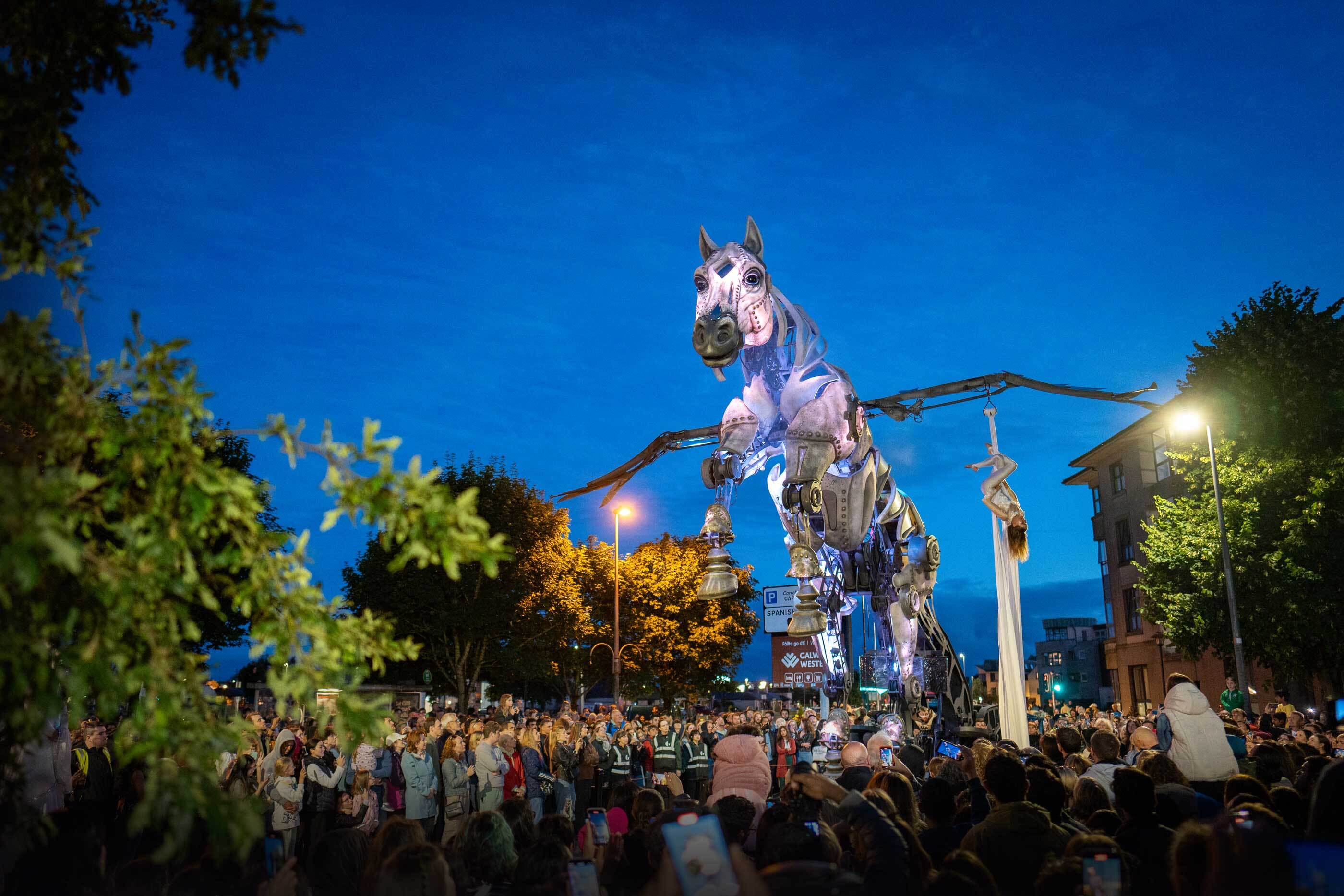
This two-week festival transforms Galway into a hub of creativity and innovation. The event showcases an eclectic mix of theater, music, dance, and visual arts, attracting performers and visitors from around the globe. Highlights include outdoor installations, pop-up performances, and a lineup of international artists. The festival has gained a reputation for pushing boundaries and offering a platform for emerging talent alongside established names.
3. Dublin Theatre Festival (September-October)
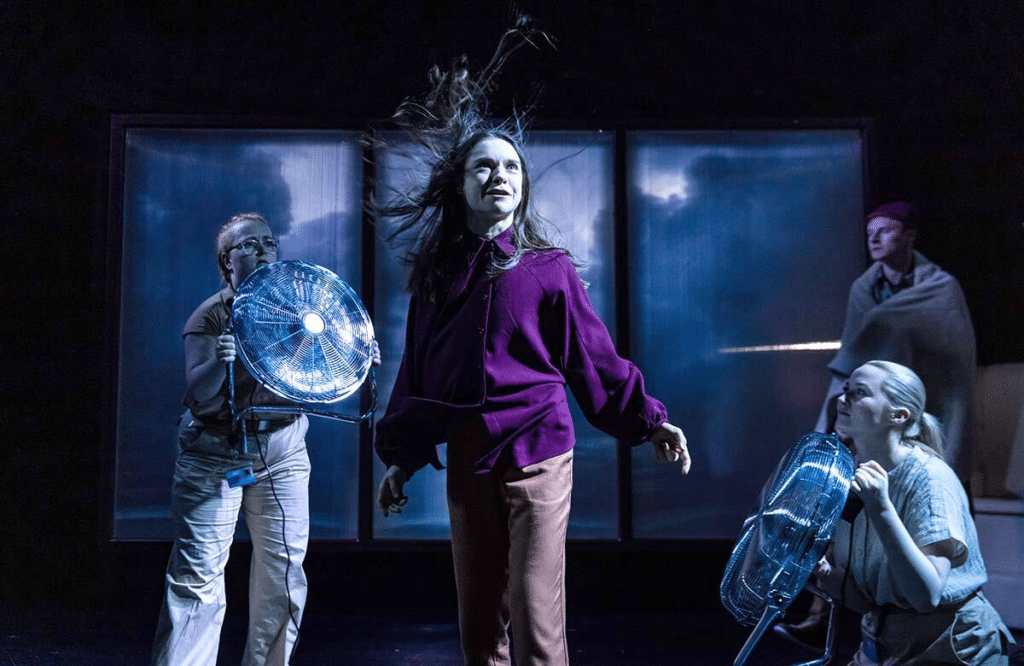
Dublin, a UNESCO City of Literature, celebrates its theatrical heritage with this annual festival. Over three weeks, the city hosts an array of performances, from classic plays to cutting-edge productions. The festival also includes workshops, discussions, and events designed to engage the audience in the creative process. It’s an excellent opportunity to experience Ireland’s storytelling tradition brought to life on stage.
4. Fleadh Cheoil Na HÉireann (August)
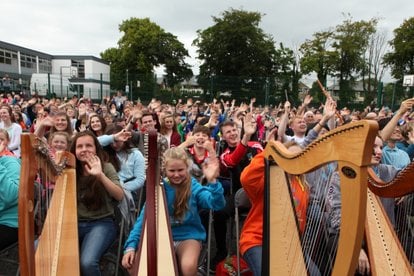
Fleadh Cheoil is the world’s largest festival of Irish traditional music, attracting thousands of musicians and enthusiasts each year. The event, held in a different town annually, features competitions, workshops, and impromptu sessions in every corner of the host town. Visitors can enjoy a week of ceol agus craic (music and fun), with performances ranging from solo acts to large céilí bands.
5. Puck Fair (August)
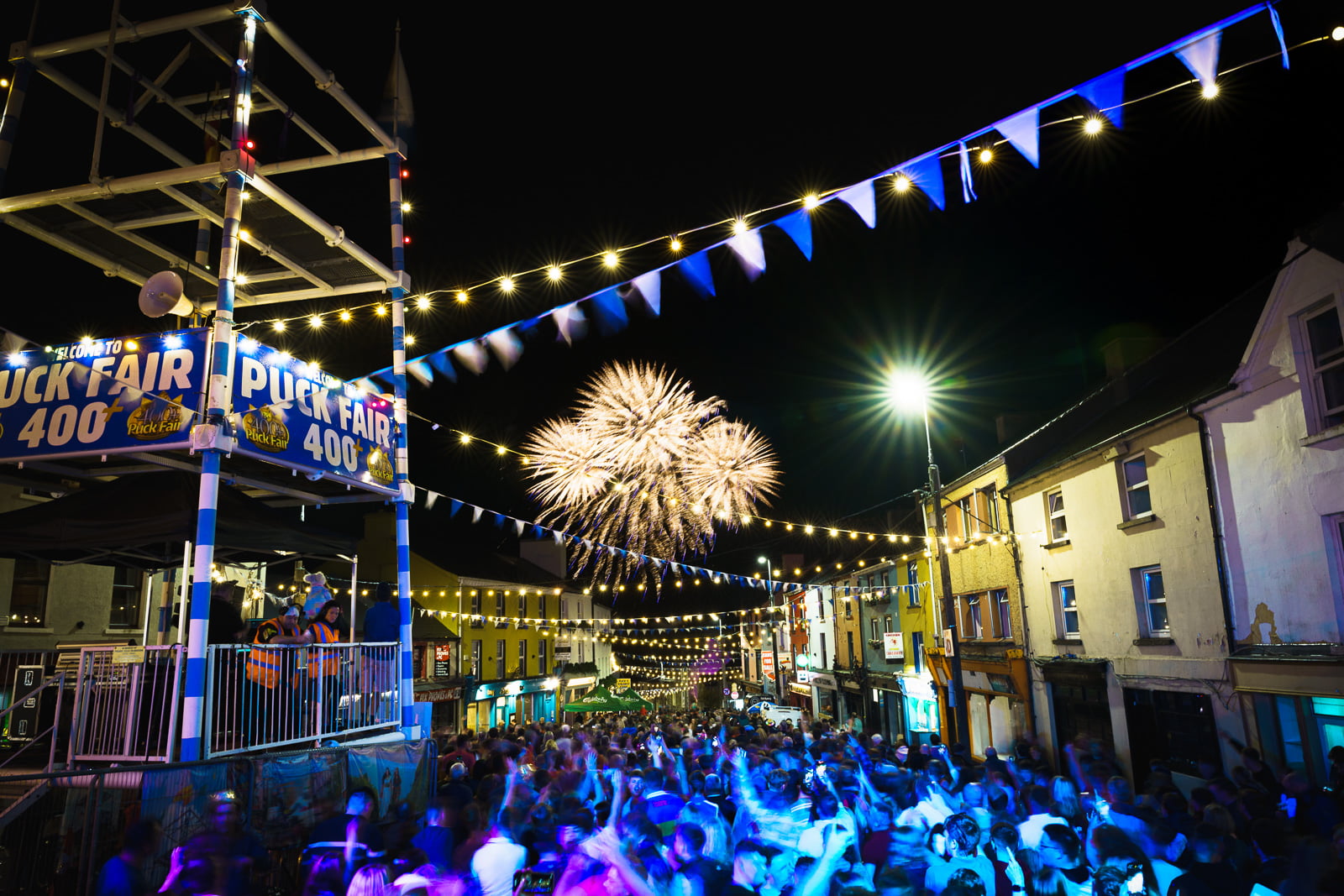
One of Ireland’s oldest and quirkiest festivals, Puck Fair takes place in Killorglin, County Kerry. The festival revolves around crowning a wild goat as “King Puck,” who presides over three days of music, markets, and merriment. The event includes a parade, street entertainment, and traditional Irish music performances. Puck Fair’s origins are shrouded in legend, adding a touch of mystery to this unique celebration.
6. Wexford Festival Opera (October-November)
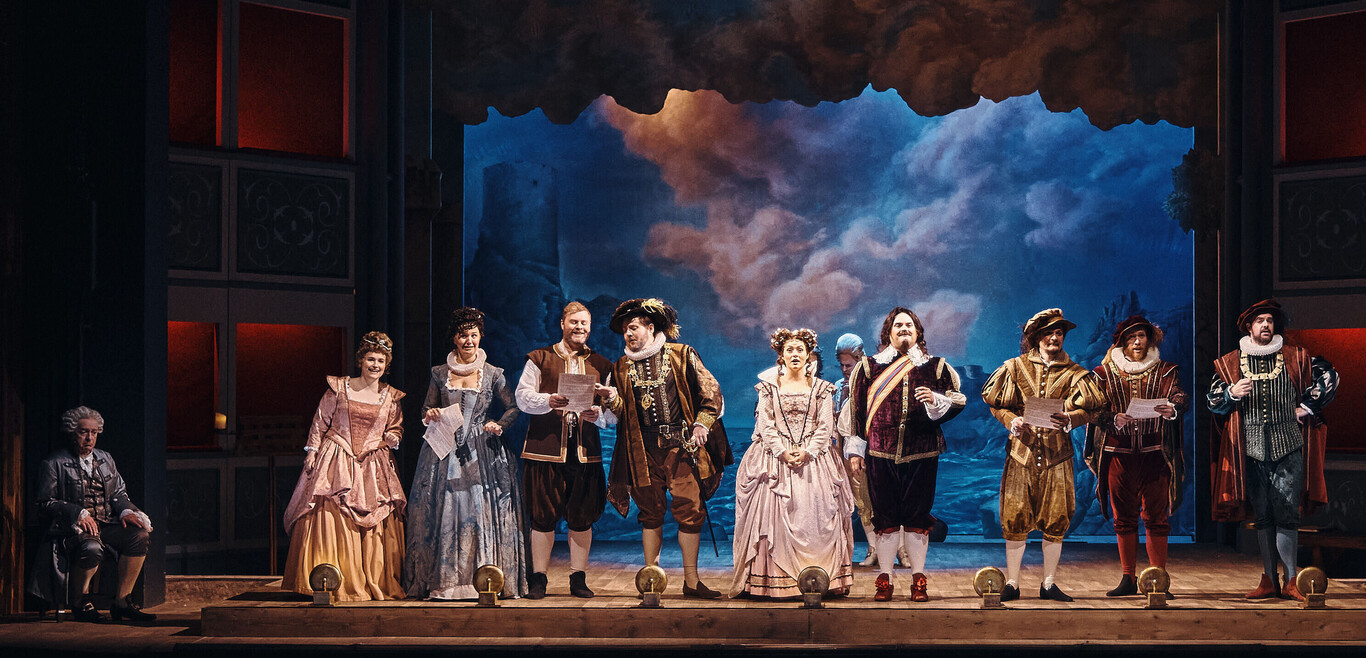
Opera lovers should not miss this internationally acclaimed festival held in Wexford. It focuses on rare and lesser-known operas, presented in innovative and high-quality productions. The festival also offers masterclasses, recitals, and pop-up performances throughout the town, creating a festive atmosphere for music enthusiasts.
7. Lisdoonvarna Matchmaking Festival (September)
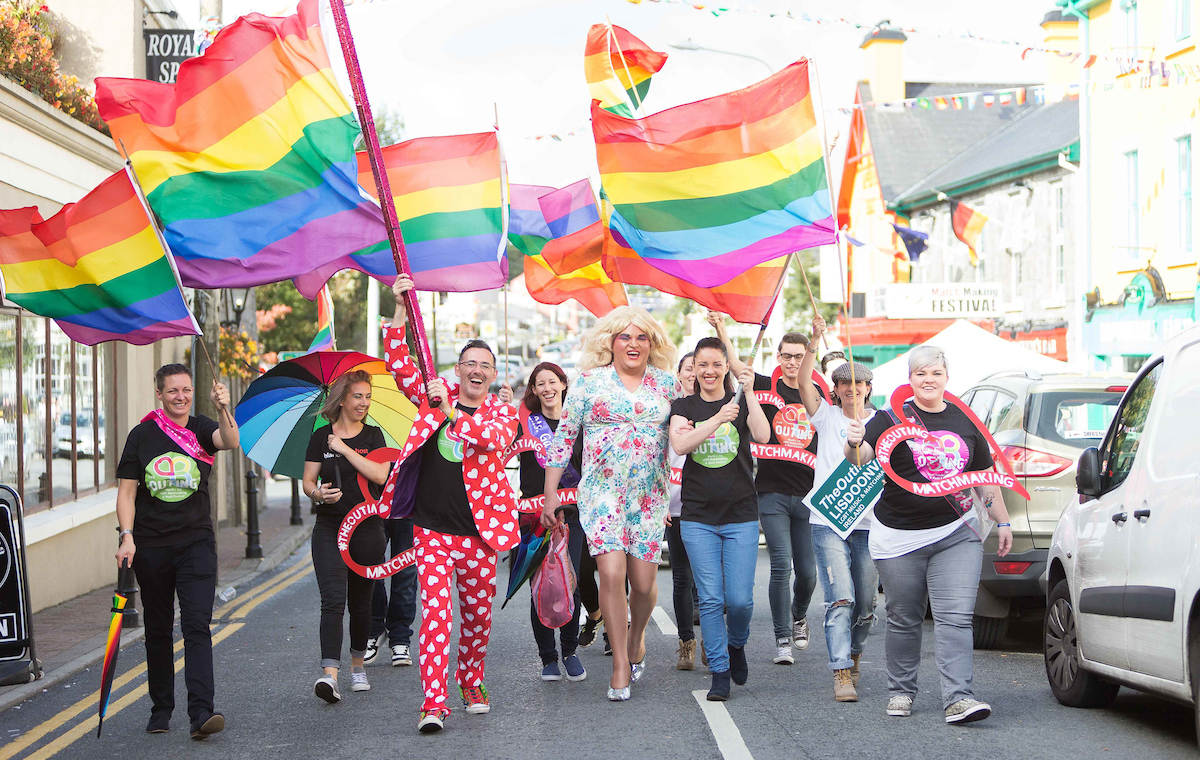
This month-long festival in County Clare is one of Europe’s oldest matchmaking events. It attracts singles from all over the world seeking love and companionship. The festival features traditional Irish music, dancing, and matchmaking consultations with Ireland’s last traditional matchmaker. Even if you’re not looking for love, the lively atmosphere and community spirit make it an enjoyable experience.
8. Halloween/Samhain Festival (October)
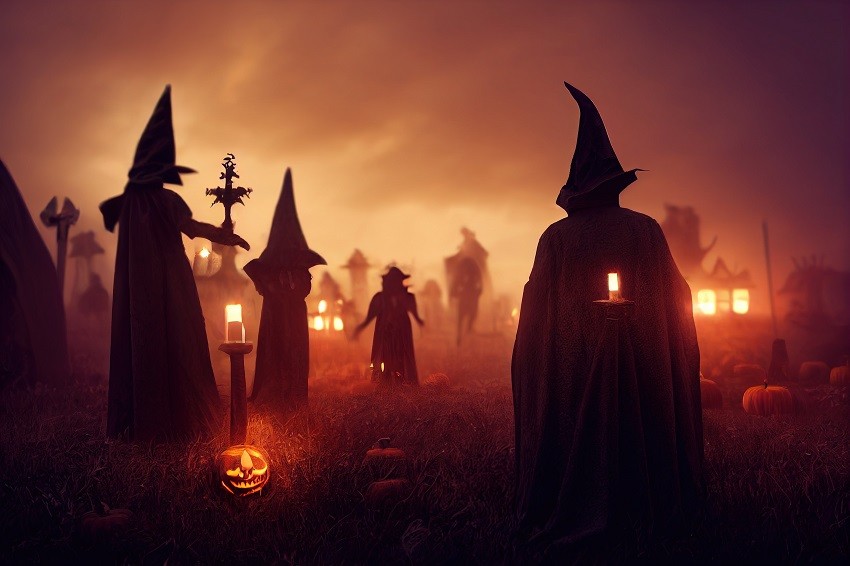
The ancient Celtic celebration of Samhain, which marked the end of the harvest season, is where Halloween got its start. Contemporary Halloween celebrations in Ireland combine old customs with new ones. Extensive parades, fireworks, and eerie attractions are held in cities like Derry. In order to connect with the festival's spiritual origins, visitors may also visit historic locations like Newgrange or the Hill of Tara.
9. Cork Jazz Festival (October)
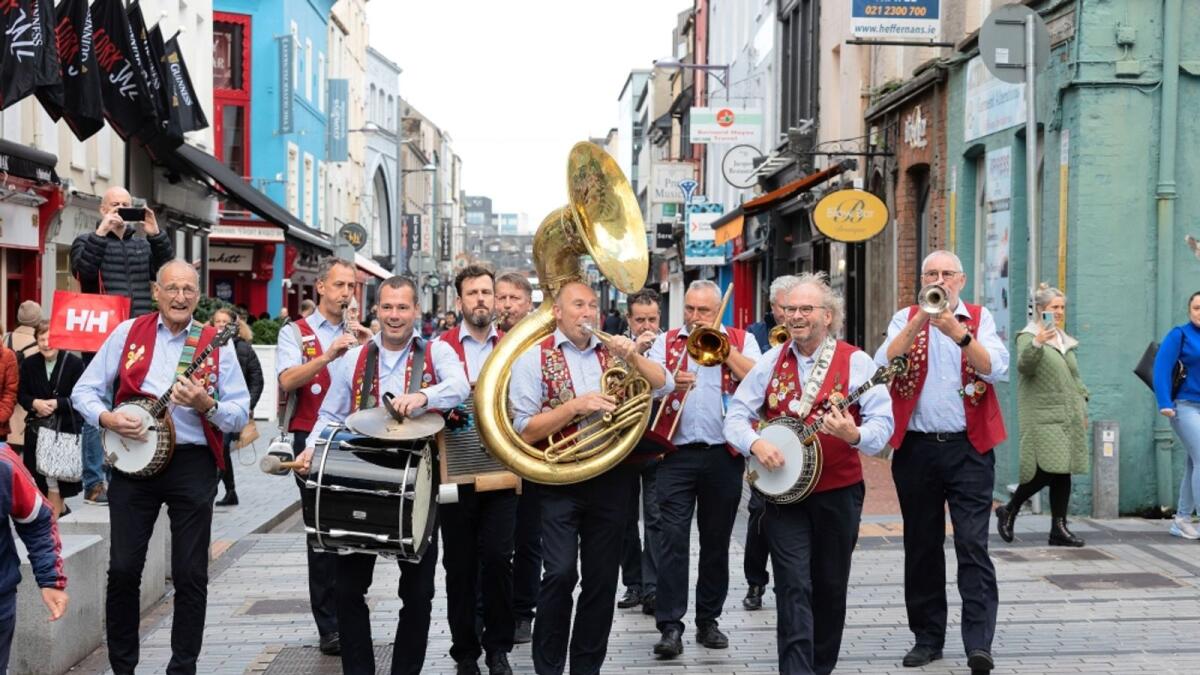
Cork Jazz Festival is one of Europe’s premier jazz events, attracting world-class performers and enthusiastic audiences. The festival features concerts, workshops, and late-night jam sessions in venues ranging from grand theaters to cozy pubs. The city buzzes with energy during the event, making it a highlight of Ireland’s cultural calendar.
10. Taste Of Dublin (June)
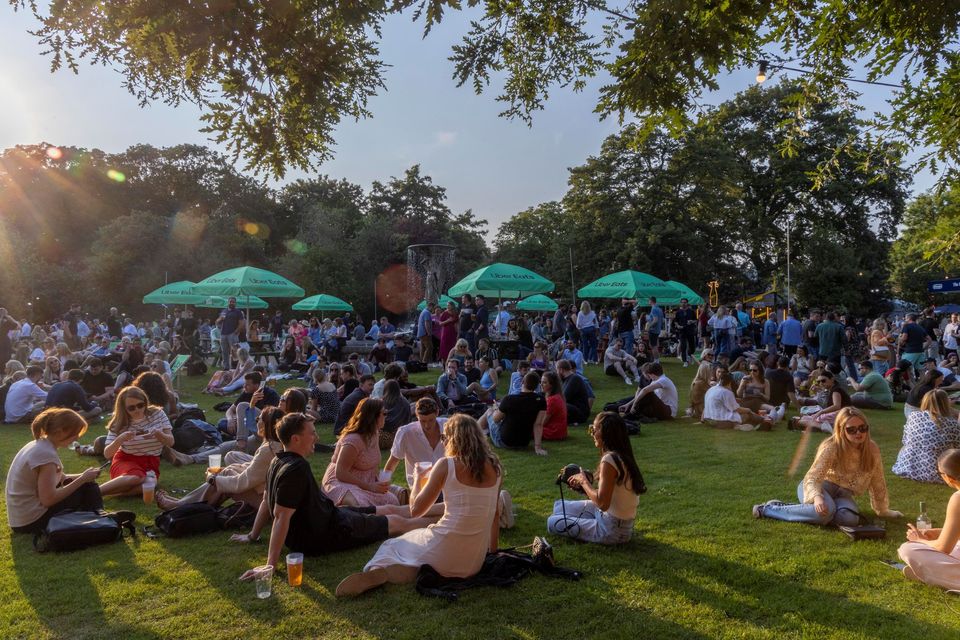
Food lovers will delight in the Taste of Dublin, a four-day festival celebrating Ireland’s culinary scene. Held in the stunning Iveagh Gardens, this event showcases top chefs, artisan producers, and innovative dining experiences. Visitors can sample gourmet dishes, attend cooking demonstrations, and enjoy live music in a relaxed, festive setting. It’s one of Ireland's exotic festivalsthat captures the vibrant spirit of the country's food and culture.
Top Beaches In Ireland
1. Inch Beach, County Kerry
The long, sandy peninsula that leads into Dingle Bay is called Inch Beach. It is well-known for its stunning landscape and is a popular destination for families, surfers, and walkers. There is plenty of room on the beach for activities, such as surfing, taking a leisurely walk, or just admiring the expansive views of the neighboring mountains. To round off your trip, there are adorable cafes and eateries around.
2. Lahinch Beach, County Clare
Lahinch Beach is a haven for surfers and water sports enthusiasts. Located near the Cliffs of Moher, this beach is part of the Wild Atlantic Way. Its powerful waves attract surfers from around the globe, while its golden sands make it ideal for families and walkers. The lively village of Lahinch nearby offers surf schools, shops, and cozy pubs to unwind after a day on the beach.
3. Keem Bay, Achill Island, County Mayo
Many people consider Keem Bay to be among Ireland's most stunning beaches. The isolated crescent-shaped cove on Achill Island, which is tucked away between striking cliffs, has white sand and turquoise waters that are extremely clean. It's ideal for lounging, swimming, and snorkeling. With its stunning views of the coastline, the Atlantic trip's beautiful trip to Keem Bay is an adventure in and of itself.
4. Curracloe Beach, County Wexford
Famous for its appearance in films like Saving Private Ryan, Curracloe Beach is a pristine stretch of soft white sand bordered by rolling dunes. The beach is family-friendly and ideal for long walks, swimming, and picnics. Its calm waters and clean environment have earned it Blue Flag status, ensuring high-quality conditions for visitors.
5. Strandhill Beach, County Sligo
Strandhill Beach is a surfer’s paradise, known for its powerful Atlantic waves. While it’s not ideal for swimming due to strong currents, it’s perfect for water sports or simply enjoying the dramatic coastal views. The nearby village of Strandhill offers cozy cafes, surf schools, and the unique experience of seaweed baths, making it a well-rounded destination.
6. Silver Strand, Malin Beg, County Donegal
A beautiful jewel, Silver Strand is located in a secluded area of Donegal. Surrounded by tall cliffs, this horseshoe-shaped beach offers a peaceful and protected setting. It is the perfect place to swim and unwind because of its golden sands and crystal-clear seas. Its remote charm is enhanced by the steep route that leads to the shore, giving it a tranquil haven for those who enjoy the outdoors.
7. Ballybunion Beach, County Kerry
Ballybunion Beach is divided into two sections: the North Beach and the South Beach. Both offer stunning views of rugged cliffs, sea stacks, and caves. The North Beach is more popular with surfers, while the South Beach is family-friendly with calmer waters. The nearby town of Ballybunion provides plenty of amenities, including golf courses and restaurants.
8. Dog’s Bay, County Galway
Dog's Bay is unique because of its white sand composed of tiny seashell bits, which gives it a Caribbean feel. This crescent-shaped beach in Connemara, close to the village of Roundstone, is well-known for its calm environment and crystal-clear seas. It's a great place to swim, kayak, and unwind in a beautiful environment.
9. Rosslare Strand, County Wexford
Rosslare Strandis one of Ireland’s sunniest beaches, known for its long stretches of golden sand and calm waters. It’s a family-friendly destination, offering water sports, playgrounds, and picnic areas. Nearby, the village of Rosslare has charming shops, restaurants, and golf courses for visitors to enjoy.
10. Bundoran Beach, County Donegal
Bundoran Beach is another hotspot for surfers, known for its consistent waves and vibrant surf culture. The surrounding area is also great for hiking, with cliffs and coastal trails offering spectacular views. Bundoran itself is a lively town with surf schools, pubs, and an amusement park, making it a fun destination for families and adventure seekers alike.
Best Time To Visit Ireland
1. Spring (March-May)
Spring in Ireland is truly magical! The weather is mild, the flowers are blooming, and the countryside is bursting with life. It's a wonderful time to explore the outdoors without the summer crowds.
Enjoy scenic drives through the beautiful Irish countryside and visit stunning national parks like the Burren and Killarney. Spring is a perfect time to experience the beauty of Ireland.
2. Summer (June-August)
Summer in Ireland is the most popular time to visit, with the longest days and warmest weather. It's perfect for enjoying the outdoors, attending festivals, and exploring the stunning coastline.
However, popular spots like the Cliffs of Moher can get very crowded. To avoid the biggest crowds, consider visiting earlier in the season or exploring some of the lesser-known parts of the country.
3. Autumn (September-November)
Autumn is quieter and cooler, with a magical atmosphere created by fall foliage. It’s a great time for cultural festivals and exploring historic sites without the summer crowds. Travelers can enjoy off-peak pricing and the added charm of cozy pubs.
4. Winter (December-February)
Winter in Ireland is chilly but rarely freezing, with fewer tourists and a festive vibe during the holiday season. While some attractions may close for the season, cities like Dublin and Galway offer lively Christmas markets and winter events.
Pro Tip:Pack layers and a good rain jacket regardless of when you visit, Irish weather is famously unpredictable!
Traveling With Kids In Ireland
Ireland is one of the most family-friendly destinations in Europe, offering activities that both kids and parents will love.
1. Family Attractions
- Dublin Zoo: Located in Phoenix Park, this is one of the oldest zoos in the worldand a favorite among families.
- Blarney Castle Grounds: Children can kiss the renowned Blarney Stone while visiting the vast gardens and enchanted rock formations.
- Fota Wildlife Park: Near Cork, this open wildlife park allows children to get close to animals like giraffes, cheetahs, and kangaroos.
2. Interactive Museums
- National Leprechaun Museum: A whimsical museum that immerses visitors in Irish folklore and storytelling.
- EPIC The Irish Emigration Museum: An interactive museum in Dublin that brings history to life, engaging both kids and adults.
3. Outdoor Adventures
- Beaches: Ireland has many family-friendly beaches, like Inch Beach and Curracloe Strand, perfect for picnics and play.
- Easy Hikes: Trails like the Bray to Greystones walk offer stunning views and are manageable for children.
Tips For Families:
- Look for hotels or vacation rentals with family-specific amenities, such as larger rooms or kitchens.
- Bring sturdy shoes and rain gear for kids, as outdoor activities are a must in Ireland.
Top 10 Day Trips And Attractions
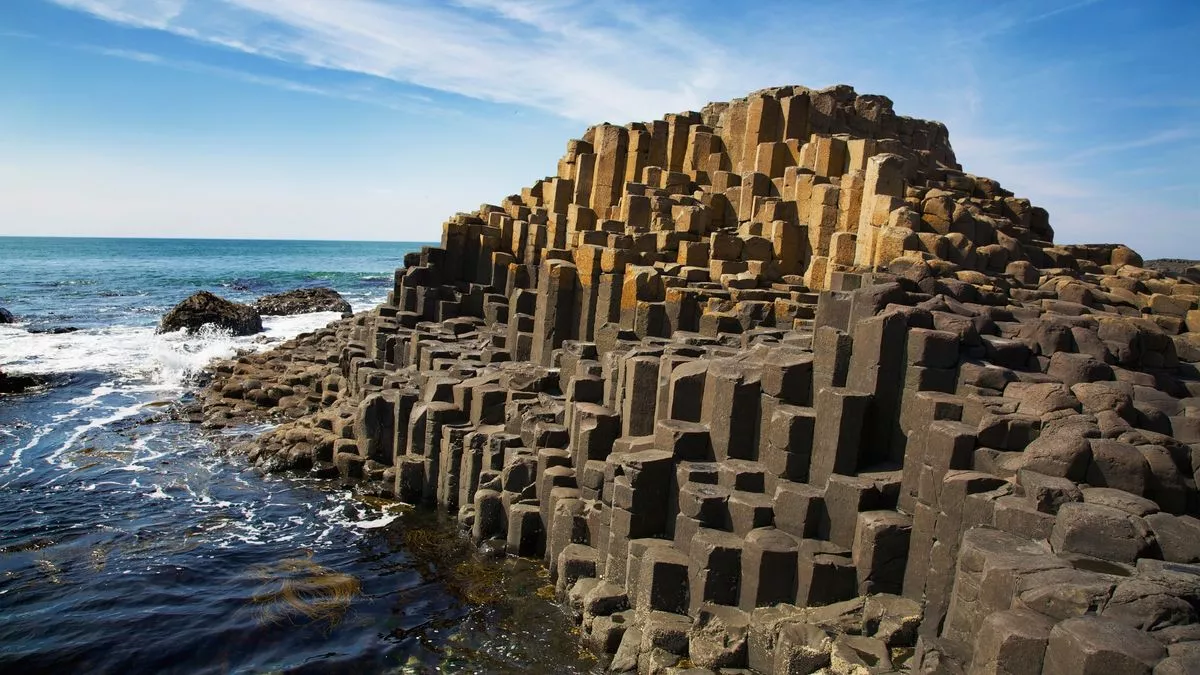
1. Giant’s Causeway
The Giant’s Causeway, a UNESCO World Heritage Site, is one of Ireland’s most iconic natural wonders. Located in Northern Ireland, this geological marvel features over 40,000 interlocking basalt columns formed by ancient volcanic activity. The columns, which resemble giant stepping stones, are steeped in legend, with tales of the giant Finn McCool creating the causeway to challenge a rival in Scotland.
2. Killarney National Park
A sanctuary of natural glory, Killarney National Park hides away in County Kerry. The park, which covers more than 26,000 acres, is home to peaceful lakes, verdant forests, and the striking MacGillycuddy's Reeks peaks. While history buffs will enjoy sites like Ross Castle and Muckross House, outdoor enthusiasts can take advantage of hiking routes that weave across the park's varied landscapes.
3. Skellig Michael
Skellig Michael, a remote island off the coast of County Kerry, is a UNESCO World Heritage Site and a place of extraordinary history. Known for its early Christian monastery, the island’s steep stone steps lead to ancient beehive-shaped huts used by monks who sought solitude and spiritual refuge. Skellig Michael gained international fame as a filming location for Star Wars: The Force Awakensand The Last Jedi. Access is limited to seasonal boat trips, and the journey can be challenging, but the stunning views and sense of timelessness make it well worth the effort.
4. Kilkenny Castle
The skyline of Kilkenny City is dominated by the majestic medieval stronghold known as Kilkenny Castle. The castle, which was constructed in the 12th century and has since undergone extensive restoration, provides a glimpse into Ireland's Norman past. Its magnificent rooms, elaborate paintings, and exquisitely designed gardens are open for viewing by guests. The castle's appeal is increased by the frequent exhibitions and cultural activities it sponsors.
5. The Burren
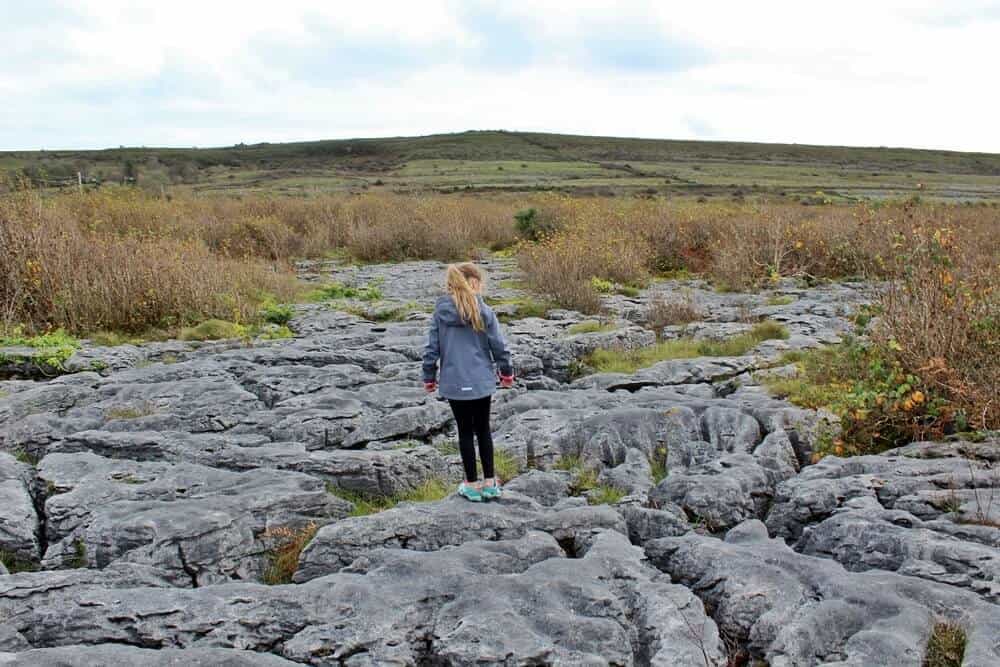
The Burren, located in County Clare, is a unique limestone karst landscape unlike anything else in Ireland. Its rocky terrain is home to a surprising diversity of flora, with Mediterranean, Arctic, and Alpine plants thriving side by side. The region is also rich in archaeological sites, including Neolithic tombs, ring forts, and ancient churches. Popular attractions within the Burren include the Poulnabrone Dolmen and Aillwee Cave.
6. Cobh
Cobh, a picturesque harbor town in County Cork, is best known as the Titanic’s last port of call in 1912. Its colorful waterfront and steep streets create a postcard-perfect setting, while its history adds depth to the experience. The Titanic Experience museum provides a moving account of the ill-fated ship’s journey and the passengers who boarded in Cobh.
7. Connemara
Connemara, located in County Galway, is a region of rugged beauty that feels like stepping into a timeless Ireland. Its landscape features a mix of sweeping boglands, pristine beaches, and dramatic mountain ranges like the Twelve Bens. Connemara National Park offers trails suitable for all levels, with the Diamond Hill hike providing particularly rewarding views.
8. Dingle Peninsula
The Dingle Peninsula, in County Kerry, is celebrated for its dramatic cliffs, sandy beaches, and rich cultural heritage. It’s home to some of Ireland’s most stunning coastal scenery, including Slea Head Drive, which offers breathtaking views of the Atlantic. Dingle Town, the heart of the peninsula, is a hub of traditional music, seafood restaurants, and local craft shops.
9. Rock Of Cashel
The Rock of Cashel, perched on a limestone hill in County Tipperary, is one of Ireland’s most iconic historical sites. This ancient fortress was the traditional seat of the Kings of Munster and features a stunning collection of medieval buildings, including a cathedral, chapel, and round tower. The site is steeped in legend, including tales of St. Patrick converting the local king to Christianity here.
10. Slieve League Cliffs
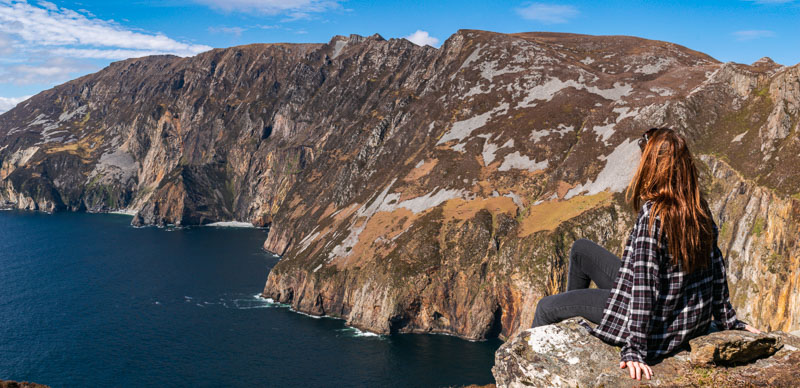
The Slieve League Cliffs, located in County Donegal, are among the highest sea cliffs in Europe, rising over 600 meters above the Atlantic Ocean. Less crowded than the Cliffs of Moher, they offer a more serene and dramatic experience. Visitors can hike to the top for breathtaking views or take a boat tour to admire the cliffs from the water.
Visa Requirements For Traveling To Ireland
Navigating visa requirements is an essential first step in planning your trip to Ireland.
1. For EU/EEA Citizens
Citizens of the European Union (EU) and European Economic Area (EEA) enjoy the freedom of movement within Ireland. You’ll only need a valid ID or passport to enter and stay.
2. For U.S. And UK Citizens
Travelers from the United States and the United Kingdom can visit Ireland visa-free for up to 90 days. Ensure that your passport is valid for the entirety of your stay. While entry is generally straightforward, it’s a good idea to have proof of return traveland accommodations.
3. For Other Countries
Visitors from countries outside the EU, EEA, U.S., and UK should check the Irish Naturalisation and Immigration Service (INIS) website to determine if a visa is required. If a visa is needed, it’s typically a short-stay visa, which allows you to remain in Ireland for up to 90 days.
Pro Tips For Hassle-Free Entry:
- Always carry copies of important documents like hotel bookings, return tickets, and insurance policies.
- If you plan to visit Northern Ireland, remember that it follows UK visa rules, so check those requirements as well.
Currency And Money Matters In Ireland
- Currency: The Euro (€) is used throughout Ireland.
- Tips for Travelers: ATMs are widely available, and credit cards are accepted almost everywhere. It’s a good idea to carry some cash for smaller establishments or rural areas.
- Budgeting: Ireland can be pricey, so plan for an average daily budget of €100-€150 per person for mid-range travel.
FAQs
What Is The Best Way To Get Around Ireland?
Public transport is efficient in cities, but renting a car is recommended for exploring rural areas.
Is Ireland Expensive For Travelers?
Ireland can be costly, but budget-friendly options like hostels and free attractions can help reduce costs.
What Are The Top Irish Festivals?
Popular festivals include St. Patrick’s Day, Galway Arts Festival, and the Dublin Theatre Festival.
Do I Need To Rent A Car In Ireland?
While not mandatory, renting a car offers flexibility for exploring scenic routes like the Wild Atlantic Way.
When Is The Best Time To Visit Ireland With Kids?
Summer is ideal for family trips, with warmer weather and plenty of outdoor activities.
Final Words
Ireland offers a trip through time, culture, and stunning scenery where the past and present meet. If it's the friendliness of the residents, the attraction of a secret village, or the excitement of learning about old history, every visit reveals something new.
Prepare for the adventure of the Emerald Isle and make lifelong memories. Sláinte!
Jump to
Why Ireland?
Culture And History Of Ireland
Must-See Destinations In Ireland
Festival And Events In Ireland
Top Beaches In Ireland
Best Time To Visit Ireland
Traveling With Kids In Ireland
Top 10 Day Trips And Attractions
Visa Requirements For Traveling To Ireland
Currency And Money Matters In Ireland
FAQs
Final Words

Finn Wilde
Author
For Finn Wilde, the wilderness is more than just a destination - it’s a way of life. Over the past decade, he has led multiple expeditions in some of the world’s most remote regions, from the icy fjords of Greenland to the rugged trails of Patagonia.
Finn emphasizes sustainability in all of his adventures, helping participants connect with nature while promoting responsible exploration. His expeditions inspire individuals to explore the great outdoors while fostering a deep respect for the environment.

Liam Jones
Reviewer
Liam Jones has made it his mission to prove that adventure doesn’t need a hefty budget. Having traveled to over 40 countries, he specializes in finding affordable ways to experience the world, from the best street food in Bangkok to hidden gems in Lisbon.
Liam’s travel tips have reached thousands of readers, empowering them to see the world on a shoestring budget without sacrificing quality. With a deep passion for local cultures, he continues to share his travel hacks, ensuring adventure remains accessible to all.
Latest Articles
Popular Articles