Iraqi Food | 45 Traditional Dishes And Authentic Recipes
The only Iraqi food guide you need. See the full menu of 30+ traditional dishes, history, and secret spice techniques from experts.
Author:Liam JonesReviewer:Maya ReyesOct 26, 2025146.5K Shares2M Views
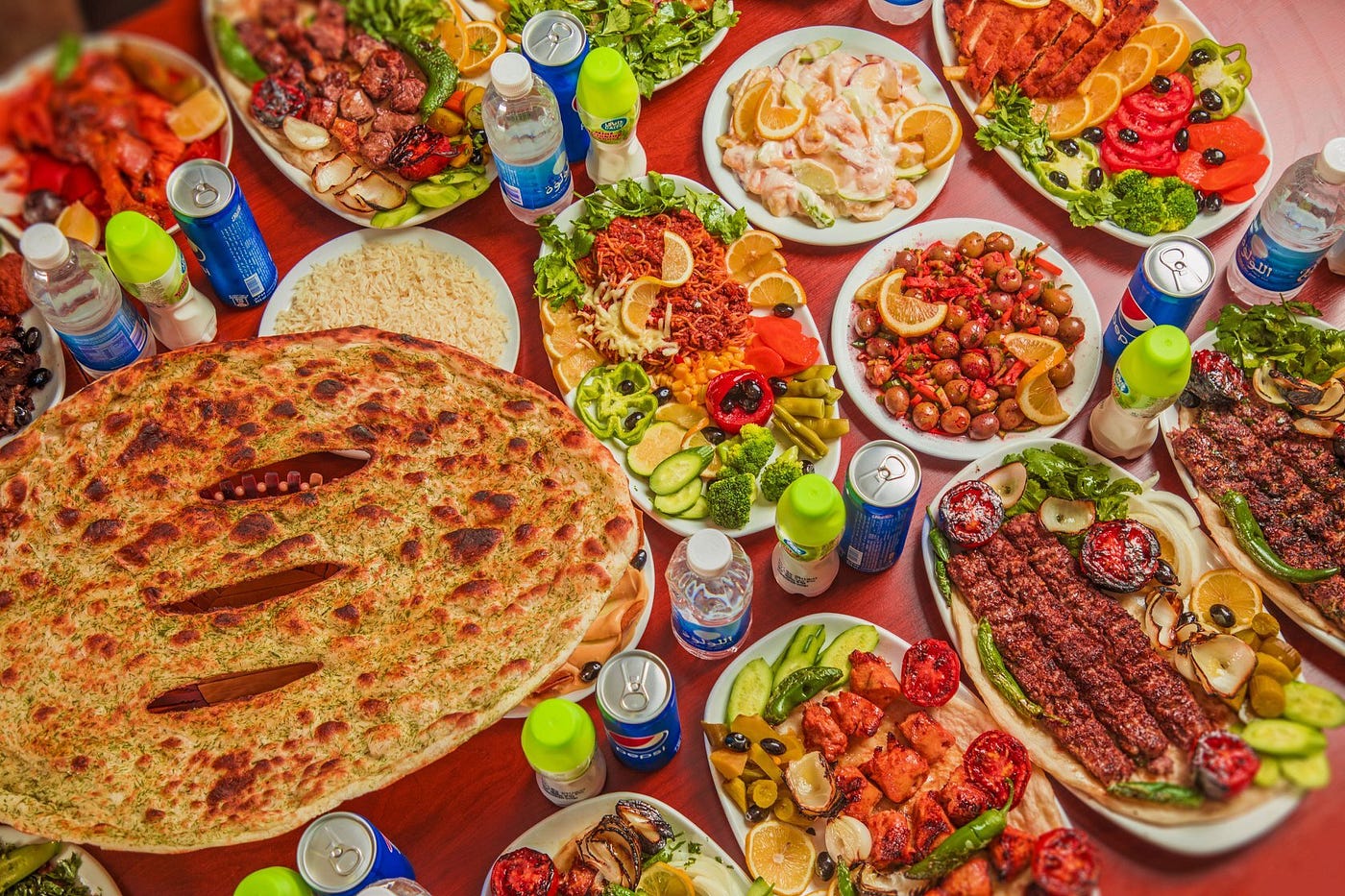
A Feast From Mesopotamia: Discover The Flavors, And Soul Of Iraqi Cuisine
The journey into Iraqi foodis a journey to the dawn of civilization. While the broader category of Middle Eastern cuisine offers familiar flavors, Iraqi cookery-often referred to as Mesopotamian cuisine-possesses an ancient, unique character shaped by over ten millennia of history at the crossroads of empires.
It is a cuisine of profound complexity, built on foundational staples like wheat and barley, enriched by the fertile land between the Tigris and Euphrates rivers.
The sizzle of lamb on the grill, the earthy aroma of cumin and cardamom, and the warmth of freshly baked bread are all part of the sensory experience of an Iraqi kitchen.
In Iraq, food is more than just sustenance; it’s a celebration of community, family, and tradition. This guide offers a complete Iraqi food menu, exploring the must-try dishes, time-honored techniques, and cultural significance that define this vibrant, enduring cuisine, ensuring you understand the history and preparation behind every authentic Iraqi food recipe.
Historical And Cultural Influences On Iraqi Cuisine
Mesopotamian Roots
Iraqi cuisine has deep roots in the Mesopotamian civilization, which flourished between the Tigris and Euphrates rivers thousands of years ago. The fertile land allowed for a bounty of crops like wheat, barley, and dates, which became staples in the diet of early Iraqis.
Many modern dishes, such as Masgoufand Dolma, can trace their origins back to this ancient era, where cooking methods and ingredients have been passed down through generations.
Cultural Significance Of Food In Iraq
Food plays a central role in Iraqi culture, with meals often being communal events shared with extended family and friends. Meals are not just for nourishment—they are expressions of hospitality, generosity, and celebration.
A typical Iraqi meal might involve dishes prepared using time-honored methods, accompanied by bread and tea, and shared in a warm, communal setting.
In Iraqi homes, cooking traditional dishes is also a way of keeping the cultural legacy alive. As one Iraqi chef put it, “In Iraq, food isn't just about cooking—it's about storytelling, passing on traditions from one generation to the next.”
Key Ingredients And Flavor Profiles
Iraqi cuisine is known for its reliance on fresh ingredients, aromatic spices, and a balance of savory and tangy flavors. The following key ingredients form the foundation of many traditional dishes:
- Rice: Used in dishes like Biryaniand Mujaddara.
- Lamb and Chicken: Common proteins in dishes like Murag Stewand Shish Kebab.
- Legumes: Lentils and chickpeas appear in staples like Hummusand Mujaddara.
- Tomatoes, Eggplants, and Okra: These vegetables are essential in stews and stuffed dishes like Dolma.
Key Spices
The aromatic spice blends of Iraq are what give its cuisine its distinctive flavors:
- Cumin
- Coriander
- Cardamom
- Turmeric
- Cinnamon
Fresh Herbs And Additions
Parsley, cilantro, and mintadd brightness to dishes, while tangy ingredients like lemonand tamarindprovide balance.
45 Most Popular Iraqi Dishes
Below are 45 traditional Iraqi dishes, highlighting their ingredients, preparation, and cultural significance.
1. Masgouf – The National Dish
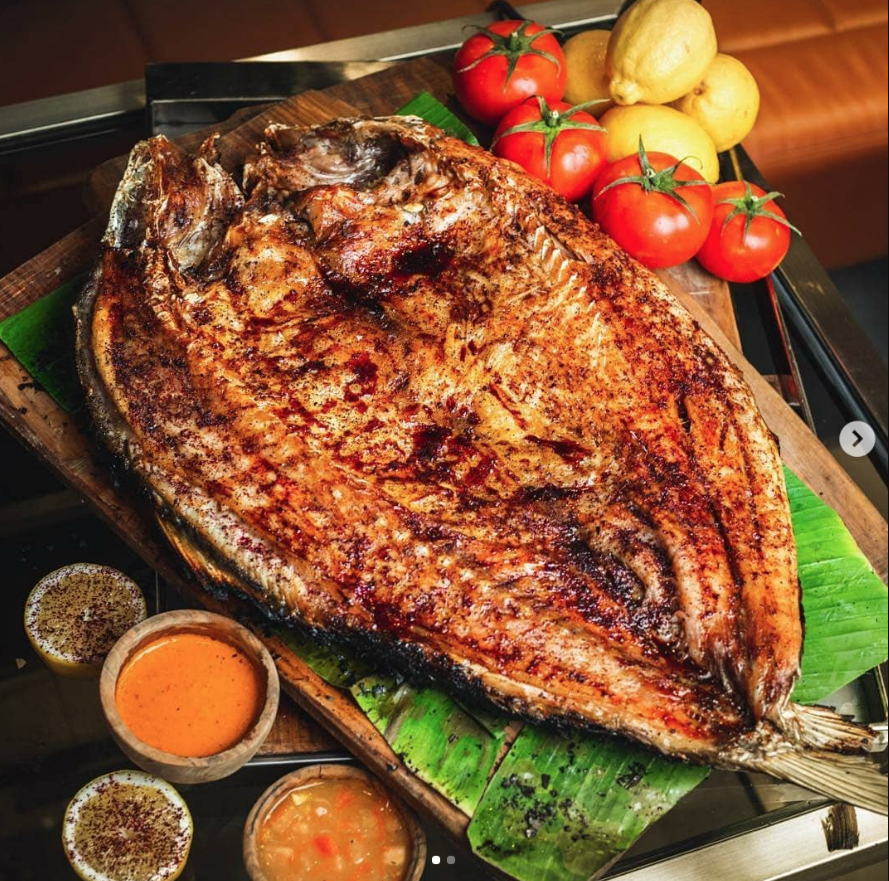
A grilled freshwater fish, usually carp, Masgoufis marinated with spices and slow-cooked on an open flame. It is traditionally prepared in social gatherings, where the grilling process becomes part of the event.
Preparation Details:
- Butterfly the freshwater carpand rinse thoroughly.
- Marinate the fish with: Lemon juice, Olive oil, Salt, Spices like turmericand sumac
- Prepare a wood fireand set up a grilling rack vertically around the flames.
- Place the marinated fish on the rack and cook it slowly, allowing the smoke to infuse the fish.
Served with flatbread, vegetables, and a tangy lemon dressing, this dish is a cornerstone of Iraqi cuisine.
2. Dolma – A Versatile Favorite
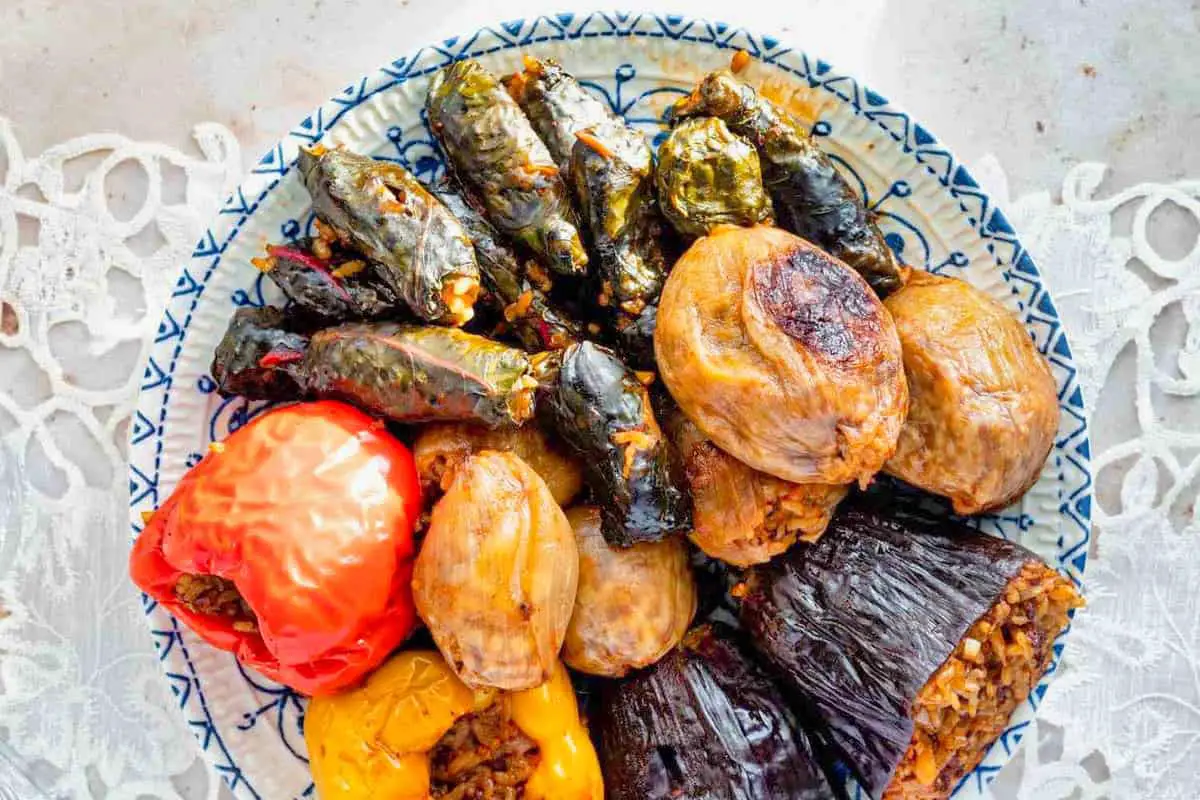
Dolmarefers to vegetables like grape leaves, zucchinis, or bell peppersstuffed with a mixture of rice, meat, and spices. It is a dish often reserved for family gatherings and celebrations, with each region of Iraq putting its own spin on the filling and cooking method.
Preparation Details:
- Hollow out or blanch vegetables such as grape leaves, zucchinis, and bell peppers.
- Prepare a filling using: Rice, Ground meat, Spices like cuminand cinnamon and Fresh herbssuch as parsley.
- Stuff the vegetables with the rice and meat mixture.
- Arrange the stuffed vegetables in a pot and cover with tomato broth.
- Simmer slowly until the vegetables are tender and the flavors meld beautifully.
3. Samoon – The Iconic Bread
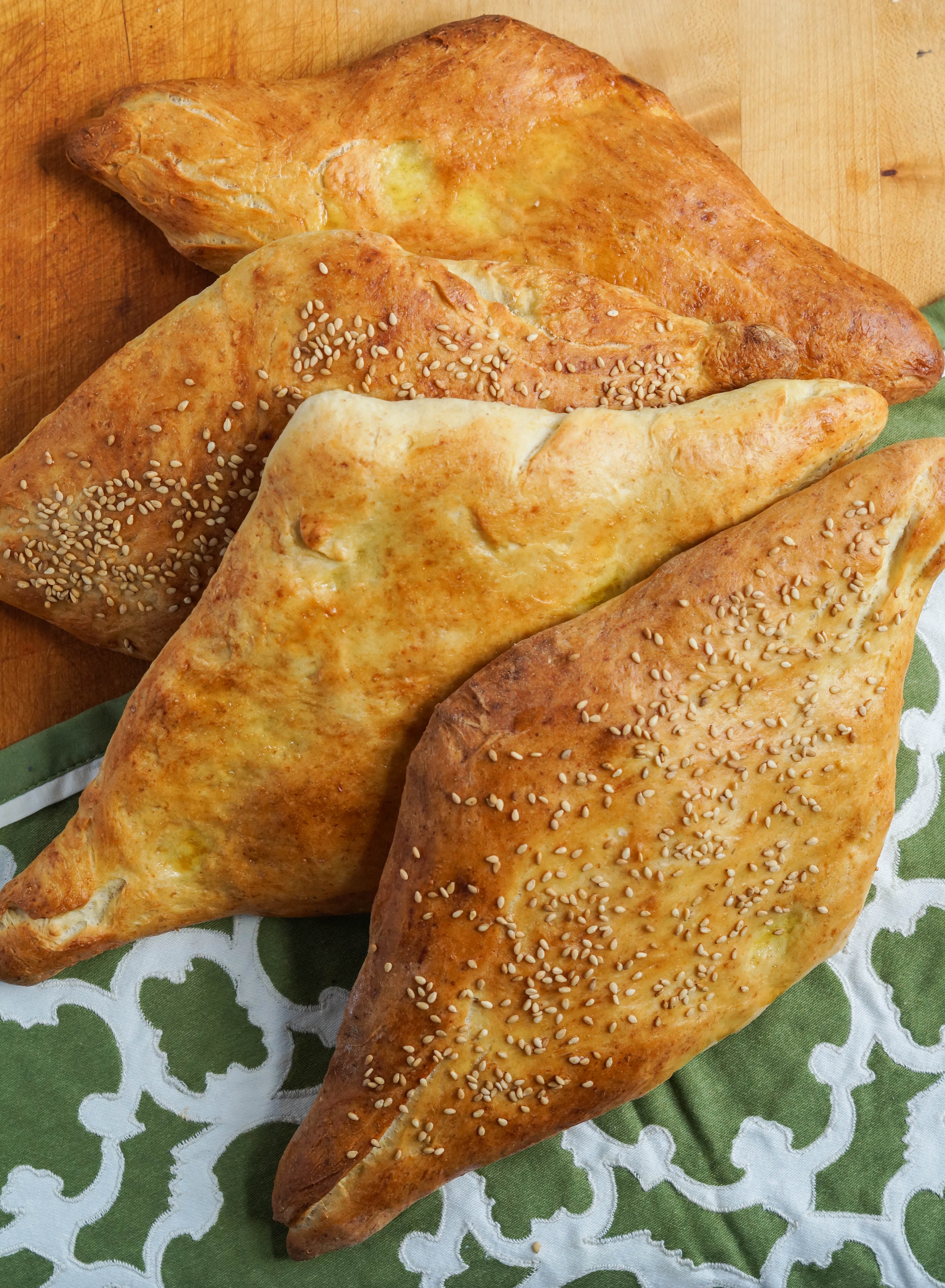
Samoonis a diamond-shaped bread with a crispy crust and soft interior, baked in a clay oven. It is a versatile bread served with breakfast or lunch, used to scoop up stews, or filled with grilled meats and vegetables.
Preparation Details:
- Mix flour, water, yeast, and a pinch of sugarto make the dough.
- Shape the dough into diamond formsand leave it to proof.
- Bake in a tandoor ovenor a very hot conventional oven until the exterior is crispy and the interior is soft.
- Serve warm, often with hummusor as an accompaniment to main dishes.
4. Iraqi Biryani
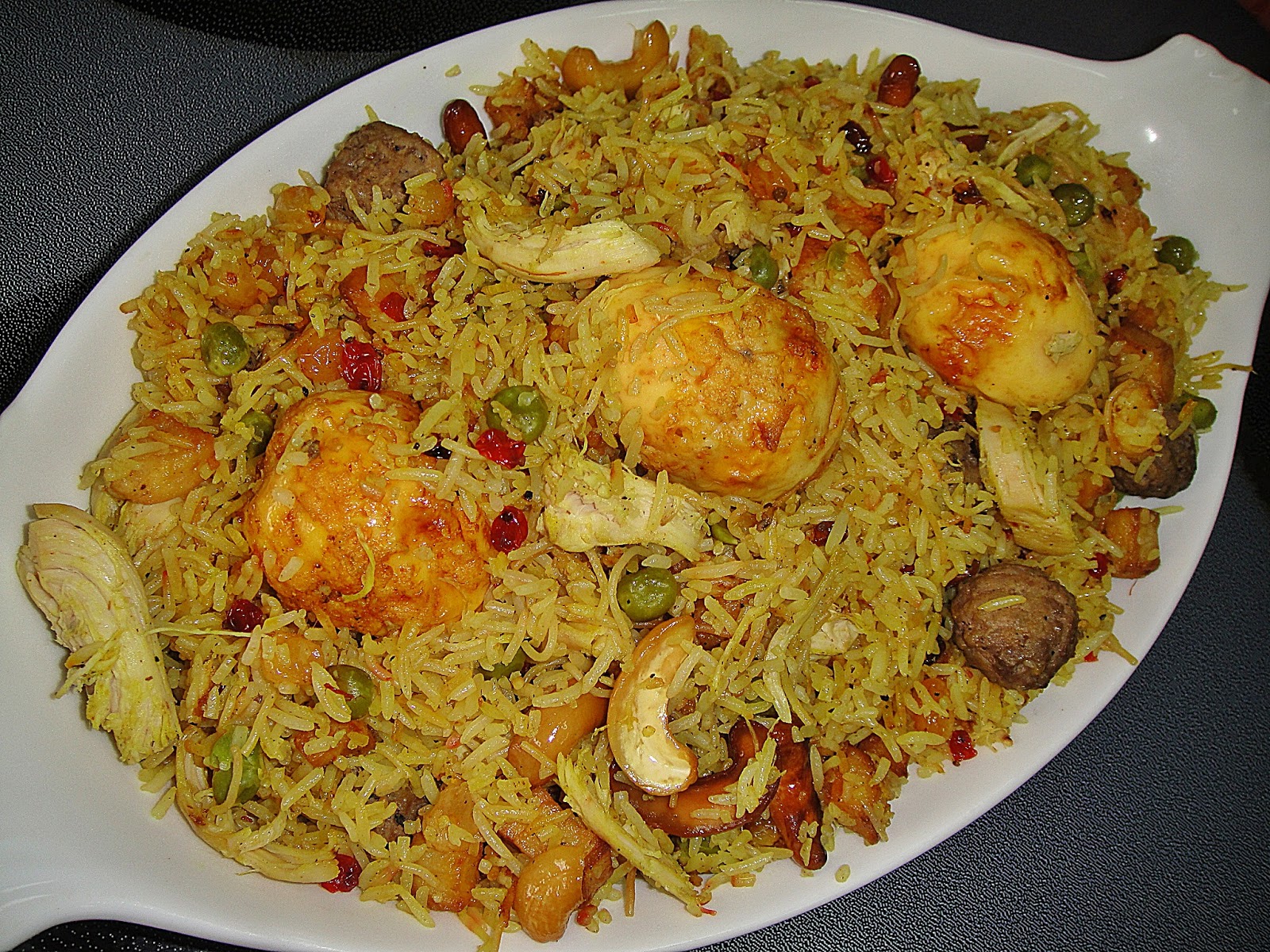
A festive dish, Iraqi Biryanilayers fragrant basmati ricewith tender meat(chicken or lamb) and a medley of vegetables. It is garnished with fried onions, nuts, and dried fruitslike raisins, giving it a sweet and savory flavor balance.
Preparation Details:
- Marinate meat(lamb or chicken) with onions, garlic, and spices such as turmericand cardamom.
- Cook the marinated meat until tender.
- Partially boil basmati riceand layer it with: Cooked meat, Fried onions, nuts, and raisins, and Fresh herbs.
- Cover the pot and steam over low heat until the flavors are fully absorbed and the rice is perfectly fluffy.
5. Kleicha – The Festive Cookie
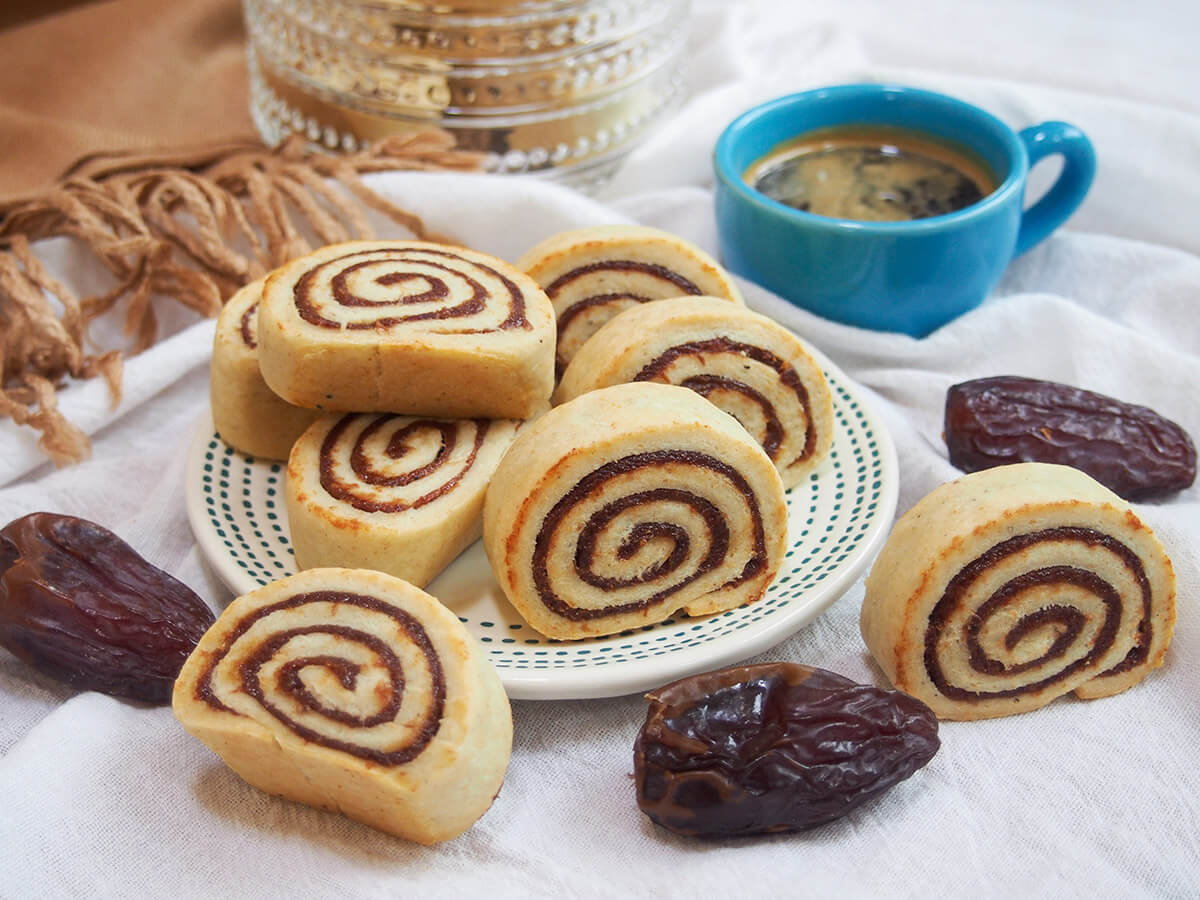
Kleicha, Iraq's national cookie, is often enjoyed during Eidand weddings. These cookies are filled with dates, nuts, or a spiced sugar mixture, and flavored with cardamomand rosewater.
Preparation Details:
- Prepare a dough with flour, ghee, milk, and cardamom.
- Roll out the dough and fill with: Dates and Nuts or spiced sugar mixture
- Shape the filled dough into crescentsor spirals.
- Brush with egg washand bake until golden brown.
- Serve with teaduring festive celebrations such as Eid.
6. Kubbeh Soup
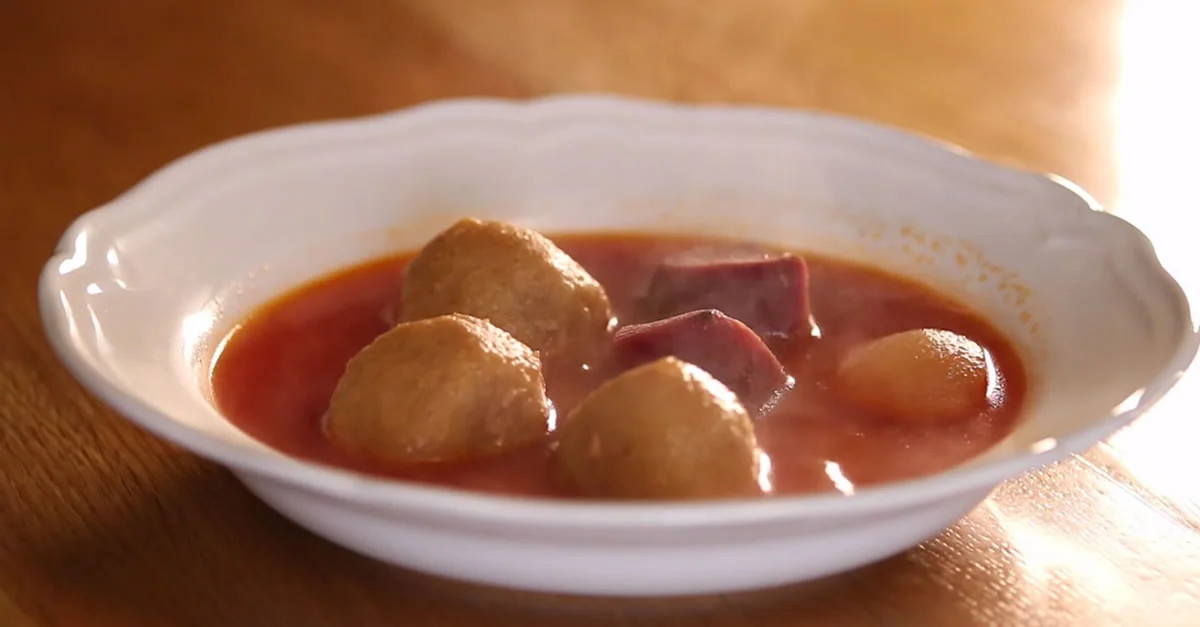
A rich soup featuring kubbeh dumplingsmade from bulgur wheat, stuffed with spiced meat. The dumplings are simmered in a flavorful broth, often enriched with tomatoesand aromatic spices.
Preparation Details:
- Prepare kubbeh dumplings using bulgur wheat dough stuffed with: Spiced minced lamb and Onions.
- Prepare a broth using: Tomatoes, Garlic and Aromatic spices (such as cumin and coriander)
- Add the kubbeh dumplings to the broth.
- Simmer gently until the dumplings are cooked through and tender.
7. Maqluba
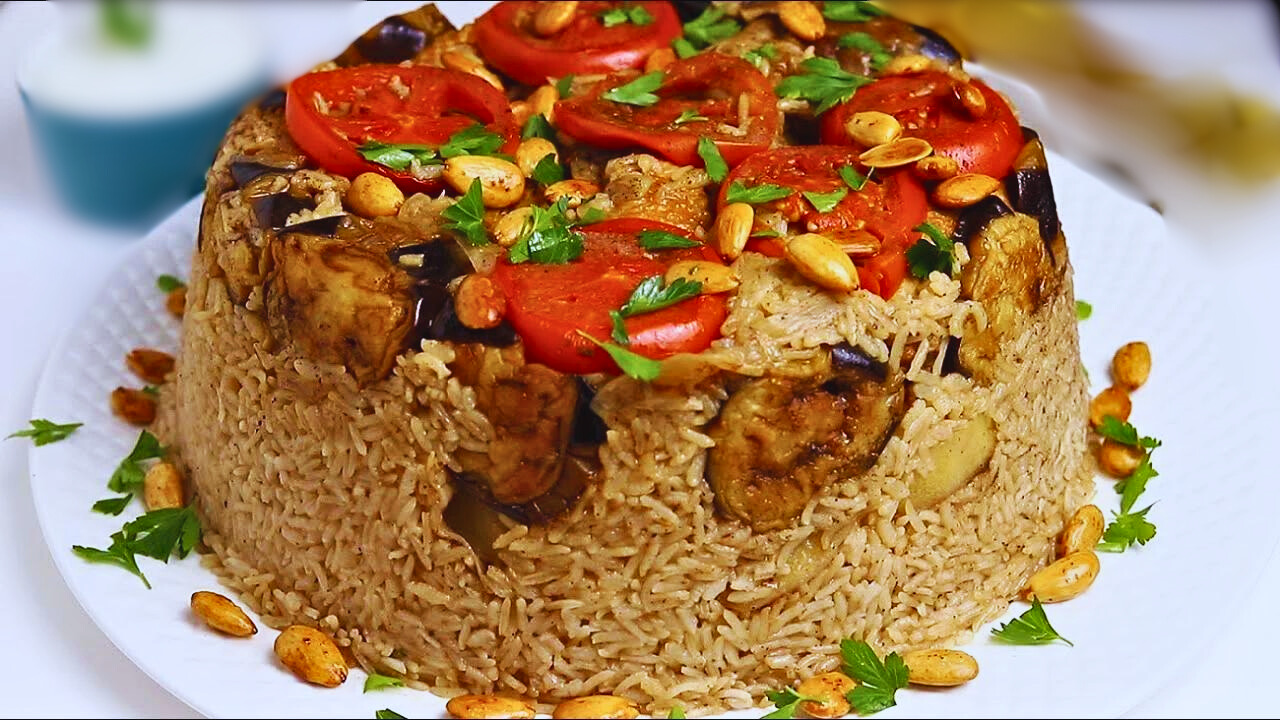
A popular dish from the Levant, including Syria, Palestine, Jordan, and Iraq. “Maqluba” means “upside-down,” describing its unique presentation.
Preparation Details:
- Layer rice, vegetables, and meat (often lamb or chicken) in a pot.
- Season with aromatic spices.
- Cook together until tender.
- Flip the pot onto a serving platter to reveal the layers.
8. Margat Bamia
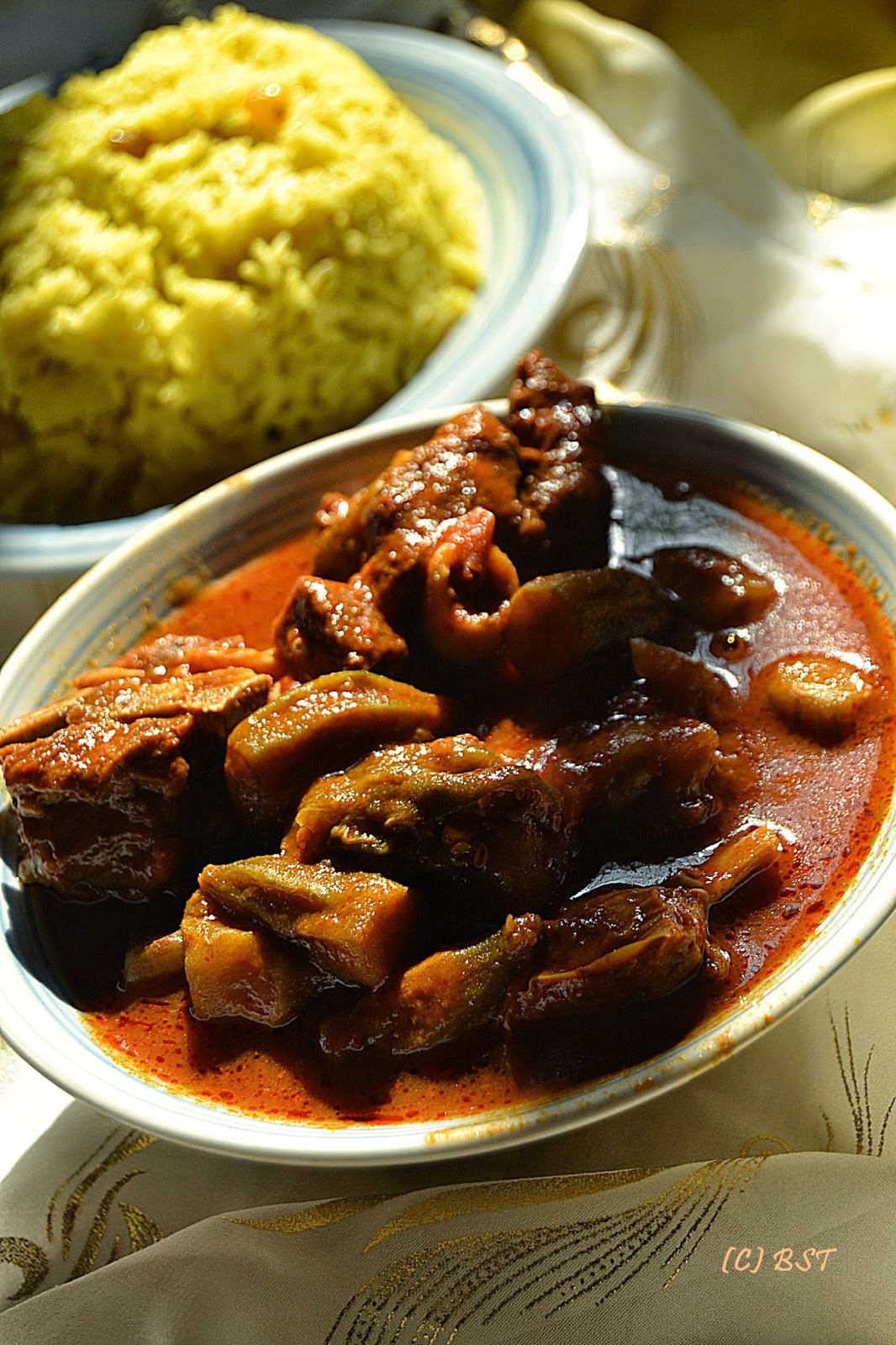
Margat Bamia is a popular dish from Iraq that is a tomato-based stew, with okra being the hero of the dish. The okra is simmered until tender, absorbing the rich flavors of the sauce while maintaining its distinct texture.
Preparation Details:
- Sauté onions and garlic, then add lamb or beef pieces.
- Stir in tomatoes, tomato paste, and spices.
- Add fresh okra and simmer until tender.
- Serve hot with rice or bread.
9. Timman Bagilla
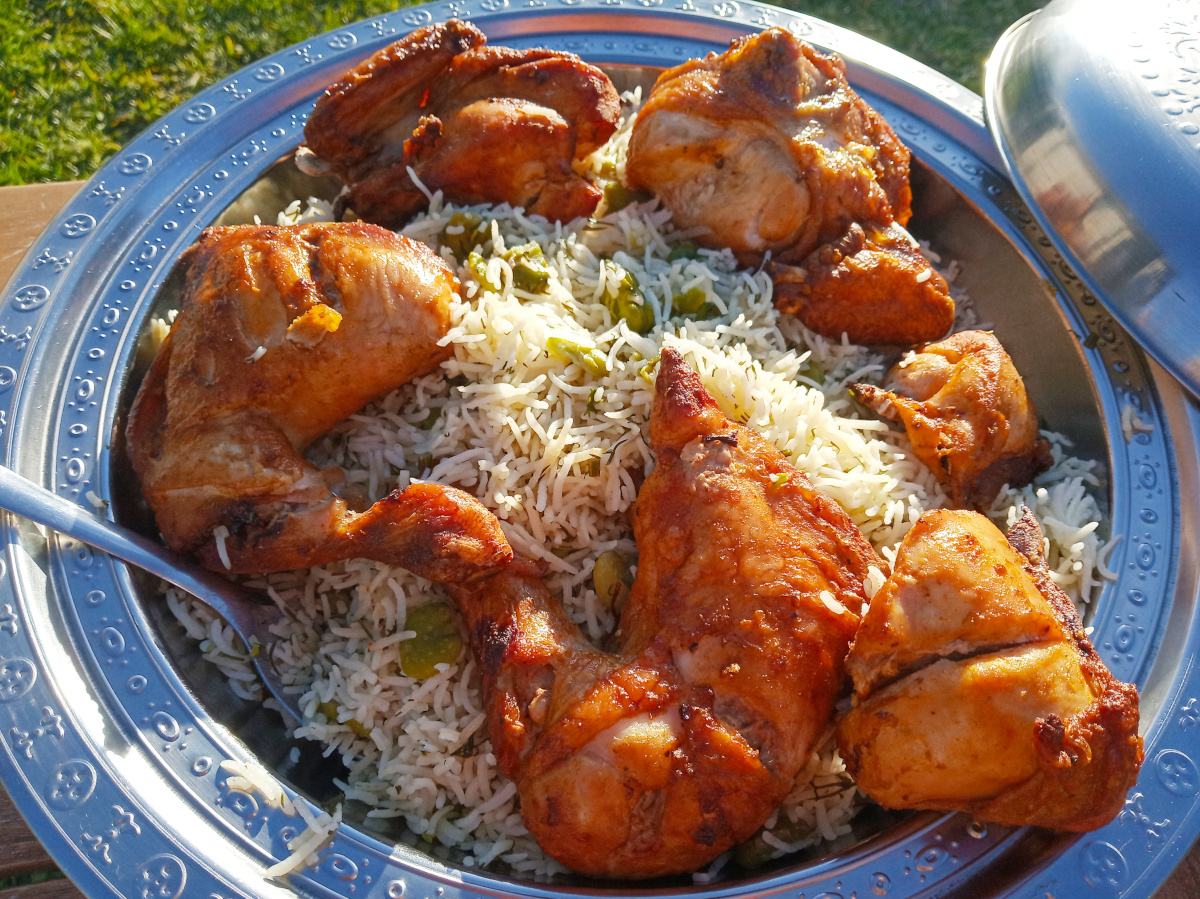
Timman Bagilla is a classic Iraqi dish featuring rice, fresh dill and fava beans as its main ingredients. As many foods from Iraq are heavy on meat, this vegetarian-friendly dish is an adaptable and satisfying staple, cherished when served with a dollop of yogurt or a fresh salad.
Preparation Details:
- Cook basmati rice with fresh dill, fava beans, and spices.
- Optionally add grilled meat or chicken on top.
- Serve with a dollop of yogurt or fresh salad.
10. Murag Meat Stew
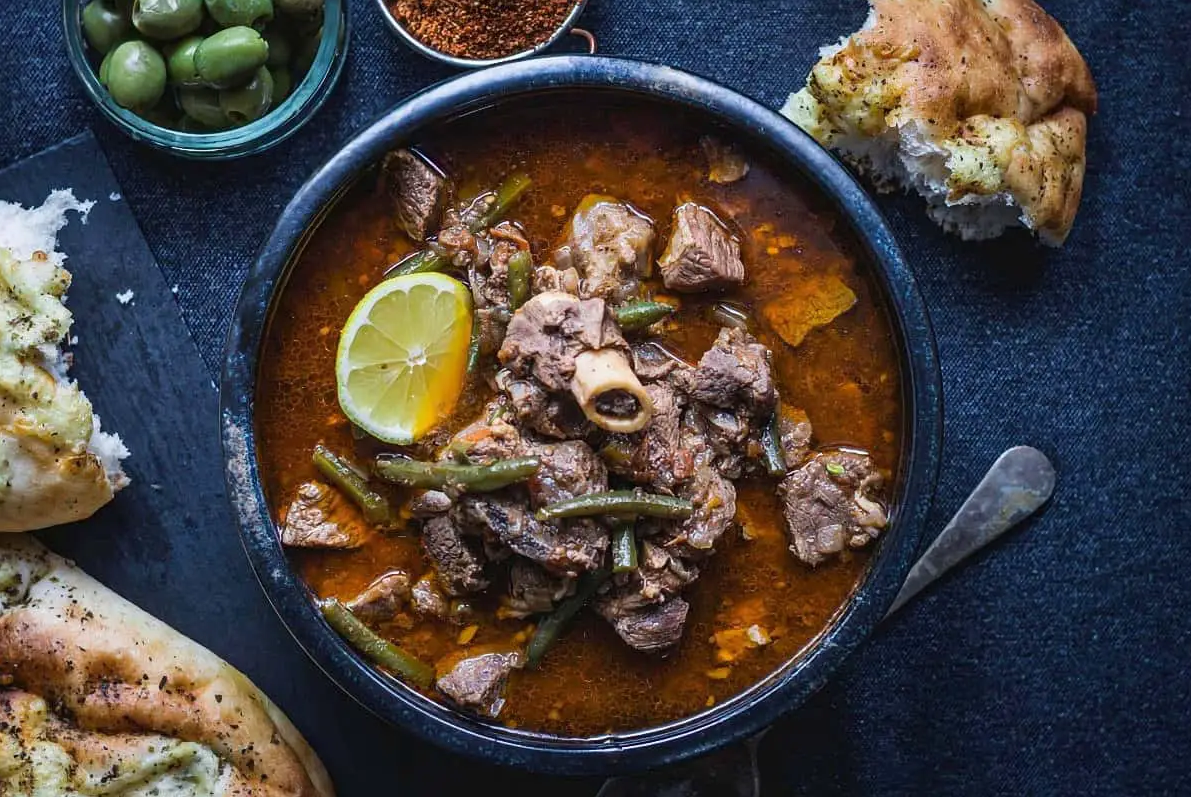
A slow-cooked lamb stew, Muragcombines tender meat with vegetables like okraor eggplant, simmered with a mix of spices, including baharat. Served with rice, this dish is a comforting staple.
Preparation Details:
- Sauté lamb pieces with: Onions, Garlic and Spices such as cumin and coriander
- Add vegetables like okraor eggplantto the pot.
- Pour in wateror broth.
- Simmer over low heat for several hours until the meat is tender and the flavors are well-developed.
11. T’beet (Stuffed Chicken)
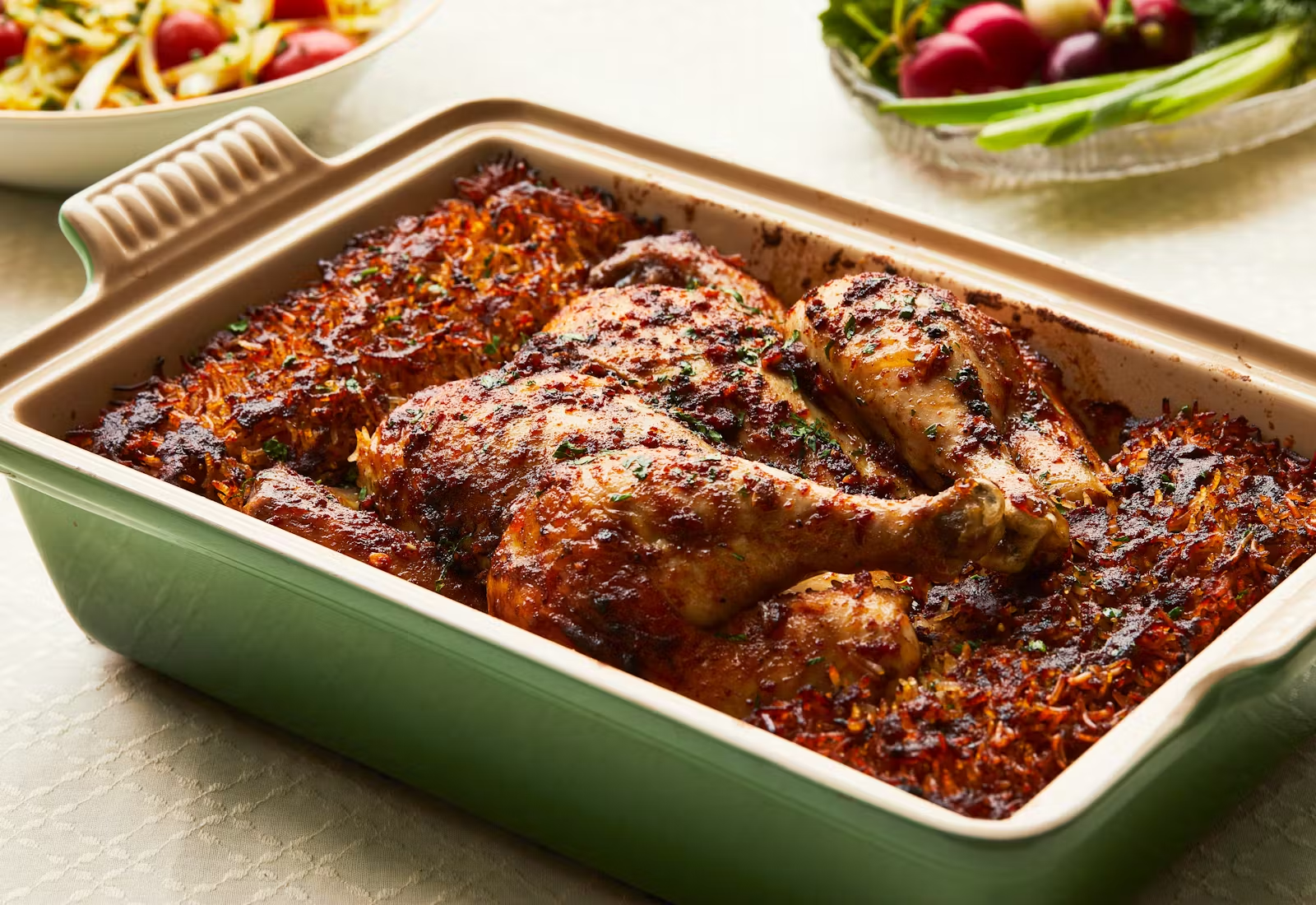
This Iraqi-Jewish dishfeatures chicken stuffed with spiced riceand slow-cooked to perfection. It is traditionally prepared for Shabbatand serves as a symbol of comfort and family.
Preparation Details:
- Stuff a whole chicken with a mixture of: Rice seasoned with cinnamon, cardamom, and baharat and Tomatoes
- Truss the chicken tightly to ensure the stuffing stays inside.
- Cook the chicken slowly, often overnight, to allow the flavors to meld and the chicken to become incredibly tender.
12. Quzi – A Roasted Lamb Feast
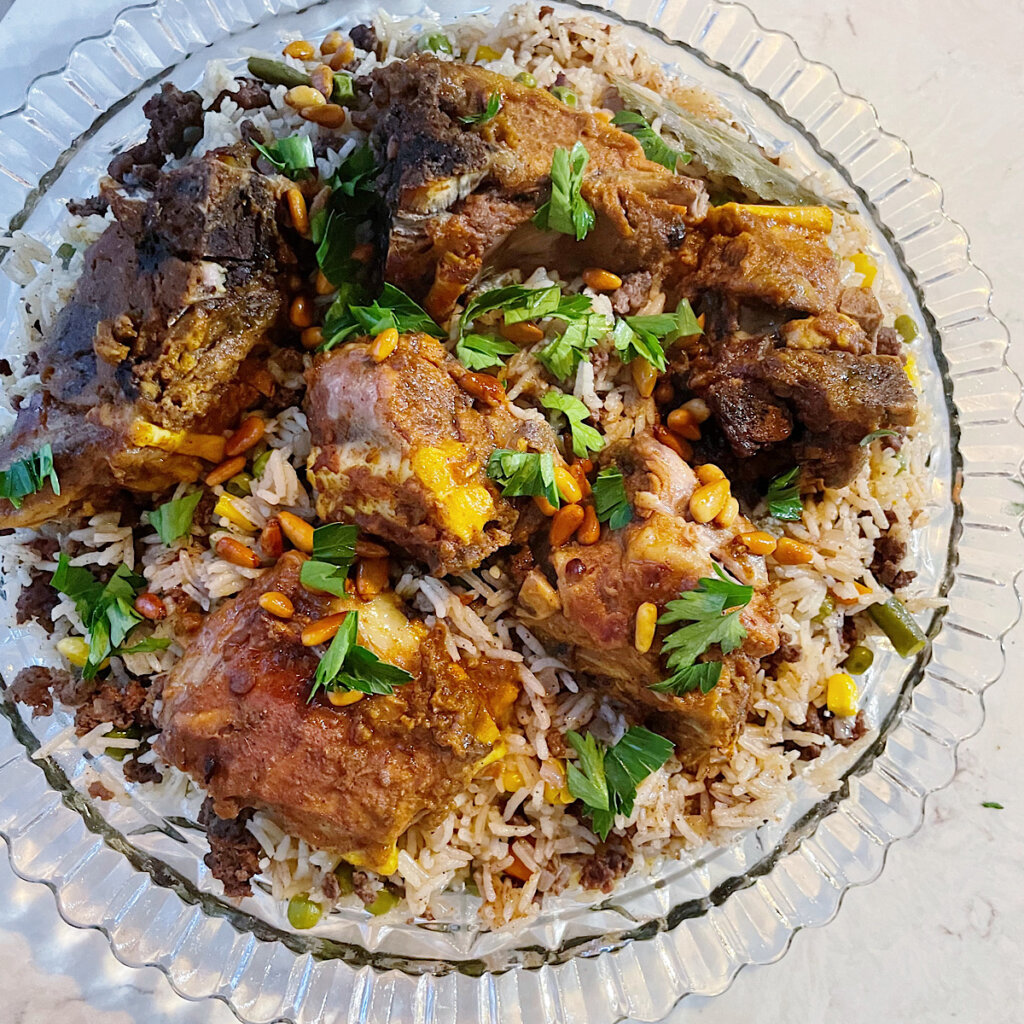
Quziis a celebratory dish where roast lambis served over a bed of spiced rice, often garnished with almonds, raisins, and potatoes. It’s typically served during weddings and large family gatherings.
Preparation Details:
- Marinate a whole lamb in a mixture of: Yogurt, Garlic, Cinnamon and Cardamom
- Roast the lamb slowly until the meat is tender and falling off the bone.
- Serve the lamb on a bed of spiced basmati rice, garnished with: Raisins, Almonds and Crispy fried onions.
13. Qeema Najafi
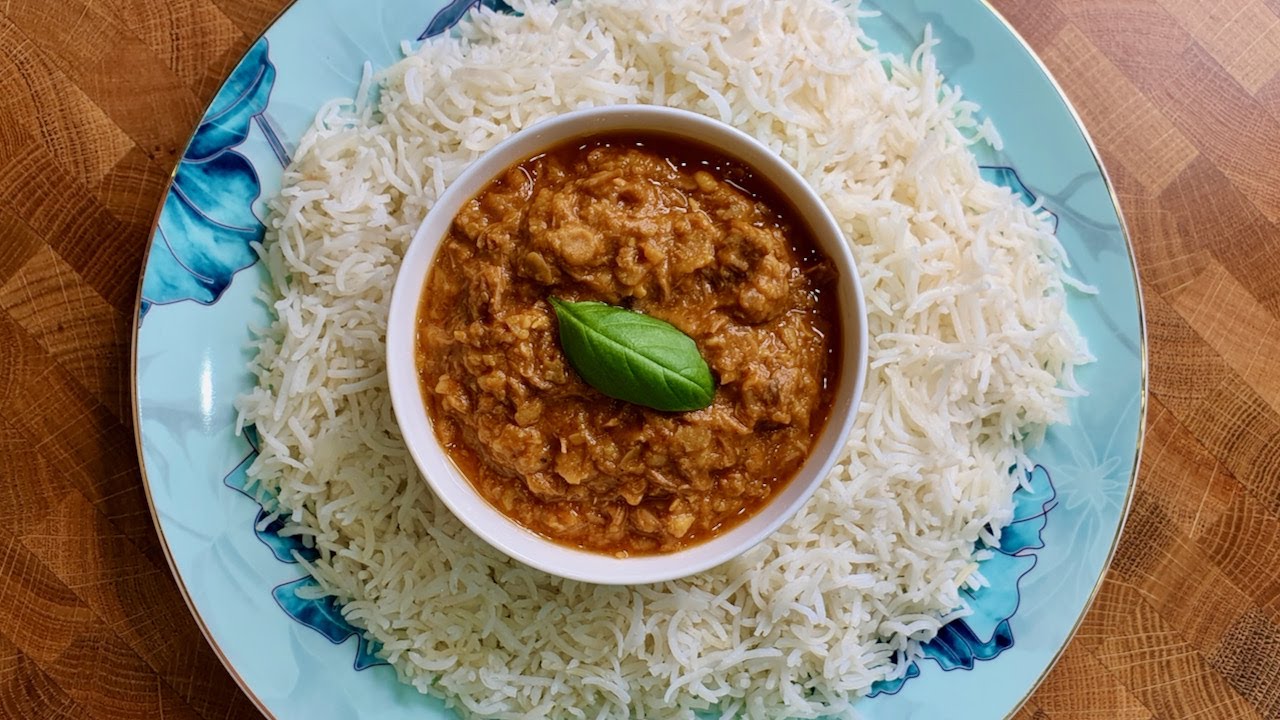
A unique and highly regarded stew from Najaf, made with minced meat and split chickpeas, often served during Ashura religious commemorations.
Preparation Details:
- Cook minced lamb or beef with onions and tomatoes.
- Add chickpeas and a blend of spices like cinnamon and cardamom.
- Simmer until thick and flavorful.
- Serve with rice or bread.
14. Tepsi Baytinijan
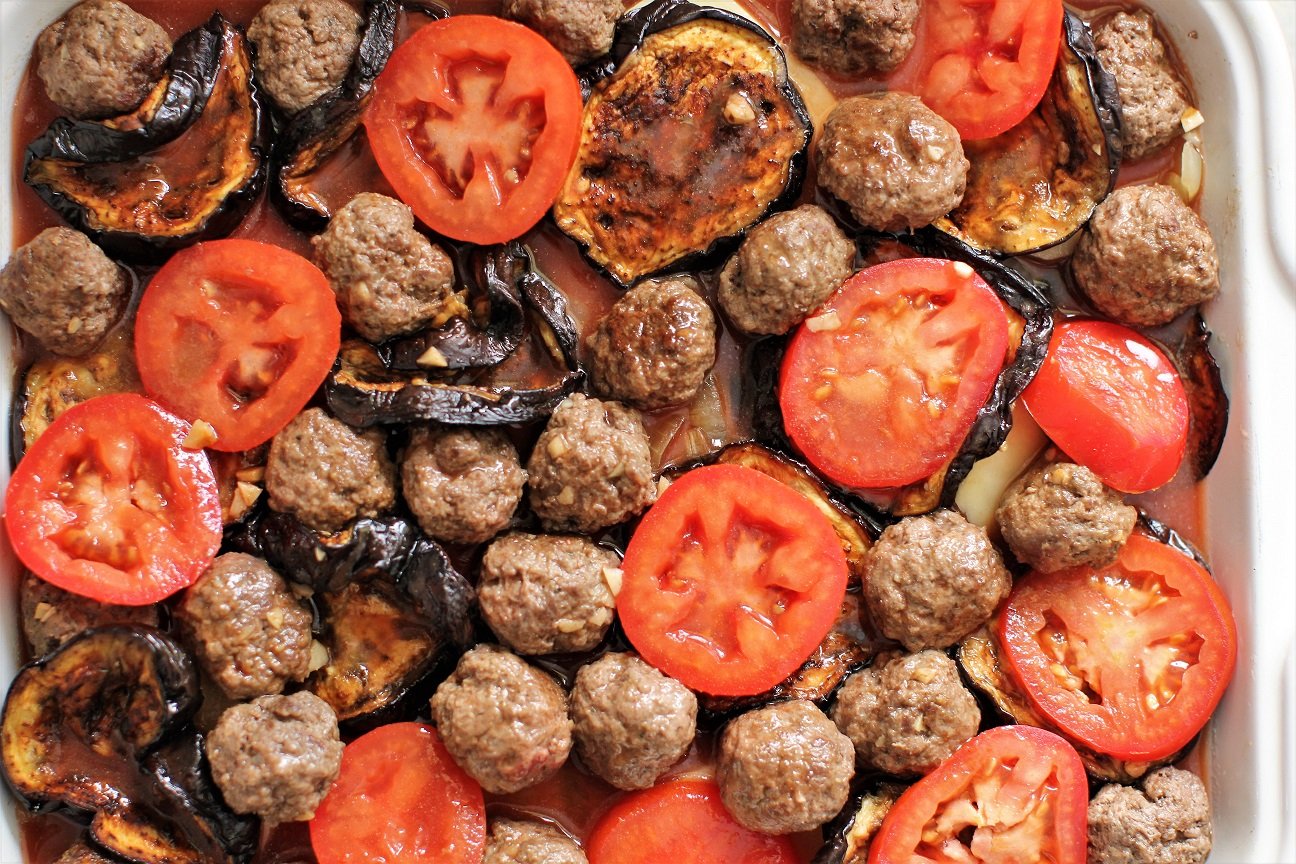
A rich baked casserole of eggplant, meatballs, and tomatoes, serving as a comforting alternative to stews.
Preparation Details:
- Fry eggplant slices until lightly golden.
- Layer with seasoned minced meat, tomatoes, and potatoes.
- Pour over tomato sauce.
- Bake until bubbling and golden brown.
15. Falafel
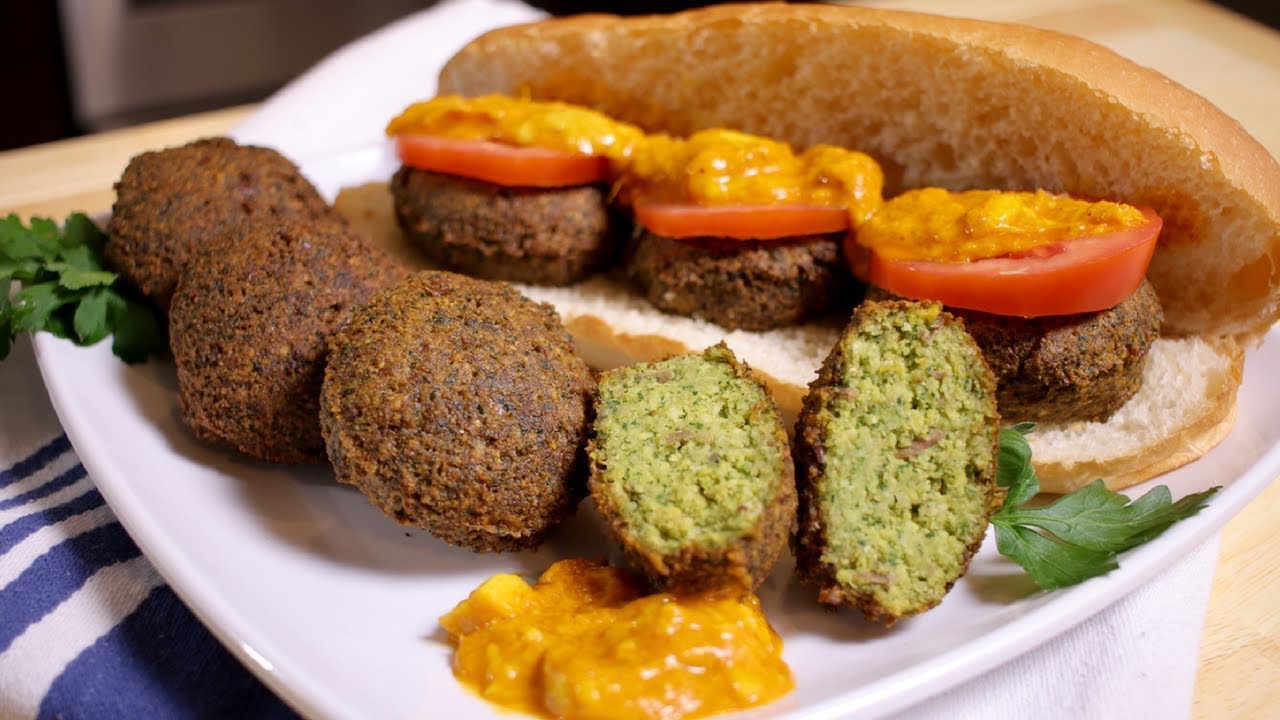
These small, Middle Eastern favorite deep-fried balls made of chickpeas, parsley, and onions are a staple in Iraqi cuisine and are enjoyed with tahini sauce or hummus. It’s always best when freshly cooked from the fryer.
Preparation Details:
- Blend soaked chickpeas with parsley, onion, and spices.
- Shape into balls or patties.
- Deep-fry until golden brown.
- Serve hot with tahini or hummus.
16. Vegetarian Dolma
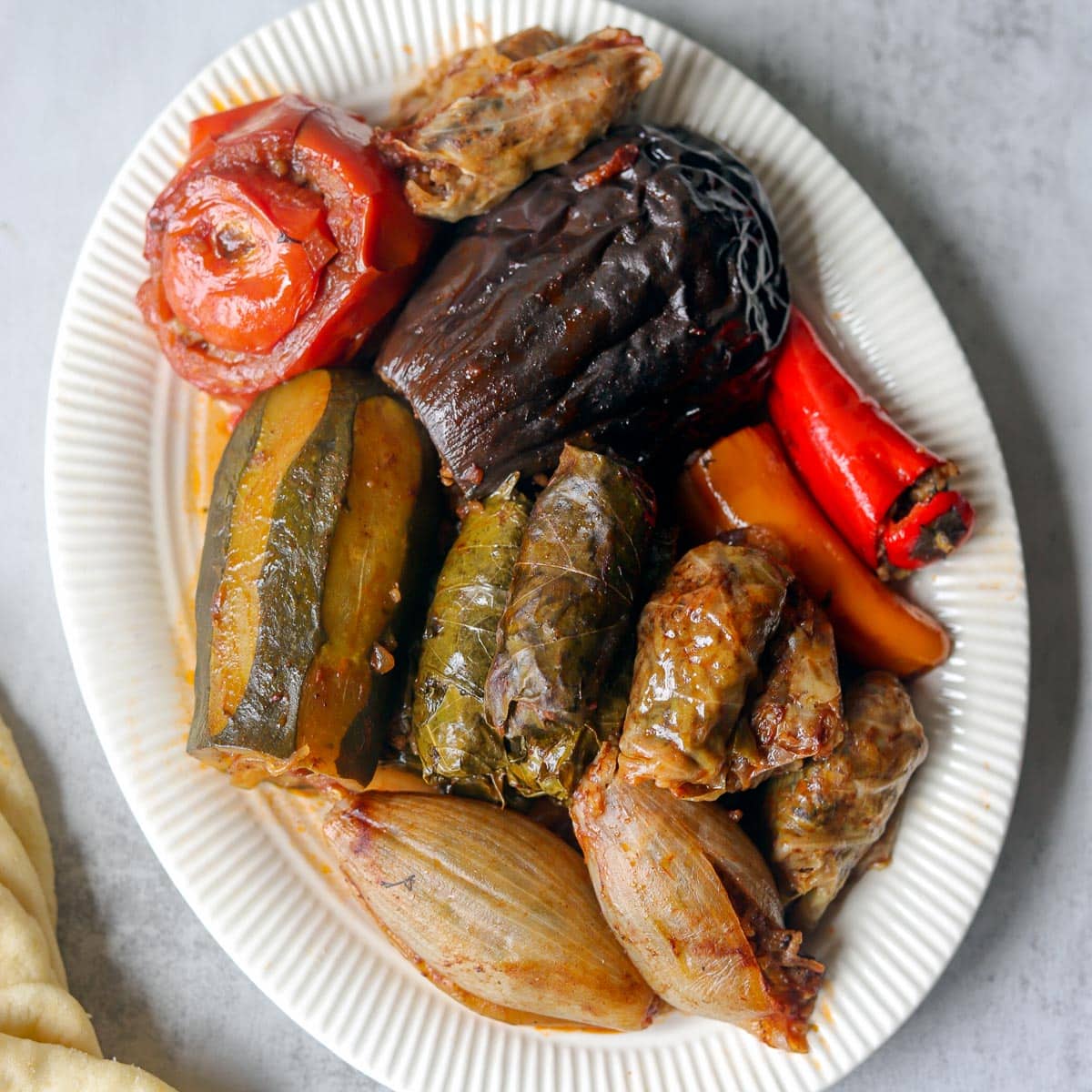
This version of Dolmareplaces the meat with a combination of lentils, herbs, and rice, creating a lighter, vegetarian alternative that retains the dish's signature flavors.
Preparation Details:
- Prepare a filling using: Rice, Lentils, Fresh herbs (e.g., parsley, cilantro) and Spices like cumin and turmeric.
- Hollow out the vegetables or use grape leaves.
- Stuff the vegetables with the rice and lentil mixture.
- Arrange the stuffed vegetables in a pot and cook them in a tomato-based brothuntil tender.
17. Tashreeb
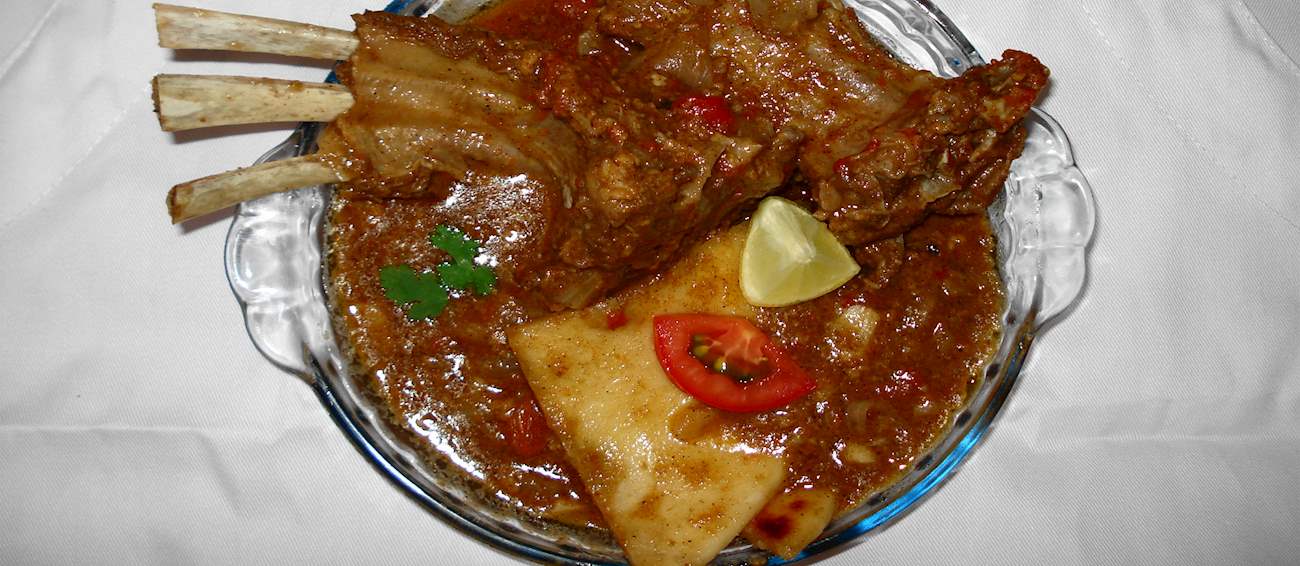
A bread-based stew where pieces of Samoon breadare soaked in meat brothand served with lambor chicken. The bread absorbs the rich broth, making it a hearty and satisfying dish.
Preparation Details:
- Arrange pieces of Samoon breadin a deep dish.
- Pour meat brothover the bread, allowing it to soak thoroughly.
- Garnish with cooked chickpeas, caramelized onions, and fresh herbs.
- Serve warm as a hearty, comforting meal.
18. Hummus
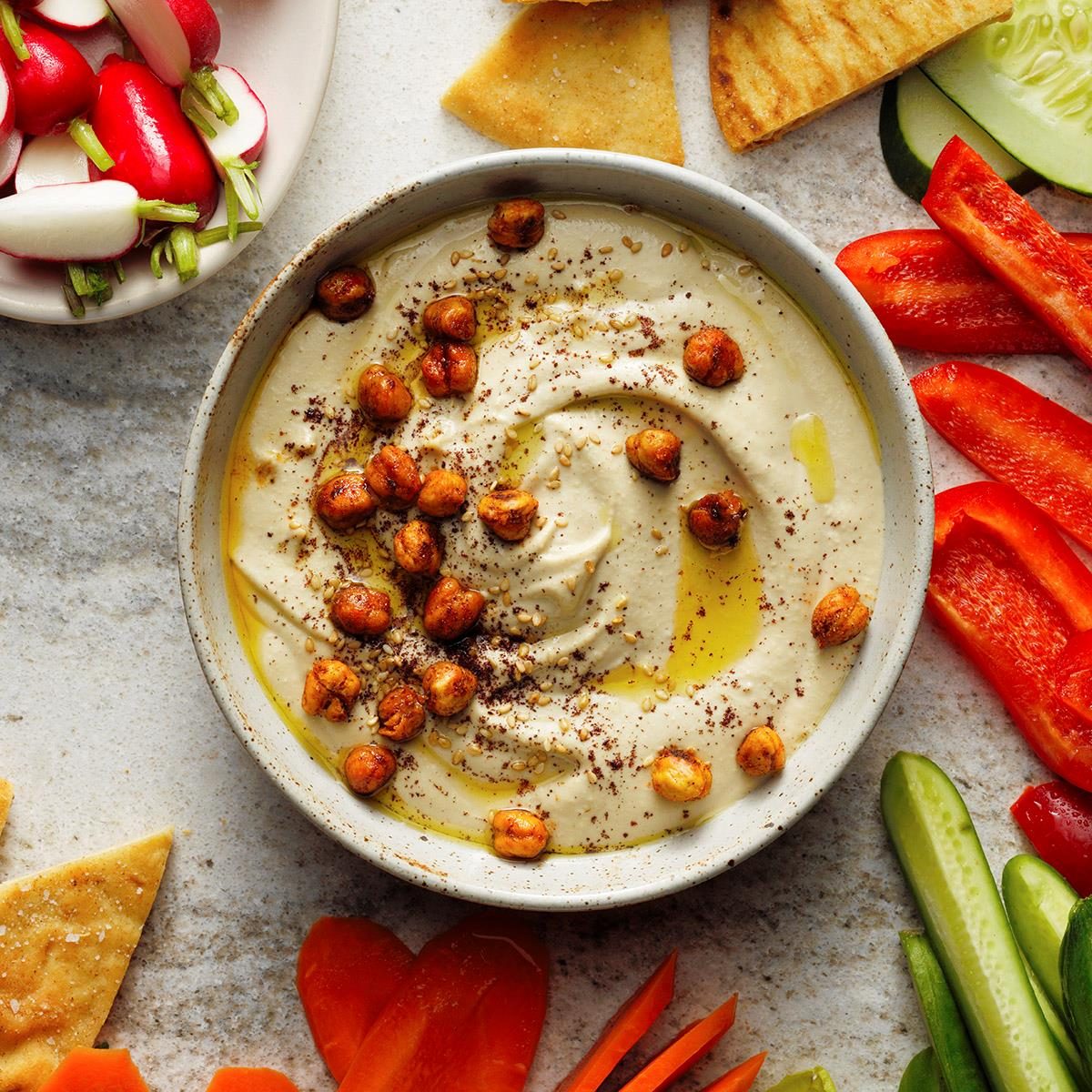
A popular chickpea dip made with tahini, lemon, garlic, and olive oil. Hummusis commonly served with Samoonor pita bread as an appetizer or side dish.
Preparation Details:
- Blend chickpeaswith tahini, garlic, lemon juice, and cuminuntil smooth.
- Garnish with olive oiland a sprinkle of paprika.
- Serve as a dip with Samoonor pita bread.
19. Mujaddara
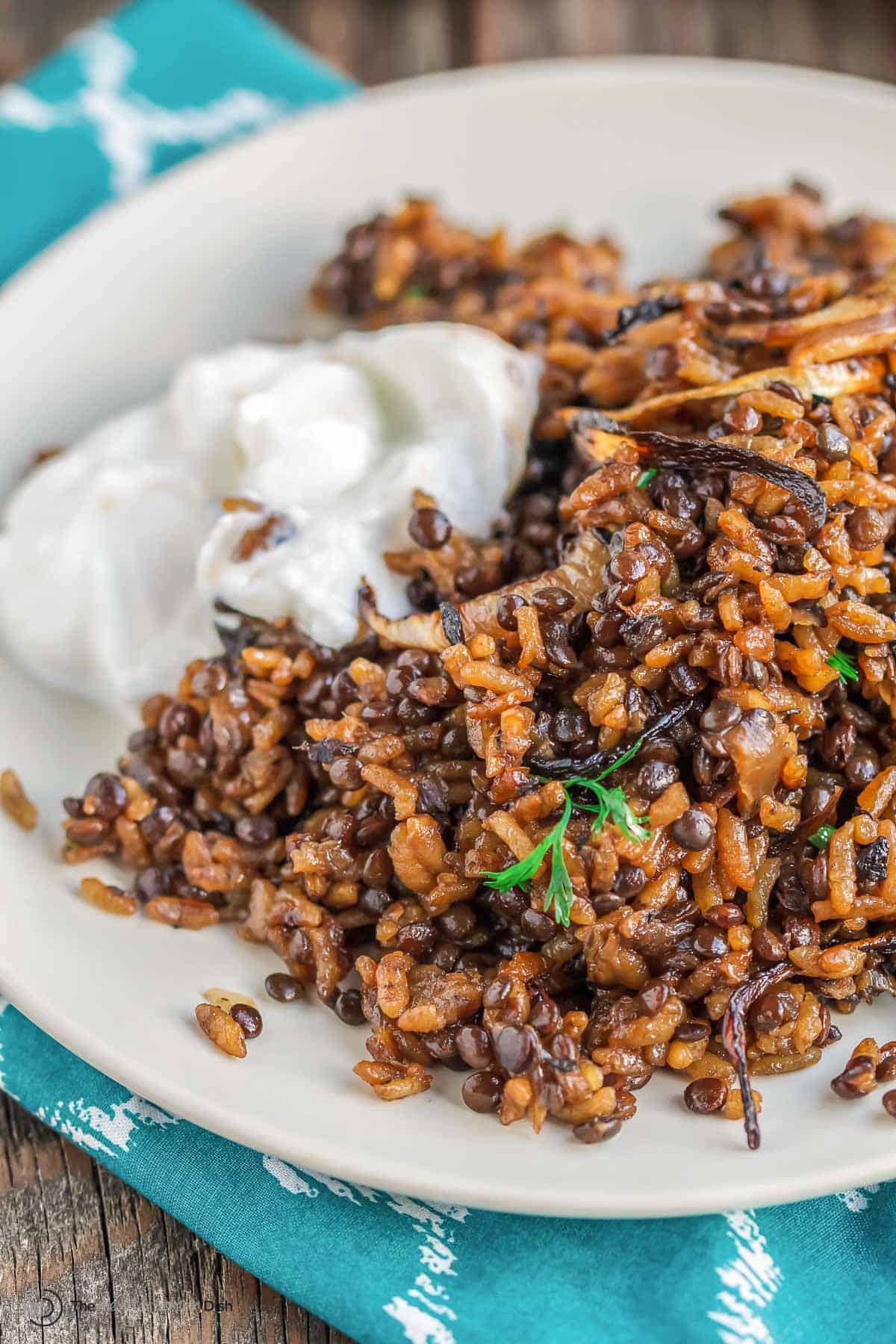
A simple yet flavorful dish of lentils, rice, and fried onions. Often served with yogurt, it is a common vegetarian option in Iraqi cuisine.
Preparation Details:
- Cook lentilsuntil tender.
- Add parboiled riceand a generous amount of fried onions.
- Slow-cook until the flavors are blended, and garnish with more fried onions.
- Serve with yogurtor a fresh cucumber salad.
20. Shish Kebab
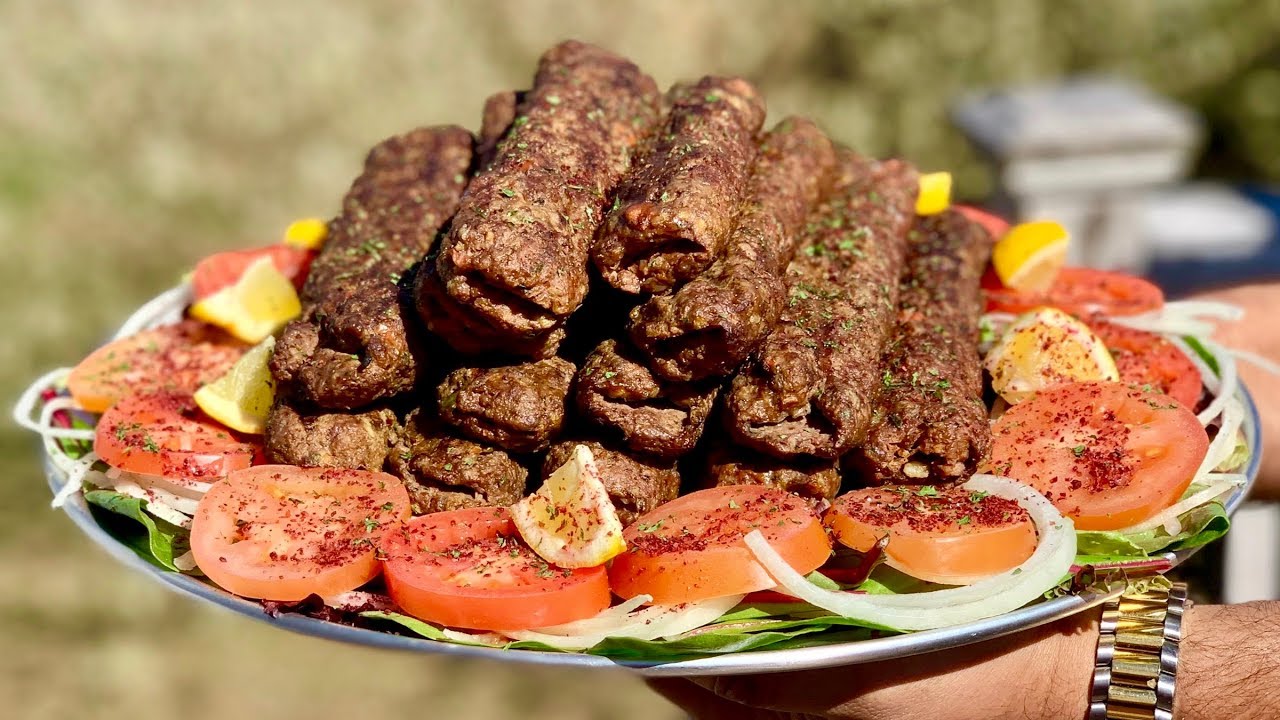
Grilled skewers of minced lambor beef, seasoned with spices like cumin, sumac, and paprika. Shish Kebabis often served with grilled vegetables and flatbread.
Preparation Details:
- Season minced lamb or beefwith spices like sumac, cumin, and paprika.
- Form the meat onto skewers.
- Grill the skewers over an open flame until charred and juicy.
- Serve with grilled vegetableslike bell peppersand onions, alongside flatbread.
21. Basturma (Iraqi Sausage)
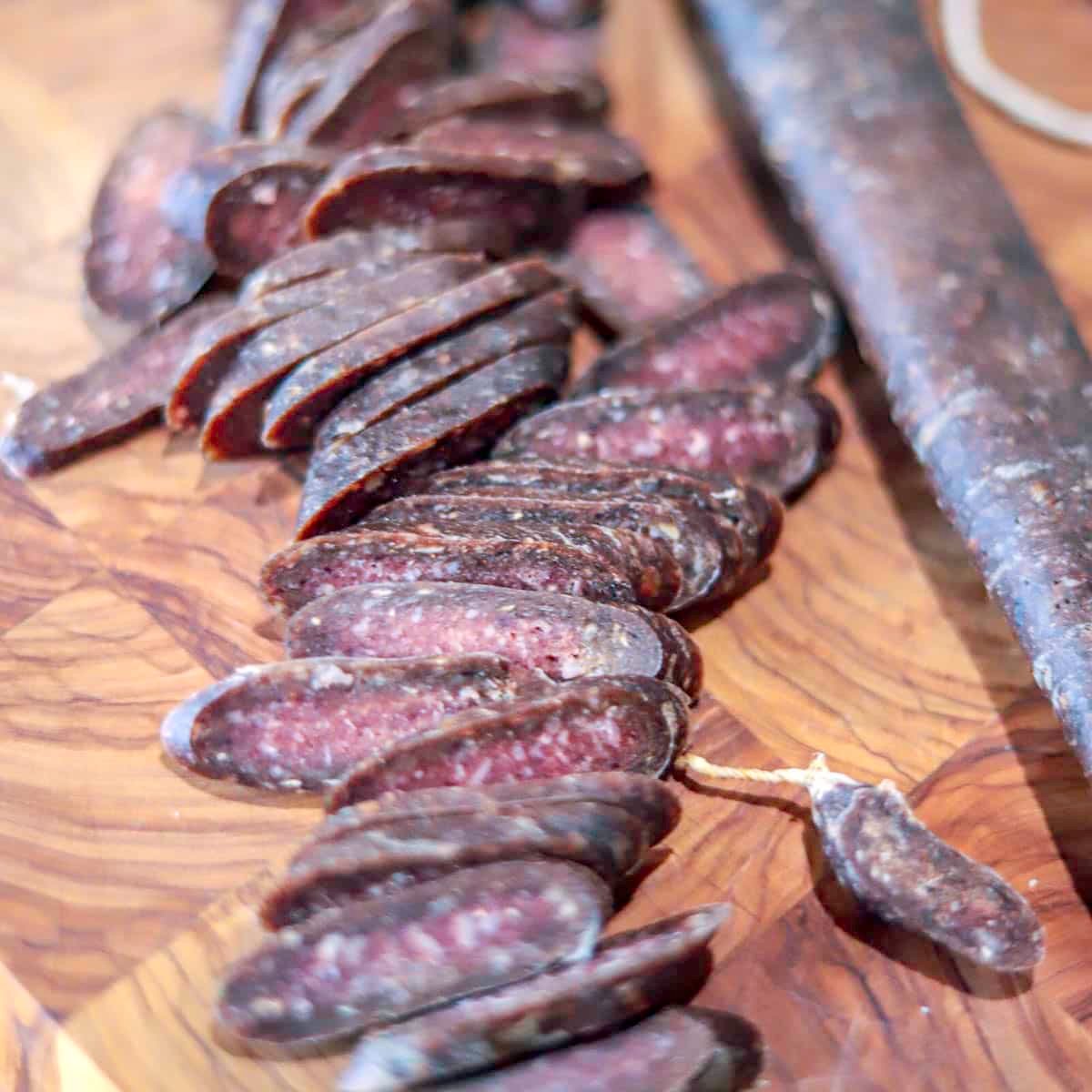
A highly seasoned and dried sausage made from vealor lamb, Basturmais often served for breakfast alongside eggs.
Preparation Details:
- Season ground veal or lambwith fenugreek, garlic, and black pepper.
- Form into sausages and allow them to dry or age to enhance the flavor.
- Serve thinly slicedwith breadfor breakfast or as part of a mezze platter.
22. Amba – A Tangy Mango Condiment
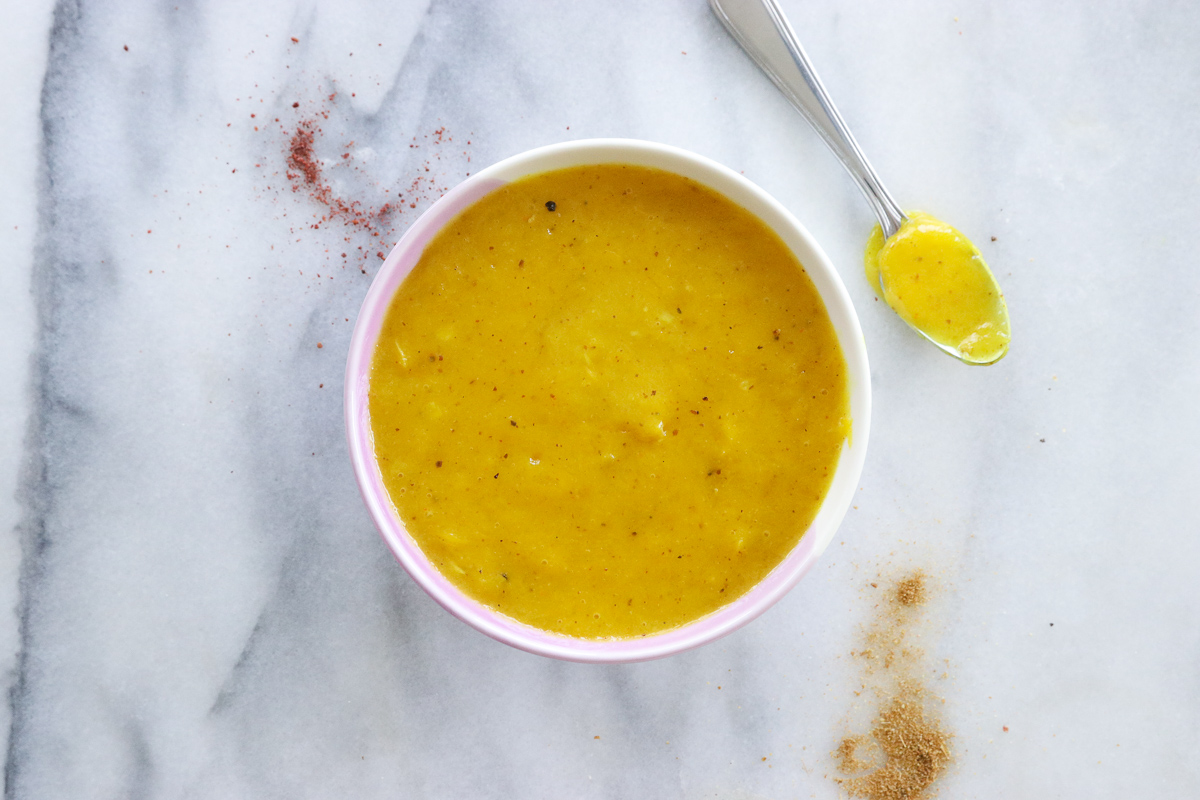
A mango-based condiment, Ambais tangy and spicy, made with pickled mangoes and spices. It’s often served with grilled meats like Shish Kebabor as a topping for sandwiches.
Preparation Details:
- Pickle green mangoesin a mixture of fenugreek, turmeric, chili, and garlic.
- Allow the mixture to fermentuntil it develops a tangy and spicy flavor.
- Serve as a condiment with grilled meatsor as a topping for sandwiches like Shish Kebab.
23. Bagila Bil Dihin – A Hearty Breakfast
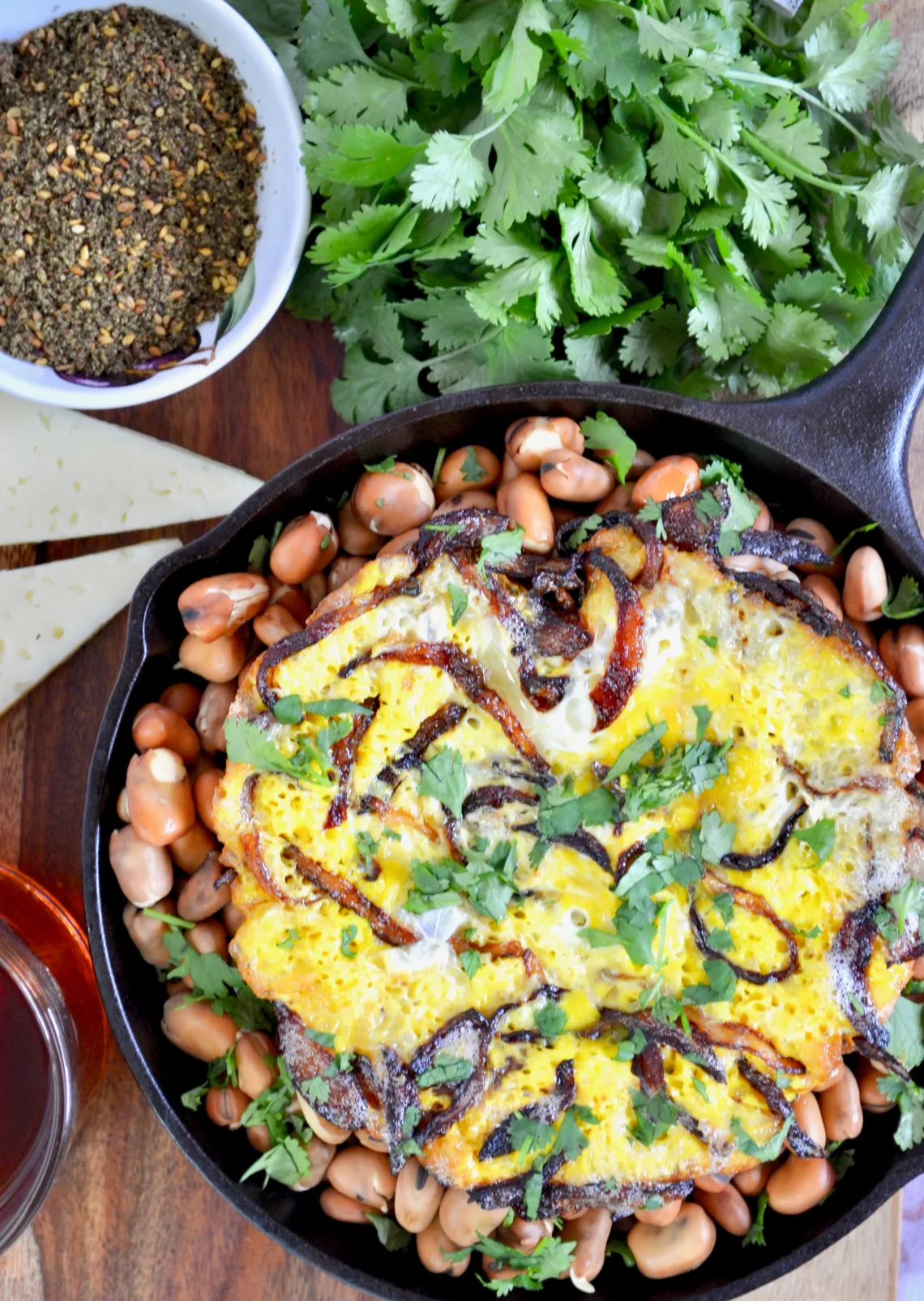
This dish of broad beanstopped with fried eggsand served over pita breadis a hearty breakfast option, often accompanied by hot oil poured over the top.
Preparation Details:
- Boil broad beansuntil tender.
- Layer the cooked beans over soaked pita bread.
- Top with fried eggs.
- Drizzle with hot oilbefore serving.
24. Kahi And Geymar – A Sweet Breakfast
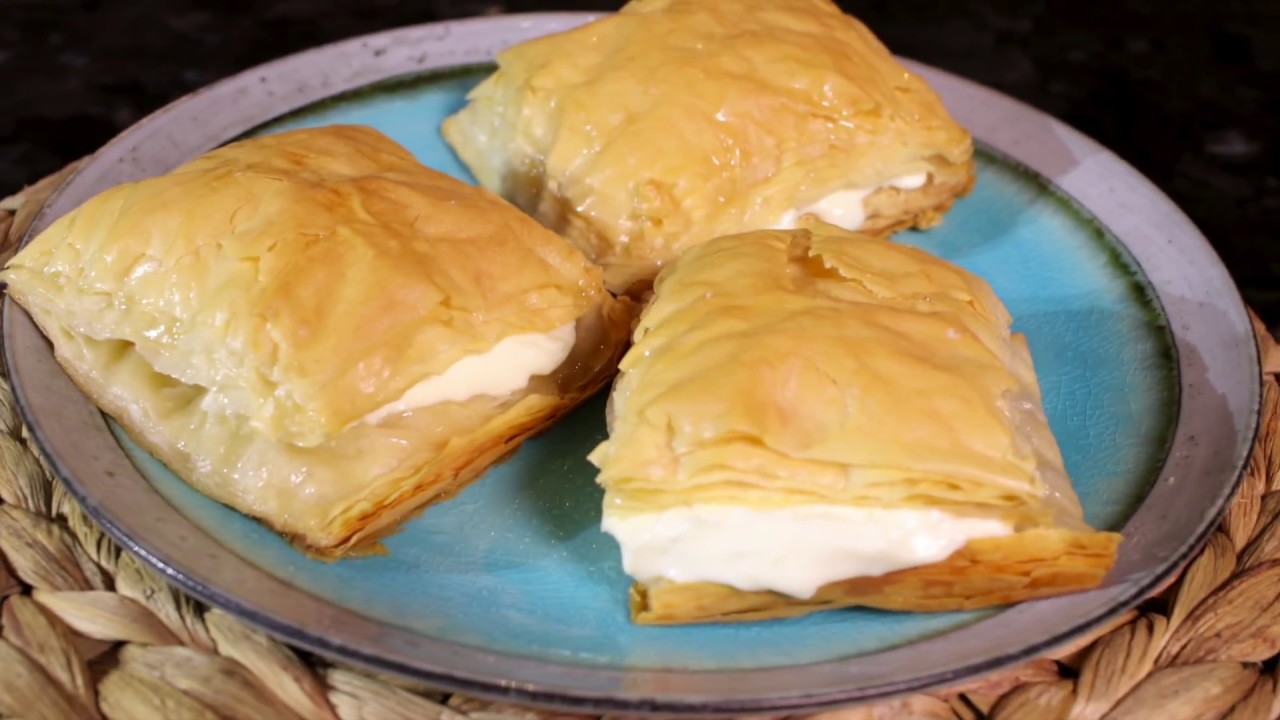
Layers of flaky pastrydrenched in syrupand topped with clotted creammake Kahi and Geymara sweet, indulgent breakfast often enjoyed with tea.
Preparation Details:
- Bake layers of pastry doughuntil golden and crispy.
- Drench the pastry with simple syrup.
- Top with Geymar(thick clotted cream).
- Serve alongside teafor a traditional breakfast experience.
25. Iraqi Potato Chap
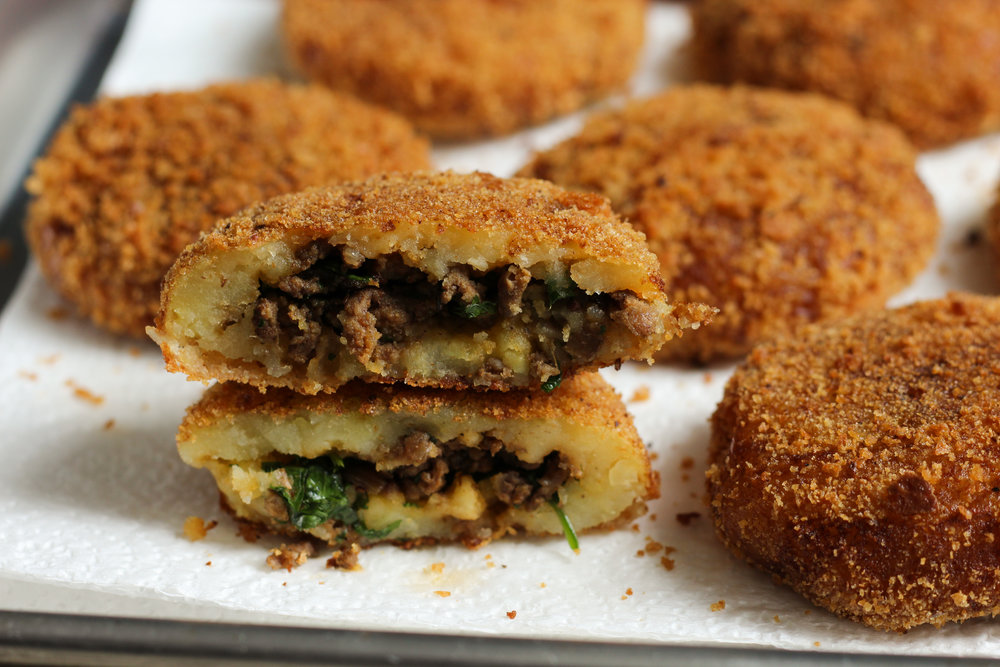
Mashed potato pattiesfilled with minced meat, Potato Chapis a delicious snack or appetizer, often served with a side salad.
Preparation Details:
- Mix mashed potatoeswith spicesand form into small patties.
- Stuff each patty with spiced minced meat.
- Fry the patties until they are golden brownand crispy on the outside.
- Serve as a snackor appetizer.
26. Kubbeh Halab – Fried Dumplings
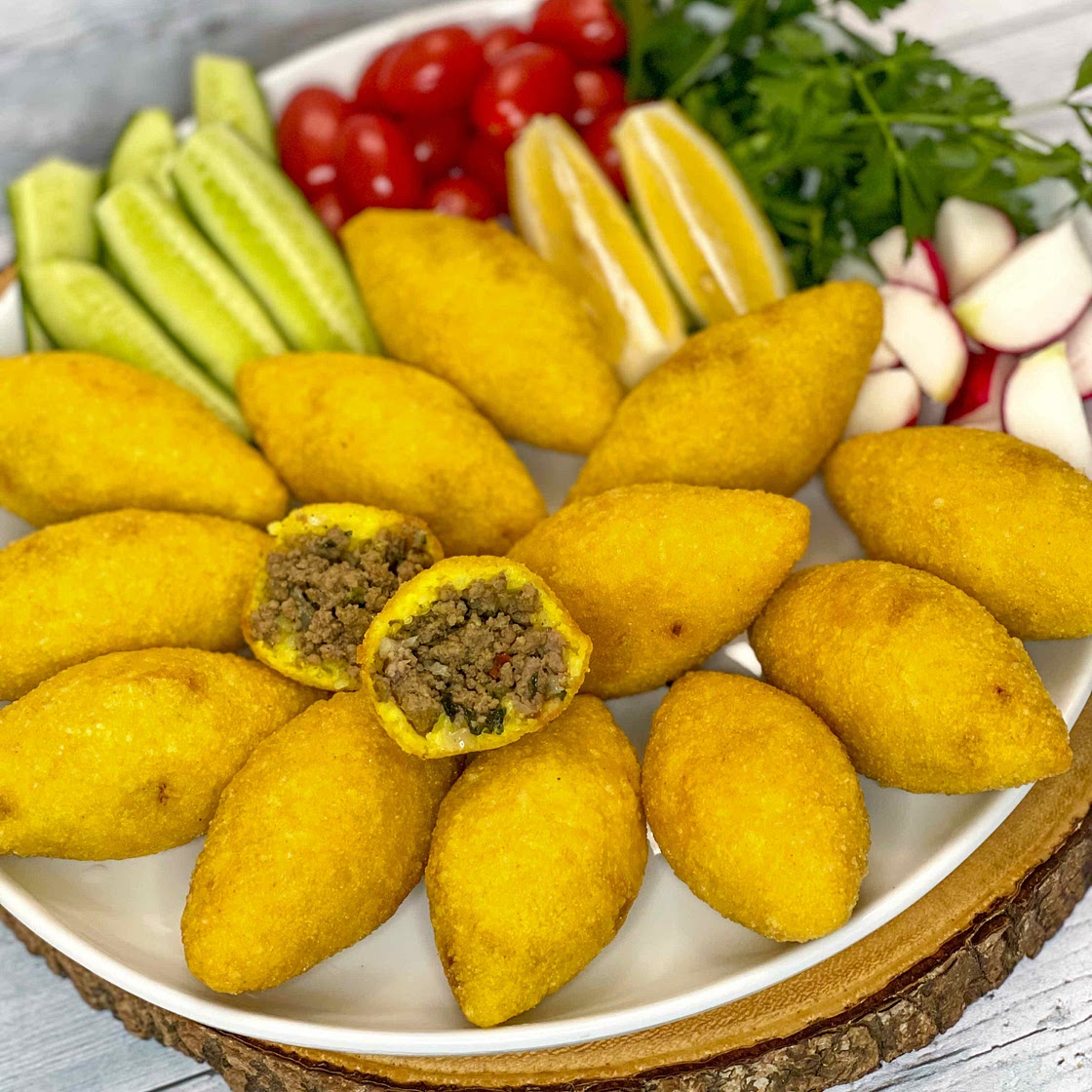
Kubba is one of the most popular foods in Iraq, known throughout the region by various names like kibbeor bulgur koftesi. It is made from bulgur (cracked wheat) dough and stuffed with minced meat, onions, and spices. This appetizer is super tasty and often enjoyed with dips such as hummus and baba ghanoush.
Preparation Details:
- Prepare a dough using bulgur wheatand semolina.
- Fill the dough with a mixture of minced meat, onions, and pine nuts.
- Shape the filled dough into discs.
- Fry the discs until they are crispyon the outside and tender on the inside.
27. Daheen – A Sticky Sweet From Najaf
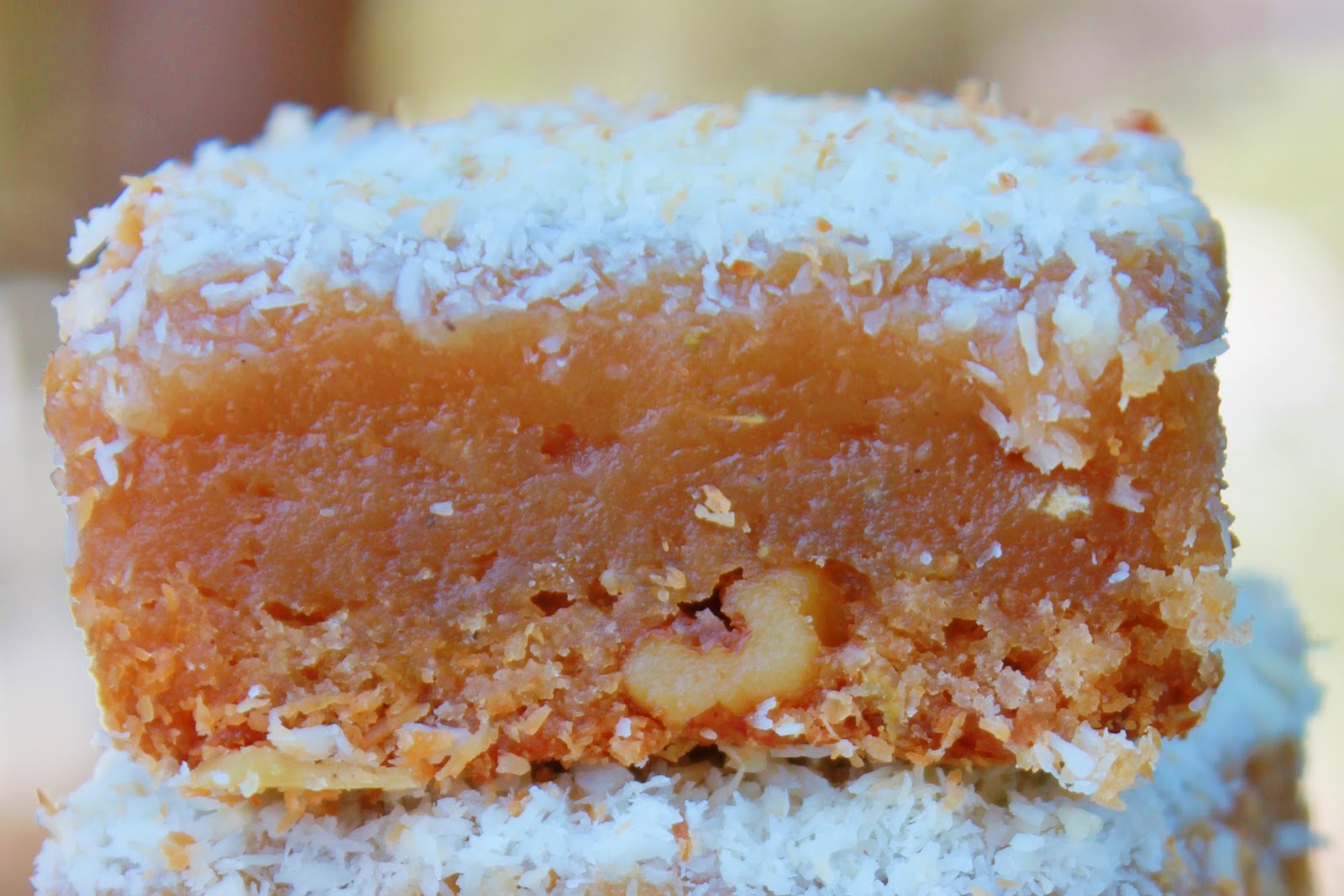
This dessert is made with semolina, sugar, and butter, resulting in a sticky, chewy texture. It’s a regional favorite, particularly during special occasions.
Preparation Details:
- Mix semolina, sugar, ghee, and milk.
- Cook the mixture until it becomes thick and sticky.
- Once set, garnish with crushed nuts.
- Serve in small pieces, often during special occasions or as a treat after meals.
28. Zerde – Saffron Rice Pudding
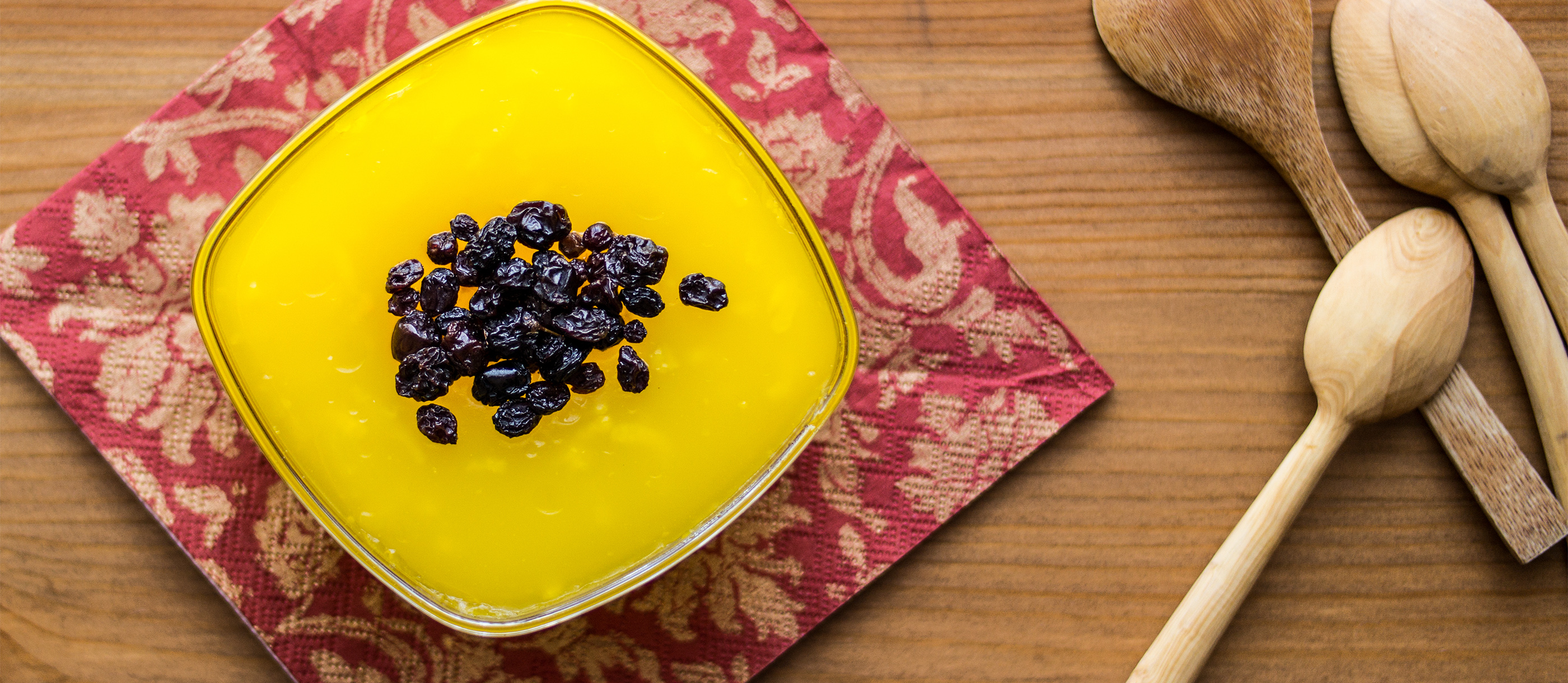
A sweet rice puddinginfused with saffronand garnished with pine nutsand pistachios. Zerdeis often served during festivals and weddings.
Preparation Details:
- Boil ricein sugar water.
- Add saffron, rose water, and pine nuts.
- Simmer until the rice is tender and absorbs the flavors.
- Garnish with pistachiosbefore serving during celebrations or as a dessert.
29. Makhlabi / Mehalabiya
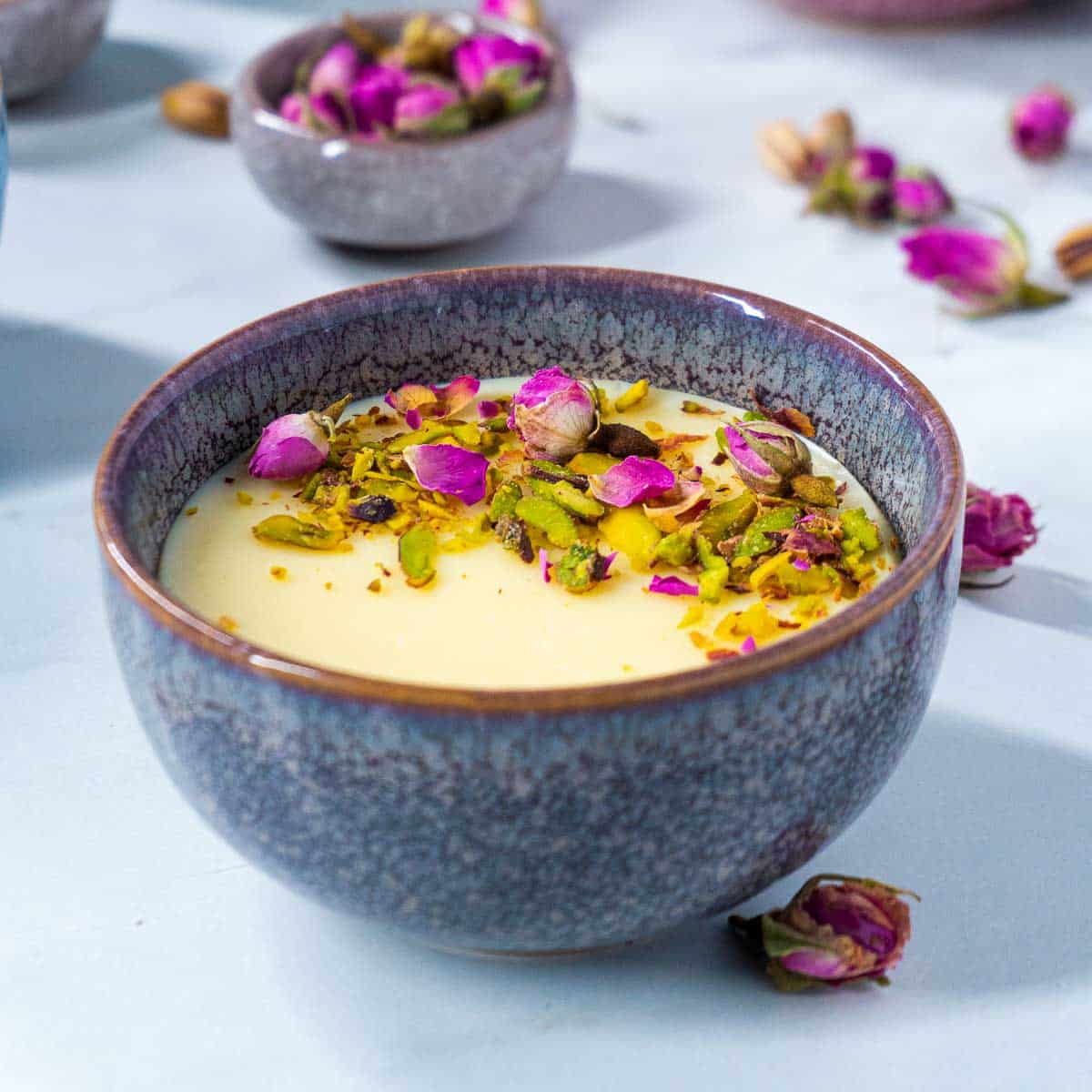
A highly cherished dessert, adored for its dreamy, creamy texture and soft flavour. It’s a milk pudding thickened with rice flour and spiced with rose or orange blossom water, served chilled.
Preparation Details:
- Simmer milk with rice flour and sugar until thick.
- Add rose or orange blossom water for aroma.
- Chill thoroughly.
- Garnish with chopped nuts and a dusting of cinnamon.
30. Halawa – Tahini-Based Confection
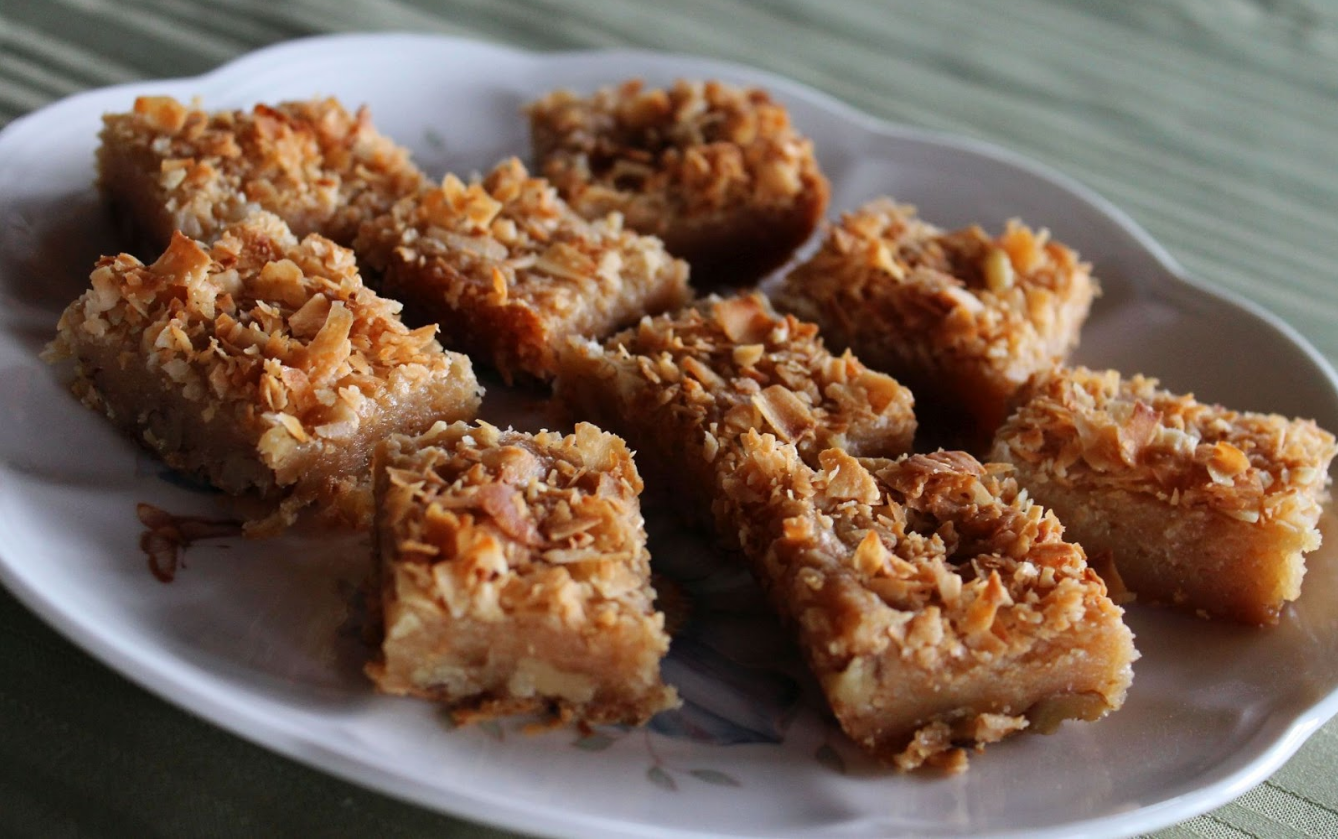
A dense, sweet dessert made from tahiniand sugar, often flavored with pistachiosor almonds. Halawais traditionally enjoyed with tea or coffee.
Preparation Details:
- Mix tahini(sesame paste) with sugarand optionally honey.
- Stir in chopped pistachiosor almondsfor extra texture.
- Allow the mixture to cool and set into a dense block.
- Slice and serve with teaor coffeeas a rich, sweet treat.
31. Halawet El-Jibn
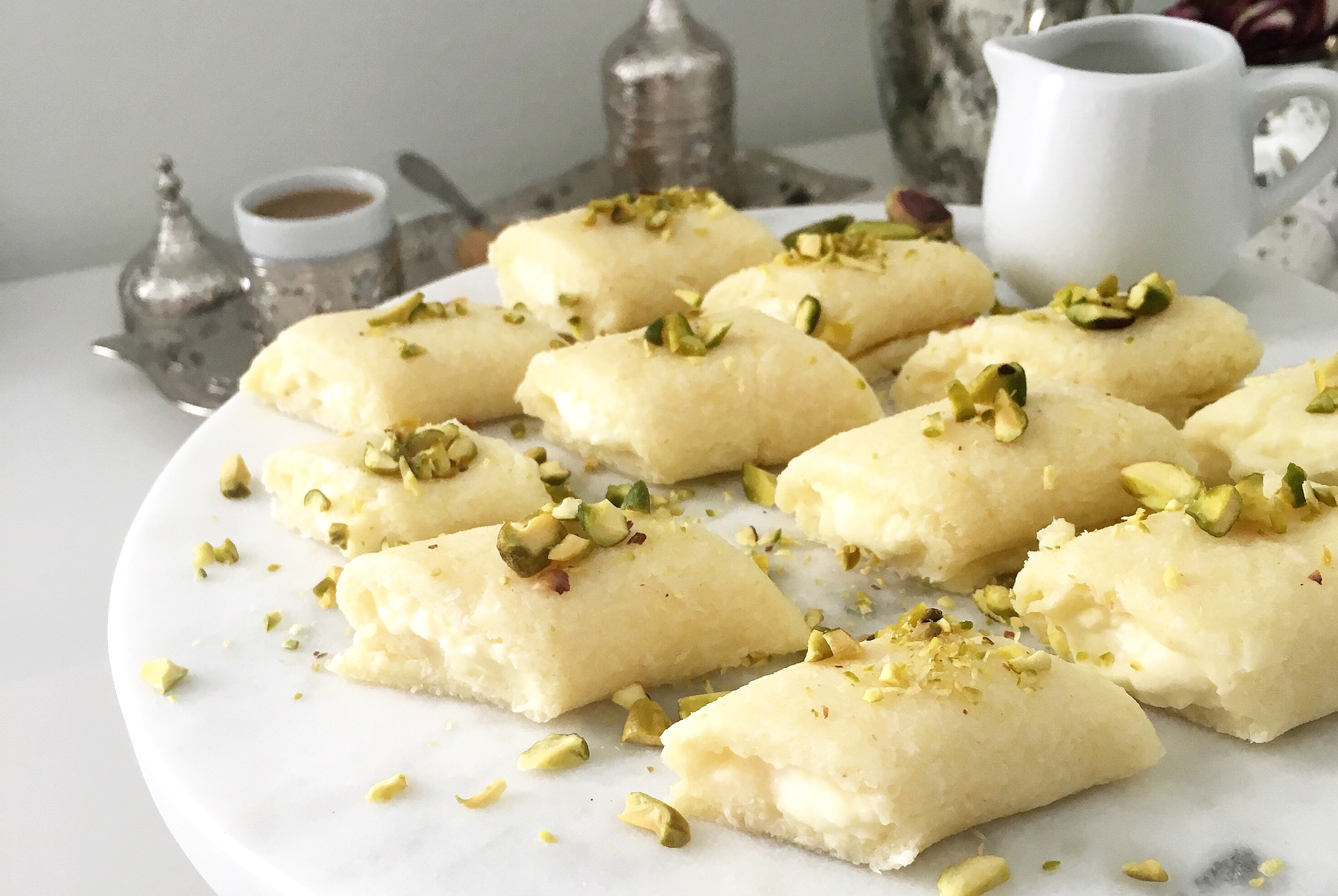
This widespread dessert consists of sweetened cheese rolled into thin, stretchy layers and filled with a creamy mixture made from semolina, sugar, and rose water.
Preparation Details:
- Cook cheese with semolina and sugar to form a pliable dough.
- Roll out thin layers.
- Fill with creamy semolina or rose-scented filling.
- Garnish with crushed pistachios before serving.
32. Qatayef
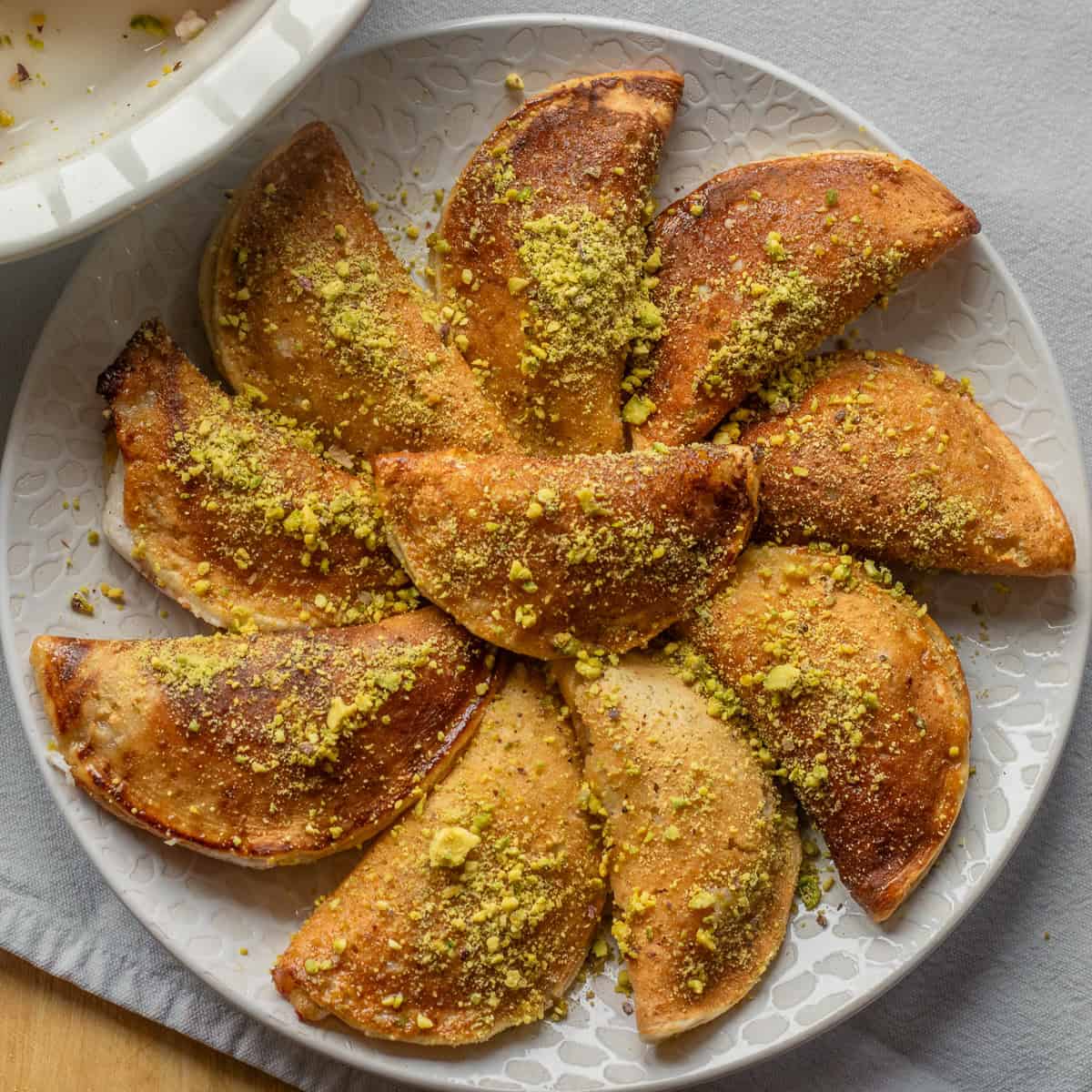
A favored dessert, especially during Ramadan. It is an Arabic pancake stuffed with nuts (pistachios, walnuts) or cream, fried or baked, and then drenched in syrup, usually rose water or blossom water.
Preparation Details:
- Prepare small pancakes.
- Fill them with nuts (pistachios or walnuts) or cream.
- Fold and seal the edges.
- Fry or bake until golden.
- Soak in rosewater or blossom syrup.
33. Baklava
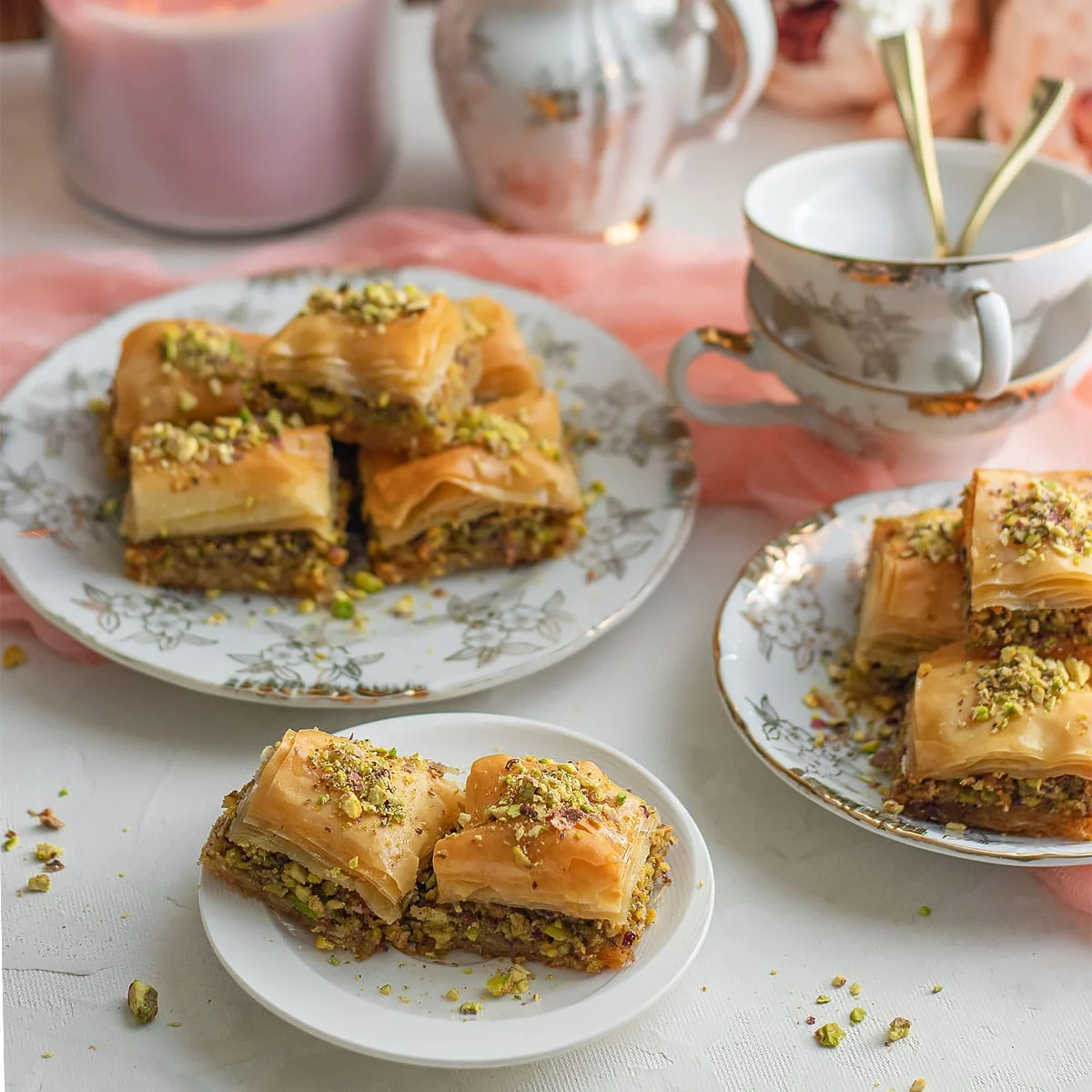
A rich, flaky dessert common across the Middle East and a staple in Iraqi sweet shops. This popular dessert made with filo pastry layers, chopped nuts, such as pistachios or walnuts, and sweetened with syrup or honey. The result is a delightful combination of flaky layers and a sweet taste.
Preparation Details:
- Layer filo pastry sheets with chopped nuts (walnuts or pistachios).
- Brush each layer with butter.
- Bake until golden and crisp.
- Soak in honey or syrup for a fragrant sweetness.
34. Kunafeh
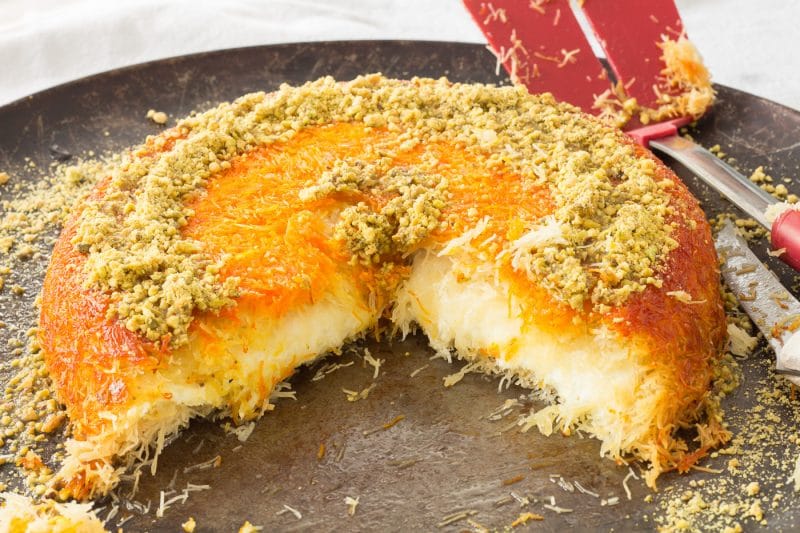
A celebrated Middle Eastern dessert popular in Iraq, featuring sweet, cheesy layers. The filling is flavored with cardamom and orange zest, and it is served warm.
Preparation Details:
- Layer shredded kataifi pastry with clotted cream or ricotta cheese.
- Bake until crisp and golden.
- Soak in sugar syrup scented with rose water.
- Serve warm and garnish with pistachios.
35. Stuffed Dates (Tamr Mahshi)
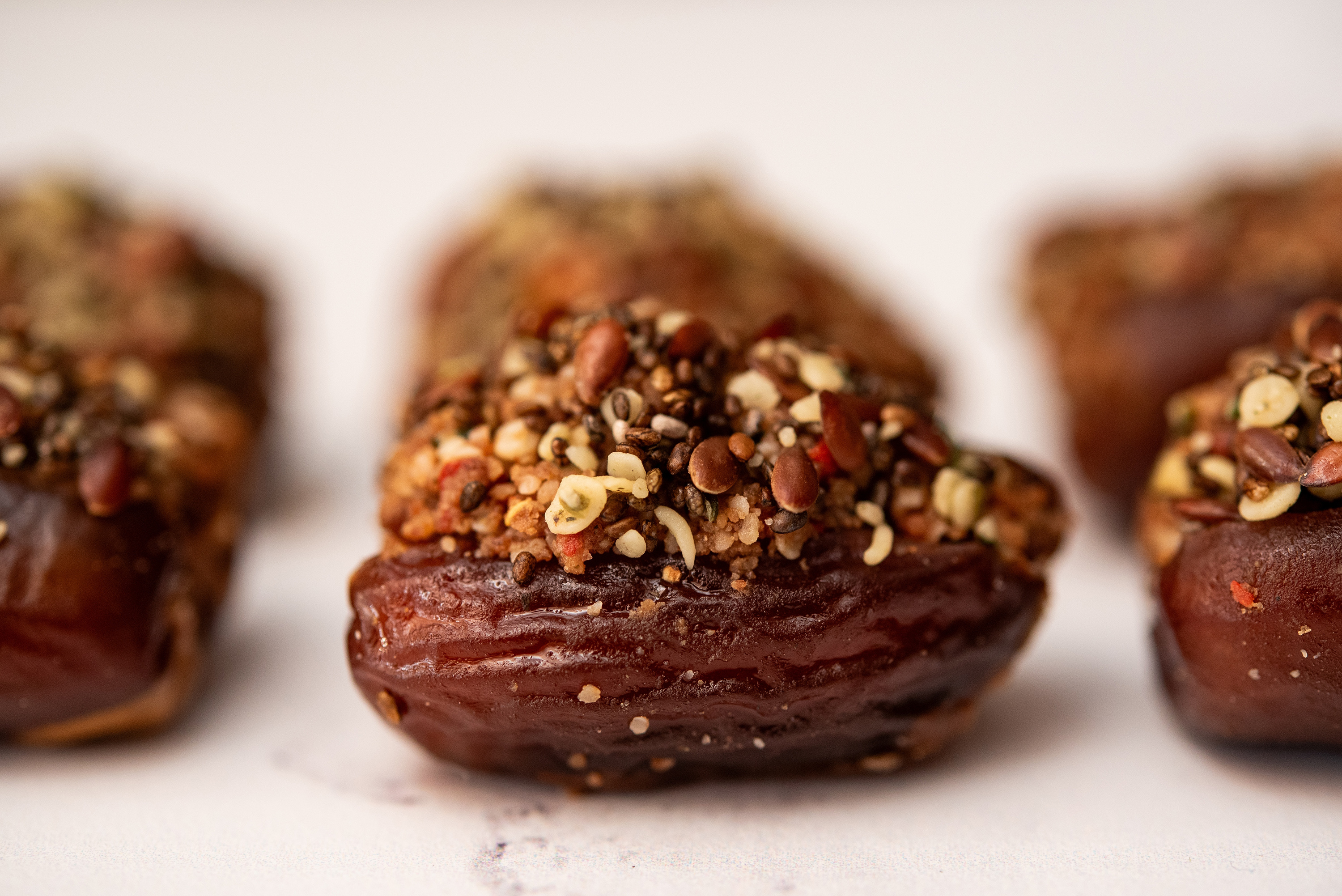
Tamr Mahshi is a Middle Eastern sweet made of dates that are pitted and stuffed with nuts or other fillings, often served as a festive treat or alongside tea and coffee. The practice reflects the long-standing role of dates in both daily life and celebration, transforming a simple snack into a refined confection.
Preparation Details:
- Pit dates carefully.
- Fill with almonds, pistachios, or candied fruits.
- Optionally stuff with clotted cream.
- Serve with tea or coffee for festive occasions.
36. Zalabia (Zulbia)
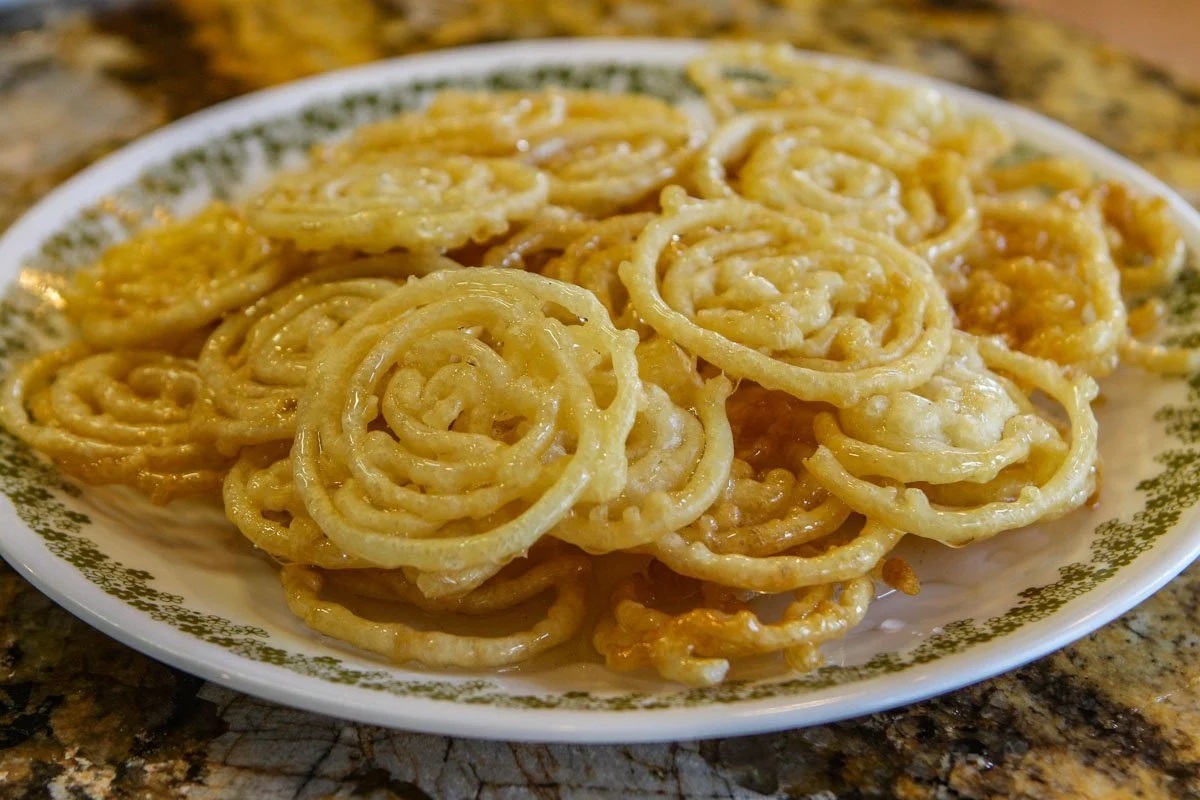
A deep-fried sweet coil soaked in syrup, enjoyed across the Middle East. Its golden color and delicate crispness make it a favorite accompaniment to tea.
Preparation Details:
- Prepare a fermented batter with flour, yogurt, and rosewater.
- Pipe into spiral shapes over hot oil.
- Fry until golden and crisp.
- Dip in aromatic sugar syrup.
37. Tulumba

A delicious dessert of dough, cut into small bite-sized pieces, deep-fried, and soaked in syrup. These tasty little snacks are eaten cold, ideal alongside tea or strong coffee.
Preparation Details:
- Prepare a choux-like dough and pipe into small pieces.
- Deep-fry until golden.
- Soak in cool sugar syrup.
- Serve cold with tea or coffee.
38. Chilfray Iraqi Beef Stew
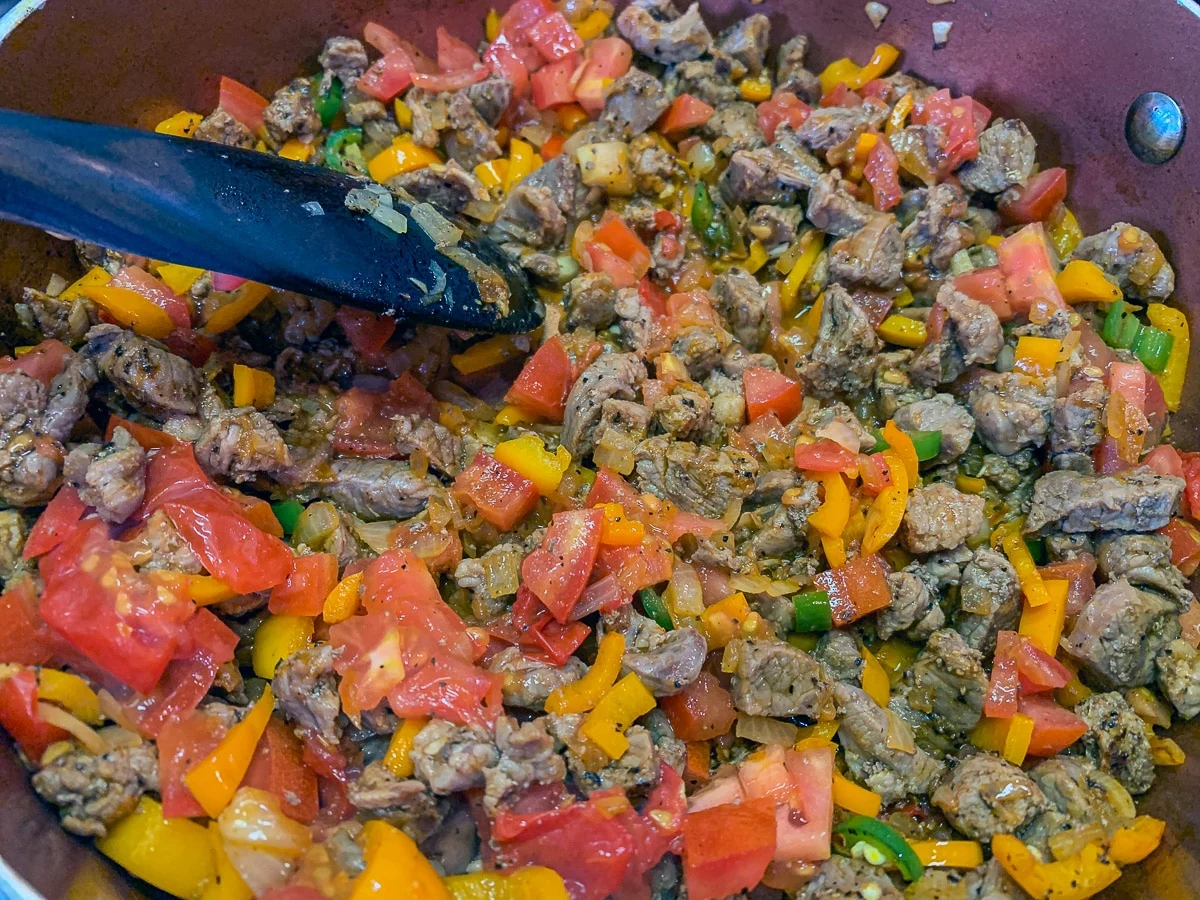
A rich beef stew made with tomatoes, paprika, and onions, often served with pita bread. It’s a popular comfort food in Iraqi households.
Preparation Details:
- Brown beef cubesand onionsin oil.
- Add tomatoes, paprika, and spices.
- Cook the stew slowly, adding fried potatoestowards the end for additional texture.
- Serve hot with pita bread.
39. Masgouf With A Modern Twist
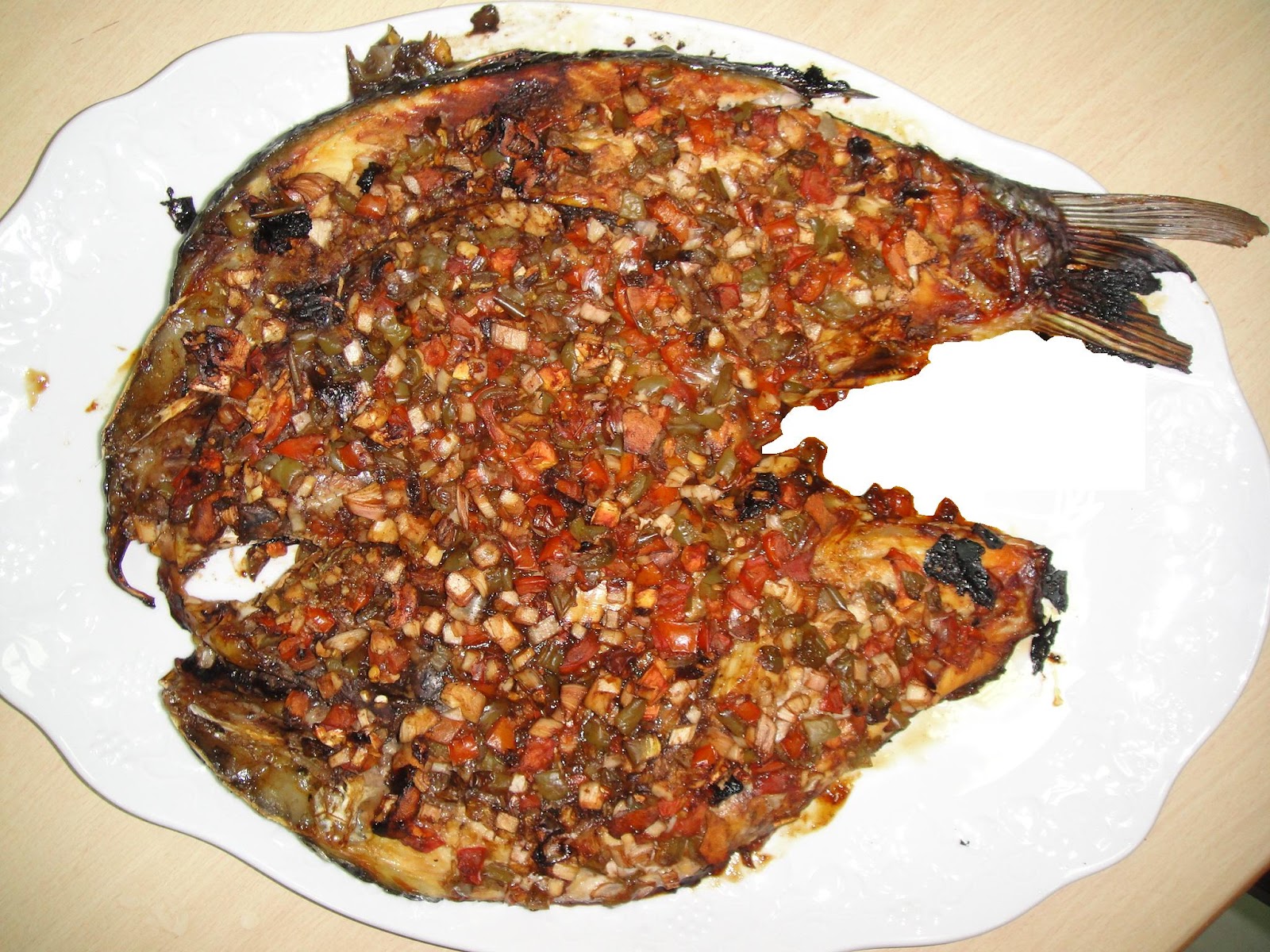
A contemporary version of Masgoufusing pomegranate molassesor salmoninstead of carp. This modern adaptation brings a new flavor profile to Iraq’s national dish.
Preparation Details:
- Marinate fish(often salmonor carp) in pomegranate molassesfor a sweet, tangy flavor.
- Cook the marinated fish using the traditional smoking methodover wood flames.
- Serve with a mix of modern sideslike grilled vegetablesor pomegranate seedsfor added flavor complexity.
40. Makhlama – Iraqi Breakfast Scramble
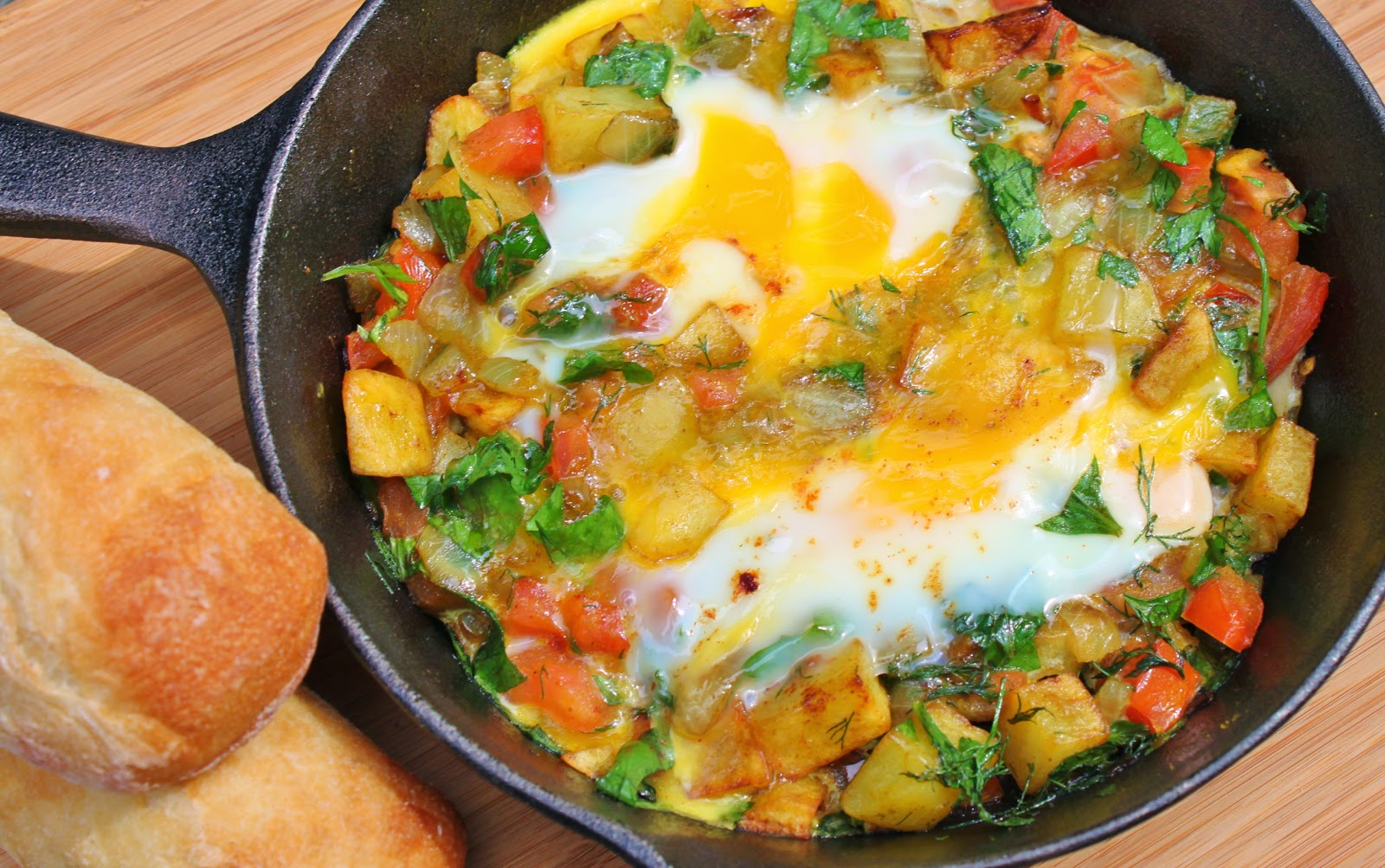
A hearty and satisfying breakfast dish, Makhlamais a savory scramble made with minced lamb, vegetables, and eggs, perfect for a communal breakfast.
Preparation Details:
- Sauté minced lambwith onions, bell peppers, and tomatoes.
- Add cuminand other spices for extra flavor.
- Once the lamb mixture is cooked, crack eggsover the top and cook until set.
- Serve directly from the skillet with Samoon bread.
41. Shorbat Adas – Lentil Soup
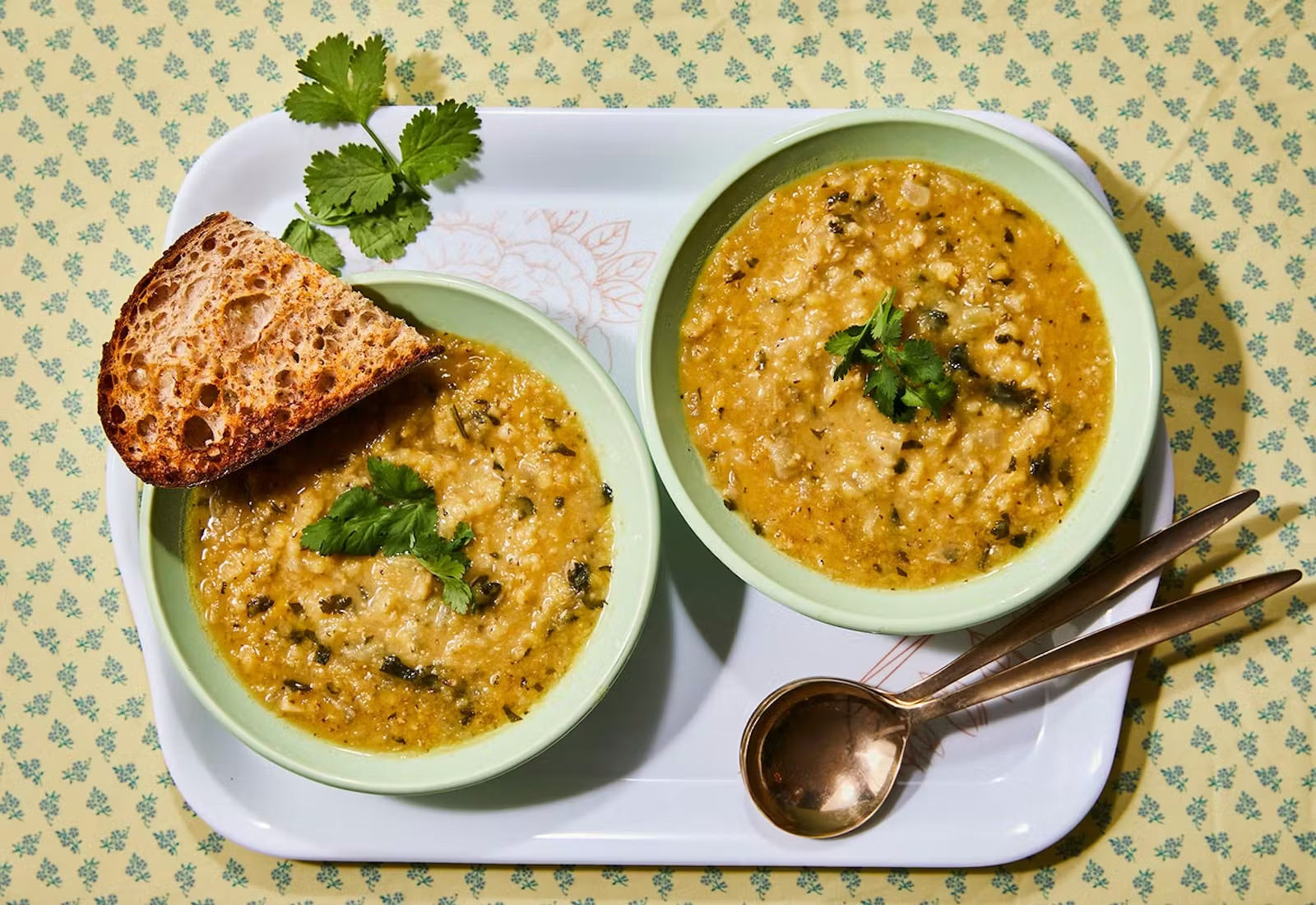
A classic comfort food, Shorbat Adasis a simple yet flavorful lentil soup that is rich in spices like cuminand perfect for warming up on cold days.
Preparation Details:
- Sauté onions, garlic, and carrotsuntil softened.
- Add red lentilsand wateror stock.
- Season with cuminand lemon juice.
- Simmer until the lentils are tender, then blend until smooth.
- Garnish with parsleyand a drizzle of olive oil.
42. Sambusaq – Savory Pastry
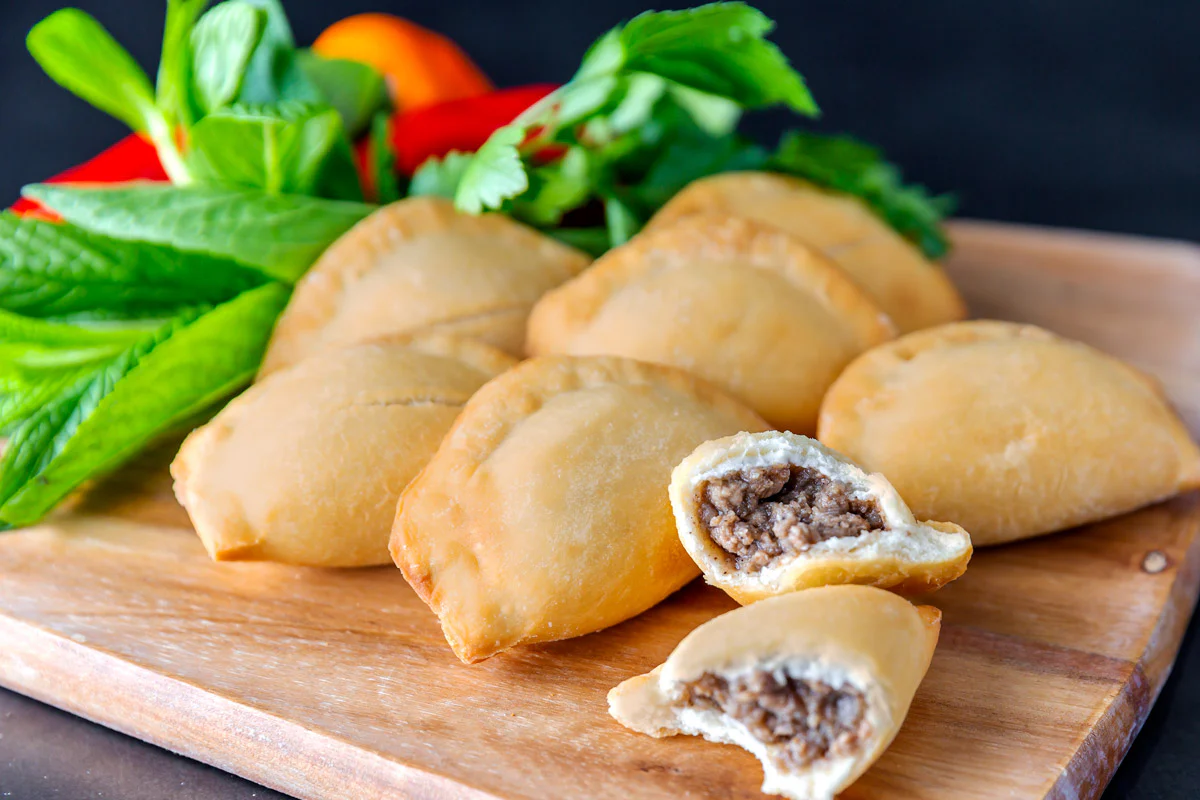
Sambusaqare crispy fried pastries filled with spiced minced meator lentils, offering a delicious appetizer or snack that pairs well with dipping sauces.
Preparation Details:
- Prepare a dough using flourand water.
- Roll the dough into thin circles and fill with a mixture of minced meat, onions, cumin, and coriander.
- Fold the filled dough into triangular shapes.
- Fry until the Sambusaqis golden brown and crispy.
43. Fasolia Yabsa (Fasûlî)
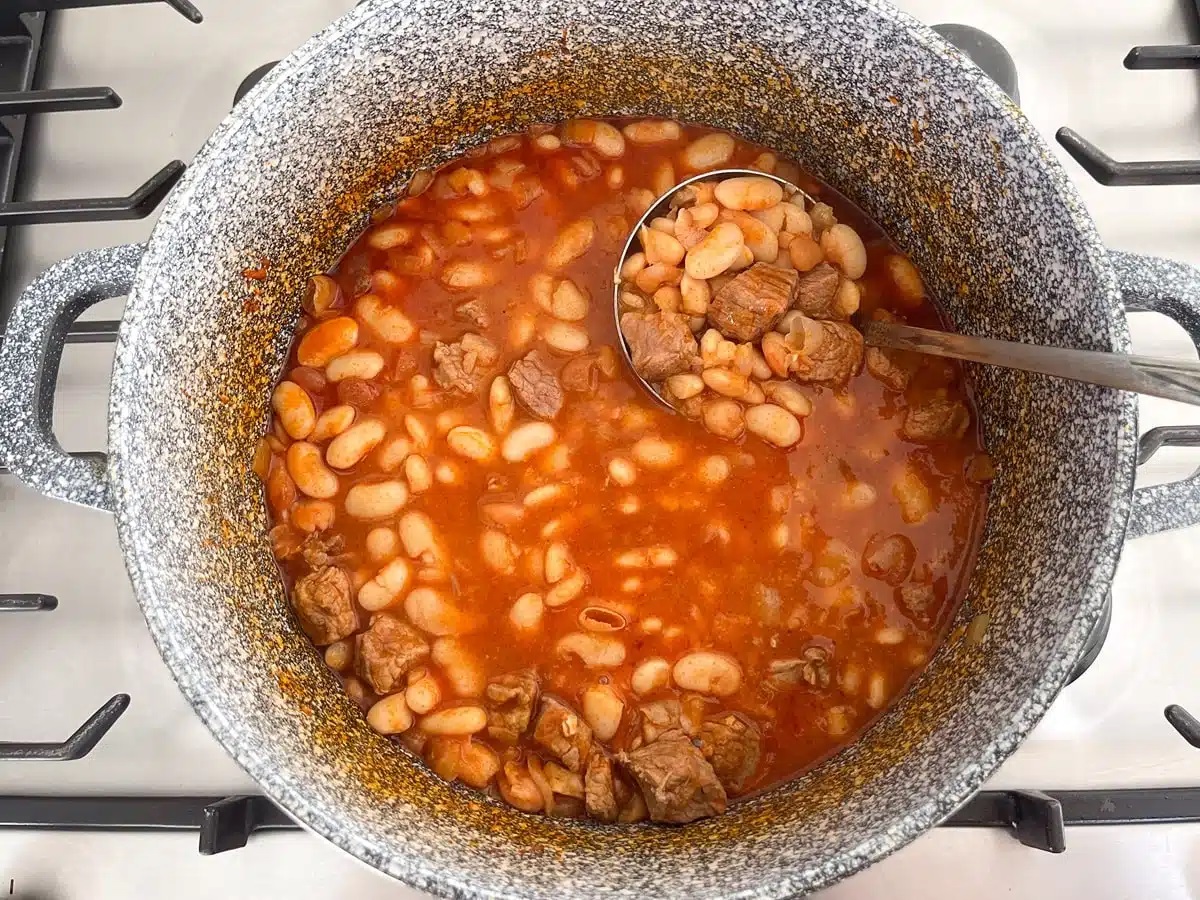
A hearty and simple dish made from white beans simmered in a flavorful broth, Fasolia Yabsa is a popular roadside meal across Iraq, often paired with Kurdish-style rice.
Preparation Details:
- Soak and boil cannellini beans until tender.
- In a pot, sauté onions, garlic, and tomato paste.
- Add beans, water or broth, salt, and spices such as cumin or paprika.
- Simmer until thick and flavorful.
- Serve hot with rice or flatbread.
44. Cardamon Chai
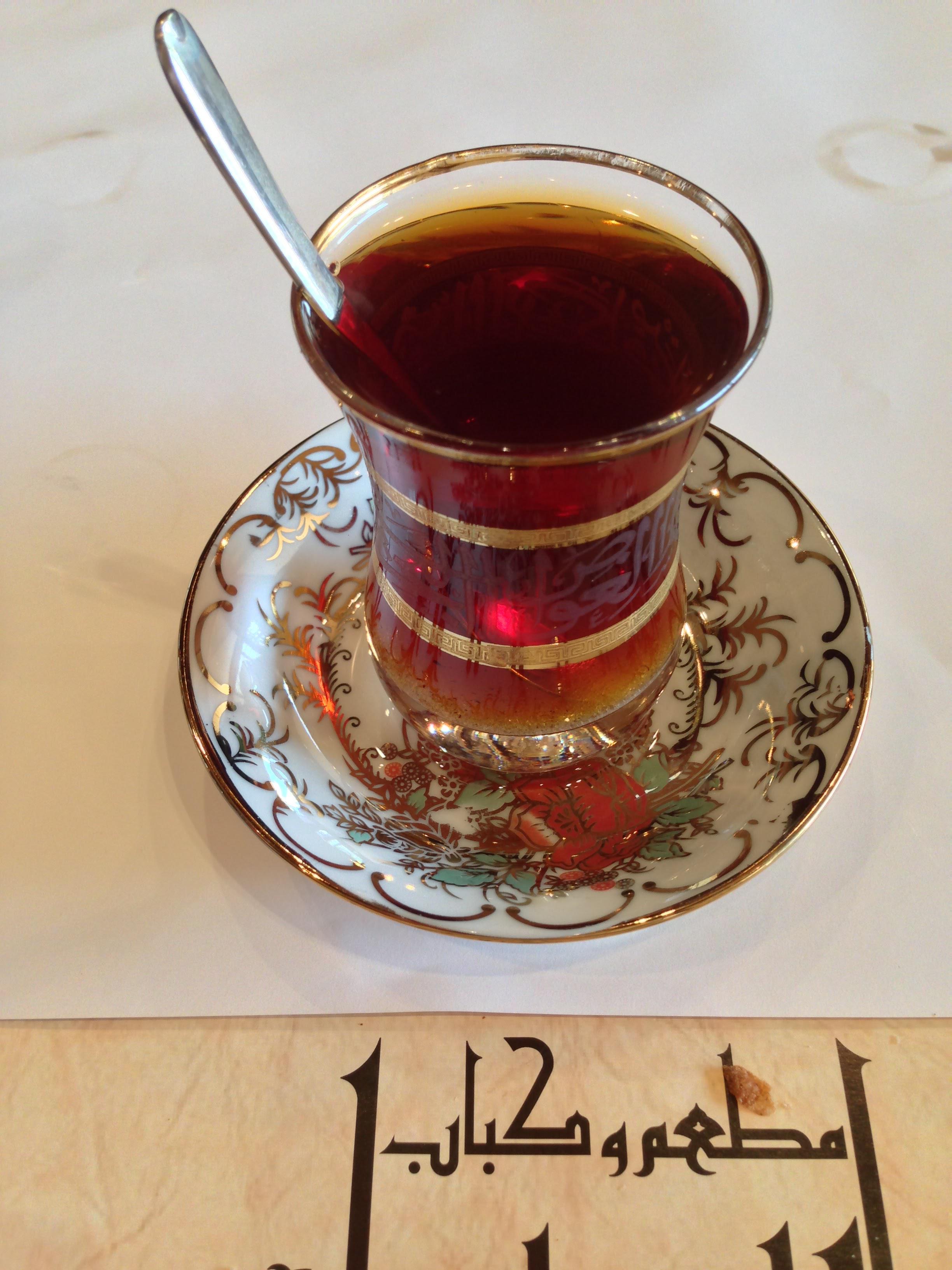
Chai is a daily ritual in Iraq, offering warmth and comfort, especially during winter. It’s both a social and hospitable gesture-served to friends, guests, and diners after meals. The addition of cardamom gives Iraqi chai its signature sweet-spicy aroma.
Preparation Details:
- Boil water and add black tea leaves.
- Crush green cardamom pods and add them to the pot.
- Simmer until the tea develops a deep color and fragrant aroma.
- Sweeten with sugar to taste.
- Strain and serve hot in small glass cups.
45. Anything Corn
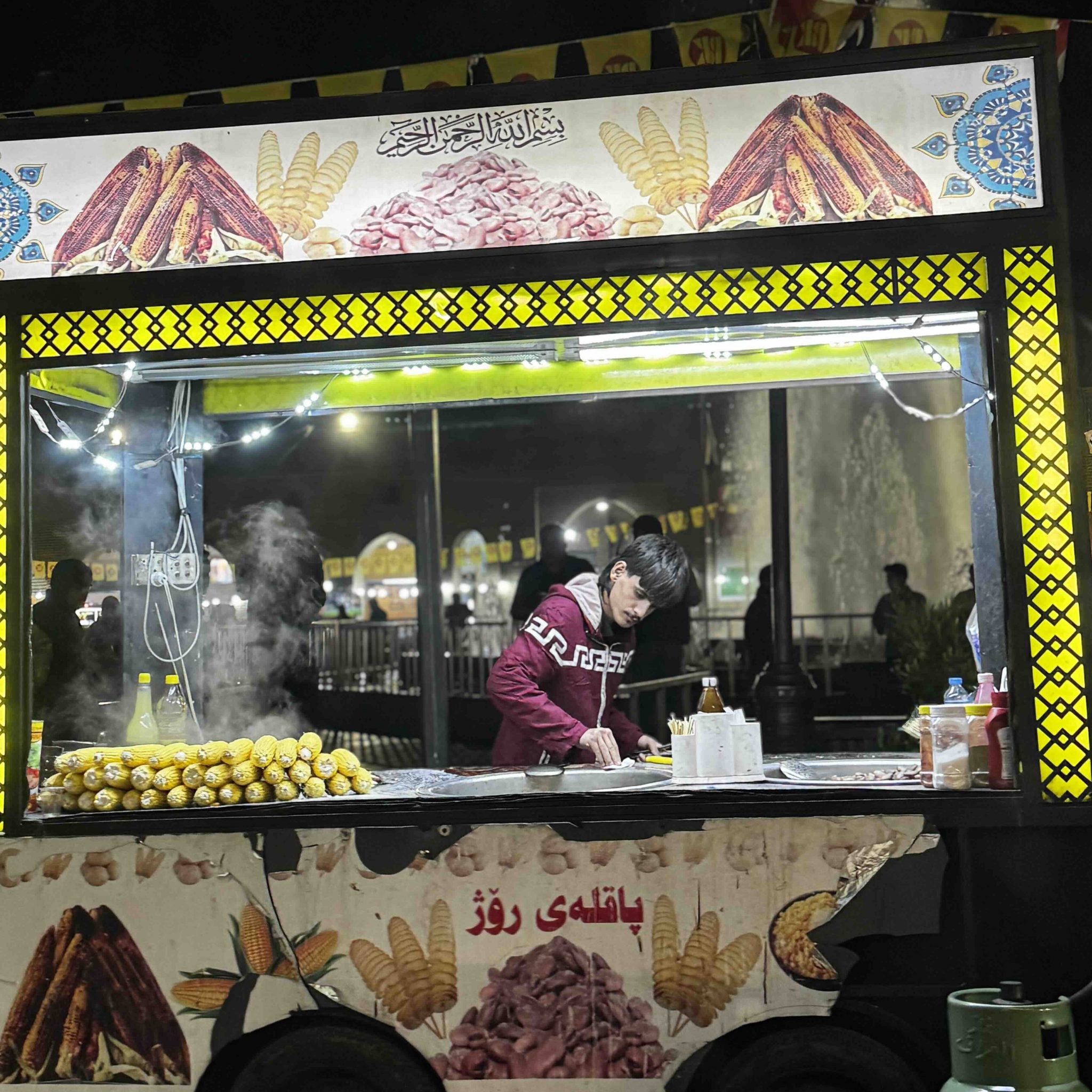
Like many Middle Eastern countries, Iraq shares a love for corn. Street vendors across cities-from Basra to Erbil-often sell freshly grilled corn on the cob or bowls of cheesy corn kernels. It’s a beloved street snack enjoyed by locals and visitors alike.
Preparation Details:
- Char-grill whole corn cobs until slightly blackened and smoky.
- Optionally, brush with butter or sprinkle with salt and chili powder.
- For corn cups, boil or roast kernels.
- Mix with melted cheese and serve hot in small bowls.
Traditional Cooking Techniques
Tandoor Cooking
Iraqi tandoor ovensare essential for baking breads like Samoonand cooking meats like Shish Kebab. The clay oven's high temperatures create crispy crusts and smoky flavors.
Slow Cooking For Stews
Many Iraqi stews, such as Muragand Tashreeb, are prepared using slow-cooking methods, which allow the spices to meld together and the meats to become tender.
Regional Variations Of Iraqi Cuisine
Northern Iraq – Lamb And Yogurt-Based Dishes
The Kurdish-influencedcuisine of northern Iraq emphasizes lamband yogurt, with hearty dishes like Kubbeh Halaband yogurt-based stews being popular.
Southern Iraq – Seafood And River Fish
In the south, seafood dishes like Masgoufare common due to the proximity to rivers and the Gulf. Shrimp stewsand grilled fish feature prominently in the local diet.
Central Iraq – The Heart Of Iraqi Cuisine
Baghdadand surrounding areas are the heart of Iraqi culinary traditions, with iconic dishes like Dolma, Tashreeb, and Biryanicentral to daily life.
Desserts And Sweets In Iraqi Cuisine
- Kleicha: Iraq's national cookie, enjoyed during Eidand family gatherings.
- Halawa: A dense, tahini-based dessert, served with tea.
- Daheen: A sticky sweet from Najaf, popular at weddings.
- Zerde: A saffron-infused rice pudding, served during celebrations.
Modern Twists On Traditional Iraqi Dishes
- Masgouf with Pomegranate Molasses
- Vegetarian Dolma
- Gluten-Free Kleicha
- Fusion Biryani
These adaptations cater to modern tastes while preserving the essence of traditional Iraqi dishes.
Iraqi Beverages
- Iraqi Chai: Strong black tea with cardamom.
- Ayran: A refreshing yogurt-based drink.
- Sharbat: Sweet fruit syrup, often served cold.
Cooking Tips And Tricks
- Perfect Biryani: Parboil rice and soak for 30 minutes.
- Grilling Masgouf: Marinate with lemonand spicesfor several hours.
- Dolma Preparation: Hollow vegetables evenly and don't pack rice too tightly.
Glossary Of Iraqi Culinary Terms
- Tandoor: A clay oven used for baking bread and grilling meat.
- Baharat: A spice blend of cumin, coriander, cinnamon, and cardamom.
- Kubbeh: A bulgur wheat dumpling, stuffed with spiced meat or vegetables.
FAQs About Iraqi Cuisine
What Are Common Spices Used In Iraqi Cuisine?
Iraqi cuisine uses spices like cumin, coriander, cardamom, turmeric, and cinnamon.
Is Iraqi food spicy?Iraqi food is generally not very spicy, focusing more on aromatic flavors from herbsand spices.
What Is The Significance Of Bread In Iraqi Meals?
Bread is a staple of Iraqi meals and symbolizes hospitality, often served alongside meatand vegetables.
What Is An Authentic Iraqi Breakfast?
An authentic Iraqi breakfast is typically savory and satisfying. Staples include Bagila Bil Dihin (broad beans with eggs and bread) or Makhlama(a savory mince and egg scramble). On special occasions, the sweet and indulgent Kahi and Geymar (pastry with clotted cream and syrup) is enjoyed.
Is All Food In Iraq Halal?
Yes, the vast majority of food, especially meat, served in Iraq is Halal due to the predominantly Muslim population. Restaurants and commercial food suppliers strictly adhere to these Islamic dietary laws.
Are There Vegetarian Options In Iraqi Cuisine?
Yes, vegetarian dishes like Vegetarian Dolmaand lentil soupare common.
How Is Iraqi Biryani Different From Other Variations?
Iraqi Biryaniincludes dried fruits, nuts, and fried onions, giving it a sweet-savory balance.
Conclusion
Iraqi cuisine is more than just a collection of flavors-it's a reflection of the country's rich history, its people, and their deep-rooted culinary traditions.
Whether it’s the iconic Masgouf, the versatile Dolma, or the sweet Kleicha, each dish tells a story of community, celebration, and heritage.
We have explored the historical depth, the essential Iraqi food names, and the foundational techniques required to recreate these masterpieces. If you are looking to try or replicate these incredible dishes, searching for an authentic Iraqi food near meor diving into detailed Iraqi food recipeswill open the door to one of the world's most ancient and rewarding culinary traditions.
Jump to
A Feast From Mesopotamia: Discover The Flavors, And Soul Of Iraqi Cuisine
Historical And Cultural Influences On Iraqi Cuisine
Key Ingredients And Flavor Profiles
45 Most Popular Iraqi Dishes
Traditional Cooking Techniques
Regional Variations Of Iraqi Cuisine
Desserts And Sweets In Iraqi Cuisine
Modern Twists On Traditional Iraqi Dishes
Iraqi Beverages
Cooking Tips And Tricks
Glossary Of Iraqi Culinary Terms
FAQs About Iraqi Cuisine
Conclusion

Liam Jones
Author
Liam Jones has made it his mission to prove that adventure doesn’t need a hefty budget. Having traveled to over 40 countries, he specializes in finding affordable ways to experience the world, from the best street food in Bangkok to hidden gems in Lisbon.
Liam’s travel tips have reached thousands of readers, empowering them to see the world on a shoestring budget without sacrificing quality. With a deep passion for local cultures, he continues to share his travel hacks, ensuring adventure remains accessible to all.

Maya Reyes
Reviewer
Maya Reyes’s wanderlust was sparked in the temples of Luang Prabang, where the scent of lemongrass and the chants of monks revealed the transformative power of travel.
Since then, her journey has been defined by cultural immersion and authentic connections. From learning batik in Indonesia to sharing meals with nomadic families in Mongolia, Maya seeks experiences that highlight the human stories behind each destination.
Travel for her is a way to weave her narrative into the world’s cultural tapestry, creating bridges across diverse ways of life. Maya has traveled to 15 countries and shares her insights through writing and storytelling.
Latest Articles
Popular Articles