How To Avoid Travel Burnout With A Simple Daily Routine That Actually Works
Travel burnout is caused by traveling without structure, not by traveling too much. Here is the simple daily routine that keeps the magic alive on any trip.
Author:Liam JonesReviewer:Michael RachalMay 17, 20264.4K Shares142.9K Views
A Few Things Worth Knowing Before You Read On:
- Travel burnout is not caused by traveling too much. It is caused by traveling without any structure, and the fix is simpler than most people expect.
- Decision fatigue, sensory overload, and disrupted sleep are the three main scientific drivers of burnout, and understanding them changes how you approach prevention.
- A simple morning-to-night routine with just two or three anchored habits reduces cumulative fatigue dramatically, regardless of trip length or budget.
- This article covers the full picture: why burnout happens, how to spot it early, a practical daily routine framework, trip-length-specific strategies, and how to recover if burnout has already hit.
- The post-trip crash is real, and most travelers ignore it. You will also find a two-day re-entry routine to protect your energy when you get home.
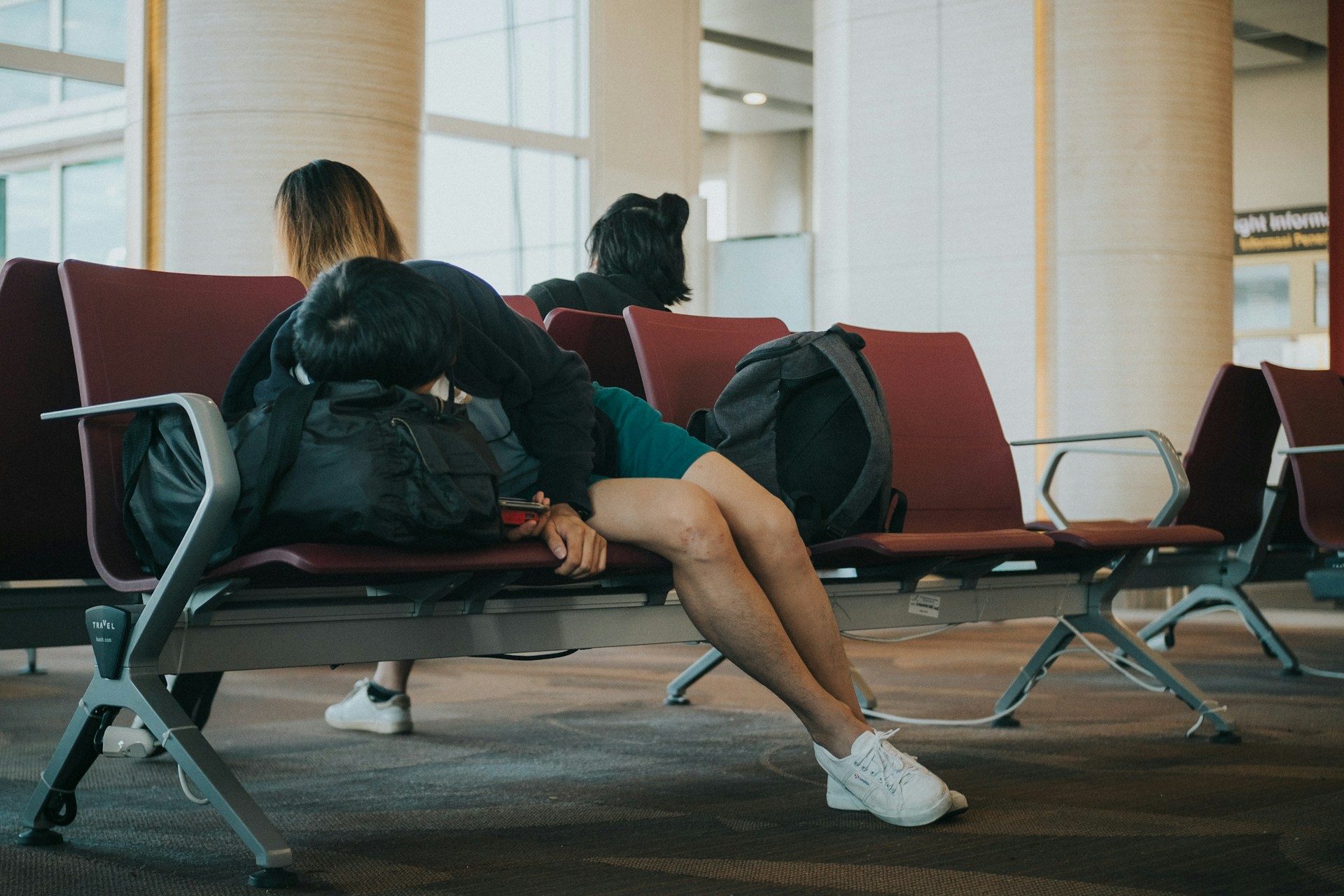
Travel should feel exciting. You save money, make plans, and finally get on the plane. But after a few cities, delays, and busy days, the excitement can fade. Even while sitting in front of a famous place, you may only think about resting. This feeling is called travel burnout.
The good news is that it can be avoided. It does not mean you dislike travel or cannot handle the road. It usually happens because of a few common habits during trips. Once you understand them, you can prevent it. The key is not spending more money or pushing yourself harder. It is simply having a good daily routine.
What Travel Burnout Is And Why It Is Not Your Fault
Before you can prevent something, you need to understand what is actually causing it. Most people assume travel burnout is simply tiredness from doing too much. In reality, the mechanics are more specific, and knowing them makes the solutions obvious.
Three overlapping processes drive travel burnout, and they all compound each other. The first is decision fatigue. Research published in an American Psychological Association journaland supported by work from Princeton Universityshows that making many decisions consumes mental resources, leading to a decline in the quality of later choices.
On a typical travel day, you make hundreds of micro-decisions: which route to take, where to eat, what to see first, how long to stay, whether to book the next stop now or wait. Your brain processes each of these as a small cognitive load. By late afternoon, your mental resources are genuinely depleted. You are not being lazy. You are neurologically spent.
The second is sensory overload. New environments flood your brain with unfamiliar sights, sounds, smells, and social cues. Your nervous system is wired to treat novelty as something that requires attention and evaluation. This was useful on the savanna. In the middle of a crowded market in a foreign city on day fourteen of a trip, it just raises your cortisol levels and leaves you feeling frayed.
The third is circadian rhythm disruption. Even shifting your sleep and wake times by two hours can significantly impair cognitive function and mood. Combine that with different time zones, loud hostels, unfamiliar beds, and early-morning flights, and your body is running on a sleep debt it cannot repay through one good night. This is one of the clearest examples of how travel affects health, both mentally and physically, when the pace is not balanced with proper recovery.

The Difference Between Travel Fatigue And Travel Burnout
These two are often confused, but the distinction matters for how you respond. Travel fatigue is physical tiredness. Your legs ache after a full day of walking. You are sleepy after a red-eye flight. A good night of sleep largely fixes it. It is acute and recoverable.
Travel burnout is cumulative. It is what happens when fatigue is never fully resolved, week after week, and the emotional reserves that made travel exciting start to empty out.
You stop feeling curious about new places. Even beautiful things start to feel like obligations. Sleep helps, but does not fully reset it. That is the difference, and that is why a routine matters so much: it prevents the debt from accumulating in the first place.
Understanding the cause tells you the cure. Less randomness, more anchors. Doing less of everything, more protecting a few non-negotiables.
Early Warning Signs Of Travel Burnout
The travelers who recover fastest from burnout are the ones who spotted it early, before it became a full collapse. Here are the signs to watch for, organized by how they tend to show up.
Physical Signs
- Waking up tired even after a full night of sleep
- Getting sick more than once during a trip (your immune system is closely tied to cortisol levels)
- Loss of appetite or defaulting to junk food, not out of choice, but because deciding what to eat feels impossible
- Persistent low-grade headaches
Emotional And Mental Signs
- Dreading the next destination rather than looking forward to it
- Irritability that seems disproportionate to the situation
- Loss of curiosity. Things you would normally find interesting just feel flat
- A vague but persistent wish to be somewhere else, anywhere else, preferably home
Behavioral Signs
- Spending entire days in your accommodation without choosing to, just defaulting to it
- Doom-scrolling your phone instead of engaging with where you are
- Resenting other tourists, the noise, the heat, the queues
- Skipping meals, skipping sights, skipping showers
Quick self-check:If you identify three or more signs from any category above, you are likely already in early-stage burnout. The sections below will help you reset.
Spotting these signs early is what separates a bad travel day from a trip that falls apart. Now, let us look at why the usual advice often fails to prevent any of it.
Why Most Burnout Advice Fails
The standard tips for avoiding travel burnout are not wrong. They are just incomplete. Understanding why they fall short is what makes the routine approach so much more effective.
The Problem With 'Just Slow Down' Advice
'Slow down' and 'say no to things' are directionally correct, but they are not actionable. Telling someone who has booked fourteen nights across five cities to slow down is like telling someone who is already running late to be on time. Technically true, practically useless.
The deeper issue is that isolated tips do not create behavior change. You might read them, nod, and then stand at the airport booking another packed itinerary because that is what feels natural. Tips change your knowledge. Routines change your behavior.
The Routine Advantage
Here is what a routine actually does that a tip cannot. It reduces the number of decisions you have to make. Every morning that starts the same way is a morning when your brain does not have to choose how to begin. It eliminates one layer of decision fatigue before the day has even started.
It also provides psychological safety. Research in behavioral psychology suggests that familiar rituals lower anxiety in unfamiliar environments. When everything around you is new and stimulating, a small consistent habit acts as a signal to your nervous system that you are grounded. You know what comes next, even if you have no idea what this city is going to throw at you.
You do not need a rigid schedule; you need two or three non-negotiable anchors. Think of them as the fixed points around which everything else can be flexible.

Your Simple Burnout-Proof Travel Routine (Morning To Night)
This is the core of what makes this approach different from a list of tips. Rather than giving you ten things to occasionally remember, here is a practical framework you can actually follow. It is designed to be light enough to be maintained anywhere and effective enough to matter.
Morning Anchor (15 To 20 Minutes)
Start your day with one simple habit before checking maps or planning activities. It can be a short walk, a few stretches with coffee, or writing a few lines in a notebook. What matters most is doing the same small routine every morning, no matter where you are.
Mornings are important because your body naturally has its highest stress hormone levels right after waking. A calm routine during this time helps your body stay relaxed and focused for the rest of the day. If you start the morning rushing and packing, it can make the whole day feel more stressful.
Practical tip:Choose one morning anchor before your trip begins. Commit to it for the whole trip. Make it something you genuinely enjoy, not something that feels like homework.
Midday Decision Limit
Use the “two big things” rule when planning your day. Choose only two important activities. This leaves time to walk around, eat, rest, and enjoy unexpected moments.
Imagine a traveler in Lisbon with a list of eleven places. By day three, they see nine, but remember very little because everything felt rushed. Another traveler chooses just two places each day, moves slowly, and spends time sitting in a square. That traveler remembers the trip much better.
Each night, take five minutes to pick your two things for the next day. This simple habit reduces decision fatigue because the main choices are already made before morning.
Afternoon Rest Window
Set aside 30-60 minutes to rest every afternoon. Treat this as essential, especially during the first week of a long trip or when moving between cities. You do not have to sleep. You can read in a café, sit in a park, or lie down with your phone away.
Think of this rest as an investment in your energy. One short break may not seem important, but over many days, it helps you stay curious and enjoy the trip. If you skip it often, tiredness slowly builds up instead.
Evening Wind-Down (10 Minutes)
Evenings matter just as much as mornings. A simple routine before bed tells your brain that the day is ending and it is time to rest. This can be as easy as dimming the lights, putting your phone away thirty minutes before sleep, and doing one calm activity like reading, stretching, or writing a few lines in a journal.
Keeping a short travel journal can help even more. Writing down a few thoughts from the day clears your mind and stops you from replaying everything in your head. Once those thoughts are on paper, it becomes easier for your brain to relax and fall asleep.
Your Burnout-Proof Travel Day at a Glance:
- Morning anchor (15-20 min):One consistent habit before anything travel-related begins
- Midday decision limit:A maximum of two planned activities per day, decided the night before
- Afternoon rest window (30-60 min):A deliberate pause with no agenda and no screen
- Evening wind-down (10 min):Phone down, lights dim, one quiet activity before sleep
Once you have the basic framework, the next step is adjusting it for how long you are actually traveling.
Adjusting The Routine For Different Trip Lengths
Burnout does not look the same on a three-day city break as it does six months into nomadic travel. Matching your routine to your trip length is what makes the difference between a system that helps and one that feels irrelevant.
Weekend Trips (2 To 4 Days)
The biggest risk of burnout on short trips often happens after the trip ends. Many people pack too much into a weekend and return home tired, with little sleep, then go straight back to work on Monday.
To avoid this, keep two simple habits. First, protect your calm evening routine each night so you can rest well. Second, leave a buffer before returning to your normal schedule. If possible, come home Saturday evening instead of Sunday night, so you have one night to rest in your own bed.
Also, avoid filling every available day with activities. Two full days of enjoyable experiences are better than three days of rushing through everything while exhausted.
One To Two Week Trips
On longer trips, a full daily routine becomes more important. One helpful rule is to take one “nothing day” every five to seven days. On that day, make no plans. Wake up naturally, eat when you want, and let the day move slowly. It may feel unproductive, but many travelers say the days after are the most enjoyable and energizing.
Your accommodation can also help. Staying somewhere with a small kitchen lets you cook a simple, familiar meal. This might seem small, but trying new foods all the time can be tiring. Having one familiar meal each day helps your mind and body feel more settled.
This slower rhythm is also why many couples intentionally build rest days into unforgettable honeymoons, allowing them to enjoy the destination without turning the trip into an exhausting checklist.
Long-Term And Nomadic Travel (Month-Plus)
Long-term travel works best when you find a rhythm, not a strict schedule. One helpful approach is the base camp model. You stay in one comfortable city for three to six weeks and use it as a hub for short trips. Over time, you learn where to get good coffee, which grocery store to visit, and how public transport works. This familiarity helps reduce constant decision-making.
For long-term travelers, a morning routine becomes very important. It is the one thing that stays the same even when everything else changes. Many experienced travelers say this small daily ritual helps every new city feel easier to handle from the start.

Specific Habits That Prevent Travel Burnout
Beyond the daily routine framework, a handful of specific habits have strong evidence behind them. These are not life overhauls. They are small, practical choices that pay significant dividends when you are on the road.
Sleep Is Your Most Powerful Burnout Shield
Adults need seven to nine hours of sleep per night for optimal cognitive function, mood regulation, and immune health. Travel is exceptionally effective at eroding all three of those things simultaneously. Protecting your sleep is the single highest-leverage action you can take against burnout.
Practical steps:Keep your sleep and wake times as consistent as possible across time zones, even if that means going to bed earlier than you would at home. Bring a sleep mask and a white noise app. When booking accommodation, read the reviews specifically for noise complaints. A fifty-dollar-a-night room that lets you sleep eight hours is a better investment than a thirty-dollar room where you sleep five.
On melatonin:The journal Sleep Medicine Reviews notes that low-dose melatonin (0.5 to 1mg) taken ninety minutes before your target sleep time can be effective for resetting your body clock during time zone changes. Unlike prescription sleep aids, it does not leave you groggy the next morning. Speak to your doctor before adding any supplement.
Move Your Body, But Keep It Simple
You do not need to maintain your gym routine while traveling. You just need to move for twenty minutes a day. A study in the British Journal of Sports Medicinefound that even a single session of light to moderate exercise improved mood and reduced anxiety ratings for up to several hours afterward. On travel days, that is the difference between arriving irritable and arriving human.
Walking in a new neighborhood counts. Swimming at the hotel pool counts. Fifteen minutes of stretching in your room counts. You are not training for a race. You are managing your cortisol, and a little movement goes a long way.
Eat One Familiar Meal A Day
It is tempting to eat out for every meal while traveling, and trying local food is one of the best parts of a trip. But constantly choosing restaurants and navigating new menus can become tiring over time.
A simple fix is to make one easy, familiar meal each day, usually breakfast. Something like oats, fruit, or eggs is quick and requires little thought. This gives your body and mind a sense of routine and helps you enjoy the restaurants you visit even more.
Set A Daily Screen-Off Window
One hidden cause of travel burnout is the pressure to record and share everything. Social media can turn travel into something you perform instead of simply experiencing. Constantly taking photos, writing captions, and posting can quietly drain your mental energy.
Try setting one hour each day with no phone use; no photos, no posting, no scrolling. It may feel strange at first, but after a few days, it becomes one of the best parts of the trip. During that time, you notice more and enjoy the place in a deeper way.
Creating quiet moments like this is also a powerful way of regulating your nervous system. Many mental health professionals recommend similar practices when discussing coping with stress in sobriety, where reducing stimulation and building calm routines helps stabilize emotional energy.
How To Recover If Burnout Has Already Hit
If you are reading this mid-trip and the warning signs from the earlier section sound very familiar, the routine prevention approach still applies. You start it now rather than before departure. Here is how to recover when burnout has already set in.
Stop Moving First
When burnout starts, the best first step is usually the simplest: stop moving. Instead of rushing to the next destination, extend your stay where you are. Even two extra nights in the same place can break the cycle of constant travel and new experiences. You do not need to fill those days with activities because the break itself is what helps.
Imagine a traveler who has changed cities every three nights for five weeks. By the time she reaches Prague, she feels tired and no longer excited about sightseeing. The instinct might be to move on to the next city, hoping things will feel better. But the better choice is to stay in Prague a few extra days and do very little. Often, after a short pause, the excitement for travel naturally returns.
The Three R's Of Travel Burnout Recovery
- Recognize:Name what is happening. Burnout is not weakness, and it is not a sign that you were wrong to travel. It is a physiological and psychological state with identifiable causes. Acknowledging it is what makes it addressable.
- Recharge:Give yourself unstructured time. Sleep more than you think you need. Move gently. Eat something familiar. Limit stimulation deliberately. This is not wasted travel time. It is the repair process.
- Restore:Gradually reintroduce the routine framework: the morning anchor, the two-things rule, the rest window. Start with just one of these anchors. Within a few days, the enjoyment usually returns.
Permission To Treat Yourself
Spending a little more to recharge is not an indulgence. It is a rational response to a real need. If you have been staying in hostels with six-person dorms and you are burning out, one night in a private room with a proper bathroom can reset your nervous system in a way that no amount of willpower will.
The same logic applies to one good restaurant meal, a massage, or a day trip you actually want to take. Think of it as a medical investment. You are not spoiling yourself; you are maintaining the equipment.
Knowing When It Is Time To Go Home
Most burnout responds to the three R's above within a few days to a week. If it does not, that is important information. Sometimes the right answer is to end the trip early. There is no shame in this.
A trip cut short by two weeks because you listened to your body is better than three more weeks of grinding through a place you cannot enjoy. The trip will still have been real and valuable. Going home is not a failure. It is judgment.

The Travel Hangover - Recovering After You Return Home
This is the section most travel articles skip entirely. The post-trip crash is real, it is physiologically predictable, and it can undermine your well-being for days if you do not plan for it.
Why The Post-Trip Crash Happens
When you travel, your body sustains elevated adrenaline and cortisol for extended periods. New experiences, social stimulation, and constant movement keep your stress hormones engaged in a way that often does not feel like stress in the moment. It feels exciting.
Then you get home, the stimulation stops abruptly, and your body drops into a kind of hormonal trough. Combined with accumulated sleep debt and any residual jet lag, this can feel like a low-grade depression, even after a trip you loved.
It is not a sign that something is wrong with your life at home. It is a neurochemical adjustment, and it passes. But you can shorten it considerably by planning for it.
Your Two-Day Re-Entry Routine
If at all possible, come home one to two days before you need to resume full work and social obligations. Use those days specifically to reset, not to catch up.
- Day one:Sleep in, unpack, do one grocery shop, eat a home-cooked meal, go to bed at your normal time
- Day two:Light movement, re-engage with one normal part of your routine (a workout, a coffee with a friend, your usual morning routine), avoid booking anything that requires peak mental performance
- Day three onwards:Return to your regular schedule from a place of genuine rest, not depletion
Avoid scheduling important meetings, presentations, or social obligations for the first day back if you have any choice. Give yourself the same recovery logic you applied during the trip. The re-entry is part of the journey.
Frequently Asked Questions
How Many Activities Should You Plan In One Day While Traveling?
Most travel experts recommend planning no more than two or three major activities per day. This keeps your schedule flexible and leaves time for rest, meals, and unexpected discoveries.
Is Slow Travel Better For Avoiding Burnout?
For many people, yes. Slow travel reduces the number of decisions, transit days, and logistical challenges you face. Staying longer in one place allows routines to form, which lowers mental fatigue and makes the experience feel more sustainable.
How Often Should You Change Destinations On A Longer Trip?
A common rule among experienced travelers is no more than one major move every four to seven days. Changing cities too often creates constant packing, navigation, and adjustment stress, which quickly drains energy.
Can Travel Burnout Happen Even If You Love Traveling?
Absolutely. Burnout is not about whether you enjoy travel. It happens when your brain and body experience too much stimulation, decision-making, and disrupted rest for too long. Even passionate travelers experience it if their pace stays too high.
Does Traveling Alone Increase Burnout Risk?
It can be for some people because solo travelers handle every decision themselves. Without someone to share those decisions, mental fatigue can build faster. Creating simple routines helps balance that load.
Conclusion
Travel burnout does not happen because you chose the wrong destination or because you are not built for the road. It happens because travel compresses an enormous amount of stimulation, decisions, movement, and sleep disruption into a short period of time. Without some structure, even the most exciting journey eventually becomes exhausting.
The solution is not to travel less or see fewer places forever. It is to change the rhythm of how you move through them. When you travel this way, the goal stops being how much you can see. It becomes how fully you can experience where you are. And that is usually when travel becomes memorable again.
Jump to
A Few Things Worth Knowing Before You Read On:
What Travel Burnout Is And Why It Is Not Your Fault
The Difference Between Travel Fatigue And Travel Burnout
Early Warning Signs Of Travel Burnout
Why Most Burnout Advice Fails
Your Simple Burnout-Proof Travel Routine (Morning To Night)
Adjusting The Routine For Different Trip Lengths
Specific Habits That Prevent Travel Burnout
How To Recover If Burnout Has Already Hit
The Travel Hangover - Recovering After You Return Home
Frequently Asked Questions
Conclusion

Liam Jones
Author
Liam Jones has made it his mission to prove that adventure doesn’t need a hefty budget. Having traveled to over 40 countries, he specializes in finding affordable ways to experience the world, from the best street food in Bangkok to hidden gems in Lisbon.
Liam’s travel tips have reached thousands of readers, empowering them to see the world on a shoestring budget without sacrificing quality. With a deep passion for local cultures, he continues to share his travel hacks, ensuring adventure remains accessible to all.

Michael Rachal
Reviewer
Michael Rachal believes that luxury lies in the details. With over 20 years of experience in the luxury travel industry, he has crafted hundreds of bespoke itineraries for clients seeking personalized, unforgettable experiences.
Whether guiding clients through private cultural tours or curating culinary journeys with world-renowned chefs, Michael ensures that each trip is tailored to perfection.
His ability to anticipate needs and exceed expectations has earned him a reputation as a leading expert in luxury travel.
Latest Articles
Popular Articles