Hiking Trails In The Rocky Mountains -14 Must-See Paths
Let’s check out fourteen amazing hiking trails in Rocky Mountain. Key details and fun activities will be shared, so you can have an unforgettable time exploring the great outdoors.
Author:Sophia HarperReviewer:Maya ReyesJul 16, 202515.4K Shares430K Views
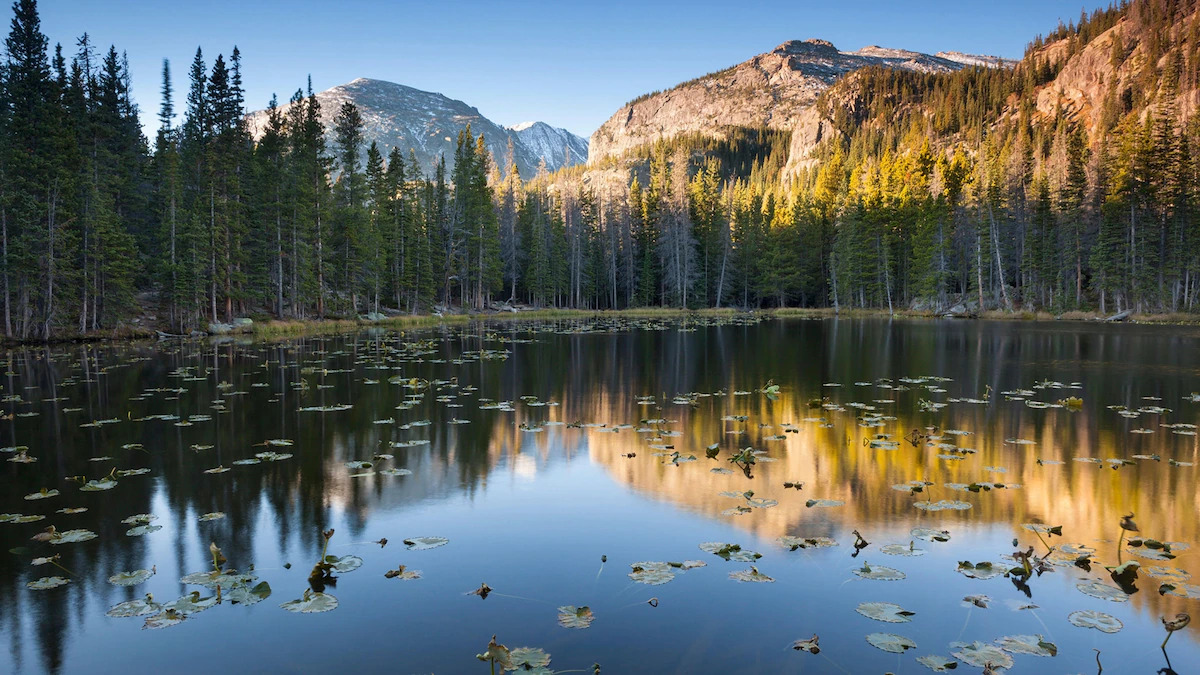
The Rocky Mountains are an impressive example of nature’s beauty, calling explorers to discover their wild, rugged terrain. This legendary range offers unmatched outdoor adventures. Hiking these trails isn’t just about exercise, it’s a chance to immerse yourself in stunning wilderness and collect memories that last a lifetime.
Some of the most scenic and unique hiking paths across the rockies would be highlighted, sharing practical tips and key details to help you plan an unforgettable trip. We focus on trails that showcase the region’s diverse beauty while prioritizing safety, ensuring every journey is as rewarding as it is exciting.
Iconic Trails Of Rocky Mountain National Park
Rocky Mountain National Park, one of colorado’s most stunning destinations, offers hikes for all skill levels. The park’s trails showcase breathtaking views and natural beauty, attracting visitors worldwide. If you plan to visit during busy times, book your spot ahead of time using the park’s timed entry system to help manage crowds and protect the environment.
1. Emerald Lake Trail
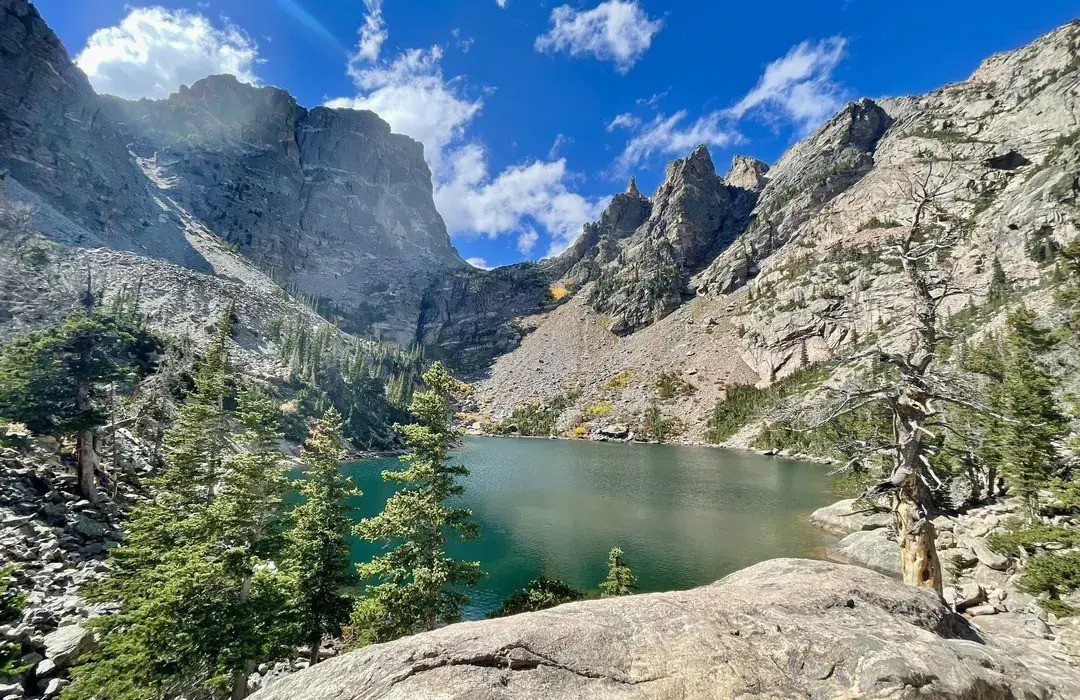
This easy hike takes you by three pretty mountain lakes, Nymph, Dream, and Emerald, each more beautiful than the last. The trail is short (about 3.5 to 4 miles round trip) with a gentle climb (650–744 feet), making it perfect for families or anyone wanting a peaceful walk. The lakes reflect towering peaks like Hallett and Flattop, creating picture-perfect scenes. Start early to avoid crowds, especially in summer. You can hike it year-round, with wildflowers in summer and snowy landscapes in winter.
2. Sky Pond Trail
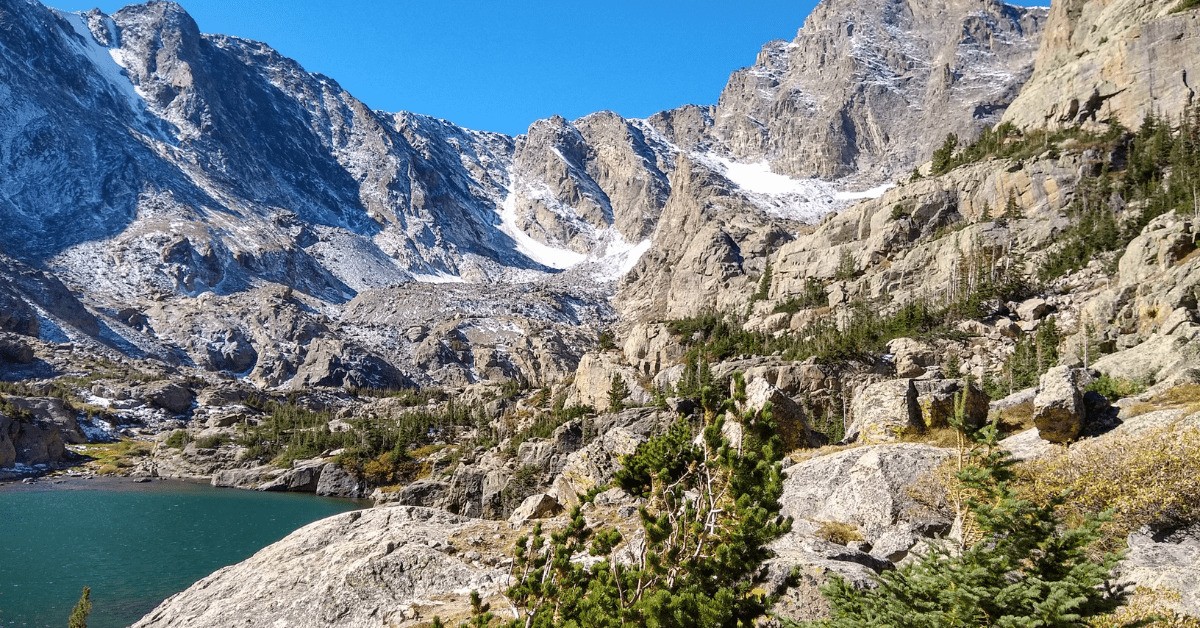
For a tougher challenge, try the Sky Pond Trail. This 9–9.5-mile hike gains 1,640–1,774 feet in elevation and takes you past Alberta Falls, through forests, and up to a series of alpine lakes. The highlight is Sky Pond, a sparkling lake surrounded by sharp peaks. The final climb to the pond involves scrambling over rocks next to Timberline Falls, be ready to get a little wet. Start by 7 a.m. to dodge afternoon thunderstorms, which often roll in by 2 p.m. This trail is best from June to September, though snow can linger into July.
3. Longs Peak - Keyhole Route
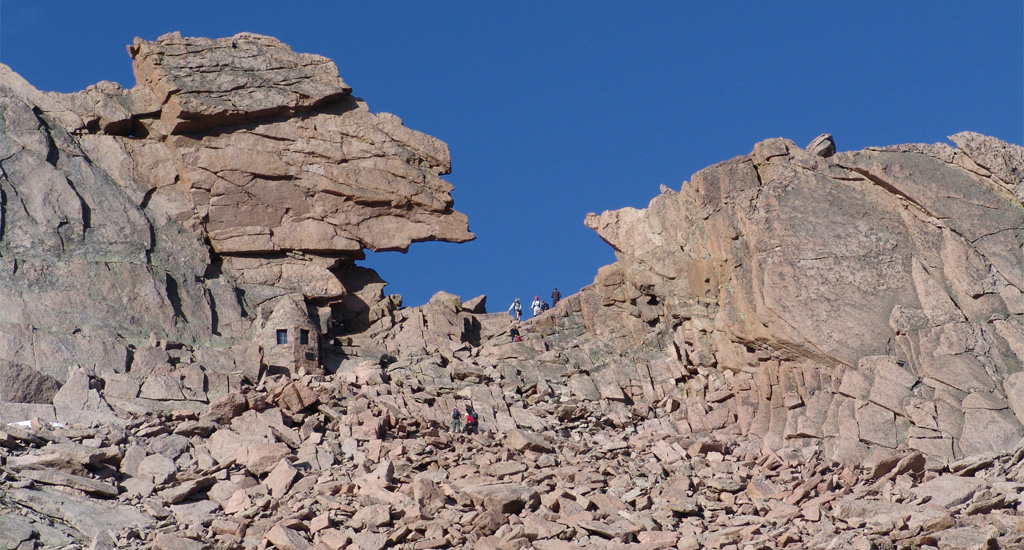
Longs Peak is Colorado’s most iconic 14,000-foot mountain, and the Keyhole Route is its classic climb. This demanding 12.4–15-mile hike gains over 3,800 feet and isn’t for beginners. The trail starts in dense forests, then climbs above treeline with sweeping views. Beyond the Keyhole, the route becomes a technical climb with steep rock sections, narrow ledges, and big drop-offs. Hikers must navigate carefully and start between 3–5 a.m. to summit by noon, avoiding dangerous afternoon storms. Only attempt this if you’re experienced and prepared for exposure and unpredictable weather.
4. Alberta Falls Trail
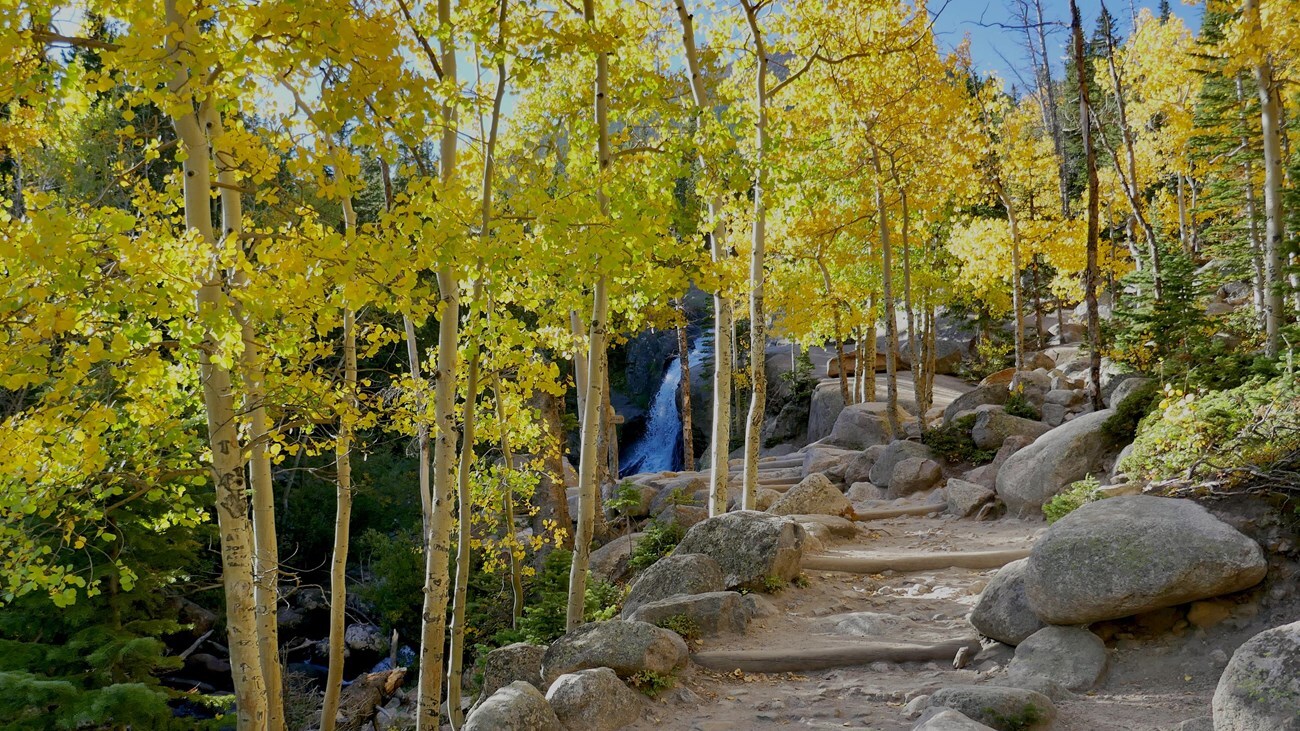
This short and sweet hike is perfect for families or anyone wanting a quick nature break. The trail is about 1.6 miles round trip with a gentle climb (around 200 feet), leading to a beautiful 30-foot waterfall. You’ll walk through sunny aspen trees and pine forests, with the sound of water getting louder as you near the falls. It’s one of the easiest, most rewarding hikes in the park and a smart choice if you’re adjusting to the altitude before tackling tougher trails.
5. Chasm Lake Trail
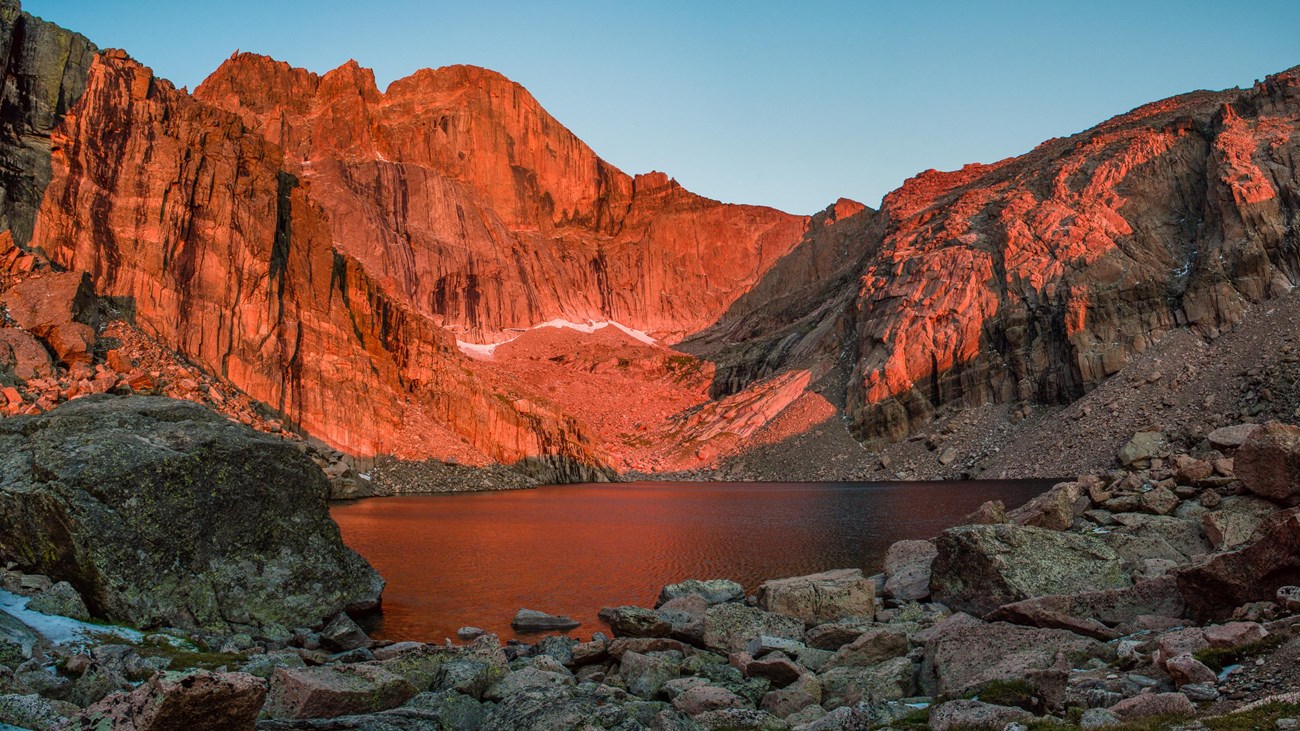
For a challenging but unforgettable hike, try the Chasm Lake Trail. This 8.5-mile round trip route climbs gradually through forests and rocky alpine areas, ending at a crystal-clear lake at the base of Longs Peak. The highlight? The jaw-dropping view of Chasm Lake backed by the massive 2,400-foot cliff called “The Diamond.” While it’s a workout, the trail is quieter than others, offering big rewards without the crowds. Just remember to pack warm layers, the weather can shift quickly at higher elevations.
6. Bear Lake Nature Trail
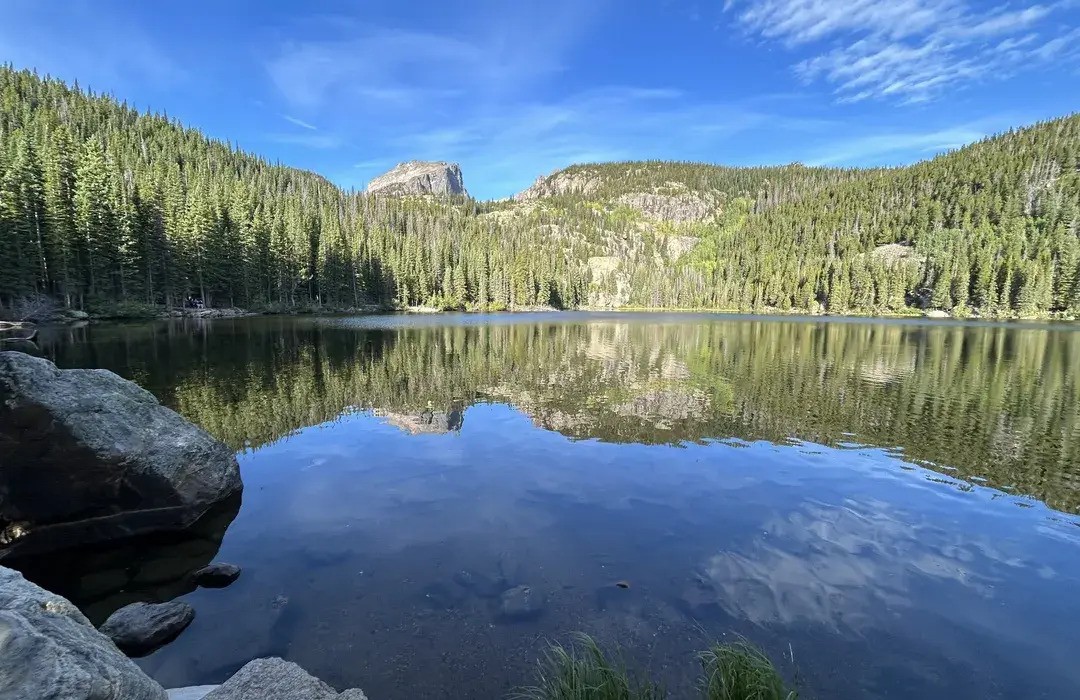
The Bear Lake loop is a must-do for easy, accessible beauty. This 0.7-mile trail is flat and perfect for all ages or abilities, with stunning mountain reflections on the lake’s surface. The smooth, well-kept path makes it simple to enjoy Rocky Mountain’s scenery without breaking a sweat.
Must-Do Hikes In Banff National Park
Banff National Park, located in the Canadian Rockies, is a hiker’s paradise with its towering peaks, bright blue lakes, and abundant wildlife. The park offers trails for all skill levels, from easy walks to tough multi-day adventures. Before heading out, check the latest trail updates from Parks Canada for safety alerts like bear activity or closures. Don’t forget to grab a park pass fees help maintain these incredible landscapes.
7. Johnston Canyon Trail
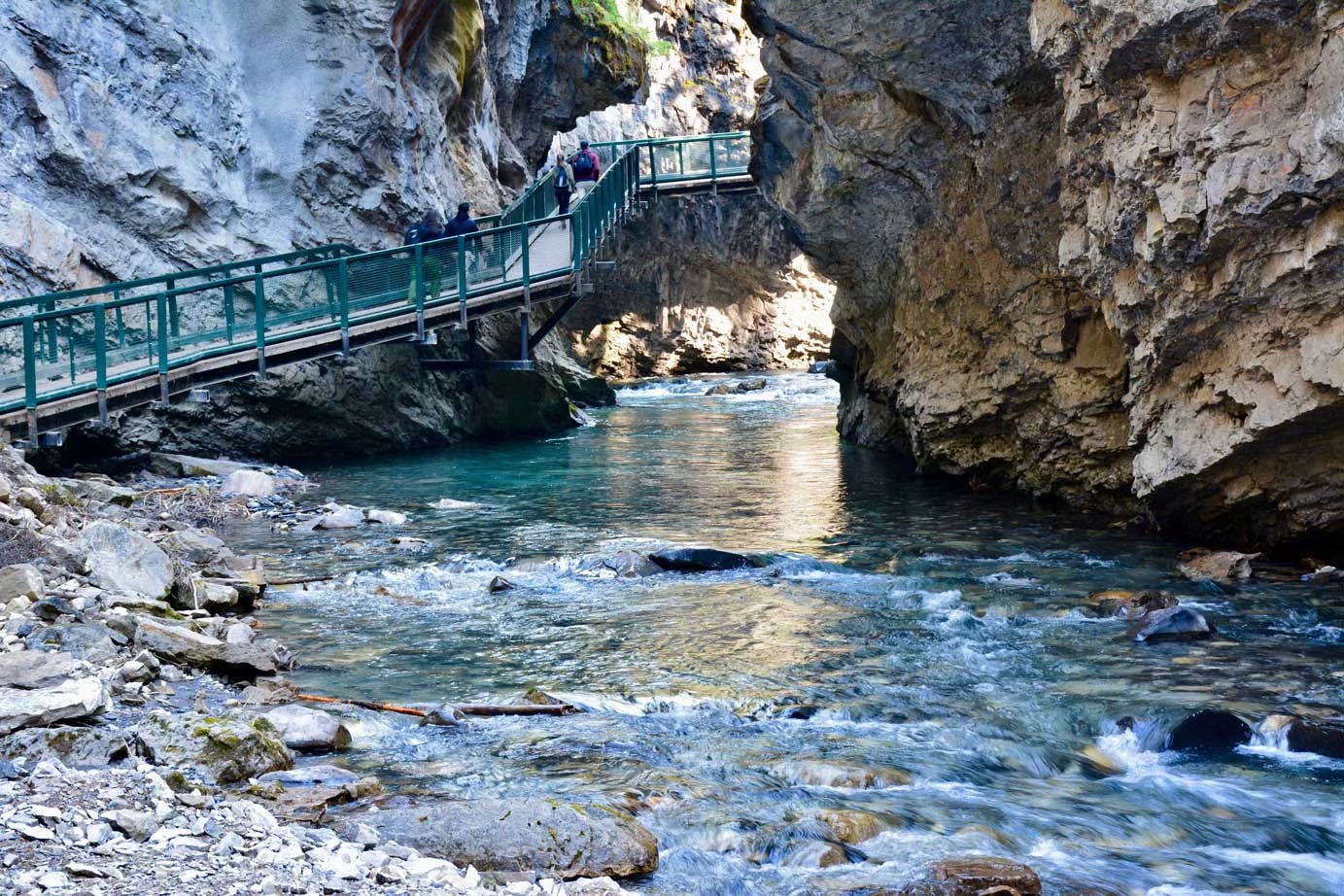
This family-friendly trail is a year-round favorite. Walk on catwalks attached to canyon walls, offering thrilling views of Johnston Creek’s rushing water. The path leads to two waterfalls: the Lower Falls (with a small cave for a misty up-close look) and the Upper Falls. In winter, the canyon turns icy perfect for spotting ice climbers, but wear microspikes. The round trip is about 3 miles with a gentle climb, taking 1-2 hours. Stay on the trail from April to November to protect nesting Black Swift birds.
8. Lake Agnes Tea House Trail
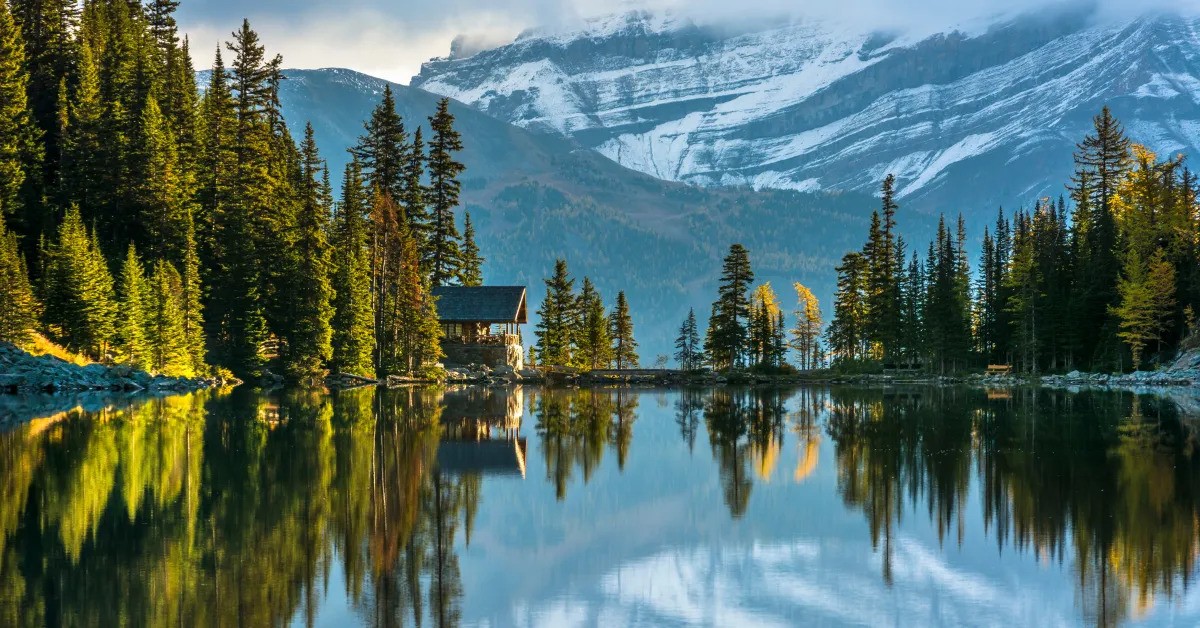
A popular moderate hike starting at Lake Louise, this 2.2-mile trail climbs through forests to a cozy tea house overlooking Lake Agnes. Enjoy homemade cakes and tea, a tradition since the 1900s. The best views of Lake Louise appear halfway up. Visit June-October, but expect possible snow in early June or late fall. Parking fills fast, so arrive early or use shuttles.
Related Reading: Mountain Biking Trails In New Zealand
9. Plain Of Six Glaciers Trail
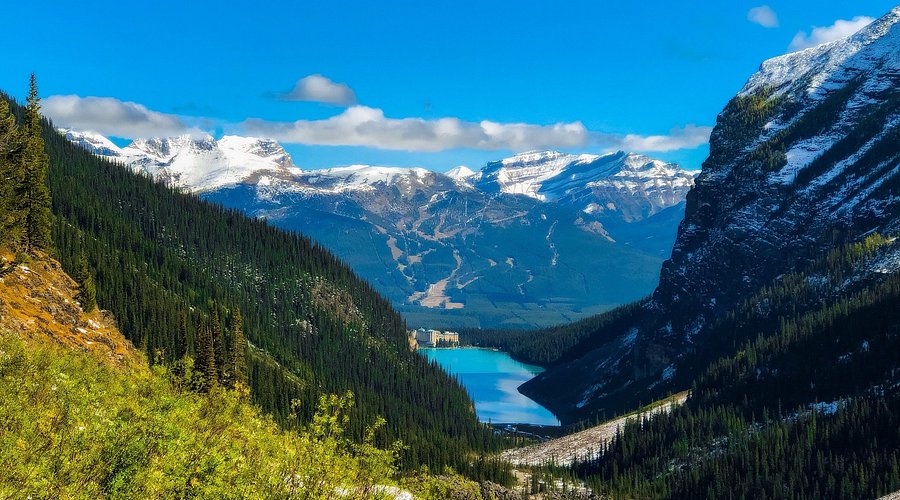
For stunning glacier views, tackle this 9-mile out-and-back hike from Lake Louise. The trail starts flat, then climbs past glacial streams and rocky cliffs to a historic tea house. The final steep stretch rewards you with awe-inspiring vistas of Mount Victoria and the Victoria Glacier. Watch for melting ice and rocky debris, a reminder of climate change’s impact. Pack layers and stamina for this challenging but unforgettable trek.
Jasper National Park's Premier Paths
Jasper National Park , the largest park in the Canadian Rockies, is a UNESCO World Heritage Site famous for its towering mountains, stunning waterfalls, and vibrant lakes. With over 100 trails ranging from short walks to tough multi-day hikes, it lets you explore its beauty up close. While the Canadian Rockies are often linked to the most expensive sports in the world, think heli-skiing or guided mountaineering expeditions. Jasper’s hiking trails offer an affordable way to experience the same breathtaking landscapes. Its vast size and many trails mean fewer crowds and more chances to enjoy quiet moments in nature.
10. Valley Of The Five Lakes
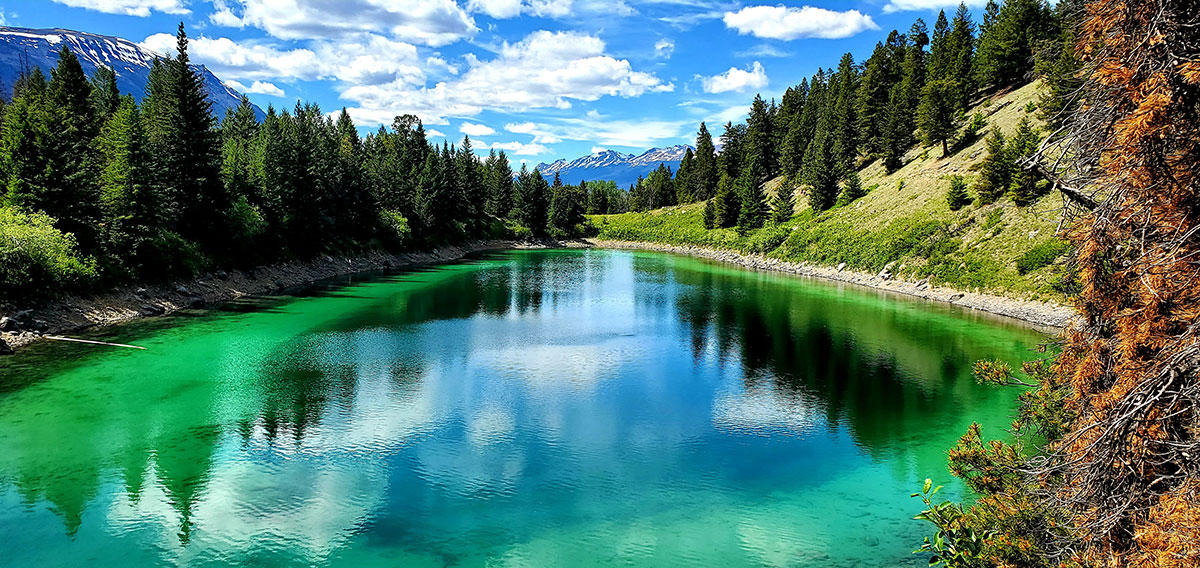
This easy 4.5 km (2.8-mile) loop is perfect for all skill levels. The trail winds through forests and past five colorful lakes, with the third and fourth lakes being the most breathtaking. Their striking blue-green hues come from glacial minerals and algae. Recent upgrades, like a new bridge over Wabasso Creek, make the hike smoother, as noted in parks canada’s trail guide. Keep an eye out for wildlife bears are common here in spring and late summer due to berry patches.
11. Skyline Trail
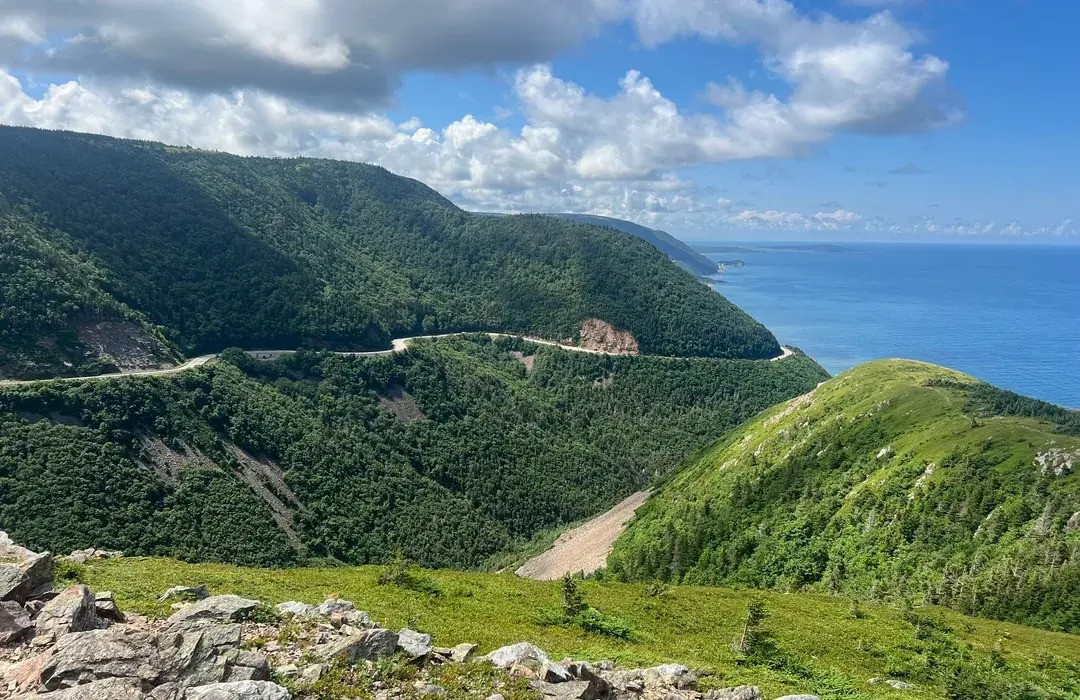
For adventurous hikers, the Skyline Trail is a bucket-list journey. Most of its 44 km (27 miles) sit above the treeline, offering endless views of mountains, meadows, and ridges. The 2-3 day trek crosses three high passes, including “The Notch,” which is often snowy until mid-summer. Rules like no dogs or bikes and required camping permits help protect this wild, fragile area.
12. Maligne Canyon
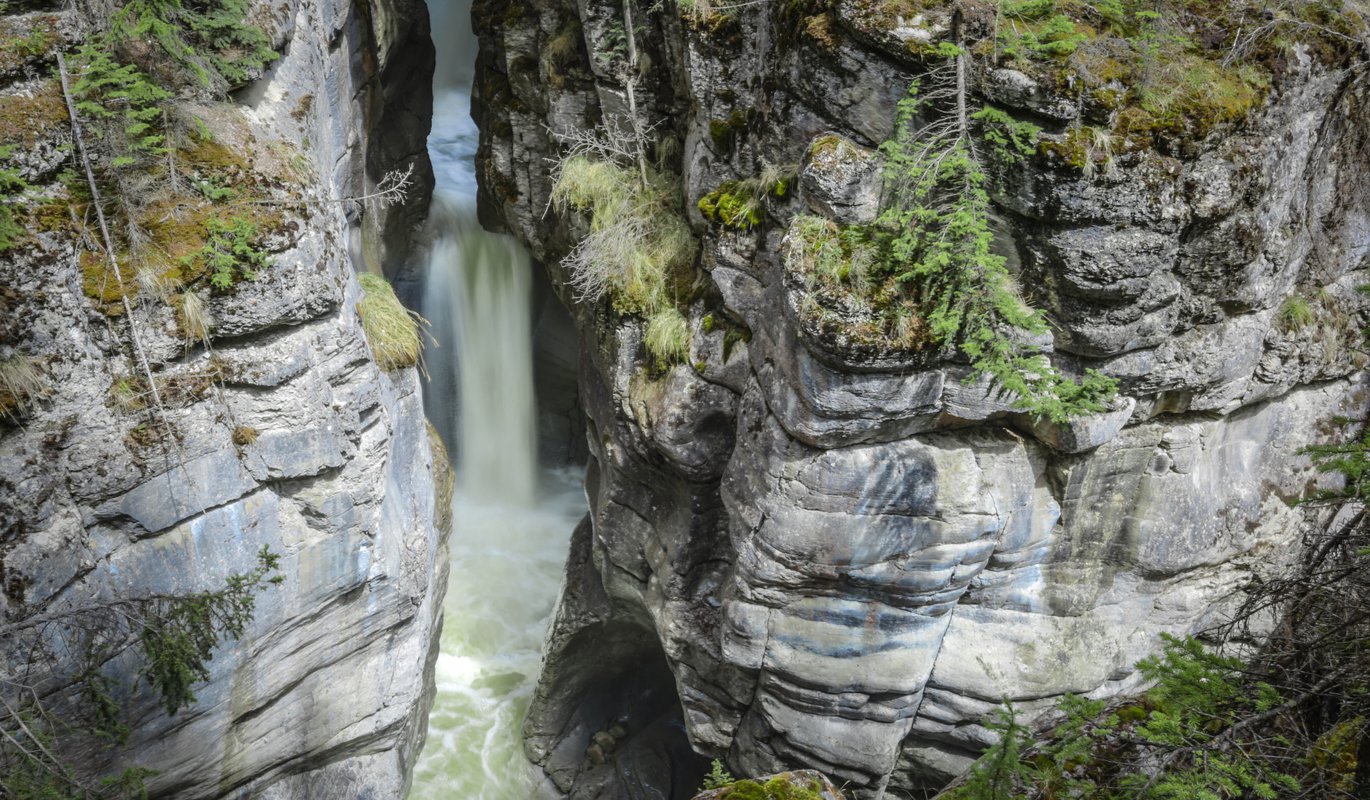
Wander the deepest canyon in the Rockies on this flexible trail. Short on time? Walk 15-30 minutes to the first two bridges. For a longer hike, continue to the Fifth or Sixth Bridge. The narrow canyon walls hide waterfalls and underground streams, creating a geology lover’s paradise. The most popular stretch (2.2 km one-way) takes about an hour and reveals cascades that seem to flow straight out of the rocks.
Grand Teton National Park’s Stunning Trails
Grand Teton National Park stuns with its sharp, towering mountains that rise straight from the valley below. It’s a hiker’s paradise in the Rockies, offering over 250 miles of trails for all skill levels . The park is alive with wildlife, crystal-clear lakes, and breathtaking mountain views, making it a must-visit.
13. Jenny Lake Loop
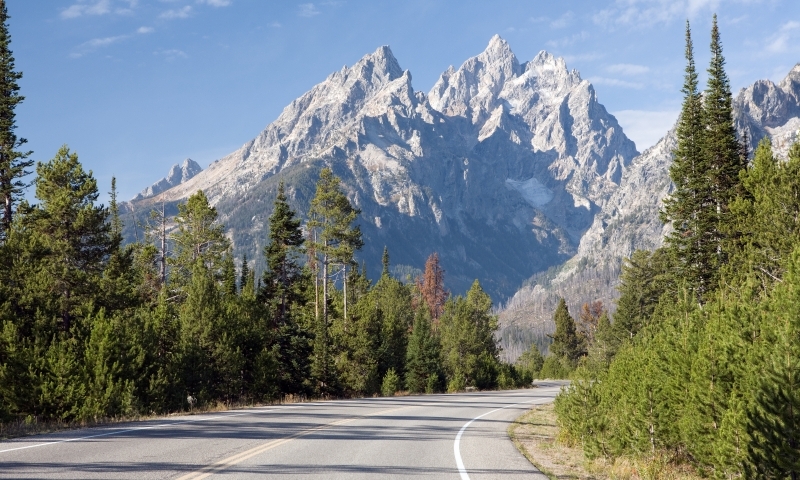
The Jenny Lake Loop is a favorite trail for good reason. This 7.2-mile round-trip hike (with 456 feet of elevation gain) takes 3–5 hours and offers close-up views of peaks like Teewinot Mountain and Mount St. John. The path winds through forests and opens up to stunning lake vistas, passing highlights like Hidden Falls and Inspiration Point, where cliffs drop dramatically to the water. No permits are needed beyond the park entry fee, and you can shorten the hike by taking a ferry across Jenny Lake, a smart option for saving time or energy. Parking fills up fast in summer, so aim to arrive before 9 a.m. or later in the afternoon (3–4 p.m.) to beat the crowds.
14. Taggart Lake Trail
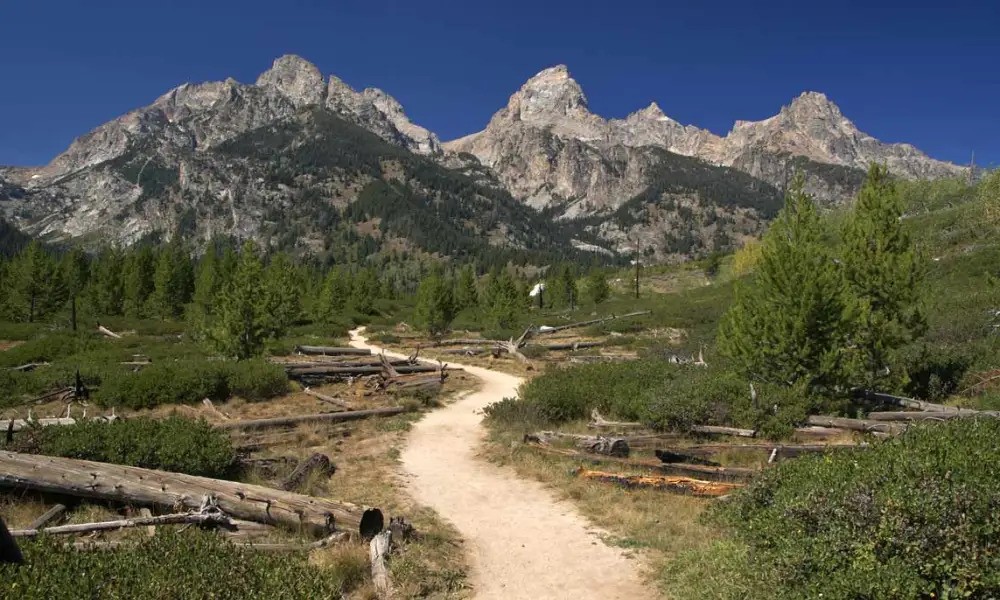
The Taggart Lake Trail is perfect for hikers of all levels. This 3.3–6-mile route (depending on your path) gains 300–420 feet in elevation and takes 1–3 hours. From the start, you’re treated to nonstop views of the Tetons, with aspen groves, babbling creeks, waterfalls, and wooden bridges along the way. You can hike to Taggart Lake or extend your trip to Bradley Lake or the Beaver Creek Loop. The trail is open year-round, even when parts of Teton Park Road are closed, offering seasonal beauty like summer flowers or winter snowscapes.
Staying Safe While Hiking In The Rocky Mountains
Hiking in the Rocky Mountains is an amazing experience, but it requires smart planning and respect for nature. The high altitude can catch many visitors off guard, especially if you’re used to lower elevations. To avoid altitude sickness, take it easy for a day or two at higher elevations before doing tough hikes. Drink lots of water (at least 2 liters daily), skip alcohol and too much coffee, and snack on high-energy foods like nuts or trail mix. Always bring a map, compass, or GPS and dress in layers, mountain weather can shift from sunny to stormy in minutes. Start hikes early in the day to avoid afternoon thunderstorms, and always know when to turn back so you’re off exposed trails before bad weather hits.
Wildlife is part of the adventure, but safety matters. Keep your distance from animals, never feed or approach them, as this can harm their instincts and put you at risk. Hike with a group if possible, and make noise to avoid surprising creatures like bears. Carry bear spray and practice using it beforehand. Stay alert in areas where animals are common, such as the Kawuneeche Valley or Valley of the Five Lakes, where moose, elk, and bears often roam. Store food and trash securely to keep critters away from your camp.
FAQs About Rocky Mountain Hiking
What Should I Pack For A Day Hike?
For a day hike, bring strong hiking boots with good grip, dress in layers (weather changes fast), and carry at least 2 liters of water and snacks like trail mix or energy bars. Don’t forget a map/compass (or GPS), a small flashlight, sunscreen, sunglasses, a hat, a basic first aid kit, and bear spray.
How Can I Avoid Altitude Sickness?
Take it slow when arriving at high elevations, rest a day or two before hiking strenuously. Drink extra water (double your usual amount), eat salty snacks, and skip alcohol or too much coffee. If you get a headache or feel dizzy, stop climbing and go down to a lower altitude. Some people use medicine like Diamox, but talk to a doctor first.
Do I Need Permits For Hiking Trails?
Most day hikes don’t require permits, but rules vary by park. For example, popular trails like Longs Peak might need a timed entry pass for the park, even if the trail itself is free. Overnight camping always needs a wilderness permit, which books up early. Check the park’s official website before your trip.
When Is The Best Time To Hike?
June to September is ideal, trails are mostly snow-free, and weather is nicer. July/August bring flowers and warmth but watch for afternoon storms. September offers fall colors and fewer crowds. Winter hiking is possible with snowshoes or crampons, but check trail conditions first, as snow can linger into summer at high elevations.
How Do I Stay Safe Around Wildlife?
Keep your distance from animals, never feed or approach them. Hike in groups, talk or clap to avoid surprising wildlife (especially bears). Carry bear spray and know how to use it. In areas like Kawuneeche Valley, stay alert for moose, elk, and bears. Store food and trash in sealed containers to avoid attracting animals.
What Are The Leave No Trace Principles And Why Are They Important?
The Leave No Trace principles are seven simple guidelines to minimize human impact on nature and protect wild places for future generations. They include planning ahead, staying on trails and camping on sturdy ground, packing out all trash, leaving natural objects untouched, using small campfires or stoves to avoid scarring the land, respecting wildlife by observing from a distance, and being considerate to others by keeping noise down.
Final Thoughts
The Rockies are calling, offering adventures you’ll never forget, every path tells a story of nature’s raw beauty and calm. Pack wisely, follow Leave No Trace rules to protect the land, and learn how to stay safe in the mountains, these aren’t just tips, they’re essential for a meaningful trip. Here’s to a journey filled with awe, unexpected discoveries, and that deep connection only the wild Rockies can spark.
Also Check Out: Top Outdoor Activities In The Smoky Mountains

Sophia Harper
Author
Sophia Harper’s photography acts as a portal to the soul of the places she visits. Drawn to South America’s landscapes and cultures, she has spent years capturing everything from the majesty of ancient ruins to the vibrancy of urban streets.
Sophia’s work isn’t just about documenting moments; it’s about evoking the emotions and stories behind them. A dedicated photographer, she has worked with local communities across South America to capture their rich cultural narratives through her lens.

Maya Reyes
Reviewer
Maya Reyes’s wanderlust was sparked in the temples of Luang Prabang, where the scent of lemongrass and the chants of monks revealed the transformative power of travel.
Since then, her journey has been defined by cultural immersion and authentic connections. From learning batik in Indonesia to sharing meals with nomadic families in Mongolia, Maya seeks experiences that highlight the human stories behind each destination.
Travel for her is a way to weave her narrative into the world’s cultural tapestry, creating bridges across diverse ways of life. Maya has traveled to 15 countries and shares her insights through writing and storytelling.
Latest Articles
Popular Articles