Hanoi Travel Guide 2025 | Where To Go, Eat, Stay & Plan Right
Hanoi will steal your heart-use this 2025 guide to discover authentic spots, moving stories, local food, and unforgettable cultural moments.
Author:Finn WildeReviewer:Liam JonesOct 05, 202589.8K Shares1.3M Views
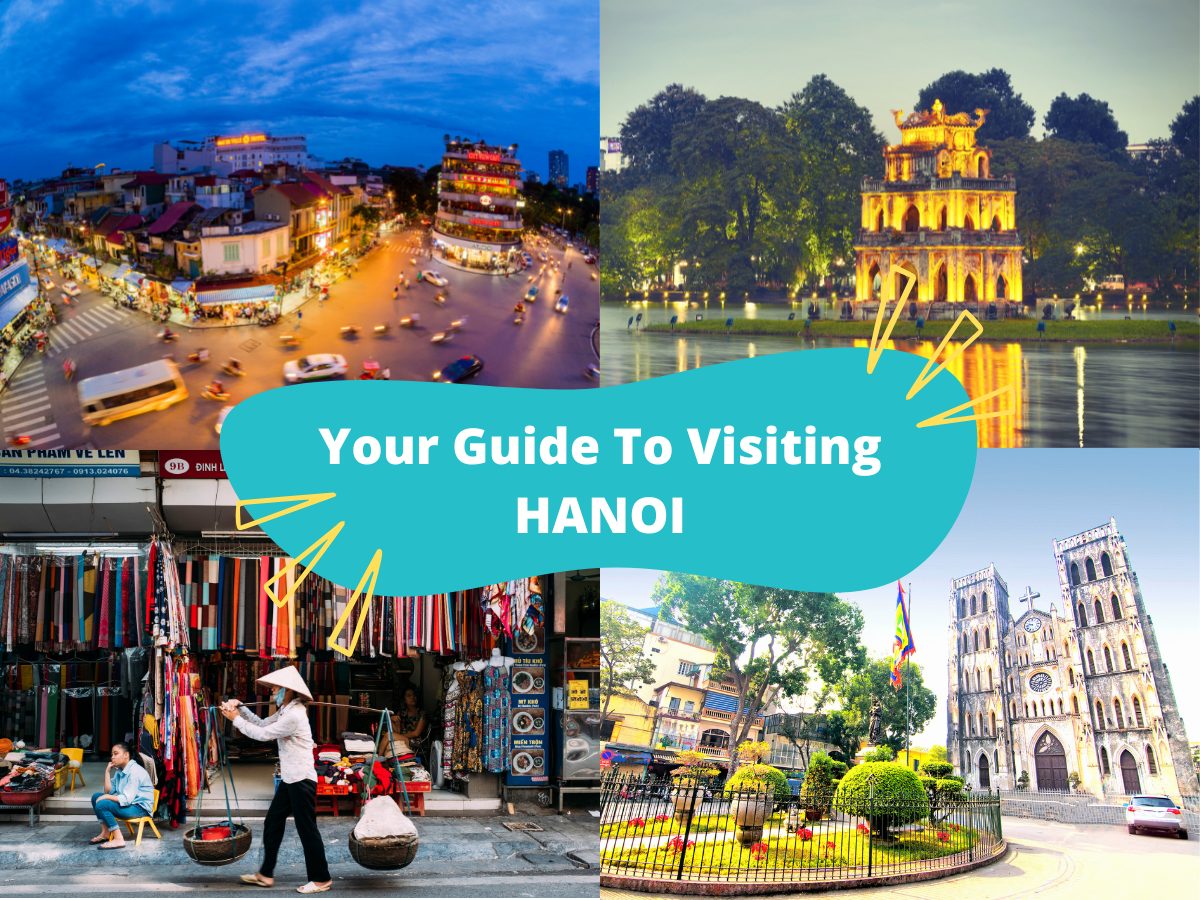
Hanoi captivated me with its chaotic charm, where ancient traditions pulse beneath a modern, vibrant surface. Its tangled streets, rich history, and bold culinary spirit stirred something deep-and unforgettable.
Yet beyond the bustle lies a city of resilience and artistry. From its war-scarred past to its quiet cultural revival, Hanoi reveals layers that many rush past. You’ll hear whispers of French and Chinese legacies, feel the hum of scooters, and sense a people determined to move forward without forgetting their roots. To understand what makes this country truly special, discover what is Vietnam known for.
This guide isn’t just about sights-it’s an invitation to uncover Hanoi’s soul through real stories, hidden corners, and moments that stay with you long after you've left.
1. Getting To And Around Hanoi
Getting to grips with Hanoi's transport can seem daunting at first glance, but with a few pointers, you'll be zipping around like a local in no time.
How To Get There
Your journey to Hanoi will likely begin at Noi Bai International Airport. Located about 35-45 kilometers from the city center, I've found a few excellent ways to get to your accommodation.
If you're traveling to Hanoi from outside Vietnam, chances are you'll be flying into Noi Bai International Airport. Direct flights from most major airports throughout Asia and to cities like London, Sydney, and Dubai are possible.
However, if you're traveling from the U.S., you must take a connecting or transit flight with one or two layovers, depending on your airline's routing options. From there, a 40-minute car transfer, ride share (Grab), or bus can take you to the city center.
- Taxi/Grab: This is, in my opinion, often the most convenient choice, especially if you have luggage. Reputable taxi companies like Mai Linh (green cars) and Vinasun (white cars with red trim) are reliable. But for fixed pricing and transparency, I highly recommend using the Grab app (Southeast Asia's Uber equivalent). Expect to pay around VND 300,000–400,000(~$12–$16 USD) to the Old Quarter.
- Airport Bus:If you're on a tighter budget, the airport bus routes 86 and 90 offer direct connections to the city center, with stops conveniently near the Old Quarter. The journey takes about an hour and costs significantly less (around VND 35,000-40,000). While slower, it offers a real glimpse into local life from the outset.
If you're already in Vietnam, you can also choose to travel to Hanoi by train or bus. While I've personally not traveled this way, I've been told that Vietnam's air-conditioned trains in particular are very tourist-friendly, relatively safe, and convenient.
How To Get Around
Once I was in the city, the true adventure of getting around Hanoi began. The city's transport culture is unique, chaotic, and absolutely part of its charm.
Although it's a large city, Hanoi is still fairly walkable for tourists, with most of its main sights confined to a few key neighborhoods: the Old Quarter, the French Quarter, and Ba Dinh District.
- Walking:Especially within the Old Quarter, walking is hands down the best way to soak in the atmosphere, discover hidden alleys, and stumble upon those incredible street food gems. Just be mindful of motorbikes; they are everywhere! Maintain a steady, predictable pace, and the traffic will generally flow around you. Don't hesitate or run.
- Grab (Motorbike & Car): For slightly longer distances or when your feet are tired, Grab is truly your go-to app. GrabBike is ideal for solo travelers and weaves efficiently through traffic. GrabCar works well for couples, groups, or those who prefer comfort. I loved that the Grab app showed me my ride costs before booking so I didn't have to negotiate and that the driver's name and license plate were made available before pick-up. It’s truly reliable.
- Cyclo (Rickshaw):For a slower, nostalgic view, take a cyclo ride around Hoan Kiem Lakeor the Old Quarter. Just make sure to agree on the price beforehand (usually VND 100,000-150,000 for 30-60 minutes). This is more of a sightseeing experience than a practical transport method.
- Local Buses:Very cheap but confusing for first-timers due to language barriers and complex routes. I’d only recommend buses if you’re feeling adventurous and have time to explore.
Day Trips
If you're taking a day trip outside the city, I recommend booking a tour through a local guide (Bach with Bee Travel is amazing!).
Not only is it a hassle-free way to explore, but you'll learn so much more about the locations you're visiting and may even be shown a few secret local spots!
Rental cars or motorbikes are also still a great option for getting outside the city. Just secure a valid international driver's permit before leaving for Vietnam.
2. Hanoi's Unmissable Landmarks
Hanoi's long and storied history is etched into its very fabric, from ancient temples to colonial architecture. This section outlines the essential historical sites that I believe you must see to truly appreciate Hanoi's heritage.
1. The Enchanting Hoan Kiem Lake & Ngoc Son Temple

At the spiritual heart of Hanoi lies Hoan Kiem Lake (Lake of the Returned Sword). For me, it was more than just a body of water; it's a social hub, a place of legend, and a tranquil escape from the city's bustle.
Legend claims that, in the mid-15th century, heaven sent Emperor Le Loi a magical sword, which he used to drive the Chinese from Vietnam. After the victory, a giant golden turtle appeared in the lake to reclaim the sword, giving the lake its famous name.
- Ngoc Son Temple (Temple of the Jade Mountain):Accessible via the iconic Huc Bridge (Bridge of the Rising Sun), this Confucian temple is on an island in Hoan Kiem Lake. It honors Vietnam's national hero Tran Hung Dao and the scholar Van Xuong. I found it incredibly picturesque, and it’s a beautiful spot for quiet reflection.
- Turtle Tower (Thap Rua):Situated on a small island in the lake, this picturesque tower is a symbol of Hanoi and central to the lake's folklore. It's a great spot for a photo.
2. The Somber Majesty Of Ho Chi Minh Mausoleum Complex

A place of profound significance for the Vietnamese people, this complex is dedicated to the nation's revered revolutionary leader, Ho Chi Minh. Visiting here was a very humbling experience for me.
- Ho Chi Minh Mausoleum:The embalmed body of Ho Chi Minh lies here, open to the public on specific days. Remember to dress respectfully (shoulders and knees covered) and maintain solemnity. I advise checking opening hours in advance, as they can be limited and vary (for example, it's typically closed on Mondays and Fridays, and for an annual maintenance period, usually in the fall).
- Ho Chi Minh's Stilt House:A humble residence where "Uncle Ho" lived and worked, offering insight into his simple lifestyle. It provides a humanizing perspective on the iconic leader that I found very moving.
- One Pillar Pagoda (Chua Mot Cot):An iconic Buddhist temple resting on a single stone pillar, resembling a lotus blossom. Its unique architecture makes it a popular photo stop.
3. Temple Of Literature & National University

Set amidst landscaped grounds near the center of Hanoi, the Temple of Literaturehonors Vietnam's finest scholars. Vietnam's first national university, established in 1070, is a beautiful example of traditional Vietnamese architecture and a testament to the nation's emphasis on education.
Courtyards and Pavilions
I truly enjoyed exploring the five courtyards, each with unique features, including the Stelae of Doctors, stone tablets inscribed with the names of successful candidates of royal examinations. It's a remarkably peaceful and inspiring place, offering a quiet retreat from the city's energy.
4. Imperial Citadel Of Thang Long

Added to UNESCO's World Heritage List in 2010, Hanoi's Imperial Citadelwas the hub of Vietnamese military power for over 1000 years. This complex served as the political center of Vietnam for 13 centuries. It offers a fascinating archaeological journey through various dynasties, and I found its historical layers captivating.
Ongoing excavations reveal layers of history, providing a unique perspective on Vietnam's rich past. I recommend allowing ample time to explore the various structures and exhibitions here.
5. Hoa Lo Prison Museum

Stepping into Hoa Lo Prison Museum was one of the most sobering experiences of my time in Hanoi. Originally built by the French in the late 19th century to detain Vietnamese political prisoners, its cold stone corridors and rusted iron shackles tell stories of unimaginable suffering and resistance.
You’ll see preserved cells, harrowing displays of instruments used for torture, and powerful accounts of the revolutionaries who endured unimaginable hardship here.
Later, during the Vietnam War, American POWs were held here-including Senator John McCain. They ironically dubbed it the “Hanoi Hilton,” and you’ll find a section dedicated to this period, though many note the contrasting tone and selective portrayal of events.
What struck me most wasn’t just the physical artifacts but the emotionally charged energy that lingers in the air. The museum doesn’t shy away from confronting the brutality of colonialism or the complex narratives of wartime.
6. National Museum Of Vietnamese History

Built between 1925 and 1932, this architecturally impressive museum was formerly home to the École Française d’Extrême-Orient. Its architect, Ernest Hebrard, combined French and Chinese architectural styles to create a distinctive blend.
Inside, I was amazed at how thoroughly the exhibits trace Vietnam’s history, from prehistoric relicsand Dong Son bronze drumsto intricately carved Champa sculptures and imperial Nguyen dynasty artifacts. There’s a poetic narrative in the way each room flows into the next-one that paints a vivid picture of Vietnam's evolving identity.
3. What To Do In Hanoi
Beyond just seeing the landmarks, Hanoi truly comes alive when you engage with its culture and rhythm. This section outlines what I think are the best ways to immerse yourself and truly experience the city.
1. Immerse Yourself In The Historic Old Quarter

Arriving in Vietnam! Hanoi Old Quarter - Walking Tour, Street Food Tour & AMAZING Vietnamese Coffee
The Old Quarter is the chaotic, beating heart of Hanoi, a maze of 36 guild streets, each traditionally specializing in a particular trade. It's a sensory overload in the best possible way, where Hanoi's soul truly resides.
The act of simply wandering through its labyrinthine alleys is an experience in itself. I loved discovering hidden cafes, family-run businesses, and vibrant street art.
I encourage you not to be afraid to get a little lost; some of the best discoveries are made off the main thoroughfares.
- Bach Ma Temple:While exploring the Old Quarter, seek out the small Bach Ma Temple (literally 'White Horse Temple'). Tucked away on Hang Buom Street, it's said to be the oldest temple in the city, though much of its current structure dates from later periods. Its quiet courtyards provide a stark contrast to the bustling streets outside, which I found quite refreshing, offering a glimpse into Hanoi's ancient spiritual heritage amidst the modern bustle.
- Dong Xuan Market:Hanoi's largest indoor market, Dong Xuan Market, is an integral part of the Old Quarter experience. It offers everything from fresh produce to clothing and electronics. I found it a fantastic place for people-watching and experiencing local commerce. Be prepared for a lively atmosphere and some friendly bargaining - it's part of the fun!
2. Attend A Traditional Water Puppet Show

Water Puppet Show in Hanoi, Vietnam
I expected a tourist gimmick. I got poetry on water.
At the Thăng Long Water Puppet Theatre, the show began with a live orchestra playing traditional instruments. Then wooden puppets danced on a water stage-farming, fighting, falling in love-all against a backdrop of folk legends.
What struck me most: It wasn’t just entertainment. It was storytelling, preserved for centuries, performed for the same reasons our ancestors once gathered by firelight-to connect, to remember, to laugh.
3. Take A Vietnamese Cooking Class (with Market Tour)

Few things made me feel more insidethe culture than shopping for morning herbs with a local chef. We visited a neighborhood wet market (not a touristy one), where she showed me how to test a fish’s freshness by its eyes and introduced me to ingredients I’d never seen before-like giấm bỗng, a rice vinegar made from fermented rice wine.
- We cooked bún chảover real charcoal, wrapped herbs into perfect gỏi cuốn, and balanced nuoc chamsauce until it hit that perfect sweet-sour-funky note.
- The experience gave me an emotional connection to every street food stallI visited afterward. I now tasted Hanoi with understanding.
4. Unwind At West Lake (Hồ Tây)

If Hoàn Kiếm Lake is the city’s heartbeat, West Lake is its breath. I loved escaping here in the late afternoons when the light softened and the horns faded. It’s less touristy and full of subtle beauty.
Visit Trấn Quốc Pagoda
Built in the 6th century, its graceful tower reflects across the lake’s still surface like a painting. I visited near sunset, incense curling into the sky, the orange glow bouncing off the water. It was meditative, spiritual-even for someone not religious.
Cycle The Lakeside
Renting a bike from a nearby shop, I looped along parts of the lakefront, stopping for Vietnamese iced tea at quiet cafés. Unlike the Old Quarter’s pace, here the city sighs-and you can finally catch your breath.
5. Discover The Famed Train Street (With Caution)

Few sights are as surreal as watching a full-size train speed through a narrow residential alley, inches from where locals sip tea or feed chickens. I experienced it from a safe distance-on a rooftop cafe, sipping egg coffee with my heart in my throat.
- Important: Access is restricted, and I strongly recommend visiting only via permitted cafes that comply with safety regulations. Trains arrive several times daily, and the staff will signal when it’s safe to photograph.
- It’s not a thrill ride. It’s daily life.Respect that.
6. Vietnam Museum Of Ethnology

Exploring Vietnam Museum of Ethnology in Hanoi
Vietnam Museum Of Ethnologydoesn’t just teach-it immerses you in the heartbeat of Vietnam’s diversity. Representing all 54 officially recognized ethnic groups, it offers a rare, respectful space where cultures often marginalized in mainstream narratives are honored.
Inside, I was drawn to the ceremonial gongs of the Central Highlands, handwoven textiles dyed with natural indigo, and funerary statues that stood like silent sentinels to ancient belief systems. Exhibits explore everything from matrilineal customsto shamanistic rituals, reminding you just how layered this country truly is.
But it was the outdoor ethnographic village that truly stayed with me. Walking through full-scale Bahnar and Ede stilt houses, Tay communal halls, and Dao homes, I felt transported to remote highland communities where traditions still struggle to survive. These aren't replicas-they’re testaments, lovingly reconstructed by local artisans.
7. Vietnamese Women’s Museum
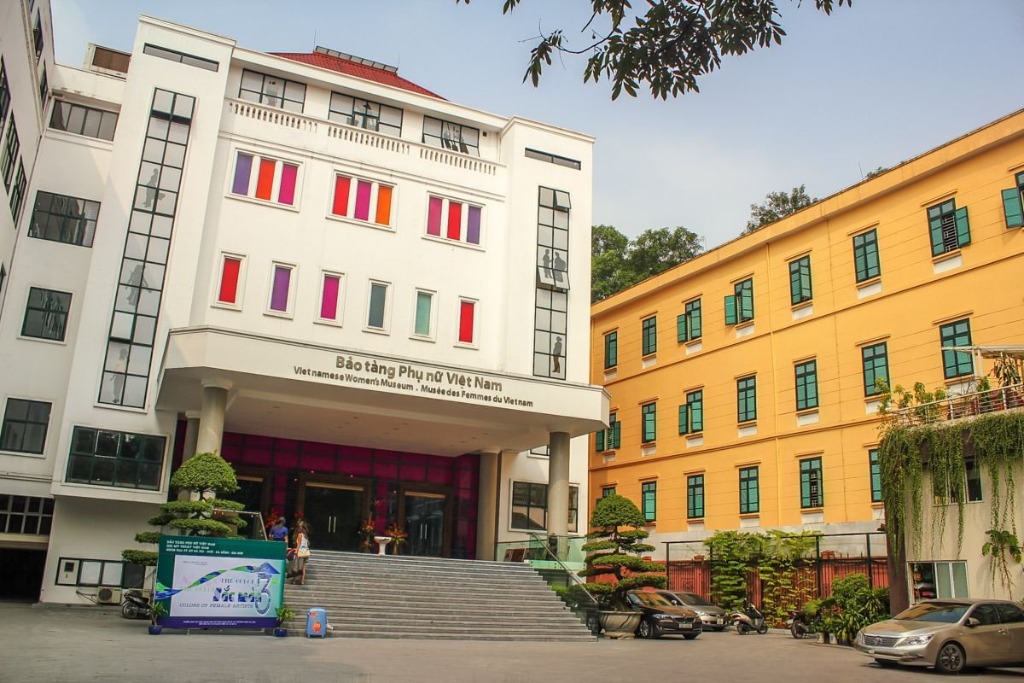
Tucked along Ly Thuong Kiet Street, this museum is often overlooked-and unfairly so. It’s one of the most moving places I visited in Hanoi. More than just artifacts, the Vietnamese Women’s Museumtells the story of a nation through the eyes, hands, and endurance of its women.
The galleries span themes like family life, spiritual practices, and most powerfully, women in wartime. One section featured worn sandals and faded letters from female couriers who braved dense jungles and air raids to deliver critical messages. Their courage left me speechless.
Another room displayed intricately detailed wedding garmentsfrom ethnic groups across Vietnam-each one stitched with patterns that reflect not only beauty but deep cultural identity and historical resistance. These weren’t just dresses; they were coded messages of lineage, pride, and perseverance.
Explore More: Did You Know These 26 Fun Facts About Vietnam?
4. Festivals And Events To Time Your Visit
Beyond just the weather, timing your visit to coincide with one of Hanoi's vibrant festivals or major events can profoundly enrich your experience, offering a deeper dive into Vietnamese culture and traditions.
1. Tet (Vietnamese Lunar New Year)

When:Late January to Mid-February (dates vary annually with the lunar calendar).
Tet is the most important and widely celebrated festival in Vietnam. It marks the start of the lunar new year and is a time for family reunions, paying respects to ancestors, and welcoming good luck for the year ahead.
Hanoi transforms with bright decorations, colorful flowers, and lively street markets. Fireworks light up the sky at midnight, and traditional music and dance performances fill public spaces.
Why I'd recommend visiting:To experience Vietnam's most significant cultural celebration firsthand, witnessing deep-rooted traditions and a city adorned in festive cheer. It's truly a unique spectacle, though I'd advise being aware that many local businesses may close for several days during this period.
2. Mid-Autumn Festival (Tết Trung Thu)

When:September or October (on the 15th day of the 8th lunar month).
Also called the Moon Festival, the Mid-Autumn Festival is a time to celebrate the harvest and family unity, particularly cherished by children. Hanoi's streets and parks come alive with vibrant lantern parades, where children carry colorful lanterns shaped like animals and stars.
Mooncakes, a special pastry filled with sweet or savory ingredients, are enjoyed by families and sold in markets everywhere.
Why visit:This festival is perfect for seeing enchanting lantern displays, traditional performances like lion dances and folk music, and experiencing a truly joyful, family-oriented atmosphere. I've heard the lantern parades are especially magical.
3. Perfume Pagoda Festival

When:January to March (starts on the 6th day of the 1st lunar month and lasts for three months).
The Perfume Pagoda Festival is a major religious event attracting thousands of Buddhist pilgrims from Hanoi and beyond. The festival takes place at the Perfume Pagoda, a large complex of Buddhist temples and shrines set in stunning mountain scenery about 60 kilometers southwest of Hanoi.
Why visit:This festival combines spiritual devotion with natural beauty, making it a unique cultural experience that provides insight into Vietnamese Buddhist practices.
4. Hanoi International Film Festival (HANIFF)

When:Dates vary, typically every two or three years (e.g., November 7-11, 2024, for the 7th edition).
The Hanoi International Film Festival brings together filmmakers, actors, and cinema lovers from across Asia and the world. The festival screens a wide range of films, including feature films, documentaries, and shorts, many of which are premieres or hard to find elsewhere. It also hosts workshops, discussions, and cultural events that highlight Vietnamese and Asian cinema.
Why visit: For film enthusiasts, I see this as an excellent opportunity to discover contemporary Asian cinema and engage with the global film community.
5. Hanoi Food Festival

HANOI FOOD FESTIVAL - A CELEBRATION OF FLAVORS | 4K ULTRA HD
When:Usually October or November (exact dates vary).
The Hanoi Food Festival celebrates the city’s rich culinary heritage. Streets and parks fill with food stalls offering traditional dishes like pho, bun cha, and egg coffee. Visitors can sample local flavors, watch cooking demonstrations, and enjoy live music performances.
Why visit:This event is perfect for food lovers who want to taste authentic Vietnamese cuisine in a lively, social setting and explore a vast array of local delicacies in one place. As a fan of Vietnamese food, this would be a top priority for me.
6. Hanoi Fashion Week

When:Often held in April and October (though events like Global Student Fashion Week can occur in December, e.g., Dec 4-9, 2025).
Hanoi Fashion Week showcases Vietnam’s growing fashion industry with runway shows, designer exhibitions, and industry talks. It highlights both established and emerging Vietnamese designers, blending traditional elements with modern styles.
Why visit:Visitors interested in fashion can experience the creative side of Hanoi and see the latest trends in Asian fashion, often with a unique Vietnamese twist.
7. Vietnam Book Fair

When:Annually, usually in September (though Vietnam Book - Reading Culture Day is celebrated on April 21st, often with associated events).
The Vietnam Book Fair is one of the largest cultural events in Hanoi, attracting publishers, authors, and readers. It promotes reading culture and offers a wide selection of Vietnamese and international books. There are book signings, storytelling sessions, and workshops.
Why visit:I believe this isa great event for families, students, and book enthusiasts to engage with Vietnamese literature and a vibrant intellectual community.
8. Lim Festival
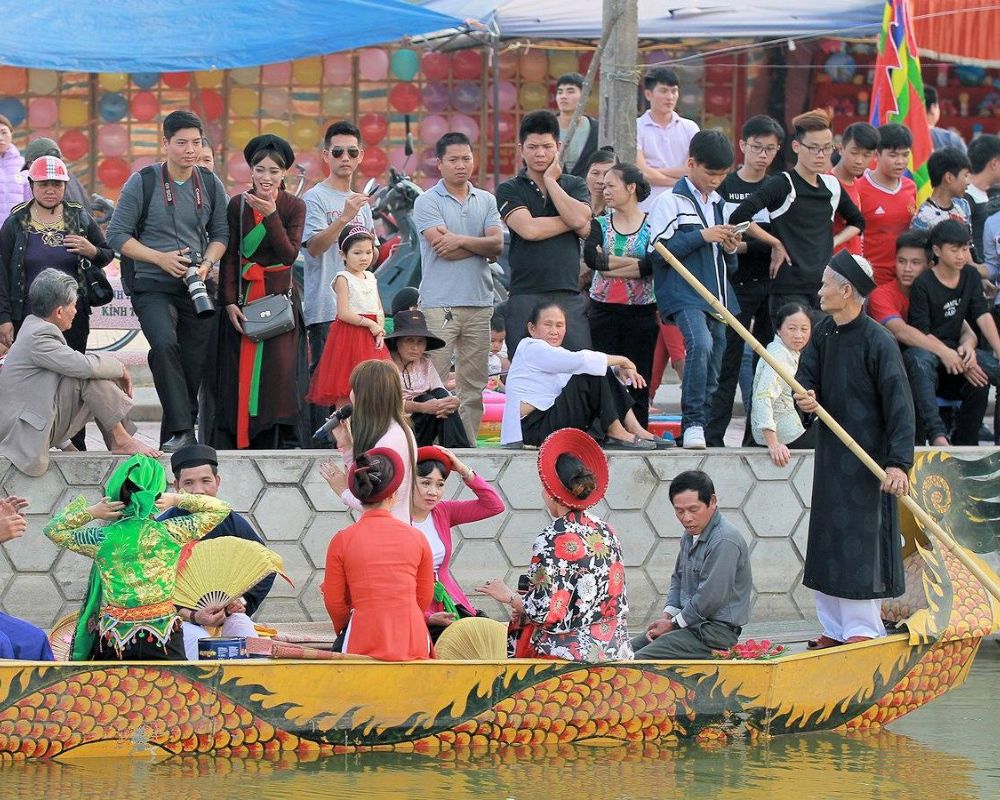
When:Usually late February (around the 12th-13th day of the 1st lunar month).
The Lim Festival, held just outside Hanoi in Bắc Ninh province, honors Quan Hofolk singing, a UNESCO-recognized traditional music style from northern Vietnam. The event features performances of this unique call-and-response singing, traditional costumes, and local crafts.
Why visit:Attending the Lim Festival offers deep insight into Vietnam’s rich musical heritage and folk culture, particularly for those interested in traditional arts.
9. Hanoi Marathon
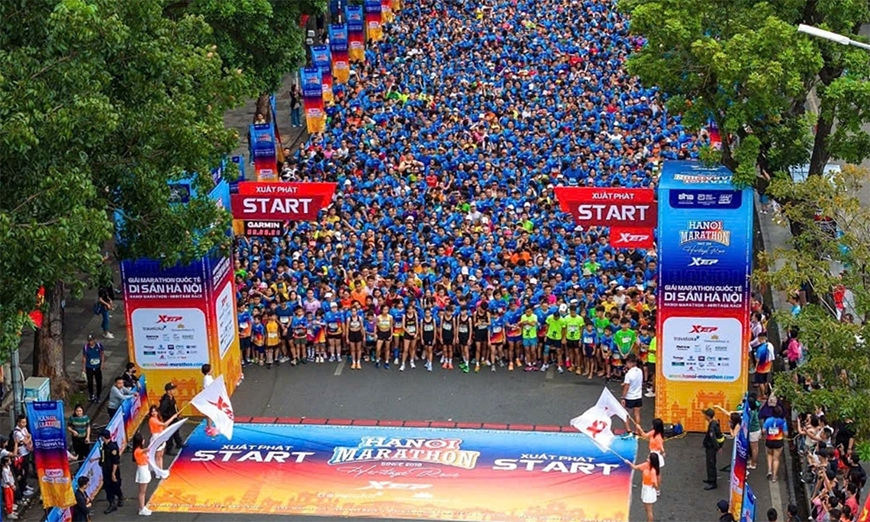
When:Typically October or November (exact dates vary annually).
The Hanoi Marathon attracts runners from around the world who want to experience the city’s streets in a healthy, competitive environment. The race routes cover iconic Hanoi landmarks like Hoan Kiem Lake and the Old Quarter.
Why visit:It’s a festive occasion with music, cheering crowds, and activities for families and fitness enthusiasts, offering a unique way to see the city.
10. Vietnam Independence Day

When:September 2nd.
A national public holiday celebrating Vietnam's declaration of independence from France in 1945. While not a "festival" in the traditional sense, it's a significant patriotic day.
Why visit:You'll findnational flags displayed everywhere, and there might be parades, cultural performances, and fireworks, particularly around Hoan Kiem Lake and Ba Dinh Square. Many museums and historical sites will be open and may have special exhibitions.
5. Neighborhoods: Places To Stay In
For your first time in Hanoi, I wholeheartedly recommend staying in the Old Quarter or French Quarter. Home to most of the city's tourist attractions, these areas are extremely walkable and steeped in incredible history. I've personally found them to offer the most vibrant and accessible experience for newcomers.
If you've been to Hanoi before or are looking for accommodation a bit off the beaten path, West Lake (Tay Ho), an expat-friendly area, and Cau Giay, the city's business district, are also good areas to look into. These offer a different vibe, often quieter, with more spacious surroundings.
I've personally stayed in both the Old Quarter (at La Passion Hanoi, which I loved!) and Cau Giay (at Smarana Hotel Heritage, also a great visit!), and both provided unique and enjoyable experiences.
6. A Culinary Journey
Hanoi's street food isn't just sustenance; it's a cultural institution. The city is a foodie's paradise, offering an explosion of flavors, aromas, and textures at every turn. Embracing the local dishes is an essential part of knowing what to do in Hanoi, and it was certainly a highlight of my trip.
Pho: The Undisputed King
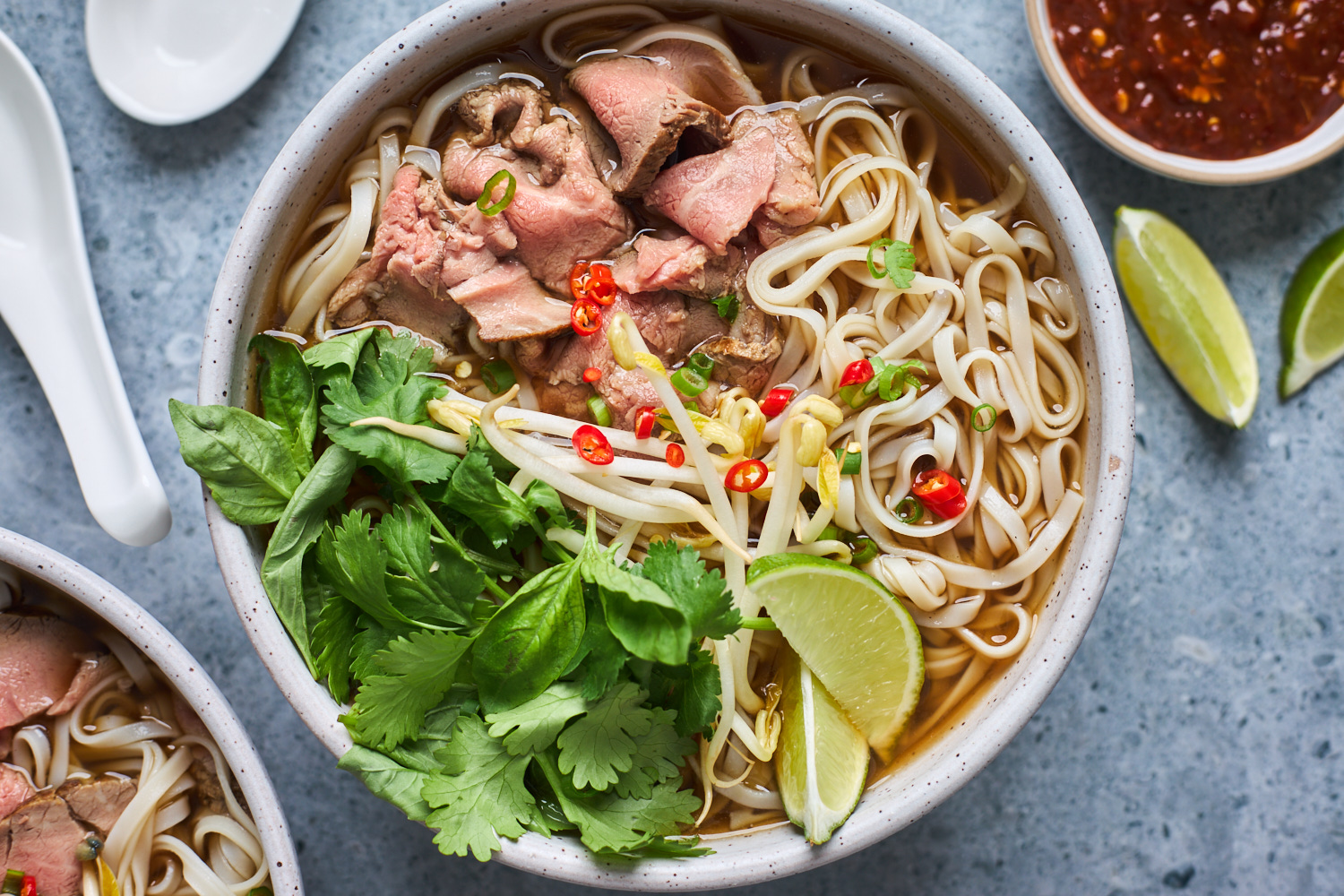
While found throughout Vietnam, Hanoi is arguably the birthplace of pho, and its rendition is a subtle masterpiece.
- Pho Bo (Beef Noodle Soup):Rich, clear broth, tender slices of beef, fresh herbs, and rice noodles. My advice? Look for stalls that specialize in phoand have a constant stream of locals - that's your sign of authenticity and deliciousness.
- Pho Ga (Chicken Noodle Soup):A lighter, equally delicious alternative.
Banh Mi: The Perfect Fusion Sandwich

The Vietnamese baguette sandwich is a legacy of French colonial rule, ingeniously adapted with local ingredients. I quickly became addicted to these!
Variations: From banh mi pa-te(pate) to banh mi thit nuong(grilled pork), each vendor has their own twist. Expect a crispy baguette filled with savory meats, fresh herbs, pickled vegetables, and a hint of chili. Find your favorite!
Bun Cha: Hanoi's Signature Dish
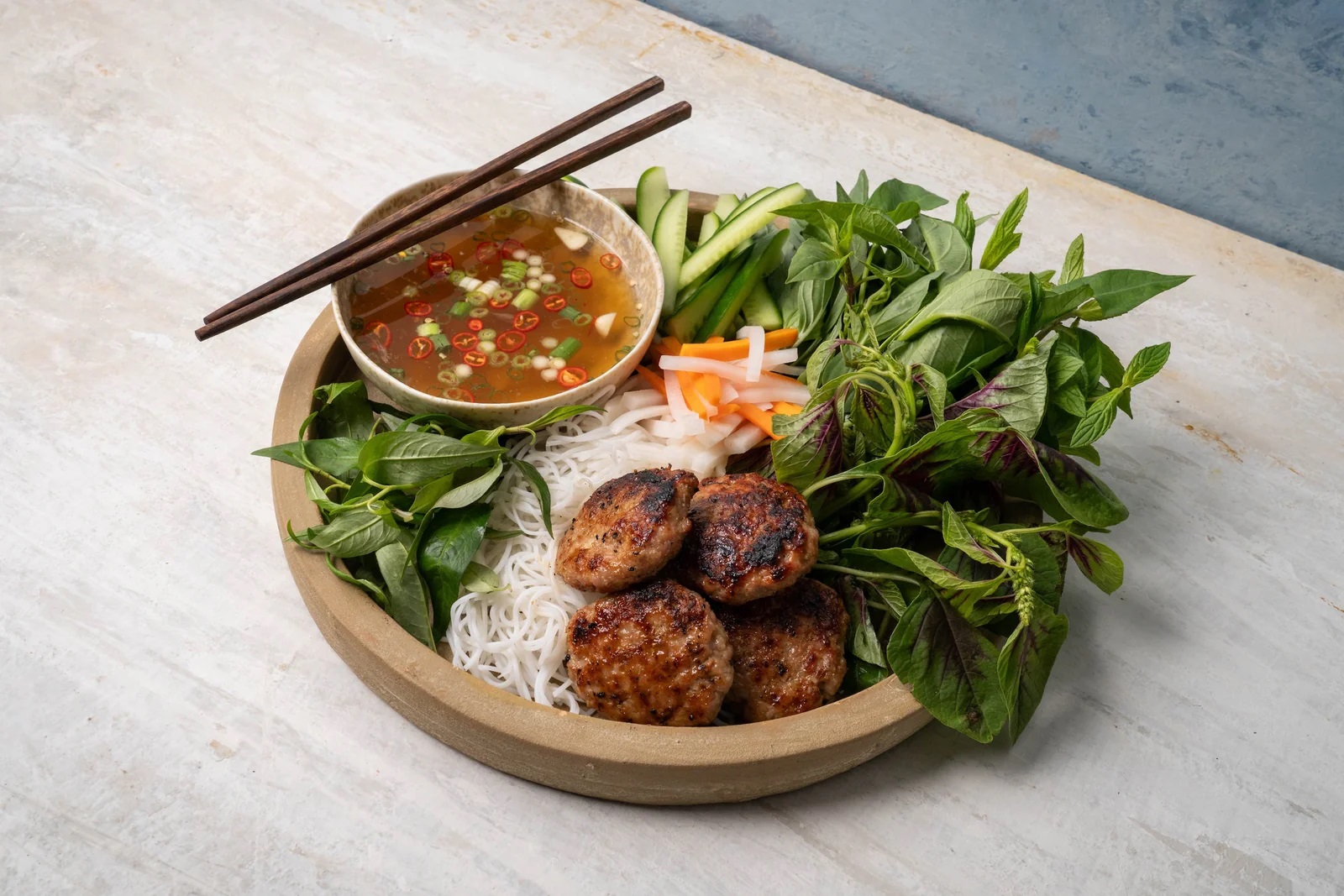
A quintessential Hanoian dish, bun chaconsists of grilled pork patties and slices of pork belly served with vermicelli noodles, a dipping sauce, and a generous plate of fresh herbs. This was one of my absolute favorites.
How to Eat:Dip the noodles and herbs into the savory-sweet broth, then enjoy with the grilled pork. Don't forget the pickled green papaya - it adds a crucial crunch and tang!
Egg Coffee (Ca Phe Trung): A Velvety Indulgence
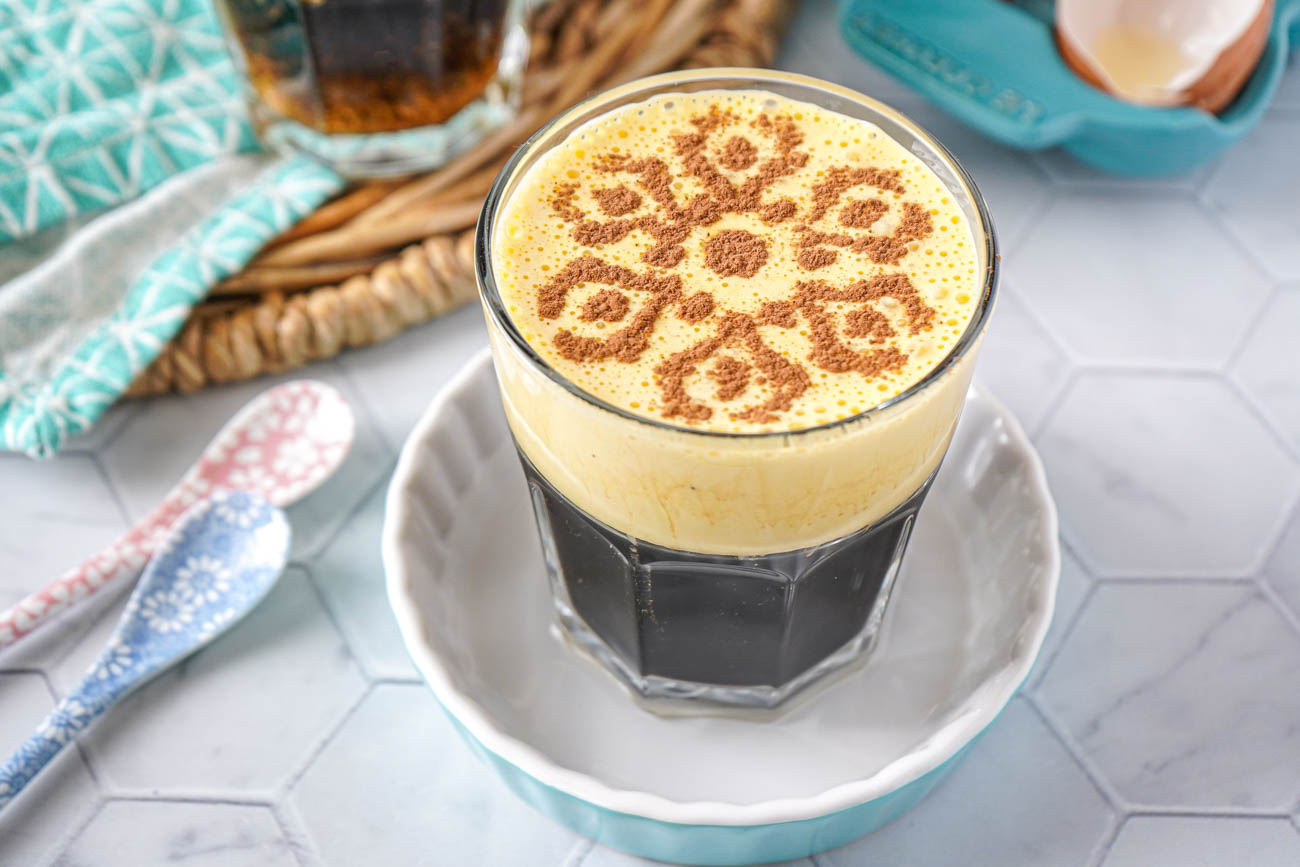
A unique Hanoi invention, egg coffee is a surprisingly delicious concoction of strong Vietnamese coffee topped with a creamy, frothy layer of whipped egg yolk and condensed milk. I was skeptical at first, but it quickly became a daily ritual.
Where to Try:Many cafes in the Old Quarter offer this specialty, with Giang Cafe being the most famous for its long history. I recommend trying it there for the authentic experience.
Banh Cuon: Delicate Steamed Rice Rolls
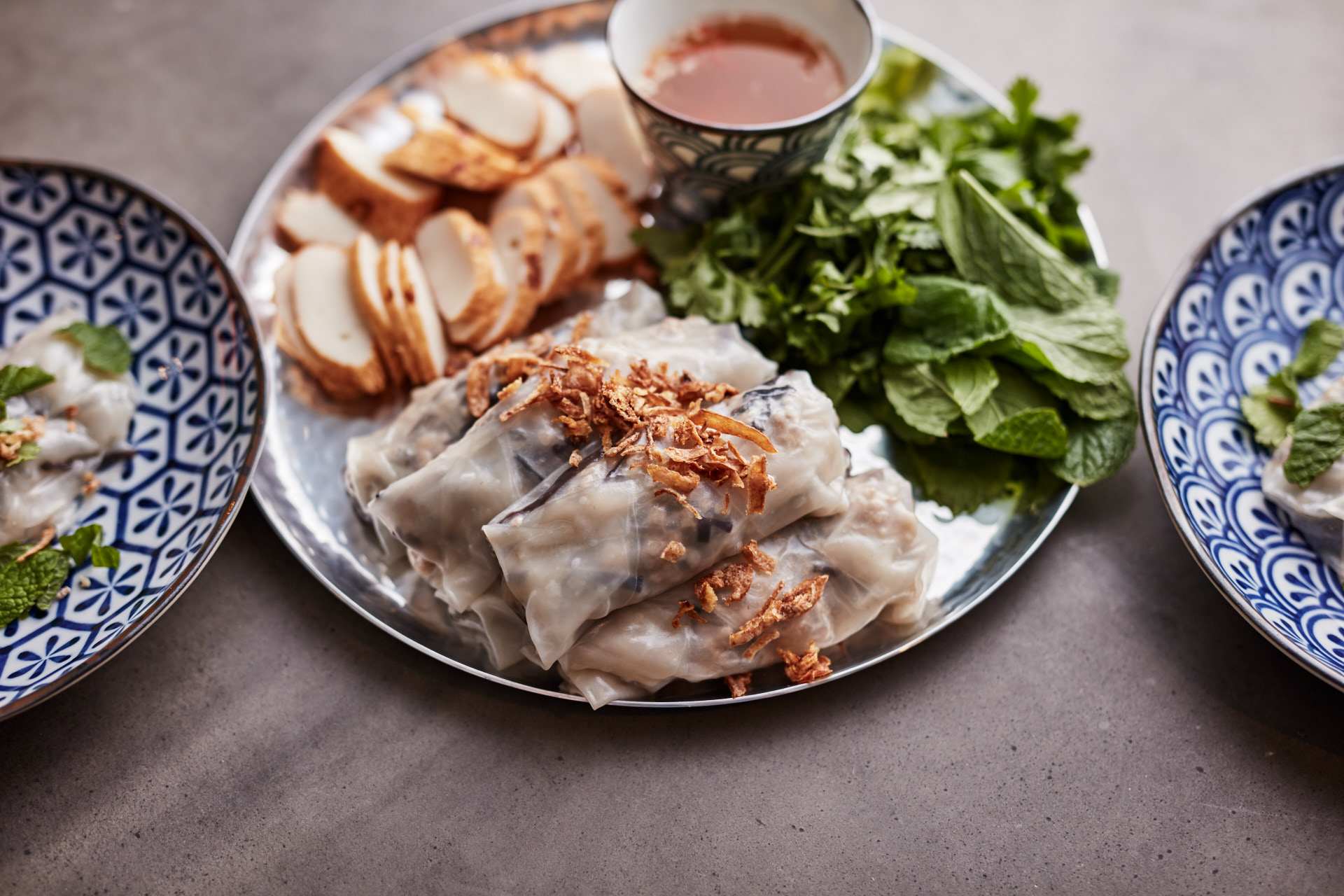
Light and delicate, banh cuonare steamed rice paper rolls filled with minced pork and wood ear mushrooms, served with a dipping sauce and fried shallots. I found this to be a perfect breakfast or light snack.
Street Food Etiquette & Tips
- Embrace the Plastic Stools:Don't be shy about sitting on the tiny plastic stools on the pavement - it's part of the authentic experience. I found it a great way to connect with the local atmosphere.
- Hygiene:While street food is generally safe, I always looked for stalls with high turnover and visible cooking processes. Carrying hand sanitizer is a good habit.
- Ordering:Pointing works wonders if there's a language barrier. Many popular spots catering to tourists will have English menus.
7. Planning Your Hanoi Adventure
Thoughtful planning ensures a smooth and enjoyable trip to Hanoi. This section provides crucial information for crafting any effective Hanoi travel itinerary.
Best Time To Visit Hanoi
For maximum comfort, I'd say the best time to visit Hanoi is during Autumn (October - November) or Spring (February - April). The temperatures are not as hot or humid, so exploring tourist sites and dining out is quite enjoyable!
These times of year are definitely considered Hanoi's peak travel seasons, however, so be aware you may be fighting more crowds than usual.
If you don't mind the cooler weather, Winter (December - February) can also be an enjoyable time to visit Hanoi. I personally visited during January and had a wonderful visit without the hassle of large crowds! Tết, Vietnamese Lunar New Year, also takes place during the Winter months and is a great time to explore the city and celebrate, though some businesses may close.
If there's one time of year I recommend not visiting, it would be Summer (May-August). Not only is it Hanoi's most hot and humid season, but it is also the season with the most rainfall, which could affect your travel plans.
TRIP LENGTH: Deciding On Your Ideal Stay
Hanoi is a large city, but many of its tourist sites are quite central and limited to a few distinct city quarters! I spent 4 non-consecutive days in Hanoi and can now safely recommend giving yourself a full 3 days to catch Hanoi's highlights, not including any day trips. This allows enough time to soak in the atmosphere without feeling rushed.
Visa Requirements For Vietnam
Most visitors require a visa for Vietnam. I always advise checking the latest requirements well in advance of your trip.
- E-Visa:For many nationalities, an e-visa is the most convenient option. I found it easy to apply online through the official Vietnam Immigration Department website. Just be sure to do it well in advance.
- Visa on Arrival (VOA): Requires an approval letter obtained online beforehand from a reputable agency, then the visa is stamped upon arrival at the airport.
- Visa Exemption:Some nationalities are exempt for short stays (e.g., 15-45 days for certain European countries, Japan, South Korea). Always double-check the current regulations for your specific nationality before planning your travel.
Currency And Budgeting
- Vietnamese Dong (VND):The official currency. ATMs are widely available, and credit cards are accepted at larger establishments, but I found cash to be absolutely essential for street food, local markets, and smaller shops.
- Budget:Hanoi can be very budget-friendly. I'd say a comfortable mid-range budget for accommodation, food, and activities might range from $40-$80 USD per person per day. You can certainly spend less by sticking to local eateries and budget accommodation, or indulge more for luxury experiences.
People Also Ask
How Many Days In Hanoi Is Enough?
The general consensus is that 2-3 days in Hanoi is enough. I personally spent 5 days in the capital and really enjoyed the slower pace of travel. I had more time to take day trips to neighboring villages and got to know the city a little more intimately.
When To Avoid Visiting Hanoi?
Summer (May-Early September): Hot, Humid & RainyAs the rainy season, summer is the most challenging time to visit Hanoi due to the intense heat, high humidity, and frequent heavy rain.
What Is The Cheapest Month To Travel To Hanoi?
The cheapest month to fly from Manila to Hanoi is typically July. The most expensive one is typically January. Prices in January are usually between ₱15,000 and ₱21,500.
Are There Any Crowded Times To Avoid?
Summer holidays and Tet can be busy. If you prefer fewer tourists, plan your trip outside these peak periods.
What’s The Average Cost Of A 3-day Trip To Hanoi?
Based on my experience, a comfortable 3-day trip in Hanoi-including mid-range accommodation, daily activities, street food, and sit-down meals-would range from $250 to $500 USD per person(excluding international flights).
Budget travelers can lower this to under $150 by staying in hostels and eating primarily street food, while those seeking luxury can easily spend more.
Final Thoughts
Hanoi, for me, was more than just a destination; it was an immersive experience that truly ignited my senses and left an enduring impression.
From the timeless charm of its Old Quarter to the profound history etched in its monuments and the unparalleled flavors of its street food, the city offers a tapestry of discovery that constantly surprised and delighted me.
By embracing its vibrant chaos, respecting its deep-rooted traditions, and venturing beyond the obvious, I feel I unlocked the true spirit of this magnificent capital, a city whose people, the ambitious and proud Hanoians, have truly shaped its unique character.
A well-planned Hanoi travel journey, whether you follow a concise Hanoi travel guide itinerary or simply allow for spontaneous exploration, promises not just a trip, but a truly unforgettable journey into the heart of Vietnam.
If you found this comprehensive guide helpful for planning your own Hanoi adventure, I'd be incredibly grateful if you'd share it with fellow travelers on your social media! Safe travels!
Finn Wilde
Author
For Finn Wilde, the wilderness is more than just a destination - it’s a way of life. Over the past decade, he has led multiple expeditions in some of the world’s most remote regions, from the icy fjords of Greenland to the rugged trails of Patagonia.
Finn emphasizes sustainability in all of his adventures, helping participants connect with nature while promoting responsible exploration. His expeditions inspire individuals to explore the great outdoors while fostering a deep respect for the environment.
Liam Jones
Reviewer
Liam Jones has made it his mission to prove that adventure doesn’t need a hefty budget. Having traveled to over 40 countries, he specializes in finding affordable ways to experience the world, from the best street food in Bangkok to hidden gems in Lisbon.
Liam’s travel tips have reached thousands of readers, empowering them to see the world on a shoestring budget without sacrificing quality. With a deep passion for local cultures, he continues to share his travel hacks, ensuring adventure remains accessible to all.
Latest Articles
Popular Articles