53 Fiji Beaches I Got Lost In And Loved Every Minute
I cannot get enough of the diversity on Fiji beaches. Some feel completely remote and untouched, giving a sense of peaceful isolation. Others carry the warmth of local culture, where smiles and traditions meet the sand. Visiting these beaches shows me the endless beauty of Fiji’s coastlines.
Author:Maya ReyesReviewer:Finn WildeSep 03, 2025106 Shares35.1K Views
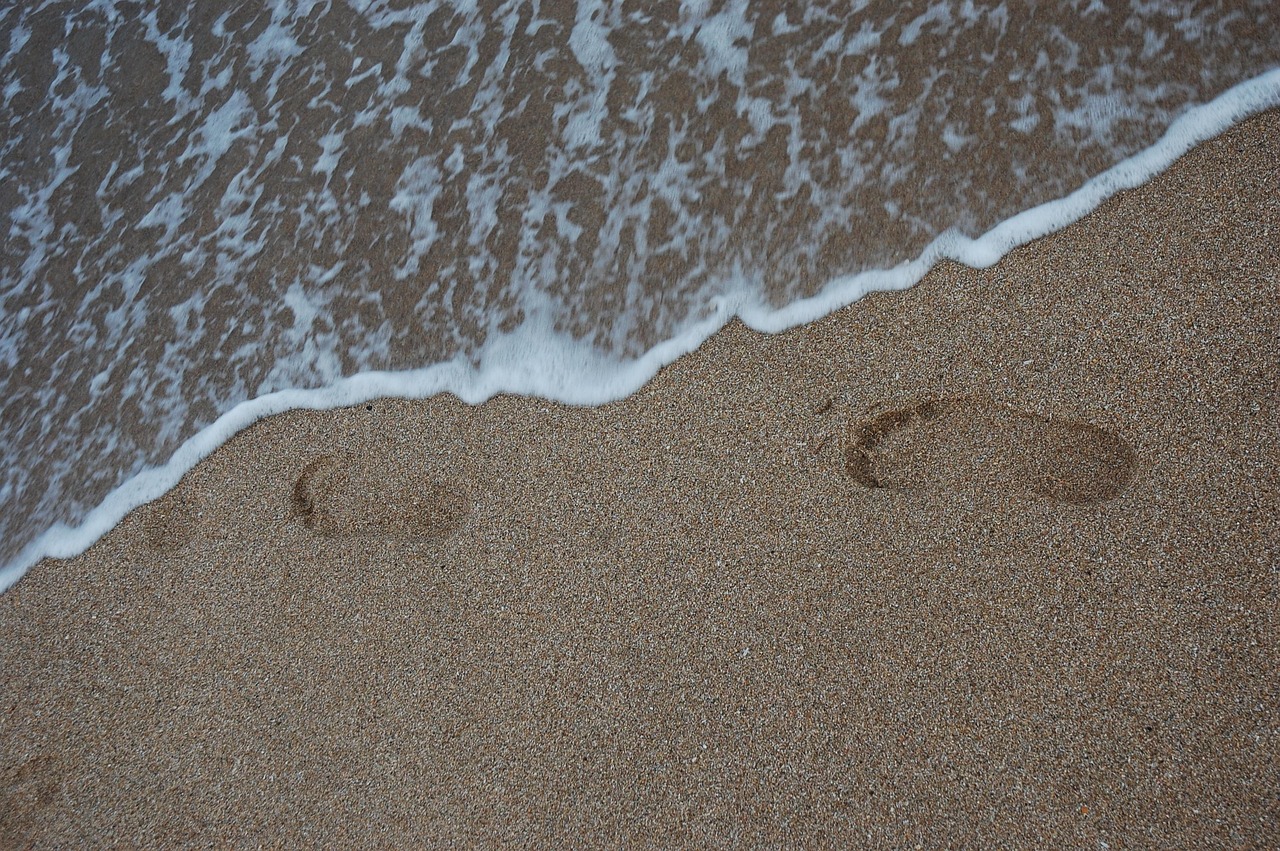
I’ve always been a sucker for beaches, so naturally I set myself a wild goal one for every week of the year. As a travel blogger with a sometimes questionable sense of ambition, I hopped from one palm-fringed shore to the next, seas salted and spirit soaring. Each beach had its own character and I can’t wait to share what happened when I first set foot (and sometimes belly-flopped) on each of them.
1. Blue Lagoon Beach
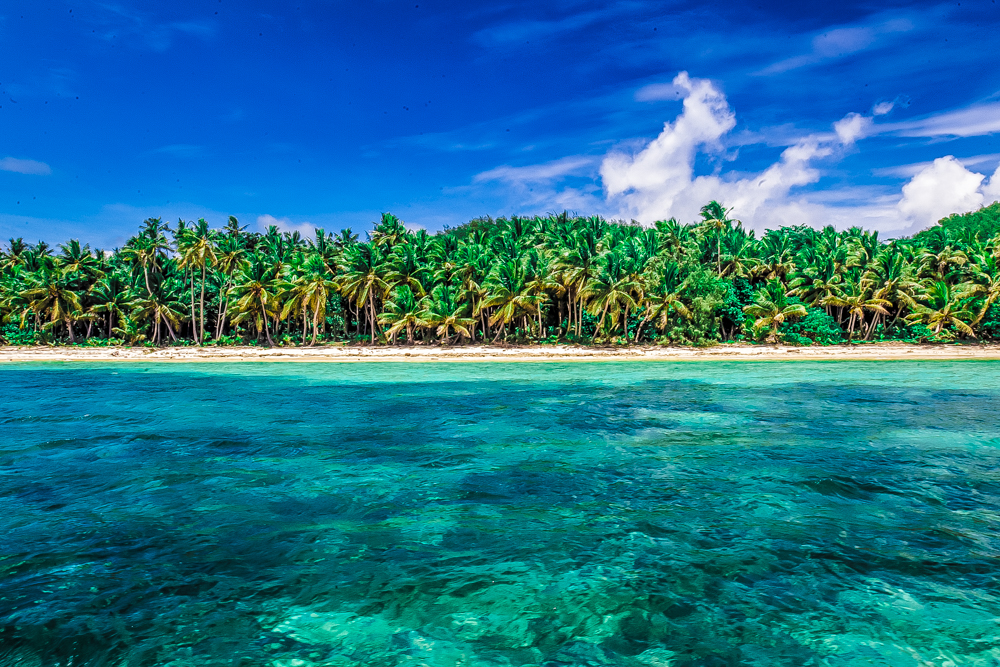
The moment I arrived at Blue Lagoon Beach on Nacula Island in the Yasawas, I felt like I had stepped right into a painting. The water was so bright and blue it almost seemed to glow. The resort brochure had promised it would be “unbelievably blue,” and I couldn’t help but agree with a big, dazed smile.
I hurried to check how warm the water was and instantly wished I had learned to swim when I was younger. Later, while rinsing off under the open-air shower of my beachfront bure, I realized this beach wasn’t only about the views. It was also about the warmth of the people. The staff welcomed me with garlands made of fresh frangipani flowers and invited me to join their meke dancethat evening.
I stumbled my way through the steps, nearly scaring off a few kids, but laughing the whole time. That night left me feeling like I was truly part of the community. As a first stop on my Fiji beach adventure, Blue Lagoon Beach was nothing short of perfect. Fiji really is the kind of place you book when seeking exotic vacationsthat combine adventure, culture, and serenity.
2. Nananu Island Lodge Beach
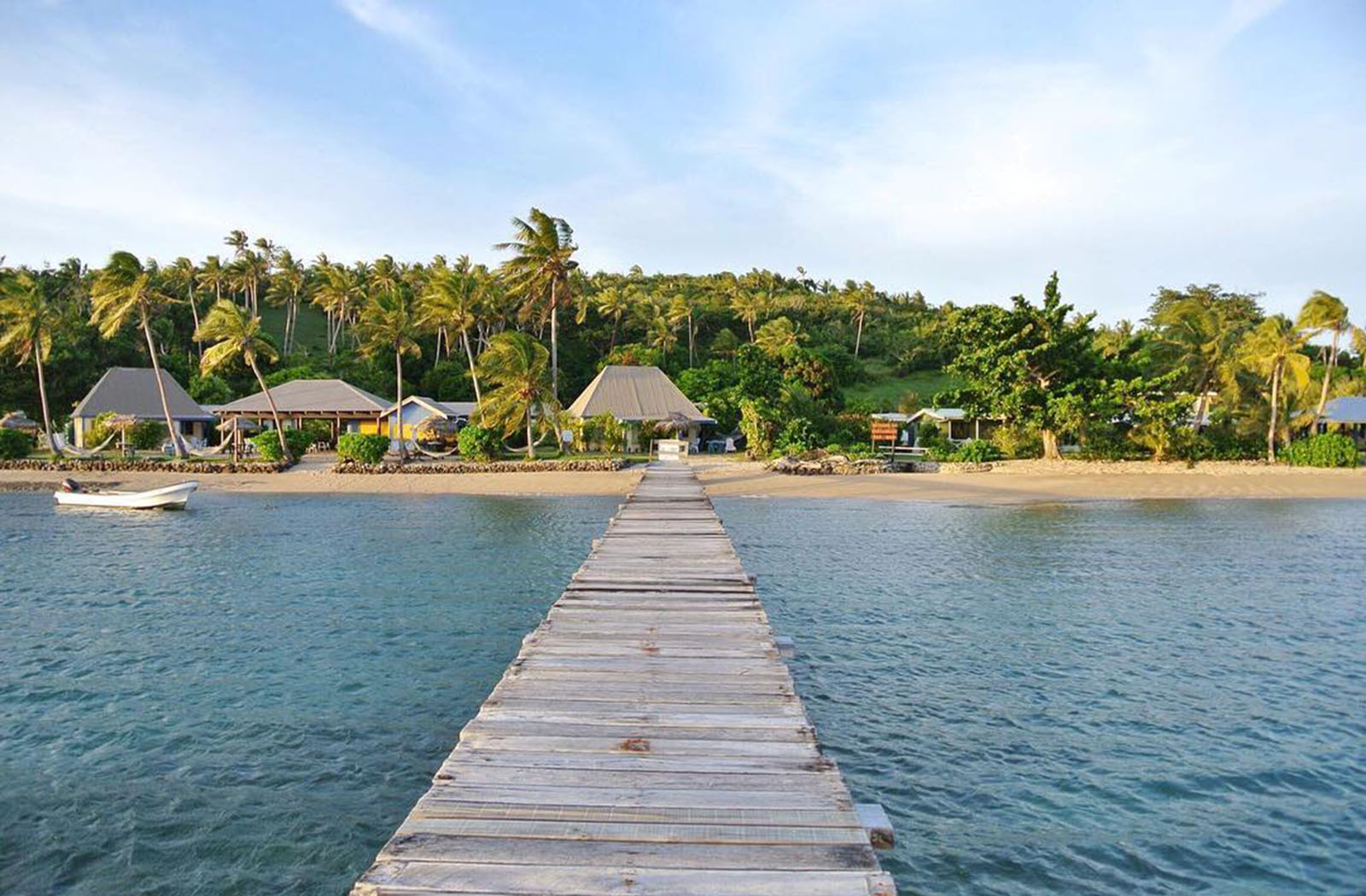
I continued my island-hopping to Nananu Island, eager to experience Nananu Island Lodge Beach. As soon as the boat arrived, I noticed a different rhythm. This place felt more relaxed and genuine compared to my resort stop. My favorite midday spot quickly became the lodge’s hammock under a coconut tree.
Snorkeling off the dock was like diving into a rainbow of life. I spotted a clownfish in anemones, clever cuttlefish blending into the background, and even a shy moray eel peeking out at me.
When night came, I joined the lodge owners and a few backpackers for a sunset barbecue on the sand. They introduced me to kava, a traditional muddy-tasting drink, and showed me the Fijian way of slurping it. We laughed as I struggled to pronounce “Nananu” correctly. There really is no wrong way to enjoy a Fijian beach, and Nananu’s quiet charm was the perfect change of pace.
3. Leleuvia Island Beach
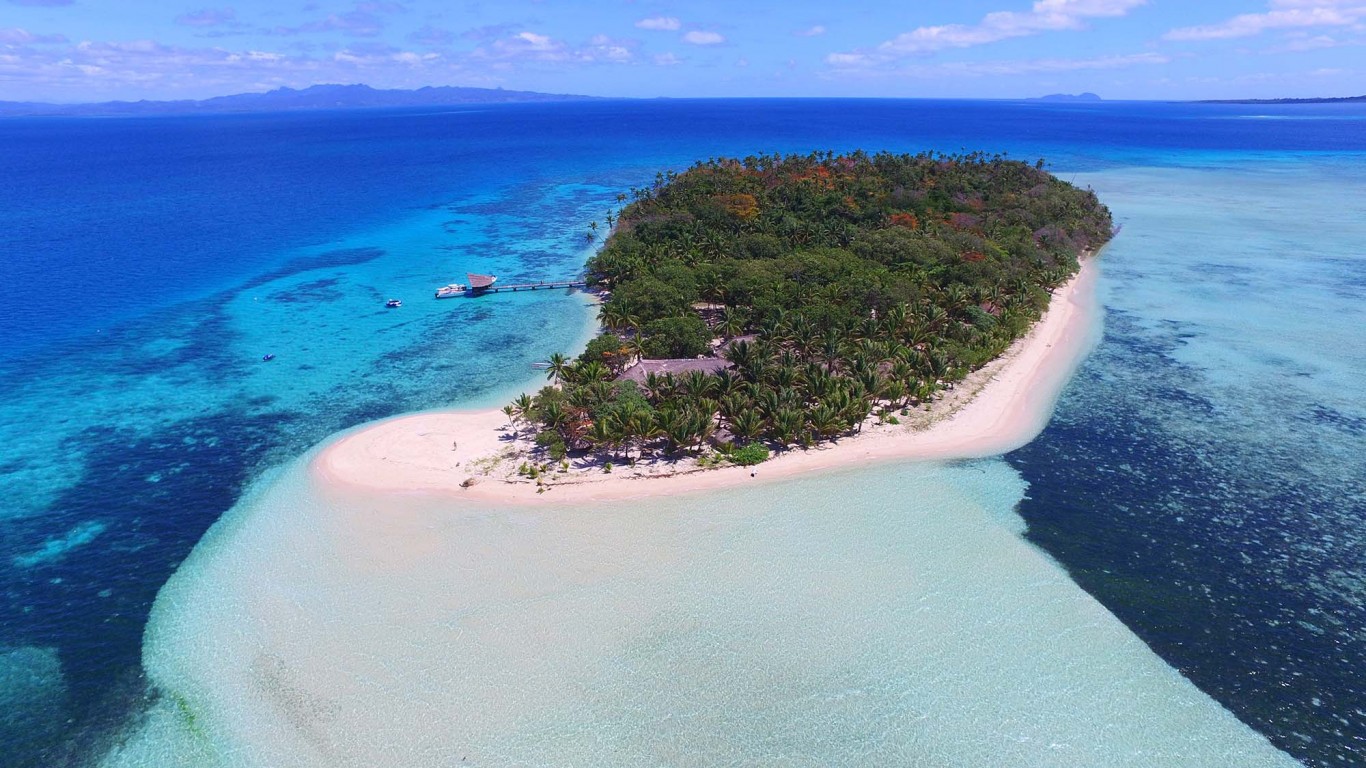
Next up was Leleuvia Island Beach, a tiny dot on the map with a surprisingly big reputation for goats. Yes, goats. I’m not joking. When I arrived, these friendly animals were strolling around the palm trees, probably curious about the clumsy newcomer.
The beach itself was a soft curve of fine white sand, touched by calm, glassy water. It was the perfect spot to try paddleboarding for the first time, though I spent more time falling in than actually paddling. The small resort had a hammock swing and staff who kindly showed me secret corners of the island.
In the evenings, I would sit by the shore watching the sunset paint the sky shades of orange. One night, a stray dog even kept me company, as if offering moral support. Leleuvia’s atmosphere was nothing but fun, the kind of place where goats could steal your picnic and you wouldn’t even be upset.
4. Nalova Bay Beach
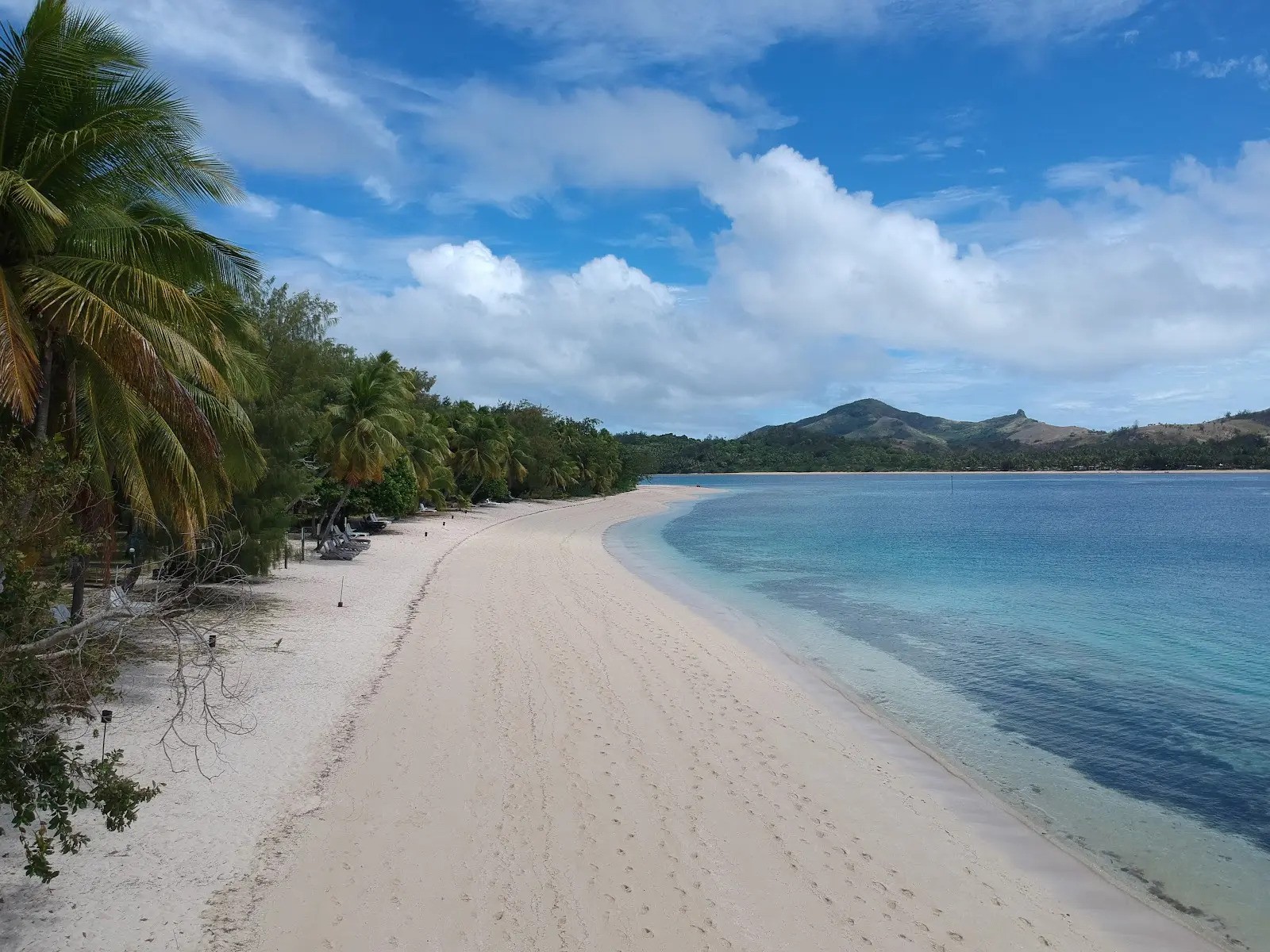
From Leleuvia, I caught a boat to Nalova Bay Beach on Nacula Island. This place felt like its own peaceful world. The bay was hidden behind forested hills, which made the water calm and perfect for practicing my snorkeling. I slipped into the shallows and was instantly surrounded by tiny tropical fish darting around my legs.
The view from my shady palm palapa was unforgettable. I could watch the sun rise higher in the morning and sink lower in the evening, all from the same spot over the water. I learned to just float on my back, staring at the clouds, only moving now and then to sip fresh coconut water.
By the time the day ended, I understood why I had to check every photo twice to make sure the horizon was straight. Nalova Bay taught me the art of slowing down, with nothing on my to-do list except enjoying the sunset and feeling the sand between my toes.
5. Mana Island Beach
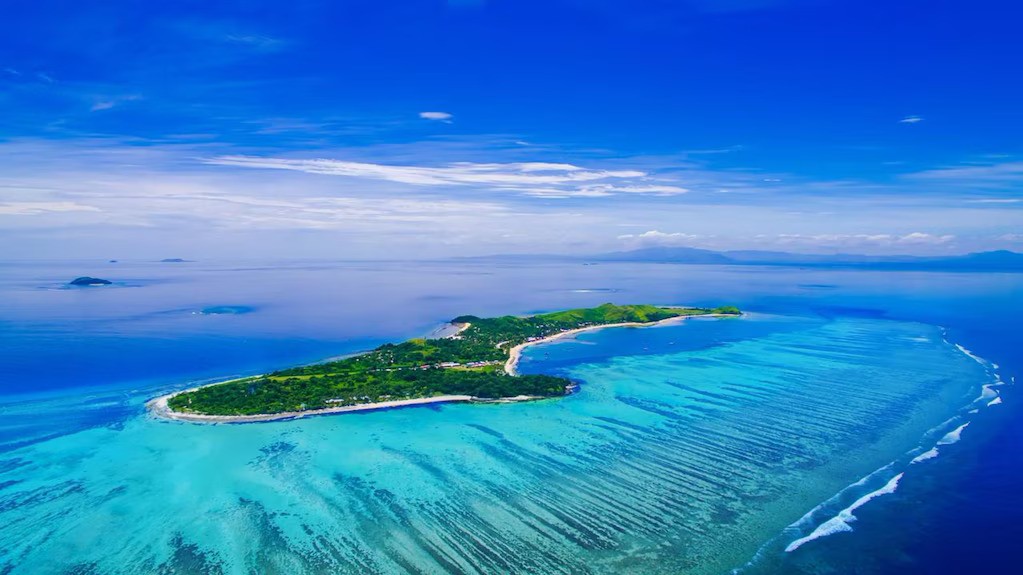
Venturing into the Mamanuca Islands, I arrived at Mana Island Beach, famous for its soft sand and great snorkeling. Within minutes of getting there, I found myself swimming alongside a huge sea turtle. For a moment it felt like we were racing, but of course, the turtle easily beat me.
The beach had a laid-back Aussie vibe, complete with a pub. I joined a group of sunburned surfers for a game of beach volleyball. They patiently showed me how to spike, though I admitted my main experience with “spiking” usually involved coffee, not volleyballs.
That evening, we cooked fresh fish over an open fire while the tide gently reached our feet. It was the perfect version of dining with an ocean view. Mana’s biggest lesson for me was this: even if you fall flat chasing a volleyball, the warm ocean water makes the landing feel just fine.
6. Dravuni Island Beach
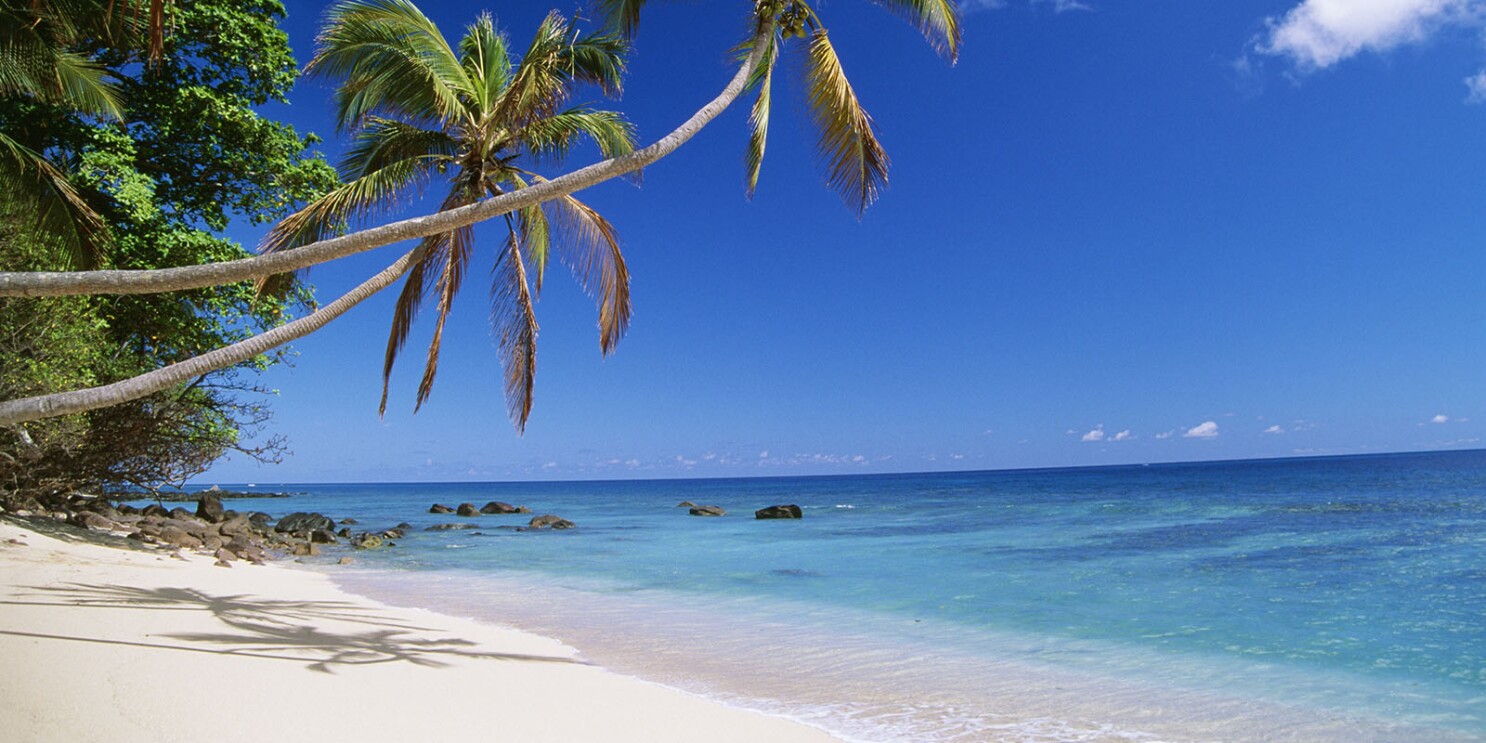
I sailed over to Dravuni Island Beach in the Kadavu group, eager to see if the stories about whales were true. Sure enough, not long after I reached the shoreline, a group of humpback whales appeared on the horizon, leaping out of the water. I literally gasped. It felt like I had stepped into a real-life nature documentary.
Dravuni’s beach was pure white sand, and I spent hours kayaking around the point, half-hoping to find some kind of magical “unicorn coral.” Instead, I found plenty of real coral in bright colors, which was just as amazing.
The small village on the island had a single school, one little shop, and about 30 warm and welcoming locals who waved as I walked by. The island’s schoolteacher, her skin wrinkled from years of sun, invited me for a swim in a hidden lagoon. She swore the water cured travel fatigue, and maybe she was right because I came out feeling completely renewed.
7. Qamea Island Beach
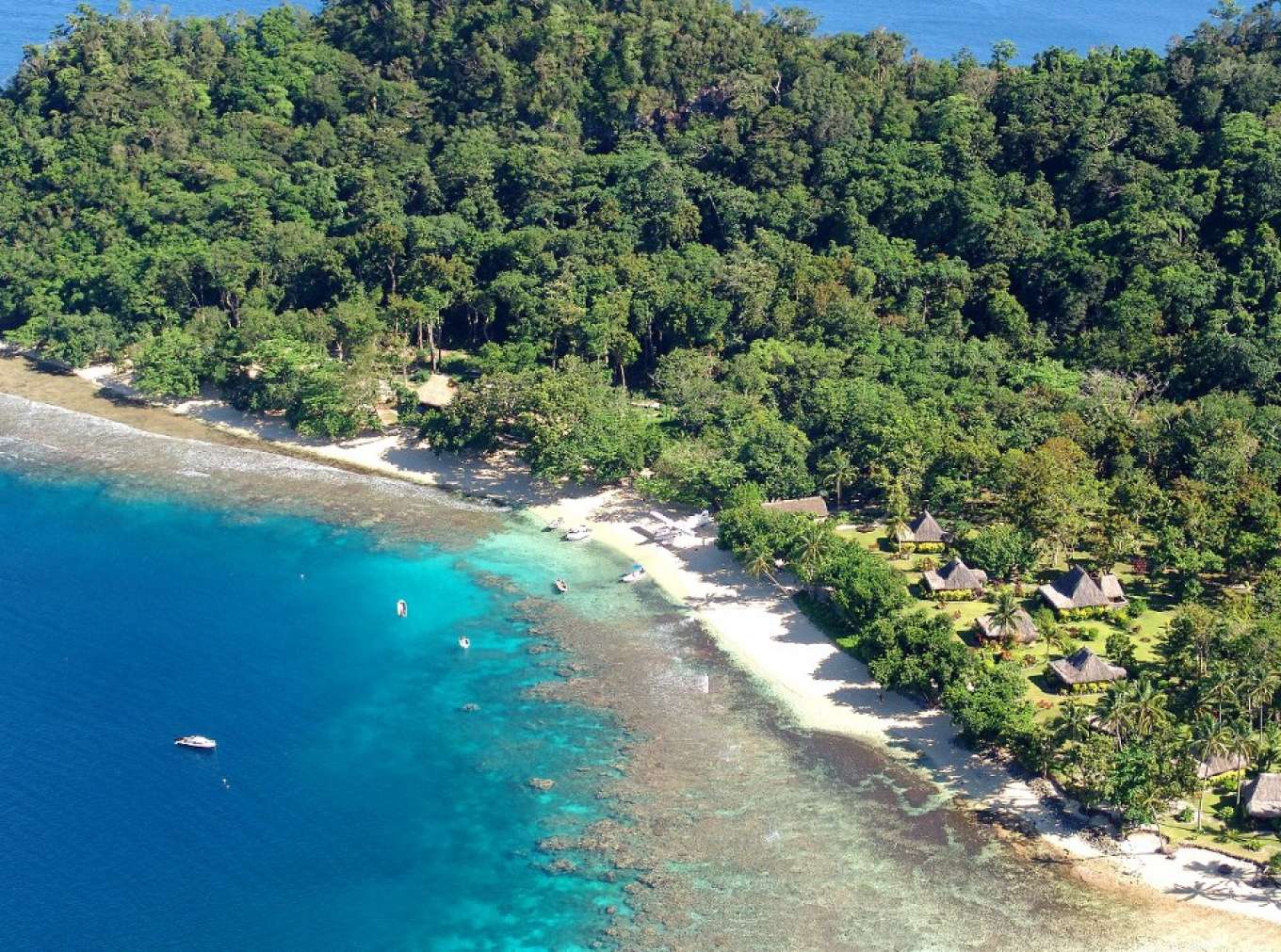
Qamea Island Beach is the kind of place that makes surfers feel like they’ve found paradise. The waves here were strong but broke far out at sea, leaving the shore calm and clear. I convinced a couple of friends from the hostel to join me in trying surfing. For me, it was less of a graceful sport and more like a competition of epic belly flops. We laughed nonstop at our clumsy wipeouts in the sand and water.
Later in the day, a local fisherman showed us how to look under rocks for octopus, which became the catch of the day. That evening we sat by the fire, drank kava, and listened to stories told by village elders.
Qamea’s secret is simple. It has big, beautiful waves and an even bigger heart. And it reminded me that anyone can have fun on a surfboard, even if it mostly means swimming after it.
8. Malolo Lailai Beach (Plantation Island Resort)
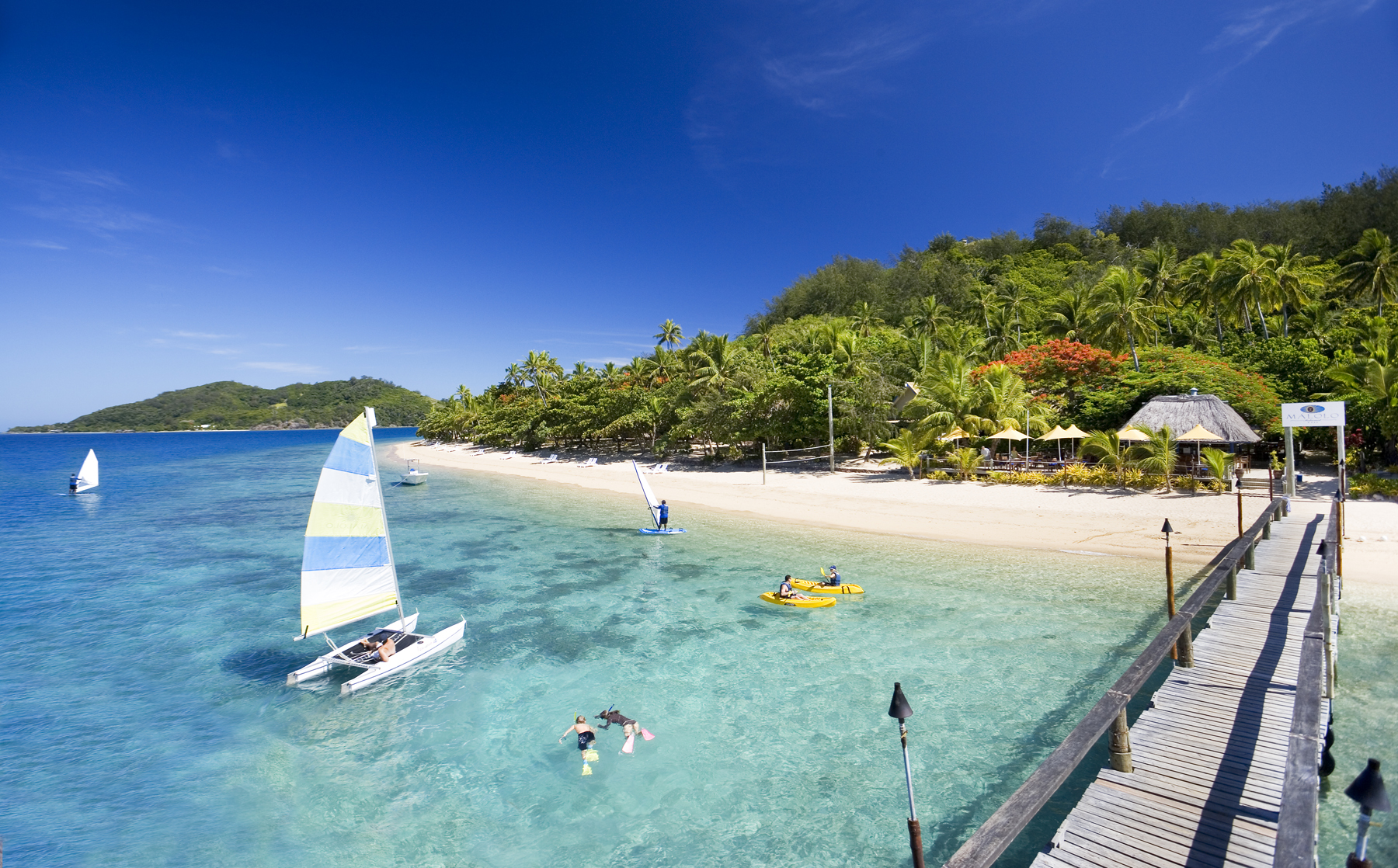
On Malolo Lailai, I checked into Plantation Island Resort, well-known for its ridiculously fun water park. Imagine a giant floating playground with slides and trampolines, and you’ll get the idea. It was just as silly and joyful as it sounds, and my inner child couldn’t stop grinning as I zoomed down slippery slides into the warm lagoon.
When I pulled myself out of the water, I spotted a group of mahimahi, the local windsurfers, practicing daring stunts nearby. Their balance and bravery were on a completely different level than mine.
Back onshore, I treated myself to the resort’s nightly buffets, where my fruit plate alone had more varieties than I ever knew existed. As the sky turned orange and pink, I stretched out on the beach, drifting off to the sound of a live band playing ukuleles.
9. Monuriki Island Beach
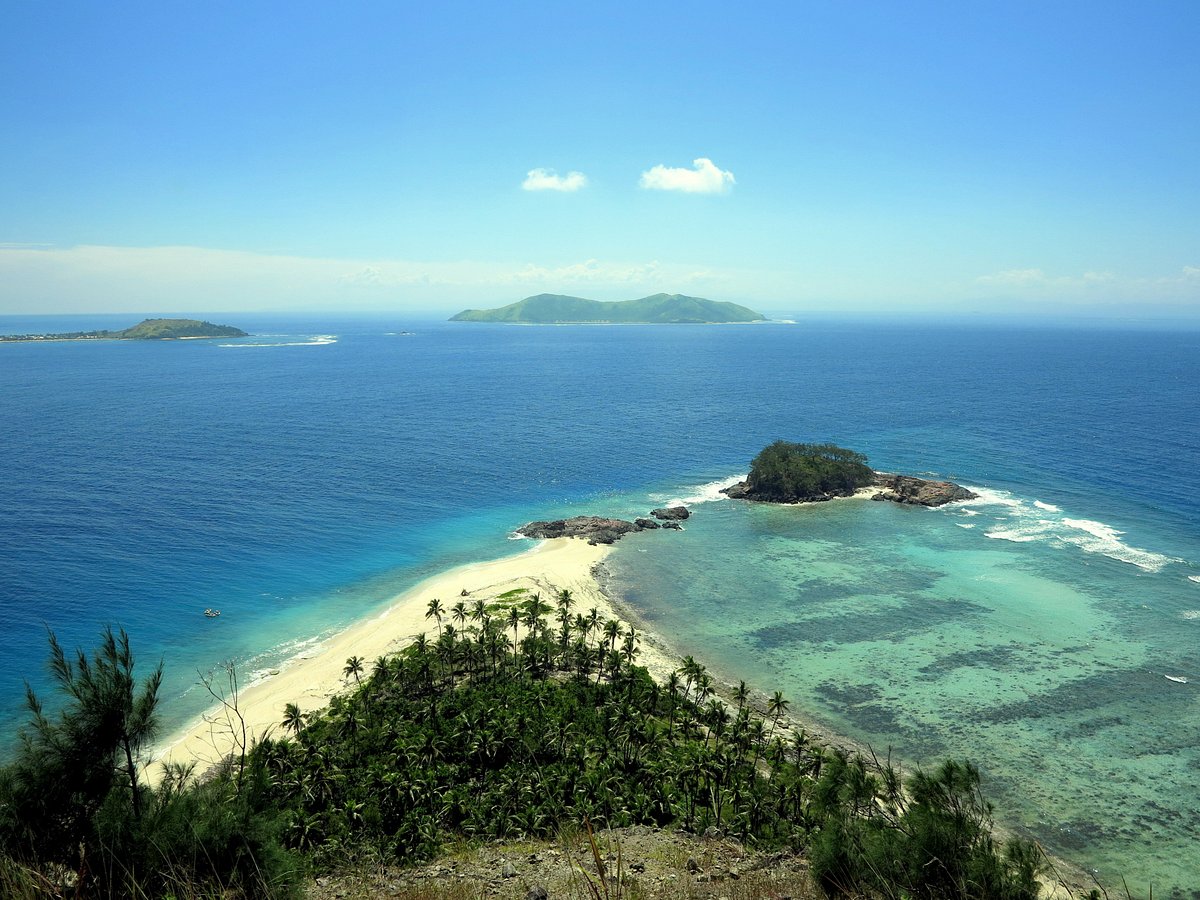
I felt like Tom Hanks when I rowed ashore at Monuriki Island Beach. This is the very “Cast Away” island where Wilson the volleyball was born, so of course I wandered around searching for that volleyball. Spoiler: I did find a real one, probably left behind by pranksters, but sadly no face drawn on it.
The beach was untouched and quiet, with no one around except me and a curious gecko who seemed to approve of my sunscreen. I hiked up to a grassy hill and admired the same sweeping view that once trapped Hanks’ character. The difference was that I had a cooler with drinks, not just coconuts.
By dusk, I built a tiny sand sculpture of a volleyball, complete with a face, and raised a toast to “surviving” my own little adventure. Monuriki reminded me that being stranded on a paradise island isn’t so bad at all, as long as you bring enough snacks.
10. Likuliku Lagoon Beach
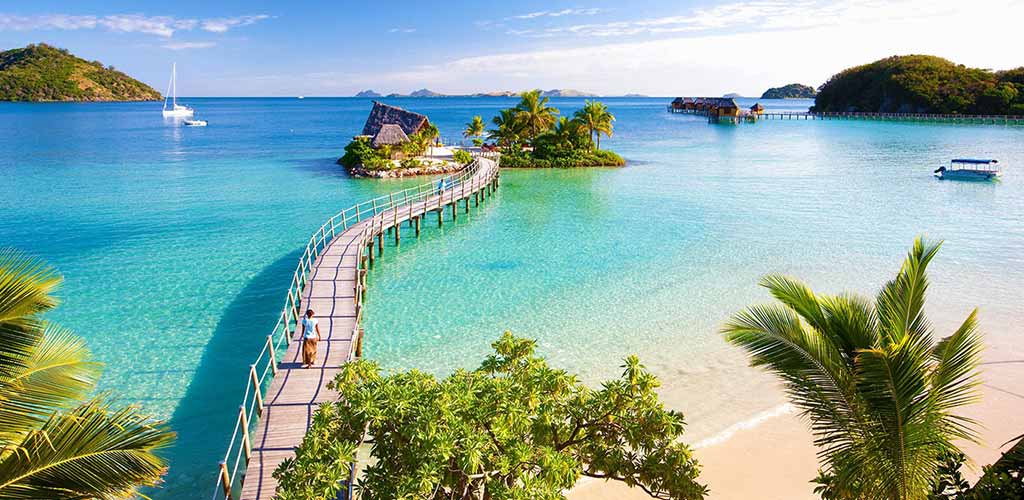
The name Likuliku beach made me smile right away because it’s home to Fiji’s very first overwater bungalows. Staying here felt like stepping into a world of luxury resorts with private beaches. I woke up to fish darting just below my villa’s deck, and for a moment I caught my own barefoot reflection wondering when breakfast would finally arrive.
At the resort spa, I treated myself to an open-air massage beneath swaying palms. By the time it ended, I had a whole new respect for letting someone else untie all the travel knots in my shoulders.
As evening came, I sipped a cocktail while watching a movie projected on the beach, with stars shining above like part of the show. Likuliku felt elegant and dreamy, almost like stepping into a living snow globe. Only this one was warm, tropical, and filled with colorful fish.
11. Savusavu Beach
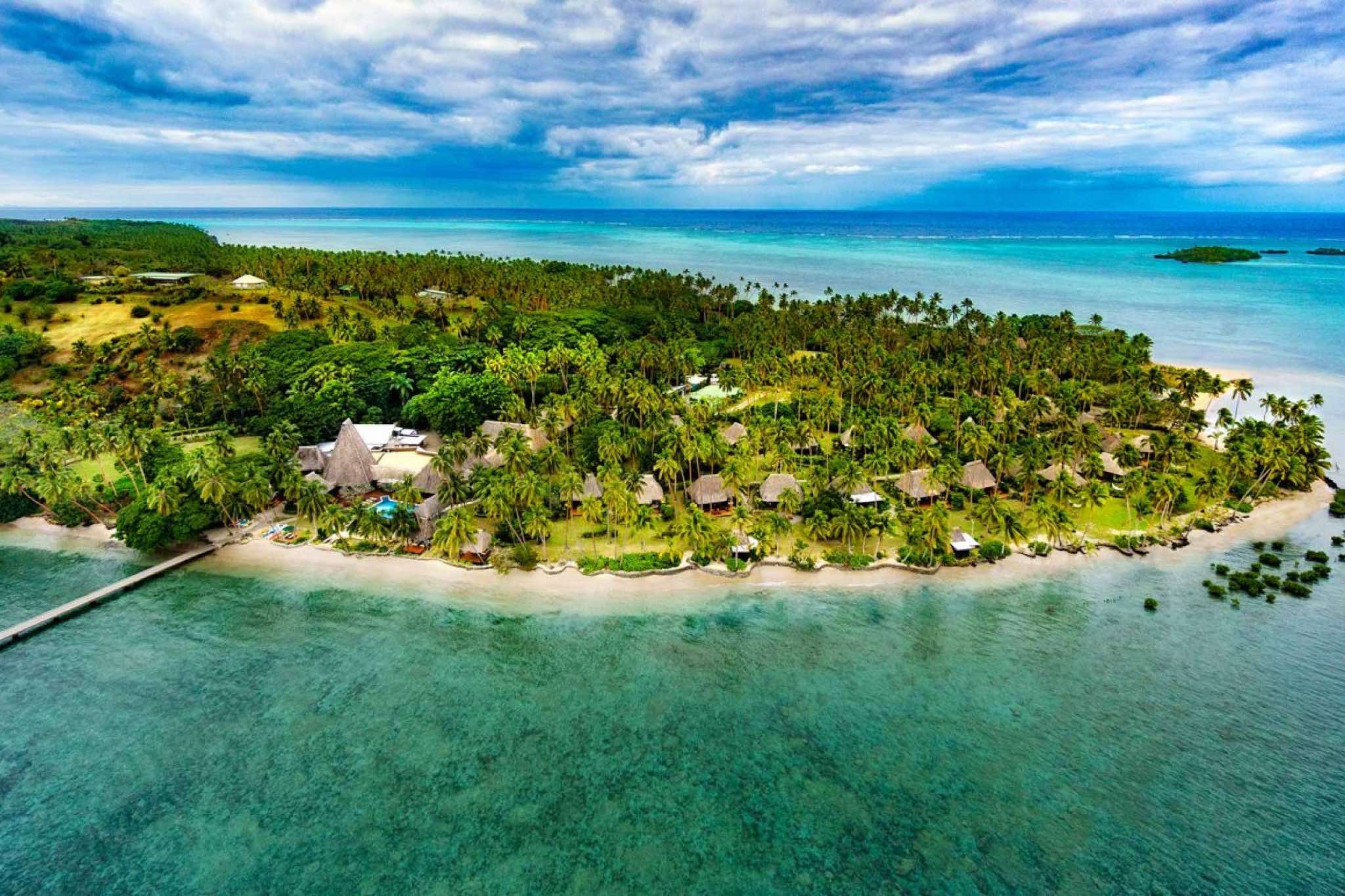
Switching gears to Vanua Levu, I visited Savusavu Beach. It felt more like a town beach than a deserted island, but it had plenty of charm. Here I discovered the hot springs where seawater bubbles up through the sand near the jetty. After asking politely, some local kids let me jump into one of the warm pools. It felt like a natural jacuzzi right by the ocean.
Savusavu also gave me a glimpse of Fiji’s plantation side, with sugar cane fields waving in the breeze and elders sharing kava with wide, welcoming smiles. The beaches here were not all picture-perfect. Some were a little muddy or rocky, but that didn’t matter.
One afternoon I wandered into a small lava coffee shop near the harbor. Sipping rich Fijian coffee on a porch above the water taught me something simple: beach town life runs at a slower pace, and I loved every easy, unhurried minute of it.
12. Matamanoa Island Beach
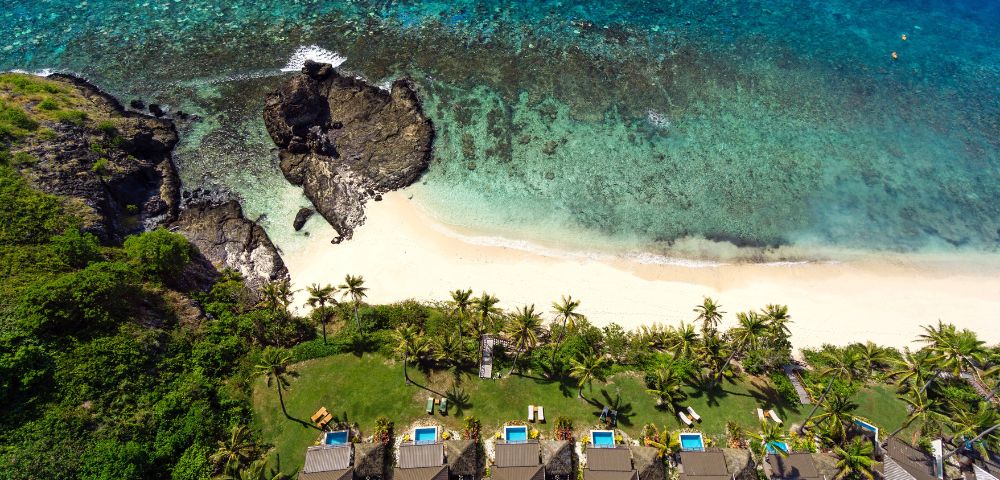
Returning to the Mamanucas, my next stop was Matamanoa Island Beach, a tiny all-inclusive escape. The island’s motto seemed to be “no shoes, no news,” and it truly delivered. The sand was so soft that during my evening walk it felt like I was strolling through flour.
I spent the afternoon attempting stand-up paddleboard yoga, which mostly turned into a series of unplanned swims. Later, I joined some resort families, mostly Australians, for a beach soccer game. They welcomed me like an honorary team member, even if they handed me the ball a little too often. Matamanoa truly is one of Fiji’s best family travel destinations, with activities that entertain both kids and adults.
Between coconut cocktails, I treated myself to a massage right on the sand. Matamanoa felt like a cozy beach bubble where time simply disappeared, and my only real choice was whether to swim or take a nap.
13. Castaway Island Beach
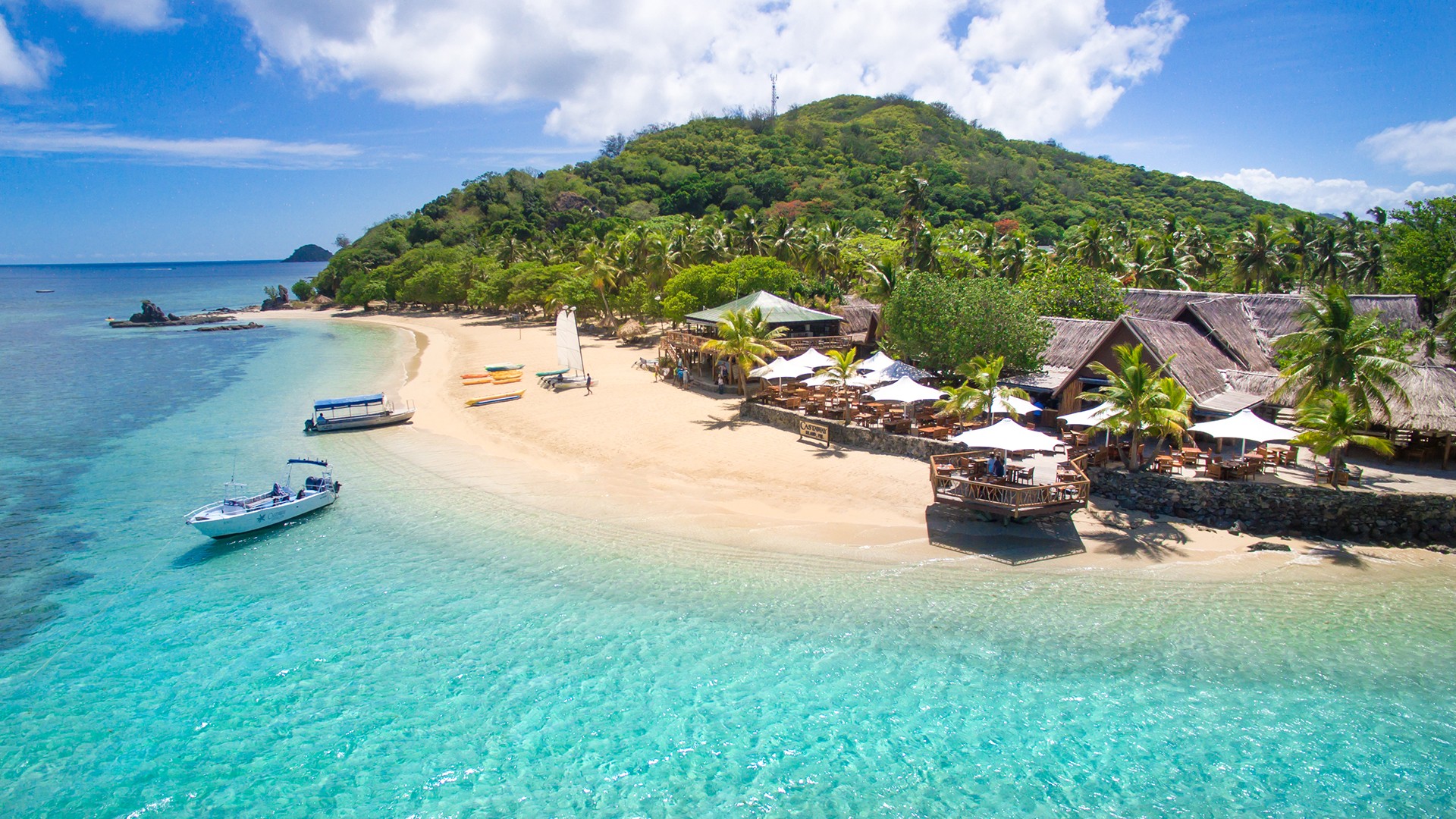
Next came Castaway Island, and yes, this was another one. Unlike Monuriki’s quiet, remote feeling, this Castaway was a lively resort. I arrived to find a calm lagoon that was perfect for stand-up paddleboarding, and I finally managed to stay upright without falling in; at least once.
That night the resort hosted an impromptu “castaway” fancy dress party. Somehow I ended up wearing a pirate bandana while sipping a delicious cocktail from a hollowed-out coconut. The next morning I trekked to the east side of the island and discovered almost empty sands where the only footprints belonged to hermit crabs.
Castaway Island showed me that Fiji really does have space for every kind of traveler: those who come to party, those looking for peace, and people like me who simply love beaches that share their name with movies.
14. Matagi Island Beach
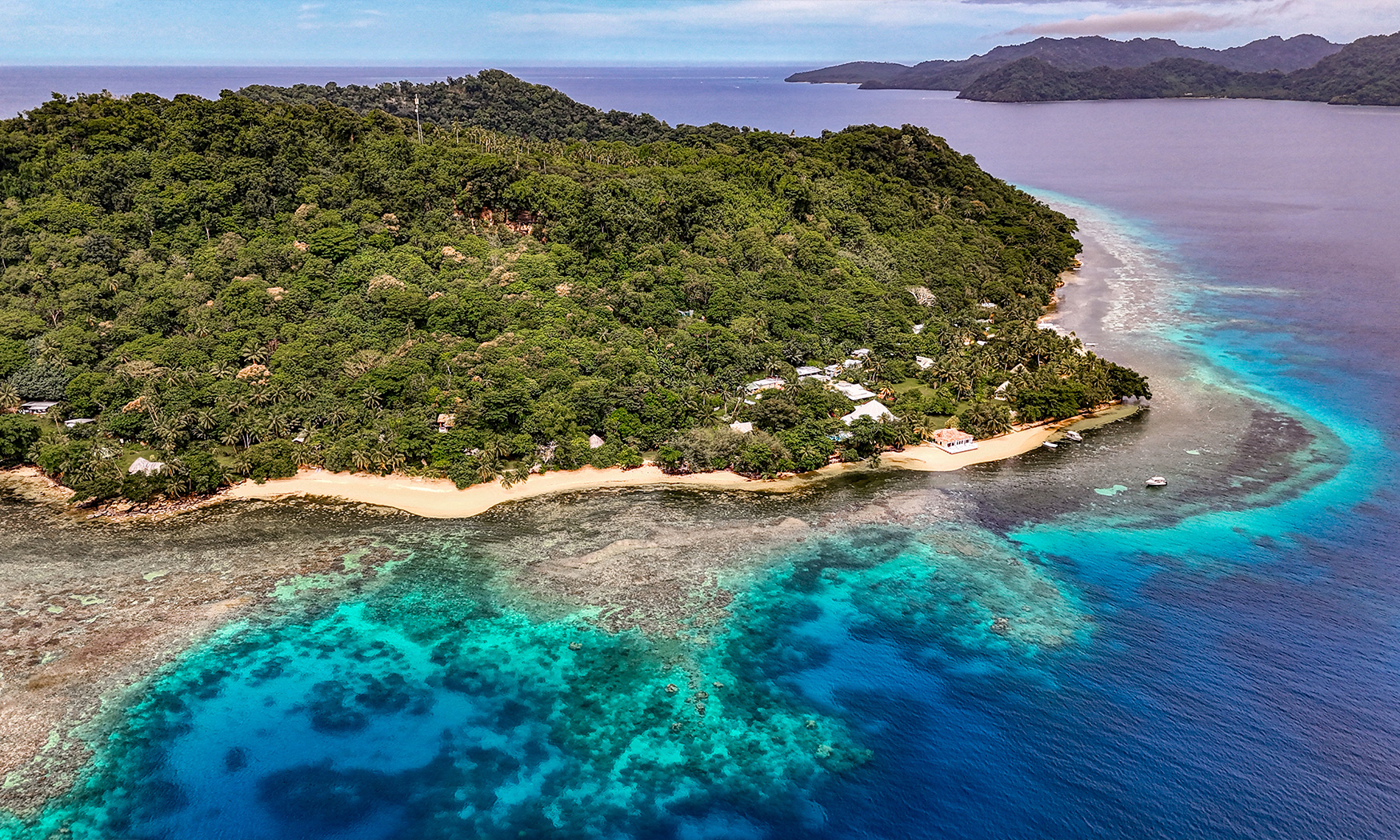
On Matagi Island, the beach felt wonderfully private, almost like I had it all to myself. The island is small, with only 12 villas, and everything about it was relaxed and peaceful. I was invited to join a snorkeling trip around the island, and underwater I saw schools of colorful fish swirling around coral heads that were bigger than me.
Back on land, the resort hosted a traditional Fijian feast where I tried cassava, coconut puddings, and a whole roasted pig. Later I discovered that the island’s owner is an artist, so I spent some time wandering through a quirky sculpture garden tucked beneath the palms.
Matagi’s calmness was addictive. By my last morning, I had mastered the art of doing absolutely nothing by the sea and feeling no guilt about it at all. Rest and relaxation became my only goal, and Matagi turned out to be the perfect teacher.
15. Navini Island Beach
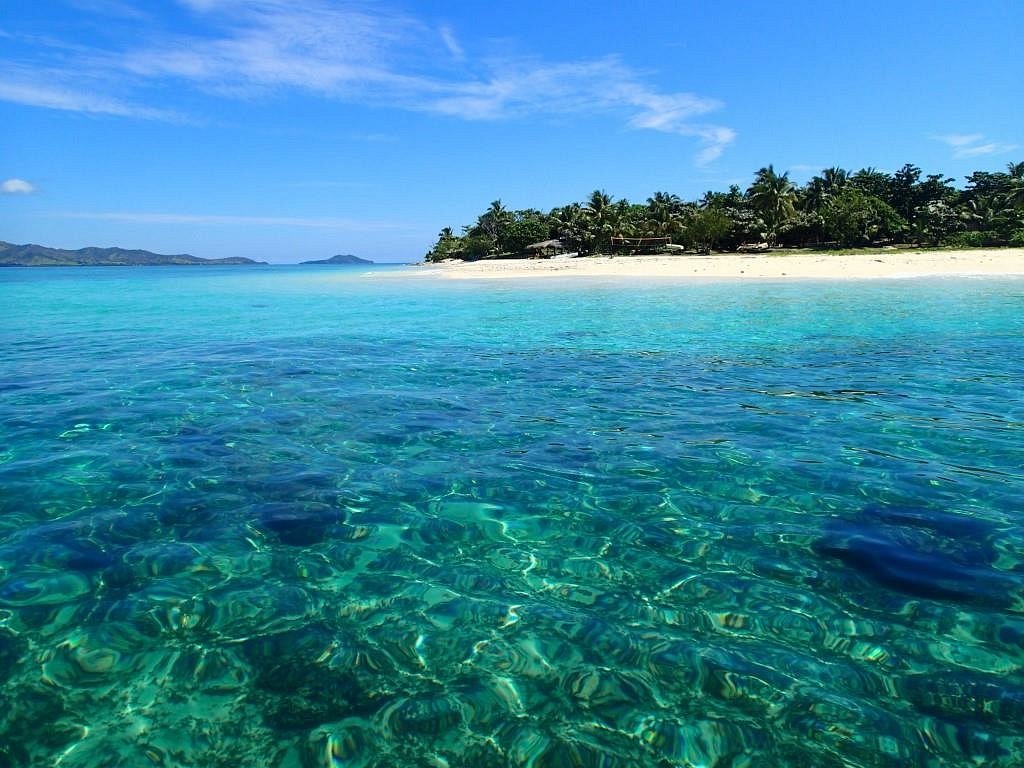
Navini Island is not your usual tourist stop. It is better known for its amazing snorkeling than for lazy lounging. When I hopped off the dinghy at Navini Island Beach, I found a simple wooden deck with a few benches waiting for me. The water around it was so clear it almost didn’t seem real.
I jumped straight in and was instantly surrounded by fish, coral, and the gentlest waves I could imagine. The highlight came when I spotted an eel poking its head out of a crevice. I nearly squealed, but luckily I remembered I had my diving gear in place.
When I came back to shore, the person running the tiny beach kiosk handed me something cold and refreshing. We sat and chatted about life on these little islands. The whole place carried a friendly, passing-through feeling.
16. Natadola Beach
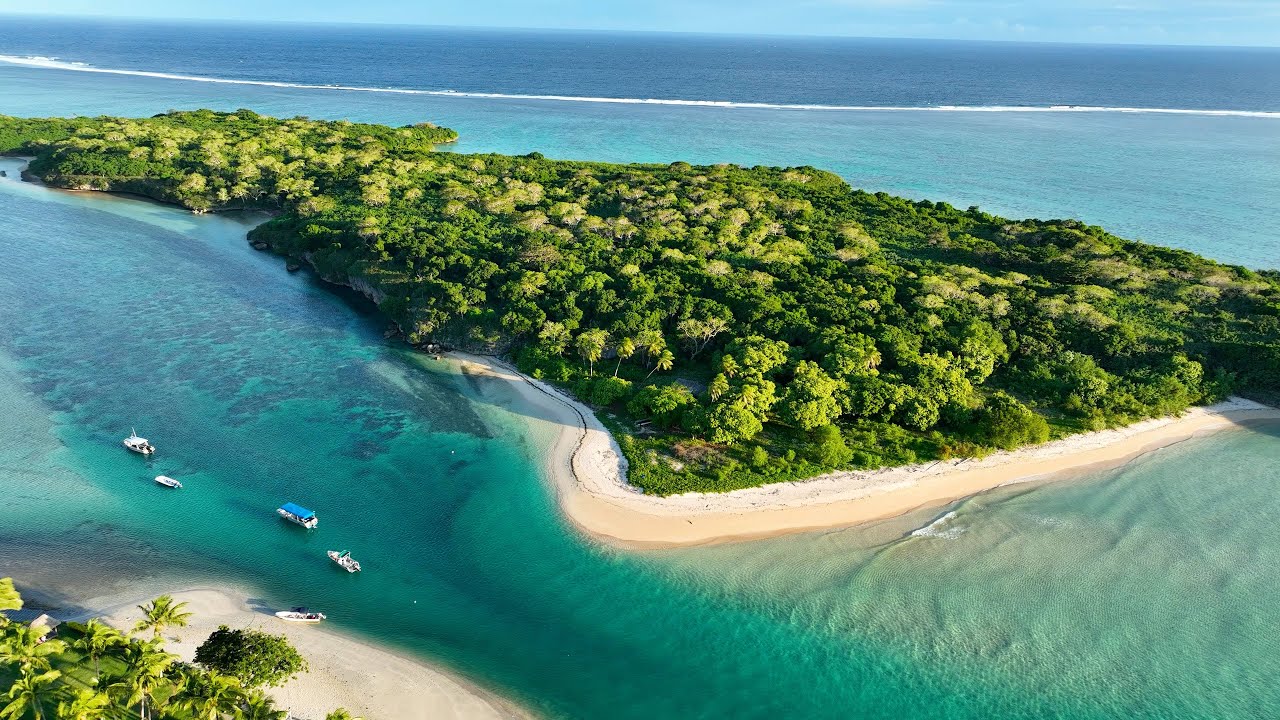
Back on Viti Levu’s main island, Natadola Beach was a well-loved spot that truly lived up to the hype. The sand stretched in a wide golden curve, and the waves were perfect for beginners like me to try surfing. I mostly body-surfed and tumbled more than I stood, but at least I laughed through every fall. The locals on their boards chuckled at my clumsy attempts but still cheered me on.
Natadola has a few resort hotels nearby, yet it never felt crowded. The heat and open space eventually pushed me to crawl under palm trees for shade. As the sun dipped low, painting the sky pink and purple, I sat on the sand and carved my name beside Kokomo and a few other travelers’ names. It felt like leaving a small part of myself behind. Visiting in May, I found it was one of the best beaches in May, with calm waters and perfect sunny skies.
17. Tokoriki Island Beach
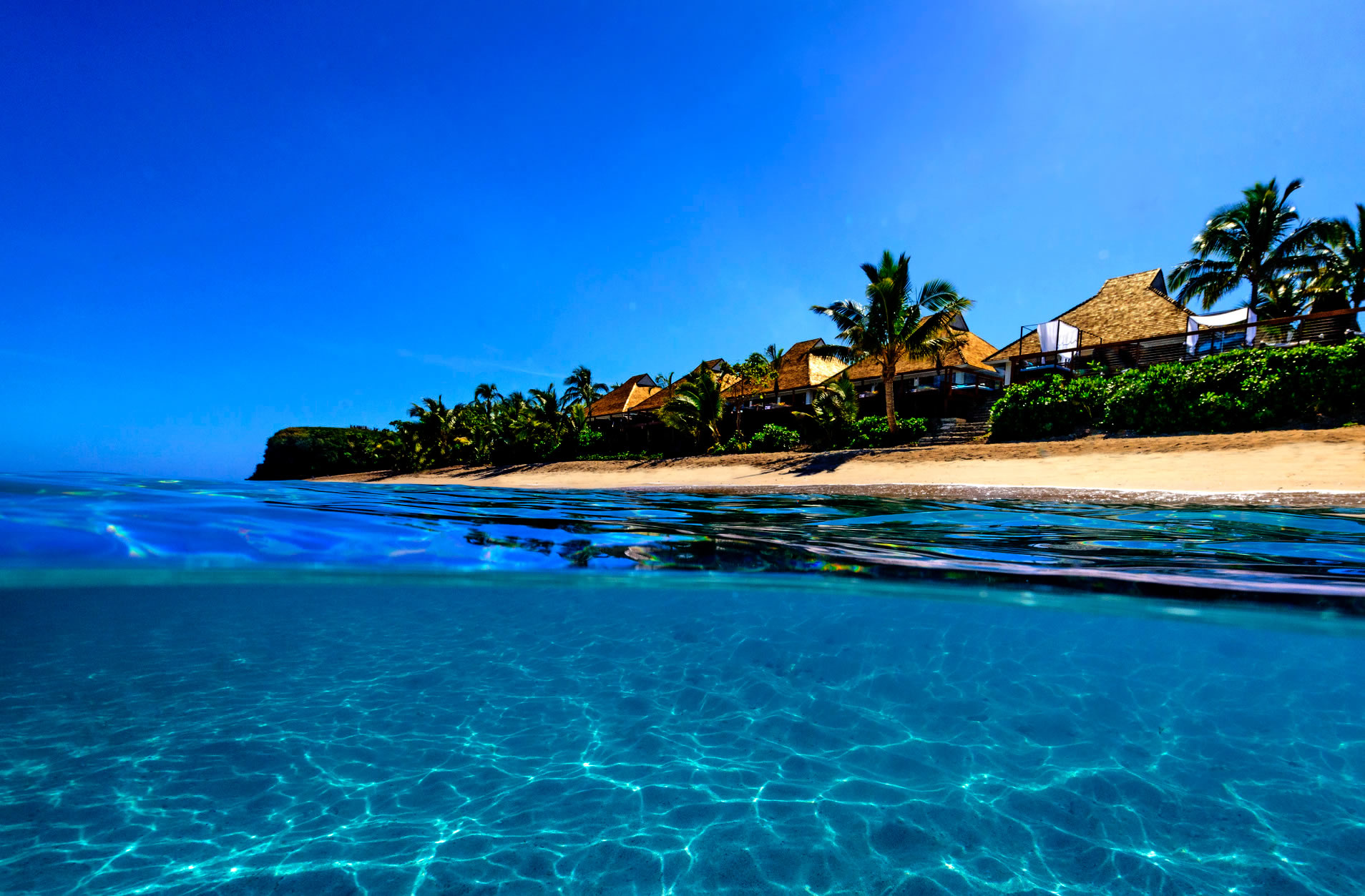
Tokoriki Island’s beach was straight out of a honeymoon brochure. It was quiet and elegant, not surprisingly since it has an upscale resort. I lounged in a swing seat under palm fronds with a tropical drink in hand, feeling every worry melt away. The water was calm and warm, perfect for swimming without even the slightest chill.
In the afternoon, I went into the spa on sand and had a dreamy massage with the ocean waves as background music. By evening, I wandered over to the small village across the bay, where Tokoriki has just a few houses, and joined kids playing barefoot on the beach.
Even with luxury all around, the island’s heart felt laid-back. Whether I was in a stylish bar or caught up in a child’s game of tag, everyone greeted me with the same cheerful “Bula!” Tokoriki’s lesson was clear: whether you come for romance or relaxation, the sweet Pacific vibe will always welcome you.
18. Caqalai Island Beach
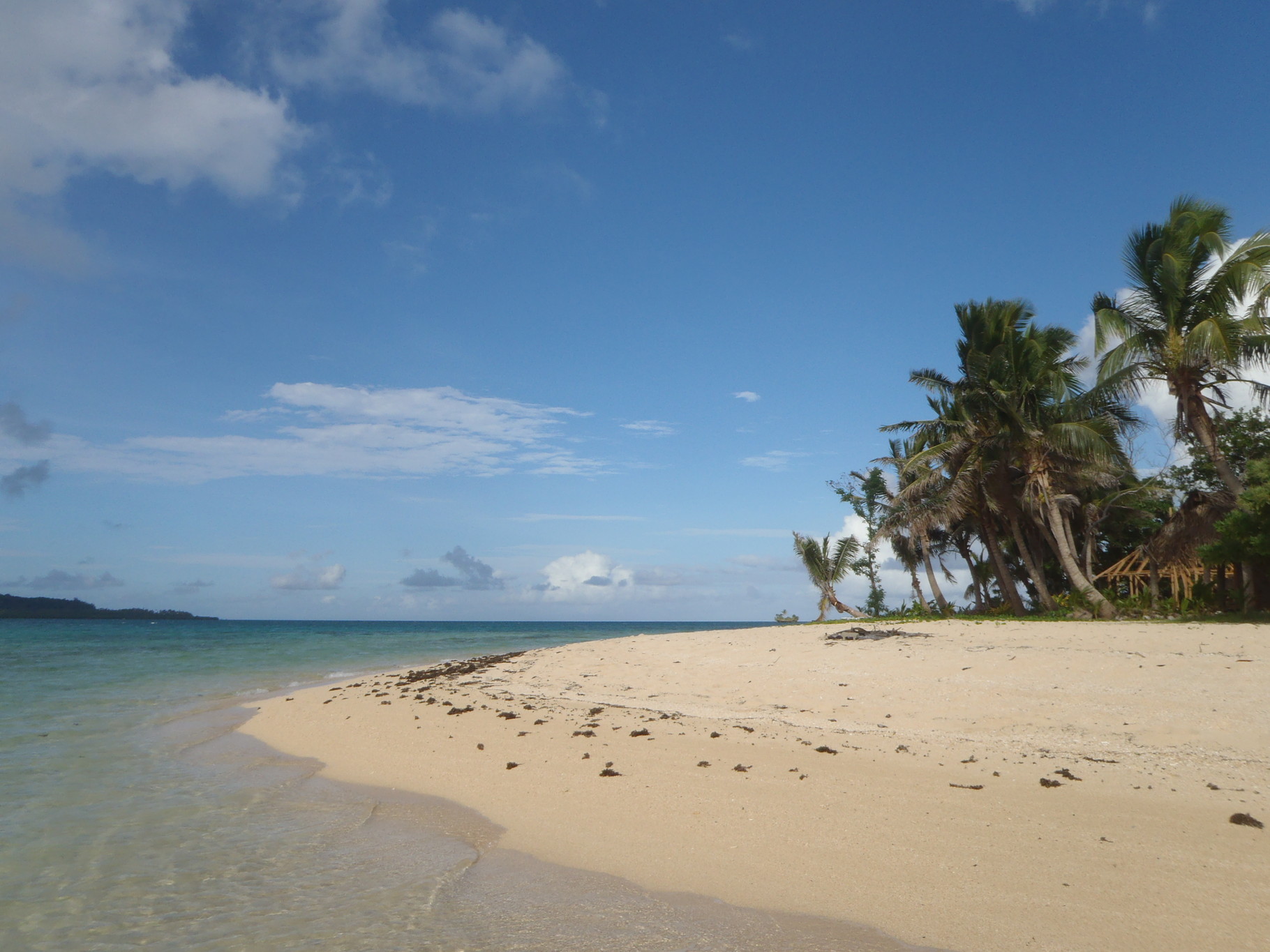
Caqalai Island Beach was a curveball. It sits far off the beaten path, about 90 minutes east of Fiji’s capital. There isn’t a resort here, only a tiny local community. I ended up as a crash guest at the island’s one hostel.
The privacy was incredible. I walked the beach and the only footprints in the sand were mine. Even at high tide, the coral flats glowed turquoise. In the evening, the villagers invited me to a barbecue under the stars. We feasted on giant crabs while kids ran around giggling and everyone swapped stories.
19. Tavewa Island Beach
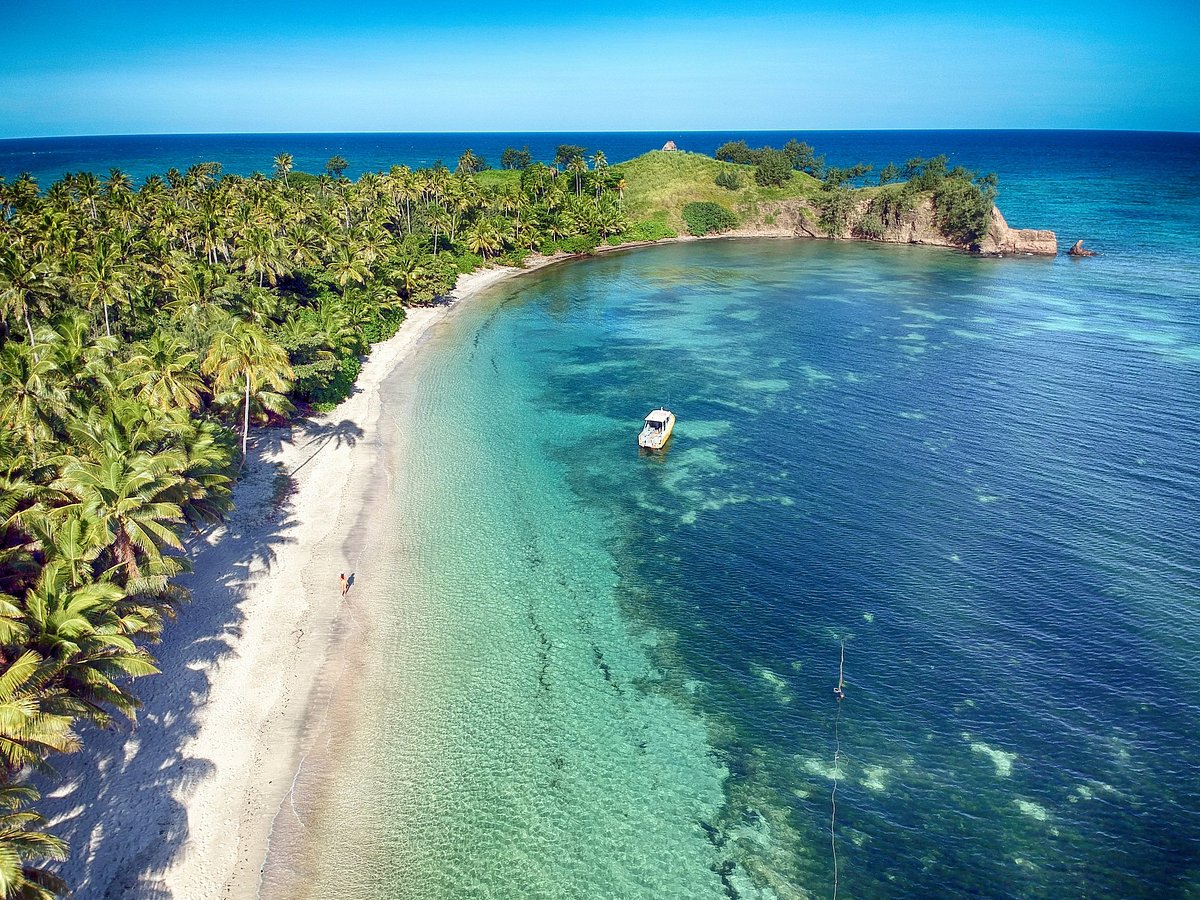
Another backpacker favorite, Tavewa Island Beach in the Yasawas was full of surprises. A small Fijian village sits here, and I was instantly charmed by the warm smiles and colorful traditional outfits. At low tide, I discovered a shallow “crab bench” and spent hours plunking for giant clams with a local boy (scientifically speaking, that means a kid with a snorkel). We even tried a gentle water jig, which was basically flopping around on inflatables.
Tavewa doesn’t have a luxury hotel, only a handful of nipa huts where travelers like me stayed. At night, the sound of tree frogs and passing panginis (large bats) sang me to sleep. One afternoon, I found a coconut on the beach and stubbornly set out to open it. Three failed attempts, one questionable plan, and a lot of laughter later, I finally cracked it open.
20. Bounty Island (Kadavu) Beach
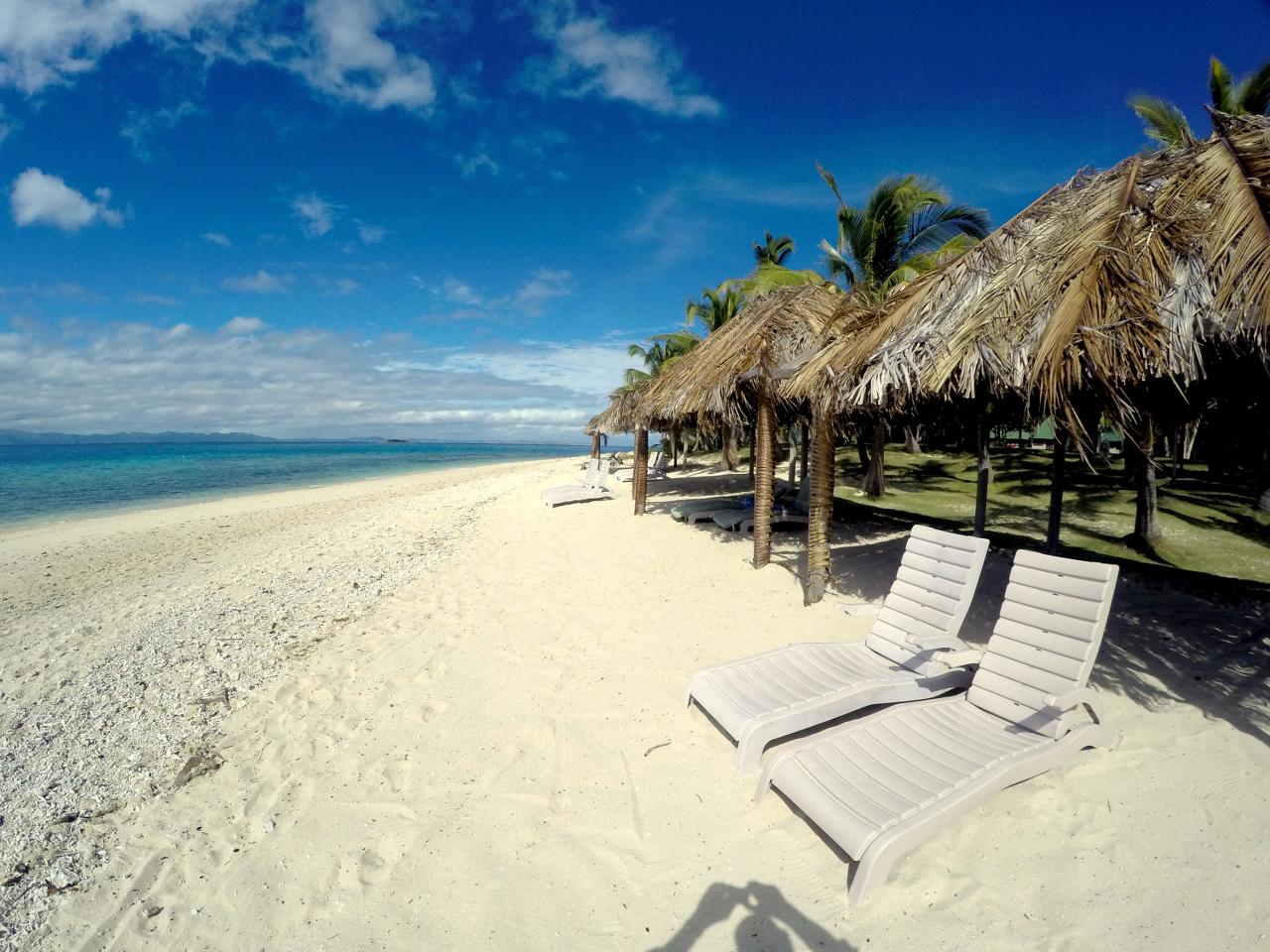
Kadavu has a Bounty Island, and yes, it was as idyllic as I imagined. The whole island felt like a 70-acre coral reef with a few bungalows tucked among the trees. I joined a scuba diving trip and was blown away by the Great Astrolabe Reef just offshore. Giant coral fans waved like underwater banners, fish moved in glittering clouds, and a friendly reef shark cruised past me without a care in the world.
When I surfaced, still grinning from ear to ear, I looked up to see a rainbow stretching over the beach like nature had staged a finale just for me. At dusk, I lay on the sand and counted shooting stars until I lost track.
21. Long Beach (Nanuya Levu Island)
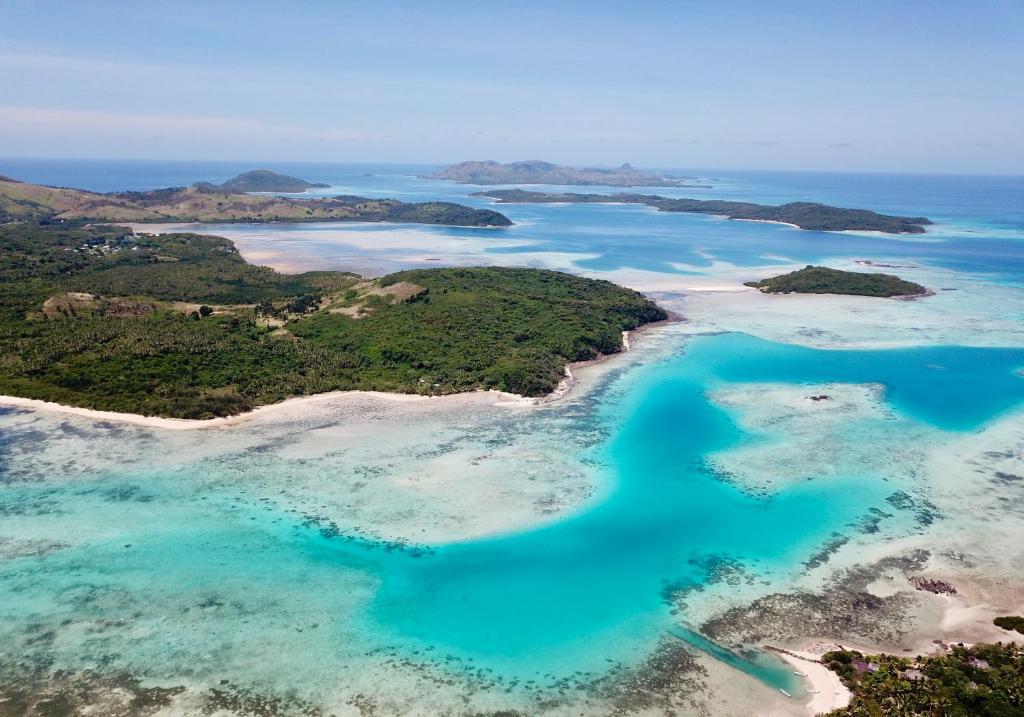
I once again found myself on Yasawa soil at Long Beach, on Nanuya Levu Island. This stretch of sand was ridiculously long, living up to its name as it disappeared beneath a canopy of coconut palms. Walking barefoot felt like a never-ending journey, and the water shimmered emerald and glassy on both sides.
Kids from the nearby village roped me into a coconut-crab race. They let me win by sneaking a finish line ahead of me, and the kindness in that gesture stuck with me. Later, we held another race I could actually manage: collecting seashells to press into palm-leaf bookmarks. The beach echoed with laughter as we swapped treasures and stories.
Long Beach felt endless in the best way. It was so wide and empty that my friends and I half-joked about planting a flag in the sand and declaring it our own secret country.
22. Yaukuve Levu Island Beach
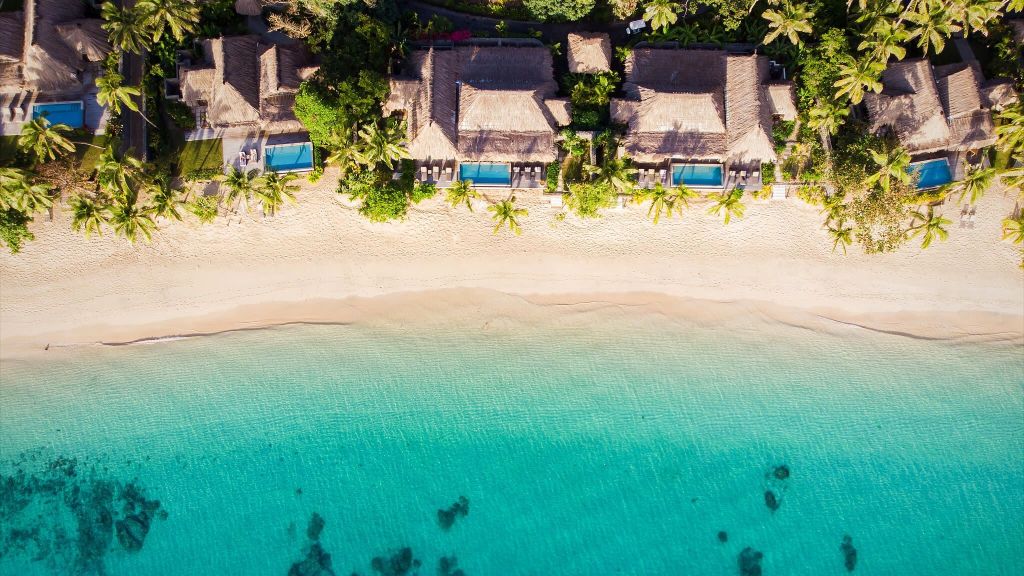
Now this one was a special treat. Yaukuve Levu is essentially Kokomo Private Island, one of Fiji’s ultra-luxe escapes, consistently rated among the top luxury bungalow resorts in the world. Visiting here felt like stepping straight into someone else’s dream. The beach was flawless, and I sipped a coconut slushie from the polo club bar that tasted far too fancy for my budget.
I borrowed a golf cart that was hilariously unnecessary for such a small island and laughed at myself while wobbling along the sand. A local guide must have sensed my wide-eyed wonder because he led me to a secret salt-water stream tucked beside the beach. I jumped in and instantly cooled off under the hot tropical sun. The whole day felt surreal, like I had slipped into another life where reality came wrapped in luxury and ease.
23. Lomalagi Beach
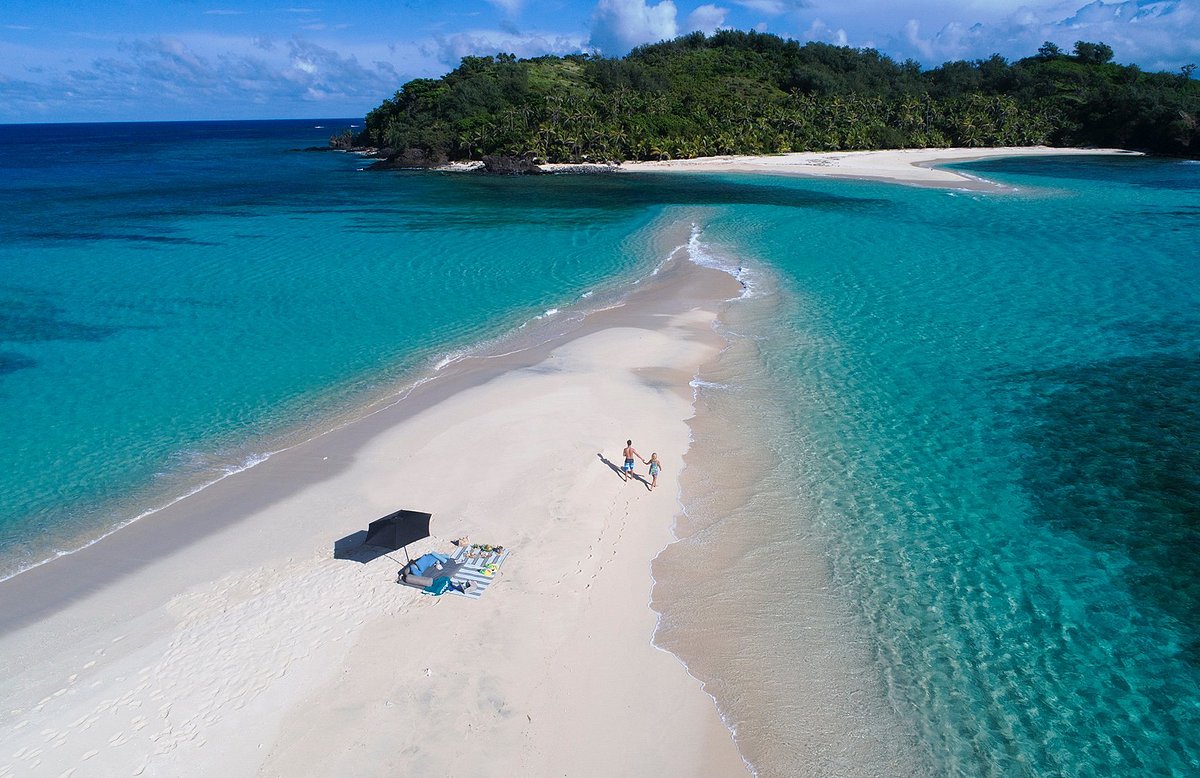
Lomalagi Beach on Vanua Levu, near Savusavu, was a quiet change of pace. The resort’s name means “peaceful sky,” and it fit perfectly, because the only thing hurrying along were the fluffy clouds overhead. The long white-sand stretch was usually empty, so I claimed it as my own personal playground.
One afternoon I swam far out and tried to do the YMCA dance underwater with fish. It was more ridiculous than graceful, but the effort made me laugh until I swallowed half the ocean. Later, I joined a snorkel trip with dive instructors, and a playful school of juvenile jacks zipped past like silver arrows. By twilight, the beach was deserted except for me, a little coconut stand under the palms, and a musician strumming Fijian tunes on a lute from the veranda.
24. Matei Beach
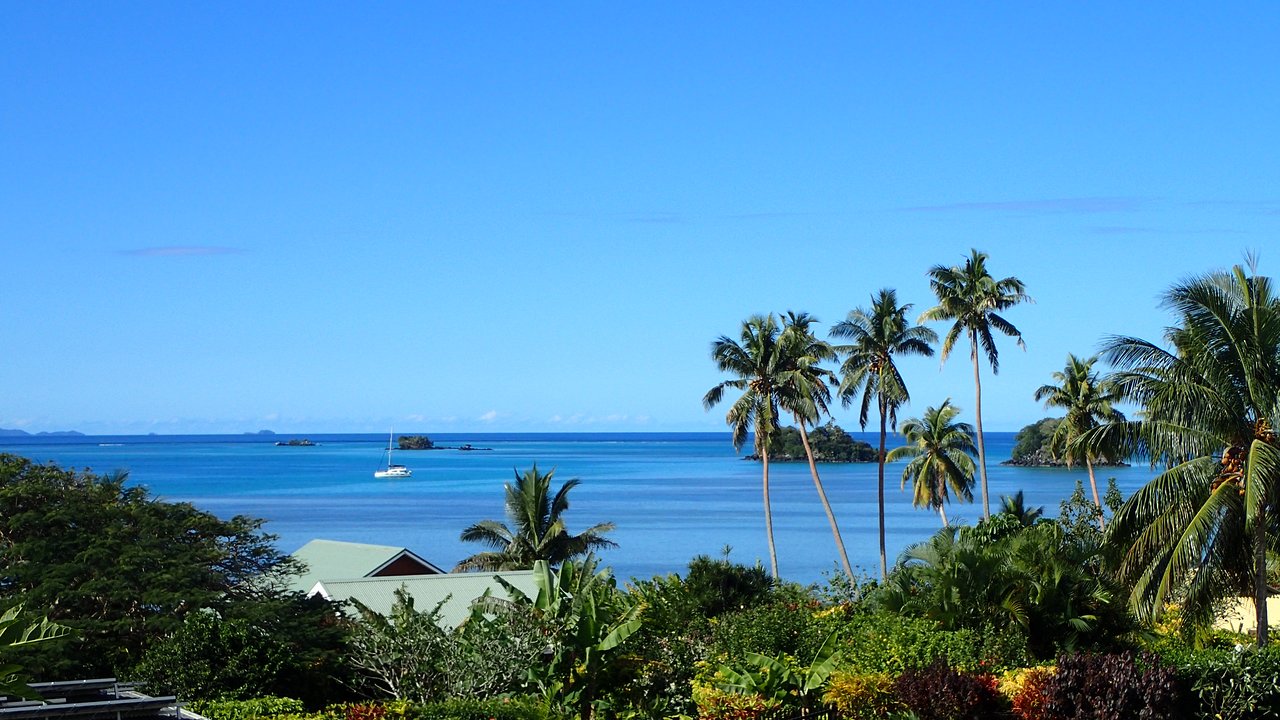
Up on Taveuni again, Matei Beach welcomed me like an old friend. The jungle runs right down to the shore, making the whole place feel wrapped in green. I spent the day snorkeling straight from the sand, where bright corals seemed to wave as I swam past.
Matei also has freshwater streams that spill into the beach, so I wandered upstream like a kid on a treasure hunt. What I discovered wasn’t gold but more jungle, which turned out to be exactly the reward I wanted. The water felt warmer here than elsewhere, maybe thanks to being so close to the equator.
As the sun went down, I built a small bonfire with driftwood and rigged up tiki torches of my own. I roasted cassava I had picked up from a shop earlier in the day, eating it while the firelight flickered against the coconut palms. By the end of the night, Matei had me feeling right at home on this corner of Taveuni’s coast.
25. Drawaqa Island Beach (Barefoot Lodge)
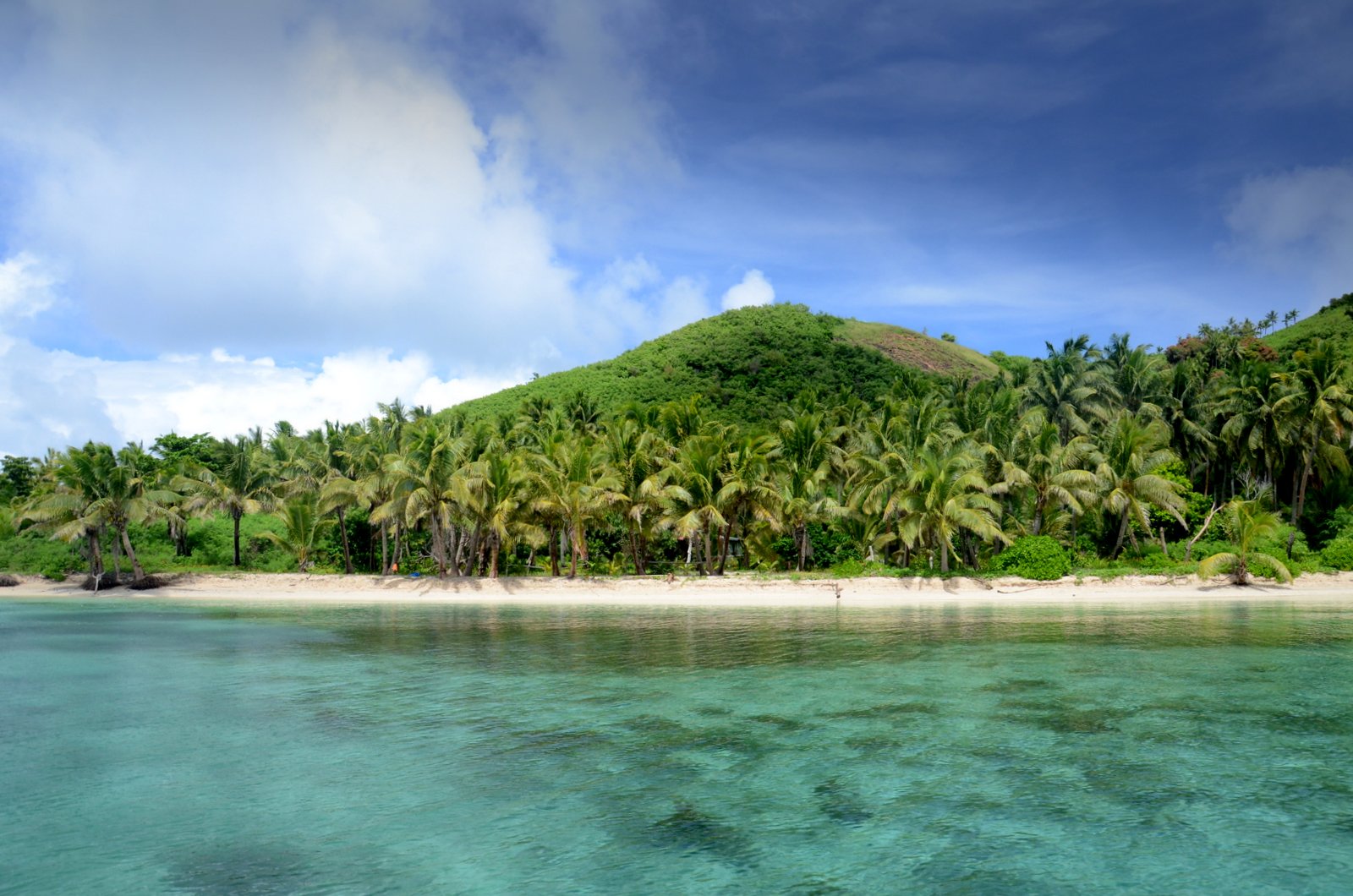
I hopped on a boat bound for Drawaqa Island, where the quirky Barefoot Manta Resort sits right on the sand. The real reason to come here is to snorkel with manta rays at Manta Ray Bay, just behind the beach. I laughed when the boat captain joked, “They’re big, they might gobble you up.” Thankfully, mantas aren’t interested in humans, but they are enormous and graceful.
I slipped on my snorkel and swam close. One glided just a foot from my mask, its wingtip brushing through my hair. My mind was officially blown. Back on shore, Barefoot’s vibe was all hippie-chic, with barefoot staff, bonfire jam sessions, and breakfasts cooked in a thatched kitchen tangled with forest vines. That night, I drifted to sleep to the gentle thump of a djembe drum. If paradise ever had a soundtrack, I found it on Drawaqa.
26. Vanua Balavu Beaches (Lomaloma And Sawana)
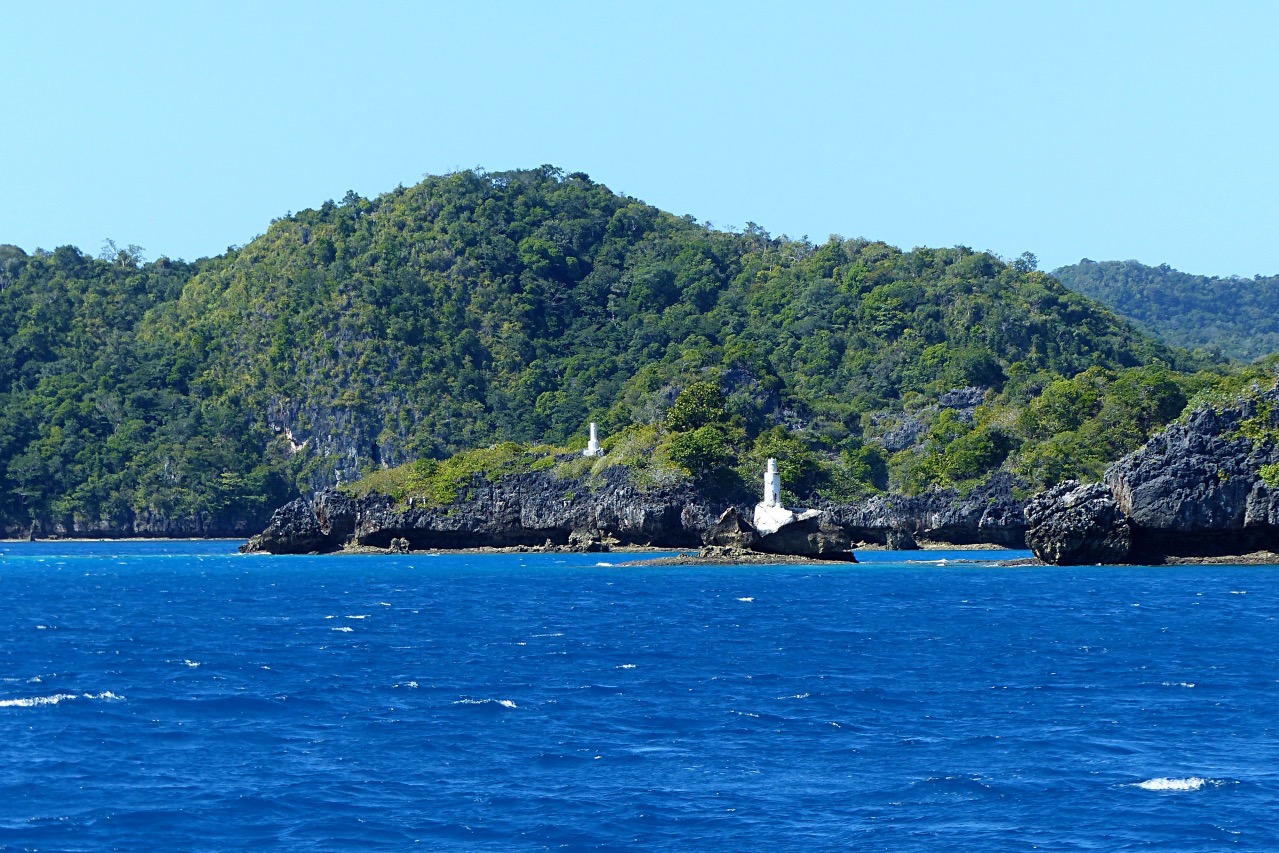
Vanua Balavu felt like stepping into a Van Gogh painting, full of wild greens and deep blues. I wandered the beaches near the villages of Lomaloma and Sawana. These were real villages, not resorts, which meant stepping into the chief’s domain, joining kava rituals, and being welcomed with genuine hospitality. Grandmothers served me yams, schoolkids pulled me into dances on the sand, and I gave traditional coconut leaf weaving my best shot (let’s just say I won’t be opening a craft shop).
The beaches themselves were shaded by tall coconut groves, with soft sand that ran straight into deep blue water. One evening I joined a village celebration on the beach where drums pounded, fire dancers lit up the night, and old songs drifted into the stars. Here I learned that being a stranger quickly makes you family. Vanua Balavu’s beaches showed me warmth in every sense of the word: from the tropical sun to the open hearts of the people who live there.
27. Wakaya Island Beaches
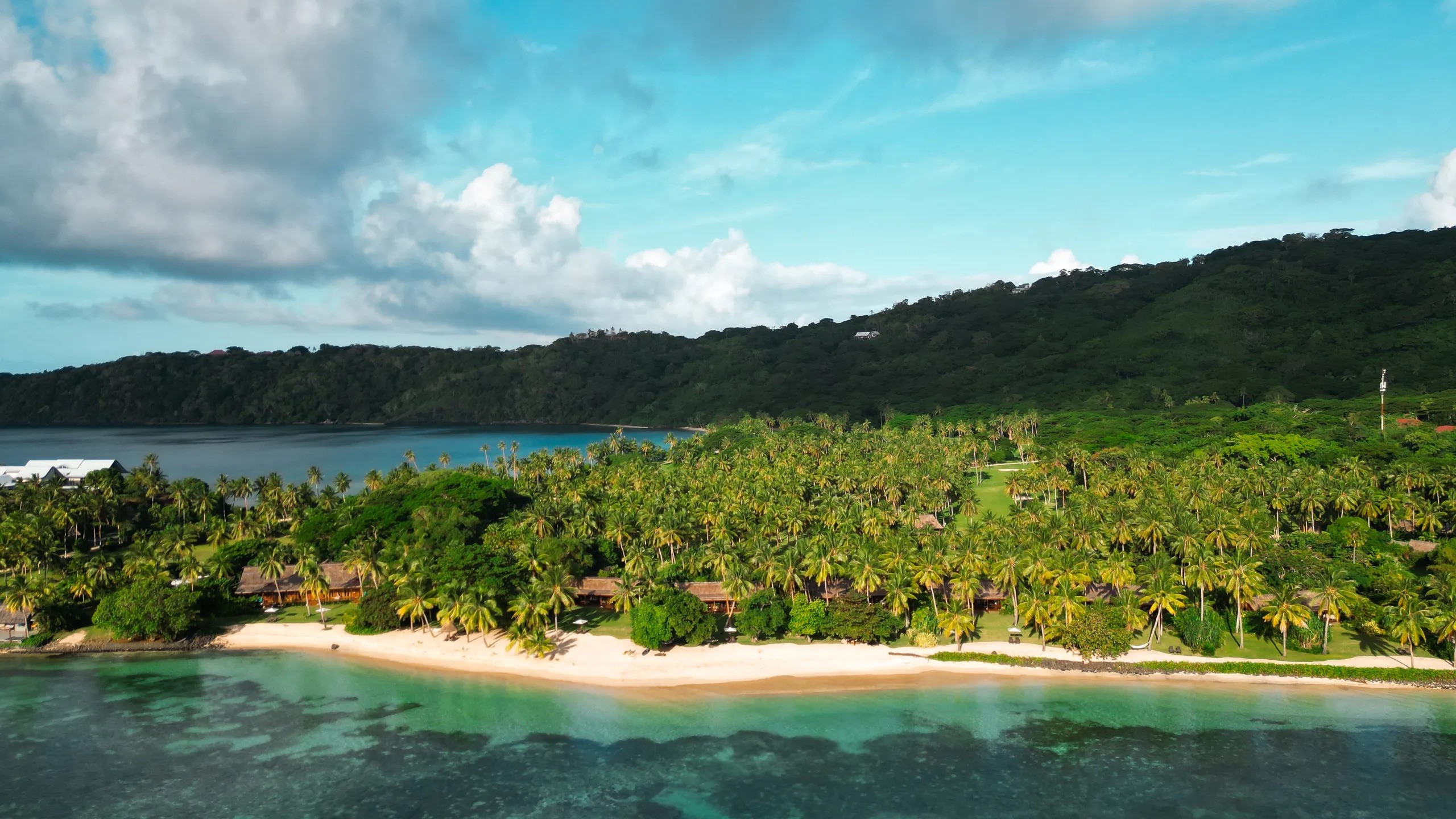
Wakaya turned into its own little adventure. It’s mostly private, with a super-exclusive resort, and word is even the staff can’t roam wherever they like. I definitely didn’t book a villa (my wallet put its foot down). Instead, I tagged along with local fishermen who sometimes land there. One hot afternoon, we drifted over in a rickety skiff at low tide and stepped onto the beach.
The sand was spotless, the water glassy, and there wasn’t a soul in sight. I laid my sarong under a sausage tree, drifted into a nap, and woke to the quiet rhythm of waves. A few goats wandered by as if to check me out, then left me to the stillness. It felt surreal to stand on an island that usually keeps visitors out, but instead of feeling unwelcome, I felt lucky.
28. Naigani Island Beach
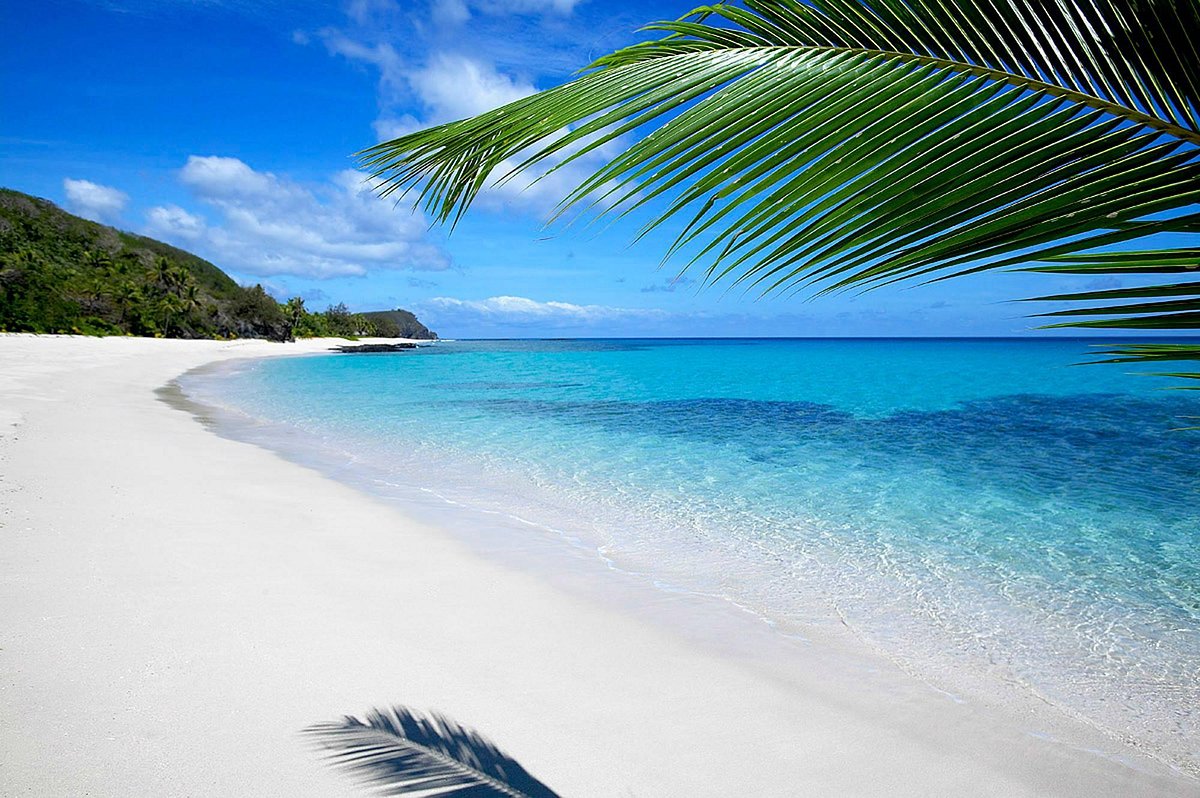
Naigani Island Beach turned out to be a social surprise. It’s a small private island with just a few bungalows, and one evening I somehow slipped into a communal dinner. The chickens scattered when I showed up, but the host laughed, handed me ginger tea, and made room at the table. We sat right on the sand as the sun melted into the horizon, swapping stories until the stars came out.
The next morning I decided to walk the whole island, which only took about twenty minutes. Along the way I stumbled on rusted World War II cannons and ended up refereeing a hermit crab race across the rocks. When it was time to leave, a group of children waved, grinning wide and handing me bananas as a parting gift. Naigani’s magic wasn’t in grand resorts or activities, but in its small gestures of kindness and community. Sometimes the best treasures are people and a simple piece of fruit.
29. Wailoaloa Beach
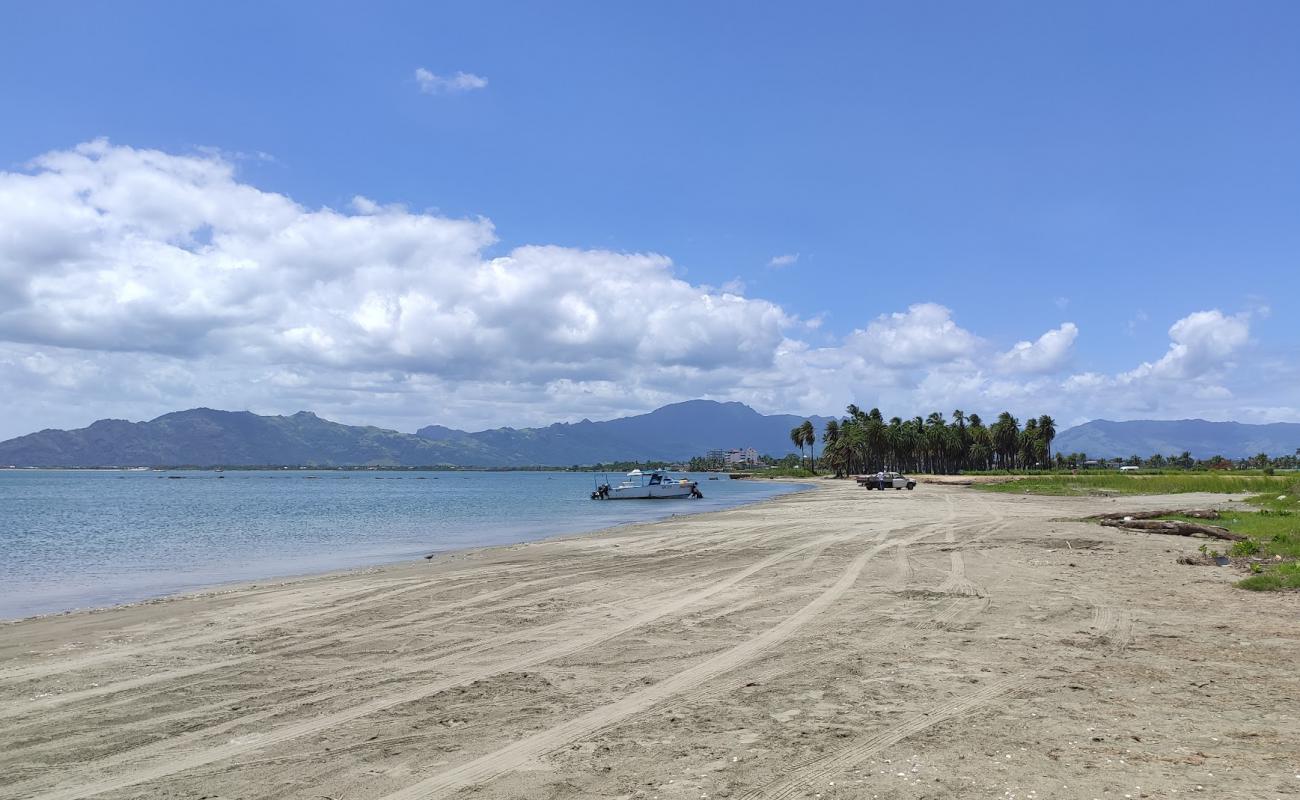
Wailoaloa Beach was a change of pace, buzzing with the energy of being so close to Nadi. The beach stretched wide and lively, full of both locals and travelers. I joined a volleyball game with a local team and, predictably, got thrashed. I walked away sandy, smiling, and very aware that Fijians don’t mess around with beach sports.
A little further down, I wandered into a backpacker crowd and somehow ended up in a beer pong match where coconut water stood in for beer. The rules blurred quickly, but laughter made up for any lack of skill. By evening, the beach transformed into something softer.
Sunsets here painted the sky in deep reds and glowing golds, reflecting across the water while resort lights flickered in the distance. Walking at twilight, I felt an odd mix of comfort and newness, like stumbling across an old neighborhood but finding someone’s set up a fresh coconut stand on the corner.
30. Papageno Beach
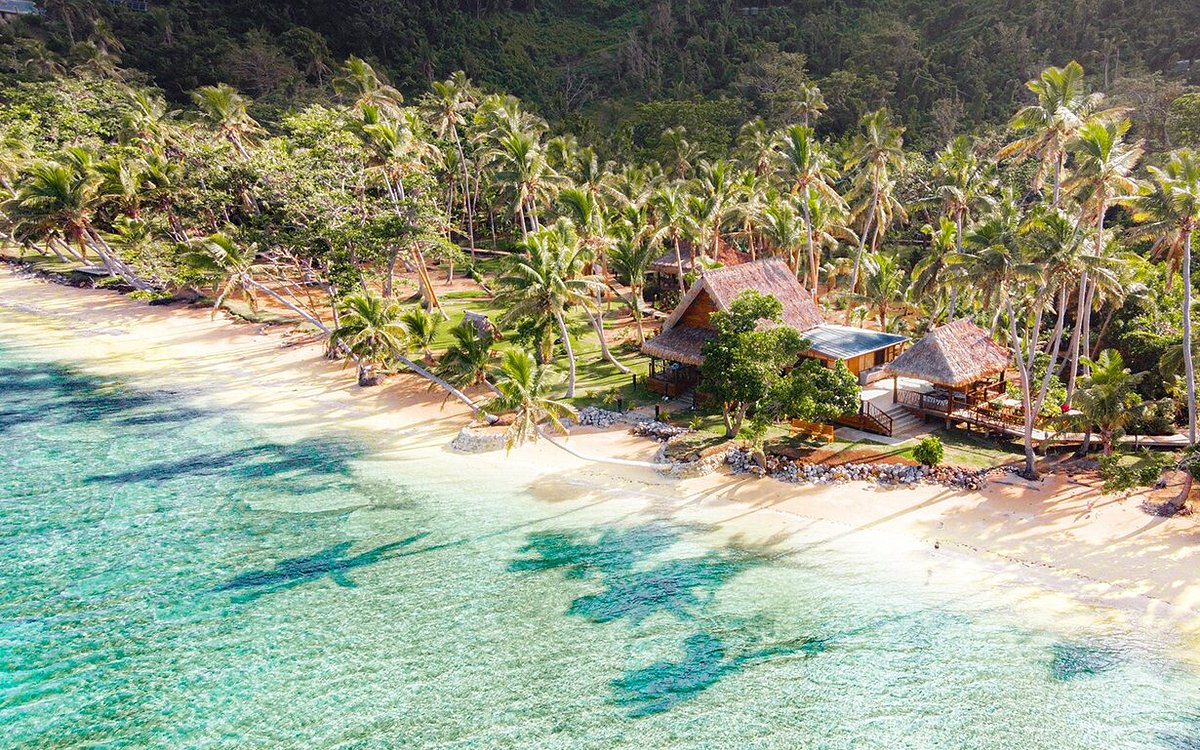
“Papageno Beach” is actually the stretch of sand at the Scenic Resort in Denarau, named after the opera character Papageno (yes, the birdcatcher). My first thought was: why on earth name a Fijian beach after an opera? But somehow it works. The resort vibe was elegant yet easygoing, and the beach itself was polished white sand perfect for lying back and watching clouds drift.
Mornings here were quiet enough that I actually finished a travel book on the deck, which felt like a personal victory. By afternoon I couldn’t resist calling out like a bird (“Papagöööö”) while strolling the beach. No one seemed to mind, which made it even better. Later, I joined a sunset yoga class on the sand, moving through stretches while the sky melted into orange and gold.
31. Lavena Beach
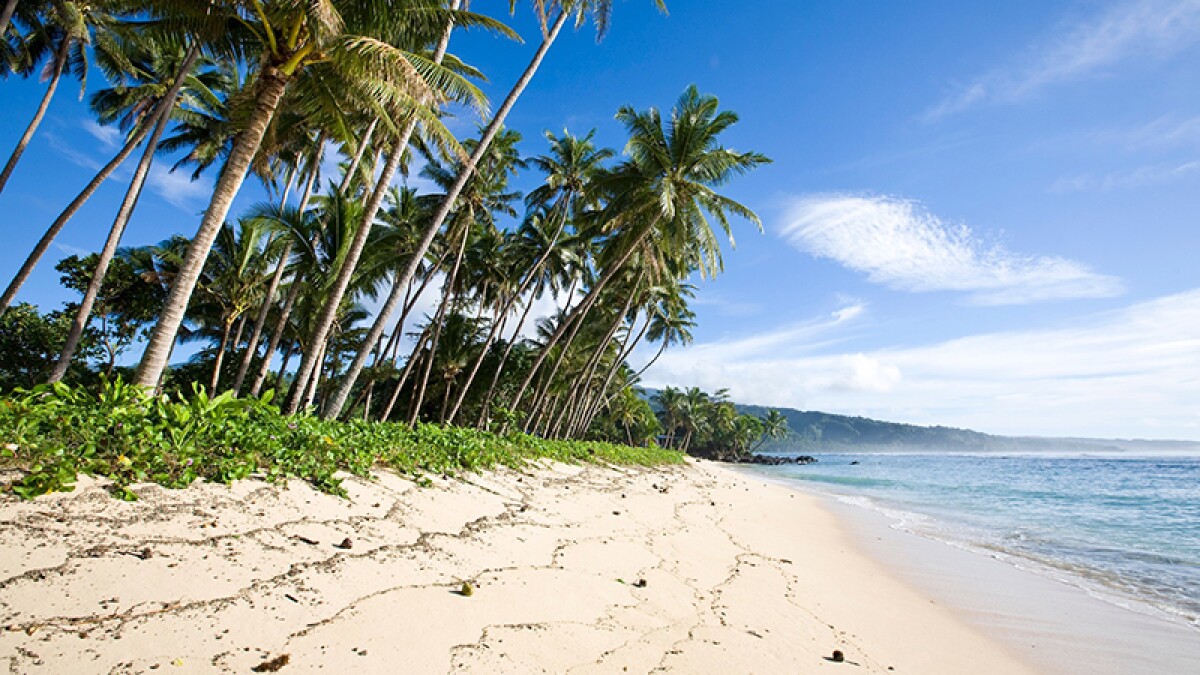
On Taveuni’s famous Lavena Beach, I hiked along jungle paths under giant palms, the roar of a waterfall guiding me long before I caught sight of it. The beach here is framed by a freshwater pool where you can plunge after the trek. I slid down the smooth rocks into the waterfall pool like a giddy kid (complete with squeals that echoed through the trees).
Later, I sprawled on the sand to dry in the sun before snorkeling out to a coral head offshore, where schools of fish wrapped around me like living ribbons of silver. Just when I thought the day couldn’t get any better, a local family invited me back to their village for cassava and fish stew.
Sitting on their porch, eating with my hands as the ocean shimmered in front of us, I realized Lavena wasn’t just another scenic beach. It was a place where jungle, water, and people combined to create moments of pure wonder.
32. Ono Island Beaches
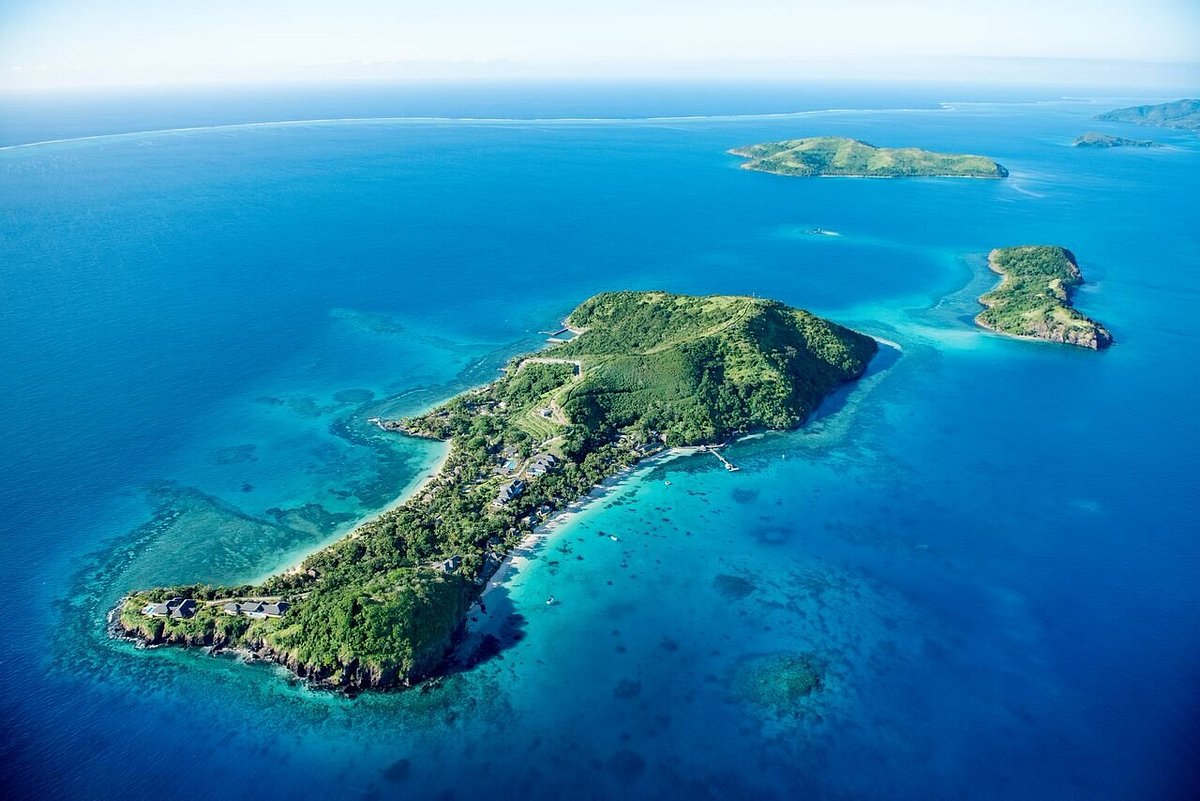
Stepping onto Ono Island felt like meeting Kadavu’s quieter, older sibling. The beaches were wild and fringed with thick bush, the kind that makes you feel like an explorer even if you’re just carrying a snorkel. I rented a dinghy and circled the island, stumbling on hidden coves where coral gardens shimmered just below the surface. Ono’s reef is vast, and the sea walls near shore were dramatic. I nearly leapt out of my fins when a giant clam yawned open in front of me.
On land, I joined villagers for a kava session. The earthy, tongue-numbing taste hit me like a vodka with a herbal twist, and everyone laughed as I admitted it wasn’t exactly delicious. That night, we balanced it out with pan-fried walu (fish) eaten as the sun slipped behind the sea. By the time I left, the kids waving from the jetty gave me a lump in my throat.
33. Naviti Island Beaches
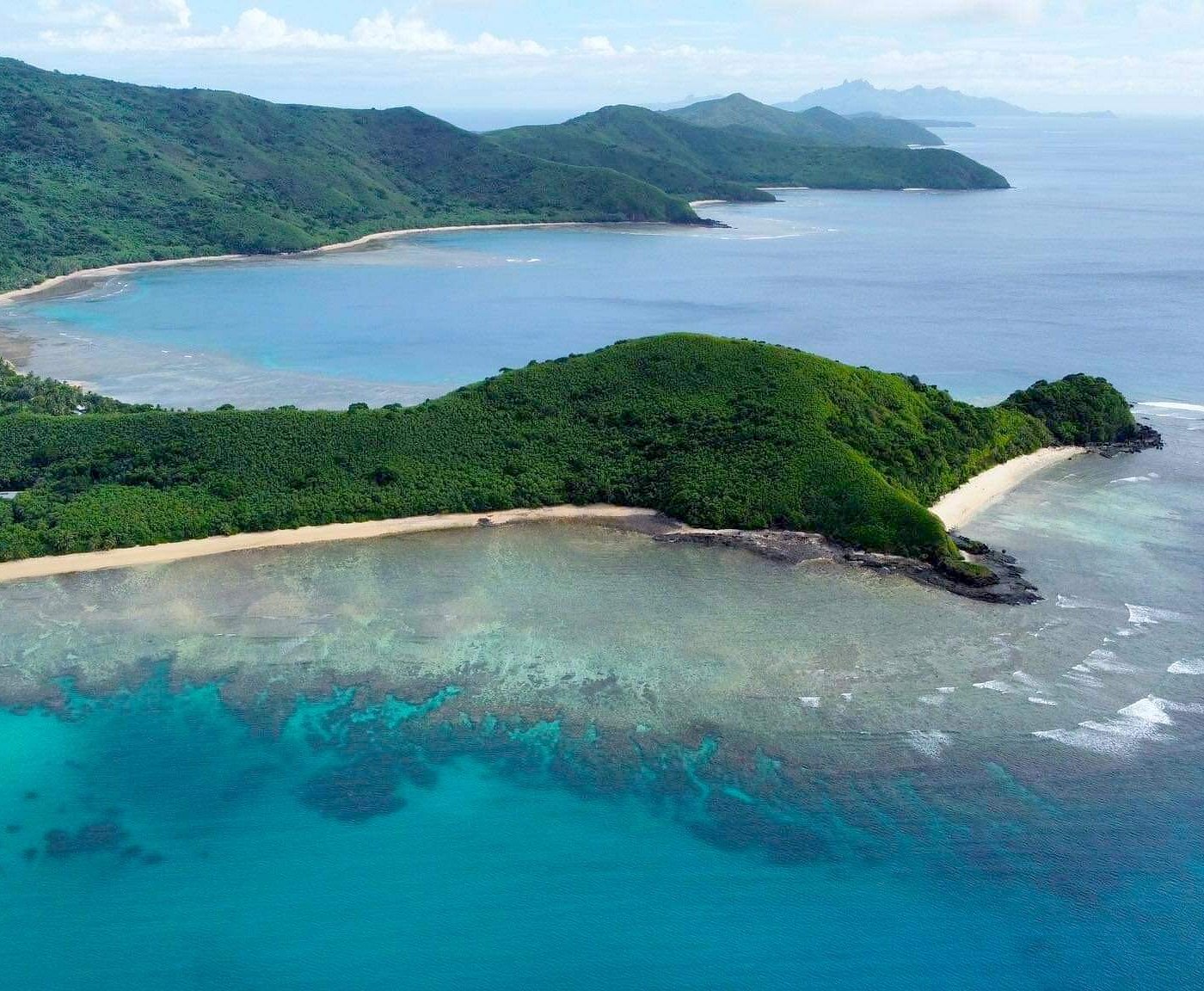
Naviti in the Yasawas felt a little different. It has resorts, but it also has big local villages. When I got to Naviti’s beach, children ran up and challenged me to play weta, a shell game that is more popular than rock-paper-scissors there. I lost every round, but laughed the whole time. The sandbars move with the tides, so each day brought new lagoon pools. One day they were ankle-deep and bright turquoise, the next day they were thigh-high with fish darting through.
I later hiked inland and found Naviti’s wild side: rainforest sounds, quick little lizards, and a hidden freshwater creek that was perfect for a cool dip. That night, I was invited to a wedding in the village of Vatu. It was a real celebration, not arranged for tourists, and I danced in a circle on the beach under the glow of a bonfire.
34. Tavarua Island Beaches
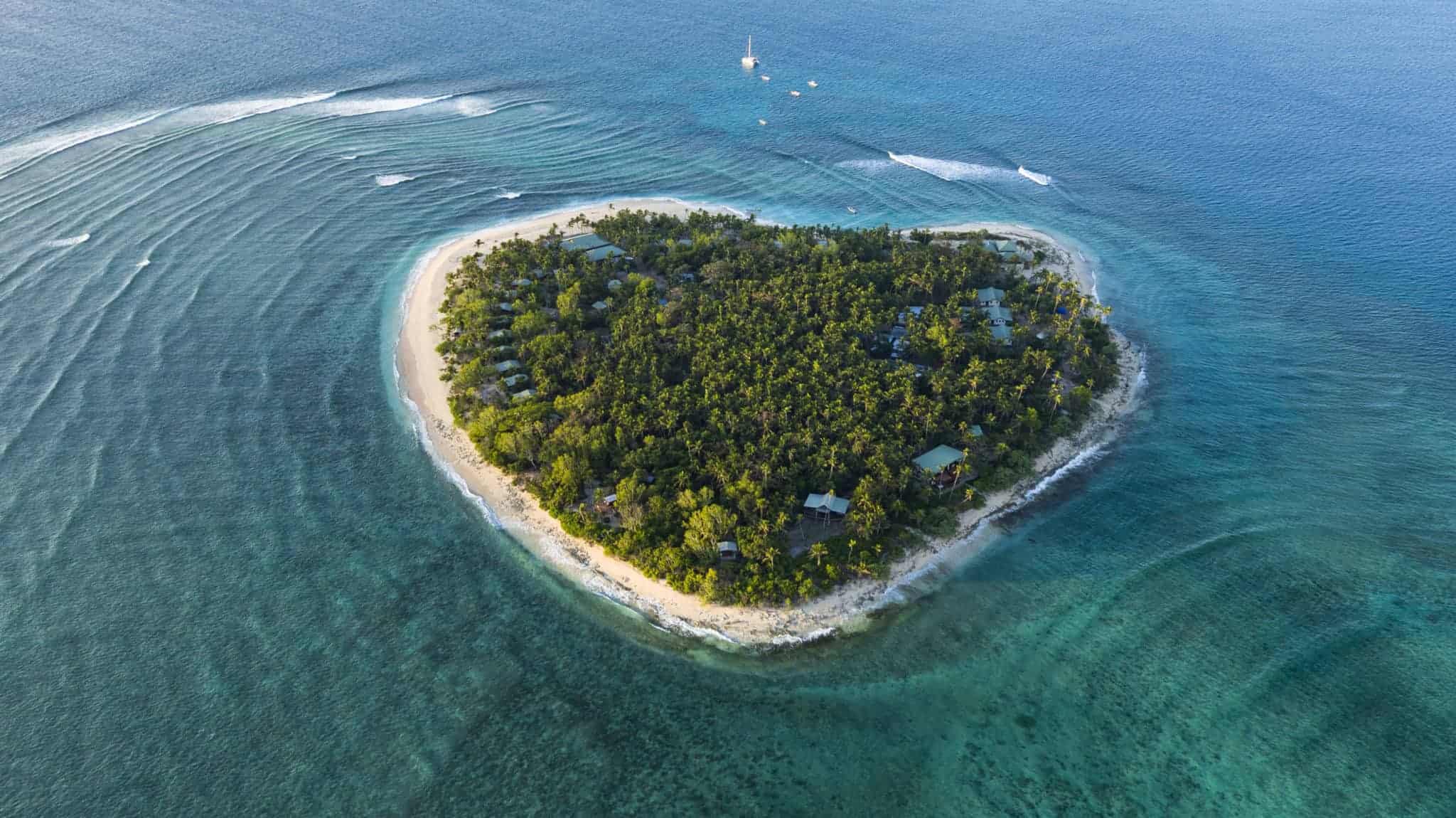
Tavarua, the little heart-shaped island known for its surfing! No need for Cupid here, I was already in love with the view. I came for the waves, but even if I had only stayed on the sand watching surfers paddle out, I would have been happy. I gave surfing a try myself. First I fell right away in the shallow water, but on my second attempt I caught a small wave and shouted with joy like I had just won gold.
Later, I climbed up to the temple on the hill and watched the sunset. The sky turned pink while surfers rinsed off their boards, and the outline of the island really looked like a heart. That night, we raised our glasses, some with cocktails and mine with a mocktail, to celebrate not just riding waves but making it through them.
35. Robinson Crusoe Island Beach
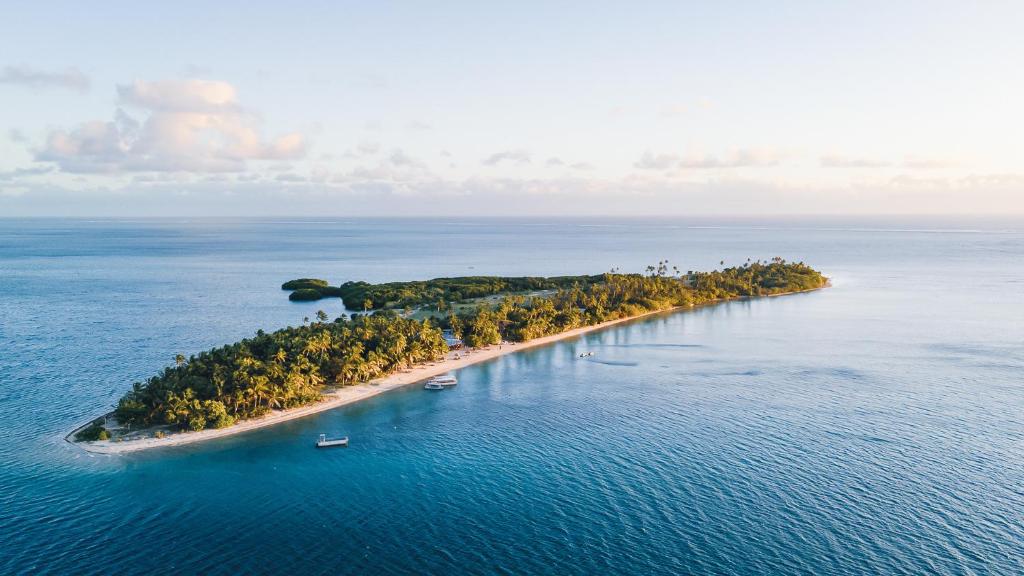
I returned to the Mamanucas with a stop at Robinson Crusoe Island, also known as Namotu Island’s “Crusoe Island.” This time I leaned into the theme. I kicked off my shoes, put on a loose white shirt and old jeans, and pretended I had just been shipwrecked. The staff probably thought I was a little strange, but I felt like I was living inside a storybook.
The beach sand was soft, and the hammock bungalows looked exactly like the kind of huts I dreamed about as a kid. I snorkeled from a pontoon and saw coral so colorful it looked like it belonged in an aquarium. At dinner, the resort chef told me stories about how Fiji got its name while I tried to master chopsticks on the open-air deck. Before heading to sleep, I carved “Robinson L.” into the sand, my pirate name for the night.
36. Yaqeta Island (Navutu Stars) Beach
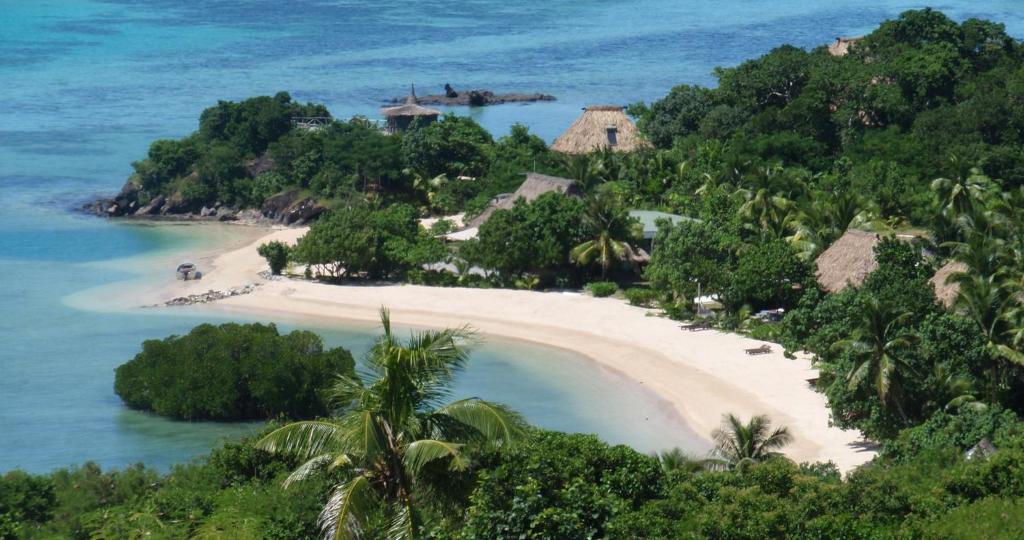
Yaqeta Island, home to the Navutu Stars resort, was one of the calmest stops on my trip. The beach is small and lined with grass, which made it perfect for morning yoga. I quickly learned that yoga on sand is about 90% wobbling in slow motion and only 10% actual poses, but the spirit is what matters.
In the afternoons, I explored the island’s caves. In one that had been carved out by the sea, I found dozens of colorful hermit crabs racing around on the wet sand. It felt like I had stumbled into their secret party. Back at the resort, I discovered the legendary hammock strung between two palm trees.
I claimed it for hours while reading, and probably should have put up a sign that said “Quiet, genius at work.” At night, everyone gathered around a single bonfire on the beach and sang old folk songs. I tried to add harmony but mostly made funny off-notes.
37. Korovatu Beach
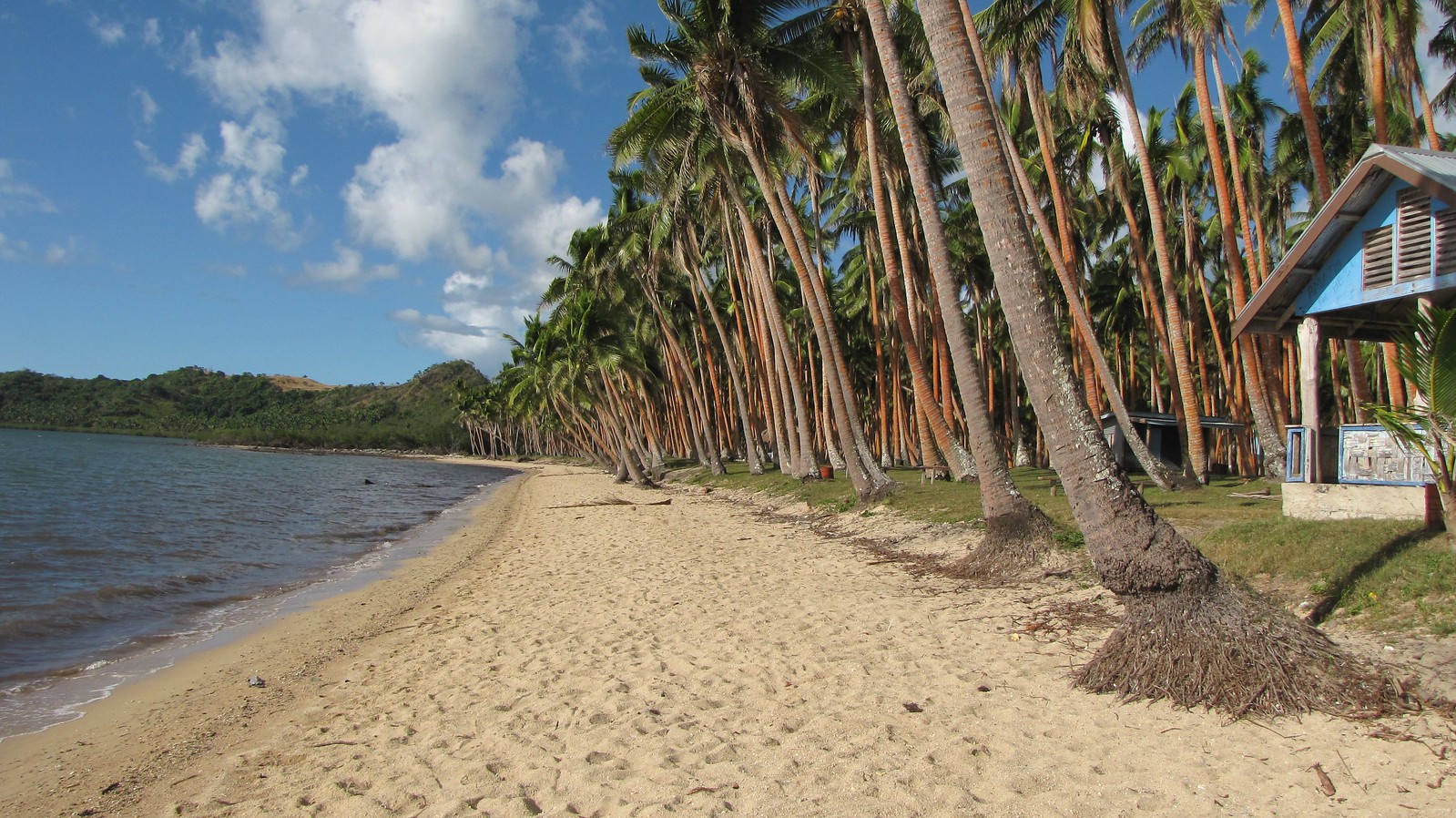
Korovatu Beach is a little hidden, and that made me love it even more. It’s the only real stretch of sand near Labasa on Vanua Levu, and even locals think of it as their own secret spot. I happened to visit on a Sunday, so the village kids were all swimming and laughing, turning the water into one big party.
I rented an old dinghy from a fisherman and paddled out to a tiny islet just offshore. Snorkeling there felt like my own private adventure, with almost no one else around. When I came back, a stray dog kept staring at my curry on the sand. I gave in and shared it, naming him “Rascal” as he wagged his tail in approval.
That evening, music started up from a beach bar. Before long I found myself slow-dancing barefoot in the sand with a local teacher, while the coconut trees swayed above like they were part of the band.
38. Treasure Island Beach
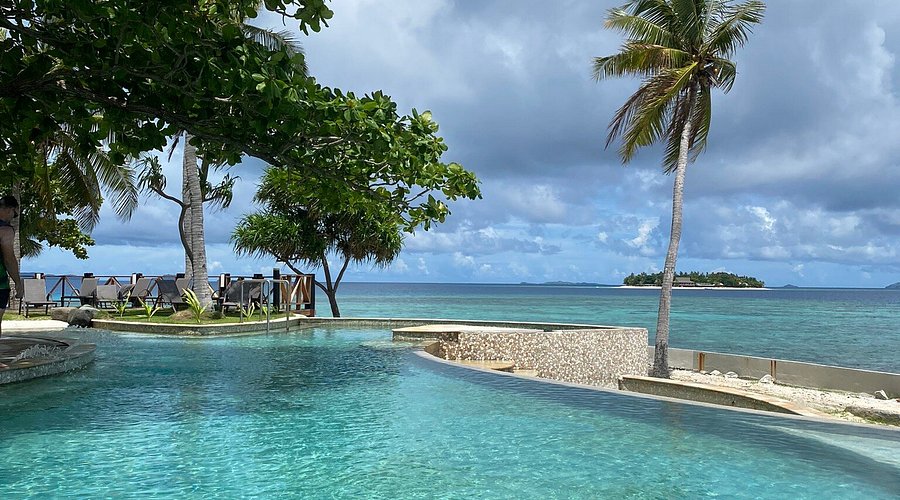
Treasure Island Beach in the Mamanucas is exactly what the name says, a beach on an island called Treasure. When I arrived, I couldn’t resist pretending to look for hidden treasure. The only thing I found was a dropped sandwich, but it still felt like a win. The beach was edged with tall rocks, giving it the feeling of a pirate’s cove.
I took a kayak along the reef and pretended I was searching for sunken gold. What I really found were clams and one tiny crab that acted like it owned the place. At night the resort turned lively with karaoke right on the sand. I somehow ended up singing “Under the Sea” into the microphone, and to my surprise, people clapped. Then a disco ball lit up the beach, and I danced barefoot with new friends until nearly midnight.
39. Wadigi Island Beach
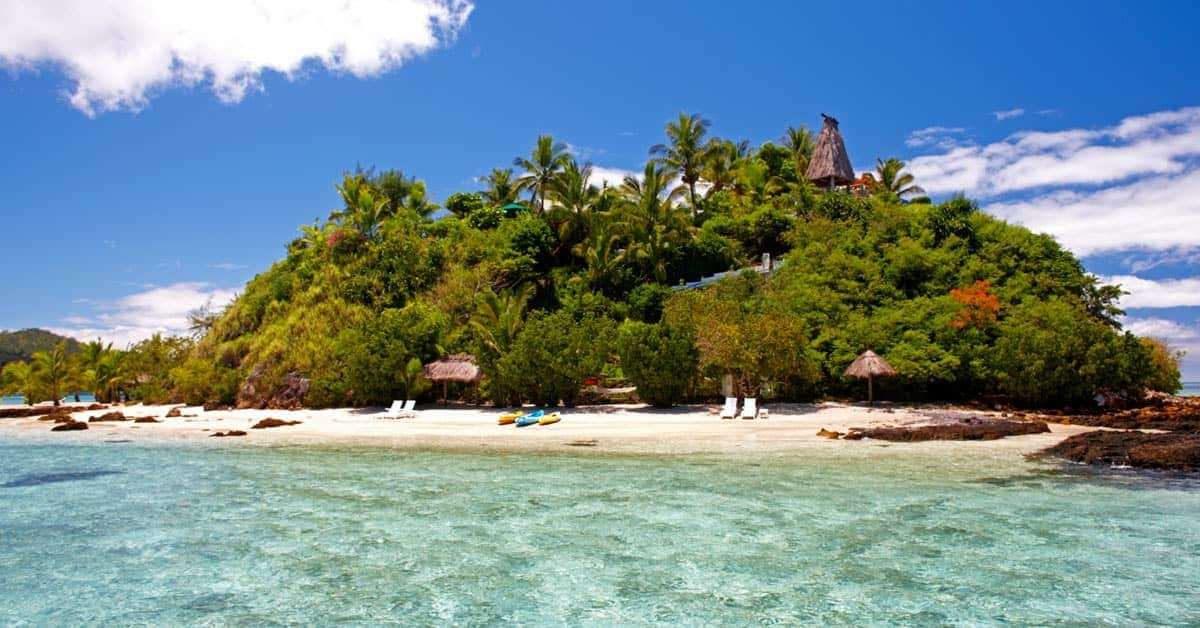
Wadigi is about as exclusive as it gets, a private resort island with only a handful of rooms. I definitely didn’t have the $8,000 a night budget, but I treated myself to a day trip I’ll never forget. When we arrived, the beach was almost empty and the water was so clear I could see the bottom from a floating barge.
I swam out to the reef and a turtle drifted beside me, calm and steady like it had all the time in the world. Back on shore, I slid my sun lounger so close to the edge that each small wave washed over my feet like a gentle massage. Lunch was served on linen-covered tables with silver cutlery, which felt almost unreal in such a quiet, remote place. By sunset, I had built a little sandman on the shore, complete with a tapa cloth hat.
40. Beachcomber Island
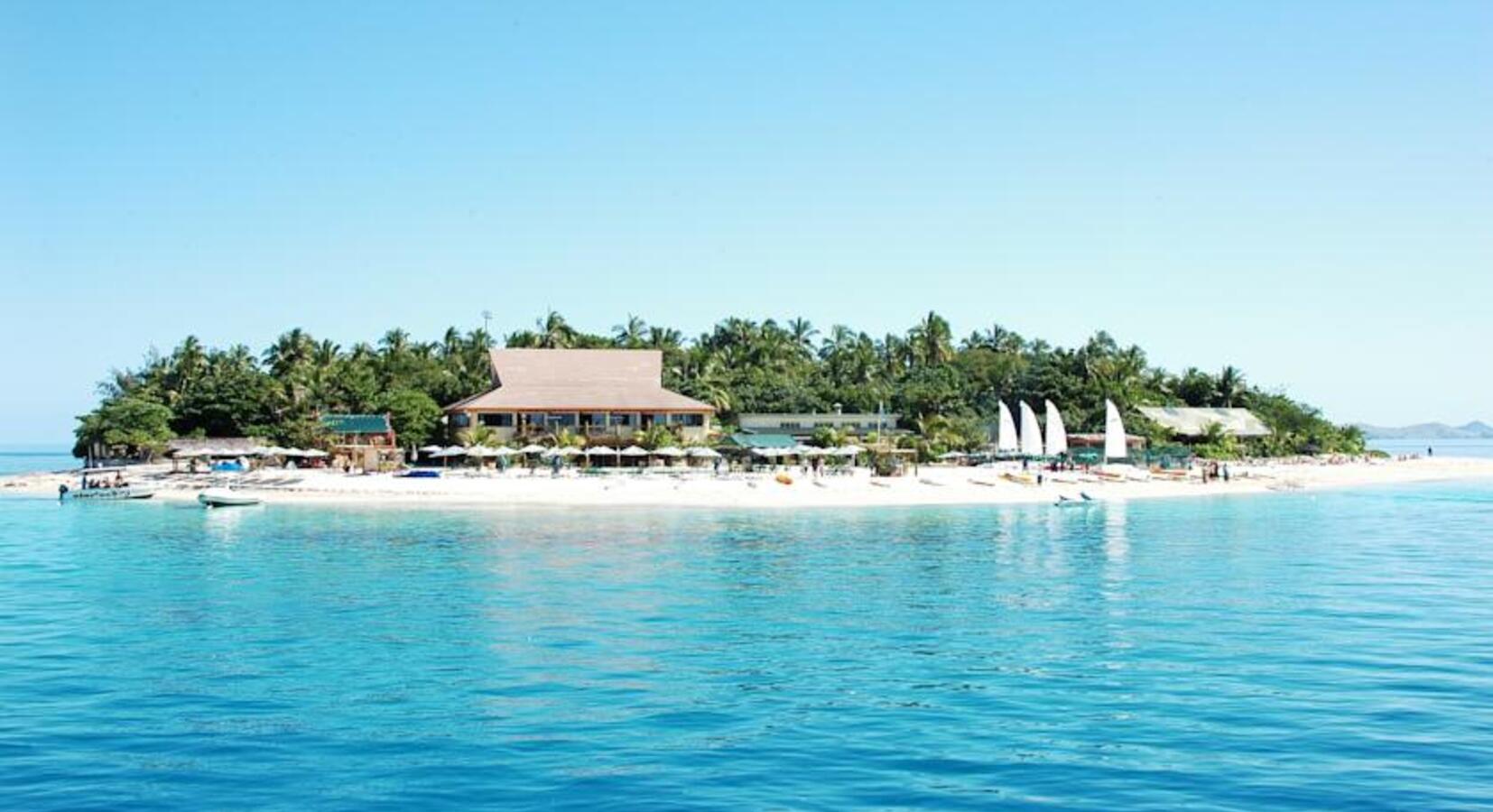
Beachcomber Island is often called Fiji’s “party island,” and it definitely lived up to the name. I showed up expecting chaos and left with a sunburn and a huge smile. The place was full of backpackers, all laughing at some misadventure (I later learned it was a failed limbo attempt).
I jumped into a game of beach soccer that quickly turned into more mud than goals, but the shouting and cheering carried across the bay. The big hammock bar was the heart of the island. I swung there after sunset, listening to a local band play island favorites. By midnight, my new friends and I were locked in a dance-off on the sand. We didn’t win anything except tired legs and loud laughter, but it felt amazing.
Beachcomber made me feel like part of one big tribe. By 3 in the morning, sweaty and sandy, I was convinced we were all part of the same flock of sunburned island chickens.
41. Matacawalevu Island Beaches
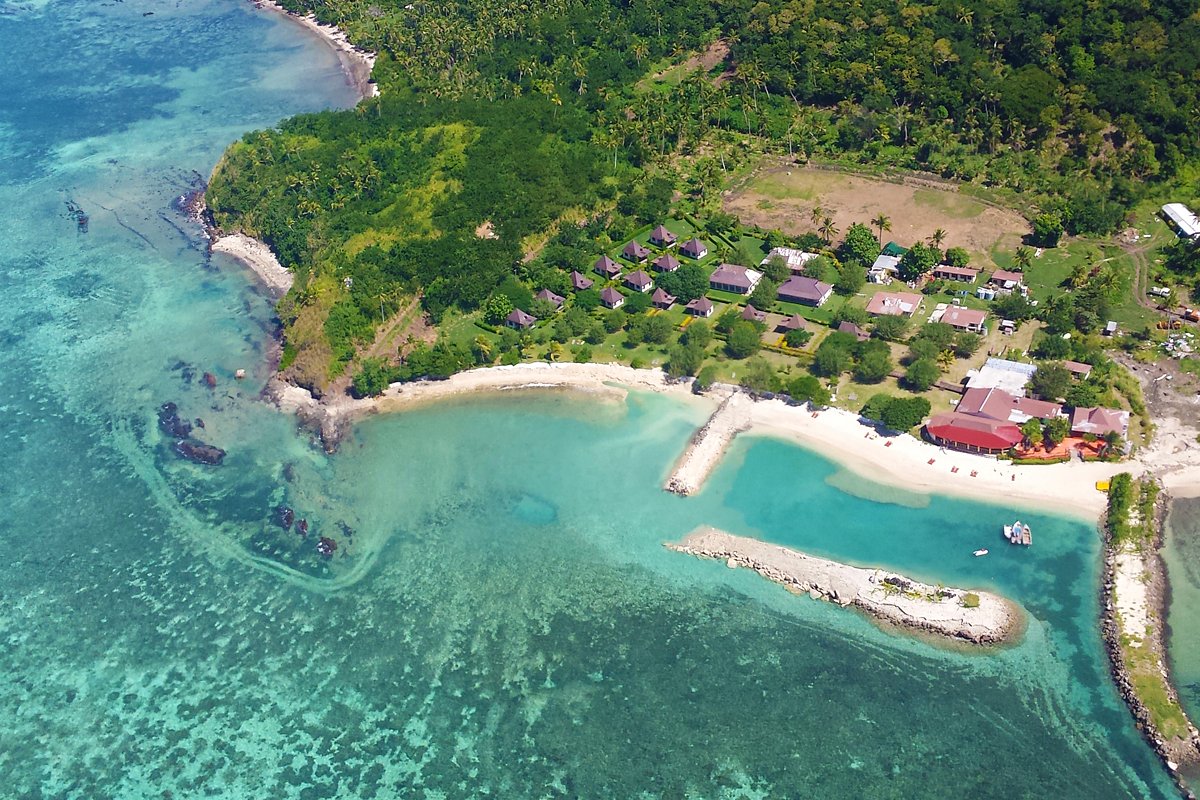
Matacawa Levu might be small and tricky to say, but its beaches are quietly beautiful. I made a special trip to this far-off Yasawa atoll and found that silence was my main companion.
One afternoon I collected colorful shells to give as little gifts to kids on a nearby island. The tides here were amazing. Sometimes I could walk all the way around on dry sand, other times I was wading in waist-deep water with the sea on every side.
The highlight was snorkeling near a reef where I came across an actual sunken motorbike. I had no idea how it got there, but it was oddly fascinating. On the boat ride back, I mapped out constellations in the starry sky with a new friend.
42. Waya Lailai Island Beaches
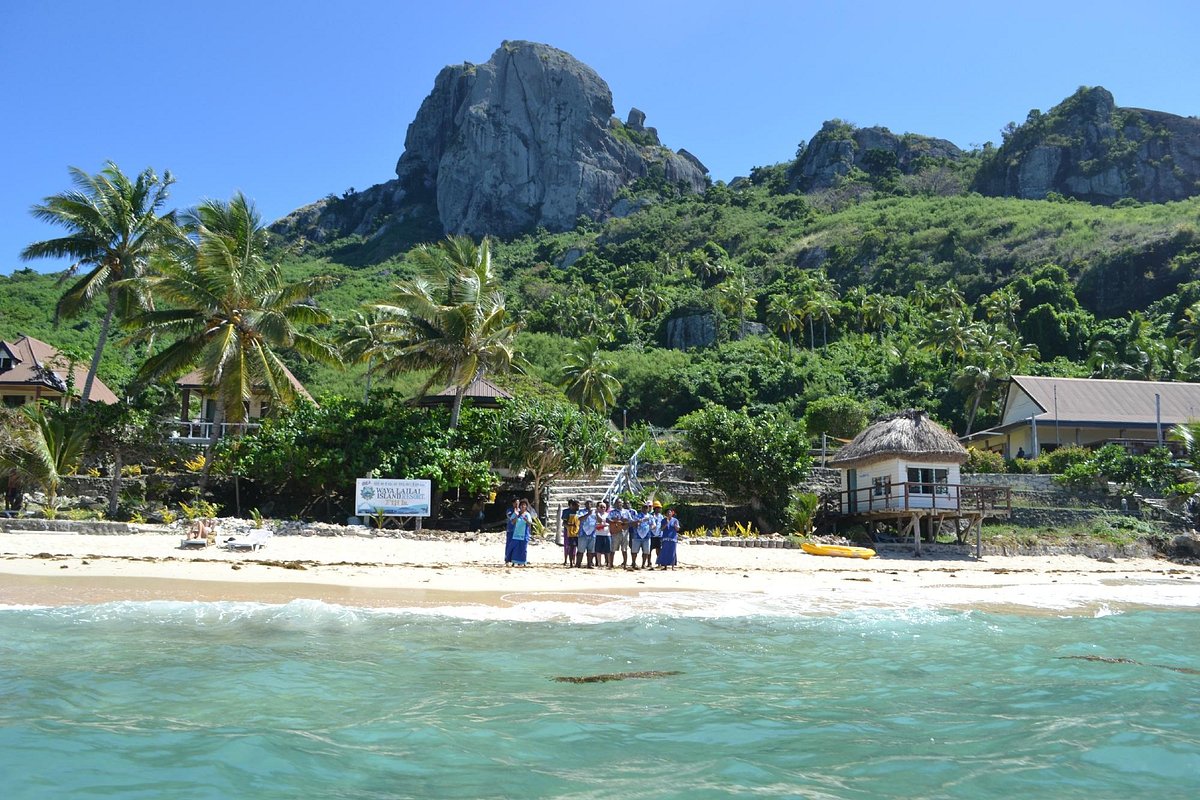
Waya Lailai, in the southern Yasawas, has a special claim to history. It’s where parts of the 1980 film The Blue Lagoonwere shot. I didn’t go looking for movie stars, but I did go searching for that perfect blue-water scene.
The beaches here were dazzling, especially one called Paradise Cove Beach. Just saying the name makes you expect something magical, and it truly was. My boat dropped me onto a slice of sand so perfect it could have been the opening shot of a film.
Behind the palms, people were playing beach volleyball and sharing fresh fruit cut up by smiling locals. I treated myself to a coconut ice cream from a small café by the water, and it felt like the best decision I’d made all day.
43. South Sea Island Beach
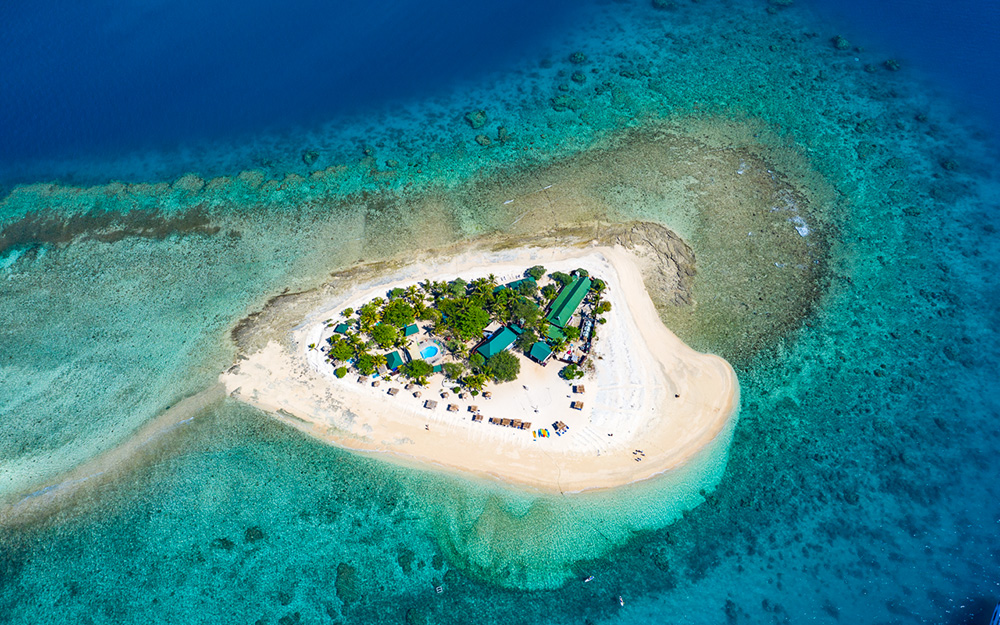
No list would be complete without South Sea Island, a tiny spot loved by day-trippers. I joined the South Sea Island boat cruise and, along with dozens of other visitors, arrived for a day in the sun. The beach is small but looks perfectly cared for, almost like something placed in a park for display.
I snorkeled with a group of schoolchildren from a cruise ship, and they were the real experts. Kids don’t care how silly they look, which makes them brilliant snorkelers. Later, I wandered into the island’s souvenir shop, which had more beach towels than I thought existed. By sunset, the tourist boats left and the island grew quiet. I sat on the beach with a half-melted ice lolly, watching the water turn golden.
44. Viwa Island Beach
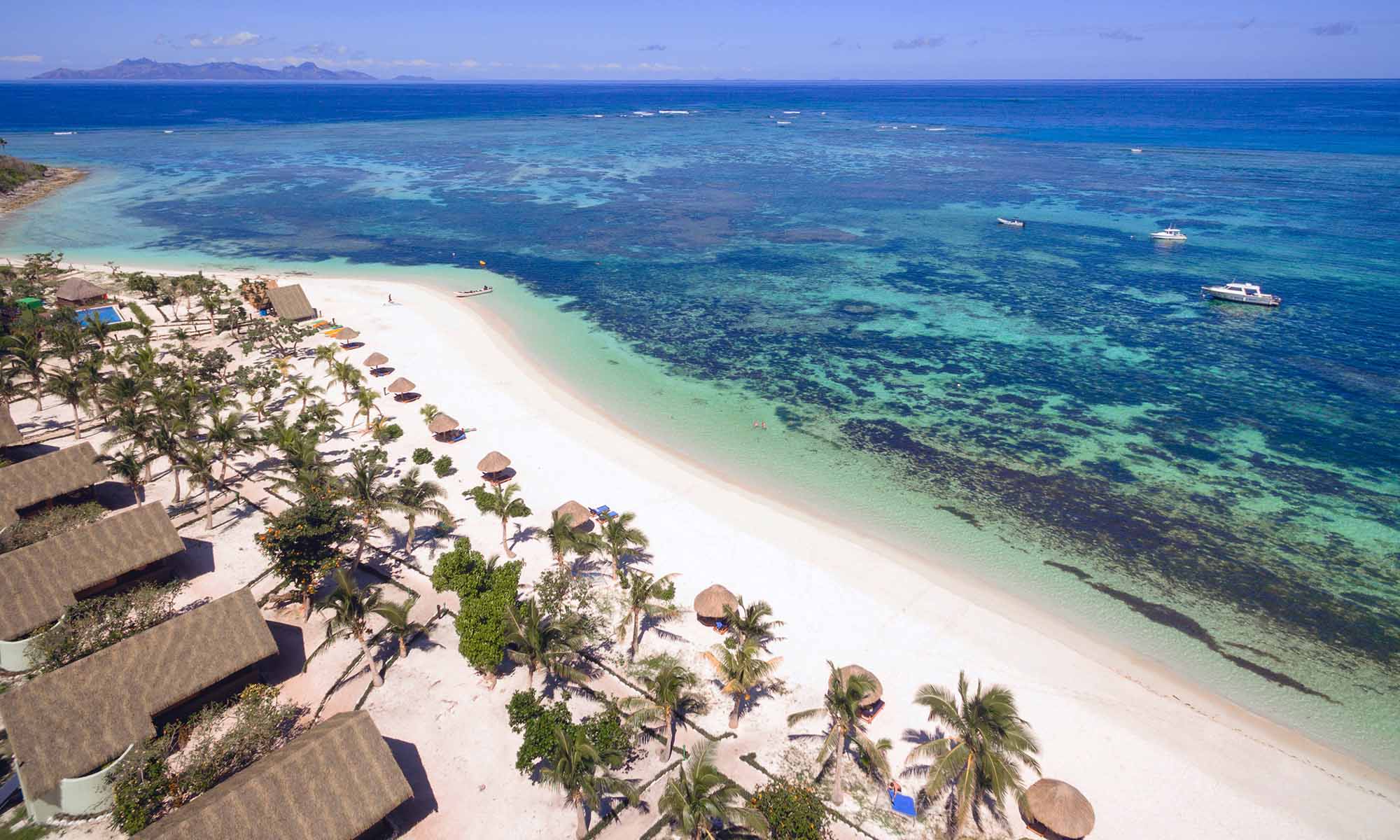
Viwa Island in the Yasawa Group (not the one near Nadi) turned out to be a sweet surprise. It is small, rocky, and green, making it a perfect one-day getaway. I snorkeled around the edges and discovered caves and coral shapes that looked like doors. One of the best finds was a spring-fed rock pool right on the beach. I floated there for an hour, feeling like the Queen of Fiji.
When I came back ashore, the locals welcomed me with gentle smiles. That evening, I joined their kava circle on the beach. Drinking kava for the first time in a firelit beach gathering was an experience I will never forget. It reminded me of a Fijian version of espresso, and yes, I became a fan.
45. Kuata Island Beach
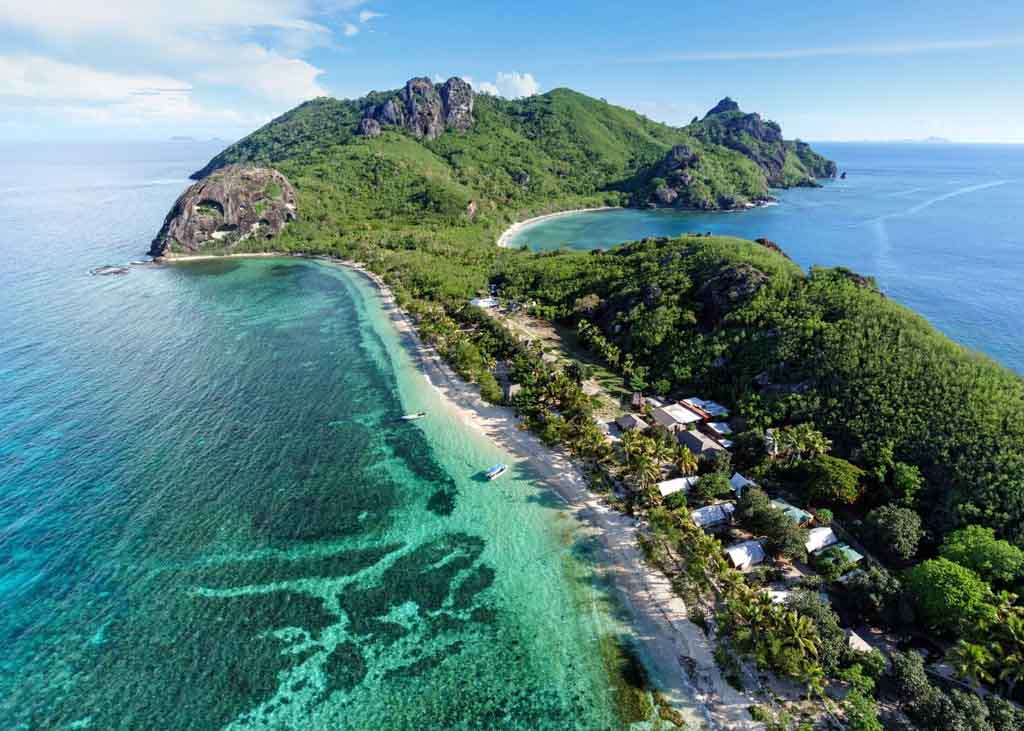
Kuata Island is another gem in the Yasawas and very popular with backpackers. The beaches were soft and white, and I even saw wild peacocks walking around. I asked and learned they had escaped from private stocks. The reef just offshore was full of life. I spotted a giant clam as big as a manhole cover and could have sworn a fish winked at me.
On the island’s west side, there was a viewpoint I climbed up. I almost slid back down just to see the whole bay spread out like a green bowl. At sunset, the resort’s beach bar played live acoustic music. I laid back in a hammock, warmed by the sun, feeling relaxed and thankful. Kuata’s vibe was lively but calm, like sitting around a campfire just as the laughter softens into quiet contentment.
46. Nanuya Balavu Island Beaches
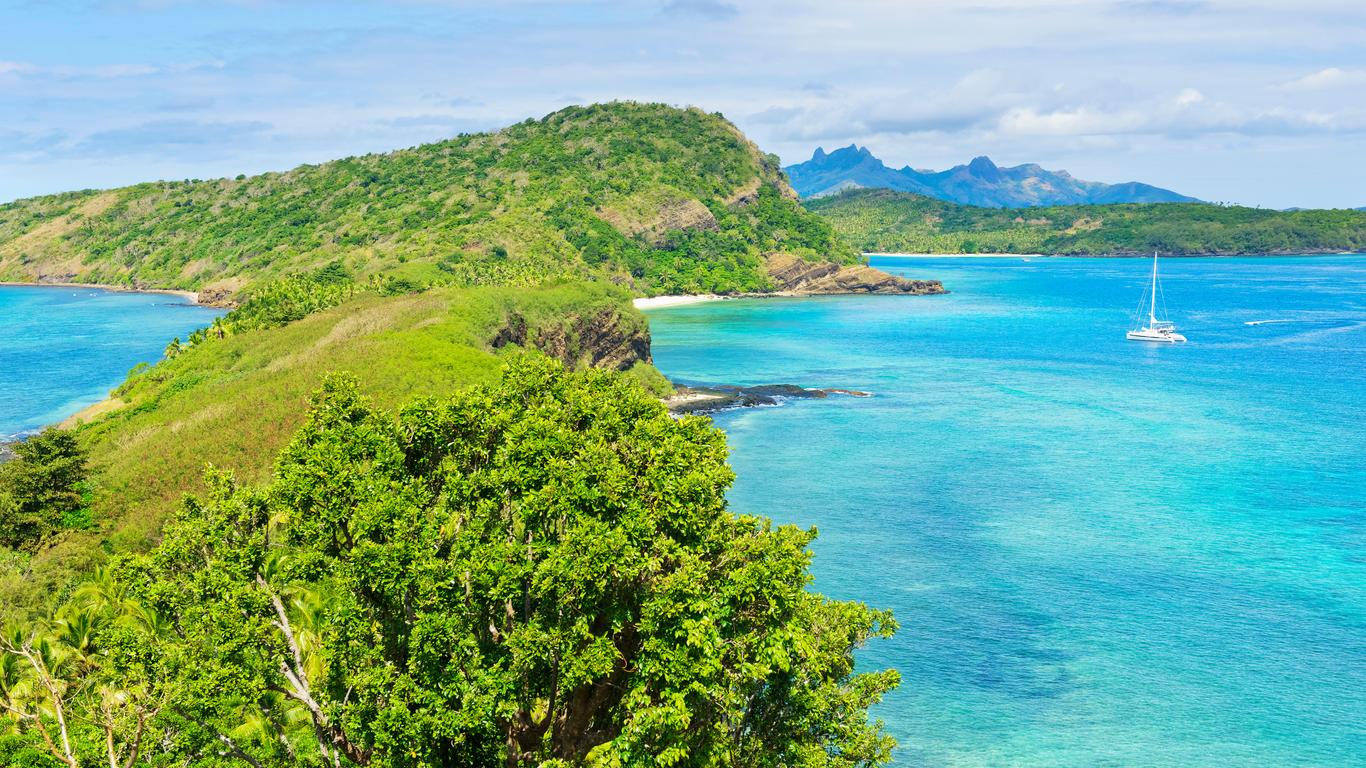
Nanuya Balavu, also called Musket Cove, is home to the Fiji Bula Festival, an annual horse-racing carnival by the sea. If you hear about it, know that horses and bikini horse contests might be involved. Beyond the festival, Musket Cove has the charm of a big village with sailboats resting in the lagoon.
I spent one magical evening dancing at a beach bonfire party. Luau lights twinkled, folk songs played, and everyone clapped along. The next morning, the beaches were calm and empty. I collected driftwood to make a small sculpture of a warrior, inspired by local carvings, and left it by the palms for the tide to find.
47. Sigatoka Sand Dunes Beach
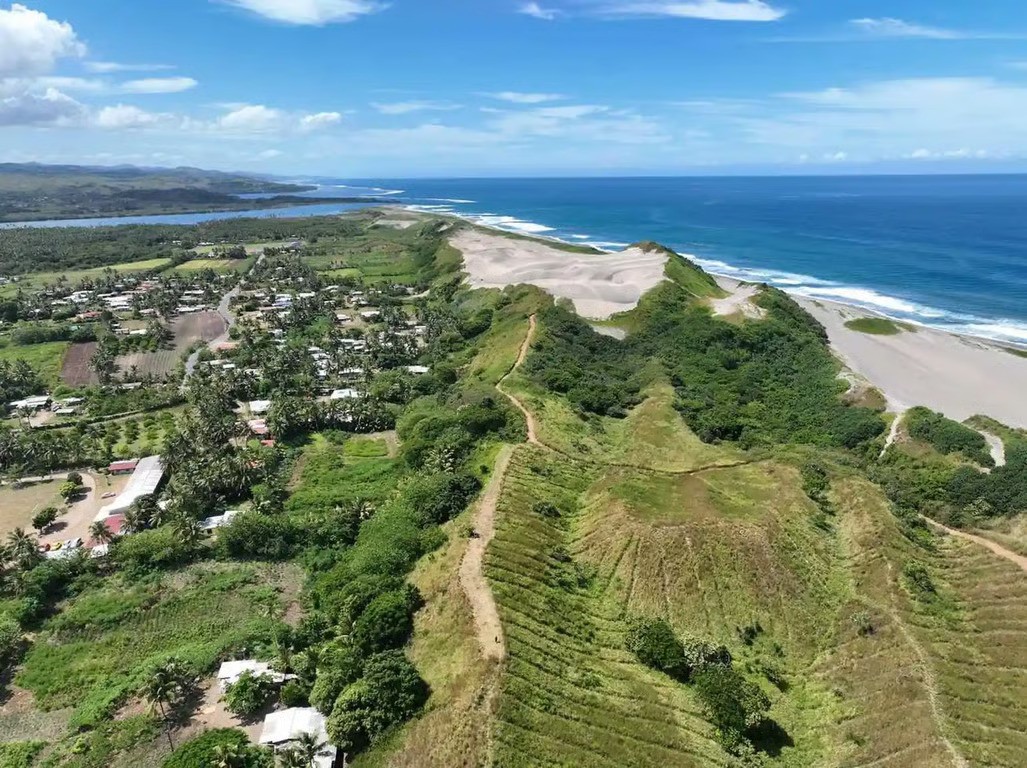
Standing on the Sigatoka Sand Dunes felt like I had accidentally wandered onto the set of a National Geographic special. Instead of the predictable white sand and palm trees, I was greeted by towering dunes that looked like they had been sculpted by an overly ambitious child with a giant sand bucket.
Walking across the rolling slopes, I felt like a desert wanderer who had misplaced their camel. The beach itself is raw and powerful, with waves crashing against the shore as if the ocean was trying to remind me who was boss. Fiji isn’t just about cocktails and hammocks, it’s about landscapes that can stop you mid-step.
48. Cuvu Beach
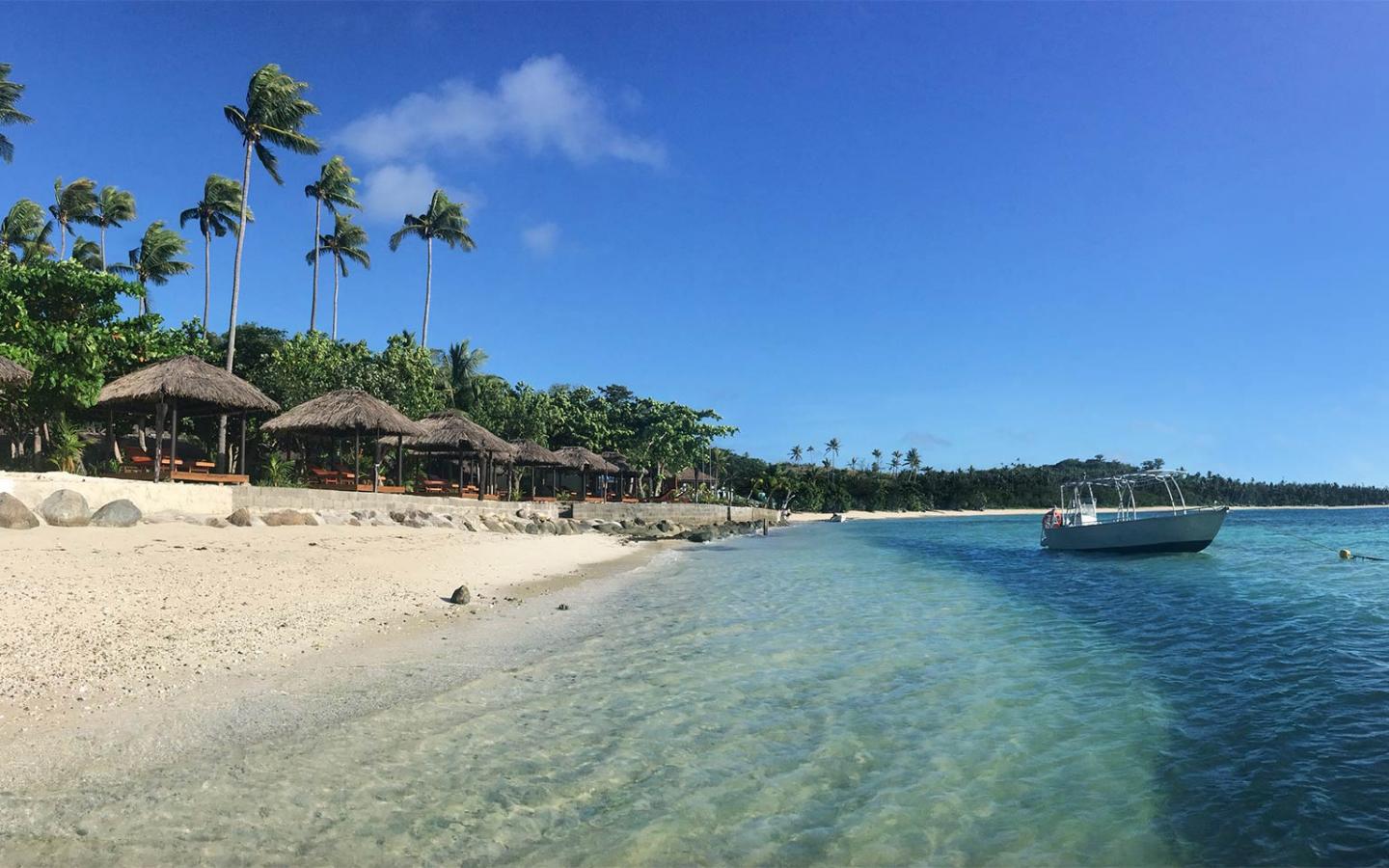
Cuvu Beach was the first place where I actually lost track of time. The sand stretched out like a soft tan carpet, and the tide played peek-a-boo with the shoreline. I sat under a crooked palm tree, toes buried in the sand, and realized I hadn’t looked at my phone for hours.
The locals strolled past with easy smiles, and one family even invited me to share some fresh coconuts. That’s when it hit me: beaches aren’t just about the scenery, they’re about the spirit of the people who live beside them. At Cuvu, I didn’t feel like a tourist, I felt like I’d stumbled into a seaside neighborhood barbecue.
49. Korotogo Beach
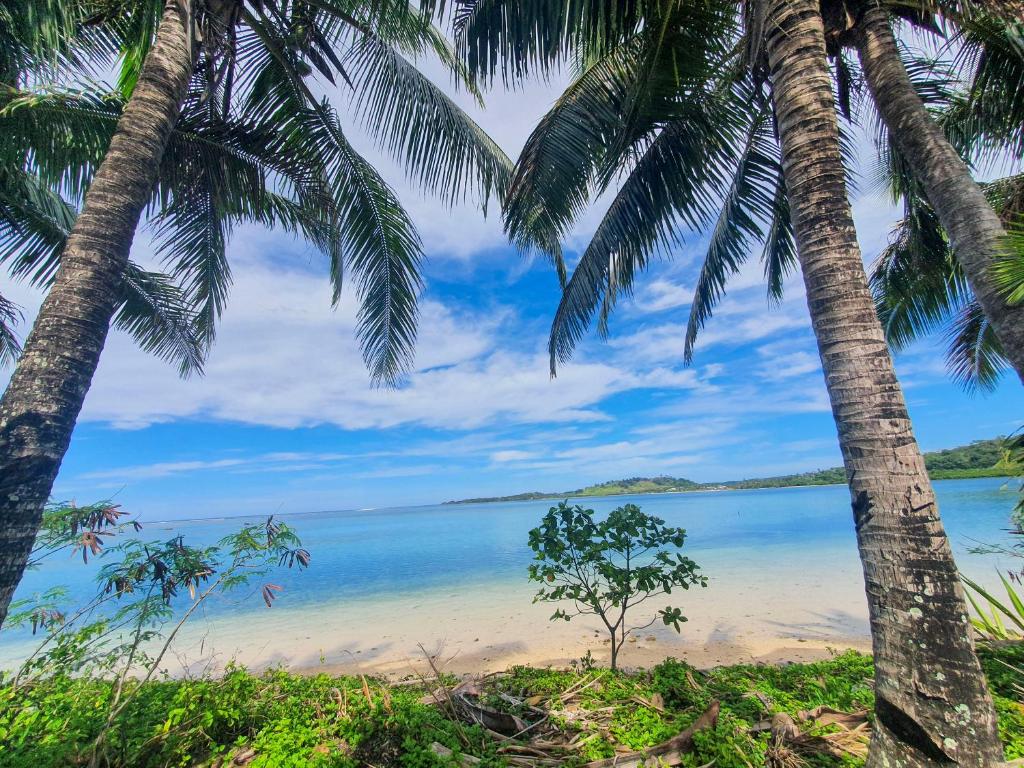
Korotogo Beach is not the picture-perfect postcard kind of place, but that’s what I loved about it. The shoreline is fringed with volcanic rocks, the reef stretches out like a protective moat, and the water glows every shade of blue imaginable.
Snorkeling here was like opening a box of crayons underwater, schools of neon-colored fish darted past as if showing off their best outfits. Afterward, I dried off at a roadside food stall and had the crispiest cassava chips of my life. Korotogo proved something important: beauty isn’t always polished, sometimes it’s rugged, authentic, and comes with snacks.
50. Hideaway Beach
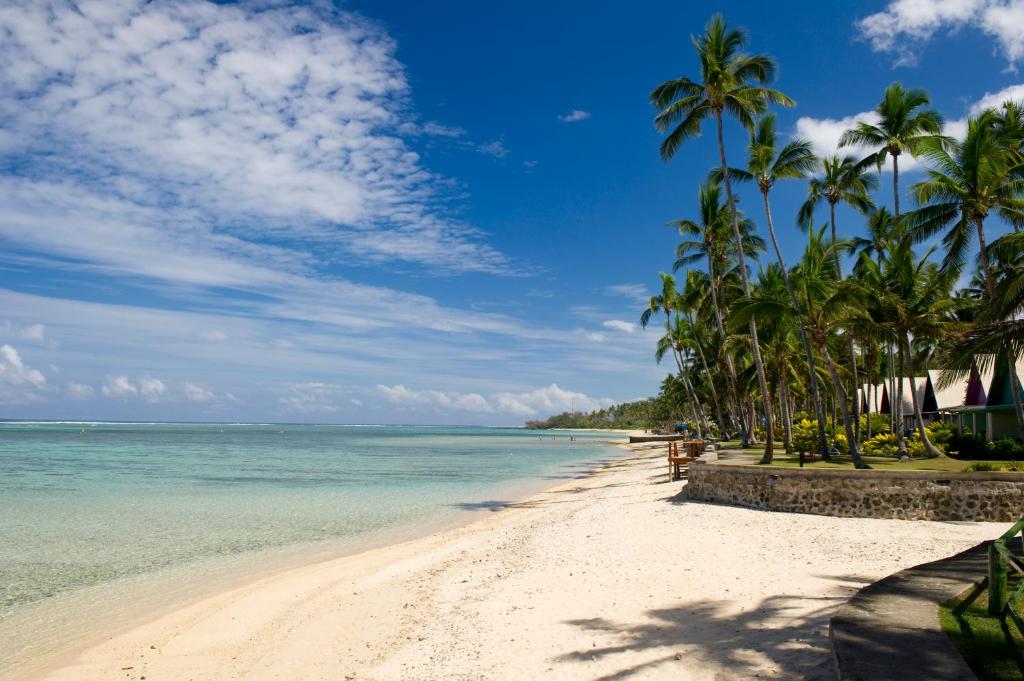
Hideaway Beach lived up to its name because I almost missed the entrance. Once I stepped through, though, it felt like I had discovered a secret stage where the ocean performs just for you. The water was calm, shallow, and so clear I could see my own reflection questioning whether I should really eat that second helping of curry later.
What struck me most was the peace. Families waded in the lagoon, kids giggled in the tide pools, and I floated on my back until the sky and sea blurred together. Hideaway wasn’t flashy, but it was comfortable, like a favorite hoodie you never want to take off.
51. Tambua Sands Beach
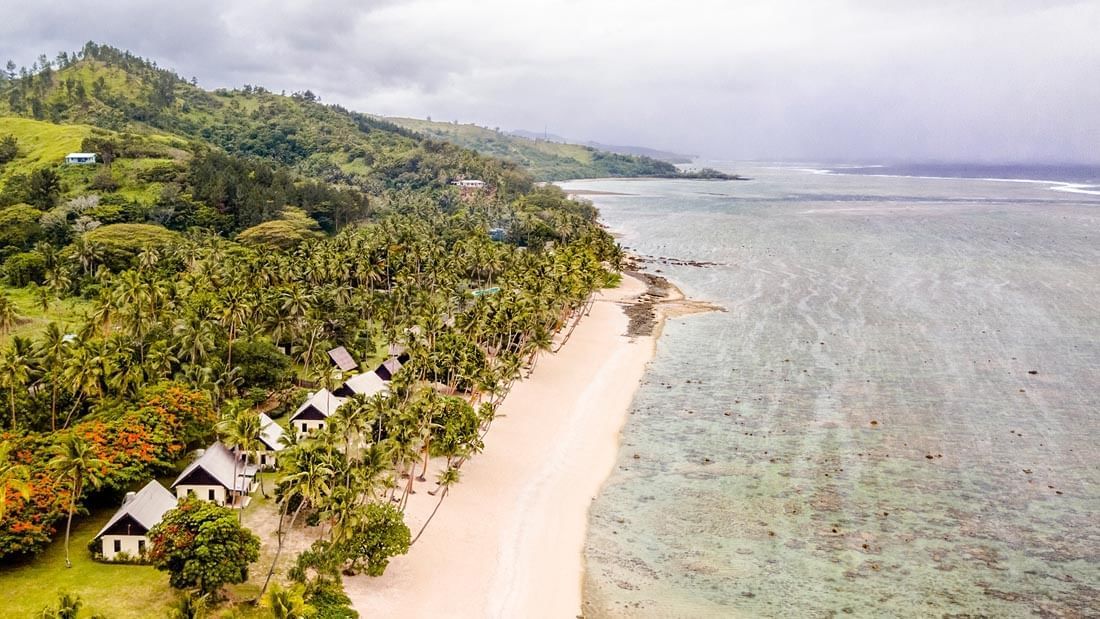
Tambua Sands was the kind of place that made me want to narrate my life in slow motion. Picture this: golden sands stretching endlessly, a gentle breeze threading through the palms, and me walking dramatically as if I were in a shampoo commercial.
The coral reef here is its own masterpiece, protecting the beach and turning the lagoon into a giant natural swimming pool. I snorkeled until my fingers wrinkled, then lounged on the sand with a sense of smug satisfaction. If I had to define "tropical escape" in one location, Tambua Sands would be a strong contender.
52. Nananu-i-Ra Beach
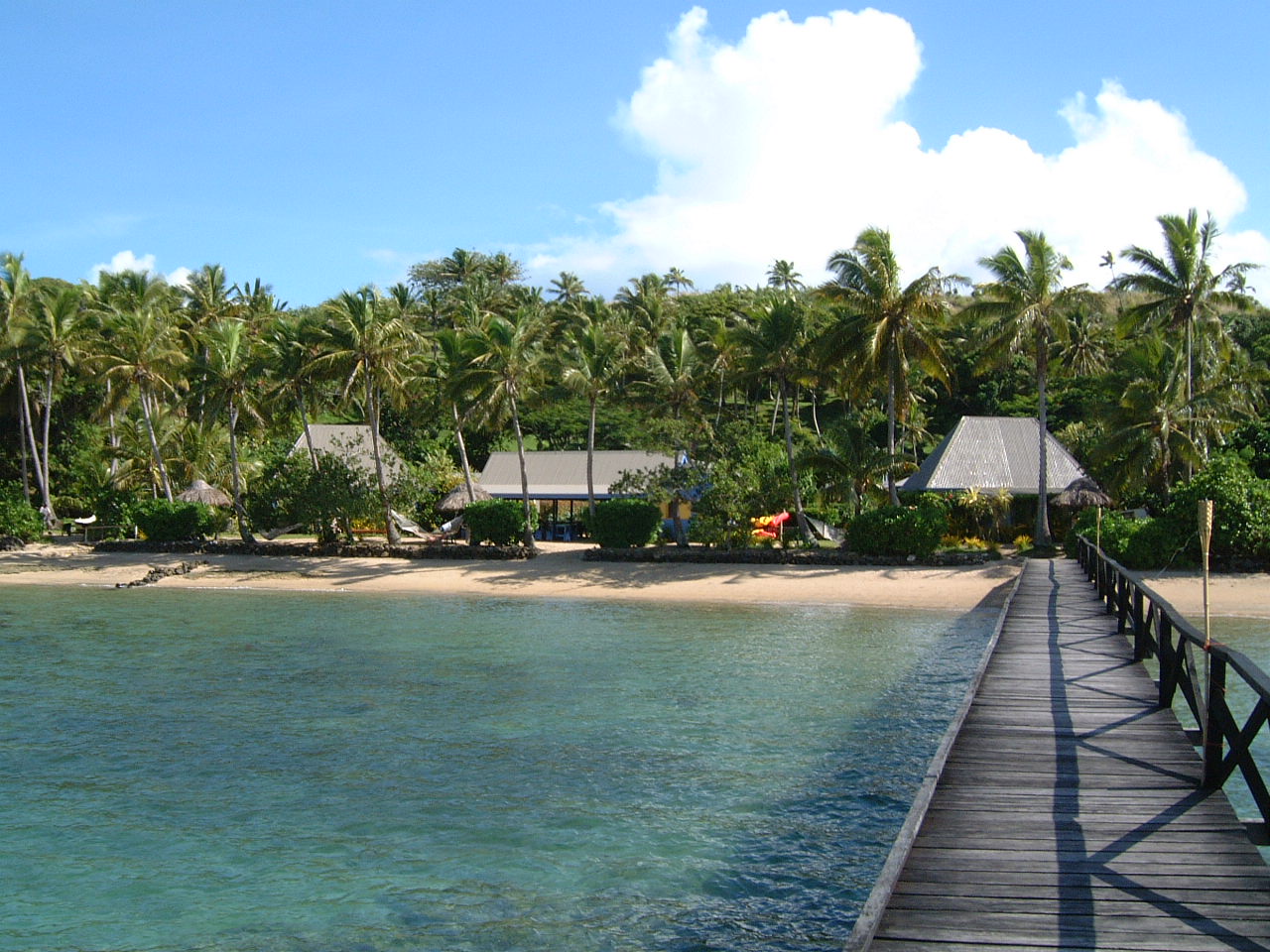
Nananu-i-Ra was pure freedom. Accessible by a short boat ride, the island felt untouched and blissfully simple. I hiked up the hills for panoramic views where the ocean stretched so far I was convinced I could see the curvature of the Earth.
The beaches here are wide, wild, and gloriously quiet. I kitesurfed for the first time and immediately realized it’s equal parts adrenaline and accidental face-planting. But even the wipeouts were worth it as Nananu-i-Ra reminded me that some beaches are for play, not perfection.
53. Horseshoe Bay
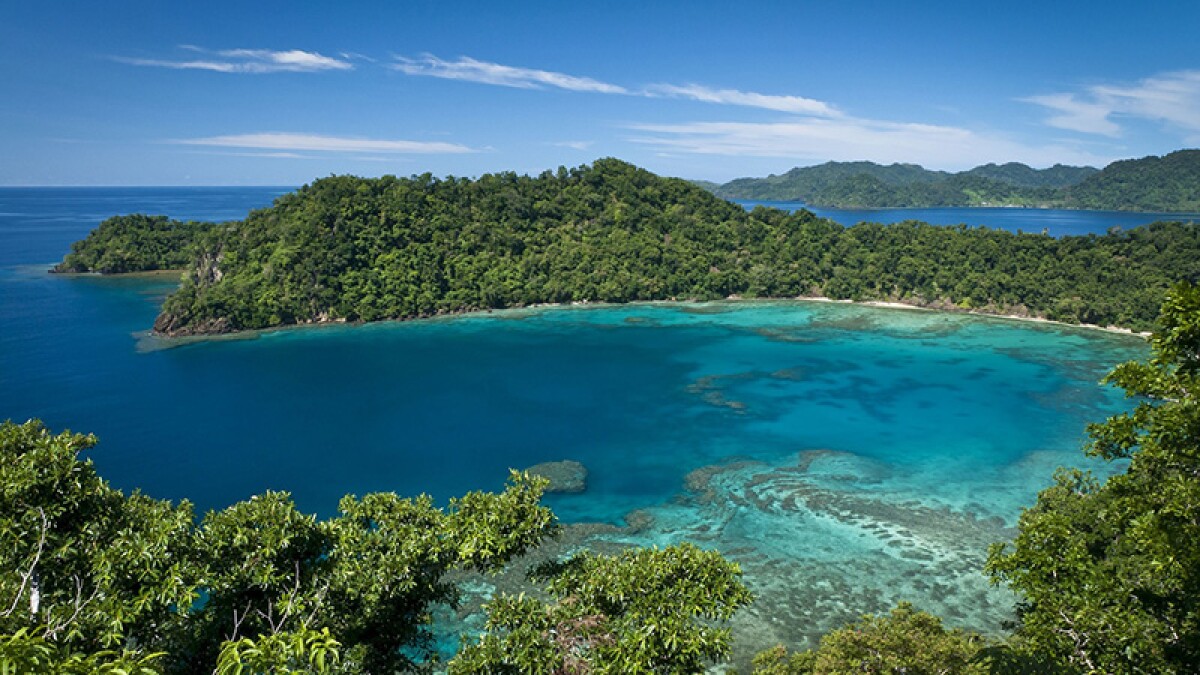
I had never even heard of Horseshoe Bay until another traveler told me I just had to visit Matagi Island. “You’ll see why it’s called Horseshoe Bay,” he said with a grin. Curious, I hopped on a speedboat from Somosomo in Taveuni province.
The moment I arrived on Matagi, I was stunned. The beach really does curve in a perfect horseshoe shape, wrapping around a lagoon that shone bright emerald. On both ends stood rocky cliffs, framing a crescent of soft white sand. There were no resorts here, just one small, very exclusive adults-only hotel tucked at one end. That meant we pretty much had the place to ourselves during midday.
I rented a kayak from the lodge and paddled out, gliding into the wide Pacific Ocean on one side, then circling back into the calm lagoon on the other. The peace and quiet felt unreal. The sand was soft and powdery, the water inside the bay shallow and still, it felt like I had stumbled onto a hidden cove. Since there are no roads, the only way to reach Matagi’s Horseshoe Bay is by boat. That remoteness is exactly what made me fall in love with it.
Best Time To Visit Fiji's Beaches
Fiji’s tropical climate makes its beaches enjoyable all year, but the seasons do bring some changes in weather, water clarity, and activities.
Dry Season (May To October)
The dry season has the most reliable weather, with less humidity, little rain, and steady trade winds. These months are best for clear underwater views and comfortable beach time. The sea stays warm, between 24-26°C (75-79°F), while the cooler air makes it great for active beach days and exploring several beaches on one trip.
Wet Season (November To April)
The wet season is hotter and brings more rain, though showers usually come in short, heavy bursts instead of lasting all day. This season has the warmest water and often the calmest seas. Tropical storms can happen, but major cyclones are rare. The rainfall also makes the landscapes lush and green, creating beautiful scenery for photos and beach walks.
Year-Round Notes
Because Fiji is close to the International Date Line, sunrise and sunset times don’t change much during the year. This makes planning easier and guarantees beautiful mornings and evenings no matter when you visit. The sea always stays warm enough for swimming, so Fiji’s beaches can be enjoyed in every season. The steady climate means you can choose travel dates based on your own preferences rather than worrying about the weather.
Frequently Asked Questions
Is Fiji Cheap Or Expensive?
Fiji is not a cheap destination to travel. In fact, it is surprisingly expensive with lots of prices being similar to those in New Zealand or Australia! However, there are a few tips that I discovered on my recent trip to Fiji that will help you save some money while in Fiji.
What Do Fijians Eat?
Rice, sweet potatoes, taro (a tropical root vegetable), coconuts, cassava (a starchy shrub), breadfruit, and of course, fish, have made up the majority of the Fijian diet for centuries.
Which Part Of Fiji Is The Best To Stay In?
I recommend staying at Coral Coast and Denarau if you are looking for an incredible beachfront resort. Resorts on the Coral Coast and Denarau Island offer fantastic facilities and Kids Clubs to cater for every family holiday.
Are There Clothing Requirements For Fiji's Beaches?
While Fiji maintains a relaxed tropical atmosphere, modest clothing shows respect for local culture, particularly when visiting villages or traveling through communities to reach beaches.
Final Thoughts
My journey across these beaches has shown me why this South Pacific paradise keeps attracting people from all over the world. What makes Fiji’s beaches truly unforgettable isn’t just how beautiful they look. Yes, the soft white sand, clear blue water, and green tropical landscape make them some of the most photogenic coastlines in the world.
But it’s also the kindness of the Fijian people, their genuine hospitality, and the feeling that every beach visit is part of a bigger adventure in paradise. Each of these beaches has something special, and together they prove why Fiji is a place worth visiting again and again.
Jump to
1. Blue Lagoon Beach
2. Nananu Island Lodge Beach
3. Leleuvia Island Beach
4. Nalova Bay Beach
5. Mana Island Beach
6. Dravuni Island Beach
7. Qamea Island Beach
8. Malolo Lailai Beach (Plantation Island Resort)
9. Monuriki Island Beach
10. Likuliku Lagoon Beach
11. Savusavu Beach
12. Matamanoa Island Beach
13. Castaway Island Beach
14. Matagi Island Beach
15. Navini Island Beach
16. Natadola Beach
17. Tokoriki Island Beach
18. Caqalai Island Beach
19. Tavewa Island Beach
20. Bounty Island (Kadavu) Beach
21. Long Beach (Nanuya Levu Island)
22. Yaukuve Levu Island Beach
23. Lomalagi Beach
24. Matei Beach
25. Drawaqa Island Beach (Barefoot Lodge)
26. Vanua Balavu Beaches (Lomaloma And Sawana)
27. Wakaya Island Beaches
28. Naigani Island Beach
29. Wailoaloa Beach
30. Papageno Beach
31. Lavena Beach
32. Ono Island Beaches
33. Naviti Island Beaches
34. Tavarua Island Beaches
35. Robinson Crusoe Island Beach
36. Yaqeta Island (Navutu Stars) Beach
37. Korovatu Beach
38. Treasure Island Beach
39. Wadigi Island Beach
40. Beachcomber Island
41. Matacawalevu Island Beaches
42. Waya Lailai Island Beaches
43. South Sea Island Beach
44. Viwa Island Beach
45. Kuata Island Beach
46. Nanuya Balavu Island Beaches
47. Sigatoka Sand Dunes Beach
48. Cuvu Beach
49. Korotogo Beach
50. Hideaway Beach
51. Tambua Sands Beach
52. Nananu-i-Ra Beach
53. Horseshoe Bay
Best Time To Visit Fiji's Beaches
Frequently Asked Questions
Final Thoughts
Maya Reyes
Author
Maya Reyes’s wanderlust was sparked in the temples of Luang Prabang, where the scent of lemongrass and the chants of monks revealed the transformative power of travel.
Since then, her journey has been defined by cultural immersion and authentic connections. From learning batik in Indonesia to sharing meals with nomadic families in Mongolia, Maya seeks experiences that highlight the human stories behind each destination.
Travel for her is a way to weave her narrative into the world’s cultural tapestry, creating bridges across diverse ways of life. Maya has traveled to 15 countries and shares her insights through writing and storytelling.
Finn Wilde
Reviewer
For Finn Wilde, the wilderness is more than just a destination - it’s a way of life. Over the past decade, he has led multiple expeditions in some of the world’s most remote regions, from the icy fjords of Greenland to the rugged trails of Patagonia.
Finn emphasizes sustainability in all of his adventures, helping participants connect with nature while promoting responsible exploration. His expeditions inspire individuals to explore the great outdoors while fostering a deep respect for the environment.
Latest Articles
Popular Articles