Eco-Tourism In Costa Rica | Wildlife, Parks & Best Activities
Eco-tourism in Costa Rica offers rainforests, volcanoes, and wildlife. Discover the best eco-lodges, farm-to-table tours, and conservation efforts that make your trip a force for good.
Author:Liam JonesReviewer:Maya ReyesSep 12, 20252.1K Shares360.2K Views
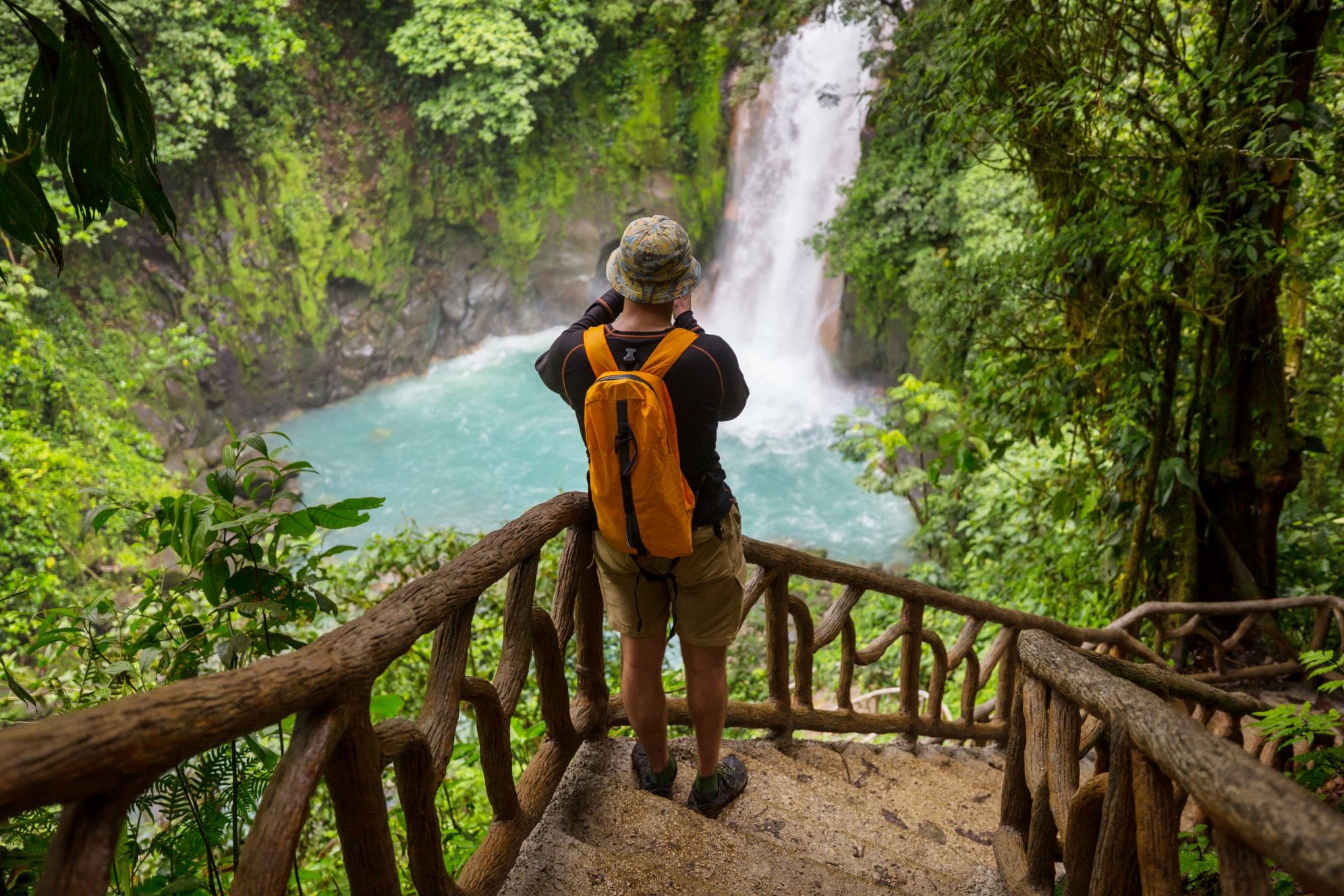
Eco-Tourism In Costa Rica: Where Adventure Meets Conservation
There's a lot of talk about eco-tourism, but in a world full of greenwashing, how can you tell the difference between a truly sustainable trip and one that's just a marketing ploy? For many travelers, the dream of experiencing nature without harming it finds its ultimate expression in Costa Rica.
This isn't just a destination; it's a living laboratory of responsible travel, a place where a deep-seated commitment to conservation is woven into the national identity.
This guide is designed to empower you with the knowledge you need to make your Costa Rica adventure a force for good.
The Foundation Of Ecotourism In Costa Rica
Costa Rica's status as a global leader in ecotourism is the result of decades of pioneering environmental policy. Over 26% of its territory is protected, safeguarding the nation’s extraordinary biodiversity, which accounts for 5% of the world's total species in just 0.03% of the planet's landmass.
A key part of this success is the Payment for Environmental Services (PES) program, known as Pagos por servicios ambientalesor PSA. This revolutionary initiative pays landowners to protect their forests and reforest degraded land, effectively turning conservation into a profitable industry.
The program has been a major factor in reversing deforestation, with forest cover now covering over 50% of the country's land area, up from a low of just over 20% in the 1980s.
This commitment to the environment has paid off economically, making tourism the main economic driver. This success shows that conservation and economic growth can go hand-in-hand.
Explore Also: 20 Amazing Pictures Of Costa Rica’s Natural Wonders
The Best Ecotourism Activities
1. Eco-Lodges

One way to enjoy eco-tourism in Costa Rica is by staying in their eco-lodges. Costa Rica's eco-lodges are more than just places to stay; they are havens of sustainability and immersion in nature. Nestled deep within the rainforests, these eco-lodges offer a unique opportunity to escape the hustle and bustle of modern life and connect with the surrounding environment.
The lodges are carefully designed to harmonize with nature, using eco-friendly construction materials, renewable energy sources, and efficient waste management systems. Guests can indulge in the luxury of comfortable accommodations while knowing that their stay supports conservation efforts and benefits local communities.
Wake up to the soothing sounds of wildlife, take guided hikes through lush trails, and enjoy organic meals sourced from on-site gardens. By choosing to stay at eco-lodges, travelers become stewards of the environment, contributing to the preservation of Costa Rica's precious rainforests.
2. Organic Farms
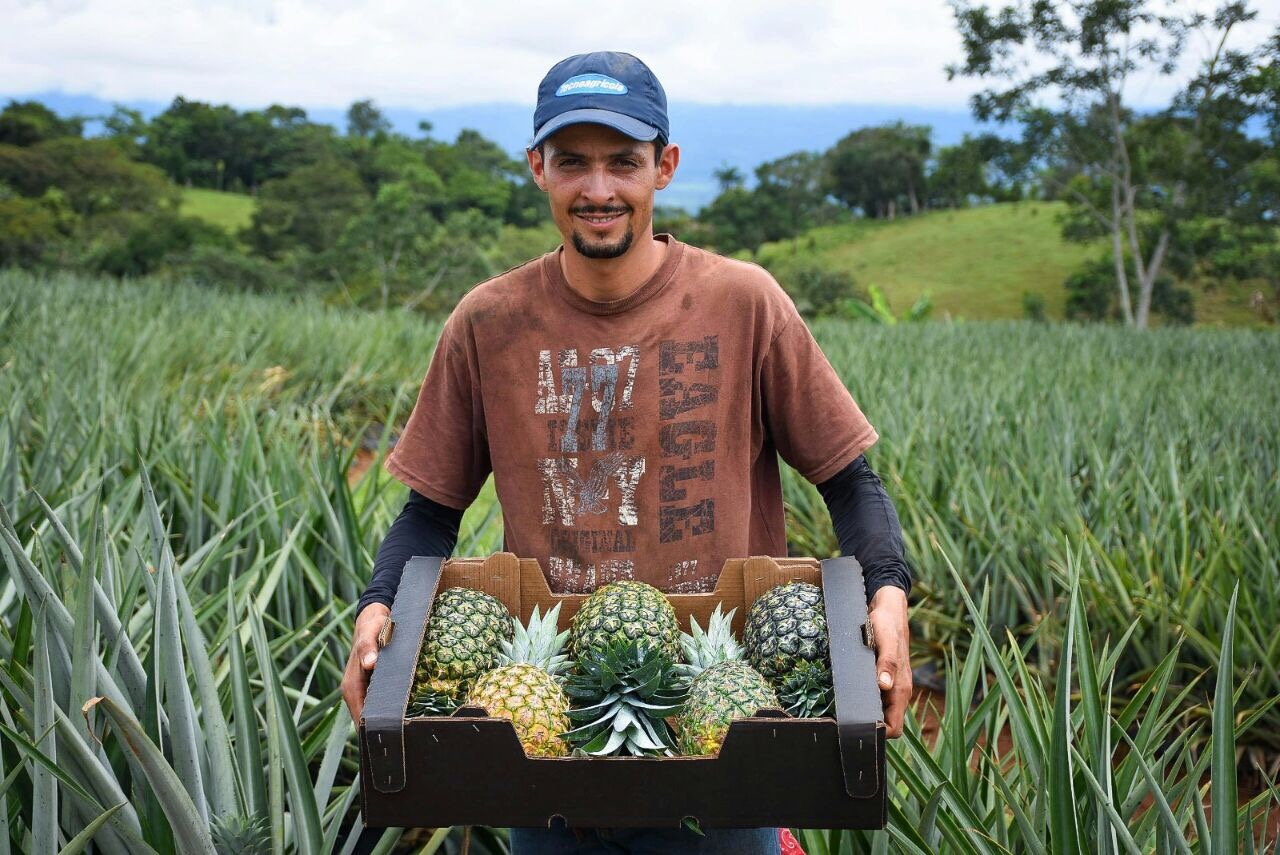
Costa Rica's organic farms offer a mouthwatering farm-to-table experience that goes beyond simply enjoying delicious meals. Travelers can embark on an agricultural journey, learning about sustainable farming practices, and understanding the importance of responsible food production.
Engage in hands-on activities like harvesting organic fruits and vegetables, milking cows, and participating in traditional cooking classes. Embracing the farm-to-table ethos not only supports local farmers but also encourages a deeper appreciation for the origins of the food we consume.
The fresh, organic produce bursting with flavors is a testament to the country's commitment to sustainable agriculture and the joy of savoring meals crafted with love and care.
3. Zip-Lining Adventures

Zip-lining through Costa Rica's lush rainforests is an adrenaline-pumping adventure that allows travelers to feel like soaring birds. The exhilarating experience offers breathtaking views of the canopy and exposes the hidden wonders of the rainforest.
Trained guides lead participants through safe and eco-conscious zip-lining courses, ensuring that the natural environment remains undisturbed. As travelers whiz from one platform to another, they may spot toucans, howler monkeys, and other native wildlife. Zip-lining not only satisfies the thrill-seeker in you but also fosters a sense of wonder and appreciation for the rich biodiversity that Costa Rica is renowned for.
4. Whale Watching
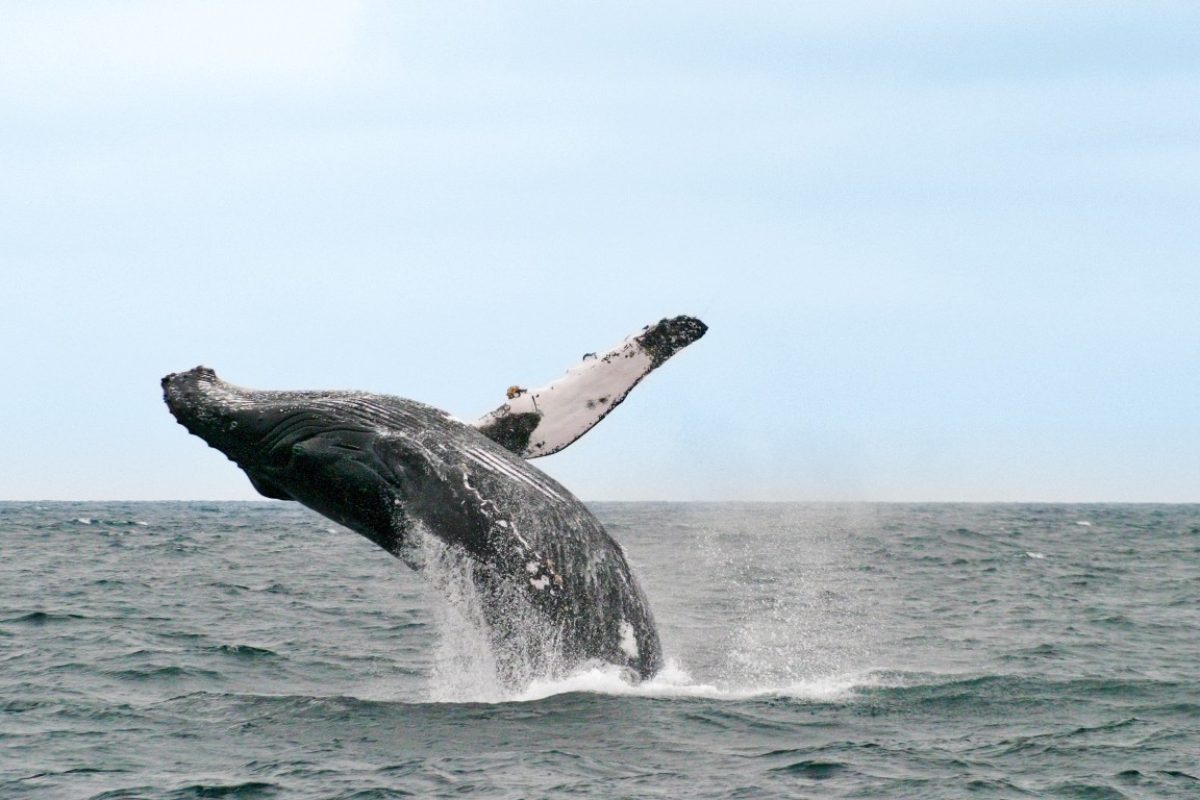
Costa Rica's waters host an enchanting spectacle during specific seasons when humpback whales visit the region. Whale watching tours in places like Uvita provide a once-in-a-lifetime opportunity to observe these majestic ocean giants in their natural habitat.
Respectful and responsible whale-watching practices ensure minimal disturbance to the whales, creating a harmonious encounter between humans and these gentle marine creatures. The experience of witnessing these magnificent creatures breach and tail-slap is awe-inspiring and serves as a poignant reminder of the importance of marine conservation efforts.
By participating in whale-watching tours, travelers contribute to the protection of these endangered species and the preservation of Costa Rica's marine biodiversity.
5. Spot Wildlife At The Park
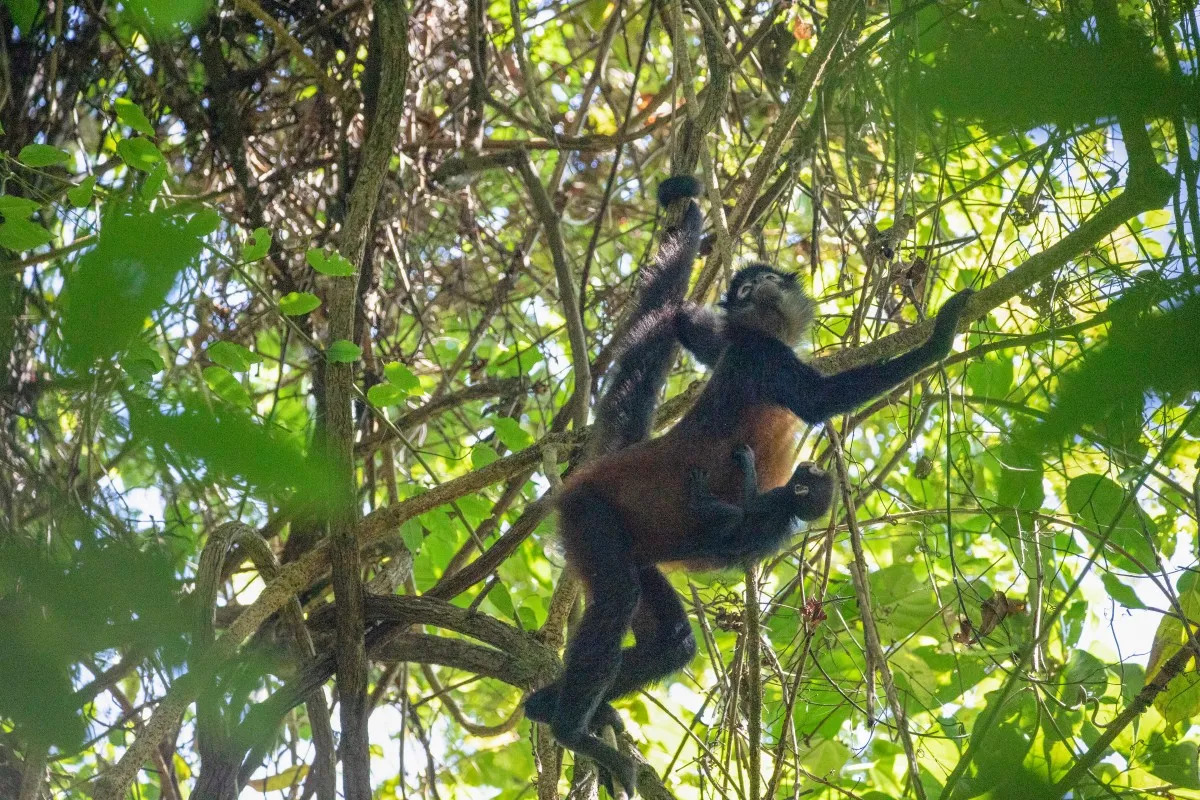
Costa Rica's national parks offer an unparalleled opportunity to immerse oneself in the wonders of the natural world and spot an incredible array of wildlife. Going for a stroll in these protected areas unveils a dazzling variety of creatures, hidden away from the urban landscapes of cities.
Among the most renowned parks is Corcovado National Park, boasting a staggering 13 different ecosystems within its boundaries. Visitors can traverse trails that wind through mangrove swamps, lowland rainforests, highland cloud forests, and sandy beaches, each revealing unique wildlife encounters.
6. Snorkel On An Island

For those with a penchant for marine adventures, Costa Rica's Tortuga Island is a dream destination. A short boat ride away from the Nicoya Peninsula, this pristine island offers a paradise of pristine white-sand beachesand crystalline blue waters. Snorkeling in the inviting waters surrounding the island is a captivating experience that transports you to an underwater wonderland teeming with life.
Dipping below the waves, you'll be greeted by a colorful array of underwater creatures and fauna. Glide alongside graceful manta rays as they elegantly soar through the water, showcasing their awe-inspiring wingspan. Delight in playful dolphins frolicking in the waves, their joyous antics filling the ocean with life and energy.
Octopuses, masters of camouflage, may reveal their mesmerizing patterns and clever disguises, showcasing their remarkable intelligence. And, if you're lucky, you may even encounter the majestic presence of sharks gracefully patrolling their domain. Snorkeling around Tortuga Island provides an intimate connection with the diverse marine life, leaving you in awe of the intricate ecosystems thriving beneath the ocean's surface.
Costa Rica's temperate weather year-round makes Tortuga Island an ideal day trip, offering the opportunity to enjoy snorkeling adventures even during the slower tourist season. Whether you're a seasoned snorkeler or a first-timer, the underwater wonders of Tortuga Island promise an unforgettable experience that will leave you with cherished memories of Costa Rica's marine treasures.
7. Eco-Friendly Spas

Costa Rica's eco-friendly spas offer a rejuvenating escape amidst nature's embrace. Nestled in picturesque settings, these wellness retreats utilize natural resources like hot springs, volcanic mud, and herbal remedies to create healing experiences for body and soul.
Relax in thermal pools fed by geothermal springs while gazing at the surrounding rainforest, and indulge in therapeutic massages using organic oils sourced from local plants. Eco-friendly spas prioritize sustainability in their operations, promoting environmental consciousness and encouraging a deeper connection with nature.
As guests unwind in these serene sanctuaries, they find solace in the knowledge that their wellness journey aligns with the preservation of Costa Rica's pristine landscapes.
8. Costa Rican Cuisine

Costa Rican cuisine is a delightful tapestry of flavors that reflects the country's commitment to sustainability and locally sourced ingredients. Family-owned restaurants serve up authentic dishes, each telling a story of the region's culinary heritage. From the classic casado to the beloved gallo pinto, every meal is a celebration of fresh produce and traditional cooking techniques.
Exploring the local markets, like Mercado Central in San Jose, exposes travelers to a colorful array of fruits, vegetables, and artisanal products. Embracing Costa Rican cuisine not only tantalizes the taste buds but also supports local communities and the sustainable farming practices that keep the land bountiful.
9. Hiking Adventures
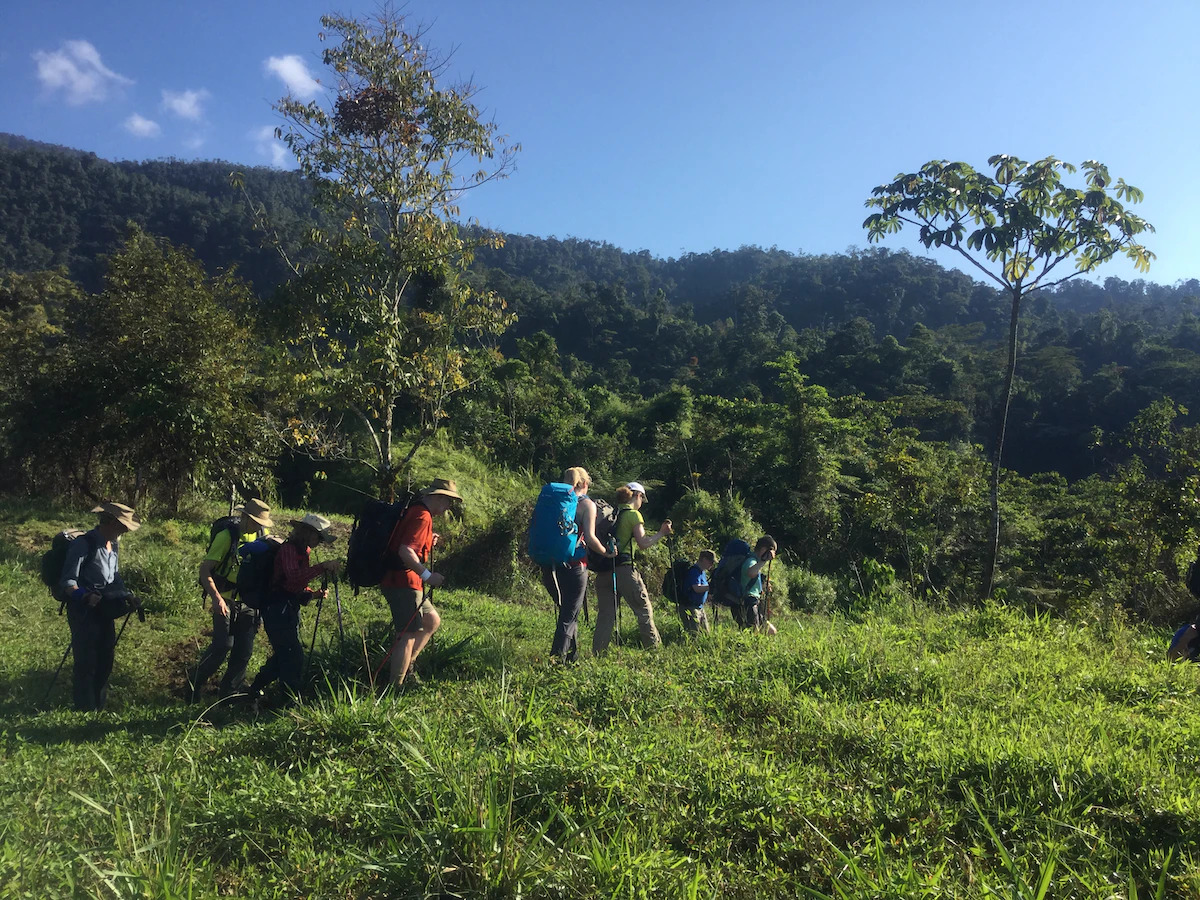
Costa Rica's commitment to conservation is evident in its protected landscapes and national parks, offering a plethora of hiking opportunities for nature enthusiasts. Guided hikes lead travelers through rainforests teeming with wildlife, cloud forests enveloped in mist, and coastal trails overlooking the vast ocean.
As participants meander through diverse ecosystems, they encounter colorful butterflies, exotic birds, and elusive mammals. Each step reveals the intricate web of life and the delicate balance of the natural world. Hiking adventures in Costa Rica foster a deep appreciation for the need to protect and preserve these unique habitats for future generations.
10. Coffee Experiences

For coffee enthusiasts, Costa Rica is a coffee lover's paradise. The country's commitment to producing high-quality Arabica beans is evident in every sip of its rich and flavorful brews. Coffee farm tours take travelers through lush plantations, demonstrating the intricate process of coffee cultivation, harvesting, and roasting.
Guests can even participate in hands-on activities, picking coffee cherries, processing beans, and savoring freshly brewed coffee. These coffee experiences not only offer a deep appreciation for the art of coffee-making but also support sustainable farming practices that prioritize environmental conservation and the fair treatment of coffee farmers.
11. Cacao Tours
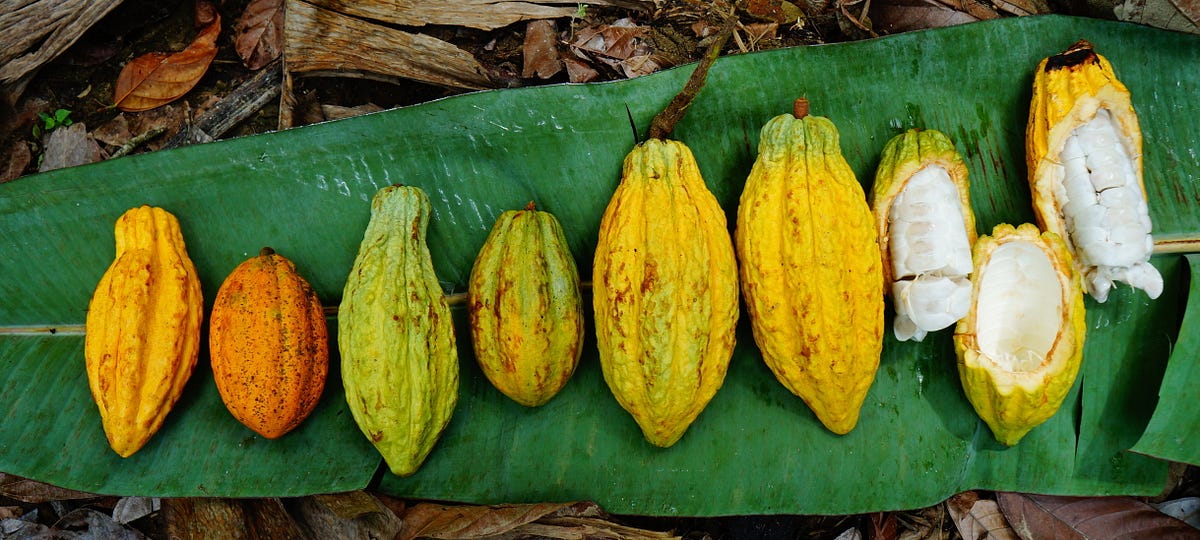
Costa Rica's love for chocolate is just as profound as its passion for coffee. Cacao tours offer a journey into the world of chocolate-making, tracing the history of cacao from ancient times to modern-day delicacies.
Explore cacao plantations, learn about the traditional methods of chocolate production, and indulge in delectable chocolate tastings. Caribbeans Coffee and Chocolate, a family-owned business, serves as an exemplar of eco-tourism, promoting sustainable practices and supporting local indigenous communities.
These tours not only satisfy the sweet tooth but also allow travelers to be part of the cacao production process, ensuring the continued existence of this beloved treat in a socially and environmentally responsible manner.
Top Destinations For Ecotourism In Costa Rica
1. Corcovado National Park

The Osa Peninsula & Corcovado National Park; Costa Rica
Corcovado, on the Osa Peninsula, is often described as the most biologically intense place on Earth. The park protects primary rainforest, mangroves, and wild beaches, making it a haven for wildlife lovers.
Visitors might encounter scarlet macaws, tapirs, and even jaguars if lucky. Overnight treks to the remote Sirena Ranger Stationallow for extended exploration, where it’s common to spot animals right outside your cabin.
- Tip:Strict entry limits and mandatory guides protect the fragile ecosystem.
- Best Time to Visit:December-April, when trails are drier and rivers easier to cross.
2. Monteverde Cloud Forest Biological Reserve

Monteverde Cloud Forestis a mystical landscape where dense forest is often veiled in mist. With over 2,500 plant species and 400 bird species, including the resplendent quetzal, it’s a paradise for naturalists.
The local community has long championed conservation, creating eco-lodges and trail systems that keep tourism sustainable. Walking along hanging bridges or taking a guided night hike reveals a world that feels almost otherworldly.
- Tip:Pack layers and rain gear-the cloud forest is cooler and wetter than the lowlands.
- Best Time to Visit:December-May, the drier months with clearer skies for birdwatching.
3. Arenal Volcano National Park
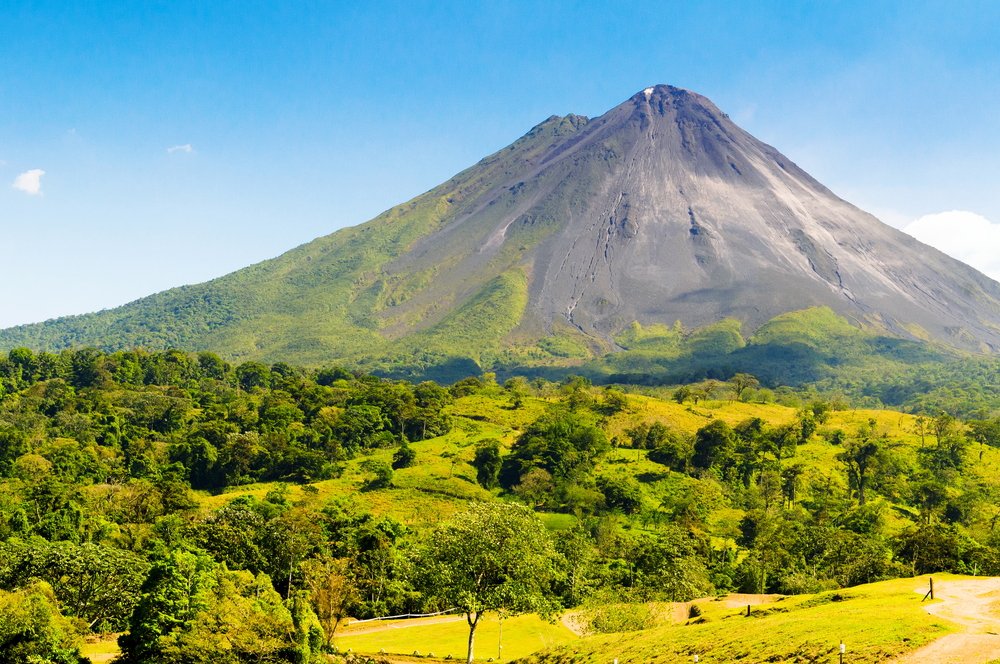
The dramatic Arenal Volcano dominates the skyline, but the park is much more than its iconic peak. Trails weave through lava fields and forests where toucans and coatis roam.
After exploring, travelers often soak in geothermal hot springs or head to Lake Arenal for kayaking and fishing. The nearby town of La Fortuna offers eco-certified hotels and serves as a hub for adventure activities like zip-lining and canyoning.
- Tip:Head out at sunrise for your best chance to see Arenal’s summit free from clouds.
- Best Time to Visit:February-April, when skies are clearest and conditions ideal for outdoor adventure.
4. Manuel Antonio National Park
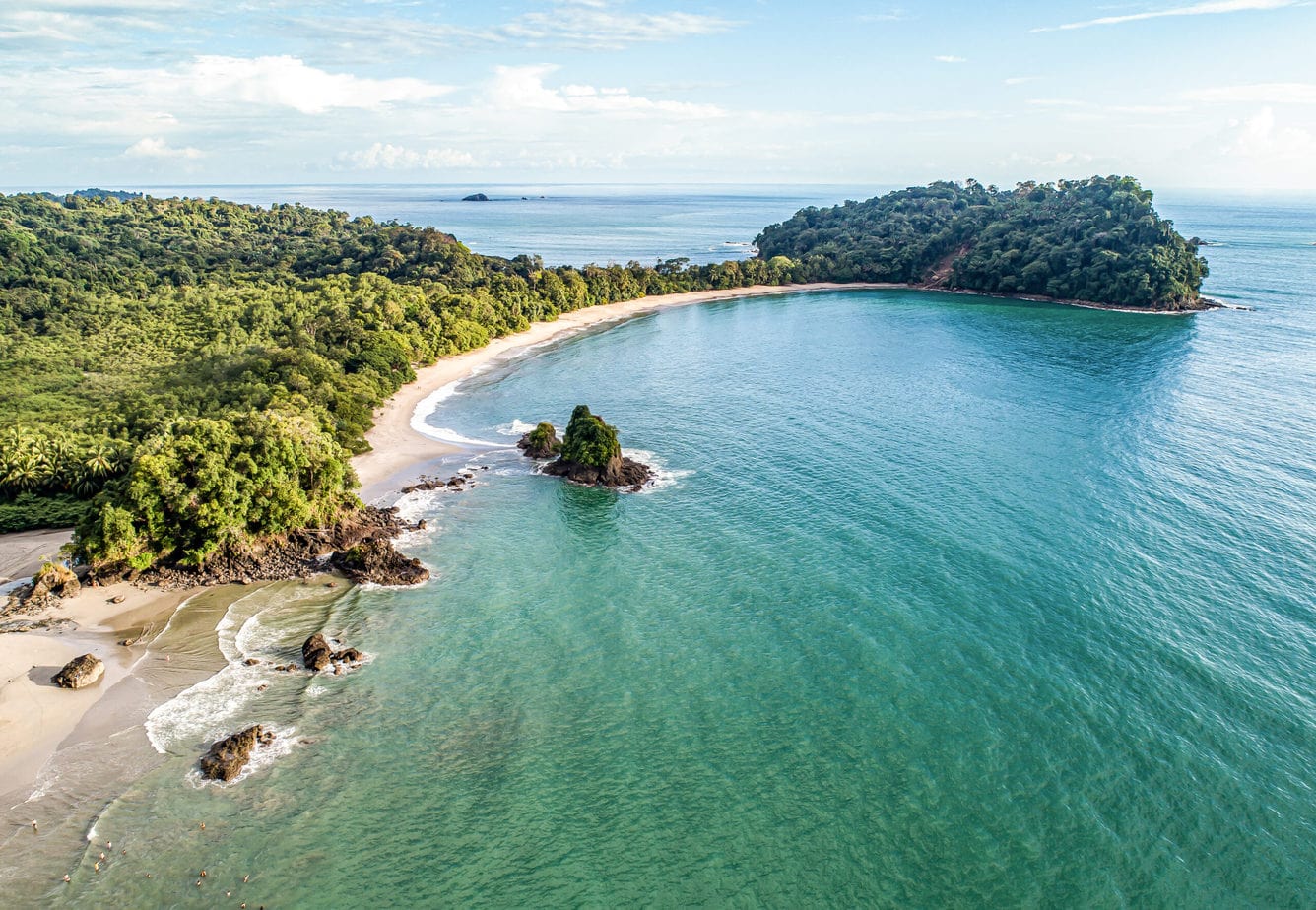
Manuel Antoniois Costa Rica’s most accessible park, where lush forest trails end in stunning white-sand beaches. It’s one of the best places to spot sloths, squirrel monkeys, and iguanas, while the calm waters invite snorkeling among colorful reef fish.
Families especially appreciate its shorter, well-marked trails, and the combination of jungle and ocean makes it a rare and unforgettable experience.
- Tip:Arrive early to avoid crowds and spot more wildlife along the trails.
- Best Time to Visit:December-April, the dry season, when beach days and hiking combine perfectly.
5. Tortuguero National Park

Remote and wild, Tortuguero is often called the Amazon of Costa Rica. Accessible only by boat or plane, it is famous for sea turtle nesting-green turtles arrive between July and October, while leatherbacks come in spring.
Beyond turtles, the park’s maze of canals offers quiet safaris where caimans, monkeys, and dozens of bird species thrive. Drifting along these waterways is one of the most intimate ways to connect with Costa Rica’s wildlife.
- Tip:Join a certified night tour for a chance to witness turtle nesting responsibly.
- Best Time to Visit:July-October for turtle nesting, or December–March for birdwatching.
6. Caño Negro Wildlife Refuge

WILDLIFE BOAT TRIP CAÑO NEGRO CANOA AVENTURA - COSTA RICA
Near the Nicaraguan border, Caño Negro is a Ramsar-designated wetland that transforms into a seasonal lake teeming with migratory birds. Birders flock here to see jabiru storks, spoonbills, herons, and countless ducks.
A boat ride along the Frío River also reveals freshwater turtles, caimans, and howler monkeys. Its remote setting makes it less visited than other destinations, offering a peaceful alternative for those seeking an authentic eco-experience.
- Tip:A guided river tour is the best way to explore and maximize wildlife sightings.
- Best Time to Visit:December-April, when receding water levels attract large flocks of birds.
How To Be A Responsible Ecotourist
A truly sustainable trip requires conscious choices.
Avoiding Greenwashing
To ensure your money supports genuine conservation, look for the Certification for Sustainable Tourism (CST) logo. This rigorous, government-backed rating system evaluates tourism businesses on their environmental, social, and economic impact. A CST rating of 4 or 5 signifies a high level of commitment to sustainability.
Getting Involved
For those who want a more hands-on experience, Costa Rica offers many volunteer opportunities. You can work with wildlife rehabilitation centers, participate in sea turtle conservation projects, or volunteer on organic farms. Programs like Raíces, an incubator for indigenous-led tourism enterprises, offer a direct way to support community development and cultural preservation.
The Reality Of Ecotourism: Challenges And A Conscious Path Forward
While Costa Rica is a pioneer, it's not immune to global and domestic challenges. Acknowledging these issues demonstrates transparency and helps you travel more responsibly.
A Recent Downturn
After a post-pandemic tourism boom, Costa Rica experienced a worrying decline in air arrivals from September 2024 to early 2025. This trend was fueled by several factors, including a strong currency, reduced flight availability from key markets like the U.S. and Canada, and increasing cost of services.
In the first quarter of 2025, tourist arrivals fell by 4.7% and tourism revenue dipped by $60 million compared to the same period in 2024. This has put immense pressure on local businesses.
The Transportation Paradox
Though the country generates nearly 99% of its electricity from renewable sources, its transportation sector remains heavily dependent on fossil fuels. Vehicles consume 70% of the petroleum used in the country, which is the largest source of its carbon emissions. The government is actively promoting electric vehicle adoption to address this paradox.
Rising Security Concerns
A recent increase in crime, including a record number of homicides in 2024, has led to travel advisories from foreign governments. While the government has responded with a new $10 million global marketing campaign and an increased police presence, travelers are encouraged to stay aware of their surroundings, especially at night.
FAQs About Ecotourism In Costa Rica
What Is Ecotourism In Costa Rica?
Ecotourism in Costa Rica is responsible travel to its natural areas that not only conserves the environment but also supports the well-being of local communities. It's an immersive experience focused on education and low-impact activities like hiking, bird watching, and wildlife observation.
How Successful Is Ecotourism In Costa Rica?
Ecotourism has been highly successful in Costa Rica. In 2024, tourism revenue exceeded $5 billion, accounting for a significant portion of the country's GDP and directly contributing to a higher standard of living and a substantial number of jobs. This economic success has proven that conservation and growth can go hand-in-hand.
What Is Costa Rica Ranked In Ecotourism?
While there is no single, official ranking, Costa Rica is universally recognized as a pioneer and global leader in ecotourism. Its unique government-backed conservation programs and vast protected areas have made it a model for other countries to follow.
How Is Tourism Affecting The Environment In Costa Rica?
Tourism has largely had a positive impact on Costa Rica's environment by providing a powerful economic incentive for conservation. The revenue generated directly funds the protection of national parks and reserves. However, the rise of mass tourism also brings challenges like increased waste production and infrastructure strain, which the country is actively working to address.
What Are The Five Places In Costa Rica An Ecotourist Might Want To Visit?
Top destinations include the Osa Peninsula, Monteverde Cloud Forest, Tortuguero National Park, Caño Negro Wildlife Refuge, and Manuel Antonio National Park, each offering unique landscapes and responsible activities.
Can I Volunteer In An Eco-project In Costa Rica?
Absolutely. There are numerous opportunities to get involved, from working at a wildlife rescue center or a sea turtle conservation project to helping on a permaculture farm. Platforms like Worldpackers connect travelers with local projects that are looking for volunteers.
Conclusion
Costa Rica is more than a vacation spot; it's a living model of how tourism can be a force for good. By making conscious choices, you're not just a tourist-you're an active participant in the country's ongoing conservation success story.
You'll leave with incredible memories and the knowledge that your journey contributed to the preservation of a national treasure, truly living the "Pura Vida" lifestyle.
Also Check Out: Why San José, Costa Rica Should Be On Your Travel Radar
Jump to
Eco-Tourism In Costa Rica: Where Adventure Meets Conservation
The Foundation Of Ecotourism In Costa Rica
The Best Ecotourism Activities
Top Destinations For Ecotourism In Costa Rica
How To Be A Responsible Ecotourist
The Reality Of Ecotourism: Challenges And A Conscious Path Forward
FAQs About Ecotourism In Costa Rica
Conclusion

Liam Jones
Author
Liam Jones has made it his mission to prove that adventure doesn’t need a hefty budget. Having traveled to over 40 countries, he specializes in finding affordable ways to experience the world, from the best street food in Bangkok to hidden gems in Lisbon.
Liam’s travel tips have reached thousands of readers, empowering them to see the world on a shoestring budget without sacrificing quality. With a deep passion for local cultures, he continues to share his travel hacks, ensuring adventure remains accessible to all.

Maya Reyes
Reviewer
Maya Reyes’s wanderlust was sparked in the temples of Luang Prabang, where the scent of lemongrass and the chants of monks revealed the transformative power of travel.
Since then, her journey has been defined by cultural immersion and authentic connections. From learning batik in Indonesia to sharing meals with nomadic families in Mongolia, Maya seeks experiences that highlight the human stories behind each destination.
Travel for her is a way to weave her narrative into the world’s cultural tapestry, creating bridges across diverse ways of life. Maya has traveled to 15 countries and shares her insights through writing and storytelling.
Latest Articles
Popular Articles