Best Time To Travel To Thailand - Your Ultimate Seasonal Guide
Thailand, known for its rich traditions, beautiful scenery and lively cities, is a top pick for travelers. To enjoy your trip to the fullest, think about the best time to visit to know when works for you.
Author:Michael RachalReviewer:Finn WildeJun 17, 202520.8K Shares1.2M Views
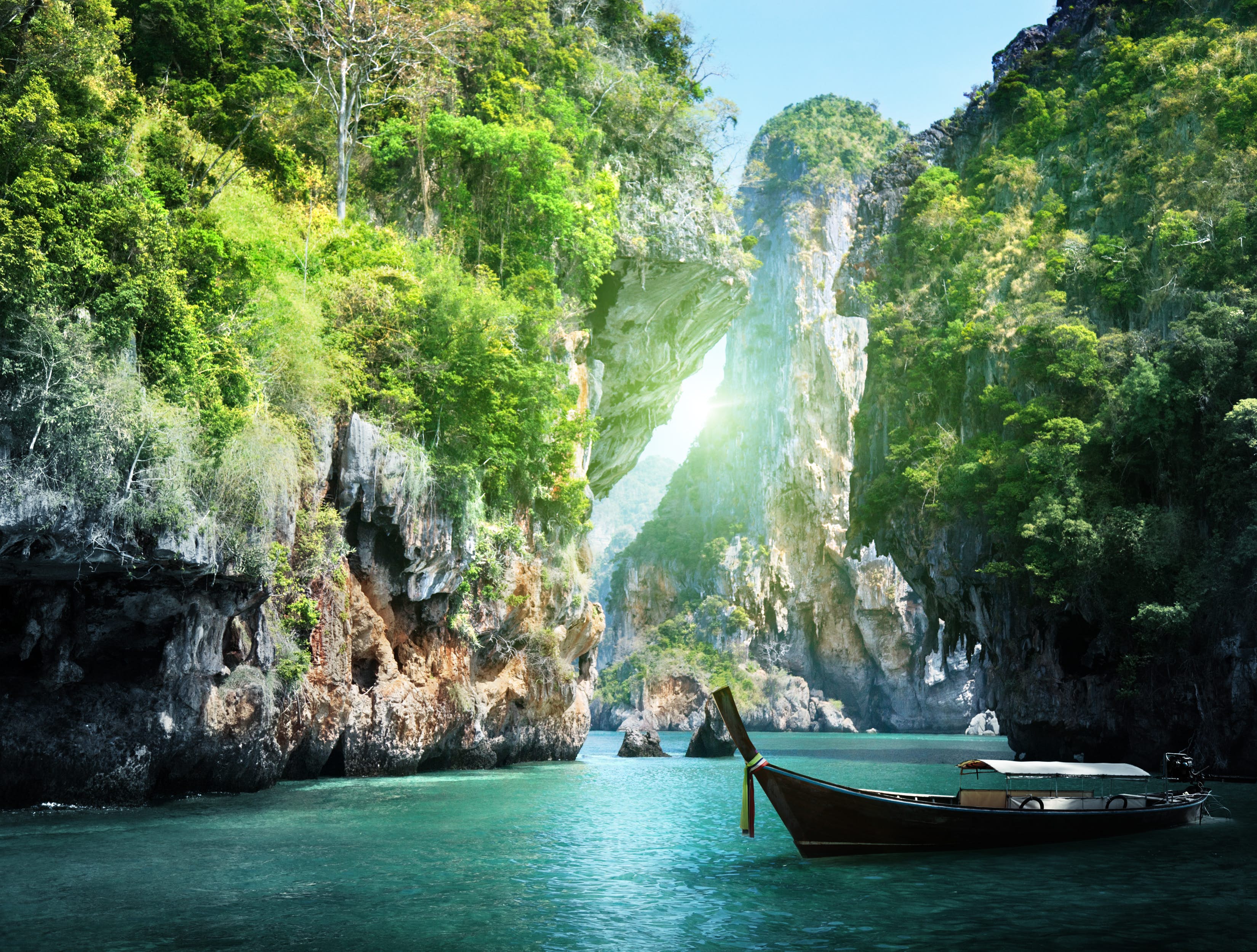
Thailand is a country packed with rich culture, stunning landscapes, and friendly people, making it a fantastic destination any time of the year. If you love touring and going on adventures there’s something here for every traveler.
The best time to visit depends on what you want. Your travelstyle, budget, and what you want to do will decide the ideal time for your trip. Use this information to pick the perfect season for your Thai adventure.
Thailand’s Weather Seasons Explained
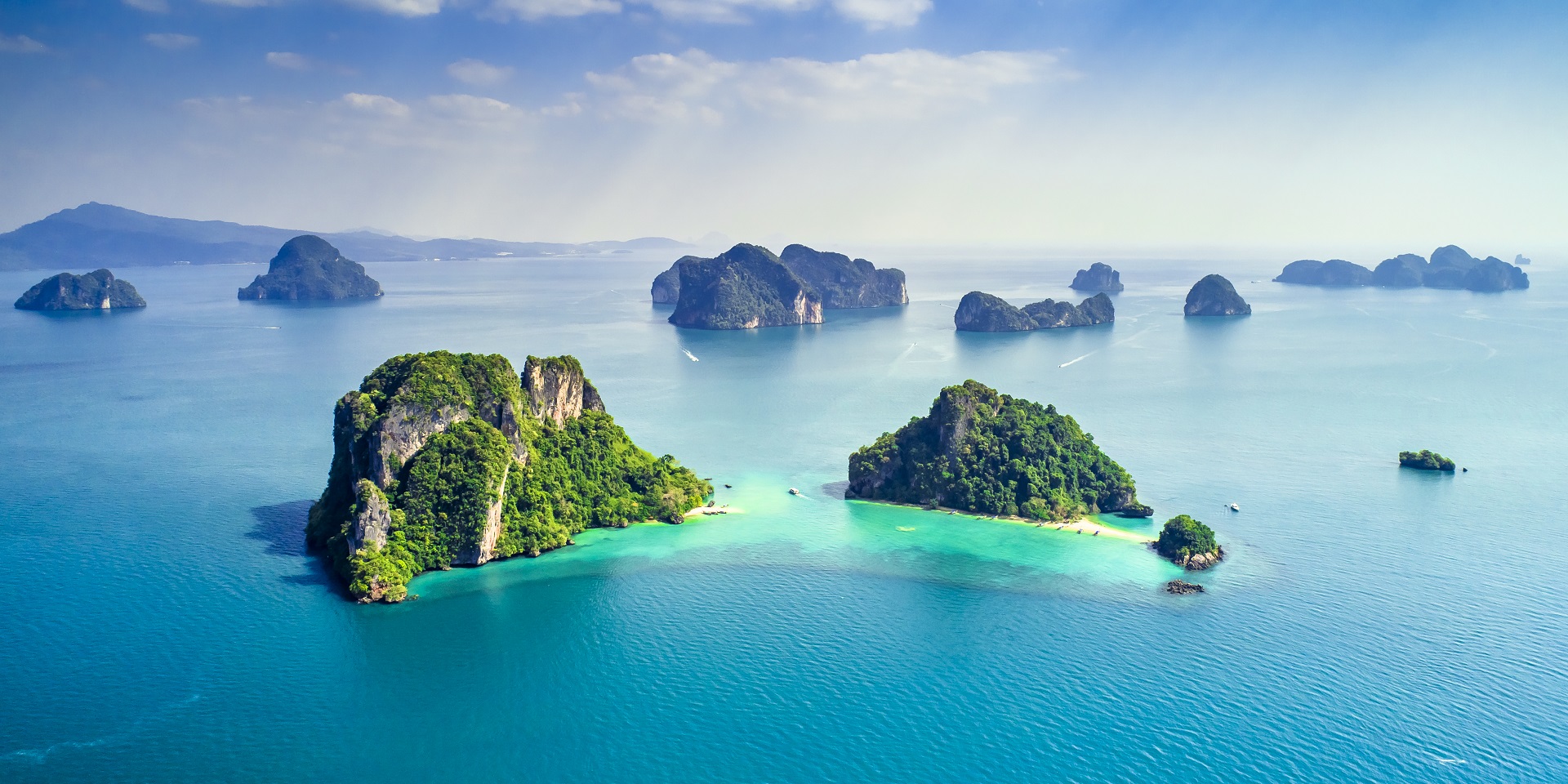
Thailand’s weather is warm year-round but divided into three main seasons: cool, hot, and rainy. Knowing these helps you plan your trip based on what you want to do. The north and central regions have dry and wet seasons, while the south and east coast see more consistent monsoon rains.
Cool And Dry Season (November–February)
This is Thailand’s most popular time to visit. Temperatures are mild, usually between 20°C and 30°C, with low humidity and sunny skies. It’s perfect for exploring cities, hiking in places like Chiang Mai, or relaxing on islands such as Phuket or Koh Samui.
However, this comfort comes with crowds and higher prices. Hotels, flights and tours often cost 20–40% more, and popular spots like Bangkok’s temples or night markets get busy. Booking early is key to securing spots and better deals.
If avoiding crowds is a priority, this season might not be ideal. Popular attractions can feel overcrowded, making it harder to connect with local culture or enjoy quiet moments. For some, traveling in shoulder seasons (like October or April) might offer a balance of good weather and fewer tourists.
Hot Season (March–May)
Temperatures soar during these months, often hitting 35°C or higher, especially in cities. Humidity rises, making the heat feel intense. This season is less popular for travel, though beach lovers might still visit coastal areas where ocean breezes offer relief.
Rainy Season (June–October)
Just as avoiding tourist traps in London like a localmeans knowing the right spots and timing, planning your trip to Thailand during the monsoon season can help you enjoy lush green landscapes and fewer crowds. While short showers are common, they’re often followed by sunshine, creating ideal conditions for exploring without the hustle. The west coast (Phuket) and east coast (Koh Samui) have different rainfall patterns, so researching regional weather trends is key to dodging both rain and overcrowded areas.
Choosing Your Time To Visit
Thailand’s diverse climate means timing depends on your plans. If you want festivals, aim for the cool season (e.g., Loy Krathong in November). For budget travel or quieter beaches, consider the rainy season. Always check regional weather patterns to match your itinerary.
Thailand's Hot Season
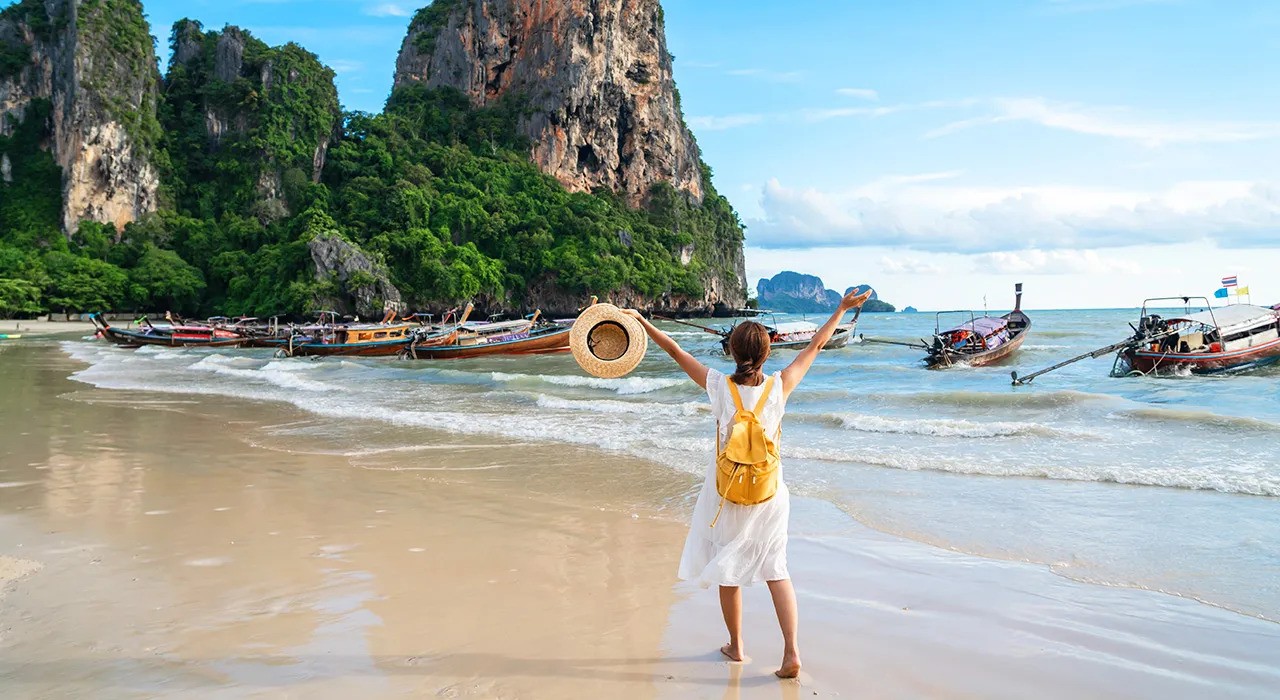
As the cooler months fade, Thailand shifts into its hottest season, bringing rising temperatures and humidity that peak in April. Daytime highs often hit the mid-to-upper 30s°C, with some northern areas even reaching 40°C. The heat can feel intense, especially around midday, so travelers might need to cool off in shaded spots or air-conditioned spaces.
But this off-peak period has its perks. With fewer tourists than in peak season, popular spots feel calmer, and hotels often drop their prices. It’s a great time to hit the islands, Phuket, Koh Samui, and Krabi offer beachside relaxation with ocean breezes that ease the warmth.
April also brings Songkran,thailand’s famous new year water festival. Streets turn into joyful battlegrounds for water fights, blending culture and fun while helping everyone beat the heat. The festival turns the season’s biggest challenge, scorching temperatures into part of the adventure.
For travelers who don’t mind the warmth, this season offers a mix of sunny island days, budget-friendly stays, and unforgettable cultural moments. It’s ideal for those who prioritize unique experiences and saving money over perfect weather.
Thailand's Rainy Season
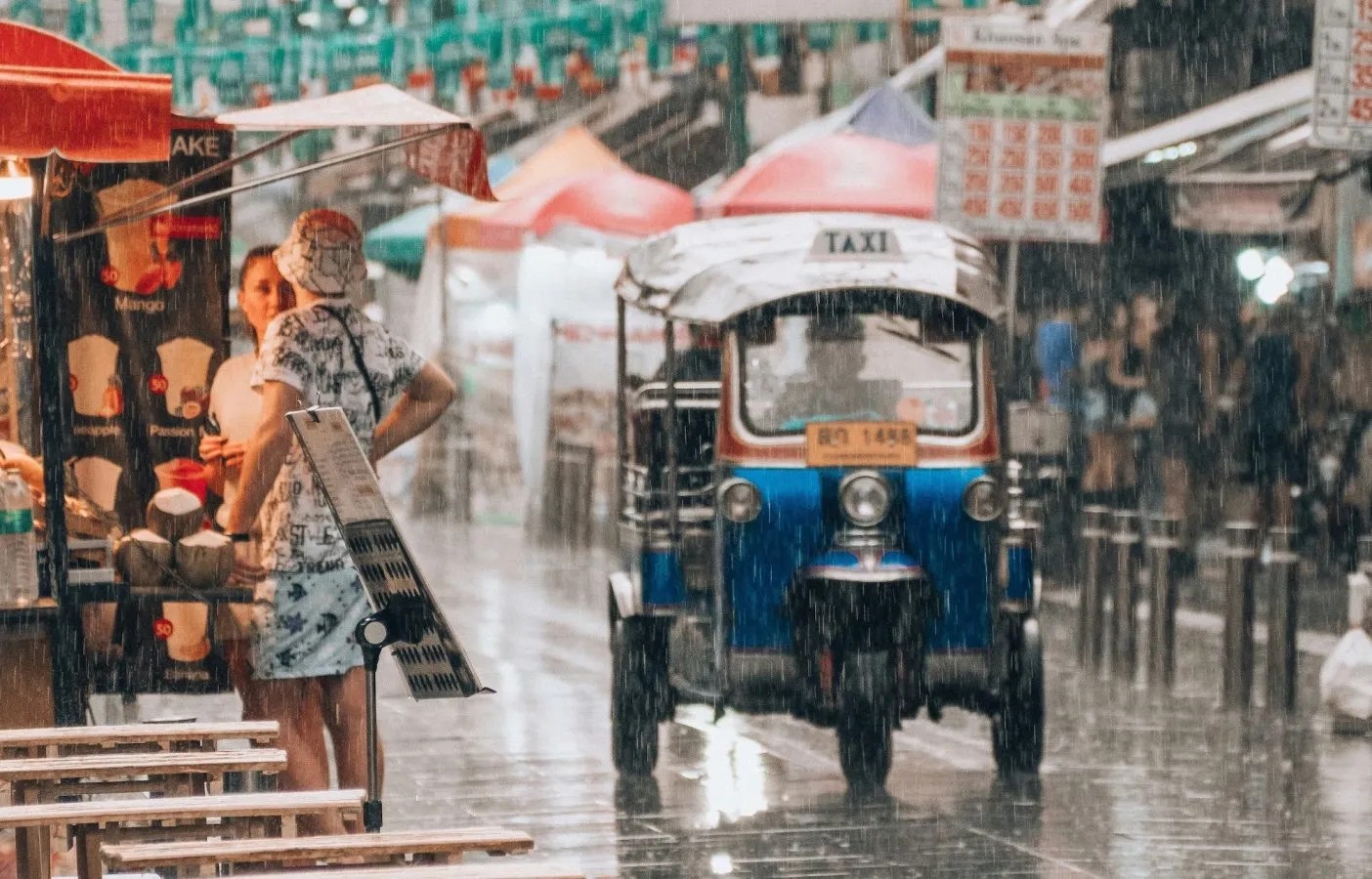
Thailand’s rainy season, nicknamed the "green season," runs from June to October due to monsoon winds from the southwest. Rain usually falls in quick, heavy bursts in the late afternoon or evening, leaving most mornings and middays sunny. The rain turns Thailand into a lush, vibrant paradise, with roaring waterfalls, thriving rice fields, and jungles bursting with life.
Popular spots like temples, beaches, and markets are quieter, giving you space to enjoy without crowds. Prices for flights, hotels, and tours also drop, making it ideal for budget travelers. With fewer people around, you’ll get a more authentic taste of Thai culture, from chatting with locals to experiencing daily life without the hustle of peak season.
Rainy days are perfect for cozy activities. Spend afternoons in museums, art galleries, or cooking classes, or unwind with a Thai massage. If you’re visiting islands, the Gulf of Thailand (like Koh Samui) tends to be drier than the west coast (Phuket, Krabi) during parts of the season. September is usually the wettest month, so plan accordingly.
This season also shines for niche travelers. Medical tourismthrives here, with lower costs, shorter waits, and personalized care, perfect for combining a holiday with health-focused goals.
Best Times For Specific Interests
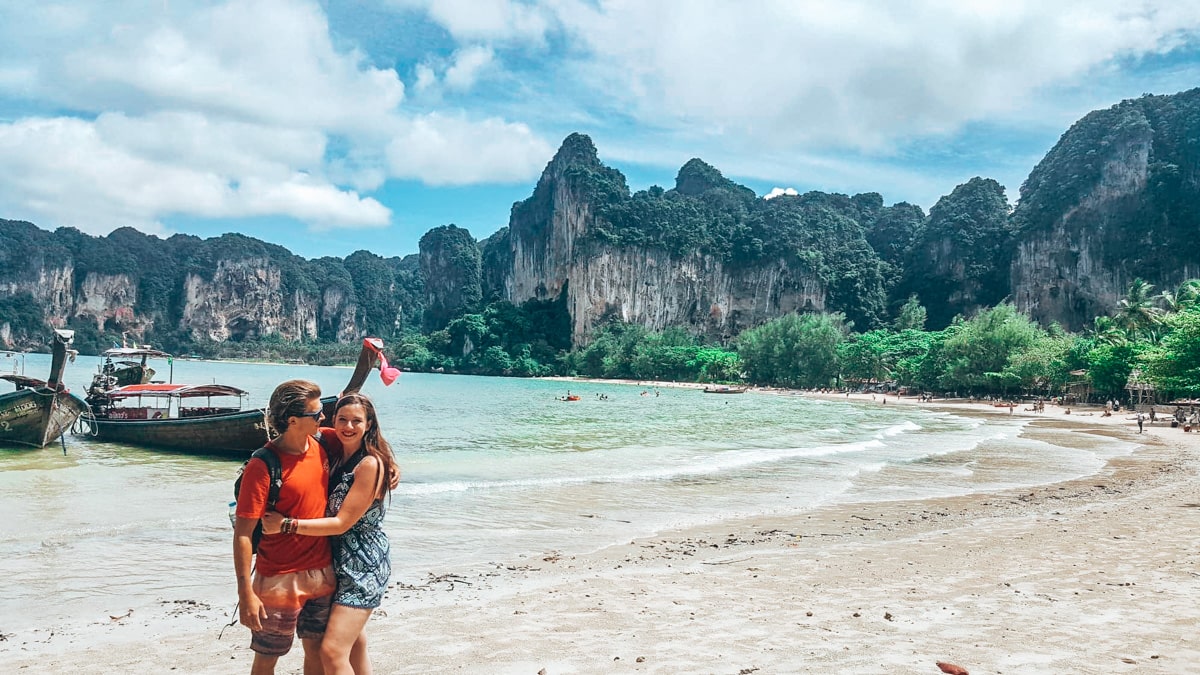
Thailand’s coastline and islands are beautiful all year, but the ideal time to visit varies by region. For the Andaman Sea coast, home to Phuket, Krabi, Koh Phi Phi, and Koh Lanta, the dry season runs from November to April. This period brings sunny skies, calm waters, and ideal conditions for swimming, snorkeling, and island-hopping.
On the Gulf of Thailand side, which includes Koh Samui, Koh Tao, and Koh Pha-Ngan, the best weather stretches from December to August. The two coasts often have opposite rainy seasons, so if one is rainy, the other is likely sunny, making Thailand a year-round beach destination if you choose the right area.
Also Check Out: Best Places To Travel In October [Budget & Luxury Options]
Diving And Snorkeling Expeditions
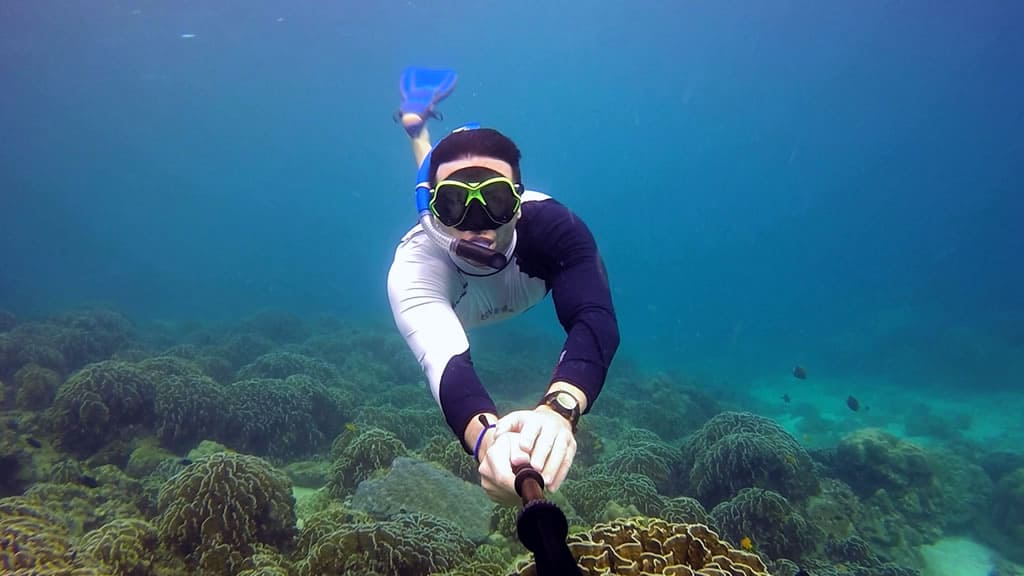
Thailand’s underwater beauty can be enjoyed all year by switching between its west and east coasts. Each offers ideal conditions at different times, so perfect diving or snorkeling is always within reach.
On the west coast, the Andaman Sea home to the Similan and Surin Islands shines from October to April. Clear waters (over 30 meters visibility), calm seas, and warm temperatures (80-84°F) make this the best time to dive here. You might spot whale sharks between March and June or manta rays from mid-October to mid-May. Note that these islands close from mid-May to mid-October to protect coral reefs and sea turtle nests.
The east coast’s Gulf of Thailand, including Koh Tao, peaks from May to September. Visibility stays strong during these months, revealing colorful coral, underwater caves, and shipwrecks. Koh Tao even offers diving year-round, though visibility dips slightly in November and December.
Its marine conservation efforts help keep reefs and wildlife thriving. With these alternating seasons, Thailand remains a top destination for underwater adventures no matter when you visit.
Trekking And Northern Thailand Exploration
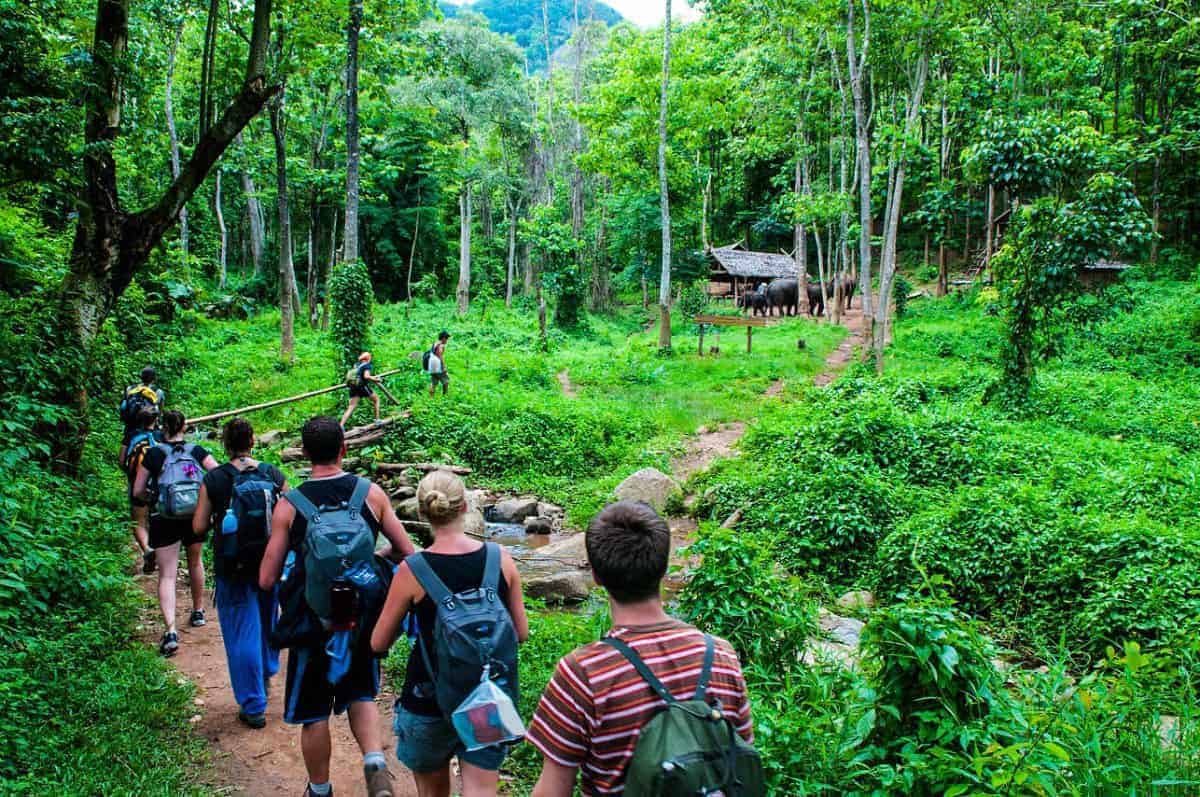
Northern Thailand’s mountains and thick green jungles are perfect for hiking, with trails that change character through the seasons. The best time to visit depends on what you’re after, as each season offers something different.
From October to February, the cool months bring mild temperatures (15°C–25°C) and clear skies, making it ideal for long hikes. The hills bloom with cherry blossoms in winter, adding color to the views. However, this is peak tourist time, so trails can get busy.
June to October is rainy season, turning the landscape vividly green. Trails get muddy and slippery, so good shoes are a must. The upside? Fewer crowds and occasional natural pools along the way. Heavy rain can make some paths risky, so a local guide is smart. Be cautious of malaria and dengue in forested areas, though cities are unaffected.
March to May brings intense heat and haze from farm fires, making long hikes tough. Shorter walks in shaded spots still work, and you’ll avoid the crowds. No matter when you go, Northern Thailand’s trails offer unique experiences year-round, just pack right and plan ahead for a great adventure.
Immersive Cultural Festivals And Events
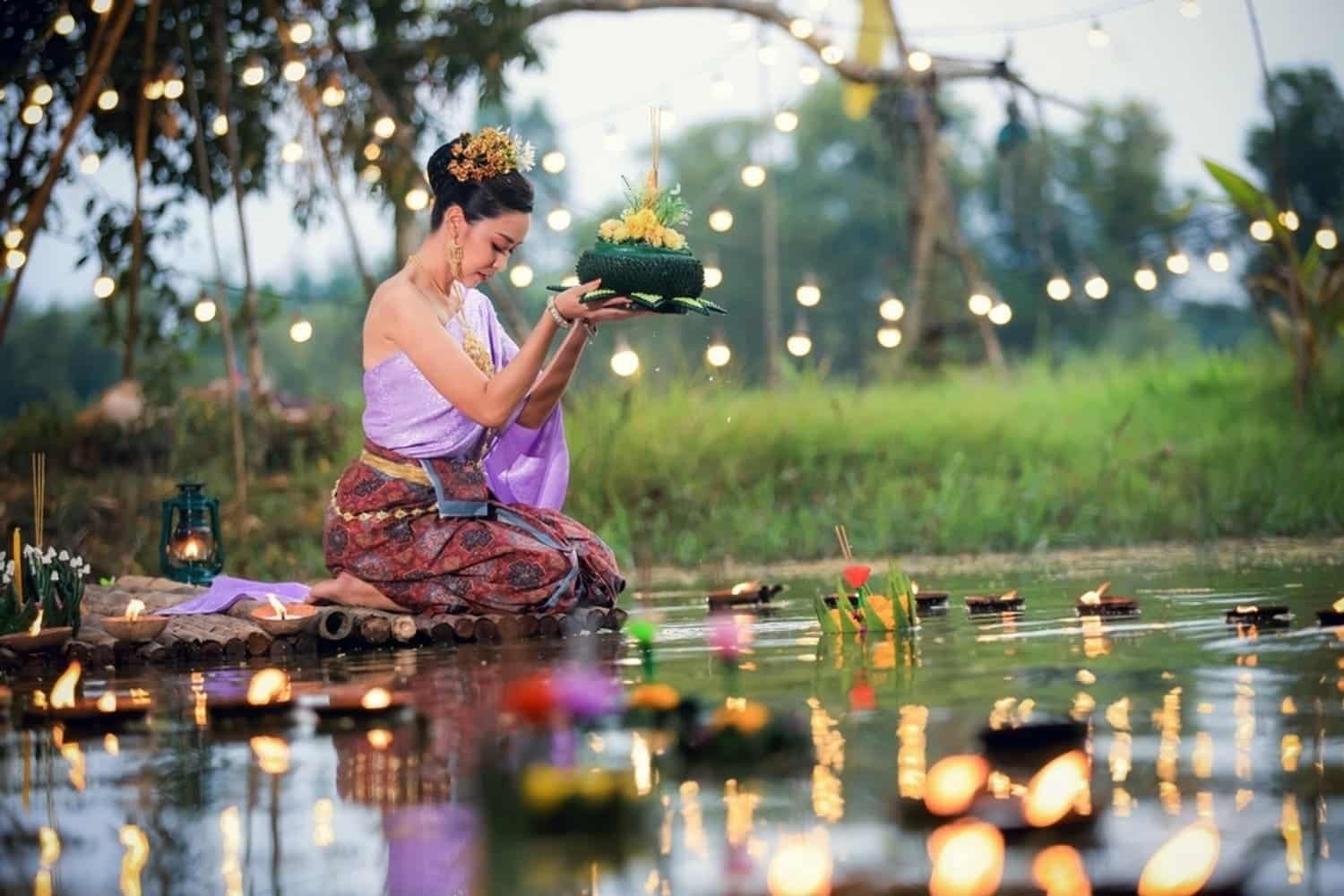
Thailand’s festivals are a colorful introduction to its cultural heart and traditions. Joining in these events makes any visit unforgettable, offering a genuine taste of Thai life and beliefs. They’re not just fun to watch, they’re deeply meaningful, reflecting community ties, faith, and stories passed down over time.
Songkran (Thai New Year, April 13–15) is Thailand’s most iconic festival. While famous for lively water fights where people splash each other with buckets and water guns, it’s also a time for renewal. Pouring water over Buddha statues or elders’ hands symbolizes washing away the past year’s mistakes and inviting good luck. Families clean their homes and share meals, marking a fresh start.
Loy Krathong (November) is the “Festival of Lights.” People float small banana-leaf baskets (krathongs) decorated with flowers and candles on rivers and lakes. This act honors the water goddess, asks forgiveness for pollution, and sends away misfortune. Watching thousands of flickering lights drift downstream is a serene, magical experience.
In Chiang Mai , Yi Peng (around November) adds to the magic with thousands of glowing paper lanterns released into the sky. Each lantern carries personal wishes, symbolizing letting go of negativity. The city also hosts parades and traditional dances, blending ancient Lanna culture with modern celebration.
Chiang Mai Flower Festival (February) turns the city into a floral paradise. Parks burst with blooms, and parades feature giant flower-covered floats. It’s a cheerful celebration of local gardening skills and nature’s beauty.
The Phi Ta Khon Ghost Festival (June/July, Loei Province) mixes humor and tradition. Locals wear spooky masks made from rice steamers and old fabric, dancing in parades to honor spirits. It’s a playful yet sacred event, blending ancestor worship with community fun.
Phuket Vegetarian Festival (September/October) focuses on purification. Participants avoid meat and alcohol, while some perform intense rituals like firewalking or body piercings to show devotion. Streets fill with vegetarian food stalls, and many wear white to symbolize purity.
FAQs About Best Time To Travel To Thailand
What’s The Best Time To Visit Thailand?
November to February is ideal for most travelers. The weather is cool, dry, and perfect for exploring beaches, cities, or cultural sites. It’s the busiest time, so expect more crowds and higher prices, but the comfortable temperatures make it worth it.
Which Month Should I Avoid Visiting Thailand?
September tends to be the wettest month, especially on the west coast (like Phuket and Krabi), with heavy rain and rough seas. That said, the Gulf of Thailand (Koh Samui, Koh Tao) might still be sunny, and you can enjoy indoor activities or festivals like the Vegetarian Festival.
How Does Thailand’s Weather Vary By Region?
Thailand’s regions have different rainy and dry seasons. The west coast (Phuket, Krabi) is driest from November to April, while the east coast (Koh Samui) stays sunny from December to August. Northern Thailand (Chiang Mai) is driest from November to May. If one area is rainy, another is likely sunny, so you can always find good weather somewhere.
Is Thailand Affordable During The Low Season?
From May to October, flights, hotels, and tours are cheaper due to fewer tourists. You’ll save money and enjoy quieter attractions, making it a smart choice for budget travelers.
What Can I Do In Thailand During Rainy Season?
Rainy season (May–October) is great for indoor activities like cooking classes, spa days, or museum visits. The rain also makes nature greener, think lush jungles and full waterfalls. Festivals like Phi Ta Khon (June/July) and Loy Krathong (November) add extra cultural flavor.
What Should I Pack For Thailand’s Hot Season?
March to May is scorching, so pack light clothes like cotton or linen to stay cool. Don’t forget sunscreen, a sunhat, sunglasses, and a reusable water bottle to stay hydrated. Quick-dry shoes are handy for sudden rain or water activities.
Final Thoughts
Thailand is a unique and rewarding destination no matter when you visit. There’s no single best time to go, it all depends on what you’re looking for. Thailand’s varied seasons and regions let you shape your adventure your way. This country’s magic is always ready to welcome you, whenever you decide to visit.
Related : Best Time To Visit Ireland
The best time to visit depends on what you want. Your travel style, budget, and what you want to do will decide the ideal time for your trip. Use this information to pick the perfect season for your Thai adventure.
Thailand’s Weather Seasons Explained
Thailand’s weather is warm year-round but divided into three main seasons: cool, hot, and rainy. Knowing these helps you plan your trip based on what you want to do. The north and central regions have dry and wet seasons, while the south and east coast see more consistent monsoon rains.
Cool And Dry Season (November–February)
This is Thailand’s most popular time to visit. Temperatures are mild, usually between 20°C and 30°C, with low humidity and sunny skies. It’s perfect for exploring cities, hiking in places like Chiang Mai, or relaxing on islands such as Phuket or Koh Samui.
However, this comfort comes with crowds and higher prices. Hotels, flights and tours often cost 20–40% more, and popular spots like Bangkok’s temples or night markets get busy. Booking early is key to securing spots and better deals.
If avoiding crowds is a priority, this season might not be ideal. Popular attractions can feel overcrowded, making it harder to connect with local culture or enjoy quiet moments. For some, traveling in shoulder seasons (like October or April) might offer a balance of good weather and fewer tourists.
Hot Season (March–May)
Temperatures soar during these months, often hitting 35°C or higher, especially in cities. Humidity rises, making the heat feel intense. This season is less popular for travel, though beach lovers might still visit coastal areas where ocean breezes offer relief.
Rainy Season (June–October)
Just as avoiding tourist traps in London like a localmeans knowing the right spots and timing, planning your trip to Thailand during the monsoon season can help you enjoy lush green landscapes and fewer crowds. While short showers are common, they’re often followed by sunshine, creating ideal conditions for exploring without the hustle. The west coast (Phuket) and east coast (Koh Samui) have different rainfall patterns, so researching regional weather trends is key to dodging both rain and overcrowded areas.
Choosing Your Time To Visit
Thailand’s diverse climate means timing depends on your plans. If you want festivals, aim for the cool season (e.g., Loy Krathong in November). For budget travel or quieter beaches, consider the rainy season. Always check regional weather patterns to match your itinerary.
Thailand's Hot Season
As the cooler months fade, Thailand shifts into its hottest season, bringing rising temperatures and humidity that peak in April. Daytime highs often hit the mid-to-upper 30s°C, with some northern areas even reaching 40°C. The heat can feel intense, especially around midday, so travelers might need to cool off in shaded spots or air-conditioned spaces.
But this off-peak period has its perks. With fewer tourists than in peak season, popular spots feel calmer, and hotels often drop their prices. It’s a great time to hit the islands, Phuket, Koh Samui, and Krabi offer beachside relaxation with ocean breezes that ease the warmth.
April also brings Songkran,thailand’s famous new year water festival. Streets turn into joyful battlegrounds for water fights, blending culture and fun while helping everyone beat the heat. The festival turns the season’s biggest challenge, scorching temperatures into part of the adventure.
For travelers who don’t mind the warmth, this season offers a mix of sunny island days, budget-friendly stays, and unforgettable cultural moments. It’s ideal for those who prioritize unique experiences and saving money over perfect weather.
Thailand's Rainy Season
Thailand’s rainy season, nicknamed the "green season," runs from June to October due to monsoon winds from the southwest. Rain usually falls in quick, heavy bursts in the late afternoon or evening, leaving most mornings and middays sunny. The rain turns Thailand into a lush, vibrant paradise, with roaring waterfalls, thriving rice fields, and jungles bursting with life.
Popular spots like temples, beaches, and markets are quieter, giving you space to enjoy without crowds. Prices for flights, hotels, and tours also drop, making it ideal for budget travelers. With fewer people around, you’ll get a more authentic taste of Thai culture, from chatting with locals to experiencing daily life without the hustle of peak season.
Rainy days are perfect for cozy activities. Spend afternoons in museums, art galleries, or cooking classes, or unwind with a Thai massage. If you’re visiting islands, the Gulf of Thailand (like Koh Samui) tends to be drier than the west coast (Phuket, Krabi) during parts of the season. September is usually the wettest month, so plan accordingly.
This season also shines for niche travelers. Medical tourismthrives here, with lower costs, shorter waits, and personalized care, perfect for combining a holiday with health-focused goals.
Best Times For Specific Interests
Thailand’s coastline and islands are beautiful all year, but the ideal time to visit varies by region. For the Andaman Sea coast, home to Phuket, Krabi, Koh Phi Phi, and Koh Lanta, the dry season runs from November to April. This period brings sunny skies, calm waters, and ideal conditions for swimming, snorkeling, and island-hopping.
On the Gulf of Thailand side, which includes Koh Samui, Koh Tao, and Koh Pha-Ngan, the best weather stretches from December to August. The two coasts often have opposite rainy seasons, so if one is rainy, the other is likely sunny, making Thailand a year-round beach destination if you choose the right area.
Also Check Out: Best Places To Travel In October [Budget & Luxury Options]
Diving And Snorkeling Expeditions
Thailand’s underwater beauty can be enjoyed all year by switching between its west and east coasts. Each offers ideal conditions at different times, so perfect diving or snorkeling is always within reach.
On the west coast, the Andaman Sea home to the Similan and Surin Islands shines from October to April. Clear waters (over 30 meters visibility), calm seas, and warm temperatures (80-84°F) make this the best time to dive here. You might spot whale sharks between March and June or manta rays from mid-October to mid-May. Note that these islands close from mid-May to mid-October to protect coral reefs and sea turtle nests.
The east coast’s Gulf of Thailand, including Koh Tao, peaks from May to September. Visibility stays strong during these months, revealing colorful coral, underwater caves, and shipwrecks. Koh Tao even offers diving year-round, though visibility dips slightly in November and December.
Its marine conservation efforts help keep reefs and wildlife thriving. With these alternating seasons, Thailand remains a top destination for underwater adventures no matter when you visit.
Trekking And Northern Thailand Exploration
Northern Thailand’s mountains and thick green jungles are perfect for hiking, with trails that change character through the seasons. The best time to visit depends on what you’re after, as each season offers something different.
From October to February, the cool months bring mild temperatures (15°C–25°C) and clear skies, making it ideal for long hikes. The hills bloom with cherry blossoms in winter, adding color to the views. However, this is peak tourist time, so trails can get busy.
June to October is rainy season, turning the landscape vividly green. Trails get muddy and slippery, so good shoes are a must. The upside? Fewer crowds and occasional natural pools along the way. Heavy rain can make some paths risky, so a local guide is smart. Be cautious of malaria and dengue in forested areas, though cities are unaffected.
March to May brings intense heat and haze from farm fires, making long hikes tough. Shorter walks in shaded spots still work, and you’ll avoid the crowds. No matter when you go, Northern Thailand’s trails offer unique experiences year-round, just pack right and plan ahead for a great adventure.
Immersive Cultural Festivals And Events
Thailand’s festivals are a colorful introduction to its cultural heart and traditions. Joining in these events makes any visit unforgettable, offering a genuine taste of Thai life and beliefs. They’re not just fun to watch, they’re deeply meaningful, reflecting community ties, faith, and stories passed down over time.
Songkran (Thai New Year, April 13–15) is Thailand’s most iconic festival. While famous for lively water fights where people splash each other with buckets and water guns, it’s also a time for renewal. Pouring water over Buddha statues or elders’ hands symbolizes washing away the past year’s mistakes and inviting good luck. Families clean their homes and share meals, marking a fresh start.
Loy Krathong (November) is the “Festival of Lights.” People float small banana-leaf baskets (krathongs) decorated with flowers and candles on rivers and lakes. This act honors the water goddess, asks forgiveness for pollution, and sends away misfortune. Watching thousands of flickering lights drift downstream is a serene, magical experience.
In Chiang Mai , Yi Peng (around November) adds to the magic with thousands of glowing paper lanterns released into the sky. Each lantern carries personal wishes, symbolizing letting go of negativity. The city also hosts parades and traditional dances, blending ancient Lanna culture with modern celebration.
Chiang Mai Flower Festival (February) turns the city into a floral paradise. Parks burst with blooms, and parades feature giant flower-covered floats. It’s a cheerful celebration of local gardening skills and nature’s beauty.
The Phi Ta Khon Ghost Festival (June/July, Loei Province) mixes humor and tradition. Locals wear spooky masks made from rice steamers and old fabric, dancing in parades to honor spirits. It’s a playful yet sacred event, blending ancestor worship with community fun.
Phuket Vegetarian Festival (September/October) focuses on purification. Participants avoid meat and alcohol, while some perform intense rituals like firewalking or body piercings to show devotion. Streets fill with vegetarian food stalls, and many wear white to symbolize purity.
FAQs About Best Time To Travel To Thailand
What’s The Best Time To Visit Thailand?
November to February is ideal for most travelers. The weather is cool, dry, and perfect for exploring beaches, cities, or cultural sites. It’s the busiest time, so expect more crowds and higher prices, but the comfortable temperatures make it worth it.
Which Month Should I Avoid Visiting Thailand?
September tends to be the wettest month, especially on the west coast (like Phuket and Krabi), with heavy rain and rough seas. That said, the Gulf of Thailand (Koh Samui, Koh Tao) might still be sunny, and you can enjoy indoor activities or festivals like the Vegetarian Festival.
How Does Thailand’s Weather Vary By Region?
Thailand’s regions have different rainy and dry seasons. The west coast (Phuket, Krabi) is driest from November to April, while the east coast (Koh Samui) stays sunny from December to August. Northern Thailand (Chiang Mai) is driest from November to May. If one area is rainy, another is likely sunny, so you can always find good weather somewhere.
Is Thailand Affordable During The Low Season?
From May to October, flights, hotels, and tours are cheaper due to fewer tourists. You’ll save money and enjoy quieter attractions, making it a smart choice for budget travelers.
What Can I Do In Thailand During Rainy Season?
Rainy season (May–October) is great for indoor activities like cooking classes, spa days, or museum visits. The rain also makes nature greener, think lush jungles and full waterfalls. Festivals like Phi Ta Khon (June/July) and Loy Krathong (November) add extra cultural flavor.
What Should I Pack For Thailand’s Hot Season?
March to May is scorching, so pack light clothes like cotton or linen to stay cool. Don’t forget sunscreen, a sunhat, sunglasses, and a reusable water bottle to stay hydrated. Quick-dry shoes are handy for sudden rain or water activities.
Final Thoughts
Thailand is a unique and rewarding destination no matter when you visit. There’s no single best time to go, it all depends on what you’re looking for. Thailand’s varied seasons and regions let you shape your adventure your way. This country’s magic is always ready to welcome you, whenever you decide to visit.
Related : Best Time To Visit Ireland
Jump to
Thailand’s Weather Seasons Explained
Thailand's Hot Season
Thailand's Rainy Season
Best Times For Specific Interests
FAQs About Best Time To Travel To Thailand
Final Thoughts
Thailand’s Weather Seasons Explained
Thailand's Hot Season
Thailand's Rainy Season
Best Times For Specific Interests
FAQs About Best Time To Travel To Thailand
Final Thoughts

Michael Rachal
Author
Michael Rachal believes that luxury lies in the details. With over 20 years of experience in the luxury travel industry, he has crafted hundreds of bespoke itineraries for clients seeking personalized, unforgettable experiences.
Whether guiding clients through private cultural tours or curating culinary journeys with world-renowned chefs, Michael ensures that each trip is tailored to perfection.
His ability to anticipate needs and exceed expectations has earned him a reputation as a leading expert in luxury travel.

Finn Wilde
Reviewer
For Finn Wilde, the wilderness is more than just a destination - it’s a way of life. Over the past decade, he has led multiple expeditions in some of the world’s most remote regions, from the icy fjords of Greenland to the rugged trails of Patagonia.
Finn emphasizes sustainability in all of his adventures, helping participants connect with nature while promoting responsible exploration. His expeditions inspire individuals to explore the great outdoors while fostering a deep respect for the environment.
Latest Articles
Popular Articles