11 Best South American Countries To Visit In 2025
South America is a continent filled with awe-inspiring landscapes, vibrant cultures, and rich history. From ancient ruins to stunning natural wonders, best South American countries to visit offers a unique and captivating experience for travelers.
Author:Maya ReyesReviewer:Finn WildeJul 18, 20256.7K Shares754.6K Views
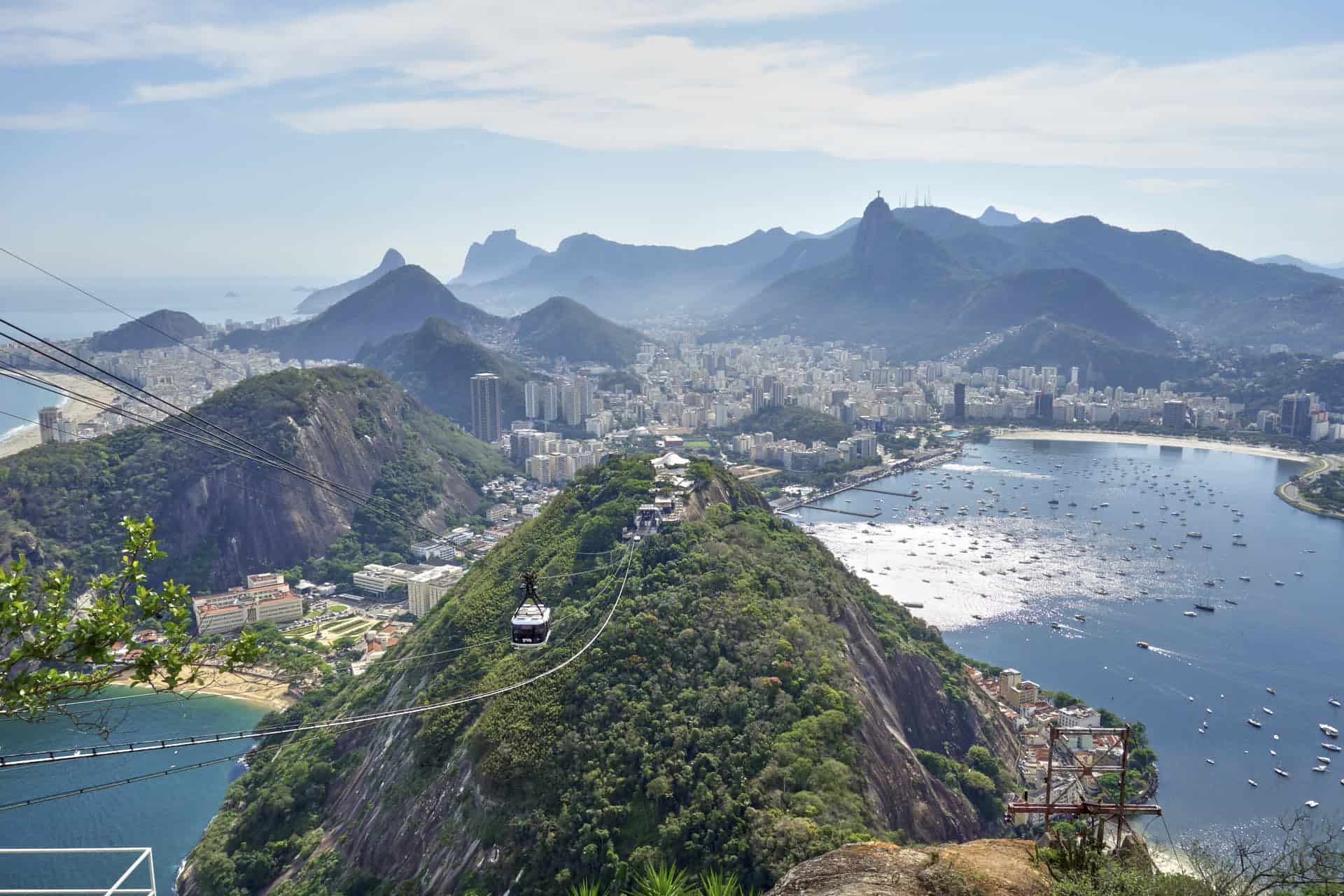
South America is a continent filled with awe-inspiring landscapes, vibrant cultures, and rich history. From ancient ruins to stunning natural wonders, best South American countries to visitoffers a unique and captivating experience for travelers.
Whether you're seeking adventure, cultural immersion, or breathtaking scenery, the best South American countries have something to offer everyone. Let's embark on a journey through this diverse continent and discover the top destinations worth exploring.
1. Argentina: Culinary Excellence And Patagonian Grandeur
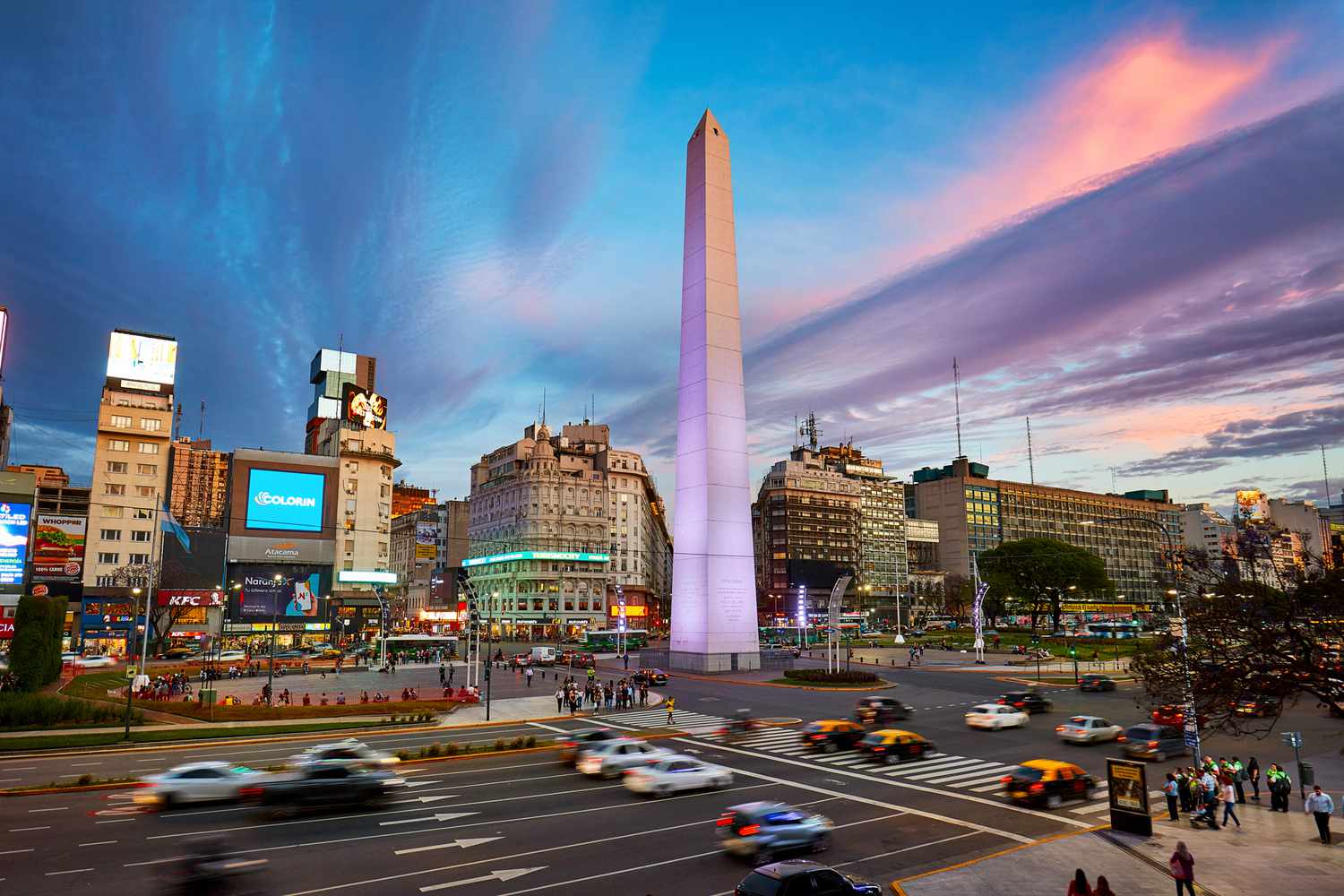
Argentina, a country of immense scale and undeniable European flair, consistently ranks as one of the best countries in South America to travelto. It captivates with its passionate culture, stunning natural beauty, and world-class culinary offerings.
Having spent months exploring its vastness, we can confidently say that Argentina offers some of the most breathtaking landscapes on Earth, making it a strong contender for the "best country in the world" debate.
Why Argentina Shines:
- Patagonian Wonders:From the mesmerizing Perito Moreno Glacier, where you can witness colossal ice calvings, to walking among penguins at Punta Tombo, and the alpine-style scenery of Bariloche, Argentine Patagonia is simply magical. Ushuaia, the "End of the World," offers glacier hikes and wildlife boat rides on the Beagle Channel.
- Buenos Aires Charm:The capital, often dubbed the "Paris of South America," boasts grand boulevards, European architecture, and an electrifying tango scene. Neighborhoods like La Boca, San Telmo, and Palermo each offer distinct character and vibrant cultural experiences.
- World-Class Cuisine:Argentina's parrilla(barbecue) is, without doubt, the best food experience I've had globally. The quality and taste of Argentine steak are sublime – a source of immense pride and a delicious reality. Paired with excellent local wines from Mendoza, it's a culinary journey in itself.
- Wine Country:Mendoza is Argentina's premier wine region, renowned for its Malbec. Vineyard tours and wine tastings offer a delightful escape, though be wary of getting carried away with the free samples! The city of Mendoza is also home to El Asadito.
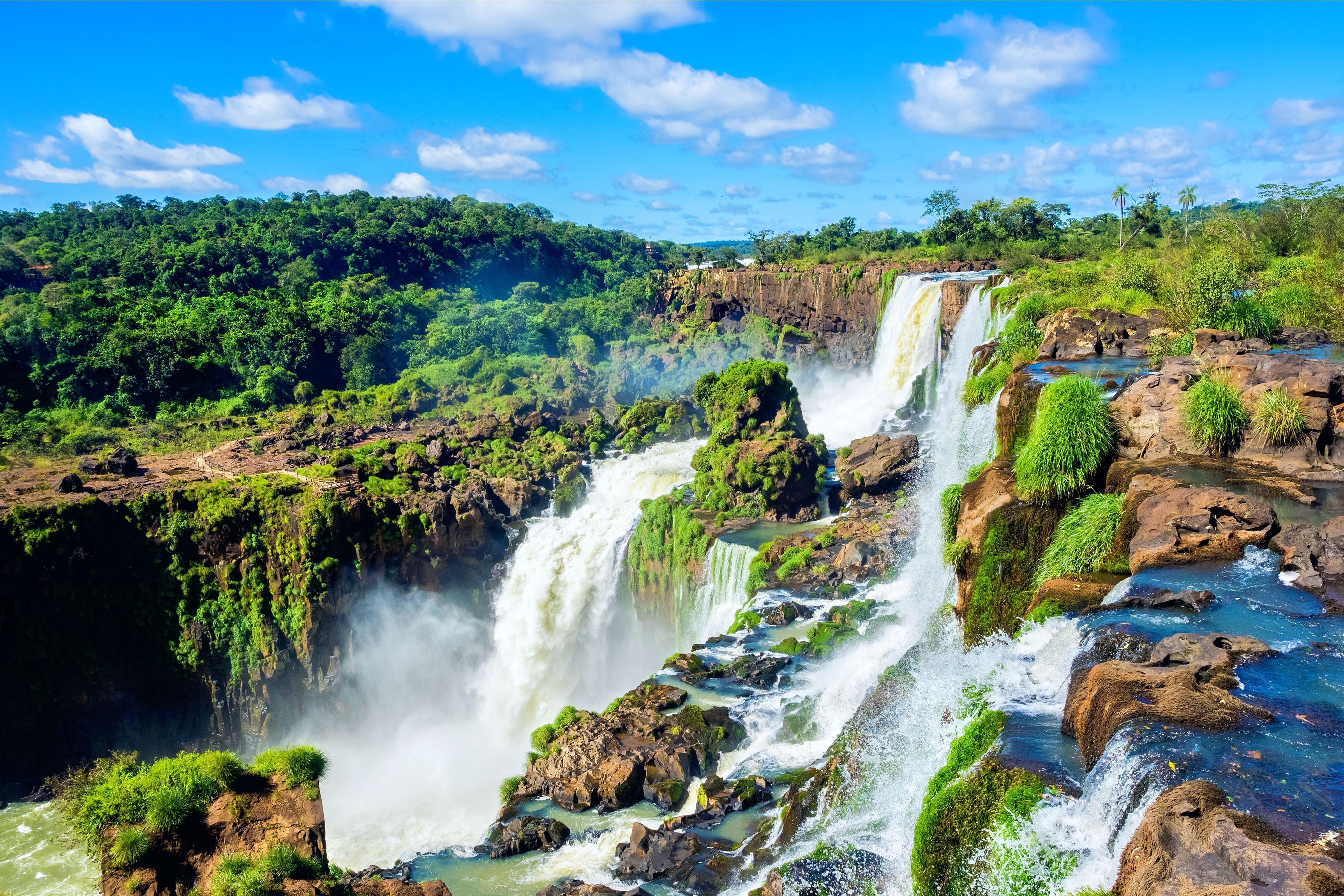
- Iguazu Falls:On the border with Brazil, the spectacular Iguazu Falls are a UNESCO World Heritage site, offering incredible up-close views from the Argentine side.
- Northern Charms:Salta in the northwest provides a glimpse into Andean culture, while nearby Cafayate is known for its tasty alfajoresat Calchaquitos and unique adventures like sand dune taxi rides.
Ideal For:Nature lovers, adventure seekers, food and wine enthusiasts, and those who appreciate European charm with a vibrant Latin American twist. It's also an excellent "beginner spot" for newcomers to the region due to its safety and established tourism infrastructure.
Considerations:
- Argentina's vastness means travel between destinations can take significant time. Long bus journeys are common.
- The economy can be volatile, with prices fluctuating rapidly, sometimes multiple times a week.
- While the "black market" for exchanging USD (known as dólar blue) once offered significantly better rates, the gap has narrowed recently. It's wise to stay informed about current exchange rates to maximize your budget.
Related Reading: Argentina Map - Cities, Roads, Attractions, And More
2. Peru: Land Of The Incas And Gastronomic Prowess
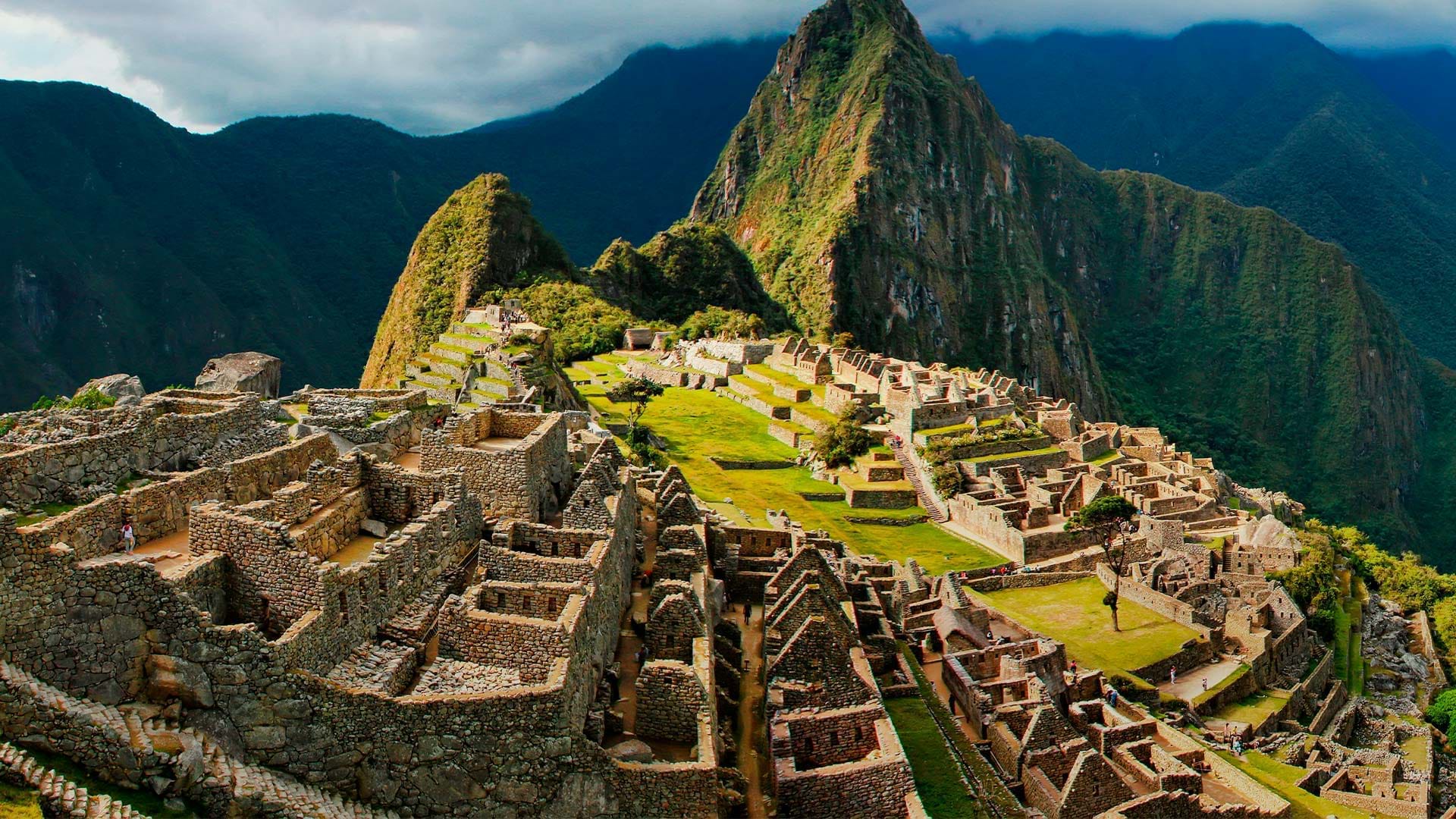
Peru consistently ranks as one of the best countries in the world for its hiking trails, stunning mountain scenery, and incredibly rich Inca history and culture. Having visited twice, Peru has secured its place as one of our all-time favorite countries.
It’s a land overflowing with magic, and remarkably, one of the cheapest countries in South America after Bolivia. Hailed for its place as one of the cradles of Inca civilization, Peru shines with numerous visitor sites containing ancient ruins, massive hieroglyphs, and incredible valleys teeming with history and rich soil.
The people of Peru are immensely proud of their heritage, happily welcoming all visitors who wish to admire the impressive features of their safe country.
Why Peru Shines:
- Machu Picchu & Inca Trails:The crown jewel of Peru is undoubtedly the sublime and "Lost City" of Machu Picchu. This archaeological wonder dazzles visitors with its timeless beauty and jaw-dropping vistas. In our experience, the journey along treks like the 5-day Salkantay can be even more rewarding than the destination itself. While Machu Picchu itself can be crowded, especially during high season, it remains a must-see.
- Sacred Valley:This region, revered by the Incas for its fertile lands, is packed with archaeological sites. Ollantaytambo, Pisac(with its Incan ruins and fun town), and Morayare impressive. The Maras salt mines would have been more striking if visited during the "white season" (dry season).
- Diverse Landscapes:Peru boasts an extraordinary range of landscapes, from the dramatic Andean peaks (including the colorful Rainbow Mountain, though high altitude is a challenge) to the mysterious Nazca Linesin the desert (near the desert oasis of Huacachina) and biodiverse Amazon rainforest. The "budget Galapagos" of Paracasalso offers incredible wildlife viewing.
- Cultural Immersion:Cusco, the former Inca capital (known as the "Imperial City"), is one of our favorite cities in the world. It’s a vibrant blend of Inca stone masonry and Spanish colonial design, with regular cultural performances in its main square, Plaza de Armas. Visitors can even spend a night with the indigenous Uros people on Lake Titicaca.
- Culinary Capital:Lima, known as the "City of Kings," has emerged as a global gastronomic hub, boasting several of the world's best restaurants. Peruvian cuisine, a fusion of indigenous traditions, Spanish influences, and Asian flavors, is truly exceptional. Its energetic neighborhoods radiate a culinary prowess that draws in chefs from around the globe, and the city also offers historical centers, archaeological sites, museums, and scenic overlooks of the Pacific Ocean.
Ideal For:History buffs, trekkers, foodies, and those seeking a blend of cultural depth and breathtaking natural wonders.
Considerations:
- Altitude sicknessis a real concern in many parts of Peru, particularly around Cusco and trekking routes like Rainbow Mountain. It's vital to allow time for acclimatization.
- ATMscan have low withdrawal limits (often around 400 soles or $100 USD) and high fees, so planning your cash needs is important.
- Weather can be chilly at times, especially in the highlands.
3. Bolivia: High-Altitude Wonders And Authentic Indigenous Culture
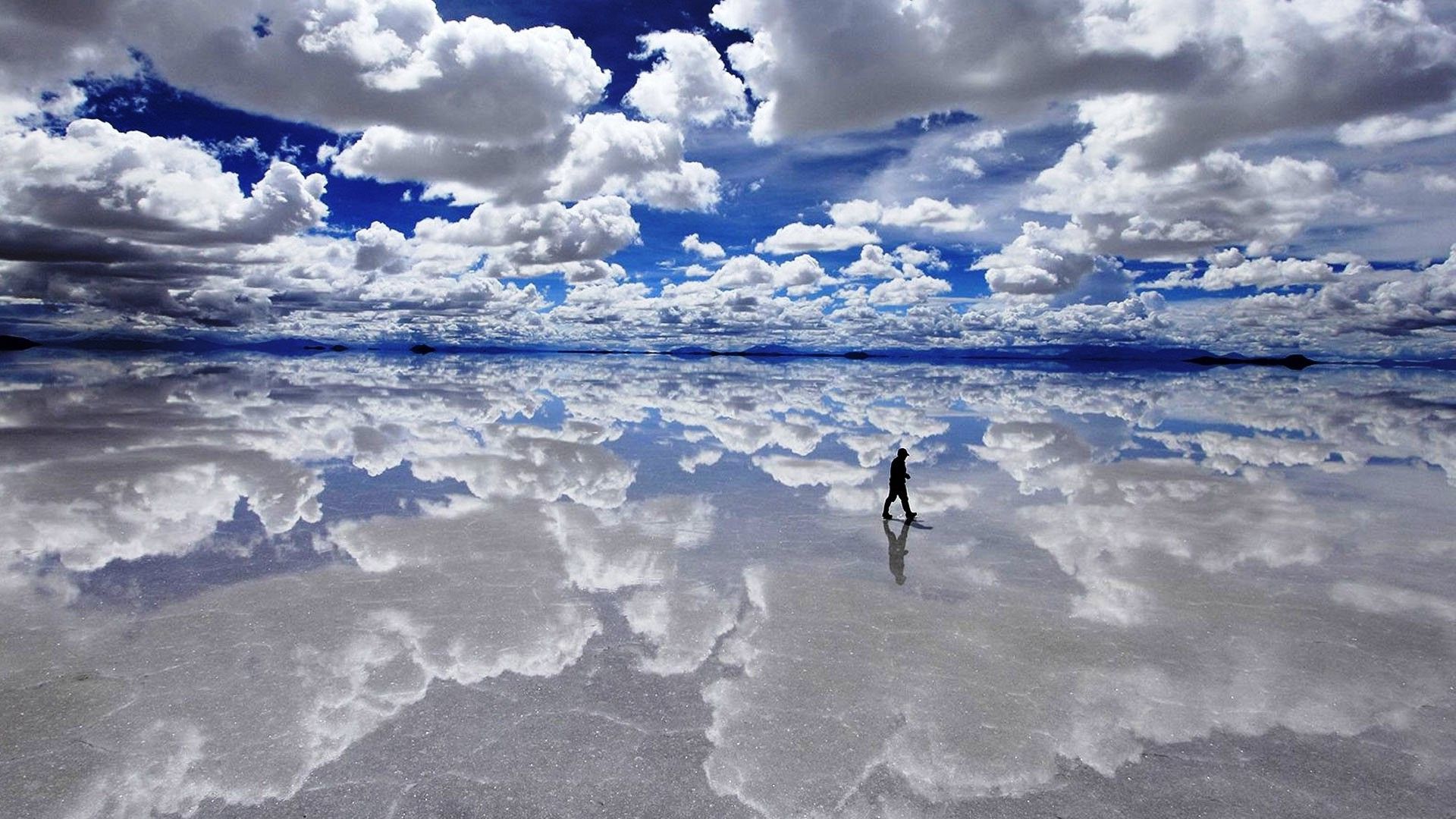
Bolivia is, quite frankly, bonkers – in the best possible way. If you’re looking for a country where you can watch middle-aged indigenous ladies wrestle like WWE stars (Cholitas Wrestling) or explore markets selling tools for witchcraft (including dead llama fetuses), then you're in the right place.
Bolivia stands out as our favorite country in the world for culture due to its unique vibrancy and constant street parades. It’s also the cheapest country in the Americas, making it incredibly budget-friendly.
Native indigenous communities have managed to hold onto the greater part of their traditions, largely due to the challenging mountain landscapes and thick jungles that deterred the Spanish Conquest.
Why Bolivia Shines:
- Salar de Uyuni & Altiplano:The world's largest salt flat, Salar de Uyuni, is a truly surreal and magical landscape, especially during the wet season (February-March) when it transforms into a giant mirror with just a few centimeters of rain. It's also home to various birdlife, including flamingos. The wider Bolivian altiplano offers stunning mountains, colorful lagoons, geysers, and thermal springs.
- Unique Urban Experiences:La Paz, the world’s highest capital city, is a captivating blend of traditional Andean culture and modern urban life, bustling with indigenous markets and vibrant streets. El Alto, nearby, is the highest major city globally.
- Affordability:Bolivia is incredibly cheap, with decent meals costing around US$3 and long-distance buses surprisingly affordable (e.g., a 6-hour bus from Villazon to Uyuni costing just $5 USD). The existence of a "black market" for exchanging USD often provides a very favorable rate, making it even more budget-friendly.
- Indigenous Immersion:Bolivia offers a deep dive into rich indigenous traditions, vibrant markets, and traditional dress, providing an authentic cultural experience.
- Accessible Amazon:Bolivia also offers some of the cheapest access points for exploring the Amazon Rainforest.
Ideal For:Budget travelers, adventurers, cultural explorers, and those seeking unique natural phenomena and a truly immersive indigenous experience.
Considerations:
- High altitudeis a significant factor. Much of the country is at high altitude, and travelers can experience symptoms from shortness of breath to severe headaches and nausea. Acclimatization is crucial, especially for activities like visiting geysers.
- Bolivia's rugged terrain means infrastructure can be basic, and healthcare facilities are limited.
- Road blockades due to protests by locals can occasionally cause disruption, leaving tourists stranded.
- Some tours may lack stringent safety standards.
- There are expensive visa fees for Americans (US$160).
4. Colombia: Resurgent Beauty And Vibrant Culture
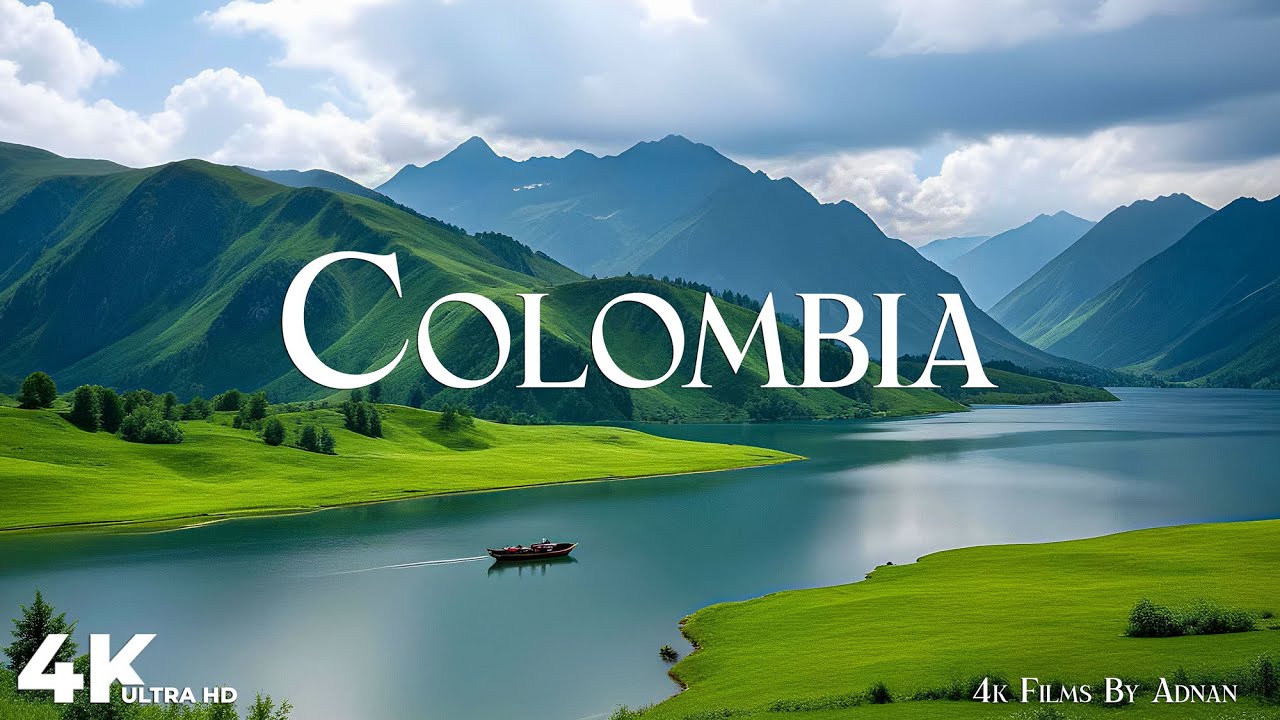
Colombia in 4K - Incredible Scenes & Hidden Gems
Colombiahas truly transformed, shedding its troubled past to emerge as a captivating destination. It's a country of remarkable natural attractions, fun cities, and incredibly friendly locals.
When we first visited, it quickly became one of our favorite countries in the world, a testament to its compelling mix of experiences. Colombia holds a colorful place among South American countries and has gained tremendous appeal thanks in large part to its eclectic culture, numerous visitor sites, festivals, food, and, of course – its globally renowned coffee.
With the rise of a stable government and more austerity with respect to crime and violence, Colombia has blossomed into an incredibly fun and safe destination to travel to.
Why Colombia Shines:
- Vibrant Cities:Bogotá, the capital, is a cosmopolitan center of sophistication, transforming into a surprising tourist destination with its thriving nightlife, numerous museums, superb al fresco dining, and major shopping areas. Its privileged location makes it a highly accessible "jumping off point." Medellín, known as the "city of eternal spring" due to its pleasant climate, is fascinating, having transformed from its turbulent past into a cultural and arts hub. Take a tour of Comuna 13 to see its dramatic changes.
- Caribbean Coast & Cartagena:The walled city of Cartagenais a UNESCO World Heritage site, a vibrant colonial gem. Beyond, explore the white-sand beaches of Tayrona National Park(home to wildlife and the indigenous Kogi tribe) and the laid-back charm of Minca(full of waterfalls), accessible from Santa Marta.
- Coffee Region:Delve into Colombia's renowned coffee culture in the "Zona Cafetera" (Coffee Triangle), encompassing states like Caldas, Quindio, and Risaralda. This principal coffee-growing area boasts spectacular natural beauty, lush green valleys, and a pleasant climate. Visitors can tour coffee farms and visit the mystical Cocora Valleywith its giant palm trees – one of the more enjoyable hiking spots. Staying on a coffee finca(plantation) offers a wonderfully relaxing experience.
- Diverse Landscapes & Towns:From the dramatic Chicamocha Canyonto the unique Tatacoa Desert, and the accessible parts of the Amazon, Colombia offers a wide range of natural beauty. A day trip to Guatapefrom Medellín offers stunning views from its giant rock and one of the most picturesque, colorful towns we've seen.
- Affordability:Colombia is one of South America's most budget-friendly countries, offering good value for accommodation, food, and transport (only Peru and Bolivia are cheaper, with Paraguay being similar).
Ideal For:Culture enthusiasts, coffee lovers, urban explorers, and those seeking a dynamic travel experience with a blend of history and adventure.
Considerations:
- While greatly improved, crimeremains an issue. It's crucial to exercise basic safety precautions.
- The areas around the Ecuador and Venezuela borders are notoriously dodgy, and the Darien Gap(between Colombia and Panama) is one of the most dangerous places in the world – these should be avoided.
- Visitors will likely need US dollars to exchange, as ATMs often have high fees.
- Bogotácan feel cold, gloomy, and less safe to some travelers, although many expats choose to live there.
5. Chile: From Desert To Glaciers
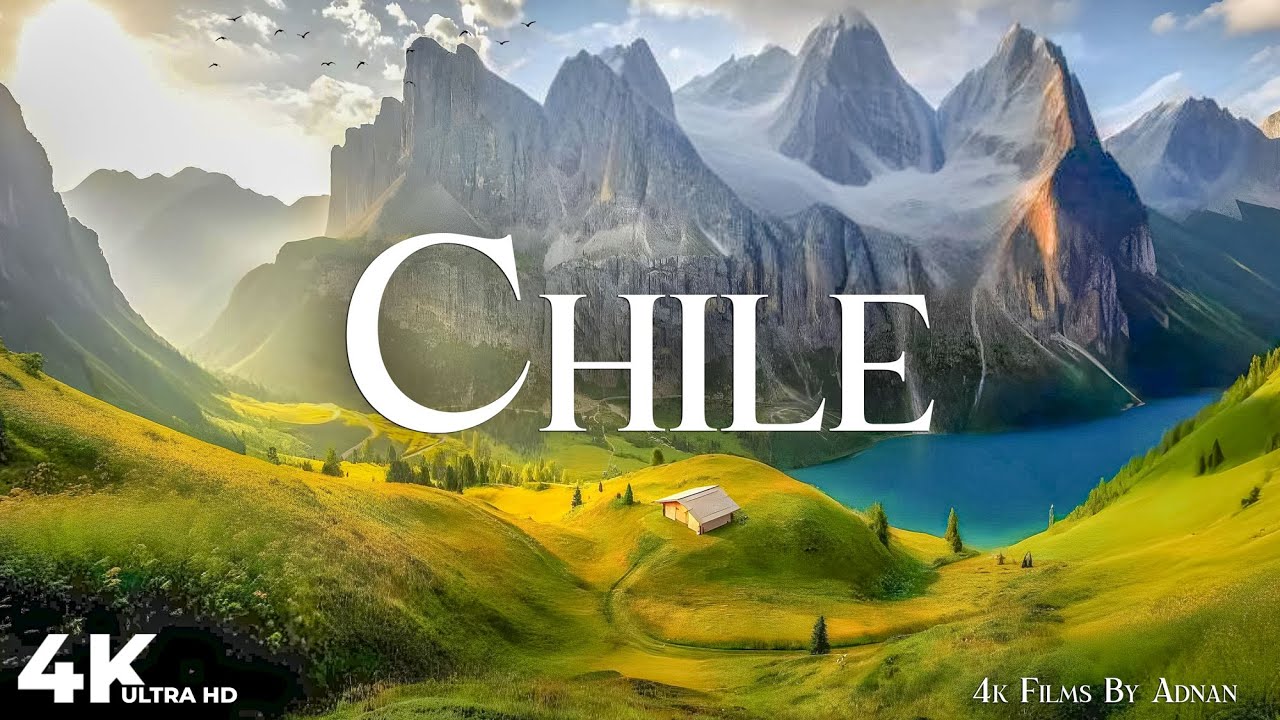
Chile in 4K - Incredible Scenes & Hidden Gems
Chile’s incredible longitudinal stretch means it boasts an unparalleled diversity of landscapes, from the driest desert on Earth to ancient glaciers in the south. Our initial visit was marred by injury and too much time in Santiago, but a second trip completely changed our perspective, revealing Chile as an awesome country.
The country is indeed vast, but this is exactly what makes it an excellent place, as it caters to a wide gamut of tastes and interests. Nature lovers, artists, wine and food connoisseurs, hikers, climbers, and explorers alike will all easily fall in love with what Chile has to offer.
Why Chile Shines:
- Patagonian Grandeur (Torres del Paine):The Chilean side of Patagonia is home to the iconic Torres del Paine National Park, which we consider a strong contender for the most beautiful place on the planet. Its dramatic granite peaks, turquoise lakes, stunning mountain views, and abundant wildlife (including pumas!) make it a hiker's paradise. The Grey Glacier, one of the largest glaciated areas in the world, is particularly fascinating.
- Atacama Desert:Chile is home to the world’s driest desert, with parts of its terrain regularly going without rain for years. The vistas here are astounding: vast swathes of colorful terrain, lagoons filled with flamingos, and lunar-style landscapes in the Valley of the Moon. It's also perfect for astronomy tours, allowing visitors to see the moon and even Venus during expert-led excursions.
- Easter Island:While remote and a 6-hour flight from Santiago, Easter Island(Rapa Nui) is a serious bucket-list destination famous for its enigmatic moaistatues, offering a unique Polynesian cultural and historical experience. It’s geographically and culturally more Polynesian, despite being officially part of Chile.
- Wine Valleys:Beyond Santiago, explore nearby wine valleys like Maipoor Casablancafor excellent wine tasting experiences.
- High Safety:Generally, Chile is a very safe country.
Ideal For:Adventure travelers, stargazers, nature photographers, and those seeking diverse and dramatic landscapes.
Considerations:
- Chile is one of the more expensive countries in South America, particularly for tours and high-quality accommodation.
- While generally safe, the capital Santiagocan be less welcoming than other parts of the country, with some areas prone to graffiti and occasional protests. We even accidentally got caught up in one!
Also Check Out: 40+ Stunning Chile Pictures - Landscapes, Wildlife, & Culture
While the countries above offer broad appeal, some South American destinations are either very niche or currently present greater challenges for the average tourist. Our travels have provided unique insights into these nations.
6. Ecuador & The Galapagos: Megadiverse Wonders
Ecuador, aptly named as it straddles the equator, is one of the smaller Andean nations, but don’t let its size fool you. It’s a megadiverse country– one of only 17 globally – packing one of the highest levels of biodiversity per square kilometer in the whole world.
It's home to the world's first (Quito) and second (Galapagos Islands) UNESCO World Heritage Sites. While the mainland has seen increased safety concerns, the Galapagos Islands remain a prime, safe destination.
Ecuador has grown tremendously in popularity, with many visitors, including expats and retirees, choosing to stay due to its optimal year-round weather, reasonable cost of living (with the US Dollar as the official currency), and gorgeous scenery.
Why Ecuador Shines:
- Amazon Rainforest:Ecuador provides accessible entry points to the Amazon, revered for its immense biodiversity.
- Choco Bioregion & Mashpi Reserve:Conveniently located near Quito, Mashpi Reserve offers access to both rainforest and cloud forest side-by-side, incredibly rich in flora and fauna.
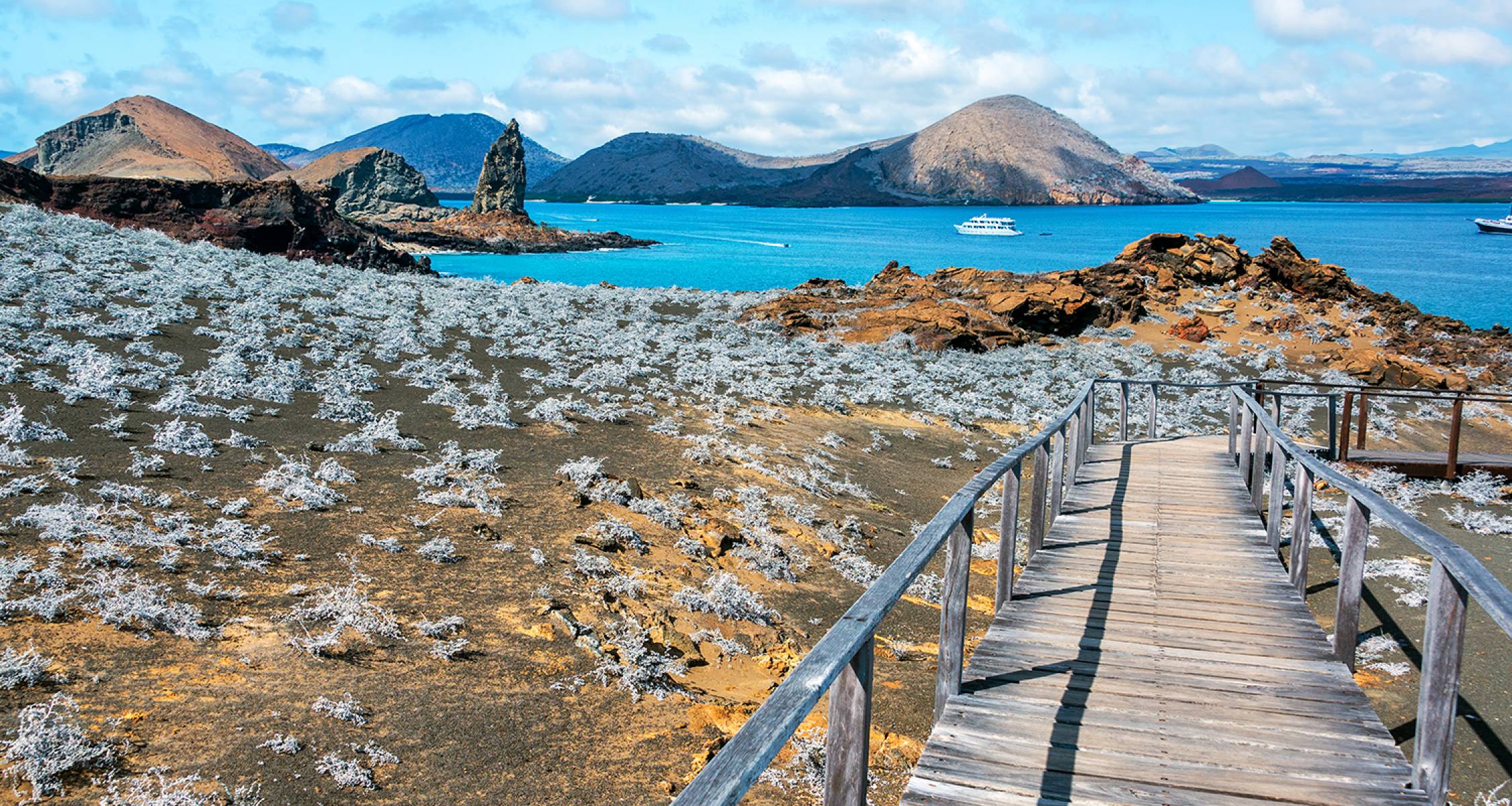
- Galapagos Islands:These enticing islands, only reachable by flying into Ecuador, are a tremendous draw due to their fearless and endemic wildlife. They are a virtually untouched, living laboratory of evolution where animals roam freely and peacefully. The volcanic landscapes are often referred to as vast, sublime, and otherworldly.
- Andean Highlands (Quito):Quito, the capital (also known as San Francisco de Quito), is globally renowned for having one of the best-preserved Historic Quarters in South America. It's a UNESCO World Heritage Site, filled with epic churches and cathedrals like the San Francisco Church, Convent, and Plaza. The city is flanked by towering mountains and distant volcanoes. The equator monument is also a fun and educational visit.
- Diverse Ecosystems:
- Other Highlights:Popular activities include visiting the Cotopaxi Volcanoand trekking the Quilotoa Loop. The Mindocloud forest is also excellent for birdwatching.
Considerations:
- Safety Concerns:Mainland Ecuador, particularly major cities like Guayaquil("Pearl of the Pacific") and even parts of Quito, has seen a significant increase in violent crime in recent years. While tourist areas are often patrolled, it's essential to exercise extreme caution and stay informed about current security situations. We personally had a close call being almost mugged in Quito.
- High Costs for Galapagos:The Galapagos Islands remain very safe, but they come with a significant entry fee and high tour costs.
7. Paraguay: A Hidden Gem Of Culture And Tranquility
Paraguay is a true hidden gem in South America – a country we have spent several months in. Often overlooked by its larger neighbors like Argentina and Brazil, this underrated nation offers a refreshingly authentic and laid-back travel experience.
Why Paraguay Shines:
- Explore the impressive Jesuit missions(UNESCO World Heritage sites).
- Visit the massive Itaipu Dam, one of the world's largest hydroelectric power plants.
- While not as famous as Iguazu, the Saltos del Mondaywaterfalls are also worth a visit, often without the crowds.
- Friendly, Laid-back Culture:Paraguayans are incredibly warm and welcoming, contributing to a relaxed and enjoyable travel environment.
- Authentic Cultural Immersion:Visitors can experience everyday South American life and deep indigenous traditions, including fascinating visits to tribal communities in the vast Chaco region(home to the Toba people).
- Great Food:The food scene, particularly in Asunción, is a delightful surprise, with highlights like delicious local dishes and excellent restaurants (such as Palacio de los Lopez).
- Unique Historical and Engineering Sites:
Ideal For:Budget travelers, cultural explorers, those seeking authentic experiences, and travelers who appreciate a slower pace and fewer crowds.
Considerations:
- Paraguay doesn't boast as many "bucket-list" attractions as some other countries.
- It can be less connected for international travel, requiring more complex logistics.
- Accommodation might sometimes cost a little more than expected for a budget country.
8. Uruguay: Tranquil Beaches And European Charm
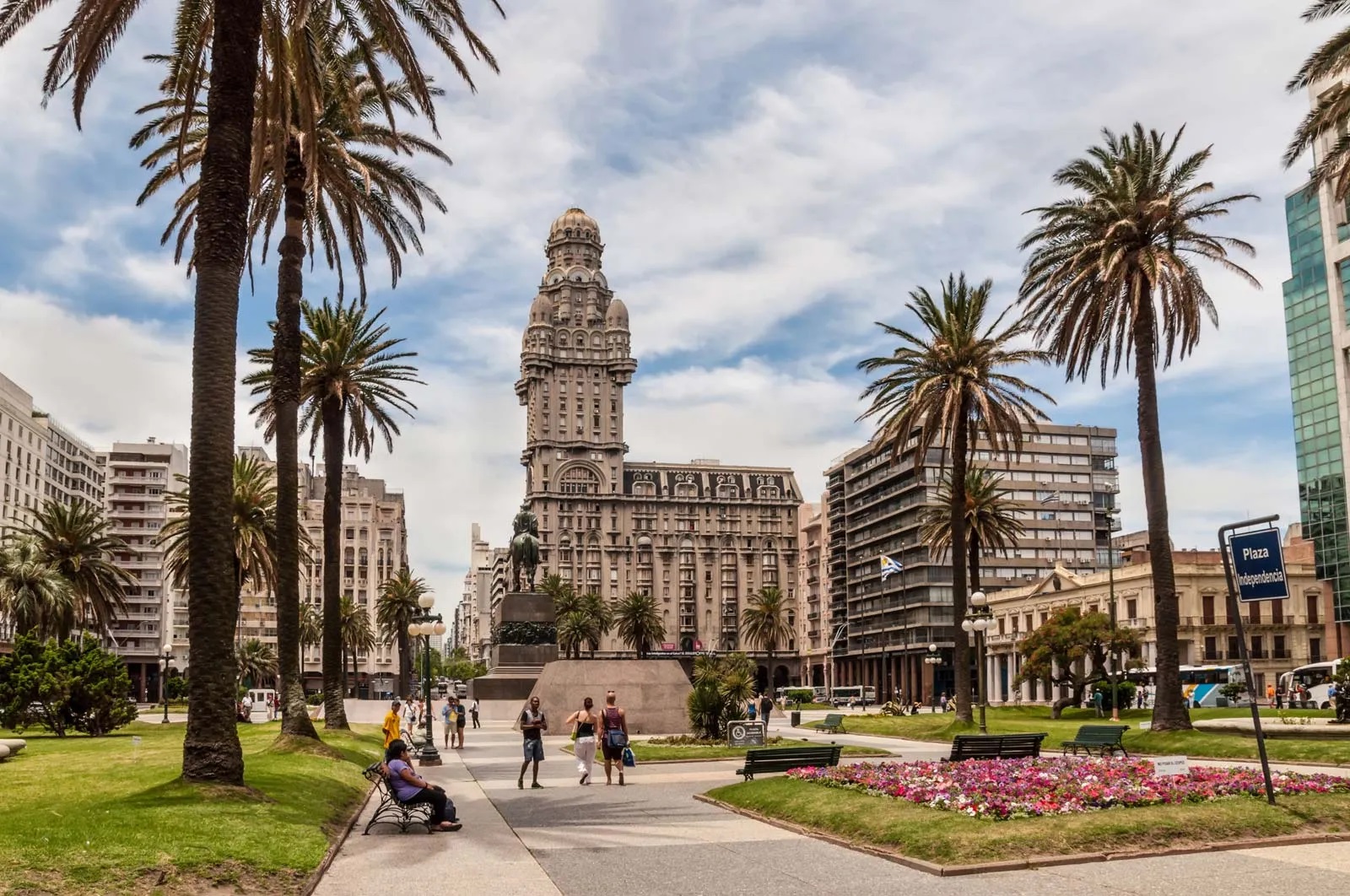
Uruguay, while sometimes overlooked by its larger neighbors, offers a distinct European feel, tranquil beaches, and a remarkably safe and laid-back pace of life. It consistently ranks as one of the safest countries in Latin America.
Why Uruguay Shines:
- Exceptional Safety:Uruguay is considered one of the safest countries in South America, making it an excellent choice for first-time visitors, solo travelers, or those seeking a more tranquil experience.
- Charming Colonial Towns:Colonia del Sacramento, a UNESCO World Heritage site, is a picturesque colonial town with cobblestone streets and historic buildings – a lovely day trip.
- Relaxed Montevideo:The capital city offers a pleasant Old Town (with sites like Plaza Independencia), a scenic waterfront promenade (Rambla), and a vibrant cultural scene, especially for candombemusic. While some areas show signs of decay, the overall vibe is relaxed.
- Sophisticated Coastal Resorts:Punta del Esteis a popular resort town, offering pristine beaches, fine dining, and lively nightlife during the summer months.
- Stable and European-like:Uruguay feels very stable, with a strong European cultural influence and good banking options.
Ideal For:Relaxed travelers, couples, those prioritizing safety and tranquility, and visitors interested in a blend of beach life and colonial history.
Considerations:
- Uruguay is one of the most expensive countries in South America, especially compared to its immediate neighbors.
- Some travelers might find it "boring" compared to the more action-packed destinations, as it lacks major adrenaline-pumping activities or grand natural spectacles.
9. Brazil: A Land Of Contrasts (and Complexities)
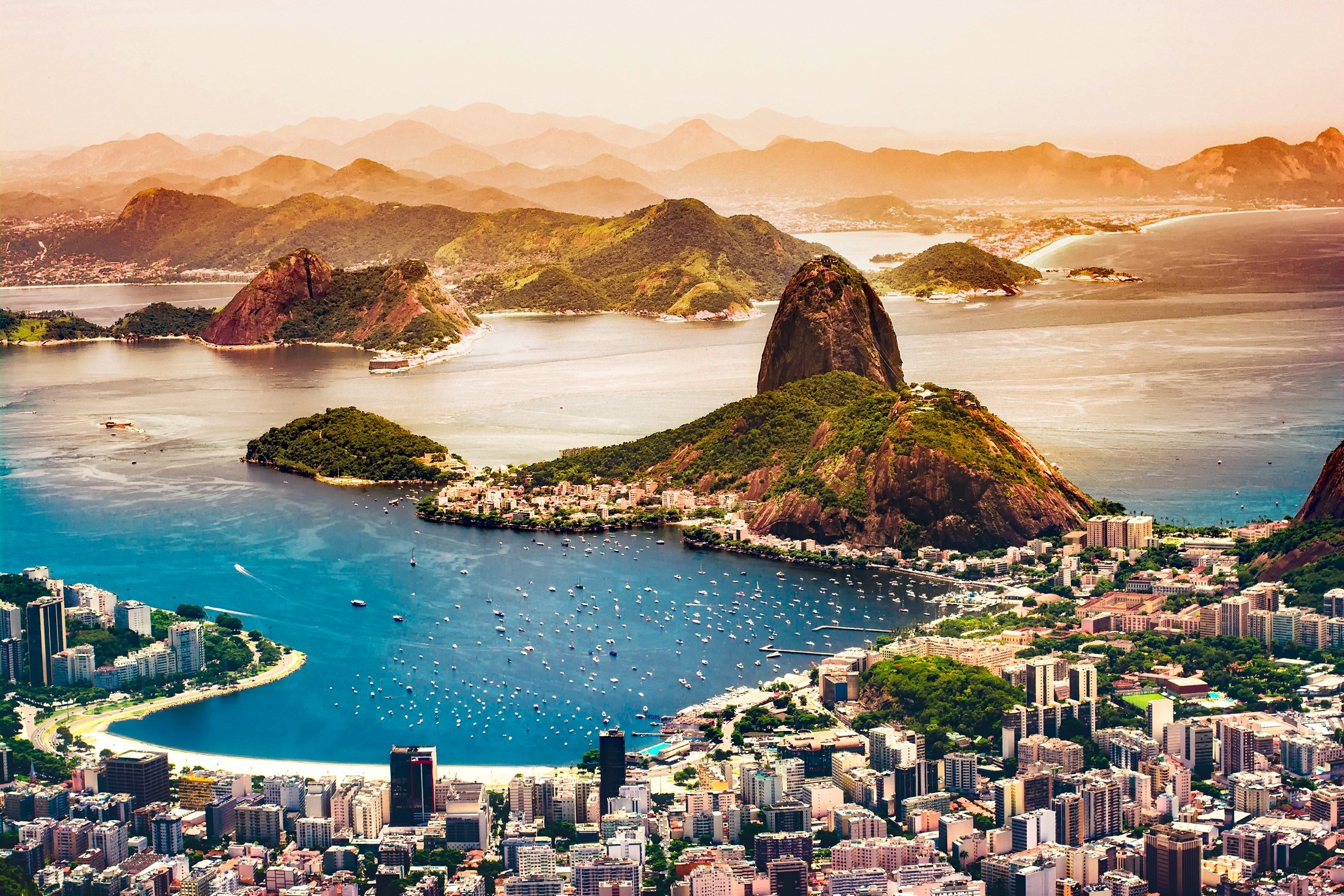
Brazil, a country of immense natural beauty and vibrant culture, is a land of stark contrasts. It offers unparalleled experiences but can also be a significant challenge.
Highlights:
- Natural Wonders:The awe-inspiring Iguazu Falls(with its panoramic views from the Brazilian side), and the vast Pantanalwetlands teeming with wildlife (an excellent alternative to the Amazon for animal spotting).
- Iconic Cities:The undeniable energy of Rio de Janeiro(Copacabana, Ipanema, Christ the Redeemer, Sugarloaf) and São Paulo(a massive metropolitan hub).
- Culinary Delights:The food scene is incredible, with all-you-can-eat steak at churrascarias for remarkably low prices. We particularly recommend trying cupim(hump steak) and enjoying the "buffet livre" (all-you-can-eat buffet).
- Southern Charm:Cities like Gramadoand Canelain the south offer distinct European charm and higher safety.
- Island Beauty:Florianopolisis known for its beautiful beaches.
- Historical Cities:Curitibaoffers great food, though we personally encountered an Airbnb scam there. It can serve as a decent working base due to its pleasant weather.
- Amazon Gateway:Belemserves as a popular gateway for exploring the Amazon.
Challenges:
- Safety Concerns:Safety remains a major concern, particularly in major cities like Rio de Janeiro and São Paulo, where robbery and violent crime are common. We personally encountered issues in places like Cracolandia in São Paulo and had to be constantly vigilant.
- Language Barrier:Navigating the country without speaking Portuguese can be very tricky.
- Bureaucracy:Administrative hurdles like needing a CPF (Brazilian tax number) for simple tasks can be frustrating.
- Urban Dangers:While some cities are safer, the constant need for vigilance in others can overshadow Brazil's many positives.
10. Venezuela: Surprising Beauty, Significant Challenges
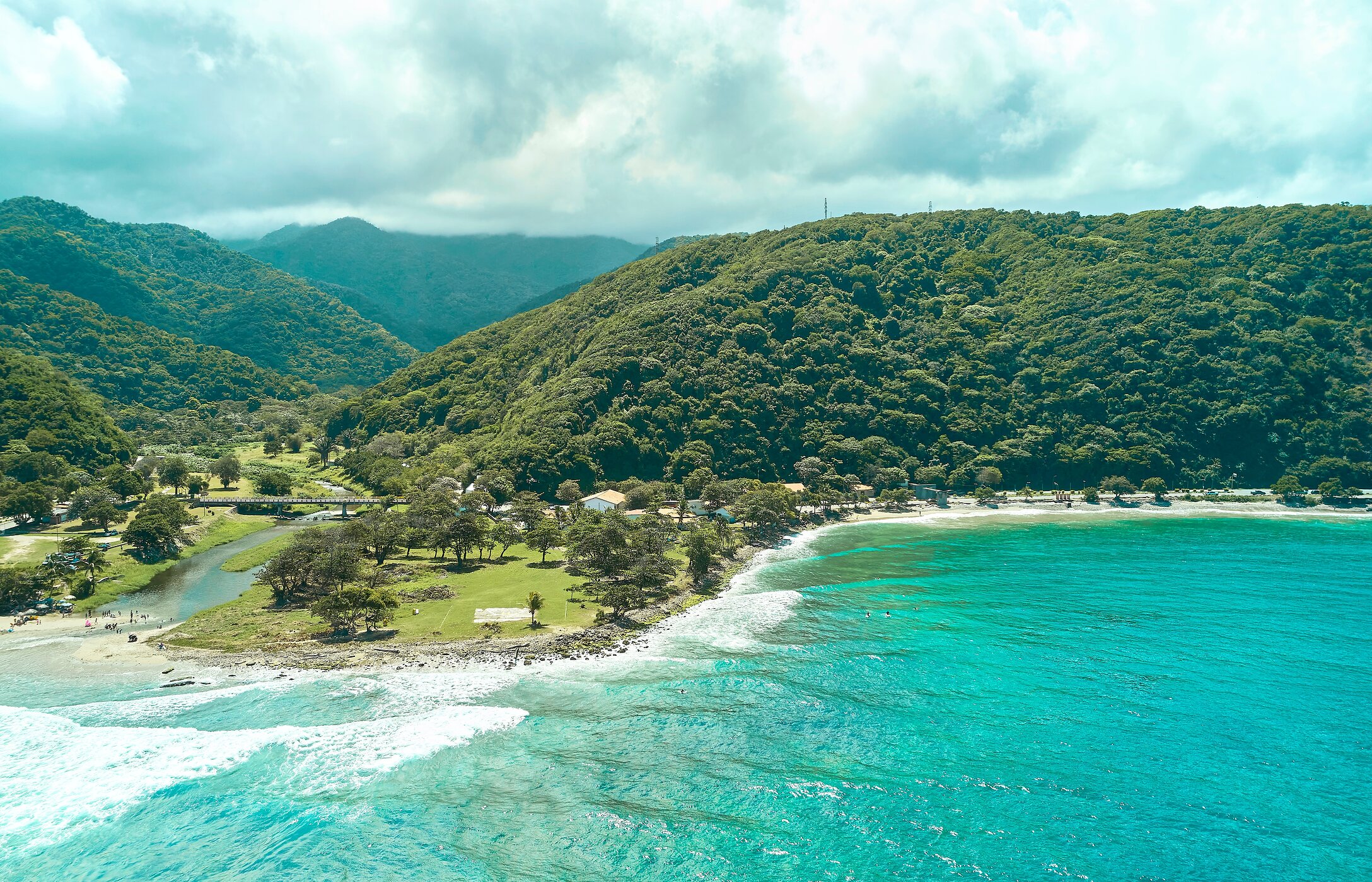
Venezuela was the country that surprised us most in South America. Despite its low ranking on "most dangerous country in the world" lists, it was far safer than expected during our visit. However, it is not a beginner destination.
Highlights:
- Safari at Hato El Cedral:This was undoubtedly Venezuela’s highlight. Our three-day safari at Los Llanos was one of the most memorable experiences of our lives, including spotting an anteater, holding an anaconda, riding horses, and fishing for piranhas.
- Authentic Feel:Very few tourists, meaning it has a much more authentic feel compared to many other countries.
- Friendly Locals:Locals are very warm and welcoming, far friendlier than we anticipated.
- Interesting History & Politics:It's fascinating to observe the public propaganda promoting figures like Nicolas Maduro and Hugo Chavez, and "friendly" countries like Russia and Cuba.
Challenges:
- Bring lots of small dollar bills, as receiving the right change is rare.
- Expect lots of questioning whilst entering and leaving the country.
- Navigating the main bus terminal (La Bandera) can be chaotic, with frequent timetable changes. We advise swapping WhatsApp numbers with bus companies for schedules.
- Limited supply of decent accommodation options.
- Very Expensive:Some prices in supermarkets are among the most ridiculous we've ever seen (e.g., a bag of crisps for US$30).
- Logistical Difficulties:
- Safety Risks:It is dangerous if you go near the Colombia border, or say anything negative about the government. It’s a tricky country to visit without a fluent Spanish speaker or a local guide.
- Specific Travel Advice:Visitors should come with a clear itinerary, avoid mentioning links to journalism or the military (or blogging!), and manage their money carefully.
11. The Guianas: Suriname And Guyana
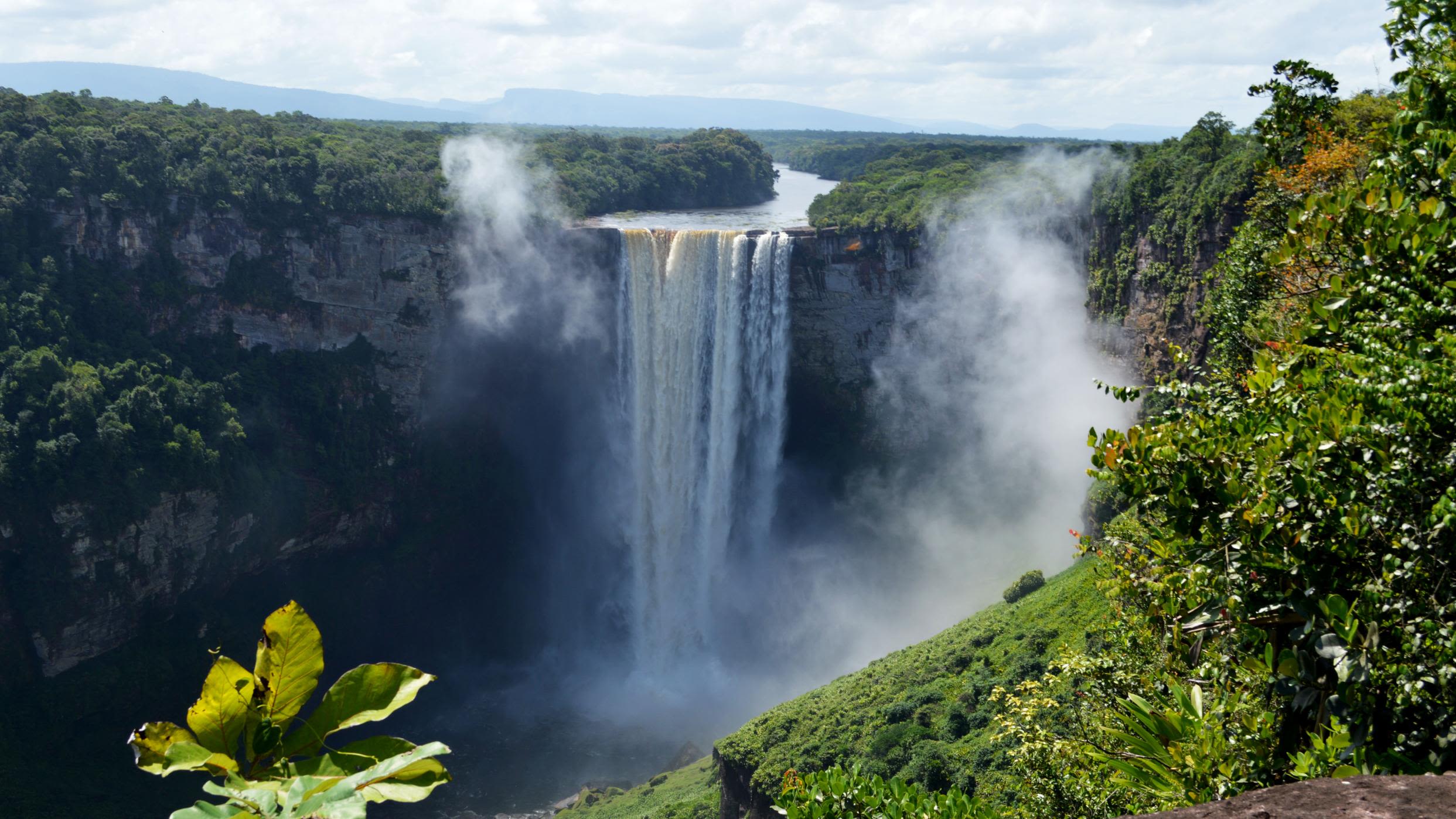
Our experiences in Suriname and Guyana, while unique, place them lower on a general "best to visit" list for the average tourist. Culturally, they are more aligned with the Caribbean than Latin America.
Suriname:
- Challenges:We found Suriname to be our least favorite country in the world due to rising crime, scams, limited attractions (beyond Paramaribo's Basilica and Fort Zeelandia), and high costs. Our own experience included navigating a chaotic bus station and a potential kidnapping attempt.
- Niche Appeal:It offers some of the easiest access to the Amazon rainforest.
Guyana:
- Challenges:This country suffers from high costs, significant safety concerns (especially in Georgetown, which has a rundown appearance and high crime, particularly around Stabroek Market), and underdeveloped tourist infrastructure. We found Georgetown to be expensive and often boring, with violent crime.
- Highlights:It's home to the impressive Kaieteur Falls, but tours can be unprofessional. It's also a great spot for cricket enthusiasts, with the Providence Stadiumnearby.
Unless you are on a quest to visit every country or have a very specific interest in their unique cultural blend and remote Amazon access, these countries may not be the first choice for a typical South American adventure.
Best Time To Visit South America
South America's vastness means there's no single "best time" for the entire continent.
- Andes (Peru, Bolivia, Ecuador, parts of Chile & Argentina):The dry season (May to October) is generally best for trekking and clear skies, though it's also peak tourist season.
- Patagonia (Chile & Argentina):The summer months (December to February) offer the best weather for hiking, but also the largest crowds. Shoulder seasons (November and March-April) provide a good balance.
- Amazon Rainforest (Brazil, Peru, Ecuador, Colombia):The dry season (June to October) has lower water levels, making wildlife spotting easier, while the wet season (November to May) offers higher water levels, ideal for exploring by boat.
- Brazil & Caribbean Coast (Colombia):The dry season (May to September) is typically sunny and pleasant. Carnival in Brazil (February/March) is a major draw but involves large crowds and higher prices.
South America Travel Tips For An Unforgettable Journey
- Learn Basic Spanish (or Portuguese for Brazil):While English is spoken in major tourist hubs, a few key phrases in Spanish (or Portuguese in Brazil) will vastly enhance interactions with locals, opening doors to more authentic experiences and showing respect for the local culture.
- Acclimatize to Altitude:When visiting high-altitude destinations such as Cusco (Peru), La Paz (Bolivia), or Quito (Ecuador), allow a few days to acclimatize. Stay hydrated, avoid alcohol, and take it easy to prevent altitude sickness.
- Embrace Local Transportation:Long-distance buses are a common, comfortable, and often scenic way to travel between cities and even countries. For longer distances, budget airlines offer increasingly affordable internal flights.
- Pack Smart and Layer:South America's diverse climates mean you could experience all four seasons in one trip. Pack adaptable layers, including waterproof gear, and invest in comfortable, sturdy walking shoes. For rainforest adventures, insect repellent and lightweight, long-sleeved clothing are essential.
- Secure Travel Insurance:Unexpected situations can arise. Comprehensive travel insurance is highly recommended to cover medical emergencies, trip cancellations, or lost luggage.
- Check Visa Requirements:Visa rules vary significantly by nationality and country. Always research and confirm the latest visa requirements for all countries you plan to visit well in advance of your trip.
- Cash is Still King (Sometimes):While credit cards are widely accepted in major cities and tourist establishments, always carry local currency, especially for smaller towns, local markets, and public transport. ATMs are widely available, but inform your bank of your travel plans.
- Consider Internet Connectivity:Wi-Fi is generally available in cities and tourist areas, but can be slow or unreliable in more remote regions. Consider an eSIM or local SIM card for consistent data.
- Prioritize Health:Consult your doctor about recommended vaccinations (e.g., Yellow Fever for Amazon regions) and necessary health precautions. Carry a basic first-aid kit and any personal medications.
- Maintain Flexibility:Travel plans in South America can sometimes face unexpected delays or changes due to weather, local events, or transport issues. A flexible attitude and a willingness to adapt will greatly reduce stress.
- Stay Informed on Local Safety:While many areas are perfectly safe, it's wise to stay informed about local conditions through government travel advisories and by speaking with trusted locals. Be mindful of belongings, especially in crowded areas, and avoid walking alone at night in unfamiliar neighborhoods.
People Also Ask
What Is The Best South American Country For A First-time Visitor?
Based on extensive travels and consistent traveler feedback, Argentinaand Peruare excellent choices for first-time visitors. Argentina offers an ideal blend of stunning nature, vibrant city life, and high safety.
Peru provides a well-established tourist infrastructure around its iconic historical sites and diverse landscapes, making it easy to navigate. Uruguayis also a great option due to its high safety and laid-back atmosphere.
Which South American Country Has The Best Food?
Without a doubt, Argentinatakes the crown for its incredible asado(barbecue) and world-class beef. However, Peruis widely recognized as the gastronomic capital of South America, with Lima leading the charge in culinary innovation. Braziland Colombiaalso offer exceptional and diverse culinary experiences.
What Are The Safest South American Countries To Visit?
In our experience, Uruguay, Chile, and Argentinaconsistently rank as the safest South American countries with the lowest crime rates. While general caution is always advised, these nations offer a very secure and comfortable environment for travelers.
Which South American Countries Are Best For Nature Lovers?
Virtually all South American countries boast incredible natural beauty. For sheer diversity and unique experiences, Chile(Atacama, Patagonia), Ecuador(Galapagos, Amazon, Andes), Peru(Andes, Amazon, desert), and Brazil(Amazon, Pantanal, Iguazu Falls) are top contenders.
Final Thoughts
From the ancient ruins of Machu Picchu in Peru to the vibrant streets of Rio de Janeiro in Brazil, and from the breathtaking glaciers of Patagonia in Argentina to the enchanting Galapagos Islands in Ecuador, South America never fails to leave a lasting impression on visitors.
The best South American countries to visit offer a blend of history, natural beauty, vibrant cultures, and warm hospitality. Whether you're a nature lover, history enthusiast, or adventure seeker, South America will captivate your senses and create lifelong memories.
So, pack your bags and embark on a journey to discover the wonders of this magnificent continent.
Jump to
1. Argentina: Culinary Excellence And Patagonian Grandeur
2. Peru: Land Of The Incas And Gastronomic Prowess
3. Bolivia: High-Altitude Wonders And Authentic Indigenous Culture
4. Colombia: Resurgent Beauty And Vibrant Culture
5. Chile: From Desert To Glaciers
6. Ecuador & The Galapagos: Megadiverse Wonders
7. Paraguay: A Hidden Gem Of Culture And Tranquility
8. Uruguay: Tranquil Beaches And European Charm
9. Brazil: A Land Of Contrasts (and Complexities)
10. Venezuela: Surprising Beauty, Significant Challenges
11. The Guianas: Suriname And Guyana
Best Time To Visit South America
South America Travel Tips For An Unforgettable Journey
People Also Ask
Final Thoughts

Maya Reyes
Author
Maya Reyes’s wanderlust was sparked in the temples of Luang Prabang, where the scent of lemongrass and the chants of monks revealed the transformative power of travel.
Since then, her journey has been defined by cultural immersion and authentic connections. From learning batik in Indonesia to sharing meals with nomadic families in Mongolia, Maya seeks experiences that highlight the human stories behind each destination.
Travel for her is a way to weave her narrative into the world’s cultural tapestry, creating bridges across diverse ways of life. Maya has traveled to 15 countries and shares her insights through writing and storytelling.

Finn Wilde
Reviewer
For Finn Wilde, the wilderness is more than just a destination - it’s a way of life. Over the past decade, he has led multiple expeditions in some of the world’s most remote regions, from the icy fjords of Greenland to the rugged trails of Patagonia.
Finn emphasizes sustainability in all of his adventures, helping participants connect with nature while promoting responsible exploration. His expeditions inspire individuals to explore the great outdoors while fostering a deep respect for the environment.
Latest Articles
Popular Articles