15 Best Markets In India For Handcrafted Souvenirs
Shop wisely at the best markets in India for handcrafted souvenirs. Learn where to find authentic handmade products, regional crafts, and traveler tips.
Author:Michael RachalReviewer:Finn WildeMay 01, 20261K Shares125.4K Views
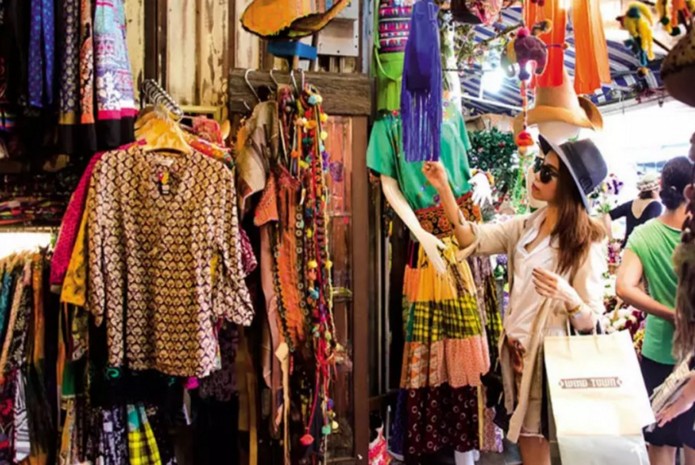
India’s Finest Markets For Traditional Handicraft
You don’t visit India to buy something ordinary. You want handloom textiles, pottery shaped by skilled artisans, and jewelry made using techniques passed down across generations. In India, markets are more than shopping spaces; they are places where traditional craft skills are still practiced and preserved.
Not every bazaar sells genuine handmade products. Some markets mix authentic crafts with factory-made items, so knowing where to shop helps you avoid poor-quality souvenirs. Choosing the right market matters if you want pieces that truly reflect Indian heritage and craftsmanship.
The best markets in India for handcrafted souvenirsare selected based on artisan presence, craft specialization, and reliable buying experiences. From gemstone workshops in Jaipur to Pashmina traders in Kashmir and tribal craft markets in Odisha, these locations are known for strong cultural and craft traditions. Careful shopping helps you bring home souvenirs that represent authentic Indian artistry.
1. Dilli Haat
Location: INA Market, South Delhi, New Delhi, India
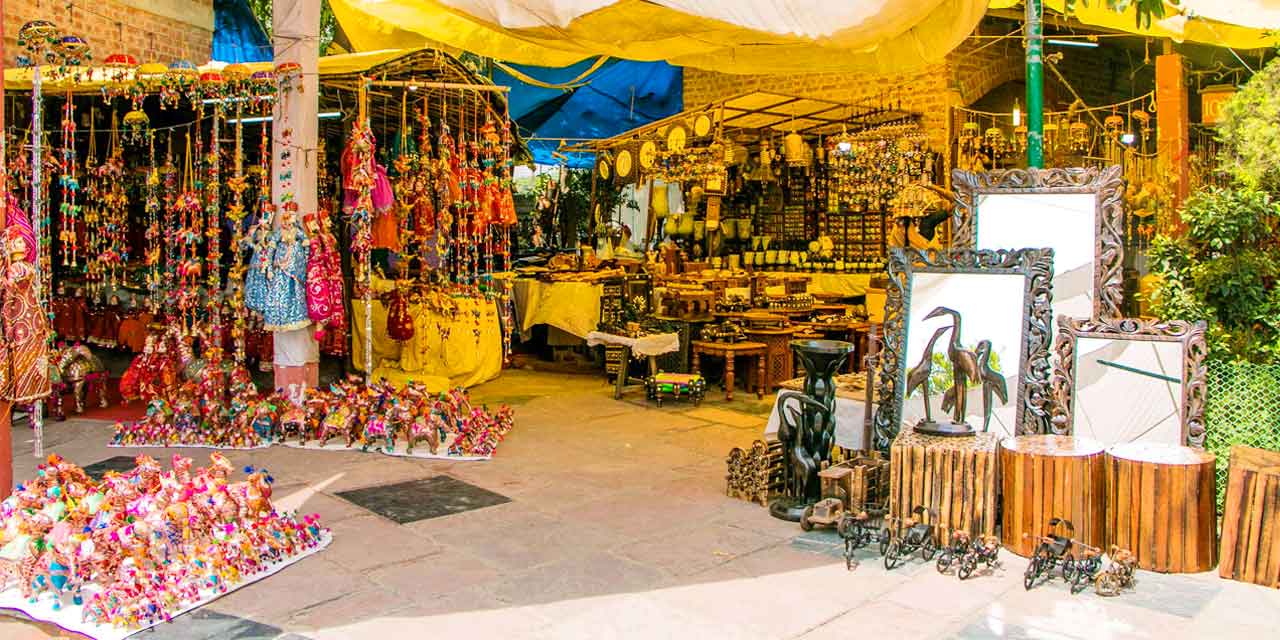
Dilli Haat is a government-managed craft market where artisans from different states sell handmade products directly. The stalls rotate every few weeks, so you may see different crafts if you visit again later. This helps keep the market fresh and supports small craft producers.
The market is designed like a traditional village bazaar with an open-air walking space. You can find handwoven shawls, tribal paintings, wooden craftwork, and decorative home items. Many products here carry cultural patterns that represent different Indian states.
Prices are usually fixed, but quality varies between stalls. Check stitching, painting detail, and material finish before buying. The market is good for travelers who want a safe introduction to Indian handicrafts.
2. Johari Bazaar
Location:Old City, Jaipur, Rajasthan, India
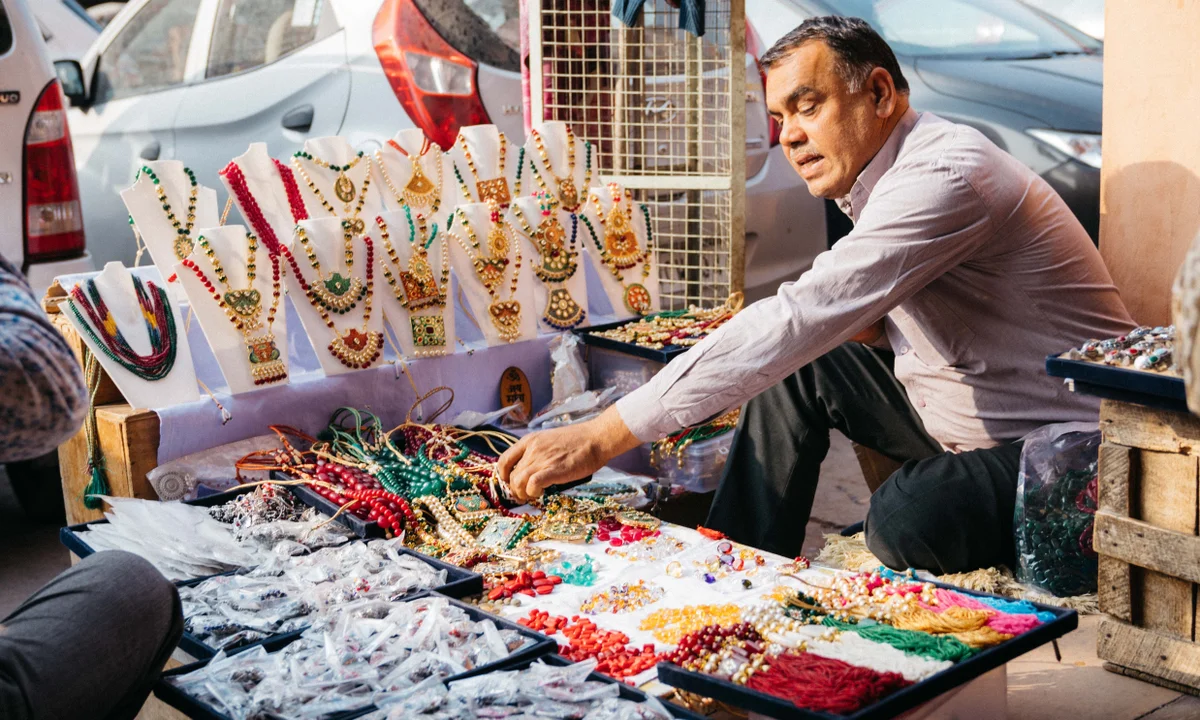
Johari Bazaar is one of the main centers for traditional jewelry shopping in Rajasthan. The market is famous for Kundan and Meenakari jewelrythat follows royal craft traditions from the region’s historical kingdoms.
Many shops inside the market are run by families who have worked in jewelry trading for many years. Some stores allow buyers to order custom designs or modify existing jewelry styles. If you are buying gemstones, ask about stone origin, cutting method, and quality certification.
Blue pottery items are also sold in some stores. This pottery is made using a special technique where clay is mixed with quartz powder before shaping and firing. Bargaining is normal, but comparing prices in at least two shops is a smart strategy.
3. Chandni Chowk
Location:Old Delhi, near Red Fort, New Delhi, India
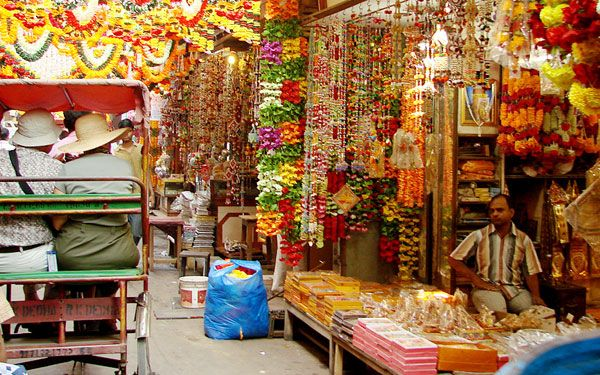
Chandni Chowk is a busy historical market that shows the commercial culture of Old Delhi. The market is divided into smaller lanes where each lane usually focuses on one type of product. Some lanes sell wedding clothing while others focus on jewelry or embroidery.
Zardozi embroideryis one of the most important crafts here. This embroidery uses metal thread work stitched carefully onto fabric. When buying embroidered textiles, check the back side of the cloth to see how neat the stitching is.
The market is crowded during festivals and wedding seasons. Carry small cash because many old shops prefer cash payments. Walking slowly through the market helps you find better quality craft shops.
4. Lal Chowk
Location:Srinagar City Centre, Jammu and Kashmir, India
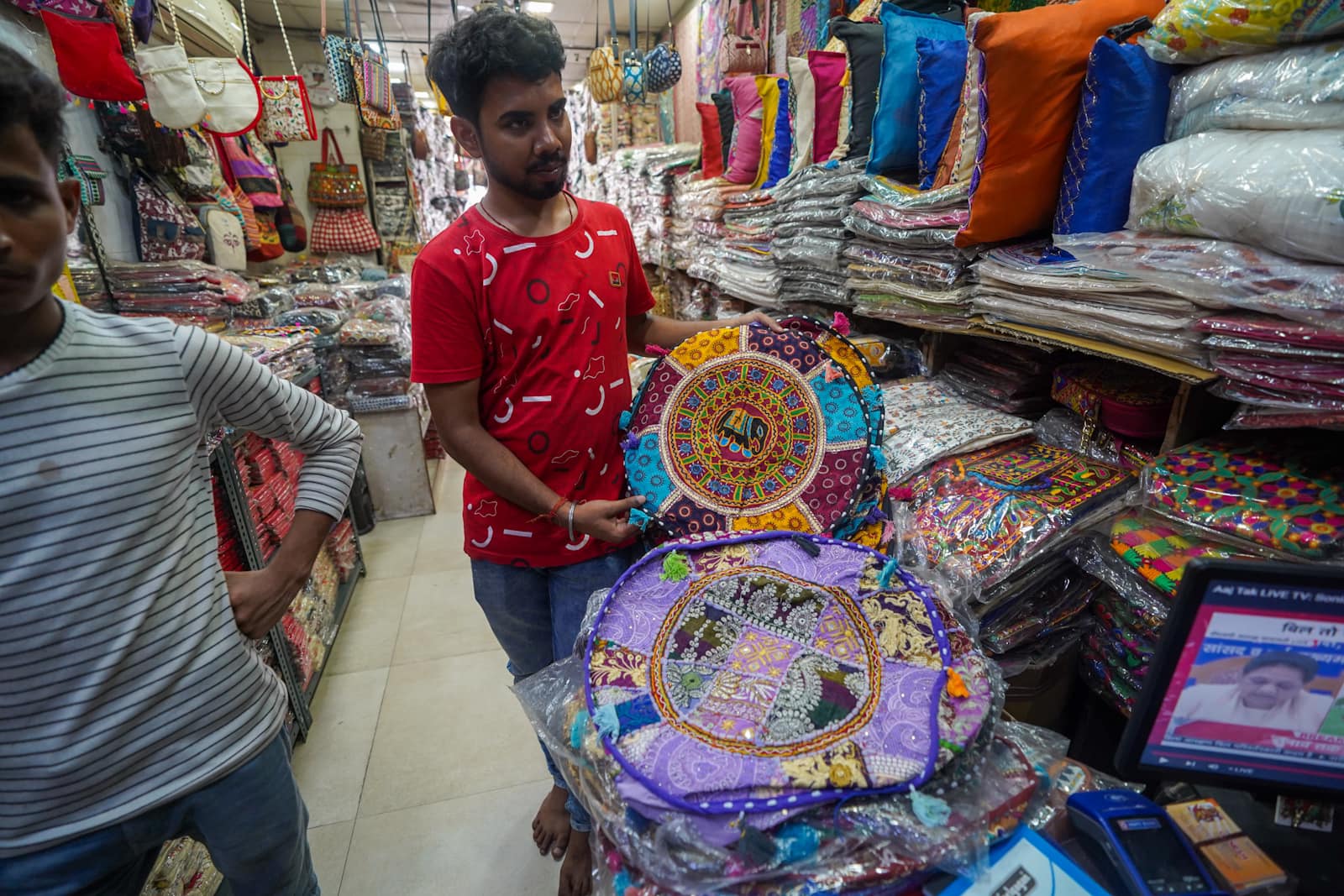
Lal Chowk is one of the main shopping areas for traditional Kashmiri handicrafts. The market is especially known for Pashmina shawls that are made from fine goat hair fibers collected from Himalayan regions.
True Pashmina shawls are usually light in weight but provide strong warmth. When checking quality, feel the fabric texture and gently stretch the shawl. Pure Pashmina should feel soft and not rough on the skin.
Walnut wood carving products sold here often show detailed floral or traditional Kashmiri designs. Papier-mâché crafts are usually hand-painted using natural colors. These items are popular as decorative souvenirs.
5. Shilparamam
Location:Hitech City Road, Hyderabad, Telangana, India
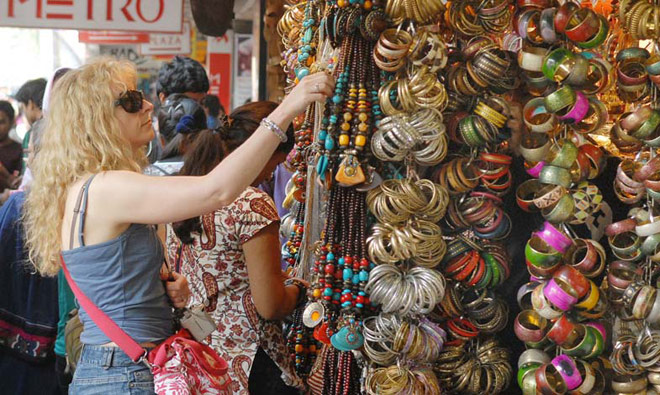
Shilparamam is a cultural craft village built to protect traditional craft skills from South India. The market layout looks like a rural village with small stalls, walking paths, and open craft exhibition spaces.
Visitors can sometimes watch artisans working on wood carving, metal craft, or toy painting. Kondapalli wooden toys are one of the popular products because they are lightweight and colorful. Bidri metal craft items are also common and are known for their black metal base decorated with silver patterns.
The market also hosts cultural performances during some events. This makes shopping feel more like a cultural experience than a regular commercial visit. Buying directly from artisans helps support traditional craft communities.
6. Laad Bazaar
Location: Near Charminar, Old City, Hyderabad, Telangana, India
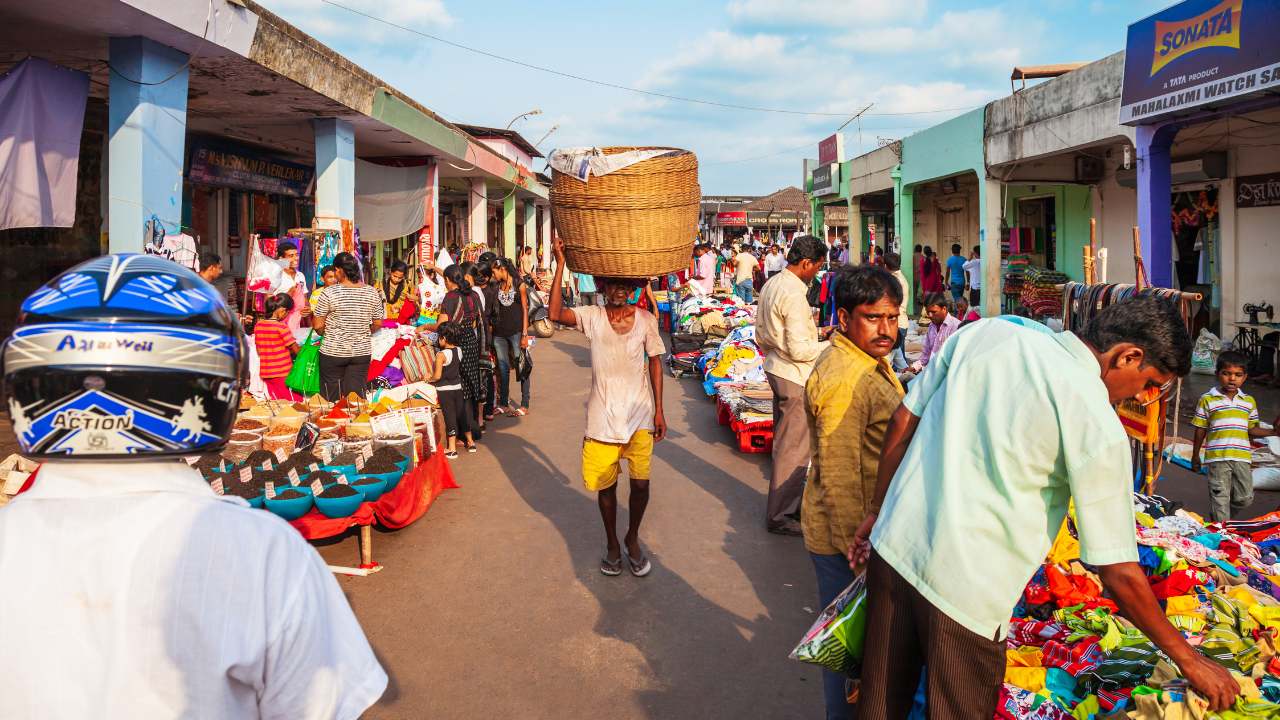
Laad Bazaar is a narrow shopping street known mainly for traditional bridal accessories. The market is famous for lacquer bangles made using a heating and coating process that creates bright color finishes. Many designs are inspired by the historical Nizam-era jewelry culture.
Pearl jewelry is another popular product here because Hyderabad has long been associated with pearl trading. When buying pearl items, check the surface shine and uniformity of the beads. Natural or high-quality pearls usually have a soft glow rather than a plastic-like reflection.
The market is small but highly specialized. Evening visits are more comfortable because shops use decorative lighting that helps you examine jewelry details.
7. Law Garden Night Market
Location: Law Garden, Ellisbridge, Ahmedabad, Gujarat, India
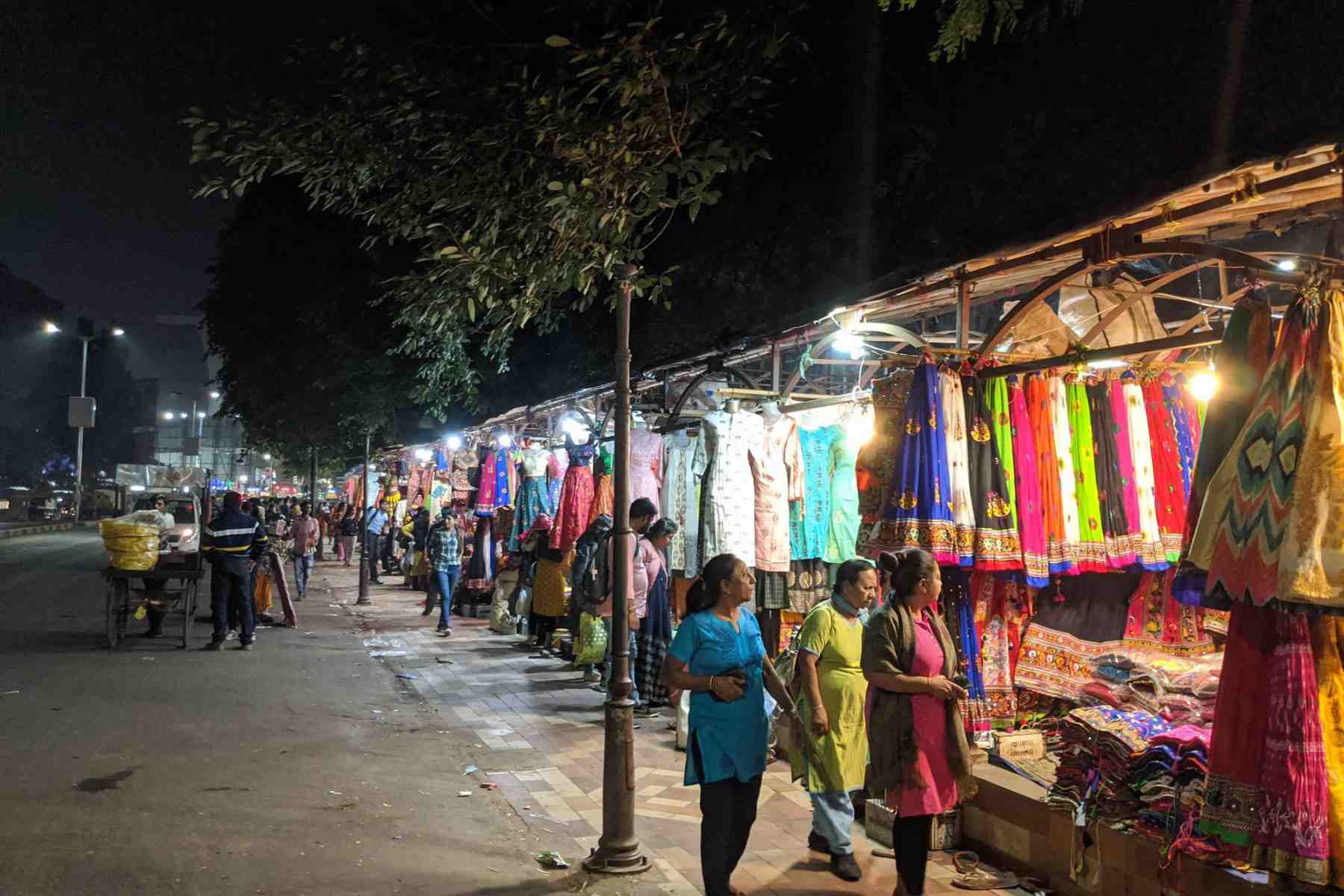
Law Garden Night Market is one of the popular places in Gujarat to buy mirror embroidery crafts. The embroidery style uses small mirrors stitched into fabric patterns, which is a traditional craft often showcased during cultural festivals in india where local artisans display heritage textiles and handmade art.
Bandhani textiles are also widely available. This craft uses a tie-dye process where fabric is tied into small sections before dyeing, producing dotted pattern designs. Tribal-style jewelry made using metal beads and traditional shaping methods is another common souvenir.
Many stalls are managed by craft cooperatives that support rural artisan communities. The market is usually open in the evening, and because it is an outdoor market, checking weather conditions before visiting is helpful.
8. Bapu Bazaar
Location: Near Johari Bazaar, Jaipur, Rajasthan, India
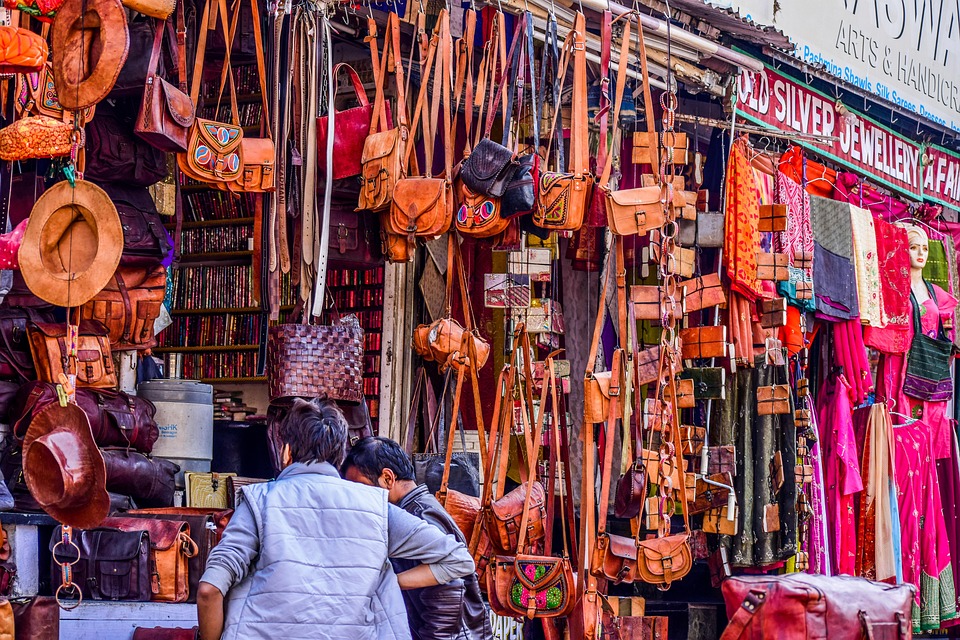
Bapu Bazaar is known as a more budget-friendly craft shopping area compared to luxury jewelry districts nearby. The market sells mojari footwear, which is traditional Rajasthani leather footwear designed for comfort and cultural style.
Blue pottery is one of the notable crafts here. This pottery uses a special low-temperature firing technique and is decorated with floral or geometric patterns. When buying, check that the glaze surface is smooth and free from visible cracks.
Block-printed fabrics are also common because they are lightweight and suitable for travel clothing. The market is good for visitors who want traditional crafts without spending too much money.
9. New Market
Location: Lindsay Street, Kolkata, West Bengal, India
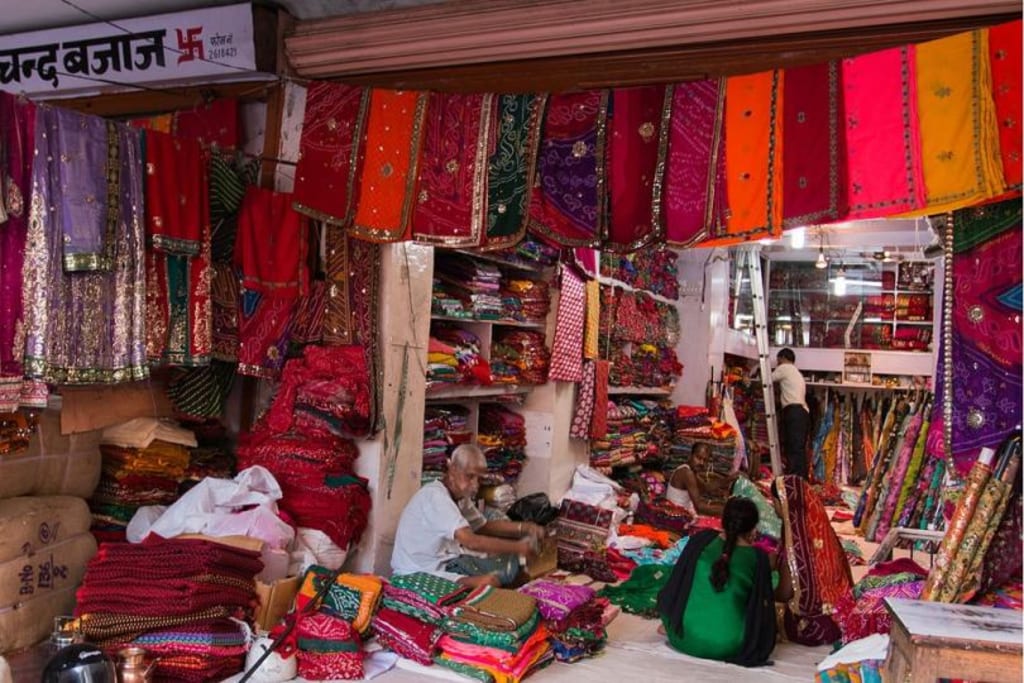
New Market is a large colonial-era shopping zone known for eastern Indian textile crafts. Kantha embroidery is a major product here, made using hand stitching that forms cultural and floral design patterns, making it a popular choice for people interested in eco-friendly interiorsthat use sustainable, handcrafted materials.
Cotton fabrics from Bengal and Banarasi-style silk items are also sold in some stores. Because the market is very large, it is wise to visit several shops before making a purchase decision since quality varies.
Some stores sell premium handmade crafts, while others sell mass-produced souvenir items. Comparing product details across shops helps you identify better quality work.
10. Bankura Craft Markets
Location: Bankura District, West Bengal, India
Bankura is well known for terracotta folk art, especially the traditional terracotta horse sculpture that represents rural Bengali craft heritage. These sculptures are made using local clay and traditional hand-shaping methods, often inspiring innovative space-saving decorthat fits both cultural and modern interior styles.
The terracotta horse is considered a cultural symbol connected to temple art and community traditions rather than just a souvenir. Smaller sculptures are easier to carry when traveling.
When buying terracotta products, check for natural clay texture and avoid pieces that look overly glossy or machine-finished. Slight irregularities usually indicate authentic handmade production.
11. Tribal Haats
Location: Various tribal districts, Odisha, India
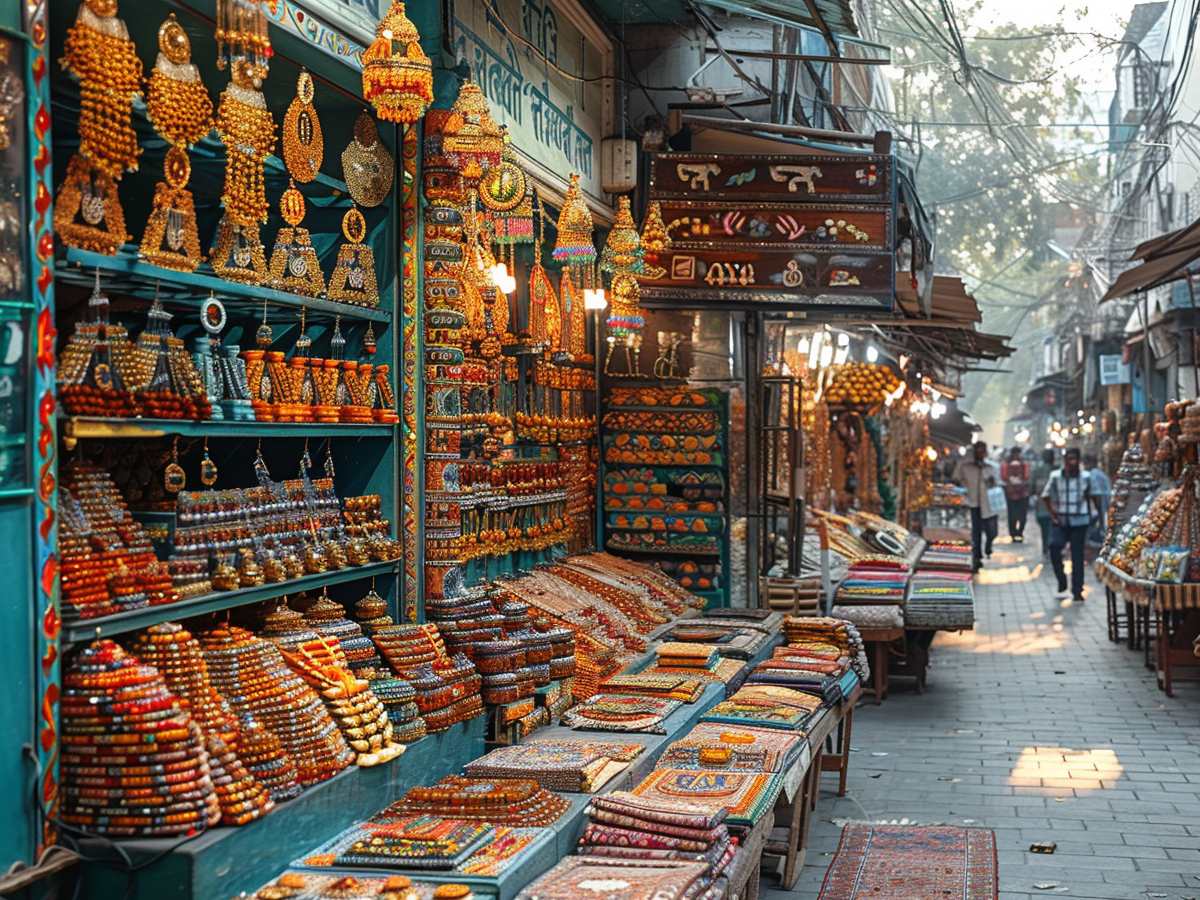
Tribal haats are weekly indigenous markets where tribal communities sell handmade crafts directly to visitors. These markets are important because they help preserve traditional craft knowledge passed through generations within local communities.
Dokra metal craft is one of the most recognized products here. This craft is made using an ancient lost-wax casting technique that creates unique tribal jewelry and decorative objects. Sambalpuri ikat textiles are also common and are known for their detailed weaving patterns.
Prices are usually fair because many sellers are artisan producers themselves. These markets are good for travelers who want authentic indigenous craft products rather than commercial souvenirs.
12. Devaraja Market
Location: Sayyaji Rao Road, Mysuru, Karnataka, India
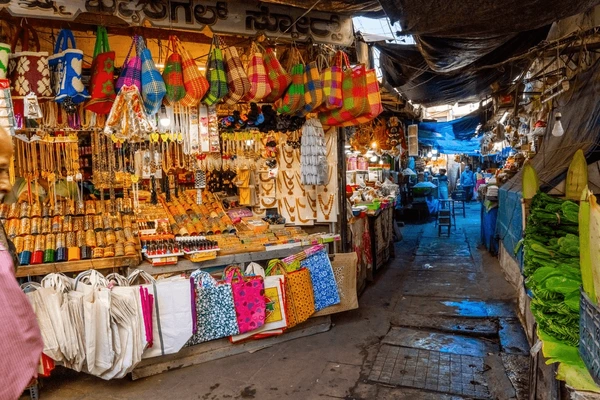
Devaraja Market is one of the oldest traditional markets in Mysuru and is known for its strong fragrance of sandalwood and flowers. The market is popular for Karnataka heritage crafts, including Mysore silk products and traditional incense materials.
Mysore silk is known for its smooth texture and royal cultural history. When buying silk, check for uniform weaving and natural shine because high-quality silk usually reflects light softly rather than appearing glossy.
Sandalwood crafts are also sold here, but export regulations may apply depending on your destination country. Genuine sandalwood carving usually has fine detailing and a light brown natural wood appearance.
13. Mapusa Market
Location: Mapusa Town, North Goa, Goa, India
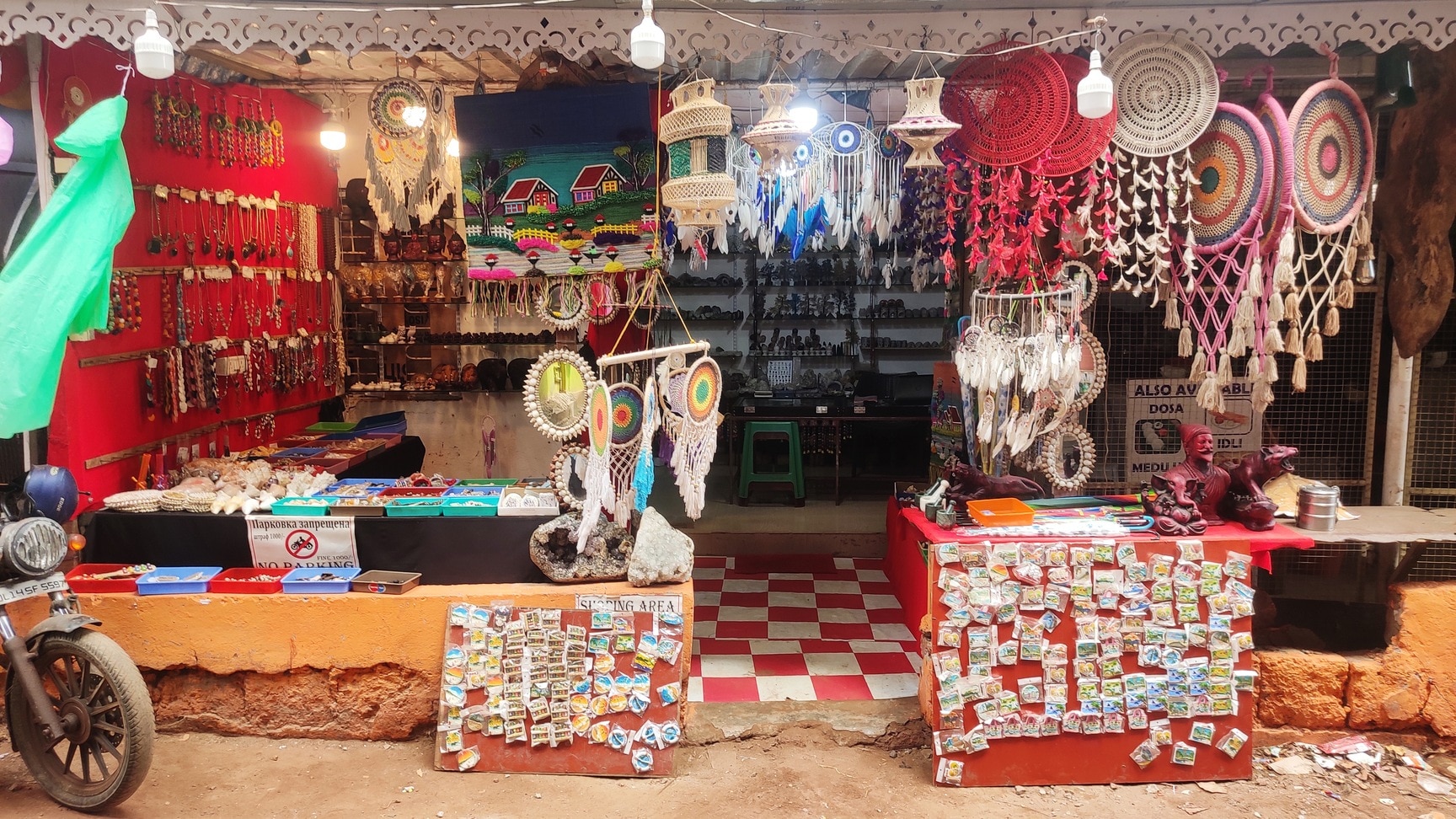
Mapusa Market is a traditional Goan weekly market that reflects local coastal lifestyle and commerce. The market sells coconut shell handicrafts, pottery products, and regional textile souvenirs.
Friday is the main market day, and most vendors open their stalls during this period. The market atmosphere mixes everyday local shopping with tourist-oriented craft products.
Goan craft items here are often influenced by coastal culture and Portuguese heritage design styles. When buying pottery or shell crafts, check for a natural material finish rather than an artificial coating.
14. Crawford Market
Location: South Mumbai, Maharashtra, India
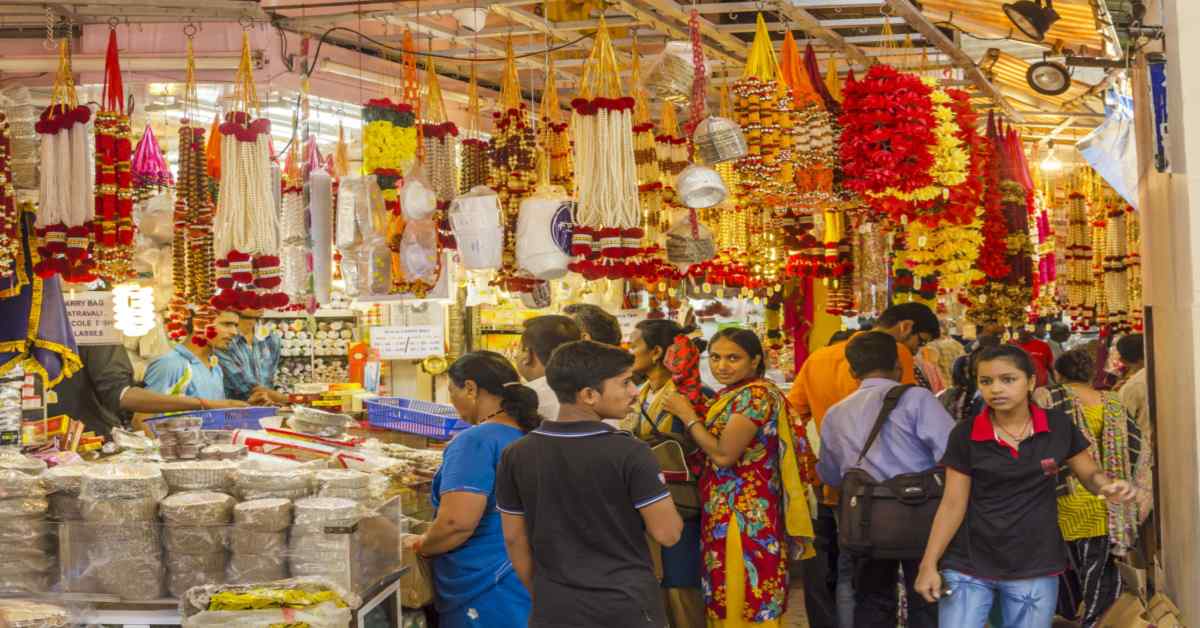
Crawford Market mainly operates as a wholesale trading center, but handicrafts can be found in the surrounding streets outside the main building. Brass decorative products and Maharashtrian traditional artifacts are commonly sold in nearby craft shops.
Mumbai’s commercial craft network connects this market to suppliers from different parts of India. Because of mixed retail and wholesale selling, prices can vary, so comparing similar items across multiple stores is recommended.
The market is usually busy during daytime business hours. Travelers who enjoy exploring dense urban markets will find this area interesting for craft hunting.
15. Anjuna Flea Market
Location: Anjuna Beach Road, North Goa, Goa, India
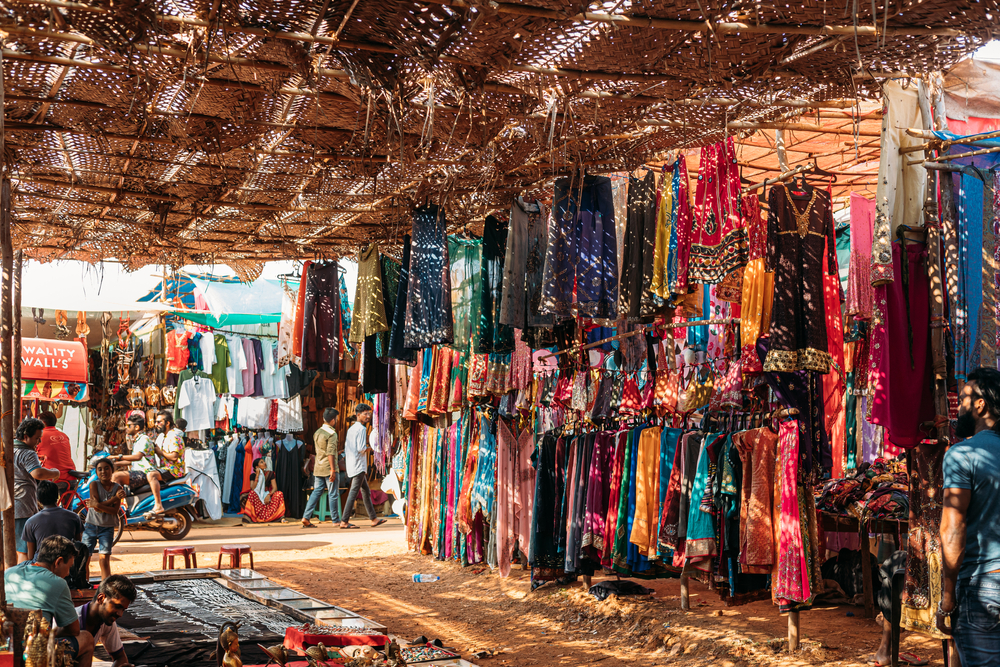
Anjuna Flea Market is a creative shopping space that opens mainly on Wednesdays and attracts both local and international sellers. The market focuses more on artistic and fusion-style handmade souvenirs rather than classical heritage crafts.
Embroidered bags, wooden art pieces, and decorative textile products are commonly sold here. Many items reflect modern bohemian craft design influenced by global traveler culture.
This market is good for unique souvenir styles that are different from traditional Indian handicraft patterns. Visitors should check stitching and wood finishing details because product quality can vary between stalls.
Practical Shopping Guide
1. Bargaining Tips
In street markets, you can start by offering about 40-60% lower than the seller’s first price and negotiate politely from there. Smile while talking, and if the price is still high, you can walk away; the seller will call you back with a better offer. Government-run markets like Dilli Haat usually have more stable and fixed prices.
2. How To Identify Handmade Products
Small imperfections usually mean the item is handmade because traditional crafts are not perfectly symmetrical. You can also ask if the seller can show how the craft is made or where it comes from. Buying from artisan cooperatives or government emporiums is a safer way to get genuine handicrafts.
3. Ethical Shopping Choices
Try to buy directly from artisans or craft cooperatives because this helps ensure fair payment for the people who make the products. Avoid stalls that resell craft items without clear origin information. Supporting real artisans helps protect traditional craft skills that are slowly disappearing.
4. Best Time To Visit And Safety Advice
The best time to visit these markets is during weekdays when there are fewer crowds. Shopping seasons are usually busiest between October and March, which is a great period for people planning to travel indiaand experience local culture, crafts, and heritage markets. Carry small cash notes and stay aware of your surroundings in crowded areas since markets are generally safe when you use basic travel caution.
How To Spot Authentic Handicrafts
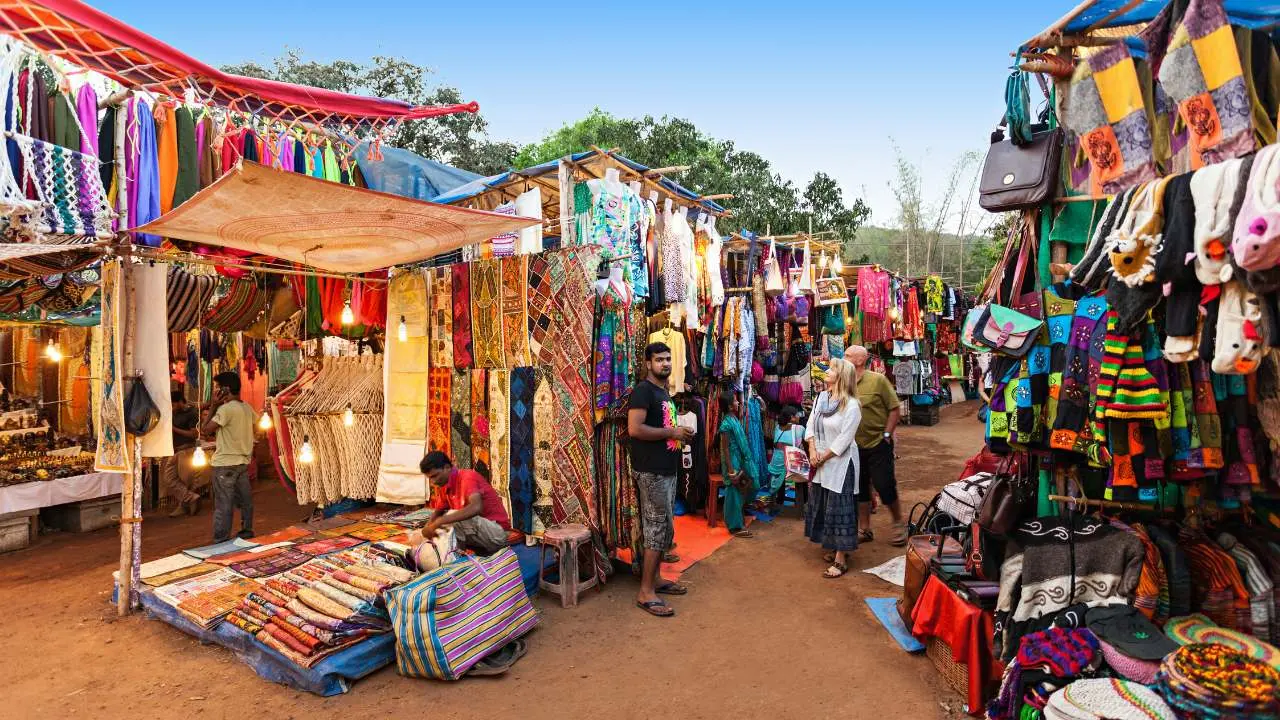
1. The Silk Quality Test
You can check silk by pulling one loose thread from a small hidden part of the fabric and burning it carefully. Real silk usually smells like burning hair and leaves a dry, brittle ash after burning. Synthetic silk often smells like burning plastic and forms a small, hard bead when melted.
2. The Pashmina Ring Test
A genuine handwoven Pashmina shawl is extremely fine and lightweight. Some authentic Pashmina shawls can be gently pulled through a small wedding ring because of the delicate fiber structure. If the shawl feels thick, heavy, or rough, it may not be pure Pashmina.
3. Check The Backside Of Embroidery Work
For handmade embroidery products such as Phulkari or Chikan work, the reverse side should look slightly irregular with small knots. If the back side looks perfectly clean and identical in pattern, the product was likely machine-made rather than hand-stitched.
4. Look For The GI Tag Label
Check product labels for the Geographical Indication (GI) mark. This legal certification protects traditional crafts, such as items like blue pottery and certain regional silk products, helping confirm that the craft follows authentic regional production methods.
5. Ask About Craft Origin And Production Method
A skilled artisan should be able to explain where the material comes from and how the product is made, especially when offering innovative designs for home decor. If the seller gives vague or unclear answers about the craft process, it may be a sign that the item is not truly handmade.
How To Choose The Right Market For Your Interests
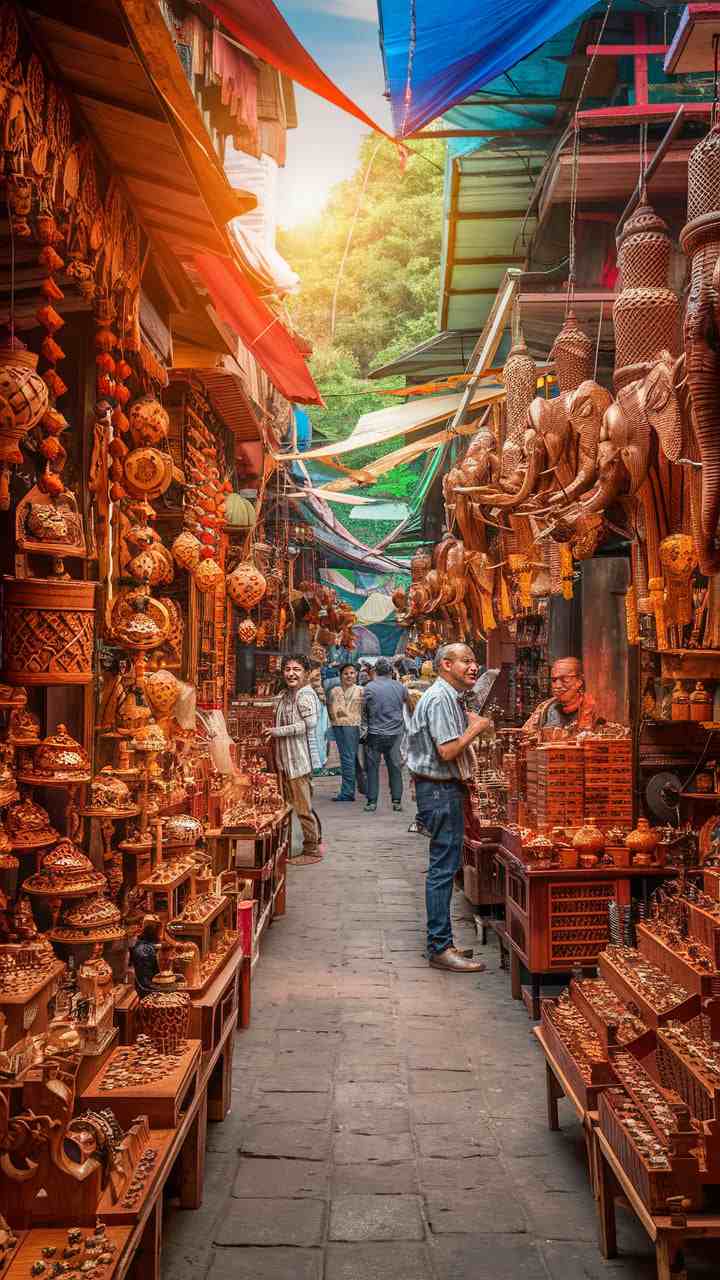
Shopping For Safe And Simple Craft Purchases
If you want a safe and easy shopping experience, start with government-supported craft markets such as Dilli Haat. These markets focus on artisan products and usually have more stable prices, which makes them good for first-time visitors who are not comfortable bargaining.
Travelers looking for traditional royal-style jewelry may prefer Johari Bazaar, which is famous for gemstone work and classic Kundan designs. Before buying expensive items, check product quality carefully and ask about material details.
Choosing Markets Based On Craft Experience And Style
If you want to learn more about how crafts are made, visit cultural craft villages like Shilparamam or tribal craft haats in Odisha. These places often show traditional craft techniques and help support local artisan communities.
For travelers who prefer artistic or modern souvenir styles, Anjuna Flea Market offers fusion craft designs and creative handmade products. Think about your travel route, budget, and preferred craft style before choosing where to shop.
Frequently Asked Question
Which Is The Best Market In India For Handcrafted Souvenirs?
Dilli Haat is often considered the best starting point because it offers artisan products from many Indian states with more reliable pricing and authenticity.
Which City Is Famous For Handicrafts In India?
Saharanpur in Uttar Pradesh is renowned for its intricate wood carvings. Skilled artisans create a wide range of wooden furniture, sculptures, and decorative items using traditional carving techniques. Wood carvings from Saharanpur are highly acclaimed for their intricate designs and skilled craftsmanship.
What Are The Best Souvenirs To Buy In India?
Some of the most famous products are silk, silver jewelry, and Indian tea. Jewels and precious stones are other desirable items purchased by tourists on their trips to Jaipur, where gems, gold, and diamonds and abundant in many of the markets.
How Big Is The Handicraft Market In India?
The Indian handicrafts market generated a revenue of USD 44,792.8 million in 2023 and is expected to reach USD 71,336.7 million by 2030. The Indian market is expected to grow at a CAGR of 6.9% from 2024 to 2030. In terms of segment, woodwork was the largest revenue-generating product category in 2023.
Which Is The Craft Capital Of India?
Jaipur is widely considered by many as the craft capital of India. Since 1727, royal families and nobles have purchased goods here, created by the craftsmen and artisans whose traditional techniques are still used today.
What Is The GI Tag In Indian Handicrafts?
GI tag is a legal certification showing a product comes from a specific region and follows traditional production methods. Examples include Blue Pottery and some silk crafts.
Final Thoughts
Indian handicraft markets are places where culture and craft history meet. Markets like Dilli Haat and Johari Bazaar help keep traditional artisan skills alive while selling handmade souvenirs.
Take your time to check the material quality, stitching, or carving details before buying. Focus on meaningful, high-quality souvenirs that remind you of your travel experience.
You don’t visit India to buy something ordinary. You want handloom textiles, pottery shaped by skilled artisans, and jewelry made using techniques passed down across generations. In India, markets are more than shopping spaces; they are places where traditional craft skills are still practiced and preserved.
Not every bazaar sells genuine handmade products. Some markets mix authentic crafts with factory-made items, so knowing where to shop helps you avoid poor-quality souvenirs. Choosing the right market matters if you want pieces that truly reflect Indian heritage and craftsmanship.
The best markets in India for handcrafted souvenirsare selected based on artisan presence, craft specialization, and reliable buying experiences. From gemstone workshops in Jaipur to Pashmina traders in Kashmir and tribal craft markets in Odisha, these locations are known for strong cultural and craft traditions. Careful shopping helps you bring home souvenirs that represent authentic Indian artistry.
1. Dilli Haat
Location: INA Market, South Delhi, New Delhi, India
Dilli Haat is a government-managed craft market where artisans from different states sell handmade products directly. The stalls rotate every few weeks, so you may see different crafts if you visit again later. This helps keep the market fresh and supports small craft producers.
The market is designed like a traditional village bazaar with an open-air walking space. You can find handwoven shawls, tribal paintings, wooden craftwork, and decorative home items. Many products here carry cultural patterns that represent different Indian states.
Prices are usually fixed, but quality varies between stalls. Check stitching, painting detail, and material finish before buying. The market is good for travelers who want a safe introduction to Indian handicrafts.
2. Johari Bazaar
Location:Old City, Jaipur, Rajasthan, India
Johari Bazaar is one of the main centers for traditional jewelry shopping in Rajasthan. The market is famous for Kundan and Meenakari jewelrythat follows royal craft traditions from the region’s historical kingdoms.
Many shops inside the market are run by families who have worked in jewelry trading for many years. Some stores allow buyers to order custom designs or modify existing jewelry styles. If you are buying gemstones, ask about stone origin, cutting method, and quality certification.
Blue pottery items are also sold in some stores. This pottery is made using a special technique where clay is mixed with quartz powder before shaping and firing. Bargaining is normal, but comparing prices in at least two shops is a smart strategy.
3. Chandni Chowk
Location:Old Delhi, near Red Fort, New Delhi, India
Chandni Chowk is a busy historical market that shows the commercial culture of Old Delhi. The market is divided into smaller lanes where each lane usually focuses on one type of product. Some lanes sell wedding clothing while others focus on jewelry or embroidery.
Zardozi embroideryis one of the most important crafts here. This embroidery uses metal thread work stitched carefully onto fabric. When buying embroidered textiles, check the back side of the cloth to see how neat the stitching is.
The market is crowded during festivals and wedding seasons. Carry small cash because many old shops prefer cash payments. Walking slowly through the market helps you find better quality craft shops.
4. Lal Chowk
Location:Srinagar City Centre, Jammu and Kashmir, India
Lal Chowk is one of the main shopping areas for traditional Kashmiri handicrafts. The market is especially known for Pashmina shawls that are made from fine goat hair fibers collected from Himalayan regions.
True Pashmina shawls are usually light in weight but provide strong warmth. When checking quality, feel the fabric texture and gently stretch the shawl. Pure Pashmina should feel soft and not rough on the skin.
Walnut wood carving products sold here often show detailed floral or traditional Kashmiri designs. Papier-mâché crafts are usually hand-painted using natural colors. These items are popular as decorative souvenirs.
5. Shilparamam
Location:Hitech City Road, Hyderabad, Telangana, India
Shilparamam is a cultural craft village built to protect traditional craft skills from South India. The market layout looks like a rural village with small stalls, walking paths, and open craft exhibition spaces.
Visitors can sometimes watch artisans working on wood carving, metal craft, or toy painting. Kondapalli wooden toys are one of the popular products because they are lightweight and colorful. Bidri metal craft items are also common and are known for their black metal base decorated with silver patterns.
The market also hosts cultural performances during some events. This makes shopping feel more like a cultural experience than a regular commercial visit. Buying directly from artisans helps support traditional craft communities.
6. Laad Bazaar
Location: Near Charminar, Old City, Hyderabad, Telangana, India
Laad Bazaar is a narrow shopping street known mainly for traditional bridal accessories. The market is famous for lacquer bangles made using a heating and coating process that creates bright color finishes. Many designs are inspired by the historical Nizam-era jewelry culture.
Pearl jewelry is another popular product here because Hyderabad has long been associated with pearl trading. When buying pearl items, check the surface shine and uniformity of the beads. Natural or high-quality pearls usually have a soft glow rather than a plastic-like reflection.
The market is small but highly specialized. Evening visits are more comfortable because shops use decorative lighting that helps you examine jewelry details.
7. Law Garden Night Market
Location: Law Garden, Ellisbridge, Ahmedabad, Gujarat, India
Law Garden Night Market is one of the popular places in Gujarat to buy mirror embroidery crafts. The embroidery style uses small mirrors stitched into fabric patterns, which is a traditional craft often showcased during cultural festivals in india where local artisans display heritage textiles and handmade art.
Bandhani textiles are also widely available. This craft uses a tie-dye process where fabric is tied into small sections before dyeing, producing dotted pattern designs. Tribal-style jewelry made using metal beads and traditional shaping methods is another common souvenir.
Many stalls are managed by craft cooperatives that support rural artisan communities. The market is usually open in the evening, and because it is an outdoor market, checking weather conditions before visiting is helpful.
8. Bapu Bazaar
Location: Near Johari Bazaar, Jaipur, Rajasthan, India
Bapu Bazaar is known as a more budget-friendly craft shopping area compared to luxury jewelry districts nearby. The market sells mojari footwear, which is traditional Rajasthani leather footwear designed for comfort and cultural style.
Blue pottery is one of the notable crafts here. This pottery uses a special low-temperature firing technique and is decorated with floral or geometric patterns. When buying, check that the glaze surface is smooth and free from visible cracks.
Block-printed fabrics are also common because they are lightweight and suitable for travel clothing. The market is good for visitors who want traditional crafts without spending too much money.
9. New Market
Location: Lindsay Street, Kolkata, West Bengal, India
New Market is a large colonial-era shopping zone known for eastern Indian textile crafts. Kantha embroidery is a major product here, made using hand stitching that forms cultural and floral design patterns, making it a popular choice for people interested in eco-friendly interiorsthat use sustainable, handcrafted materials.
Cotton fabrics from Bengal and Banarasi-style silk items are also sold in some stores. Because the market is very large, it is wise to visit several shops before making a purchase decision since quality varies.
Some stores sell premium handmade crafts, while others sell mass-produced souvenir items. Comparing product details across shops helps you identify better quality work.
10. Bankura Craft Markets
Location: Bankura District, West Bengal, India
Bankura is well known for terracotta folk art, especially the traditional terracotta horse sculpture that represents rural Bengali craft heritage. These sculptures are made using local clay and traditional hand-shaping methods, often inspiring innovative space-saving decorthat fits both cultural and modern interior styles.
The terracotta horse is considered a cultural symbol connected to temple art and community traditions rather than just a souvenir. Smaller sculptures are easier to carry when traveling.
When buying terracotta products, check for natural clay texture and avoid pieces that look overly glossy or machine-finished. Slight irregularities usually indicate authentic handmade production.
11. Tribal Haats
Location: Various tribal districts, Odisha, India
Tribal haats are weekly indigenous markets where tribal communities sell handmade crafts directly to visitors. These markets are important because they help preserve traditional craft knowledge passed through generations within local communities.
Dokra metal craft is one of the most recognized products here. This craft is made using an ancient lost-wax casting technique that creates unique tribal jewelry and decorative objects. Sambalpuri ikat textiles are also common and are known for their detailed weaving patterns.
Prices are usually fair because many sellers are artisan producers themselves. These markets are good for travelers who want authentic indigenous craft products rather than commercial souvenirs.
12. Devaraja Market
Location: Sayyaji Rao Road, Mysuru, Karnataka, India
Devaraja Market is one of the oldest traditional markets in Mysuru and is known for its strong fragrance of sandalwood and flowers. The market is popular for Karnataka heritage crafts, including Mysore silk products and traditional incense materials.
Mysore silk is known for its smooth texture and royal cultural history. When buying silk, check for uniform weaving and natural shine because high-quality silk usually reflects light softly rather than appearing glossy.
Sandalwood crafts are also sold here, but export regulations may apply depending on your destination country. Genuine sandalwood carving usually has fine detailing and a light brown natural wood appearance.
13. Mapusa Market
Location: Mapusa Town, North Goa, Goa, India
Mapusa Market is a traditional Goan weekly market that reflects local coastal lifestyle and commerce. The market sells coconut shell handicrafts, pottery products, and regional textile souvenirs.
Friday is the main market day, and most vendors open their stalls during this period. The market atmosphere mixes everyday local shopping with tourist-oriented craft products.
Goan craft items here are often influenced by coastal culture and Portuguese heritage design styles. When buying pottery or shell crafts, check for a natural material finish rather than an artificial coating.
14. Crawford Market
Location: South Mumbai, Maharashtra, India
Crawford Market mainly operates as a wholesale trading center, but handicrafts can be found in the surrounding streets outside the main building. Brass decorative products and Maharashtrian traditional artifacts are commonly sold in nearby craft shops.
Mumbai’s commercial craft network connects this market to suppliers from different parts of India. Because of mixed retail and wholesale selling, prices can vary, so comparing similar items across multiple stores is recommended.
The market is usually busy during daytime business hours. Travelers who enjoy exploring dense urban markets will find this area interesting for craft hunting.
15. Anjuna Flea Market
Location: Anjuna Beach Road, North Goa, Goa, India
Anjuna Flea Market is a creative shopping space that opens mainly on Wednesdays and attracts both local and international sellers. The market focuses more on artistic and fusion-style handmade souvenirs rather than classical heritage crafts.
Embroidered bags, wooden art pieces, and decorative textile products are commonly sold here. Many items reflect modern bohemian craft design influenced by global traveler culture.
This market is good for unique souvenir styles that are different from traditional Indian handicraft patterns. Visitors should check stitching and wood finishing details because product quality can vary between stalls.
Practical Shopping Guide
1. Bargaining Tips
In street markets, you can start by offering about 40-60% lower than the seller’s first price and negotiate politely from there. Smile while talking, and if the price is still high, you can walk away; the seller will call you back with a better offer. Government-run markets like Dilli Haat usually have more stable and fixed prices.
2. How To Identify Handmade Products
Small imperfections usually mean the item is handmade because traditional crafts are not perfectly symmetrical. You can also ask if the seller can show how the craft is made or where it comes from. Buying from artisan cooperatives or government emporiums is a safer way to get genuine handicrafts.
3. Ethical Shopping Choices
Try to buy directly from artisans or craft cooperatives because this helps ensure fair payment for the people who make the products. Avoid stalls that resell craft items without clear origin information. Supporting real artisans helps protect traditional craft skills that are slowly disappearing.
4. Best Time To Visit And Safety Advice
The best time to visit these markets is during weekdays when there are fewer crowds. Shopping seasons are usually busiest between October and March, which is a great period for people planning to travel indiaand experience local culture, crafts, and heritage markets. Carry small cash notes and stay aware of your surroundings in crowded areas since markets are generally safe when you use basic travel caution.
How To Spot Authentic Handicrafts
1. The Silk Quality Test
You can check silk by pulling one loose thread from a small hidden part of the fabric and burning it carefully. Real silk usually smells like burning hair and leaves a dry, brittle ash after burning. Synthetic silk often smells like burning plastic and forms a small, hard bead when melted.
2. The Pashmina Ring Test
A genuine handwoven Pashmina shawl is extremely fine and lightweight. Some authentic Pashmina shawls can be gently pulled through a small wedding ring because of the delicate fiber structure. If the shawl feels thick, heavy, or rough, it may not be pure Pashmina.
3. Check The Backside Of Embroidery Work
For handmade embroidery products such as Phulkari or Chikan work, the reverse side should look slightly irregular with small knots. If the back side looks perfectly clean and identical in pattern, the product was likely machine-made rather than hand-stitched.
4. Look For The GI Tag Label
Check product labels for the Geographical Indication (GI) mark. This legal certification protects traditional crafts, such as items like blue pottery and certain regional silk products, helping confirm that the craft follows authentic regional production methods.
5. Ask About Craft Origin And Production Method
A skilled artisan should be able to explain where the material comes from and how the product is made, especially when offering innovative designs for home decor. If the seller gives vague or unclear answers about the craft process, it may be a sign that the item is not truly handmade.
How To Choose The Right Market For Your Interests
Shopping For Safe And Simple Craft Purchases
If you want a safe and easy shopping experience, start with government-supported craft markets such as Dilli Haat. These markets focus on artisan products and usually have more stable prices, which makes them good for first-time visitors who are not comfortable bargaining.
Travelers looking for traditional royal-style jewelry may prefer Johari Bazaar, which is famous for gemstone work and classic Kundan designs. Before buying expensive items, check product quality carefully and ask about material details.
Choosing Markets Based On Craft Experience And Style
If you want to learn more about how crafts are made, visit cultural craft villages like Shilparamam or tribal craft haats in Odisha. These places often show traditional craft techniques and help support local artisan communities.
For travelers who prefer artistic or modern souvenir styles, Anjuna Flea Market offers fusion craft designs and creative handmade products. Think about your travel route, budget, and preferred craft style before choosing where to shop.
Frequently Asked Question
Which Is The Best Market In India For Handcrafted Souvenirs?
Dilli Haat is often considered the best starting point because it offers artisan products from many Indian states with more reliable pricing and authenticity.
Which City Is Famous For Handicrafts In India?
Saharanpur in Uttar Pradesh is renowned for its intricate wood carvings. Skilled artisans create a wide range of wooden furniture, sculptures, and decorative items using traditional carving techniques. Wood carvings from Saharanpur are highly acclaimed for their intricate designs and skilled craftsmanship.
What Are The Best Souvenirs To Buy In India?
Some of the most famous products are silk, silver jewelry, and Indian tea. Jewels and precious stones are other desirable items purchased by tourists on their trips to Jaipur, where gems, gold, and diamonds and abundant in many of the markets.
How Big Is The Handicraft Market In India?
The Indian handicrafts market generated a revenue of USD 44,792.8 million in 2023 and is expected to reach USD 71,336.7 million by 2030. The Indian market is expected to grow at a CAGR of 6.9% from 2024 to 2030. In terms of segment, woodwork was the largest revenue-generating product category in 2023.
Which Is The Craft Capital Of India?
Jaipur is widely considered by many as the craft capital of India. Since 1727, royal families and nobles have purchased goods here, created by the craftsmen and artisans whose traditional techniques are still used today.
What Is The GI Tag In Indian Handicrafts?
GI tag is a legal certification showing a product comes from a specific region and follows traditional production methods. Examples include Blue Pottery and some silk crafts.
Final Thoughts
Indian handicraft markets are places where culture and craft history meet. Markets like Dilli Haat and Johari Bazaar help keep traditional artisan skills alive while selling handmade souvenirs.
Take your time to check the material quality, stitching, or carving details before buying. Focus on meaningful, high-quality souvenirs that remind you of your travel experience.
Jump to
India’s Finest Markets For Traditional Handicraft
1. Dilli Haat
2. Johari Bazaar
3. Chandni Chowk
4. Lal Chowk
5. Shilparamam
6. Laad Bazaar
7. Law Garden Night Market
8. Bapu Bazaar
9. New Market
10. Bankura Craft Markets
11. Tribal Haats
12. Devaraja Market
13. Mapusa Market
14. Crawford Market
15. Anjuna Flea Market
Practical Shopping Guide
How To Spot Authentic Handicrafts
How To Choose The Right Market For Your Interests
Frequently Asked Question
Final Thoughts
1. Dilli Haat
2. Johari Bazaar
3. Chandni Chowk
4. Lal Chowk
5. Shilparamam
6. Laad Bazaar
7. Law Garden Night Market
8. Bapu Bazaar
9. New Market
10. Bankura Craft Markets
11. Tribal Haats
12. Devaraja Market
13. Mapusa Market
14. Crawford Market
15. Anjuna Flea Market
Practical Shopping Guide
How To Spot Authentic Handicrafts
How To Choose The Right Market For Your Interests
Frequently Asked Question
Final Thoughts

Michael Rachal
Author
Michael Rachal believes that luxury lies in the details. With over 20 years of experience in the luxury travel industry, he has crafted hundreds of bespoke itineraries for clients seeking personalized, unforgettable experiences.
Whether guiding clients through private cultural tours or curating culinary journeys with world-renowned chefs, Michael ensures that each trip is tailored to perfection.
His ability to anticipate needs and exceed expectations has earned him a reputation as a leading expert in luxury travel.

Finn Wilde
Reviewer
For Finn Wilde, the wilderness is more than just a destination - it’s a way of life. Over the past decade, he has led multiple expeditions in some of the world’s most remote regions, from the icy fjords of Greenland to the rugged trails of Patagonia.
Finn emphasizes sustainability in all of his adventures, helping participants connect with nature while promoting responsible exploration. His expeditions inspire individuals to explore the great outdoors while fostering a deep respect for the environment.
Latest Articles
Popular Articles