23 Best Beaches In Central America: Find Your Perfect Paradise
Feel the sand, catch the waves-these top Central American beaches offer surf, sunsets, and soul-refreshing serenity.
Author:Liam JonesReviewer:Sophia HarperJul 31, 202537.3K Shares1.3M Views

Central America, a vibrant ribbon of land connecting two continents, is synonymous with sun-drenched coastlines and an allure that calls to every beach lover. Beyond the well-trodden paths, lies a diverse tapestry of sandy havens, each with its own unique charm, from the tranquil Caribbean shores to the dramatic Pacific surf breaks.
For those dreaming of an escape where turquoise waters meet lush landscapes, understanding the true gems of this region is paramount.
Having spent countless hours exploring Central America's hidden coves and vibrant beachfronts, I’ve gained a profound appreciation for the subtle differences that make each destination remarkable.
This isn't just about finding a stretch of sand; it's about discovering an experience that resonates, whether you seek thrilling adventures, serene solitude, or a blend of cultural immersion and natural beauty.
Let's embark on a journey to uncover the best beaches in Central America, going beyond the postcards to reveal what truly makes them stand out.
Central America Facts
Central America, a land bridge connecting North and South America, is a mesmerizing region renowned for its rich cultural heritage, stunning natural landscapes, and historical significance.
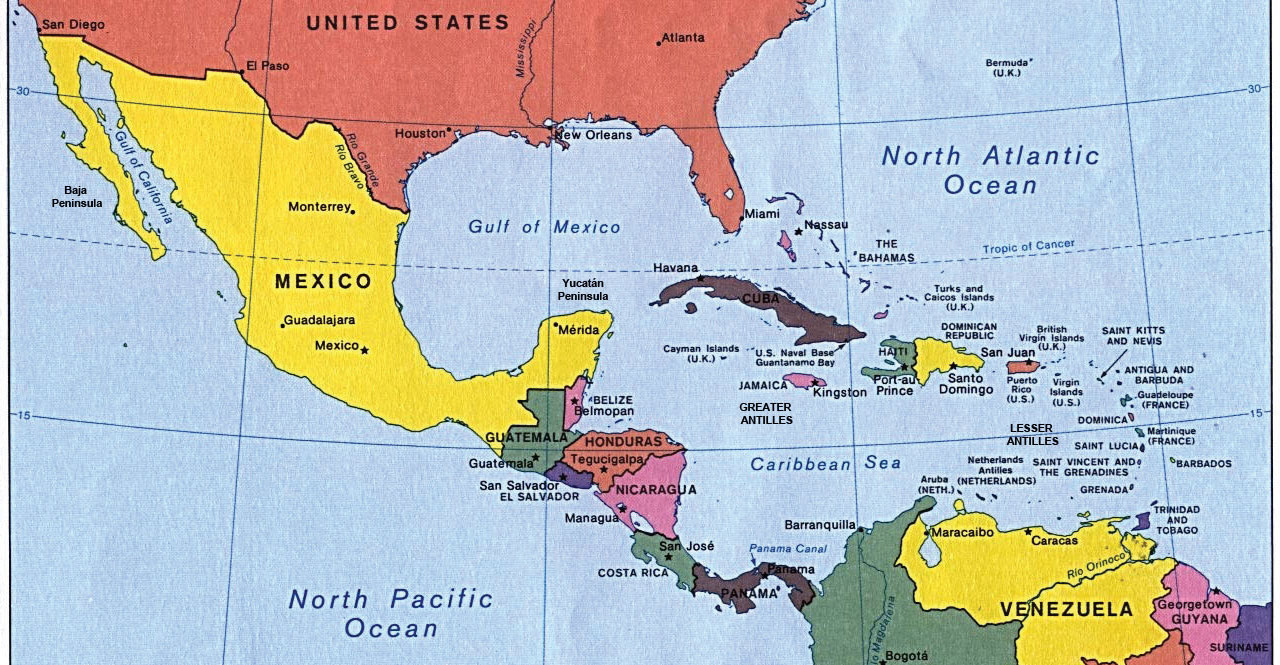
Nestled between the Pacific Ocean and the Caribbean Sea, this vibrant isthmus encompasses seven countries: Belize, Costa Rica, El Salvador, Guatemala, Honduras, Nicaragua, and Panama. Each country offers a unique blend of captivating traditions, diverse ecosystems, and ancient civilizations that have shaped the tapestry of Central American identity.
Geography And Biodiversity
Central America's geographical diversity is astounding, comprising lush rainforests, towering volcanoes, pristine beaches, and sprawling mountains. The region is part of the Mesoamerican biodiversity hotspot, housing an array of extraordinary flora and fauna.
From the dense jungles of Belize's Mayan Mountains to Costa Rica's cloud forests teeming with wildlife, Central America is a haven for nature enthusiasts and adventure seekers alike.
It is home to iconic sites such as the Great Blue Hole in Belize, the Monteverde Cloud Forest Reserve in Costa Rica, and the stunning volcanic landscapes of Guatemala's Pacaya and Arenal volcanoes.
Ancient Civilizations And Archaeological Wonders
Central America boasts a remarkable history, with ancient civilizations leaving behind a wealth of archaeological wonders. The Maya civilization, in particular, thrived in this region, constructing magnificent cities and developing advanced knowledge in astronomy, mathematics, and architecture.
Tikal in Guatemala, Copan in Honduras, and Caracol in Belize are among the most prominent Mayan archaeological sites, offering glimpses into the once-great cities and their intricate stone temples, palaces, and pyramids.
Exploring these sites unveils the mysteries of an ancient world and provides insight into the complex societies that once flourished in Central America.
Cultural Heritage And Traditions
Central America's vibrant cultural heritage is a fusion of indigenous traditions, Spanish colonial influences, and Afro-Caribbean roots. The region pulsates with colorful festivals, captivating music, and a rich tapestry of folklore.
Traditional dances like the Punta in Belize, the Cumbia in Panama, and the Marimba music in Guatemala encapsulate the cultural diversity and vitality of the region.
The indigenous communities, such as the Kuna people in Panama and the Garifuna in Honduras, proudly preserve their ancestral traditions, languages, and crafts, adding to the cultural mosaic of Central America.
Colonial Legacy And Architecture
The colonial era profoundly shaped Central America, leaving an indelible mark on its architecture and urban landscapes. Spanish colonial cities with their cobblestone streets, ornate churches, and grand plazas offer a glimpse into the past.
Antigua Guatemala, a UNESCO World Heritage site, showcases Spanish Baroque architecture at its finest, while Leon Viejo in Nicaragua preserves the ruins of the first Spanish colonial capital in the Americas.
The Casco Viejo district in Panama City provides a captivating blend of colonial charm and modern vitality, reflecting the nation's historical and cosmopolitan character.
Ecotourism And Adventure
Central America has emerged as a prime destination for ecotourism and adventure travel. The region's commitment to sustainability and conservation is evident in its extensive network of national parks, protected areas, and eco-lodges.
Costa Rica, often hailed as an eco-tourism pioneer, offers thrilling experiences such as zip-lining through rainforests, wildlife spotting in Corcovado National Park, and surfing on its world-class beaches.
Belize's Barrier Reef Reserve System, a UNESCO World Heritage site, invites divers to explore its vibrant coral reefs, while Honduras' Bay Islands provide opportunities for diving and snorkeling in pristine waters.
Challenges And Future Prospects
While Central America's allure is undeniable, the region faces various challenges. Socioeconomic disparities, political instability, and environmental concerns require concerted efforts to achieve sustainable development.
However, Central America's potential for growth and progress is immense. Efforts are underway to promote responsible tourism, preserve cultural heritage, and protect natural resources.
Regional integration initiatives, such as the Central American Integration System (SICA) and infrastructure projects like the Mesoamerican Corridor, aim to foster economic cooperation and connectivity within the region, paving the way for a brighter future.
Beauty is frequently in the eye of the beholder when it comes to beaches. However, with their white sand, sparkling water, and swaying palm trees, Central American beaches are difficult to criticize.
It's no wonder that most of Central America's tourist attraction revolves around its various coasts. Beaches from Costa Rica to Honduras, Belize, and Guatemala will steal your breath away, whether you're looking for a day of fun in the sun or want to explore the aquatic world.
The Allure Of Central American Coasts: Why These Beaches Reign Supreme
The appeal of Central America's beaches stems from a unique confluence of factors. Unlike many other global beach destinations, the region offers an unparalleled biodiversity, often with rainforests meeting the sea. This creates a stunning backdrop for any beach day. Furthermore, the cultural richness, from ancient Mayan ruins to vibrant colonial towns, adds another layer of depth to a coastal getaway.
When considering what makes a Central American beach truly exceptional, several criteria come to mind. It's not just about pristine sand and clear water, though those are certainly vital. We're looking for that blend of accessibility, unique activities, authentic local experiences, and, importantly, a sustainable approach to tourism that preserves its natural beauty for generations to come.
Related Reading: A Complete Guide To Amazing Landscape Of Central America
Best Beaches In Central America: Waves, Wildlife, And Golden Sands
The Pacific coast of Central America is a haven for surfers, nature enthusiasts, and those who appreciate dramatic sunsets over vast stretches of golden sand.
1. Manuel Antonio Beach, Costa Rica: Nature's Masterpiece

Manuel Antonio isn't just a beach; it's an immersive experience within a national park where wildlife roams freely. Imagine monkeys swinging through trees just steps from your towel or sloths moving at their own leisurely pace in the canopy above. This seemingly vast expanse of rainforest and sandy beach is actually the smallest of Costa Rica’s 161 national parks, yet it teems with life.
- Biodiversity Hotspot:The sheer abundance of wildlife, from capuchin monkeys and howler monkeys to iguanas, dolphins, and even migrating whales, sets this beach apart. You'll often spot them right on the sand or in the surrounding jungle.
- Accessible Paradise:Despite its wild feel, Manuel Antonio is remarkably accessible, offering well-maintained trails within the park leading to several pristine beaches. The beach stretches for a half-mile, its ivory-colored sand contrasted by the deep green of the mangroves and palm trees.
- Beyond the Sand:Kayaking through the mangroves, whitewater rafting on nearby rivers, or simply observing the wildlife from the comfort of your beach towel are all popular activities. Be mindful that cheeky raccoons might try to riffle through your belongings if you bring food.
2. Playa Maderas, Nicaragua: A Surfer's Sanctuary
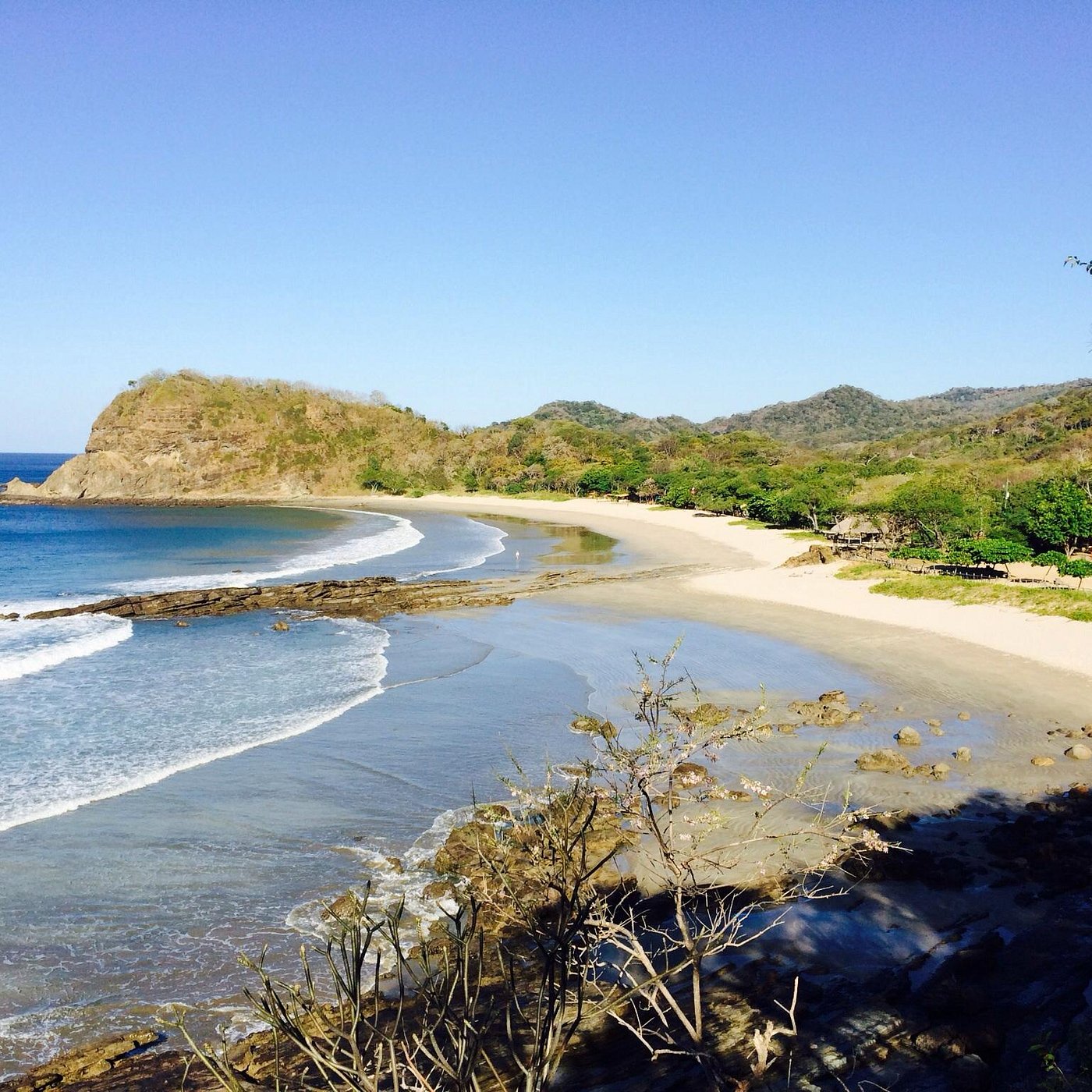
For those seeking an authentic surf vibe, Playa Maderasnear San Juan del Sur offers consistent waves and a laid-back atmosphere. It's a place where the rhythm of the ocean dictates the day.
- Consistent Swells:Maderas is renowned for its reliable waves, making it a favorite for surfers of all levels, from beginners taking their first lesson to seasoned pros.
- Rustic Charm:The beach retains a wonderfully unpretentious feel with a handful of beachfront shacks serving up fresh seafood and cold drinks. It's the antithesis of a crowded resort beach.
- Sunset Spectacle:The Pacific sunsets here are legendary, painting the sky with fiery hues as the day draws to a close.
3. Santa Teresa, Costa Rica: Bohemian Bliss And Ocean Rhythms
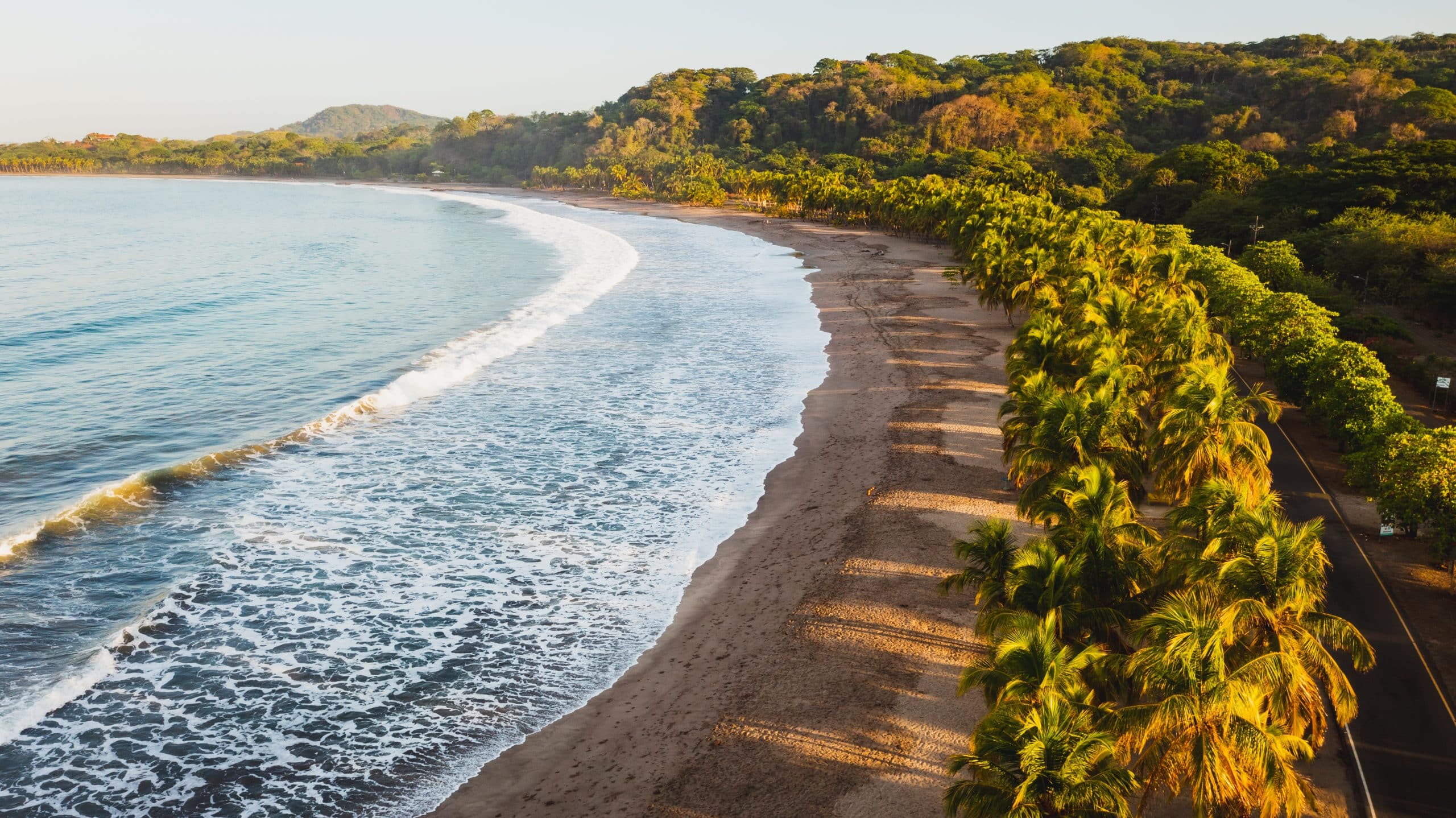
Santa Teresa has evolved from a sleepy fishing village into a vibrant hub for surfers, yogis, and digital nomads, all drawn by its stunning beaches and relaxed, bohemian energy. If you have enough time to visit the Nicoya Peninsula, Santa Teresa is a highly recommended stop.
- World-Class Surfing:Home to several excellent surf breaks, Santa Teresa caters to a wide range of skill levels, with consistent waves throughout much of the year.
- Wellness Haven:The town is dotted with yoga studios, healthy eateries, and wellness retreats, creating a holistic environment for relaxation and rejuvenation.
- Community Vibe:Despite its growing popularity, Santa Teresa maintains a strong sense of community, making it easy to connect with fellow travelers and locals alike.
4. Tamarindo Beach, Costa Rica: Lively Shores And Adventure
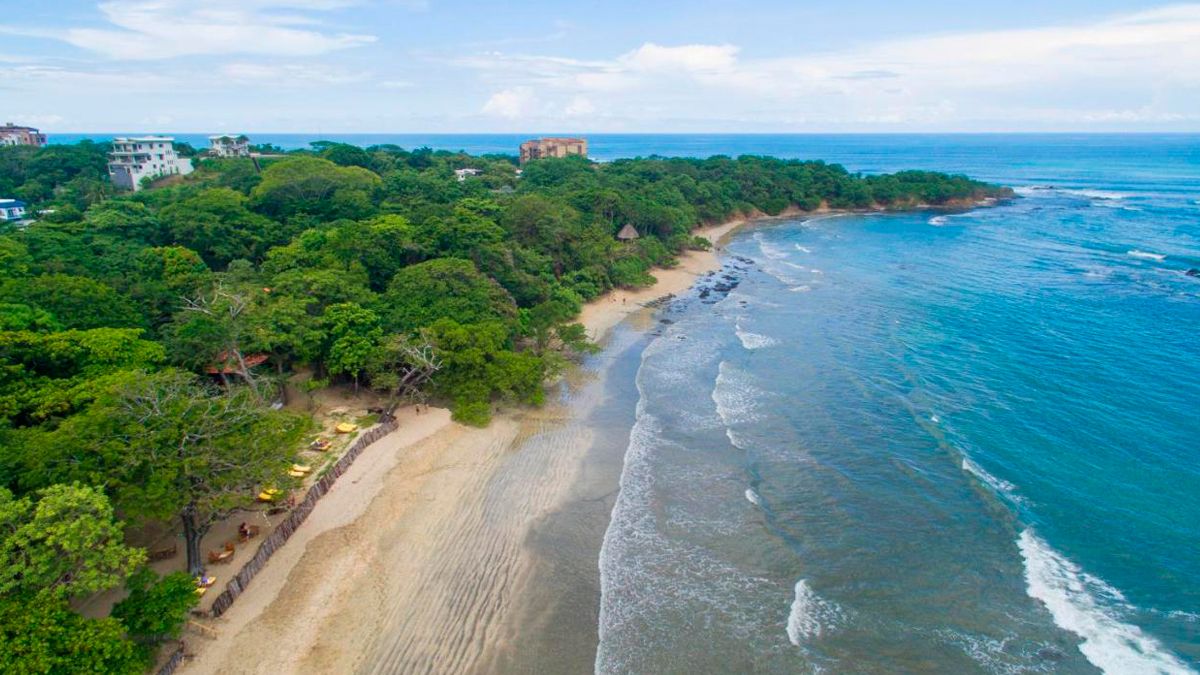
Tamarindo Beach on Costa Rica's Pacific coast is a bustling hub, popular for its vibrant atmosphere, diverse activities, and excellent beginner-friendly surf.
- Activity Hotspot:From surf lessons and stand-up paddleboarding to estuary tours and sport fishing, Tamarindo offers a plethora of activities. The beach also boasts a lively nightlife scene with various bars and discos.
- Family-Friendly:Its wide expanse of sand and consistent, manageable waves make it a great option for families and those new to surfing.
- Amenities Galore:Tamarindo town is well-equipped with restaurants, shops, and accommodations, providing all the conveniences needed for a comfortable beach vacation.
5. Playa Guiones, Costa Rica: Nosara's Serene Surf Escape
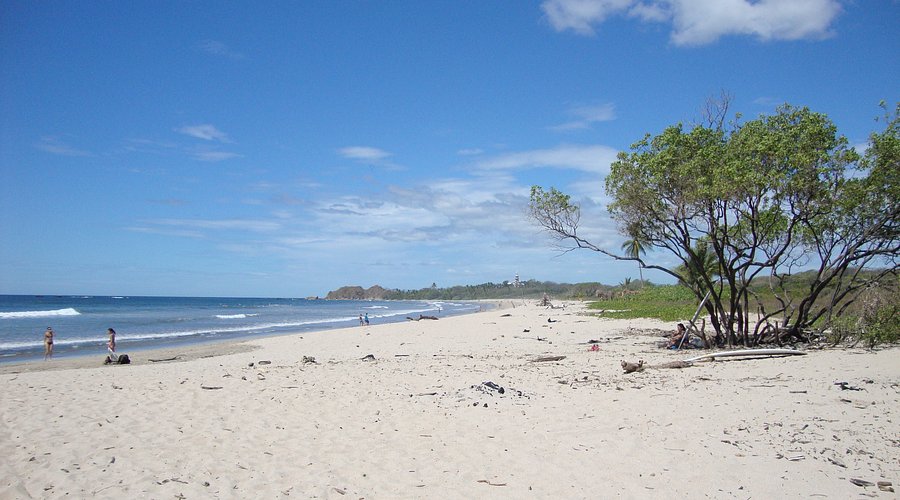
Located in Nosara, Playa Guiones is a sublimely beautiful stretch of golden sand known for its consistent waves and a strong focus on wellness and environmental conservation.
- Consistent Surf:Guiones offers reliable surf breaks suitable for both beginners and experienced surfers, with numerous surf schools available.
- Tranquil Environment:Despite its popularity among surfers, the beach maintains a peaceful ambiance, attracting yogis and those seeking a relaxed, healthy lifestyle.
- Natural Beauty & Conservation:Part of the Ostional Wildlife Refuge, the area is rich in biodiversity, including nesting sea turtles. It's also a Blue Flag beach, signifying high environmental standards.
6. El Tunco, El Salvador: Surf, Sun, And Salvadoran Spirit

El Tunco, a vibrant surf town on El Salvador's Pacific coast, offers a lively atmosphere, consistent waves, and stunning volcanic backdrops. Its beachfront views and great seafood restaurants make it a fun place to be.
- Consistent Surf Breaks:Known for its consistent waves, El Tunco attracts surfers from around the globe, with breaks suitable for various skill levels.
- Lively Nightlife:The town comes alive after sunset with beachfront bars and restaurants, creating a vibrant social scene. Various bars offer special nights and drink specials.
- Authentic Charm:El Tunco retains a unique Salvadoran character, offering a glimpse into local life alongside its burgeoning tourism.
Caribbean Gems: Turquoise Waters And Island Rhythms
The Caribbean coast of Central America offers a completely different, yet equally captivating, experience with its calm, crystal-clear waters, vibrant coral reefs, and distinct island cultures.
7. West Bay Beach, Roatán, Honduras: Postcard Perfect Paradise

Roatan Honduras - Infinity Bay Resort - West Bay & West End
West Bay Beach is arguably the most beautiful beach in Roatán, offering incredibly clear turquoise water, soft white sand, and a relaxed, laid-back atmosphere. It's ideal for those seeking classic Caribbean beauty. Roatán is a 40-mile-long island that borders the world's second-longest barrier reef. Tabyana Beach, another popular spot, is also in Roatán and great for snorkeling.
- Snorkeling & Diving Haven:Only 70 feet separate the white sand from a teeming reef, making it a premier spot for snorkeling and scuba diving. Expect to see angelfish, parrotfish, coral, and sea turtles.
- Family-Friendly Waters:The water here is shallow and calm, making it a safe and enjoyable destination for young children.
- Amenities & Activities:The beach is lined with great amenities, friendly people, and beachfront restaurants like Beachers Bar & Grill West, serving fresh seafood. Activities range from kayaking to banana boat rides and beach volleyball.
8. Cayos Cochinos, Honduras: Untouched Underwater Wonders
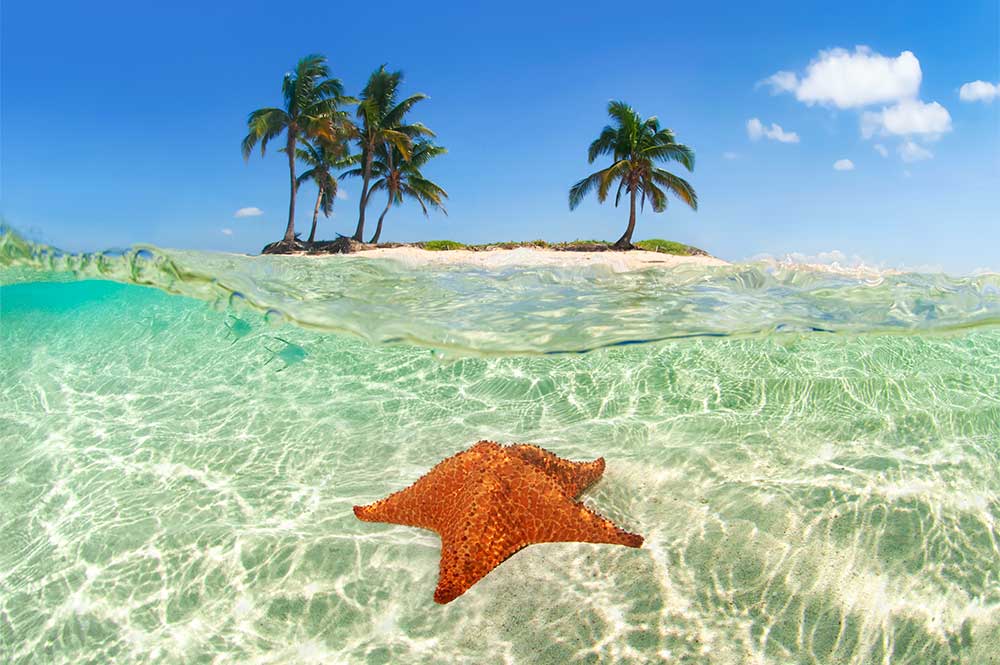
This remote archipelago, a marine protected area, is a diver's and snorkeler's dream, offering some of the most pristine coral reefs in the Caribbean. A part of the Meso-American Barrier Reef System, these islands are an extension of the Bay Islands.
- Pristine Reefs:The reefs around Cayos Cochinos are incredibly healthy and teeming with marine life, including spiny lobster, spotted eagle rays, hawksbill sea turtles, and nurse sharks, making it a top destination for underwater exploration.
- Authentic Garifuna Culture:The small Garifuna communities on the islands offer a glimpse into their rich Afro-Caribbean heritage, with unique music, dance, and cuisine.
- Eco-Tourism Focus:Tourism here is carefully managed to preserve the delicate ecosystem, ensuring an undisturbed natural experience. The reserve is headquartered on Cayo Menor, focusing on researching and protecting the reserve's flora and fauna.
9. Bocas Del Toro, Panama: Archipelago Adventure
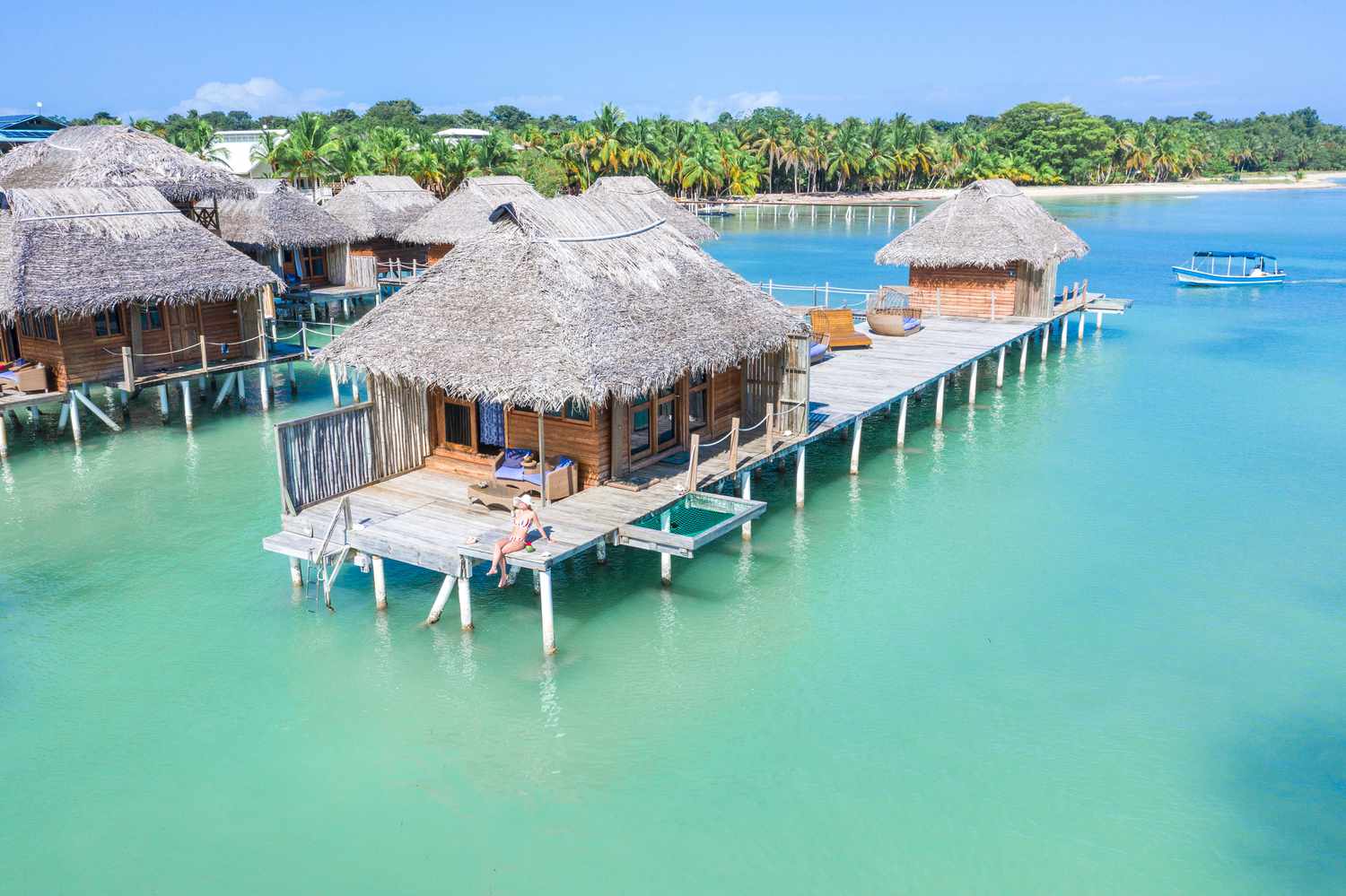
Bocas del Torois a vibrant archipelago off Panama's Caribbean coast, renowned for its colorful towns, diverse marine life, and a multitude of islands to explore. It's an eco-tourism destination with 9 islands and thousands of islets, including the notable Red Frog Beach.
- Island Hopping Delights:Each island offers a unique experience, from the lively atmosphere of Isla Colón to the secluded beaches of Isla Bastimentos (home to Red Frog Beach) and the star-filled waters around Starfish Beach.
- Snorkeling & Diving Paradise:The calm, clear waters are perfect for exploring vibrant coral gardens and spotting an array of tropical fish. Bocas del Toro is home to 95% of the different coral species found in the Caribbean, making it a top-notch snorkeling destination.
- Afro-Caribbean Culture:The strong Afro-Caribbean influence is evident in the music, food, and laid-back pace of life, creating a distinctly vibrant atmosphere.
10. Ambergris Caye, Belize: Reef Gateway And Island Charm
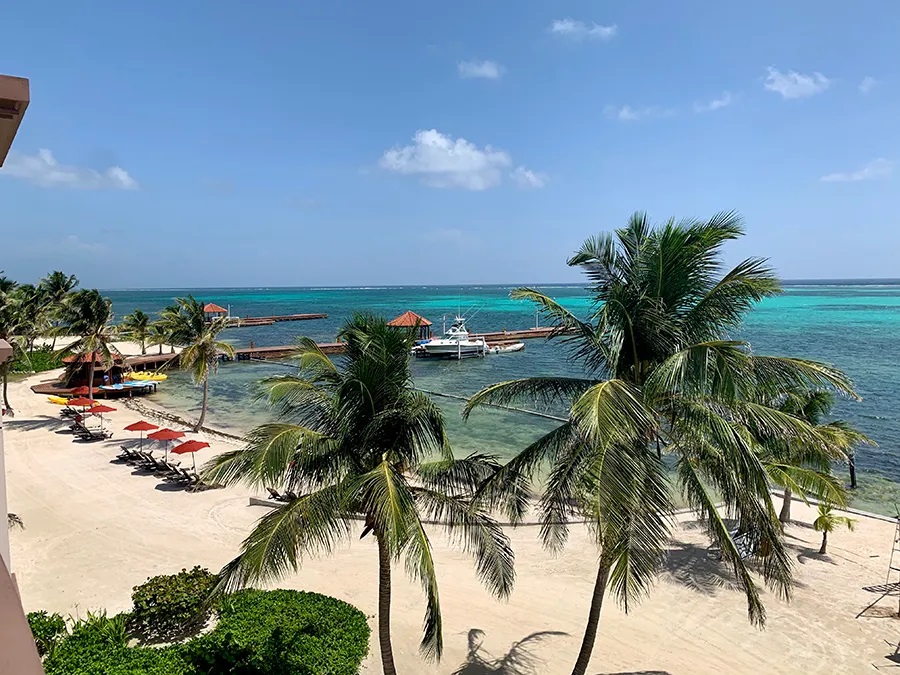
Belize's largest island, Ambergris Caye, is the gateway to the magnificent Belize Barrier Reef, a UNESCO World Heritage Site and the second-largest barrier reef system in the world. It is naturally a top travel destination in Central America. Secret Beach, though not so secret anymore, is a popular spot for beach bars.
- Diver's Mecca:With its proximity to the Belize Barrier Reef, Ambergris Caye is unparalleled for diving and snorkeling, offering access to sites like the Great Blue Hole, Lighthouse Reef, and Shark Ray Alley, where swimming with nurse sharks is a thrilling experience.
- San Pedro Town:The charming town of San Pedro offers a lively atmosphere with excellent restaurants, bars, and a relaxed golf cart culture.
- Beachfront Resorts:A wide range of accommodations, from boutique hotels to luxury resorts, line the coast, offering stunning views and direct beach access. Bannister Caye (Starfish Island) is also a charming spot nearby for snorkeling and seeing starfish.
Hidden Retreats And Unique Experiences
Beyond the more popular spots, Central America still holds secrets for those willing to venture a little further.
11. Corn Islands, Nicaragua: A Slice Of Untamed Caribbean
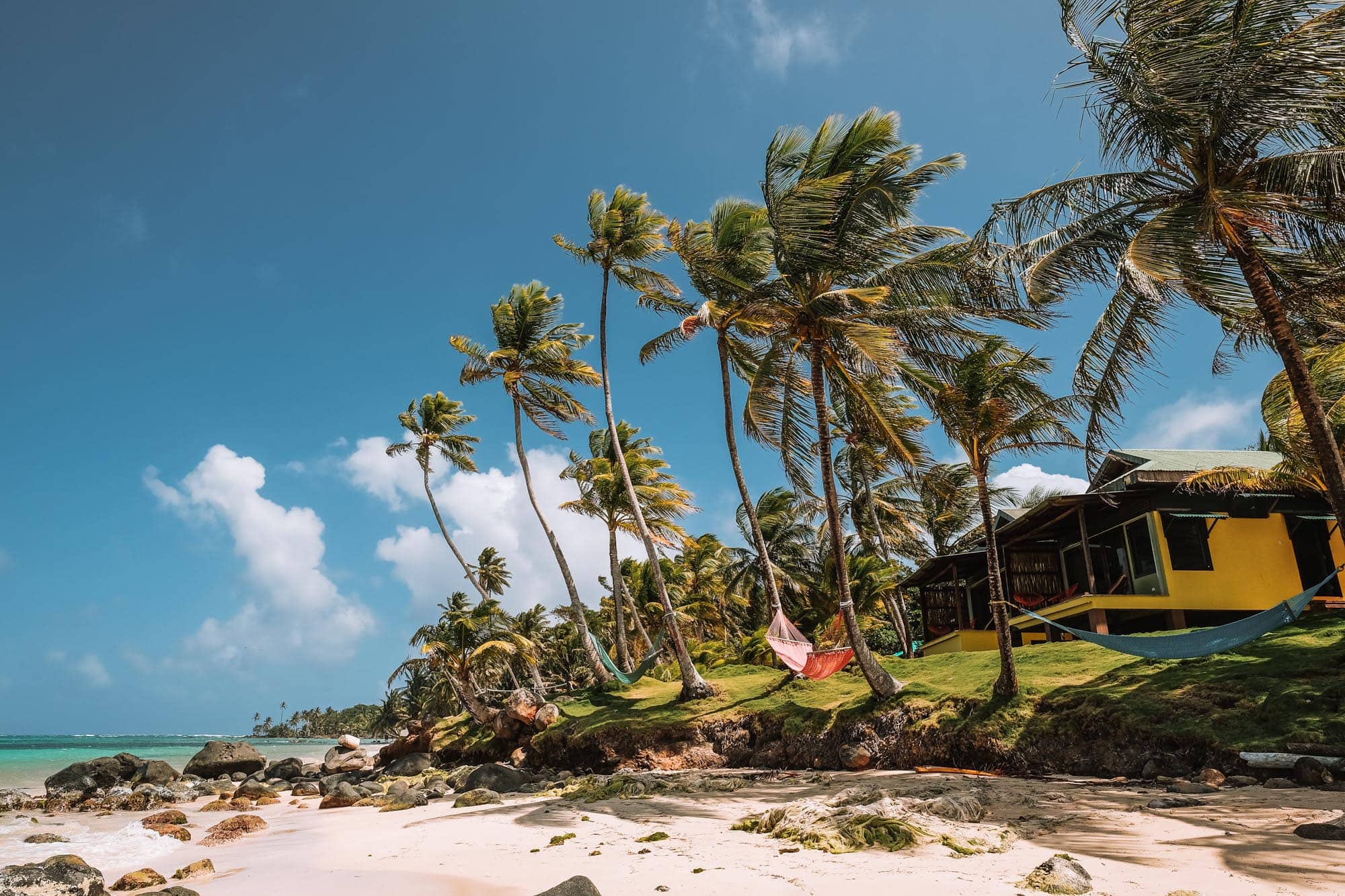
The Big and Little Corn Islands, located off Nicaragua's Caribbean coast, are a world away from the mainland, offering a truly laid-back and authentic island experience.
- Tranquil Ambiance:These islands are characterized by their slow pace of life, friendly locals, and a distinct lack of cars on Little Corn, making it an ideal escape for relaxation.
- Exceptional Snorkeling & Diving:The clear waters surrounding the Corn Islands are home to healthy coral reefs and abundant marine life. Popular spots include the northern coast of Big Corn Island and areas around Little Corn Island, with opportunities to see nurse sharks and shipwrecks.
- Unspoiled Beauty:Unlike more developed destinations, the Corn Islands have retained their natural charm, with lush vegetation meeting pristine, uncrowded beaches.
12. Punta Uva Beach, Costa Rica: Secluded Beauty And Wildlife

Punta Uva Beach, Costa Rica // Drone 4K
Located just north of the Panamanian border along Costa Rica’s Caribbean coast, Punta Uva is as picture-perfect as it gets. It feels secluded despite being a habitat for many species of wildlife.
- Soft Sands and Clear Waters:The white sand feels soft, and the palm trees provide much-needed shade. The clear water is ideal for marveling at marine life.
- Wildlife Encounters:Keep an eye out for butterflies, especially the dazzling blue Morpho, slow-moving sloths, and quick-witted monkeys in the trees. The area also boasts amazing butterfly gardens and the Bribri Indigenous Reserve.
- Eco-Friendly Vibe:There are no big resorts, which helps keep the beach true to its roots and preserves its natural integrity.
13. Playa De Monterrico, Guatemala: Black Sands And Mangroves

Near the city of Antigua, Playa de Monterrico offers a serene escape with its unique black volcanic sands and an important mangrove estuary.
- Unique Volcanic Sand:This black sand beach provides a striking contrast to the usual white sands, making for a distinctive visual experience.
- Mangrove Exploration:Beyond the beach, the mangrove estuary is an important habitat for many species of birds, fish, and land-based creatures like caimans and monkeys, offering tranquil boat tours.
- Relaxed Getaway:It's a popular weekend getaway for locals, offering a sleepy beachside town feel, best visited during the week to avoid crowds.
14. Playa Bonita, Costa Rica: Caribbean Charm In Limon

Puerto Limon is located on the east coast of Costa Rica, on the country’s Caribbean side. What many don’t know is that Christopher Columbus arrived in what’s now Limon during his voyage to the New World, some 500 years ago. Today, there’s a large Afro-Caribbean population living here, which is reflected in all aspects of its culture. Playa Bonita, translated as "beautiful beach," is one of several beaches in the Limon province.
- Secluded and Wild:The beach is fairly secluded, yet still full of wildlife. You might spot howler monkeys in the trees and crabs scuttling across the sand.
- Warm, Clear Waters:Like many beaches in Central America, the waters are warm and clear, offering ideal conditions for snorkeling.
- Relaxing Atmosphere:It's the perfect place to string your hammock from a tree and lay under the dappled shade of the palm trees overhead.
15. Playa Cocles, Costa Rica: Surfing The Southern Caribbean
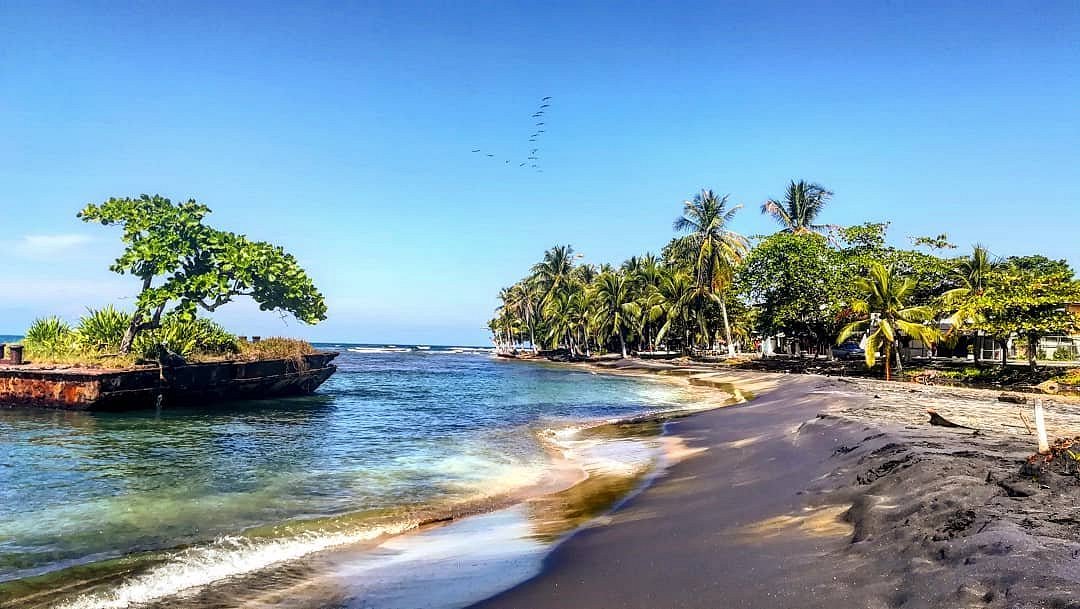
Most visitors traveling to Costa Rica spend all of their time on the Pacific side, therefore missing out on some incredible beaches. Playa Cocles is one of seven beaches along Costa Rica’s southern Caribbean coast, and while all are stunning in their own right, there’s something extra special about this playa in particular. It's near the charming town of Puerto Viejo de Talamanca.
- Surfer's Delight:Playa Cocles is popular among surfers because the beach has both left and right breaks. It's recommended for intermediate surf levels due to stronger waves.
- Lush Surroundings:The beach is set against a backdrop of lush tropical vegetation, enhancing its natural beauty.
- Nearby Amenities:Come lunchtime, you can take your pick of several restaurants in town and along the coast of Puerto Viejo de Talamanca, offering delicious local and Afro-Caribbean food.
16. Playa Manzanillo, Costa Rica: Coastal Refuge And Reefs
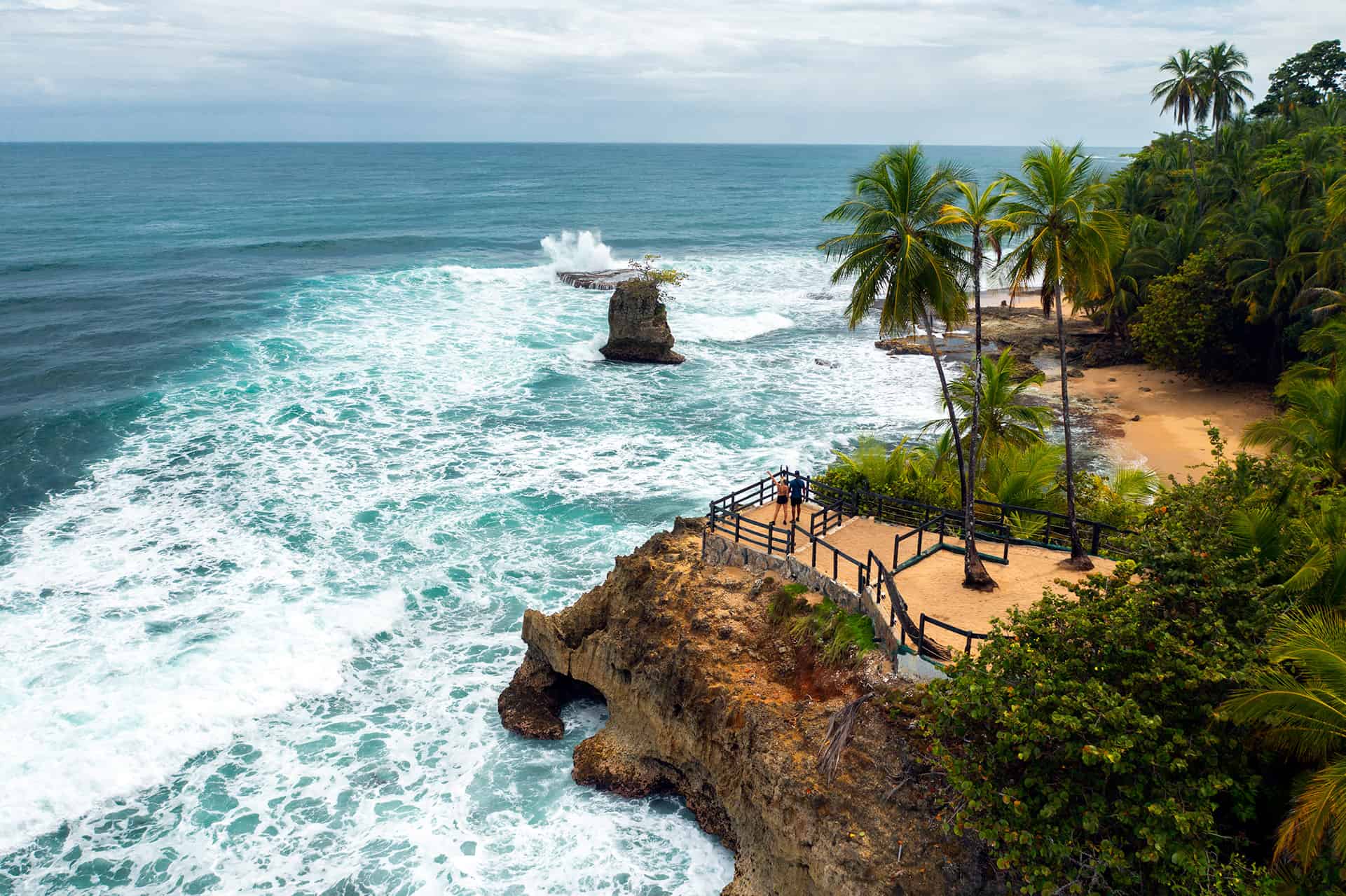
The fishing village of Manzanillo is the most southerly town located along Costa Rica’s Caribbean coast, around an hour and a half’s drive from Limon towards the border with Panama. It's charming, full of character, and reflective of the country’s Afro-Caribbean culture, featuring white sand beaches and pristine Costa Rican nature.
- Exceptional Snorkeling:The turquoise ocean water adds to Manzanillo’s ideal snorkeling conditions. The top two sites to visit are the coral reef just off the shore and an abandoned ship.
- Gandoca Manzanillo Wildlife Refuge:Don’t leave without visiting this refuge, established in 1985 to protect an incredible range of species, from manatees to crocodiles, turtles, toucans, and dolphins.
- Scenic Trails:The nature park offers trails that weave through its beaches, rainforest, little coves, and rocky terrain, with a gorgeous photo opportunity at the Punta Manzanillo viewpoint.
Beyond The Mainstream: Lesser-Known Gems
17. Placencia, Belize: Tranquil Peninsula Charm
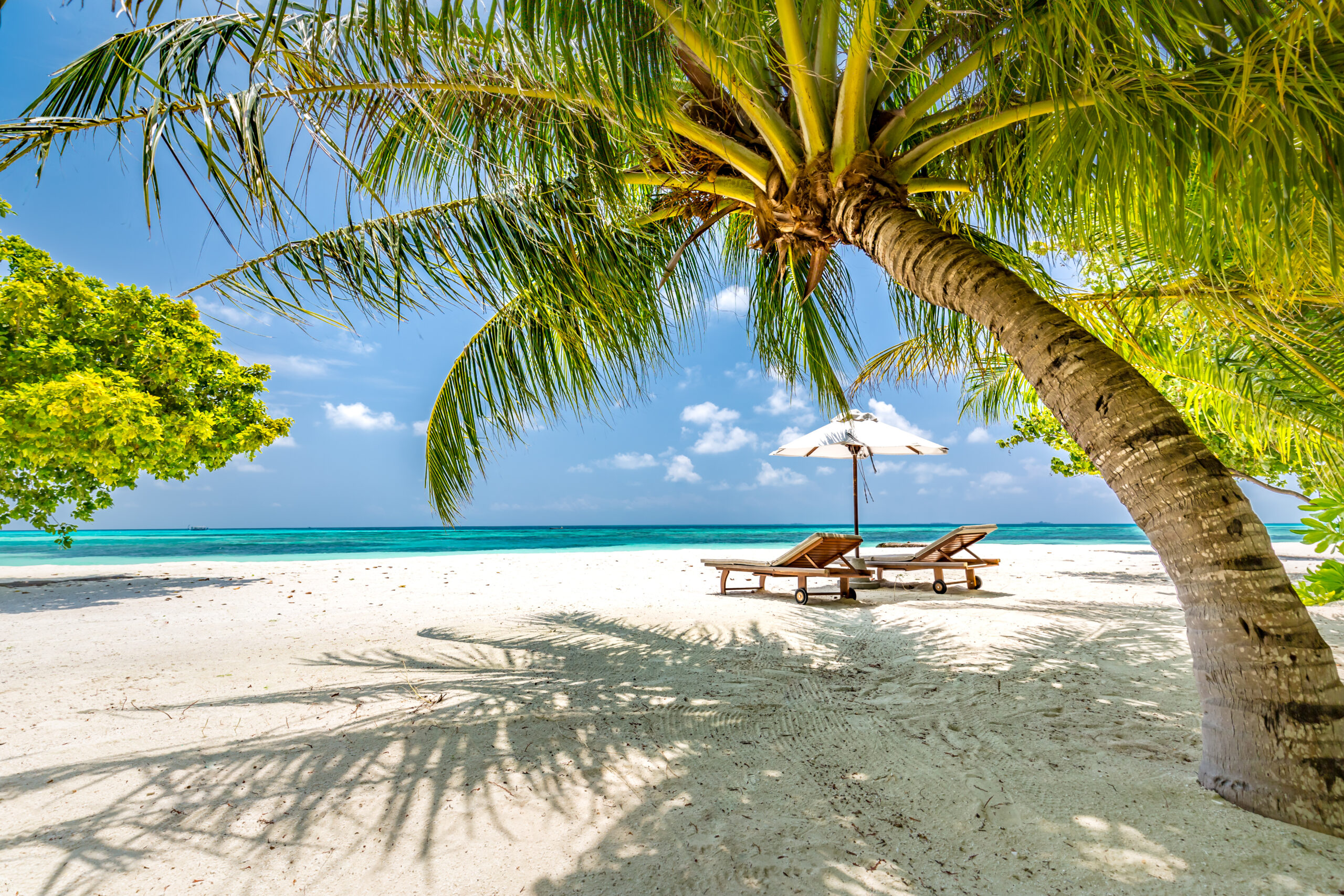
While Ambergris Caye and Caye Caulker get much of the attention in Belize, the Placencia Peninsula offers a wonderfully relaxed and authentic Caribbean experience. This long, slender peninsula is essentially one continuous stretch of golden sand, fringed by palm trees and dotted with charming villages.
- Relaxed Vibe:Placencia is known for its "barefoot" luxury, with a slower pace than the more bustling northern islands. It's perfect for unwinding and soaking up the sun without the crowds.
- Accessible Reef Access:Despite its tranquility, Placencia offers excellent access to the southern part of the Belize Barrier Reef, making it a fantastic base for snorkeling and diving trips, including opportunities to see whale sharks seasonally.
- Cultural Immersion:The villages along the peninsula, particularly Placencia Village and Seine Bight, offer a glimpse into local Garifuna culture, with traditional music, dance, and delicious cuisine.
18. Utila, Honduras: The Diver's Budget Paradise
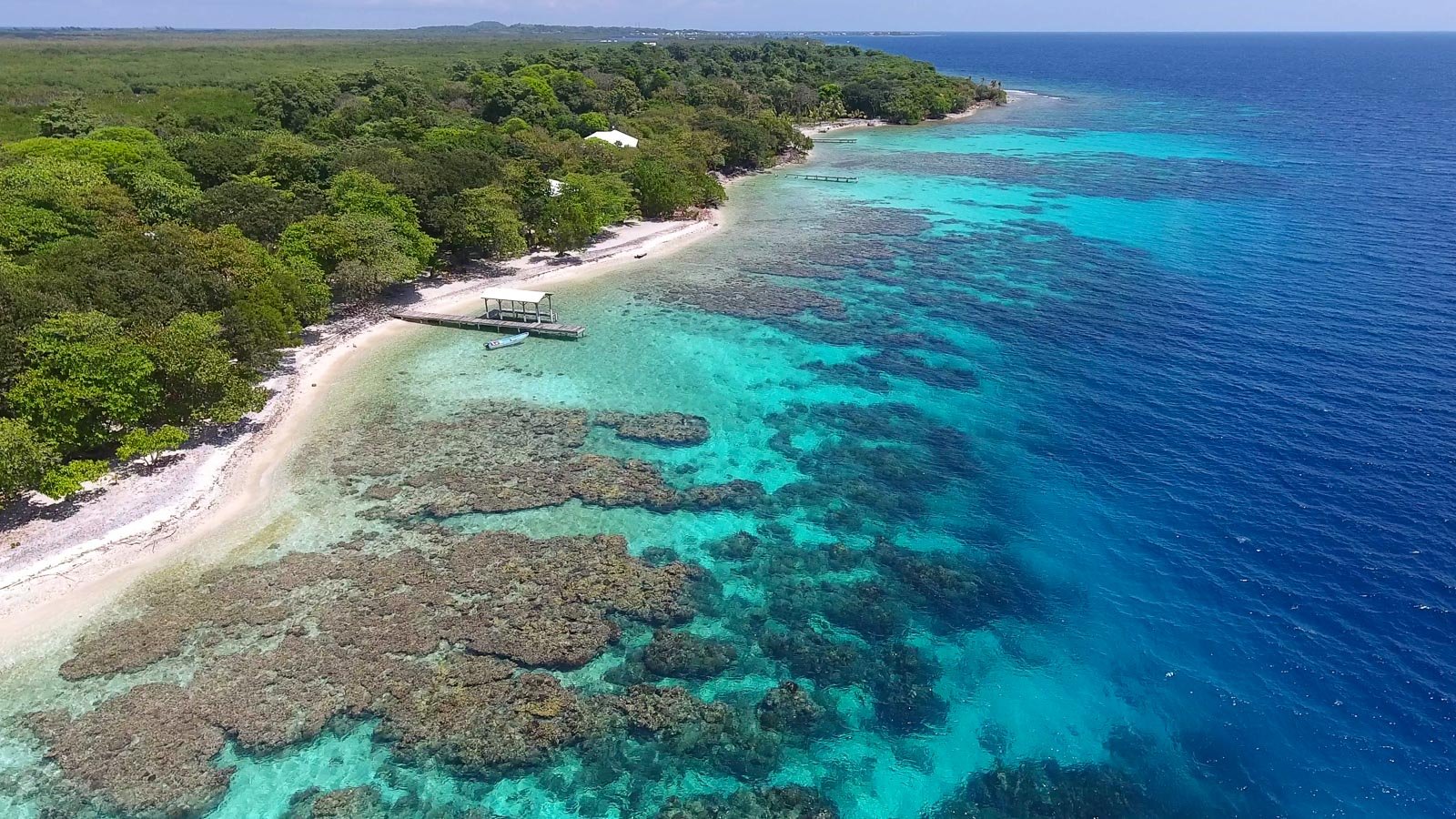
Often overshadowed by its larger neighbor Roatán, Utila is a smaller, more bohemian island famous worldwide as a premier, affordable destination for scuba diving certifications. Its charm lies in its laid-back atmosphere and stunning underwater world.
- Affordable Diving:Utila offers some of the cheapest PADI certifications globally, drawing a vibrant community of divers and backpackers.
- Whale Shark Encounters:The waters around Utila are a well-known migratory path for whale sharks, offering incredible opportunities to swim with these gentle giants during certain months (typically March-April and August-September).
- Relaxed Island Life:With fewer cars and a more intimate feel than Roatán, Utila boasts a unique character, perfect for those who want to immerse themselves in island life and focus on ocean adventures. Chepes Beach is a popular spot on the island.
19. Playa Venao, Panama: Pacific Surf And Seclusion
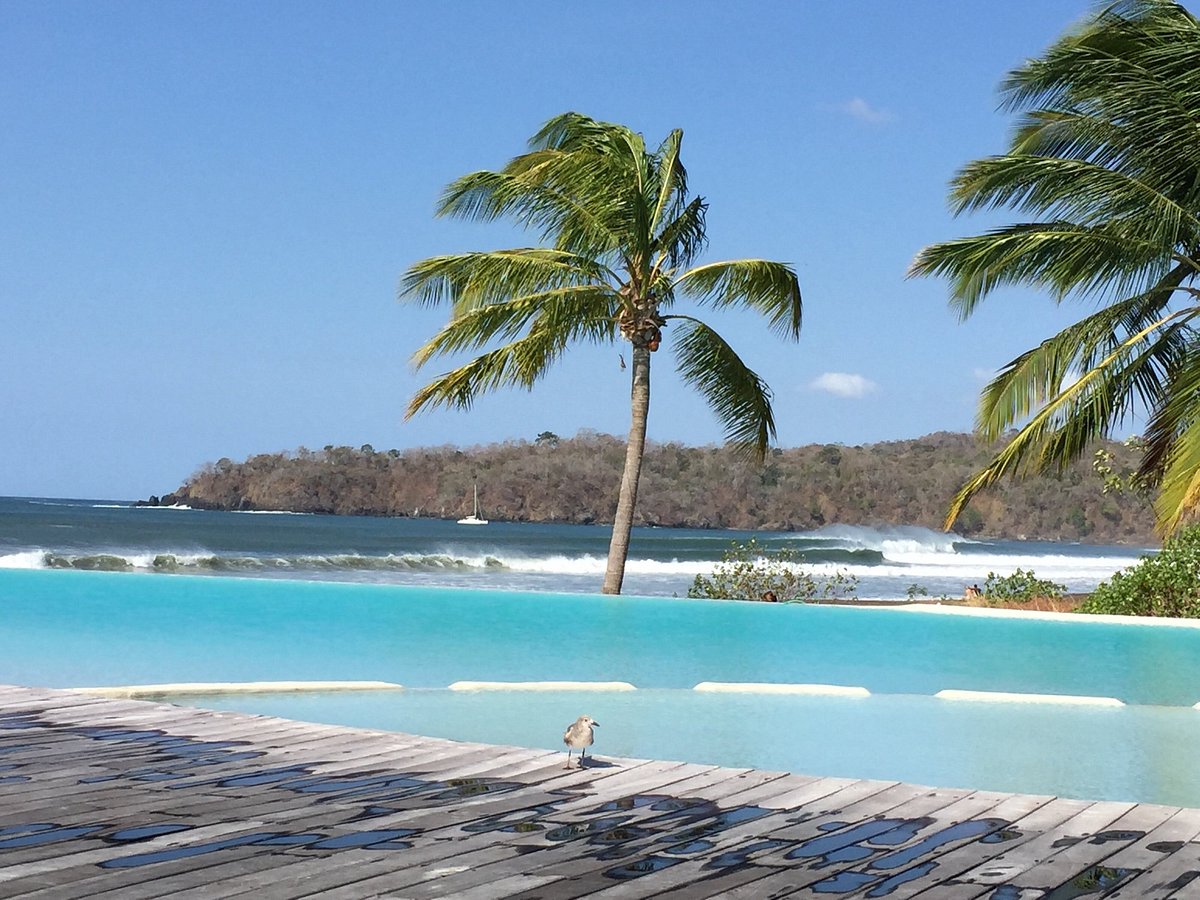
Located on the Azuero Peninsula, Playa Venao is a growing hotspot for surfers and those seeking a more remote and rugged Pacific beach experience in Panama, away from the typical tourist trails.
- Consistent Surf:Venao offers reliable and varied surf breaks, suitable for all levels, from beginners to advanced riders, making it a favorite for surf camps and enthusiasts.
- Untamed Beauty:The beach is a wide crescent of golden sand backed by rolling green hills, giving it a wild and natural feel. The sunrises and sunsets here are particularly spectacular.
- Off-the-Beaten-Path:While its popularity is growing, it still feels relatively undeveloped compared to other major surf destinations, offering a tranquil escape.
20. Cahuita Beach (Cahuita National Park), Costa Rica
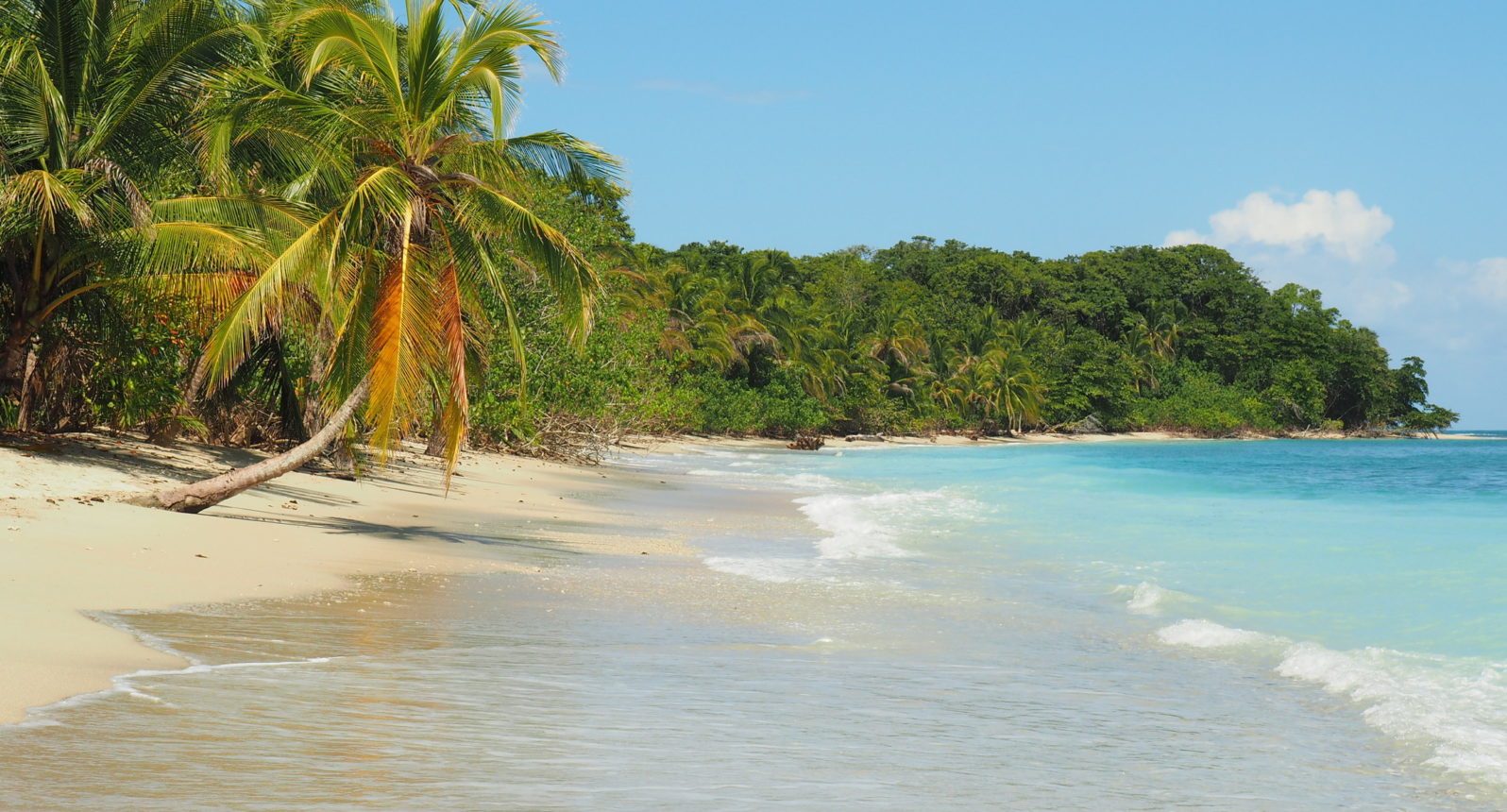
Nestled within Cahuita National Park on Costa Rica's southern Caribbean coast, Cahuita Beach offers a unique blend of white and black sand beaches, vibrant coral reefs, and abundant wildlife, all within a protected natural setting.
- Diverse Sands:The park features stretches of both pristine white sand and intriguing black volcanic sand, creating a visually striking landscape.
- Coastal Wildlife:Monkeys, sloths, raccoons, and a variety of birds are commonly spotted in the trees right next to the beach. The park's well-maintained trails make wildlife viewing easy.
- Snorkeling Paradise:The offshore coral reef, the largest and healthiest in Costa Rica, provides fantastic snorkeling opportunities, revealing a colorful underwater world.
21. El Paredón, Guatemala: Surfer's Village With Volcanic Views
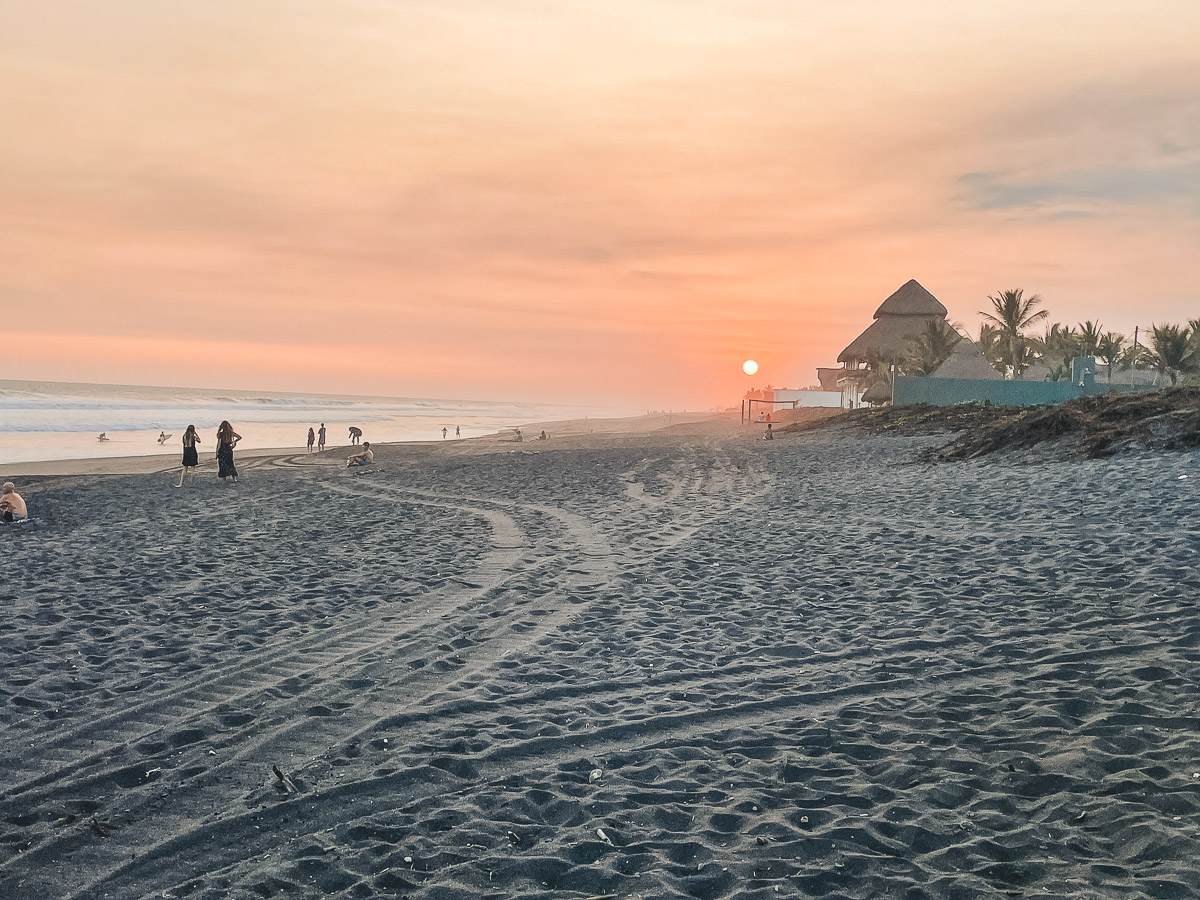
For those seeking a true surf and chill vibe in Guatemala, El Paredónon the Pacific coast offers a more developed yet still laid-back atmosphere than Monterrico, with excellent waves and a burgeoning backpacker scene.
- Reliable Surf:El Paredón boasts consistent swells and warm waters, making it a prime destination for surfers of all levels, with numerous surf schools and board rentals available.
- Black Sand Beauty:Like other Pacific beaches in Guatemala, its dark volcanic sand creates a dramatic contrast with the ocean, especially at sunset, often with views of distant volcanoes.
- Community Feel:The small village has a friendly, welcoming atmosphere with a growing number of guesthouses, restaurants, and bars, making it easy to connect with other travelers.
22. Playa Las Peñitas, Nicaragua: Local Charm And Gentle Waves

North of the more famous San Juan del Sur, Playa Las Peñitas near León offers a more authentic Nicaraguan beach experience, popular with locals and known for its relaxed pace and smaller, more gentle waves.
- Authentic Atmosphere:Las Peñitas retains much of its traditional fishing village charm, providing a glimpse into local life.
- Beginner-Friendly Surf:The waves here are generally smaller and more forgiving than at some other Pacific beaches, making it an excellent spot for learning to surf or for casual bodyboarding.
- Proximity to León:Its close proximity to the historic colonial city of León allows for a unique blend of beach relaxation and cultural exploration.
23. Isla Taboga, Panama: Accessible Island Escape
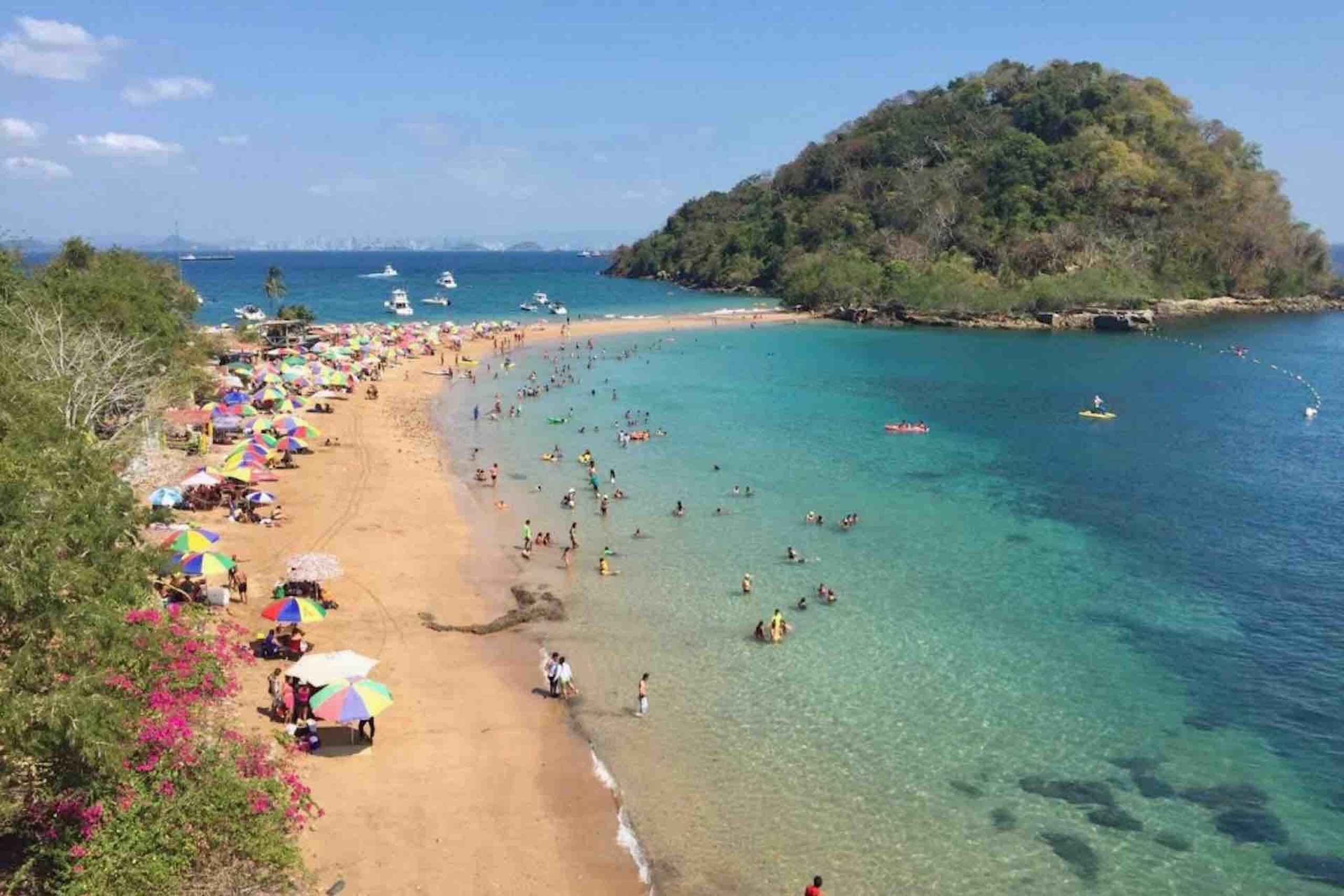
Just a short ferry ride from Panama City, Isla Taboga, also known as the "Island of Flowers," offers a convenient and refreshing escape from the city's hustle and bustle, with pleasant beaches and historical charm.
- Easy Access:Its proximity to Panama City makes it an ideal destination for a day trip or a quick weekend getaway, providing a surprising sense of tranquility so close to a major metropolis.
- Quaint Village & History:The island features a charming village with narrow streets, colorful houses, and a rich history, including being visited by pirates and explorers.
- Calm Waters:The beaches here, including Playa Grande and Playa Restinga, generally have calm waters suitable for swimming and relaxing, making it a good choice for families.
Planning Your Coastal Escape: Essential Tips
Selecting the "best" beach in Central America ultimately depends on your personal preferences. Consider these factors:
- For Surfers:Playa Maderas (Nicaragua), Santa Teresa (Costa Rica), Playa Guiones (Costa Rica), and El Tunco (El Salvador) offer excellent waves and a dedicated surf culture. Playa Cocles in Costa Rica is another great option for intermediate surfers.
- For Nature & Wildlife Lovers:Manuel Antonio (Costa Rica), Punta Uva (Costa Rica), and the Corn Islands (Nicaragua) provide unparalleled opportunities for wildlife encounters and pristine natural environments.
- For Divers & Snorkelers:Cayos Cochinos (Honduras), Ambergris Caye (Belize), and Bocas del Toro (Panama) boast incredible marine biodiversity and healthy coral reefs. Also consider West Bay Beach and Tabyana Beach in Roatán for fantastic snorkeling.
- For Laid-Back Island Vibes:Bocas del Toro (Panama), Caye Caulker (Belize), and the Corn Islands (Nicaragua) offer a relaxed pace and distinct island cultures.
- For a Blend of Everything:Manuel Antonio (Costa Rica) and Roatán's West Bay Beach (Honduras) offer a fantastic mix of wildlife, beautiful beaches, and activities.
Consider the time of year for your visit. The Pacific coast generally experiences a dry season from December to April, while the Caribbean dry season is typically from February to May. This can impact water clarity and swell conditions.
Generally, December to April is the best time to visit most of Central America's beaches, offering warm days, low humidity, and minimal rain.
FAQs About Central America's Beaches
What Is The Safest Country In Central America For Beach Vacations?
Costa Rica and Belize are generally considered among the safest countries in Central America for tourists, offering well-developed tourism infrastructure and a relatively stable environment. It's always advisable to research current travel advisories and exercise standard travel precautions regardless of the destination.
Are Central American Beaches Good For Families?
Absolutely! Many Central American beaches are excellent for families, especially those with calmer waters and nearby amenities. Manuel Antonio in Costa Rica is a fantastic choice due to its national park setting and abundant wildlife, offering educational and engaging experiences for children. The calmer beaches of West Bay Beach in Roatán, Ambergris Caye in Belize, and Samara Beach in Costa Rica are also very family-friendly.
Can You Swim In The Ocean At All Central American Beaches?
While most Central American beaches are suitable for swimming, some, particularly on the Pacific coast, can have strong currents or large waves, especially during certain times of the year. Always look for signs, observe local warnings, and if unsure, ask locals about safe swimming conditions. Beaches on the Caribbean side generally have calmer, more protected waters.
What Is The Best Time Of Year To Visit Central American Beaches?
The "best" time depends on which coast you plan to visit. The Pacific coast generally experiences its dry season (and thus sunniest weather) from December to April. The Caribbean coast typically has its dry season from February to May, and also a mini-dry season in August. Visiting during the dry season generally means less rain and clearer waters, though it can also be the busiest time.
Which Country Has The Prettiest Beaches In Central America?
Beauty is subjective, but Costa Rica consistently ranks high for its diverse and stunning beaches, from the wild allure of Manuel Antonio to the bohemian charm of Santa Teresa. Belize is renowned for its barrier reef access and picturesque Caribbean islands, while Honduras's Bay Islands boast some truly breathtaking stretches of sand.
Final Words
We hope you learned more about the best beaches in Central America. Central America's top seven best beaches showcase the region's diverse coastal beauty. These beaches offer not only stunning natural landscapes but also a range of activities, from thrilling water sports to serene relaxation.
Whether you seek adventure, tranquility, or simply a slice of paradise, Central America's beaches provide the perfect backdrop for an unforgettable vacation. So pack your sunscreen, dive into the crystal-clear waters, and let Central America's beach paradise enchant your senses.
Jump to
Central America Facts
The Allure Of Central American Coasts: Why These Beaches Reign Supreme
Best Beaches In Central America: Waves, Wildlife, And Golden Sands
Caribbean Gems: Turquoise Waters And Island Rhythms
Hidden Retreats And Unique Experiences
Beyond The Mainstream: Lesser-Known Gems
Planning Your Coastal Escape: Essential Tips
FAQs About Central America's Beaches
Final Words

Liam Jones
Author
Liam Jones has made it his mission to prove that adventure doesn’t need a hefty budget. Having traveled to over 40 countries, he specializes in finding affordable ways to experience the world, from the best street food in Bangkok to hidden gems in Lisbon.
Liam’s travel tips have reached thousands of readers, empowering them to see the world on a shoestring budget without sacrificing quality. With a deep passion for local cultures, he continues to share his travel hacks, ensuring adventure remains accessible to all.

Sophia Harper
Reviewer
Sophia Harper’s photography acts as a portal to the soul of the places she visits. Drawn to South America’s landscapes and cultures, she has spent years capturing everything from the majesty of ancient ruins to the vibrancy of urban streets.
Sophia’s work isn’t just about documenting moments; it’s about evoking the emotions and stories behind them. A dedicated photographer, she has worked with local communities across South America to capture their rich cultural narratives through her lens.
Latest Articles
Popular Articles