The Complete 10-Day Amalfi Coast Itinerary For Couples And Families
A realistic day-by-day plan built around three home bases, with prices for buses, ferries, Pompeii, and Ravello's villas, plus specific advice for traveling with kids.
Author:Finn WildeReviewer:Liam JonesSep 11, 20261.8K Shares26.6K Views
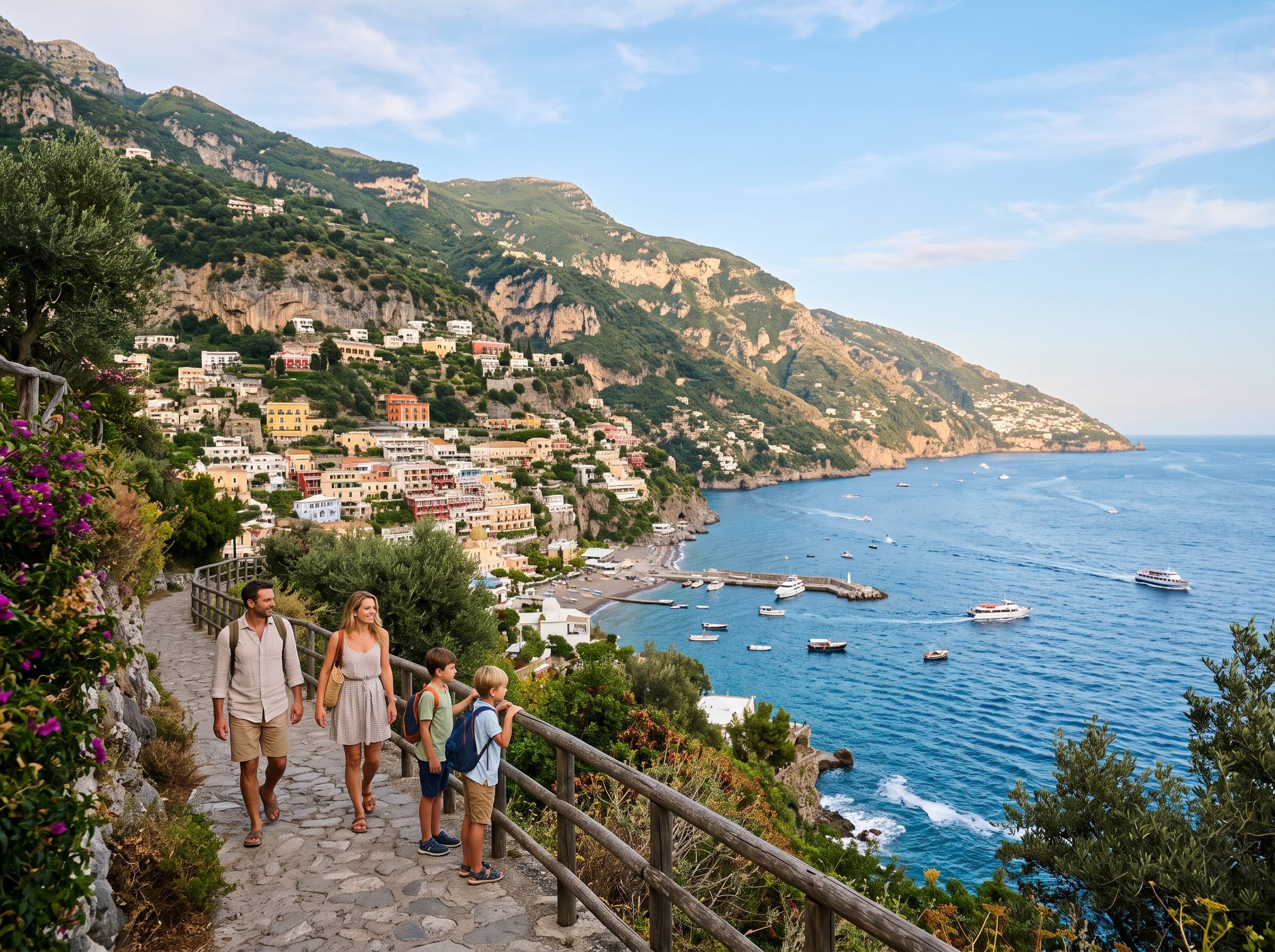
Planning A 10-Day Amalfi Coast Itinerary That Doesn't Wear You Out
Here's a quick look at what's inside before you scroll through ten full days of planning.
- A day-by-day plan that moves you through Sorrento, Positano, Praiano, Amalfi, Atrani, Ravello, Capri, and Pompeii without ever cramming two big towns into one afternoon.
- Sourced prices for SITA buses, ferries, Pompeii tickets, and Villa Cimbrone admission, each tagged with the month they were checked.
- Specific advice for traveling with young kids, including which towns to avoid with a stroller and where they can actually swim.
- A worked sample budget for a family of four across all 10 days.
- A short checklist to help you pick your three home bases based on your own priorities.
Ten days on the Amalfi Coast gives you time to see more than the postcard views. After a few days, you start to notice how different each town feels. Sorrento is lively and feels like a real Italian town, with scooters on the streets and locals going about their day. Positano is bright and beautiful, with colorful houses built into the cliffs and stairs leading down toward the sea. Ten days gives you time to enjoy these places instead of rushing from one stop to the next.
But a longer trip also makes it important to choose your hotel bases carefully. Moving to a new hotel every few days can mean spending too much time packing, unpacking, and hauling bags. This itinerary covers ten days across three bases, with real prices, useful travel tips, and an honest look at what works well with kids and what can be harder.
Your 10 days at a glance:
- Arrive and settle into Sorrento
- Day trip to Pompeii
- Sorrento beach day and evening piazza
- Move to Positano or Praiano, explore Positano
- Hike the Path of the Gods or beach day
- Day trip to Capri
- Move to Amalfi or Atrani, explore Amalfi
- Day trip up to Ravello
- Full day boat trip along the coast
- Departure day
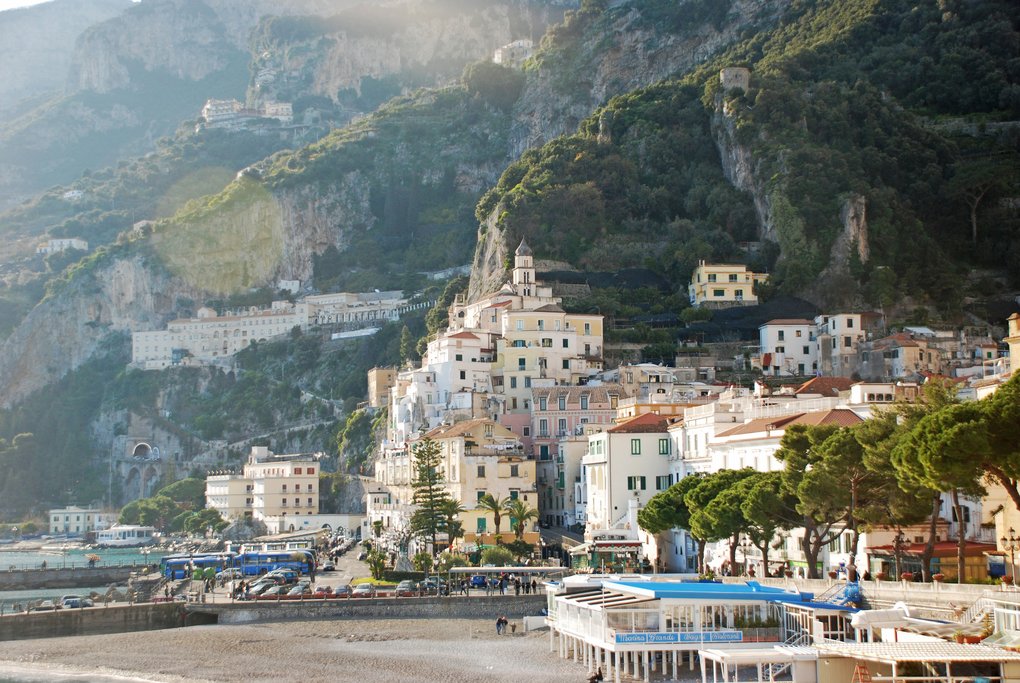
How To Plan A 10-Day Trip To The Amalfi Coast
Getting the shape of the trip right before you book anything will save you more stress than any single restaurant or hotel choice. This section covers the three decisions that matter most.
Why Three Home Bases Beats A New Hotel Every Night
Picture a traveler who books five nights on the coast and decides to switch hotels every single night to "see everything." By day three they've spent more time hauling luggage down staircases than actually looking at the view. Packing, checking out, and dragging bags to a bus stop eats a real chunk of a vacation day, and it adds up fast over ten nights.
A three-base structure solves this. You stay three or four nights in Sorrento, three nights in Positano or its quieter neighbor Praiano, and three nights in Amalfi or the tiny town of Atrani next door. Each base becomes a hub for day trips to nearby towns, so you unpack once per region instead of five or six times over the trip.
If you only have five or seven days rather than ten, the same logic still applies, just with two bases instead of three. A five-day version might split three nights in Sorrento with two in Positano, while a seven-day version fits comfortably into the same three-base structure with slightly shorter stays. A rushed three or four-day trip is really the only length where hopping town to town without a fixed base starts to make sense, because there simply isn't time to settle anywhere.
When To Visit For The Best Weather And Fewest Crowds
June and September offer the best trade-off on this coast. The sea is warm enough to swim, the sun is strong but not brutal, and the crowds are noticeably lighter than the wall-to-wall tourism of July and August. Late May works well too, though the water can still feel cool for a long swim.
July and August bring the warmest weather and the fullest boats, buses, and beach clubs. If those are the only months you can travel, plan to move early in the morning and book everything, from hotels to boat tours, well in advance.
How Much A 10-Day Trip Actually Costs
Prices on this coast run higher than most of Italy, and Positano in particular carries a premium for the view, so first-time casino players looking for budget tipsshould keep their entertainment spending separate from the main travel budget. As a rough guide, a couple staying in comfortable three or four-star hotels, eating a mix of casual and mid-range meals, and taking public transport plus one or two paid tours should expect to spend somewhere between €150 and €250 per day combined, not counting flights.
Here's a worked example for a family of four (two adults, two kids) covering the full 10 days, excluding international flights:
- Lodging across three bases, family rooms or connecting rooms in mid-range hotels: roughly €2,200 to €3,500 for 10 nights
- Local transport (SITA bus passes, ferries between towns, one private transfer for the heavier luggage day): roughly €250 to €400 total
- Food, mixing casual lunches with a few sit-down dinners: roughly €120 to €180 per day for a family of four
- Activities and tickets (Pompeii, Capri boat trip, Villa Cimbrone, one group boat tour): roughly €500 to €750 total
That puts a realistic 10-day family budget, excluding flights, somewhere around €4,500 to €6,500. Positano stays, peak-season pricing, or private drivers for every leg will push that higher.
Your Day-by-Day 10-Day Amalfi Coast Itinerary
Here's how the three-base structure plays out across a full ten days, with sights, food, and rough costs built into each one.
Day 1, Arrive And Settle Into Sorrento
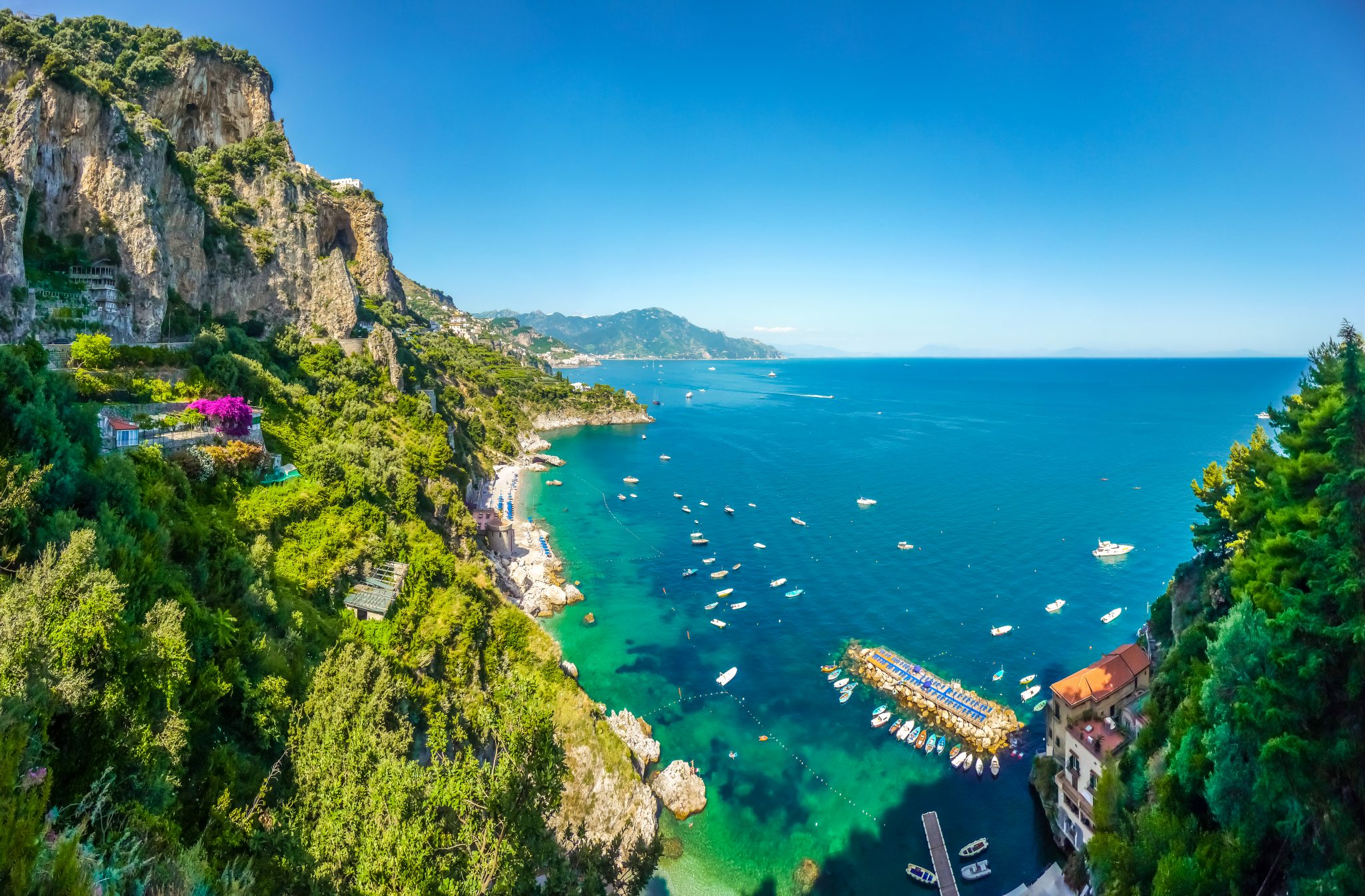
Land in Naples, take your pre-booked transfer or bus to Sorrento, and use the rest of the day to recover. Wander down to Piazza Tasso for an early dinner, then walk the short path to Marina Grande for sunset over the water. Keep plans loose. A long flight followed by a packed first day usually backfires, so planning some easy downtime entertainmentcan help.
Day 2, Day Trip To Pompeii

Take the Circumvesuviana train from Sorrento to Pompeii, a ride of under an hour. The Archaeological Park of Pompeii currently charges roughly €18 to €25 for entry, depending on whether you add the suburban villa sites, and opens at 9 am, with last entry around 5:30 pm in the warmer months, according to the park's official visitor information. Allow at least three hours to see the forum, the amphitheatre, and the plaster casts of victims, which tend to leave the strongest impression on visitors of any age.
Head back to Sorrento by early evening for dinner near Marina Piccola, where fresh seafood pastas are the local speciality.
Day 3, Sorrento Beach Day And Evening Piazza Life
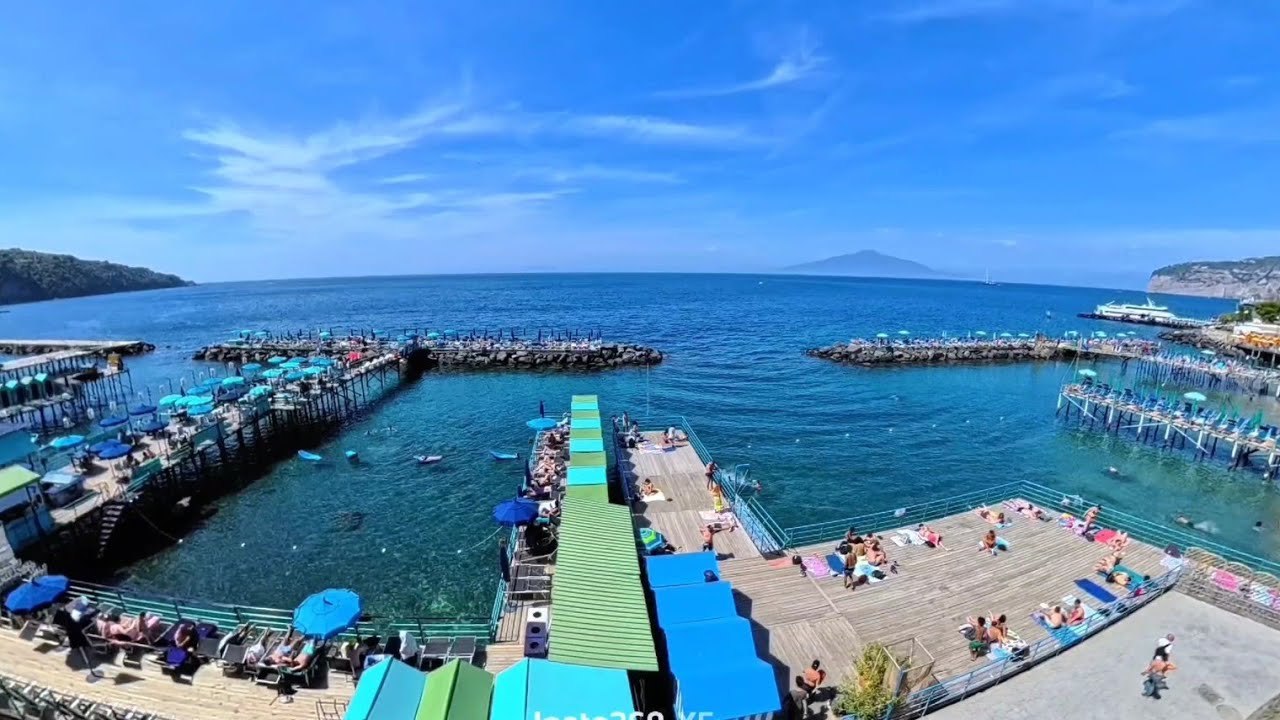
Spend the morning at one of Sorrento's platform beach clubs, which sit over the water on wooden decking rather than sand. Families with younger kids may prefer a short train ride to Vico Equense, where the beaches are calmer and more traditional.
In the evening, walk Corso Italia for gelato and browse the lemon-themed shops selling limoncello and ceramics. Sorrento's main square often has live music on summer evenings, and it's an easy, low-key way to close out this base before moving on.
Day 4, Move To Positano Or Praiano, Explore Positano
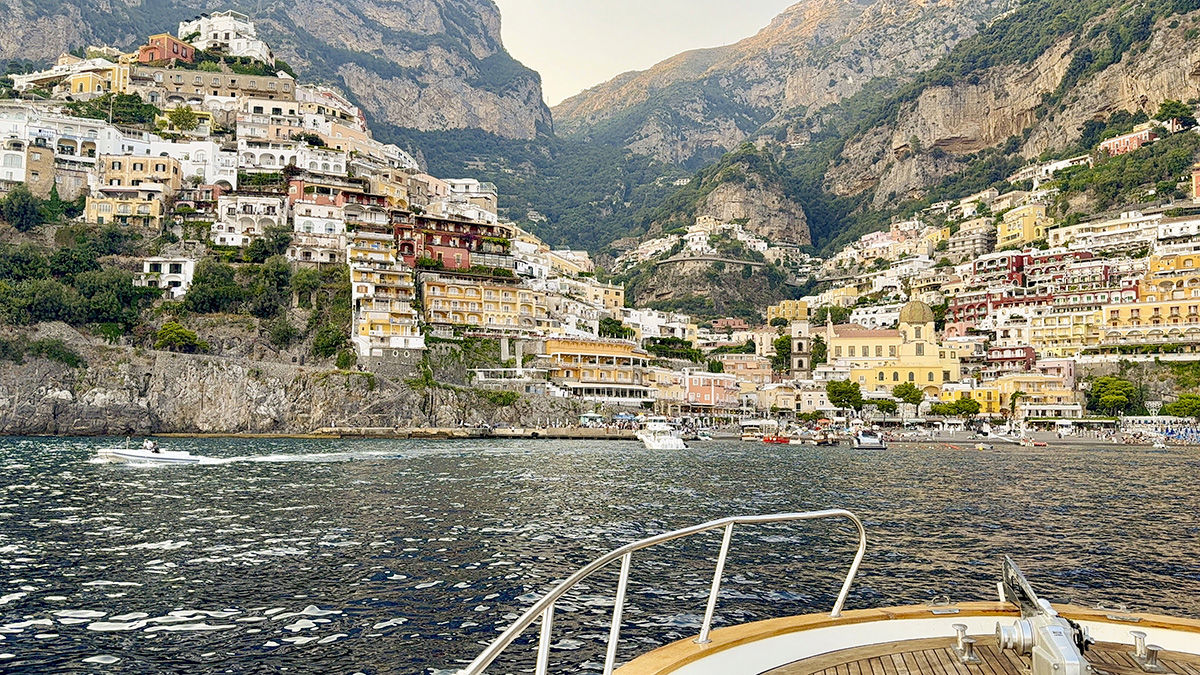
Take the bus or ferry to your second base, then head straight into Positano before the day-trip crowds arrive. Walk down through the town via Via Cristoforo Colombo, stopping at viewpoints along the way, then spend the afternoon on Spiaggia Grande or the quieter Fornillo Beach just around the point.
Local tip:Visit Positano's steep upper streets first thing in the morning, then save the busier midday hours for the beach. Trying to wander the lanes after 11 am in high season means shuffling through a crowd rather than actually seeing the town.
Day 5, Path Of The Gods Or A Slower Beach Day
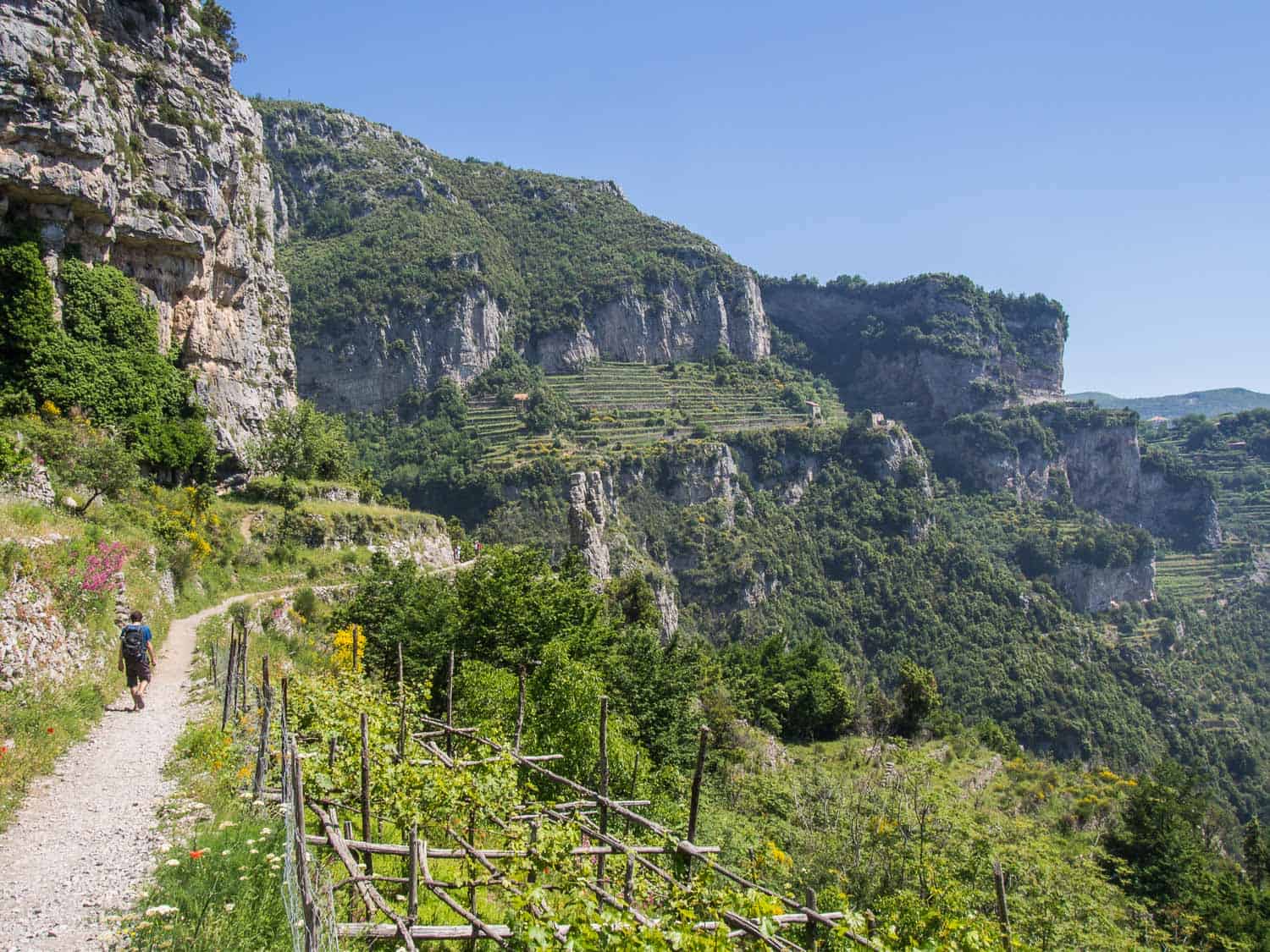
For anyone comfortable with a moderate hike, the Path of the Godsruns roughly four miles along a clifftop ridge between Bomerano and Positano's upper neighborhood of Nocelle, with sweeping views the whole way. Plan around four hours, sturdy shoes, and plenty of water.
Families with younger kids, or anyone who'd rather rest between two active days, can swap this for a second beach day in Praiano instead, at the small cove of Marina di Praia.
Day 6, Day Trip To Capri
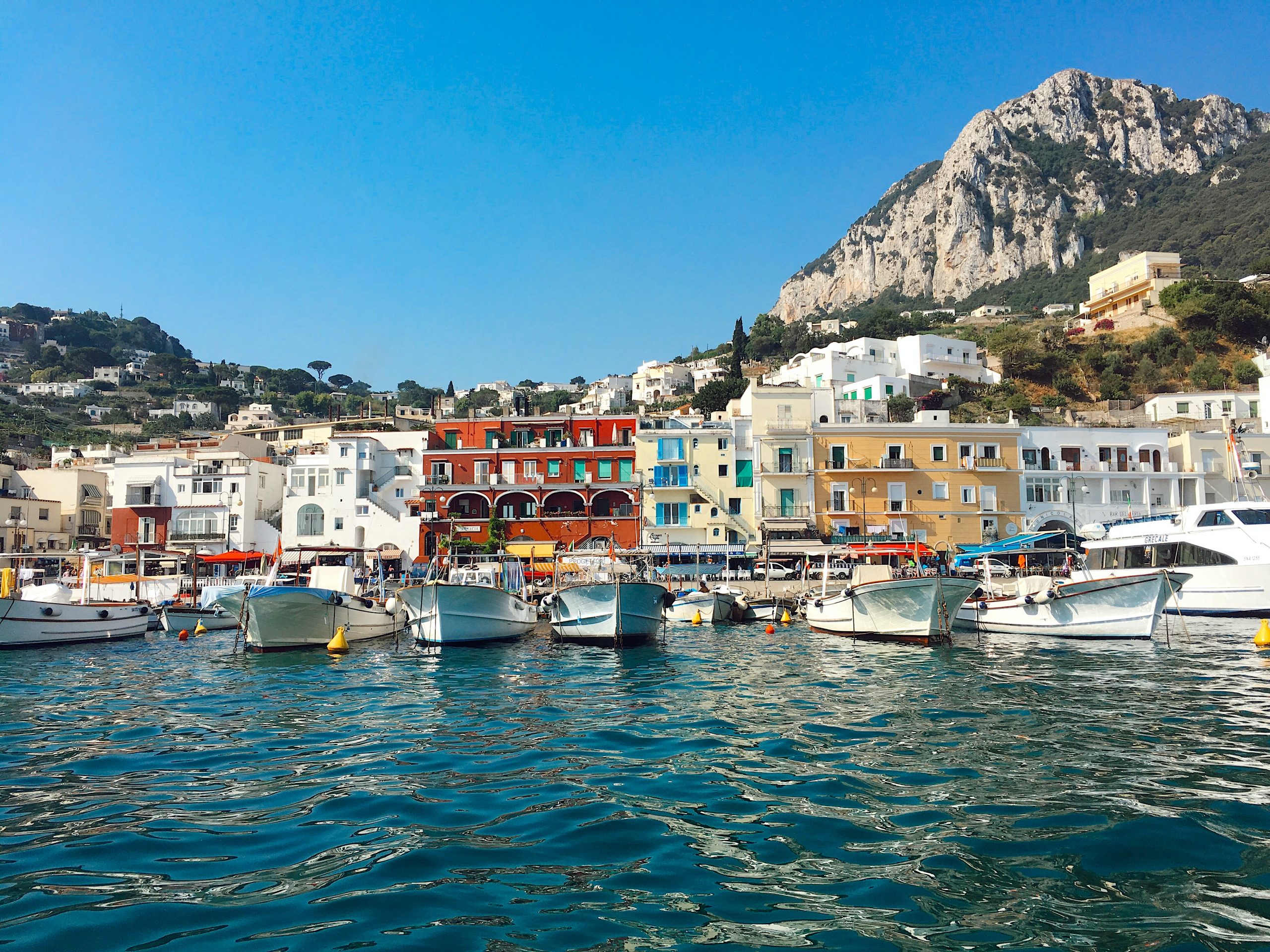
Catch an early ferry to Capri, ideally the first or second departure of the day to beat the crowds at the Blue Grotto. Spend the morning on the water, take the chairlift up to Monte Solaro for the best views on the island, then wander the boutiques around Piazza Umberto before the afternoon ferry back.
This is one of the pricier days on the trip once you add the ferry, any boat excursion, and the chairlift, so budget accordingly if you're traveling as a family.
Day 7, Move To Amalfi Or Atrani, Explore Amalfi
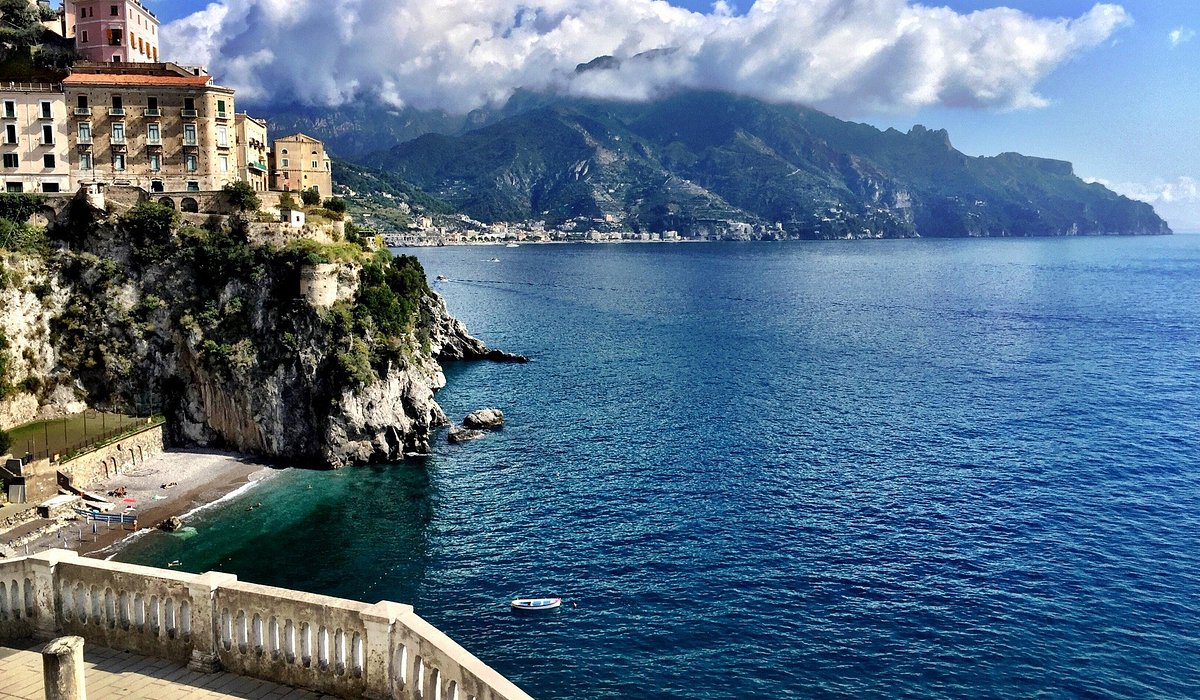
Relocate to your third base and spend the afternoon in Amalfi itself. Climb the steps to the Duomo di Sant'Andrea, wander the shopping streets of Via Amalfi and Ruga Nova Mercatorum, and try the lemon sorbet served in a hollowed-out lemon, a genuine local speciality rather than a tourist gimmick.
Walk the short coastal path to neighboring Atrani in the late afternoon for a quieter stretch before dinner.
Day 8, Day Trip Up To Ravello
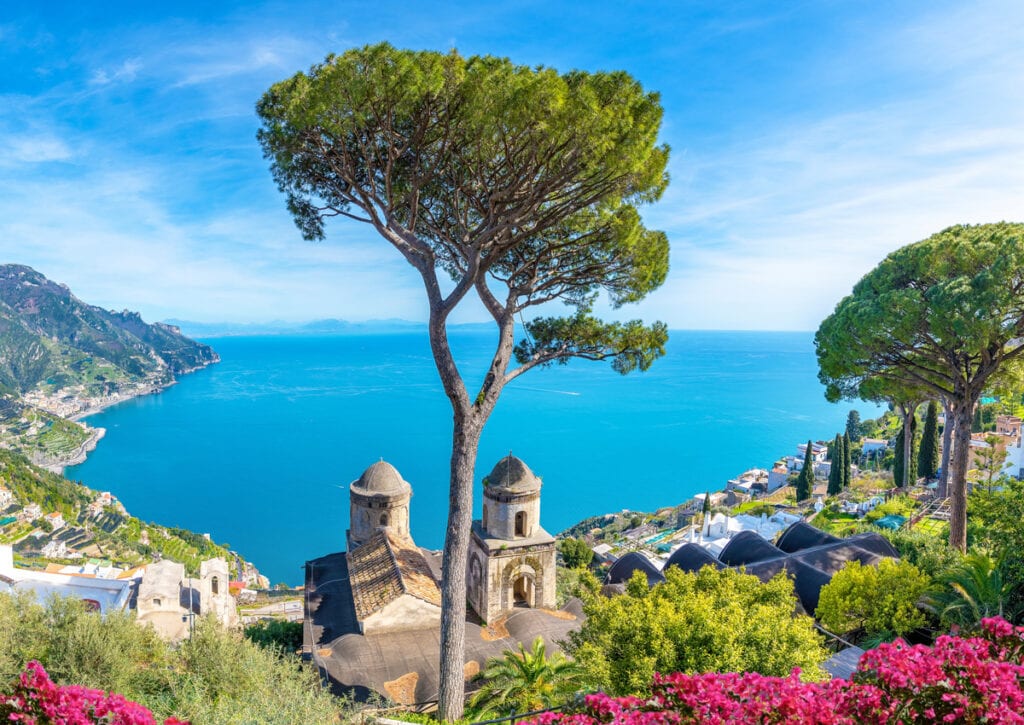
Take the bus up to Ravello, a hill town with none of the coastal crowds and some of the best views on the entire trip. Villa Cimbronecurrently costs around €10 for adults and stays open daily from 9 am until sunset, according to the villa's official visitor information. Its Terrace of Infinity is worth the ticket price alone. Villa Rufolo, closer to the town center, makes a good second stop if you have the energy.
Day 9, Full Day Boat Trip Along The Coast
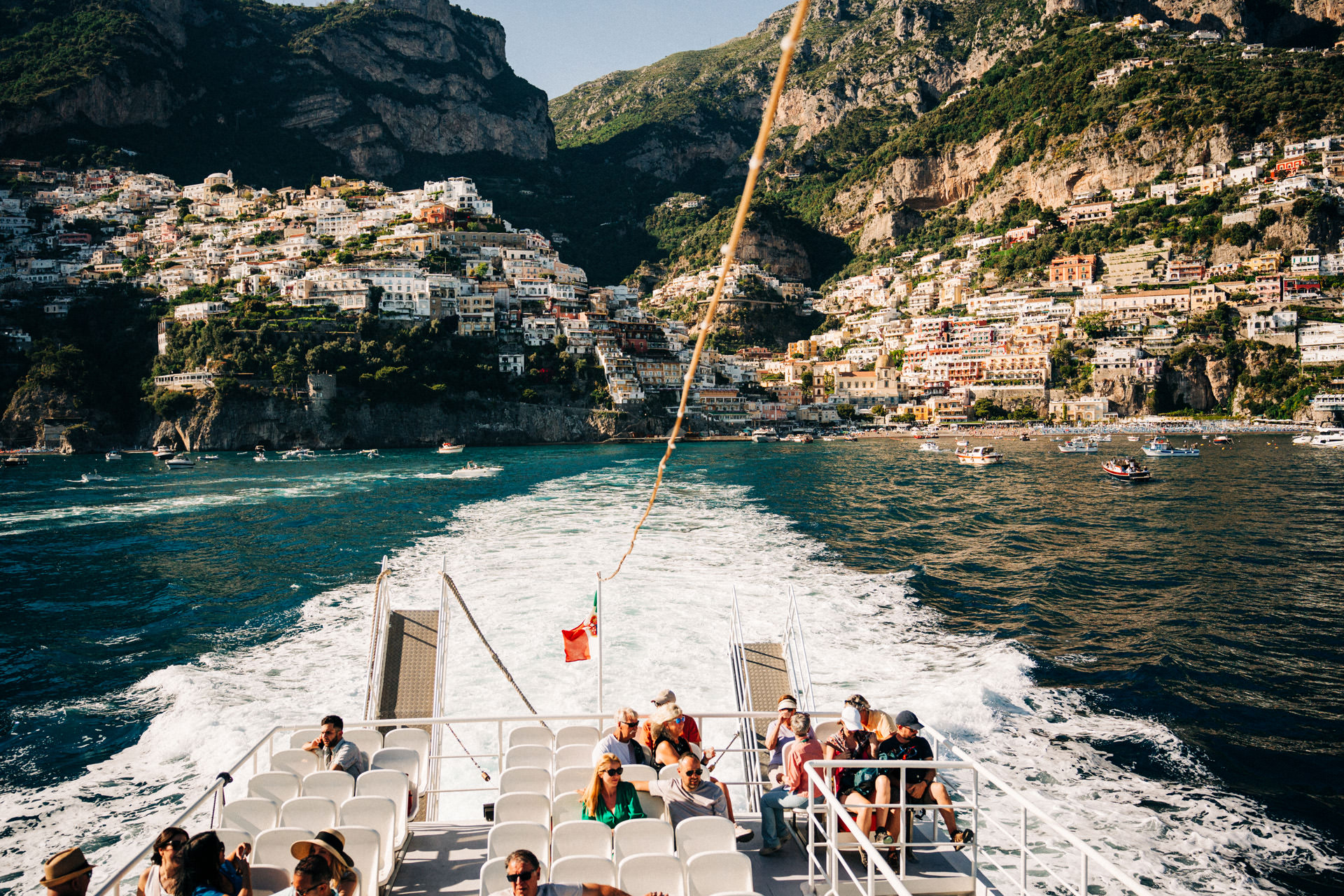
Book a private or small-group boat trip departing from Amalfi or one of its neighboring towns. Seeing the coastline from the water gives you a completely different sense of scale than viewing it from any town square, and most tours include a swim stop or two in quiet coves you can't reach on foot, making it a great opportunity to share your trip through live streaming.
This is a good day to skip any additional sightseeing and simply let the day unfold slowly.
Day 10, Departure
Build in extra time for your route back to Naples Airport, since bus and ferry schedules can run behind on a summer morning. If your flight is in the afternoon, a short final walk along Amalfi's or Atrani's waterfront makes a calm send-off before the journey home.
Getting To The Amalfi Coast And Getting Around Once You're There
This is what trips up first-time visitors more than anything else. Get the transport plan right, and the rest of the trip runs smoothly.
Naples Airport To The Coast
Naples International Airport is the gateway for almost everyone visiting this region. From there, you have three practical options for reaching Sorrento or the coast towns.
A direct airport bus to Sorrento is the simplest budget option, taking a little over an hour depending on traffic. A private transfer costs more but drops you at your hotel door, which matters more than it sounds on your first, most exhausting day of the trip. A train is possible too, but it requires a change at Naples' main station, which adds hassle for anyone traveling with a lot of luggage.
Local tip:Book your first night's transfer before you land, even if you plan to use public transport for the rest of the trip. Arriving jet-lagged to a chaotic airport taxi rank is not the moment to start negotiating a fare.
SITA Bus, Ferry, Or Private Transfer, What Each One Actually Costs
Three transport options cover nearly every leg of this itinerary, and each one suits a different situation.
- SITA Sud busis the cheapest way to move between towns. Single tickets generally run between about €2 and €6 depending on the distance, and a 24-hour COSTIERASITA pass currently costs around €10 for unlimited rides across the coastal towns and Sorrento peninsula, according to SITA Sud's fare information distributed via the UnicoCampania ticketing app. Tickets must be bought before boarding at a tobacconist, newsstand, or bar, never on the bus itself.
- Ferriesconnect the main towns by sea and add real scenery to your travel time. Expect roughly €10 to €20 for a one-way hop between towns like Positano and Amalfi, with schedules that shrink outside the summer months and that can cancel outright in rough weather.
- Private transferscost the most, typically €80 to €150 for a point-to-point ride, but they're worth it on the two heaviest luggage days of this itinerary, when you're actually relocating between your three bases.
This itinerary doesn't recommend renting a car. The coast road is narrow with blind curves, parking is scarce and expensive, and during peak season some stretches restrict access by license plate number on alternating days. Public transport plus the occasional private transfer will get you everywhere in this plan without the stress.
Where To Stay - Choosing Your Three Bases
Picking the right three towns matters more than picking the perfect hotel within them, so start here before you open a booking site.
Sorrento (Days 1 To 3)
Sorrento sits just outside the official Amalfi Coast on the Sorrentine Peninsula, but it functions as the region's main gateway and its most practical home base. It has direct train and airport connections, a proper supermarket for stocking up on snacks, and streets flat enough that dragging luggage or pushing a stroller isn't a fight.
Consider a hotel near Piazza Tasso or Corso Italia for easy walking access to restaurants and the evening passeggiata. A splurge option like the Grand Hotel Excelsior Vittoria sits right on the cliff edge, while a guesthouse near the main square covers the mid-range comfortably.
Positano Or Praiano (Days 4 To 6)
Positano is the postcard town, and it earns the reputation. It's also the steepest, priciest, and most crowded base on this list, which matters if you're traveling with young kids, a stroller, or anyone who struggles with stairs.
Praiano, just fifteen minutes further along the coast, offers a quieter alternative with its own beach access and dramatic views back toward Positano. A family or budget-conscious couple staying in Praiano can still walk or bus into Positano for the day, then retreat somewhere calmer and less expensive at night.
Amalfi Or Atrani (Days 7 To 9)
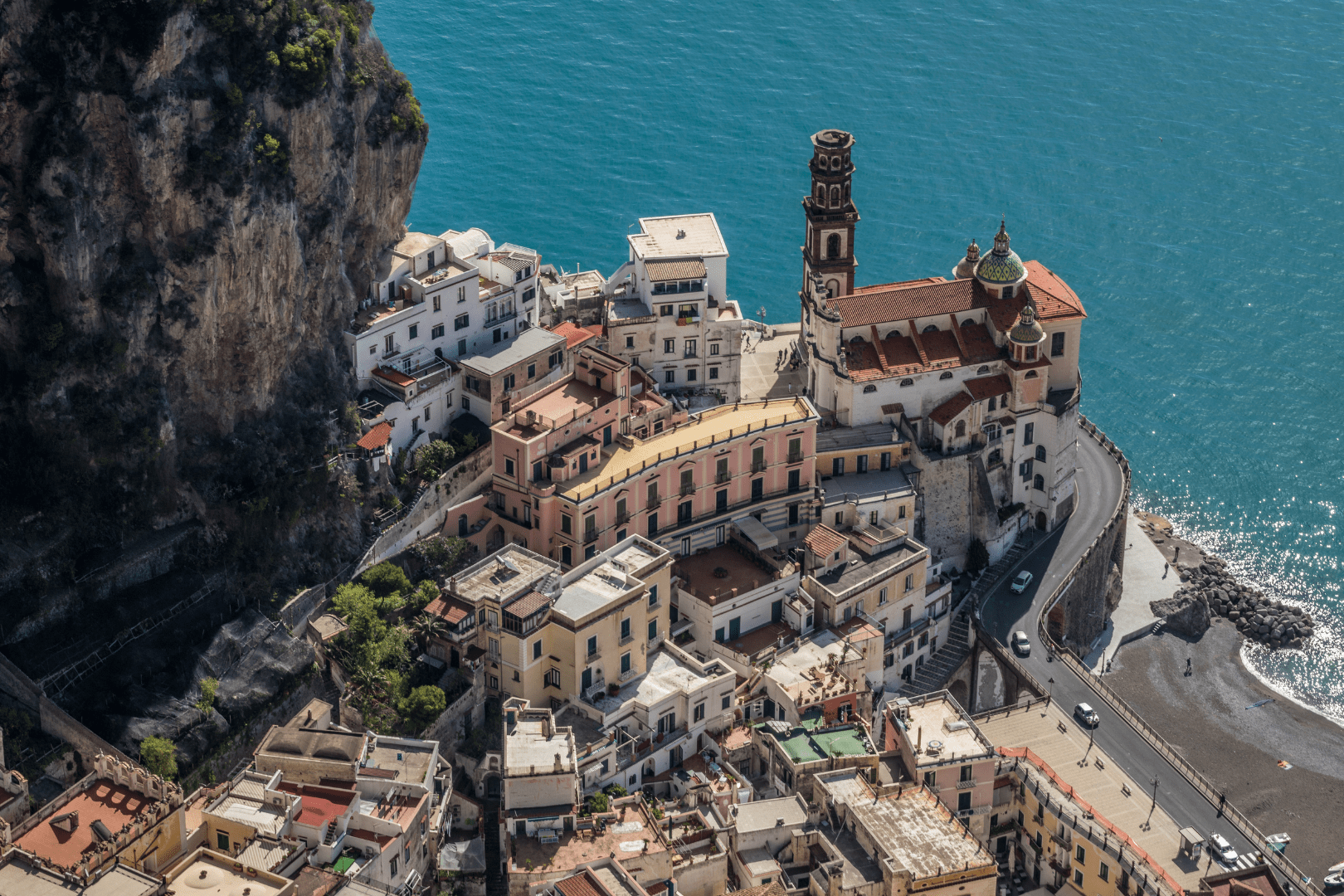
Amalfi is flatter than Positano and centered around a real town square rather than a cliffside, which makes it easier to navigate with kids or luggage. Its little sister Atrani, an eight-minute walk away, is even quieter and often cheaper, with a small sandy-pebble beach right in the middle of town.
Best Places To Stay With Kids
Families do best avoiding Positano's endless staircases as a home base, even though a daytime visit is still worth it. Sorrento and Praiano both offer flatter streets, easier stroller access, and calmer evenings once the day-trip crowds clear out. Amalfi's town center is also manageable, since its main square and beach sit close together without a steep climb between them.
Before booking, run through this short checklist to settle on your three bases:
- Are you traveling with a stroller or anyone who finds stairs difficult? Lean toward Sorrento, Praiano, and Amalfi over Positano.
- Is nightlife and energy a priority? Positano and Sorrento both stay lively into the evening.
- Are you watching your budget closely? Praiano and Atrani cost noticeably less than their famous neighbors while sitting minutes away.
- Do you want a quiet, adult-focused stretch of the trip? Ravello, reachable as a day trip from Amalfi, is the calmest spot on the whole coast.

What To Eat And Where To Eat It
Food on this coast leans heavily on lemons, fresh seafood, and simple pasta done extremely well, and it's worth building a little structure around where you eat rather than wandering into whatever's closest.
Dishes To Try
- Scialatielli ai frutti di mare, a thick, hand-cut pasta tossed with mixed shellfish
- Lemon sorbet served in a hollowed lemon, an Amalfi speciality rather than a tourist prop
- Limoncello, the lemon liqueur produced up and down the coast, best tasted straight from a small local producer rather than a souvenir shop
- Caprese salad, made properly with buffalo mozzarella and tomatoes actually grown in the region
- Delizia al limone, a lemon cream cake that shows up on nearly every dessert menu
Family-Friendly, Romantic, And Budget Picks By Town
For families, look for casual trattorias with outdoor seating and simple pasta and pizza menus, most easily found around Sorrento's Piazza Tasso and Amalfi's main square, where a few tourists in beach clothes never draws a second look.
For a romantic dinner, look for restaurants perched above town with a view over the water, common in both Positano and Ravello, and book a table with a view well ahead since the best spots fill up fast.
For a tighter budget, skip the restaurants directly on the main piazzas, which charge a premium for the location, and walk one or two streets back instead. Prices often drop noticeably without any real difference in quality.
Traveling The Amalfi Coast With Kids
This coast works well with children if you plan around a few real limitations rather than discovering them mid-trip.
- Positano's endless staircases make it a rough choice as a home base with a stroller, though a daytime visit is still manageable if you're prepared to carry it.
- Sorrento, Praiano, and Amalfi all offer flatter streets and easier movement for anyone pushing a stroller or managing tired little legs.
- Platform beach clubs in Sorrento and pebble beaches elsewhere along the coast aren't sandy, so pack water shoes if your kids find pebbles uncomfortable underfoot.
- Build in slower, unscheduled afternoons rather than back-to-back sightseeing days. This coast rewards a relaxed pace, and overtired kids make for a rough evening, no matter how beautiful the view is.
- The Capri and Pompeii day trips both involve a lot of walking and sun, so bring snacks, water, and a hat for each person rather than relying on finding shade along the way.

What To Pack For The Amalfi Coast
- Sturdy, broken-in walking shoes for the stairs and hikes, not brand-new sandals
- Sun protection including a hat, sunglasses, and reusable sunscreen, since the coastal sun is stronger than it looks
- A light layer or jacket for cooler evenings, even in summer
- Swimwear and a quick-dry towel for beach and boat days
- Water shoes if pebble beaches bother tender feet
- A reusable water bottle, since tap water is safe to drink throughout this region
- A small daypack for day trips to Pompeii, Capri, and Ravello
Frequently Asked Questions
Food, hotels, and beach clubs run higher here than in most other Italian regions, with Positano and Capri carrying the biggest premium.
Do You Need To Tip In Amalfi Coast Restaurants?
Many restaurants already include a small service charge, listed as "coperto" on the bill, so tipping beyond rounding up is optional, not expected.
Can You Drink The Tap Water On The Amalfi Coast?
Tap water is safe to drink throughout mainland Italy, including every town covered in this itinerary, so a reusable bottle works fine.
Can You Swim Without Paying For A Beach Club?
Yes, most towns keep a small stretch of free public beach access alongside the paid sunbed sections, though the free areas tend to be more crowded and less comfortable.
Is It Safe To Take Young Kids On The Local Ferries?
Generally yes. The short hops between towns are calm in normal conditions, though rough seas can cancel or delay ferry schedules with little warning.
Conclusion
Ten days on this coast gives you room to actually settle into a place instead of skimming past it, which is the whole point of coming here in the first place. Pick your three bases, book your first night's transfer, and let the rest of the trip unfold at the pace this coastline seems to insist on anyway.
The towns will still be beautiful if you follow this plan to the letter or wander off it entirely. What matters most is giving yourself enough unstructured time between the big sights to sit somewhere with a view, enjoy a plate of pasta, and simply take in the moment.
Jump to
Planning A 10-Day Amalfi Coast Itinerary That Doesn't Wear You Out
How To Plan A 10-Day Trip To The Amalfi Coast
Your Day-by-Day 10-Day Amalfi Coast Itinerary
Getting To The Amalfi Coast And Getting Around Once You're There
Where To Stay - Choosing Your Three Bases
What To Eat And Where To Eat It
Traveling The Amalfi Coast With Kids
What To Pack For The Amalfi Coast
Frequently Asked Questions
Conclusion

Finn Wilde
Author
For Finn Wilde, the wilderness is more than just a destination - it’s a way of life. Over the past decade, he has led multiple expeditions in some of the world’s most remote regions, from the icy fjords of Greenland to the rugged trails of Patagonia.
Finn emphasizes sustainability in all of his adventures, helping participants connect with nature while promoting responsible exploration. His expeditions inspire individuals to explore the great outdoors while fostering a deep respect for the environment.

Liam Jones
Reviewer
Liam Jones has made it his mission to prove that adventure doesn’t need a hefty budget. Having traveled to over 40 countries, he specializes in finding affordable ways to experience the world, from the best street food in Bangkok to hidden gems in Lisbon.
Liam’s travel tips have reached thousands of readers, empowering them to see the world on a shoestring budget without sacrificing quality. With a deep passion for local cultures, he continues to share his travel hacks, ensuring adventure remains accessible to all.
Latest Articles
Popular Articles