Alaska Cruise Vs Alaska Road Trip (which Is Better)
Alaska cruise vs Alaska road trip: find out which covers better scenery, delivers more wildlife, costs less, and suits your travel style in this full comparison.
Author:Finn WildeReviewer:Maya ReyesMay 19, 202622.7K Shares319.8K Views
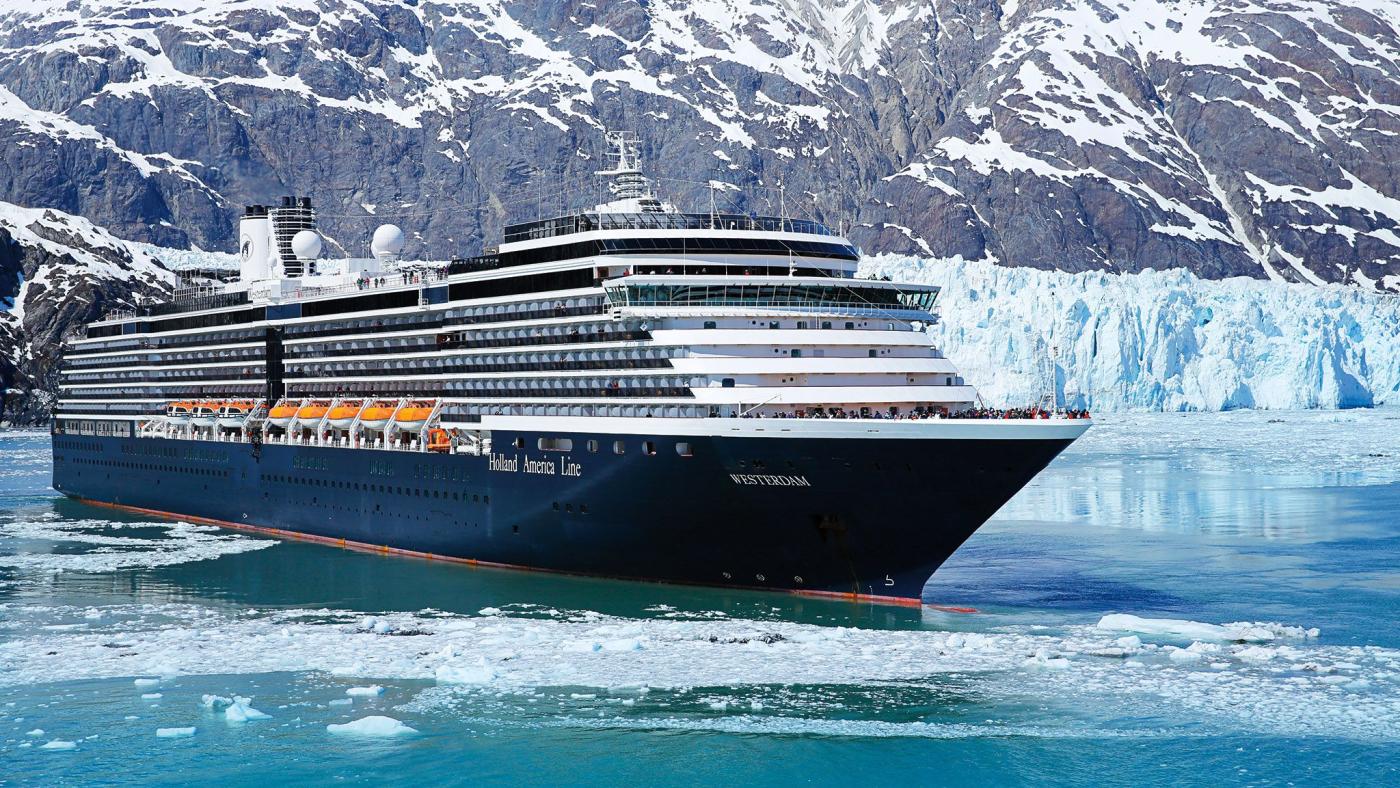
Which One Is Right For Your Travel Style?
Alaska is one of those destinations where the how matters just as much as the where. I can say "I went to Alaska" and had experiences so different that I might as well have visited different countries. I spent a week sailing through fjords past calving glaciers, spotting humpback whales from a ship deck.
I also drove the Parks Highway at midnight under a sky that never fully darkened, pulling over for a moose standing calmly in the middle of the road. It is only in my experience that I chose the right option for what I actually wanted.
I will break down every meaningful difference between an Alaska cruise and an Alaska road trip, from cost and scenery to flexibility and logistics, so you can decide with full information instead of a coin flip.
Key Takeaways
- Alaska cruises are best for coastal scenery, glacier access, and travelers who prefer a structured, low-logistics experience
- Alaska road trips are best for inland access, Denali, flexibility, and travelers who want to move at their own pace
- Cruises range from roughly $800 to $6,000+ per person, depending on the line and cabin type
- Road trips average $2,500 to $4,500 for two people over 10-14 days
- A hybrid option combining a cruise with a land extension, or using the Alaska Marine Highway ferry, gives you elements of both
- Neither option is objectively better; the right choice depends entirely on your travel style and priorities
Two Very Different Alaskas
Before comparing costs and logistics, it helps to understand that Alaska cruise and road trip itineraries cover almost entirely different geographic areas. Most travelers do not realize this until they start planning.
What An Alaska Cruise Actually Covers
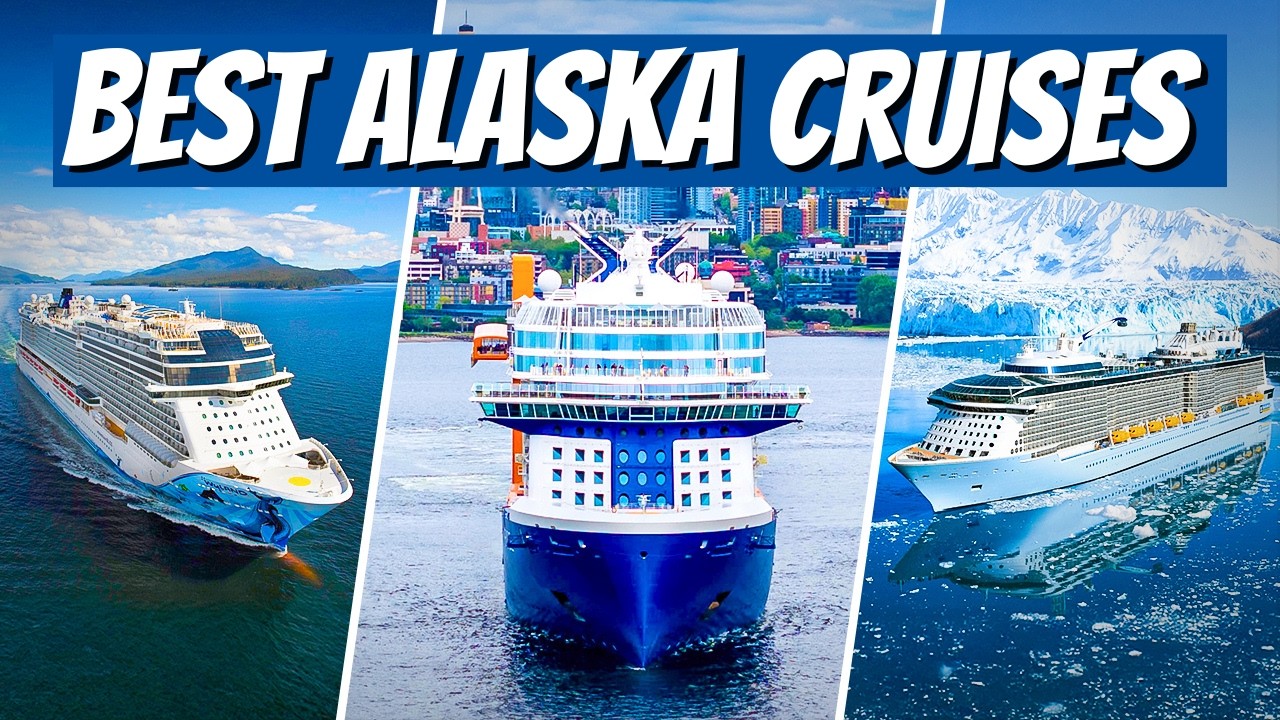
The Best Alaska Cruises 2025 - Our Expert Picks for Top Cruise Ships & Itineraries
Most Alaska cruises sail the Inside Passage, a protected coastal waterway running through Southeast Alaska. The typical itinerary includes ports like Juneau, Ketchikan, Skagway, and Sitka, along with scenic sailing past glaciers such as Hubbard Glacier and through Glacier Bay National Park.
This is coastal, maritime Alaska. It is stunning, but it is a specific slice of the state. You will not reach Denali, Fairbanks, or the vast interior on a standard cruise itinerary. The Alaska you see from a ship is one of fishing towns, rainforests, fjords, and tidewater glaciers.
What An Alaska Road Trip Actually Covers
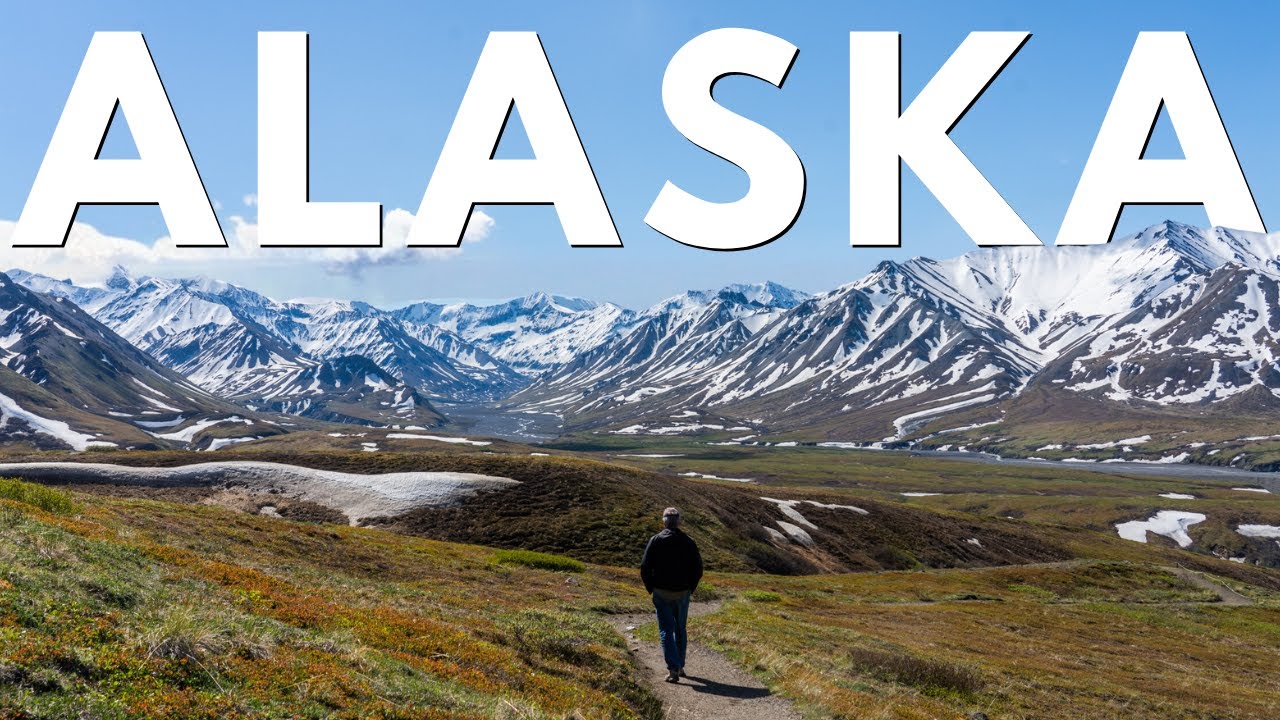
Alaska 8 Day Road Trip: Anchorage, Fairbanks, Glaciers, Wildlife & Denali over 1,000 Miles
An Alaska road trip, typically beginning in Anchorage or Fairbanks, opens up a completely different version of the state. The Parks Highwayconnects Anchorage to Denali and continues north.
The Seward Highwaydrops south through the Kenai Peninsula toward glaciers and fishing villages. The Richardson and Glenn Highwaystake you through the interior toward Valdez and beyond.
Road trip, Alaska is about boreal forests, tundra, alpine passes, and a sense of raw scale that even photographs fail to capture. The towns are smaller, the distances are longer, and the wildlife is different. You are in the interior and sub-arctic Alaska that cruise passengers never see.
You Might Like: Alaska Pictures USA
Cost Comparison: Cruise Vs Road Trip
Cost is usually the first question, and the honest answer is more nuanced than most comparison articles admit. Both options have a wide range depending on choices, and comparing them fairly requires using the same tier.
How Much Does An Alaska Cruise Cost
Alaska cruise pricing varies enormously based on cruise line, cabin category, and booking timing:
- Budget/value lines (Carnival, Norwegian inner cabin):$800 to $1,500 per person for a 7-night cruise
- Mid-range lines (Holland America, Princess):$1,500 to $3,000 per person
- Premium/luxury lines (Celebrity, Regent, Silversea):$3,000 to $6,000+ per person
Those per-person figures typically cover the cabin and most meals, but they rarely include shore excursions ($80 to $300 per activity), gratuities ($15 to $20 per person per day), drinks packages, flights to the departure port, and pre or post-cruise hotel nights. A realistic all-in budget for a couple on a mid-range 7-night Alaska cruise lands between $5,000 and $9,000 total.
How Much Does An Alaska Road Trip Cost
A 10-14-day Alaska road trip for two people typically breaks down like this:
- Car rental:$600 to $1,200 depending on vehicle type and season
- Fuel:$300 to $500 for 1,500 to 2,000 miles at Alaska gas prices
- Accommodation (mix of motels, lodges, campgrounds):$800 to $1,800
- Food:$600 to $1,000, eating a mix of self-catering and restaurants
- Activities and park fees:$200 to $600
That puts the total range at roughly $2,500 to $5,100 for two people, or $1,250 to $2,550 per person. Camping-heavy trips can come in significantly lower. Lodging upgrades push costs higher.
Which One Offers Better Value
For solo travelers, cruises often represent better value because the per-person cost does not scale down the way hotel and rental car costs do when traveling alone. For couples and small groups, road trips typically offer more experience per dollar, especially when camping is part of the plan.
The more important question is what you are getting for the money. A cruise bundles transportation between destinations, accommodation, and meals into one price. A road trip gives you more control but more responsibility. Neither is inherently cheaper once you account for all costs honestly.
Scenery And Landscapes: Coastal Vs Inland Alaska
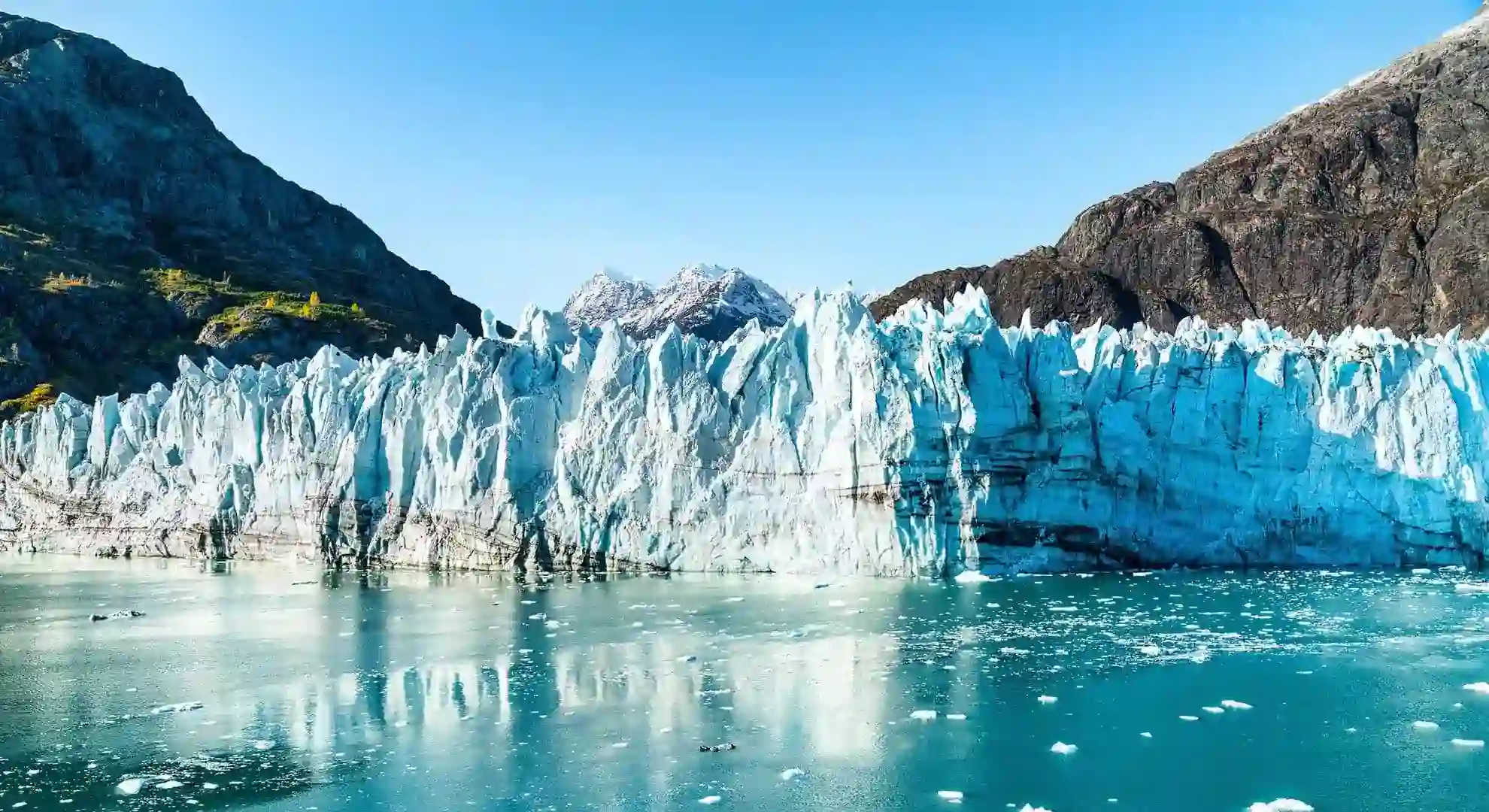
Alaska is the largest state in the US by a significant margin, and its landscapes are wildly varied. The scenery you get depends almost entirely on which part of the state you visit.
What You See On A Cruise
An Alaska cruise delivers some of the most dramatic coastal scenery on Earth. Picture a typical morning on deck: the ship is sailing through a narrow fjord with waterfalls cascading down cliffs on both sides, and ahead, a wall of blue glacier ice extends to the water's edge.
Glacier Bay National Park, accessible almost exclusively by boat, is a highlight that simply cannot be replicated on land. The Inside Passage coastline is lush, green, and dramatic in a different way than the interior.
Southeast Alaska receives significant rainfall, which feeds ancient temperate rainforests right down to the waterline. Orca, humpback whales, and Steller sea lions are regularly spotted from ship decks during morning sailings.
See Also: Best Alaska Cruises
What You See On A Road Trip
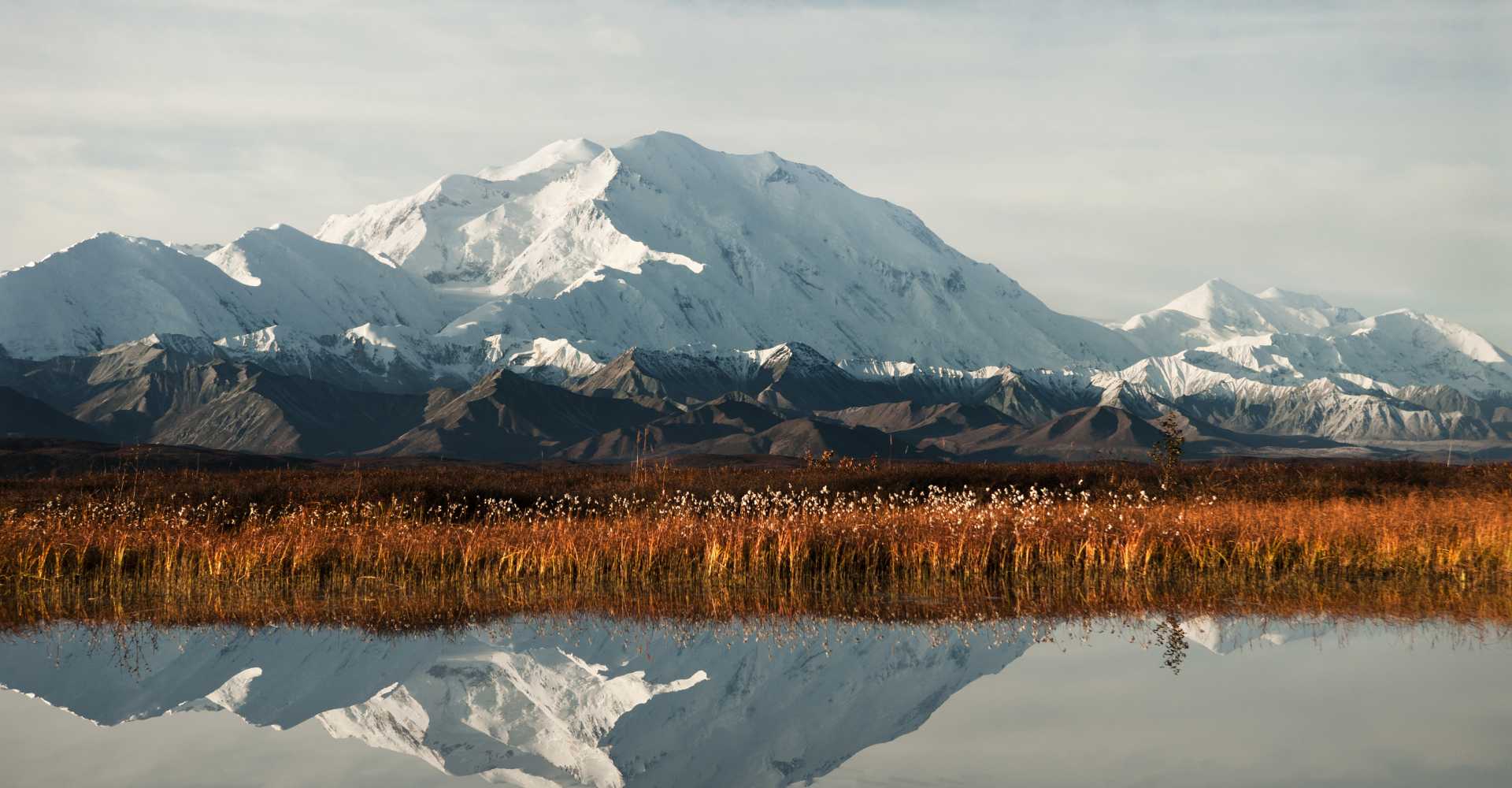
Road trip scenery is defined by scale and openness. Denali, rising 20,310 feet above sea level, is visible on clear days from over 100 miles away and dominates the horizon in a way that stops people mid-sentence.
The drive along Turnagain Arm south of Anchorage is considered one of the most scenic coastal highway stretches in North America, with tidal flats, beluga whale sightings, and mountains rising directly from the water.
The Kenai Peninsulaoffers its own version of glacier access via Exit Glacier, where you can walk up to the ice on foot. The contrast between tundra, birch forest, and alpine terrain on a single drive through Denali National Park covers more visual ground than most national parks offer in their entirety.
Wildlife Viewing: Which Option Wins
Wildlife is one of Alaska's biggest draws, and both options deliver, but in genuinely different ways. The species you see, and how close you get, depends on whether you are on water or on land.
Marine Wildlife On A Cruise
A cruise excels for marine wildlife. The Inside Passage is one of the most productive marine ecosystems in the world, and summer sailings regularly produce sightings of:
- Humpback whales breaching and feeding
- Orca pods traveling through the passage
- Steller sea lions hauled out on rocky outcroppings
- Harbor seals resting on ice floes near tidewater glaciers
- Bald eagles nesting in waterside trees
- Puffins and murres in coastal waters
The advantage of a cruise is that the ship itself acts as a wildlife viewing platform. You cover significant ocean territory without effort, and naturalist guides or park rangers often narrate what you are seeing in Glacier Bay.
Land Wildlife On A Road Trip
Road trips unlock the interior species that cruise passengers never encounter. Denali National Park is arguably the single best place in North America to see grizzly bears in their natural habitat from a safe distance, along with wolves, moose, Dall sheep, and caribou herds.
The park's restricted road access policy means most wildlife viewing happens from designated tour buses, which actually improves sightings by limiting vehicle disturbance. Outside the park, moose encounters along highway corridors are almost guaranteed on a two-week road trip.
The Kenai Peninsula adds brown bear sightings near salmon streams in late summer. The unpredictability of road trip wildlife is part of the appeal: the moose in the road at midnight is not a scheduled excursion; it is just Alaska being Alaska.
Flexibility And Freedom: Who Controls The Itinerary
This is one of the most significant practical differences between the two formats, and it is worth being honest about what each one actually feels like.
The Cruise Schedule
On a cruise, the ship sets the agenda. You arrive at each port when the ship arrives, and you must be back on board before the ship departs, typically by 5 to 6 p.m. Shore days usually run six to eight hours, which is enough time for one or two organized excursions or a self-guided exploration of a port town.
This structure is a genuine advantage for travelers who find open-ended planning stressful. Everything from meals to port arrival times is handled. The tradeoff is that you cannot linger in a place that resonates with you, and you cannot skip a port you are indifferent to.
The Road Trip Schedule
A road trip hands full control back to you, for better or worse. If you arrive in Talkeetna and love it, you stay another day. If the weather is perfect for a Denali bus tour, you rebook your lodging and take advantage of it.
If a pull-off on the Parks Highway reveals a grizzly bear in a river below, you stop as long as you want. That freedom requires planning capacity and a tolerance for uncertainty.
Road distances in Alaska are real: Anchorage to Fairbanks is roughly 360 miles, and Fairbanks to Denali is another 125 miles. You will spend meaningful time in the car, and remote stretches between towns require fuel management and some logistical discipline.
Logistics: Which Is Harder To Plan
The planning experience for both options is genuinely different, and the right choice partly depends on how much you enjoy the planning process itself.
Planning An Alaska Cruise
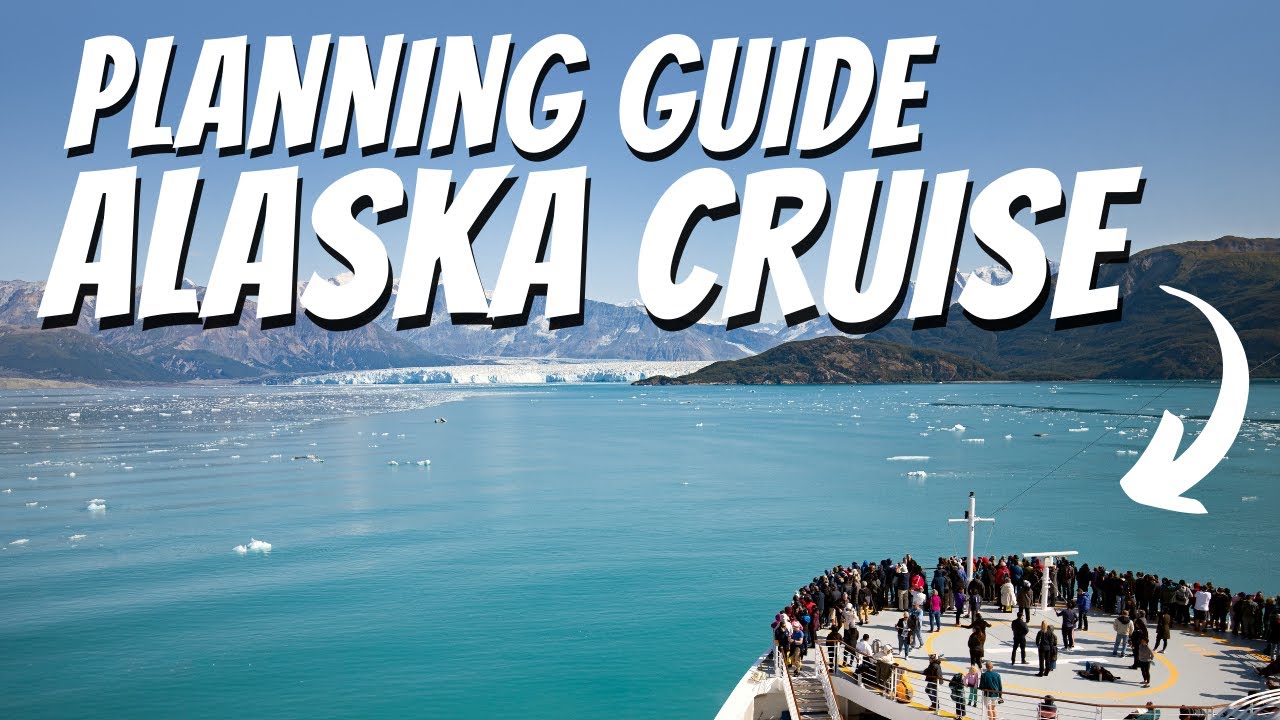
Essential Alaska Cruise Planning Tips for 2023 | How to Plan the Perfect Alaskan Cruise!
Cruise planning is relatively contained. You choose a cruise line, an itinerary, a cabin category, and a departure date. The cruise line handles the rest of the transportation logistics between ports.
The main additional decisions are which shore excursions to book and whether to fly into the embarkation port a day early. The key planning challenge is booking windows.
Popular Alaska cruises on major lines sell out 6 to 12 months in advance for peak summer dates, particularly for balcony cabins with glacier views. Waiting until spring to book a July cruise often means limited cabin selection and higher prices.
Planning An Alaska Road Trip
A road trip has more moving parts. You need to handle flights into Anchorage or Fairbanks, car rental, accommodation booking across multiple towns, activity reservations (especially the Denali park bus tour, which books out weeks in advance), and route logistics. Alaska has limited road infrastructure compared to the lower 48, so detours and alternate routes require research.
A few practical realities that catch first-time Alaska road trippers off guard:
- Gas stations can be 100+ miles apart on some routes
- Cell service disappears for long stretches; download offline maps before you go
- The Denali park road is only accessible to private vehicles for the first 15 miles; the rest requires a park bus
- Some roads, like the Dalton Highway to the Arctic, require a high-clearance vehicle and careful preparation
Who Each Option Is Best For
After comparing costs, scenery, wildlife, and logistics, a clear picture emerges of which traveler thrives on each format.
Alaska Cruise Is Best For
- First-time Alaska visitors who want broad coastal coverage and a comfortable introduction to the state
- Travelers who dislike logistics and want meals, accommodation, and transport bundled into one booking
- Marine wildlife enthusiasts focused on whales, sea lions, and coastal birds.
- Glacier chasers who want access to Glacier Bay National Park and tidewater glaciers
- Older travelers or those with mobility considerations who benefit from the cruise ship's accessibility and stability
- Couples looking for a romantic, scenic, and relaxed experience
- Solo travelers who appreciate the built-in social environment of a ship
Alaska Road Trip Is Best For
- Repeat Alaska visitors who have already seen the coast and want to go deeper inland.
- Independent travelers who find structured itineraries frustrating
- Wildlife enthusiasts focused on bears, moose, wolves, and caribou in interior habitats
- Denali pilgrims for whom the Great One is the entire reason for the trip
- Budget-conscious travelers traveling as a couple or small group, willing to camp
- Adventure travelers who want to hike, fish, kayak, and explore on their own terms
- Families with older children who enjoy active, flexible travel
The Hybrid Option: Why You Do Not Have To Choose
One of the biggest gaps in most Alaska cruise vs. road trip comparisons is the complete omission of the middle path. You do not have to pick one or the other.
Cruise-Tour Packages
Most major Alaska cruise lines offer cruise-tour packagesthat combine a standard Inside Passage cruise with a multi-day land program. The land portion typically involves a scenic rail journey on the Alaska Railroad from Seward or Whittier up to Denali National Park, with one or two nights near the park included.
These packages add two to five days to the overall itinerary and a high cost, typically $500 to $1,500 extra per person, but they solve the biggest complaint about standard cruises: that you never get to Denali. For travelers who want both coastal Alaska and the interior in a single trip, this is a well-tested format.
The Alaska Marine Highway Ferry
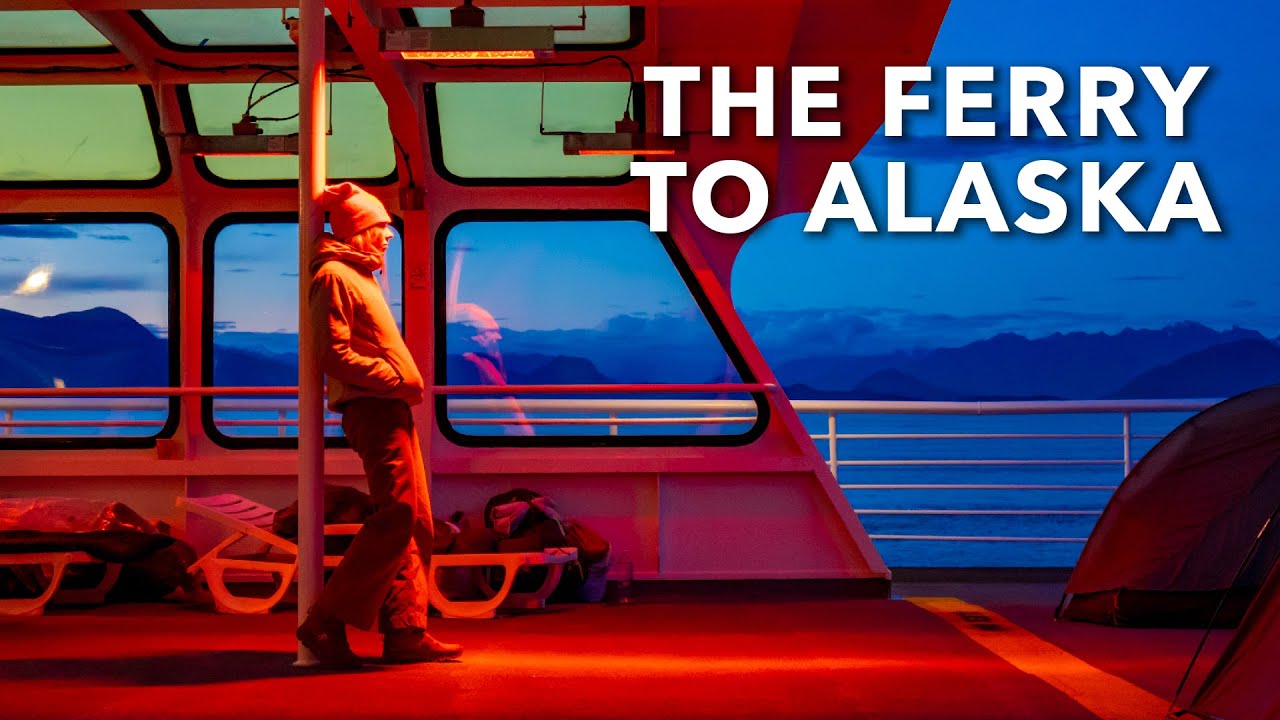
How to Take the Ferry to Alaska | Alaska Marine Highway
The Alaska Marine Highwayis one of the most underrated travel options in North America, and almost no competitor articles mention it. It is a state-operated ferry network connecting over 35 communities in Southeast, South Central, and Southwest Alaska, including Juneau, Sitka, Ketchikan, Homer, Kodiak, and smaller villages accessible no other way.
You can travel the full Southeast Alaska route by ferry over several days or a week, watching the same coastline a cruise ship covers but at a slower pace, stopping in smaller towns, and bringing your car aboard if you want to drive once you arrive.
It is considerably cheaper than a cruise, more flexible than a packaged itinerary, and gives access to communities that cruise ships anchor offshore of without stopping. For travelers who feel the cruise format is too structured and the road trip too vehicle-dependent, the Marine Highway is worth serious consideration.
Frequently Asked Questions
Which Is Better Overall, An Alaska Cruise Or A Road Trip?
Neither is objectively better. Cruises offer convenience and coastal scenery; road trips offer freedom and inland access. Your travel style and priorities determine the right answer.
Which Is Cheaper?
For solo travelers, cruises can be more cost-effective. For couples and groups, road trips often cost less overall, especially with camping. Both options have wide price ranges depending on your choices.
Can You See Denali On An Alaska Cruise?
Not on a standard cruise. Some cruise lines offer cruise-tour packages that add an inland Denali rail journey to the itinerary for an additional cost.
Which Is Better For Wildlife Viewing?
Cruises are better for marine wildlife, including whales, sea lions, and coastal birds. Road trips are better for land wildlife, including grizzly bears, moose, wolves, and caribou.
How Long Do You Need For An Alaska Road Trip?
A minimum of 10 to 14 days is recommended to cover the main highlights without rushing. Two weeks allow a thorough loop from Anchorage through Denali to Fairbanks and back.
What Is The Alaska Marine Highway?
It is a state-operated ferry system connecting over 35 Alaskan coastal communities. It serves as a scenic, affordable, and flexible alternative to both cruising and road tripping along the coast.
Which Is Better For Families?
Cruises offer more structure and convenience for families with younger children. Road trips work well for families with older children who enjoy active, open-ended adventures.
Is Alaska Road Tripping Safe?
Yes, with proper preparation. Key considerations include carrying emergency supplies, downloading offline maps, monitoring fuel levels on remote stretches, and checking road conditions before driving in shoulder seasons.
Final Words
Alaska has a way of making the planning decision feel bigger than it is. Both formats deliver extraordinary experiences. Both will change how you think about wilderness and scale. The real question is not which option is better but which version of Alaska matches the trip you are actually trying to take.
If you want to glide past glaciers, spot humpback whales from a deck chair, and have someone else handle the logistics, book the cruise. If you want to stand at the base of Denali, chase moose through birch forests, and decide on the fly where tomorrow takes you, rent the car and drive.
And if you cannot choose? The Alaska Marine Highway and cruise-tour packages exist for exactly that reason. Alaska is big enough for more than one approach, and most travelers who go once end up going back for the other version anyway.
Jump to
Which One Is Right For Your Travel Style?
Key Takeaways
Two Very Different Alaskas
Cost Comparison: Cruise Vs Road Trip
Scenery And Landscapes: Coastal Vs Inland Alaska
Wildlife Viewing: Which Option Wins
Flexibility And Freedom: Who Controls The Itinerary
Logistics: Which Is Harder To Plan
Who Each Option Is Best For
The Hybrid Option: Why You Do Not Have To Choose
Frequently Asked Questions
Final Words

Finn Wilde
Author
For Finn Wilde, the wilderness is more than just a destination - it’s a way of life. Over the past decade, he has led multiple expeditions in some of the world’s most remote regions, from the icy fjords of Greenland to the rugged trails of Patagonia.
Finn emphasizes sustainability in all of his adventures, helping participants connect with nature while promoting responsible exploration. His expeditions inspire individuals to explore the great outdoors while fostering a deep respect for the environment.

Maya Reyes
Reviewer
Maya Reyes’s wanderlust was sparked in the temples of Luang Prabang, where the scent of lemongrass and the chants of monks revealed the transformative power of travel.
Since then, her journey has been defined by cultural immersion and authentic connections. From learning batik in Indonesia to sharing meals with nomadic families in Mongolia, Maya seeks experiences that highlight the human stories behind each destination.
Travel for her is a way to weave her narrative into the world’s cultural tapestry, creating bridges across diverse ways of life. Maya has traveled to 15 countries and shares her insights through writing and storytelling.
Latest Articles
Popular Articles