3 Day Edinburgh Itinerary For First Time Visitors | Day-By-Day Plan
First time in Edinburgh with 3 days? Get a day-by-day plan with realistic time estimates, a budget breakdown, advance booking checklist, and options for every travel style.
Author:Finn WildeReviewer:Liam JonesJul 16, 202636K Shares480.2K Views
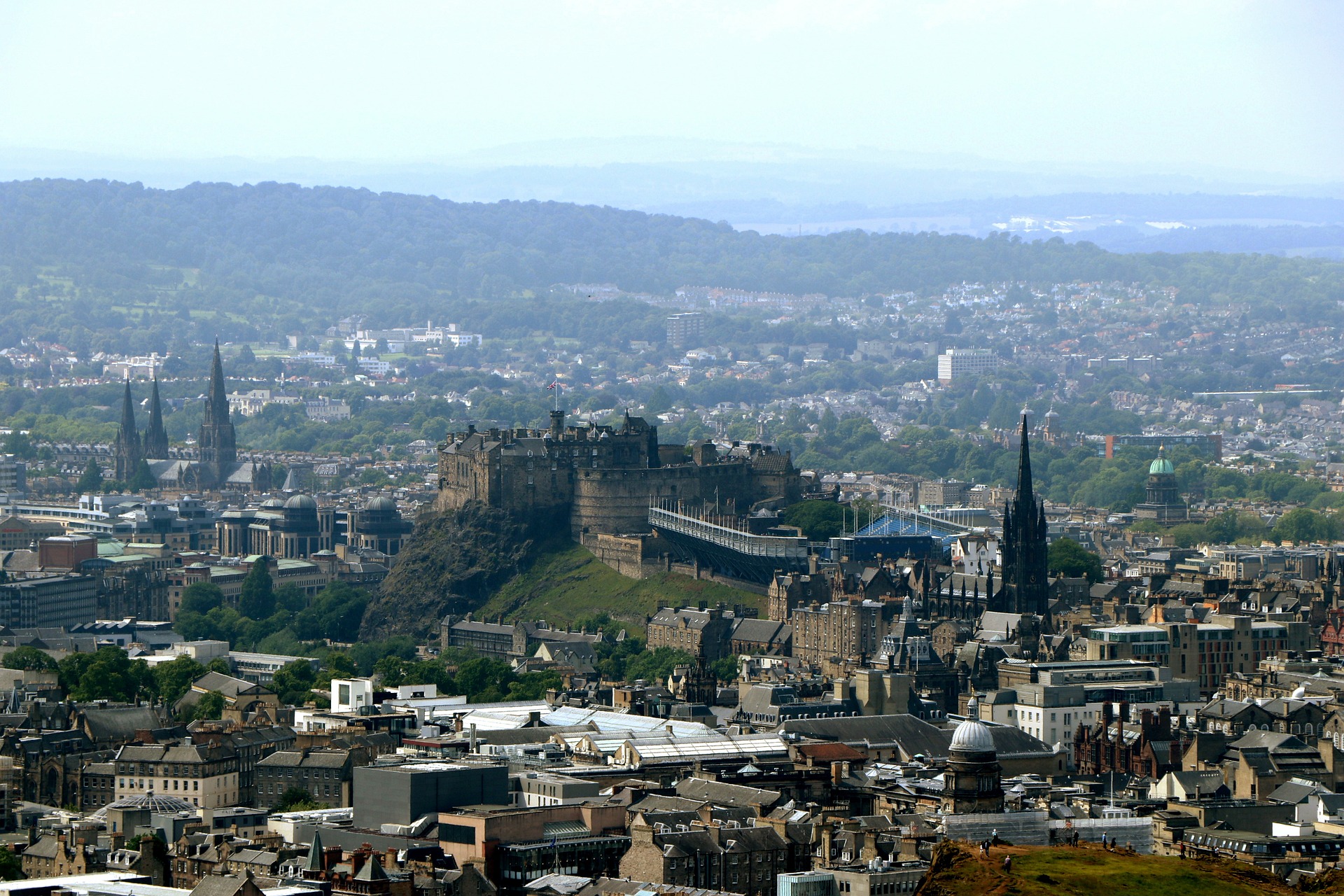
Edinburgh makes a strong first impression. Many visitors arrive to see the castle rising above the city on volcanic rock, a symbol of its long and powerful history. This sense of history is one reason Edinburgh is consistently ranked among Europe’s most visited cities.
For first-time visitors, the challenge is not finding things to do. The real difficulty is planning your time wisely so you avoid unnecessary backtracking, crowded streets, and end your trip feeling tired or disorganized. This three-day itinerary is designed to help you make the most of your visit. Each recommendation includes a brief explanation, so you understand the reasoning and can easily adjust your plans if needed.
Quick Answer - Your 3 Days In Edinburgh At A Glance
- Day 1 - Old Town & the Castle:Edinburgh Castle, Royal Mile, Holyrood Palace, Greyfriars Kirkyard, Grassmarket evening
- Day 2 - New Town, Calton Hill & Leith:Calton Hill sunrise or early morning, Princes Street Gardens, New Town Georgian walk, Leith waterfront lunch, Dean Village at dusk, Stockbridge dinner
- Day 3 - Your Edinburgh:Arthur's Seat hike OR a Highlands, Rosslyn Chapel, or Stirling Castle day trip, plus a final neighbourhood roam
- Budget benchmark:approximately £150–£250/day for mid-range travel, covering accommodation, meals, and key paid attractions
- Must book in advance:Edinburgh Castle, Mary King's Close, and popular restaurants. Do this before you leave home.
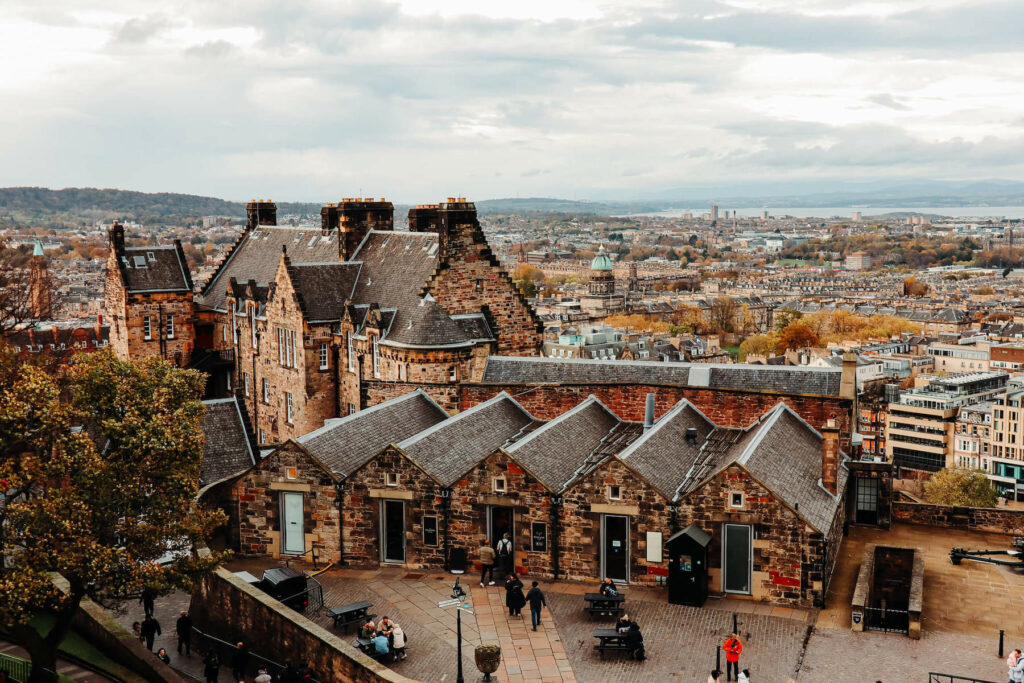
Is 3 Days In Edinburgh Enough? (An Honest Answer)
Most itinerary articles answer this with breezy optimism. Here's a more useful answer: yes, with one important caveat.
What You Can Realistically Cover In 72 Hours
Three days is genuinely sufficient to see every major first-time highlight, including the Castle, the Royal Mile, Holyrood Palace, the National Museum of Scotland, the New Town, Leith’s waterfront, Calton Hill, and either Arthur’s Seat or a day trip. That covers the full city, and you will not feel shortchanged.
The reason this works is Edinburgh's geography. Old Town and New Town are walkable from each other in 10-15 minutes. Most of the city's landmark attractions sit within a roughly 2km corridor. You spend time experiencing things, not commuting to them.
What You'll Need To Save For A Return Visit
Three days won't leave space for everything. The dynamic Earth science centre, the Scottish National Portrait Gallery, a full day in the Pentland Hills, Portobello Beach (Edinburgh's low-key seaside neighbourhood), and the Water of Leith walkway end-to-end all get squeezed out. Consider them the reward that brings you back.
How To Adapt If You Have 2 Days Or 4 Days
With 2 days, compress the itinerary: combine Castle and Holyrood into Day 1, spend Day 2 on New Town and Calton Hill, and skip the day trip. With 4 days, keep this itinerary intact and add a dedicated Highlands day trip or a slow wander through Stockbridge, Portobello, and the Water of Leith. Every extra day in Edinburgh pays off.
Best Time To Visit Edinburgh
Edinburgh is rewarding year-round, but the experience varies significantly by season.
Summer (June-August)
In August, the Edinburgh Festival Fringe takes over the city. It is the world’s largest arts festival, and the atmosphere becomes lively and intense. Pubs, public squares, and temporary venues are filled with performers and audiences. It is an extraordinary experience.
However, accommodation prices can triple, the Royal Mile becomes extremely crowded during peak hours, and most tickets and restaurants need to be booked three to six months in advance. If you are visiting for the Fringe, plan carefully. If not, consider whether you want to share the city with around 500,000 additional visitors.
June and July are quieter and offer the longest daylight hours, with sunset sometimes after 10 pm in late June. The weather during these months is generally as good as it gets in Scotland.
Shoulder Season (May, September-October)
This is when Edinburgh delivers the best balance. Crowds are manageable, accommodation prices are reasonable, the weather is cool but often bright, and the city's autumn colours (particularly around Holyrood Park) are genuinely spectacular. May and September are the recommended windows for most first-timers.
Winter (November-March)
Edinburgh in winter is often overlooked, but it is a special time to visit. The Christmas market in East Princes Street Gardens runs from late November to early January, although dates vary, so it is best to check the official website before traveling. Hogmanay, the Scottish New Year celebration from 30 December to 1 January, is one of Europe’s most famous winter festivals.
During winter, prices are lower and queues at the Castle are much shorter. The city also feels more dramatic, which suits its historic atmosphere. Visitors should be prepared for short daylight hours and cold winds from the Firth of Forth.
Where To Stay In Edinburgh For First-Time Visitors
Choosing the right area to stay in Edinburgh is important because the Old Town and New Town have very different atmospheres.
Old Town - Best For Atmosphere And Easy Walking
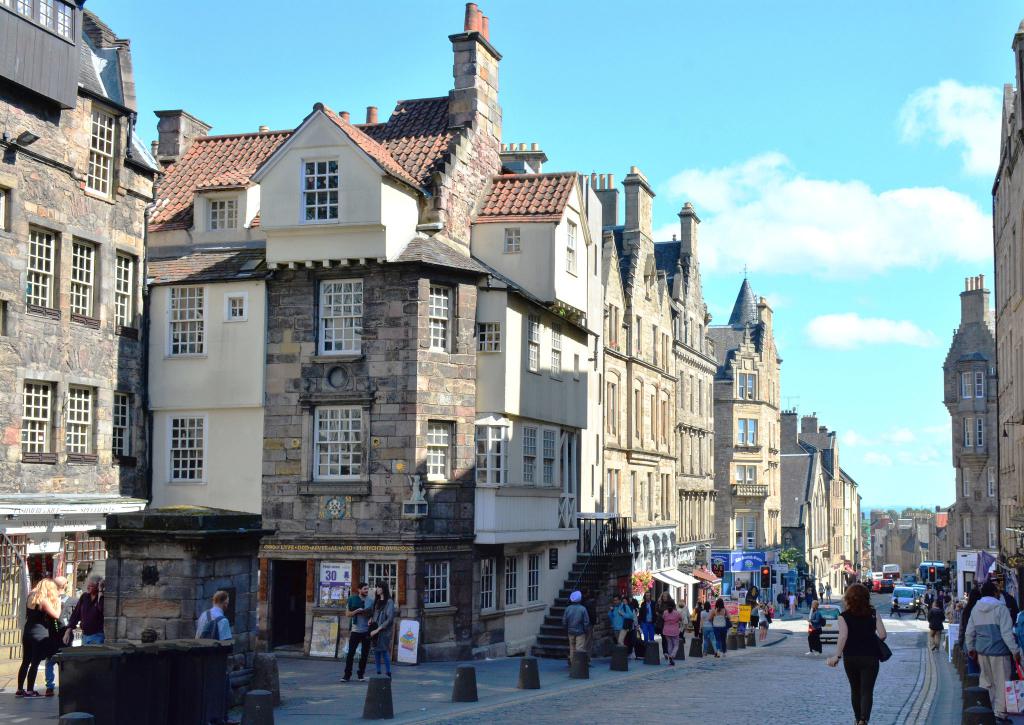
Staying in the Old Town places you within walking distance of the Castle, the Royal Mile, and Holyrood Palace. The cobbled streets and narrow historic lanes feel especially charming in the evening after the crowds leave. However, it can be noisy on weekend nights, and hotels near the Royal Mile are often more expensive. Key areas include the Royal Mile, Grassmarket, and Cowgate.
New Town - Best For Quieter Stays And Elegant Surroundings
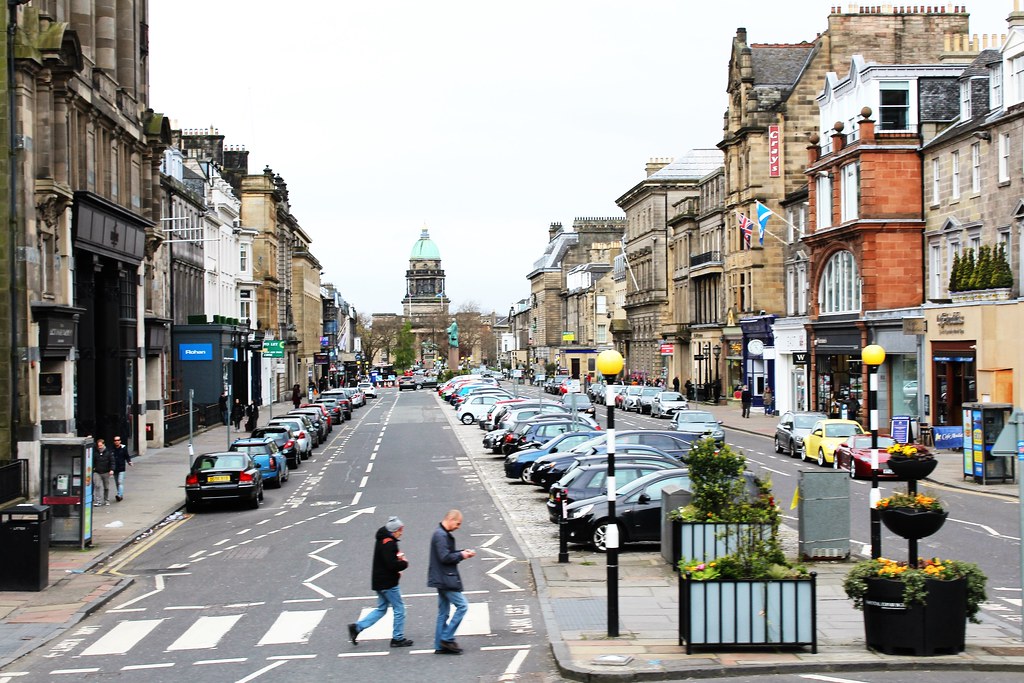
New Town offers wider streets, Georgian architecture, and generally more space. It is still within walking distance of the Old Town via several bridges. Areas near Broughton Street, St Andrew Square, and the West End provide excellent restaurants and cafés without the heavy tourist traffic. New Town is also a strong choice for boutique and upscale hotels.
Leith - Best For Budget Travellers And Food Lovers
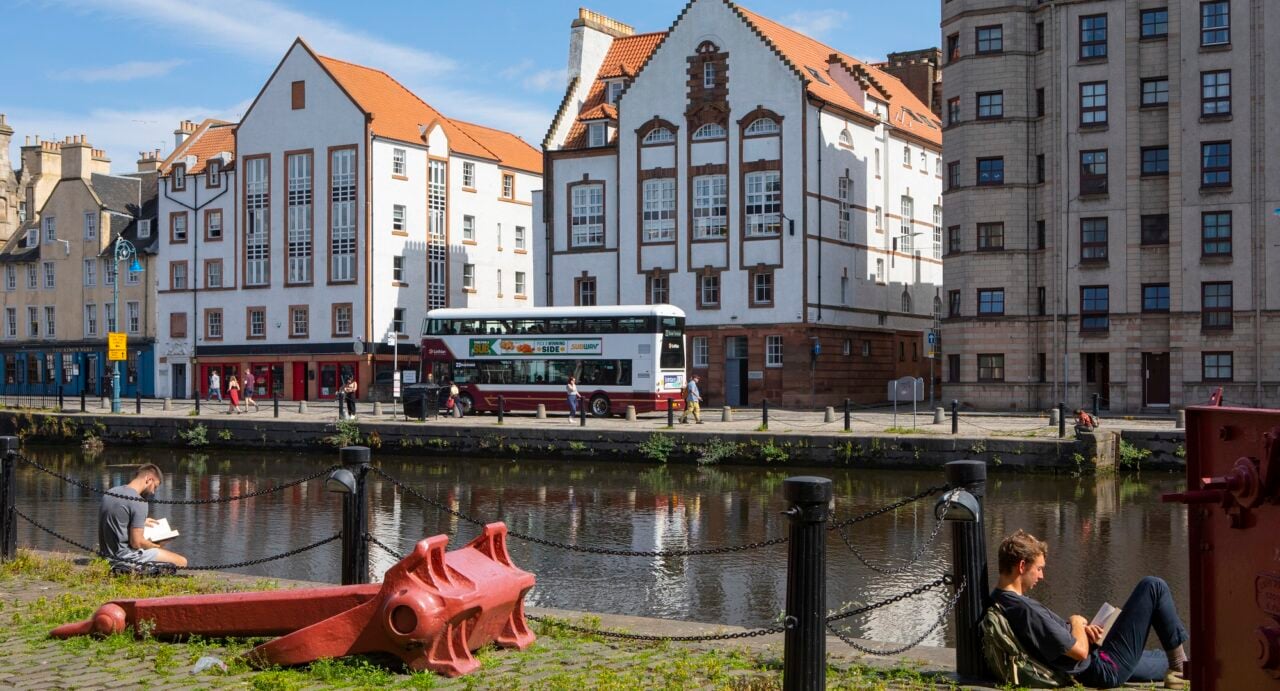
Leith is located a few kilometres north of the city centre and is well connected by bus and tram. It is known for its strong restaurant scene and offers several good budget and mid-range guesthouses, especially near The Shore and along the Water of Leith. The main drawback is the 20-minute journey back from the Old Town after a full day of sightseeing.
What To Book Before You Arrive
Booking in advance is essential. Edinburgh’s top attractions often sell out, especially in summer, and popular restaurants can be fully booked weeks ahead.
| What to Book | How Far Ahead to Book |
| Edinburgh Castle tickets | 4-8 weeks in summer; 1-2 weeks in shoulder or winter |
| Mary King’s Close | 2-4 weeks in summer; 1 week in shoulder or winter |
| Scotch Whisky Experience | 1-2 weeks in summer; a few days in shoulder or winter |
| Palace of Holyroodhouse | 1-2 weeks in summer; a few days in shoulder or winter |
| Royal Yacht Britannia | 2-3 weeks in summer; 1 week in shoulder or winter |
| Dinner at popular restaurants | 2-4 weeks in summer; 1 week in shoulder or winter |
Information accurate as of June 2025. Always check official booking websites before travel, as availability and policies may change.
Getting Around Edinburgh
The single most liberating thing to understand about Edinburgh is that you don't need a car, a hop-on-hop-off bus, or a taxi for most of the itinerary. The hop-on-hop-off bus, despite being heavily marketed to tourists, is rarely the best choice for a city this walkable.
Walking (Your Primary Mode)
Old Town to New Town takes about 10 to 15 minutes on foot via North Bridge or The Mound. Walking from the Old Town to Holyrood Palace takes around 20 minutes along the Royal Mile. Edinburgh is a compact and walkable city, and many of its best discoveries are made while exploring on foot.
Lothian Buses (The Underrated Secret)
Lothian Busesis Edinburgh's city bus network and one of Britain's best. A single fare costs approximately £2, and the Ridacard or day ticket options make it even more economical. Buses cover Leith comprehensively and are how locals travel across the city. Download the Lothian Buses app for real-time arrivals.
Edinburgh Trams (Airport And Leith Link)
The tram line connects Edinburgh Airport to York Place in the city centre, with a stop at Leith (Newhaven). It's the cleanest, most reliable way to get from the airport. Fares run approximately £9 single from the airport to the city centre.
Taxis And Rideshare
Central Taxis and ComCab are Edinburgh's main licensed operators and reliable for late nights or when bags are involved. Uber also operates in the city. Budget approximately £8-£15 for most central journeys.
The core message:Walk first, bus second, taxi only when necessary. You'll save money and see more.
Day 1 - Old Town And The Castle
The Old Town rewards visitors who move through it with intention rather than simply walking the Royal Mile from end to end. The logic of Day 1 is geographical: start at the top of the hill (the Castle), work your way down to Holyrood, then cut back via Greyfriars and the Grassmarket for the evening. You cover the ground once, not three times.
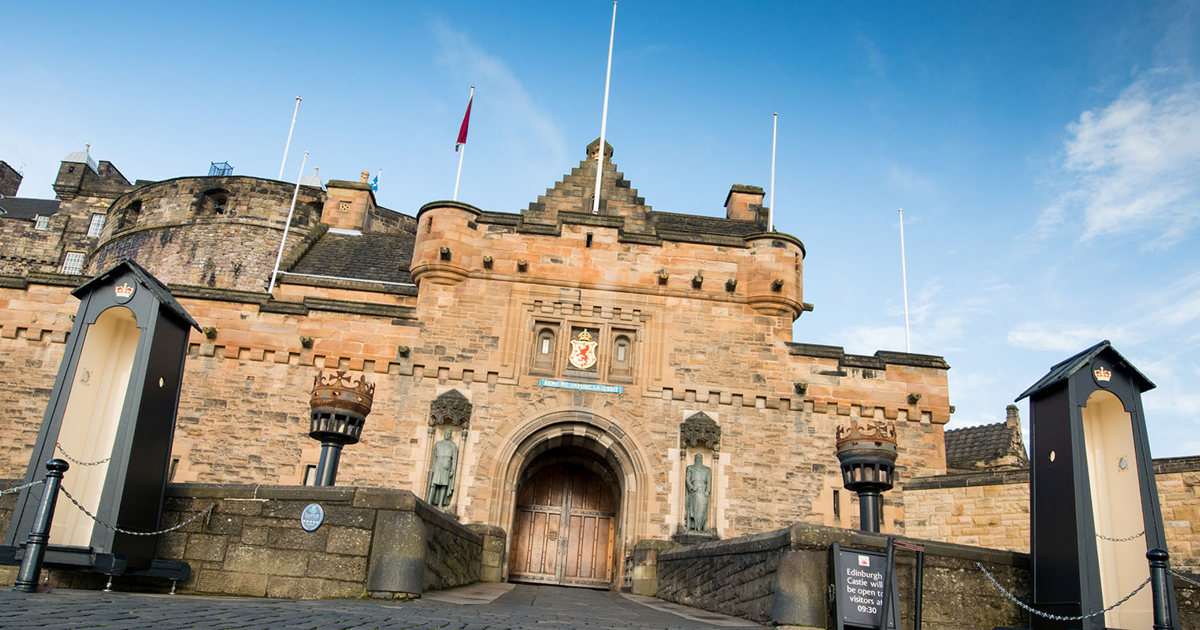
Morning - Edinburgh Castle
Get here by 9:30am. By 11am the esplanade fills with tour groups and the queuing becomes genuinely unpleasant. Arriving early means you often have the Crown Room, where the Scottish Crown Jewels are kept, largely to yourself, which transforms the experience from a shuffle to something genuinely moving.
Tickets cost approximately £18-£21 for adults. Budget 2 to 2.5 hours inside. Don't try to rush it.
The Crown Jewels And Stone Of Destiny
The Honours of Scotland, the Crown, Sceptre, and Sword of State, are the oldest surviving royal regalia in Britain, and they're displayed alongside the Stone of Destiny, the ancient coronation stone used for Scottish kings.
The history of where these objects have been and what was done to protect them is told well in the displays. This is genuinely one of the most significant collections in the UK and a key reason Edinburgh Castle ranks among the best Scottish castles to visit.
The One O'Clock Gun
Every day at exactly 1pm (except Sunday), a cannon fires from the Castle's Mills Mount Battery. It has done so since 1861, originally to allow ships in the Firth of Forth to set their chronometers. If your timing puts you near the Castle at 1pm, position yourself on the esplanade and watch locals flinch while visitors scatter.
Practical Info: Tickets, Time Needed, Accessibility Note
Purchase tickets online through historicenvironment.scotto skip the entrance queue. The Castle involves significant uphill walking and uneven cobbled surfaces. If mobility is a consideration, note that some areas within the complex are inaccessible and Historic Environment Scotland provides accessibility information on their official site.

Mid-Morning - Walking The Royal Mile
Walk the Royal Mile downhill, from north to south, starting at the Castle Esplanade and ending at Holyrood Palace. The gentle downhill route is more comfortable and easier to manage.
This direction also improves the experience. The Castle remains behind you, drawing your eye back as you move forward, while the view of Holyrood Palace slowly unfolds ahead. The gradual reveal adds to the sense of drama as you make your way down.
Key Closes To Explore - Advocates Close And White Horse Close
The closes, Edinburgh’s narrow medieval alleyways, reveal the city’s historic character. Advocates Close offers one of the most photographed views in Edinburgh, looking down over the curves of Cockburn Street toward Waverley Station.
White Horse Close, near the lower end of the Royal Mile, is a well-preserved 17th-century courtyard that many visitors miss. It takes only a few minutes to explore and is free to enter.
John Knox House And The Museum Of Edinburgh
Located near the middle of the Royal Mile, these two sites offer insight into the city’s past. The Museum of Edinburgh has free entry and provides a clear overview of the city’s history in about 30 to 45 minutes.
Highlights include the exhibit on Greyfriars Bobby, the famously loyal Skye Terrier. John Knox House, one of the oldest surviving buildings in Edinburgh, is worth seeing from the outside even if you choose not to go inside.
Lunchtime - Where To Eat On Or Near The Royal Mile
Three curated picksfor lunch in this area:
- The Pantry (Wright's Houses, Old Town):Outstanding Scottish ingredients, honest cooking, and a welcome escape from tourist-facing menus
- Mum's Great Comfort Food (Forrest Road):Exactly what it says, hearty, affordable, and consistently good. A local institution
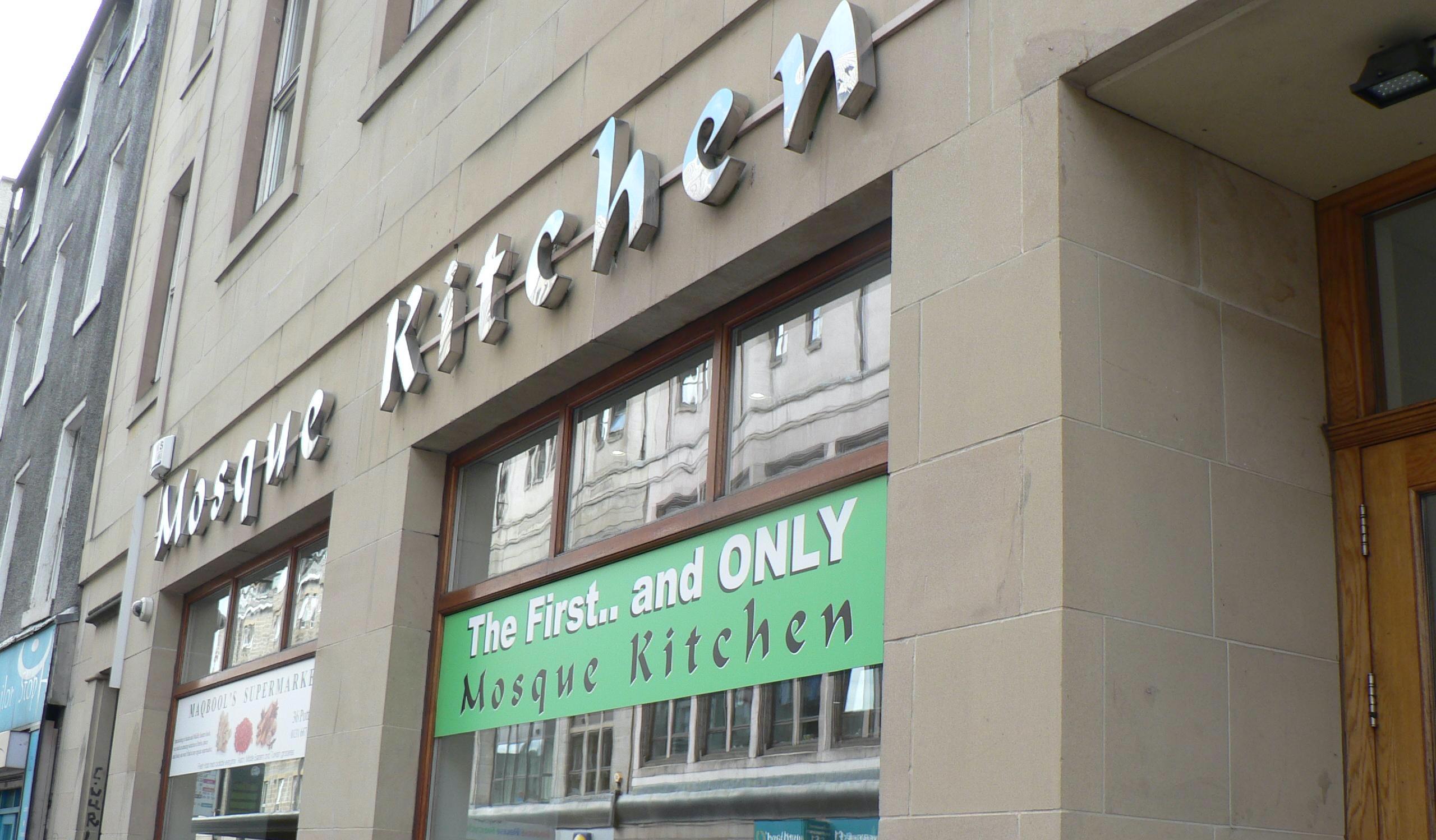
- Mosque Kitchen (Nicolson Square):A 5-minute walk from the Mile but serving the best-value, highest-quality lunch in central Edinburgh. A legendary student and local favourite; expect a queue that moves fast
Avoid the high-gloss restaurants directly on the Royal Mile in the Castle-facing half. They are almost universally priced for tourist capture and rarely worth it. Eating well here does not require a high budget, and Edinburgh remains one of the best places to travel on a budgetif you mix independent cafés with the city's many free attractions.
Afternoon - Holyrood Palace And The Scottish Parliament
Holyrood marks the foot of the Royal Mile and anchors one of Edinburgh's most historically charged patches of ground.
Holyrood Palace
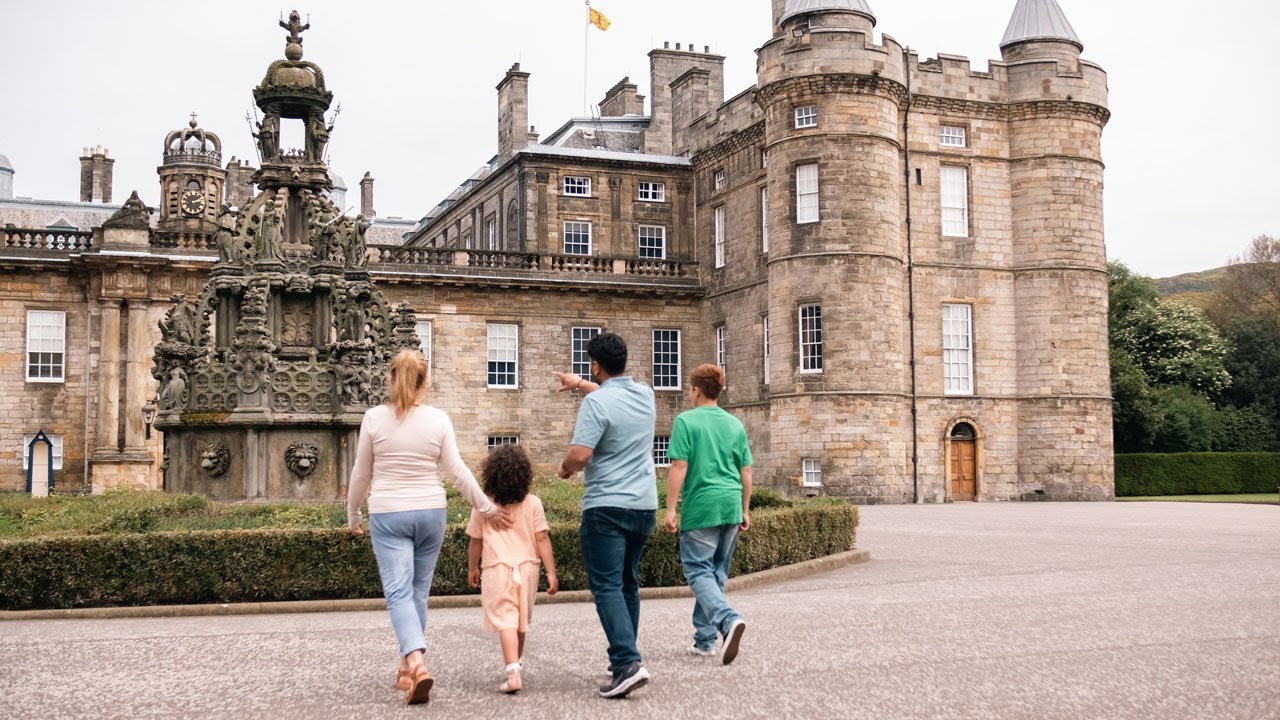
The Palace of Holyroodhouse is the British monarch’s official residence in Scotland. Some rooms close when the Royal Family is in residence, usually in late June or early July, so check the official website before visiting.
The State Apartments are impressive, and the historic rooms linked to Mary, Queen of Scots are especially atmospheric. One of the most notable spaces is the small supper room where her secretary, David Rizzio, was murdered in 1566. Allow 1 to 1.5 hours for your visit. Adult tickets cost around £18.

Scottish Parliament
Directly opposite the Palace, the Scottish Parliament building is free to visit in its public areas and galleries. Designed by Enric Miralles and completed in 2004, it is one of the most debated examples of modern architecture in Britain, largely due to its high construction costs and unusual design.
However, details such as the leaf-shaped motifs, boat-inspired rooflines, and its connection to the surrounding landscape make it more interesting on closer inspection. The viewing gallery is open to visitors when Parliament is in session.
Arthur’s Seat In Holyrood Park
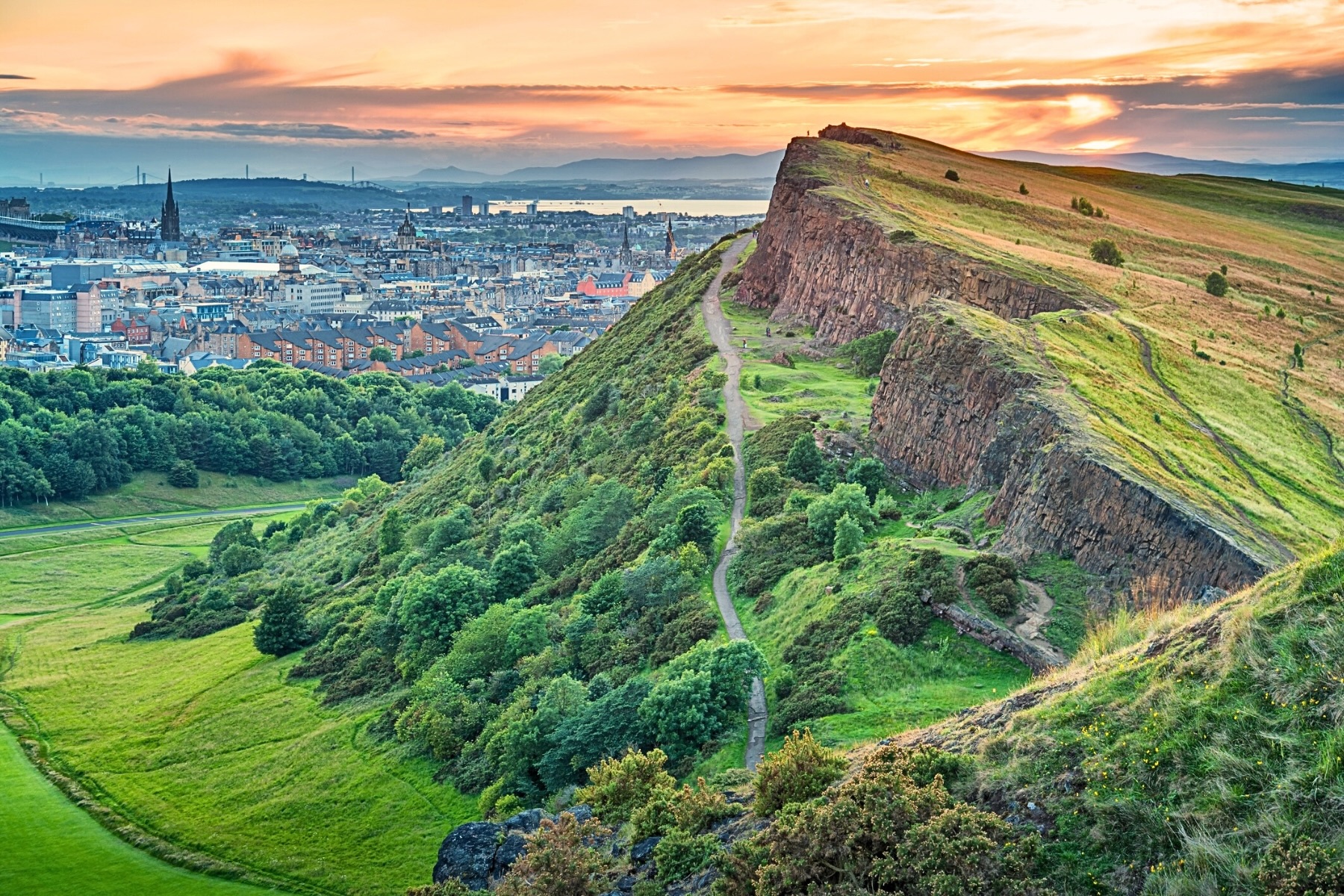
From outside Holyrood Palace, you will see Arthur’s Seat, the 251-metre extinct volcano that dominates Holyrood Park. It is a popular hiking option for Day 3. From ground level it appears steep and dramatic, but the climb is manageable for most visitors with reasonable fitness.
Late Afternoon - Greyfriars Kirkyard And The Scottish National Museum
A 15-minute walk back up from Holyrood brings you to one of Edinburgh's most atmospheric corners.
Greyfriars Bobby - The Story Behind The Statue
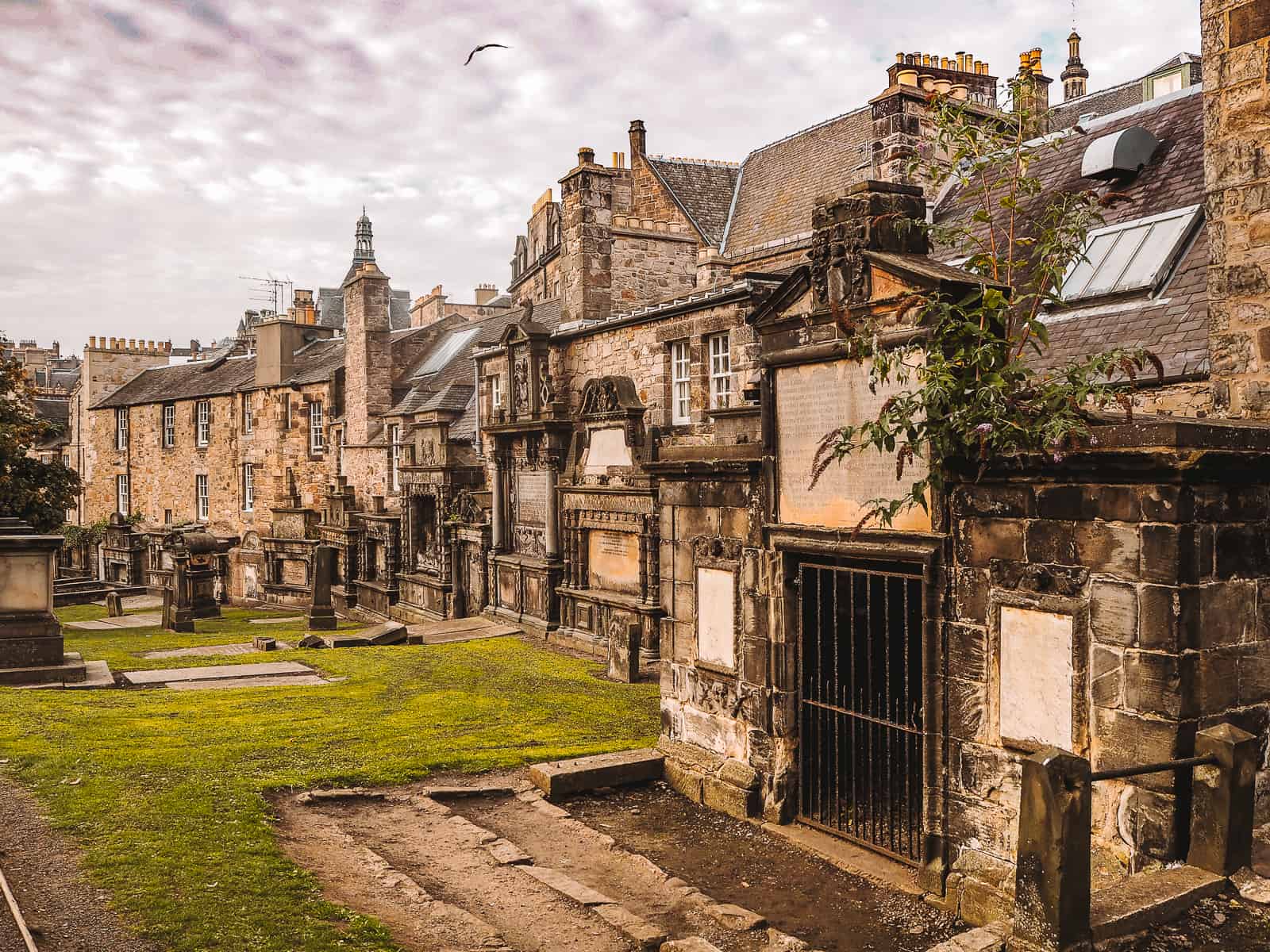
Greyfriars Kirkyard is the historic cemetery located behind the Greyfriars Bobby statue on Candlemaker Row. The story of Bobby, a Skye Terrier said to have guarded his owner’s grave for 14 years until his death in 1872, has grown over time, although the Museum of Edinburgh presents a balanced account of the legend.
The cemetery itself is one of the most atmospheric places in the city. It is filled with closely packed, weathered tombstones from the 17th and 18th centuries. The section known as the Covenanters’ Prison has a particularly dark history, and it is worth reading about before your visit. Entry is free.
Scottish National Museum - What To Prioritise In 1 Hour
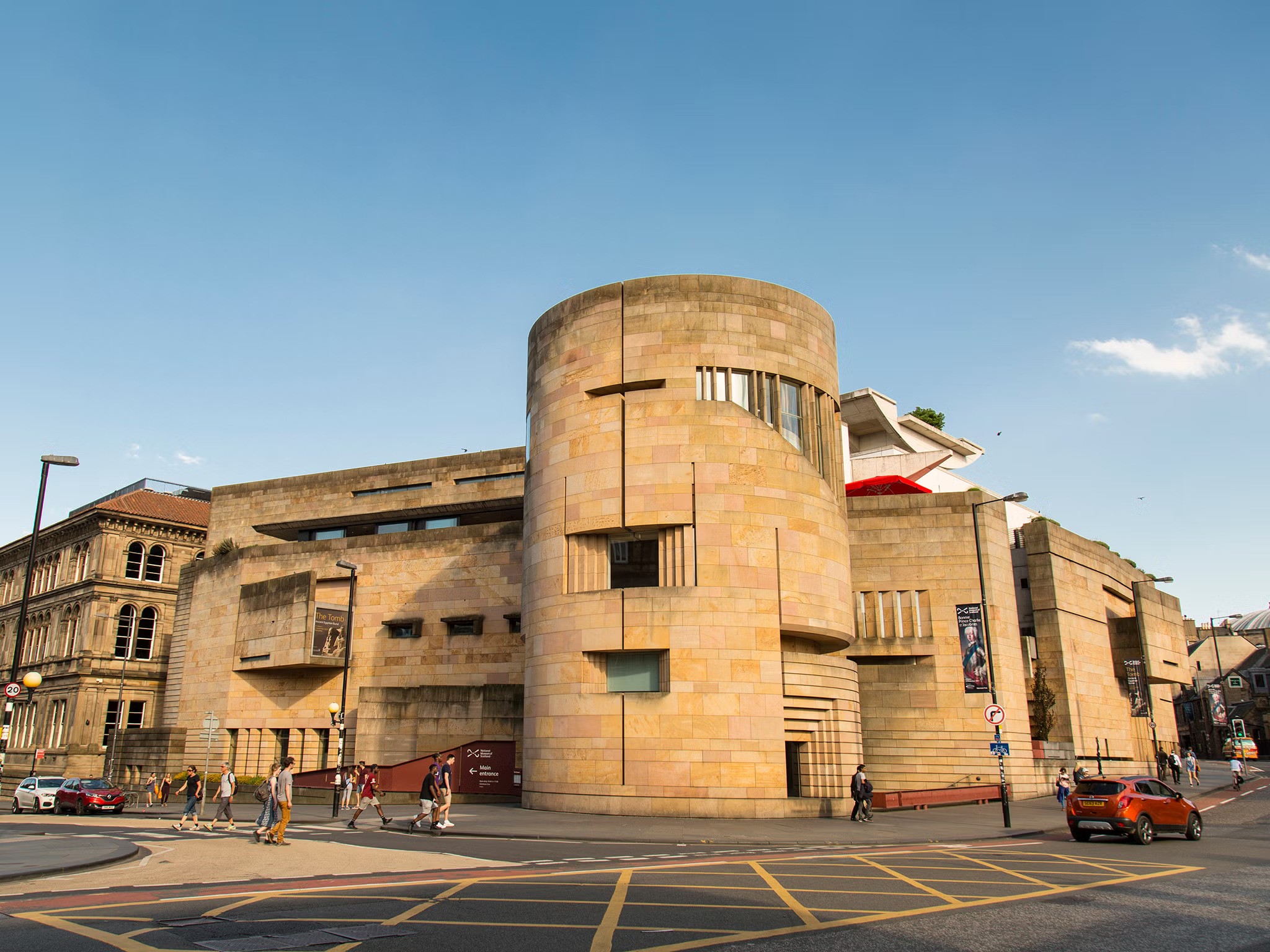
The National Museum of Scotland (nms.ac.uk) is one of Britain's great free museums and sits immediately adjacent to Greyfriars. If you have an hour, prioritise Level 1 (Scottish history and Dolly the sheep), the Grand Gallery (a vast Victorian iron-and-glass atrium), and the science and technology collections on upper floors. The rooftop terrace on Level 7 offers panoramic views across the Old Town that rival anything you'll pay for elsewhere. Free entry.
Evening - Grassmarket And Victoria Street
By early evening, head to the Grassmarket, a wide and lively square located beneath the western side of Edinburgh Castle. It is one of the city’s oldest marketplaces and is now home to a strong mix of independent pubs, restaurants, and local shops.
Victoria Street - The Real-world Diagon Alley
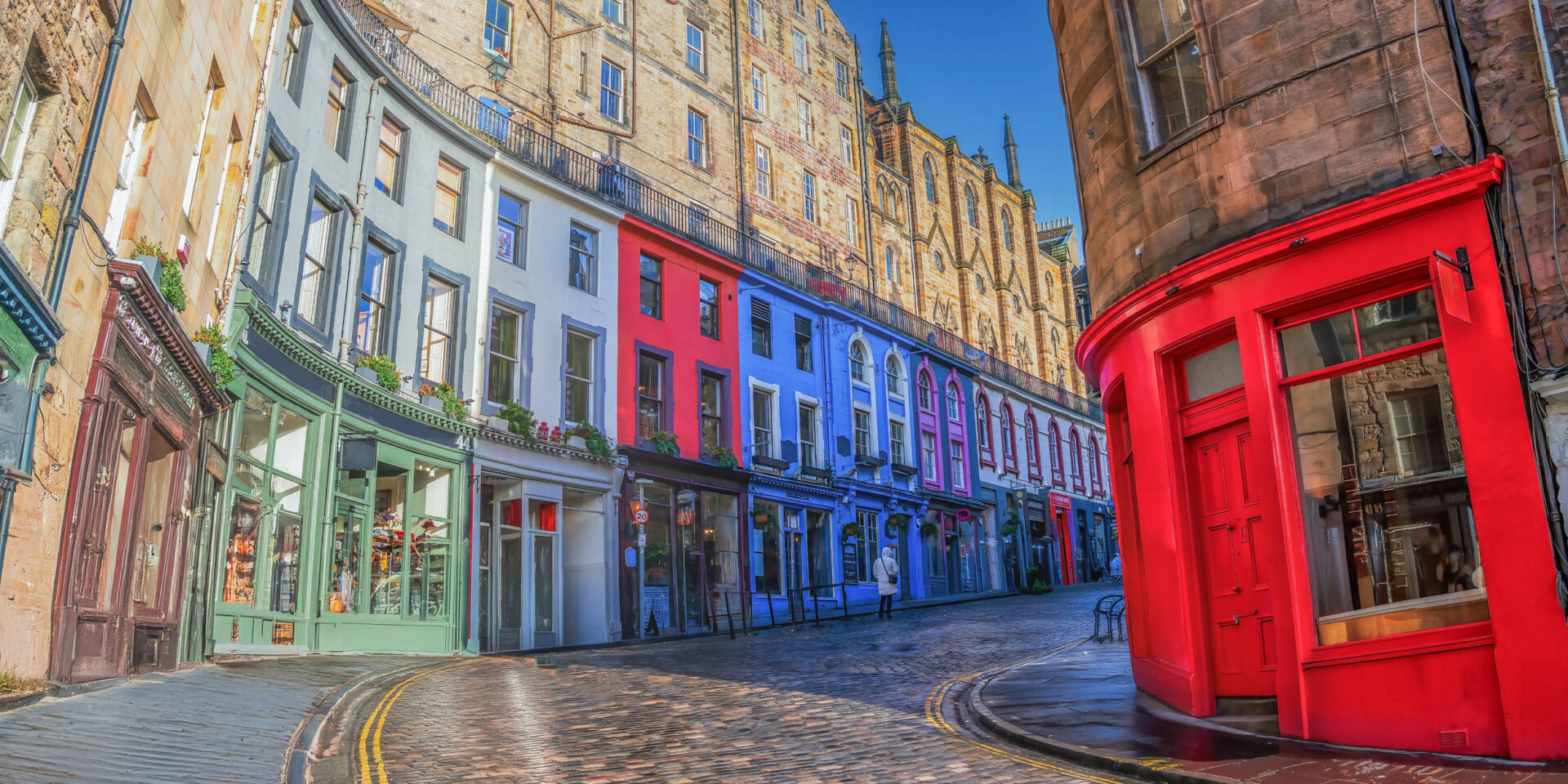
Victoria Street rises from the Grassmarket to George IV Bridge and is one of the most attractive streets in Edinburgh. It features a curved design, colourful shopfronts at street level, and an upper walkway above.
J.K. Rowling has strong links to the city, having written much of the early Harry Potterbooks in a nearby café. Victoria Street is often mentioned as an inspiration for Diagon Alley. Whether or not this is fully accurate, it remains one of the most photographed streets in the UK. Visit earlier in the evening to avoid the heaviest crowds.
Dinner And Drinks In The Grassmarket
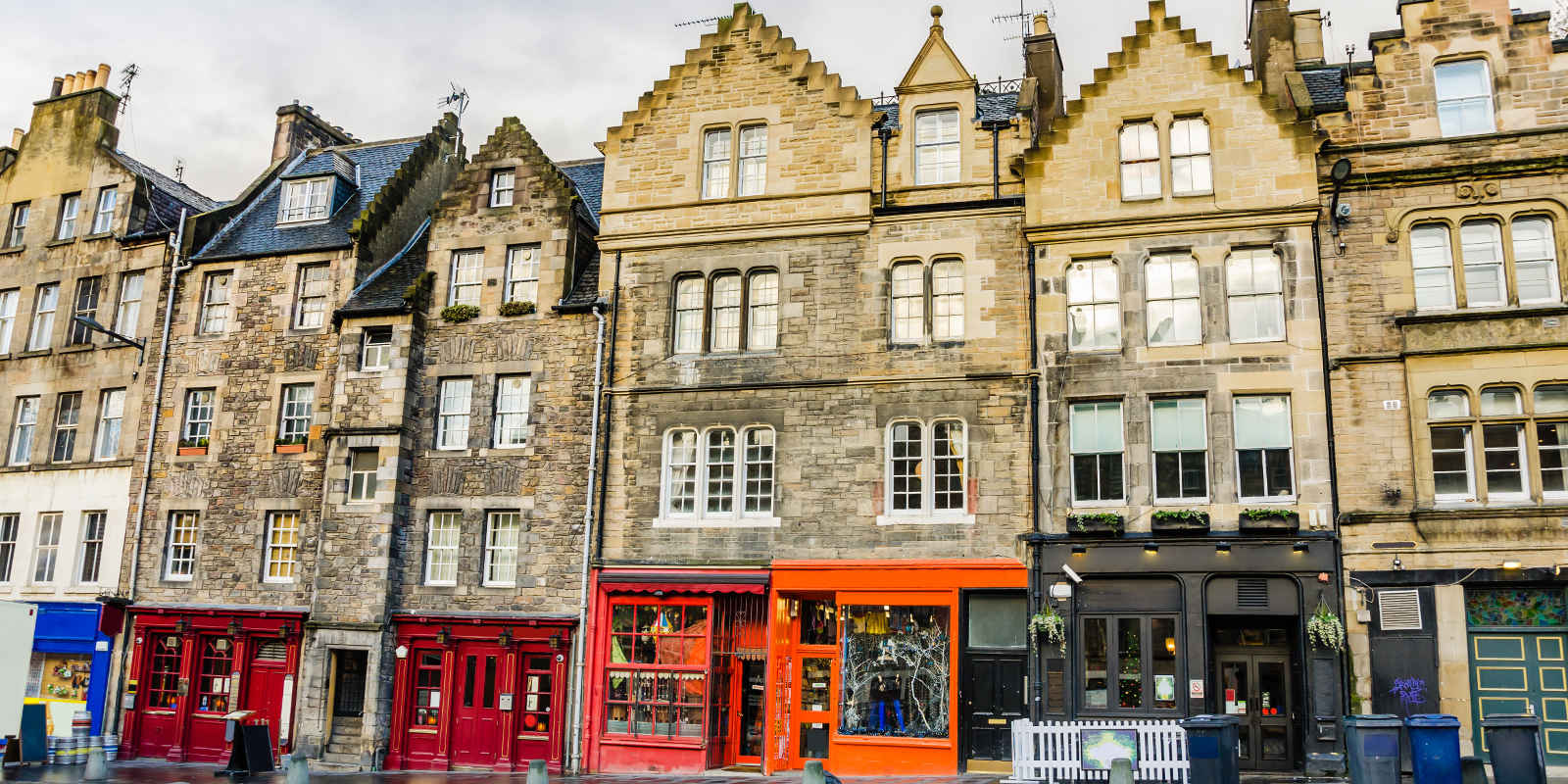
Three curated picks for Grassmarket-area dinner:
- Steak at Whistlebinkies or The Last Drop for pub atmosphere and solid Scottish pub food
- La Barantine (Grassmarket) for excellent French-Scottish fusion in a relaxed setting
- Ondine (George IV Bridge, a short walk) for the finest seafood in Edinburgh; book several weeks ahead
Day 2 - New Town, Calton Hill & Leith
If Day 1 shows Edinburgh’s medieval side, Day 2 shows its Enlightenment thinking. The New Town was planned and built from the 1760s as an organised contrast to the crowded and irregular Old Town.
It has wide streets, simple classical design, and open squares, without the narrow lanes and hidden alleyways of the older area. Seeing both parts of the city is important to truly understand Edinburgh.
Morning - Calton Hill At Sunrise Or Early Morning

Start Day 2 early with a visit to Calton Hill. It is the easiest viewpoint to reach in Edinburgh, just a 10-minute walk from Princes Street along a gentle uphill path.
From the top, you get one of the best free views in the city. You can see the Castle, the Firth of Forth, Arthur’s Seat, and the neat grid of the New Town. On a clear day, you may even see the Highlands in the distance to the north.
What You Can See From The Top And How Long It Takes
The walk up takes about 5 to 10 minutes from Waterloo Place at the east end of Princes Street. Plan to spend 30 to 45 minutes in total so you have enough time to enjoy the views properly. Early morning is the best time to visit. The light on the Castle is especially beautiful, and the hill is usually much quieter.
The National Monument And Nelson Monument
The National Monument is an unfinished replica of the Parthenon in Athens. It was planned as a war memorial but construction stopped in 1829 when funding ran out. It has since been nicknamed “Edinburgh’s Disgrace,” although many visitors find it impressive.
The Nelson Monument, a tower built in honour of Admiral Nelson, charges a small fee to climb to the top. However, since Calton Hill already offers excellent free views, going up the tower is optional.
Mid-morning - New Town Georgian Walk
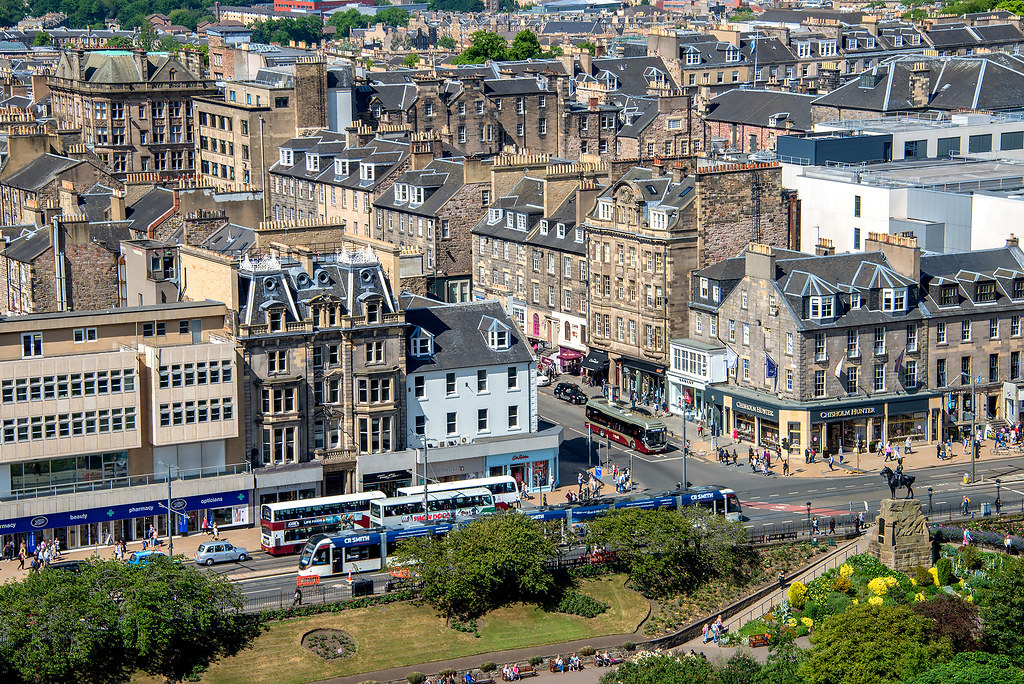
Descend Calton Hill back to Princes Street and spend mid-morning exploring New Town's planned streetscape.
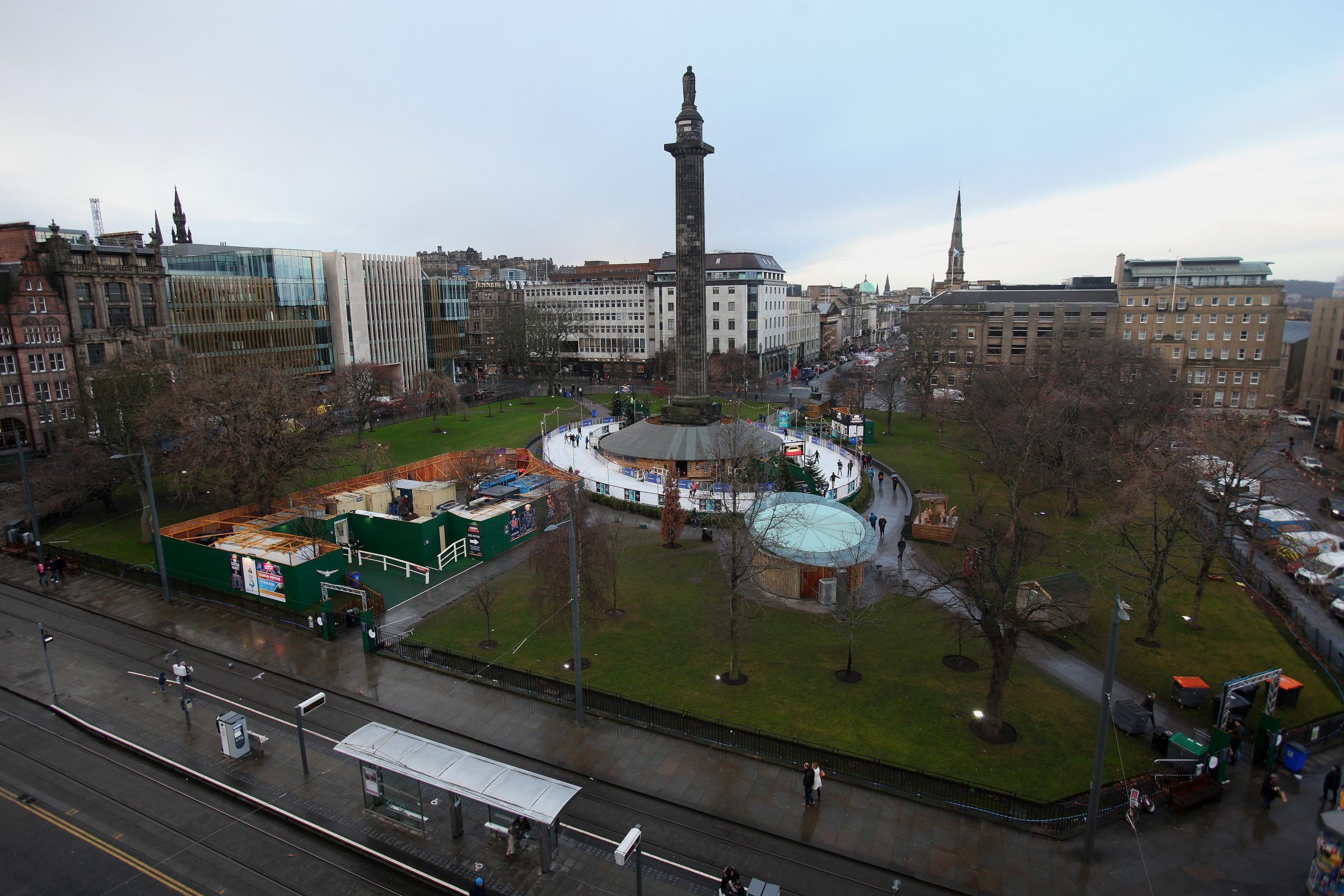
Princes Street And The Scott Monument
Princes Street is Edinburgh’s main shopping street. Shops line the north side, while Princes Street Gardens stretch along the south side, offering free entry and excellent views of the Castle.
The Scott Monument, a tall Gothic structure dedicated to Sir Walter Scott, stands within the gardens. You can climb 287 steps to reach the viewing platforms at the top.
Princes Street Gardens are worth at least 20 minutes of relaxed time. In spring, the gardens are filled with daffodils beneath the Castle. In winter, the Christmas market brings a festive atmosphere to the area.
Rose Street
Rose Street runs parallel to Princes Street, one block to the north. It is known for having one of the highest concentrations of pubs in Scotland. In the morning, it is quieter and pleasant for browsing independent shops or stopping at a café. In the evening, it becomes much livelier.
Charlotte Square And The Georgian House
At the western end of George Street, Charlotte Square is one of the best examples of New Town architecture, designed by Robert Adam. The Georgian House, managed by the National Trust for Scotland, recreates the interior of a late 18th-century home.
Entry costs around £8, but it is best to check the official website for current prices. The visit takes about 45 minutes and offers useful insight into how wealthy families lived during the New Town’s early years.
Lunchtime - Broughton Street Or St Andrew Square
Head north to Broughton Street for lunch. It is one of Edinburgh’s most interesting streets for mid-range dining, with a strong mix of independent cafés, delis, and restaurants. The food quality is generally higher and more varied than what you will find around Princes Street.
Three curated picks:
- Cafe Nom Nom (Broughton Street):Relaxed brunch and lunch staples; local crowd, great coffee
- Dishoom (St Andrew Square):The Edinburgh outpost of the acclaimed Indian Bombay café chain. Queues at peak times but worth it
- The Gardener's Cottage (Royal Terrace Gardens):One of Edinburgh's most acclaimed small restaurants; book ahead
Afternoon - Leith Waterfront
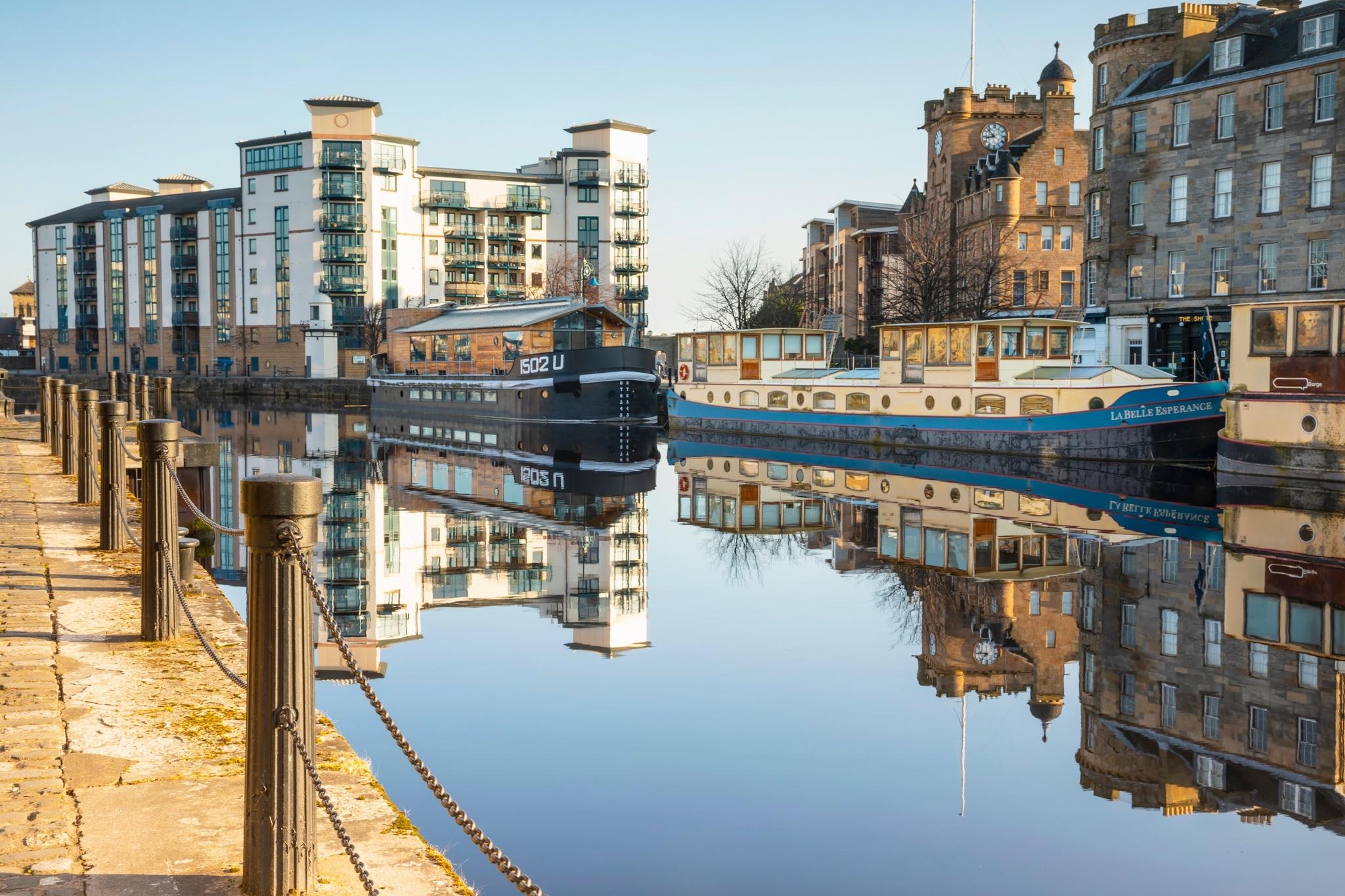
Take Lothian Bus route 16 or walk about 35 minutes north to reach Leith, Edinburgh’s former port area. Today, it is one of the city’s most interesting neighbourhoods for food and culture.
The Shore
The Shore is the cobbled waterfront at the centre of Leith. It is known for some of Scotland’s best seafood restaurants. Even if you are not planning to eat here, it is worth walking along the quayside. The converted warehouses, small boats, and working harbour setting give the area a local feel that is different from the main tourist areas.
Royal Yacht Britannia: Is It Worth Visiting?
The Royal Yacht Britannia is moored at Ocean Terminal and is one of Scotland’s most popular paid attractions. Adult tickets cost around £20, although prices may change, so check the official website before visiting.
If you are interested in royal history, 20th-century design, or how a royal yacht operated, it is well worth the visit. The audio guide is informative, and the ship is carefully preserved. If this does not interest you, your time may be better spent exploring more of Leith.
Ocean Terminal And The Water Of Leith Walk
Ocean Terminal is a shopping centre next to Britannia and is only worth visiting if you need specific shops or services. A better option is to follow the Water of Leith Walkway, which runs along the river and leads back toward the city centre through quieter and greener areas.
Late Afternoon - Dean Village
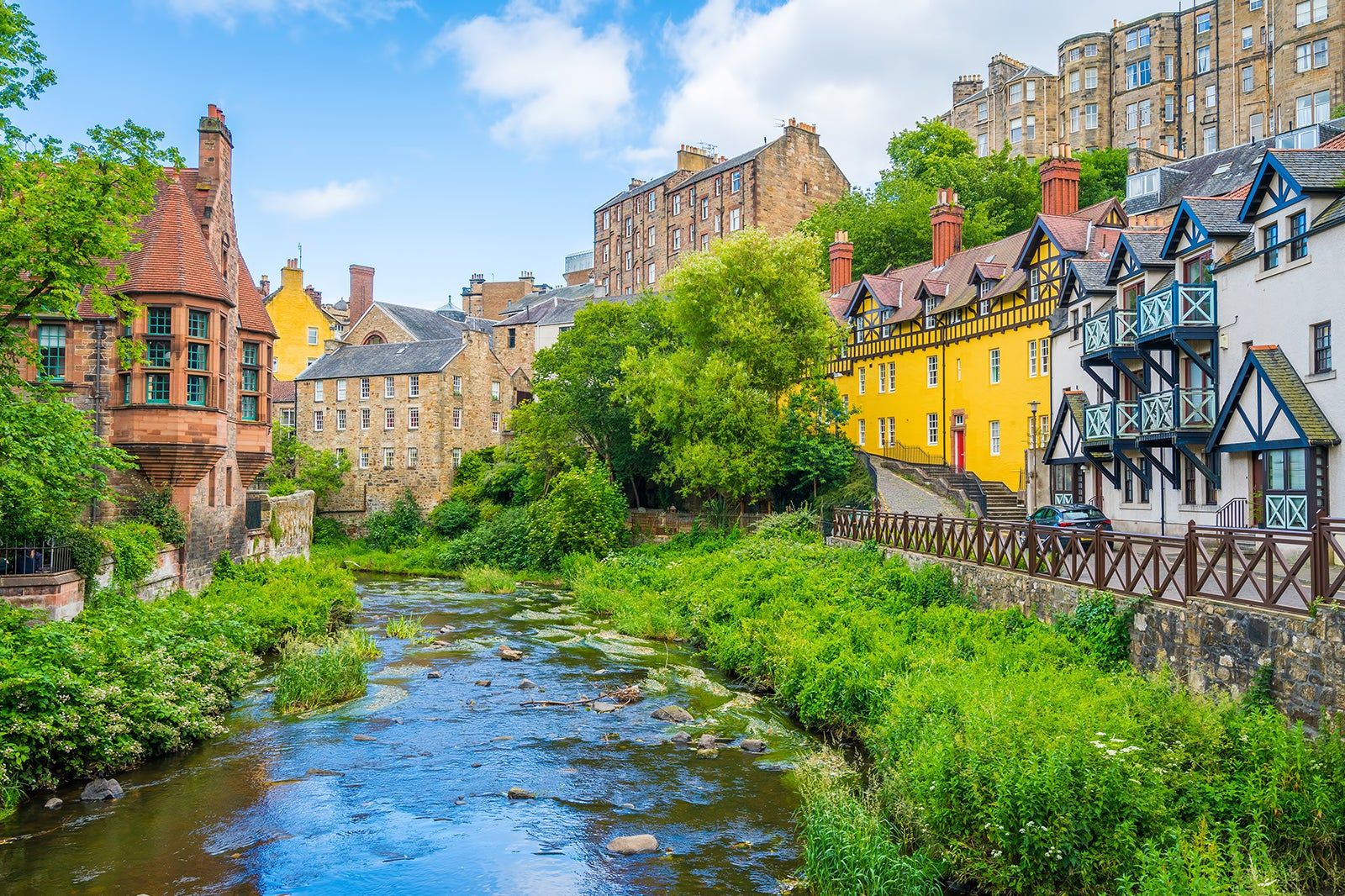
Following the Water of Leith Walkway upstream brings you to Dean Village, one of Edinburgh’s most unexpected areas. It is only a 10-minute walk from Princes Street, or about 30 minutes along the river from Stockbridge. Once a milling community, it sits in a deep valley carved by the Water of Leith. Despite being close to the city centre, it feels quiet and almost rural.
The Secret Village Feel And The Best Photography Spots
Well Court, a red-brick housing complex built in the 1880s, is the main landmark and one of the most photographed places in Edinburgh. Late afternoon light, especially in autumn, makes this area particularly beautiful for photos. Allow 20 to 30 minutes to explore.
Walking Back Into The City Via Stockbridge
From Dean Village, it is a 10-minute walk to Stockbridge. This neighbourhood has the feel of a small village within the city and is known for its independent shops, Sunday market, and strong selection of local restaurants and pubs. It is an ideal area to spend your evening
Evening - Stockbridge Neighbourhood Dinner And A Nightcap
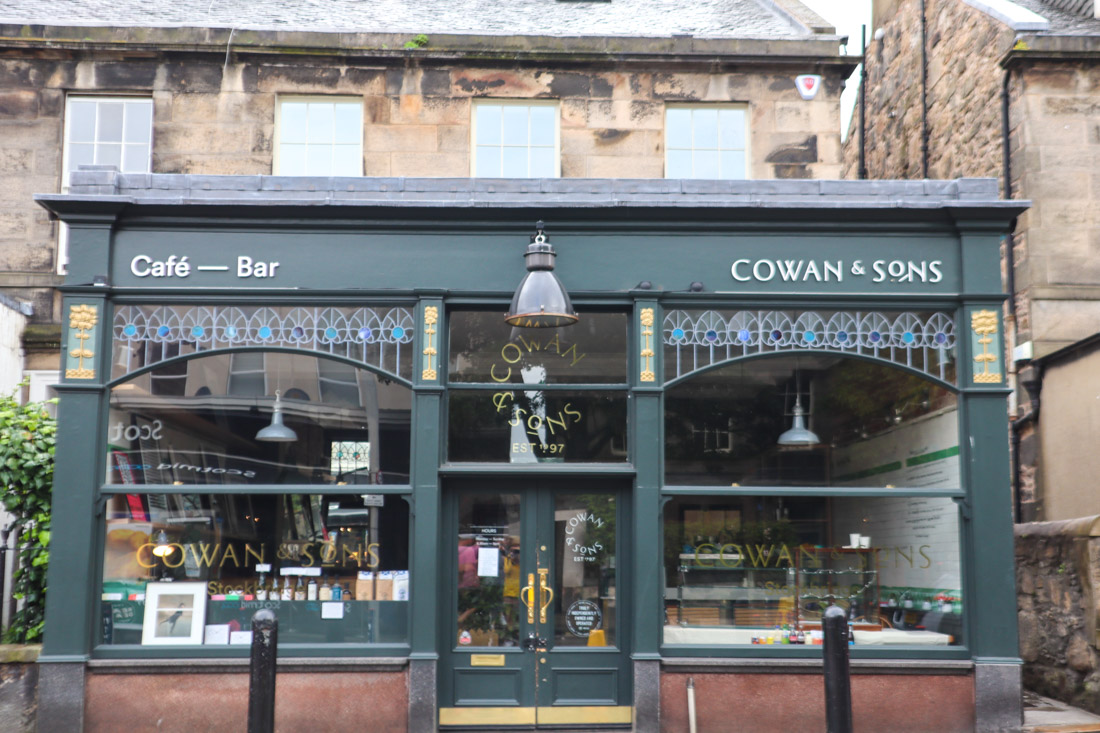
Three curated picks for Stockbridge dinner:
- The Scran & Scallie (Comely Bank Road):Tom Kitchin's gastropub; Scottish ingredients, proper cooking, no pretension
- Stockbridge Restaurant (St Stephen Street):Intimate, neighbourhood dining room; book ahead
- Hector's (Deanhaugh Street):Reliable, casual neighbourhood favourite with good Scottish produce
Finish with a drink at one of Stockbridge's excellent pubs. The Bailie on St Stephen Street is a neighbourhood institution.
Day 3 - City Deep-Dive Or Beyond
Day 3 is deliberately unstructured. By now you've seen the city's two defining faces; today belongs to whichever experience the previous two days have made you hungry for. There are two main paths.
Option A - Arthur's Seat And The Holyrood Park Morning Hike
Arthur's Seat is a 251-metre extinct volcano sitting at the heart of Holyrood Park, a 10-minute walk from Holyrood Palace. The hike to the summit is one of the best accessible urban walks in Europe: genuinely dramatic terrain, 360-degree views across Edinburgh and the Firth of Forth, and a sense of achievement disproportionate to the effort required.
Which Route To Take As A First-timer
The simplest route begins on the Holyrood Park road near St Margaret’s Loch and follows the clearly marked path up the northern side of Arthur’s Seat.
Give 1.5 to 2 hours for the return walk, including time at the top to enjoy the views. There is some light scrambling near the summit, so wear sturdy shoes. Trainers are suitable, but heels are not.
What To Bring And Realistic Fitness Expectations
Bring water, wear layers, and carry a small snack. The wind at the summit can be strong and cold at any time of year. Arthur’s Seat is manageable for most reasonably fit adults and older children.
However, it is not suitable for pushchairs or visitors with significant mobility limitations. If needed, there are lower and easier walks within Holyrood Park that offer similar views without the steep final climb.
What You'll See From The Summit
On a clear day, Edinburgh Castle, the Firth of Forth, the Pentland Hills to the south, the Kingdom of Fife across the water, and (occasionally) the Highland peaks to the north. On a typical Scottish day, dramatic cloud formations and the city materialising and disappearing through gaps in the weather. Both are worth it.
Option B - A Day Trip From Edinburgh
Edinburgh's position makes it an excellent base for day trips. These four are the most worthwhile for first-timers:
Rosslyn Chapel (45 Min Away, Da Vinci Code Connection, Highly Manageable)
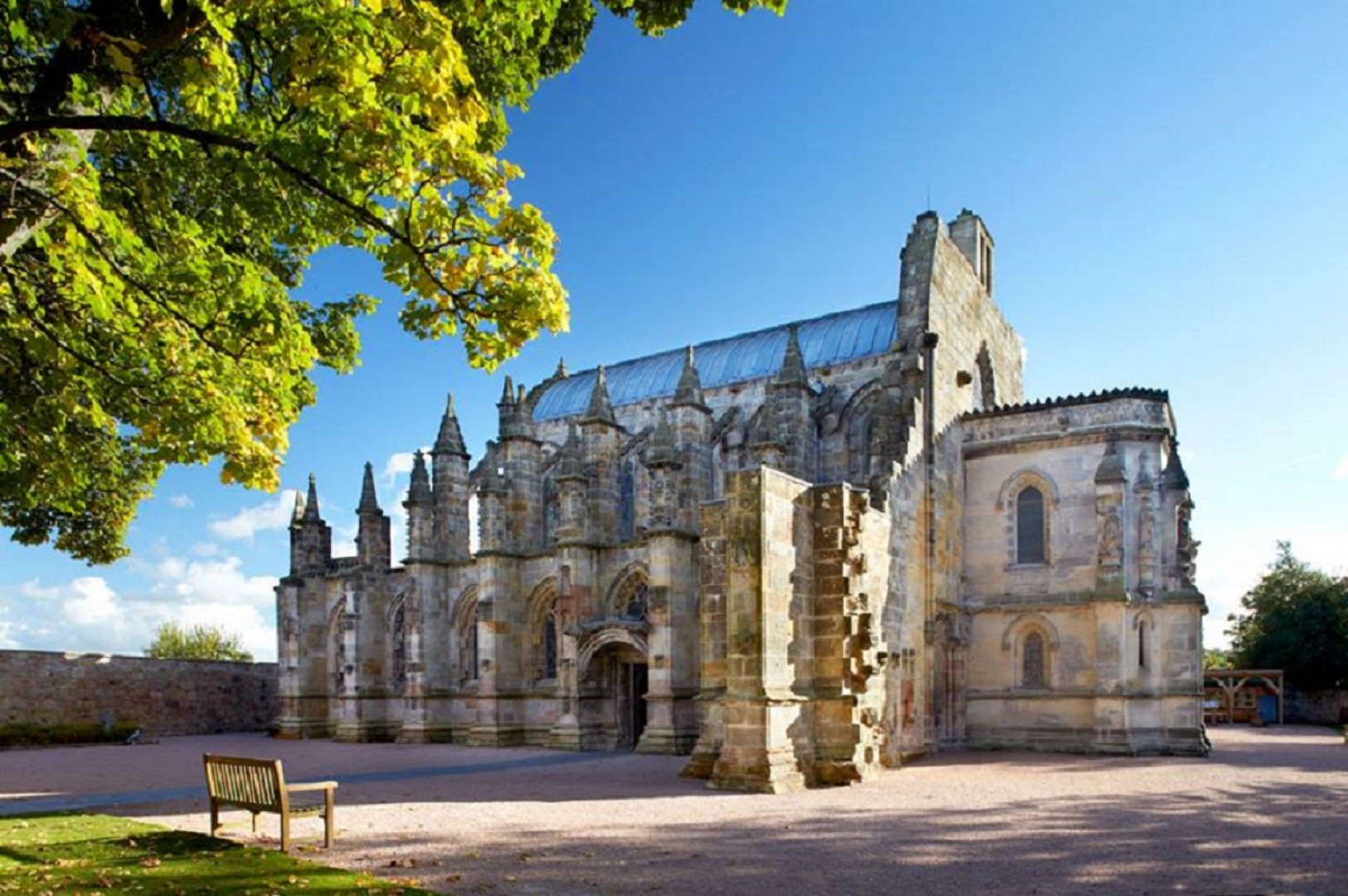
Rosslyn Chapel sits 10km south of Edinburgh and is reached easily by bus from the city centre. Made internationally famous by The Da Vinci Code (both book and film), the chapel is a genuinely remarkable piece of medieval stone carving. The interior is dense with symbolic imagery that keeps architectural historians debating.
Entry is approximately £10 per adult (Verify at rosslynchapel.com). Give half a day to return. This is the recommended day trip for those who want to stay close to Edinburgh and return with time to spare.
Loch Ness And The Highlands (Guided Tour Recommended)
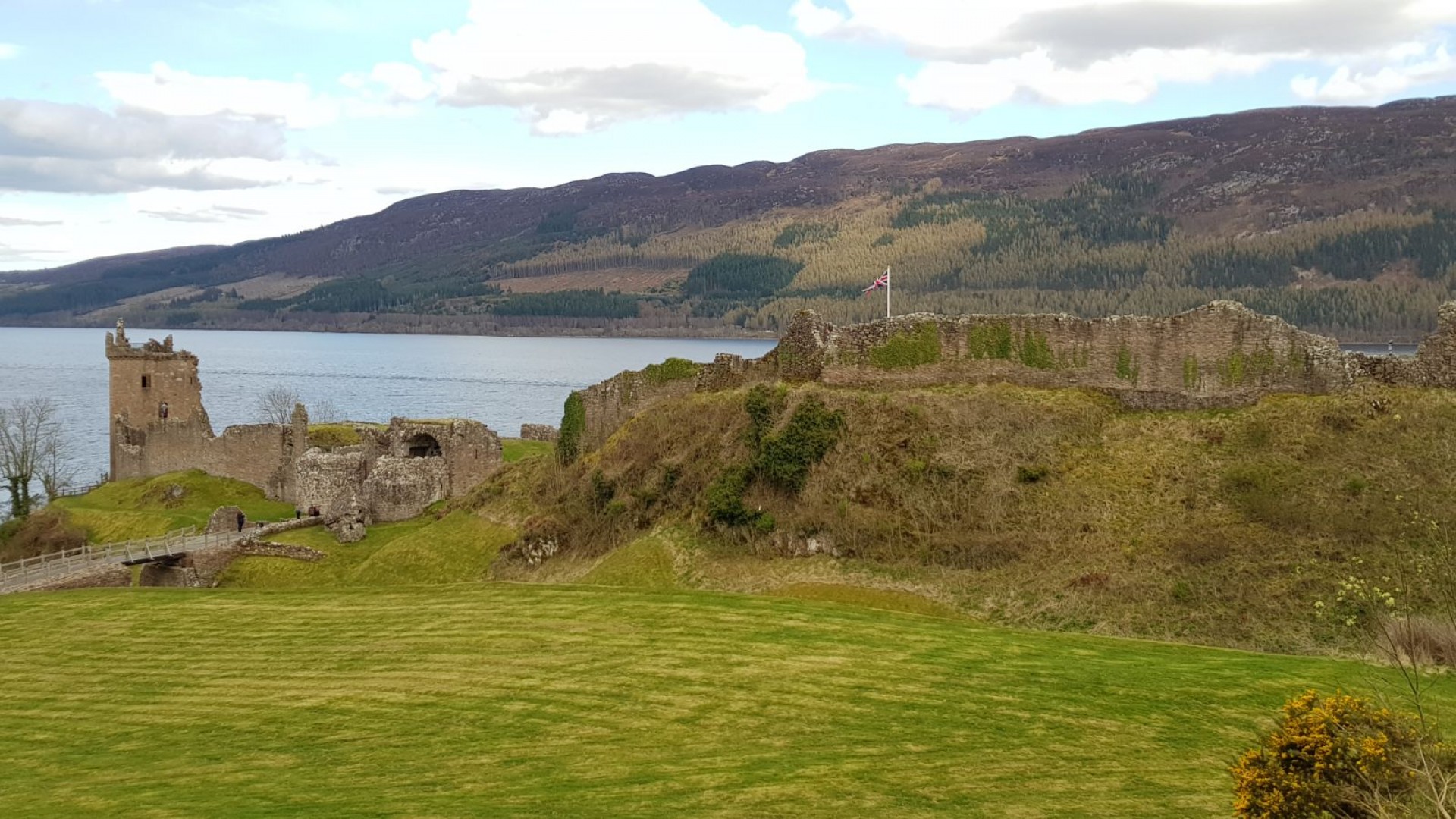
A day trip to Loch Ness from Edinburgh involves about three hours of travel each way. Driving yourself is possible, but it leaves limited time to enjoy the loch.
For a first visit, a guided coach tour is usually the better choice. Several operators run daily tours, with prices typically between £35 and £60 per person, although you should check directly for current rates.
The commentary is informative, and most tours include stops at places such as Stirling Castle and Glencoe. You also return to Edinburgh without having to drive for six hours. Book at least one to two weeks in advance in the summer.
The Borders And Abbotsford House (For Literature Lovers)
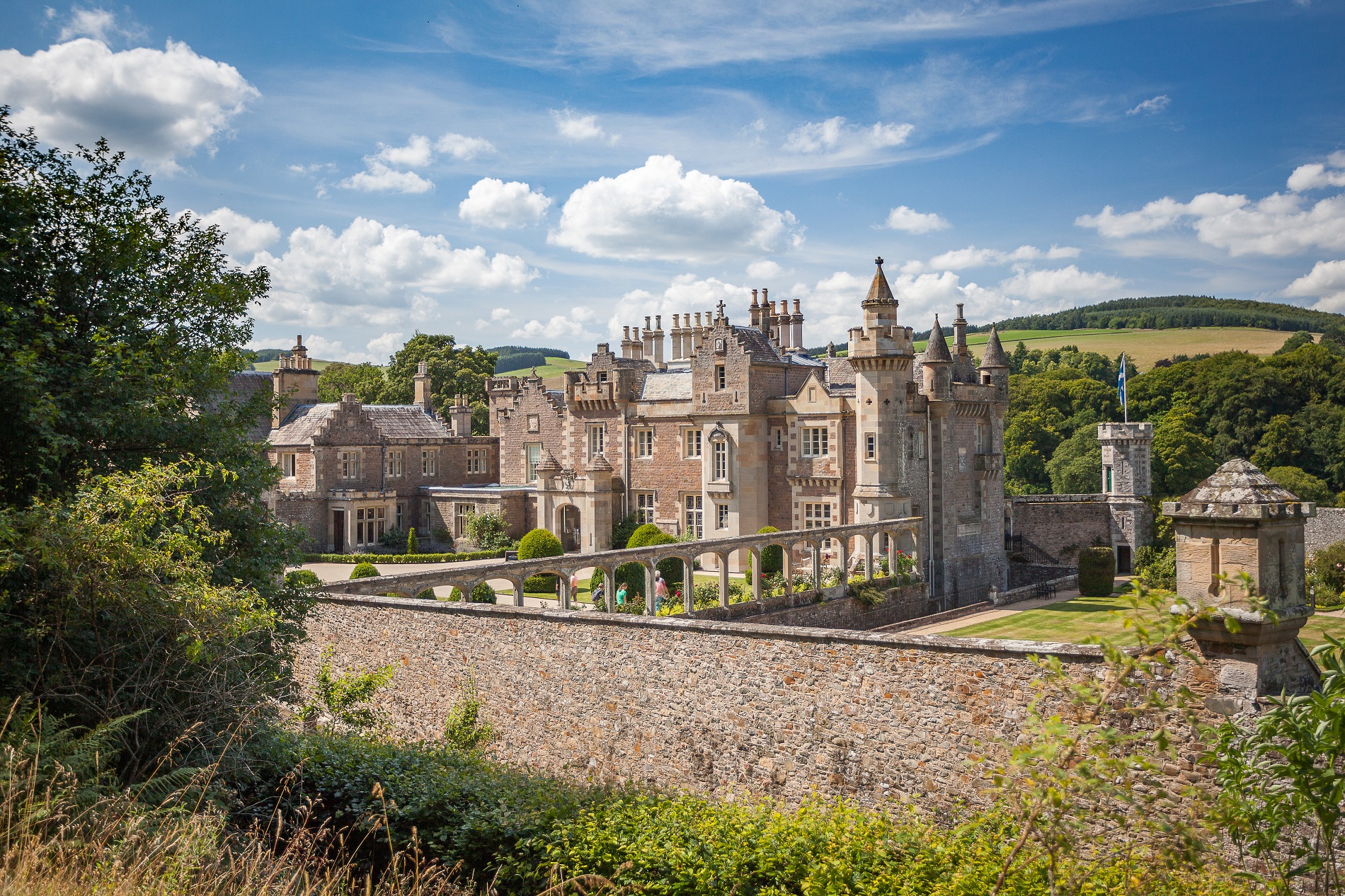
The Scottish Borders, about one hour south of Edinburgh by car or bus, is one of Scotland’s most beautiful and least-visited regions. Abbotsford House, the former home of Sir Walter Scott, is one of the country’s finest historic houses.
It can easily be combined with a visit to Melrose Abbey and time exploring the surrounding countryside. This area is ideal for visitors who prefer a slower pace, enjoy literature, or want to escape the crowds.
Stirling Castle
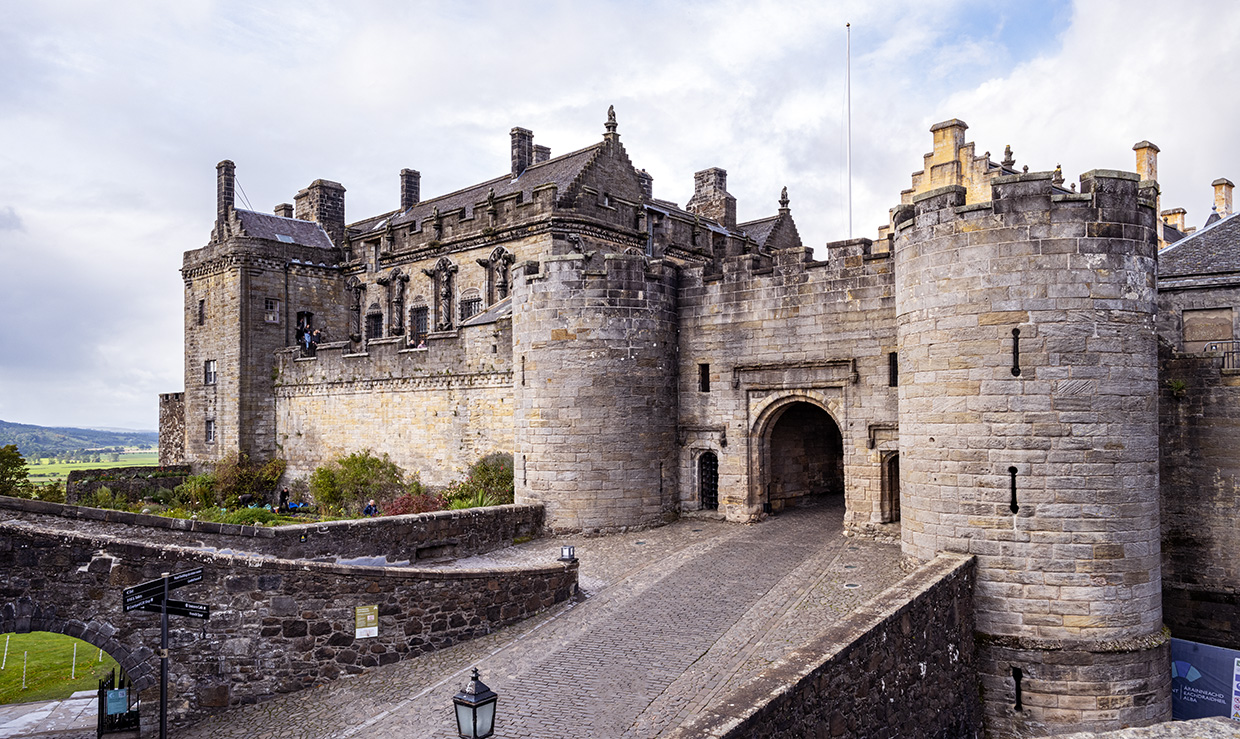
If the Edinburgh Castle experience left you wanting more, Stirling Castle (approximately 1 hour by train) offers comparable grandeur with significantly fewer crowds. The Great Hall and Royal Palace are stunning, and Stirling's position overlooking the site of the Battle of Bannockburn gives it a different historical weight. Trains run frequently from Edinburgh Waverley (check scotrail.co.ukfor timetables and fares).
Afternoon Back In Edinburgh - Final Neighbourhood Roam
Whatever you chose for Day 3's main activity, plan to be back in Edinburgh by 3-4pm for a final wander.
The Scotch Whisky Experience

The Scotch Whisky Experiencesits on the Castle Esplanade and offers guided tasting experiences across Scotland's whisky regions. Prices start at approximately £19 for the basic tour.
Even for those with limited interest in whisky, the regional variation between a peaty Islay malt and a delicate Speyside expression is a genuinely interesting introduction to Scottish geography and culture.
Portobello Beach - Edinburgh's Surprise Seaside Escape
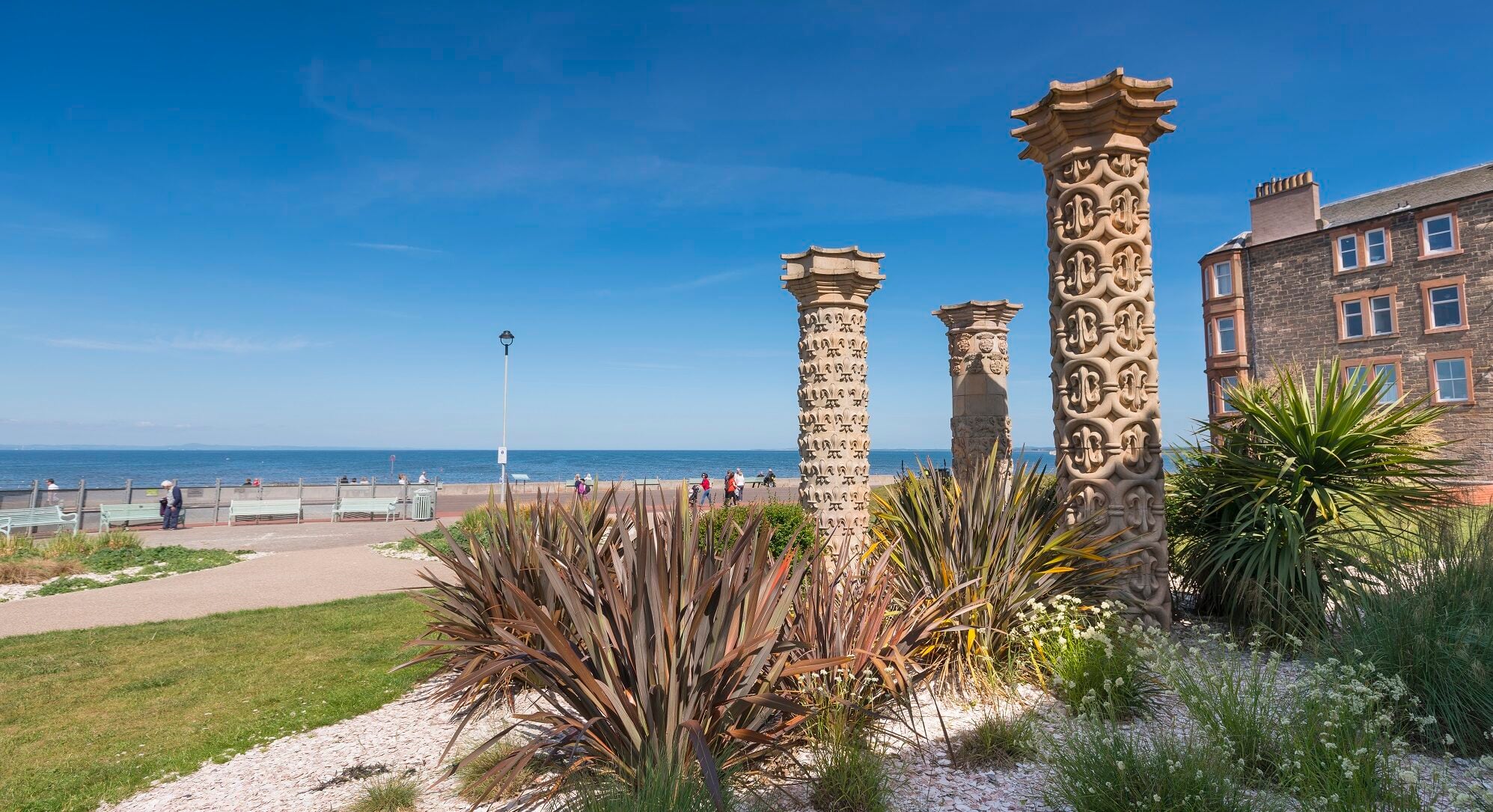
If Day 3's weather is decent, Portobellois a 25-minute bus ride from the city centre and offers a genuinely lovely stretch of sandy beach, an esplanade of ice cream shops and cafés, and a sense of Edinburgh-life-beyond-tourism that most first-timers never see. It's particularly good on a summer evening or crisp autumn afternoon.
Your Final Edinburgh Dinner
For your final evening, choose a restaurant that feels special. The Kitchin in Leith is Michelin-starred and usually requires booking several weeks in advance. Timberyard, near the Grassmarket, is known for its excellent tasting menu.
Gardener’s Cottage, near Royal Terrace, is another strong choice for a memorable meal. If you prefer a more relaxed atmosphere, return to the neighbourhood you enjoyed most during your trip and choose a local pub or bistro with a seasonal menu.
Edinburgh 3-Day Itinerary Budget Breakdown
| Category | Budget / Mid-Range / Splurge (Approx. per Day) |
| Accommodation (per person, shared room) | £35-£55 (hostel or budget B&B) / £80-£130 (mid-range hotel) / £150-£250+ (boutique hotel) |
| Meals (3 meals and coffee) | £25-£35 / £45-£65 / £80-£150 |
| Paid attractions | £10-£15 (focus on free sites) / £25-£40 / £50-£80 |
| Transport (bus, tram, taxis) | £5-£8 / £10-£15 / £15-£25 |
| Estimated daily total | £75-£115 / £160-£250 / £295-£505 |
Free Things To Do In Edinburgh
- Scottish National Museum
- Greyfriars Kirkyard
- Arthur's Seat and Holyrood Park
- Calton Hill
- Princes Street Gardens
- Dean Village and Water of Leith walk
- Scottish National Portrait Gallery
- The National Monument and Calton Hill viewpoints
- Victoria Street and the Grassmarket
- Royal Botanic Garden Edinburgh
Adapting This Itinerary - Practical Variations
Edinburgh Itinerary With Kids - What To Swap, Add, And Prioritise
Edinburgh is a very good city to visit with children, with a few small adjustments to the plan. Dynamic Earth, a hands-on science centre near Holyrood, is one of the best attractions for children in Scotland. It can replace more adult-focused visits such as the Scotch Whisky Experience or the Georgian House.
The National Museum of Scotland is also highly suitable for families. The technology and natural history sections are especially engaging for a wide range of ages.
Arthur’s Seat is manageable for most children aged 8 or 9 and above, as long as they have reasonable fitness. In the evenings, ghost tours in the Old Town are popular with older children and teenagers.
Practical note:The cobblestone streets in the Old Town can be challenging for prams and buggies. If you are travelling with an infant, a baby carrier is usually a more practical option.
Edinburgh In Winter - What Changes And What Gets Better
Many aspects of Edinburgh improve in winter. The Castle looks even more dramatic under cloudy skies. The Christmas market in Princes Street Gardens runs from late November to early January, although dates vary, so check the official website before travelling. It is one of the most atmospheric markets in Britain.
Hogmanay, Edinburgh’s famous New Year celebration, requires tickets for the main street party. These should be booked several months in advance through the official website.
In winter, queues at major attractions are much shorter and hotel prices are generally lower. The main adjustments are practical: carry waterproof clothing, dress in warm layers, and plan around short daylight hours. Edinburgh is as far north as Moscow, and in December it can become dark before 4 pm.
Edinburgh On A Tight Budget
Focus on the National Museum of Scotland, Greyfriars Kirkyard, Calton Hill, Arthur’s Seat, Dean Village, and the Royal Botanic Garden. Together, these places offer an outstanding experience at no cost. Spend money on entry tickets mainly for Edinburgh Castle, which is genuinely essential, and choose one or two additional paid attractions that match your interests.
Save money by buying breakfast from a supermarket such as Lidl on Nicholson Street or Waitrose on Comely Bank. For main meals, consider good-value local spots like Mosque Kitchen. Use buses instead of taxis whenever possible. A high-quality first visit to Edinburgh is realistic on a budget of £75 to £100 per person per day.
What To Do If It Rains
Scotland averages 170+ rain days per year in some regions; Edinburgh is drier than the west coast but still reliably wet. The good news is that most of Edinburgh's best attractions are indoors.
Best indoor fallbacks:
Day 1
- National Museum of Scotland
- Museum of Edinburgh
- Mary King’s Close
Day 2
- Scottish National Portrait Gallery
- Georgian House
- Royal Yacht Britannia
- A long, relaxed lunch at a good local restaurant
Day 3
- Scotch Whisky Experience
- Dynamic Earth (especially suitable for families with children)
- Writers’ Museum (free entry, dedicated to Burns, Scott, and Stevenson)
A lightweight waterproof jacket is non-negotiable packing for any Edinburgh trip in any season.
Frequently Asked Questions
How Hilly Is Edinburgh In Practice?
The Old Town is built on a ridge with steep side streets, and Arthur’s Seat involves a sustained climb. Comfortable walking shoes are essential.
Is Edinburgh Easy To Explore On Foot?
Yes, and walking is the best way to experience the city. Old Town and New Town are about 10 to 15 minutes apart on foot. Be prepared for steep hills and cobblestones, and use buses if needed.
How Do You Get From Edinburgh Airport To The City Centre?
The Airlink 100 bus takes about 30 minutes to Waverley Bridge. The tram also runs directly to the city centre and takes a similar amount of time. Taxis are faster in light traffic but significantly more expensive.
Is Tipping Expected In Edinburgh?
Tipping is not mandatory, but 10 to 12.5 percent is standard in restaurants if service is good. Many places already add a service charge, so check the bill first. Tipping in pubs is not expected.
Is Edinburgh Safe At Night?
Generally, yes. The city centre is well lit and busy in the evenings. As in any city, stay aware of your surroundings, particularly late at night around busy nightlife areas.
Are Reservations Necessary For Restaurants?
For popular restaurants, yes, especially from May to September and during the Festival in August. Casual cafés and pubs are usually flexible, but evening dining at well-known spots often requires advance booking.
Final Words
Edinburgh makes a strong impression quickly, often within the first few hours. However, a clear plan helps you experience the city without feeling rushed or overwhelmed. This itinerary is designed to guide you from the historic Old Town to the elegant New Town and waterfront, before giving you time to focus on what interests you most.
The most rewarding visits happen when you slow down. Use this plan as a structure, but allow flexibility for unexpected discoveries. Edinburgh often reveals its best moments when you least expect them.
Jump to
Quick Answer - Your 3 Days In Edinburgh At A Glance
Is 3 Days In Edinburgh Enough? (An Honest Answer)
Best Time To Visit Edinburgh
Where To Stay In Edinburgh For First-Time Visitors
What To Book Before You Arrive
Getting Around Edinburgh
Day 1 - Old Town And The Castle
Day 2 - New Town, Calton Hill & Leith
Day 3 - City Deep-Dive Or Beyond
Edinburgh 3-Day Itinerary Budget Breakdown
Free Things To Do In Edinburgh
Adapting This Itinerary - Practical Variations
Frequently Asked Questions
Final Words

Finn Wilde
Author
For Finn Wilde, the wilderness is more than just a destination - it’s a way of life. Over the past decade, he has led multiple expeditions in some of the world’s most remote regions, from the icy fjords of Greenland to the rugged trails of Patagonia.
Finn emphasizes sustainability in all of his adventures, helping participants connect with nature while promoting responsible exploration. His expeditions inspire individuals to explore the great outdoors while fostering a deep respect for the environment.

Liam Jones
Reviewer
Liam Jones has made it his mission to prove that adventure doesn’t need a hefty budget. Having traveled to over 40 countries, he specializes in finding affordable ways to experience the world, from the best street food in Bangkok to hidden gems in Lisbon.
Liam’s travel tips have reached thousands of readers, empowering them to see the world on a shoestring budget without sacrificing quality. With a deep passion for local cultures, he continues to share his travel hacks, ensuring adventure remains accessible to all.
Latest Articles
Popular Articles