20 Best Things To See In Palma De Mallorca Center
Step into the heart of Palma de Mallorca, where historic streets meet modern elegance. Find out what makes this area a must-see.
Author:Sophia HarperReviewer:Liam JonesDec 22, 202423.9K Shares436K Views
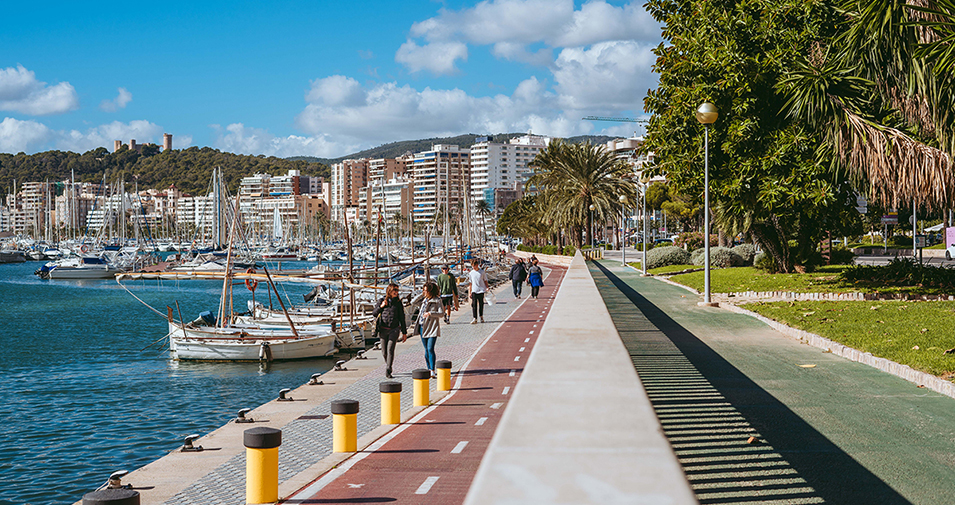
Palma de Mallorca’s center is a vibrant blend of history, culture, and Mediterranean charm. From iconic landmarks to hidden corners filled with local character, the heart of this city offers countless experiences that capture its rich heritage and modern flair.
Strolling through its streets reveals a world of architectural beauty, bustling markets, and serene spots perfect for soaking up the island’s essence.
1. La Seu Cathedral (Palma Cathedral)
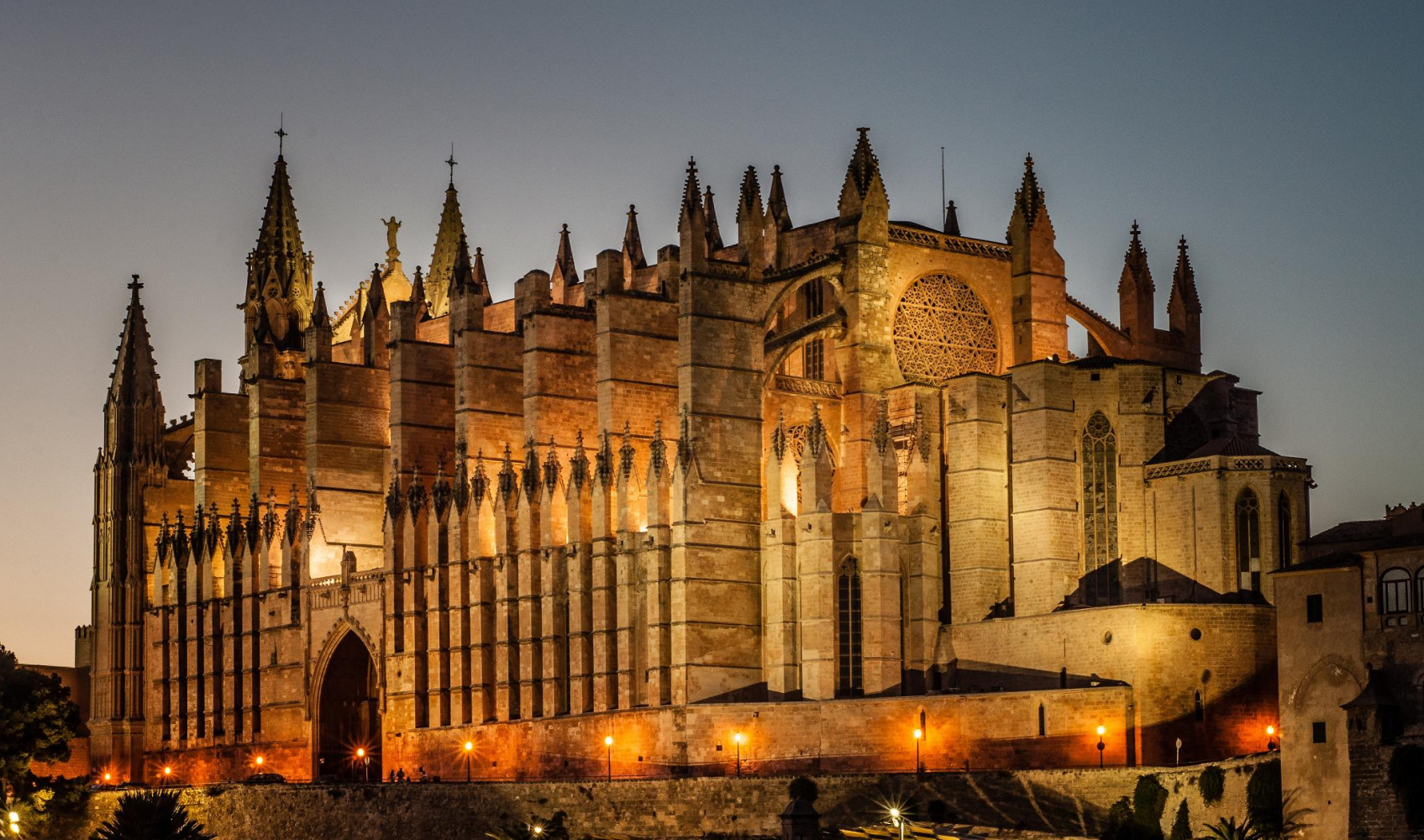
The La Seu Cathedral is a masterpiece of Gothic architecture that stands proudly overlooking the Mediterranean Sea. Built on the site of a former mosque, it features an intricate façade with towering spires and detailed stone carvings. Inside, visitors marvel at Antoni Gaudí's modernist design contributions, including a suspended canopy and colorful stained-glass windows. This stunning cathedral is undoubtedly one of the things to see in Mallorcathat leaves a lasting impression on visitors.
2. Almudaina Palace
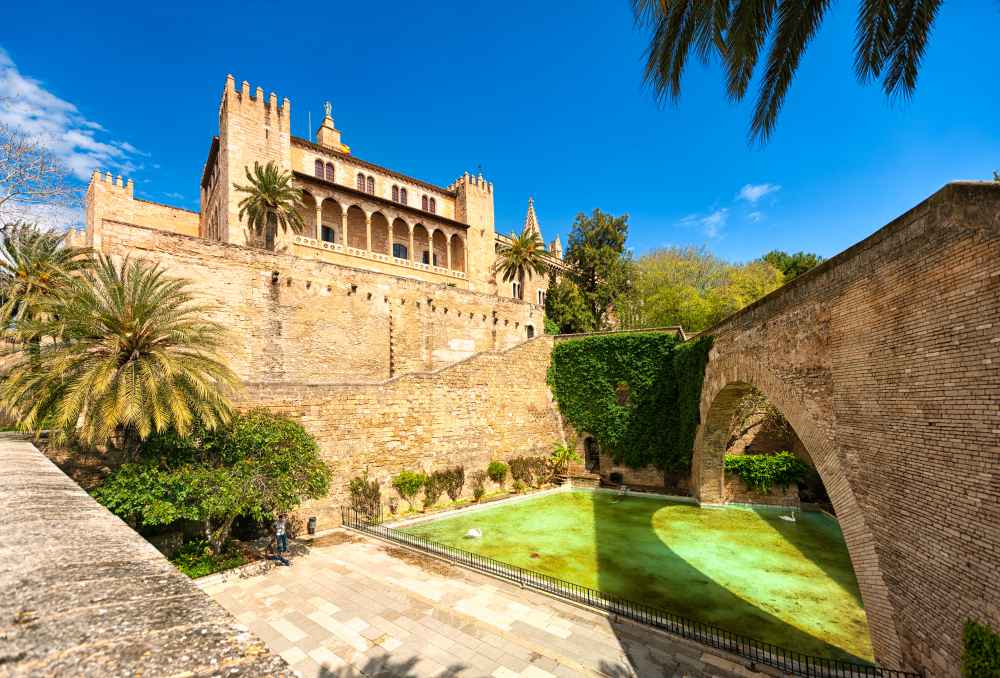
Originally an Islamic fort, the Almudaina Palacebecame the residence of Mallorcan royalty and now serves as an official royal palace. Its fusion of Moorish and Gothic architecture reflects centuries of cultural transitions. Visitors can explore grand halls, furnished royal apartments, and tapestries depicting historical events.
3. Bellver Castle
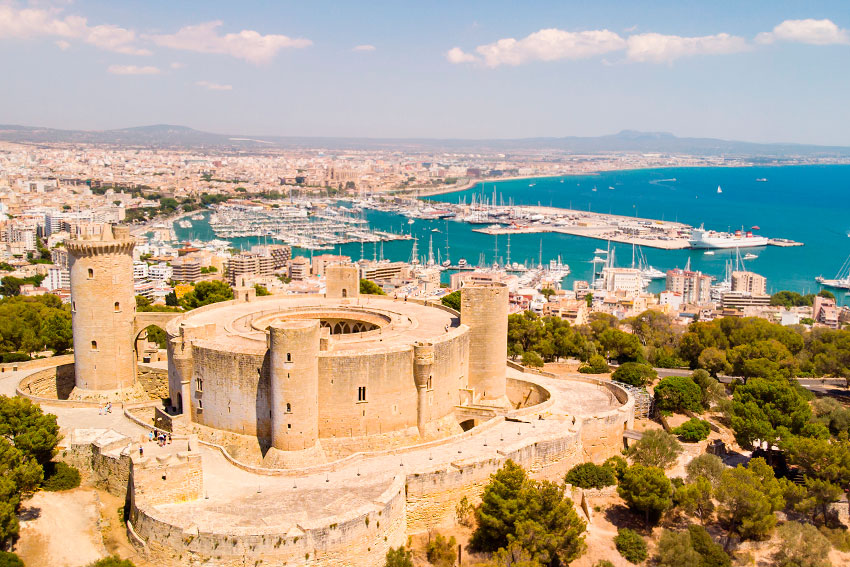
Bellver Castle is renowned for its unique circular design, a rarity in European castles. Perched on a hill surrounded by dense pine forests, it offers sweeping views of Palma Bay. Built in the 14th century, it once served as a royal residence and later as a military prison. Today, it houses a museum dedicated to the history of Palma and frequently hosts cultural events.
4. Arab Baths (Banys Àrabs)
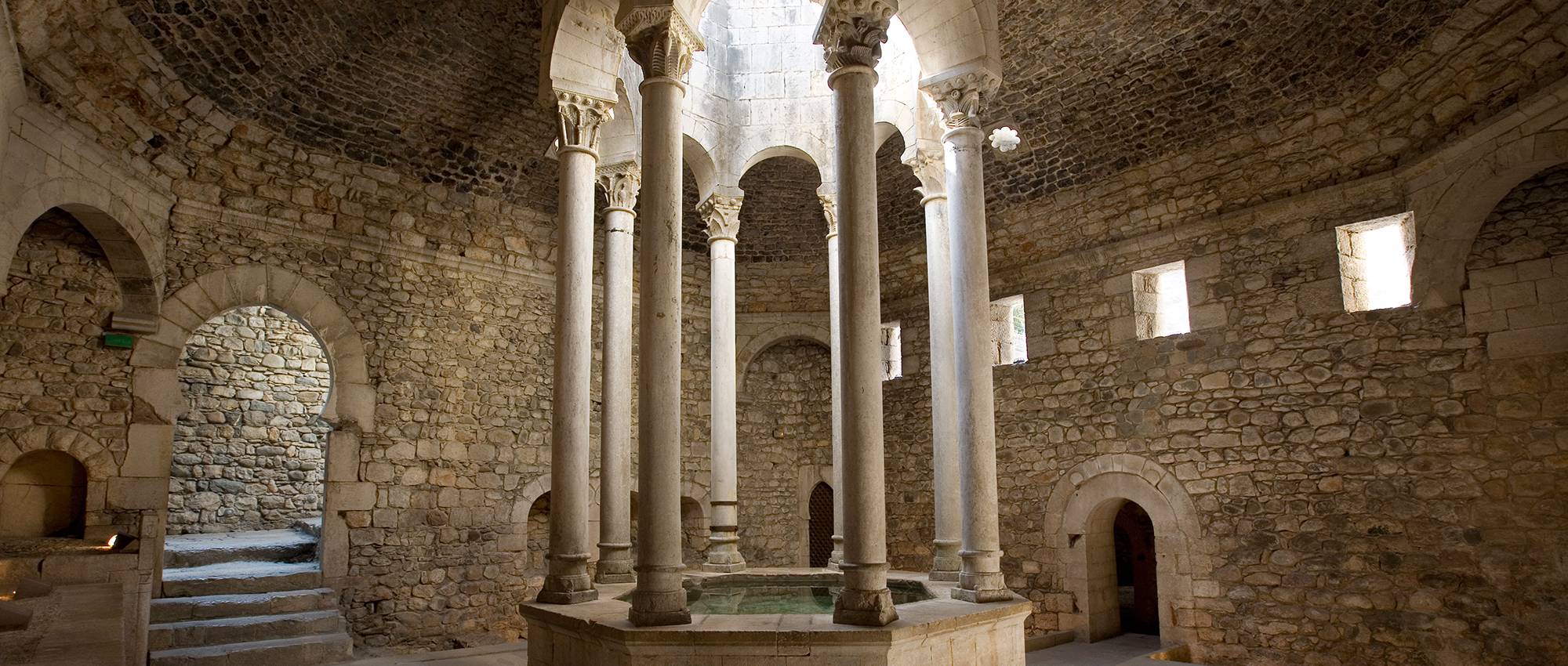
The Arab Baths are one of the few remaining traces of Palma’s Moorish heritage. Dating back to the 10th century, they feature a domed central room supported by 12 stone columns. Once used for steam baths, the site now provides a tranquil oasis with lush gardens surrounding the historic structure. The calming atmosphere invites visitors to reflect on Mallorca’s Islamic past.
5. Plaza Mayor
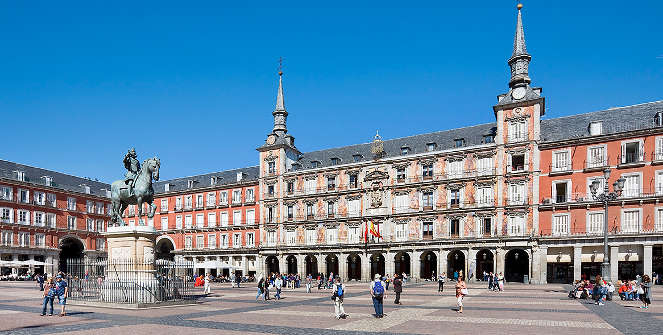
The heart of Palma’s historic center, Plaza Mayor, is a vibrant square surrounded by neoclassical buildings. Once the site of a convent and the Inquisition headquarters, it has transformed into a hub for locals and tourists alike. The square hosts craft markets, street performers, and cafés where visitors can enjoy Mallorcan specialties. The lively ambiance makes it an excellent starting point for exploring the city.
6. Passeig Del Born
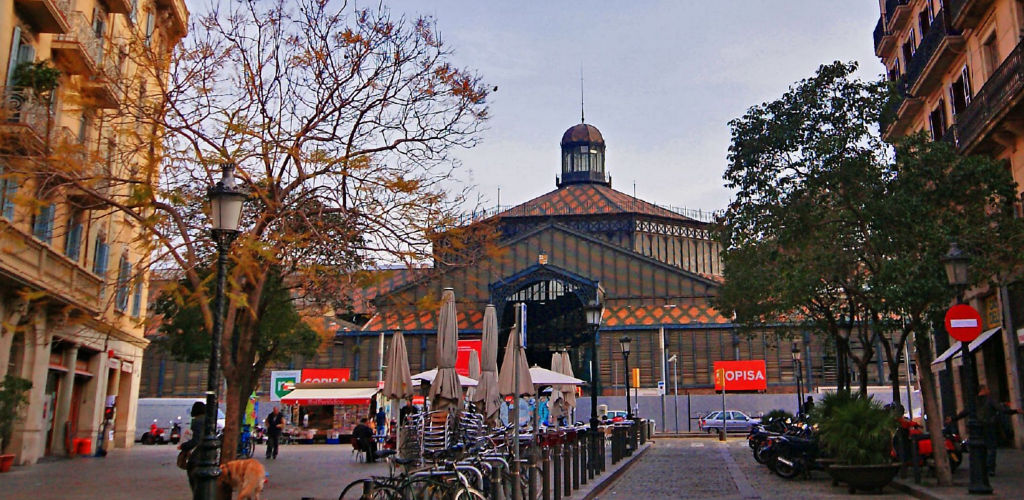
Passeig del Born is Palma’s most prestigious boulevard, often referred to as its “Golden Mile.” Lined with elegant trees, luxury boutiques, and historic buildings, it’s a shopper’s paradise. The avenue is also a popular spot for leisurely strolls, with plenty of shaded benches and outdoor terraces to enjoy a coffee or glass of wine.
7. Es Baluard Museum Of Modern And Contemporary Art
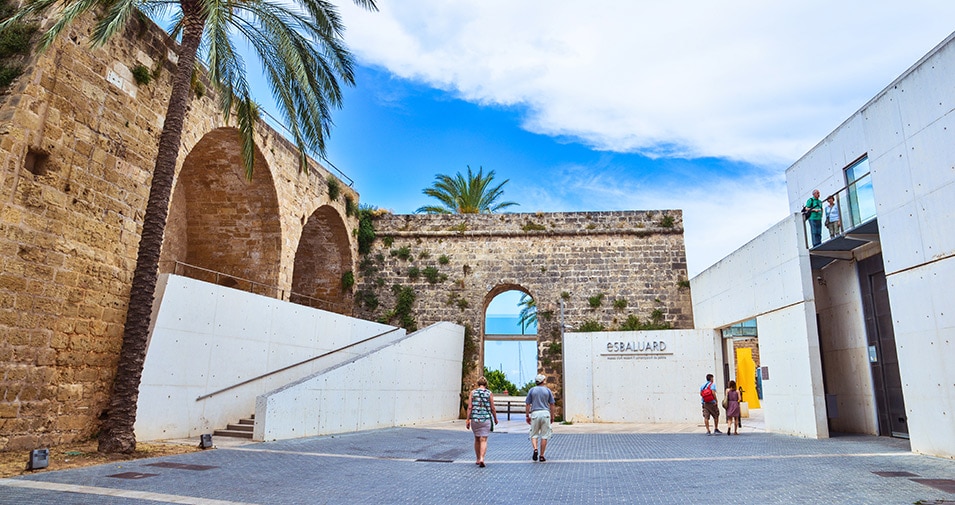
Housed within a historic fortress, Es Baluard Museum offers a fascinating blend of old and new. Its collection includes works by prominent artists like Joan Miró, Pablo Picasso, and local talents. The museum’s terrace provides breathtaking views of Palma’s old town and harbor, making it a cultural and scenic delight.
8. Santa Catalina Market
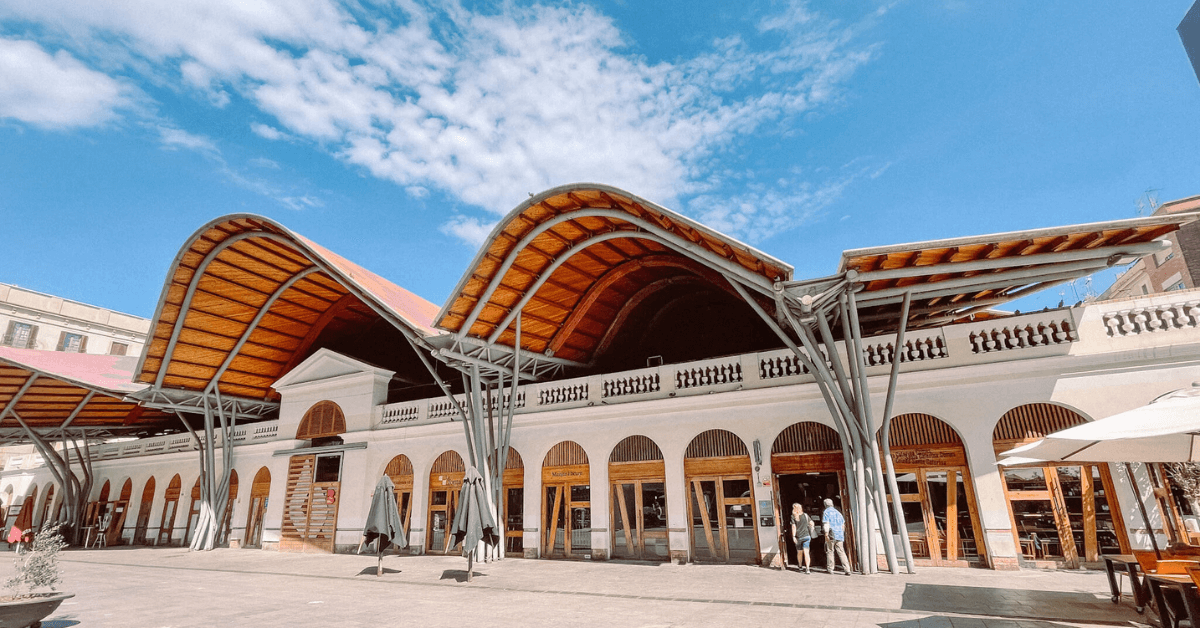
Santa Catalina Market is a food lover’s dream. Bursting with fresh produce, seafood, and local specialties, it’s a place where the culinary soul of Palma comes alive. In addition to market stalls, the venue is dotted with tapas bars where you can savor dishes like sobrassada (spicy sausage) and freshly prepared seafood while mingling with locals.
9. Parc De La Mar
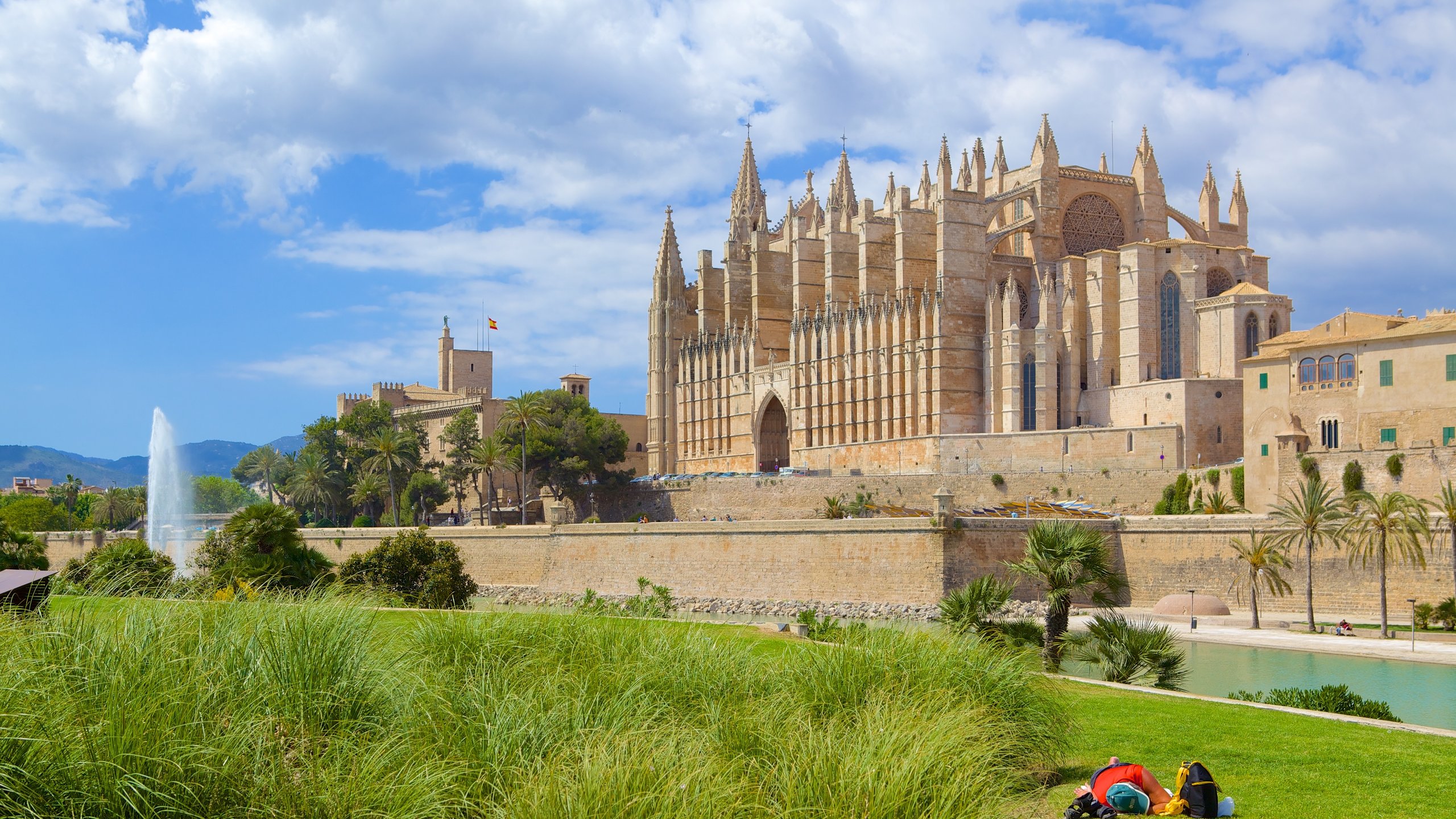
Located just below La Seu Cathedral, Parc de la Mar is a picturesque park featuring a large saltwater lake that mirrors the cathedral’s stunning reflection. It’s a popular spot for picnics, leisurely walks, and enjoying outdoor art installations. In the evenings, the park becomes a gathering place for events and cultural performances.
10. El Jonquet
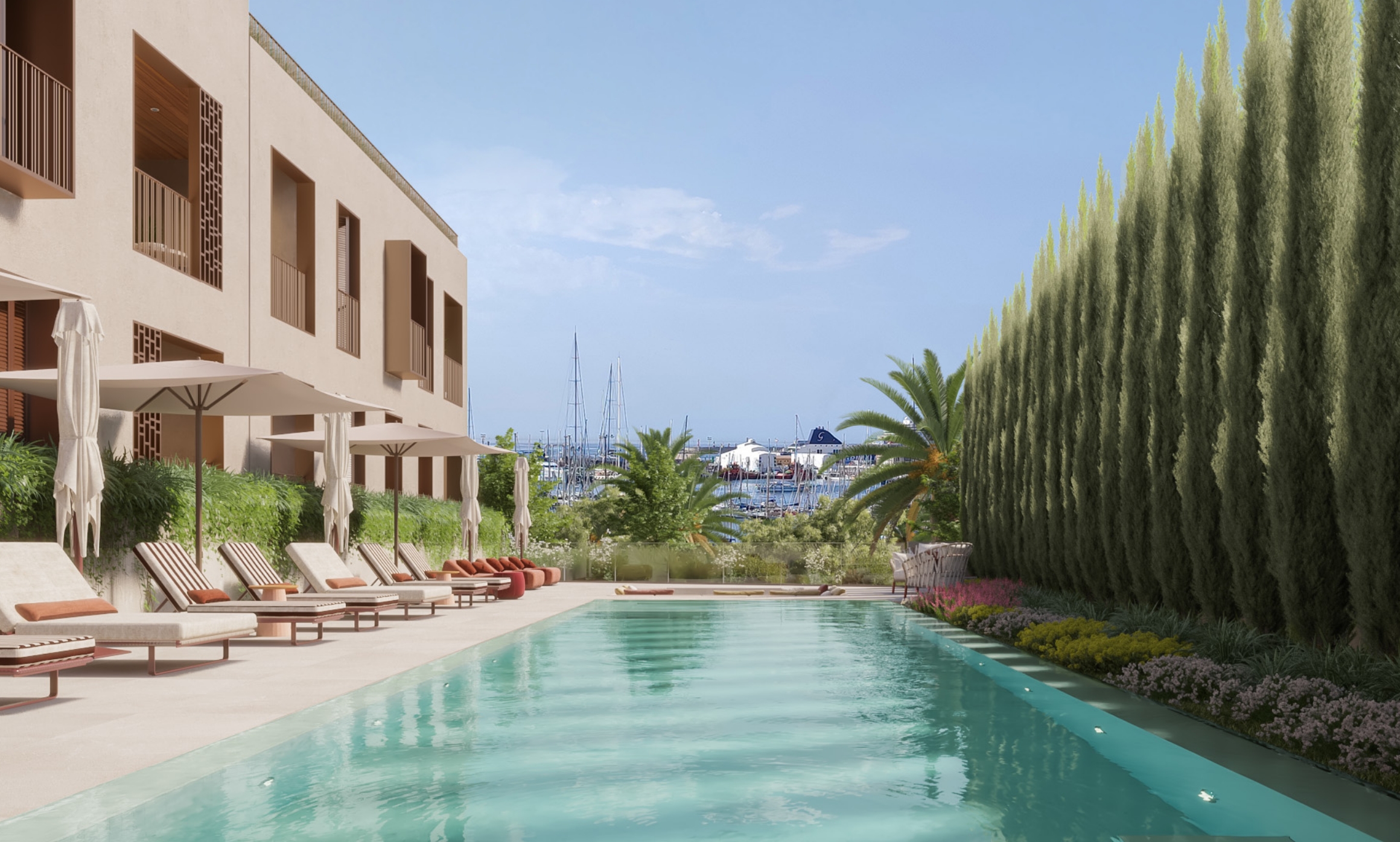
El Jonquet is a charming district known for its cobblestone streets, traditional fishermen’s houses, and iconic windmills. Nestled on a hillside, it offers views of the harbor and a quieter atmosphere compared to Palma’s bustling center. The area’s historical significance and quaint beauty make it a favorite for photographers.
11. Can Forteza Rey
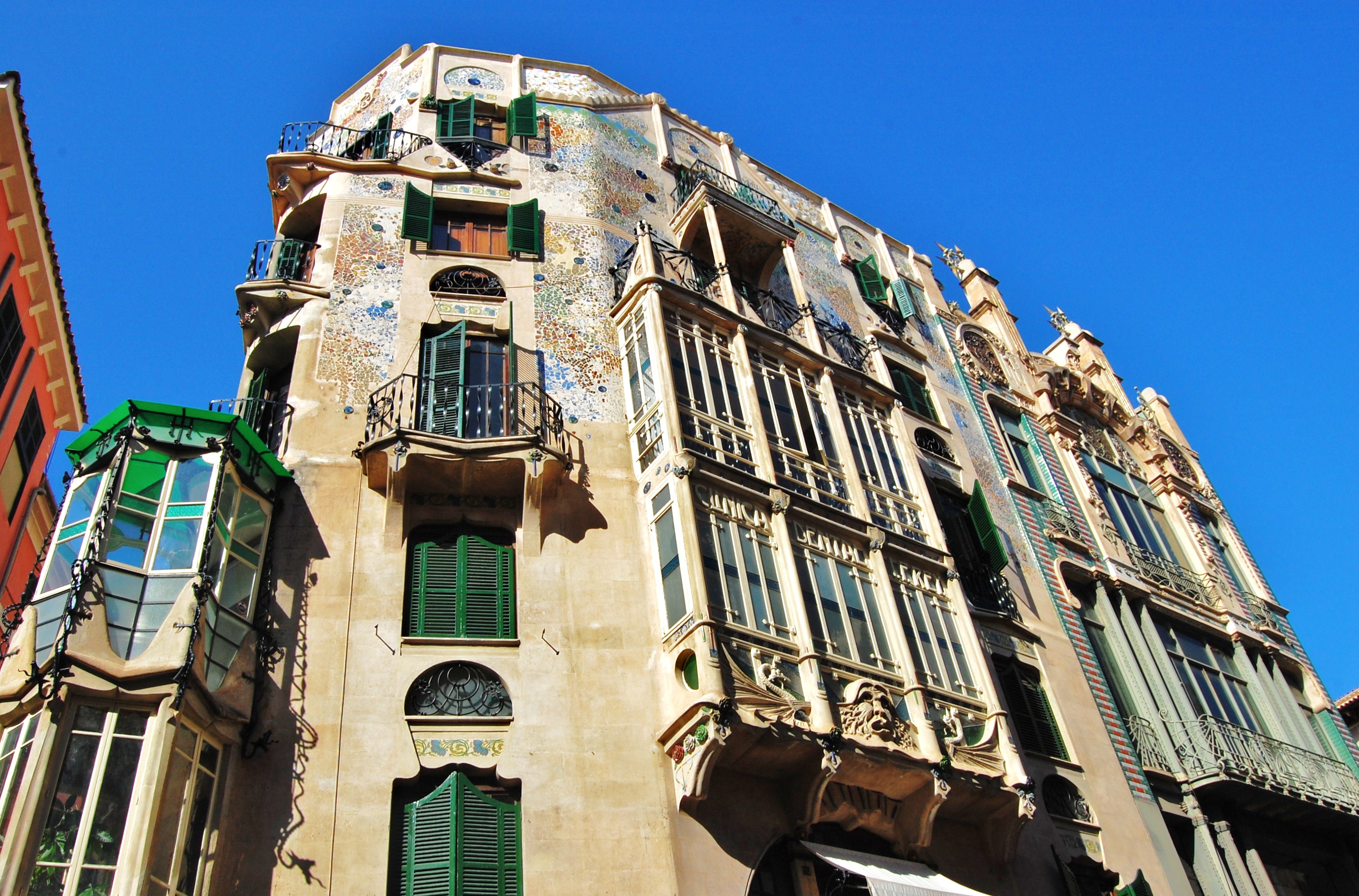
A hidden gem of Palma’s modernist architecture, Can Forteza Rey is a dazzling building adorned with colorful mosaics, wrought iron details, and floral motifs. It stands as a testament to the city’s artistic flair during the early 20th century and offers a glimpse into Palma’s lesser-known architectural wonders.
12. Lonja De Palma (La Lonja)
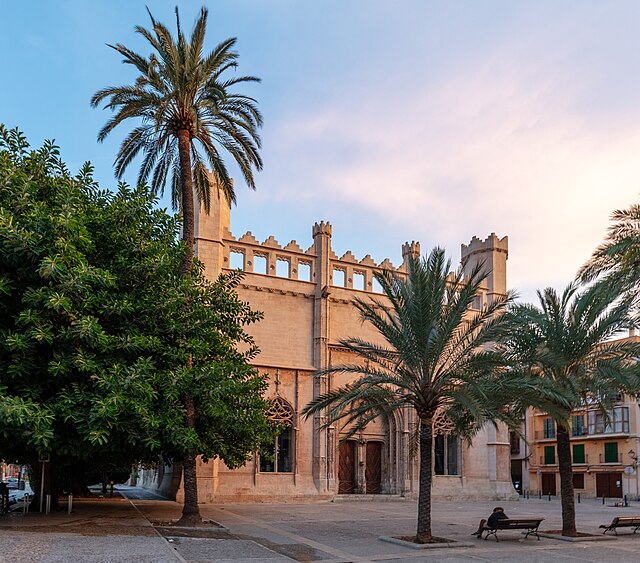
La Lonja was originally a medieval fish market, but its impressive Gothic structure now serves as a venue for art exhibitions. The soaring ceilings and intricately carved columns are a testament to the wealth and maritime heritage of Palma during the 15th century.
13. Sa Llotja Neighborhood
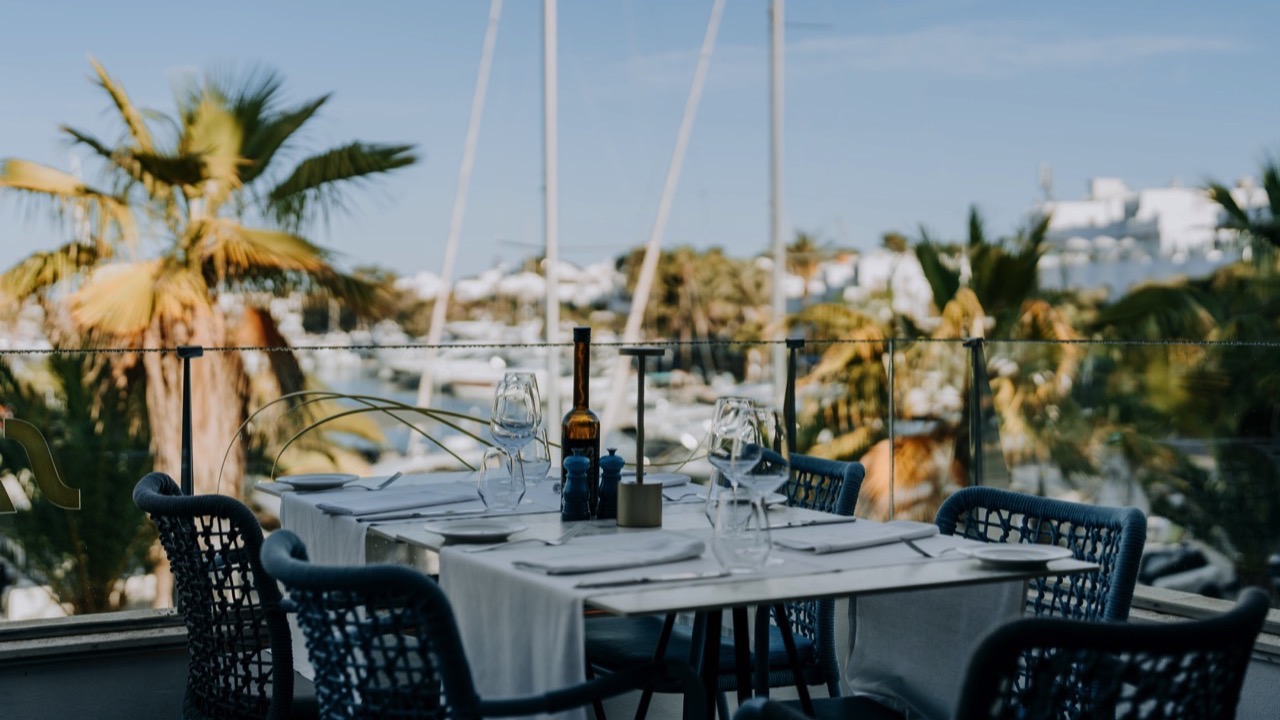
The Sa Llotja neighborhood surrounding La Lonja is a lively area filled with narrow streets, boutique shops, and cozy restaurants. Known for its vibrant nightlife, the district is ideal for an evening out to enjoy tapas and wine.
14. Basilica Of Sant Francesc
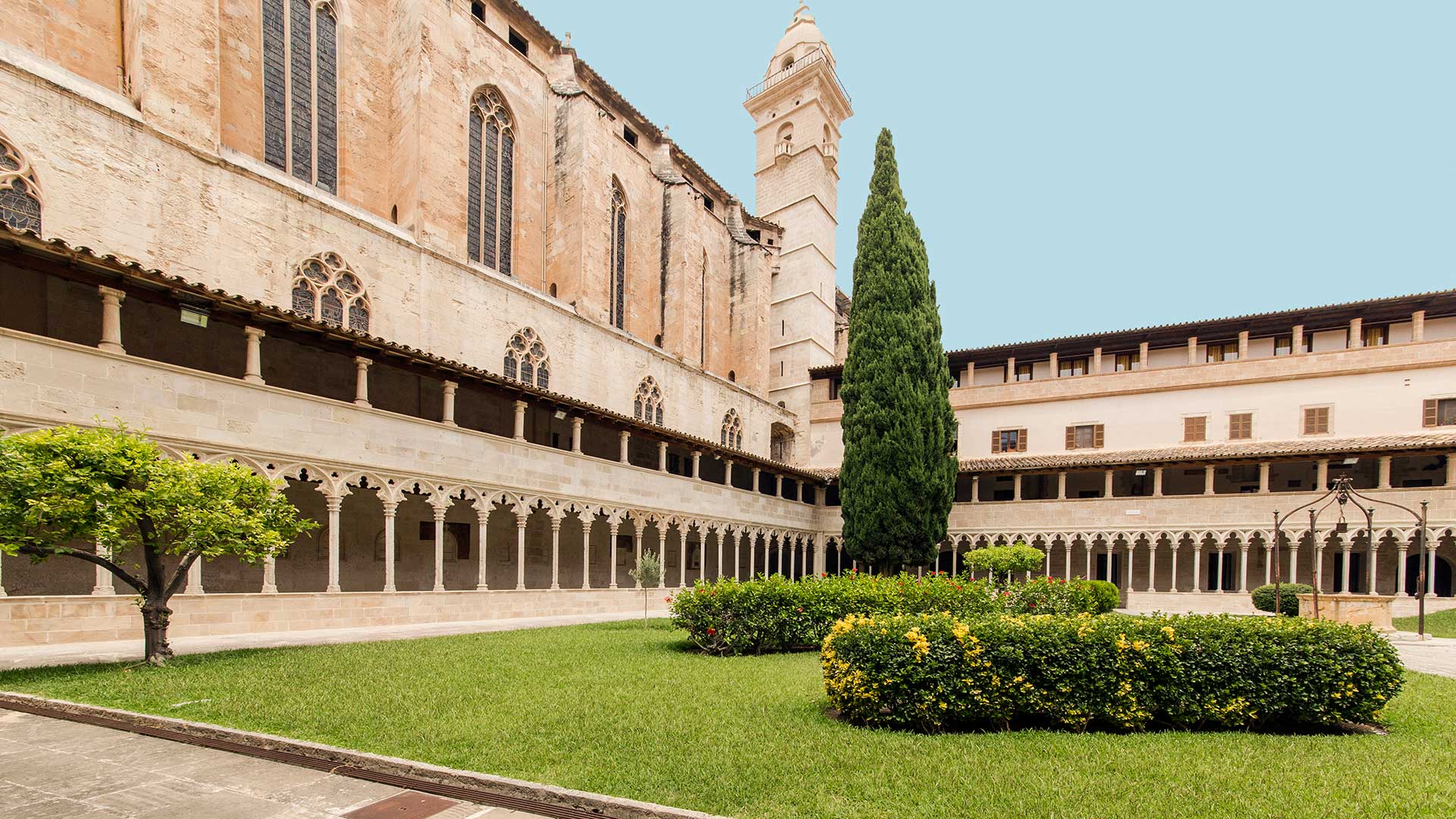
This stunning basilica, built in the 13th century, features a Gothic façade and an impressive rose window. Inside, visitors will find the tomb of Ramon Llull, a revered philosopher and theologian. The peaceful cloister and surrounding gardens provide a serene escape from the city’s hustle.
15. Fundación Pilar I Joan Miró
Art lovers will appreciate this museum dedicated to Joan Miró, showcasing an extensive collection of his works and personal artifacts. Located in his former studio, the foundation allows visitors to experience the creative environment that inspired the artist.
16. Royal Nautical Club (Real Club Náutico)
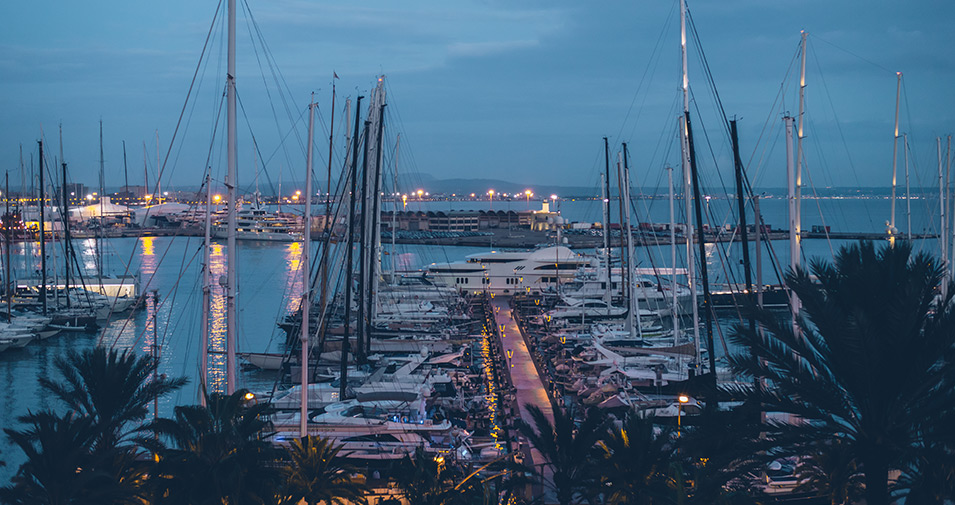
One of the most prestigious marinas in Spain, the Royal Nautical Club is a haven for sailing enthusiasts. Its waterfront restaurants offer a chance to dine while admiring luxurious yachts and panoramic sea views. If you're visiting Mallorca with children, the marina provides a family-friendly atmosphere where kids can enjoy the sights and the open space.
17. Plaça D’Espanya
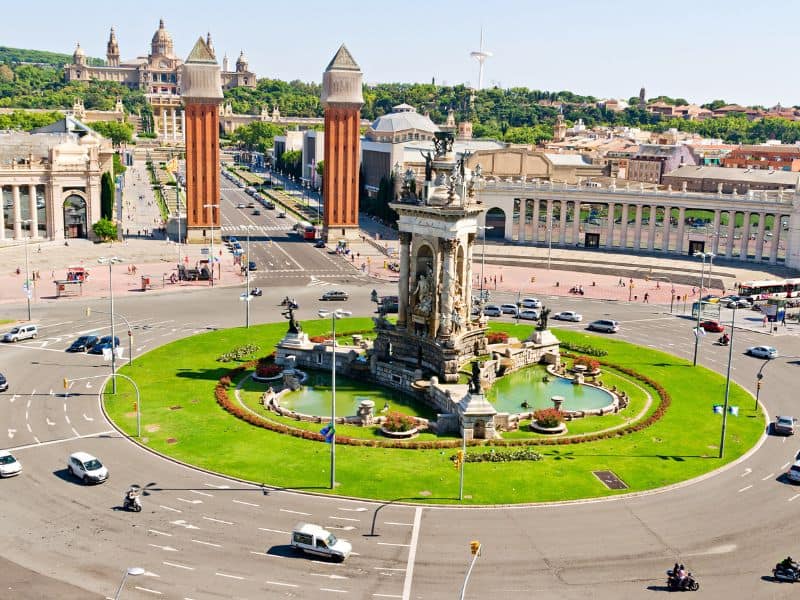
A central hub of activity, Plaça d’Espanya is a bustling square surrounded by shops, restaurants, and transport links. It’s the perfect spot to rest, people-watch, or begin your exploration of Palma’s attractions. For those planning a trip, travel tips to Mallorcacan help you navigate the area with ease and make the most of your visit.
18. Can Joan De S’Aigo
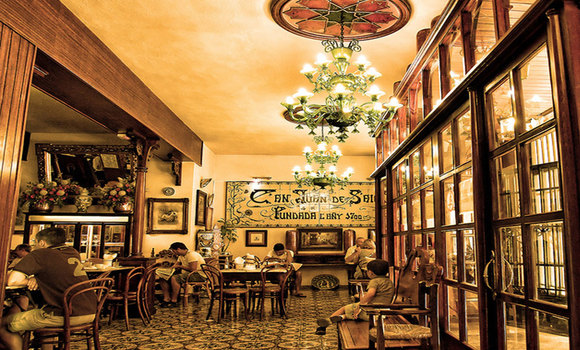
A Palma institution, this café has been serving traditional Mallorcan pastries and ice cream since the 1700s. The atmosphere is steeped in history, and its signature ensaimadas and almond ice cream are a must-try.
19. Convent Of Santa Clara
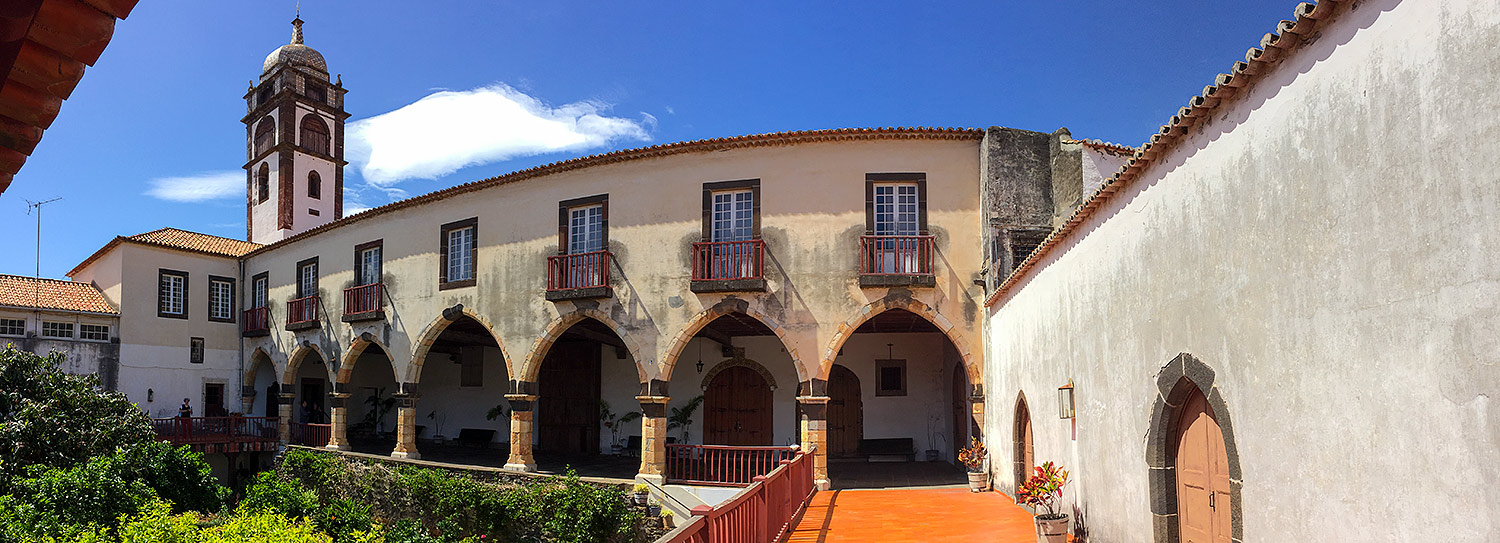
Tucked away in Palma’s old town, this convent offers a peaceful retreat. Visitors can buy handmade sweets prepared by the resident nuns, adding a unique and personal touch to the experience.
20. Olivar Market (Mercat De L’Olivar)
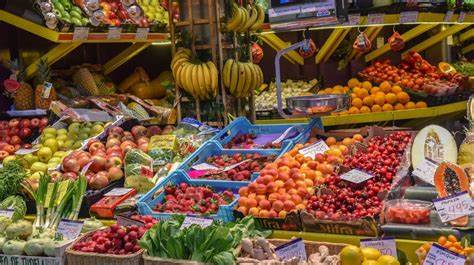
A bustling market offering everything from fresh seafood to gourmet products, Mercat de l’Olivar is a paradise for food enthusiasts. Its vibrant atmosphere and variety of local delicacies make it an essential stop for anyone visiting Palma.
Tips For Exploring Palma’s Center
- Best Times to Visit:Early mornings or late afternoons offer cooler temperatures and fewer crowds.
- Getting Around:The center is best explored on foot, but bikes and public transport are excellent options for covering more ground.
- Seasonal Highlights:Spring and autumn provide mild weather, while summer brings festivals and lively streets.
FAQs
What Is The Best Way To Get Around Palma’s Center?
Walking is the most convenient way to explore Palma’s center, as most attractions are within close proximity. Alternatively, bike rentals and local buses are available for longer distances.
Are There Free Attractions In Palma’s Center?
Yes, several attractions, such as Plaza Mayor, Parc de la Mar, and El Jonquet, can be enjoyed for free.
How Much Time Do You Need To Explore Palma’s Center?
A full day allows you to see the main attractions, but staying for two days provides a more relaxed experience and time to explore hidden gems.
What Are The Best Dining Options In Palma’s Center?
Santa Catalina Market and Passeig del Born offer a variety of options, from local delicacies to gourmet meals. Don't miss trying ensaimadas at Ca’n Joan de S’Aigo.
What’s The Best Season To Visit Palma’s Center?
Spring and autumn are ideal for pleasant weather and fewer crowds, while summer is great for enjoying festivals and beachside activities.
Final Thoughts
Palma de Mallorca’s center is a treasure trove of attractions that cater to every interest, from history enthusiasts to art lovers and food connoisseurs. Each corner tells a story, inviting visitors to connect with the city’s unique personality.
These highlights are just a glimpse of what makes Palma such a captivating destination worth experiencing.
Jump to
1. La Seu Cathedral (Palma Cathedral)
2. Almudaina Palace
3. Bellver Castle
4. Arab Baths (Banys Àrabs)
5. Plaza Mayor
6. Passeig Del Born
7. Es Baluard Museum Of Modern And Contemporary Art
8. Santa Catalina Market
9. Parc De La Mar
10. El Jonquet
11. Can Forteza Rey
12. Lonja De Palma (La Lonja)
13. Sa Llotja Neighborhood
14. Basilica Of Sant Francesc
15. Fundación Pilar I Joan Miró
16. Royal Nautical Club (Real Club Náutico)
17. Plaça D’Espanya
18. Can Joan De S’Aigo
19. Convent Of Santa Clara
20. Olivar Market (Mercat De L’Olivar)
Tips For Exploring Palma’s Center
FAQs
Final Thoughts

Sophia Harper
Author
Sophia Harper’s photography acts as a portal to the soul of the places she visits. Drawn to South America’s landscapes and cultures, she has spent years capturing everything from the majesty of ancient ruins to the vibrancy of urban streets.
Sophia’s work isn’t just about documenting moments; it’s about evoking the emotions and stories behind them. A dedicated photographer, she has worked with local communities across South America to capture their rich cultural narratives through her lens.

Liam Jones
Reviewer
Liam Jones has made it his mission to prove that adventure doesn’t need a hefty budget. Having traveled to over 40 countries, he specializes in finding affordable ways to experience the world, from the best street food in Bangkok to hidden gems in Lisbon.
Liam’s travel tips have reached thousands of readers, empowering them to see the world on a shoestring budget without sacrificing quality. With a deep passion for local cultures, he continues to share his travel hacks, ensuring adventure remains accessible to all.
Latest Articles
Popular Articles