Visit Italy From A Different Perspective And Let Yourself Be Captivated By The Beauty Of Its Landscapes
The Italian peninsula has always been a place that blends history, art, and scenery. The traveler arriving by plane or train discovers a country of monumental cities and towns suspended in time, yet there is another way to approach it: through the sea.
Author:Maya ReyesReviewer:Finn WildeSep 12, 20255.2K Shares349.7K Views
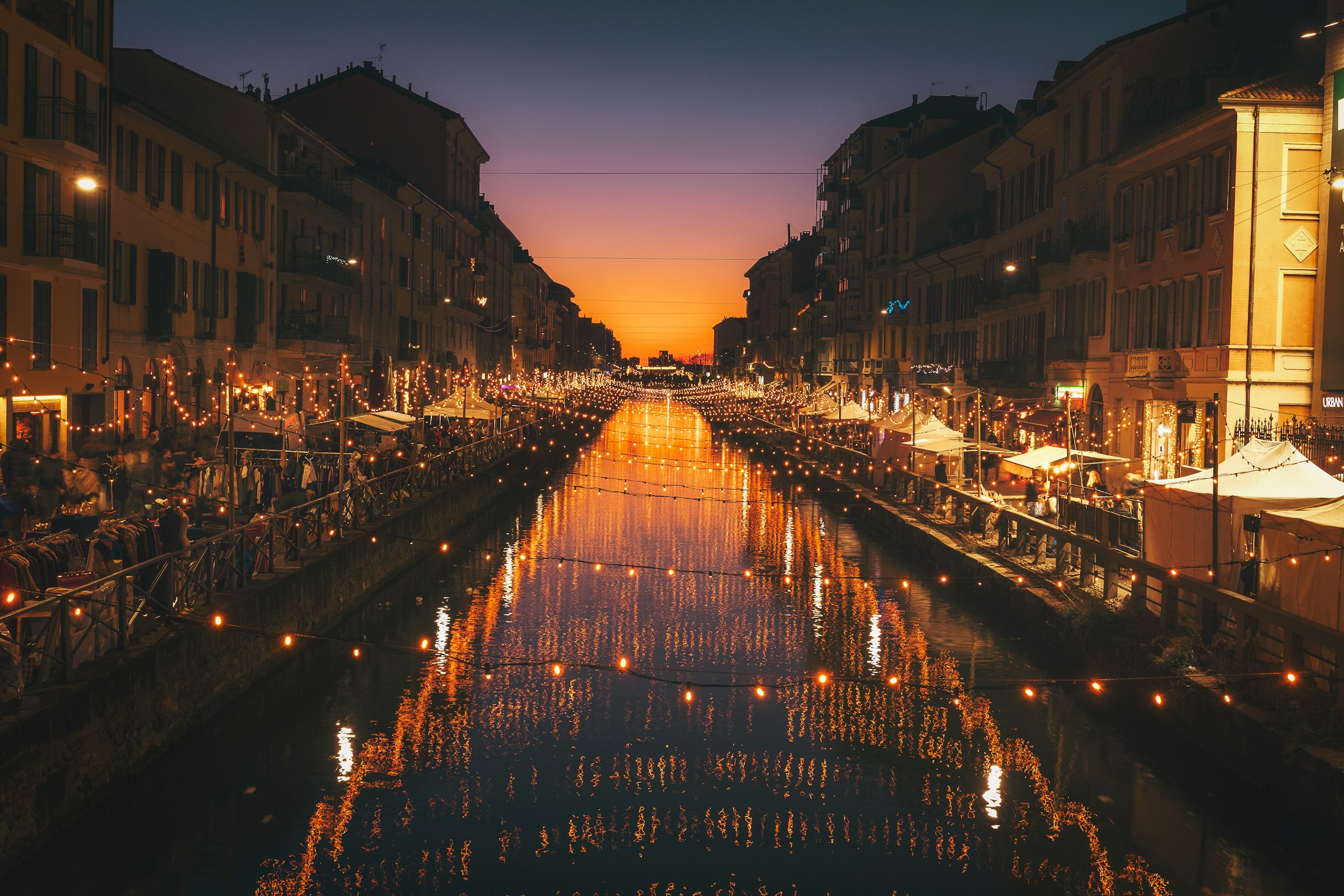
The Italian peninsula has always been a place that blends history, art, and scenery. The traveler arriving by plane or train discovers a country of monumental cities and towns suspended in time, yet there is another way to approach it: through the sea. Italy, seen from the deck of a boat, reveals nuances impossible to perceive from land. And it is in that experience, among historic ports and hidden coves, where the journey transforms into something deeper, almost intimate.
The Mediterranean as a stage
The sea that washes Italy is not just a simple passage, it is a protagonist. Sailing through the Gulf of Naples, watching Mount Vesuvius outline the horizon, or slowly approaching the walls of a coastal city allows one to discover this magnificent country in a different way. Every port has been a crossroads of cultures, every beach a refuge and meeting point. Traveling through these waters, one does not merely move geographically but immerses in centuries of overlapping stories.
Islands that keep secrets
Capri, with its sheer cliffs, is famous for the Blue Grotto; Procida, more discreet, preserves its seafaring essence intact; Ischia, the largest of the archipelago, combines thermal waters, Mediterranean woods, and an irregular coastline full of unexpected corners. To delve into this fragmented geography, the Ischia boat toursbecome a privileged gateway. On board, the visitor can stop at small coves, explore solitary bays, or gaze from the sea at the ancient fortresses crowning the island.
The Amalfi Coast from another view
Anyone who has traveled the panoramic road linking Sorrento with Salerno knows the beauty of Amalfi, Positano, or Ravello. However, the same coast observed from the sea offers a different narrative. The pastel-colored houses seem to hang over the cliffs, the terraced gardens appear as an irregular mosaic, and the medieval watchtowers reveal themselves in almost inaccessible spots. This reversed perspective, where the land becomes a stage and the boat a privileged seat, completely changes the perception of the journey.
Tradition and modernity in Italian ports
The ports of Italy are mirrors where historical memory and contemporary life coexist. In Naples, historic shipyards converse with modern yachts; in Amalfi, fishermen unload their catch beside leisure boats. Every maritime stop allows entry into a different rhythm, slower, where the visitor becomes a witness to the cultural continuity that characterizes the Mediterranean. Eating freshly caught fish in a trattoria by the pier or listening to local dialects in seaside squares becomes an essential part of the journey.
An experience that does not end on the coast
Traveling by sea also opens the door to new activities. Diving in volcanic seabeds, snorkeling in turquoise waters, or simply watching a sunset from the deck enriches the experience. The sea, in this case, does not act as a boundary, but as a space where possibilities multiply. And it is in that versatility where part of its appeal lies: each day on a boat can become a different chapter, with the freedom to change course according to the weather, the mood, or the unexpected discovery of a hidden spot.
A journey open to wonder
Italy can be conquered from many angles, but the maritime perspective has something truly revealing. The outlines of the islands, the succession of towns clinging to hills, and the aromas drifting from the land form an experience that escapes conventional itineraries. Those who embark on this adventure soon understand that it is not only about sailing: it is a way of looking at the country directly, from the very stage that has connected it with the world for centuries.

Maya Reyes
Author
Maya Reyes’s wanderlust was sparked in the temples of Luang Prabang, where the scent of lemongrass and the chants of monks revealed the transformative power of travel.
Since then, her journey has been defined by cultural immersion and authentic connections. From learning batik in Indonesia to sharing meals with nomadic families in Mongolia, Maya seeks experiences that highlight the human stories behind each destination.
Travel for her is a way to weave her narrative into the world’s cultural tapestry, creating bridges across diverse ways of life. Maya has traveled to 15 countries and shares her insights through writing and storytelling.

Finn Wilde
Reviewer
For Finn Wilde, the wilderness is more than just a destination - it’s a way of life. Over the past decade, he has led multiple expeditions in some of the world’s most remote regions, from the icy fjords of Greenland to the rugged trails of Patagonia.
Finn emphasizes sustainability in all of his adventures, helping participants connect with nature while promoting responsible exploration. His expeditions inspire individuals to explore the great outdoors while fostering a deep respect for the environment.
Latest Articles
Popular Articles