Top Risk Factors Behind Fatal Boating Crashes
Boating accidents often happen in an instant but leave behind consequences that last a lifetime.
Author:Michael RachalReviewer:Finn WildeJul 28, 202512.3K Shares181.6K Views
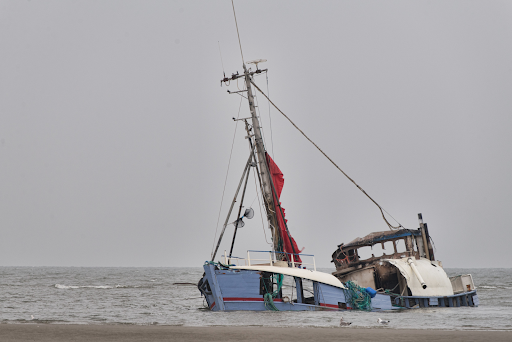
Boating accidents often happen in an instant but leave behind consequences that last a lifetime. Whether on a quiet lake or open water, fatal crashes are rarely about bad luck alone. They’re usually the result of specific actions, oversights, or decisions that could have been prevented with the right awareness and accountability.
Each year, thousands of people are injured or killed in boating incidents across the United States. Unlike road traffic, water travel brings its own set of challenges—limited visibility, weather unpredictability, and fewer regulated pathways. These conditions require not just skill but strict caution.
According to legal reports and public safety studies, the main cause of boating accidentscontinues to be operator negligence. But there are deeper layers to explore—factors that compound risk and turn avoidable mishaps into life-altering tragedies.
This blog breaks down the key contributors behind fatal boating accidents and why they remain so difficult to eliminate.
Lack of Experience and Training
Many boat operators never receive formal training before getting behind the wheel. While driving a car requires a license, some states have limited requirements for operating a boat. The result? People with little to no understanding of how to navigate crowded waterways or respond to emergencies are controlling powerful vessels.
Inexperienced operators may not know how to:
- Handle sudden engine failure or weather shifts
- Recognize channel markers and restricted areas.
- Follow safe speeds in varying conditions.
- Manage right-of-way rules with other watercraft.
When a crisis hits, these knowledge gaps can lead to panicked decisions and deadly outcomes.
Alcohol and Impaired Judgment
Just like with driving, alcohol is a leading factor in fatal boating crashes. But on the water, its effects can be even more dangerous. The sun, heat, dehydration, and wave motion all amplify alcohol’s impact on balance, reaction time, and awareness.
In many fatal incidents, the operator wasn’t just impaired—they were unaware of how impaired they were. Alcohol reduces peripheral vision, slows reflexes, and makes it harder to assess distance or speed.
Unfortunately, boat outings are often seen as recreational and casual. This mindset leads people to overlook the serious responsibilities involved. Legal professionals see this pattern too often in wrongful death claims and personal injury lawsuits.
Speeding and Reckless Operation
Speeding on water is more dangerous than on land. Unlike roads, there are no lanes, no friction from pavement, and no guaranteed visibility. Stopping a boat takes much longer, and sharp turns can easily result in passengers being thrown overboard.
Reckless behavior includes:
- Operating at high speed in crowded areas
- Performing risky maneuvers near swimmers or docks
- Ignoring wake zones or navigation rules
- Overloading the vessel beyond weight limits
These are not just violations—they’re life-threatening choices that often lead to preventable deaths.
Poor Weather and Ignoring Forecasts
Weather on the water can change rapidly. What starts as a clear afternoon can shift into high winds, waves, or lightning in less than an hour. Despite warnings, many fatal boating crashes happen because boaters underestimate the risk or delay returning to shore.
Key weather-related mistakes include:
- Boating without checking marine forecasts
- Failing to carry rain gear, radio equipment, or flares
- Ignoring early signs of changing skies
- Heading out even when small craft advisories are in place
Boating laws in many jurisdictions emphasize the operator’s duty to assess and react to weather conditions. Courts often consider this when evaluating liability after an incident.
Lack of Safety Gear and Emergency Planning
Many fatal crashes are made worse by one simple factor: the absence of proper safety equipment. A collision that might have resulted in minor injuries becomes deadly when life jackets aren’t worn, radios are broken, or passengers aren’t prepared.
Critical oversights include:
- Not wearing personal flotation devices
- Failing to keep fire extinguishers or emergency lights onboard
- Lack of a float plan or communication system
- Poor understanding of CPR or emergency rescue techniques
Legal cases frequently highlight how lives could have been saved with even minimal precautions. In the aftermath of a fatal boating crash, investigators often point to these preventable gaps.
Final Thoughts
Boating can be one of life’s great joys—but only when done with care, preparation, and respect for the law. Fatal boating crashes are rarely true accidents. They’re often the end result of risky behavior, avoidable errors, and missed warnings.
By understanding the top risk factors and holding operators accountable, communities and legal systems can worktogether to reduce these tragedies and make water travel safer for all.

Michael Rachal
Author
Michael Rachal believes that luxury lies in the details. With over 20 years of experience in the luxury travel industry, he has crafted hundreds of bespoke itineraries for clients seeking personalized, unforgettable experiences.
Whether guiding clients through private cultural tours or curating culinary journeys with world-renowned chefs, Michael ensures that each trip is tailored to perfection.
His ability to anticipate needs and exceed expectations has earned him a reputation as a leading expert in luxury travel.

Finn Wilde
Reviewer
For Finn Wilde, the wilderness is more than just a destination - it’s a way of life. Over the past decade, he has led multiple expeditions in some of the world’s most remote regions, from the icy fjords of Greenland to the rugged trails of Patagonia.
Finn emphasizes sustainability in all of his adventures, helping participants connect with nature while promoting responsible exploration. His expeditions inspire individuals to explore the great outdoors while fostering a deep respect for the environment.
Latest Articles
Popular Articles