The Sweet Story Behind National Pastry Day
National Pastry Day takes place every year on December 9th, and is a day to savor and appreciate the variety of pastries that make meals and snacks more enjoyable. From savory pies to sweet tarts, pastries play a big part in the culinary world.
Author:Liam JonesReviewer:Maya ReyesNov 13, 2025220 Shares110.1K Views
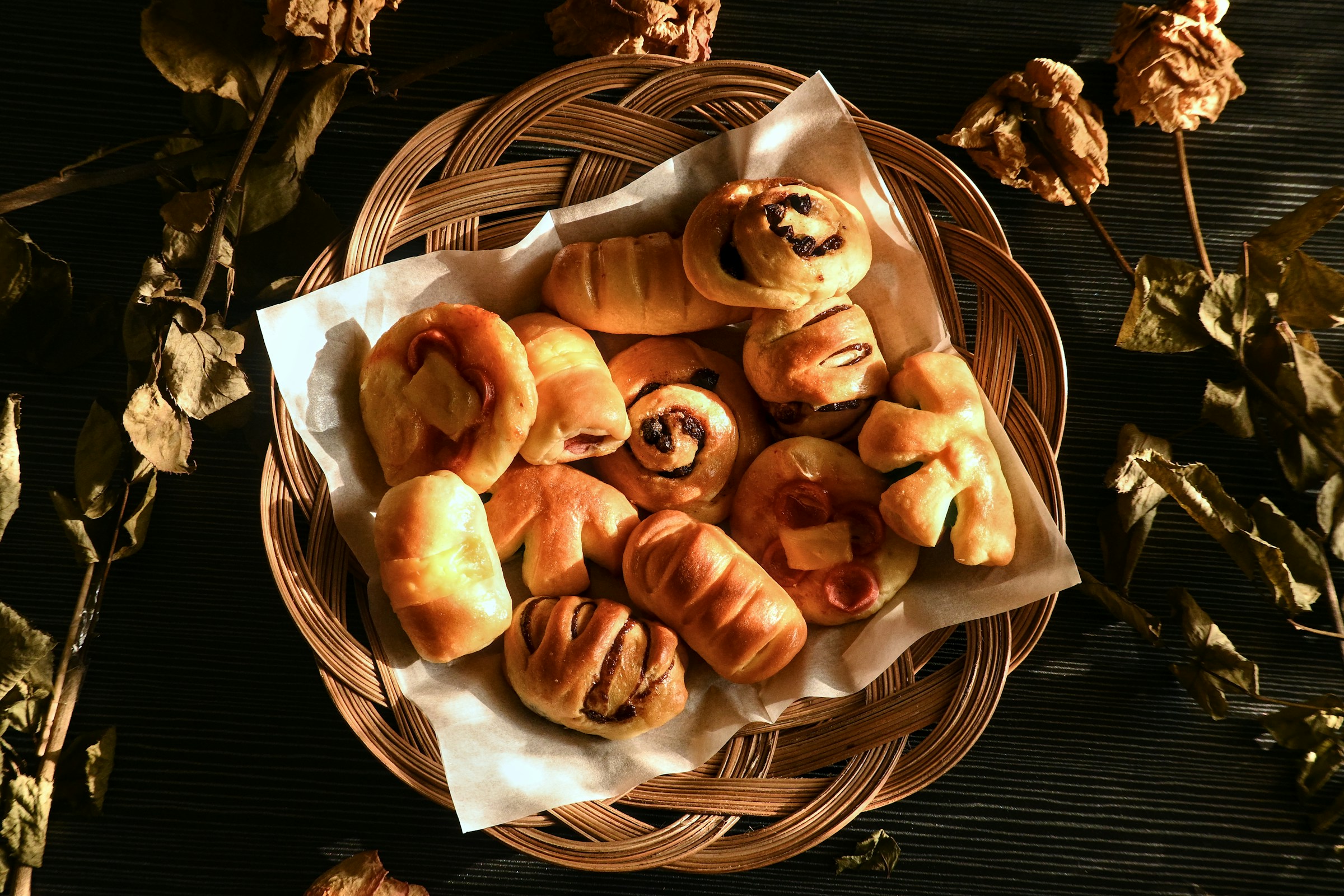
National Pastry Day takes place every year on December 9th, and is a day to savor and appreciate the variety of pastries that make meals and snacks more enjoyable. From savory pies to sweet tarts, pastries play a big part in the culinary world.
This guide explores the origins of this day, from classic Dutch ovenbaking to the importance of pastries in cultures worldwide. So, whether you're a serious pastry enthusiast or you simply enjoy an occasional croissant, learn more about the sweet tale behind National Pastry Day.
The Origin Of National Pastry Day
The exact origins of National Pastry Day are uncertain. Some believe it began as a tribute organized by French pastry chefs to honor their craft, while others think it might have started in a New York bakery looking to bring a little sweetness to the winter season. It’s also possible that a clever marketing campaign from a dessert company helped turn the idea into a national celebration.
Whatever its beginnings, National Pastry Day has become a day to celebrate the skill, creativity, and joy that go into pastry-making. It’s a chance for pastry lovers and bakers alike to appreciate everything from croissants and éclairs to baklava and strudel.
Over time, the day has grown in popularity, spreading from small home kitchens to professional bakeries around the world. It now serves as a global reminder of how pastries connect people through shared traditions, flavors, and a universal love of good food.
Pastry Across The Globe
Baking pastries may be a universal delight, but each culture brings its distinctive touch to this culinary art. These are just some of the unique pastries known to various cultures and regions.
French Pastries
France is known around the world for its exceptional pastries, especially croissants and éclairs. Croissants, with their buttery layers and delicate texture, have been a French favorite since the 13th century and remain a breakfast staple today. Éclairs, filled with rich cream and topped with glossy icing, are another hallmark of French pastry tradition, found in nearly every patisserie across the country.
These classics highlight France’s dedication to craftsmanship and flavor, setting the standard for pastry-making worldwide. Whether enjoyed in a café or baked at home, they represent the artistry and precision that define French cuisine.
Dutch Pastries
Dutch pastries carry a rustic charm, thanks to the traditional Dutch oven, a sturdy cast-iron pot that aids in baking. The Appeltaart, a classic Dutch apple pie, and Boterkoek, a buttery cake, are staples in Dutch pastry-making, their rich history and unique tastes celebrated in homes and bakeries alike.
Middle Eastern Pastries
Middle Eastern cuisine is famous for its own collection of pastries, where nuts, honey, and spices feature prominently. Baklava, composed of thin pastry layers filled with chopped nuts and held together by syrup or honey, is a sweet specialty of this region.
Chinese Pastries
Chinese pastry-making brings an interesting spin, incorporating sweet and savory fillings into light, delicate dough. Mooncakes, traditionally eaten during the Mid-Autumn Festival, are a testament to Chinese pastry artistry, characterized by their intricate designs and flavorful fillings.
American Pastries
From coast to coast, the U.S. boasts many delicious pastries. Perhaps no pastry is more American than the apple pie. With its flaky crust and sweet, tender slices of apple, it has been a classic staple in American households for centuries.
The Science And Art Of Pastry Making
Crafting pastries is equal parts science and art. From a scientific perspective, the process follows a strict set of rules dictated by chemistry and physics. For instance, the flakiness of a croissant or the puff of a cream puff relies heavily on how the gluten network in flour interacts with fat and water.
Furthermore, the temperature of the pastry dough, the ratio of the ingredients, and the cooking environment all significantly contribute to creating a successful pastry. Yet for all its scientific precision, baking pastries is imbued with artistry.
From the practiced twirl of a baker shaping a croissant to the delicate icing of a Danish pastry, it calls for an instinct, a feel for the dough that goes beyond exact measurements. Pastries are edible art forms and a testament to the skill, creativity, and passion of their creators.
Celebrating National Pastry Day
How can you celebrate National Pastry Day? For starters, try baking at home. Perhaps you could make a traditional Appeltaart or Boterkoek using a Dutch oven. If you're not into baking, you can sample unique pastry varieties from local bakeries to broaden your culinary perspectives. It's also a good time to appreciate the craftsmanship that goes into pastry-making.
National Pastry Day is about recognizing the unique qualities of pastries and their role in life and culture. So, as you celebrate, remember the stories and traditions carried by these delectable treats. Happy National Pastry Day!

Liam Jones
Author
Liam Jones has made it his mission to prove that adventure doesn’t need a hefty budget. Having traveled to over 40 countries, he specializes in finding affordable ways to experience the world, from the best street food in Bangkok to hidden gems in Lisbon.
Liam’s travel tips have reached thousands of readers, empowering them to see the world on a shoestring budget without sacrificing quality. With a deep passion for local cultures, he continues to share his travel hacks, ensuring adventure remains accessible to all.

Maya Reyes
Reviewer
Maya Reyes’s wanderlust was sparked in the temples of Luang Prabang, where the scent of lemongrass and the chants of monks revealed the transformative power of travel.
Since then, her journey has been defined by cultural immersion and authentic connections. From learning batik in Indonesia to sharing meals with nomadic families in Mongolia, Maya seeks experiences that highlight the human stories behind each destination.
Travel for her is a way to weave her narrative into the world’s cultural tapestry, creating bridges across diverse ways of life. Maya has traveled to 15 countries and shares her insights through writing and storytelling.
Latest Articles
Popular Articles