The Role Of A Business Email In Client Communication: How Not To Lose Trust
Let’s be honest—first impressions matter. A lot. Especially in business. It takes just one awkward detail to throw someone off: a limp handshake, a typo in your proposal...
Author:Finn WildeReviewer:Michael RachalJul 09, 2025720 Shares72K Views
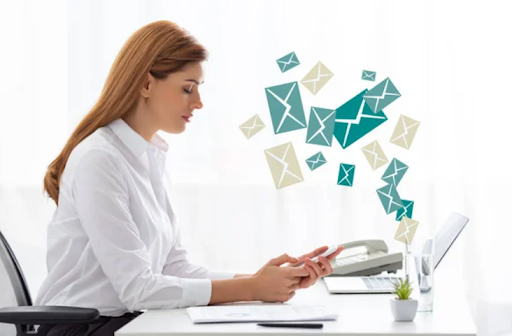
Let’s be honest—first impressions matter. A lot. Especially in business. It takes just one awkward detail to throw someone off: a limp handshake, a typo in your proposal… or an email that ends with @gmail.com. Wait, what? Yes. That tiny string after the @ symbol can speak volumes. And when you’re trying to convince a client to hand over their trust (and probably money), it better say the right things.
Some may argue, “Does a client really care about my email address?” Well, yes. It’s not about being fancy. It’s about being real, reliable, and professional. Your business email addressis often the first thing people see. It’s part of your brand handshake. If it’s off, the whole perception wobbles.
The Subtle Psychology Behind An Email Handle
No one wants to admit they’re judging you by your email. But they are. Humans are wired to make snap decisions. It’s cognitive efficiency: brain sees something familiar, tags it as safe. Sees something off, gets cautious. An email like john@craftwoodstudio.com feels different than john123lovescats@gmail.com. One looks like a professional carpenter. The other? Maybe still figuring things out.
And it’s not just about perception—it’s about expectations. If someone sees a domain email, they assume there’s a real company behind it. Infrastructure. Process. Someone will respond. There’s a system. A Gmail address, on the other hand, can suggest that things are... let’s say, more casual. That might be okay in some fields. But if you're handling sensitive data, money, contracts, or even just want to look like you know what you're doing? Go custom.
Trust Isn’t Given—It’s Earned (Through Small Details)
Trust in business isn’t this abstract, poetic thing. It’s very tactile. And email plays a surprisingly big role. Think about it. What’s the first thing someone does after meeting you on LinkedIn, or after a networking event? They reach out. Or you do. And your email is right there in the header.
If you’re a freelance graphic designer, let’s say. You might have an incredible portfolio. But if your email is designgal1987@yahoo.com, some clients might hesitate. Not because they hate Yahoo. But because it raises a little eyebrow. Is this person serious? Established? Will they ghost me after the first revision?
Little stuff like this matters. And once trust starts to crack—even slightly—it’s hard to rebuild.
It’s Not About The Technology. It’s About The Story.
Sure, a business email address gives you access to tools. Calendars, drives, integrations. But forget the tech for a minute. The real win is in the story it tells.
When your email matches your brand’s domain, it tells people you’ve invested. You didn’t just throw up a website and call it a day. You built an identity. That identity includes your site, your tone of voice, and yes—your email.
People love consistency. It's how they anchor belief. If they see your site is www.urbanflora.design and your email is hello@urbanflora.design, that sync builds confidence. They feel like you’re legit, even if they don’t consciously realize why.
The Risk Of Being Perceived As “Small-Time”
Let’s get a bit brutal here. Clients—especially the big fish—are risk-averse. They want to work with people who feel established, even if it’s just one person behind the curtain.
A free email domain often screams “solo act.” And hey, there’s nothing wrong with being solo. But you don’t have to look that way. Branding up your email helps you punch above your weight.
This doesn’t mean you should lie or pretend to be a 20-person firm. But it means you should look like you respect your own work enough to frame it well.
It’s Easy, So Why Not?
One of the most baffling things? Setting up a custom domain email is not rocket science. It's not even accounting. Most providers make it dead simple: register a domain, pick a name, link it. Done.
Costs? We’re talking pocket change monthly. A few bucks. That’s less than what you spend on coffee for one brainstorming session. And the ROI? Immense. You gain trust, credibility, and alignment with your brand voice—all for less than the cost of your Netflix subscription.
So if it's that easy… why are so many people still sending invoices from sunshineangel4ever@aol.com? Who knows.
Deliverability Matters Too
Let’s pivot for a second into more practical turf. Ever had a client say, “Hey, I didn’t get your email”? Yeah, welcome to the jungle of spam filters.
Using a domain-based email address typically gives you better deliverability. ISPs and spam filters are more likely to trust domain-authenticated emails than ones coming from generic providers. Especially if your business is sending out regular invoices, updates, or newsletters—this matters.
An email that ends up in spam is basically the same as never being sent at all.
Scaling Your Business = Scaling Communication
As your business grows, so does your need for clean communication. A team of three? You’ll need multiple inboxes: support@, sales@, partners@—you get the picture.
Having a business email system that can grow with you is key. Forwarding, aliases, shared inboxes… these become tools of survival. You don’t want to juggle multiple free accounts or lose track of client threads. That’s how deals fall through the cracks.
And trust me, no one’s forgiving about a missed email when money’s on the line.
Protecting Your Brand From Impostors
Another reason to get serious about your email setup? Protection. It’s shockingly easy for someone to impersonate a free email address. But if someone tries to spoof finance@yourcompany.com, you have SPF, DKIM, and DMARC settings to fight back. Yeah, those sound like robot names, but they’re your cybersecurity net.
Scammers love soft targets. Don’t be one.
Bonus: You Just Look Cooler
Alright, let’s break from all the strategic talk for a second. Custom business emails just look cool. There’s a certain aesthetic to info@brewlab.coffee that you don’t get from brewlabcoffeecompany98@hotmail.com. People respect clean, modern communication. You don’t need neon logos or TikTok ads. Sometimes all it takes is a clean email to show you’re playing in the big leagues.
And, let’s face it, it’s satisfying to type out a sleek email handle when you're reaching out to a prospect. It's like driving a clean car. Feels good.
Wrapping It Up
So, what’s the deal? Is a business email a magic wand that makes people throw contracts at you? No. But it is one of those small, quietly powerful tools that say a lot without shouting. It tells your clients you're here, you're serious, and you're not planning to vanish.
If you're still running your business off a free account, don’t beat yourself up. Just don’t ignore the upgrade any longer. It’s too easy and too impactful to keep putting off.
At the end of the day, trust is built in whispers, not speeches. And your email address? It whispers something about you every time you hit send.
Jump to
The Subtle Psychology Behind An Email Handle
Trust Isn’t Given—It’s Earned (Through Small Details)
It’s Not About The Technology. It’s About The Story.
The Risk Of Being Perceived As “Small-Time”
It’s Easy, So Why Not?
Deliverability Matters Too
Scaling Your Business = Scaling Communication
Protecting Your Brand From Impostors
Bonus: You Just Look Cooler
Wrapping It Up

Finn Wilde
Author
For Finn Wilde, the wilderness is more than just a destination - it’s a way of life. Over the past decade, he has led multiple expeditions in some of the world’s most remote regions, from the icy fjords of Greenland to the rugged trails of Patagonia.
Finn emphasizes sustainability in all of his adventures, helping participants connect with nature while promoting responsible exploration. His expeditions inspire individuals to explore the great outdoors while fostering a deep respect for the environment.

Michael Rachal
Reviewer
Michael Rachal believes that luxury lies in the details. With over 20 years of experience in the luxury travel industry, he has crafted hundreds of bespoke itineraries for clients seeking personalized, unforgettable experiences.
Whether guiding clients through private cultural tours or curating culinary journeys with world-renowned chefs, Michael ensures that each trip is tailored to perfection.
His ability to anticipate needs and exceed expectations has earned him a reputation as a leading expert in luxury travel.
Latest Articles
Popular Articles