Sustainable Tourism Initiatives In Africa | Top 30 Transformative Projects
Sustainable tourism Initiatives in Africa support both wildlife and local cultures. Learn how you can be part of the change.
Author:Maya ReyesReviewer:Sophia HarperJul 31, 202582.1K Shares1.9M Views
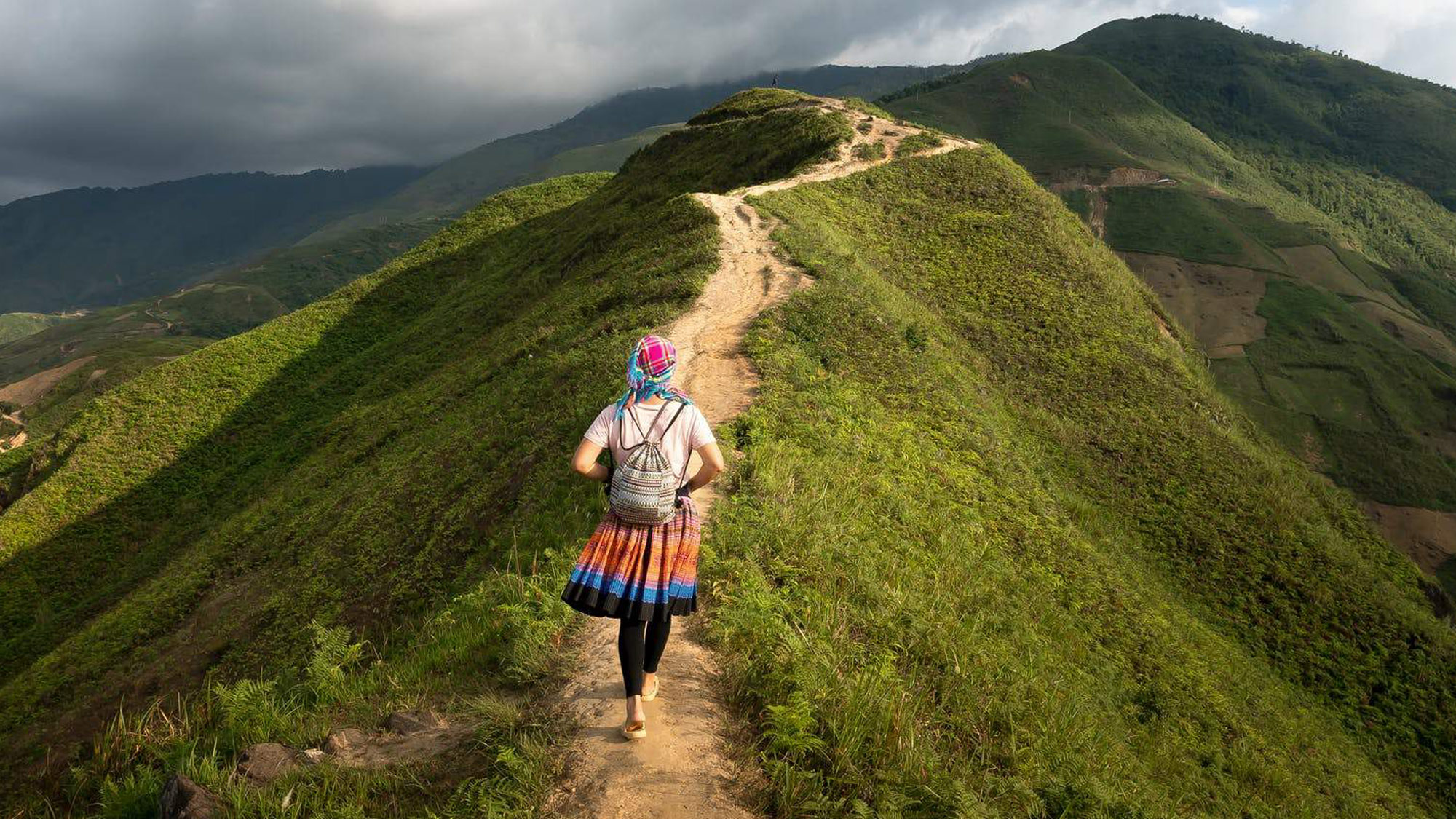
Sustainable tourism is changing how people travelin Africa. It helps protect nature and culture while still giving visitors great experiences. The Global Sustainable Tourism Council says this kind of travel reduces harm to the environment and brings more benefits to local communities.
Africa has amazing wildlife and rich cultures, making it a key place for sustainable travel efforts. These projects help save endangered animals and support local people. Examples include wildlife reserves and eco-friendly lodges that help both nature and the economy.
This highlights 30 important sustainable tourism projects across Africa. Each one is described in detail to show how they support responsible and meaningful travel.
Maasai Mara Conservancies, Kenya
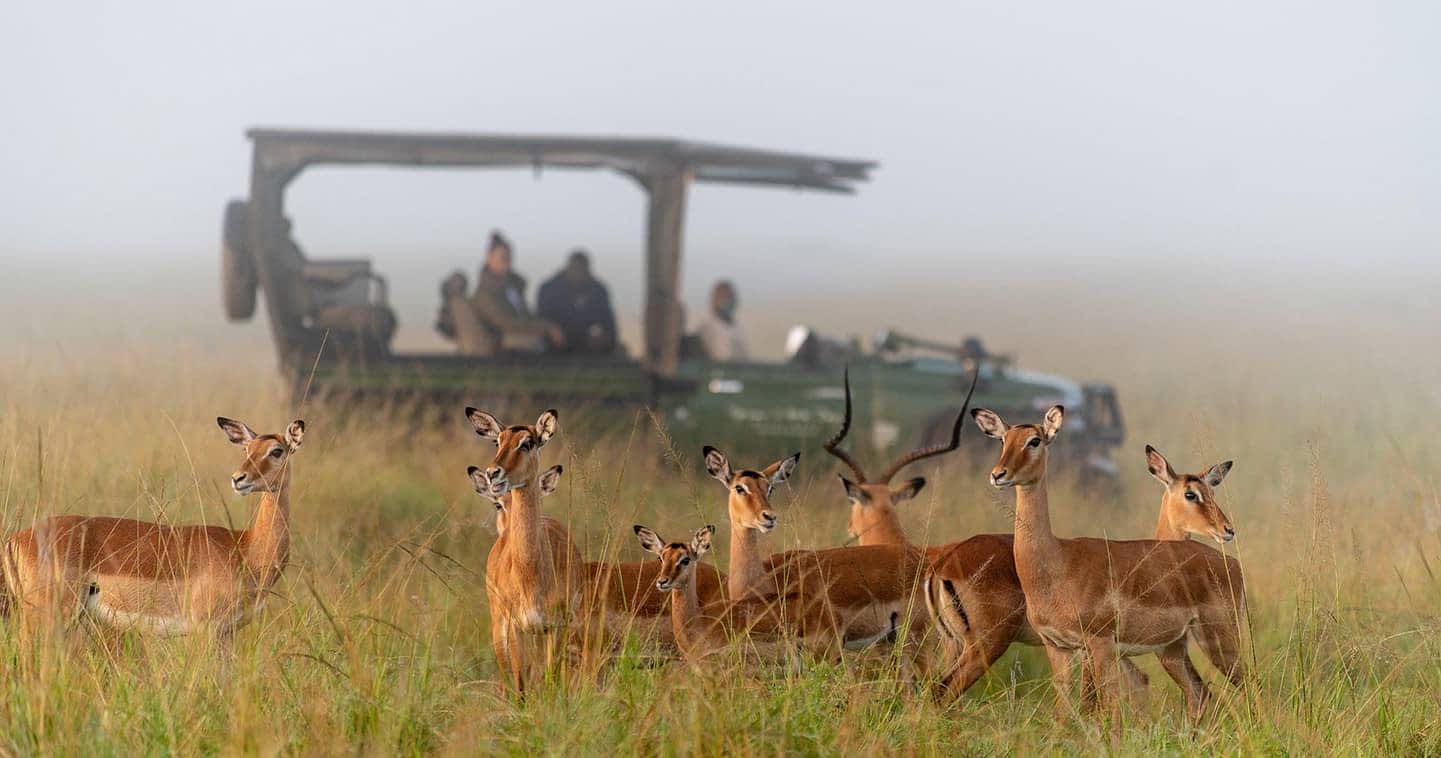
The Maasai Mara Conservancies in Kenya are areas managed by local communities near the Maasai Mara National Reserve. They are known for the great wildebeest migration and help protect wildlife pathways. The Maasai people lease their land for conservation, which helps wildlife and reduces conflicts with animals.
Money from eco-lodges like those in Mara North Conservancy supports schools, health care, and jobs for locals. The conservancies are embracing the use of gemstones in Eco-tourism and sustainable travelby incorporating locally sourced gemstones into crafts and souvenirs sold to tourists, providing an extra source of income while promoting sustainable practices.
Tourists can enjoy private safari drives, learn about Maasai culture, and even purchase unique gemstone jewelry, knowing their visit helps protect nature and support the community. This program shows how local efforts can protect animals and improve lives at the same time.
Volcanoes National Park, Rwanda
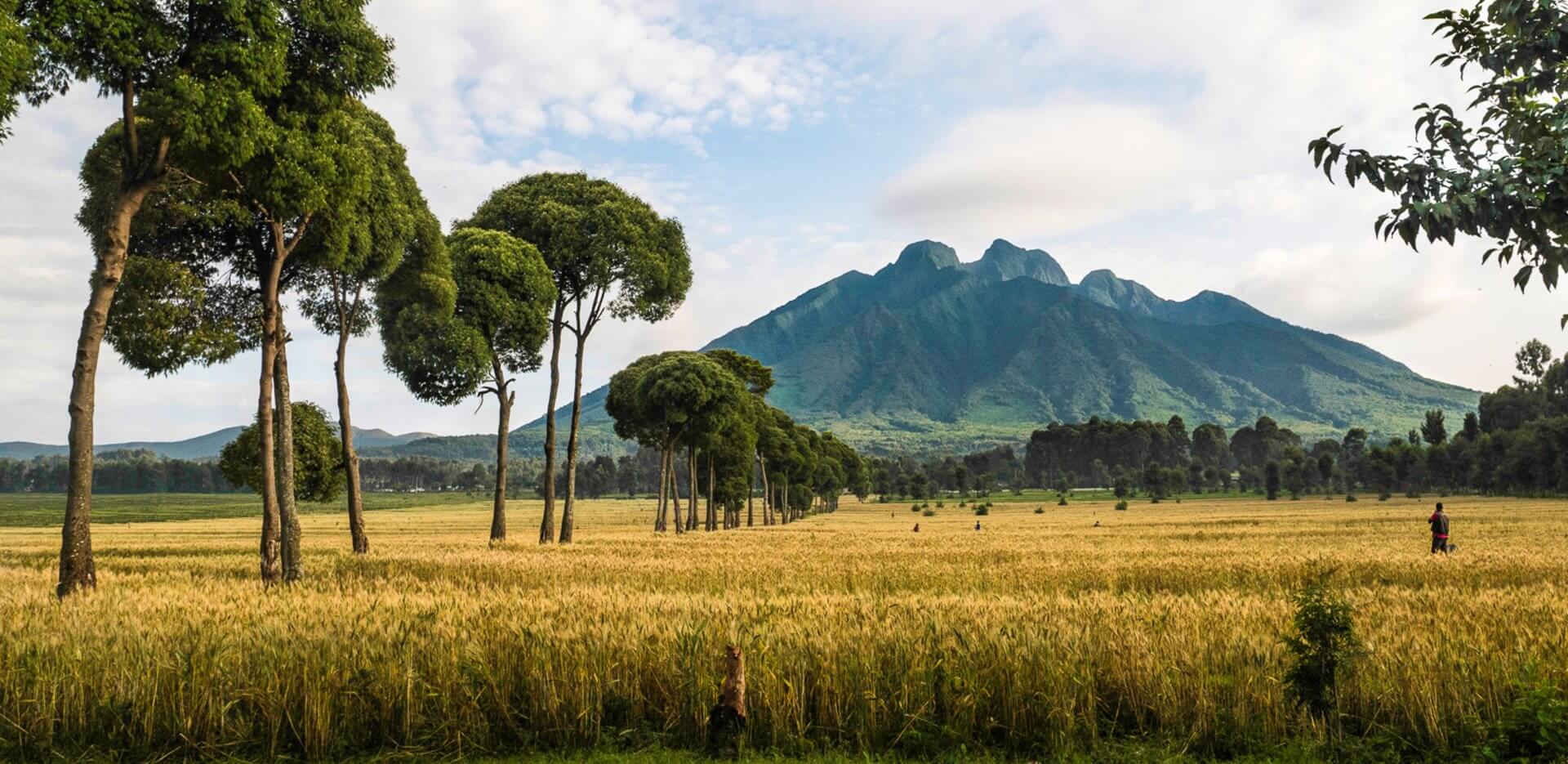
Volcanoes National Park in Rwanda is a top spot for protecting gorillas through responsible tourism. The $1,500 permit fee helps fund efforts like anti-poaching teams, habitat care, and local projects that help the community.
A limited number of visitors are allowed each day. This reduces stress on the endangered mountain gorillas and helps their numbers grow.
The park has created jobs and improved local infrastructure, supporting Rwanda’s growth and conservation goals. By visiting, you help protect gorillas and support local communities.
Okavango Delta, Botswana
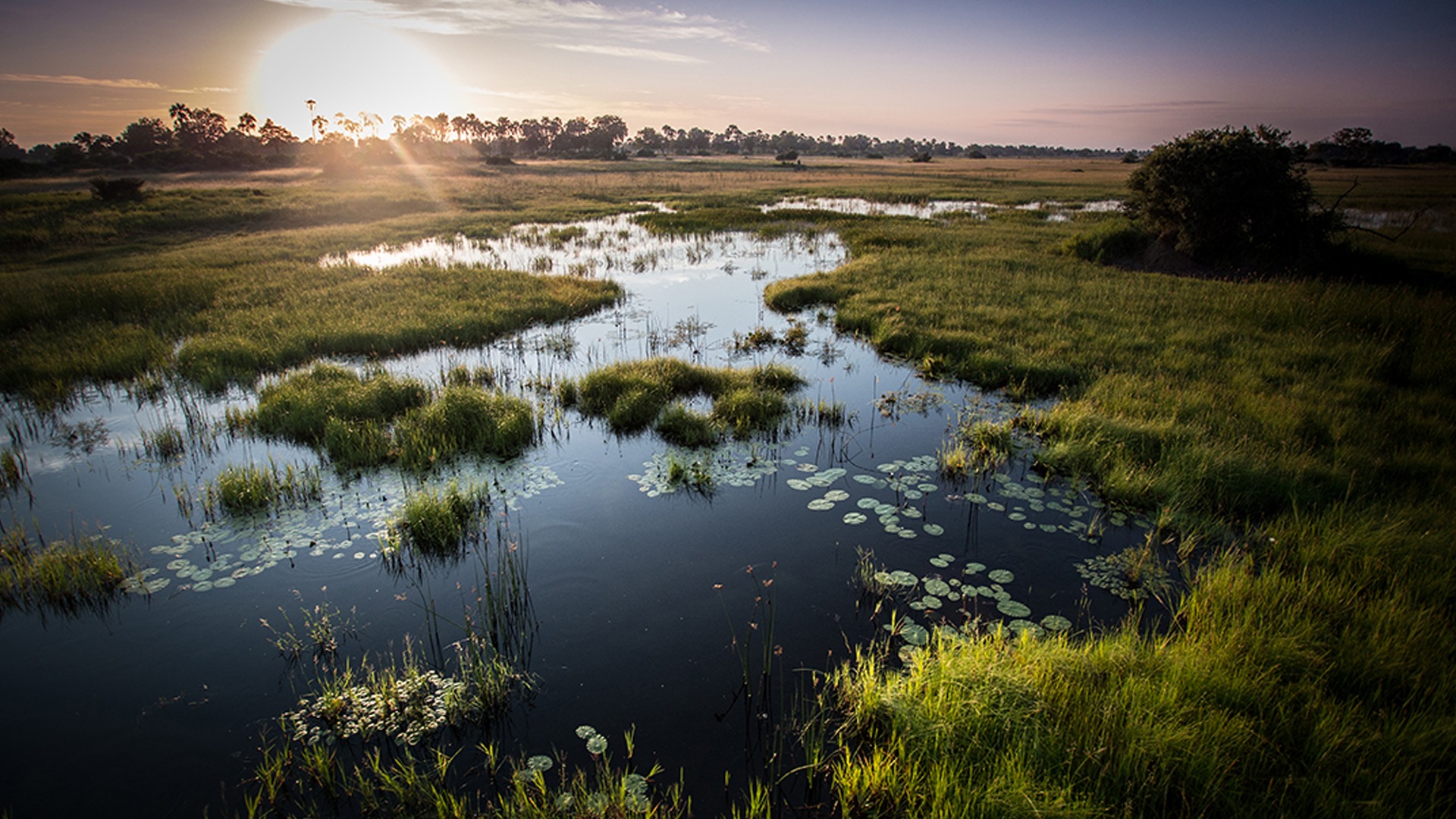
The Okavango Delta in Botswana is a UNESCO World Heritage Siteand a great example of tourism that values nature and local communities. It uses high-value, low-impact travel to protect the environment.
The government limits the number of visitors to keep the area clean and safe for wildlife. Eco-lodges like Mombo Camp use solar power and hire local workers, helping both the environment and the economy.
Money from tourism supports efforts to protect nature and helps fund education programs. Visitors get to see amazing wildlife while helping to keep the delta healthy.
Namibian Community Conservancies
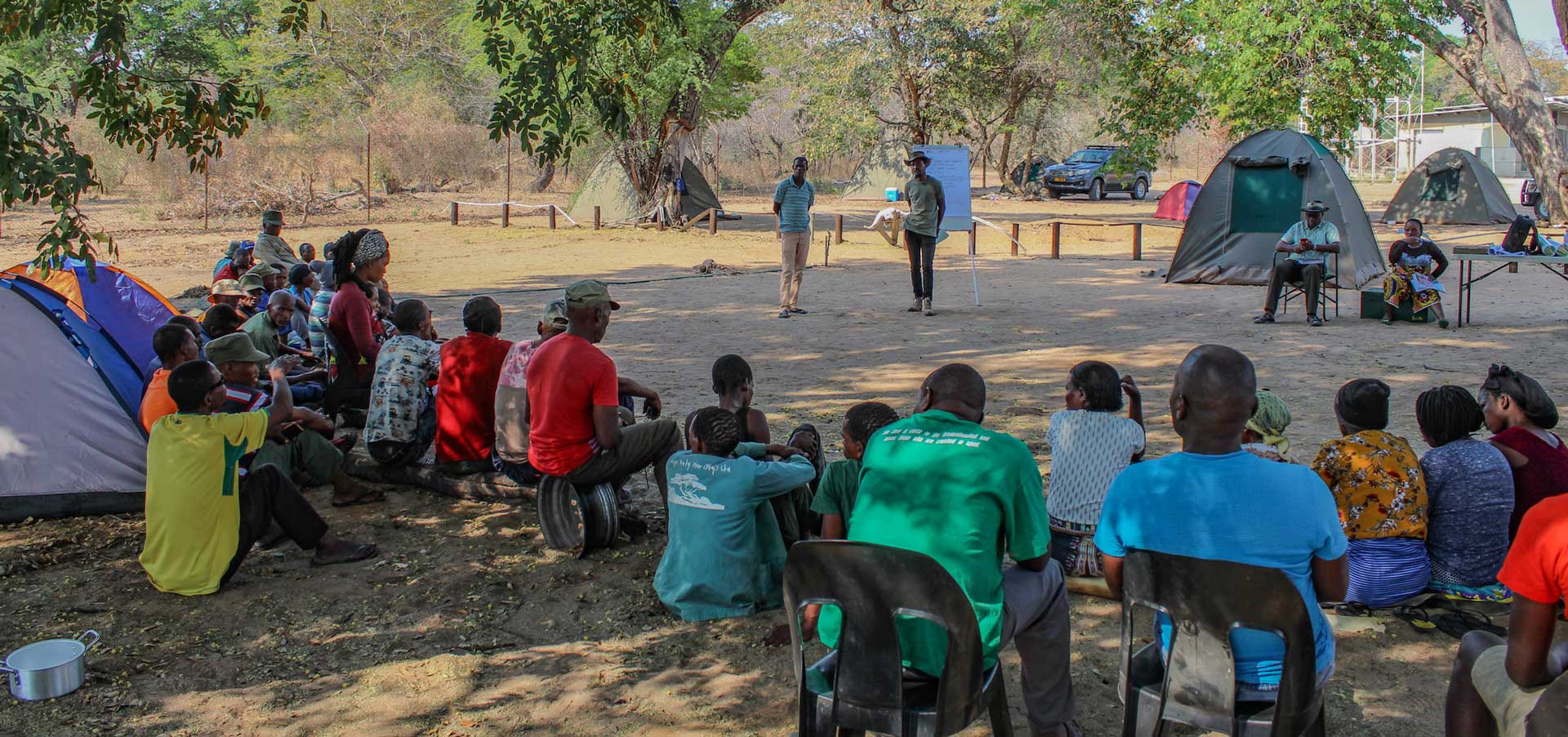
Namibia’s community conservancy program lets local people manage wildlife and tourism on their land. More than 80 conservancies cover 20% of the country and have helped increase numbers of animals like elephants, rhinos, and lions.
Safaris in places like Torra Conservancy bring money that supports local development. This system helps reduce poverty and encourages conservation by sharing the benefits with the community.
Travelers help these efforts by choosing tours that support conservancies. To learn more, visit Namibian Community Conservancies.

Uthando South Africa, Cape Town
Uthando South Africa runs tours to community projects in Cape Town, focusing on city farming, youth programs, and the arts. The money from these tours goes directly to supporting those projects and helping local communities.
Visitors learn about local issues and can help make a difference through real, hands-on experiences. Uthando’s approach builds cultural understanding and supports long-term growth.
It shows how tourism can help bring social change and support fairness. To join a tour, visit Uthando South Africa.
Sheldrick Wildlife Trust, Kenya
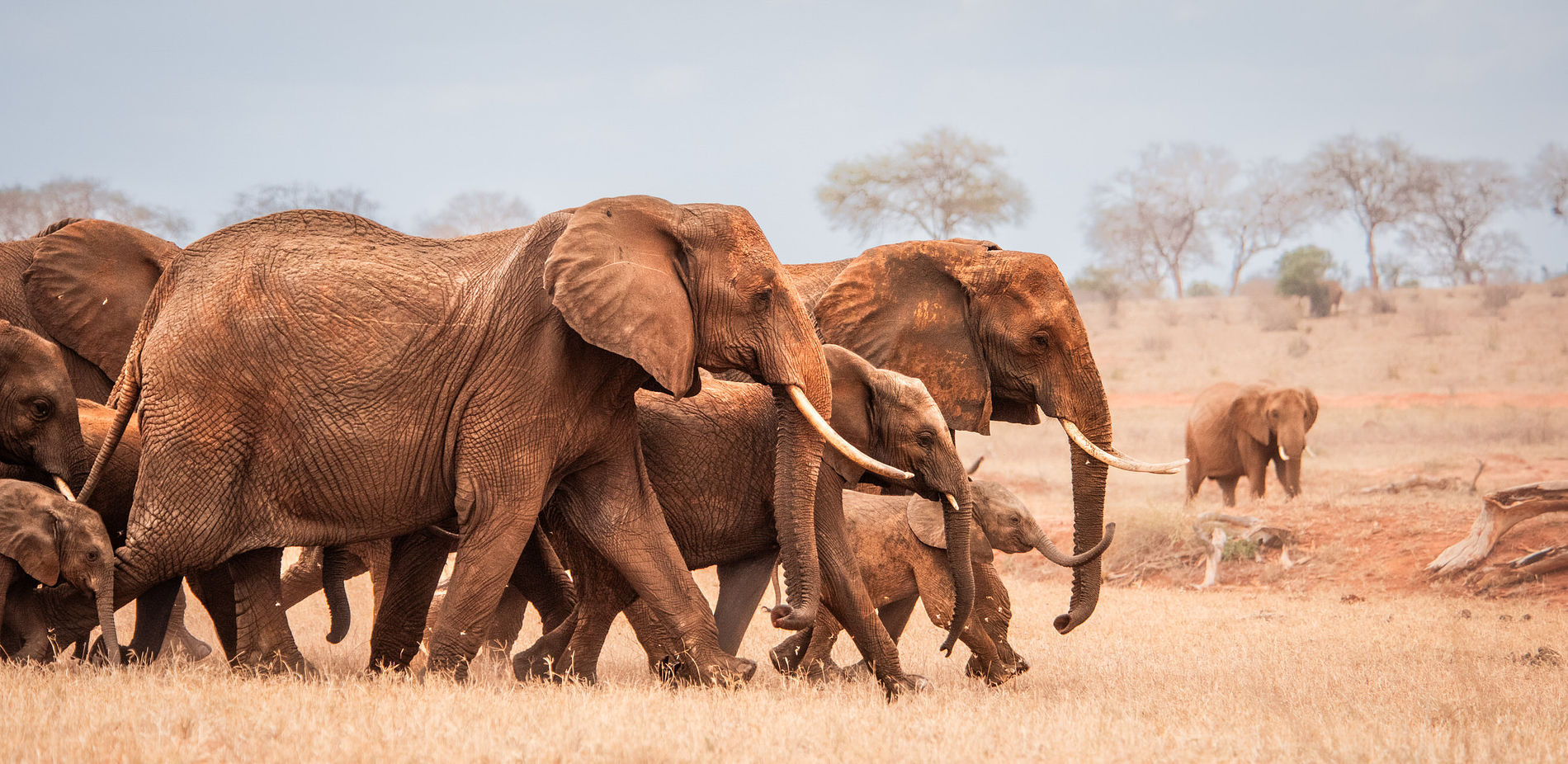
The Sheldrick Wildlife Trust in Kenya helps save baby elephants that have lost their parents in Nairobi National Park. Visitors can watch feeding sessions and even sponsor an elephant, with the money going to protect wildlife through anti-poaching and vet care.
The trust also works with local communities to teach people about conservation and protect natural habitats. Their efforts have saved many elephants and helped keep Kenya’s wildlife safe.
By supporting the Sheldrick Wildlife Trust, you help ensure a better future for animals and their homes.
Chumbe Island Coral Park, Tanzania
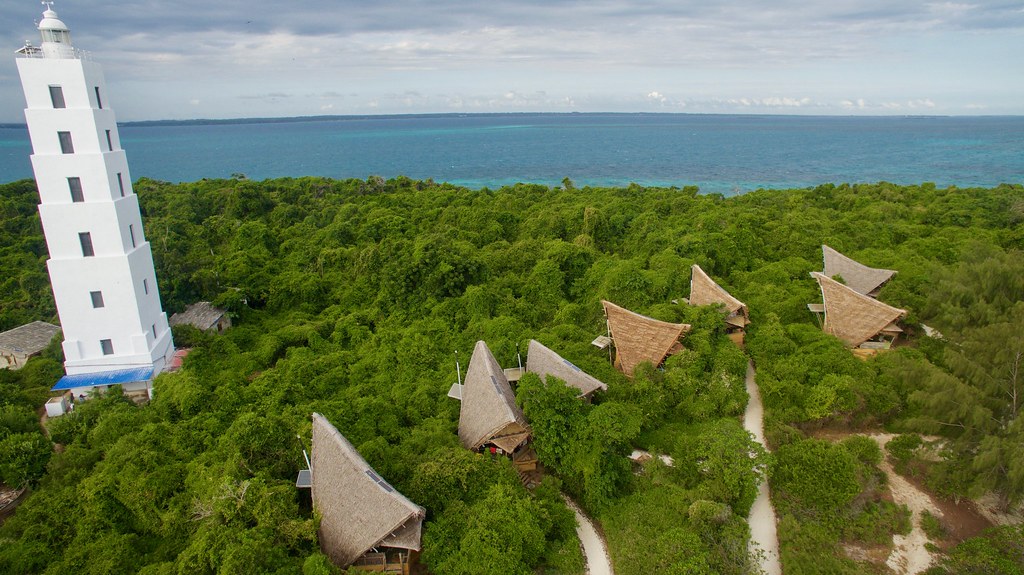
Chumbe Island Coral Park is a protected area off the coast of Zanzibar that preserves a beautiful coral reef. The island’s eco-lodge uses solar power, collects rainwater, and has compost toilets to help protect the environment.
Money from visitors supports conservation work, research, and education programs for local communities. Guests can enjoy snorkeling and walking tours while learning about ocean life and nature.
Chumbe Island shows how tourism can help protect marine life and support local communities. It’s a great example of sustainable travel.
Tiwai Island, Sierra Leone
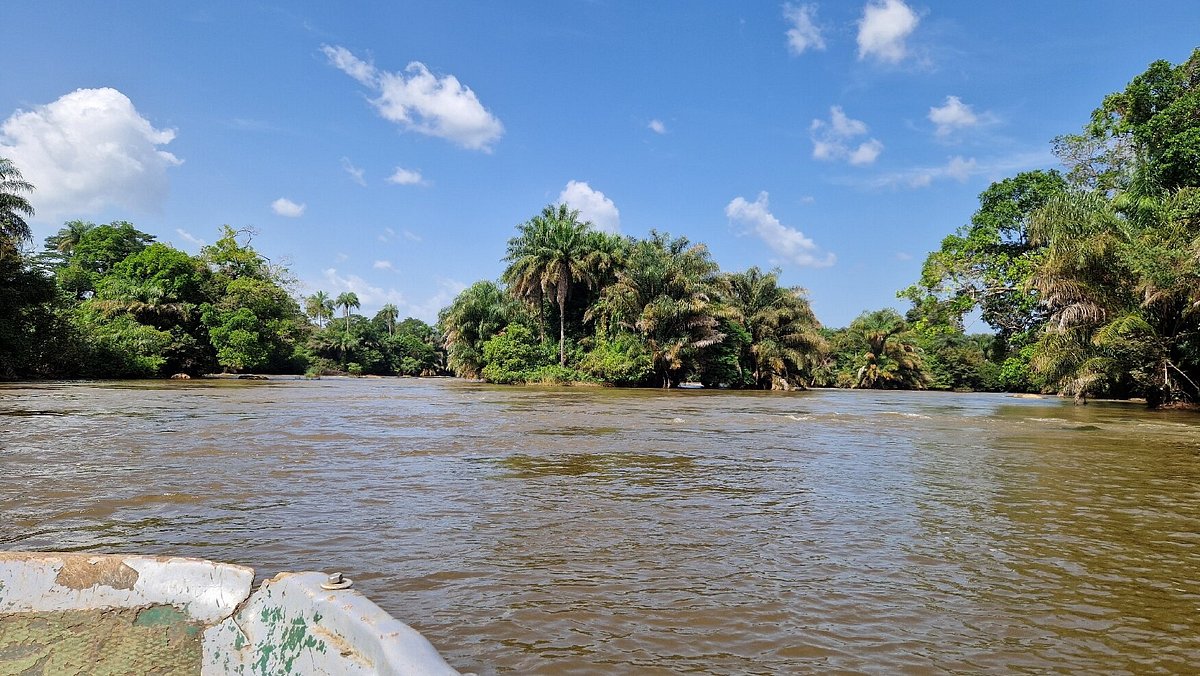
Tiwai Island is a wildlife sanctuary in Sierra Leone that is managed by the local community. It is home to monkeys and rare pygmy hippos. Local guides offer walking tours and cultural activities for visitors.
The money from tourism helps protect nature, support schools, and improve community life with things like clean water access.
This program makes sure that local people benefit from keeping their land and wildlife safe. Visiting Tiwai Island helps support sustainable travel in an off-the-beaten-path location.
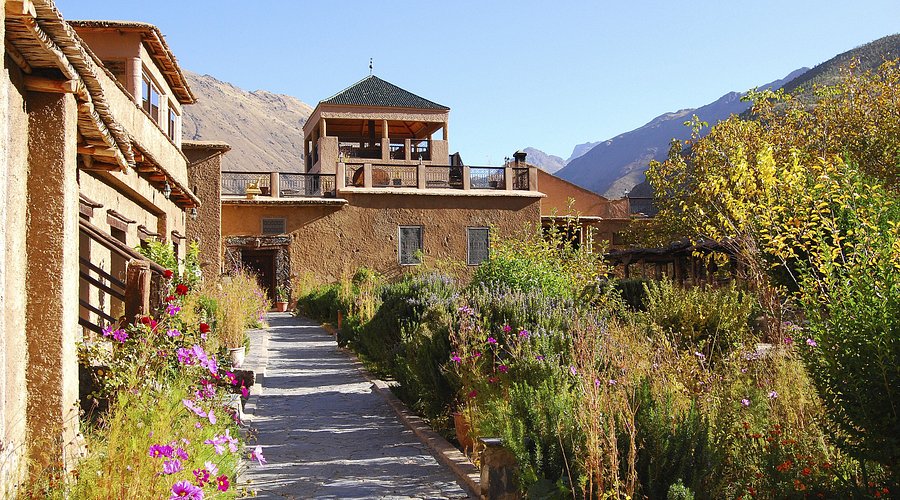
Kasbah Du Toubkal, Morocco
Kasbah du Toubkal is an eco-lodge in Morocco’s High Atlas Mountainsthat works with Berber communities to support sustainable tourism. The lodge was restored using traditional methods and runs on solar power. It also helps fund local schools and healthcare.
Guests can enjoy hiking and learn about Berber culture while supporting local conservation efforts. The lodge is certified by Green Globe, showing its strong commitment to sustainability.
This project shows how eco-tourism can help protect nature and support local communities in North Africa.
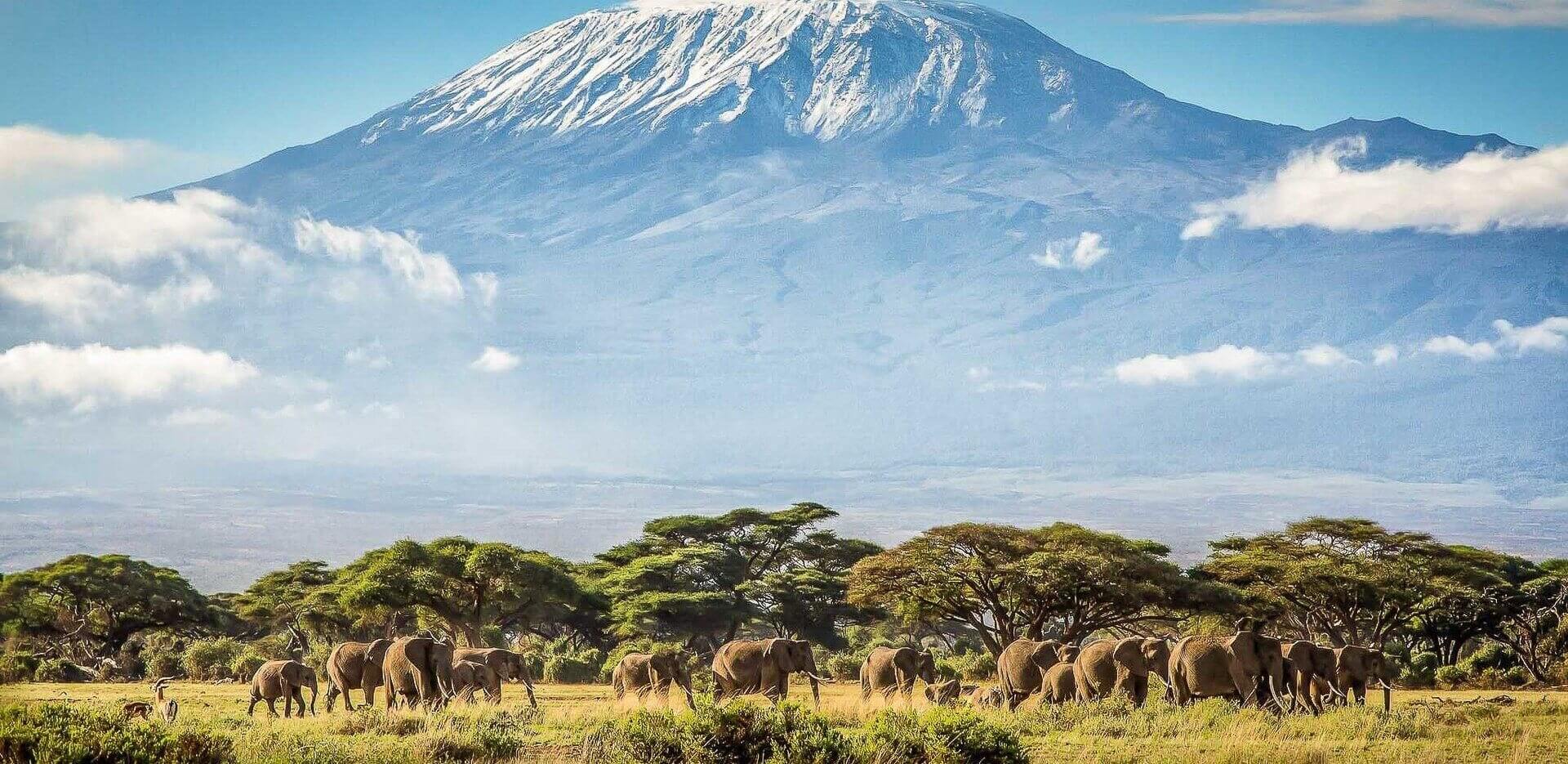
Fair Trade Safaris, Africa
Fair Trade Safaris promotes responsible travel across Africa by working with eco-lodges and local communities. It makes sure that local workers get fair pay and that tourism helps support community projects.
Travelers get to experience wildlife, local culture, and conservation efforts through carefully planned trips. This company supports a larger movement toward sustainable tourism that benefits both people and nature.
By choosing Fair Trade Safaris, travelers help make tourism more responsible and meaningful. To find out more, visit Fair Trade Safaris.
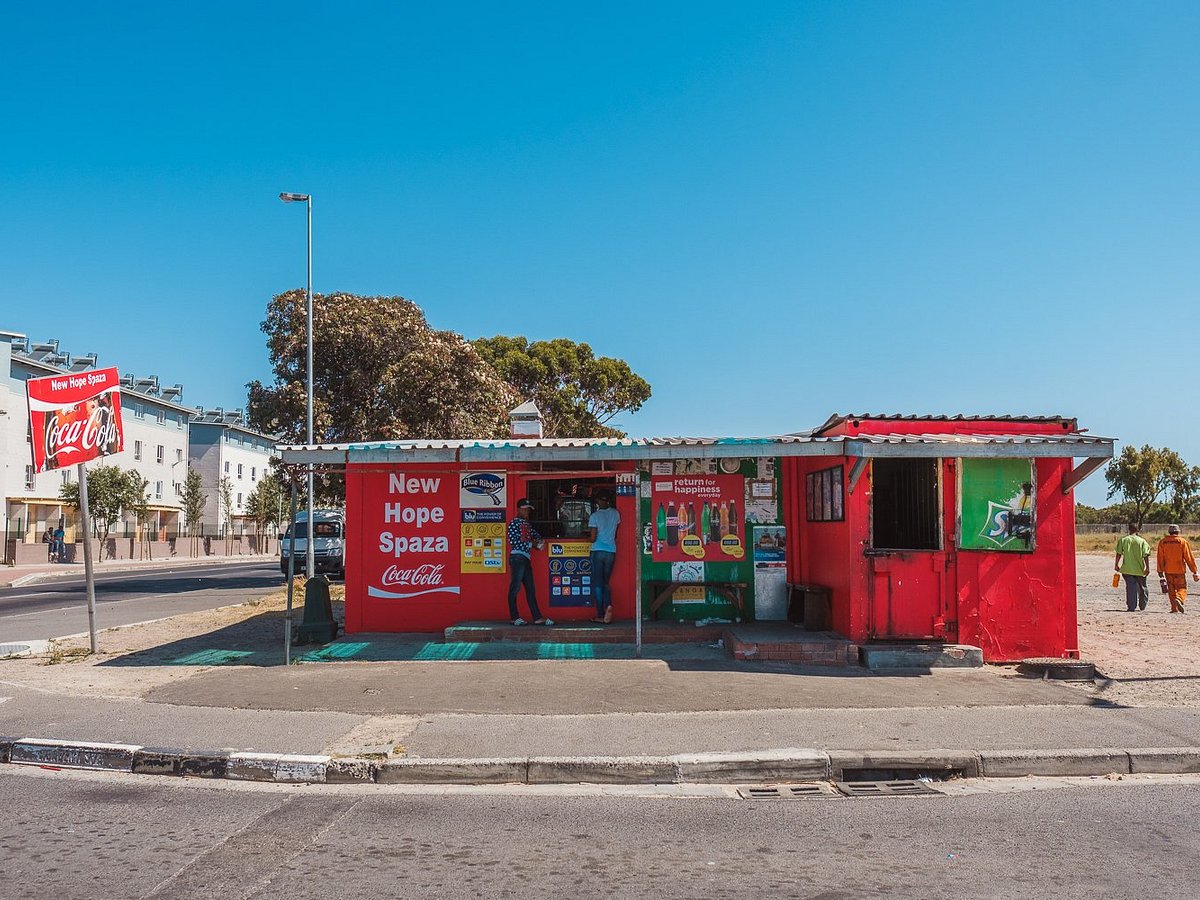
Siviwe Township Tours, South Africa
Siviwe Township Tours in Cape Town offers guided tours of the Langa township, led by local guides. Started by Siviwe Mbinda, the company shares the culture of Langa while creating jobs for the community.
It also supports the Happy Feet Youth Project, which helps children through education and cultural activities like Gumboots Dancing.
Tours take visitors through local neighborhoods and include insights into daily life, along with performances of traditional music and dance.
With more than 1,000 positive reviews on TripAdvisor, the tours are known for being real and meaningful.
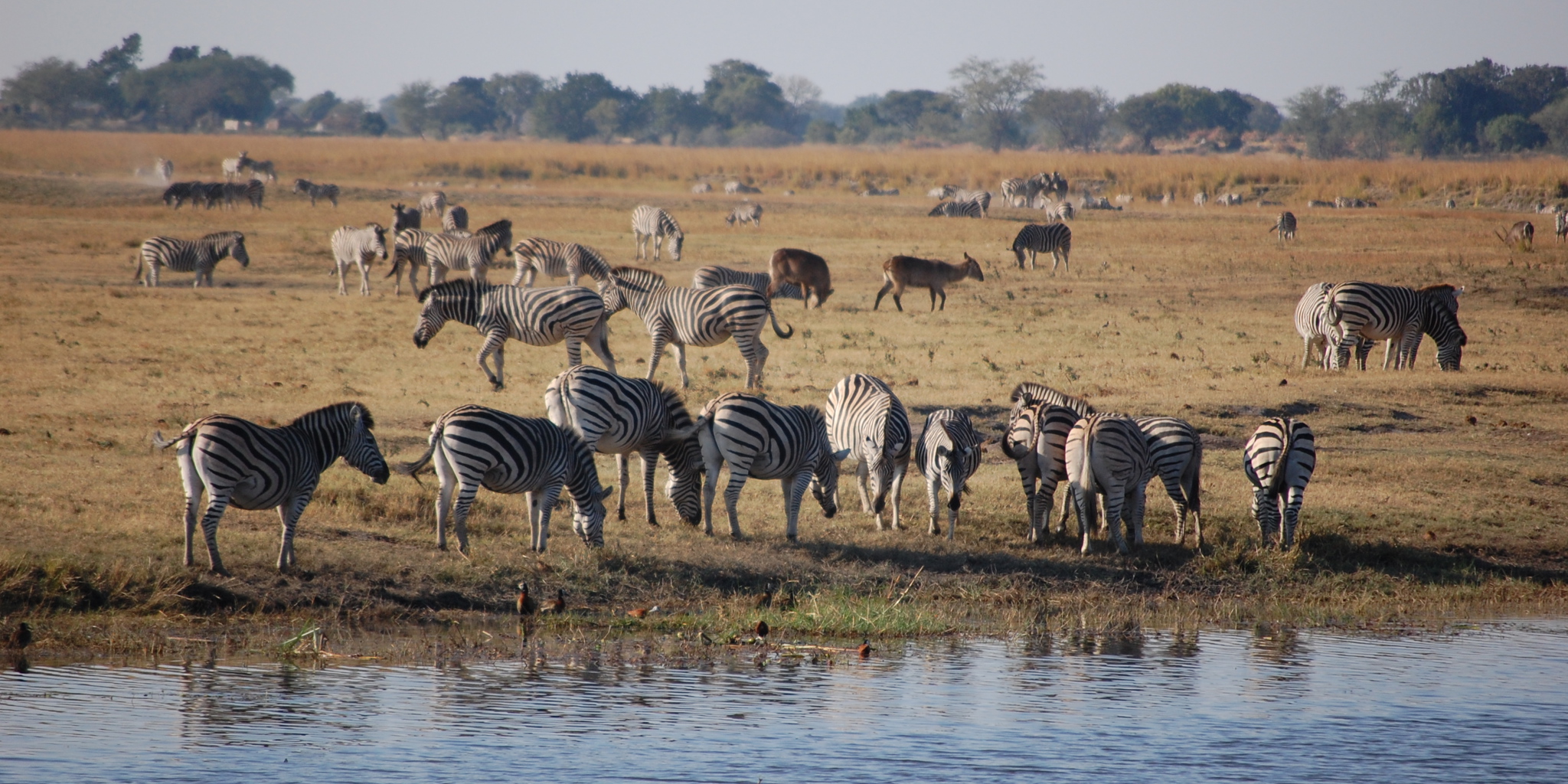
Chobe National Park, Botswana
Chobe National Park in northern Botswana is famous for its large elephant herds and eco-friendly tourism. Chobe Game Lodge uses electric vehicles and reduces waste, with only 5% going to landfills.
Money from tourism helps protect wildlife and create jobs for local people. Visitors can enjoy boat cruises, safari drives, and walking tours in a well-preserved natural area.
The park shows Botswana’s strong commitment to sustainable travel.
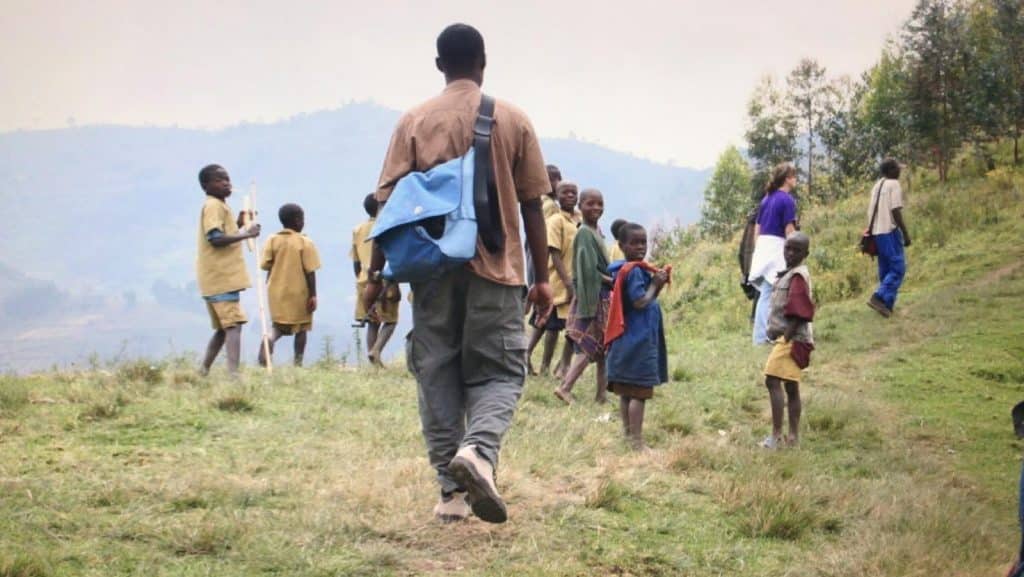
Red Rocks Initiative For Sustainable Development, Rwanda
The Red Rocks Initiative, started by Greg Bakunzi, supports both nature and local communities near Rwanda’s Volcano National Park. It helps residents create tourism activities like making handicrafts to earn a steady income.
The project has built community gardens, taught hygiene practices, and provided hospitality training. More than 400 families have planted thousands of trees, helping the environment.
Visitors can enjoy homestays and learn how to make banana beer, making their trip more meaningful. These efforts help both locals and travelers connect in a sustainable way.
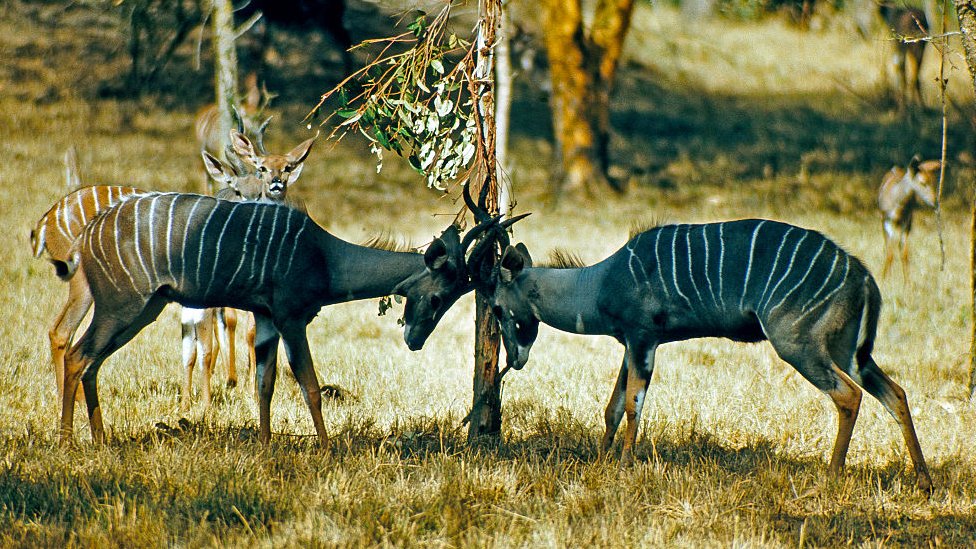
Resilient Natural Resource Management For Tourism And Growth Project ‘REGROW’, Tanzania
The REGROW project, supported by a $150 million grant from the International Development Association, is improving tourism and nature protection in southern Tanzania. It focuses on parks like Ruaha, Mikumi, Udzungwa Mountains, and Selous, helping around 40,000 families.
The project works to fix poor infrastructure, fight environmental damage, and solve water shortages. It also helps manage parks better, support local jobs, and build stronger community systems.
REGROW is making the Southern Circuit a key area for sustainable tourism in Tanzania.

Matetsi Victoria Falls, Zimbabwe
Matetsi Victoria Falls is a luxury lodge in Zimbabwe that supports wildlife conservation and local communities. It works with groups like Greenline Africa, Pack for a Purpose, the GRACE Foundation, and an Anti-poaching K9 Team.
The lodge’s goal is to protect nature while creating jobs and training local people. Guests can enjoy safari drives, walking tours, and cultural activities in an eco-friendly setting.
Matetsi combines luxury with meaningful efforts to protect wildlife and support the community.
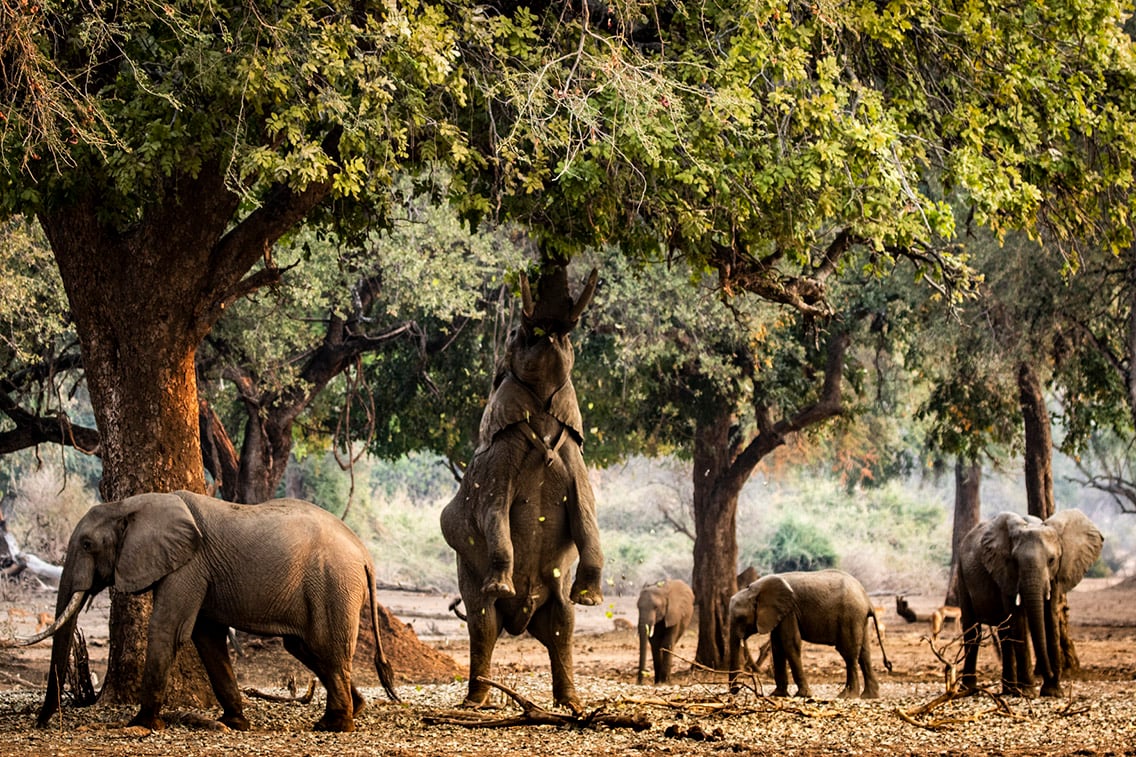
Wilderness, Africa
Wilderness is an eco-tourism company that works with local communities across Africa to protect natural areas and promote sustainable travel. They train and hire local people, helping to improve lives and support the community.
They operate in countries like Botswana and Namibia, where their lodges use renewable energy and focus on reducing waste. Wilderness also supports research and monitoring programs to keep ecosystems healthy.
By choosing Wilderness, travelers help protect nature and support local development.
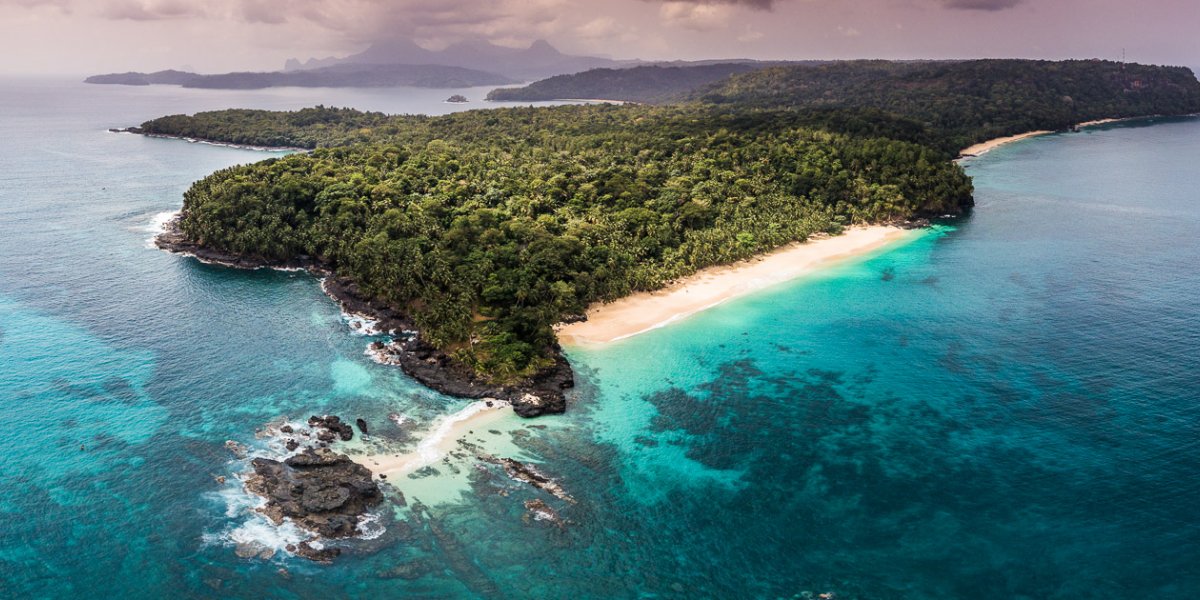
Príncipe Island, São Tomé And Príncipe
Príncipe Island, part of São Tomé and Príncipe, is a top destination for eco-tourism and home to rich biodiversity. It was named a UNESCO Biosphere Reserve in 2012, recognizing its commitment to sustainability.
Led by HBD Príncipe, the island promotes eco-friendly tourism through agroforestry, eco-stays, and local experiences that support the community.
Visitors can enjoy untouched forests and beautiful beaches while helping protect the environment. The island’s remote location helps keep tourism low-impact and focused on nature.
Alphonse Island, Seychelles
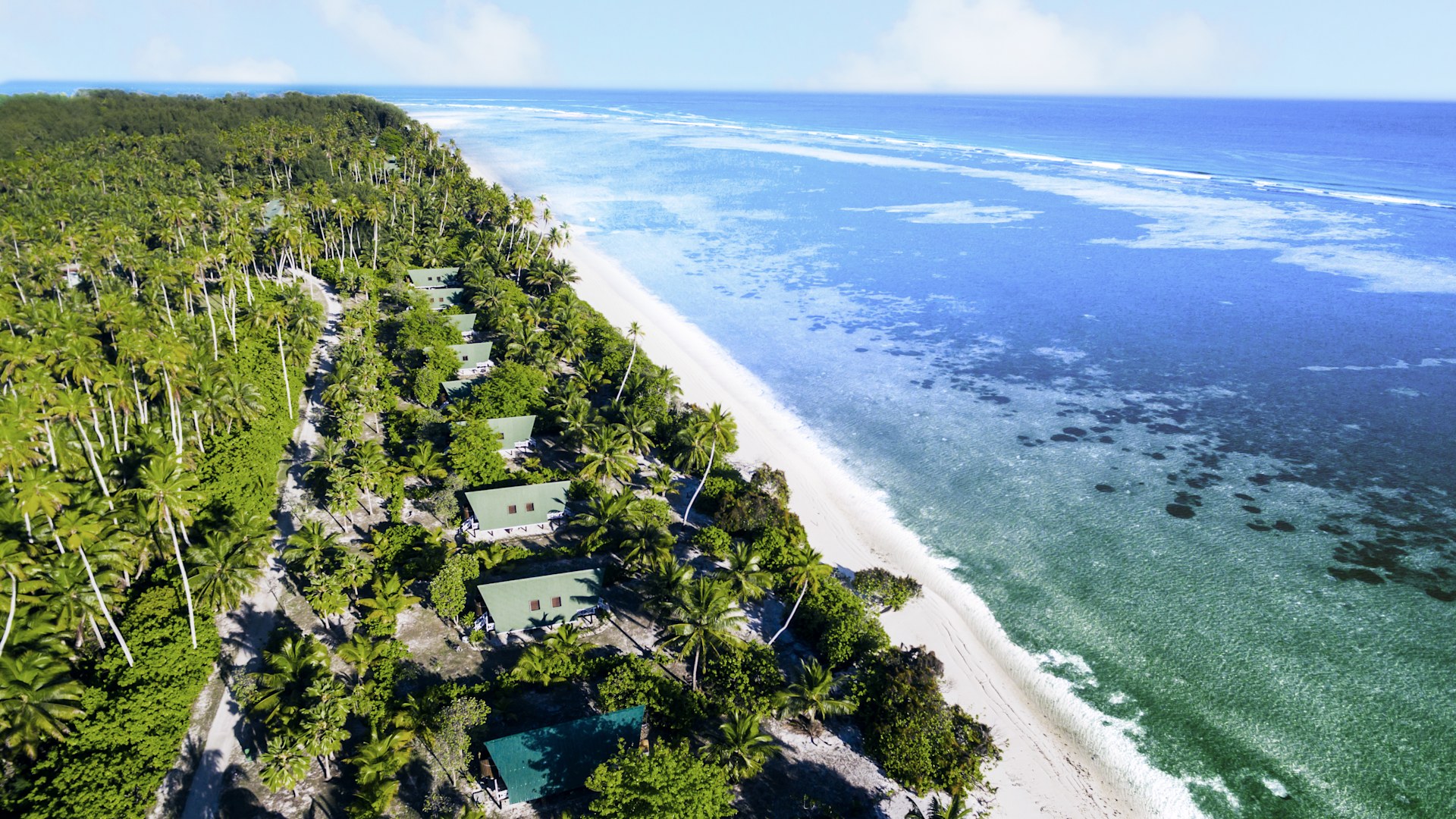
Alphonse Island is located 400 km southwest of Mahé in the Seychelles and has been a leader in sustainable tourism for almost ten years. Visitors help with beach clean-ups, which are needed due to waste washing in from faraway places like India and Sri Lanka.
The island works hard to protect its clean environment and sea life, including coral reefs. The accommodations are eco-friendly and designed to have as little impact on the environment as possible.
A stay on Alphonse Island offers luxury while supporting conservation efforts.
Olderkesi Conservancy, Kenya
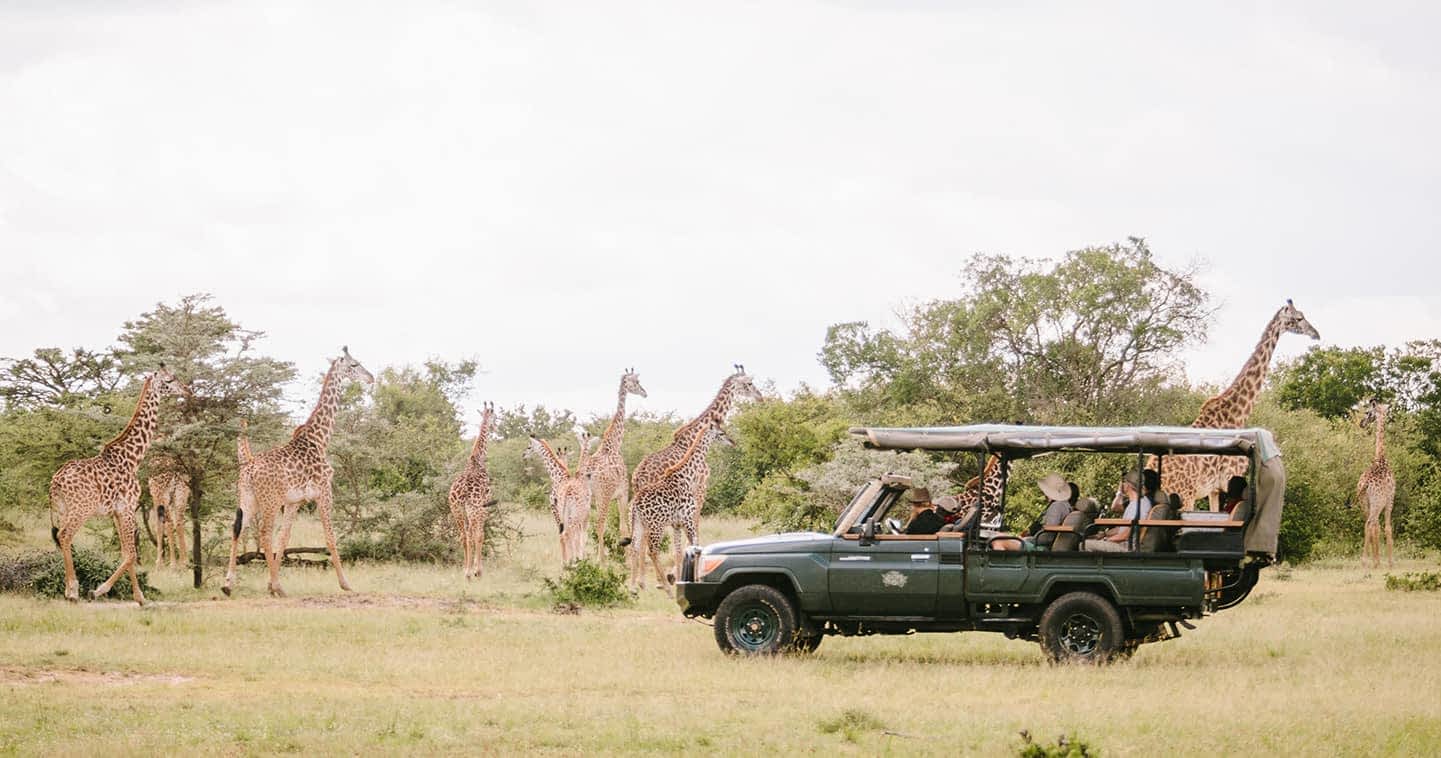
Olderkesi Conservancy is a Maasai-owned conservation area next to the Maasai Mara. It is managed with the help of Cottar’s Wildlife Conservancy Trust and has been working for over 20 years to protect wildlife and support the community.
The conservancy gives local people financial reasons to protect animals, helping to save species like Maasai giraffes, lions, and elephants. Visitors can experience real Maasai culture and know their visit helps local development.
Olderkesi shows how conservation and community life can work together.

South African College For Tourism (SACT)
The South African College for Tourism (SACT) is a program that helps empower women in Graaff-Reinet, Eastern Cape. Started by Dr. Anton and Gaynor Rupert in 2001, it trains young women from poor backgrounds in hospitality and tourism skills.
After finishing the program, many graduates find jobs in eco-lodges and tour companies, helping grow the local economy. SACT supports sustainable tourism by creating skilled workers who give back to their communities.
Travelers can help support SACT by staying at partner lodges.
Ecotourism Kenya
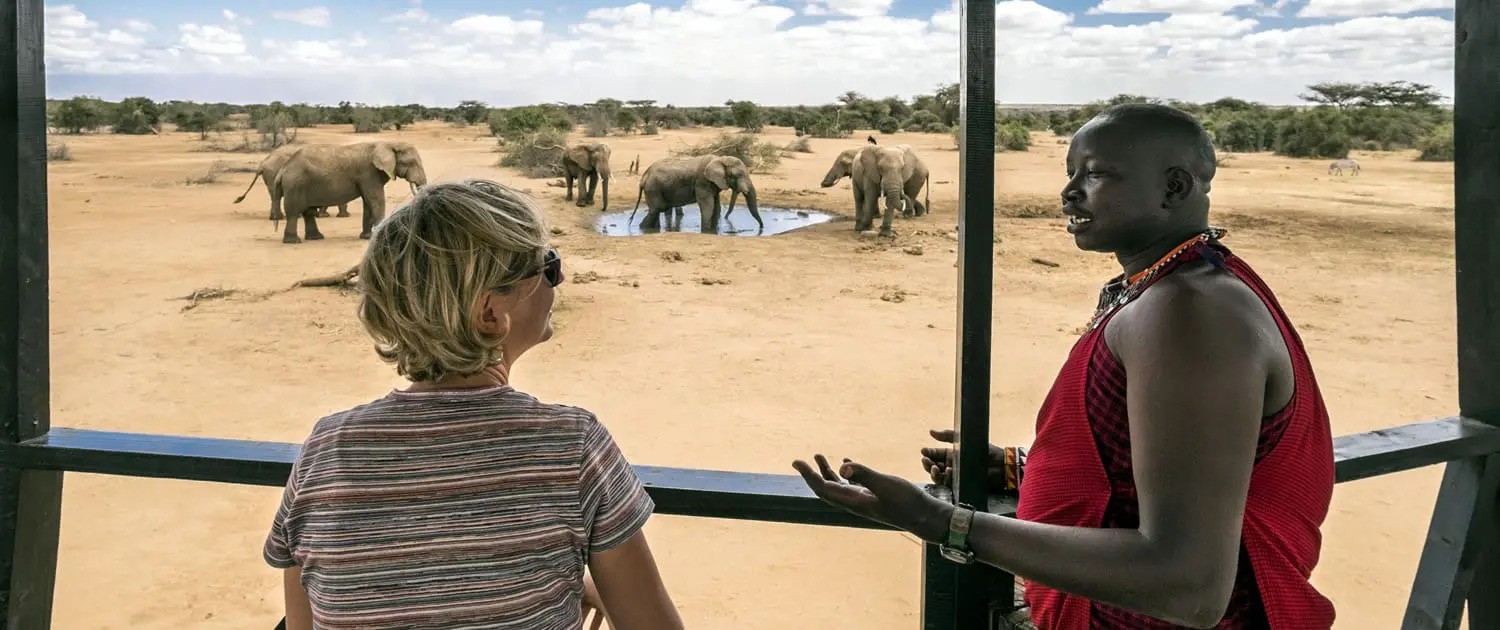
Ecotourism Kenya supports sustainable travel through its Eco-Rating Scheme, which certifies eco-friendly hotels and tour companies. It encourages community-based tourism and helps promote environmental protection across Kenya.
Thanks to their work, wildlife numbers have grown and more local people have jobs in places like Tsavo and Amboseli. When travelers choose certified operators, they help protect nature and support local communities.
Ecotourism Kenya serves as a model for sustainable travel in East Africa.
Big Life Foundation, Kenya
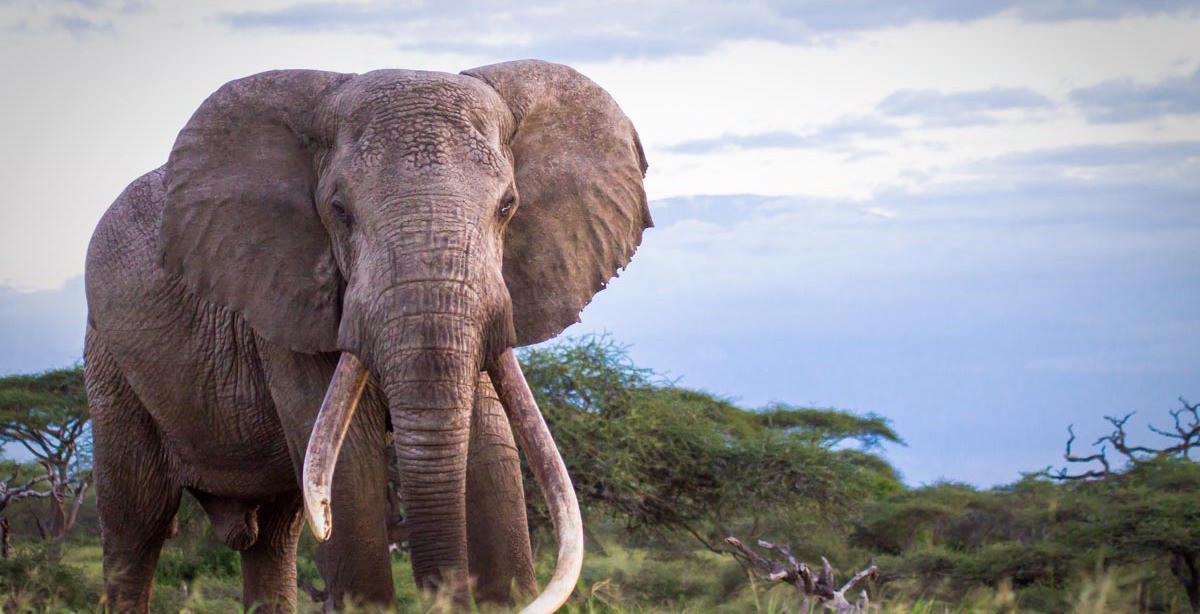
Big Life Foundation helps protect wild animals like lions by working with Maasai communities. Through its Predator Compensation Fund, they pay livestock owners for losses caused by predators, which stops people from killing the animals in revenge.
This program runs on Mbirikani and Eselengei Group Ranches and is now expanding to Kimana Conservancies. It has helped increase lion numbers and one of the few places in Africa where lion populations are growing.
Travelers who support Big Life contribute to wildlife conservation while helping local communities earn a living. This initiative shows how people and wildlife can live together peacefully.

Cheetah Experience, Zambia
The Cheetah Experience near Livingstone, Zambia, lets visitors walk with cheetahs and learn about their behavior and conservation. This program helps protect cheetahs, which are at risk due to habitat loss and poaching.
Money from tourism supports anti-poaching efforts and habitat restoration. Guests can join educational programs that teach about the importance of saving cheetahs.
By taking part in this experience, travelers help ensure the survival of these big cats.
Check Out: Eco-friendly Lodges In Africa
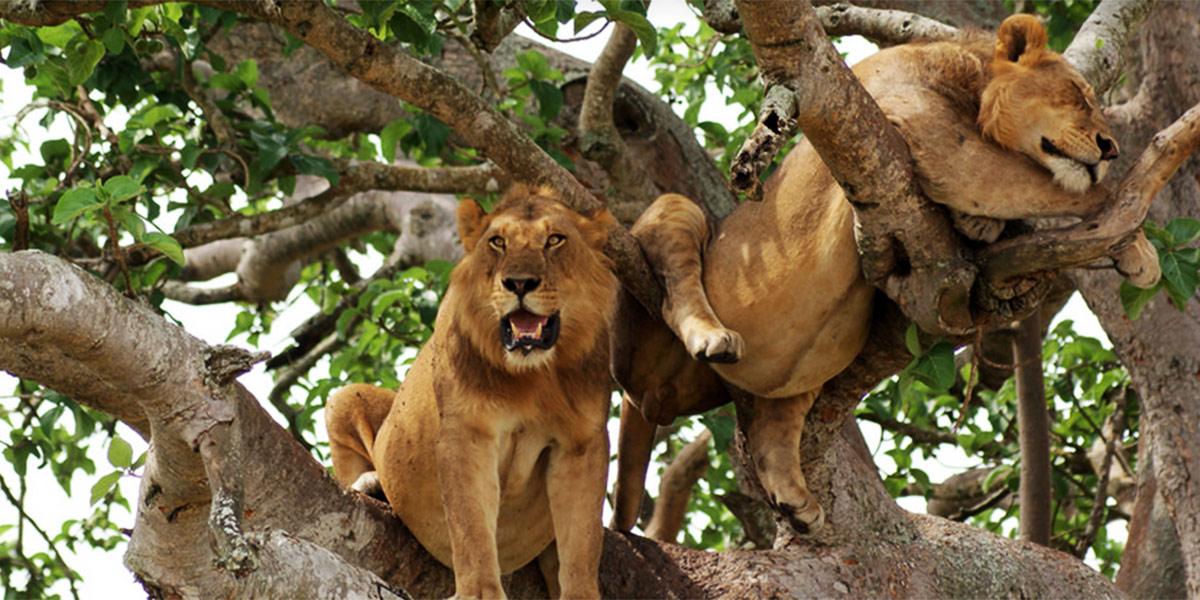
Queen Elizabeth National Park, Uganda
Queen Elizabeth National Park in Uganda is famous for its rare tree-climbing lions, a behavior that draws visitors from around the world. The park offers guided safaris where guests can see these lions resting in fig trees, just like in the wild.
Money from tourism helps fund conservation work by the Uganda Wildlife Authority, including anti-poaching efforts and community programs. Local people also get jobs and better infrastructure, helping them live well alongside wildlife.
This program protects unique animal behavior while supporting local communities.
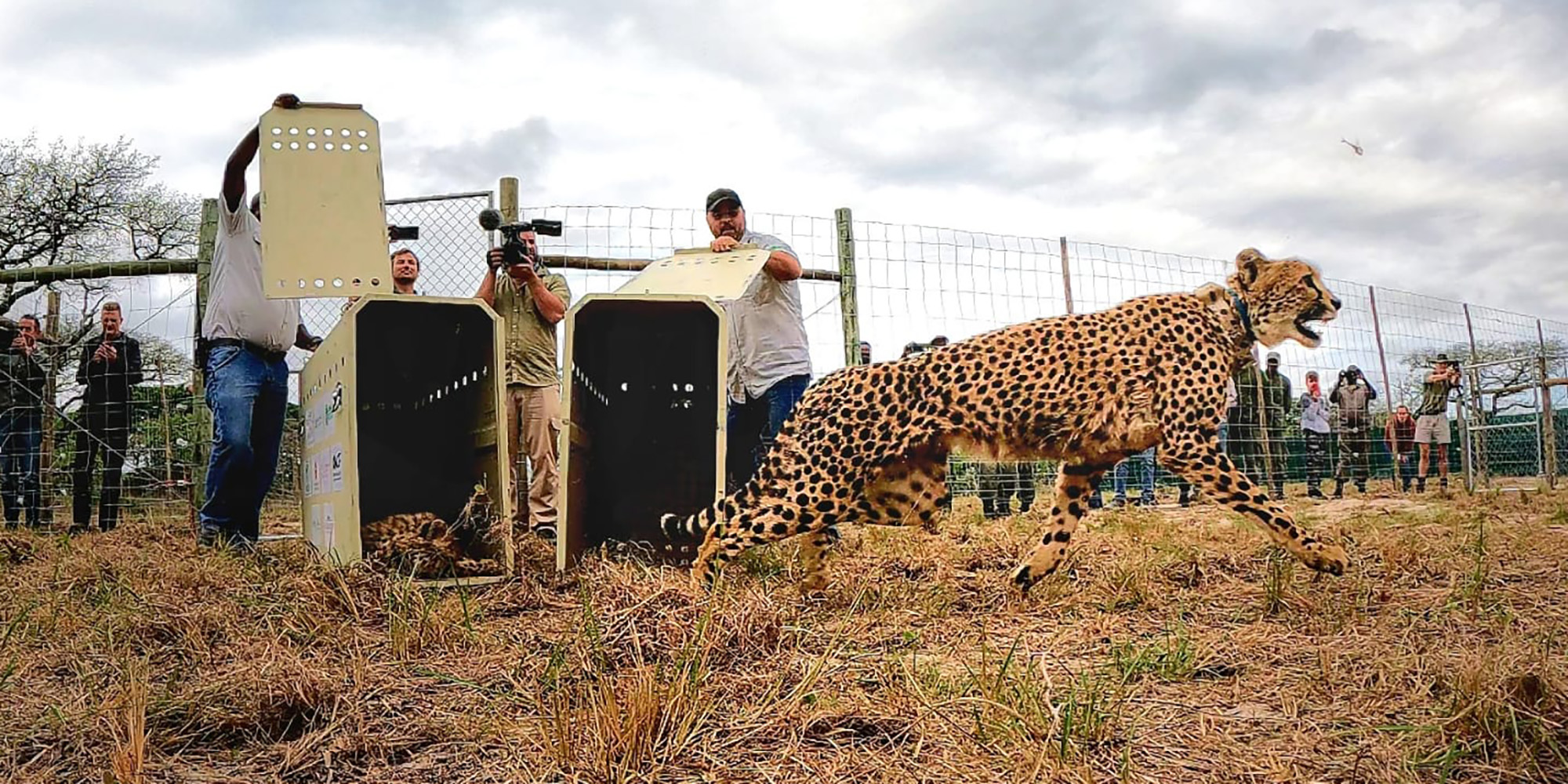
Maputo Special Reserve, Mozambique
Maputo Special Reserve in Mozambique has both land and ocean habitats, giving visitors a chance to enjoy clean beaches while helping protect nature. The reserve is home to animals like elephants, lions, and sea creatures such as dolphins.
Eco-lodges in the area use green practices like renewable energy and reducing waste. Tourists can join activities like snorkeling, diving, and tracking turtles, which help support research and conservation.
By visiting, travelers help fund local communities and protect coastal environments. Maputo Special Reserve offers a mix of relaxation and meaningful eco-tourism.
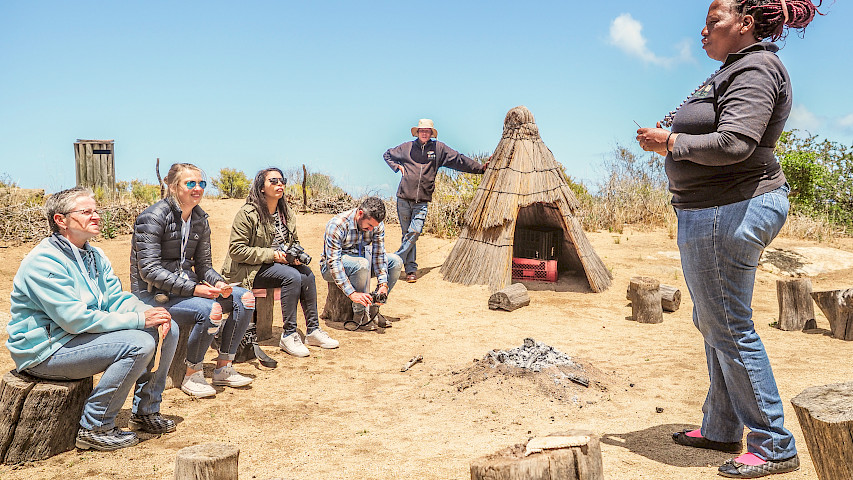
!Khwa Ttu San Culture And Education Centre, South Africa
!Khwa ttu is a San cultural and education center in South Africa’s Western Cape. It offers visitors a chance to learn about San history and traditions through hands-on exhibits and guided tours.
The center supports local community projects like schools and healthcare. Money from tourism helps the San people preserve their culture and improve their lives.
This program encourages sustainable travel that respects and supports indigenous heritage.
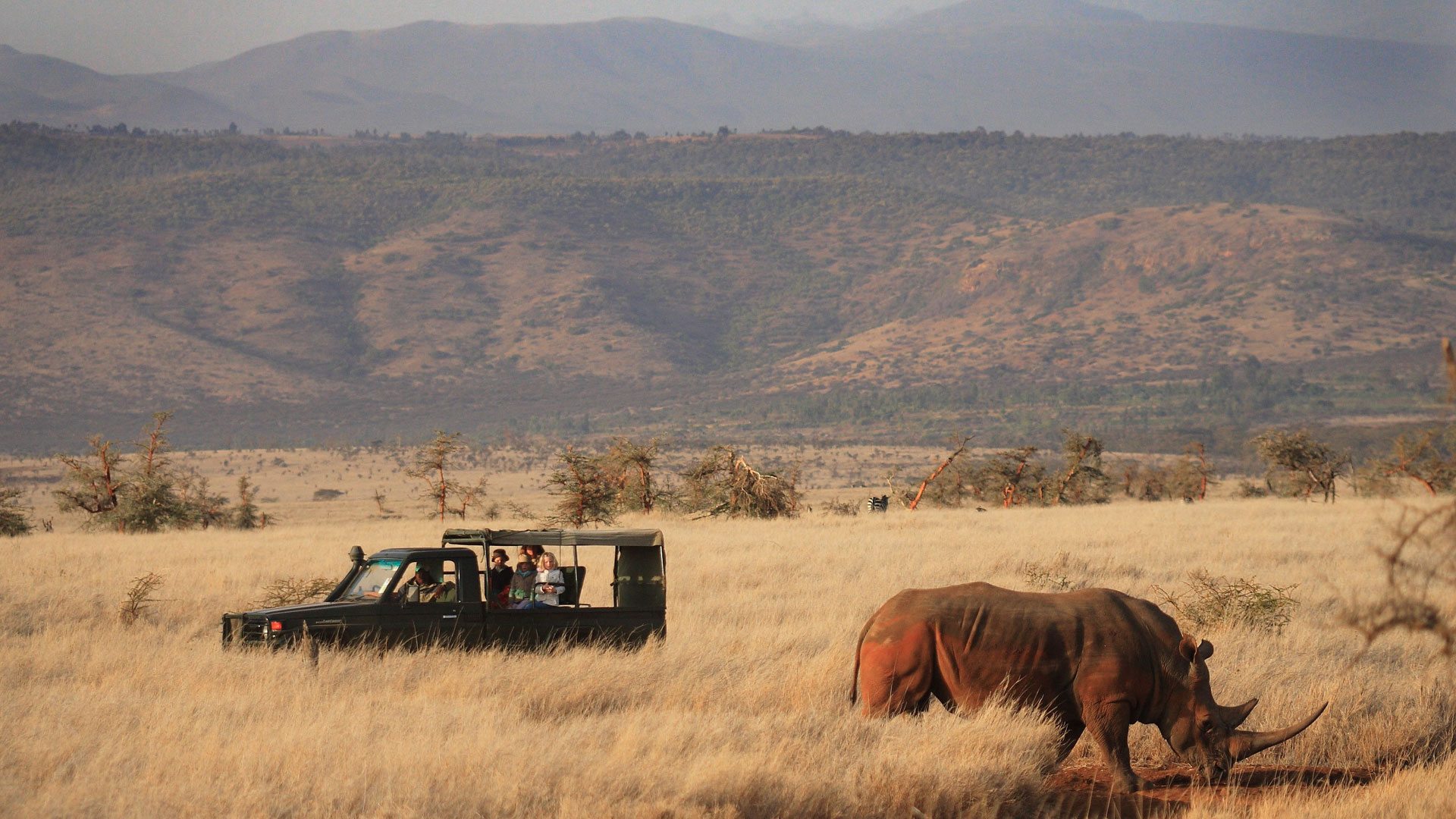
Lewa Wildlife Conservancy, Kenya
Lewa Wildlife Conservancy in Kenya covers 62,000 acres and is known for protecting wildlife while also helping local communities. It is home to endangered animals like rhinos and Grevy’s zebras.
Money from eco-lodges helps fund anti-poaching teams and wildlife protection. The conservancy also supports schools and healthcare for nearby communities.
Visitors can enjoy safari drives and cultural activities while supporting conservation. Lewa shows how tourism can help both nature and people live together.
Gorongosa National Park, Mozambique
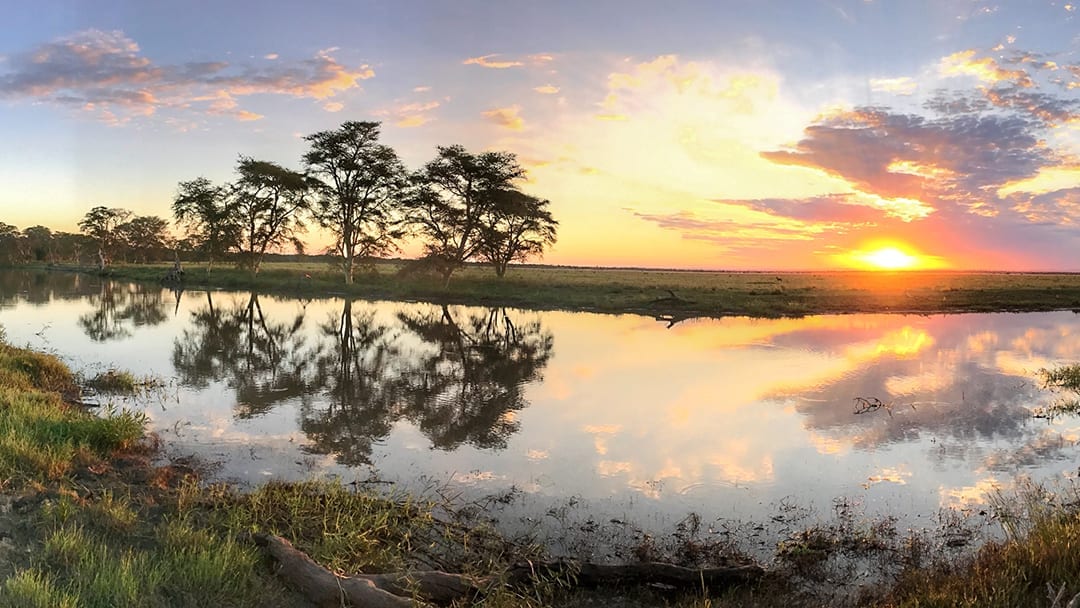
Gorongosa National Park in Mozambique is a success story of nature recovery. After years of damage, the park is now coming back to life thanks to eco-tourism.
It protects animals like lions, elephants, and hippos, and uses tourism money to help both nature and local communities.
Eco-lodges in the park hire local workers and use clean energy like solar power. Visitors can enjoy safaris and birdwatching while helping the park grow stronger.
Gorongosa shows how tourism can help rebuild nature and support people at the same time.
Coffee Bay Community Tourism, South Africa
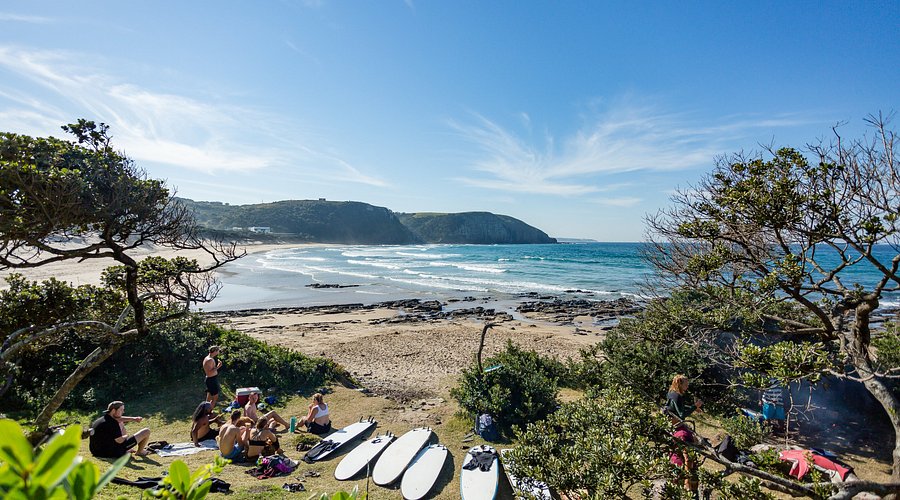
Coffee Bay Community Tourism on South Africa’s Wild Coast helps Xhosa communities grow through sustainable travel. Local guides offer cultural tours, traditional meals, and storytelling, giving visitors an authentic experience.
The money from tourism supports schools, health care, and small businesses, helping reduce poverty in the area.
Travelers stay in guesthouses run by locals, creating real connections and supporting the community.
This program helps protect Xhosa culture while building stronger, more independent local economies.
Bwindi Impenetrable National Park, Uganda
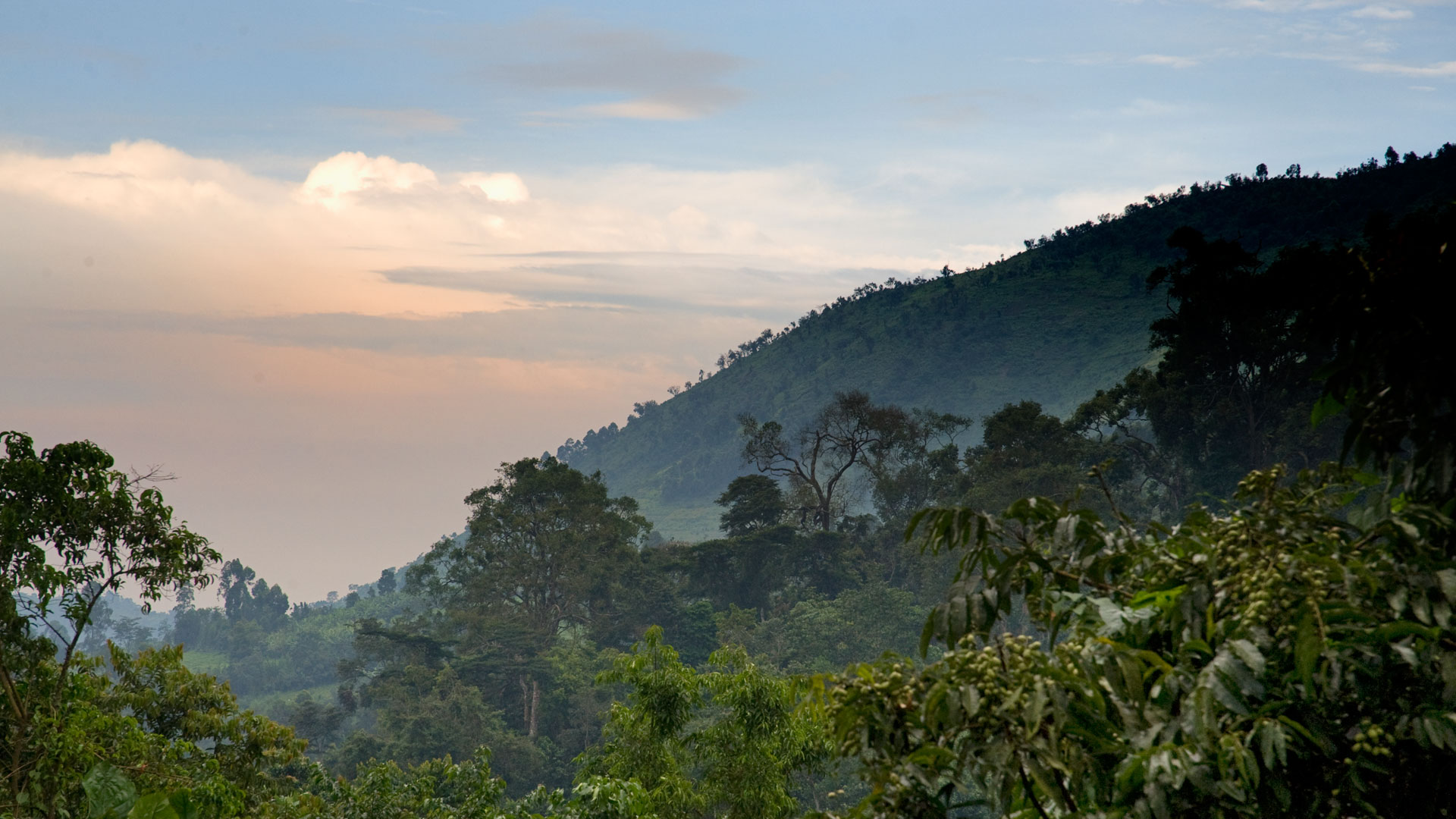
Bwindi Impenetrable National Park in Uganda is a UNESCO World Heritage Site famous for gorilla trekking. The money from permits helps protect the park and supports schools and clinics in local communities.
Strict rules limit visitor numbers to keep the environment safe and protect the 400 mountain gorillas living there and about half of the world’s population.
Local people work as guides and porters, helping them earn a living from tourism.
By visiting Bwindi, travelers help save gorillas and support local families.
How Travelers Can Support Sustainable Tourism In Africa
Travelers can help support sustainable tourism in Africa by making smart choices. Here are simple ways to make your trip positive and meaningful:
- Choose Certified Tour Operators - Use tour companies certified by groups like Fair Trade Tourism or Ecotourism Kenya. These follow high standards for protecting the environment and supporting communities.
- Join Community-Based Tours - Take part in local tours like Uthando South Africa or Siviwe Township Tours. These help local economies and give you a real look into community life.
- Reduce Waste -Avoid single-use plastics and bring reusable items. This supports African countries like Rwanda and Kenya that are working to cut down on plastic waste.
- Respect Wildlife and Local Culture -Follow rules when visiting wildlife areas and respect local customs to keep both nature and communities safe.
- Support Conservation Projects -Visit parks like Chobe National Park or donate to groups like the Sheldrick Wildlife Trust. Your visit helps protect animals and their homes.
- Stay at Eco-Friendly Lodges -Choose lodges that use clean energy and eco-friendly practices, like those run by Wilderness. These help reduce harm to the environment.
- Travel During Off-Peak Seasons -Visiting during less busy times helps spread tourism benefits and gives you a more peaceful experience.These actions ensure tourism benefits Africa’s environment and communities long-term.
FAQs About Sustainable Tourism In Africa
What Is Sustainable Tourism?
Sustainable tourism gives travelers great experiences while protecting the environment, culture, and local communities. It helps the economy and society while making sure natural resources are saved for the future.
Why Is Sustainable Tourism Important In Africa?
Africa’s natural environments and cultures can be harmed by too many tourists which makes sustainable travel very important. These efforts help protect wildlife reduce poverty and keep local traditions alive so that both nature and communities can benefit in the long run.
How Can Travelers Support Sustainable Tourism In Africa?
Travelers can help support sustainability by choosing certified tour companies, joining community-led tours, reducing waste, respecting local traditions, and supporting conservation efforts. These actions make a real difference in protecting Africa’s nature and culture.
What Are Some Examples Of Sustainable Tourism Initiatives In Africa?
Examples of sustainable tourism projects in Africa include the Maasai Mara Conservancies , Volcanoes National Park , the REGROW Project , Ecotourism Kenya , and Gorongosa National Park . These initiatives focus on protecting nature and empowering local communities through responsible travel.
How Does Sustainable Tourism Benefit Local Communities?
Sustainable tourism creates jobs, supports local businesses, and helps fund important infrastructure like schools and clinics. This improves life for local communities while also protecting cultural traditions and natural resources.
What Challenges Do Sustainable Tourism Initiatives Face?
Challenges to sustainable tourism in Africa include not enough funding, poor infrastructure, political issues, and the need for more awareness among tourists. These factors make it harder to grow tourism while protecting nature and supporting local communities.
Final Thoughts
Sustainable tourism in Africa is changing the way people travel by focusing on protecting nature and helping local communities. Projects like the Maasai Mara Conservancies and Gorongosa National Park show how tourism can bring real benefits to both people and wildlife.
Travelers can support these efforts by choosing responsible tour companies and getting involved with local cultures. By making sustainable choices like reducing waste or visiting during off peak times visitors help protect Africa’s natural beauty and traditions.
Responsible travel ensures that Africa’s amazing landscapes and rich cultures will be around for future generations. It’s a powerful way to explore while making a positive lasting difference.
Don't Miss: Sustainable Travel In Iceland
Jump to
Maasai Mara Conservancies, Kenya
Volcanoes National Park, Rwanda
Okavango Delta, Botswana
Namibian Community Conservancies
Uthando South Africa, Cape Town
Sheldrick Wildlife Trust, Kenya
Chumbe Island Coral Park, Tanzania
Tiwai Island, Sierra Leone
Kasbah Du Toubkal, Morocco
Fair Trade Safaris, Africa
Siviwe Township Tours, South Africa
Chobe National Park, Botswana
Red Rocks Initiative For Sustainable Development, Rwanda
Resilient Natural Resource Management For Tourism And Growth Project ‘REGROW’, Tanzania
Matetsi Victoria Falls, Zimbabwe
Wilderness, Africa
Príncipe Island, São Tomé And Príncipe
Alphonse Island, Seychelles
Olderkesi Conservancy, Kenya
South African College For Tourism (SACT)
Ecotourism Kenya
Big Life Foundation, Kenya
Cheetah Experience, Zambia
Queen Elizabeth National Park, Uganda
Maputo Special Reserve, Mozambique
!Khwa Ttu San Culture And Education Centre, South Africa
Lewa Wildlife Conservancy, Kenya
Gorongosa National Park, Mozambique
Coffee Bay Community Tourism, South Africa
Bwindi Impenetrable National Park, Uganda
How Travelers Can Support Sustainable Tourism In Africa
FAQs About Sustainable Tourism In Africa
Final Thoughts

Maya Reyes
Author
Maya Reyes’s wanderlust was sparked in the temples of Luang Prabang, where the scent of lemongrass and the chants of monks revealed the transformative power of travel.
Since then, her journey has been defined by cultural immersion and authentic connections. From learning batik in Indonesia to sharing meals with nomadic families in Mongolia, Maya seeks experiences that highlight the human stories behind each destination.
Travel for her is a way to weave her narrative into the world’s cultural tapestry, creating bridges across diverse ways of life. Maya has traveled to 15 countries and shares her insights through writing and storytelling.

Sophia Harper
Reviewer
Sophia Harper’s photography acts as a portal to the soul of the places she visits. Drawn to South America’s landscapes and cultures, she has spent years capturing everything from the majesty of ancient ruins to the vibrancy of urban streets.
Sophia’s work isn’t just about documenting moments; it’s about evoking the emotions and stories behind them. A dedicated photographer, she has worked with local communities across South America to capture their rich cultural narratives through her lens.
Latest Articles
Popular Articles