Discover Sumba Island: Indonesia’s Hidden Gem
Sumba Island is a destination like no other — wild, unspoilt, and deeply rooted in tradition. Unlike Bali’s bustling tourist hotspots, Sumba offers serenity, cultural authenticity and rugged natural beauty.
Author:Sophia HarperReviewer:Liam JonesOct 28, 202556.6K Shares846.1K Views
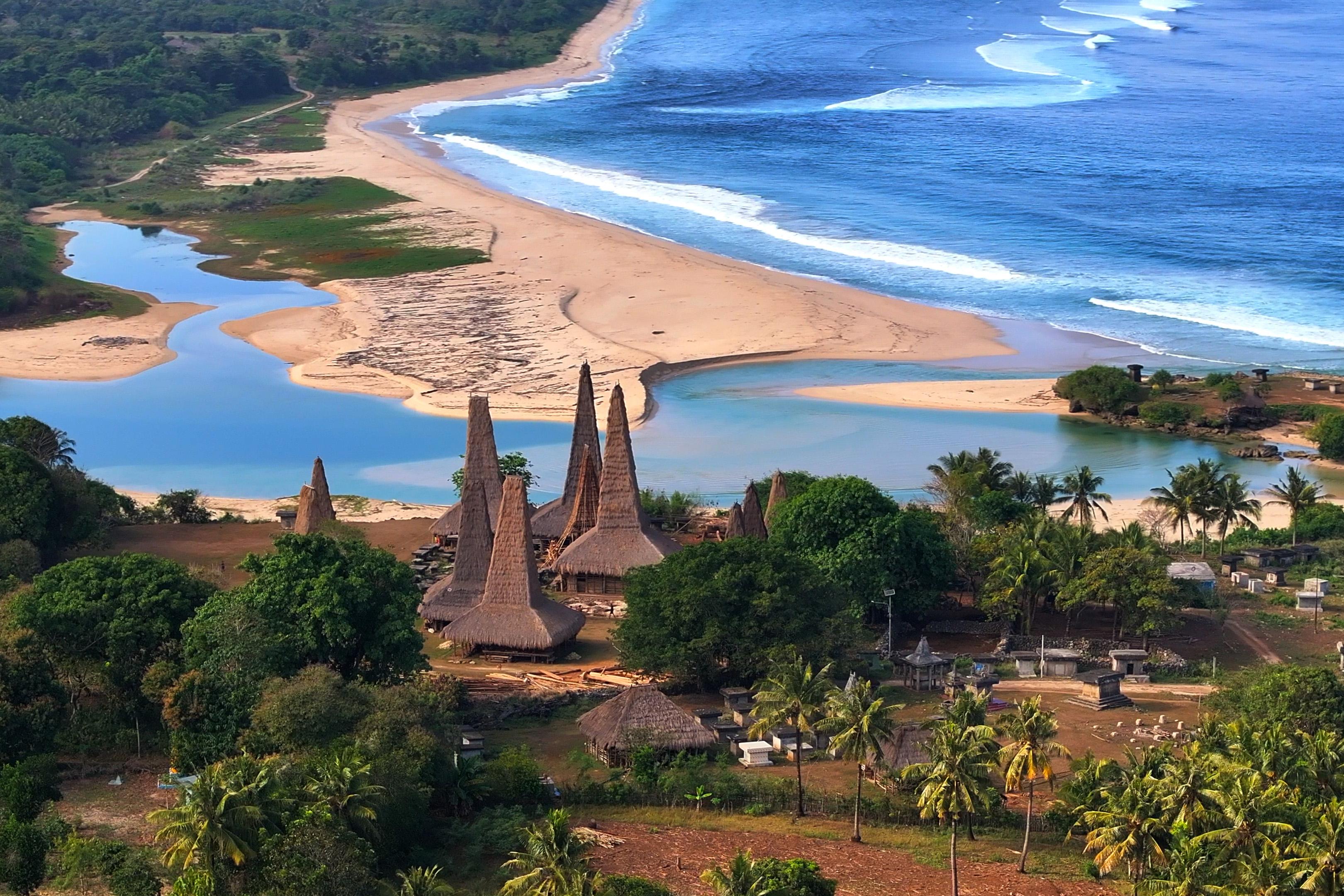
Sumba Island is a destination like no other — wild, unspoilt, and deeply rooted in tradition. Unlike Bali’s bustling tourist hotspots, Sumba offers serenity, cultural authenticity and rugged natural beauty. If you’re wondering why this lesser-known island is drawing attention, the answer is simple: it provides a travel experience that blends adventure, culture, and sustainability in ways few destinations can match.
As experts in uncovering authentic travel experiences, we’ve explored the many sides of Sumba and curated this guide to help you see why it deserves a spot on your travel list.
What You’ll Discover in This Guide
- Sumba Islandcombines pristine beaches, waterfalls, and savannah landscapes with ancient traditions.
- It offers unique cultural experiences such as the Pasola festival and Ikat weaving.
- Eco-tourism, community projects, and renewable energy initiatives make it a sustainable destination.
- Luxury eco-resorts and wellness retreats provide balance between comfort and conservation.
- Travellers can enjoy both adventure and mindfulness in an untouched setting.
Why Choose Sumba Island Over Better-Known Destinations?
While Bali and Lombok may dominate headlines, Sumba Island remains a hidden treasure for those seeking something different. The island boasts endless coastlines, megalithic tombs, traditional villages, and landscapes that shift from lush forests to arid savannahs.
Here, travellers are not just tourists — they are welcomed as participants in age-old traditions and guardians of a fragile ecosystem. This is what makes Sumba a standout destination for adventurous, thoughtful travellers.
Cultural Treasures of SumbaThe Marapu Belief System
At the heart of Sumba’s identity lies the Marapu religion, an ancient belief system centred on ancestral worship and harmony with nature. Sacred rituals, ceremonies, and megalithic stone tombs reflect a worldview that ties communities to the land and their forebears.
Exploring Marapu villages allows visitors to witness traditional architecture — tall, peaked thatched houses arranged around sacred spaces — and understand how spirituality still guides daily life.
The Pasola Festival: Tradition in Motion
Sumba’s Pasola Festival is one of the island’s most iconic cultural events. This ritualised horseback battle takes place each year to mark the rice-planting season. Warriors, armed with wooden spears, ride against one another in a breathtaking display of courage, skill, and communal energy.
For locals, Pasola is both spiritual and social, a way of honouring the Marapu gods and securing blessings for fertility and harvest. For visitors, it’s a dramatic spectacle that captures the island’s spirit of tradition and resilience.
Ikat Weaving: Stories in Thread
Sumba’s handwoven ikat textiles are famous worldwide for their intricate designs and symbolic meanings. Each motif tells a story, often representing ancestors, animals, or natural forces. The weaving process is painstakingly slow, involving natural dyes, resist-dyeing, and months of skilled work.
Purchasing ikat directly from artisans supports women-led cooperatives and preserves an art form passed down through generations. It is not just a souvenir but a piece of Sumba’s cultural identity.
Adventures in Nature: Sumba’s Wild SideBeaches and Surfing
Sumba’s coastline is dotted with secluded beaches such as Walakiri and Tarimbang, known for their white sands and turquoise waters. Unlike more commercialised destinations, many of these beaches remain untouched, offering peaceful escapes and spectacular sunsets.
For surfers, Sumba is a paradise. Its reef breaks, particularly on the western side, provide thrilling rides for those seeking waves far from crowded surf spots.
Waterfalls and Highlands
Beyond its beaches, Sumba’s rugged interior hides jaw-dropping waterfalls like Lapopu and Tangana. Trekking through hills and forests to reach these cascades is an adventure in itself, often rewarded with refreshing swims in natural pools.
The island’s highlands also provide panoramic views of rolling savannahs and traditional villages, making them ideal for hikers and photographers.
Wildlife and Natural Landscapes
Sumba is home to unique biodiversity, with bird species found nowhere else on Earth. Its savannahs, mangroves, and coral reefs create opportunities for birdwatching, snorkelling, and nature walks. This diversity makes Sumba a haven for eco-conscious travellers.
Sumba’s Sustainable Side and Luxury in Paradise
Sumba Island is a destination where the past and future converge — ancient traditions continue to thrive, even as the island embraces sustainability and mindful tourism. Unlike mass-market destinations, development here is measured, with a focus on protecting natural resources and empowering local communities. For travellers, this means every stay and every journey can contribute to something lasting.
Eco-Tourism and Community Initiatives
Eco-tourism on Sumba is not a buzzword but a lived reality. Local cooperatives and NGOs have introduced community-based tourism projects that allow visitors to stay in homestays, trek with local guides, and learn about farming and weaving first-hand. These experiences create income streams for villages while keeping cultural practices relevant.
From tree planting schemes to waste reduction programmes, small-scale initiatives ensure that tourism growth benefits both visitors and residents. Choosing local guides, artisans, and family-run lodges helps maintain this balance.
Renewable Energy and Responsible Travel
Sumba has even been recognised as a renewable energy pioneer within Indonesia. Solar and micro-hydro projects have brought electricity to remote villages, reducing reliance on imported fuels and supporting education and healthcare. Travellers who venture into the interior often see solar panels powering schools and homes — a visible reminder that progress here respects both people and the environment.
Responsible travellers can support this momentum by minimising plastic use, respecting sacred spaces, and travelling with operators who prioritise sustainability. These small acts preserve Sumba’s fragile balance between progress and preservation.
Eco-Luxury Resorts and Retreats
For those seeking comfort, Sumba offers a growing number of eco-luxury resorts that set global benchmarks for responsible travel. Properties such as Nihi Sumba have earned acclaim for combining indulgence with sustainability, funding schools, medical clinics, and conservation projects through their operations.
Staying at such places is about more than luxury — it’s about knowing that your visit contributes directly to community development and environmental care. The blend of barefoot luxury, cultural immersion and purposeful travel makes Sumba unlike any other island escape.
Digital Detox and Mindful Travel
Sumba is also becoming a hotspot for wellness retreats. Its remote setting, limited connectivity, and tranquil landscapes create the perfect environment for digital detox. Yoga, meditation, horse riding, and quiet time by the ocean are common inclusions in retreat itineraries.
This slower rhythm of travel allows visitors to reset, disconnect from noise, and engage more deeply with themselves and their surroundings. In an age of fast-paced tourism, Sumba offers the gift of slowing down.
Why Sumba Island Deserves a Place on Your Itinerary
Sumba Island is more than an alternative to Bali — it is a world of its own. With sweeping savannahs, hidden waterfalls, rich Marapu traditions and community-driven sustainability projects, it delivers a travel experience that is raw, authentic and profoundly moving.
Whether you’re drawn to cultural immersion, thrilling adventures, or eco-luxury retreats, Sumba provides a rare opportunity to experience Indonesia at its most genuine. It is a place where every journey supports tradition, conservation, and community.
As travel specialists with expertise in hidden gems like Sumba, we can help you plan a journey that goes beyond sightseeing to meaningful connection. 👉 Ready to experience Sumba Island? Contact us today to design a personalised itinerary that brings this untouched paradise within reach.
Jump to

Sophia Harper
Author
Sophia Harper’s photography acts as a portal to the soul of the places she visits. Drawn to South America’s landscapes and cultures, she has spent years capturing everything from the majesty of ancient ruins to the vibrancy of urban streets.
Sophia’s work isn’t just about documenting moments; it’s about evoking the emotions and stories behind them. A dedicated photographer, she has worked with local communities across South America to capture their rich cultural narratives through her lens.

Liam Jones
Reviewer
Liam Jones has made it his mission to prove that adventure doesn’t need a hefty budget. Having traveled to over 40 countries, he specializes in finding affordable ways to experience the world, from the best street food in Bangkok to hidden gems in Lisbon.
Liam’s travel tips have reached thousands of readers, empowering them to see the world on a shoestring budget without sacrificing quality. With a deep passion for local cultures, he continues to share his travel hacks, ensuring adventure remains accessible to all.
Latest Articles
Popular Articles