14 Signs Of Unsafe Well Water While Traveling (Smell, Color, Taste & Health Risks)
Spot unsafe well water quickly while traveling by checking smell, color, taste, and health warning signs that may protect you from illness.
Author:Michael RachalReviewer:Finn WildeMay 17, 202629.2K Shares405.5K Views
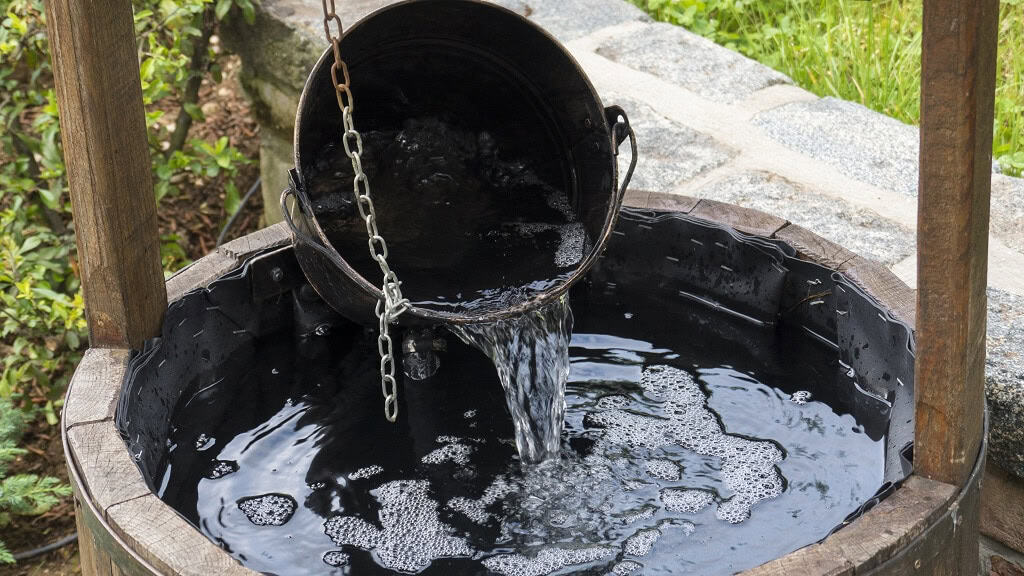
How To Spot Unsafe Well Water While Traveling
You arrive at a remote cabin, vacation rental, or countryside stay after a long trip and feel thirsty. In many rural or off-grid locations, the water supply comes from a private well rather than a public water system. When you turn on the well water tap, you may notice something unusual, such as a strange smell, cloudy appearance, or odd taste.
At that moment, you may start thinking about the signs of unsafe well water while travelingand whether it is safe to drink. Private well water is not always tested as regularly as public drinking water systems, so water quality can vary from place to place.
Since you usually do not have water testing tools while traveling, your best protection is learning how to quickly check for warning signs using simple observations of smell, color, and taste. These quick checks can help you avoid drinking unsafe well water and stay healthy during your trip.
1. Cloudy Or Murky Well Water
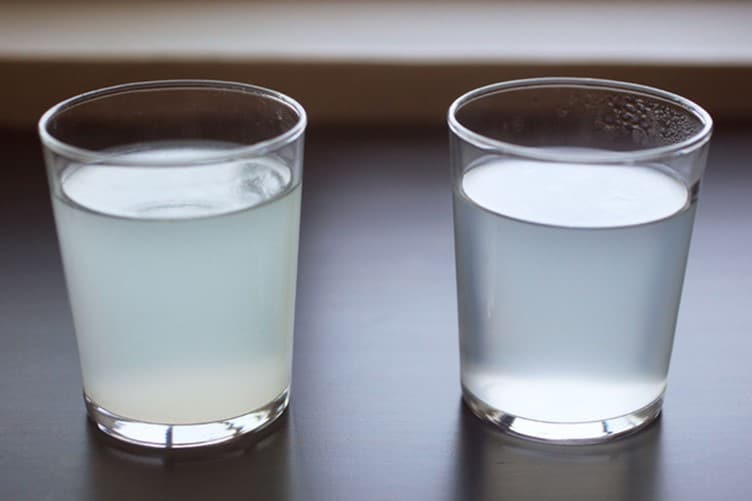
Clear drinking water should look transparent in a glass. If well water appears cloudy, hazy, or milky, it may contain suspended sediment such as sand, silt, clay, or rust from the well system. In some cases, trapped air from unused pipes can temporarily cause a cloudy appearance.
A simple safety check is to run the tap for about one minute, then fill a clear glass and let it sit. If the water clears from the bottom upward, air bubbles are likely the cause. If the haze remains, the water may contain fine particles or microbial contamination.
Persistent turbidity is often linked to heavy rainfall, flooding, damaged well casings, or pump problems. When groundwater is disturbed, bacteria and surface contaminants can enter the private well system. Drinking turbid water increases the risk of gastrointestinal illness, especially while traveling, when your immune system may already be under stress.
2. Visible Sediment Or Floating Debris
If you notice grit, rust flakes, black specks, or other particles in your glass, the well water may not be properly filtered. Visible sediment suggests that the groundwater is carrying solid materials into the plumbing system.
When larger particles are present, microscopic contaminants such as bacteria or parasites may also exist in the water supply. Sediment problems can result from a cracked well casing, a failing well pump, or poor well maintenance. In rural vacation homes and cabins, regular water testing may not always be up to date.
Consuming water with debris can irritate the digestive system and may indicate broader water quality issues. Any water containing floating material should be avoided until the source is inspected and tested.
3. Oily Sheen Or Rainbow Film On The Surface
A thin, shiny layer that looks like oil on top of water is not normal for safe drinking water. This effect may be caused by iron bacteria, sulfur bacteria, or mineral oxidation inside the well.
When iron reacts with oxygen, it can form a surface film that reflects light in rainbow colors. In more serious cases, nearby fuel leaks or chemical runoff may contaminate groundwater. To assess the film, gently disturb the water. If the sheen breaks into irregular patches, bacteria are a possible cause.
If it quickly spreads back into a smooth layer, chemical contamination cannot be ruled out. Either situation requires caution. Water with an oily appearance should not be consumed during travel, as it may indicate microbial growth or environmental pollution affecting the well water supply.
4. Brown, Red, Yellow, Or Green Discoloration
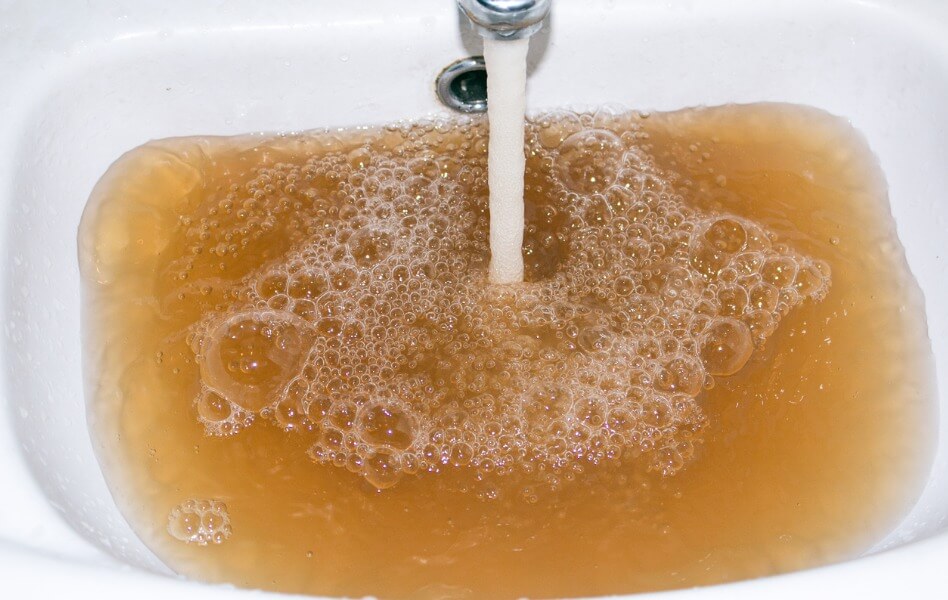
Discolored well water often signals elevated mineral or metal levels. Brown or reddish tones commonly indicate iron or rust from corroded pipes. A yellow tint may result from tannins or decaying organic matter in groundwater.
Green stains or greenish water can suggest acidic water reacting with copper plumbing. While trace minerals naturally occur in many private wells, sudden or intense color changes deserve attention. Color changes after storms, flooding, or long periods of non-use may indicate that sediment and contaminants entered the well.
High iron levels can affect taste and stain fixtures, while corrosive water can damage plumbing and release additional metals into the supply. If water appears noticeably different from what is typical for the property, avoid drinking it until water quality testing confirms safety.
5. Stains On Fixtures, Appliances, Or Laundry
Mineral stains provide long-term evidence of water quality problems. Reddish-brown marks in sinks and toilets often point to excess iron. Blue-green staining typically indicates copper corrosion caused by acidic water.
Black buildup may be linked to manganese. These deposits form when dissolved oxidized mineralsand attach to surfaces inside the plumbing system. Although staining is sometimes dismissed as cosmetic, it reflects elevated mineral concentrations in the well water.
Prolonged exposure to certain metals may contribute to digestive discomfort and infrastructure damage. When staying in a rural rental or property with a private well, inspect bathroom and kitchen fixtures for unusual staining patterns. Heavy or recurring stains suggest that the water source may require professional testing before it is considered safe for drinking.
6. Scale Buildup And Hard Water Issues
White, chalky deposits on faucets, showerheads, kettles, or glassware are signs of hard water. Scale forms when groundwater contains high concentrations of calcium and magnesium. As water evaporates, these minerals remain behind and attach to plumbing fixtures and appliances.
In private well systems, mineral content depends on local geology, and some rural areas naturally produce harder water than others. Hard water is not usually a direct health threat, but excessive mineral levels can create ongoing problems. Soap may not lather well, dishes can appear streaked, and laundry may feel stiff or look dull.
Many travelers also notice dry skin, an itchy scalp, or brittle hair after showering. Over time, mineral buildup can reduce water pressure and shorten the lifespan of water heaters and appliances. If scale is heavy and widespread, the well water may benefit from professional water quality testing and treatment.
7. Rotten Egg Or Sulfur Odor
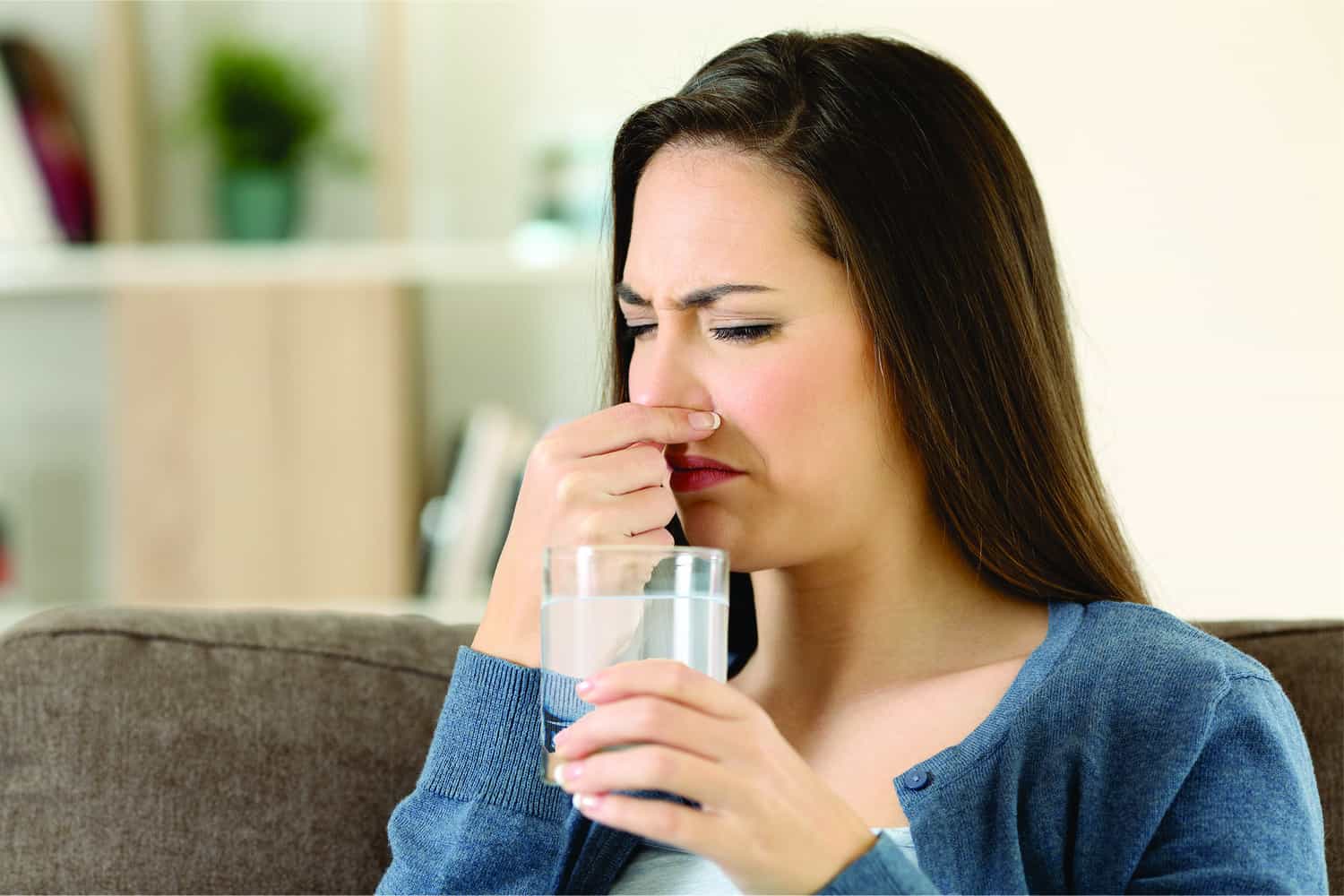
A strong rotten egg smell often indicates the presence of hydrogen sulfide gas in well water. This gas develops when sulfur bacteria break down organic matter in low-oxygen groundwater environments.
While small amounts can occur naturally in some regions, you might wonder what’s the deal with smelly well waterwhen the odor is especially noticeable or persistent; usually, this suggests bacterial activity within the well or plumbing system. Hydrogen sulfide is typically not dangerous at low concentrations, but it makes water unpleasant to drink and may signal broader water quality concerns.
The odor may become stronger when hot water is running, which can point to bacteria inside the water heater. If the smell is intense, continuous, or accompanied by discoloration, avoid consuming the water until the private well system is inspected and disinfected if necessary.
8. Musty, Earthy, Or Sewage-Like Smell
A musty, damp, or earthy odor can indicate decaying organic material in the groundwater. These smells are commonly linked to surface water intrusion, shallow well construction, or poor sealing around the well casing.
When surface contaminantsenter the well, bacteria and other microorganisms may also be introduced into the drinking water supply. A sewage-like odor is more serious and may suggest septic system leakage, animal waste contamination, or nearby wastewater pollution. Private wells located too close to septic tanks are at higher risk, especially after heavy rain or flooding.
Water with these odors should not be used for drinking, cooking, or brushing teeth. Immediate testing for coliform bacteria and other pathogens is recommended to protect health while traveling.
9. Chlorine, Detergent, Or Chemical Smell
Well water typically does not contain added chlorine unless it has been recently disinfected. A sharp chemical or detergent-like odor may indicate contamination from agricultural runoff, pesticides, cleaning products, or industrial chemicals entering the groundwater.
In rural travel destinations, wells located near farms or treated fields can be vulnerable to chemical infiltration. Even a mild chemical smell should not be ignored, as certain contaminants may not be visible in the water. Prolonged exposure to some chemicals can pose long-term health risks, including digestive issues or more serious conditions.
If the water smells artificial, harsh, or unfamiliar, avoid drinking it until laboratory water testing confirms that contaminant levels are within safe drinking water standards.
10. Metallic Or Bitter Taste
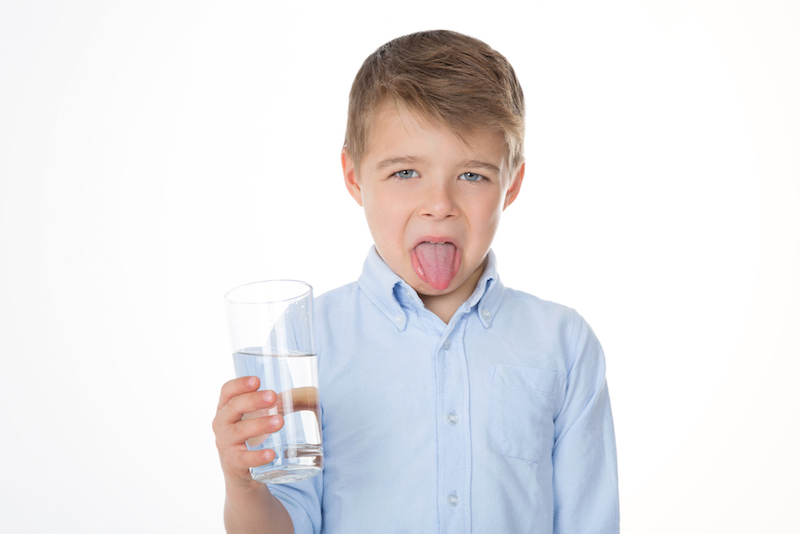
A metallic or bitter flavor is often associated with elevated levels of dissolved metals such as iron, copper, manganese, zinc, or lead. These substances can enter well water naturally from surrounding rock formations or from corroded plumbing systems.
Vacation homes and cabins are especially at risk because water may sit stagnant in pipes for extended periods, increasing metal leaching. While trace minerals are common in groundwater, a strong or unpleasant taste suggests concentrations that may exceed recommended drinking water guidelines. Long-term exposure to certain heavy metals, particularly lead, can pose serious health risks.
If you detect a sharp metallic taste, avoid swallowing the water and consider flushing the pipes briefly before retesting. If the taste remains, switch to bottled or properly treated water until the source is professionally evaluated.
11. Salty, Soapy, Or Chemical Taste
An unusual taste is often one of the clearest warning signs of unsafe well water. A salty flavor may indicate elevated sodium or chloride levels in the groundwater. This can occur due to road salt runoff, agricultural fertilizer seepage, septic system leakage, or saltwater intrusion in coastal regions.
High sodium levels may be a concern for people with high blood pressure or heart conditions, making this issue especially important for travelers with dietary restrictions. A soapy taste can point to excessive alkaline minerals such as calcium, magnesium, or bicarbonate, or it may signal a malfunctioning water softener system. A sharp chemical flavor may suggest contamination from pesticides, herbicides, or industrial pollutants entering the private well supply.
Safe drinking water should have little to no taste. If the water tastes abnormal in any way, spit it out, avoid swallowing it, and switch to bottled or properly treated water until professional water quality testing confirms safety.
12. Slimy Faucets Or Discolored Plumbing Fixtures
If you notice a slippery film inside sinks, around drains, or in toilet tanks, this may indicate bacterial growth within the plumbing system. Iron bacteria and sulfur bacteria commonly form a sticky biofilm inside private wells and pipes.
This buildup can appear orange, brown, black, or gray and may also cause unpleasant odors or staining. Biofilm is more than a cosmetic problem. It can protect harmful microorganisms from being easily flushed out, allowing contamination to persist inside the well system.
Slimy residue combined with discoloration suggests that the water supply may not be properly disinfected or maintained. In rental properties or rural accommodations, visible bacterial buildup should be treated as a sign that the well water needs inspection before being used for drinking.
13. Stomach Problems Or Skin Irritation After Use
Not all water contamination is visible. In some cases, the first warning sign is a physical reaction after drinking or bathing. Symptoms such as stomach cramps, diarrhea, nausea, or vomiting may indicate bacterial contamination, including coliform bacteria or E. coli.
Elevated nitrate levels in well water can also cause health concerns, particularly for infants, pregnant women, and individuals with weakened immune systems. Skin irritation, itching, or rashes after showering may be linked to chemical contaminants, high mineral content, or microbial presence.
If multiple people experience similar symptoms during a stay at a property that uses a private well, the water supply should be considered a possible source. Stop drinking the water immediately and use sealed bottled water until laboratory testing confirms that the well meets safe drinking water standards.
14. No Recent Water Testing Or Maintenance Records
Private wells are not regulated in the same way as municipal water systems. Regular testing is the responsibility of the property owner. When staying at a rural home, cabin, or vacation rental, it is reasonable to ask when the well water was last tested.
Annual testing for bacteria, nitrates, heavy metals, and basic water quality indicators is widely recommended by public health authorities. If the owner cannot provide recent test results or is unsure about maintenance history, exercise caution. Lack of routine water testing increases the risk that contamination may go unnoticed.
Combined with any of the warning signs above, missing test documentation should be treated as a serious safety concern. When in doubt, choose bottled or certified treated water to reduce the risk of waterborne illness while traveling.ter
What Makes Well Water Unsafe?
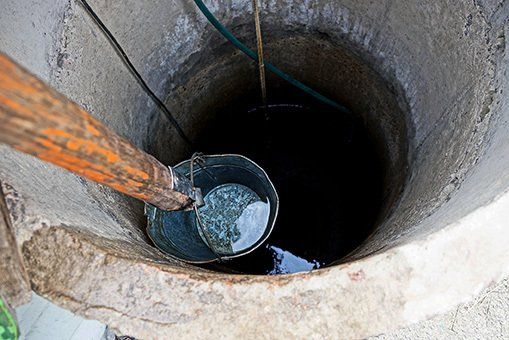
Well water can become unsafe when harmful germs such as bacteria, viruses, or parasites enter the water. Chemicals like nitrates, heavy metals, or hydrogen sulfidegas can also make water unsafe. These contaminants may come from nearby farming activities, septic systems, soil minerals, or plumbing issues.
During travel, the risk may be higher because some wells are not used often. Water that stays inside pipes or wells for a long time can allow bacteria to grow. Shallow wells are also more likely to be affected by surface pollution after rain or runoff.
Some water problems only affect taste or color, such as excess iron, which may cause staining or a metallic taste. Other problems, especially bacterial contamination, can cause stomach illness and diarrhea. Checking water signs early helps you stay safe and enjoy your trip without worrying about your health.
What Causes Well Water Contamination And Why Water Changes Happen
Well water can become contaminated for many reasons. Some causes are natural, while others happen because of human activity, poor maintenance, or damaged equipment. Understanding these causes helps you judge how serious a change in smell, color, or taste might be.
1. Surface Runoff And Environmental Pollution
Rainwater can carry dirt, animal waste, fertilizers, and chemicals from farms or livestock areas into the ground. This is called surface runoff. If a well is shallow or not properly sealed, these pollutants can enter the groundwater.
Poor waste disposal, nearby septic systems, or chemical spills can also affect underground water sources. Wells located close to farms, livestock areas, or sanitation drains have a higher risk of contamination. Travelers staying in rural areas should be especially cautious in these settings.
2. Septic Leaks And Poor Well Construction
If a septic system leaks, waste can slowly seep into the surrounding soil and reach the groundwater. Poorly built wells or damaged well casings also make it easier for contaminants to enter the water supply.
Understanding the importance of water well maintenancehelps property owners and travelers recognize why older, cracked, or poorly sealed wells are more likely to develop water quality problems over time.
3. Bacterial Growth And Sulfur Compounds
Some bacteria live naturally in low-oxygen groundwater. Certain types of bacteria can produce hydrogen sulfide gas, which causes a strong rotten egg smell.
This problem may become worse in shallow or poorly maintained wells. Microbial contamination is also one of the main causes of stomach illness linked to unsafe water consumption.
4. Mineral Dissolution And Pipe Corrosion
Groundwater naturally moves through rocks and soil underground. As it moves, it can dissolve minerals such as iron, manganese, or other elements.
Iron-rich soil may cause yellow or reddish water. Old metal pipes can also slowly release small amounts of metal into the water through corrosion. Although this process is gradual, poor maintenance can steadily reduce water quality over time.
Why Sensory Checks Are Not Enough
Some Dangerous Contaminants Cannot Be Seen Or Smelled
Not all harmful substances in well water can be detected using your senses. Some dangerous contaminants may be present even if the water looks clear, smells normal, or tastes fine.
Bacteria such as coliform bacteria and Escherichia coli, as well as chemicals like nitrates or arsenic, can make water unsafe without changing its appearance or smell. These contaminants can still cause health problems, especially stomach illness, diarrhea, or dehydration.
Because these risks are invisible, sensory checks should only be used as a first step to quickly screen water quality.
Why Travelers Should Be Extra Careful
During travel, you may not have access to laboratory water testing. This means you cannot confirm water safety with scientific equipment.
Use your senses to check water quickly, but if you feel even a little unsure, it is safer to avoid drinking the water.
Many travelers choose sealed bottled water when they are not certain about well water safety. This helps reduce the risk of drinking contaminated water while traveling.
What To Do If You Suspect Unsafe Well Water
If your sensory audit raises a red flag, your priority is to break the cycle of exposure. Pathogens can enter the body through more than just a glass of water, so a total "water ceasefire" is necessary until safety is confirmed.
- Stop using the water immediately: If you notice unusual smells, strange tastes, discoloration, or stains, stop drinking and using the water for cooking, preparing food, or making ice. Remember: Freezing does not kill bacteria; it simply preserves them. If the water isn't safe to drink, the ice cubes aren't safe to use.
- Check the fixtures for "Silent Warnings": Look at the sinks and toilets. Blue-green staining indicates acidic water corroding copper pipes, while orange-red staining points to high iron. These visual clues often reveal the importance of water well maintenance even when the water in your glass looks clear.
- Use bottled water for hygiene:Avoid using suspect well water for brushing your teeth. Pathogens can easily enter the bloodstream through small cuts in the gums or be accidentally swallowed during rinsing.
- Switch to a safer water source: Use factory-sealed bottled water whenever possible, especially while traveling or staying in a rural property. This is the only way to ensure 100% protection against invisible threats like nitrates or lead.
- Boil water if bottled water is unavailable: Boil water for at least one minute (three minutes at high altitudes) to kill harmful bacteria and parasites. Crucial Safety Note: Only boil water if you suspect biological contamination. If the water tastes metallic or salty, boiling will actually concentrate chemicals, heavy metals, and salts by evaporating the pure water and leaving the toxins behind.
- Ask about recent water testing: If you’re in a rental or guesthouse, politely ask when the well water was last tested. You can also ask the host if they follow specific water well maintenance tipsto ensure the system remains protected from seasonal runoff or bacterial growth.
- Arrange professional water testing: If it’s your property, contact certified water testing professionals to check for bacteria, chemicals, nitrates, and heavy metals.
- Install an appropriate treatment system: Based on test results, install the correct filtration or treatment system. UV systems help reduce microorganisms, while other filters target sediment, metals, or chemicals.
Travel Water Safety Checklist
Follow this simple checklist every time you arrive at a new rural stay or vacation rental to ensure you and your companions stay healthy.
- The Flush Test:Run the cold water for at least one minute. This clears out stagnant water that has been sitting in the pipes and gives you a fresh sample from the well.
- The Smell Test:Sniff the water. Any rotten egg, musty, or sewage-like odors are immediate red flags.
- The Clarity Check: Pour the water into a clear glass. If it is cloudy, let it sit for two minutes. If the cloudiness doesn't disappear (bottom-up), it is likely sediment or bacteria.
- The Fixture Audit: Look at the sinks and showerheads. Blue, green, or rusty orange stains are "silent warnings" that the plumbing or well system may be compromised.
- The Taste Test:Only if the water passes the smell and sight tests, take a tiny sip. If it tastes metallic, bitter, or salty, spit it out and do not drink more.
- The Hygiene Rule: If the water fails any of the above, do not use it for ice cubes or for brushing your teeth. Use bottled water instead.
- The Boiling Rule:If you must use the water and only suspect bacteria, boil it. Stop: If you suspect chemicals or heavy metals (metallic taste), do not boil, it will concentrate the toxins.
Health Risks Of Drinking Contaminated Well Water

Common Symptoms You May Experience
Drinking unsafe well water can make you sick. The most common symptoms include stomach pain, diarrhea, vomiting, and dehydration. Germs in contaminated water can enter your body and affect your digestive system.
In some cases, you may also experience fever, weakness, or loss of appetite. This is especially important to understand when traveling, because travel affects healthin many ways, and exposure to unfamiliar water sources can increase the risk of illness.
When Symptoms May Appear
Symptoms can begin within a few hours after drinking unsafe water, or they may appear several days later. The timing depends on the type of bacteria, virus, or chemical in the water.
If symptoms become severe, such as constant vomiting, high fever, or signs of dehydration like dry mouth and dizziness, seek medical help as soon as possible.
Safe Drinking Water Choices While Traveling
1. Choose Sealed Bottled Water
The safest option while traveling is sealed bottled water with an unbroken seal. Always check that the cap is tight before drinking.
2. Using Travel Water Filters
Travel water filters can help reduce germs and microorganisms. However, they must be used correctly to work properly. Always follow the instructions provided with the filter.
3. Boiling Water For Safety
Boiling water can make it safer if bacteria are the main concern. Boil water for at least one minute before drinking. However, boiling does not remove chemicals or heavy metals.
4. When In Doubt, Avoid The Water
If you are unsure about water safety, it is better to carry your own drinking water or buy sealed bottled water. Being careful can help you avoid illness during your trip.
When You Should Avoid Well Water Completely
Do not drink well water if:
- The well is open or poorly maintained
- The water smells, looks, or tastes unusual
- You cannot confirm treatment or testing
- The water source is close to waste drainage or animal farms
Rural or seasonal rental wells may not be checked regularly, so caution is important.
People Also Ask
Why Does My Well Water Taste And Smell Bad?
Hydrogen Sulfide and Sulfur Bacteria in Well Water. Hydrogen sulfide gas (H2S) can give water a “rotten egg” taste or odor. This gas can occur in wells anywhere and be: Naturally occurring - a result of decay and chemical reactions with soil and rocks.
What Are The Symptoms Of Contaminated Well Water?
Symptoms include diarrhea, vomiting, cramps, nausea, headaches, fever, fatigue, and even death sometimes. Infants, children, elderly people, and people with weakened immune systems are more likely to get sick or die from disease-causing microorganisms in drinking water.
Does Boiling Well Water Make It Safe?
Boiling kills many bacteria and germs. However, it does not remove chemicals, heavy metals, or salt.
Is It Safe To Drink Well Water That Smells Like Metal?
Water that smells metallic isn't always immediately dangerous, but you shouldn't ignore it either. For example, if the cause of the odor is iron or manganese, then it's more of a nuisance than a health threat (but only in low levels).
How To Remove Sulfur Taste From Well Water?
Chlorine bleach can effectively remove medium to high levels (over 6 mg/l) of hydrogen sulfide. The chlorine in the bleach chemically reacts with (oxidizes) the hydrogen sulfide, eliminating the "rotten egg" odor. Chlorine bleach also reacts with iron or manganese and disinfects water supplies.
How Often Should Well Water Be Tested?
Private well water should be tested at least once a year, or more often if there are changes in smell, taste, or color.
Final Thoughts
Drinking water should never be a risk. Well water can be safe, but it can also contain hidden dangers that you cannot always see or smell. Pay attention to warning signs, and when in doubt, choose sealed bottled or properly treated water. A small precaution can protect your health and keep your trip stress-free.
Jump to
How To Spot Unsafe Well Water While Traveling
1. Cloudy Or Murky Well Water
2. Visible Sediment Or Floating Debris
3. Oily Sheen Or Rainbow Film On The Surface
4. Brown, Red, Yellow, Or Green Discoloration
5. Stains On Fixtures, Appliances, Or Laundry
6. Scale Buildup And Hard Water Issues
7. Rotten Egg Or Sulfur Odor
8. Musty, Earthy, Or Sewage-Like Smell
9. Chlorine, Detergent, Or Chemical Smell
10. Metallic Or Bitter Taste
11. Salty, Soapy, Or Chemical Taste
12. Slimy Faucets Or Discolored Plumbing Fixtures
13. Stomach Problems Or Skin Irritation After Use
14. No Recent Water Testing Or Maintenance Records
What Makes Well Water Unsafe?
What Causes Well Water Contamination And Why Water Changes Happen
Why Sensory Checks Are Not Enough
What To Do If You Suspect Unsafe Well Water
Travel Water Safety Checklist
Health Risks Of Drinking Contaminated Well Water
Safe Drinking Water Choices While Traveling
When You Should Avoid Well Water Completely
People Also Ask
Final Thoughts

Michael Rachal
Author
Michael Rachal believes that luxury lies in the details. With over 20 years of experience in the luxury travel industry, he has crafted hundreds of bespoke itineraries for clients seeking personalized, unforgettable experiences.
Whether guiding clients through private cultural tours or curating culinary journeys with world-renowned chefs, Michael ensures that each trip is tailored to perfection.
His ability to anticipate needs and exceed expectations has earned him a reputation as a leading expert in luxury travel.

Finn Wilde
Reviewer
For Finn Wilde, the wilderness is more than just a destination - it’s a way of life. Over the past decade, he has led multiple expeditions in some of the world’s most remote regions, from the icy fjords of Greenland to the rugged trails of Patagonia.
Finn emphasizes sustainability in all of his adventures, helping participants connect with nature while promoting responsible exploration. His expeditions inspire individuals to explore the great outdoors while fostering a deep respect for the environment.
Latest Articles
Popular Articles