Seasonal Iceland Vanlife - Tips For Every Time Of Year
The Ring Road, or Route 1, circles Iceland in a continuous loop, connecting many of the country’s most breathtaking natural and cultural sites.
Author:Liam JonesReviewer:Maya ReyesAug 09, 20257.9K Shares380.1K Views
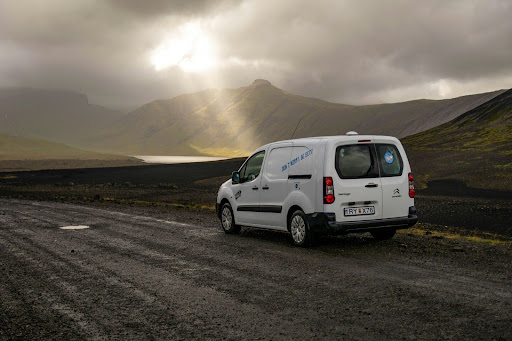
Vanlife in Iceland has grown into a favored way to explore the country’s diverse regions with freedom and flexibility. Traveling by van offers a unique experience to connect with Iceland’s natural surroundings while maintaining comfort and mobility. Each season brings distinct conditions that influence travel plans, road accessibility, and daily activities. Understanding these seasonal shifts helps prepare for weather changes, daylight variations, and practical needs, contributing to a safer and more rewarding journey throughout the year.
Spring (March To May): Awakening Landscapes And Variable Weather
Spring in Iceland, from March to May, brings a dynamic mix of weather and steadily increasing daylight. Days grow longer, offering more time to explore, though temperatures remain cool with occasional rain and wind. Preparing for variable conditions includes equipping your van with reliable insulation and waterproof gear. Vehicle maintenance should focus on checking tires, brakes, and heating systems to handle fluctuating road conditions.
This season rewards travelers with sights of waterfalls swelling from melting ice and the return of migratory birds across the country. The roads see fewer visitors, providing opportunities to experience Iceland’s natural features in relative calm. Early spring offers a quiet and refreshing atmosphere, ideal for those who appreciate tranquil surroundings while on the move.
Seasonal shifts in Iceland aren’t just about weather; they dictate where you can go, how you sleep, and even which roads are legal to drive. That’s why choosing the right camper van rental in Iceland matters year-round. CampEasystands out for offering weather-adapted campers, complete with insulation, heating, and seasonal gear, whether you're navigating snowy F-roads or midnight sun coastlines.
Summer (June To August): Endless Days And Peak Travel
Summer in Iceland offers remarkable experiences characterized by nearly continuous daylight thanks to the midnight sun. This extended daylight provides abundant time for exploring and enjoying the outdoors, giving travelers flexibility to cover long distances and visit multiple sites in a single day.
The season opens access to highland roads and remote areas that remain closed during colder months. These routes offer unique views and opportunities for adventure that are otherwise unavailable, expanding the scope of vanlife exploration across Iceland’s diverse terrain.
However, summer is also the peak travel period, which brings larger numbers of visitors and busier campsites. Planning ahead with early bookings helps secure preferred spots and eases travel logistics. Choosing less frequented locations or arriving early in the day can enhance the experience by avoiding peak congestion.
Preparation that includes clear itinerary organization and accommodations planning contributes to smoother travel during this vibrant season of activity.
Autumn (September To November): Colors And Quietude
Autumn in Iceland brings a gentle shift as temperatures cool and daylight hours shorten. The crisp air carries the vibrant hues of red, orange, and gold, transforming the countryside into a stunning canvas of fall colors. This season invites travelers to enjoy peaceful drives through scenic routes where the foliage creates striking contrasts against the rugged terrain.
As darkness arrives earlier each day, the chance to witness the northern lights increases, with clear nights offering vivid displays of the aurora. Autumn evenings offer quiet moments under the glowing sky, perfect for those seeking a blend of nature’s calm and spectacle.
Preparing the van for cooler temperatures becomes important, including checking tire conditions and fluid levels to meet the demands of colder weather. Regular vehicle maintenance supports safe travel, as roads may become slick with early frost. Adjustments for shorter daylight also encourage planning trips to maximize time outdoors while daylight lasts, ensuring a smooth and enjoyable autumn journey.
Winter (December To February): Adventure In The Arctic Chill
Winter in Iceland offers a unique experience for vanlife enthusiasts, marked by cold temperatures and limited daylight hours that shape travel plans. Roads can be icy and visibility reduced, making careful vehicle preparation essential. Equipping your van with snow tires and carrying tire chains increases safety on slippery surfaces, providing better traction on snowy or icy roads.
Wintertime opens access to activities such as exploring frozen waterfalls, visiting ice caves, and witnessing the northern lights in quiet, dark skies. These experiences fit well within a vanlife approach, combining mobility with adventure.
For overnight stays, using reliable heating systems inside the van is important to maintain warmth. Insulated bedding and portable heaters help maintain comfort during cold nights. Preparing for shorter days by planning travel and rest times around daylight supports safe and enjoyable exploration.
General Year-Round Tips For Iceland Vanlife
Planning a flexible itinerary helps accommodate sudden changes in weather or road conditions common in Iceland. Allow extra time for detours and adjust daily routes as needed to maintain comfort and safety throughout the journey.
Regularly checking official sources for road and weather updates supports smooth travel. Local websites and apps provide timely information on closures, weather alerts, and driving conditions, helping to prepare for each day's trip.
Respect for Iceland’s natural environment and regulations benefits both travelers and the fragile surroundings. Following marked paths, avoiding sensitive areas, and adhering to campsite rules contribute to preserving the country’s beauty and minimizing impact.
Packing essentials should reflect seasonal demands. Layered clothing adapts to temperature shifts, while reliable footwear suits varied terrain. Equipment such as thermal gear, rain protection, and basic vehicle tools improves readiness across all seasons. Including a well-stocked first aid kit and sufficient food and water adds to overall preparedness for remote travel.

Liam Jones
Author
Liam Jones has made it his mission to prove that adventure doesn’t need a hefty budget. Having traveled to over 40 countries, he specializes in finding affordable ways to experience the world, from the best street food in Bangkok to hidden gems in Lisbon.
Liam’s travel tips have reached thousands of readers, empowering them to see the world on a shoestring budget without sacrificing quality. With a deep passion for local cultures, he continues to share his travel hacks, ensuring adventure remains accessible to all.

Maya Reyes
Reviewer
Maya Reyes’s wanderlust was sparked in the temples of Luang Prabang, where the scent of lemongrass and the chants of monks revealed the transformative power of travel.
Since then, her journey has been defined by cultural immersion and authentic connections. From learning batik in Indonesia to sharing meals with nomadic families in Mongolia, Maya seeks experiences that highlight the human stories behind each destination.
Travel for her is a way to weave her narrative into the world’s cultural tapestry, creating bridges across diverse ways of life. Maya has traveled to 15 countries and shares her insights through writing and storytelling.
Latest Articles
Popular Articles