Scuba Diving In The Great Barrier Reef | 13 Best Dive Sites
Great Barrier Reef diving guide with 13 must-visit sites, marine life highlights, and travel tips for beginners and pros alike.
Author:Maya ReyesReviewer:Sophia HarperSep 12, 202564.1K Shares1.2M Views
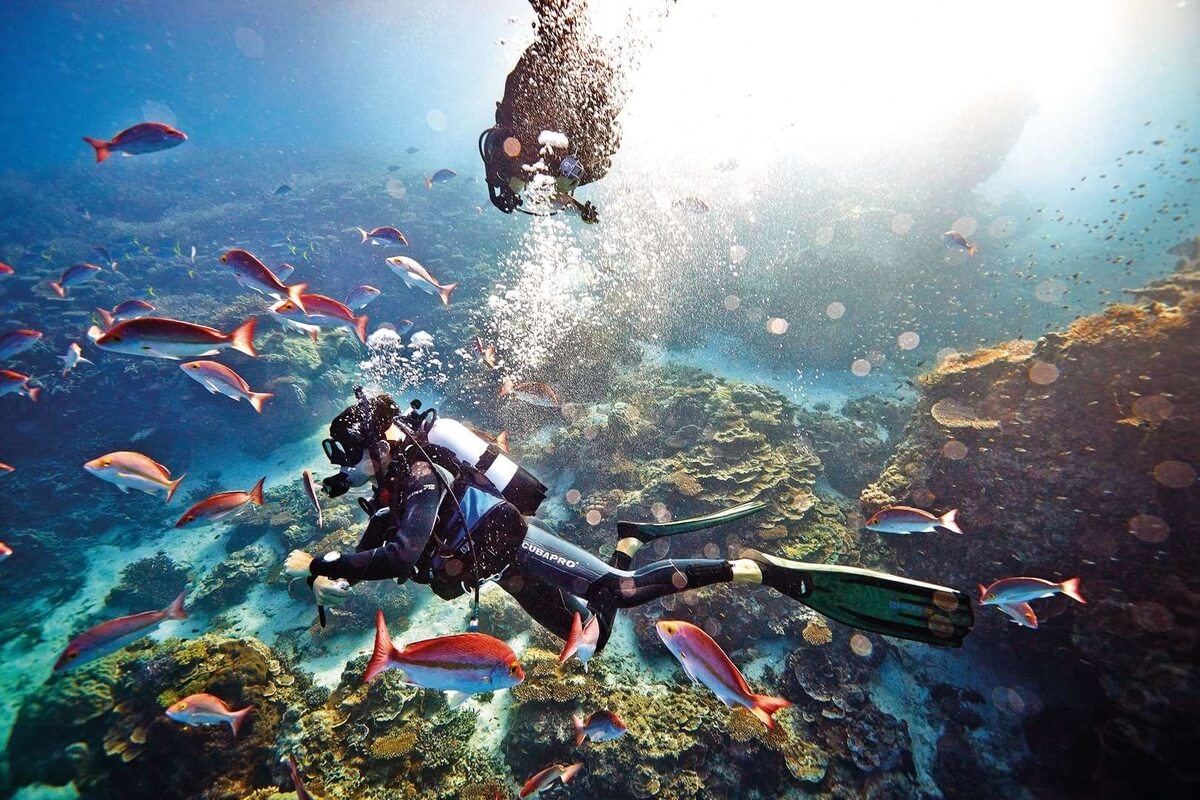
Scuba Diving In The Great Barrier Reef You’ll Never Forget
The Great Barrier Reef, a vast and vibrant marine wonderland, is the pinnacle of any diver's bucket list. But as you plan your trip, a host of questions likely surface: Is it truly as great as the pictures suggest? What about the health of the reef? And how do you navigate this immense ecosystem to find the most breathtaking encounters?
This guide is designed to go beyond the typical travel brochure. It’s for the discerning traveler and passionate diver who wants to understand the nuances of this incredible destination.
We’ll take a candid look at the reef’s health, offer expert advice on choosing your perfect base, and reveal some of the most iconic dive sites and unique experiences that lie far from the beaten path. This is your definitive guide to experiencing the Great Barrier Reef, not just as a tourist, but as a temporary guardian of its magic.
1. Cairns
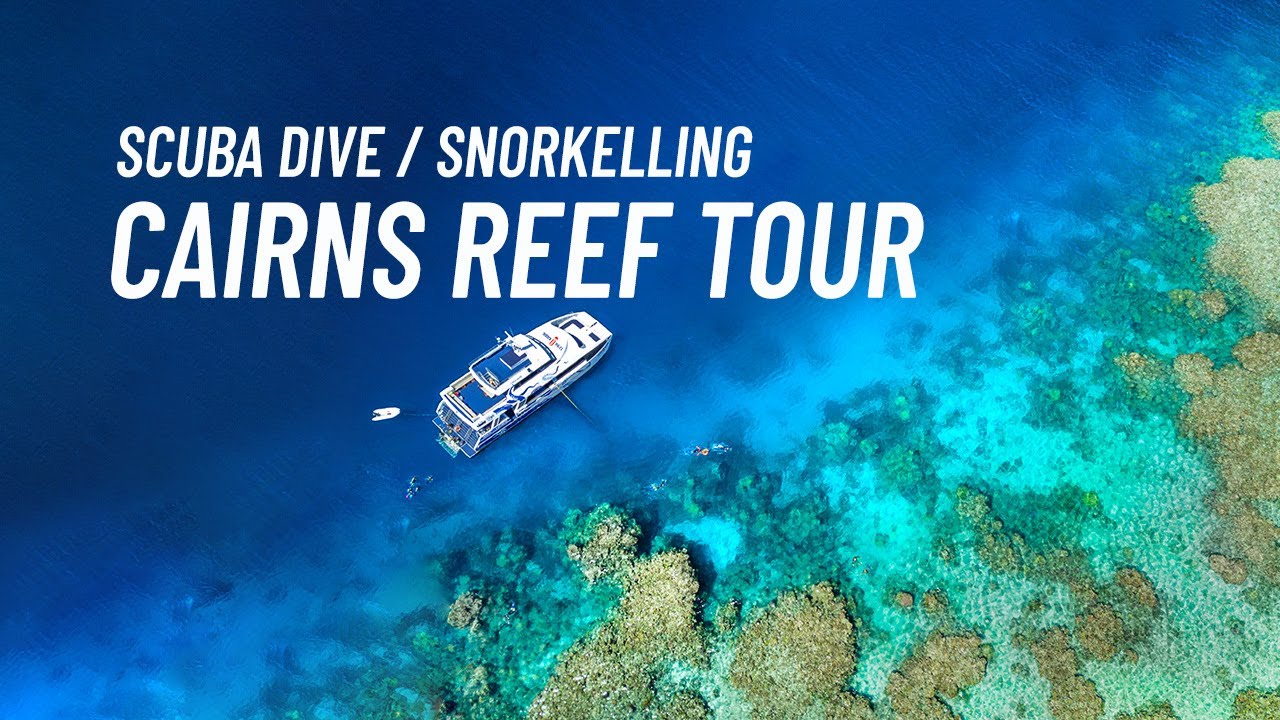
Cairns Reef Tour - Scuba Diving 🤿 Snorkelling on the Great Barrier Reef 🐠🐠
As the unofficial "scuba diving capital of Australia," Cairns is the most popular and convenient choice. It offers a wide variety of dive operators, from large day boats perfect for beginners and snorkelers to fast, high-end vessels that take you to the outer reef in record time.
From Cairns, you can access an immense variety of dive sites that are ideal for all skill levels. It's also the main hub for multi-day liveaboard trips to the spectacular outer Ribbon Reefs.
- Why base here:Dozens of operators offering day trips, training, and liveaboards.
- Sites accessible:Outer Reef, Ribbon Reefs, Cod Hole, and Coral Sea.
2. Port Douglas
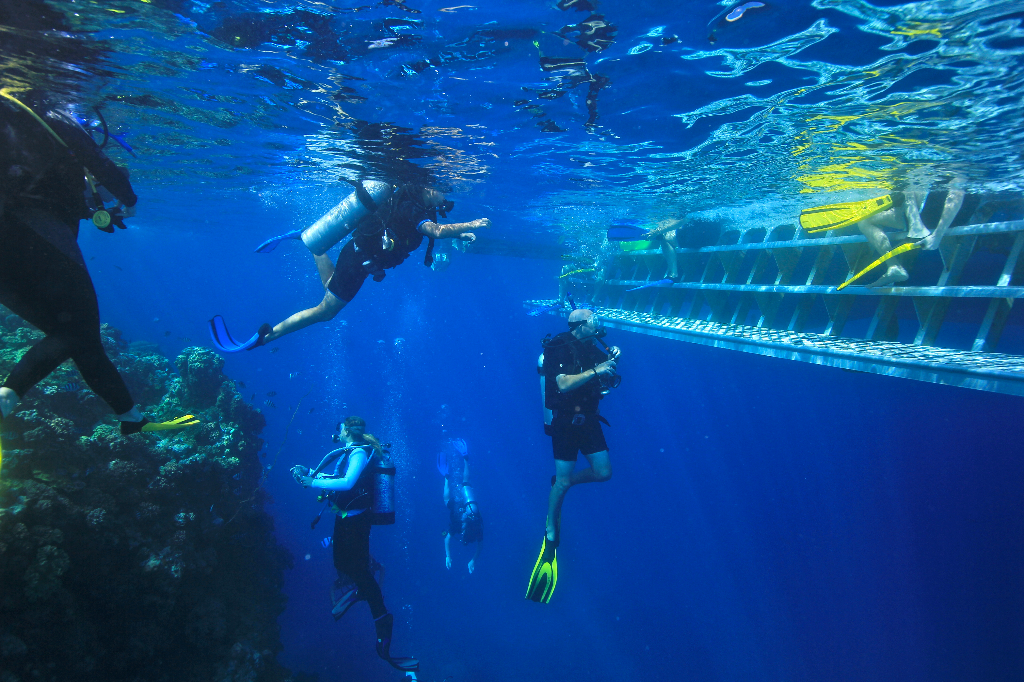
Located about an hour north of Cairns, Port Douglas offers a more relaxed, upscale atmosphere. The town is smaller and more boutique, attracting visitors who prefer a more laid-back experience.
Tours from Port Douglas often focus on the Agincourt Reefs, which are closer to the coast and widely considered some of the most pristine parts of the ribbon reef system.
These reefs are known for a high density of colorful fish, sea turtles, and even reef sharks. It's an excellent option for those seeking high-quality day trips, and it is here you can find the famous Blue Wonder wall, where a vibrant coral garden drops vertically for over 40 meters.
- Why stay here:Access to the Agincourt Reefs, Ribbon Reefs, and Cod Hole.
- Travel tip:Ideal for divers who want reef trips with high-end accommodation and fine dining.
3. Agincourt Reefs
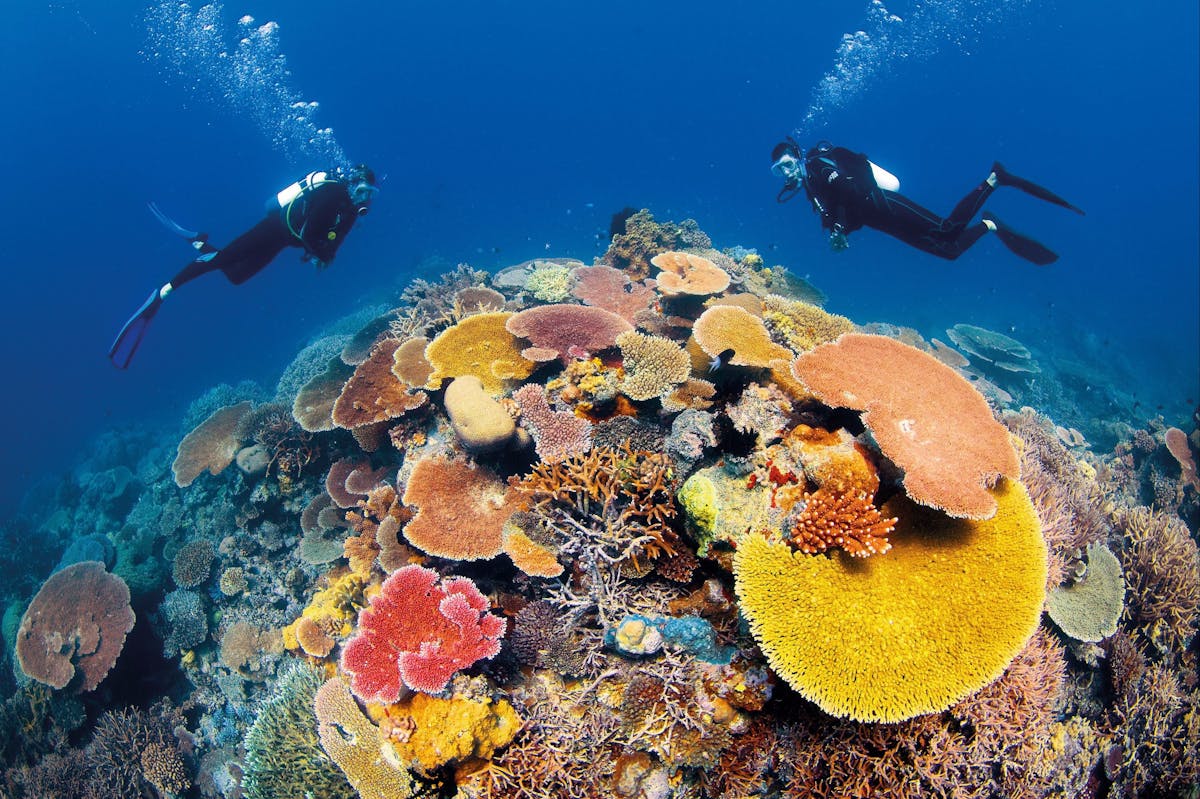
Situated at the very edge of the continental shelf, the Agincourt Reefs are a collection of "ribbon reefs" that are renowned for their exceptional water clarity and pristine coral gardens. Accessible primarily from Port Douglas, these reefs are a haven for both snorkelers and divers of all levels.
The diverse underwater terrain features shallow coral gardens, spectacular walls, and unique bommies (large coral formations). Top dive sites include Nursery Bommie, a pinnacle teeming with clownfish, and Blue Wonder, a breathtaking vertical wall that drops over 40 meters.
The reefs are also home to a high density of vibrant fish life, graceful sea turtles, and even large, friendly Maori wrasse and Malabar groupers that often approach divers. Its proximity to the deep Coral Sea means encounters with larger pelagic species are also a possibility.
- Why dive here:Crystal-clear water, spectacular walls, and drift dives.
- Marine life:Reef sharks, eagle rays, parrotfish, and giant clams.
4. Ribbon Reefs
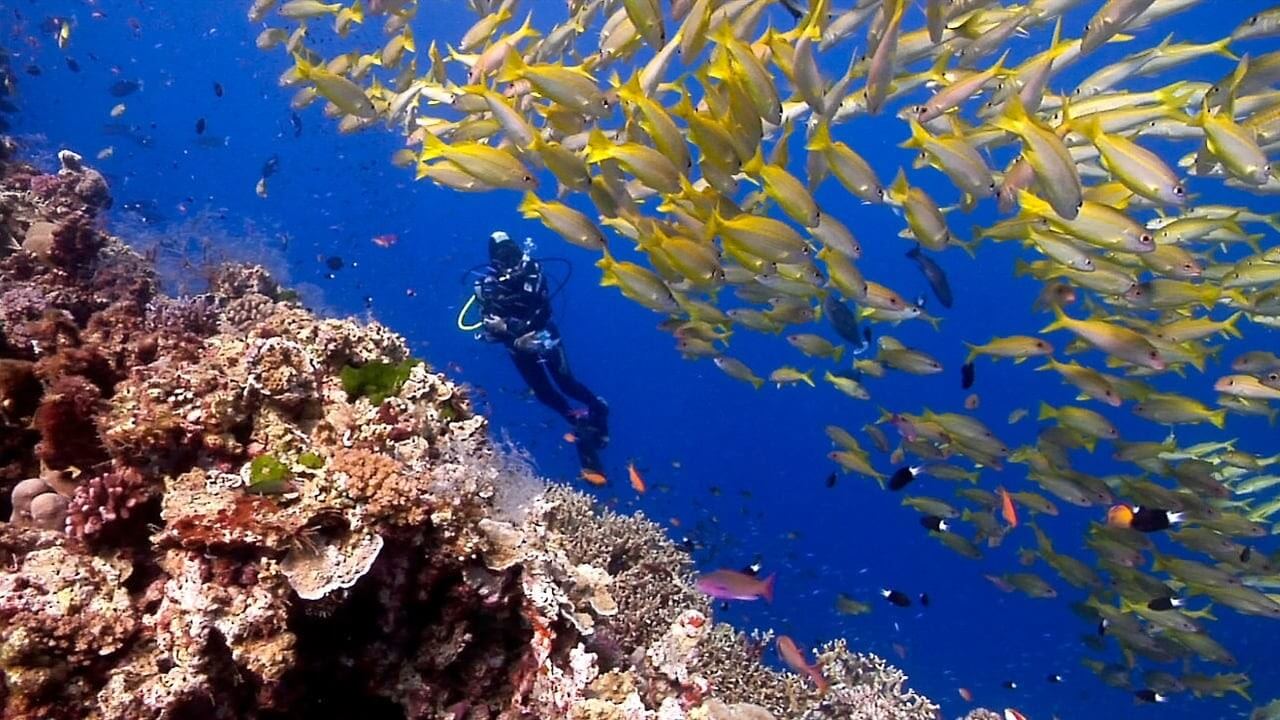
The Ribbon Reefs stretch along the far northern section of the Great Barrier Reef, between $ Cairns $ and $ Lizard Island $. This remote region is regarded as one of the crown jewels of the reef, offering pristine dive conditions, dramatic coral walls, and encounters with some of the ocean’s most iconic species.
The Ribbon Reefs are made up of 10 distinct reef systems, with highlights like Steve’s Bommie, Pixie Pinnacle, and the famous Cod Hole. These sites are known for their stunning visibility, towering coral bommies, and the chance to swim alongside massive potato cod and even dwarf minke whales during the migration season.
- Marine life:Potato cod, reef sharks, barracuda, moray eels, dwarf minke whales (seasonal).
- Travel tip:Best accessed by liveaboard trips departing from Cairns or Port Douglas. Plan 3–7 days to experience multiple sites.
5. The Whitsundays
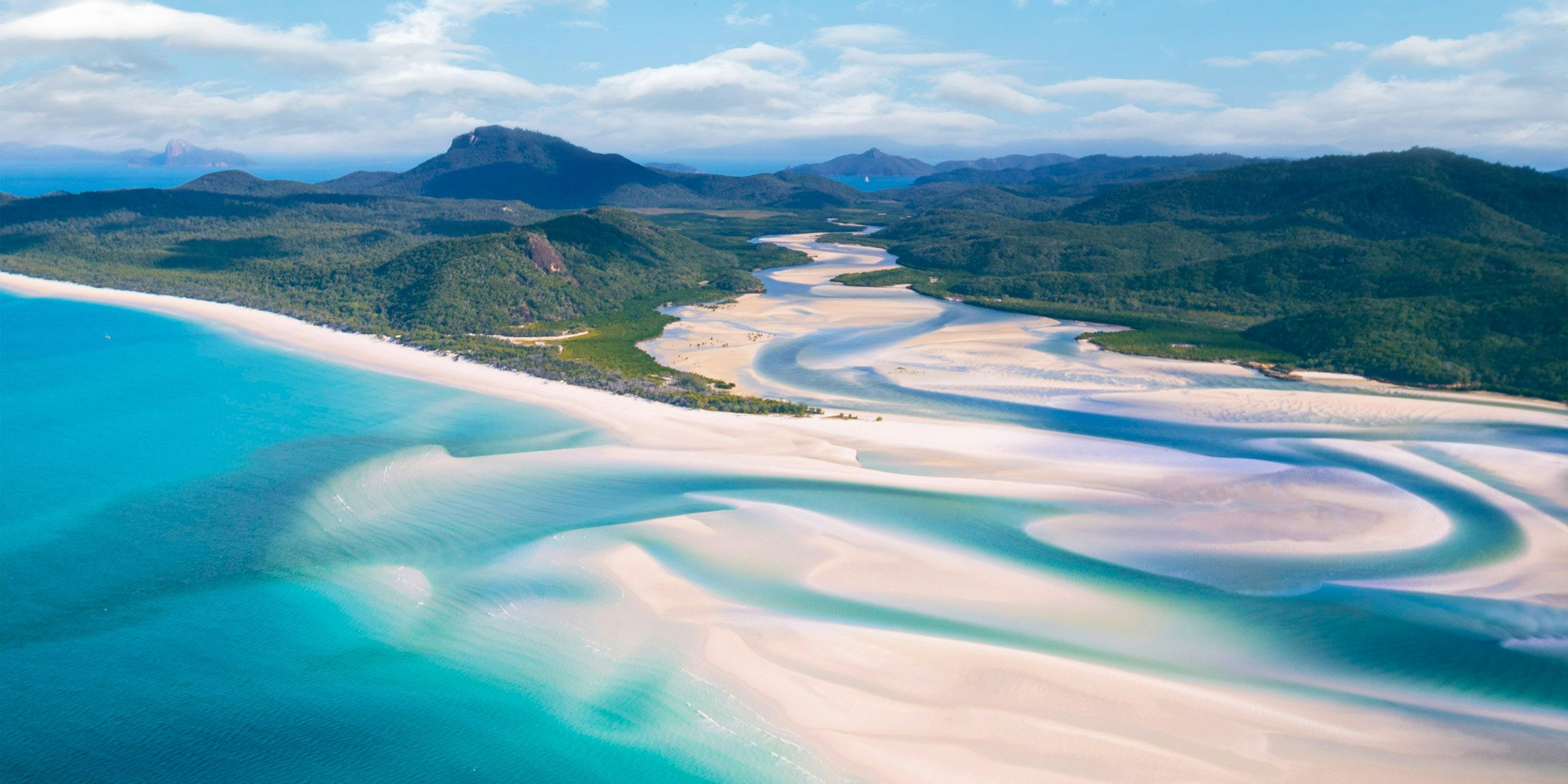
The Whitsundays offer a completely different kind of adventure. Located further south, this area is famous for its 74 idyllic islands and sailing trips. While not as renowned for deep, oceanic diving as the Cairns region, the Whitsundays still offer some beautiful reef sites, particularly around Hook Island.
A Whitsundays trip is less about repetitive dives and more about combining snorkeling and diving with sailing, island hopping, and relaxation on stunning white-sand beaches.
This is also where you’ll find the Hardy Reef Pontoon, a large floating platform that serves as a base for both day trips and overnight stays, providing easy access to fantastic coral gardens for all ages.
- Why dive here:Beautiful coral gardens, caves, and swim-throughs.
- Signature sites:Blue Pearl Bay, Manta Ray Bay, and Hardy Reef.
6. The SS Yongala Shipwreck
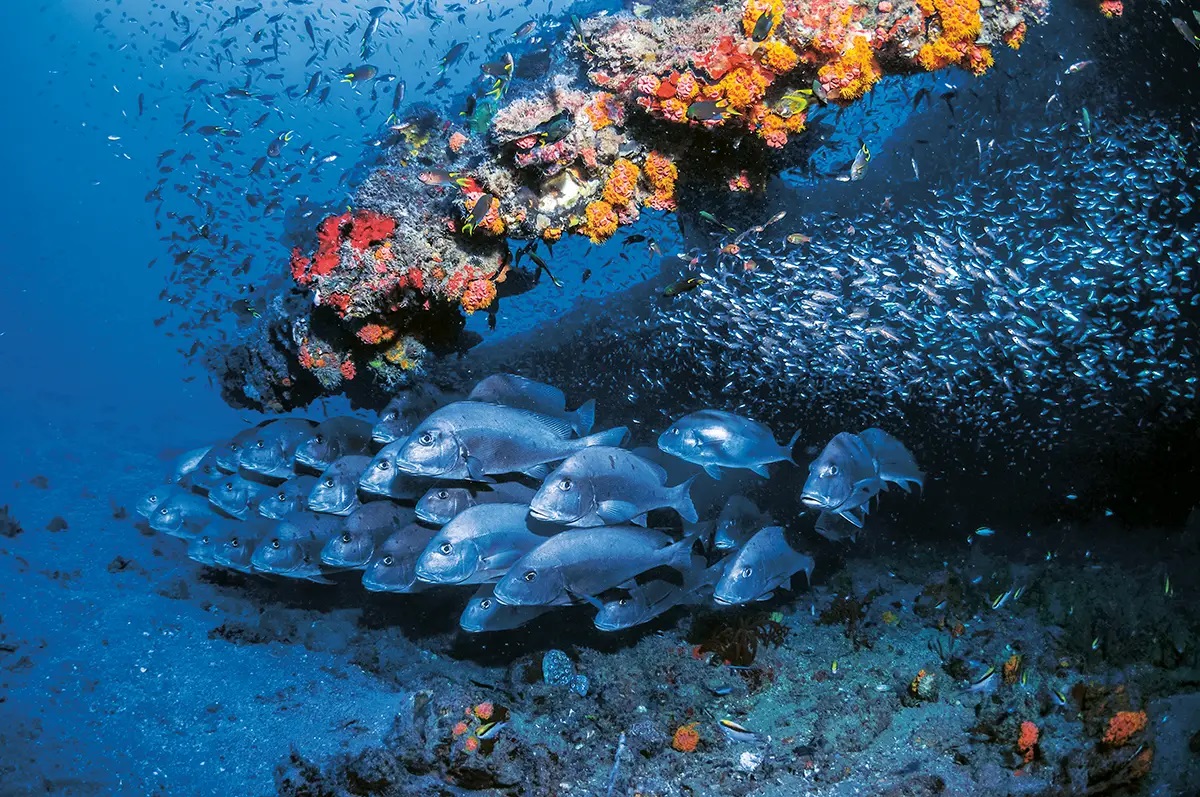
Often hailed as one of the top shipwreck dives in the world, the SS Yongala is a must for any experienced diver. Sunk during a cyclone in 1911, this massive steamship lies intact on the seafloor, creating a thriving artificial reef.
Located off the coast of Townsville and best accessed from nearby Ayr, the wreck is a sanctuary in a "no-fishing" green zone.
It’s a magnet for marine life, with enormous schools of giant trevally, bull sharks, huge manta rays, and barracuda swirling around the wreck. Due to strong currents and its depth, this dive is strictly for certified divers with significant experience.
- Why dive here:Massive fish aggregations and dramatic history.
- Marine life:Giant groupers, sea snakes, turtles, bull sharks, and manta rays.
7. The Museum Of Underwater Art (MOUA)
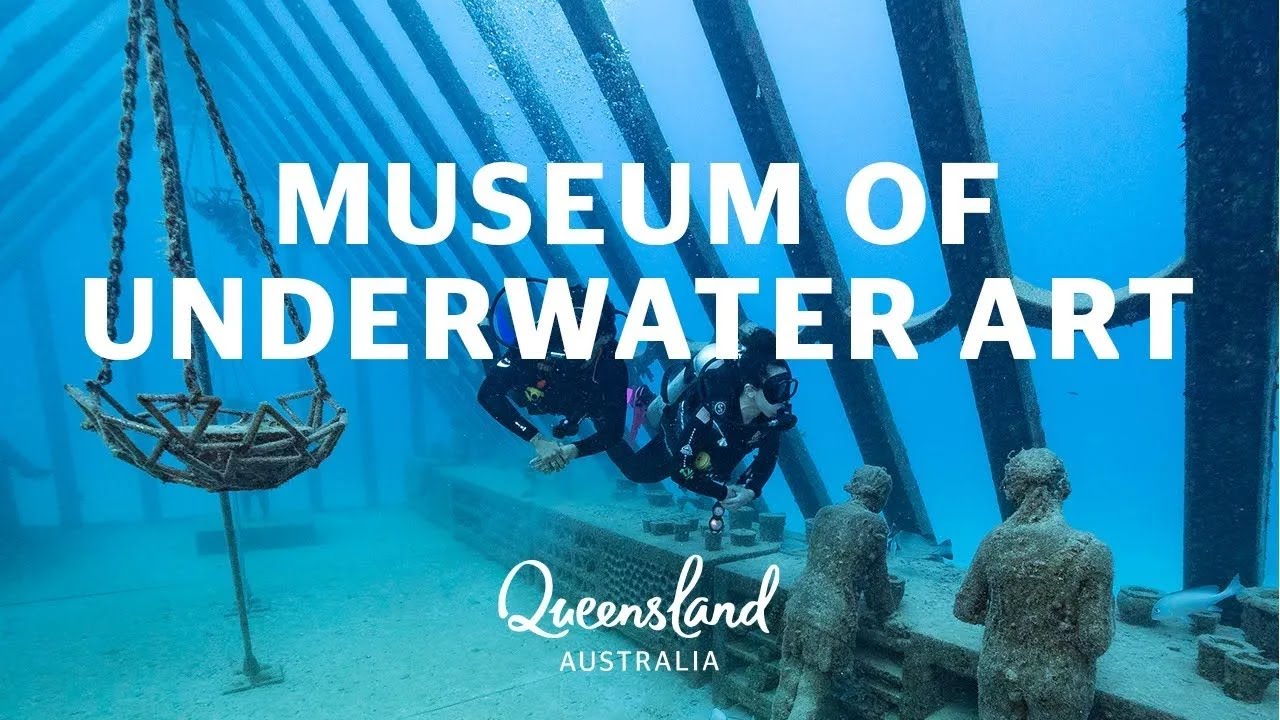
Discover MOUA / Museum of Underwater Art
Off the coast of Townsville lies a one-of-a-kind attraction that blends art with conservation. The Museum of Underwater Artis the Southern Hemisphere's only underwater art museum and features monumental sculptures designed by artist Jason deCaires Taylor. The flagship piece, the "Coral Greenhouse," is a 12-meter-tall structure that acts as a coral nursery and habitat.
The "Ocean Sentinels" are a series of sculptures modeled on marine scientists and conservationists. This site serves as a testament to the reef's importance and is a stunning visual experience for both snorkelers and divers.
- Why dive here:The Coral Greenhouseis an underwater sculpture garden that doubles as coral habitat.
- Marine life:Juvenile reef fish, corals colonizing sculptures, and occasional turtles.
8. Wonder Reef
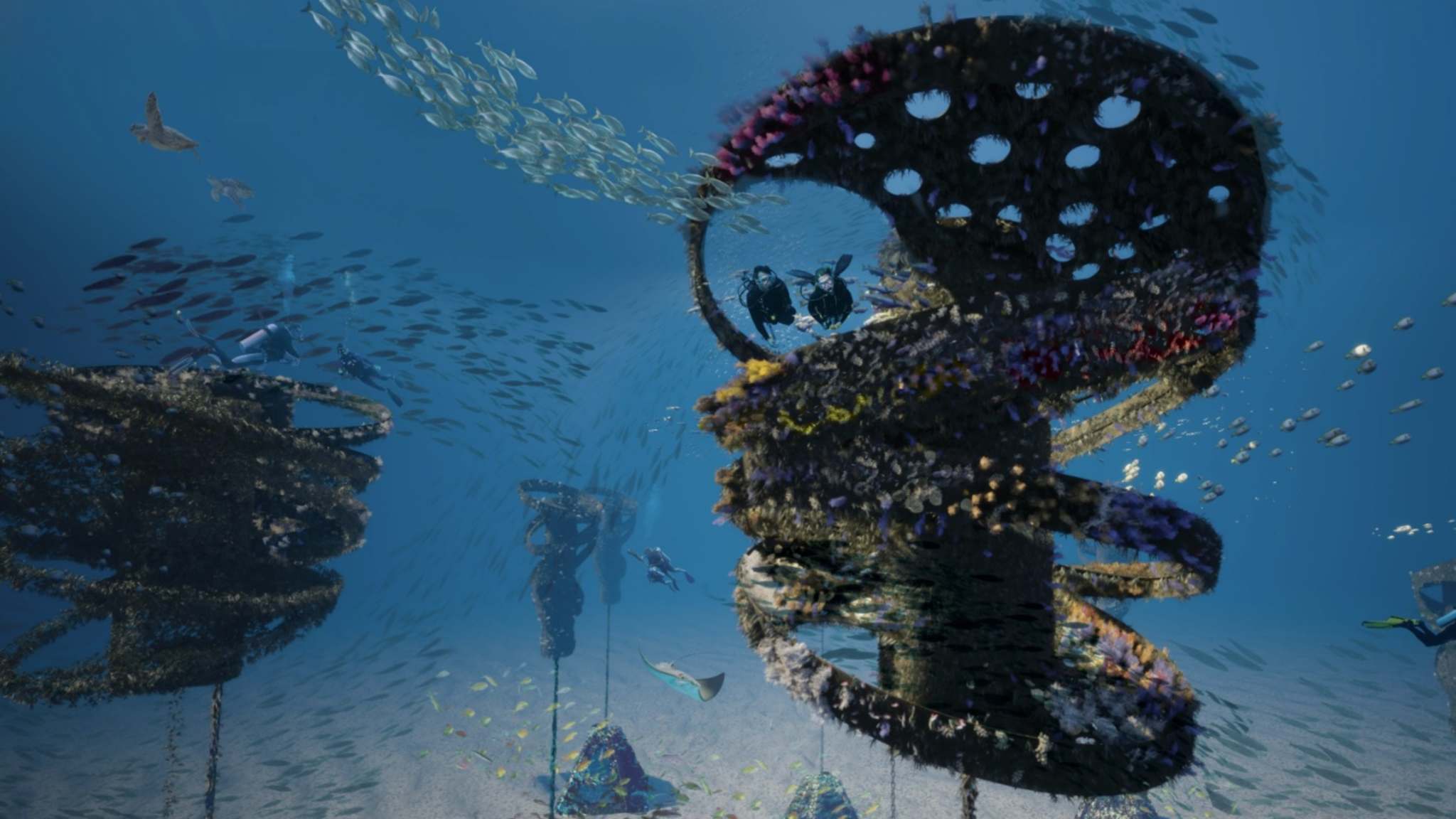
Opened in 2022 off the Gold Coast, Wonder Reefis the world’s first floating reef system, designed to blend art, science, and sustainability.
Just off the Gold Coast lies the world's first buoyant reef. Wonder Reef features nine massive underwater sculptures designed to create a new, vibrant habitat for marine life. This innovative site is a must-see for divers of all levels, showcasing how art and science can come together to help the environment.
- Why dive here:Nine towering reef sculptures anchored 30m deep act as both art installations and marine habitats.
- Marine life:Already attracting tropical fish, sponges, and corals.
9. Tangalooma Wrecks
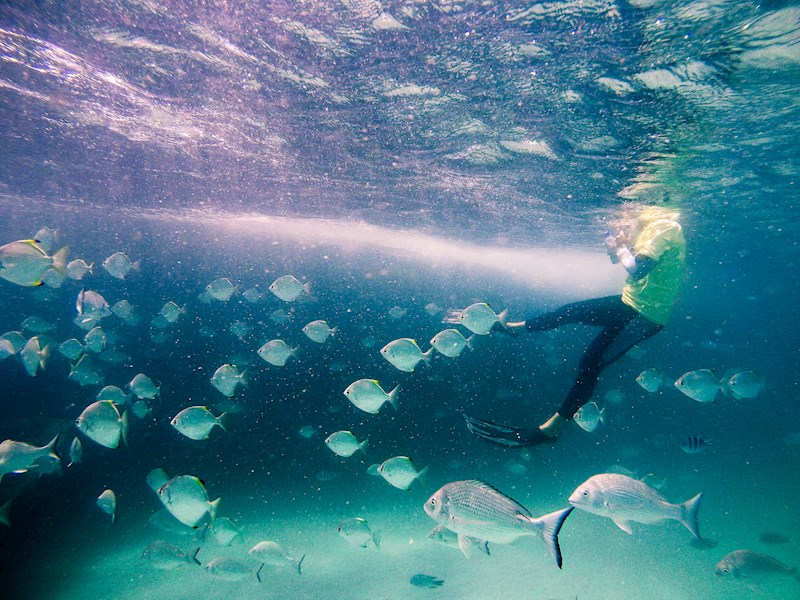
An unusual Great Barrier Reef dive, the Tangalooma Wrecksare located just offshore from Brisbane, making them one of the most accessible wreck sites in Queensland.
The Tangalooma Wrecks consist of 15 deliberately scuttled ships that have become a thriving artificial reef. These wrecks are an incredible playground for marine life and are easily accessible for shore-based dives, offering an opportunity to explore a unique environment teeming with life.
- Marine life:Giant trevally, kingfish, wobbegong sharks, and occasional dugongs.
- Travel tip:Great for beginners and snorkelers. Best visited as part of a day trip from Brisbane or Moreton Island resorts.
10. Cod Hole
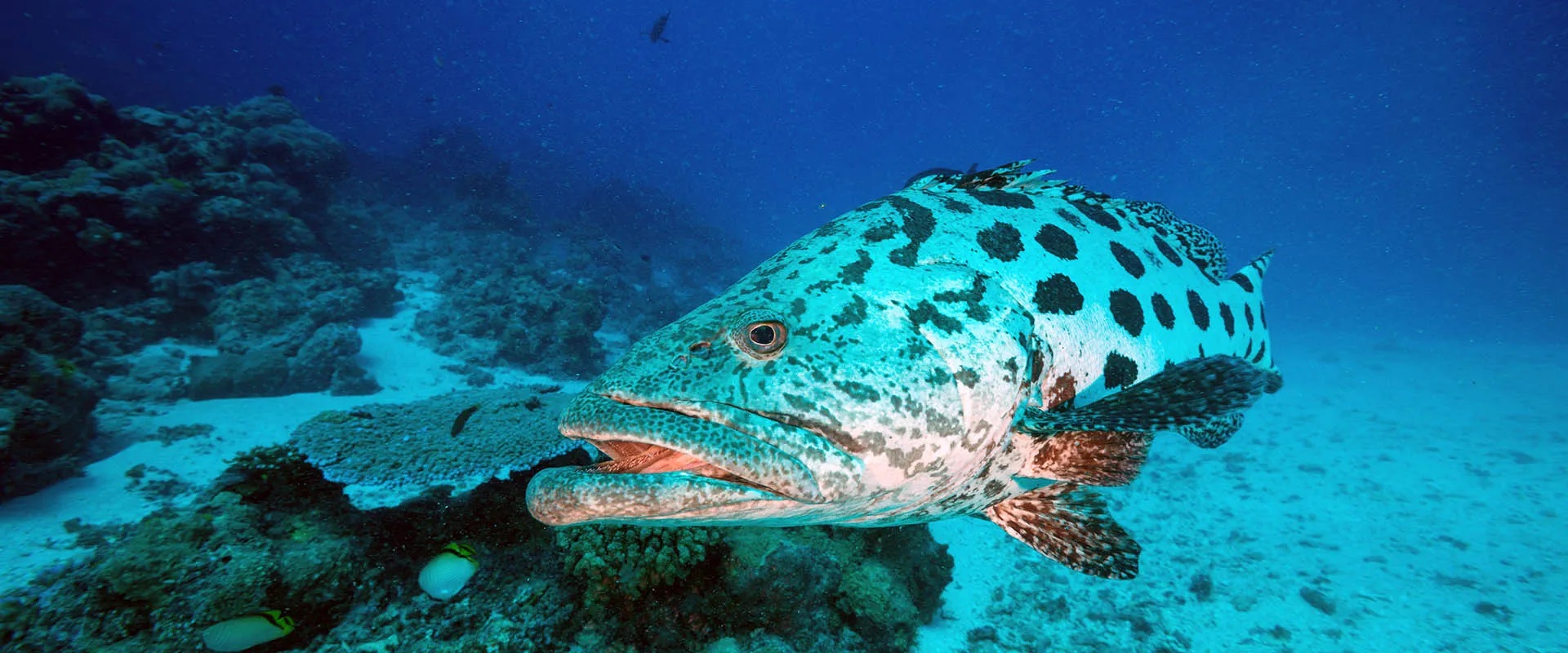
Few dive experiences are as memorable as meeting the giant potato cod at the Cod Hole, located at Ribbon Reef No. 10.
A true gem of the Ribbon Reefs, Cod Hole is one of the world's most famous dive sites. It's a key reason many experienced divers choose a liveaboard. This site is home to a colony of enormous and famously friendly potato cod, which can grow over two meters long. While hand-feeding is a controversial practice, the experience of being surrounded by these gentle giants is unforgettable.
- Why dive here:Up-close encounters with cod the size of small cars.
- Marine life:Potato cod, reef sharks, moray eels, and schools of fusiliers.
11. Lady Elliot Island
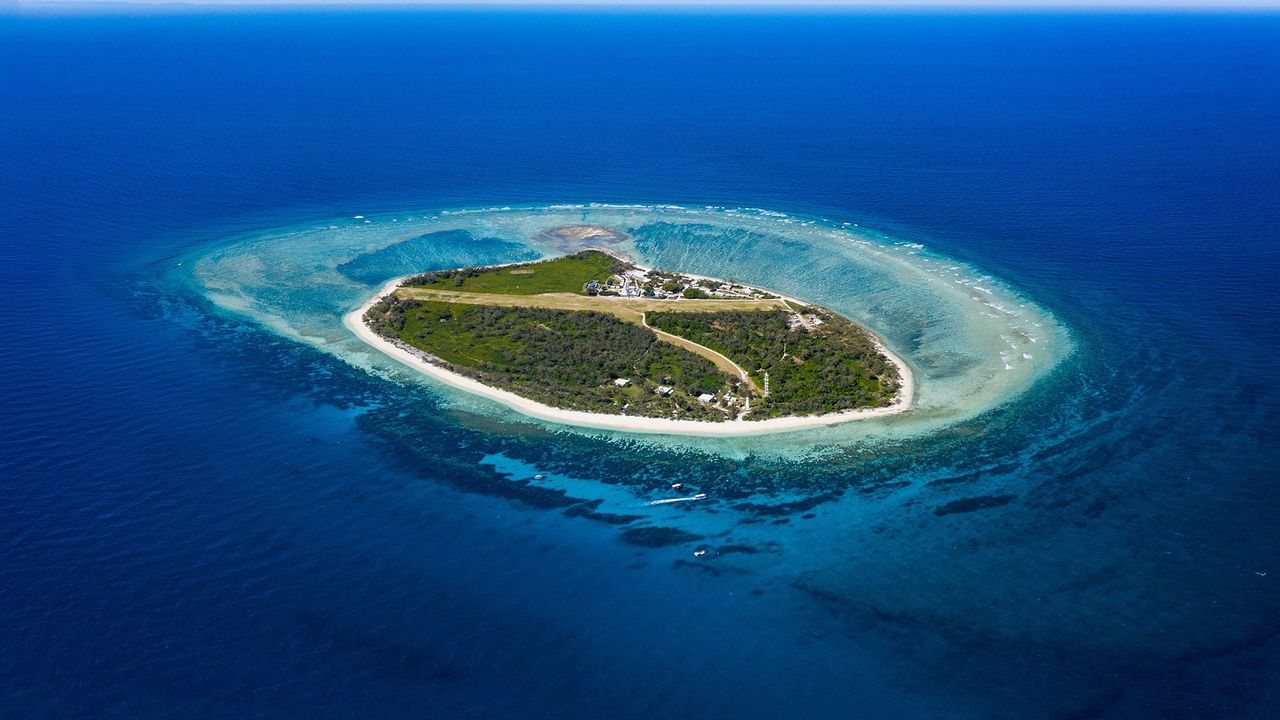
Known as the "Home of the Manta Ray," Lady Elliot Island is a coral cay at the southern tip of the Great Barrier Reef. The island and its surrounding reefs are a true conservation success story, boasting pristine waters and an incredible density of manta rays, sea turtles, and other marine life. It is an ideal spot for those seeking a tranquil and nature-focused diving experience.
- Why dive here:Peak manta season (May–August) brings dozens of rays gliding around cleaning stations.
- Marine life:Mantas, turtles, leopard sharks, and healthy coral bommies.
- Eco credentials:Lady Elliot Island Eco Resort is solar-powered and designed for reef preservation.
12. Fitzroy Reef
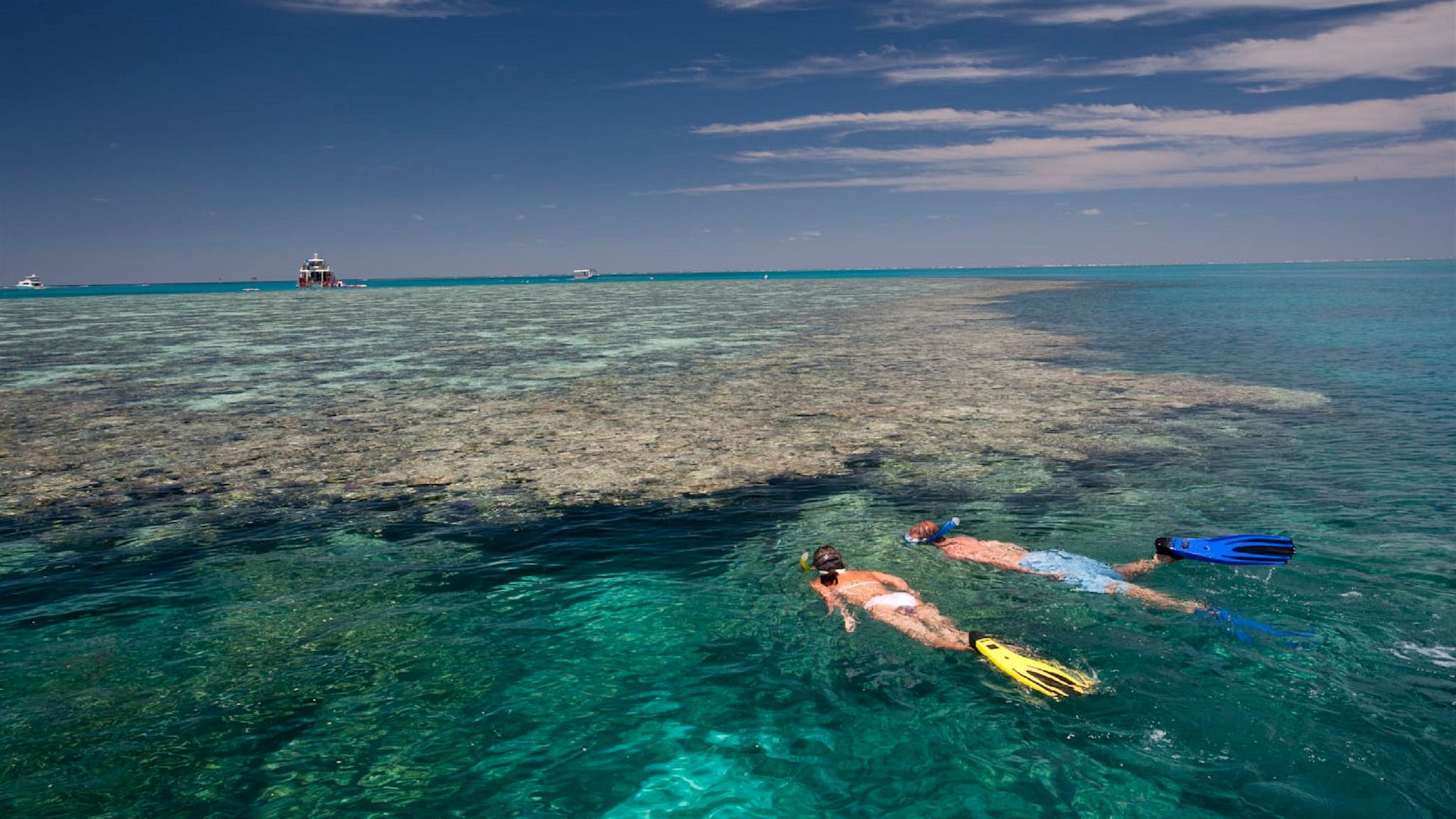
Part of the Capricorn and Bunker Group in the southern reef, Fitzroy Reefis a pristine lagoon system ideal for divers who want fewer crowds.
Located in the Southern Great Barrier Reef, Fitzroy Reef is a remote gem known for its large, calm lagoon and excellent marine life. The reef is a popular spot for both divers and snorkelers, offering a sheltered environment to explore vast coral gardens and encounter a wide array of tropical fish.
- Why dive here:A massive reef lagoon with calm, clear waters.
- Marine life:Manta rays, reef sharks, turtles, and schools of fusiliers.
13. Hardy Reef Pontoon
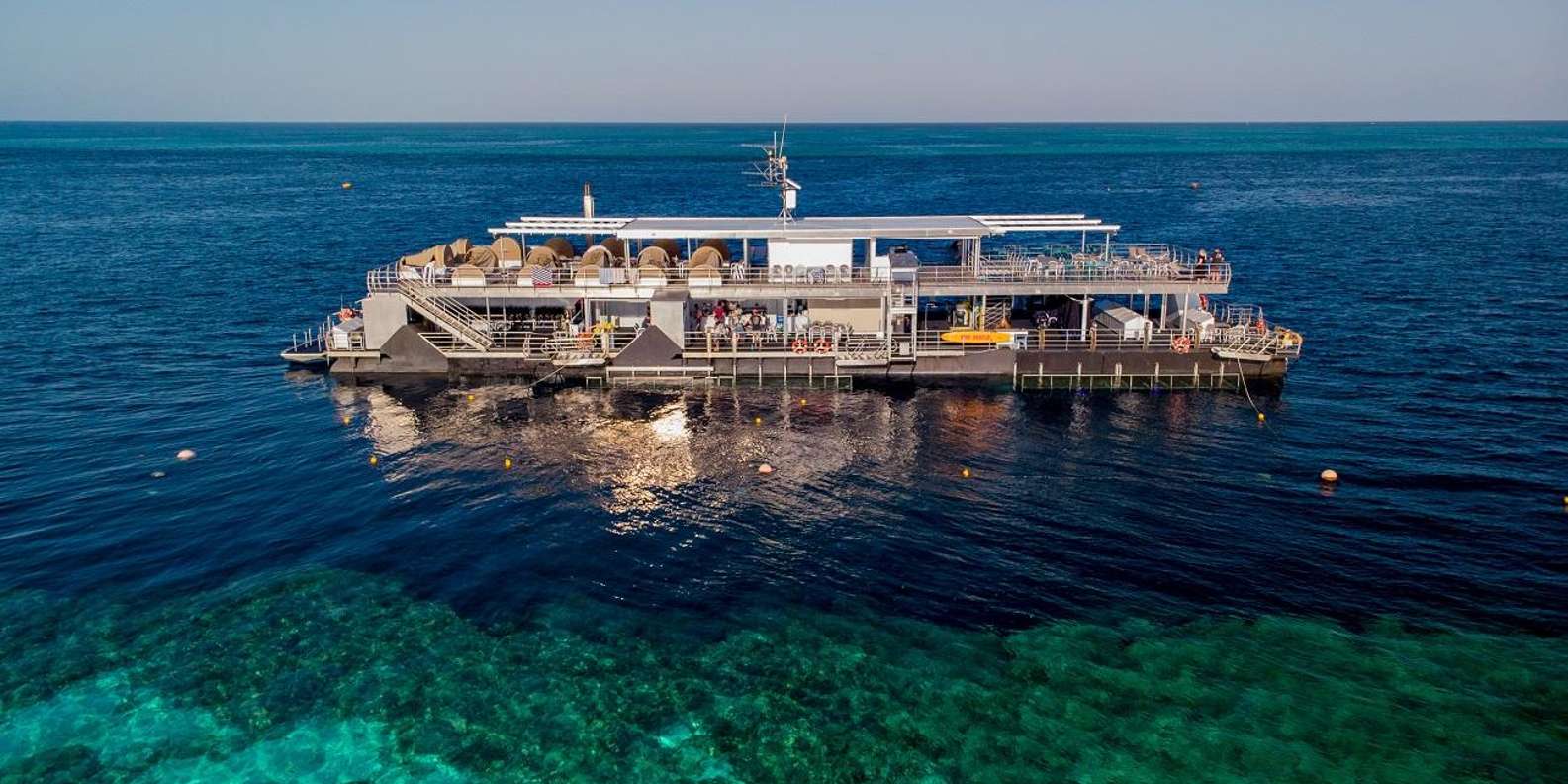
A truly unique destination, the Hardy Reef Pontoon (named "Reefworld") is a large, permanently moored floating platform that serves as a base for exploring Hardy Reef. Accessible from Airlie Beach by a two-hour fast catamaran or a 30-minute scenic flight, the pontoon offers an all-in-one experience for divers and non-divers alike.
It features a fully-equipped dive center, an underwater observatory, and a semi-submersible for non-swimmers. For divers, the reef is known for its incredible coral gardens, a large, friendly Queensland Groper, and frequent sightings of green sea turtles and reef sharks.
- Nearby highlight:Heart Reef, a naturally heart-shaped coral formation best viewed from the air.
- Travel tip:Day trips depart from Airlie Beach or Hamilton Island.
Liveaboard Vs. Day Trip: The Ultimate Decision
Deciding between a one-day trip and a multi-day liveaboard is one of the most important decisions you’ll make. The best choice depends on your budget, time, and how deeply you want to immerse yourself in the underwater world.
A day trip is the ideal choice for those with limited time or first-timers. They are typically more affordable and convenient, departing from Cairns or Port Douglas in the morning and returning by late afternoon. While you’ll get to see beautiful sections of the reef, the sites are often busier and closer to shore.
For the passionate diver, a liveaboard is a game-changer. Operators like Pro Dive Cairns offer three-day, two-night trips that take you to remote outer reefs that day-trippers never see. It's an all-inclusive experience where you can enjoy up to 11 dives, including two night dives, which offer a completely different view of the reef's nocturnal life.
While a more significant investment, with prices for a 3-day, 2-night trip starting around $800 - $1,000 AUD (as of 2025), the sheer volume and quality of diving make it the only way to truly explore the reef's wild heart.
A Candid Look At The Reef's Health
It's natural to have concerns about the Great Barrier Reef's health, and as a responsible traveler, you should. Recent reports from the Great Barrier Reef Marine Park Authority (GBRMPA) confirmed a widespread coral bleaching event in 2024, driven by rising ocean temperatures. This highlights the ongoing threats the reef faces.
However, the reef is not a lost cause. It is an immense, resilient ecosystem, and what you see depends heavily on where you dive. While some areas have been severely impacted, others remain vibrant and full of life. More importantly, there are massive conservation efforts underway.
In 2025, Australia committed over $5 billion AUD to the Reef 2050 Long-Term Sustainability Plan, which funds everything from improving water quality to innovative coral restoration projects. By choosing to dive with a reputable, eco-certified operator, you are actively supporting these critical initiatives.
When Is The Best Time To Dive In The Great Barrier Reef?
With Queensland's tropical climate, the Great Barrier Reef offers superb diving opportunities throughout the year. However, the conditions and marine species vary between the seasons, making certain times more favorable for specific experiences.
The Dry Season (June To October)
This is the most popular time to visit. The weather is dry, sunny, and pleasant with cooler air temperatures. Water temperatures are a comfortable 22-26°C, but the most significant advantage is visibility. The water is at its clearest, often providing over 30 meters of visibility.
This is also the season for incredible marine encounters, as it marks the migration of humpback and minke whales. For the absolute best visibility on the Ribbon Reefs, plan your visit for September to November.
The Wet Season (November To May)
Characterized by warmer water temperatures (26-30°C) and higher humidity, the wet season offers a different kind of magic. This is the period for coral spawning, a spectacular, once-a-year event where the entire reef reproduces.
It's also the time to spot manta rays and whale sharks. While the warmer water can lead to more rain, it rarely affects the outer reefs, which are where the best diving happens.
FAQs About Scuba Diving In The Great Barrier Reef
Is The Great Barrier Reef Good For Scuba Diving?
The Great Barrier Reef is considered one of the best scuba diving destinations in the world, renowned for its incredible biodiversity, vast coral structures, and opportunities to see large marine animals. Its sheer size means there is a dive site to suit every skill level, from shallow, calm coral gardens for beginners to deep, dramatic walls for advanced divers.
Is Scuba Diving In The Great Barrier Reef Dangerous?
Scuba diving is generally a very safe activity when proper procedures and safety guidelines are followed. Operators on the Great Barrier Reef are highly regulated and adhere to strict safety standards. They provide professional instructors and guides, high-quality gear, and comprehensive briefings. The risk is minimized by not diving beyond your training level and always listening to your dive master.
How Much Does It Cost To Go Scuba Diving?
The price of a scuba diving trip varies widely. A single day trip can range from AUD250toAUD500. A multi-day liveaboard trip can cost anywhere from AUD$800 for a budget-friendly 2-day trip to over AUD$2,000 for a longer, more luxurious experience. These prices are a guideline and can vary based on the season and operator.
How Can I Help Protect The Great Barrier Reef While Visiting?
Your visit itself contributes to the reef's protection through the Environmental Management Charge. To do more, choose to dive with an eco-certified operator, avoid touching any coral or marine life, use reef-safe sunscreen, and reduce your plastic consumption. Some operators also offer opportunities to participate in citizen science programs like "Eye on the Reef," which helps monitor the reef's health.
What Kind Of Marine Life Can I Expect To See?
The reef is home to an incredible array of species. You'll almost certainly see vibrant parrotfish, clownfish in their anemone homes, reef sharks, and sea turtles. On liveaboard trips, you have a much better chance of encountering larger pelagic animals like manta rays, dolphins, and even whales in season.
What Is The Visibility Like?
Visibility underwater can vary based on the location and season. Inshore day trips generally offer visibility between 15-30 meters (50-100ft), while liveaboard sites in the remote Coral Sea can offer an impressive 40 meters (130ft) or more. For the best visibility on the Ribbon Reefs, visit between September and November.
A Quick Recap
Scuba diving the Great Barrier Reef is a life-changing experience, but it’s one that rewards preparation and a thoughtful approach.
By understanding the different dive zones, choosing the right time of year, and selecting a trip that aligns with your personal goals, you can move beyond a simple tick on a bucket list.
The reef is more than just a pretty picture; it's a living, breathing testament to the power of nature and a call to action for all of us to protect it. Go with an open mind and a sense of wonder, and you'll find a world far richer and more complex than you ever imagined.
Jump to
Scuba Diving In The Great Barrier Reef You’ll Never Forget
1. Cairns
2. Port Douglas
3. Agincourt Reefs
4. Ribbon Reefs
5. The Whitsundays
6. The SS Yongala Shipwreck
7. The Museum Of Underwater Art (MOUA)
8. Wonder Reef
9. Tangalooma Wrecks
10. Cod Hole
11. Lady Elliot Island
12. Fitzroy Reef
13. Hardy Reef Pontoon
Liveaboard Vs. Day Trip: The Ultimate Decision
A Candid Look At The Reef's Health
When Is The Best Time To Dive In The Great Barrier Reef?
FAQs About Scuba Diving In The Great Barrier Reef
A Quick Recap

Maya Reyes
Author
Maya Reyes’s wanderlust was sparked in the temples of Luang Prabang, where the scent of lemongrass and the chants of monks revealed the transformative power of travel.
Since then, her journey has been defined by cultural immersion and authentic connections. From learning batik in Indonesia to sharing meals with nomadic families in Mongolia, Maya seeks experiences that highlight the human stories behind each destination.
Travel for her is a way to weave her narrative into the world’s cultural tapestry, creating bridges across diverse ways of life. Maya has traveled to 15 countries and shares her insights through writing and storytelling.

Sophia Harper
Reviewer
Sophia Harper’s photography acts as a portal to the soul of the places she visits. Drawn to South America’s landscapes and cultures, she has spent years capturing everything from the majesty of ancient ruins to the vibrancy of urban streets.
Sophia’s work isn’t just about documenting moments; it’s about evoking the emotions and stories behind them. A dedicated photographer, she has worked with local communities across South America to capture their rich cultural narratives through her lens.
Latest Articles
Popular Articles