Road Trip Itinerary For Coastal Connecticut - Unforgettable Days
A road trip itinerary for coastal Connecticut is more than just a list of places; it's an opportunity to create memories, discover new favorites, and truly unwind. The shoreline has a relaxed, welcoming rhythm that invites you to slow down and enjoy the simple pleasures.
Author:Maya ReyesReviewer:Finn WildeAug 18, 2025981 Shares75.4K Views

Perfect Road Trip Itinerary For Coastal Connecticut: 7 Days Along America's Most Charming Coast
Let me tell you about one of my favorite road trips - driving along the Connecticut coast. I've done this drive dozens of times, and it never gets old. The mix of historic seaside villages, world-class seafood, beautiful beaches, and New England charm creates the perfect coastal adventure.
I remember my first time driving this route. I thought I'd zip through in a day, hitting the major spots. What a mistake that would have been! From quaint beach towns to vibrant cities, ice cream shops to oyster clubs, cruises to aquariums and everything in between, there's so much to see and do along the Connecticut coast that you need at least a week to do it right.
This itinerary is the result of years of exploring every corner of Connecticut's 96-mile coastline. I'll share the hidden gems locals don't want tourists to find, the best times to visit each town, and how to avoid the crowds while still experiencing everything that makes this coast special.
Key Takeaways
- Best time to visit: May through October for warm weather and open attractions
- Total distance: 96 miles along the coast, easily drivable in 3-4 hours without stops
- Perfect trip length: 7 days to fully experience each coastal town
- Must-see towns: Stonington, Mystic, Old Saybrook, Madison, Guilford, New Haven
- Best route: Start in Stonington and work west, ending in Greenwich
- Budget planning: $150-250 per day for two people, including lodging, meals, and activities
- Essential stops: Mystic Seaport, Yale University, Gillette Castle, Connecticut River
Planning Your Coastal Connecticut Road Trip

Best Time To Visit Connecticut's Coast
I've driven this coast in every season, and each has its magic. Summer brings warm beach weather and bustling seaside activity, but also crowds and higher prices. My favorite time is late spring (May-June) or early fall (September-October).
In May, the crowds haven't arrived yet, but most attractions are open and the weather is perfect for walking through historic downtowns. September offers warm days, cool nights, and the start of fall colors inland.
Winter along the coast can be beautiful but cold. Many seasonal attractions close, and some coastal restaurants reduce their hours. If you visit in winter, focus on indoor attractions like museums and cozy seafood restaurants.
How Long To Spend On Your Connecticut Coast Road Trip
Most people rush this drive, treating it like a highway between New York and Boston. That's a huge mistake. I recommend at least 5-7 days to truly experience the coast.
You could technically drive the entire coast in 3-4 hours, but you'd miss everything that makes it special. Each coastal town deserves at least half a day, and places like Mystic and New Haven need a full day or more.
My ideal itinerary spans 7 days with 6 overnight stays. This gives you time to explore each town without rushing, enjoy long seaside dinners, and take spontaneous detours when you spot something interesting.
Transportation And Route Options
Everyone knows that busy I-95 and U.S. Route 1 follow the Connecticut shoreline from Greenwich east out to Stonington, but there are a lot of lesser-known routes that'll give you the flavor of the coast and sometimes take you right down to the water.
I always take Route 1 instead of I-95 when possible. It's slower but so much more scenic. You'll drive through downtown areas, see historic homes, and get glimpses of the water that you'd never see from the highway.
For the most scenic drives, take local coastal roads whenever possible. In Stonington, drive down to Stonington Point. In Madison, take the Surf Club Road to see million-dollar beach homes. These detours add time but create memories.
Day 1: Stonington - Where Your Coastal Adventure Begins
Why Start Your Road Trip In Stonington
I always start my coastal Connecticut trips in Stonington because it's the most unspoiled of all the coastal towns. In addition to a main street (a.k.a. Water Street) lined with cute shops housed in 18th and 19th-century buildings, you'll find fabulous restaurants and the small but beautiful DuBois Beach.
Stonington feels like stepping back in time. The narrow streets, historic sea captains' houses, and working harbor create an authentic New England atmosphere that some other coastal towns have lost to tourism.
Park your car when you arrive and explore on foot. The entire historic district is only a few blocks, but you could spend hours admiring the architecture and sea views.
Top Things To Do In Stonington
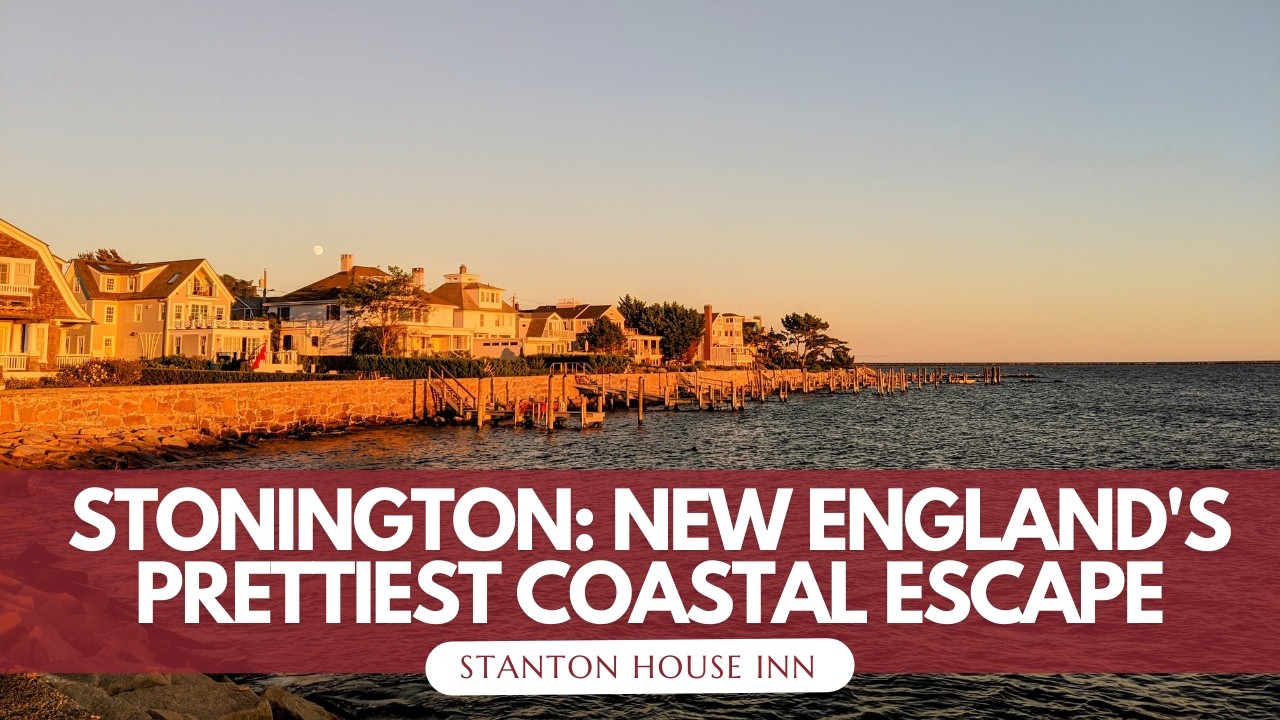
Stonington: New England's Prettiest Coastal Escape
1. Walk Water Street and Cannon Square: Start at the Stonington Historical Society to learn about the town's maritime history. The building itself is worth seeing - it's a beautiful 1780s stone house.
2. Visit Stonington Point: Drive or walk to the very tip of the peninsula. The views across Fisher's Island Sound are spectacular, especially at sunset. This is where I always take my first photo of any coastal Connecticut trip.
3. Browse Local Shops: Water Street has several unique boutiques and galleries. I particularly love Quimper Faience for French pottery and The Green Marble for unusual gifts.
4. Stonington Lighthouse Museum: This small lighthouse museum sits right on the point. The views from the top are worth the climb, and the exhibits tell fascinating stories of local maritime history.
Where To Eat In Stonington
- Noah's Restaurant: My go-to spot for dinner in Stonington. The lobster roll is excellent, and they have a great wine selection. Make reservations in the summer.
- Dog Watch Café: Perfect for a casual lunch with water views. Their fish and chips are some of the best I've had in Connecticut.
- Water Street Café: Great for breakfast or lunch. The outdoor seating lets you watch the harbor activity while you eat.
Day 2: Mystic - Maritime History And Modern Charm

Things to do in Mystic, CT: Top 15 Most Unique Spots
Why Mystic Deserves A Full Day
Mystic is Connecticut's most famous coastal town, and for good reason. The combination of Mystic Seaport, the historic downtown, and the working harbor creates a perfect day of exploration.
I've visited Mystic probably fifty times, and I still discover new things. The town perfectly balances historic preservation with modern amenities, creating an experience that appeals to history buffs, families, and casual tourists alike.
Plan to arrive early in the day. Mystic Seaport alone deserves 4-5 hours, and you'll want time to explore downtown and maybe catch a movie at the historic Mystic River drawbridge.
Mystic Seaport - America's Leading Maritime Museum
Mystic Seaport is the crown jewel of Connecticut's coast. This 17-acre living history museum recreates a 19th-century maritime village with historic ships, working craftsmen, and authentic buildings.
The Charles W. Morgan, America's last surviving wooden whaleship, is the museum's star attraction. But don't miss the smaller exhibits - the rope-making demonstration, the coopering shop, and the ship model collection are fascinating.
I always budget at least half a day for Mystic Seaport. Wear comfortable walking shoes and bring a hat - much of the museum is outdoors with limited shade.
Historic Downtown Mystic
Downtown Mystic centers around the famous drawbridge that opens every hour in summer. The Mystic River splits the town between Mystic (Groton side) and West Mystic (Stonington side).
Olde Mistick Village: This colonial-style shopping center looks touristy but has some genuinely interesting shops. The Christmas shop operates year-round, and several stores sell high-quality local crafts.
Mystic Arts Center: Often overlooked by tourists, this community arts center features rotating exhibitions of local and regional artists. The quality is surprisingly high, and admission is free.
Where To Stay And Eat In Mystic
- The Whaler's Inn: My favorite place to stay in Mystic. The historic inn sits right downtown, and many rooms have water views. Book early for summer dates.
- Mystic Pizza: Yes, the famous pizza place from the movie. The pizza is quite good, and the atmosphere is fun. Don't expect gourmet dining, but it's a must-do for first-time visitors.
- Oyster Club: For upscale dining, this is Mystic's best restaurant. The menu changes seasonally, but the seafood is always excellent. Make reservations well in advance.
Day 3: Old Saybrook And Essex - Connecticut River Charm
Old Saybrook - Where Rivers Meet The Sea
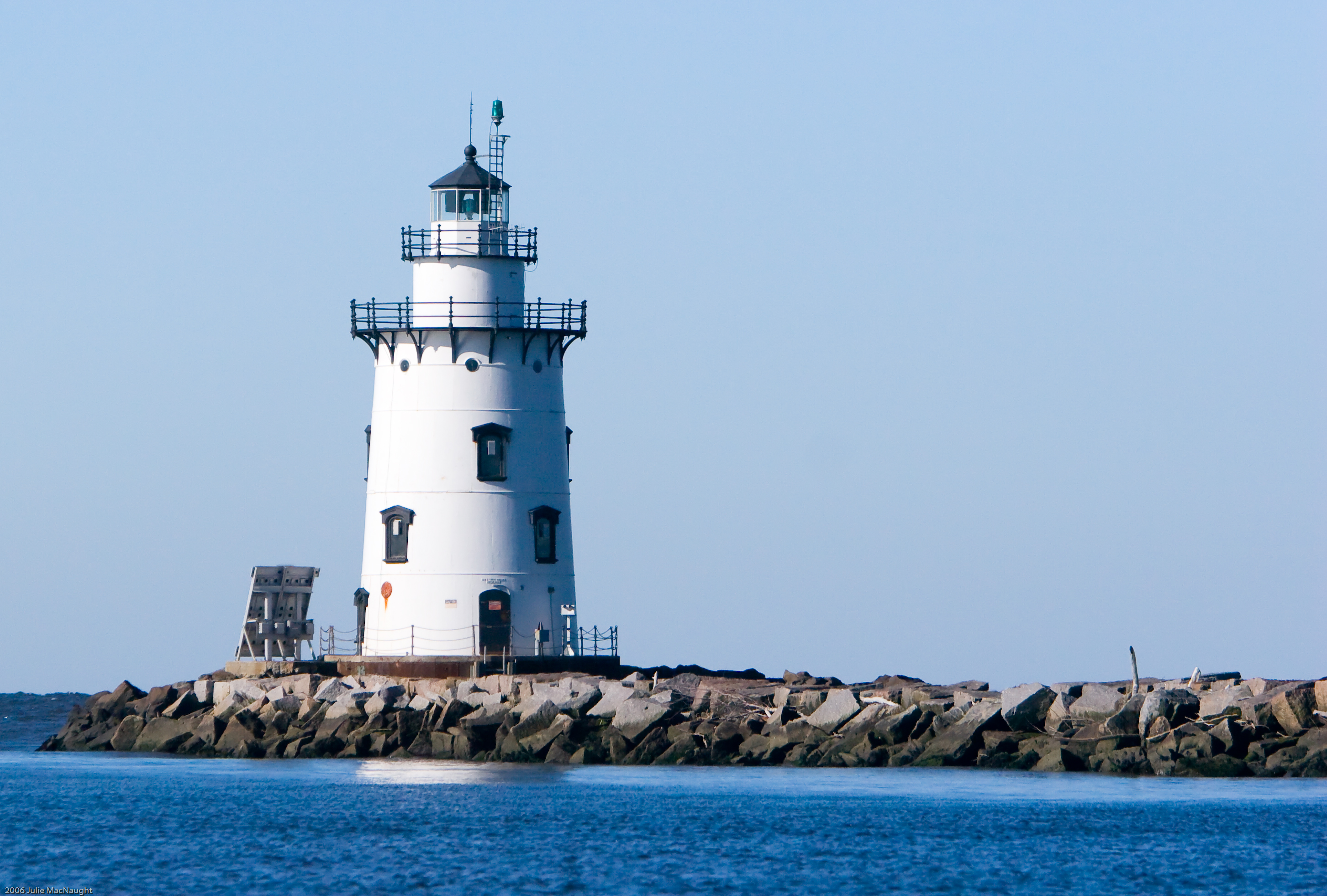
Old Saybrook sits at the mouth of the Connecticut River, creating a unique landscape where river and sea environments blend. I love this town because it's less touristy than Mystic but just as charming.
The town has several distinct areas: the historic downtown, the beach area around Fenwick, and the marinas along the river. Each offers different experiences and scenery.
Katharine Hepburn Cultural Arts Center: Named for the famous actress who lived in nearby Fenwick, this renovated 1876 theater hosts excellent performances year-round.
Old Saybrook Point: Walk out to the point where the Connecticut River meets Long Island Sound. The views are spectacular, and you might see boats navigating the river channel.
Essex - America's Best Small Town
Essex consistently ranks as one of America's best small towns, and after visiting dozens of times, I understand why. The perfectly preserved 18th and 19th-century architecture, thriving arts scene, and beautiful river setting create an almost magical atmosphere.
Essex Steam Train and Riverboat: This vintage steam train ride through the Connecticut River Valley is Connecticut's most popular tourist attraction. The 2.5-hour round trip includes a riverboat portion and offers beautiful views of the river and surrounding hills.
Connecticut River Museum: Located in a 1878 steamboat dock building, this museum tells the story of the Connecticut River from its earliest days to the present. The exhibits on river ecology and maritime history are excellent.
Hidden Gem: Gillette Castle State Park
Just across the river from Essex sits one of Connecticut's most unusual attractions. William Gillette, the actor famous for playing Sherlock Holmes, built this bizarre 24-room castle between 1914 and 1919.
The castle itself is fascinating - Gillette designed unique door latches, built-in furniture, and secret mirrors throughout. But the real draw is the spectacular views of the Connecticut River Valley from the castle grounds.
I recommend taking the free ferry from Chester to Gillette Castle. The short ride across the Connecticut River is beautiful, and you'll avoid the crowds that drive to the castle.
Day 4: Madison And Guilford - Quintessential New England
Madison - Beach Town Perfection
Video unavailable
This video is unavailable: Original link to video
Madison might be my favorite Connecticut coastal town. It perfectly balances historic charm, beautiful beaches, and sophisticated dining without feeling pretentious or overly touristy.
The town green, surrounded by historic homes and churches, creates a postcard-perfect New England scene. But Madison isn't stuck in the past - the downtown has excellent restaurants, boutique shops, and cultural attractions.
- Hammonasset Beach State Park: Connecticut's largest shoreline park features two miles of beach, great swimming, and excellent bird watching. The beach rarely feels crowded, even in summer.
- Madison Beach Hotel: Even if you're not staying here, stop for drinks at the Wharf Restaurant. The views of Long Island Sound are spectacular, especially at sunset.
- Shopping And Dining In Madison
- R.J. Julia Booksellers: Very good independent bookstore. R. Julia hosts frequent author events and has an excellent selection of travel and local interest books.
- The Wharf Restaurant: My favorite restaurant in Madison. The seafood is excellent, and the water views make every meal special. Try the lobster bisque and whatever fish special they're featuring.
- Madison Beach Grille: More casual than The Wharf but still excellent. Their fish tacos and lobster roll are outstanding.
Guilford - Historic Green And Artisan Crafts
Guilford has one of Connecticut's most beautiful town greens - a large, tree-lined common surrounded by historic homes dating back to the 1600s. The Henry Whitfield State Museum, Connecticut's oldest house, sits right on the green.
Guilford Art Center: This community arts center features rotating exhibitions and offers classes in various crafts. The annual craft expo in July attracts artisans from across New England.
Bishop's Orchard: We went to a fun evening event at Bishop's Orchard farm, where they had live music, food trucks, and wine from the farm (the wine slushie was amazing!) This working farm offers seasonal activities, fresh produce, and farm-made wine.
Day 5: New Haven - Culture, Yale, And America's Best Pizza
Why New Haven Needs A Full Day
New Haven is Connecticut's cultural capital and home to Yale University. The combination of world-class museums, historic architecture, incredible food, and college energy creates a unique atmosphere that deserves at least a full day.
I've spent countless days exploring New Haven, and I still find new things to discover. The city perfectly blends urban sophistication with New England charm.
Yale University And Campus Tours

If you go to New Haven, do a tour of Yale. And make sure to try some pizza. Yale's campus is one of America's most beautiful, with Gothic Revival architecture that looks like something from Harry Potter.
Free walking tours leave daily from the Yale Visitor Center. The tours last about an hour and cover the main campus highlights, including Sterling Memorial Library and Old Campus.
Even if you don't take a formal tour, walk through the campus on your own. The courtyards, chapels, and academic buildings are architectural masterpieces.
Museums And Cultural Attractions
- Yale Peabody Museum of Natural History: Home to excellent dinosaur exhibits, mineral collections, and the famous Age of Reptiles mural. This museum rivals any natural history museum in the country.
- Yale University Art Gallery: America's oldest university art gallery features works from ancient times to the present. The collection includes pieces by van Gogh, Picasso, and Monet.
- New Haven Green: This historic 16-acre green in downtown New Haven is surrounded by three historic churches and serves as the city's civic heart.
New Haven Pizza - A Local Obsession
New Haven takes pizza seriously. The local style, called "apizza" (pronounced "ah-beetz"), features thin-crust pies cooked in coal-fired ovens at extremely high temperatures.
- Frank Pepe Pizzeria Napoletana: The original New Haven pizza place, opened in 1925. Their white clam pizza is legendary, but the regular tomato and cheese is also excellent.
- Sally's Apizza: Frank Pepe's main rival, also excellent. The family rivalry has created two of America's best pizza places within blocks of each other.
- Modern Apizza: Often overlooked by tourists but loved by locals. Their Italian bomb (sausage, pepperoni, mushroom, pepper, onion) is incredible.
Day 6: Westport To Greenwich - Connecticut's Gold Coast
Westport - Sophisticated Coastal Living
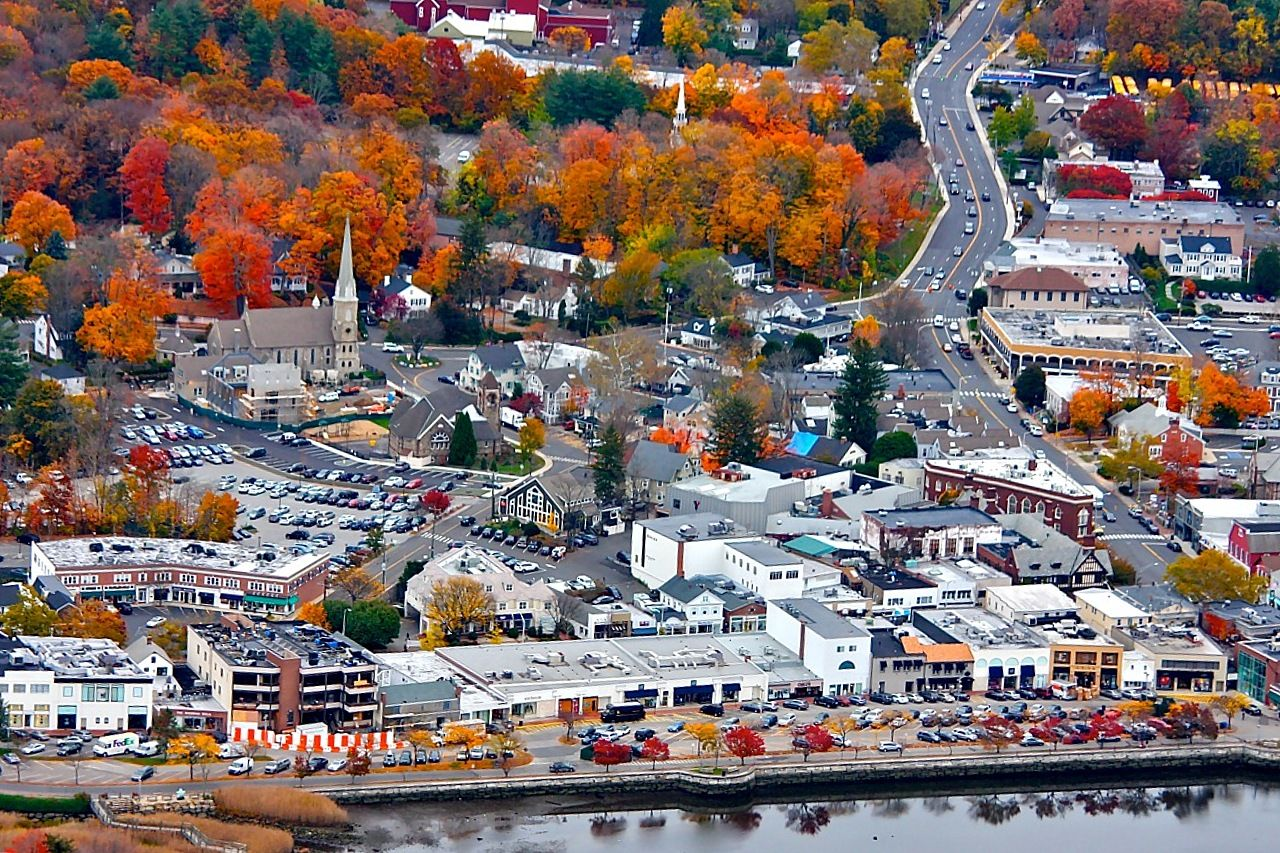
Westport represents Connecticut's more sophisticated side. This wealthy coastal town features beautiful beaches, upscale shopping, and some of Connecticut's best restaurants.
The town has attracted artists, writers, and performers for decades. Many Broadway and Hollywood stars maintain homes here, creating a cultural sophistication that's evident in local restaurants, shops, and cultural events.
Sherwood Island State Park: Connecticut's first state park offers 1.5 miles of beach and great views of Long Island Sound. The beach is less crowded than some other coastal parks.
Westport Country Playhouse: This professional theater attracts major Broadway talent for summer productions. Even if you don't see a show, the restored 1931 building is worth seeing.
Darien And Stamford - Final Coastal Stops
Darien is one of the beachside towns to explore in Connecticut this summer. Darien features beautiful residential areas and Tokeneke Beach, which offers great swimming and picnic facilities.
Stamford has evolved into a major corporate center while maintaining its coastal charm. The downtown area features excellent restaurants and cultural attractions.
Stamford Museum and Nature Center: This 118-acre complex includes art galleries, a working farm, and nature trails. The planetarium offers regular shows about astronomy and space exploration.
Greenwich - Your Grand Finale
Greenwich serves as the perfect end to your Connecticut coastal journey. This wealthy town features beautiful beaches, excellent shopping, and some of Connecticut's most impressive mansions.
- Greenwich Avenue: This upscale shopping street features high-end boutiques, galleries, and restaurants. Even if you're not buying, it's fun to window shop and people-watch.
- Bruce Museum: This excellent museum features rotating exhibitions of art, science, and natural history. The collection includes works by American impressionists and contemporary artists.
- Greenwich Point Park: Also known as Tod's Point, this park offers beaches, picnic areas, and great views of Long Island Sound. You need a Greenwich resident to sponsor you for admission, but the views from the entrance are still spectacular.
Best Beaches Along Your Connecticut Coast Road Trip
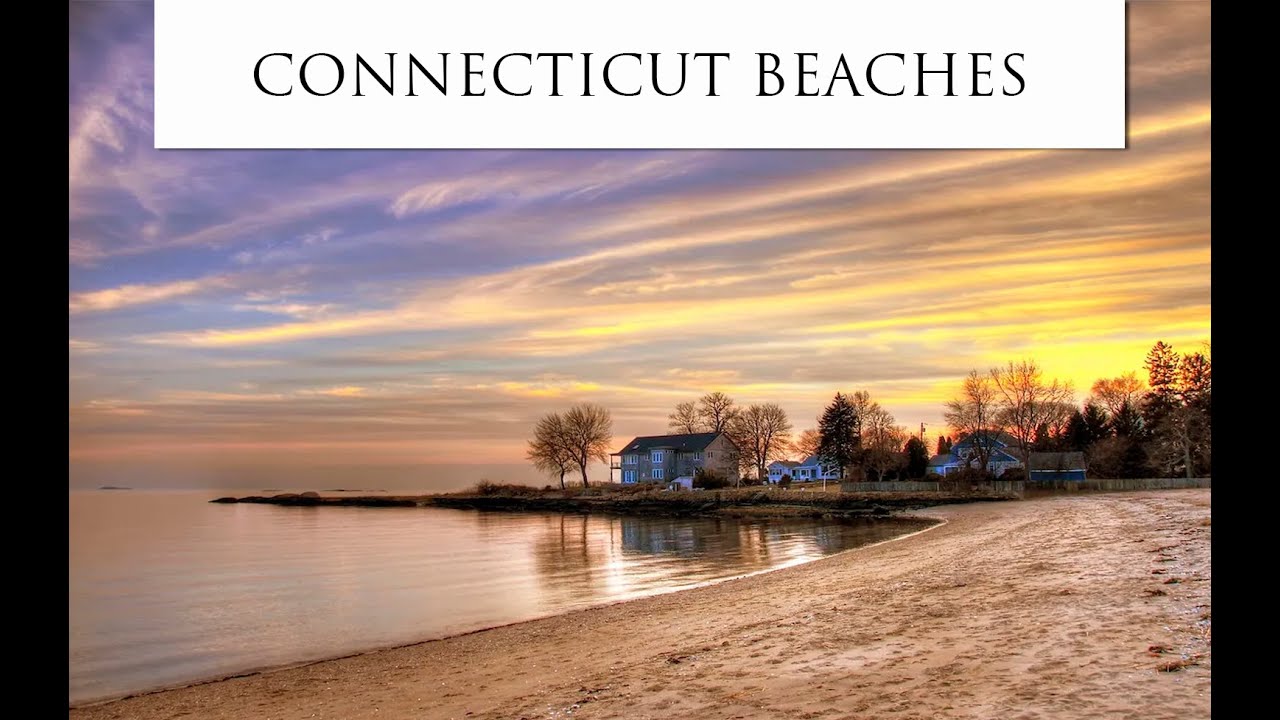
Best Beaches in Connecticut for Your Summer Getaway 🌊
Family-Friendly Beach Stops
- Hammonasset Beach State Park (Madison): Connecticut's longest public beach offers great swimming, camping, and nature trails. The beach house has restrooms, showers, and a snack bar.
- Rocky Neck State Park (Niantic): Features a mile-long crescent beach with excellent swimming and picnic facilities. The park also includes hiking trails through coastal forests.
- Silver Sands State Park (Milford): A beautiful beach with a boardwalk that extends into Long Island Sound. At low tide, you can walk to Charles Island.
Hidden Beach Gems
1. Stonington Town Beach: Small but beautiful, with great views and fewer crowds than larger beaches. Perfect for a quiet morning walk or sunset viewing.
Waterford Beach Park: A local favorite with good swimming and spectacular views of the Millstone Nuclear Power Plant, which is more interesting than it sounds.
Where To Stay On Your Connecticut Coast Road Trip
Historic Inns And B&Bs
- The Whaler's Inn (Mystic): My top choice for historic charm with modern amenities. Several buildings with different characters, all within walking distance of Mystic's attractions.
- Madison Beach Hotel: Directly on the beach with excellent water views. The hotel has been hosting guests since 1885, but it has been fully renovated.
- Delamar Greenwich Harbor: Luxury hotel right on Greenwich Harborwith a spa, marina, and excellent restaurant.
Budget-Friendly Options
1. Mystic KOA: For families who enjoy camping, this KOA offers cabins, tent sites, and RV spots with easy access to Mystic attractions.
2. America's Best Value Inn (New London): Clean, basic accommodations at reasonable rates. Good location for exploring both Mystic and New Haven.
Unique Lodging Experiences
1. Winvian Farm (Morris): While not directly on the coast, this luxury resort offers unique themed cottages and is within driving distance of coastal attractions.
2. Water's Edge Resort & Spa (Westbrook): Oceanfront resort with spa services and multiple dining options. Perfect for a romantic getaway.
Connecticut Coast Road Trip Dining Guide
Must-Try Seafood Spots
- The Place (Guilford): Unique outdoor restaurant where seafood is roasted over open fires. Cash only, BYOB, and only open seasonally, but worth planning around.
- Abbott's Lobster in the Rough (Noank): Classic lobster shack experience with outdoor picnic tables overlooking the water. Their hot lobster roll is legendary.
- Flood Tide Restaurant (Mystic): Upscale dining at the Inn at Mystic with spectacular water views and excellent seafood preparation.
Local Favorites Beyond Seafood
- O'Rourke's Diner (Middletown): Not directly on the coast but worth the detour for some of America's best diner food. The owner-chef creates amazing daily specials.
- Blackie's Hot Dog Stand (Cheshire): Another inland detour that's worth it. Blackie's has been serving excellent hot dogs since 1928.
- Louis' Lunch (New Haven): Claims to have invented the hamburger in 1900. Whether that's true or not, their burgers cooked in ancient cast-iron grills are excellent.
Budget Planning For Your Connecticut Coast Road Trip
Accommodation Costs
Budget hotels and motels: $80-120 per night Mid-range hotels and B&Bs: $150-250 per night Luxury resorts and historic inns: $300-500+ per night
Dining Expenses
Casual meals (diners, pizza, sandwiches): $10-20 per person Mid-range restaurants: $25-40 per person Upscale dining: $50-80+ per person
Activity And Attraction Costs
- Mystic Seaport: Adults $29.95, Children $19.95
- Essex Steam Train: Adults $29.95, Children $19.95
- Yale University Tours: Free
- State Parks: $9-15 per vehicle for parking
- Museums: $5-20 per person, typically
Daily Budget Estimates
Budget travelers: $100-150 per day for two people. Mid-range travelers: $200-300 per day for two people. Luxury travelers: $400-600+ per day for two people
Best Time Of Year To Visit
The Connecticut shoreline is a four-season destination, but the experience changes dramatically with the seasons.
- Summer (June-August): This is peak season. The weather is perfect for the beach, outdoor dining, and water activities. Be prepared for crowds, especially on weekends, and higher prices for lodging.
- Fall (September-October): In my opinion, this is the best time to visit. The crowds thin out, the weather is still pleasant, and the coastal views are stunning with a backdrop of changing leaves. You get the best of both worlds: beach vibes without the bustle.
- Spring (April-May): A great time to visit before the summer rush. The towns are waking up, flowers are in bloom, and you can enjoy mild temperatures and lower prices.
- Winter (November-March): The quietest time of year. Many seasonal restaurants and attractions are closed, but you'll have the beaches and lighthouses all to yourself. It's perfect for a serene, cozy escape.
FAQs About Road Trip Itinerary For Coastal Connecticut
What's The Best Route For Driving The Connecticut Coast?
I recommend Route 1 over I-95 whenever possible. Route 1 takes you through downtown areas and offers much better views of the coast and historic towns. Plan extra time since Route 1 is slower than the highway, but the scenic value is worth it.
How Many Days Do I Need For A Complete Connecticut Coast Road Trip?
A minimum of 5 days lets you see the highlights without rushing. Seven days allows you to fully explore each major coastal town and take some inland detours. You could see the basics in 3 days, but you'd miss a lot of what makes this coast special.
When Is The Best Time To Avoid Crowds On The Connecticut Coast?
Late spring (May-early June) and early fall (September-October) offer the best weather with smaller crowds. Weekdays are always less crowded than weekends. Avoid July 4th week and Labor Day weekend when crowds and prices peak.
Can I Do This Road Trip With Young Children?
Absolutely! Connecticut's coast is very family-friendly. Beaches like Hammonasset have great facilities, Mystic Seaport offers hands-on activities for kids, and most restaurants welcome families. Plan shorter driving days and include playground stops.
What Should I Pack For A Connecticut Coast Road Trip?
Pack layers since coastal weather can change quickly. Bring comfortable walking shoes, rain gear, sunscreen, and a light jacket, even in summer. Don't forget a camera and binoculars for wildlife viewing.
Are Pets Allowed On Connecticut Beaches?
Pet policies vary by beach. Many state parks allow leashed dogs in parking areas and on trails, but not on swimming beaches. Some towns have designated dog beaches or allow dogs during off-season months. Check specific beach rules before visiting.
How Much Does Gas Cost For Driving The Connecticut Coast?
The entire coast is about 96 miles, so you'll use minimal gas just driving the coastal route. Budget more for all the detours and local driving you'll do exploring each town. Plan for normal gas expenses plus about 30% extra for local exploration.
What's The Parking Situation Like In Coastal Connecticut Towns?
Most coastal towns have adequate parking, but summer weekends can be challenging in popular spots like Mystic and New Haven. Many towns offer both street parking and municipal lots. Some beaches charge parking fees, typically $10-20 per day.
Final Thoughts On Your Connecticut Coast Adventure
After driving Connecticut's coast countless times, I can tell you it never gets old. Each season brings different experiences - summer's beach activities, fall's spectacular foliage, winter's quiet charm, and spring's renewal.
The magic of this coast isn't just in the big attractions like Mystic Seaport or Yale University. It's in the small moments - watching the drawbridge open in Mystic, finding the perfect lobster roll in a tiny seaside shack, or discovering a hidden cove where you can sit and watch boats navigate the sound.
Take your time on this journey. Connecticut's coast rewards travelers who slow down and pay attention to details. Every town has stories to tell, and every harbor has seen centuries of maritime history. Your road trip along this magnificent coastline will create memories that last a lifetime, just as mine have done for me over all these years of exploration.
I hope this guide has given you the confidence and the inspiration you need to start planning. The Connecticut coastline is waiting for you. Happy travels!
Jump to
Perfect Road Trip Itinerary For Coastal Connecticut: 7 Days Along America's Most Charming Coast
Key Takeaways
Planning Your Coastal Connecticut Road Trip
Day 1: Stonington - Where Your Coastal Adventure Begins
Day 2: Mystic - Maritime History And Modern Charm
Day 3: Old Saybrook And Essex - Connecticut River Charm
Day 4: Madison And Guilford - Quintessential New England
Day 5: New Haven - Culture, Yale, And America's Best Pizza
Day 6: Westport To Greenwich - Connecticut's Gold Coast
Best Beaches Along Your Connecticut Coast Road Trip
Where To Stay On Your Connecticut Coast Road Trip
Connecticut Coast Road Trip Dining Guide
Budget Planning For Your Connecticut Coast Road Trip
Best Time Of Year To Visit
FAQs About Road Trip Itinerary For Coastal Connecticut
Final Thoughts On Your Connecticut Coast Adventure

Maya Reyes
Author
Maya Reyes’s wanderlust was sparked in the temples of Luang Prabang, where the scent of lemongrass and the chants of monks revealed the transformative power of travel.
Since then, her journey has been defined by cultural immersion and authentic connections. From learning batik in Indonesia to sharing meals with nomadic families in Mongolia, Maya seeks experiences that highlight the human stories behind each destination.
Travel for her is a way to weave her narrative into the world’s cultural tapestry, creating bridges across diverse ways of life. Maya has traveled to 15 countries and shares her insights through writing and storytelling.

Finn Wilde
Reviewer
For Finn Wilde, the wilderness is more than just a destination - it’s a way of life. Over the past decade, he has led multiple expeditions in some of the world’s most remote regions, from the icy fjords of Greenland to the rugged trails of Patagonia.
Finn emphasizes sustainability in all of his adventures, helping participants connect with nature while promoting responsible exploration. His expeditions inspire individuals to explore the great outdoors while fostering a deep respect for the environment.
Latest Articles
Popular Articles