Poppers And Festival Culture: Understanding Their Place In The Nightlife Scene
By the time the first bassline rolls across a festival field, the event has already become more than a music programme. Clothing, lighting, movement and the shifting rhythm of conversations all contribute to the atmosphere.
Author:Finn WildeReviewer:Sophia HarperOct 13, 20262 Shares35 Views
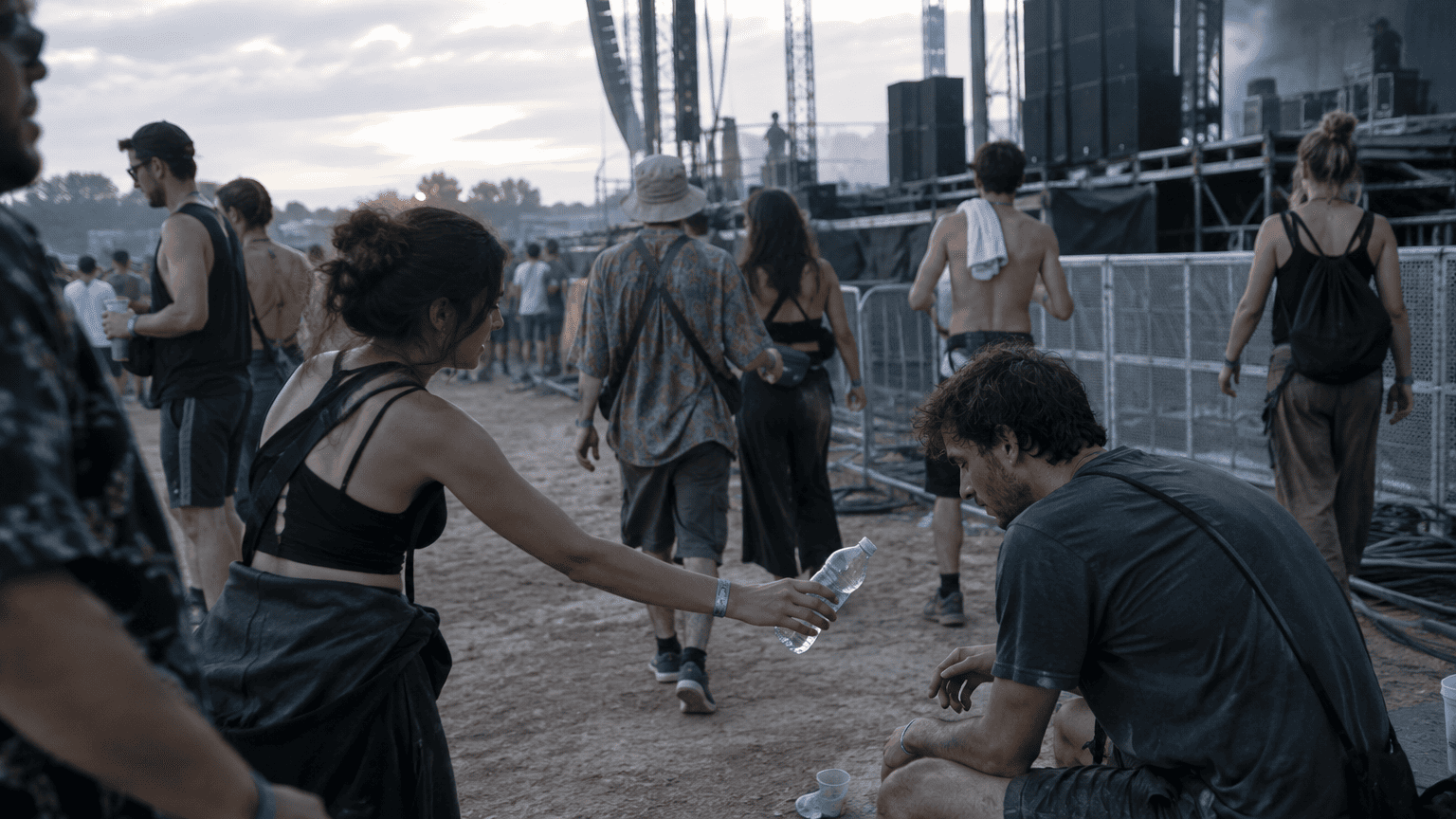
By the time the first bassline rolls across a festival field, the event has already become more than a music programme. Clothing, lighting, movement and the shifting rhythm of conversations all contribute to the atmosphere. Some people arrive for a particular DJ, others for the freedom of dancing outdoors until sunrise, and many are drawn by the temporary community that forms between strangers.
Around these spaces, a wider market has developed for products associated with particular nightlife communities. Specialist retailers such as poppers-aromasare one part of that landscape, although poppers themselves represent only a small and often misunderstood element of festival and club culture. They are neither universal nor necessary for enjoying an event, and attitudes towards them differ widely from one person to another.
More Than Music: The Culture Behind Festivals And Nightlife
Electronic music scenes have always been shaped by more than sound. A techno night in Berlin, an electronic event in Amsterdam and a summer party in Ibiza may share certain musical influences, yet each has its own character. The venue, local habits, crowd and history of the scene all affect how people behave and what they expect from a night out.
In some places, clubbing is closely connected to fashion and self-expression. In others, the focus is on sound systems, long sets and the relationship between dancers and the DJ. Outdoor festivals create another kind of social environment, with food stalls, art installations, camping areas and quiet spaces sitting alongside the main stages. The experience can feel communal without being uniform.
That variety matters. A festival crowd is not a single group with one set of values. Some attendees are there to dance sober, some may drink, and others may make different personal choices. Many people move between these approaches over the course of their lives, while others remain consistent in what they do and do not want from nightlife.
Where Poppers Fit Into Certain Nightlife Communities
Poppers is a common name for products containing alkyl nitrites. They have been associated with some clubbing environments and LGBTQ+ nightlife communities, where they may appear as part of a broader culture of experimentation, intimacy and personal expression. That association is cultural rather than universal. Plenty of people within those communities do not use them, and plenty of festivalgoers will never encounter them at all.
Their presence is also shaped by context. A small underground club, a large commercial festival and a private after-party each have different social codes. What is familiar in one setting may be unusual or unwelcome in another. Treating poppers as a defining feature of nightlife risks flattening communities that are far more diverse than any single product or practice suggests.
There are health considerations as well. Alkyl nitrites can cause headaches, dizziness, flushing and a sudden drop in blood pressure. They can be especially dangerous when combined with medicines used for erectile dysfunction, including sildenafil and similar drugs. Anyone considering a recreational product should seek reliable health information, avoid assumptions based on what others are doing and remember that feeling pressured is a good reason to step away.
Changing Attitudes Towards Party Culture
Nightlife culture does not stand still. Music scenes change as new sounds emerge, venues close or reopen, and social media alters the way people discover parties. Conversations about consent, safer spaces, drug awareness and mental health have also become more visible. For many festivalgoers, looking after one another is now understood as part of the culture rather than an interruption to it.
That shift has made room for a wider range of choices. Some people are curious about recreational products, while others prefer to avoid them because of health concerns, medication, past experiences or simple personal preference. Neither approach needs to define a person’s relationship with music or nightlife.
The most comfortable events tend to be those where people can make decisions without being mocked or pushed. A friend who declines a substance should not have to explain themselves, just as someone who is feeling unwell should be able to find help without fear of judgement. Clear event policies, trained staff and accessible welfare areas can make a significant difference, particularly at crowded festivals where heat, dehydration and exhaustion may already affect people’s wellbeing.
Enjoying Festivals On Your Own Terms
The best memories from a festival are often surprisingly ordinary: discovering an unfamiliar artist, sharing water with a stranger, watching dawn arrive beyond the main stage or finding a quieter corner after hours of dancing. These moments have little to do with consuming anything. They come from the setting, the music and the sense of being temporarily removed from everyday routines.
Practical awareness helps preserve that freedom. Follow the venue’s rules, keep an eye on friends and take breaks before tiredness becomes a problem. Respect personal space and boundaries, especially in crowded clubs. If someone becomes dizzy, confused or unwell, seek assistance from event staff or medical services rather than leaving them to manage alone.
Nightlife has room for many identities, rituals and ways of participating. Poppers occupy a particular place within some communities, but they are only one detail in a much larger picture shaped by music, friendship, fashion, freedom and the atmosphere of a shared night.
Finn Wilde
Author
For Finn Wilde, the wilderness is more than just a destination - it’s a way of life. Over the past decade, he has led multiple expeditions in some of the world’s most remote regions, from the icy fjords of Greenland to the rugged trails of Patagonia.
Finn emphasizes sustainability in all of his adventures, helping participants connect with nature while promoting responsible exploration. His expeditions inspire individuals to explore the great outdoors while fostering a deep respect for the environment.

Sophia Harper
Reviewer
Sophia Harper’s photography acts as a portal to the soul of the places she visits. Drawn to South America’s landscapes and cultures, she has spent years capturing everything from the majesty of ancient ruins to the vibrancy of urban streets.
Sophia’s work isn’t just about documenting moments; it’s about evoking the emotions and stories behind them. A dedicated photographer, she has worked with local communities across South America to capture their rich cultural narratives through her lens.
Latest Articles
Popular Articles