Top 13 Nicaragua Unique Facts [For Travelers]
Uncover the secrets of Nicaragua with these 6 unique facts. Learn about its rich history, diverse wildlife, and breathtaking scenery!
Author:Sophia HarperReviewer:Liam JonesJan 01, 202534.8K Shares580.9K Views
Nicaragua, the largest country in Central America, is a land of dramatic landscapes, rich cultural traditions, and historical significance. Known for its diverse ecosystems, active volcanoes, and vibrant cities, Nicaragua offers a wealth of experiences for travelers and residents alike.
1. Land Of Lakes And Volcanoes
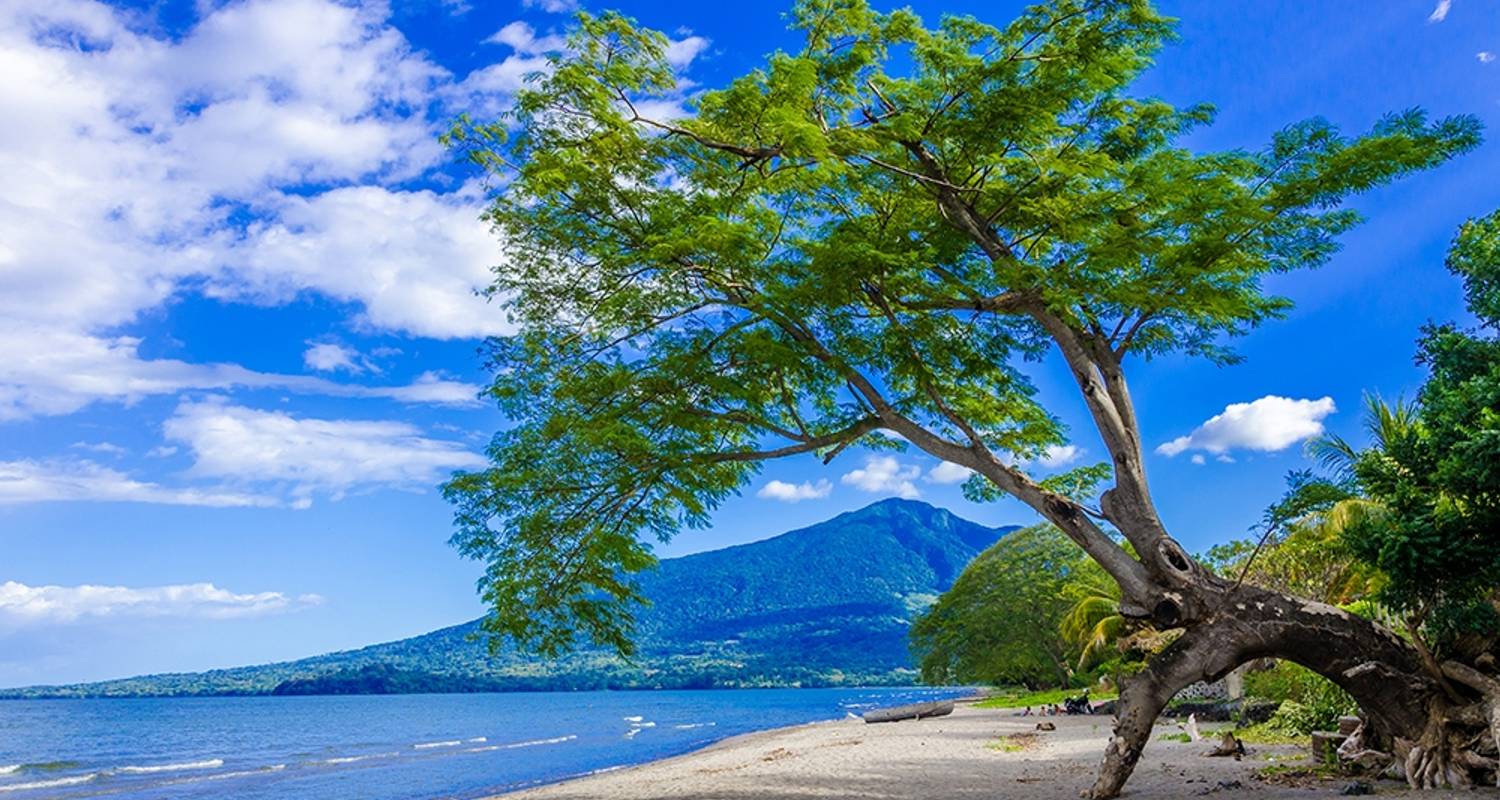
Nicaragua is famously known as the "Land of Lakes and Volcanoes." The country boasts two of the largest freshwater lakes in Central America: Lake Nicaragua and Lake Managua. Lake Nicaragua, the largest of the two, is home to the world's only freshwater sharks, the bull sharks.
This vast lake also houses the stunning Ometepe Island, formed by two volcanoes, Concepción and Maderas. Ometepe is a UNESCO Biosphere Reserve and offers a unique blend of natural beauty and cultural heritage.
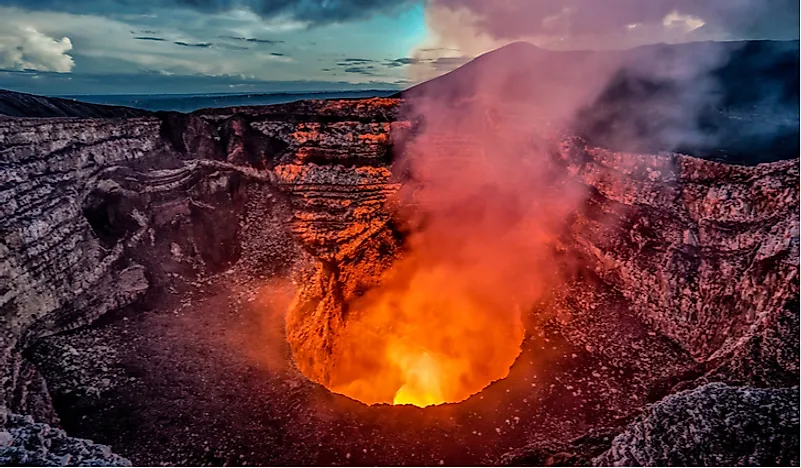
The country is also dotted with numerous active and dormant volcanoes, which are part of the Pacific Ring of Fire. Masaya Volcano, one of the most accessible active volcanoes, allows visitors to peer into its smoking crater.
Cerro Negro, a young and active volcano, is famous for its unique sport of volcano boarding, where adventurers slide down its slopes on wooden boards. These geological features make Nicaragua a fascinating destination for nature enthusiasts and adventure seekers.
2. Rich Cultural Heritage
Nicaragua's cultural heritage is a vibrant mix of indigenous traditions and Spanish colonial influences. The country celebrates various festivals and events that reflect its rich cultural tapestry.
One of the most significant celebrations is La Purísima, a religious festival dedicated to the Virgin Mary, featuring colorful processions, music, and fireworks. Another notable event is the Palo de Mayo festival on the Caribbean coast, which combines African, indigenous, and Spanish traditions in a lively celebration of dance and music.
See Also: Best Time To Travel To St Lucia
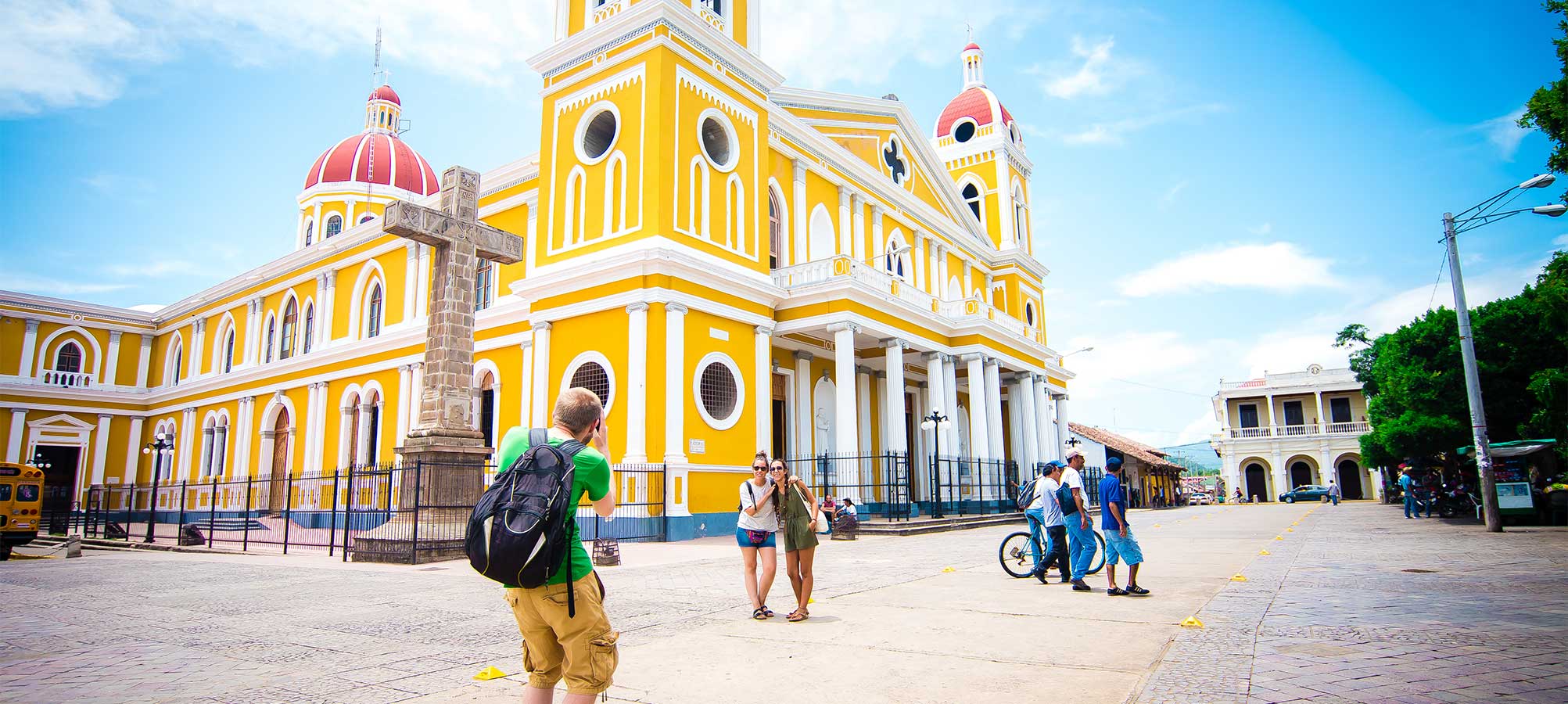
The cities of Granada and León are prime examples of Nicaragua's colonial heritage. Granada, founded in 1524, is one of the oldest cities in the Americas and is known for its well-preserved colonial architecture, cobblestone streets, and vibrant markets.
León, another historic city, is home to the largest cathedral in Central America and has a rich literary and revolutionary history. Both cities offer a glimpse into Nicaragua's past and its enduring cultural legacy.
3. Biodiverse Ecosystems
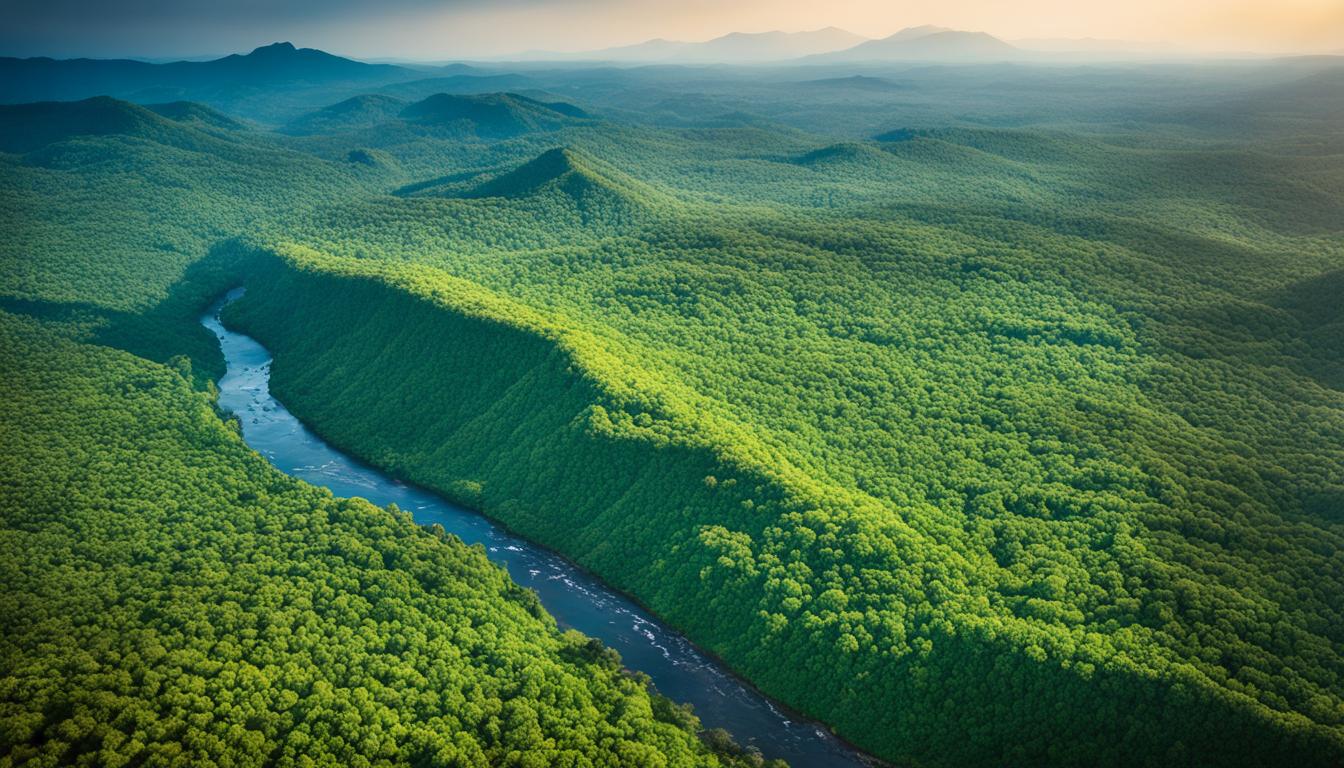
Nicaragua is home to a wide range of ecosystems, from rainforests and cloud forests to wetlands and coastal regions. The country's diverse habitats support an incredible array of wildlife, including many endemic and endangered species.
The Indio Maíz Biological Reserve, located in the southeastern part of the country, is one of the most biologically diverse areas in Central America. This vast rainforest is home to jaguars, tapirs, and a myriad of bird species.
The Miskito Cays, a group of small islands and coral reefs off the Caribbean coast, are another important ecological area. These islands are rich in marine life, including sea turtles, dolphins, and numerous fish species.
The Nicaraguan Pacific coast is also known for its rich biodiversity, with numerous protected areas such as the La Flor Wildlife Refuge, where visitors can witness the nesting of olive ridley sea turtles. Nicaragua's commitment to conservation and sustainable tourism helps preserve these unique ecosystems.
4. Unique Cuisine
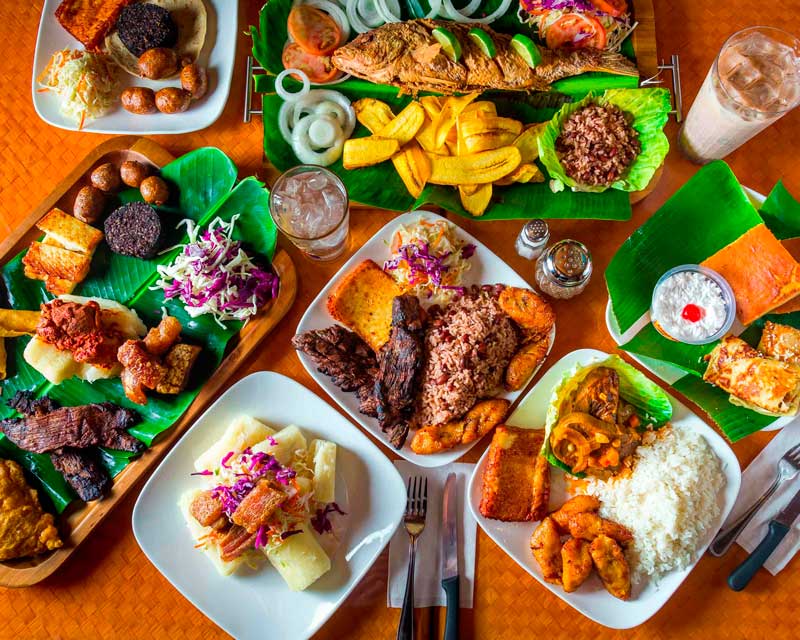
Nicaraguan cuisine is a delightful blend of indigenous and Spanish influences, featuring fresh ingredients and bold flavors. One of the most traditional dishes is "gallo pinto," a hearty combination of rice and beans seasoned with garlic and herbs.
This staple dish is typically served for breakfast alongside eggs, cheese, and tortillas. Another popular dish is "nacatamales," a type of tamale made with corn dough, pork, and a variety of fillings, wrapped in banana leaves and steamed.
Seafood is abundant in Nicaragua, especially along the Caribbean coast. Dishes such as "rondón," a coconut milk-based seafood stew, showcase the region's culinary traditions. "Vigorón," a street food favorite, consists of yucca topped with cabbage salad and chicharrón (fried pork skin).
The diverse and flavorful cuisine of Nicaragua reflects the country's rich cultural heritage and natural abundance.
5. Historical Significance
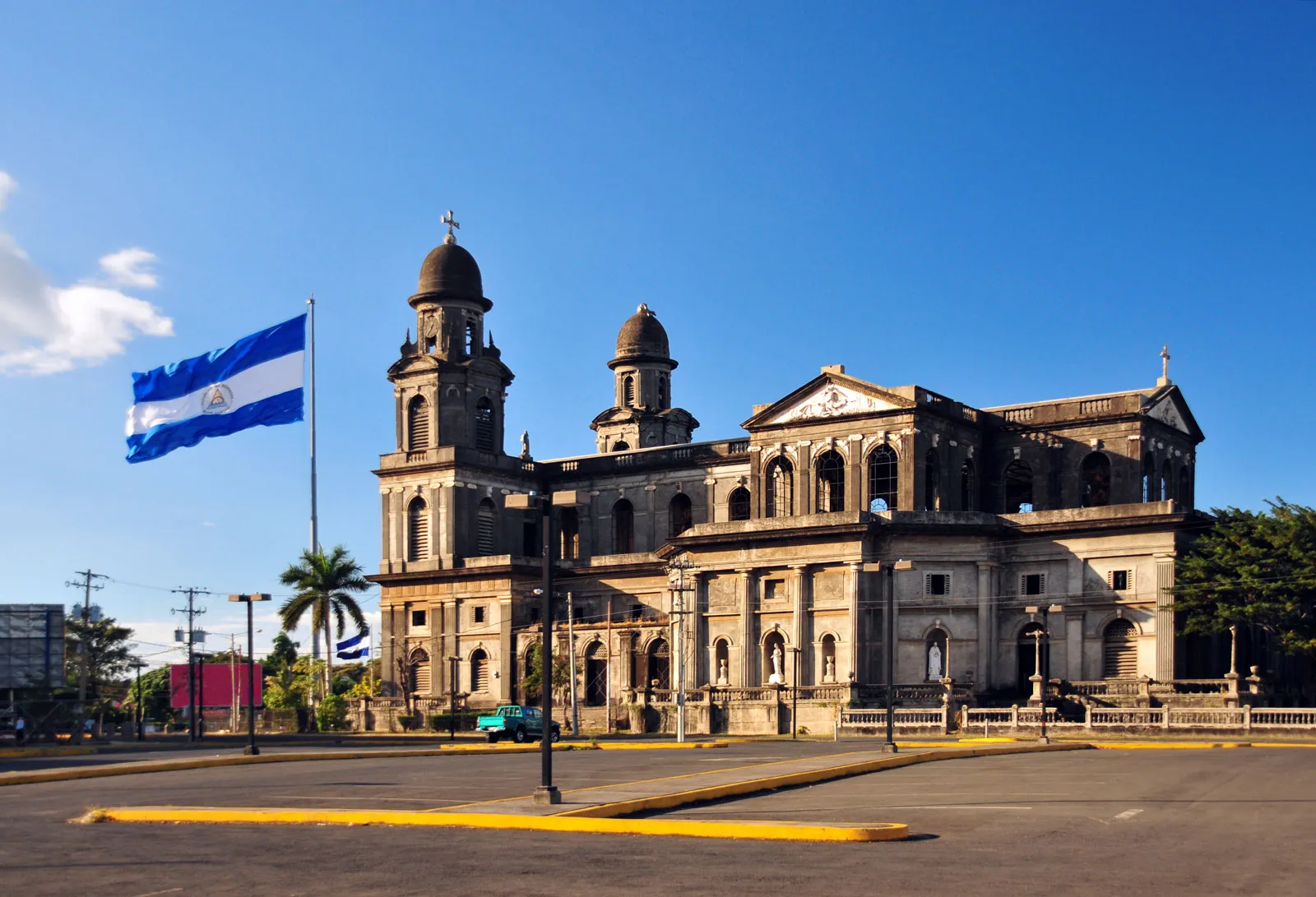
Nicaragua has a history marked by significant events and influential figures. One of the most notable periods in recent history is the Nicaraguan Revolution, which took place in the late 20th century.
The revolution was led by the Sandinista National Liberation Front (FSLN) and resulted in the overthrow of the Somoza dictatorship in 1979. This event had a profound impact on the country's political landscape and continues to shape its contemporary history.
You Might Like: What Is Nebraska Known For?
The country is also known for its contributions to literature and poetry. Rubén Darío, one of Latin America's most celebrated poets, was born in Nicaragua and is considered the father of the modernist movement in Spanish-language literature.
His works have left a lasting legacy and continue to influence poets and writers worldwide. The literary and cultural contributions of figures like Darío highlight Nicaragua's rich intellectual heritage.
6. Adventure And Eco-Tourism
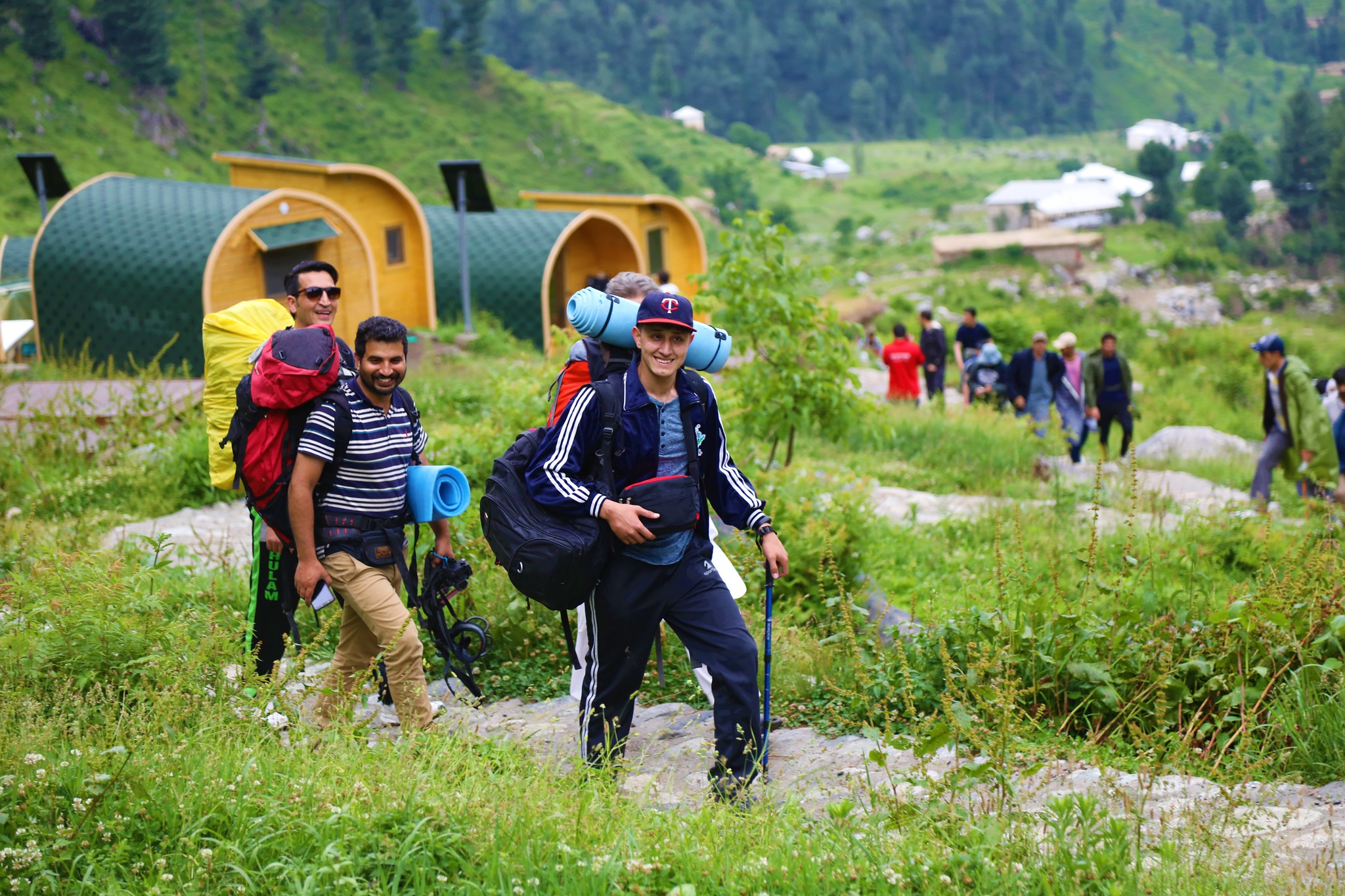
Nicaragua is a paradise for adventure and eco-tourism enthusiasts. The country's diverse landscapes offer a wide range of activities, from surfing and diving to hiking and wildlife watching.
The Pacific coast, particularly the area around San Juan del Sur, is renowned for its excellent surfing conditions, attracting surfers from around the globe. The region's consistent waves and beautiful beachesmake it a top destination for water sports.
For those who prefer hiking and exploring nature, Nicaragua offers numerous opportunities. The country's many volcanoes, such as Maderas and Concepción on Ometepe Island, provide challenging hikes with rewarding views.
The island itself, located in Lake Nicaragua, is a UNESCO Biosphere Reserve and offers a unique combination of volcanic landscapes and rich biodiversity. Whether it's exploring rainforests, diving in coral reefs, or trekking up volcanoes, Nicaragua's natural beauty is an adventurer's dream.
7. World's Only Freshwater Sharks
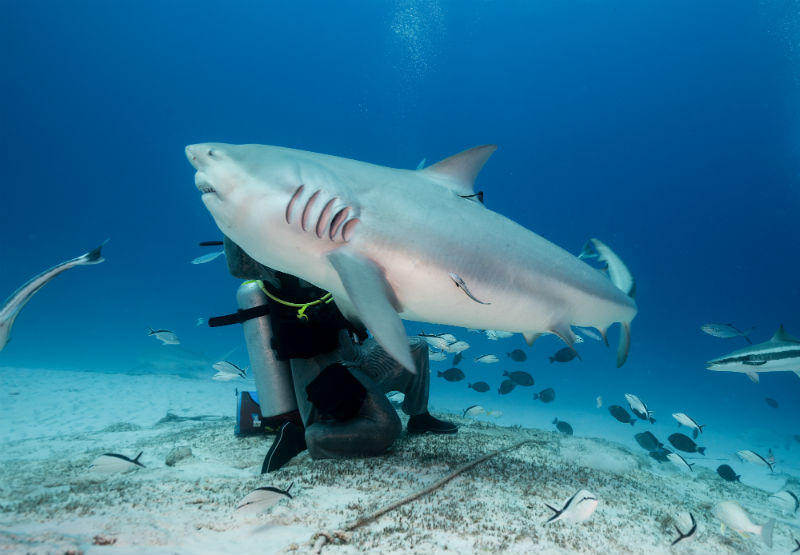
Lake Nicaragua is home to the world's only species of freshwater shark, the bull shark. These sharks can survive in both freshwater and saltwater, making this discovery even more remarkable. The presence of these sharks in the lake is a rare phenomenon, as sharks typically prefer the ocean.
Masaya Volcano's Active Crater
Masaya Volcano, often referred to as the "Gateway to Hell," is one of Nicaragua's most active volcanoes. Visitors can peer into its crater and see continuous volcanic activity, with sulfuric fumes and lava visible at times. The volcano's persistent activity has made it a key site for both scientists and tourists alike.
8. Lake Cocibolca's Ancient Ecosystem
Lake Cocibolca, also known as Lake Nicaragua, is not just the largest freshwater lake in Central America but also contains a unique ecosystem. It is home to endemic species, including the freshwater fish species, such as the giant freshwater fish called Nicaragua cichlid, and a variety of other aquatic life.
Biosphere Reserves And Conservation Efforts
Nicaragua boasts multiple UNESCO Biosphere Reserves, including the Río San Juan and the Indio Maíz Biological Reserve, which protect critical ecosystems. These reserves are among the most biodiverse regions in the world, and the country continues to expand its conservation efforts to preserve the environment for future generations.
9. Mombacho Volcano Cloud Forest
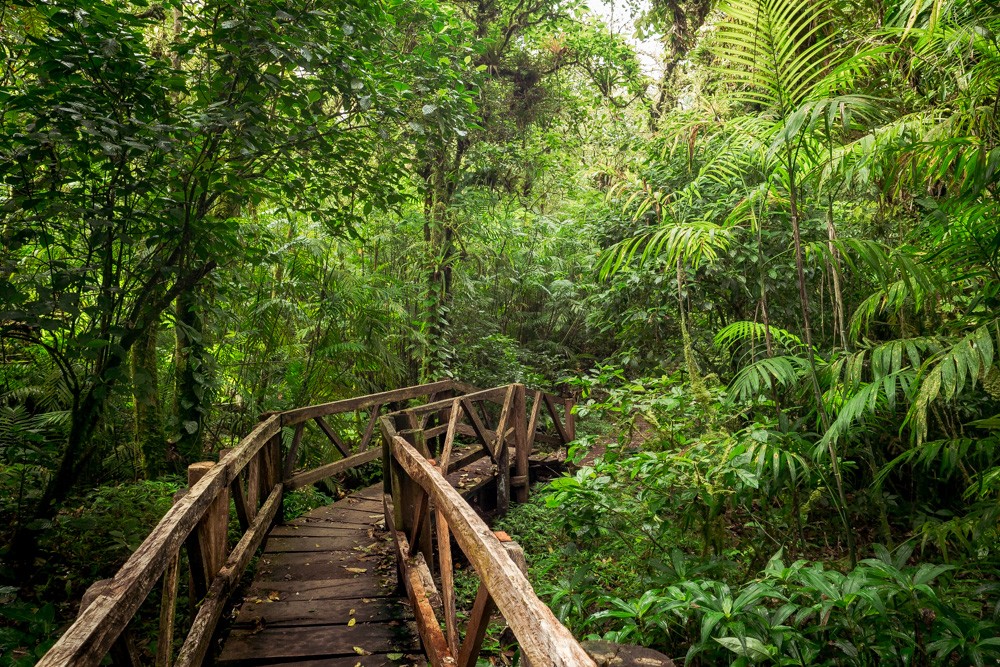
The Mombacho Volcano, located near Granada, is home to a unique cloud forest. The cloud forest at the summit of the volcano offers a fascinating ecosystem, where low-hanging clouds create a mysterious, misty environment and contribute to the rich biodiversity found in this protected area.
Nicaragua's Coffee Culture
Nicaragua is known for its exceptional coffee, considered some of the best in the world. The country's high-altitude regions, including Jinotega and Matagalpa, provide the perfect environment for cultivating coffee. Nicaraguan coffee is renowned for its rich flavor, smooth texture, and distinctive aroma, making it a staple in global coffee culture.
10. Unique Colonial Architecture In León
The city of León is home to one of the largest and most beautiful cathedrals in Central America, the León Cathedral, which was built between 1747 and 1814. The city is filled with stunning colonial-era buildings, cobblestone streets, and vibrant murals, making it a must-visit for history and architecture enthusiasts.
World's Longest Surfing Wave
Nicaragua is home to one of the longest left-hand surf breaks in the world at Playa Colorado. The wave stretches over 500 meters, making it a favorite for experienced surfers seeking a thrilling ride. The country’s Pacific coastline offers consistent, world-class surf conditions that attract surfers from all over the globe.
11. Nicaraguan Folk Music And Dance
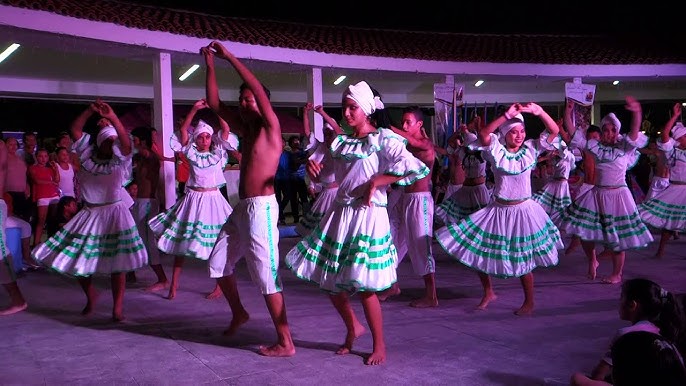
Nicaragua has a rich tradition of folk music and dance, with the marimba being a popular instrument. The indigenous and African-influenced sounds combine to form a vibrant music culture, particularly during festivals like the La Purísima and Palo de Mayo, where the lively rhythms are a central feature of the celebrations.
Ancient Indigenous History
Nicaragua has a long history of indigenous civilizations, including the Chorotega and Nicarao peoples. The country's archaeological sites, such as those in the León Viejo ruins, offer a glimpse into the ancient cultures that once inhabited the region, with artifacts and ruins that date back hundreds of years.
12. Lush Rainforests And Wildlife
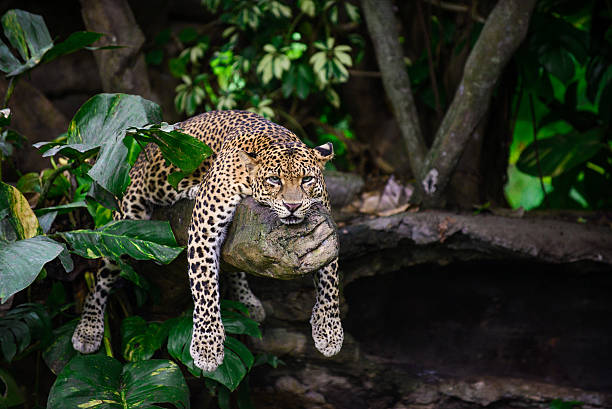
Nicaragua’s dense rainforests are home to diverse species, including jaguars, monkeys, sloths, and exotic birds like the scarlet macaw. The rainforests of the Bosawás Biosphere Reserve, one of the largest protected tropical rainforests in Central America, are teeming with wildlife, making it a prime destination for eco-tourism and wildlife enthusiasts.
Nicaragua’s Independence Day Celebrations
Nicaragua celebrates its independence from Spain on September 15th, along with the rest of Central America. The festivities include parades, traditional dances, and cultural events. It is one of the most significant holidays in the country, celebrated with pride and patriotism.
13. The Music Of The Garífuna People
The Garífuna people, an Afro-Indigenous group along Nicaragua's Caribbean coast, contribute to the country’s cultural heritage with their distinctive music and dance. Known for their drumming traditions, the Garífuna are celebrated during the annual "Festival of the Garífuna Culture," which showcases their unique dance styles, music, and culinary traditions.
Cultural Influence Of Nicaragua’s Caribbean Coast
Nicaragua’s Caribbean coastline is culturally distinct, with a mix of Afro-Caribbean, indigenous, and European influences. This area is known for its laid-back lifestyle, colorful houses, and vibrant communities like Bluefields and Corn Island, where Creole is spoken alongside Spanish, offering a glimpse into the multicultural nature of the country.
FAQs About Nicaragua Unique Facts
What Is The Best Time To Visit Nicaragua?
The best time to visit Nicaragua is during the dry season, from November to April, when the weather is sunny and rainfall is minimal. This period is ideal for outdoor activities and exploring the country's natural beauty.
Is Nicaragua A Safe Destination For Tourists?
While Nicaragua has areas that are safe for tourists, it's important to stay informed about the current political situation and follow traveladvisories. Most visitors find the major tourist destinationsto be welcoming and safe.
What Is The National Dish Of Nicaragua?
The national dish of Nicaragua is "gallo pinto," a flavorful combination of rice and beans. It is commonly served for breakfast with eggs, cheese, and tortillas.
How Can I Experience Nicaragua's Cultural Heritage?
You can experience Nicaragua's cultural heritage by visiting historic cities like Granada and León, attending local festivals such as La Purísima, and exploring museums and cultural centers.
Conclusion
Nicaragua is a country of remarkable diversity and charm, offering a wealth of unique facts and experiences. From its stunning lakes and active volcanoes to its rich cultural heritage and unique cuisine, Nicaragua captivates visitors with its natural beauty and vibrant traditions.
The country's history, biodiversity, and opportunities for adventure make it a fascinating destination for travelers seeking to explore Central America's hidden gem.
Read Also: Top 27 Famous People In Colombia
Jump to
1. Land Of Lakes And Volcanoes
2. Rich Cultural Heritage
3. Biodiverse Ecosystems
4. Unique Cuisine
5. Historical Significance
6. Adventure And Eco-Tourism
7. World's Only Freshwater Sharks
8. Lake Cocibolca's Ancient Ecosystem
9. Mombacho Volcano Cloud Forest
10. Unique Colonial Architecture In León
11. Nicaraguan Folk Music And Dance
12. Lush Rainforests And Wildlife
13. The Music Of The Garífuna People
FAQs About Nicaragua Unique Facts
Conclusion

Sophia Harper
Author
Sophia Harper’s photography acts as a portal to the soul of the places she visits. Drawn to South America’s landscapes and cultures, she has spent years capturing everything from the majesty of ancient ruins to the vibrancy of urban streets.
Sophia’s work isn’t just about documenting moments; it’s about evoking the emotions and stories behind them. A dedicated photographer, she has worked with local communities across South America to capture their rich cultural narratives through her lens.

Liam Jones
Reviewer
Liam Jones has made it his mission to prove that adventure doesn’t need a hefty budget. Having traveled to over 40 countries, he specializes in finding affordable ways to experience the world, from the best street food in Bangkok to hidden gems in Lisbon.
Liam’s travel tips have reached thousands of readers, empowering them to see the world on a shoestring budget without sacrificing quality. With a deep passion for local cultures, he continues to share his travel hacks, ensuring adventure remains accessible to all.
Latest Articles
Popular Articles