Micronesia - Complete Guide To Islands, Culture, History & Travel
Micronesia is a huge ocean area dotted with tiny coral islands and islets. It’s known for its distinct landscapes and scarce resources. The region spans from the Gilbert Islands to the Marshall, Caroline and Federated States of Micronesia.
Author:Sophia HarperReviewer:Liam JonesJul 01, 202576.7K Shares1.2M Views
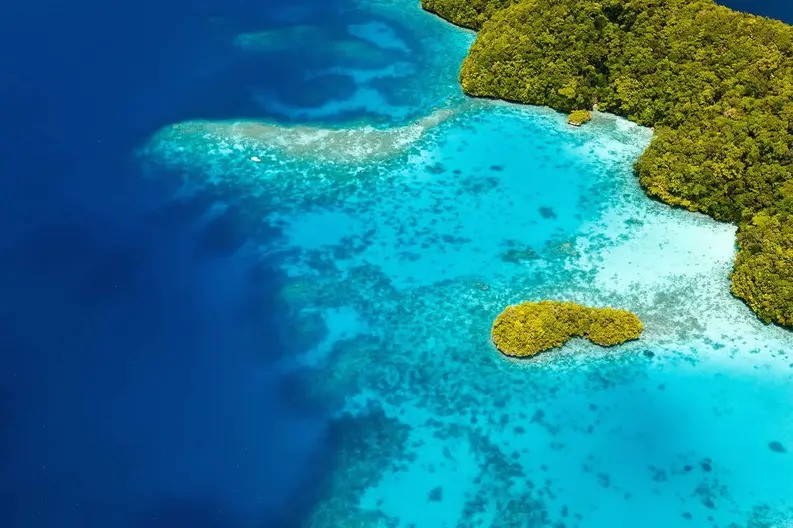
Micronesia often brings to mind crystal-clear waters, colorful coral reefs, and picture-perfect islands. And yes, it’s a dream destination for divers and nature lovers-but that’s only part of the story.
This vast region, made up of over 2,000 islands across the western Pacific, is home to some of the most unique cultures, histories, and traditions in the world. Micronesia is not just beautiful-it’s deeply meaningful. Its people have lived in harmony with the ocean for thousands of years, guided by stars, winds, and waves long before modern navigation existed.
From the giant stone money of Yap to the sunken WWII wrecks of Chuuk Lagoon, from the ancient ruins of Nan Madol to the lush volcanoes of Kosrae, Micronesia is a place where history and nature come together in powerful ways. It’s a region shaped by resilience, deep cultural roots, and a close connection to the sea.
If you're looking for more than a vacation-if you want a journey that changes how you see the world-Micronesia offers something truly rare. It’s not just a place to visit. It’s a place to understand.
The Geography Of Micronesia
The term "Micronesia" itself, derived from Greek words meaning "small islands," is an apt descriptor for this expansive subregion of Oceania. Geographically, it encompasses a vast area, primarily north of the equator, with a total land area of approximately 2,700 square kilometers (1,000 sq mi).
This spans an oceanic perimeter of 7.4 million square kilometers (2.9 million sq mi). The region is characterized by a tropical marine climate, moderated by seasonal northeast trade winds, with little seasonal temperature variation. The dry season runs from December/January to June, and the rainy season from July to November/December, sometimes including typhoons.
While the notion of "Micronesia" has been well-established since 1832, it's crucial to understand that it represents a disparate ensemble rather than a singular geomorphological, archaeological, linguistic, ethnic, or cultural unity.
There isn't a single "Micronesian people" but rather diverse groups sharing a common bond to their island environments and a broader Austronesian heritage.
The Four Main Island Groups Of Micronesia
Micronesia consists of four major archipelagos and several independent island nations and territories. Each plays a unique role in the region’s geography, identity, and geopolitics.
1. The Caroline Islands
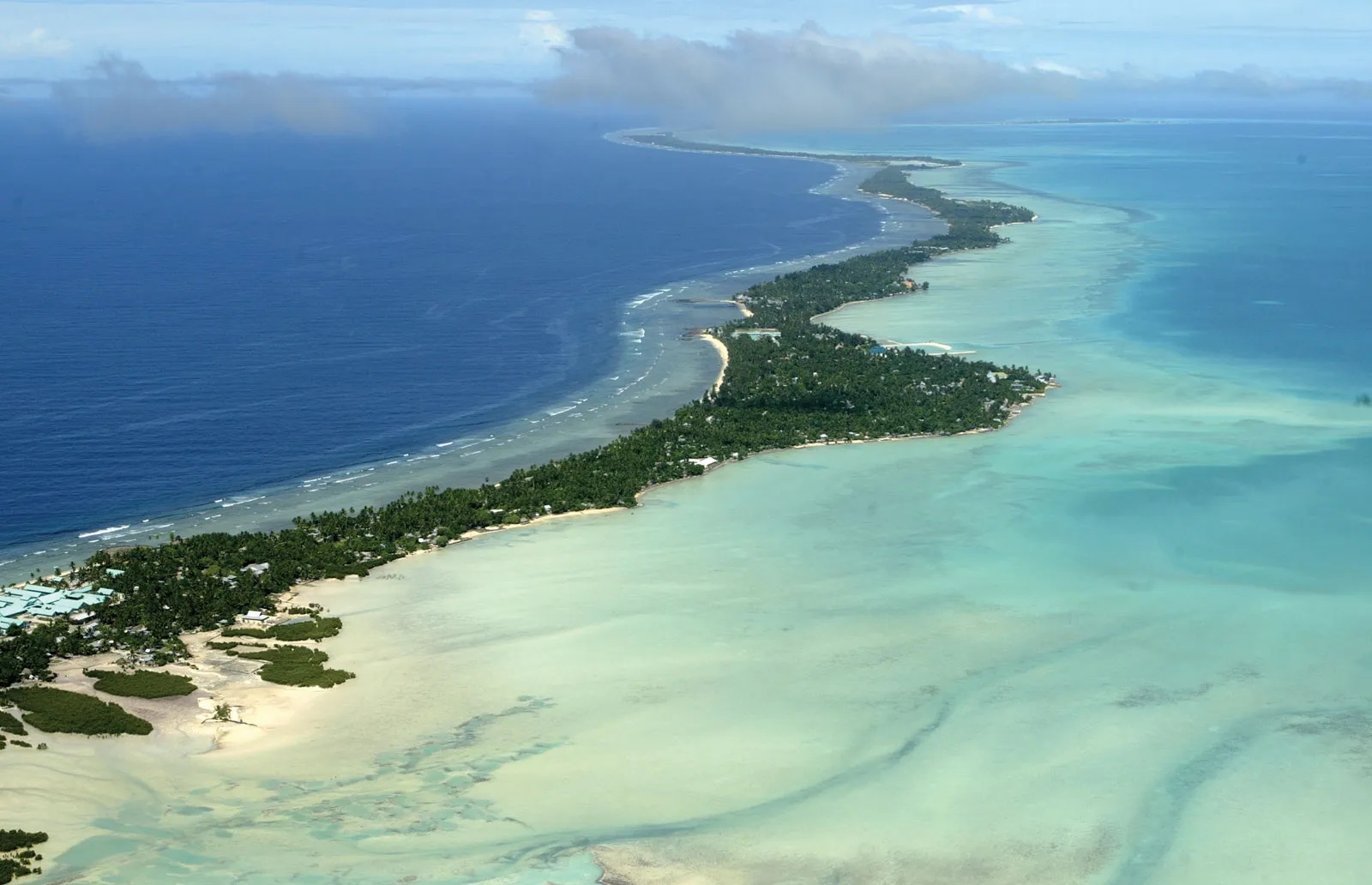
A vast archipelago of about 500 small coral islandsstretching north of New Guinea. Politically, it's split between:
- The Federated States of Micronesia (FSM): Comprising over 600 islandsacross four states-Yap, Chuuk, Pohnpei, and Kosrae-the FSM is one of the most recognized countries in Micronesia. Its capital is Palikir, located on Pohnpei.
- The Republic of Palau: Located at the western edge of the Caroline chain, Palau includes about 250 islands, famous for their marine biodiversity and the iconic Rock Islands.
2. The Gilbert Islands (Kiribati)
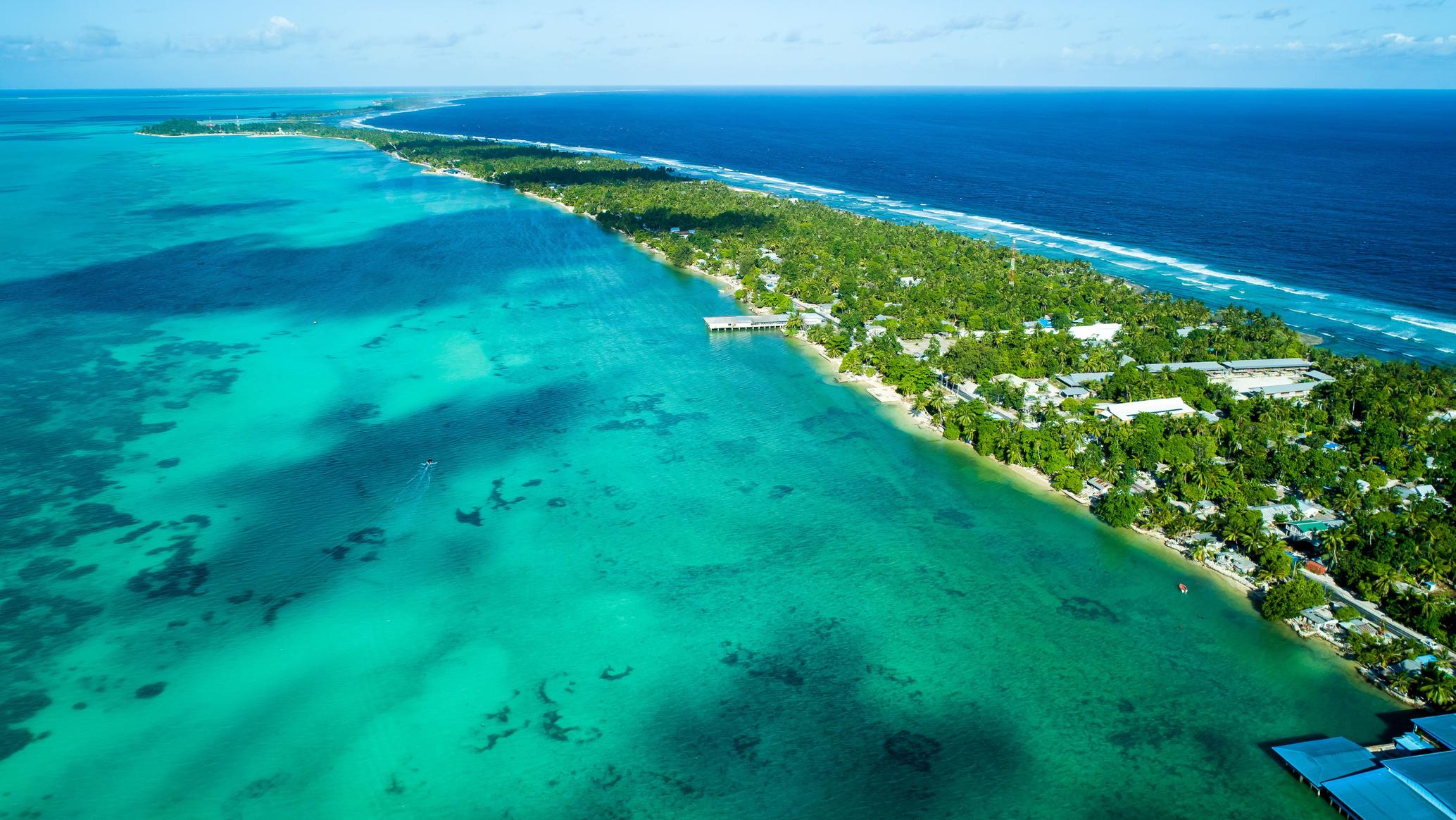
A chain of 16 atolls and coral islandsthat form the heart of the Republic of Kiribati. The island of Tarawahouses the nation’s capital, South Tarawa. Though part of Micronesia culturally and geographically, Kiribati also extends into the Polynesian and Melanesian regions.
The economy once relied on phosphate mining on Banaba Island, but when the resource ran out in 1979, incomes crashed. Now, fishing licenses, foreign aid, and money sent home by workers abroad keep the economy afloat.
A savings fund from phosphate profits helps cushion the blow. Climate change is Kiribati’s biggest challenge: rising seas could displace its people and erase its culture. For Kiribati, survival means adapting or moving before it’s too late.
3. The Mariana Islands
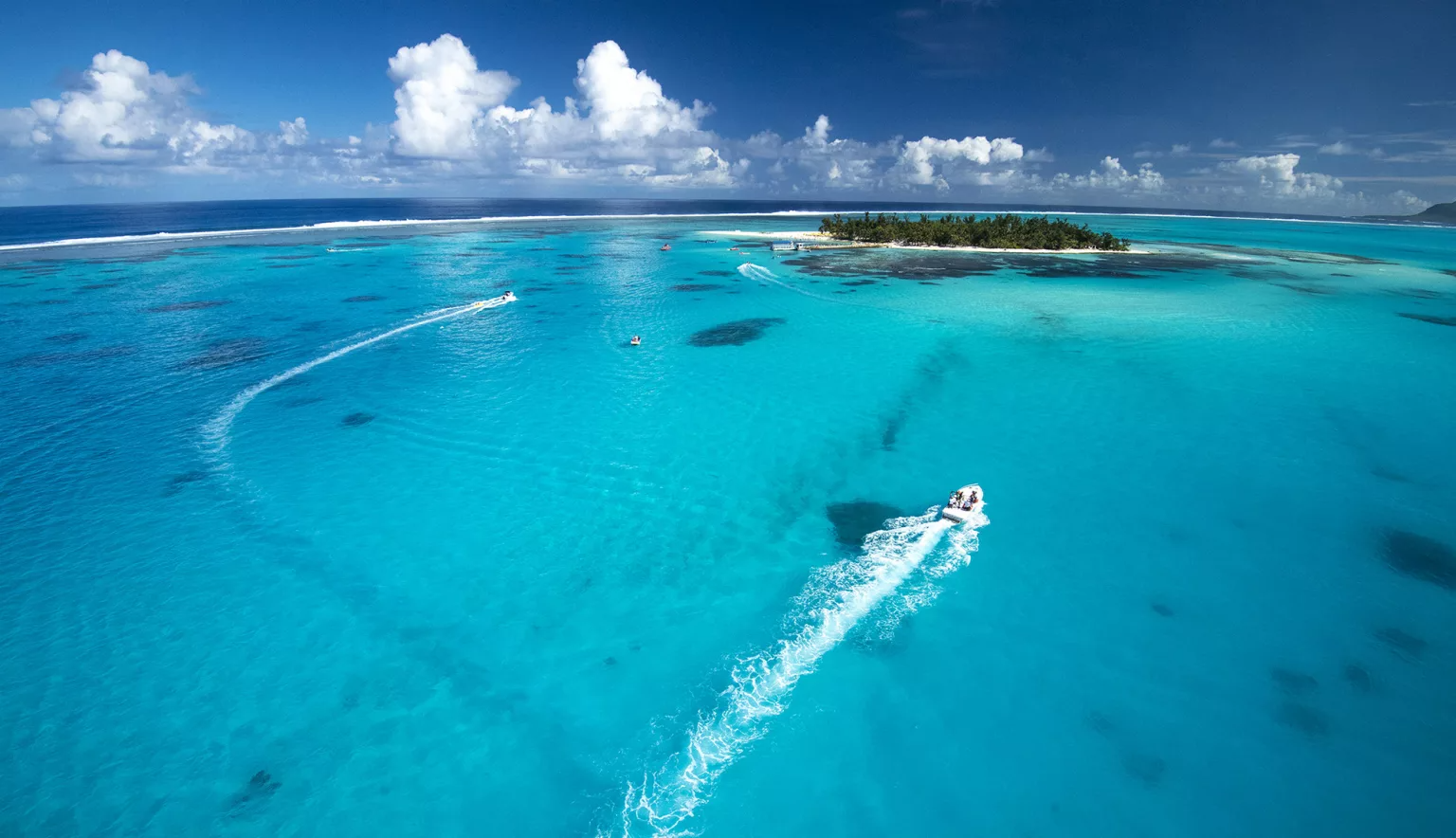
An arc of 15 volcanic islands, these are politically affiliated with the United States:
- Guam: The largest island in Micronesia at 582 square kilometers, Guam is an unincorporated U.S. territory. Its capital is Hagåtña, and it serves as a major U.S. military and transport hub in the Pacific.
- Commonwealth of the Northern Mariana Islands (CNMI): This U.S.-affiliated commonwealth includes Saipan(the capital), Tinian, and Rota. Rich in WWII history, these islands also offer unique Chamorro culture and natural beauty.
4. The Marshall Islands
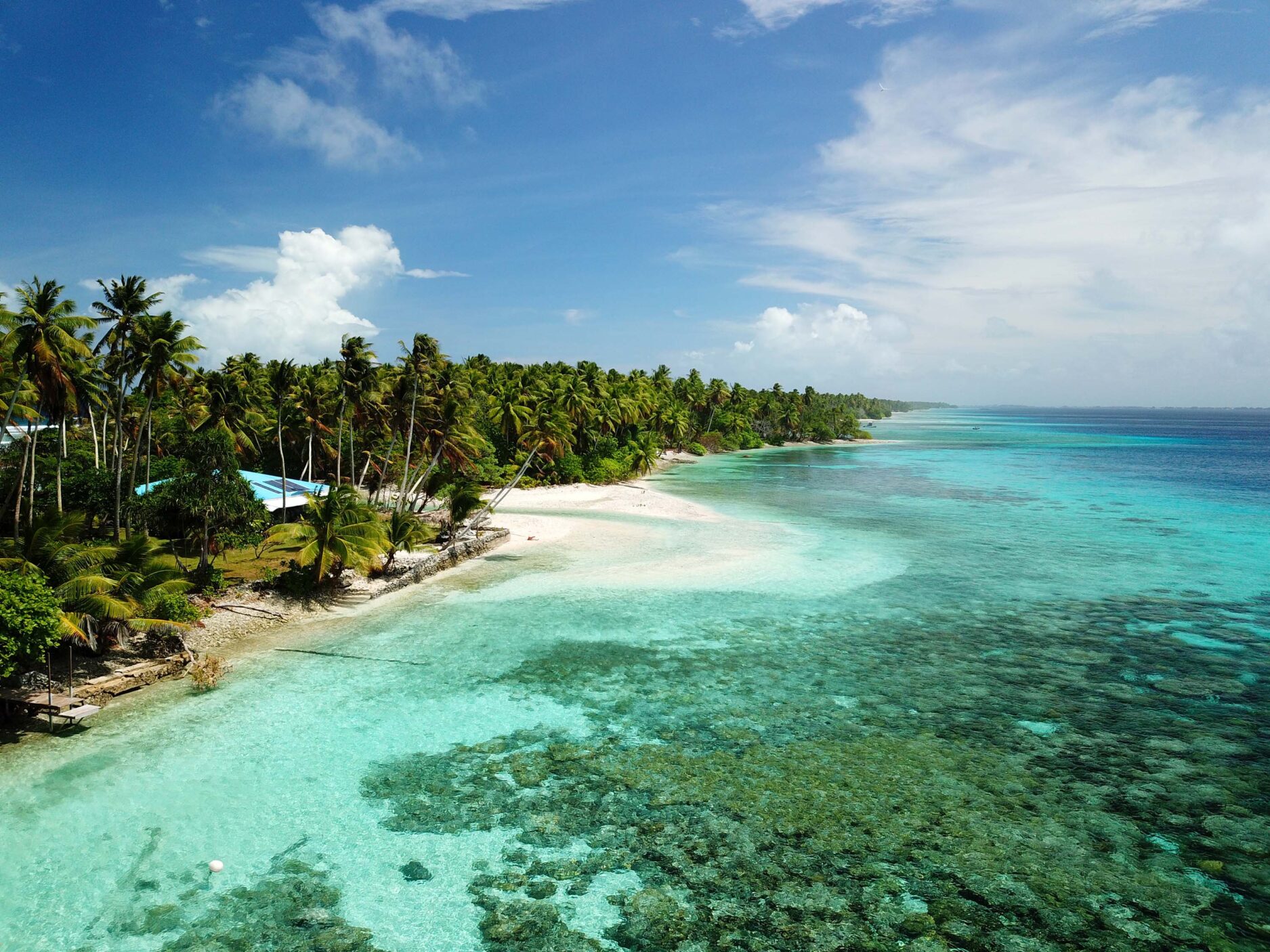
Composed of 29 low-lying atollsand 5 isolated islands, the Marshall Islands sit north of Nauru and Kiribati. The country is a presidential republic in free association with the United States, and its capital is Majuro.
Noteworthy is Bikini Atoll, once used for U.S. nuclear testing and now a symbol of both environmental devastation and cultural resilience.
Land here is passed down through mothers, and family clans (called Bwij ) are central to life. Chiefs (Iroij ) lead these clans, and land ownership defines a family’s status. This system helps hold communities together as climate change threatens their homes.
Independent Island Nations And Territories
Beyond these archipelagos, several other distinct entities contribute to Micronesia's diverse landscape:
Nauru
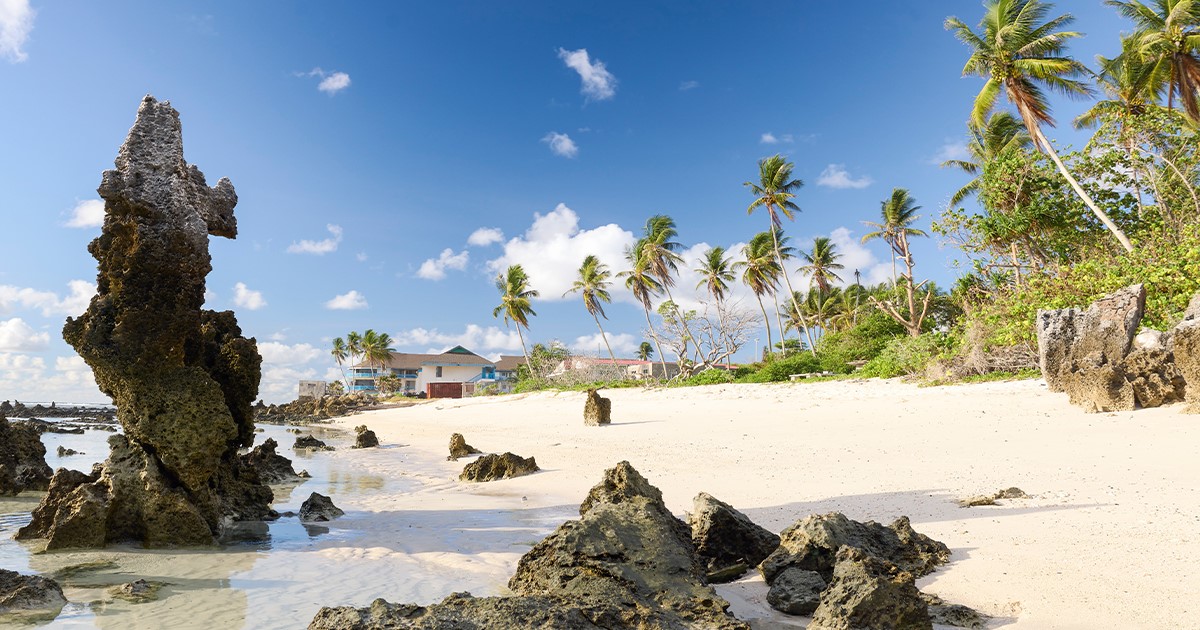
Nauru is a small, oval-shaped island in the western Pacific Ocean, about 42 kilometers south of the equator. Covering just 21 square kilometers, it’s one of the world’s smallest countries. Over the past century, phosphate mining has transformed its landscape, stripping over 80% of the land and leaving behind sharp coral formations.
The island has a tropical climate with intense, unpredictable rainfall and a wet season from November to February. Long before European contact, Polynesian and Melanesian explorers settled here. In the 1800s, European traders brought guns and alcohol, fueling a decade-long civil war.
For decades, Nauru was one of the richest nations per person, thanks to its phosphate reserves. But by 2000, most accessible phosphate ran out, ending large-scale mining and triggering a sharp economic decline. The government now mines harder-to-reach deposits, showing how hard it is to move beyond reliance on a single resource.
Poor financial decisions and corruption worsened the crisis, draining trust funds meant for the future. Today, Nauru depends on foreign aid, fishing licenses, and controversial refugee camps funded by Australia.
The economic collapse brought new challenges. Many Nauruans now face diabetes, cancer, and heart disease, linked partly to processed foods replacing traditional diets. This shift highlights how economic changes can harm both livelihoods and health. Nauru’s story serves as a warning about the risks of over-reliance on finite resources and the long-term costs of environmental damage.
Wake Island
A coral atoll and an unorganized, unincorporated territory of the United States. While geographically adjacent, it is not ethnoculturally part of Micronesia due to its historical lack of human inhabitation. Access is restricted and managed by the United States Air Force. Its capital is Wake Island.
Micronesia Map
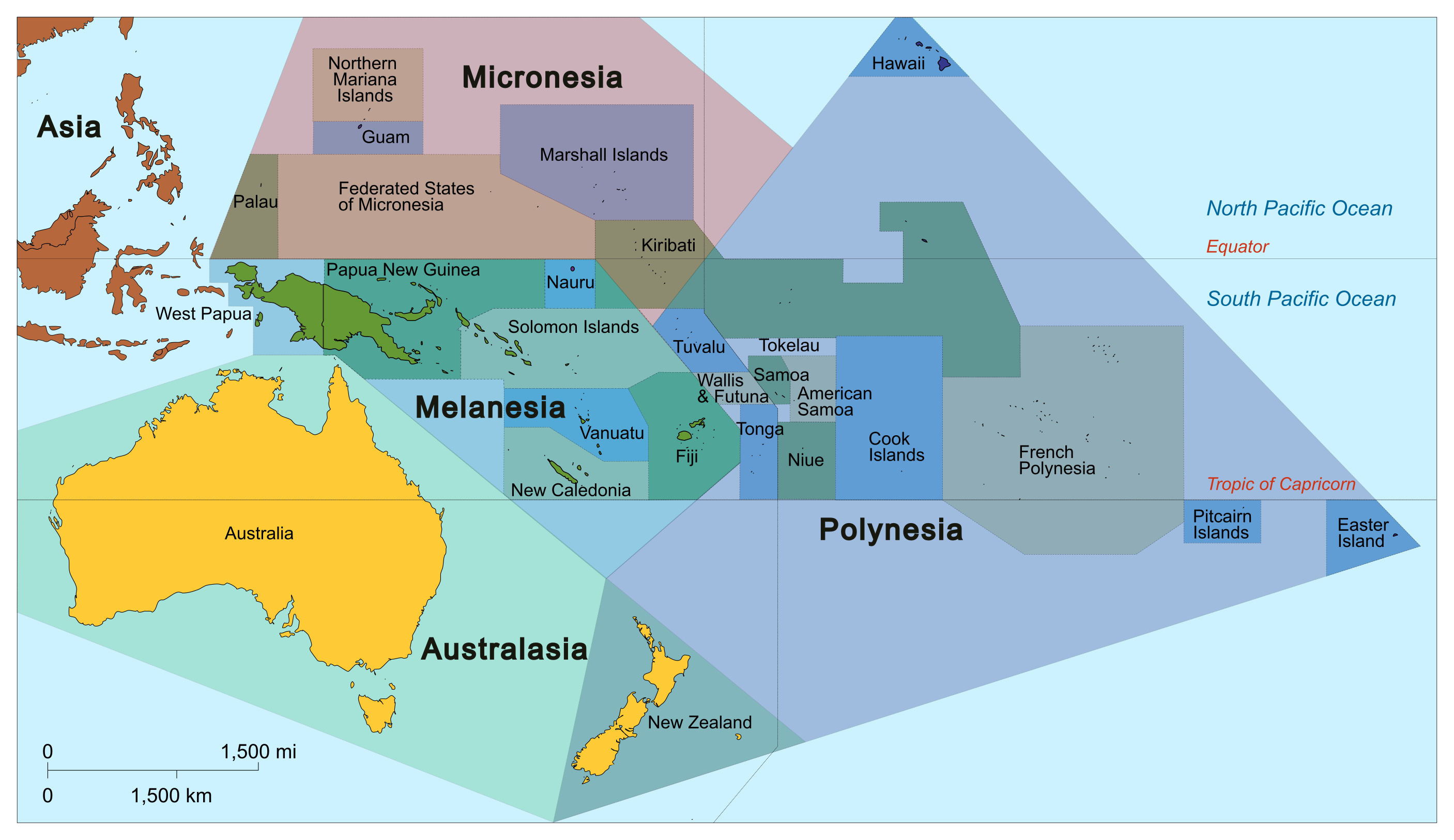
Understanding Micronesia’s geography can be challenging without a visual reference-after all, the region spans millions of square kilometers of ocean, with small islands scattered like stars across the vast Pacific.
A Micronesia maphelps make sense of this dispersed region, showing where key island groups and nations are located in relation to each other and to nearby regions like Southeast Asia, Melanesia, and Polynesia.
What To Look For On A Map Of Micronesia:
- Caroline Islands: Split between the Federated States of Micronesia (FSM)and Palau, located northeast of Papua New Guinea.
- Mariana Islands: A volcanic arc north of FSM, including Guamand the Northern Mariana Islands.
- Marshall Islands: East of FSM, forming a pair of parallel chains of low-lying atolls.
- Gilbert Islands (Kiribati): South of the Marshall Islands, extending toward the equator.
- Nauru: Southwest of the Marshall Islands—tiny and isolated.
- Wake Island: Northwest of the Marshall Islands, a U.S. military base with no permanent civilian population.
Micronesia's Rich History
Micronesia's history is as complex and layered as its geography, shaped by millennia of indigenous ingenuity, sophisticated navigational prowess, and later, the indelible marks of colonial powers and global conflicts.
Prehistory: The Austronesian Expansion
Human settlement of Micronesia began several millennia ago. The prevailing scientific consensus points to the Austronesian peoples, originating from a prehistoric seaborne migration known as the Austronesian expansion, from pre-Han Formosa (modern-day Taiwan) around 3000 to 1500 BCE.
These remarkable seafarers were the first to invent oceangoing sailing technologies, including catamarans, outrigger boats, and the crab claw sail, enabling their rapid dispersal across the Indo-Pacific.
The Northern Mariana Islands were among the first islands in Oceania colonized by Austronesians, settled by voyagers from the Philippines around 1500 BCE. Further migrations, likely from Sulawesi, settled Palau and Yap around 1000 BCE.
Around 200 BCE, a loosely connected group of Lapita colonists from Island Melanesia also migrated northwards, settling the islands of eastern Micronesia almost simultaneously. This vibrant prehistory is evidenced by archaeological sites and enduring oral traditions.
Around 800 CE, a second wave of migrants arrived in the Marianas, ushering in the Latte period, characterized by large structures with distinctive capped stone pillars known as haligi. The construction of Nan Madol in Pohnpei began around 1180 CE, followed by the Leluh complex in Kosrae around 1200 CE, showcasing advanced ancient engineering.
Early European Contact And Colonial Encounters
The earliest recorded European contact with Micronesia occurred in 1521, when Ferdinand Magellan's Spanish expedition reached the Marianas. Antonio Pigafetta's chronicle of Magellan's voyage recounts the Chamorro people's initial lack of knowledge of outsiders.
Further contact followed in the 16th century, with Diogo da Rocha encountering inhabitants of the Caroline Islands in 1525, and Marshall Islanders encountered by Álvaro de Saavedra Cerón in 1529.
In the early 17th century, Spain formally colonized Guam, the Northern Marianas, and the Caroline Islands, integrating them into the Spanish East Indies, governed from the Philippines. This era brought significant shifts in governance and religion, with American Protestant missionaries arriving in the early 19th century, leading to widespread conversion.
Following the Spanish-American War in 1898, the United States acquired Guam and claimed Wake Island. Spain then sold its remaining Micronesian possessions (Caroline, Mariana, and Marshall Islands) to Germany in 1899, which administered them from German New Guinea. Nauru had already become a German colony in 1888.
20th Century: War, Trusteeship, And Independence
The early 20th century saw Micronesia divided among three foreign powers: the United States (Guam, Wake Island), Germany (Nauru, Marshall, Caroline, and Northern Mariana Islands), and the British Empire (Gilbert Islands).
World War I led to further shifts; Germany's Pacific territories became League of Nations mandates. Japan was granted the South Seas Mandate (most of Germany's Micronesian territories), while Nauru became an Australian mandate.
World War II brought immense devastation, turning many Micronesian islands into fierce battlegrounds. The haunting remnants of the war, particularly the submerged fleet in Chuuk Lagoon, serve as powerful memorials.
After Japan's defeat, its mandate became the United Nations Trust Territory of the Pacific Islands, administered by the United States. This trusteeship ultimately paved the way for independence for most Micronesian nations in the late 20th century.
Politics And Governance In Micronesia
The political landscape of Micronesia is diverse, ranging from independent sovereign nations to territories freely associated with or belonging to the United States. The Pacific Community (SPC) serves as a regional intergovernmental organization, fostering cooperation among nations and territories in the Pacific.
- Federated States of Micronesia (FSM):An independent sovereign nation in free association with the United States. Its government is a constitutional government with an elected president and congress.
- Republic of Palau:An independent sovereign nation in free association with the United States, operating as a presidential republic.
- Republic of the Marshall Islands:An independent sovereign nation in free association with the United States, also a presidential republic.
- Republic of Kiribati:An independent sovereign nation, a parliamentary republic.
- Republic of Nauru:An independent sovereign nation, the world's smallest republic, with a parliamentary system.
- Guam (United States):An organized, unincorporated territory of the United States. Its residents are U.S. citizens but do not vote in U.S. presidential elections.
- Northern Mariana Islands (United States):A commonwealth in political union with the United States. Residents are U.S. citizens.
- Wake Island (United States):An unorganized, unincorporated territory of the United States, administered by the U.S. Air Force.
Demographics: The People Of Micronesia
Micronesia is populated by diverse ethnicities, predominantly descended from ancient Austronesian migrations, alongside notable immigrant communities. As of July 2021, the estimated total population across the main countries and territories is 534,606 people, inhabiting approximately 3,178 km² of land.
Here's a concise overview of key demographics for each entity:
- Federated States of Micronesia (FSM):Pop. 113,131 (702 km², 158/km² density). 22% urban. Life expectancy: 71.2 yrs, Literacy: 89%. Official Language: English. Religions: Roman Catholic (50%), Protestant (47%). Ethnicities include Chuukese, Pohnpeian, Kosraean, Yapese.
- Guam (United States):Pop. 170,534 (540 km², 299/km² density). 93% urban. Life expectancy: 78.2 yrs, Literacy: 99%. Languages: English (38.3%), Chamorro (22.2%). Religion: Roman Catholic (85%). Ethnicities: Chamorro (37.1%), Filipino (26.3%), other Pacific Islander.
- Kiribati:Pop. 128,874 (811 km², 152/km² density). 44% urban. Life expectancy: 64.0 yrs, Literacy: 92%. Languages: English, Gilbertese. Religions: Roman Catholic (55%), Protestant (36%). Ethnicity: Micronesian (98.8%).
- Marshall Islands:Pop. 42,050 (181 km², 293/km² density). 71% urban. Life expectancy: 71.5 yrs, Literacy: 93.7%. Languages: Marshallese (98.2%), English. Religions: Protestant (54.8%), other Christian (40.6%). Ethnicity: Marshallese (92.1%).
- Nauru:Pop. 12,511 (21 km², 480/km² density). 100% urban. Life expectancy: 65.0 yrs, Literacy: 99%. Languages: Nauruan, English. Religions diverse: Nauru Congregational Church (35.4%), Roman Catholic (33.2%). Ethnicities: Nauruan (58%), other Pacific Islander (26%), Chinese (8%), European (8%).
- Northern Mariana Islands (US):Pop. 49,481 (464 km², 113/km² density). 91% urban. Life expectancy: 76.9 yrs, Literacy: 97%. Languages: English, Chamorro, Carolinian. Religion: Roman Catholic. Ethnicity: Asian (56.3% - primarily Filipino, Chinese, Korean), Pacific Islander (36.3%).
- Palau:Pop. 18,024 (459 km², 47/km² density). 81% urban. Life expectancy: 71.5 yrs, Literacy: 92%. Languages: Palauan (64.7%), English. Religions: Roman Catholic (41.6%), Protestant (23.3%). Ethnicities: Palauan (69.9%), Filipino (15.3%), Chinese (4.9%).
- Wake Island (United States):Pop. approx. 150 (2 km², 75/km² density), primarily U.S. military and contractors. Language: English.
Indigenous Groups:Key indigenous groups include the Carolinian, Chamorro, Chuukese, Nauruan, and remote Kaping peoples.
Immigrant Communities:Significant Asian communities (Filipino, Chinese, Korean, Japanese) are present, notably forming a majority in the Northern Mariana Islands. Genetic evidence suggests Japanese paternal ancestry in a notable percentage of Micronesian males. Smaller European communities also exist.
The Federated States Of Micronesia (FSM)
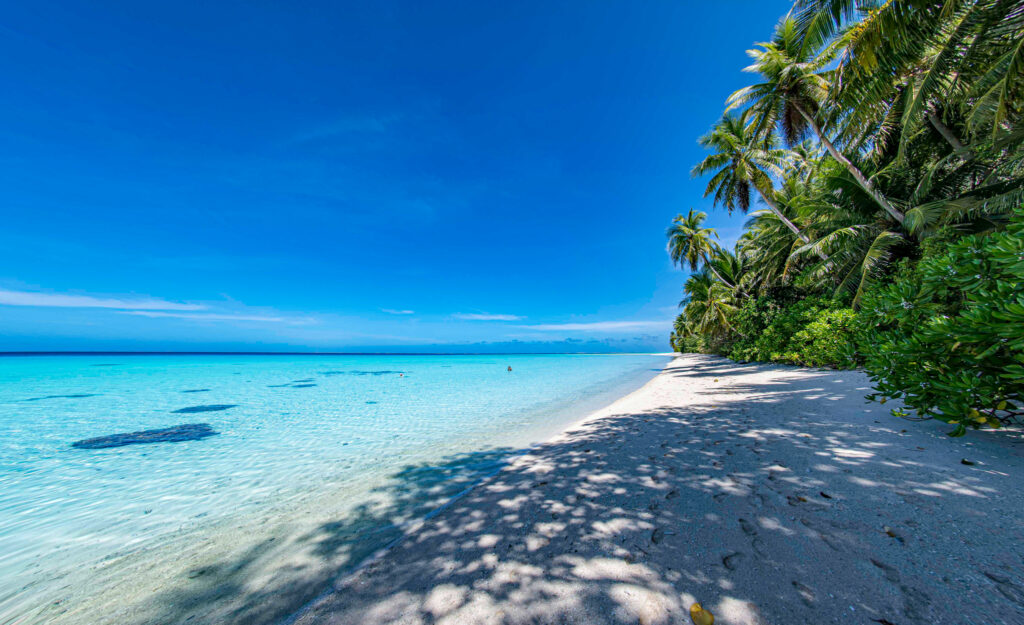
The Federated States of Micronesia (FSM) spans over 1,700 miles (2,736 km) across the Pacific Ocean, covering the eastern and western caroline islands. It has four main states: Pohnpei, Kosrae, Chuuk, and Yap. Together, these states include 607 islands, but only 65 are lived on.
Though the total land area is small just 271 square miles (702 sq km) the FSM controls about 1 million square miles (2.6 million sq km) of ocean. This huge ocean territory, compared to its tiny land size, shapes the nation’s identity. The economy depends heavily on fishing and fees from foreign ships, but rising sea levels and ocean pollution threaten its future.
Each state has its own character. Pohnpei, Kosrae, and Chuuk are volcanic islands, while Yap includes both high islands and atolls. The FSM’s government splits power between national and state levels, with states handling most day-to-day matters.
Pohnpei
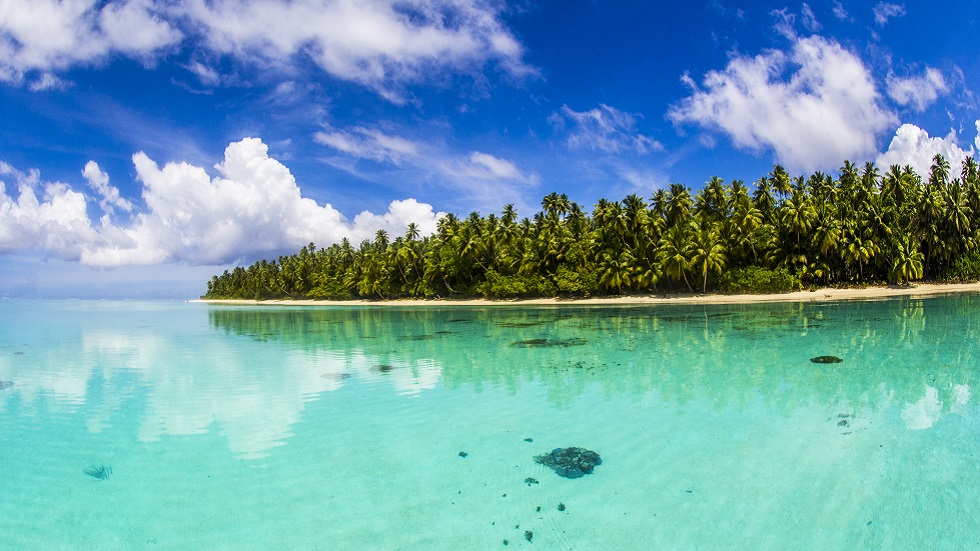
Pohnpei, the largest island in the Federated States of Micronesia (FSM) and home to the capital, Palikir, is a volcanic wonder with six nearby atolls. Its tropical climate delivers over 400 inches (10,160 mm) of rain annually, making it one of Earth’s wettest places.
This relentless rainfall nurtures lush jungles, cascading waterfalls, and rushing rivers. While not part of the world’s largest rainforests, Pohnpei’s dense tropical foliage creates a microcosm of biodiversity, rivaling the richness of its global counterparts. The island is also famed for its black pepper cultivation, the nation’s primary agricultural export, thriving in its fertile, rain-soaked soil.
The island’s most famous site is Nan Madol, an ancient city of stone buildings on a coral reef. Called the “Venice of the Pacific,” its canals and massive basalt walls were built between 500–1500 AD.
How people moved stones weighing up to 50 tons without modern tools remains a mystery. Today, the ruins are a symbol of Pohnpei’s rich history. But heavy rains also bring challenges like erosion and flooding, which climate change could worsen.
Chuuk
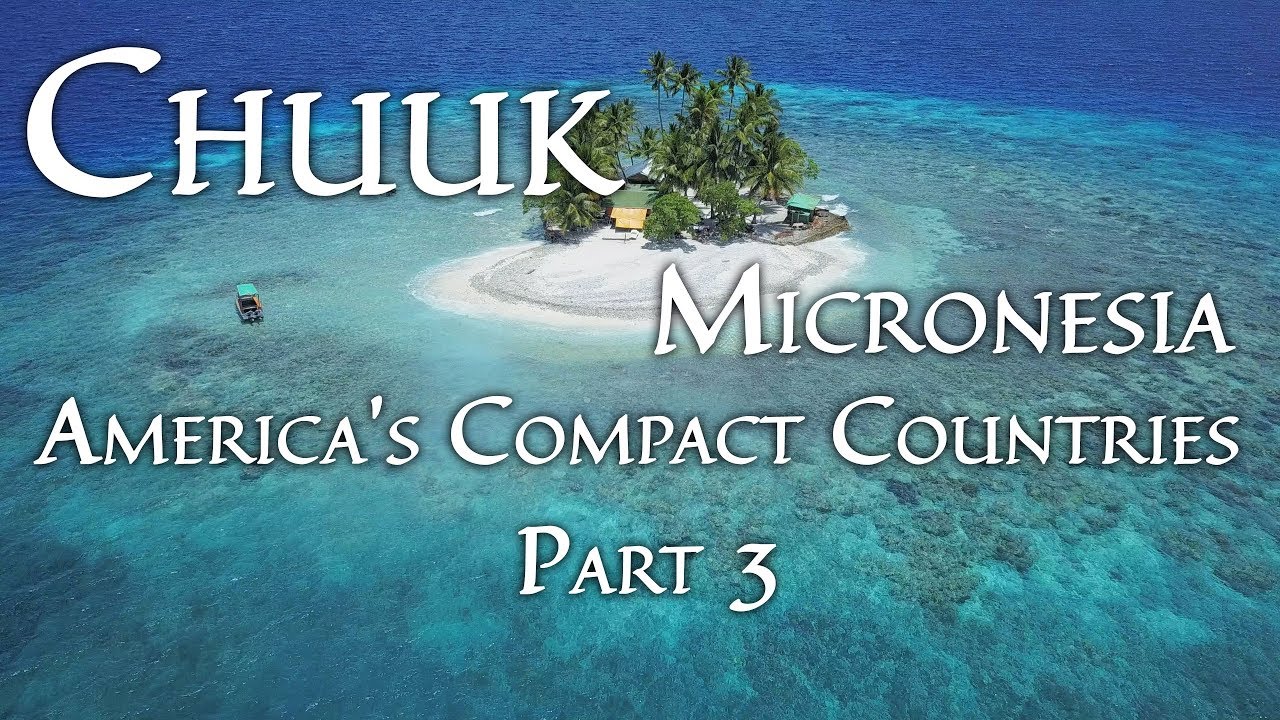
Chuuk, Micronesia (America's Compact Countries Part 3/4) 4K
Chuuk is the most populated state, with 290 islands in the Chuuk Lagoon. Most people live on the volcanic islands, while outer atolls are less crowded. The weather stays warm year-round, but typhoons like the 2002 storm Chata’an have caused deadly floods and mudslides.
Chuuk Lagoon is famous for its World War II shipwrecks. In 1944, Allied forces sank over 60 Japanese ships and 200 planes here. Now, these wrecks lie underwater, preserved as a “museum” for divers. Coral and marine life thrive around them, creating a mix of history and nature. Unexploded bombs in the water and on land pose dangers, reminding visitors of the area’s wartime past.
Yap
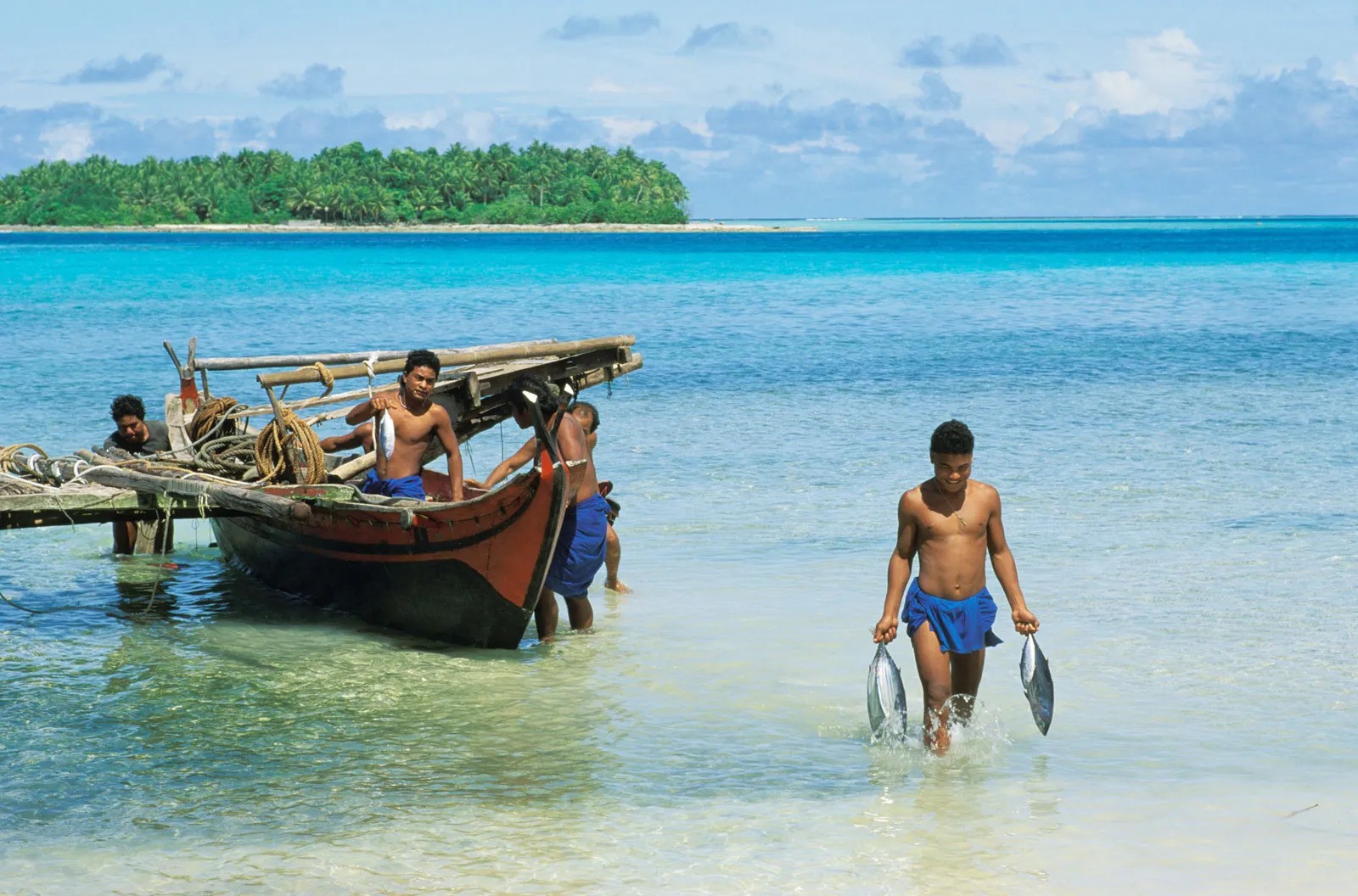
Yap’s four main islands and 134 atolls are home to unique customs. Its most famous tradition is stone money large limestone discs called Rai. Some are bigger than cars and were brought from distant islands like Palau by canoe.
Their value comes from the effort to transport them, not the stones themselves. Ownership is tracked through community memory, showing trust and shared history.
Yapese culture also shines through traditional dances. Performers wear bright costumes and move in intricate ways to tell stories and celebrate community events. These dances, along with stone money, highlight Yap’s focus on keeping traditions alive. The island’s geography, shaped by ancient volcanic activity, adds to its distinct character.
Kosrae
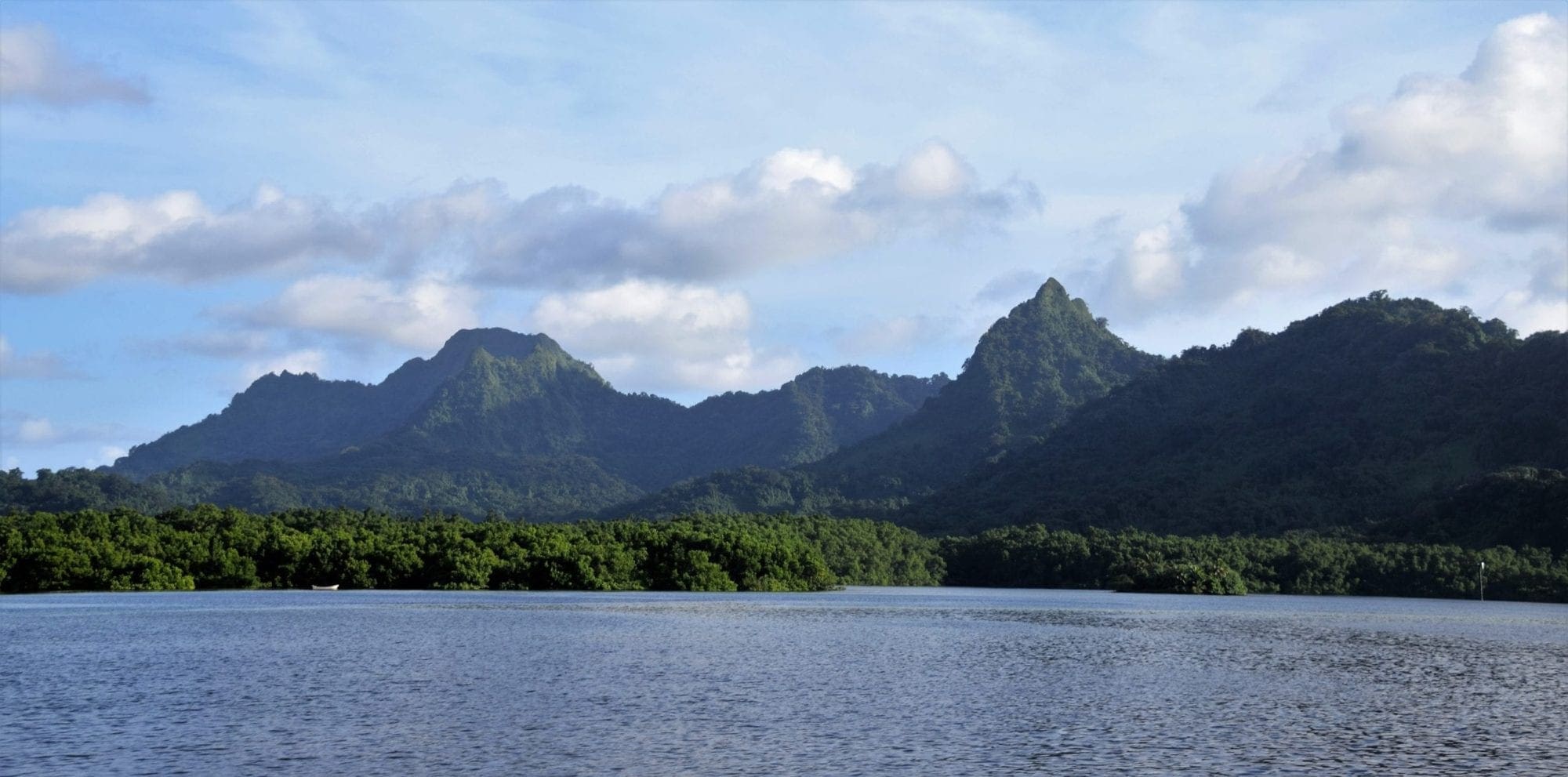
Kosrae, the easternmost state, is a single volcanic island with no outer atolls. Its rainforest-covered peaks and coral reefs make it a natural wonder. Annual rainfall tops 200 inches (5,080 mm), feeding rivers and waterfalls. The Yela Forest protects rare ka trees, part of a conservation effort to preserve the island’s beauty.
Kosrae’s coral reef is among the healthiest in the Pacific, sheltering sea turtles, rays, and sharks. Locals follow traditional practices like “nahs” (spirit rituals) and “lukwe” (community feasts) to stay connected to nature. These customs emphasize living in harmony with the environment, helping Kosrae balance modern life with ancient wisdom.
The FSM’s four states: Pohnpei, Chuuk, Yap, and Kosrae, each offer unique landscapes, histories, and cultures. While ocean resources sustain their economies, climate change and environmental threats loom large.
Palau Island
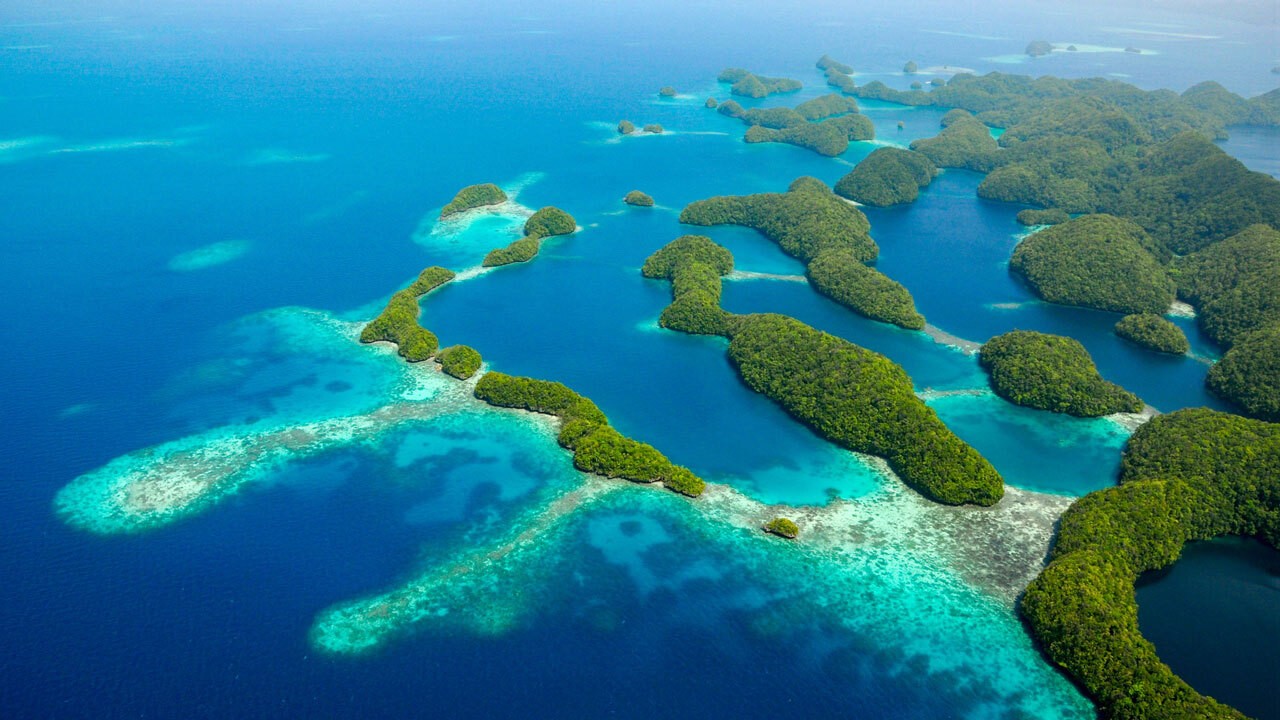
Palau, a tiny island nation with around 20,000 people, is a mix of cultures influenced by Melanesian, Micronesian, Austronesian, Japanese, and Filipino traditions. The main languages are Palauan (part of the Austronesian family) and English.
Most Palauans are Christian, but some follow Modekngei, a local religion focused on living in harmony with nature. Family ties here trace through mothers, and clans are the backbone of society, with elders deeply respected.
Palau is famous for protecting its oceans. In 2009, it created the world’s first shark sanctuary, and in 2015, it set aside 80% of its ocean area as a protected zone, one of the largest such areas globally. This isn’t just about nature; it’s central to the economy, as tourism drives over half of Palau’s income.
The “Palau Pledge,” stamped in visitors’ passports, asks everyone to help preserve the environment. The country is also home to Jellyfish Lake, where millions of harmless golden jellyfish drift a magical sight formed by the lake’s isolation over thousands of years.
Also Check Out: Polyhome - Discovering The Enchanting Beauty Of Polynesia
Cultural Currents: The Heartbeat Of Micronesia
Micronesian culture is vibrant, resilient, and deeply intertwined with the ocean and land. It's a culture of communal living, respect for elders, and a profound connection to ancestral knowledge.
Languages Of Micronesia
The linguistic landscape of Micronesia is rich and diverse. The largest group are the Micronesian languages, which are part of the Oceanic languages, themselves a branch of the larger Austronesian language family. This family includes Marshallese, Gilbertese, Kosraean, Nauruan, and a significant sub-family called Chuukic–Pohnpeic, comprising 11 languages.
Additionally, two Malayo-Polynesian languages not belonging to the Oceanic group are spoken: Chamorro in the Mariana Islands and Palauan in Palau. On the eastern edge of the FSM, the Polynesian languages Nukuoro and Kapingamarangi represent a westward extension of Polynesian culture.
Traditional Arts And Indigenous Knowledge
The artistry of Micronesia is a testament to its resourcefulness and aesthetic sensibility. Intricate weaving of mats, baskets, and clothing from pandanus and hibiscus fibers, the carving of wooden canoes and ceremonial objects, and the creation of shell jewelry are all deeply rooted in cultural practices.
The famed Marshallese stick charts, sophisticated navigational aids that depict ocean swells and currents, exemplify the profound indigenous knowledge of the sea.
Micronesian art, stemming from the Lapita culture, is typically streamlined, practical, and highly finished, making the best use of available natural materials. Post-WWII, there has been a renewed interest in traditional arts, alongside the emergence of contemporary art movements.
Cuisine, Animals, And Architecture
Micronesian cuisine varies by island but often features local foods like breadfruit, taro root, pandanus, and abundant seafood. Pigs, though not native, are now common. Fruit bats are native to Palau, but other mammals are rare.
Reptiles are numerous, and mollusks are a significant food source. The chewing of betel nuts (seasoned with lime and pepper leaf) is common in Western Micronesia (Palau, Marianas, Yap), while the ceremonial drink "sakau" (Pohnpei) or "saka" (Kosrae) is a staple in the east.
In terms of architecture, notable pre-colonial structures include Palau's monumental sculpted hills, megalithic stone carvings, and elaborately decorated wooden structures on elevated stone platforms.
The enigmatic floating city of Nan Madol in Pohnpei, built from basalt lava logs starting around 1200 CE, stands as a prime example of ancient Micronesian engineering.
Music, Dance, And Sports
Micronesian music, often vocal-based, is deeply influenced by mythology and ancient rituals, with some traditions suggesting music can be received in dreams or trances.
The Marshall Islands feature the roro(traditional chants for navigation or childbirth) and unique one-sided hourglass-shaped drums. The beetstick dance, influenced by Spanish folk dances, is also traditional in the Marshall Islands.
Sports play a role in island life, with the quadrennial Micronesian Games bringing together countries and territories from the region (excluding Wake Island). Nauru, uniquely, has two national sports: weightlifting and Australian rules football, with over 30% of its population participating in football.
Micronesia Flag
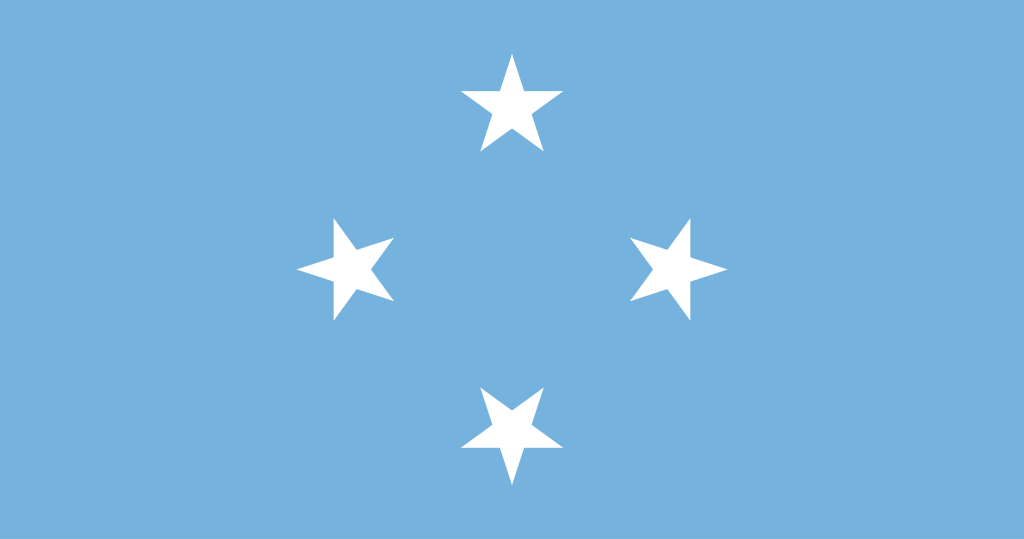
The flag of the Federated States of Micronesia is a prominent symbol of the region, adopted on November 10, 1979. It features a light blue field, representing the vast Pacific Ocean, adorned with four white, five-pointed stars arranged in a diamond pattern.
These four stars symbolize the four constituent states of the federation: Chuuk, Kosrae, Pohnpei, and Yap, highlighting their unity within the expansive ocean. This design notably draws from the flag of the Trust Territory of the Pacific Islands, administered by the United States, which itself had six stars for its districts.
Economy: Sustenance, Aid, And Tourism
The economies of Micronesia are generally small and heavily influenced by historical and ongoing relationships with external powers, particularly the United States.
The primary national income often comes from the sale of fishing rights to foreign nations, largely for tuna harvesting. These foreign fishing fleets often carry their own provisions, contributing little directly to local economies.
Significant additional income stems from government grants, primarily from the United States. This includes substantial funds like the $150 million paid into a trust fund for reparations to residents of Bikini Atoll displaced by nuclear testing.
Few exploitable mineral deposits exist, with high-grade phosphate on Nauru being a notable exception.
For individuals, the primary source of income is often remittances from relatives working in the United States, as most residents of the FSM, Marshall Islands, and Palau can freely move and work in the U.S. under Compacts of Free Association. Other individual income comes mainly from government jobs and work within local shops and restaurants.
The tourism industry is a growing sector, predominantly attracting scuba divers drawn to the vibrant coral reefs, wall dives, and WWII sunken ships. Major dive destinations include Palau, Chuuk, Yap, and Pohnpei.
While private yacht owners visit, their numbers are generally too few to be a major economic driver. Copra production, once a significant income source, has declined due to lower world prices from large-scale palm plantations elsewhere.
Education And Law In Micronesia
Educational systems vary across Micronesian nations but emphasize the importance of schooling. For example, in the FSM, education is compulsory for citizens aged 6 to 13, and the literacy rate for those aged 15-24 is an impressive 98.8%.
Higher education institutions are supported through regional partnerships like CariPac, which includes institutions in Guam, the Northern Mariana Islands, and the independent Micronesian nations.
The College of Micronesia-FSM has campuses in each of the four states, with its national campus in Palikir, Pohnpei. Traditional navigation schools, like Weriyeng in the central Caroline Islands, also continue to preserve invaluable ancestral knowledge.
The legal systems in Micronesia, particularly in the FSM, are heavily influenced by United States law, largely stemming from the Trust Territory Code established during the U.S. administration. While appearing similar to Western legal frameworks, the practical application of law in Micronesia often involves a complex interplay with traditional customs and social norms.
Religion And Mythology
Christianity is the predominant religion across Micronesia. A 2022 survey indicated that 99% of Micronesians are Christian. According to 2023 government statistics, 55% of the population were Roman Catholic, and 42% were Protestant, with other Christian denominations accounting for 2%. Other religious groups, including Baha'is, Buddhists, Hindus, Jews, and a very small number of Muslims, also exist.
Beyond organized religions, Micronesian mythology comprises diverse traditional belief systems specific to each island region. These include various mythological beings and significant figures, with ancient folk religions still followed by a small percentage of the population (2.7% in 2014). Shinto shrines dating from or after World War II are also found in some Micronesian countries, reflecting Japanese historical influence.
Micronesia’s Shared Path
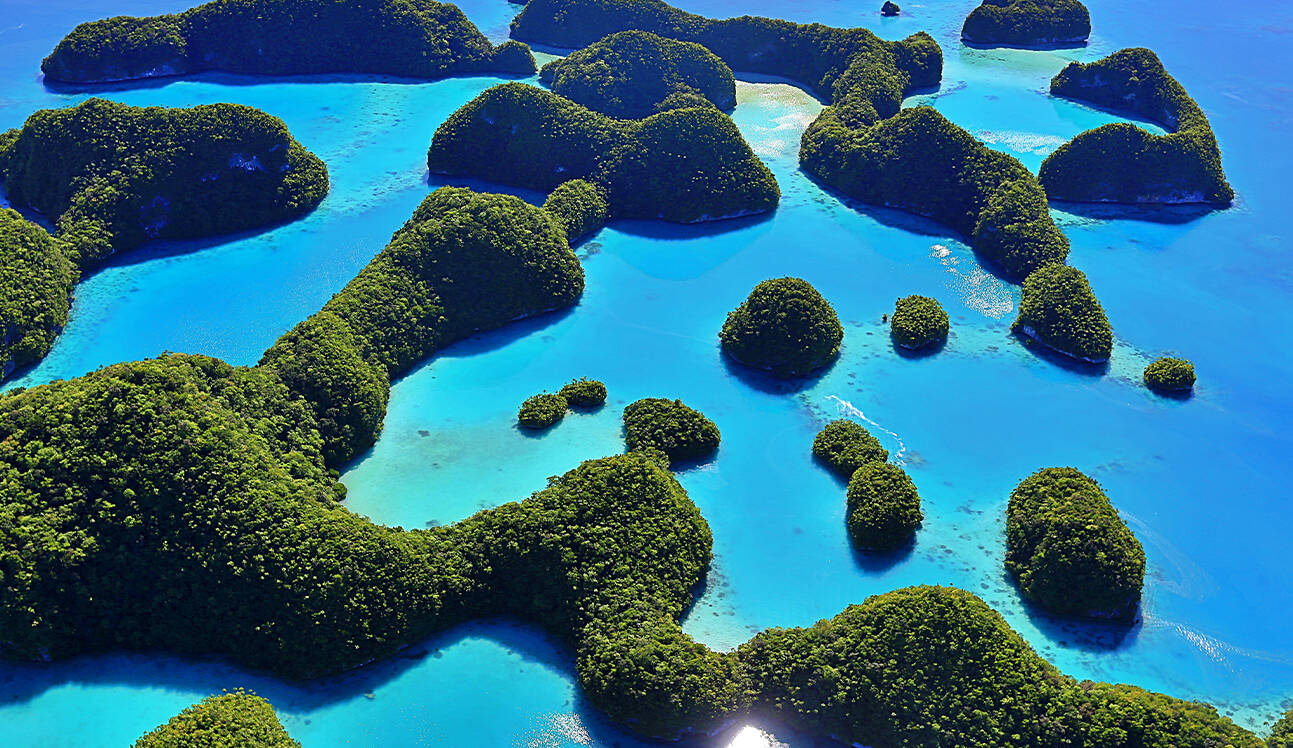
The islands of Micronesia are grappling with serious environmental issues. Climate change and rising sea levels, though, loom as the biggest threats, especially for low-lying islands that sit just a few meters above the ocean.
These problems are made worse by shifts in daily life that weaken traditional ways and people’s bond with the natural world. As safe havens shrink, events like storms and droughts hit harder, leaving communities struggling to recover.
In 2006, leaders across Micronesia launched the Micronesia Challenge to tackle these crises. This effort unites people, governments, and cultures across islands, oceans, and forests, showing how teamwork can cross borders to protect nature.
The goal is bold: by 2030, manage 50% of ocean areas and 30% of land sustainably. It’s a roadmap for island nations everywhere, blending science with local wisdom to create solutions that fit each community’s needs.
Central to this plan is letting communities lead conservation efforts. Projects are designed to respect local traditions, recognizing that age-old practices like sustainable fishing or farming hold keys to survival. Some coastal villages now combine modern methods with ancestral knowledge to manage marine areas.
This mix of old and new ensures conservation isn’t forced on people but grows from their own values, making it more effective and lasting. By honoring both tradition and innovation, Micronesia is building resilience for generations to come.
Planning Your Journey To Micronesia
For the intrepid traveler, Micronesia offers an authentic and deeply rewarding experience. However, it's not a destination for mass tourism, and planning requires a thoughtful approach.
- Best Time to Visit:Generally, the dry season (roughly December to April) offers the most favorable weather for traveland outdoor activities, with less humidity and lower chances of typhoons. The rainy season typically runs from July to November or December, and can sometimes include typhoons.
- Getting There:Flights typically route through Guam (Antonio B. Won Pat International Airport - GUM) or other regional hubs. Inter-island travel within the FSM often involves smaller regional airlines. Major airports within the FSM include Chuuk International Airport (TKK), Pohnpei International Airport (PNI), Yap International Airport (YAP), and Kosrae International Airport (KSA).
- Accommodation:Options range from small guesthouses and family-run resorts to a few larger hotels in state capitals. Prioritize booking well in advance, especially for popular dive destinations.
- Local Transport:Taxis are common in urban areas. On outer islands, walking, local buses, or pre-arranged transportation are typical. Rental cars may be available in some locations.
- Cultural Sensitivity:Embrace the opportunity to learn about local customs. Dress modestly, especially when visiting villages or sacred sites. Always ask permission before taking photographs of people. A small gift or a polite "kalahngan" (thank you in Pohnpeian) goes a long way.
- Health and Safety:Consult your doctor regarding recommended vaccinations. Be mindful of sun exposure and stay hydrated. While generally safe, exercise standard precautions.
- Currency:The United States Dollar (USD) is the official currency across the FSM, Marshall Islands, Palau, Guam, and the Northern Mariana Islands. Kiribati uses the Australian Dollar, and Nauru uses the Australian Dollar. Credit card acceptance can be limited, so carrying cash is advisable, especially on outer islands.
FAQs About Micronesia Travel
Is Micronesia A Rich Or Poor Country?
The nations within Micronesia are generally developing countries, relying significantly on foreign aid, particularly from the United States through Compacts of Free Association. While tourism (especially dive tourism) and subsistence activities support local economies, they often face challenges such as limited natural resources, geographic isolation, and vulnerability to climate change, which impact their economic development.
Is Micronesia In The United States?
No, the term "Micronesia" refers to a subregion of Oceania that includes several sovereign nations and territories. While some parts of Micronesia, such as Guam and the Northern Mariana Islands, are U.S. territories, and the Federated States of Micronesia, Marshall Islands, and Palau have Compacts of Free Association with the U.S. (allowing citizens to live and work in the U.S.), they are independent nations.
Are There Muslims In Micronesia?
While the dominant religions in Micronesia are various denominations of Christianity (primarily Roman Catholicism and Protestantism), there are very small populations of other faiths, including Islam.
For example, according to the 2010 census, in the Federated States of Micronesia, about 54.7% of the population identified as Roman Catholic, and 41.1% as Protestant. Other religions, including Islam, account for a very small fraction (less than 1%) of the population.
Specific numbers for Muslim populations across all Micronesian nations are low, indicating a negligible presence.
What Are The 5 Independent Countries Of Micronesia?
The five independent countries within the broader Micronesian region are:
- Federated States of Micronesia (FSM)
- Republic of Palau
- Republic of the Marshall Islands
- Republic of Kiribati
- Republic of Nauru
How To Get Micronesia Citizenship?
Citizenship requirements vary for each independent nation within Micronesia (e.g., Federated States of Micronesia, Palau, Marshall Islands, Kiribati, Nauru). Generally, obtaining citizenship is a complex process that may involve a significant period of residency, marriage to a citizen, or a substantial investment. Each country has its own specific laws and application procedures, which are typically strict for non-citizens.
What Is The Most Common Religion In Micronesia?
Christianity is the most common religion across the Micronesian region, with both Roman Catholicism and various Protestant denominations having significant followings due to historical missionary activity.
For instance, according to 2023 government statistics, 55% of the population were Roman Catholic and 42% were Protestant, in the Federated States of Micronesia. Across the broader region, a 2022 survey indicated that 99% of Micronesians are Christian.
Final Thoughts
Micronesia is a vibrant group of island nations and states, each with unique traditions, histories, and strengths. These islands show how people adapt, keep their culture alive, and live alongside nature. Nations like the Federated States of Micronesia, Palau, the Marshall Islands, Kiribati and Nauru face big challenges. Still, they’re leading efforts to protect their lands and heritage.
The Micronesia Challenge, where communities team up to care for nature, proves that local action rooted in culture and cooperation can drive global change. Their story isn’t just about enduring, it’s about finding hope and sharing wisdom on living sustainably, even when the odds seem stacked against them.
Jump to
The Geography Of Micronesia
The Four Main Island Groups Of Micronesia
Micronesia Map
Micronesia's Rich History
Politics And Governance In Micronesia
Demographics: The People Of Micronesia
The Federated States Of Micronesia (FSM)
Palau Island
Cultural Currents: The Heartbeat Of Micronesia
Micronesia Flag
Economy: Sustenance, Aid, And Tourism
Education And Law In Micronesia
Religion And Mythology
Micronesia’s Shared Path
Planning Your Journey To Micronesia
FAQs About Micronesia Travel
Final Thoughts

Sophia Harper
Author
Sophia Harper’s photography acts as a portal to the soul of the places she visits. Drawn to South America’s landscapes and cultures, she has spent years capturing everything from the majesty of ancient ruins to the vibrancy of urban streets.
Sophia’s work isn’t just about documenting moments; it’s about evoking the emotions and stories behind them. A dedicated photographer, she has worked with local communities across South America to capture their rich cultural narratives through her lens.
Liam Jones
Reviewer
Liam Jones has made it his mission to prove that adventure doesn’t need a hefty budget. Having traveled to over 40 countries, he specializes in finding affordable ways to experience the world, from the best street food in Bangkok to hidden gems in Lisbon.
Liam’s travel tips have reached thousands of readers, empowering them to see the world on a shoestring budget without sacrificing quality. With a deep passion for local cultures, he continues to share his travel hacks, ensuring adventure remains accessible to all.
Latest Articles
Popular Articles