Map Of Sweden - Cities, Roads, And Top Attractions
A map of Sweden is more than just lines on a page; it's a key to unlocking the country's diverse landscapes and rich cultural heritage. Whether you're planning a city break or a wilderness adventure, a reliable map is essential.
Author:Michael RachalReviewer:Finn WildeMar 14, 20251.4K Shares87.8K Views
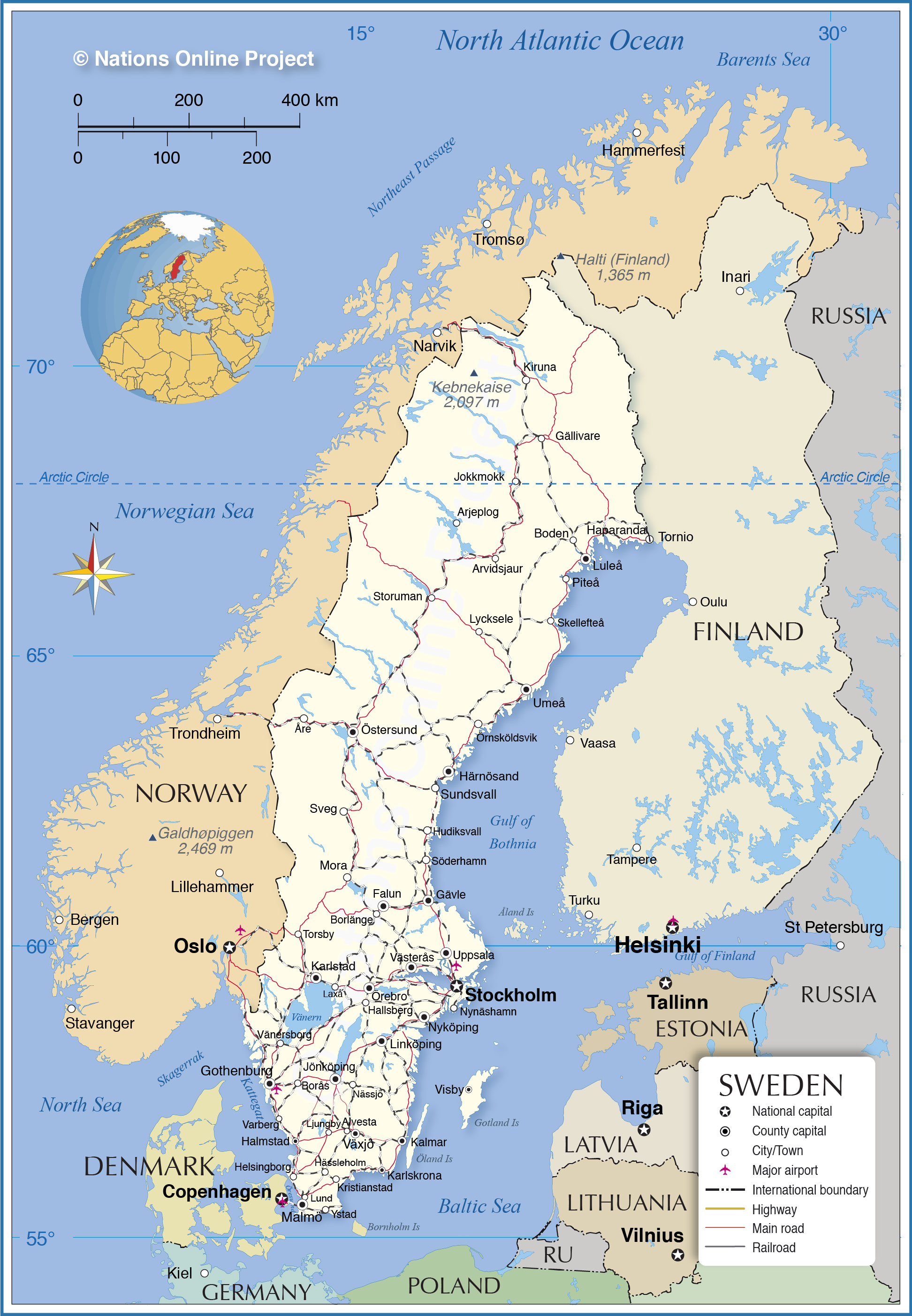
Sweden, a land of breathtaking contrasts, is where natural beauty meets cultural richness. Known as the home of the midnight sun and the mesmerizing northern lights, it offers an enchanting mix of vibrant cities and serene, untouched landscapes.
From the bustling streets of Stockholm, often called the "Venice of the North," to Lapland's tranquil, snow-covered forests, Sweden captivates every kind of traveler.
Understanding this diverse nation requires more than a fleeting glance; it demands a deeper exploration of its regions, traditions, and hidden gems. A reliable map becomes an essential tool, not just to navigate its cities and countryside but also to uncover the secrets of this Nordic paradise.
Planning to marvel at the architectural splendor of Gothenburg, wander through the historic alleys of Malmö, or embark on an Arctic adventure to see reindeer and experience Sámi culture? A good guide will enhance your journey.
Quick Facts About Sweden
- Official Name:Kingdom of Sweden (Konungariket Sverige) - A constitutional monarchy with a rich history dating back to the Viking Age.
- Capital:Stockholm - Often referred to as the "Venice of the North" due to its stunning archipelago setting.
- Government:Constitutional Monarchy with a Parliamentary Democracy - The King is the head of state, but political power rests with the parliament (Riksdag).
- Head of State:King Carl XVI Gustaf - He has reigned since 1973, representing a long line of Swedish monarchs.
- Head of Government:Prime Minister - Currently, the Prime Minister leads the government and is responsible to the parliament.
- Area:450,295 sq km (173,861 sq mi) - Making it the largest Nordic country and the fifth-largest in Europe.
- Population:Approximately 10.5 million (as of 2023) - A relatively low population density contributes to Sweden's vast wilderness areas.
- Population Density:Roughly 25 people per square kilometer - This contrasts sharply with densely populated European countries.
- Currency:Swedish Krona (SEK) - Although part of the EU, Sweden has retained its currency.
- Official Language:Swedish - A North Germanic language related to Danish and Norwegian.
- Time Zone:Central European Time (CET), UTC+1 - Sweden observes daylight saving time (CEST) during the summer.
- Calling Code:+46 - Essential for making international calls to Sweden.
- Internet TLD:.se - The country code top-level domain for Swedish websites.
- National Day:June 6th - Commemorates the election of Gustav Vasa as king in 1523 and the adoption of a new constitution in 1809.
- Member of the European Union:Sweden joined the EU in 1995 but opted to retain its currency.
Geography Of Sweden
Sweden’s geography is a tapestry of diverse landscapes, shaped by glacial activity and offering a unique natural beauty. The Scandinavian Mountains, forming a natural border with Norway, dominate the west. These mountains influence weather patterns and create stunning alpine scenery.
To the east, rolling hills, vast forests, and countless lakes characterize the landscape. This terrain has historically influenced settlement patterns and economic activities. Sweden's extensive coastline, dotted with thousands of islands, stretches along the Baltic Sea. This coastline has played a vital role in trade, fishing, and maritime history.
Capital Of Sweden - Stockholm
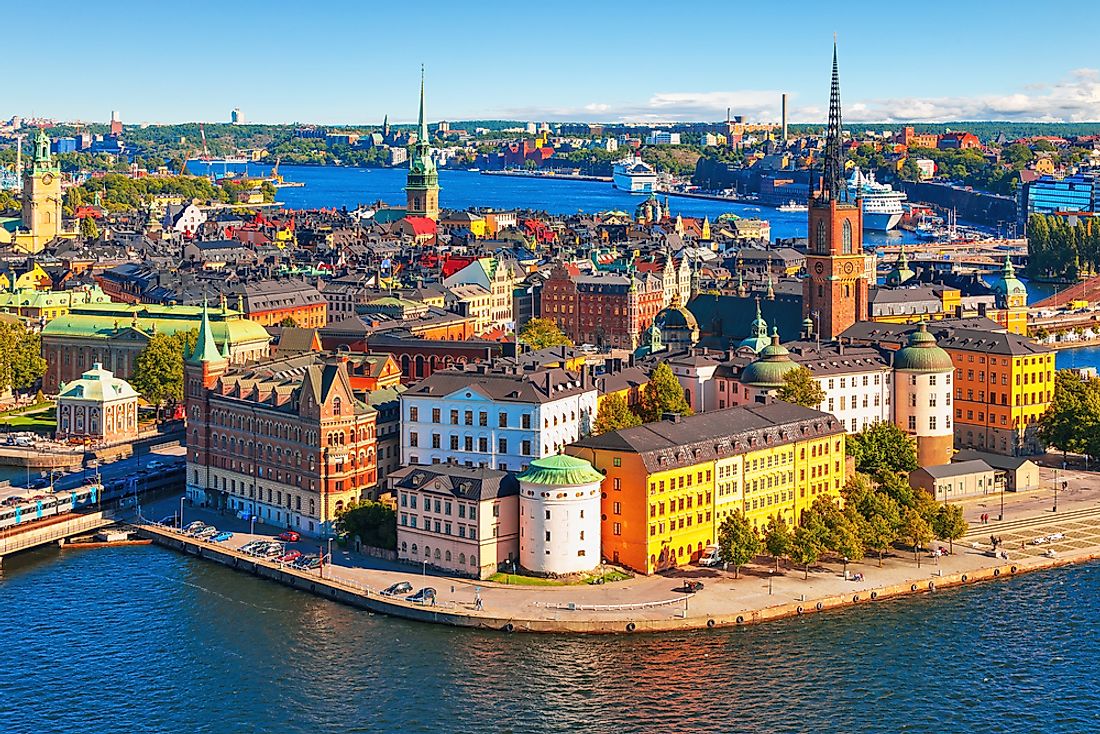
Stockholm, often called the "Venice of the North," is a beautiful city situated on a series of islands linked by bridges, surrounded by the clear waters of Lake Mälaren and the Baltic Sea. The city’s distinctive geography and its significance as a cultural and economic center have established it as one of the most vital capitals in Scandinavia. With a history that dates back to the 13th century, Stockholm has evolved into a lively metropolis that seamlessly combines its rich heritage with modern advancements.
Key Attractions In Stockholm
Gamla Stan (Old Town)
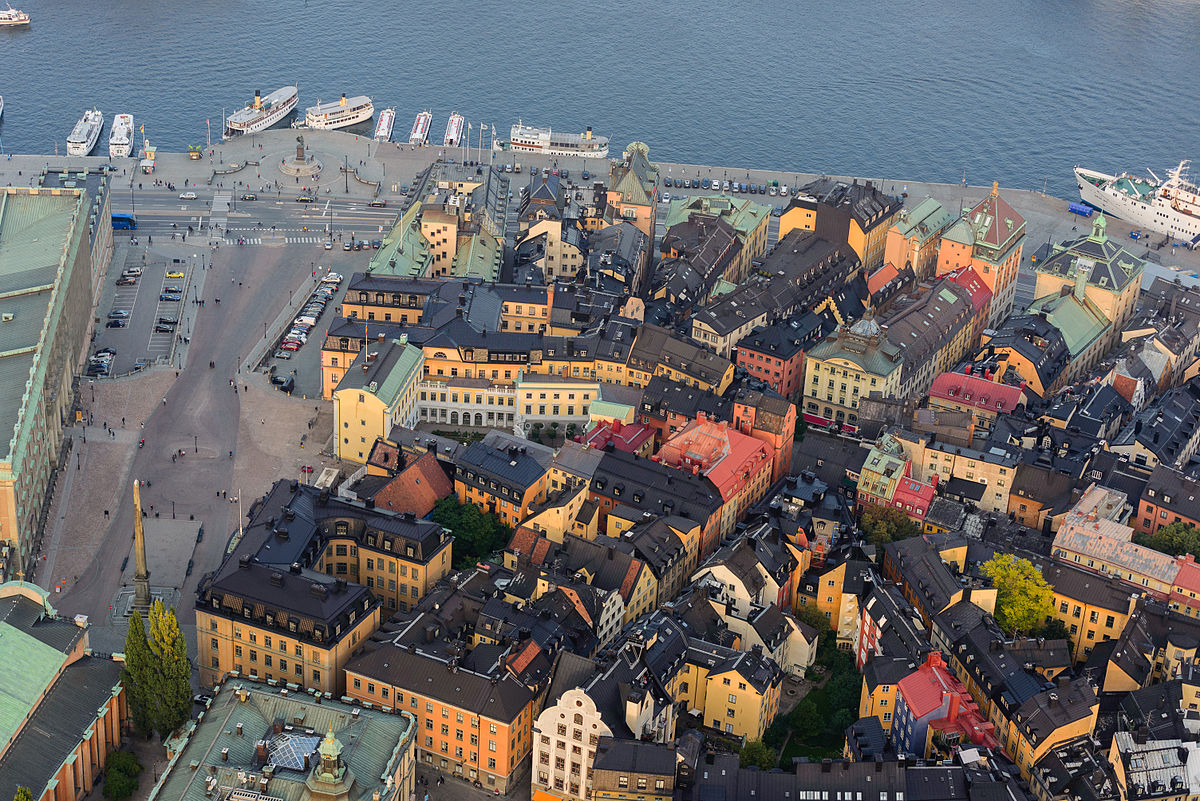
As the historical core of Stockholm, Gamla Stan serves as a living museum. Its cobblestone pathways and medieval buildings transport visitors to earlier times. Wander through narrow streets, discover quaint cafés, and admire sites such as the Storkyrkan (Stockholm Cathedral) and the Nobel Prize Museum.
Vasa Museum
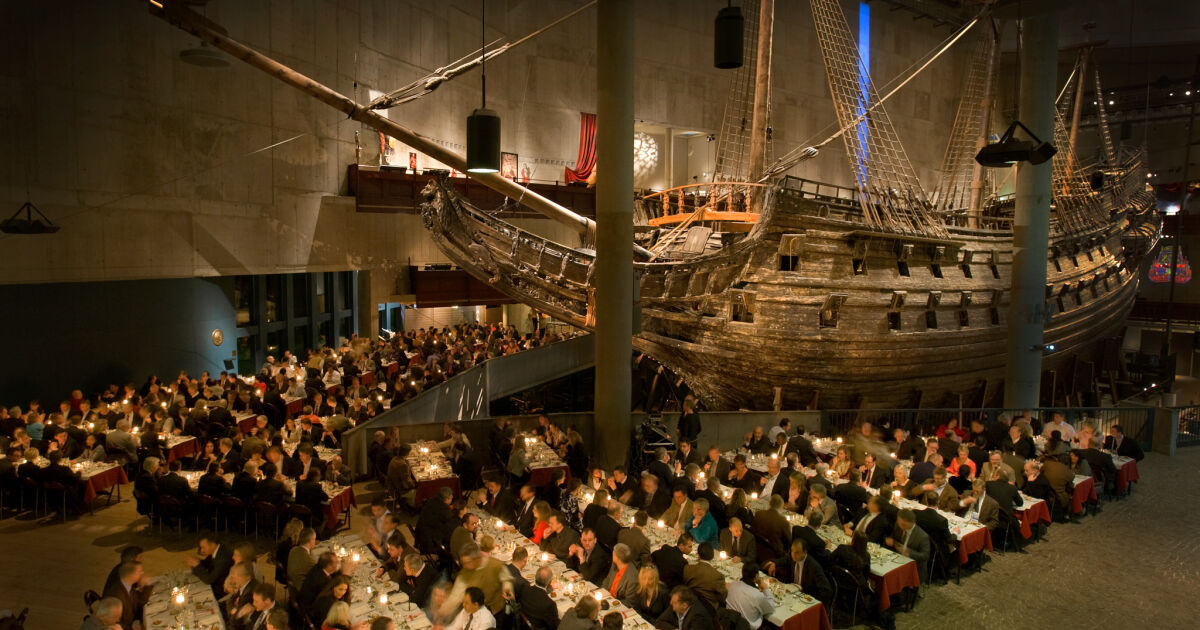
One of Stockholm's most popular attractions, the Vasa Museum showcases the beautifully preserved 17th-century warship, Vasa. Retrieved from the sea floor in the 1960s, this vessel provides a fascinating insight into Sweden’s maritime history and the unfortunate voyage that resulted in its sinking.
Royal Palace
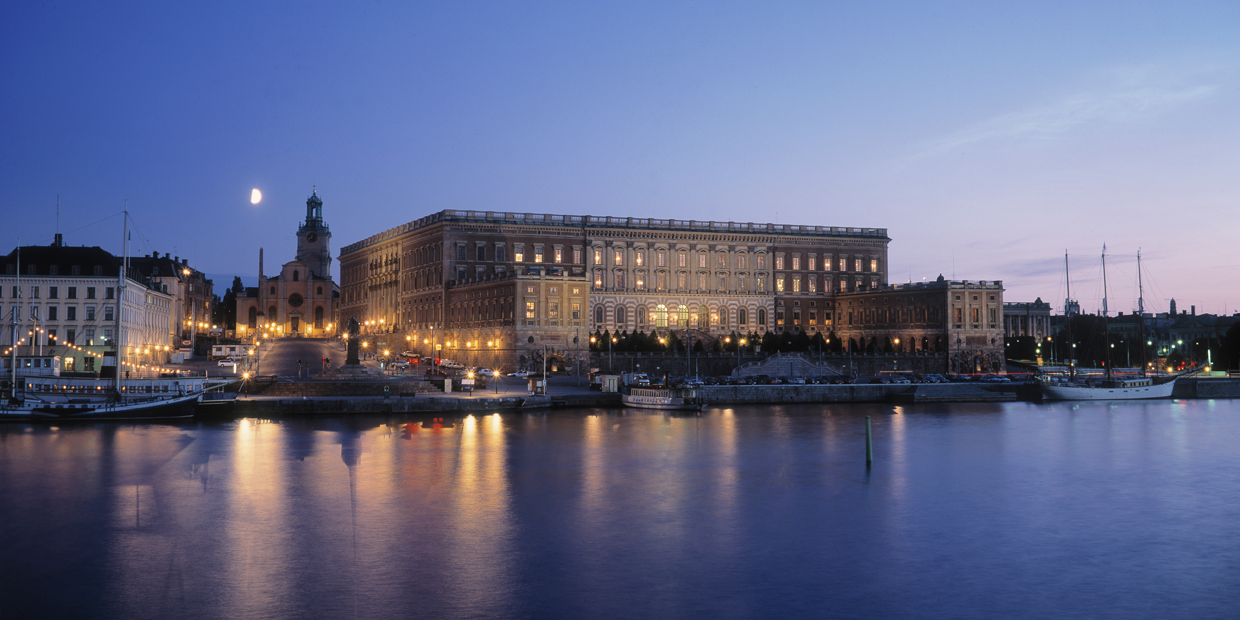
The Royal Palace, or Kungliga Slottet, is among Europe’s largest palacesand functions as the official residence of the Swedish royal family. Guests can tour the State Apartments, the Treasury, and the Armory. The changing of the guard ceremony, held in the palace courtyard, is a highlight for numerous visitors.
ABBA The Museum
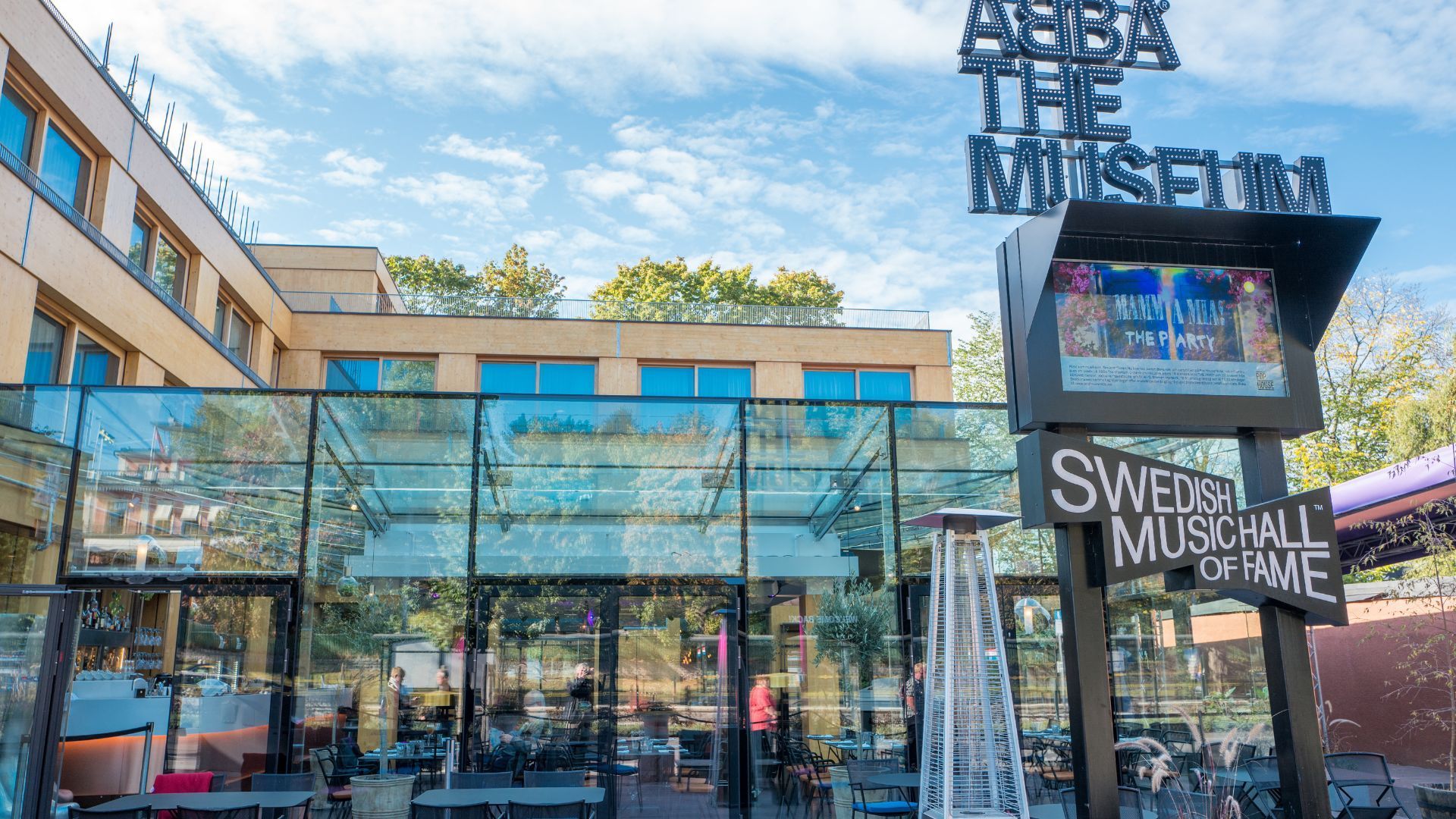
This interactive museum honors the legacy of ABBA, Sweden’s legendary pop band. Enthusiasts can dive into the band’s history, explore exhibits filled with costumes and memorabilia, and even step into a recording studio to sing and dance along to ABBA's greatest hits.
Skansen Open-Air Museum
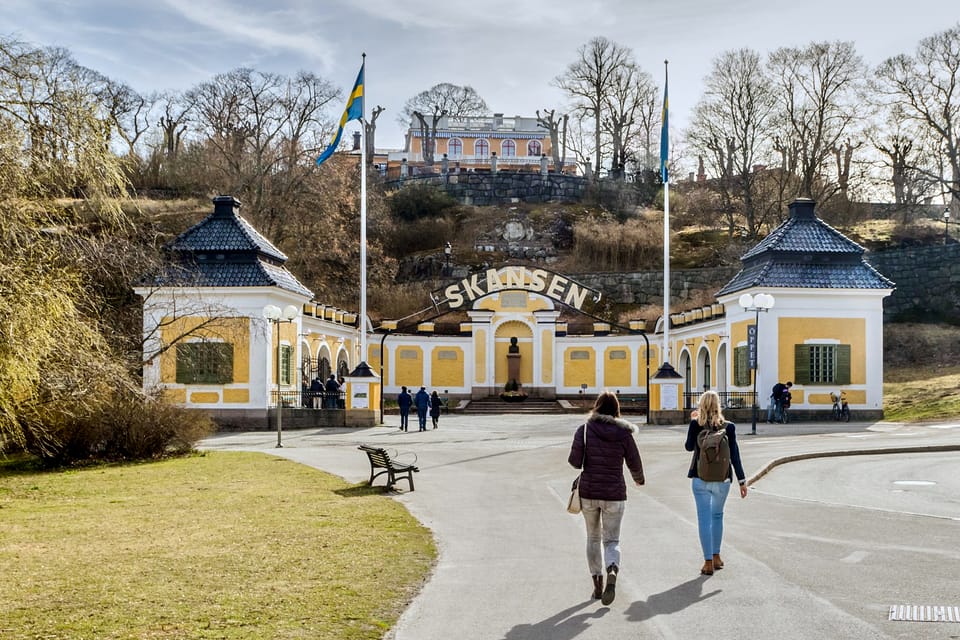
Established in 1891, Skansen is recognized as the world’s first open-air museum. It displays Swedish life from centuries ago, featuring historical structures, traditional crafts, and reenactments of historical practices. The site also includes a zoo featuring native Nordic animals, making it a perfect destination for families.
Drottningholm Palace
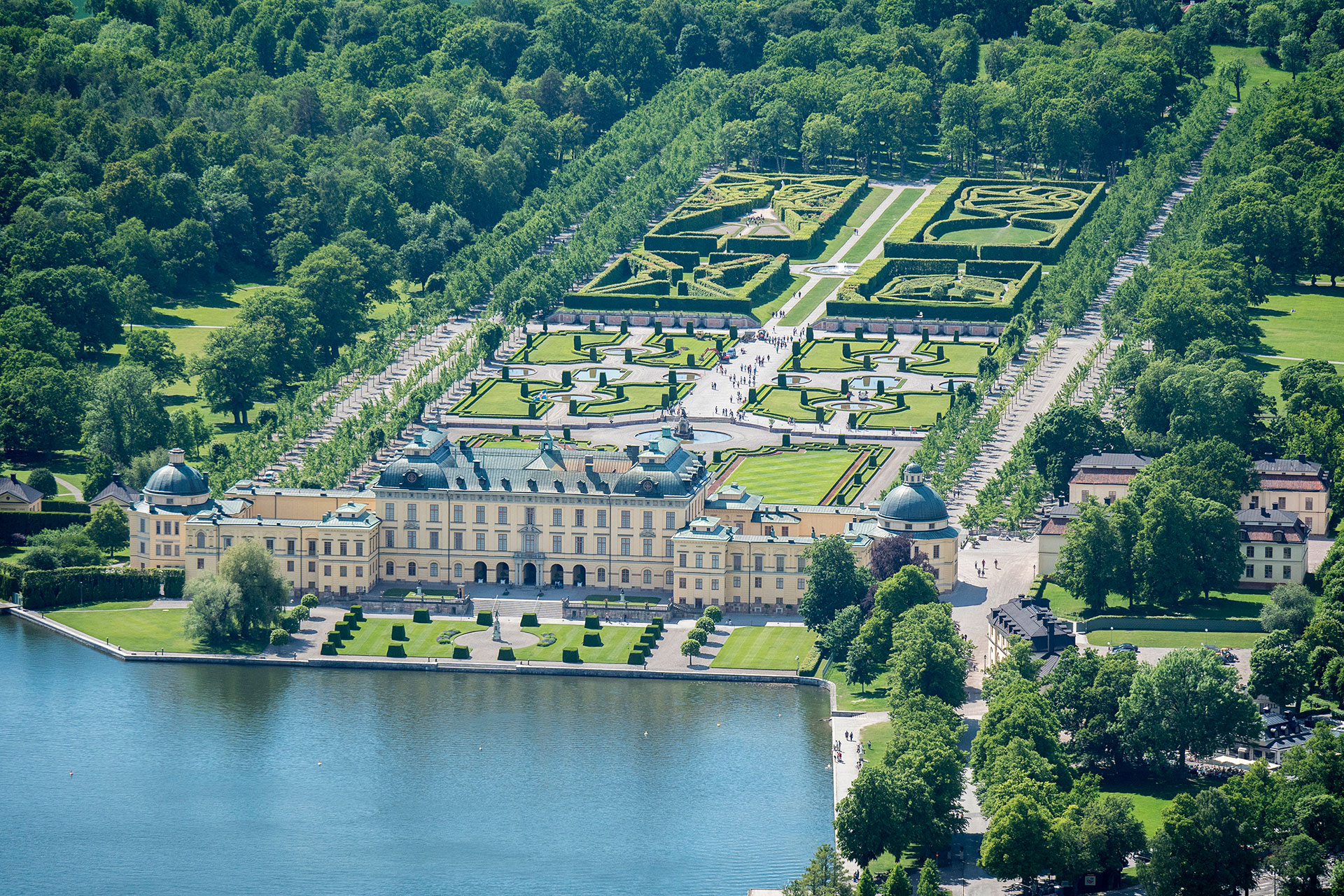
A UNESCO World Heritage Site, Drottningholm Palace serves as the private residence of the Swedish royal family. Visitors can wander through its exquisite baroque gardens, the historic Court Theater, and the Chinese Pavilion, all reflecting Sweden’s royal legacy.
Moderna Museet
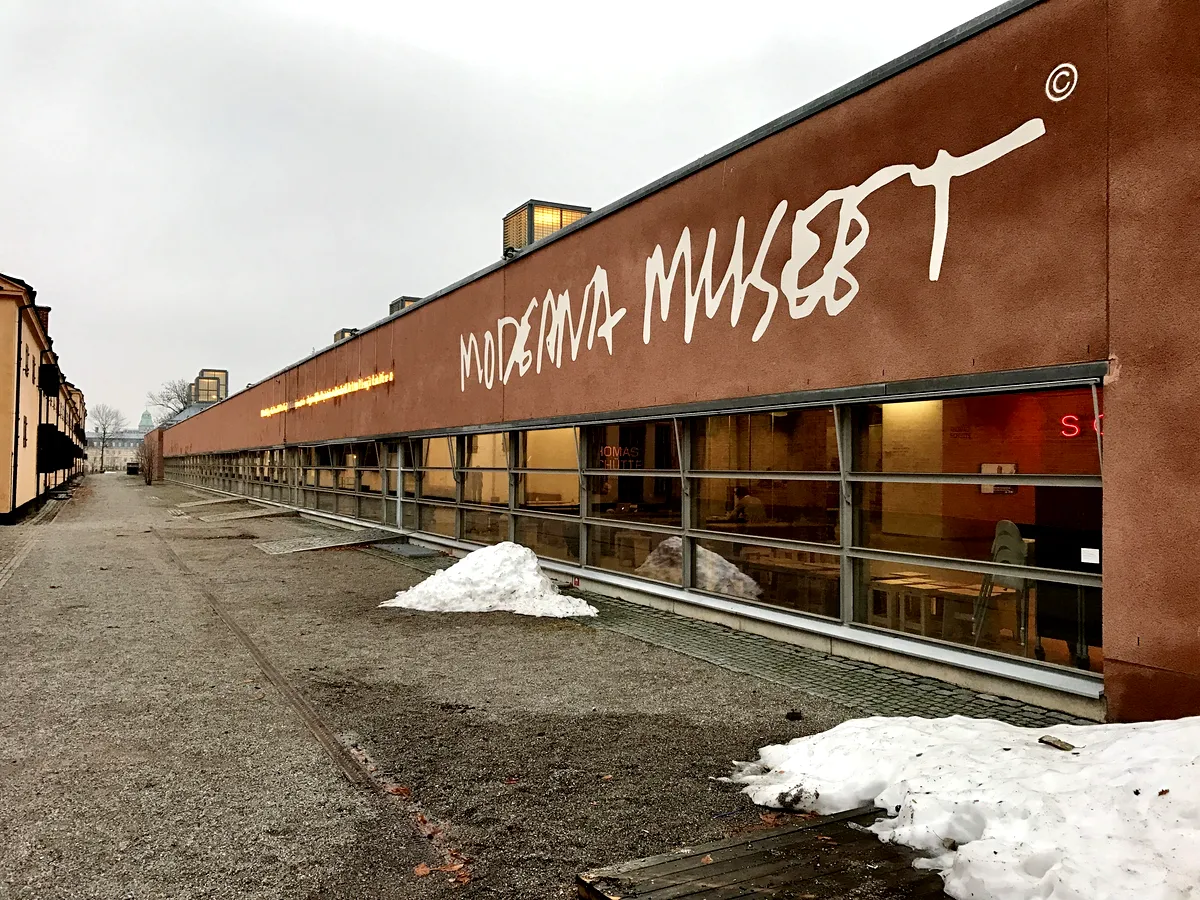
Art lovers will enjoy the Moderna Museet, which boasts an impressive collection of modern and contemporary artwork. Showcasing pieces by notable artists like Pablo Picasso and Andy Warhol, the museum highlights Sweden's significant contributions to the global art community.
Why Visit Stockholm?
Stockholm’s allure lies in its exceptional combination of historical allure and contemporary innovation. From the medieval lanes of Gamla Stan to the modern architecture and design throughout the city, Stockholm offers something for every traveler.
Culinary enthusiasts can savor Swedish dishes, outdoor adventurers can explore the nearby archipelago, and culture aficionados will find an abundance of museums, theaters, and galleries to explore.
This energetic city, with its blend of tradition and forward-thinking spirit, is an essential destination for anyone visiting Scandinavia. Stockholm guarantees an unforgettable experience, merging scenic landscapes, rich history, and vibrant city life.
Regions Of Sweden
Sweden consists of three primary regions, each distinguished by its unique features, geography, and cultural background. These regions - Norrland, Svealand, and Götaland - showcase the country's varied landscapes and its rich historical heritage.
Norrland

10 ANLEDNINGAR ATT FLYTTA TILL NORRLAND
Norrland, which is the northernmost region, is the largest and least populated part of Sweden. Spanning over half of the nation, it boasts stunning natural scenery, featuring extensive forests, high mountains, and numerous lakes. This area encompasses Lapland, where the indigenous Sámi people have coexisted with nature for generations.
Tourists flock to its Arctic wilderness to witness the midnight sun, the captivating northern lights, and well-known attractions like the Icehotel in Jukkasjärvi. Norrland supports an economy powered by industries such as forestry, mining, and hydroelectric energy, making it crucial for Sweden’s natural resources.
Cities like Umeå, Luleå, Sundsvall, and Östersund act as urban hubs within the vast wilderness, harmonizing contemporary life with the surrounding nature.
Svealand
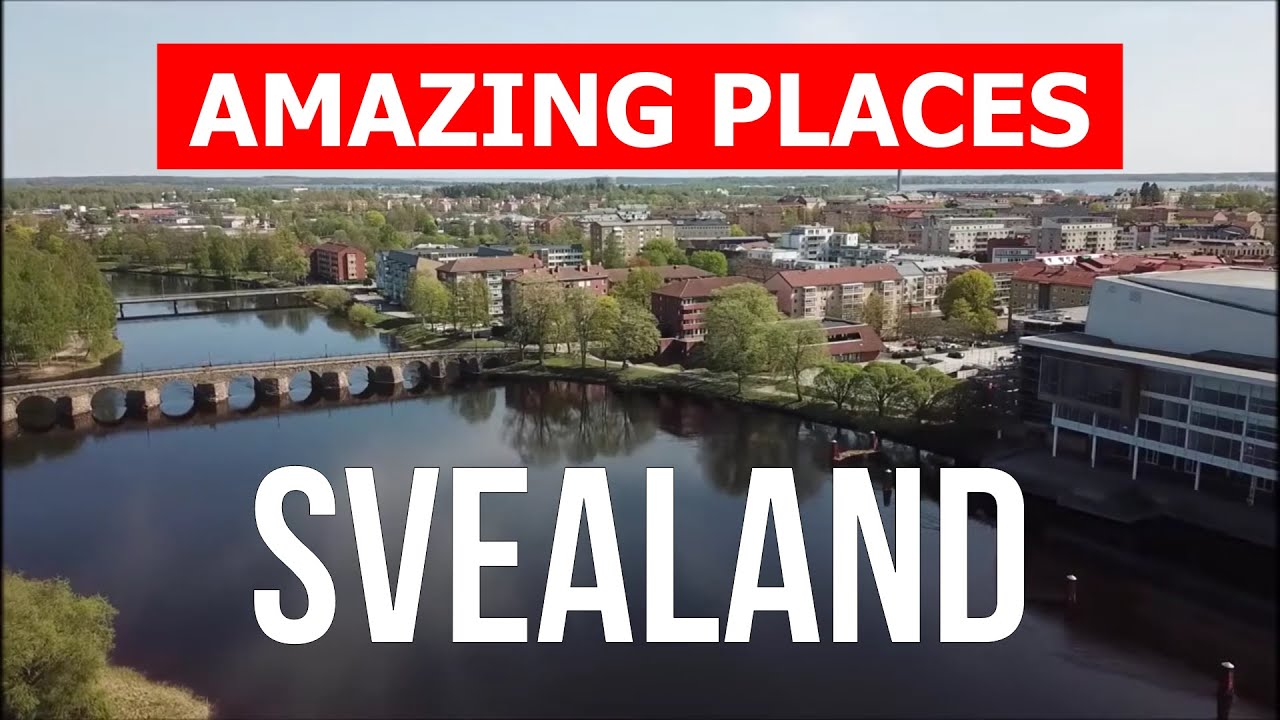
Travel to Svealand, Sweden | Tourism, vacation, landscapes, tours, views, overview | Drone 4k video
In the center of Sweden lies Svealand, often regarded as the cultural and historical core of the nation. This region includes Stockholm, the capital city, which serves as a center for politics, business, and culture. Dubbed the "Venice of the North," Stockholm features a landscape of islands, historic sites, and modern advancements. Svealand is also rich in Viking history and was the origin of Sweden's early kingdoms.
Its charming natural settings include Lake Mälaren and the lush forests of Dalarna, offering tranquility and opportunities for outdoor pursuits. Other cities, such as Uppsala - home to a prestigious university - and Västerås, with its industrial heritage, enhance the region's diversity. Svealand seamlessly merges urban elegance with historical significance and natural charm.
Götaland
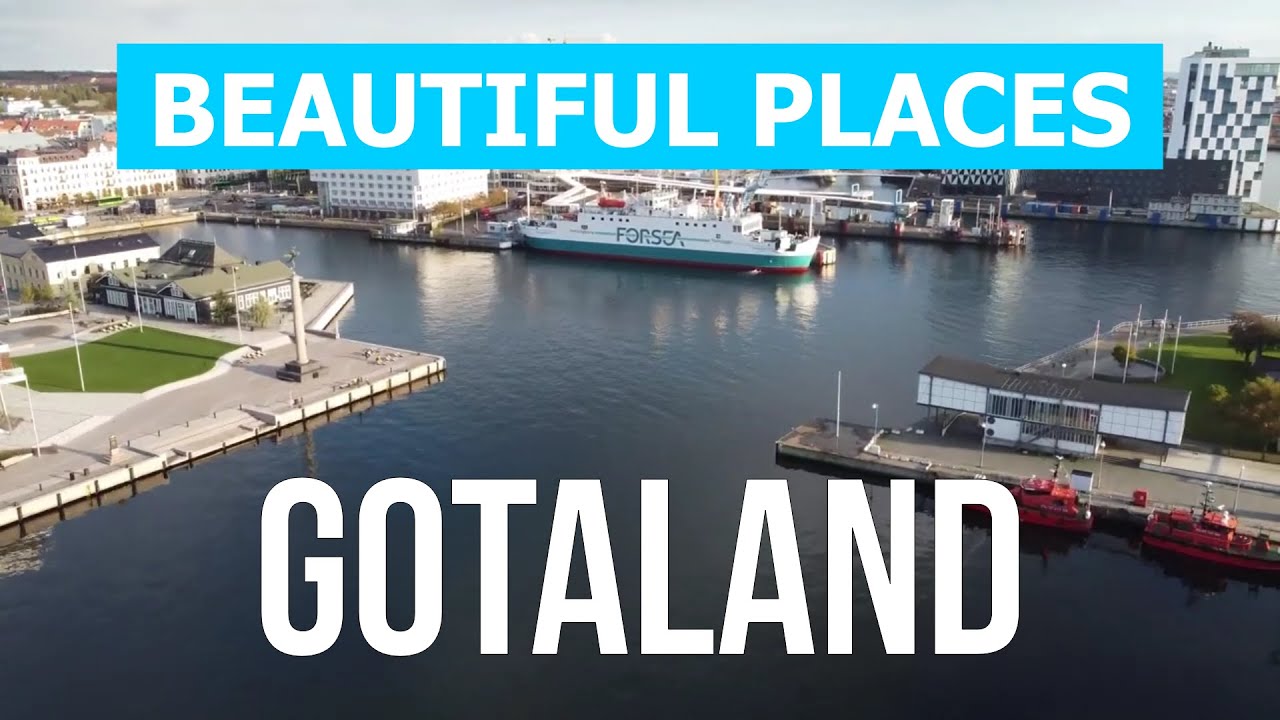
Gotaland best places to visit | Trip, review, holidays, attractions, rest | Sweden 4k drone
In the south lies Götaland, Sweden’s most populated area, and its agricultural backbone. This region is marked by fertile flatlands, a temperate climate, and a mix of lively cities and peaceful countryside.
Gothenburg, the nation’s second-largest city, serves as a key port and cultural center, renowned for its seafood and lively festivals. Skåne, situated at the southern tip of Götaland, is celebrated for its undulating landscapes, beautiful beaches, and culinary traditions.
Malmö, found here, is Sweden's third-largest city and represents modern design and international links through the Øresund Bridge. Numerous historical landmarks can be found, ranging from medieval towns like Visby on Gotland Island to ancient castles and monuments that reflect Sweden’s historical journey.
Population Of Sweden
Sweden's population distribution reflects both historical patterns and modern urban development trends. Current statistics show approximately 10.5 million inhabitants, with population density varying dramatically between urban and rural areas. The majority of Swedes live in the southern third of the country, where climate and terrain prove most favorable.
Urban migration continues to shape demographic patterns, with about 87% of Swedes living in urban areas. Stockholm, Gothenburg, and Malmö form the primary population centers, creating a triangle of metropolitan regions that drive economic and cultural development. These cities attract both domestic and international migrants, contributing to their multicultural character.
Rural communities, particularly in northern regions, face ongoing challenges with population retention. However, remote work opportunities and increased interest in sustainable living have sparked renewed interest in some rural areas. This shift creates interesting dynamics between traditional rural life and modern technological integration.
Types Of Sweden Maps
Cultural Map
Sweden's cultural map highlights the distribution of historical sites, museums, and cultural institutions. Traditional crafting regions, such as glass-making in Småland and textile production in Borås, mark important cultural heritage zones. The map also indicates areas of significant Sami cultural influence in the north.
Economic Map
Industrial clusters, technology hubs, and major business centers dominate Sweden's economic landscape. Stockholm's tech scene, Gothenburg's automotive industry, and Kiruna's mining operations represent key economic zones. The map reveals how natural resources and infrastructure influence economic development patterns.
Topographic Map

Topographic maps are essential for navigating Sweden's diverse terrain, especially for outdoor activities, by depicting the Earth's surface with contour lines representing elevation and showcasing natural and man-made features. Lantmäteriet, Sweden's national mapping authority, is the primary source, with 1:50,000 scale maps being common for outdoor use, available in both paper and digital formats through apps like Topo GPS and OpenRunner.
Political Map
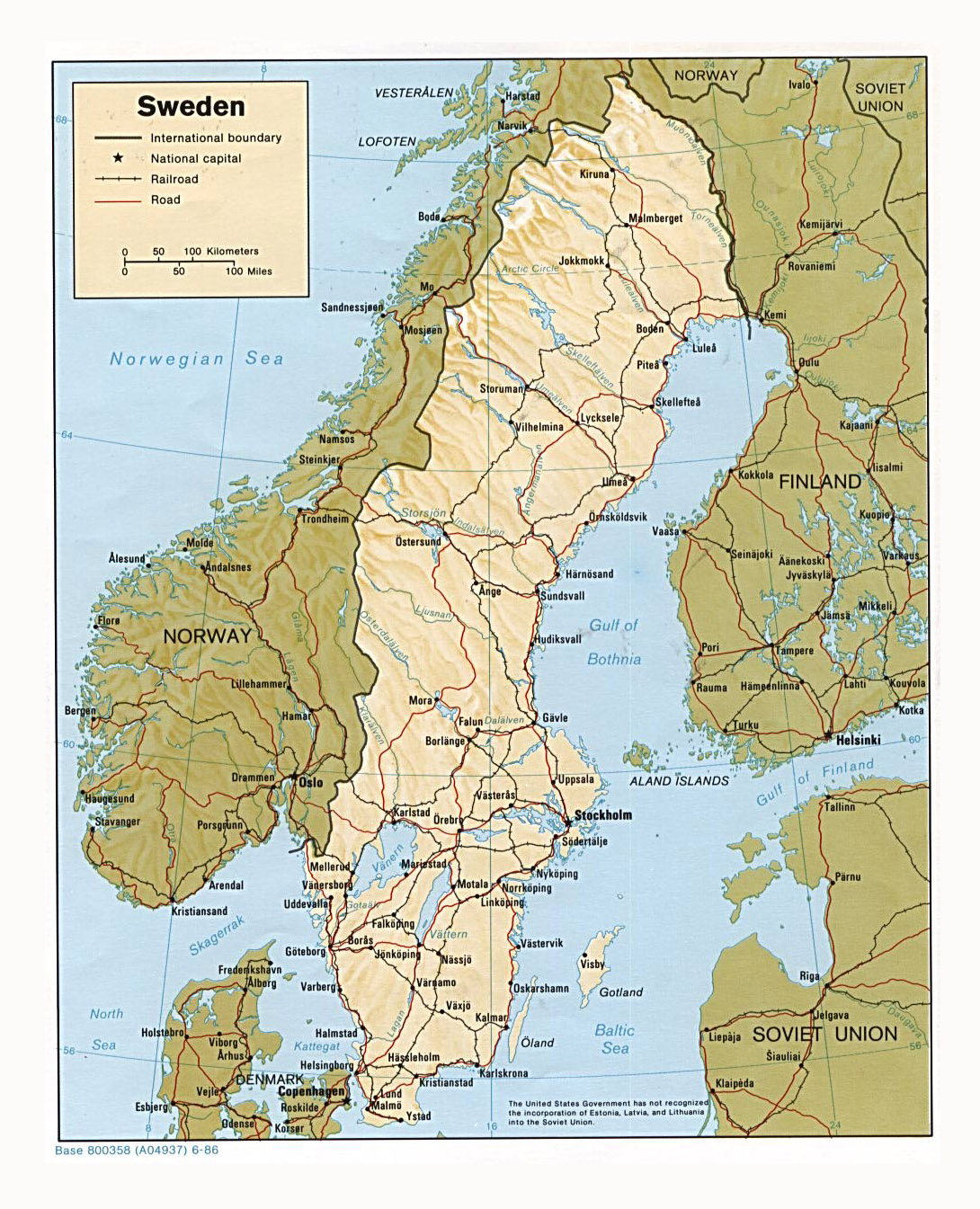
Administrative boundaries define Sweden's political map, showing 21 counties (län) and 290 municipalities (kommuner). Each level of government maintains specific responsibilities, from regional planning to local services. The map illustrates how historical regions influence modern administrative divisions.
Administrative Map
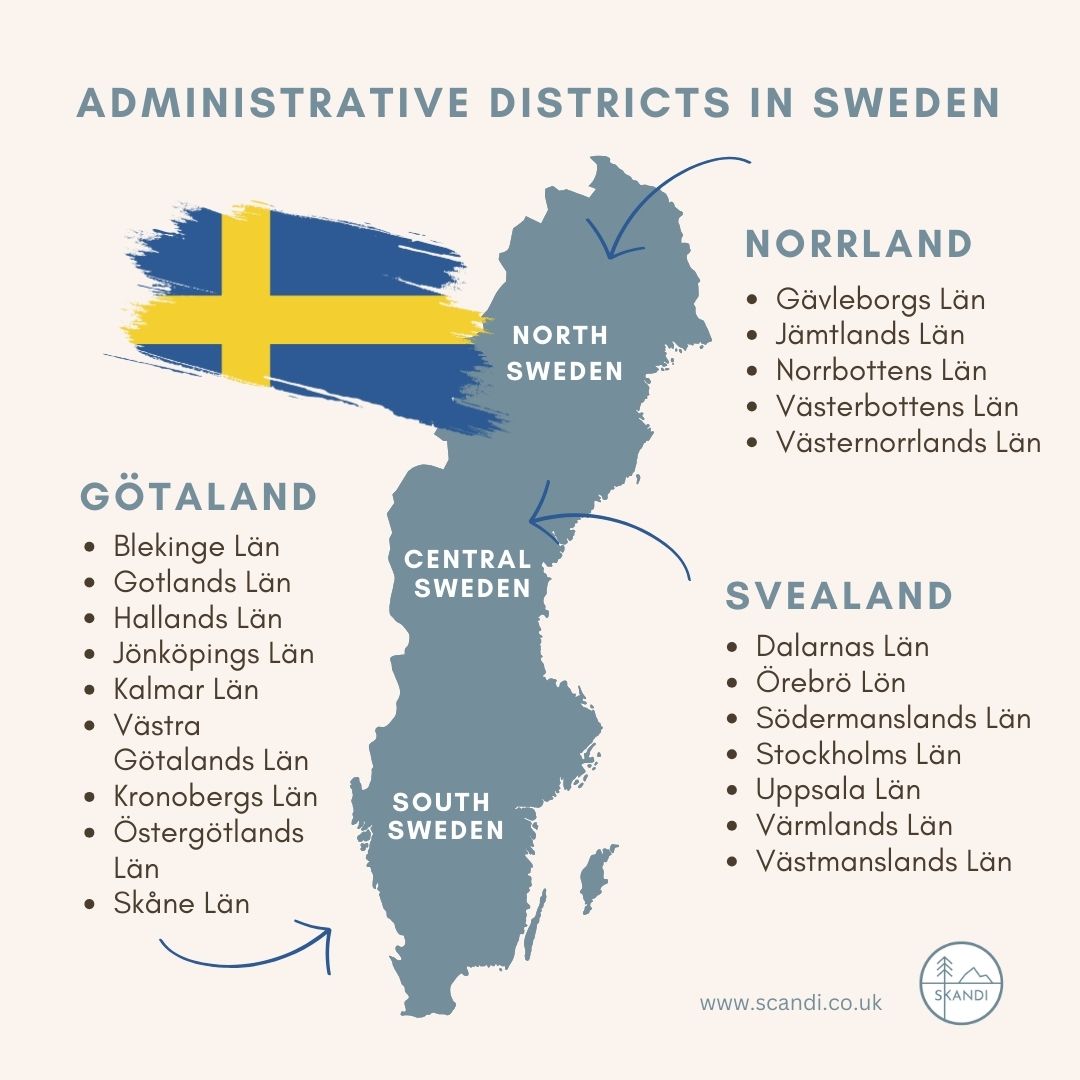
Detailed administrative maps display municipal boundaries, public service locations, and governmental facilities. These maps prove essential for understanding service distribution and administrative responsibilities. They help citizens and officials navigate bureaucratic structures and access public services.
Road Map
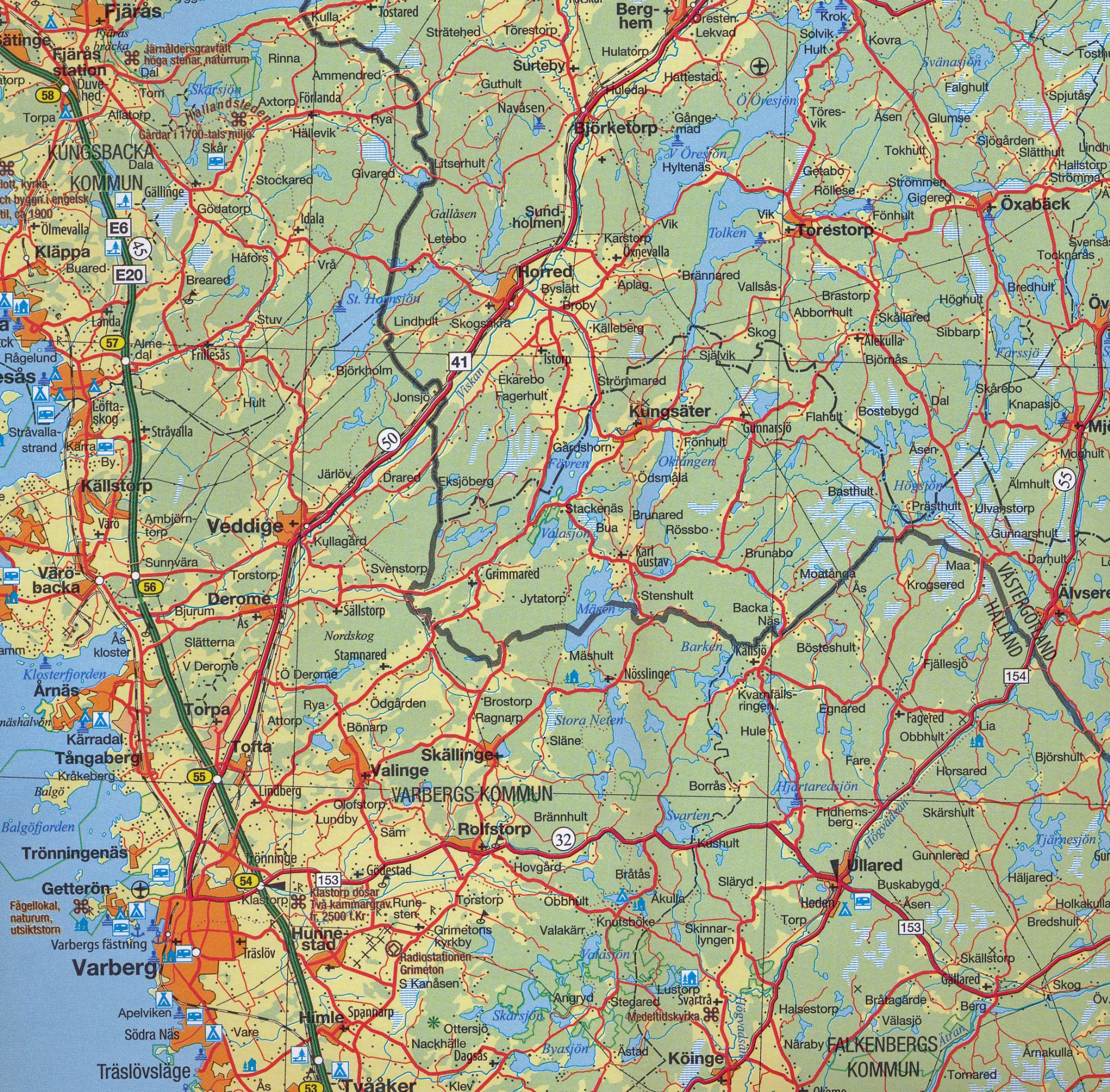
Sweden's comprehensive road network connects major cities and remote areas. The E4 highway serves as a primary north-south artery, while numerous regional roads ensure accessibility. The road map includes ferry routes, bridges, and tunnels that form crucial transportation links.
Simple Map
Basic orientation maps highlight major cities, water bodies, and transportation routes. These maps provide essential reference points for visitors and residents alike. They emphasize key landmarks and geographical features without overwhelming detail.
Locator Map
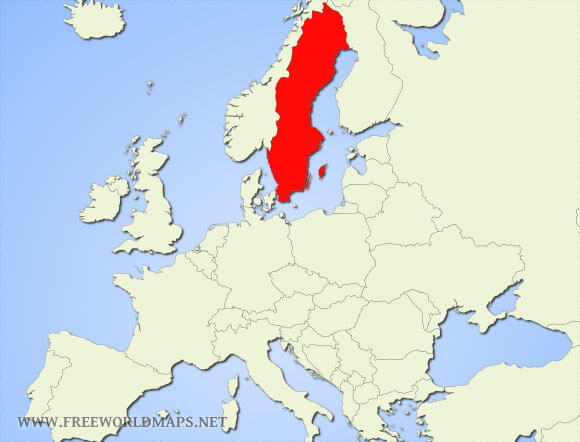
Positioning Sweden within Northern Europe, locator maps show international borders and major water bodies. These maps help understand Sweden's strategic location and relationships with neighboring countries. They often highlight international transportation connections and trade routes.
Relief Map
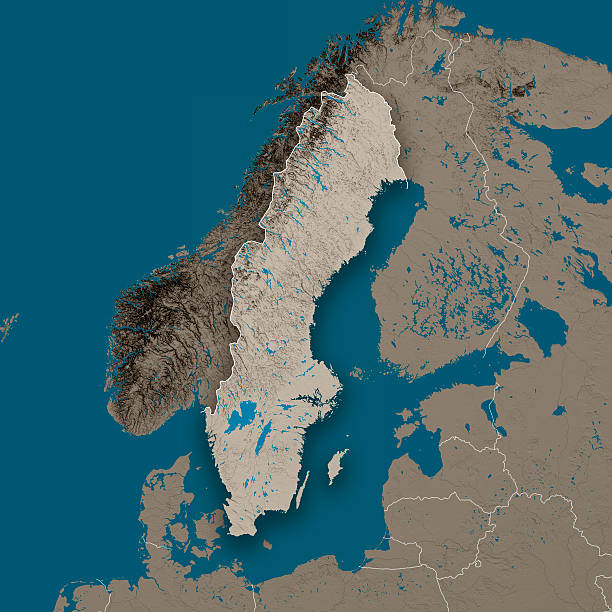
Topographical features dominate relief maps, showing elevation changes and terrain variations. These maps illustrate Sweden's diverse landscape from the mountains of Jämtland to the plains of Skåne. They prove particularly valuable for outdoor activities and environmental planning.
Map Of Sweden's Cities
Sweden's urban landscape features a diverse array of cities, each with distinct characteristics shaped by history, geography, and modern development. Through extensive exploration of these urban centers, I've witnessed how each city maintains its unique identity while embracing innovation and sustainability.
Major cities cluster primarily in the southern regions, though important urban centers dot the entire country. Transportation networks efficiently connect these cities, enabling regular movement of people and goods. Each city serves as a regional hub, supporting surrounding communities with services and cultural activities.
Gothenburg (Göteborg)
Sweden's second-largest city stands as a maritime marvel, with Scandinavia's largest port shaping its character. Industrial heritage blends seamlessly with cultural attractions, including the famous Liseberg amusement park and the Gothenburg Museum of Art. The city's renowned seafood scene and vibrant music culture attract visitors year-round.
Gothenburg's tram system, one of Europe's most extensive, connects diverse neighborhoods efficiently. The city's maritime atmosphere manifests through numerous canals, maritime museums, and fresh seafood markets. Recent development focuses on sustainable urban planning and green technology initiatives.
The city's educational institutions, particularly Chalmers University of Technology, drive innovation in various sectors. Gothenburg's shipbuilding heritage has evolved into modern marine technology and sustainable transportation solutions. Cultural events like the Way Out West festival showcase the city's contemporary creative spirit.
Malmö
This dynamic southern city represents Sweden's gateway to continental Europe. The iconic Turning Torso skyscraper symbolizes Malmö's transformation from an industrial center to an innovation hub. The Öresund Bridge connection to Copenhagen creates a unique cross-border metropolitan region.
Malmö's multicultural character emerges through diverse neighborhoods, international restaurants, and cultural festivals. Parks and green spaces, including the innovative Augustenborg eco-city district, demonstrate commitment to sustainability. The city's Western Harbor district showcases modern urban development principles.
Educational institutions like Malmö University contribute to the city's knowledge economy. The region's agricultural heritage influences local food culture and sustainability initiatives. Historical areas like Lilla Torg maintain connections to the city's medieval past.
Uppsala
Sweden's fourth-largest city balances prestigious academic heritage with modern innovation. Uppsala University, Scandinavia's oldest university, shapes the city's character with historic buildings and vibrant student life. The iconic Uppsala Cathedral dominates the skyline, standing as Scandinavia's largest church.
The city combines academic tradition with biotechnology innovation, hosting numerous research institutions. Uppsala's compact center encourages cycling and walking, while efficient public transport connects outlying areas. Historical sites like the Uppsala Castle provide insights into Sweden's royal history.
Green corridors and botanical gardens create natural spaces throughout the urban landscape. The Fyris River flowing through the city center adds character and recreational opportunities. Cultural events like the Valborg celebrations maintain ancient traditions in a modern context.
Västerås
This lakeside city represents Sweden's technological evolution, from a Viking-age trading post to a modern innovation hub. ABB's strong presence makes Västerås a center for power technology and automation. The city's position on Lake Mälaren provides both industrial advantages and recreational opportunities.
Historical layers reveal themselves through sites like the medieval cathedral and ancient burial grounds. Modern development focuses on sustainable technology and urban planning initiatives. The city's industrial heritage transforms into contemporary technology centers and educational facilities.
The waterfront area combines historical elements with modern residential developments. Cultural institutions like the Västerås Concert Hall contribute to a vibrant arts scene. The city maintains strong connections to surrounding agricultural regions.
Örebro
Located in the heart of Sweden, Örebro combines medieval charm with contemporary urban life. The magnificent Örebro Castle, surrounded by water, serves as the city's iconic landmark. The university brings youthful energy and academic innovation to this historical setting.
The city's strategic location makes it an important logistics hub for central Sweden. Parks and nature reserves, including the unique Oset-Rynningeviken area, provide extensive green spaces. Historical neighborhoods showcase traditional Swedish architecture and urban planning.
Modern business districts balance historic preservation with economic development. The city's commitment to sustainability appears in eco-friendly transportation initiatives. Cultural events throughout the year celebrate both local traditions and international influences.
Traveling With The Map Of Sweden
Understanding Sweden's geography proves essential for efficient travelplanning. Through years of guiding visitors across this vast country, I've learned that successful navigation requires both practical knowledge and strategic preparation.
Smart route planning considers seasonal variations and distances between destinations. Sweden's efficient transportation infrastructure supports various travel styles, from quick domestic flights to scenic train journeys. Regional characteristics influence travel timing and preparation needs.
Modern technology complements traditional navigation methods, though local knowledge remains invaluable. Let's explore key aspects of traveling through Sweden effectively.
Key Cities And Regions To Mark
Major transportation hubs require special attention when planning Swedish travels. Stockholm serves as the primary gateway, with Arlanda Airport connecting to global destinations. Regional centers like Gothenburg, Malmö, and Kiruna provide crucial access points to different parts of the country.
Northern destinations require careful seasonal planning due to dramatic daylight variations. Coastal regions offer ferry connections to numerous islands and international destinations. University cities like Uppsala and Lund combine cultural attractions with excellent transport links.
Navigating Through Natural Landscapes
Sweden's diverse terrain demands different navigation approaches across regions. National parks provide marked trails and visitor facilities, though remote areas require wilderness navigation skills. Seasonal conditions significantly impact accessibility, particularly in northern regions.
Mountain areas feature well-maintained hiking trails during summer months. Coastal regions offer archipelago routes connecting numerous islands. Forest areas contain extensive networks of marked paths and recreation facilities.
Planning Efficient Routes
Public transportation efficiently connects major cities and many rural areas. The extensive rail network provides comfortable travel between regions. Domestic flights serve remote destinations, particularly in northern Sweden. Long-distance buses complement train services in rural areas. Rental cars offer flexibility for exploring remote locations. Cycling routes connect many cities and tourist destinations.
Finding Hidden Gems In Sweden
Sweden’s vast landscapesand diverse regions are brimming with hidden treasures waiting to be discovered, and a good map is your key to unlocking them. Beyond the well-known attractions like Stockholm’s Gamla Stan or Gothenburg’s vibrant waterfront, maps can guide you to the quieter corners of the country.
Discover charming coastal villages in Bohuslän, tranquil forests in Småland, or the serene beauty of the Höga Kusten (High Coast) in Ångermanland. A map can also reveal attractive driving routes, such as the scenic roads of Skåne, or lead you to local attractions like traditional Sámi settlements in Lapland. These hidden gems often provide a deeper connection to Sweden’s culture, nature, and history, turning your trip into a truly unforgettable adventure.
Digital Vs. Physical Maps In Sweden
When traveling in Sweden, both digital and physical maps have their place. Digital maps, accessible on smartphones, are perfect for navigating cities like Stockholm, Malmö, or Uppsala. They offer real-time directions, public transport schedules, and information about nearby landmarks or restaurants.
However, in Sweden’s more remote areas, such as the wilderness of Norrland or the island-dotted archipelagos, internet connectivity may be limited. Here, physical maps become invaluable, offering a clear overview of the region and ensuring you can find your way even without technology.
Using both types of maps during your journey often provides the best experience. Digital maps bring convenience and immediacy, while physical maps offer reliability and a broader perspective. Together, they help you navigate Sweden’s mix of urban sophistication and untouched natural beauty with confidence.
Effectively using maps enhances your travel journey, enabling you to navigate confidently and uncover the hidden splendor of Sweden.
Dialing Code Of Sweden
The international dialing code for Sweden is +46, which is a necessary prefix when calling Swedish phone numbers from outside the country. To place an international call to Sweden, begin by dialing your country's exit code - this varies depending on your location (for instance, 011 in the United States or 00 in numerous European nations). After the exit code, enter +46, followed by the relevant Swedish area code (if necessary) and the local number. Following this sequence correctly will ensure your call reaches its desired recipient in Sweden.
Currency Of Sweden
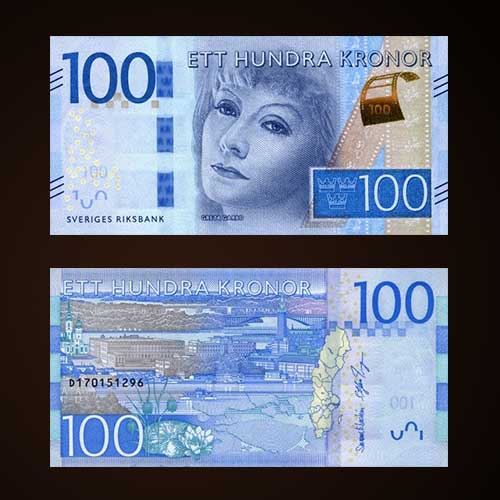
The official currency used in Sweden is the Swedish Krona (SEK). Although it is a member of the European Union, Sweden has chosen to keep its currency instead of adopting the Euro. Credit and debit cards are commonly accepted throughout the country, particularly in urban areas, where cash is not frequently used.
Nonetheless, carrying some Swedish Krona is advisable, especially when visiting smaller towns, rural regions, or local markets where cash may be favored. ATMs are readily available across Sweden, making it simple to withdraw local currency as needed. Keep an eye on fluctuating exchange rates, and verify the current rate before making any currency exchanges to ensure you receive the best value for your money.
Language Of Sweden
The primary language spoken in Sweden is Swedish, a North Germanic language that is closely related to both Danish and Norwegian. Swedish is the main language used throughout the country, and its musical intonation and distinctive vowel sounds lend it a unique charm.
For travelers who speak English, navigating Sweden is relatively straightforward, as English is widely understood, especially among younger individuals and in areas frequented by tourists. Communication in restaurants, shops, and public transport usually proceeds smoothly for those who speak English.
However, learning a few basic Swedish phrases can significantly enhance your travel experience and demonstrate respect for the local culture. Simple greetings such as “Hej” (Hello), “Tack” (Thank you), and “Ursäkta” (Excuse me) are easy to pick up and can greatly improve friendly interactions with residents.
Historic Sites On The Map Of Sweden
Sweden's rich history is reflected in a variety of well-preserved historic sites scattered throughout the country. Each site offers a glimpse into different aspects of Swedish culture, from medieval towns to Viking settlements.
1. Gamla Stan (Stockholm)
Stockholm's Old Town is a charming area filled with narrow cobblestone streets and medieval architecture. It is the heart of the city’s historical center and offers visitors the chance to explore centuries of Swedish history through its preserved buildings, such as the Royal Palace and Storkyrkan Cathedral. A stroll through Gamla Stan is like stepping back in time, providing a deep connection to the city’s past.
2. Drottningholm Palace
A UNESCO World Heritage Site located just outside Stockholm is the official residence of the Swedish royal family. The palace, with its grand architecture and beautifully landscaped gardens, offers insight into Sweden's royal heritage and is a remarkable example of European palace design from the 17th century. Visitors can explore the opulent interiors, as well as the surrounding park, which includes the historical Chinese Pavilion.
3. Birka And Hovgården
Located on the islands of Lake Mälaren, are Viking Age trading centers and UNESCO World Heritage Sites. These ancient settlements offer a fascinating glimpse into the life of the Vikings, their trade routes, and their influence on Scandinavian history. The well-preserved archaeological sites allow visitors to imagine the bustling trade hubs that existed over 1,000 years ago.
4. Visby (Gotland)
On the island of Gotland, the medieval town of Visby is another UNESCO World Heritage Site. Surrounded by a well-preserved medieval wall, Visby is a living museum that showcases medieval architecture and provides insights into the island's importance as a trading port in the Middle Ages. Its cobbled streets, ancient churches, and unique blend of history and charm make it a must-visit destination for history enthusiasts.
5. Ales Stenar
located in Skåne, is a megalithic monument dating back to the Iron Age. Often referred to as Sweden’s Stonehenge, this mysterious site consists of large stones arranged in a ship-like formation. The true purpose and origins of Ales Stenar remain a subject of debate, adding an air of intrigue to this ancient landmark. It offers an exceptional opportunity to connect with Sweden's prehistoric past while enjoying stunning views of the surrounding coastline.
6. The Göta Canal
A 180-kilometer historic waterway connecting Gothenburg on the west coast to Söderköping on the east coast is one of Sweden’s most scenic routes. Today, it is a popular spot for boat trips, offering serene views of lakes, forests, and picturesque towns along the way. The canal has played a vital role in Sweden’s history as a major trade and transport route.
7. The High Coast (Höga Kusten)
Another UNESCO World Heritage Site is renowned for its dramatic landscape, characterized by cliffs, forests, and rising land that continues to rise today due to post-glacial rebound. The area offers breathtaking views and is perfect for hiking, exploring Swedish nature, and discovering the country’s stunning coastal beauty.
9. Lapland
The Arctic region of Sweden, is known for its vast wilderness, the mesmerizing Northern Lights, and its rich Sami culture. Lapland offers unique experiences such as dog sledding, reindeer herding, and exploring frozen landscapes. It’s a place where nature and culture intertwine, creating an unforgettable experience for travelers seeking adventure and serenity.
10. The Icehotel
In the far north of Sweden, the Icehotel in Jukkasjärvi is a unique attraction. This hotel, built entirely from ice and snow, is reconstructed every winter and offers a one-of-a-kind experience. Guests can sleep in rooms made entirely of ice, surrounded by ice sculptures and art while enjoying the warmth of the hotel’s ice bar and restaurant.
11. Archipelagos
Sweden’s Archipelagos - particularly the Stockholm Archipelago - are stunning collections of islands dotting the coastline. With opportunities for sailing, kayaking, and island hopping, these archipelagos provide a serene escape into nature, where visitors can explore picturesque islands, enjoy fresh seafood, and soak in peaceful coastal landscapes.
From ancient Viking sites to modern cultural marvels, Sweden’s historic and natural landmarks offer a wide range of experiences that blend cultural immersion with outdoor adventure.
Digital Apps For Navigating In Sweden
Travelers may efficiently experience Sweden's towns, landscapes, and attractions with the use of digital apps, which are crucial for traversing the country. From the bustling streets of Stockholm to the isolated wilderness of Lapland, these applications offer up-to-date instructions, local knowledge, and practical insights that may enhance any trip.
Digital apps that offer features for public transit, outdoor activities, and sightseeing make it simpler to go around and take in Sweden's breathtaking scenery and extensive history. You may travel in Sweden with ease and enjoyment if you have the appropriate apps.
- Google Maps/Apple Maps:These are your standard, reliable navigation tools. They offer turn-by-turn directions for driving, walking, and public transport, along with real-time traffic updates and information on points of interest (restaurants, gas stations, etc.). They're excellent for navigating within cities and for general route planning between destinations. However, they rely on a data connection for full functionality.
- Maps.me:This is a crucial app for navigating areas with limited or no internet access. Maps.me allows you to download detailed maps of specific regions beforehand, enabling offline navigation. This is particularly useful when exploring rural areas, hiking in national parks, or traveling in northern Sweden where data coverage can be spotty. It offers turn-by-turn directions even offline, making it a reliable backup.
- Resrobot:This app is specifically designed for navigating Sweden's public transport system. It provides comprehensive information on schedules, routes, and fares for trains (operated by SJ and other companies), buses (both regional and local), trams, and metros. Resrobot covers a wide network across the country, making it invaluable for planning journeys using public transportation, especially within cities like Stockholm, Gothenburg, and Malmö.
- Komoot/AllTrails:These apps are geared towards hikers, cyclists, and other outdoor enthusiasts. They offer detailed topographic maps, trail information (including length, difficulty, and elevation gain), user reviews, and photos. These apps are essential for planning and navigating hiking routes in Sweden's national parks and other natural areas. They can also track your progress and provide offline map access in some cases.
By strategically using a combination of these apps - Google/Apple Maps for general navigation, Maps.me for offline access, Resrobot for public transport, and Komoot/AllTrails for outdoor activities - you can ensure smooth and efficient navigation throughout your Swedish adventure, regardless of your chosen mode of transport or destination.
FAQs About Map Of Sweden
What Is The Best Way To Use A Map To Plan A Road Trip In Sweden?
Use a combination of online route planners and physical road maps. Online tools help determine efficient routes and estimate travel times. Physical maps provide a broader overview and are useful in areas with limited internet access.
How Can I Find Hiking Trails On A Map Of Sweden?
Topographic maps are essential for finding hiking trails. They show elevation changes and terrain details, helping you choose appropriate trails based on your skill level. Online map services and dedicated hiking apps also provide trail information.
How Can I Use A Map To Learn About Sweden's Cultural Heritage?
Cultural maps highlight historical sites, museums, and cultural events. These maps can help you plan visits to places of cultural significance and learn more about Sweden's history and traditions.
What Are Some Good Apps For Navigating In Sweden?
Google Maps and Apple Maps are widely used and offer reliable navigation. Offline map apps like Maps.me are useful in areas with limited internet access. Public transportation apps like Resrobot can help navigate within cities and regions.
What Is The Best Type Of Map For Understanding Sweden's Administrative Divisions?
Political or administrative maps are ideal for understanding Sweden's administrative divisions. These maps show the boundaries of counties (län) and municipalities (kommuner).
Conclusion
Sweden’s allure lies in its blend of modern sophistication and untamed natural beauty. From the bustling streets of Stockholm to the serene landscapes of Lapland, this Scandinavian nation offers a wealth of experiences waiting to be discovered.
A map, whether digital or physical, is more than just a navigational tool; it’s a key to unlocking the heart of Sweden. It allows you to trace ancient Viking routes, plan scenic drives along the coast, or pinpoint the perfect spot to witness the magic of the Northern Lights.
By understanding the different types of maps available and utilizing them effectively, you can transform your Swedish adventure from a simple trip into a truly immersive exploration.
Jump to
Quick Facts About Sweden
Geography Of Sweden
Capital Of Sweden - Stockholm
Why Visit Stockholm?
Regions Of Sweden
Population Of Sweden
Types Of Sweden Maps
Map Of Sweden's Cities
Traveling With The Map Of Sweden
Dialing Code Of Sweden
Currency Of Sweden
Language Of Sweden
Historic Sites On The Map Of Sweden
Digital Apps For Navigating In Sweden
FAQs About Map Of Sweden
Conclusion

Michael Rachal
Author
Michael Rachal believes that luxury lies in the details. With over 20 years of experience in the luxury travel industry, he has crafted hundreds of bespoke itineraries for clients seeking personalized, unforgettable experiences.
Whether guiding clients through private cultural tours or curating culinary journeys with world-renowned chefs, Michael ensures that each trip is tailored to perfection.
His ability to anticipate needs and exceed expectations has earned him a reputation as a leading expert in luxury travel.

Finn Wilde
Reviewer
For Finn Wilde, the wilderness is more than just a destination - it’s a way of life. Over the past decade, he has led multiple expeditions in some of the world’s most remote regions, from the icy fjords of Greenland to the rugged trails of Patagonia.
Finn emphasizes sustainability in all of his adventures, helping participants connect with nature while promoting responsible exploration. His expeditions inspire individuals to explore the great outdoors while fostering a deep respect for the environment.
Latest Articles
Popular Articles