Life In Ancient China Through 100 Idioms
Chinese idioms offer profound insights into the societal, cultural, and economic dynamics of historical China. By examining idiomatic wisdom from ancient to modern times, we gain a deeper understanding of China’s enduring values and their relevance today.
Author:Liam JonesReviewer:Maya ReyesJan 23, 202525.5K Shares797.9K Views
Ancient China (Pre-Qin, Before 221 BCE)
- 民以食为天 (mín yǐ shí wéi tiān) - "People regard food as heaven"
- 君子不立危墙之下 (jūn zǐ bù lì wēi qiáng zhī xià) - "A gentleman doesn't stand beneath a dangerous wall"
- 授人以鱼不如授人以渔 (shòu rén yǐ yú bù rú shòu rén yǐ yǔ) - "Better to teach fishing than to give fish"
- 鱼米之乡 (yú mǐ zhī xiāng) - "Land of fish and rice"
- 望梅止渴 (wàng méi zhǐ kě) - "Quench thirst by thinking of plums"
- 安居乐业 (ān jū lè yè) - "Live in peace and work happily"
- 男耕女织 (nán gēng nǚ zhī) - "Men farm, women weave"
- 日出而作,日落而息 (rì chū ér zuò, rì luò ér xī) - "Work at sunrise, rest at sunset"
- 积谷防饥 (jī gǔ fáng jī) - "Store grain to prepare for famine"
- 一家之言 (yī jiā zhī yán) - "Words from one household"
- 百里挑一 (bǎi lǐ tiāo yī) - "Chosen from a hundred li"
- 独木不成林 (dú mù bù chéng lín) - "A single tree doesn't make a forest"
- 入乡随俗 (rù xiāng suí sú) - "Follow local customs when entering a village"
- 四体不勤,五谷不分 (sì tǐ bù qín, wǔ gǔ bù fēn) - "Lazy limbs, ignorant of grain types"
- 饥不择食 (jī bù zé shí) - "When hungry, don't be picky about food"
Imperial China Early Period (Qin To Han, 221 BCE-220 CE)
- 秦晋之好 (qín jìn zhī hǎo) - "Alliance between Qin and Jin"
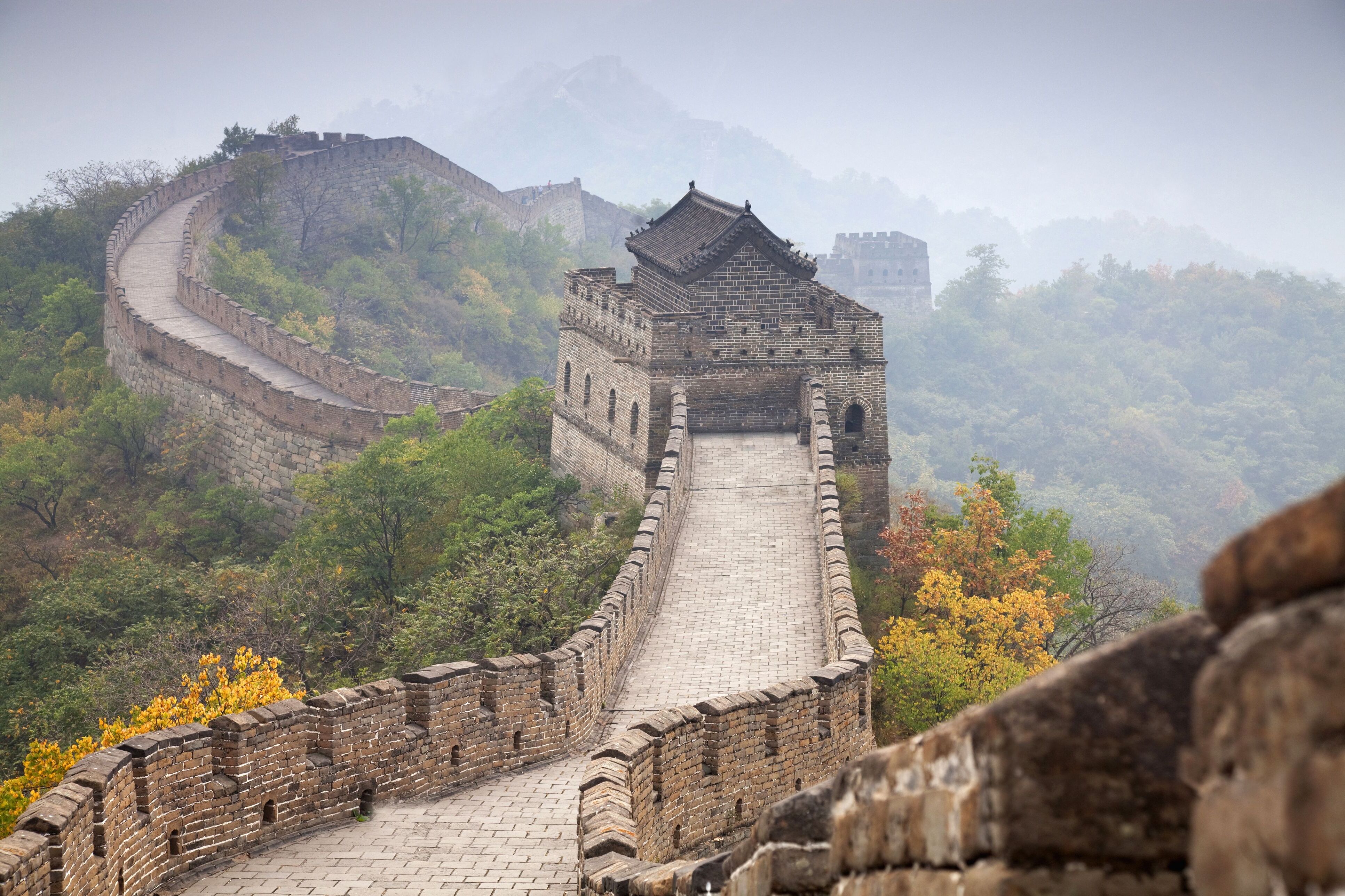
- 万里长城 (wàn lǐ cháng chéng) - "The Great Wall of 10,000 li"
- 囊萤映雪 (náng yíng yìng xuě) - "Studying by the light of captured fireflies and reflected snow"
- 悬梁刺股 (xuán liáng cì gǔ) - "Hang from a beam and stab thigh"
- 朝三暮四 (zhāo sān mù sì) - "Three in morning, four in evening"
- 狐假虎威 (hú jiǎ hǔ wēi) - "Fox borrowing tiger's power"
- 杀鸡儆猴 (shā jī jǐng hóu) - "Kill the chicken to scare the monkey"
- 胆大包天 (dǎn dà bāo tiān) - "Boldness encompassing heaven"
- 精忠报国 (jīng zhōng bào guó) - "Serve country with utmost loyalty"
- 举案齐眉 (jǔ àn qí méi) - "Raising the tray to eyebrow level"
- 望子成龙 (wàng zǐ chéng lóng) - "Hope son becomes a dragon"
- 五谷丰登 (wǔ gǔ fēng dēng) - "Bumper harvest of all crops"
- 衣冠楚楚 (yī guān chǔ chǔ) - "Neat and tidy clothes and hat"
- 一字千金 (yī zì qiān jīn) - "One word worth a thousand gold"
- 按图索骥 (àn tú suǒ jì) - "Searching for a steed with a drawing"
Period Of Disunity (Three Kingdoms, Jin, Southern And Northern Dynasties, 220-589 CE)
- 风声鹤唳 (fēng shēng hè lì) - "Sound of wind and crane calls"
- 草木皆兵 (cǎo mù jiē bīng) - "Every grass and tree looks like soldiers"
- 十室九空 (shí shì jiǔ kōng) - "Nine out of ten houses empty"
- 鸡犬不宁 (jī quǎn bù níng) - "Even chickens and dogs aren't at peace"
- 易子而食 (yì zǐ ér shí) - "Exchange children to eat them"
- 东山再起 (dōng shān zài qǐ) - "Rise again from the Eastern Mountain"
- 五湖四海 (wǔ hú sì hǎi) - "Five lakes and four seas"
- 英雄末路 (yīng xióng mò lù) - "Hero at the end of the road"
- 逃之夭夭 (táo zhī yāo yāo) - "Flee in a hurry"
- 乱世英雄 (luàn shì yīng xióng) - "Heroes in chaotic times"
- 避世隐居 (bì shì yǐn jū) - "Avoid the world and live in seclusion"
- 桃园结义 (táo yuán jié yì) - "Oath of the Peach Garden"
- 明哲保身 (míng zhé bǎo shēn) - "The wise protect themselves"
- 七擒七纵 (qī qín qī zòng) - "Capture and release seven times"
- 兵不厌诈 (bīng bù yàn zhà) - "In war, deception is not frowned upon"
Golden Age (Sui, Tang, Song, 589-1279 CE)
- 开门七件事 (kāi mén qī jiàn shì) - "Seven necessities upon opening the door"
- 琴棋书画 (qín qí shū huà) - "Zither, chess, calligraphy, painting"
- 朝霞有雨,晚霞晴 (zhāo xiá yǒu yǔ, wǎn xiá qíng) - "Morning glow brings rain, evening glow fair weather"
- 一诺千金 (yī nuò qiān jīn) - "A promise worth a thousand gold"
- 纸上谈兵 (zhǐ shàng tán bīng) - "Discussing warfare on paper"
- 茶余饭后 (chá yú fàn hòu) - "After tea and meals"
- 花前月下 (huā qián yuè xià) - "Before flowers, under the moon"
- 锦衣玉食 (jǐn yī yù shí) - "Brocade clothes and jade food"
- 巧妇难为无米之炊 (qiǎo fù nán wéi wú mǐ zhī chuī) - "Even a skilled housewife can't cook without rice"
- 举案齐眉 (jǔ àn qí méi) - "Raising the tray to eyebrow level"
- 吴牛喘月 (wú niú chuǎn yuè) - "Water buffalo panting at the moon"
- 十年寒窗 (shí nián hán chuāng) - "Ten years by a cold window"
- 满城风雨 (mǎn chéng fēng yǔ) - "Wind and rain throughout the city"
- 四海为家 (sì hǎi wéi jiā) - "The four seas are home"
- 开门揖盗 (kāi mén yī dào) - "Open the door to greet the thief"
Yuan And Ming Dynasties (1279-1644 CE)
- 官逼民反 (guān bī mín fǎn) - "Official oppression leads to popular revolt"
- 杯弓蛇影 (bēi gōng shé yǐng) - "Bow in cup casts snake shadow"
- 上有政策,下有对策 (shàng yǒu zhèng cè, xià yǒu duì cè) - "The top has policies, the bottom has countermeasures"
- 防民之口,甚于防川 (fáng mín zhī kǒu, shèn yú fáng chuān) - "Guarding against people's speech is harder than guarding against floods"
- 小人得志 (xiǎo rén dé zhì) - "Petty person achieves ambition"
- 指鹿为马 (zhǐ lù wéi mǎ) - "Calling a deer a horse"
- 天高皇帝远 (tiān gāo huáng dì yuǎn) - "Heaven is high and the emperor is far away"
- 三姑六婆 (sān gū liù pó) - "Three aunts and six grannies"
- 铤而走险 (tǐng ér zǒu xiǎn) - "Resort to dangerous means"
- 明修栈道,暗度陈仓 (míng xiū zhàn dào, àn dù chén cāng) - "Repair roads openly, march secretly"
- 家丑不可外扬 (jiā chǒu bù kě wài yáng) - "Family shame must not be spread outside"
- 画龙点睛 (huà lóng diǎn jīng) - "Dot the dragon's eyes"
- 江湖救急 (jiāng hú jiù jí) - "Rivers and lakes help in emergency"
- 宁为玉碎,不为瓦全 (níng kě yù suì, bù wéi wǎ quán) - "Better to be shattered jade than intact tile"
- 寥寥无几 (liáo liáo wú jǐ) - "Few and far between"
Qing Dynasty (1644-1912 CE)
- 天下兴亡,匹夫有责 (tiān xià xīng wáng, pǐ fū yǒu zé) - "Common man shares responsibility for nation's fate"
- 学而优则仕 (xué ér yōu zé shì) - "Excel in study, become an official"
- 官官相护 (guān guān xiāng hù) - "Officials protect each other"
- 冰冻三尺,非一日之寒 (bīng dòng sān chǐ, fēi yī rì zhī hán) - "Three feet of ice forms not in a day"
- 洋务运动 (yáng wù yùn dòng) - "Foreign affairs movement"
- 崇洋媚外 (chóng yáng mèi wài) - "Worship foreign and fawn on outsiders"
- 三姑六婆 (sān gū liù pó) - "Three aunts and six grannies"
- 秀才遇到兵,有理说不清 (xiù cái yù dào bīng, yǒu lǐ shuō bù qīng) - "Scholar meets soldier, can't explain his case"
- 卧薪尝胆 (wò xīn cháng dǎn) - "Sleep on firewood, taste gall"
- 多一事不如少一事 (duō yī shì bù rú shǎo yī shì) - "Better to have one less task than one more"
- 宁可信其有,不可信其无 (níng kě xìn qí yǒu, bù kě xìn qí wú) - "Better to believe it exists than not"
- 树倒猢狲散 (shù dǎo hú sūn sàn) - "When tree falls, monkeys scatter"
- 一盘散沙 (yī pán sǎn shā) - "A plate of loose sand"
- 顾此失彼 (gù cǐ shī bǐ) - "Attend to this, lose that"
- 千军易得,一将难求 (qiān jūn yì dé, yī jiàng nán qiú) - "Thousand soldiers easy to get, one general hard to find"
Modern China (1912-present)
- 破釜沉舟 (pò fǔ chén zhōu) - "Break the cauldrons and sink the boats"
- 同舟共济 (tóng zhōu gòng jì) - "Cross the river in the same boat"
- 好汉不提当年勇 (hǎo hàn bù tí dāng nián yǒng) - "Good men don't mention past bravery"
- 人山人海 (rén shān rén hǎi) - "Mountains and seas of people"
- 出头鸟 (chū tóu niǎo) - "Bird that sticks its head out"
- 吃大锅饭 (chī dà guō fàn) - "Eat from big pot"
- 上有老,下有小 (shàng yǒu lǎo, xià yǒu xiǎo) - "Elderly above, young below"
- 与时俱进 (yǔ shí jù jìn) - "Advance with the times"
- 改革开放 (gǎi gé kāi fàng) - "Reform and opening up"
- 厚积薄发 (hòu jī bó fā) - "Accumulated thickness, thin emission"
Conclusions
Chinese idioms reveal historical patterns:
- Subsistence concerns dominated early periods, with food security as the central preoccupation
- Political instability created cycles of prosperity and devastation
- Social hierarchy remained rigid while offering limited mobility paths
- Family structure served as a social safety net and primary loyalty
- Knowledge transmission relied on intensive memorization and practical apprenticeship
- Moral flexibility developed in response to frequent regime changes
- Geographic mobility increased gradually over centuries
- Urban-rural divides widened with each dynasty
- Foreign influences triggered identity crises and adaptation
- Collective welfare competed with individual ambition throughout
These sayings demonstrate that while technological and political systems changed dramatically, core human concerns about security, status, family, and meaning remained remarkably consistent across Chinese history.
Jump to
Ancient China (Pre-Qin, Before 221 BCE)
Imperial China Early Period (Qin To Han, 221 BCE-220 CE)
Period Of Disunity (Three Kingdoms, Jin, Southern And Northern Dynasties, 220-589 CE)
Golden Age (Sui, Tang, Song, 589-1279 CE)
Yuan And Ming Dynasties (1279-1644 CE)
Qing Dynasty (1644-1912 CE)
Modern China (1912-present)
Conclusions

Liam Jones
Author
Liam Jones has made it his mission to prove that adventure doesn’t need a hefty budget. Having traveled to over 40 countries, he specializes in finding affordable ways to experience the world, from the best street food in Bangkok to hidden gems in Lisbon.
Liam’s travel tips have reached thousands of readers, empowering them to see the world on a shoestring budget without sacrificing quality. With a deep passion for local cultures, he continues to share his travel hacks, ensuring adventure remains accessible to all.

Maya Reyes
Reviewer
Maya Reyes’s wanderlust was sparked in the temples of Luang Prabang, where the scent of lemongrass and the chants of monks revealed the transformative power of travel.
Since then, her journey has been defined by cultural immersion and authentic connections. From learning batik in Indonesia to sharing meals with nomadic families in Mongolia, Maya seeks experiences that highlight the human stories behind each destination.
Travel for her is a way to weave her narrative into the world’s cultural tapestry, creating bridges across diverse ways of life. Maya has traveled to 15 countries and shares her insights through writing and storytelling.
Latest Articles
Popular Articles